National park · Greater Blue Mountains, New South Wales · Australia
Blue Mountains Wildlife Checklist

Blue Mountains National Park, about 80 km west of Sydney in New South Wales, protects sandstone cliffs, deep canyons and eucalypt forest at the heart of the Greater Blue Mountains World Heritage Area. It is known for superb lyrebirds, wild kangaroos at Euroka and black cockatoos over the valleys. This checklist covers 123 animals. Spring and autumn are best.
Tick off all 123 animals in the Blue Mountains on your phone, even offline. Launching soon. Free A4 PDF, no sign-up.
The park runs along both sides of the Great Western Highway and railway, so towns such as Katoomba, Leura, Wentworth Falls and Blackheath sit right on the cliff edge, with lookouts and tracks leading straight into the bush. Glenbrook, at the eastern foot of the mountains, has the open, grassy country where kangaroos graze.
- Animals to find
- 123
- Where
- Australia
- Best time
- Sept to Nov
- World Heritage
- Since 2000
Popular animals in the Blue Mountains
-
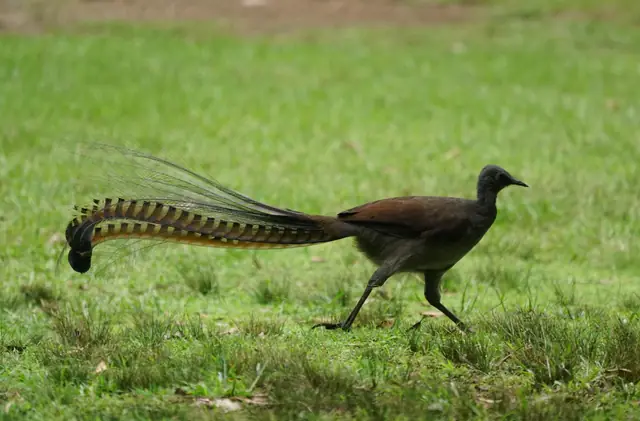
Superb Lyrebird
Menura novaehollandiae
Scratches for food on the floor of damp gullies such as the Grand Canyon track. In winter, males sing long songs full of other birds' calls and fan their lacy tails.
-
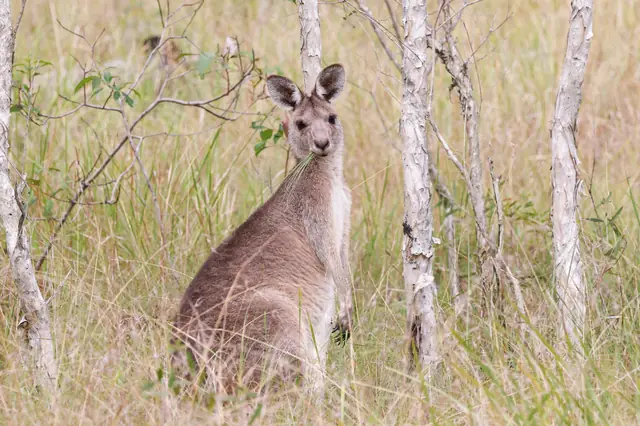
Eastern Grey Kangaroo
Macropus giganteus
Mobs graze Euroka clearing near Glenbrook at dawn and dusk, one of the easiest places near Sydney to see wild kangaroos. Never feed them.
-
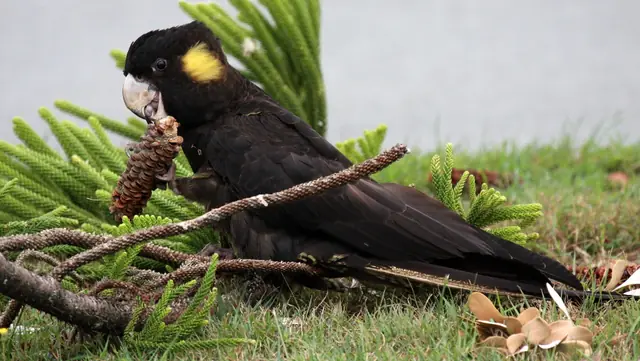
Yellow-tailed Black Cockatoo
Zanda funerea
Big black cockatoos with yellow tail panels, flying slowly over the valleys with long wailing calls.
-
Wombat
Comes out at dusk to graze grassy clearings and roadsides. Drive slowly after dark.
-
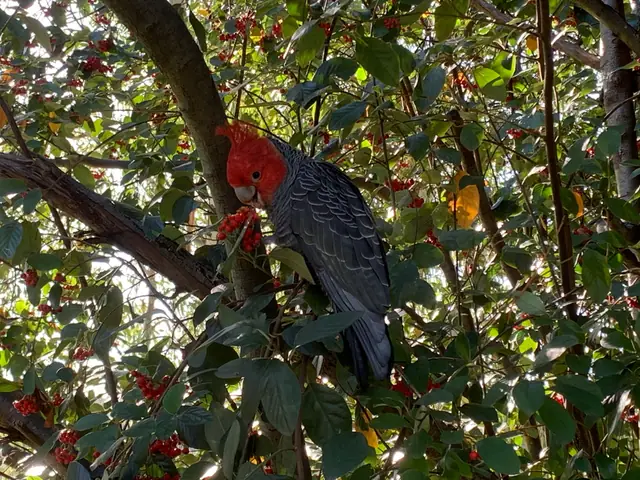
Gang-gang Cockatoo
Callocephalon fimbriatum
Grey cockatoos, the males with a scarlet head, in tall forest, more often in winter. Listen for a call like a creaky gate.
-
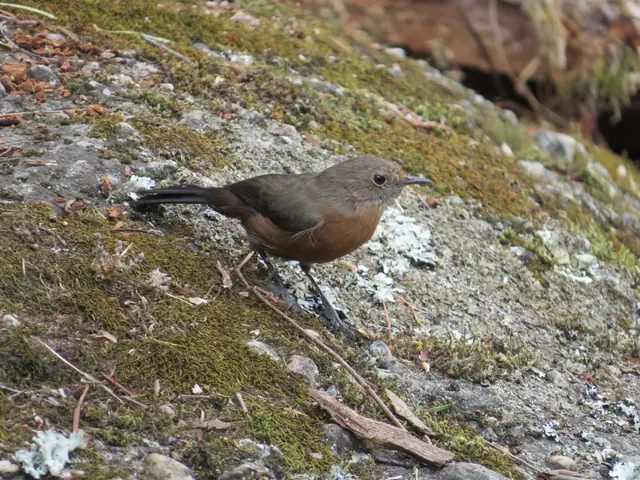
Rockwarbler
Origma solitaria
A small brown bird found only in the sandstone of New South Wales. It hops among rocks and overhangs near cliff-top tracks.
-
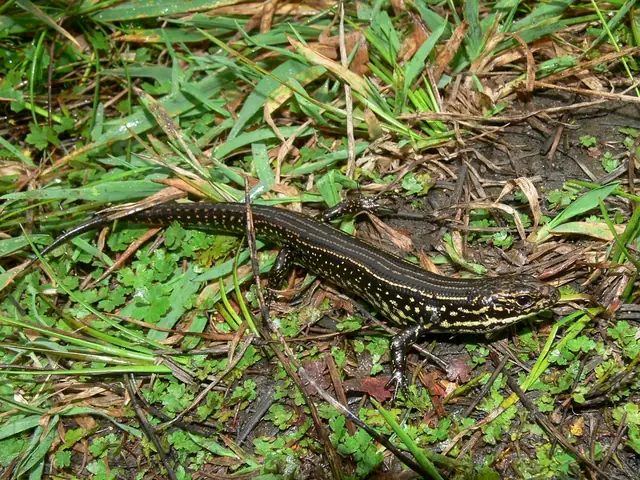
Blue Mountains Water Skink
Eulamprus leuraensis
An endangered lizard found only in the hanging swamps of the upper mountains. Keep to boardwalks and tracks to protect its habitat.
-
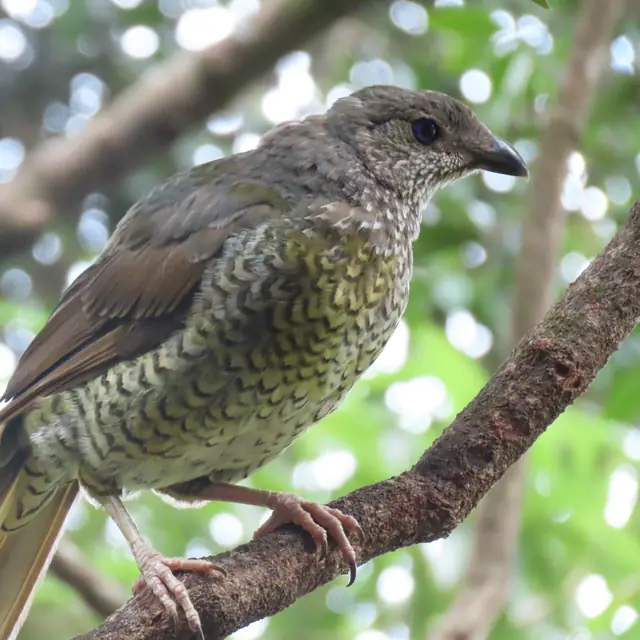
Satin Bowerbird
Ptilonorhynchus violaceus
Glossy blue-black males decorate their bowers on the forest floor with blue objects. Look, but leave the bower alone.
-
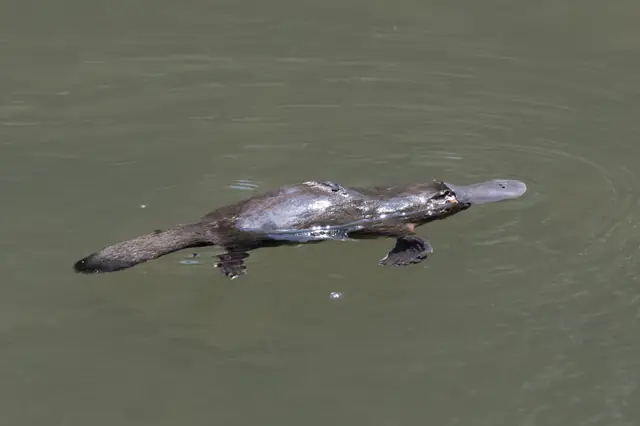
Platypus
Ornithorhynchus anatinus
Lives in quiet creeks and pools of the valleys. Sit still on the bank at dawn or dusk and watch for rings on the water.
All 123 animals in the Blue Mountains
Lyrebirds, cockatoos and parrots 10
-
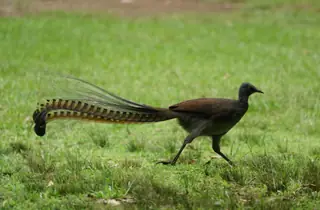 Superb Lyrebird
-
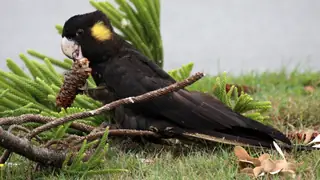 Yellow-tailed Black Cockatoo
-
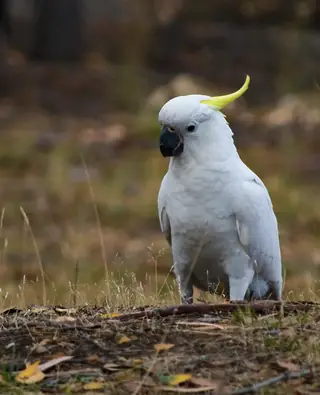 Sulphur-crested Cockatoo
-
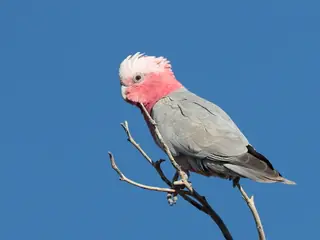 Galah
-
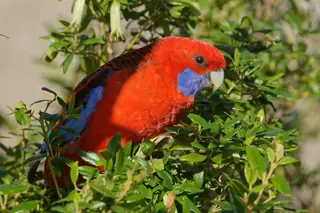 Crimson Rosella
-
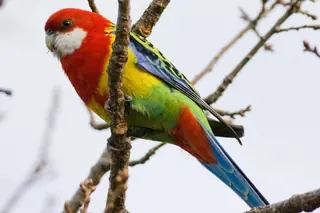 Eastern Rosella
-
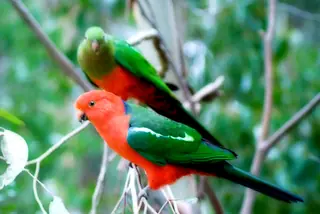 Australian King Parrot
-
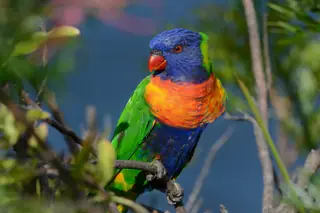 Rainbow Lorikeet
-
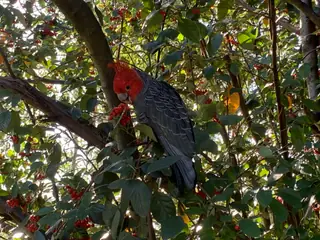 Gang-gang Cockatoo
-
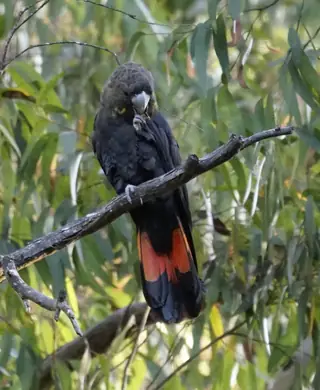 Glossy Black Cockatoo
Kangaroos, wombats and other mammals 22
-
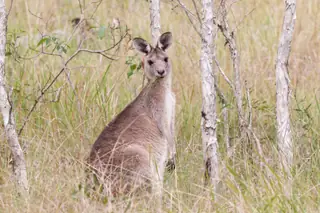 Eastern Grey Kangaroo
-
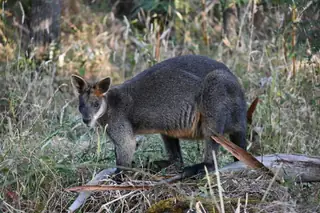 Swamp Wallaby
-
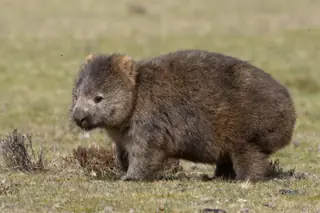 Common Wombat
-
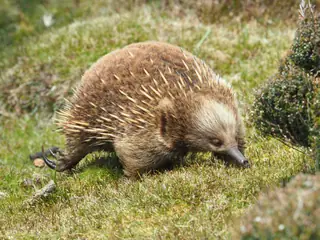 Short-beaked Echidna
-
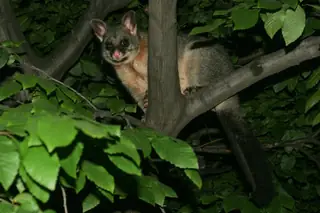 Common Brushtail Possum
-
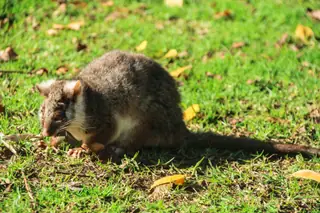 Common Ringtail Possum
-
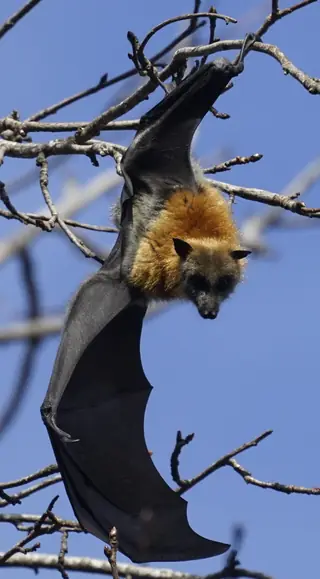 Grey-headed Flying Fox
-
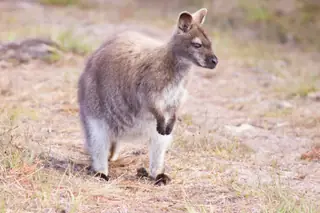 Bennett's Wallaby
-
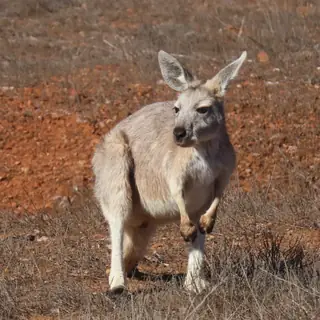 Common Wallaroo
-
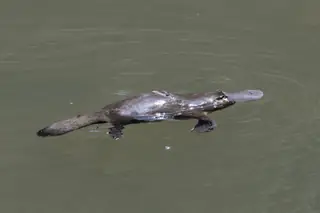 Platypus
-
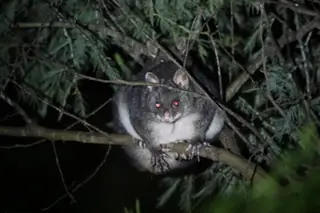 Mountain Brush-tailed Possum
-
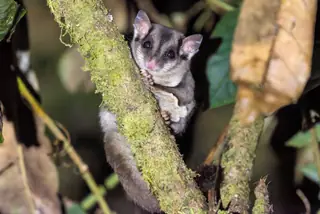 Sugar Glider
-
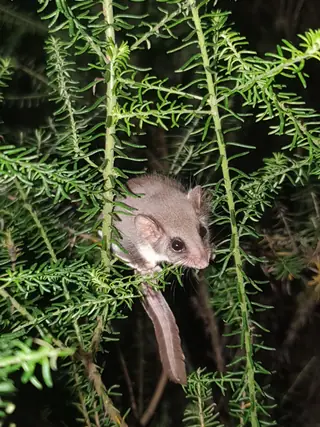 Feathertail Glider
-
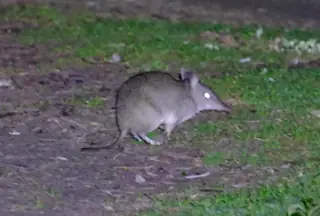 Long-nosed Bandicoot
-
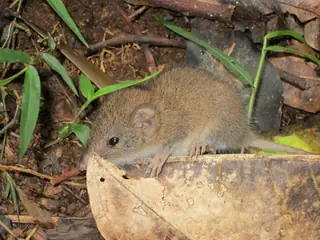 Brown Antechinus
-
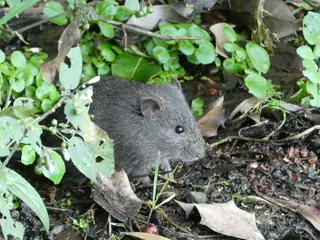 Australian Swamp RatRare
-
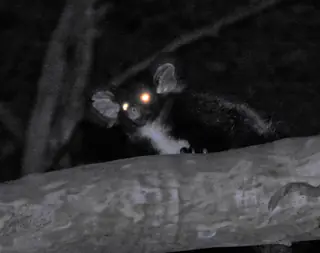 Greater GliderRare
-
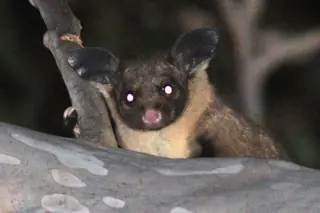 Yellow-bellied GliderRare
-
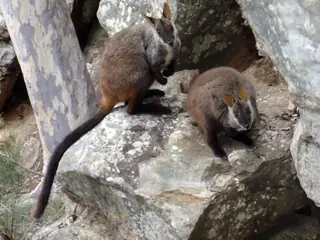 Brush-tailed Rock WallabyRare
-
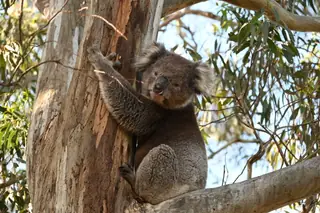 KoalaRare
-
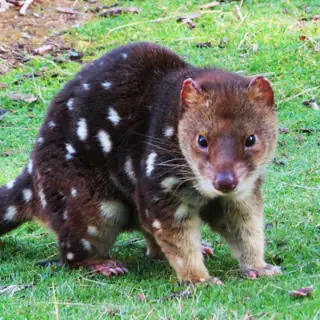 Spotted-tailed QuollRare
- Large-eared Pied BatRare
Birds of prey and owls 8
-
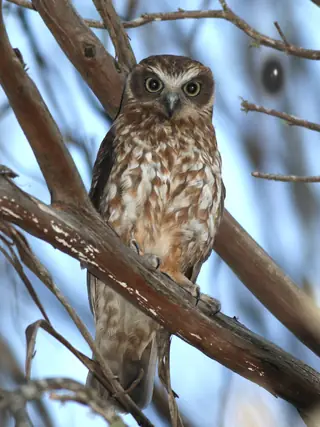 Southern Boobook
-
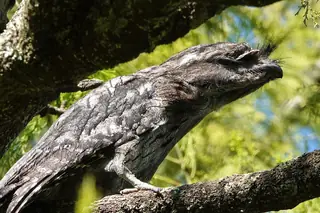 Tawny Frogmouth
-
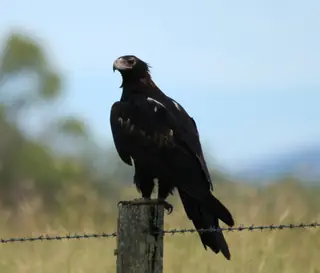 Wedge-tailed Eagle
-
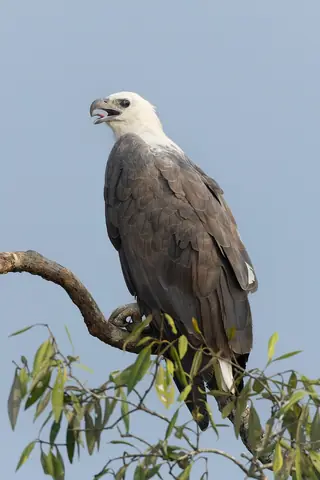 White-bellied Sea Eagle
-
 Peregrine Falcon
-
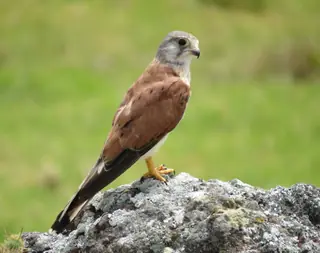 Nankeen Kestrel
-
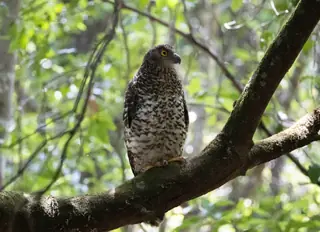 Powerful Owl
-
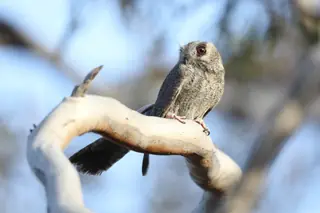 Australian Owlet-nightjar
Honeyeaters and heath birds 18
-
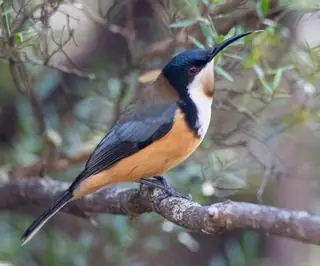 Eastern Spinebill
-
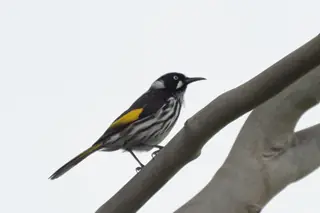 New Holland Honeyeater
-
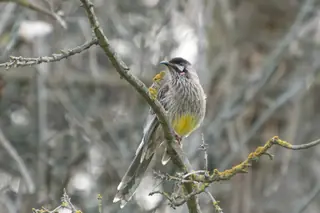 Red Wattlebird
-
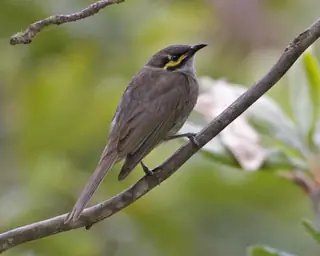 Yellow-faced Honeyeater
-
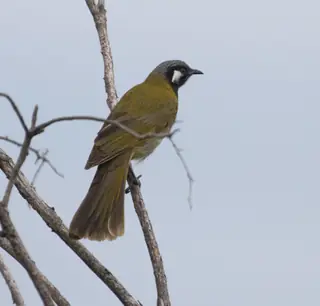 White-eared Honeyeater
-
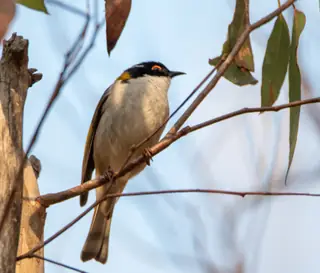 White-naped Honeyeater
-
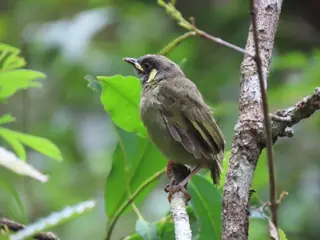 Lewin's Honeyeater
-
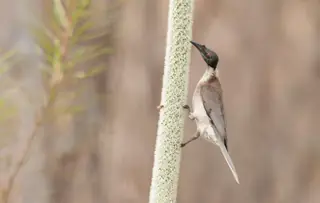 Noisy Friarbird
-
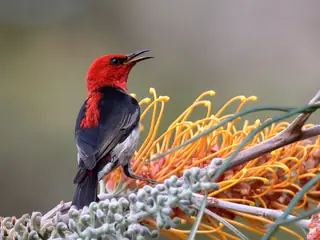 Scarlet Myzomela
-
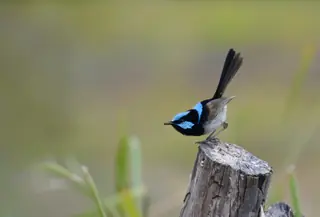 Superb Fairywren
-
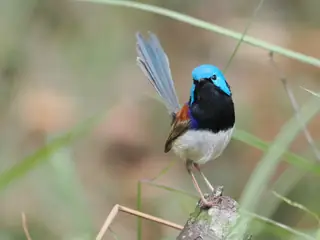 Variegated Fairywren
-
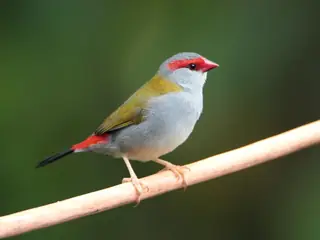 Red-browed Finch
-
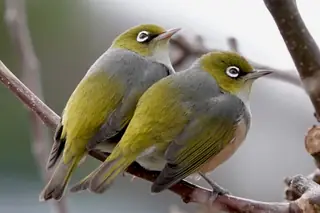 Silvereye
-
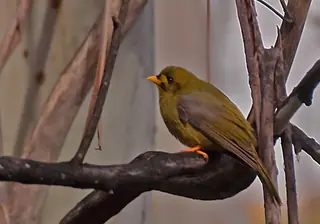 Bell Miner
-
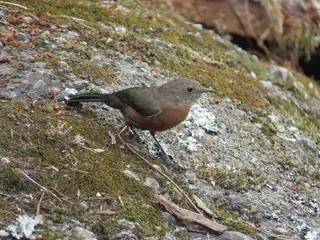 Rockwarbler
-
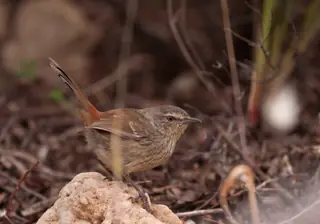 Chestnut-rumped Heathwren
-
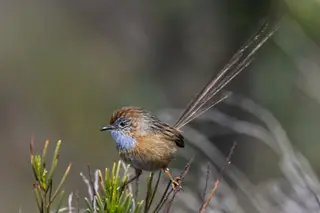 Southern Emu-wren
-
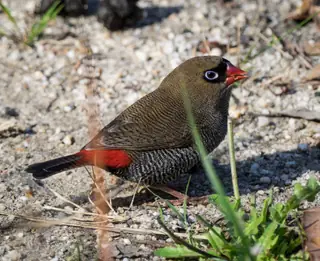 Beautiful Firetail
Forest birds 32
-
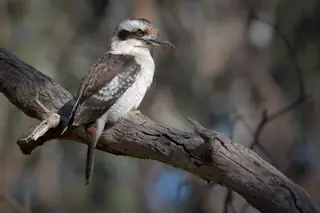 Kookaburra
-
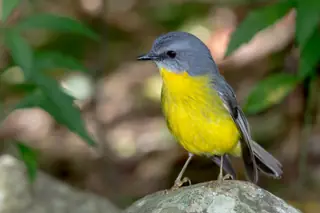 Eastern Yellow Robin
-
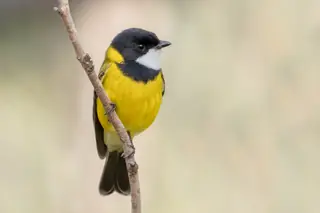 Australian Golden Whistler
-
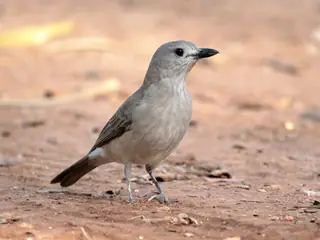 Grey Shrike-thrush
-
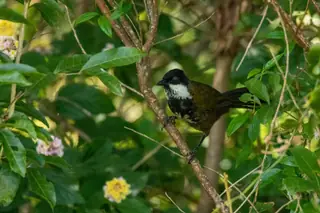 Eastern Whipbird
-
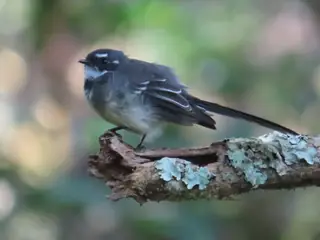 Grey Fantail
-
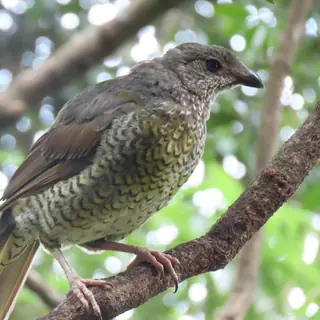 Satin Bowerbird
-
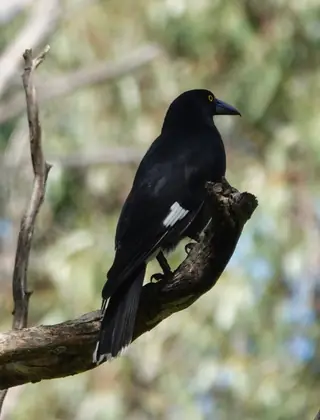 Pied Currawong
-
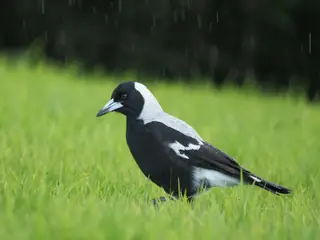 Australian Magpie
-
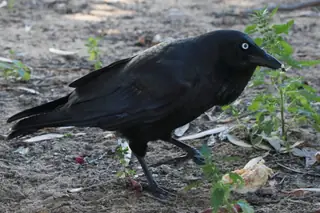 Australian Raven
-
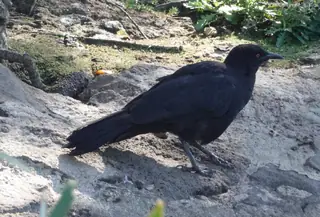 White-winged Chough
-
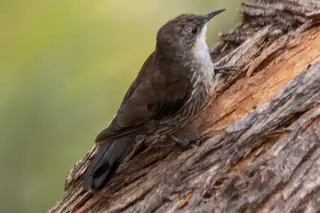 White-throated Treecreeper
-
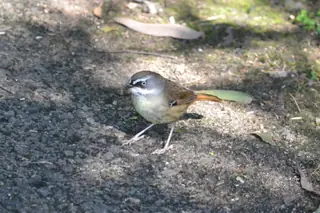 White-browed Scrubwren
-
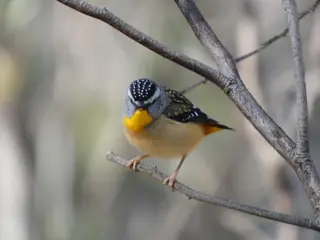 Spotted Pardalote
-
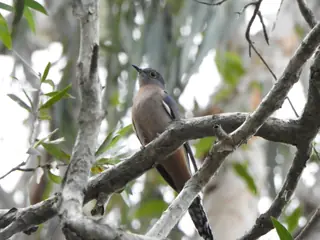 Fan-tailed Cuckoo
-
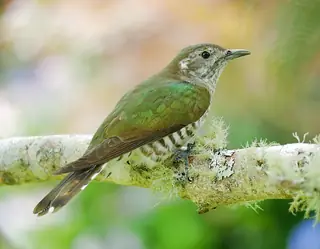 Shining Bronze Cuckoo
-
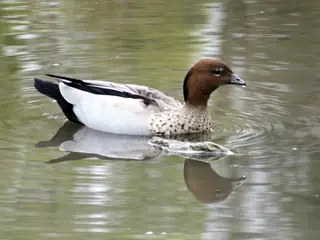 Maned Duck
-
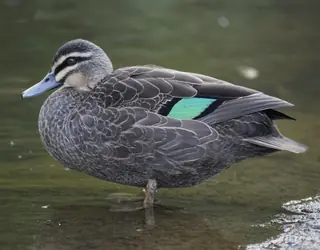 Pacific Black Duck
-
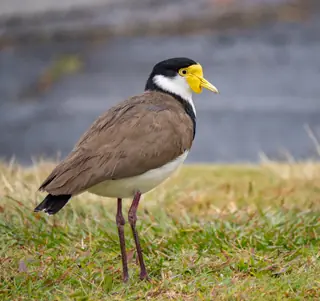 Masked Lapwing
-
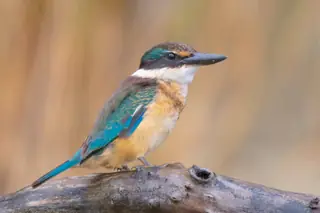 Sacred Kingfisher
-
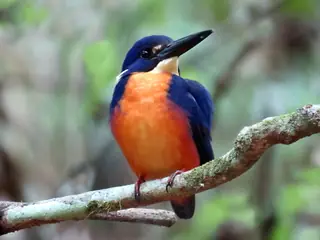 Azure Kingfisher
-
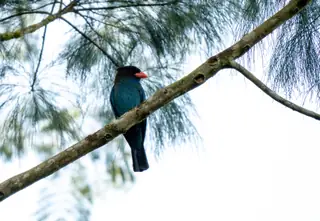 Oriental Dollarbird
-
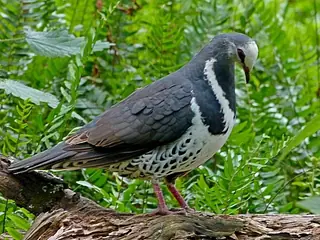 Wonga Pigeon
-
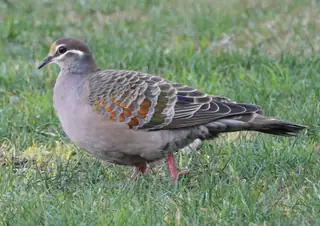 Common Bronzewing
-
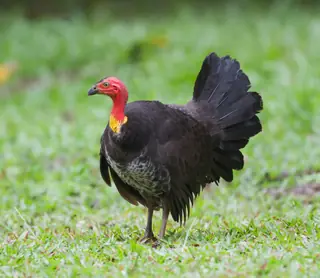 Australian Brushturkey
-
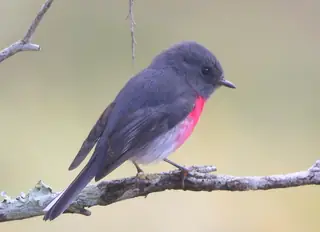 Rose Robin
-
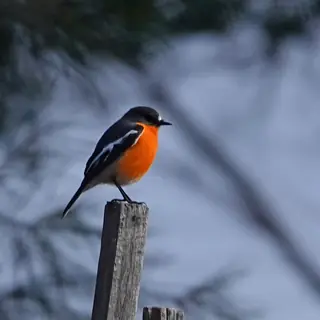 Flame Robin
-
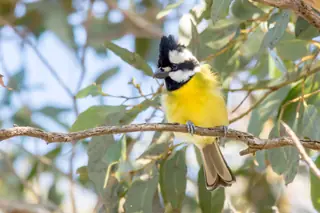 Crested Shrike-tit
-
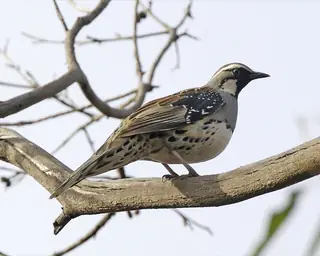 Spotted Quail-thrush
-
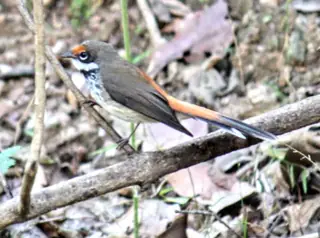 Rufous Fantail
-
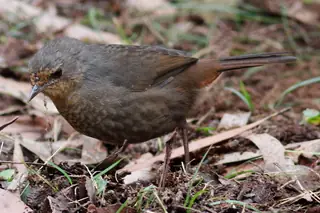 Pilotbird
-
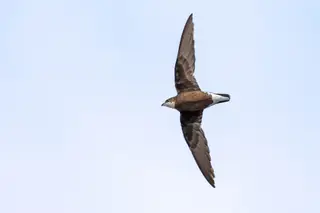 White-throated Needletail
Reptiles 22
-
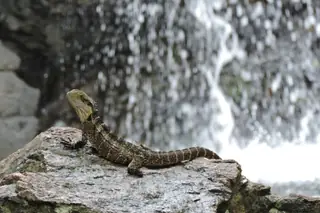 Eastern Water Dragon
-
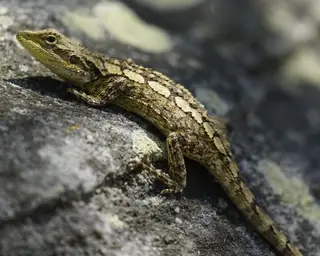 Jacky Lizard
-
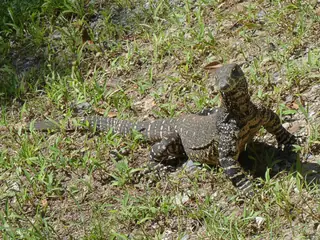 Lace Monitor
-
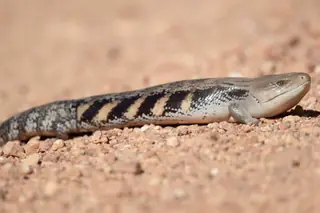 Common Blue-tongued Lizard
-
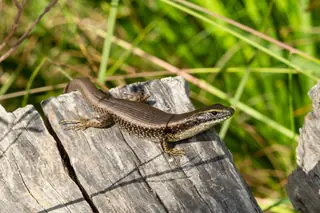 Eastern Water-skink
-
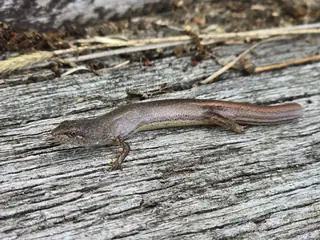 Weasel Shadeskink
-
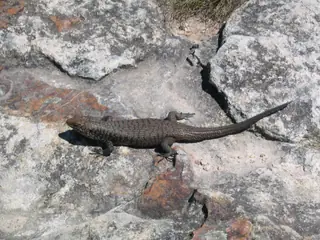 Cunningham's Spiny-tailed Skink
-
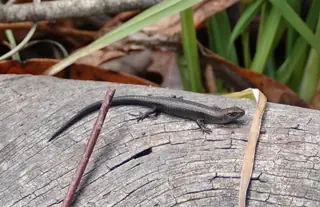 Pale-flecked Garden Sunskink
-
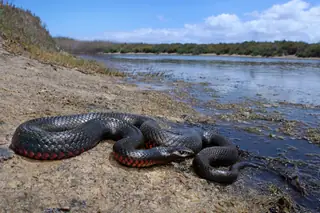 Red-bellied Black Snake
-
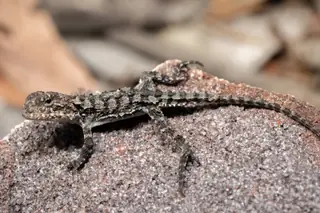 Mountain Heath Dragon
-
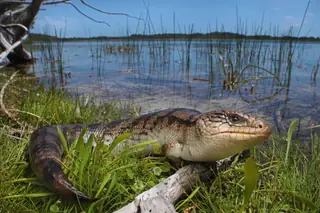 Blotched Blue-tongued Lizard
-
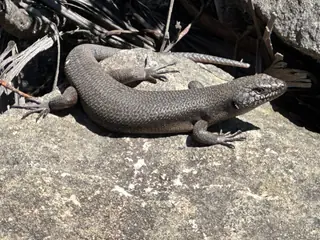 Black Crevice-skink
-
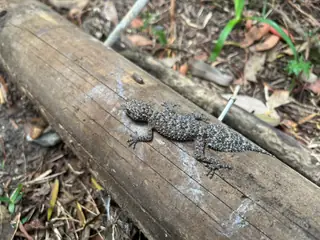 Broad-tailed Gecko
-
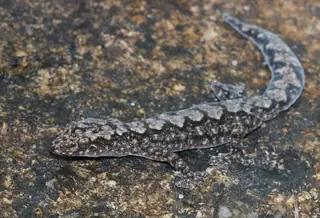 Lesueur's Velvet Gecko
-
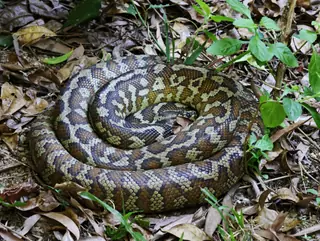 Carpet Python
-
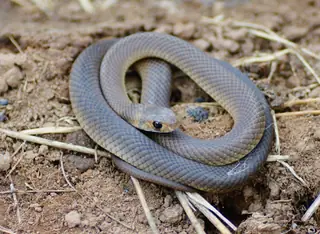 Eastern Brown Snake
-
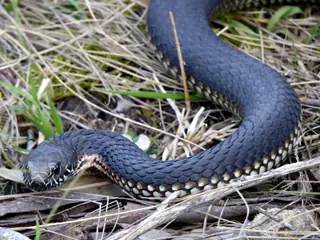 Highlands Copperhead
-
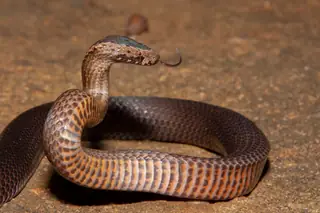 Golden Crowned Snake
-
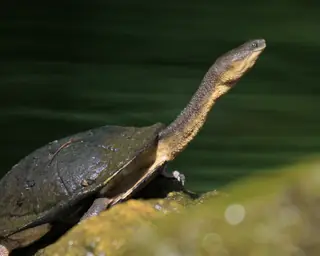 Common Snake-necked Turtle
-
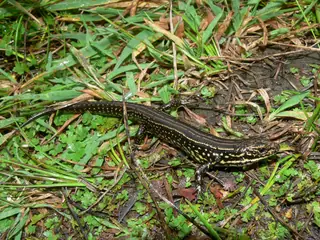 Blue Mountains Water SkinkRare
-
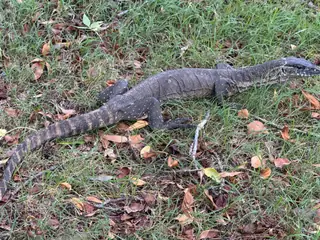 Heath MonitorRare
-
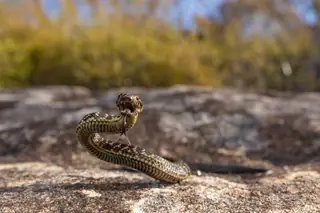 Broad-headed SnakeRare
Frogs 11
-
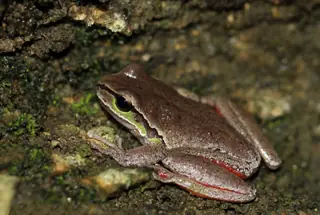 Blue Mountains Tree Frog
-
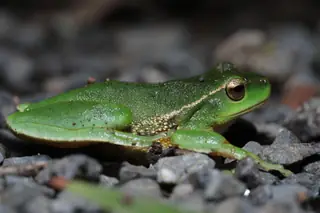 Leaf-green Tree Frog
-
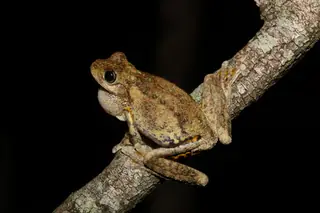 Peron's Tree Frog
-
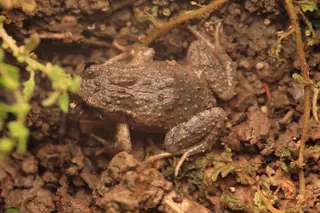 Common Froglet
-
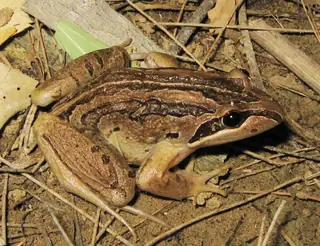 Striped Marsh Frog
-
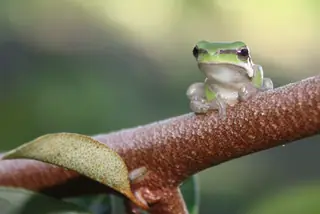 Eastern Dwarf Tree Frog
-
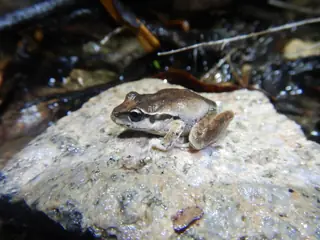 Lesueur's Frog
-
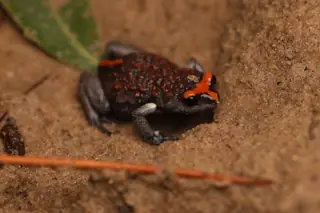 Red-crowned Toadlet
-
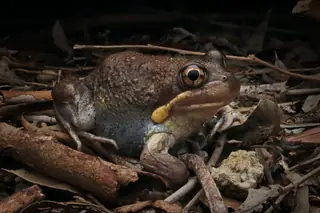 Eastern Banjo Frog
-
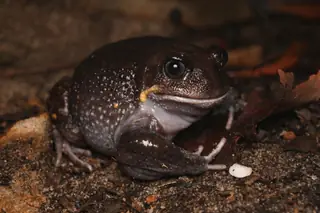 Giant Burrowing FrogRare
-
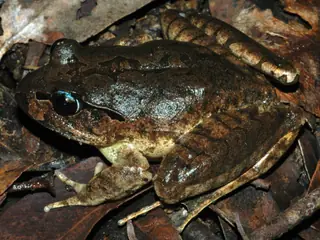 Stuttering FrogRare
Best time to see wildlife in the Blue Mountains
Sightings by month in the Blue Mountains
Most records: Oct to MarRecords from GBIF.org, adjusted for how many people record wildlife each month. 100% is the busiest month.
The Blue Mountains can be visited all year, but each season is different. Spring, September to November, brings flowering heath on the cliff tops, honeyeaters everywhere and breeding birds in the gullies. Summer, December to February, is warm and busy, good for frogs and reptiles, but with storms, bushfire danger days and occasional track closures. Autumn, March to May, is calm and clear, and flame robins and gang-gangs start to appear. Winter, June to August, is cold on the upper mountains, with occasional snow, but it is the best time to hear superb lyrebirds singing in the gullies. Kangaroos at Euroka are seen in every month.
- Sep to NovFlowering heath, breeding birds
- Dec to FebWarm, storms, fire danger days
- Mar to MayClear and calm, robins arrive
- Jun to AugCold, lyrebirds singing
Tips for spotting wildlife in the Blue Mountains
- 01
Go to Euroka at dawn or dusk
Kangaroos graze Euroka clearing near Glenbrook early and late. Watch from the edge of the clearing, keep your distance, and never feed them.
- 02
Walk the gullies in winter
Lyrebirds sing loudest from June to August. Walk the Grand Canyon track or the valley tracks below Leura and Wentworth Falls early, then stop and listen.
- 03
Scan from the lookouts
From Govetts Leap, Evans Lookout and Echo Point, watch for wedge-tailed eagles flying below you over the valleys.
- 04
Look in the heath
The cliff-top heath around Wentworth Falls and Blackheath is good for honeyeaters, spinebills, emu-wrens and heathwrens, best in spring.
- 05
Check alerts before walking
Tracks close after storms, rockfalls and fires. Check NSW National Parks alerts on the day, and carry water on the steep valley tracks.

Take the Blue Mountains with you
Log lyrebirds, kangaroos and black cockatoos on your Blue Mountains trip in Wilder, and keep going across Australia. Free to start.

Blue Mountains wildlife FAQ
Where can you see kangaroos in the Blue Mountains?
Euroka clearing, near Glenbrook in the lower Blue Mountains, is the best-known spot, with eastern grey kangaroos grazing at dawn and dusk. Swamp wallabies are common along bush tracks across the park. Watch quietly and never feed kangaroos.
What animals live in the Blue Mountains?
The park has eastern grey kangaroos, swamp wallabies, wombats, echidnas, possums and platypus, with superb lyrebirds, black cockatoos, rosellas and many honeyeaters. Rare residents include the brush-tailed rock wallaby and the Blue Mountains water skink. This checklist covers 123 animals.
Can you see lyrebirds in the Blue Mountains?
Yes. Superb lyrebirds are common in damp gullies, such as along the Grand Canyon track and in the valleys below Leura and Wentworth Falls. They are easiest to hear in winter, from June to August, when males sing and display. Walk quietly early in the morning.
Are there koalas in the Blue Mountains?
Yes, but they are rare and hard to find. Koalas live in scattered pockets of the Greater Blue Mountains, mostly in the lower and quieter valleys, and most visitors never see one. For koalas in the wild, the Great Ocean Road in Victoria is much easier.
Sources
- NSW National Parks: Euroka campground
- UNESCO: Greater Blue Mountains Area
- Blue Mountains National Park (Wikipedia)
- Sightings by month: GBIF.org
Animal photos are from the Wilder catalogue; photo credits.
Similar checklists
All Oceania-
 National park123animals Lamington National Park Gold Coast hinterland, Queensland, Australia Ancient Gondwana rainforest on the Queensland border: bowerbirds and pademelons around O'Reilly's and Binna Burra, and Albert's lyrebird singing in the cool months. Best time Sept to Nov
-
 Region120animals Great Otway National Park and the Great Ocean Road Great Ocean Road, Victoria, Australia Wild koalas in the manna gums, lyrebirds in the fern gullies and southern right whales calving off the beaches along the Great Ocean Road. Best time Jun to Sept for whales
-
 Island103animals Phillip Island Western Port, Victoria, Australia Two hours from Melbourne: little penguins waddling ashore at dusk, a huge fur seal colony off the Nobbies and koalas in the gums. Best time Nov to Mar
-
 Island74animals Tasmania The whole state, Australia Wild island at the bottom of Australia: devils, wombats and platypus, with twelve birds found nowhere else. Best time All year