National park · Gold Coast hinterland, Queensland · Australia
Lamington National Park Wildlife Checklist

Lamington National Park, in the Gold Coast hinterland of south-east Queensland, protects a high plateau of ancient Gondwana rainforest. It is famous for regent and satin bowerbirds, red-necked pademelons on the lawns at O'Reilly's and Binna Burra, and the rare Albert's lyrebird. This checklist covers 123 animals. Spring, September to November, is best for birds.
Tick off all 123 animals in Lamington on your phone, even offline. Launching soon. Free A4 PDF, no sign-up.
Lamington is part of the Gondwana Rainforests of Australia World Heritage Area. Most visitors stay at one of its two sections: Green Mountains, home of O'Reilly's guesthouse and its Tree Top Walk, or Binna Burra on the north-eastern edge. Both have walking tracks that start right at the lodges.
- Animals to find
- 123
- Where
- Australia
- Best time
- Sept to Nov
- World Heritage
- Gondwana rainforest
Popular animals in Lamington
-
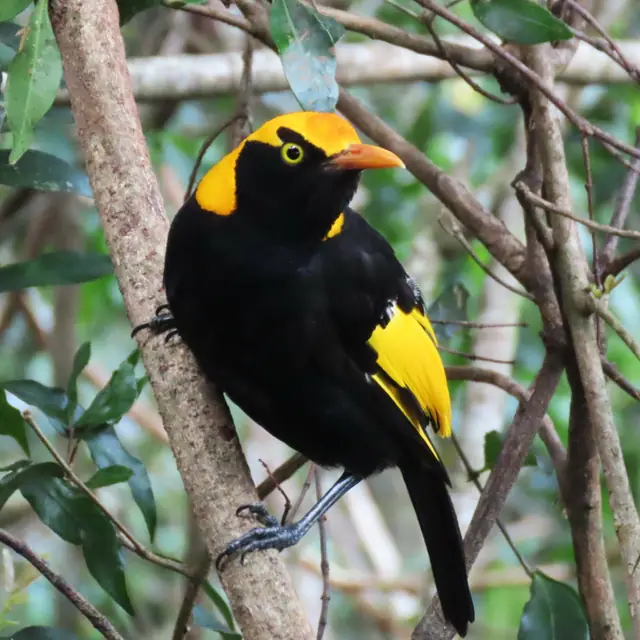
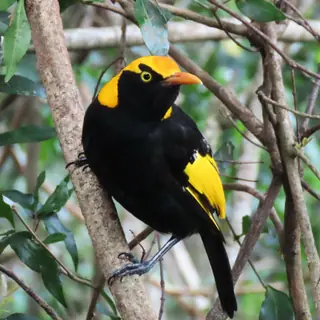
Regent Bowerbird
Sericulus chrysocephalus
Males are a startling black and gold. They feed in the forest edge and gardens around Green Mountains and Binna Burra. Please do not feed the birds.
-
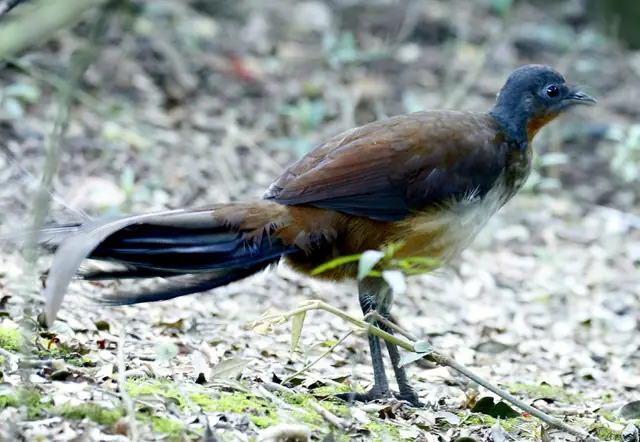
Albert's Lyrebird
Menura alberti
Found only in the rainforests of this border region. It is shy and best heard in the cool months, June to August, when males sing their mimicry at dawn.
-
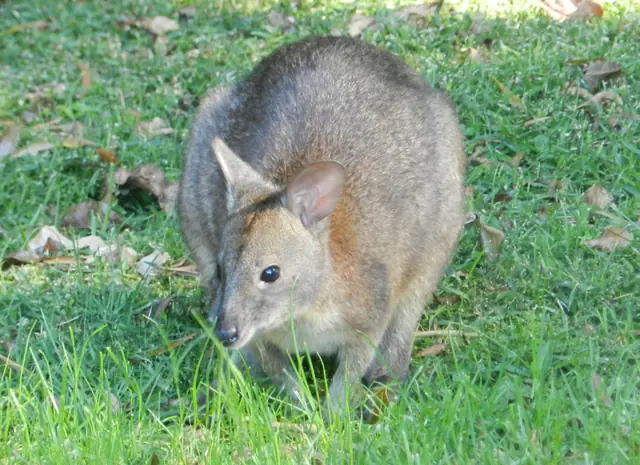
Red-necked Pademelon
Thylogale thetis
A small, stocky wallaby that grazes the lawns and track edges at both sections in the early morning and late afternoon.
-
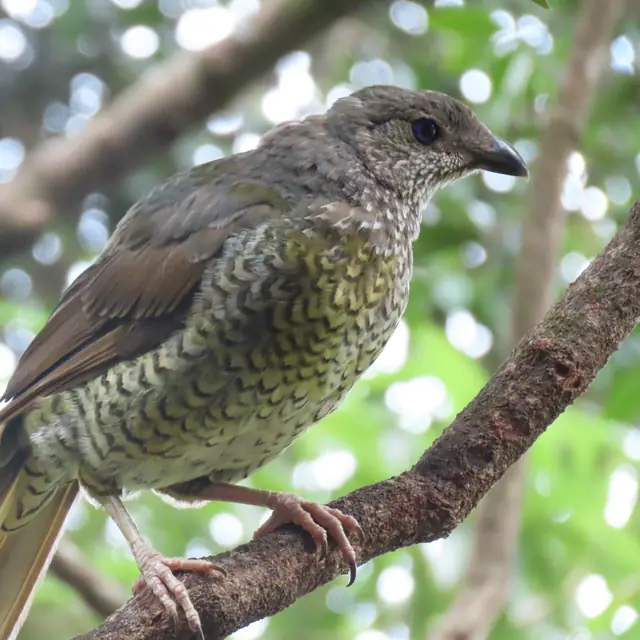
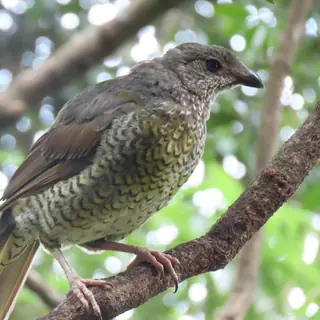
Satin Bowerbird
Ptilonorhynchus violaceus
The glossy blue-black males build bowers on the forest floor and decorate them with blue objects. Look, but leave bowers untouched.
-
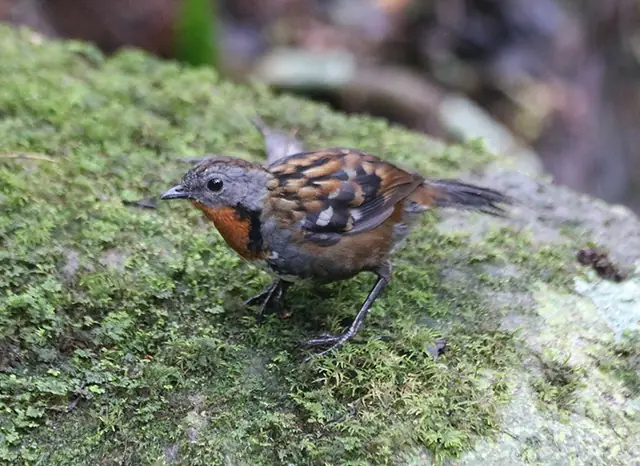
Australian Logrunner
Orthonyx temminckii
A small, busy bird that scratches sideways in the leaf litter right beside the walking tracks, propped on its spiny tail.
-
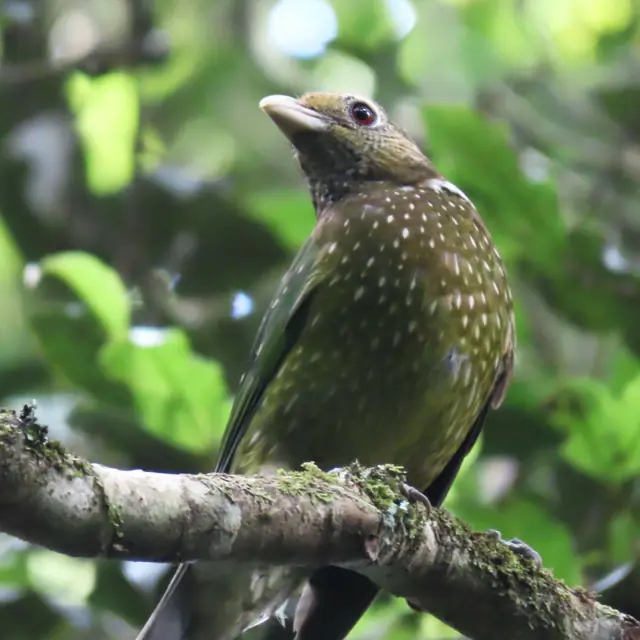
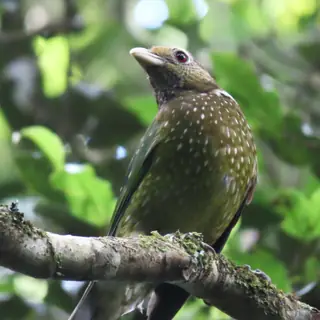
Green Catbird
Ailuroedus crassirostris
Bright green, with a call like a crying baby or a cat. Common in the rainforest at both sections.
-
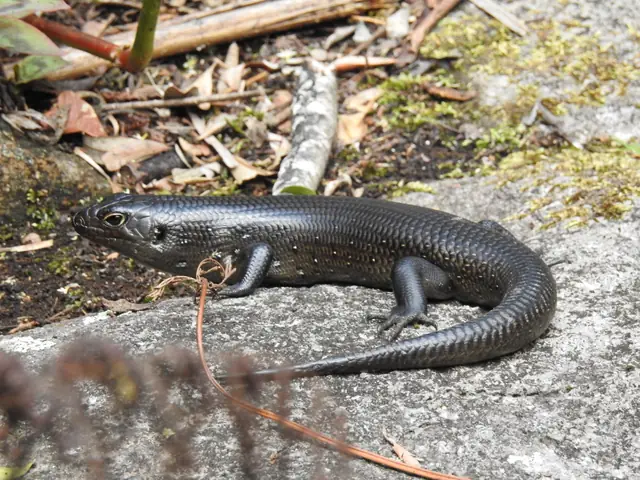
Land Mullet
Bellatorias major
One of the world's biggest skinks, glossy black and up to 60 cm long, basking beside the tracks on sunny mornings.
-
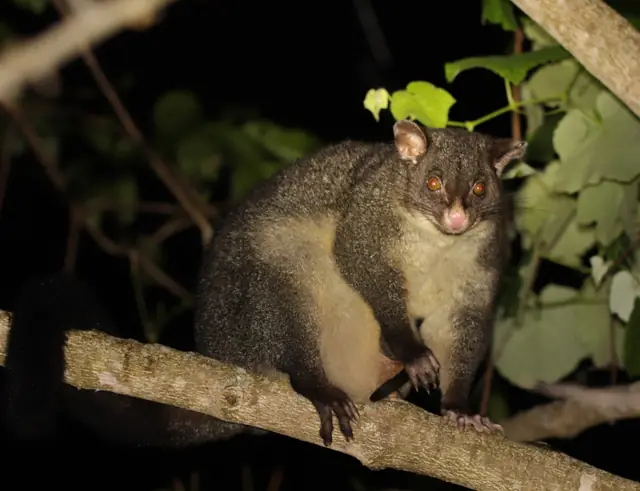
Short-eared Brush-tailed Possum
Trichosurus caninus
Called mountain brushtail possum in Queensland. Big and dark, it comes out at night on the rainforest edge.
-
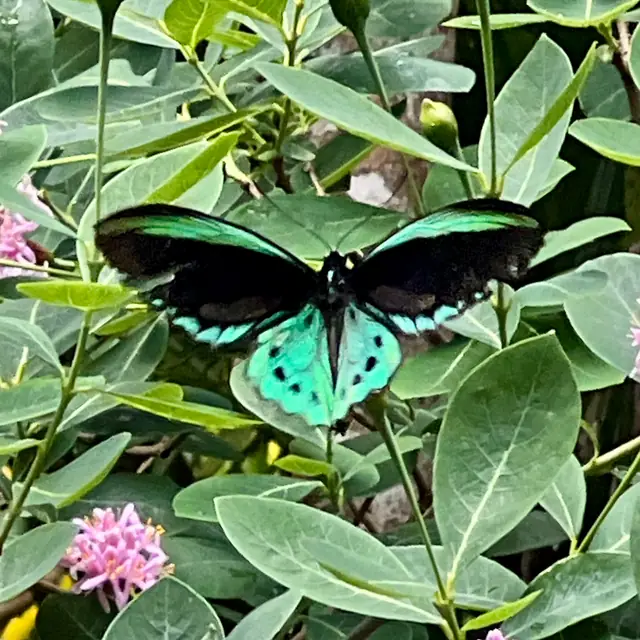
Richmond Birdwing
Ornithoptera richmondia
A huge green and black butterfly of the subtropical rainforest, on the wing in spring and summer along forest edges.
All 123 animals in Lamington
Bowerbirds, lyrebird and rainforest specials 13
-
 Regent Bowerbird
-
 Satin Bowerbird
-
 Green Catbird
-
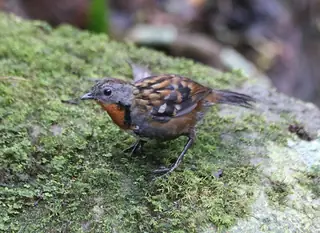 Australian Logrunner
-
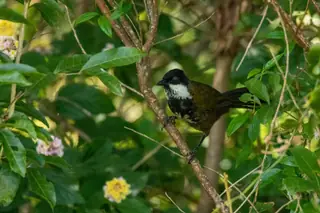 Eastern Whipbird
-
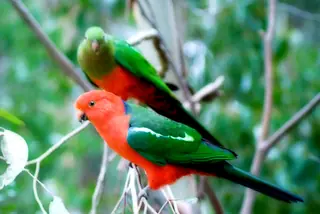 Australian King Parrot
-
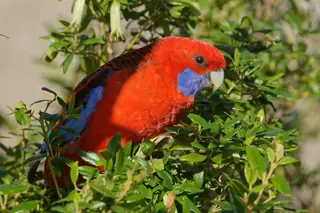 Crimson Rosella
-
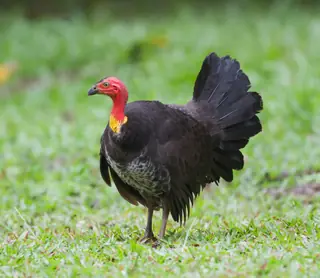 Australian Brushturkey
-
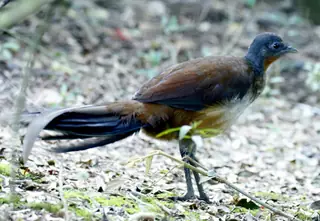 Albert's Lyrebird
-
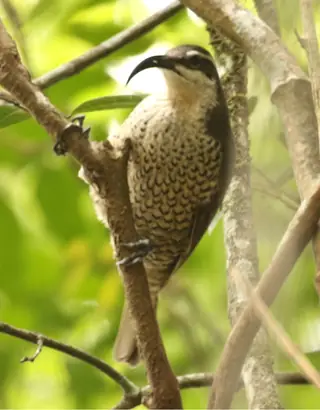 Paradise Riflebird
-
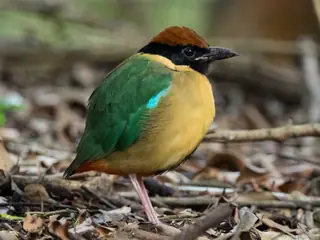 Noisy Pitta
-
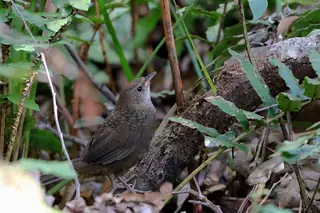 Rufous Scrub-birdRare
-
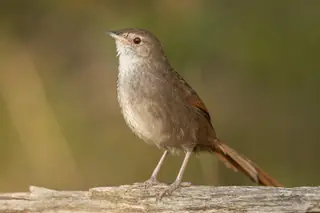 Eastern BristlebirdRare
Pademelons, possums and other mammals 22
-
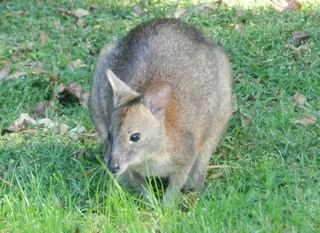 Red-necked Pademelon
-
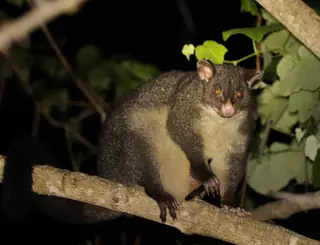 Short-eared Brush-tailed Possum
-
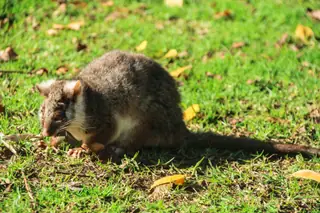 Common Ringtail Possum
-
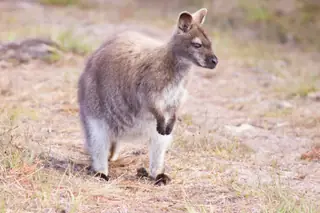 Bennett's Wallaby
-
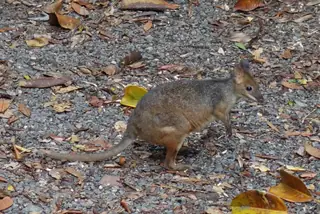 Red-legged Pademelon
- Black-tailed Dusky AntechinusRare
-
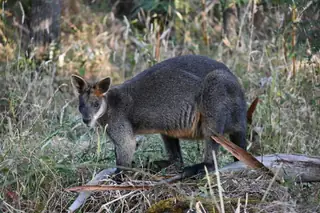 Swamp Wallaby
-
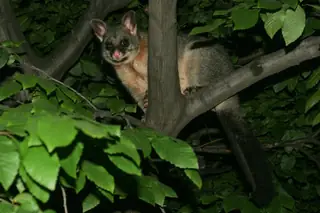 Common Brushtail Possum
-
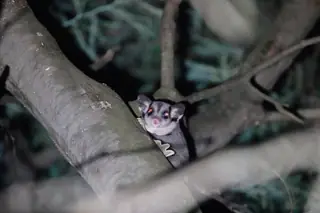 Krefft's Glider
-
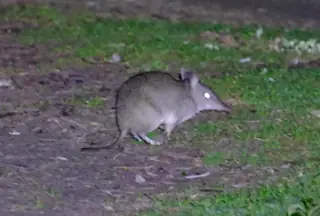 Long-nosed Bandicoot
-
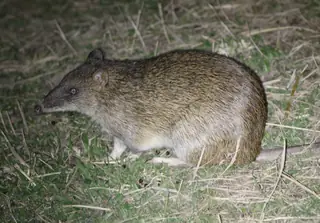 Northern Brown Bandicoot
-
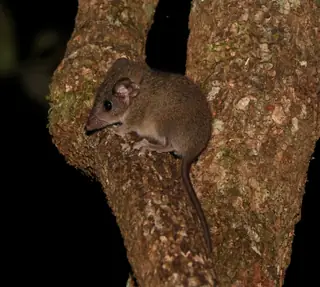 Subtropical Antechinus
-
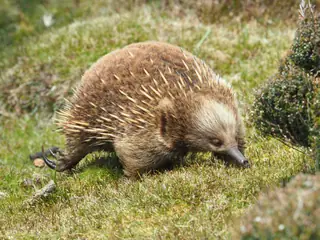 Short-beaked Echidna
-
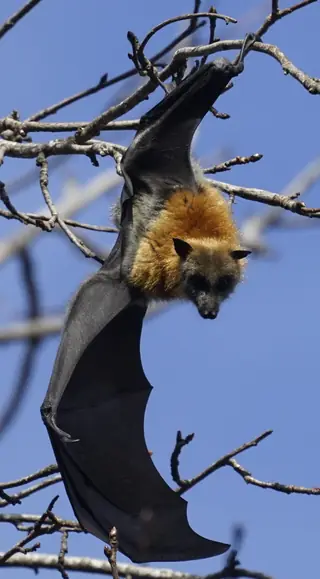 Grey-headed Flying Fox
-
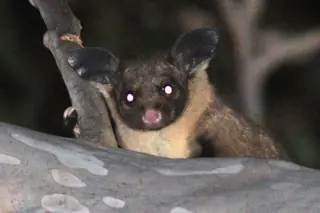 Yellow-bellied GliderRare
-
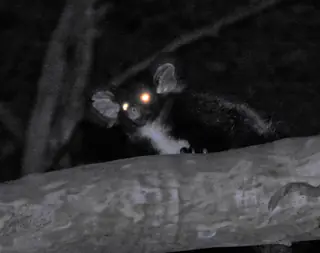 Greater GliderRare
-
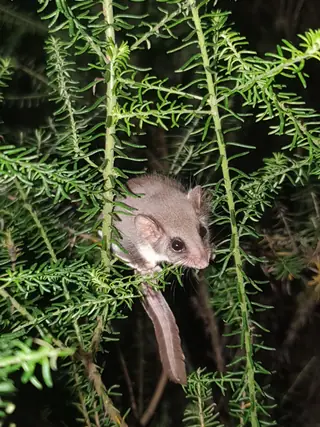 Feathertail GliderRare
-
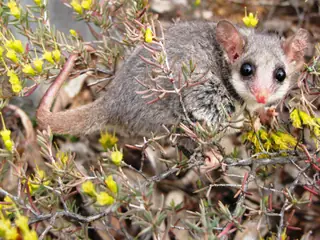 Eastern Pygmy PossumRare
-
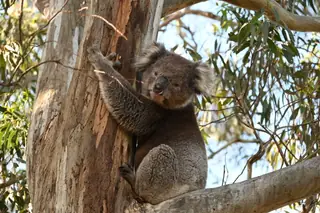 KoalaRare
-
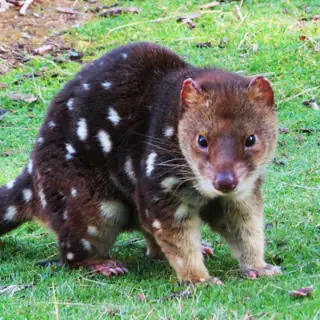 Spotted-tailed QuollRare
-
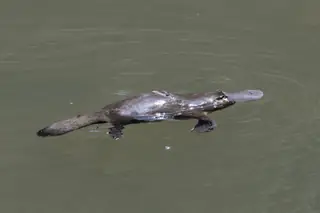 PlatypusRare
-
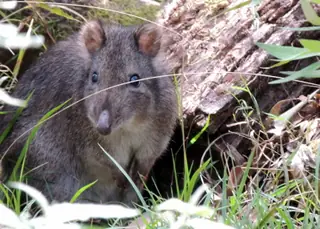 Long-nosed PotorooRare
Pigeons and doves 7
-
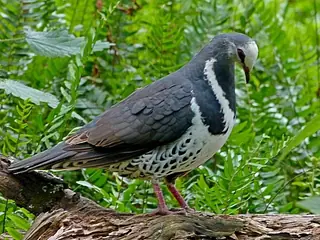 Wonga Pigeon
-
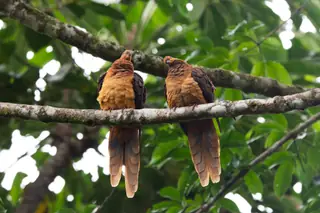 Brown Cuckoo-Dove
-
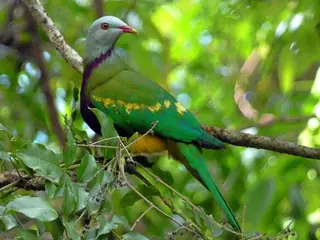 Wompoo Fruit Dove
-
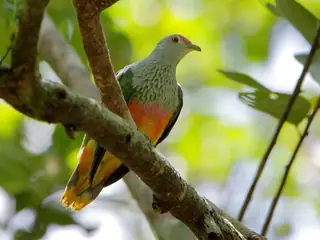 Rose-crowned Fruit Dove
-
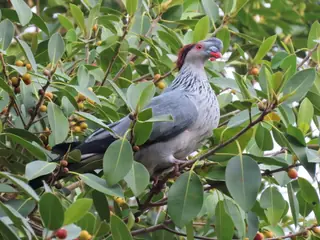 Topknot Pigeon
-
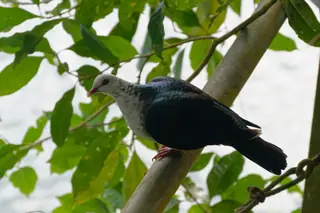 White-headed Pigeon
-
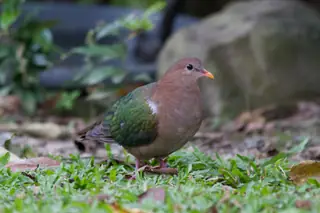 Pacific Emerald Dove
Parrots, kingfishers and cuckoos 14
-
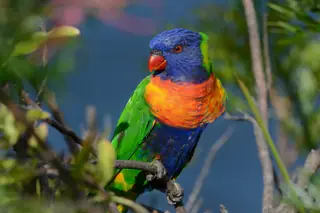 Rainbow Lorikeet
-
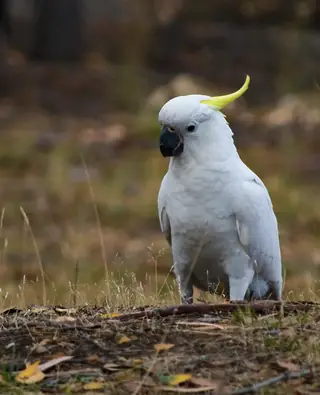 Sulphur-crested Cockatoo
-
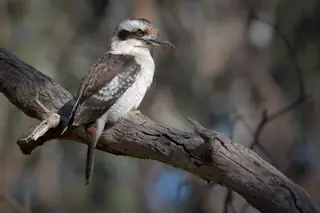 Kookaburra
-
 Fan-tailed Cuckoo
-
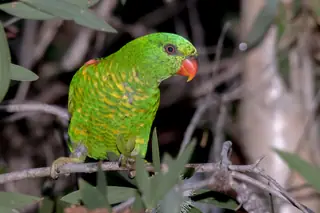 Scaly-breasted Lorikeet
-
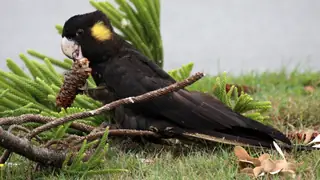 Yellow-tailed Black Cockatoo
-
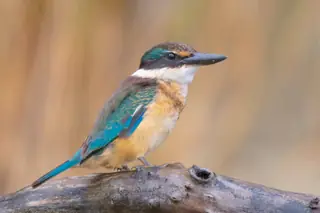 Sacred Kingfisher
-
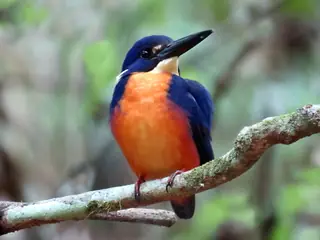 Azure Kingfisher
-
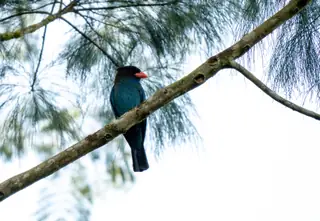 Oriental Dollarbird
-
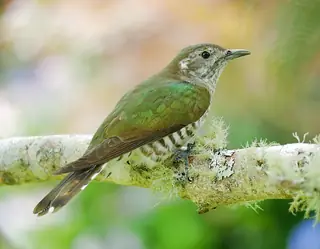 Shining Bronze Cuckoo
-
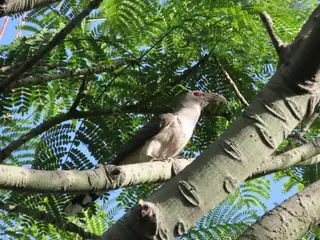 Channel-billed Cuckoo
-
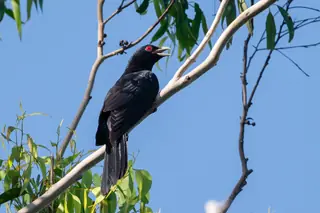 Pacific Koel
-
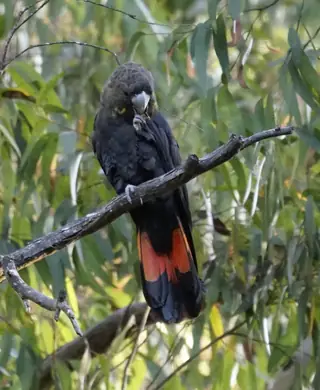 Glossy Black CockatooRare
-
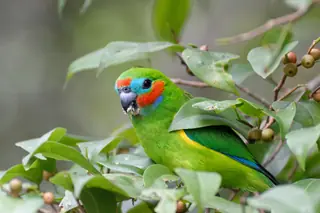 Double-eyed Fig-parrotRare
Rainforest songbirds 29
-
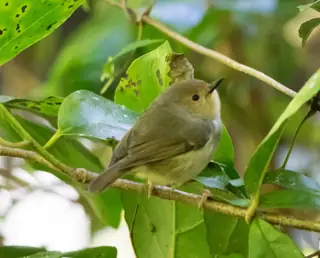 Large-billed Scrubwren
-
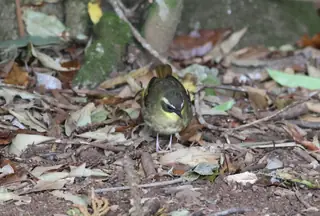 Yellow-throated Scrubwren
-
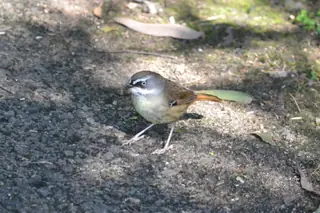 White-browed Scrubwren
-
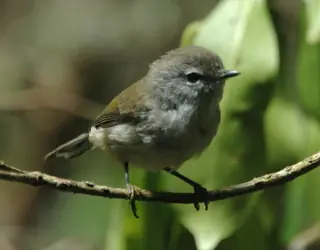 Brown Gerygone
-
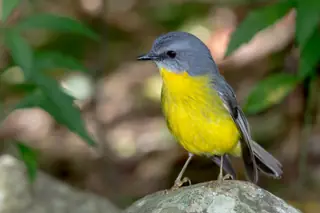 Eastern Yellow Robin
-
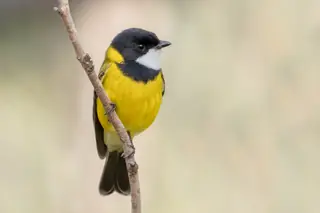 Australian Golden Whistler
-
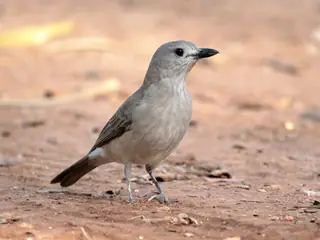 Grey Shrike-thrush
-
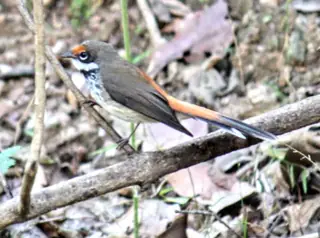 Rufous Fantail
-
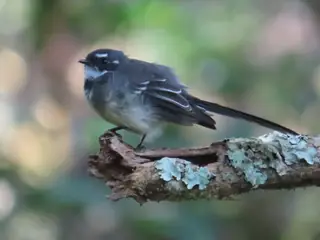 Grey Fantail
-
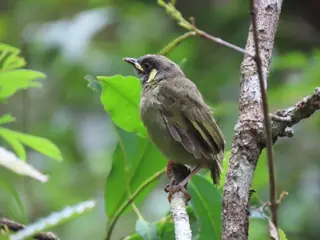 Lewin's Honeyeater
-
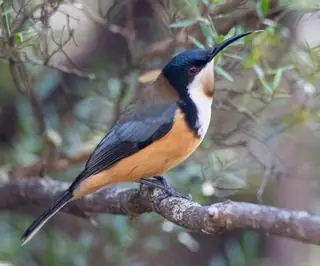 Eastern Spinebill
-
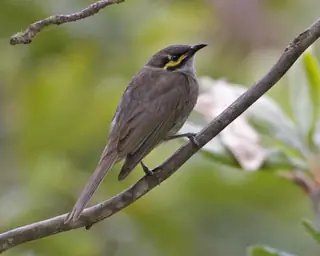 Yellow-faced Honeyeater
-
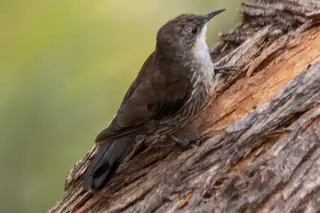 White-throated Treecreeper
-
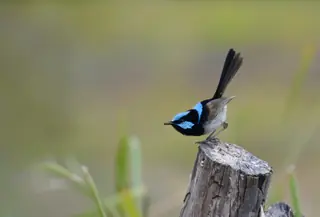 Superb Fairywren
-
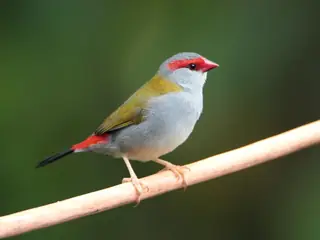 Red-browed Finch
-
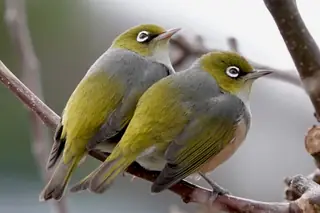 Silvereye
-
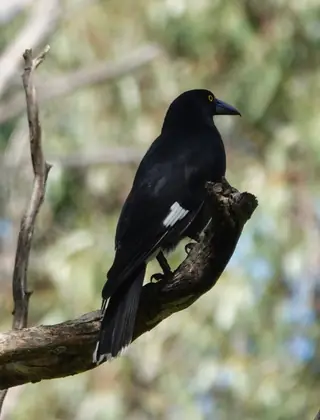 Pied Currawong
-
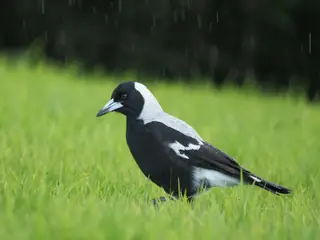 Australian Magpie
-
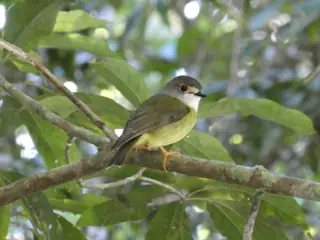 Pale-yellow Robin
-
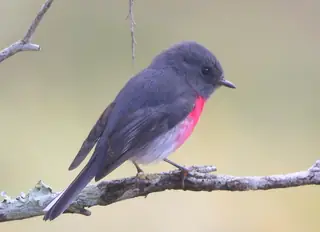 Rose Robin
-
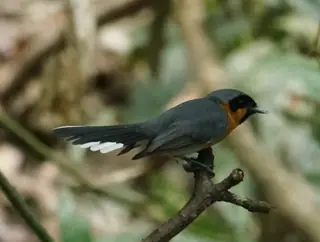 Spectacled Monarch
-
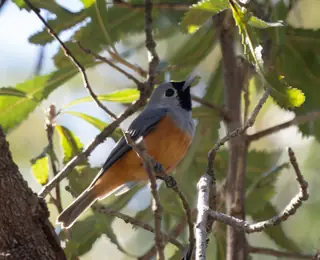 Black-faced Monarch
-
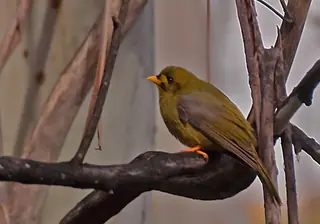 Bell Miner
-
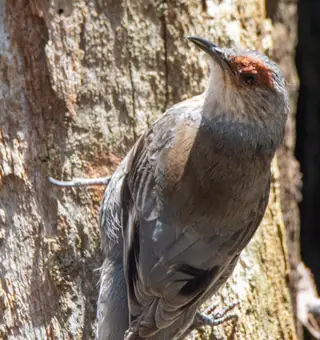 Red-browed Treecreeper
-
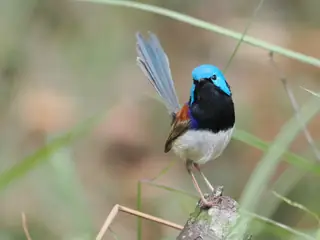 Variegated Fairywren
-
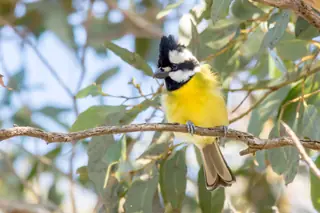 Crested Shrike-tit
-
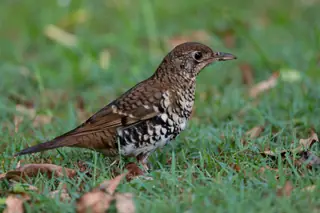 Russet-tailed Thrush
-
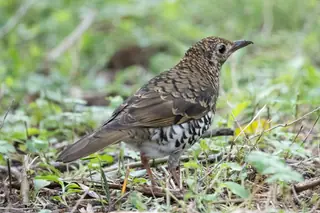 Bassian Thrush
-
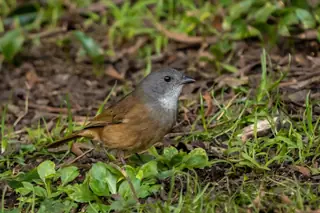 Olive WhistlerRare
Owls, nightbirds and raptors 9
-
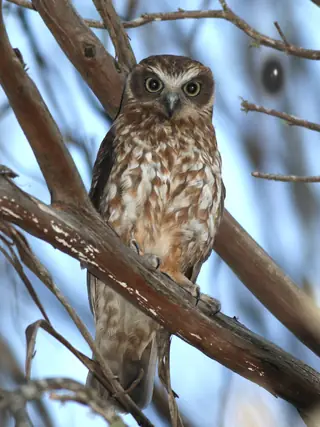 Southern Boobook
-
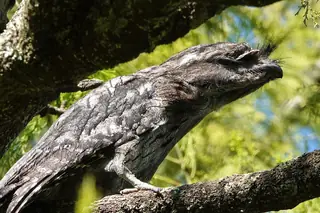 Tawny Frogmouth
-
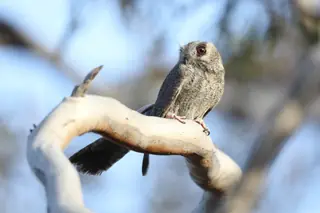 Australian Owlet-nightjar
-
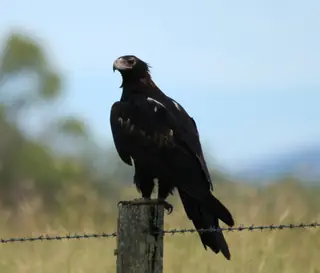 Wedge-tailed Eagle
-
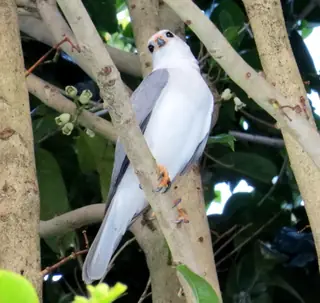 Grey Goshawk
-
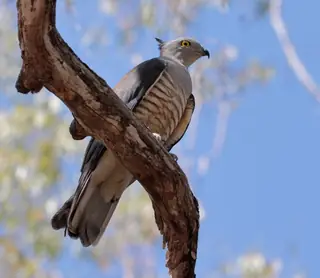 Pacific Baza
-
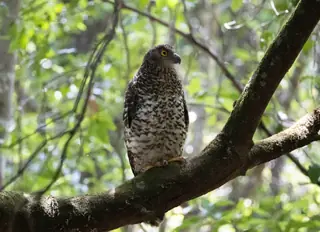 Powerful OwlRare
-
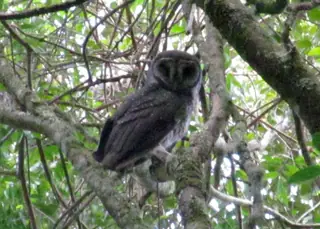 Greater Sooty OwlRare
-
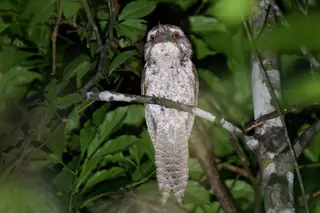 Marbled FrogmouthRare
Reptiles 12
-
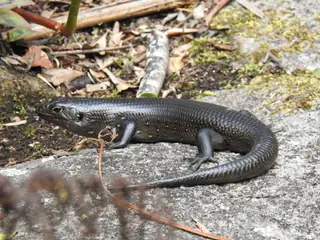 Land Mullet
-
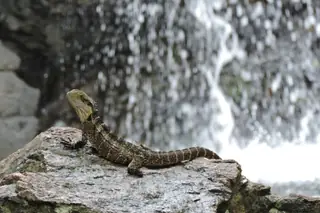 Eastern Water Dragon
-
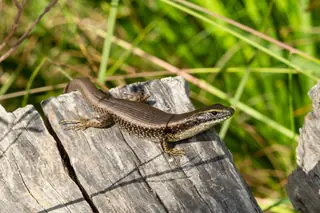 Eastern Water-skink
-
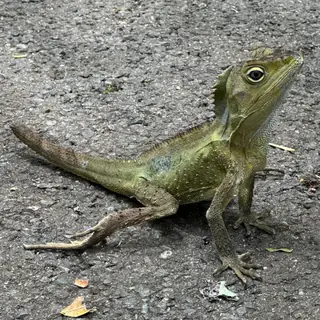 Southern Angle-headed Dragon
-
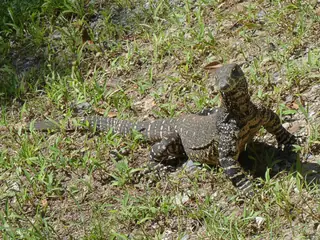 Lace Monitor
-
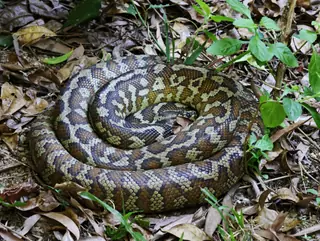 Carpet Python
-
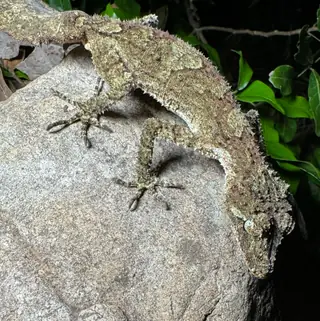 Southern Leaf-tailed Gecko
-
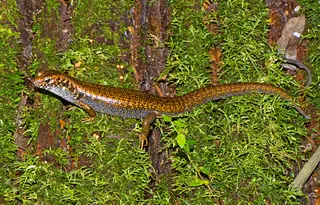 Murray's Skink
-
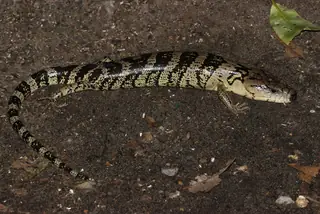 Pink-tongued Skink
-
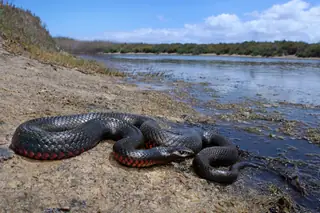 Red-bellied Black Snake
-
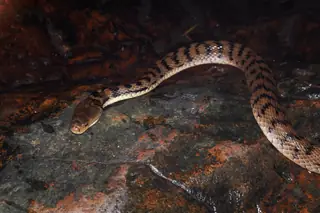 Rough-scaled Snake
-
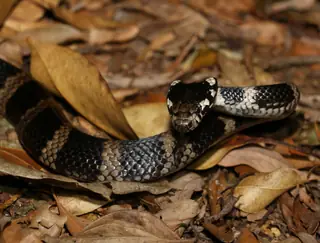 Stephens' Banded SnakeRare
Frogs 12
-
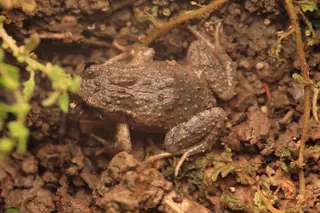 Common Froglet
-
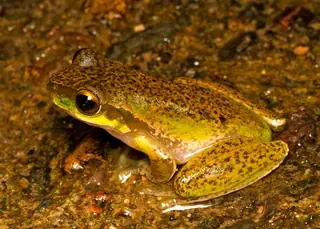 Cascade Tree Frog
-
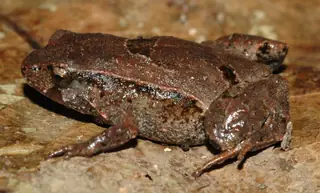 Pouched FrogRare
-
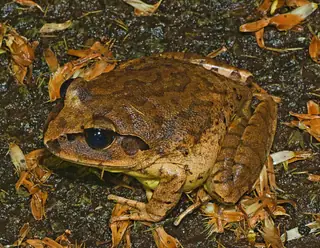 Great Barred Frog
-
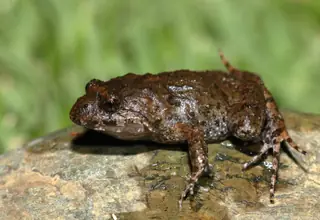 Tusked Frog
- Masked Mountain FrogRare
-
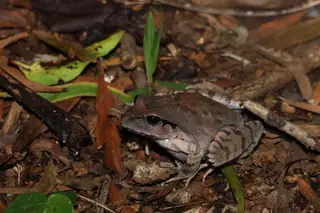 Black-soled Frog
-
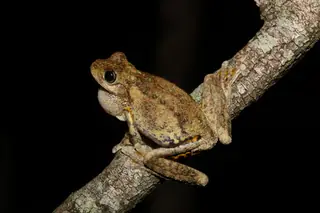 Peron's Tree Frog
-
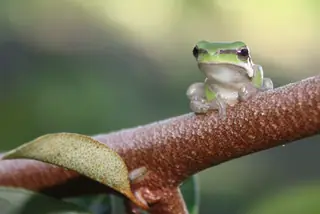 Eastern Dwarf Tree Frog
-
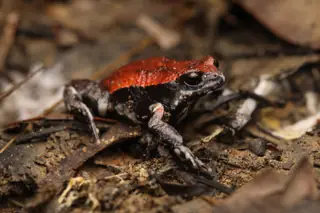 Red-backed Toadlet
-
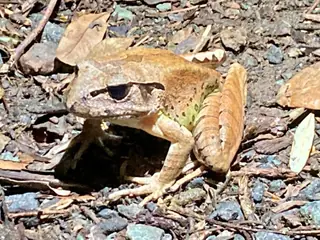 Fleay's Barred FrogRare
- Red-and-yellow Mountain FrogRare
Butterflies and glow-worms 5
-
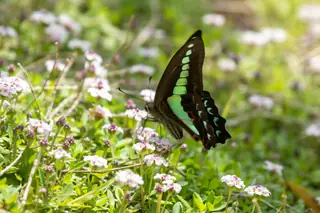 Blue Triangle
-
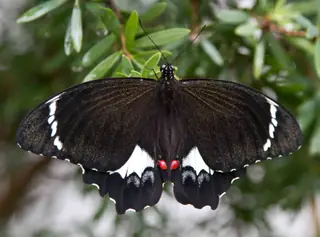 Orchard Swallowtail
-
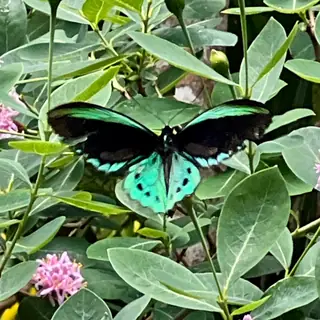 Richmond Birdwing
-
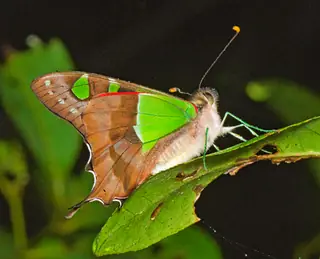 Macleay's Swallowtail
-
 Queensland Glow-worm
Best time to see wildlife in Lamington
Sightings by month in Lamington
Most records: Sept to MarRecords from GBIF.org, adjusted for how many people record wildlife each month. 100% is the busiest month.
Lamington is good all year, but the seasons change what you see. Spring, September to November, is the busiest time for birdsong, with bowerbirds active, migrant monarchs and cuckoos arriving and fine weather on the plateau. Summer, December to February, is warm and wet, the best time for frogs and the Richmond birdwing, but tracks can be slippery. Autumn, March to May, is mild and calm. Winter, June to August, brings cold nights on the plateau and clear days, and it is the season to listen for Albert's lyrebird singing at dawn. Pademelons and many forest birds are seen every month.
- Sep to NovPeak birdsong, migrants arrive
- Dec to FebWarm and wet, frogs and butterflies
- Mar to MayMild and quiet
- Jun to AugCold nights, Albert's lyrebird sings
Tips for spotting wildlife in Lamington
- 01
Walk early from the lodge
The first hour of light is the best time on the tracks at Green Mountains and Binna Burra, when pademelons are out on the edges and logrunners and whipbirds are busy in the litter.
- 02
Climb the Tree Top Walk
The suspension bridges near O'Reilly's put you at canopy height, where you may see fruit doves, catbirds and riflebirds feeding in the figs.
- 03
Listen before you look
Many rainforest birds are easier heard than seen. Learn the whipbird's whip-crack and the catbird's wail, then wait quietly where the call comes from.
- 04
Join a guided night walk
Possums, gliders and frogs come out after dark. A guided walk from the lodges uses dim torches, keeps the beam off eyes and keeps to the tracks.
- 05
Check track closures
Storms damaged several tracks in 2025, and repairs are continuing. Check the Queensland Parks alerts before you go.

Take Lamington with you
Log bowerbirds, pademelons and lyrebirds on your Lamington trip in Wilder, and keep going across Australia. Free to start.

Lamington wildlife FAQ
What animals can you see at O'Reilly's in Lamington National Park?
Around O'Reilly's you are likely to see red-necked pademelons, regent and satin bowerbirds, crimson rosellas, king parrots, brush turkeys and green catbirds, with possums out at night. Albert's lyrebird and paradise riflebird take more patience. This checklist covers 123 animals across the park.
When is the best time to see Albert's lyrebird?
Winter, June to August, is the best time, when males sing and display at dawn in the rainforest. Even then they are shy and more often heard than seen. Walk quietly at first light, stay on the track, and listen for a loud song full of mimicked calls.
Is Binna Burra or O'Reilly's better for wildlife?
Both are excellent and share most species. Green Mountains, where O'Reilly's is, sits higher and wetter, with the Tree Top Walk and easy views of bowerbirds and pademelons. Binna Burra has a mix of rainforest and drier open forest, so it adds some woodland birds.
How far is Lamington National Park from Brisbane?
The Green Mountains section is roughly two hours' drive from Brisbane or the Gold Coast, and Binna Burra is a little closer. The last part of each road is narrow and winding, so allow plenty of time and avoid driving it at night.
Sources
- Queensland Parks: Lamington National Park, things to do
- Queensland Parks: Rainforest return journey
- Sightings by month: GBIF.org
Animal photos are from the Wilder catalogue; photo credits.
Similar checklists
All Oceania-
 Island117animals K'gari (Fraser Island) and Hervey Bay Fraser Coast, Queensland, Australia The world's largest sand island, home to the purest dingoes in eastern Australia, with humpback whales resting in Hervey Bay from July to November. Best time Aug to Oct
-
 National park123animals Blue Mountains National Park Greater Blue Mountains, New South Wales, Australia Sandstone cliffs and eucalypt valleys west of Sydney: superb lyrebirds in the gullies, kangaroos at dawn and black cockatoos over the canyons. Best time Sept to Nov
-
 National park127animals Daintree Rainforest and Cape Tribulation Far North Queensland, Australia Ancient rainforest running down to the reef: cassowaries on the forest floor, crocodiles in the Daintree River and birdwing butterflies in the canopy. Best time Jun to Sept
-
 Marine park54animals Great Barrier Reef Queensland, Australia The world's biggest coral reef: turtles, reef sharks and manta rays underwater, and seabird islands on top. Best time Jun to Oct