National park · Far North Queensland · Australia
Daintree Wildlife Checklist

The Daintree Rainforest and Cape Tribulation, north of Port Douglas in Far North Queensland, are where one of the world's oldest rainforests meets the Great Barrier Reef. It is the best place in Australia to see a wild southern cassowary, with saltwater crocodiles on the Daintree River and birdwing butterflies in the canopy. This checklist covers 127 animals. June to September is driest and coolest.
Tick off all 127 animals in the Daintree on your phone, even offline. Launching soon. Free A4 PDF, no sign-up.
The forest is part of the Wet Tropics World Heritage Area. A cable ferry across the Daintree River leads to Cape Tribulation, where boardwalks run through rainforest and mangroves to the beach.
- Animals to find
- 127
- Where
- Australia
- Best time
- Jun to Sept
- World Heritage
- Since 1988
Popular animals in the Daintree
-
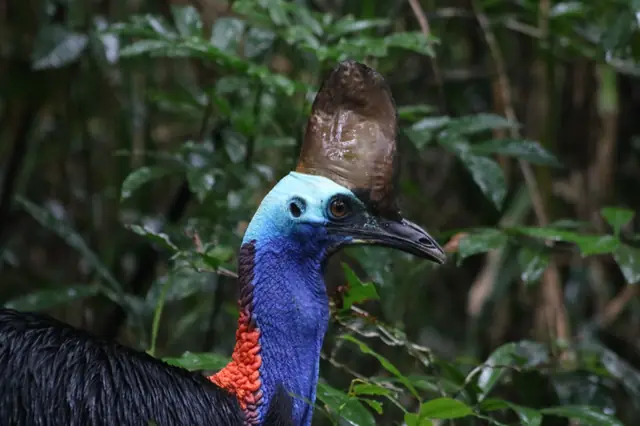
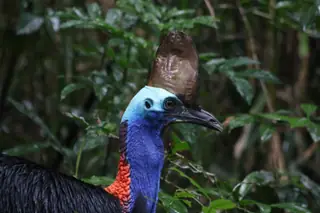
Cassowary
Casuarius casuarius
A huge, flightless bird with a blue neck and a horn-like casque. It walks the lowland forest and crosses roads, often with stripy chicks led by the father. Slow down, keep well away and never feed one.
-
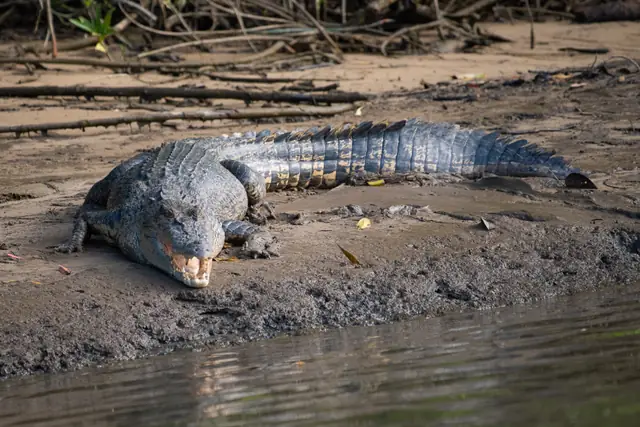
Saltwater Crocodile
Crocodylus porosus
The world's largest reptile. Licensed Daintree River cruises find them basking on mudbanks, most often on cooler, sunny mornings from May to September.
-
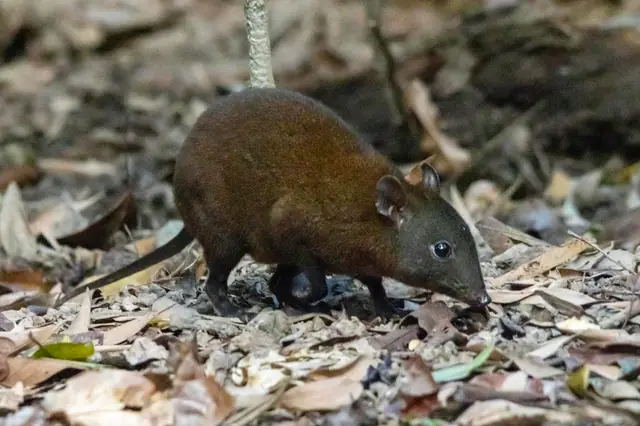
Musky Rat-kangaroo
Hypsiprymnodon moschatus
The smallest kangaroo and the only one that often bounds on all fours. It forages by day on the rainforest floor.
-
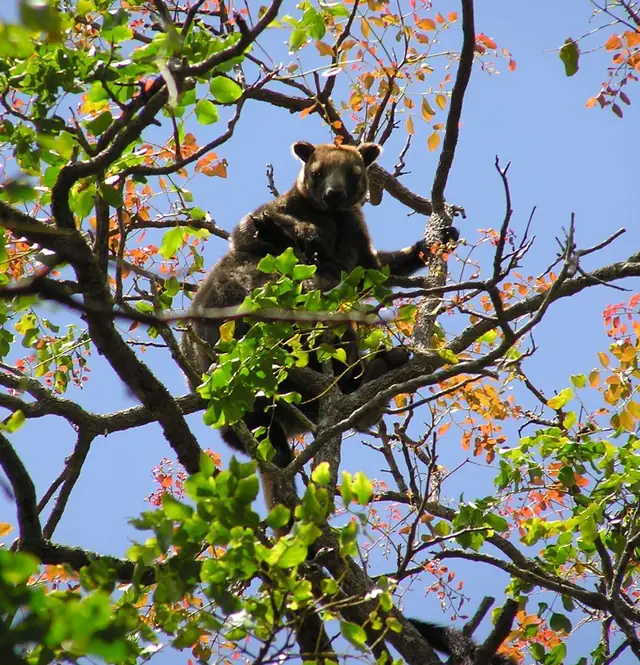
Bennett's Tree-kangaroo
Dendrolagus bennettianus
A shy, rarely seen tree-kangaroo found only in this corner of Queensland. Most visitors never see one, so count yourself very lucky.
-
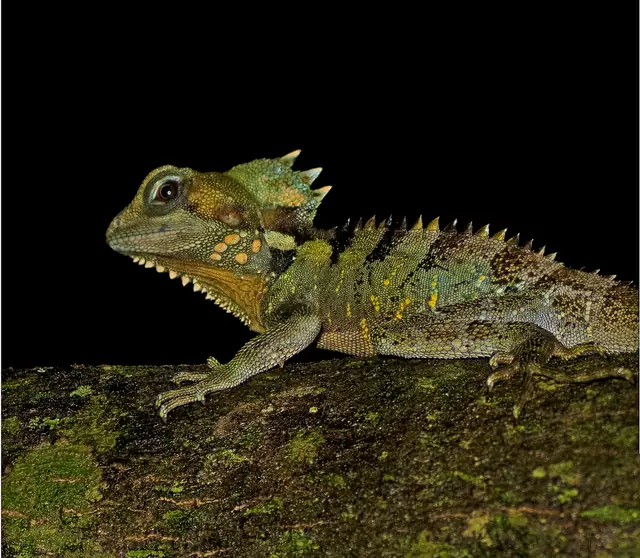
Boyd's Forest Dragon
Lophosaurus boydii
A spectacular lizard that clings head-down to tree trunks beside boardwalks and sits very still. Scan trunks at eye level.
-
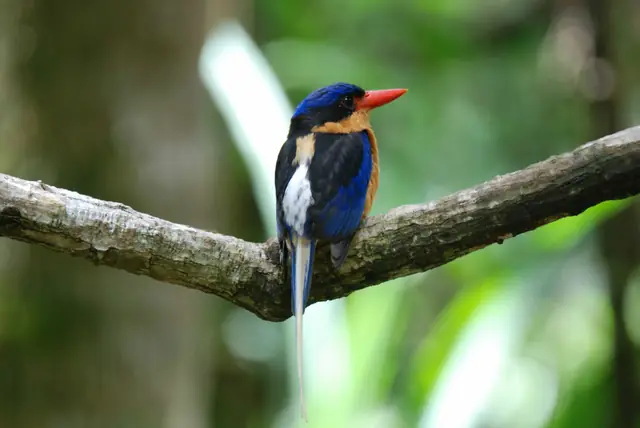
Buff-breasted Paradise Kingfisher
Tanysiptera sylvia
A jewel-like kingfisher with long white tail streamers that flies in from New Guinea in November and leaves in April.
-
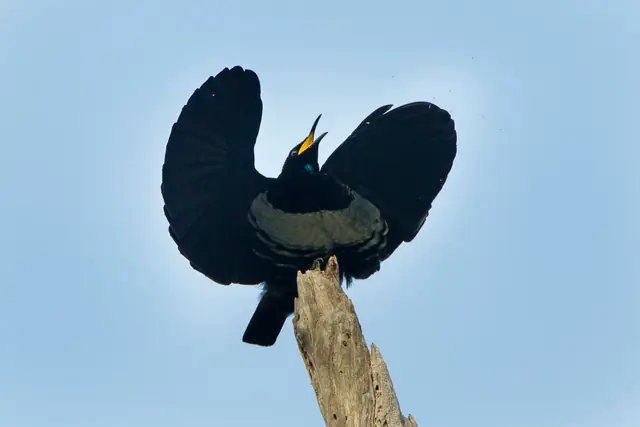
Victoria's Riflebird
Ptiloris victoriae
A bird of paradise found only in north Queensland. Males display on bare branches with their wings raised in a black, glossy circle.
-
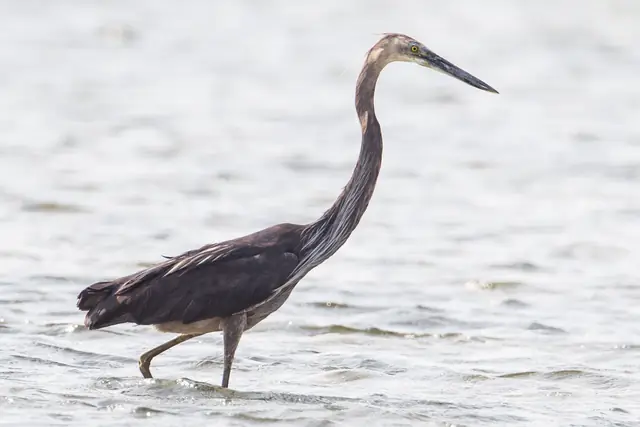
Great-billed Heron
Ardea sumatrana
Australia's largest heron, shy and solitary, standing along the riverbank. Early-morning river cruises give the best chance.
-
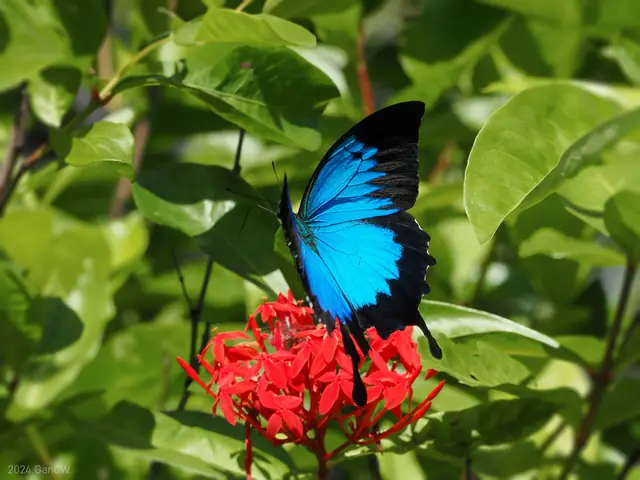
Ulysses Swallowtail
Papilio ulysses
An electric-blue butterfly that flashes along forest edges and through gardens on sunny days.
-
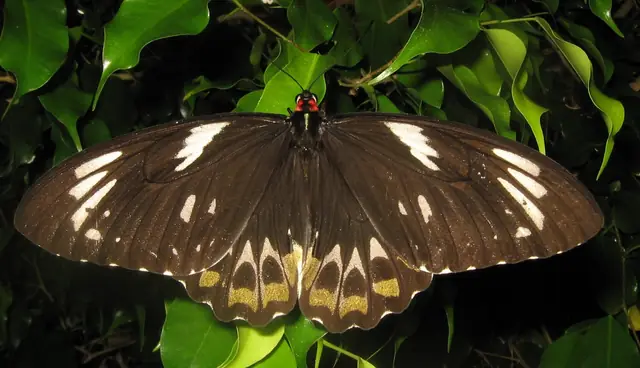
Cairns Birdwing
Ornithoptera euphorion
Australia's largest butterfly. Males are green and black, females much larger and brown and cream.
All 127 animals in the Daintree
Cassowary and ground birds 5
-
 Cassowary
-
 Orange-footed Scrubfowl
-
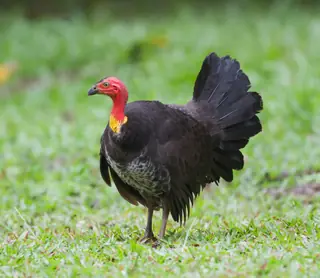 Australian Brushturkey
-
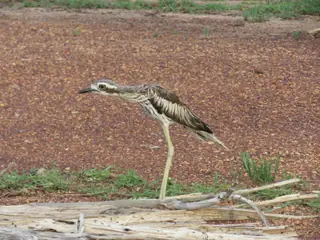 Bush Stone-curlew
-
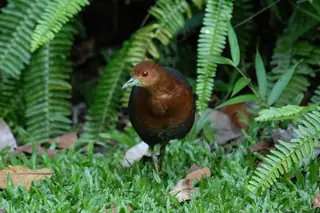 Red-necked Crake
Mammals 17
-
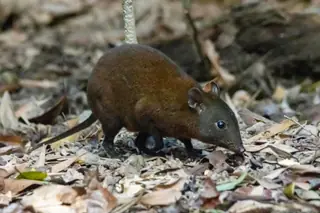 Musky Rat-kangaroo
-
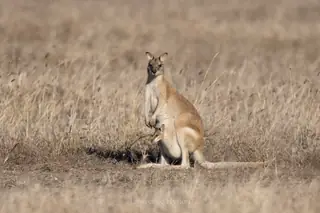 Agile Wallaby
-
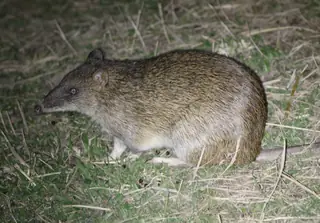 Northern Brown Bandicoot
-
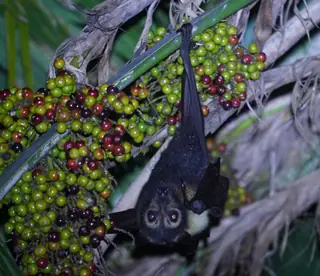 Spectacled Flying Fox
-
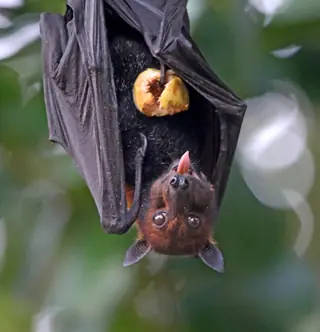 Black Flying Fox
-
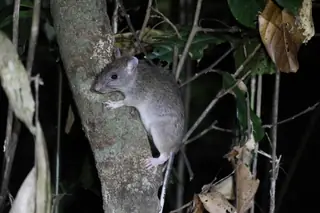 Giant White-tailed Rat
-
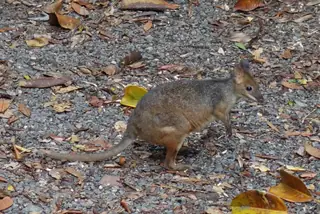 Red-legged Pademelon
-
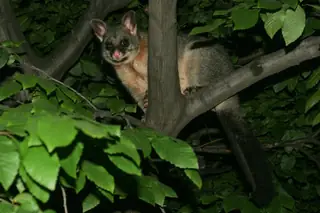 Common Brushtail Possum
-
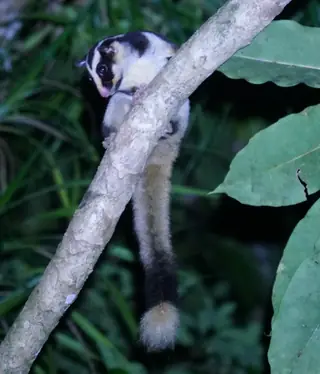 Torresian Striped Possum
-
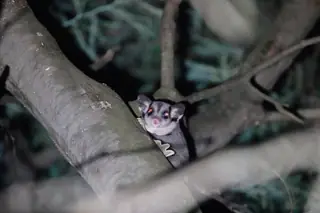 Krefft's Glider
-
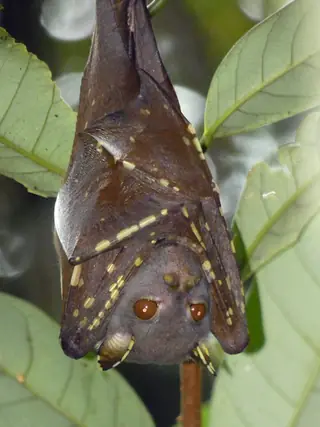 Eastern Tube-nosed Bat
-
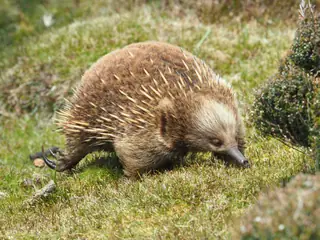 Short-beaked Echidna
-
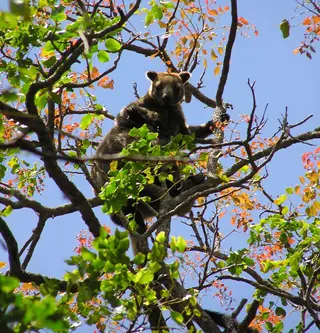 Bennett's Tree-kangarooRare
-
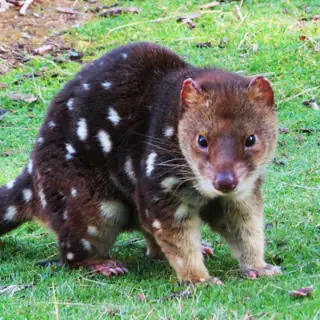 Spotted-tailed QuollRare
- Long-tailed Pygmy PossumRare
-
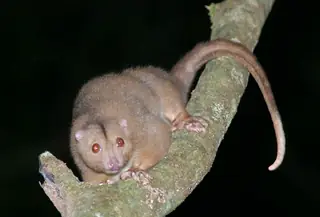 Daintree River Ringtail PossumRare
-
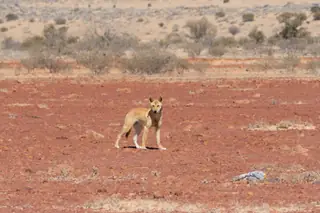 DingoRare
Pigeons, kingfishers and parrots 19
-
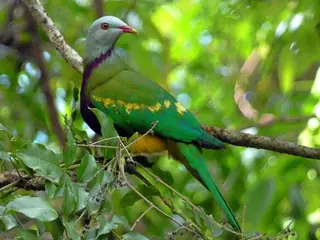 Wompoo Fruit Dove
-
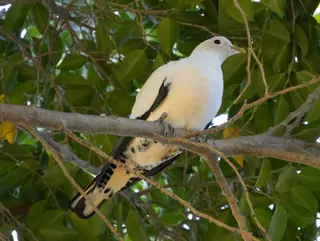 Torresian Imperial Pigeon
-
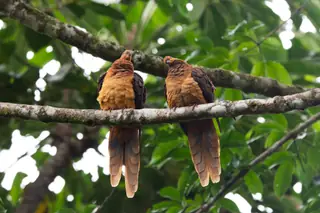 Brown Cuckoo-Dove
-
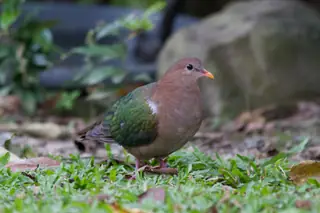 Pacific Emerald Dove
-
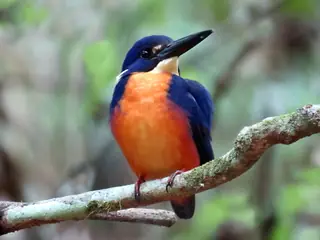 Azure Kingfisher
-
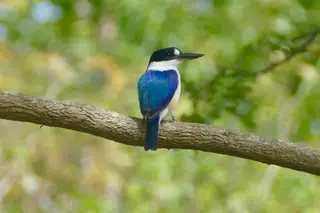 Forest Kingfisher
-
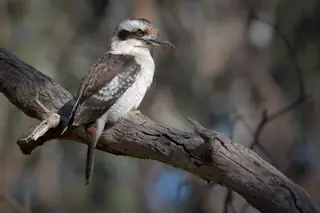 Kookaburra
-
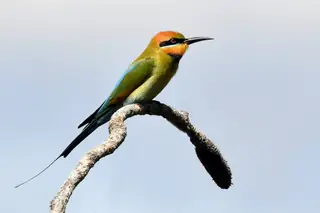 Rainbow Bee-eater
-
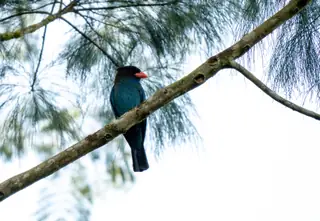 Oriental Dollarbird
-
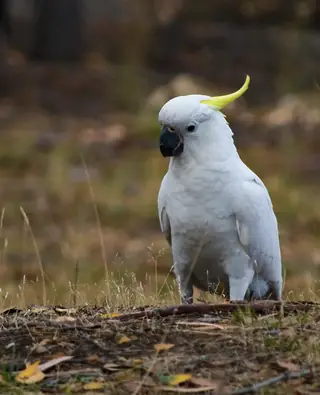 Sulphur-crested Cockatoo
-
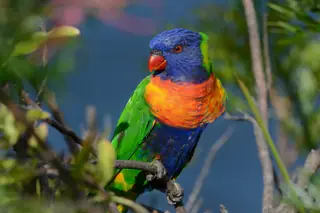 Rainbow Lorikeet
-
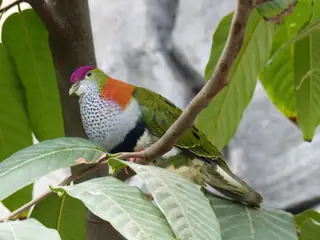 Superb Fruit Dove
-
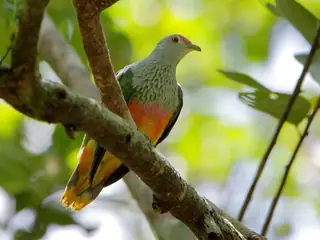 Rose-crowned Fruit Dove
-
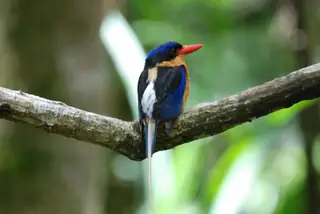 Buff-breasted Paradise Kingfisher
-
 Little Kingfisher
-
 Blue-winged Kookaburra
-
 Collared Kingfisher
-
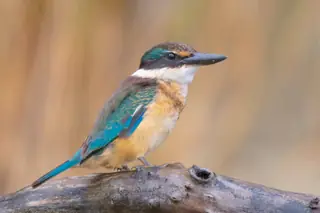 Sacred Kingfisher
-
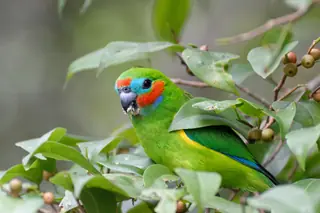 Double-eyed Fig-parrot
Rainforest birds 31
-
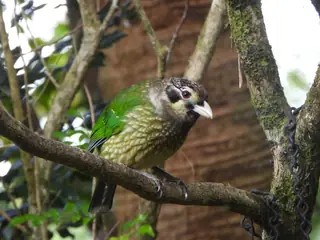 Spotted Catbird
-
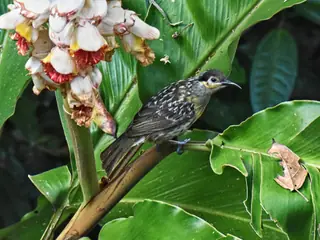 Macleay's Honeyeater
-
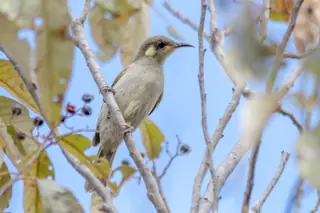 Graceful Honeyeater
-
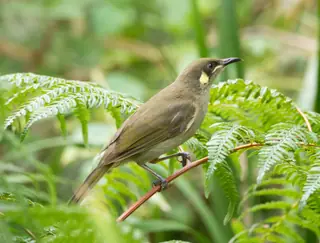 Yellow-spotted Honeyeater
-
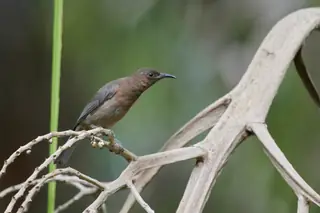 Dusky Myzomela
-
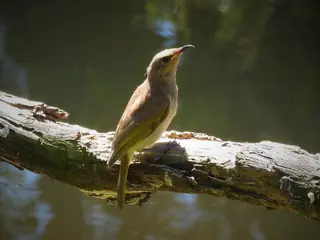 Brown Honeyeater
-
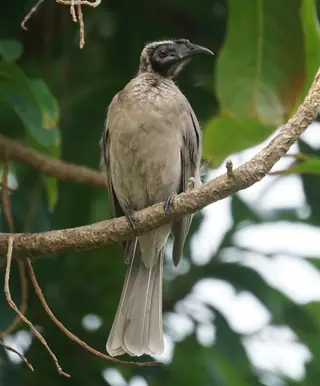 Helmeted Friarbird
-
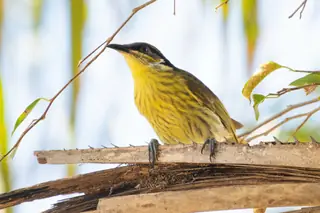 Varied Honeyeater
-
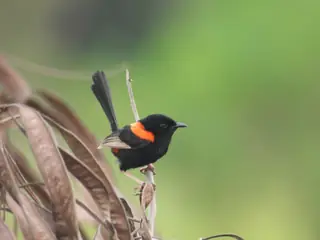 Red-backed Fairywren
-
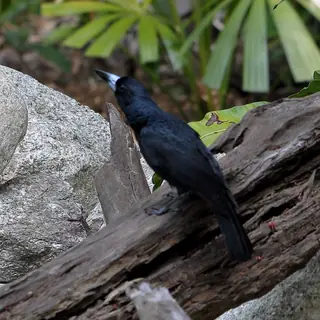 Black Butcherbird
-
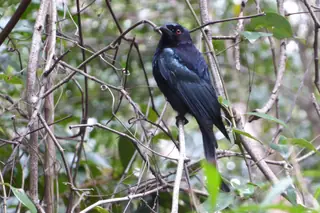 Spangled Drongo
-
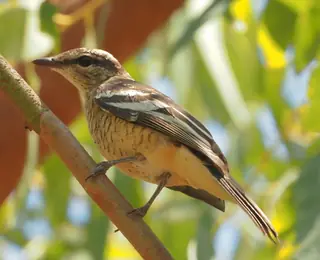 Varied Triller
-
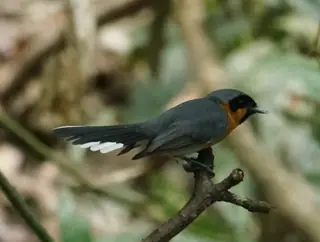 Spectacled Monarch
-
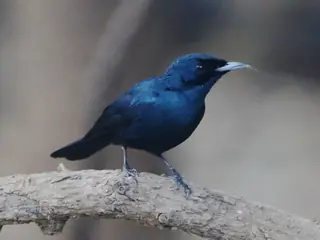 Shining Flycatcher
-
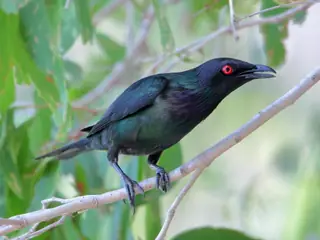 Metallic Starling
-
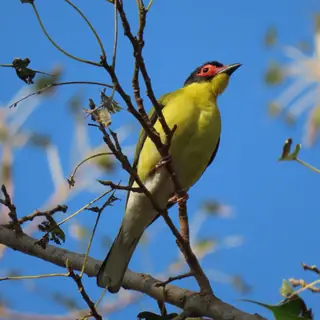 Australasian Figbird
-
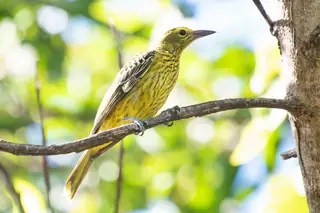 Green Oriole
-
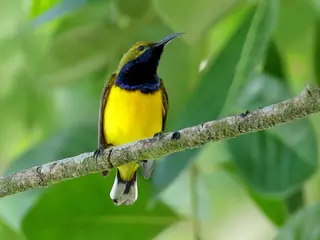 Sahul Sunbird
-
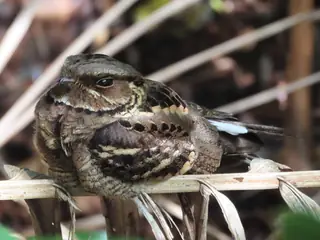 Large-tailed Nightjar
-
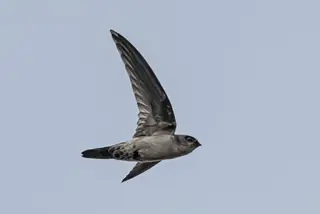 Australian Swiftlet
-
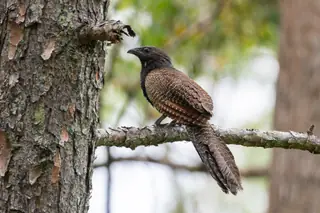 Pheasant Coucal
-
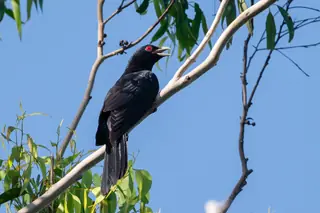 Pacific Koel
-
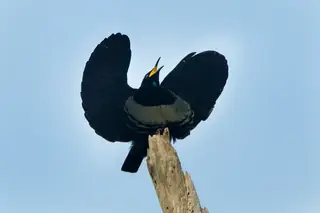 Victoria's Riflebird
-
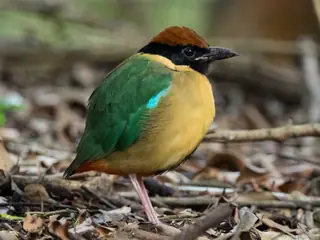 Noisy Pitta
-
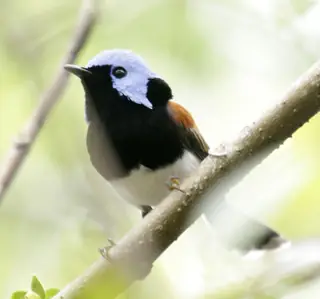 Lovely Fairywren
-
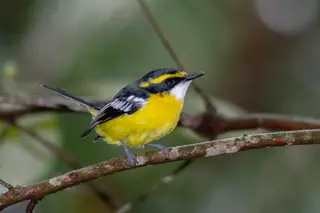 Yellow-breasted Boatbill
-
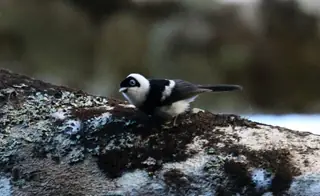 Pied Monarch
-
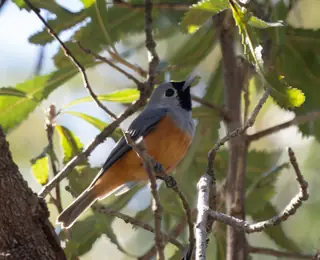 Black-faced Monarch
-
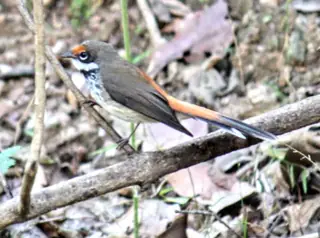 Rufous Fantail
-
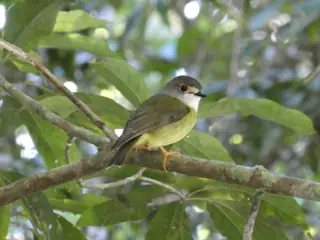 Pale-yellow Robin
-
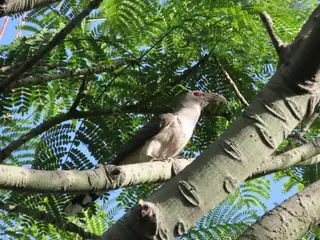 Channel-billed Cuckoo
River, mangrove and coast birds 21
-
 Great Egret
-
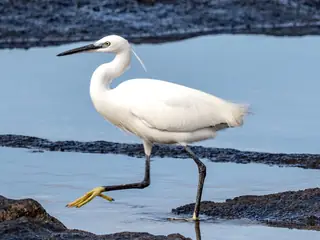 Little Egret
-
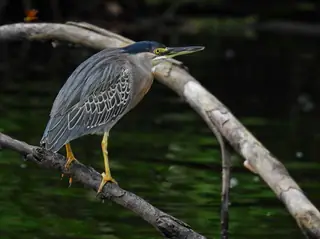 Striated Heron
-
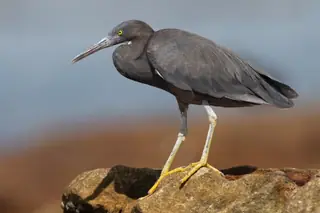 Pacific Reef Heron
-
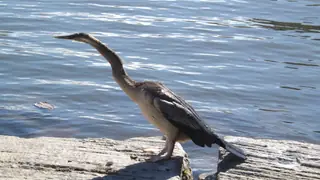 Australasian Darter
-
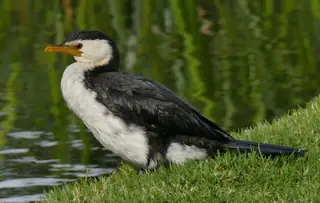 Little Pied Cormorant
-
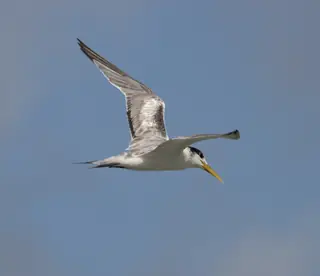 Greater Crested Tern
-
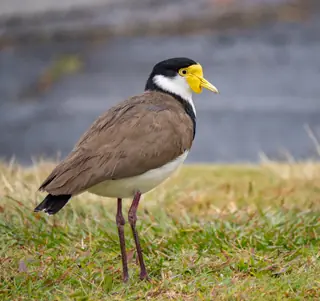 Masked Lapwing
-
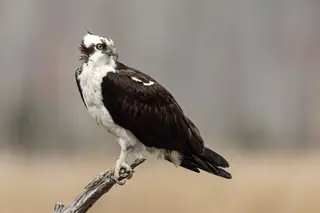 Osprey
-
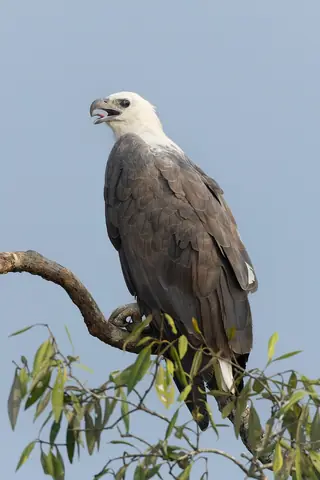 White-bellied Sea Eagle
-
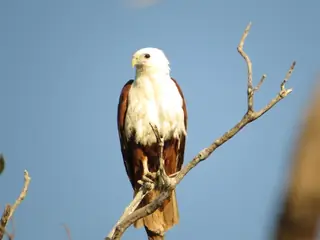 Brahminy Kite
-
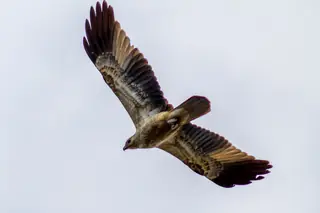 Whistling Kite
-
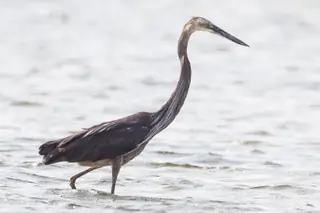 Great-billed Heron
-
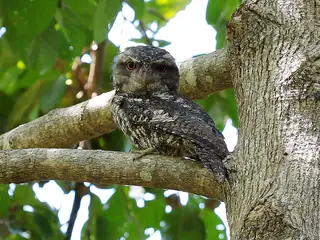 Papuan Frogmouth
-
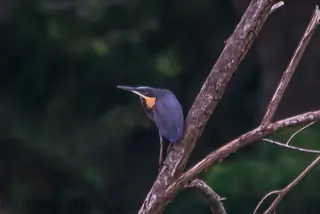 Black Bittern
-
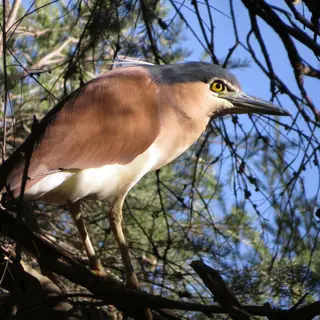 Nankeen Night Heron
-
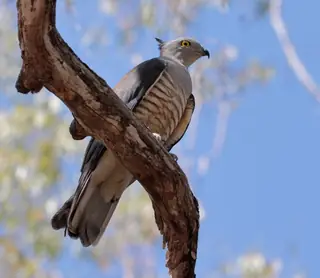 Pacific Baza
-
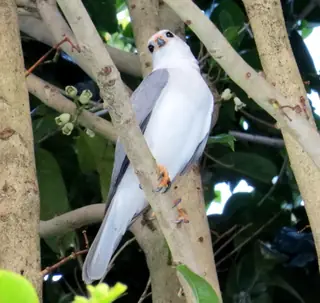 Grey Goshawk
-
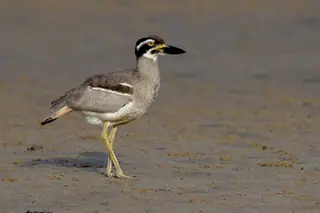 Beach Stone-curlewRare
-
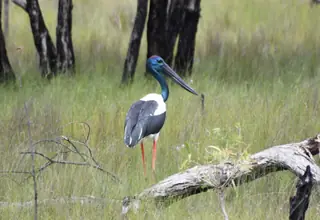 Black-necked StorkRare
-
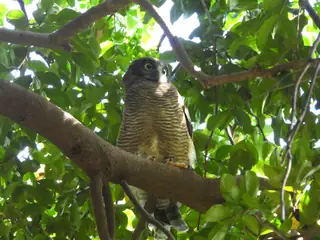 Rufous OwlRare
Reptiles 16
-
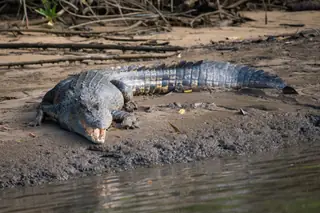 Saltwater Crocodile
-
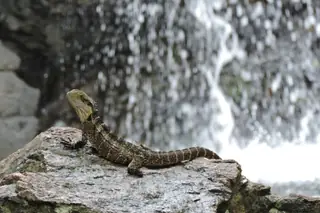 Eastern Water Dragon
-
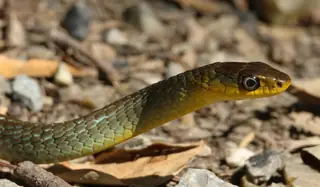 Green Tree Snake
-
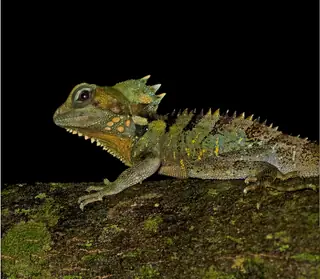 Boyd's Forest Dragon
-
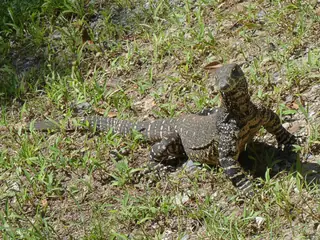 Lace Monitor
-
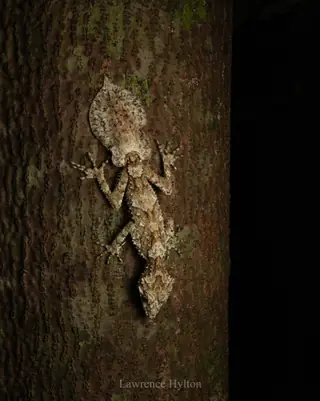 Northern Leaf-tailed Gecko
-
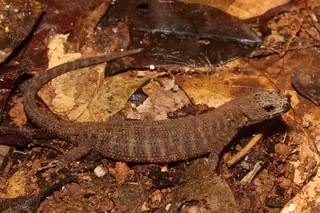 Prickly Forest Skink
-
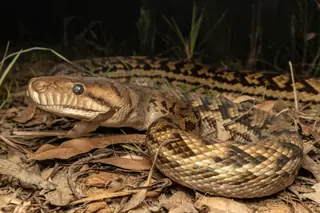 Australian Scrub Python
-
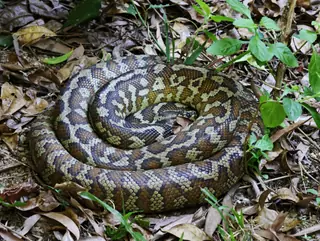 Carpet Python
-
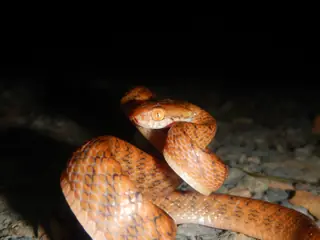 Brown Tree Snake
-
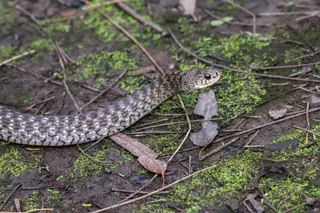 Common Keelback
-
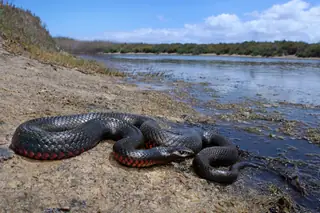 Red-bellied Black Snake
-
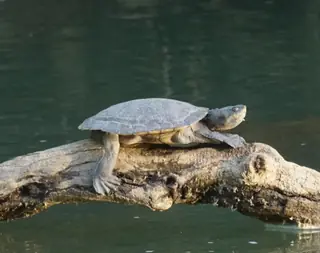 Common Sawshell Turtle
-
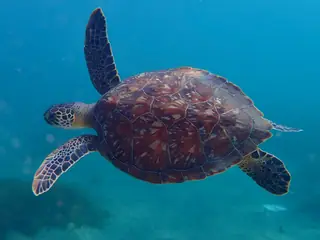 Green Sea Turtle
-
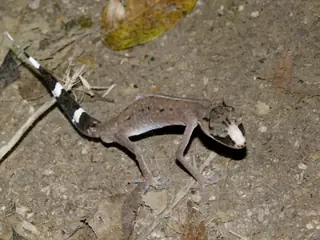 Chameleon GeckoRare
-
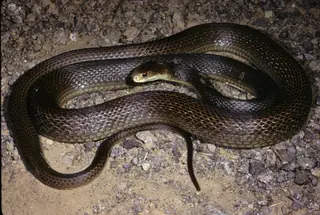 Coastal TaipanRare
Frogs 9
-
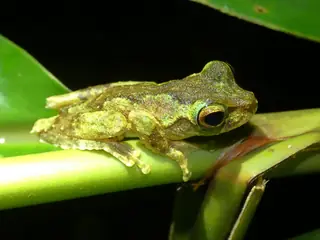 Green-eyed Tree Frog
-
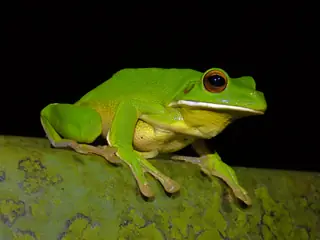 White-lipped Tree Frog
-
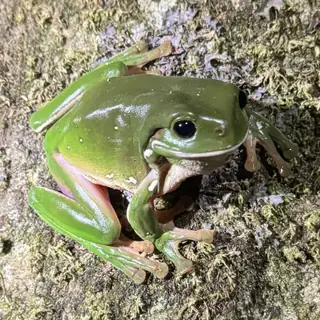 Australian Green Tree Frog
-
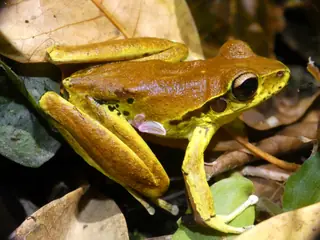 Northern Stony-creek Frog
-
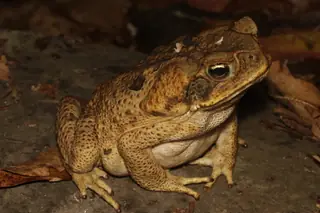 Cane Toad
-
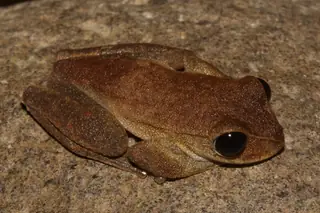 Australian Lace-lid
-
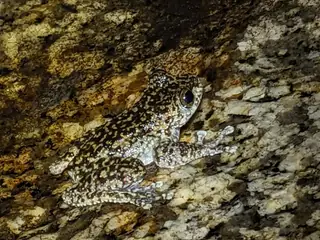 Waterfall Frog
-
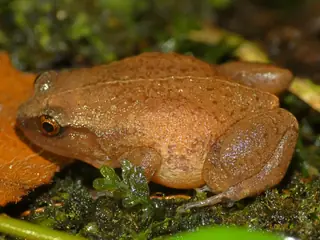 Fry's Frog
-
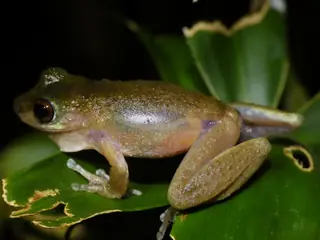 Common Mist FrogRare
Butterflies 9
-
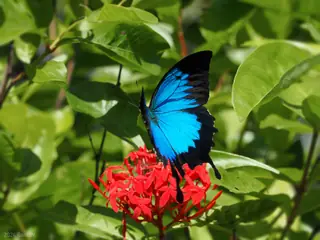 Ulysses Swallowtail
-
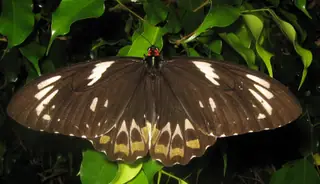 Cairns Birdwing
-
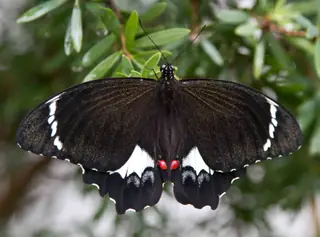 Orchard Swallowtail
-
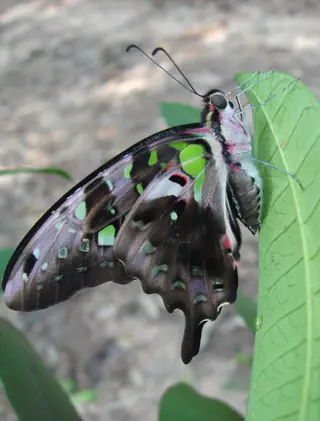 Green-spotted Triangle
-
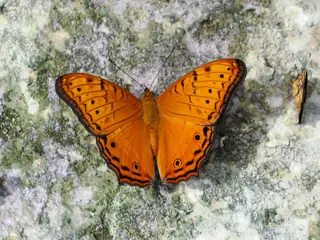 Cruiser
-
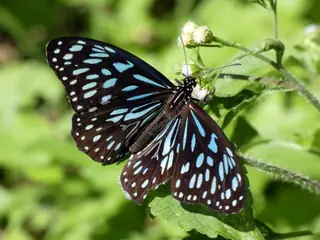 Australian Blue Tiger
-
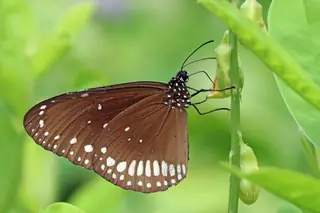 Common Crow
-
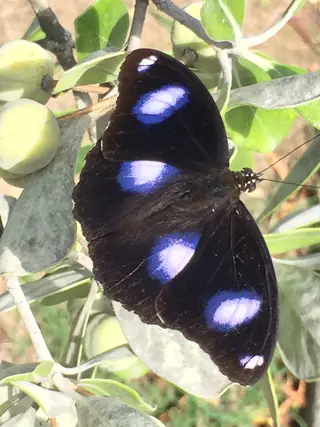 Blue Moon
-
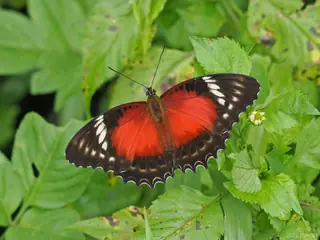 Australian Red Lacewing
Best time to see wildlife in the Daintree
Sightings by month in the Daintree
Most records: Mar to OctRecords from GBIF.org, adjusted for how many people record wildlife each month. 100% is the busiest month.
The Daintree has two seasons. The dry season, about May to October, is cooler and less humid, with fewer mosquitoes, and is best for walking, river cruises and crocodiles basking in the sun. The wet season, about November to April, brings heat, heavy rain and the chance of cyclones. Roads can flood, and the ferry can pause in high water. It is also when the forest is loudest: frogs call after rain, buff-breasted paradise kingfishers arrive, and summer migrants such as koels and channel-billed cuckoos fill the canopy. Dangerous stinging jellyfish are in coastal waters mainly from November to May, and crocodiles are about in every month.
- May to SepDry and cool, crocodiles basking
- Oct to NovWarming up, migrant birds arrive
- Dec to MarWet season, frogs, kingfishers
- AprRains ease, forest lush
Tips for spotting wildlife in the Daintree
- 01
Take an early river cruise
Licensed Daintree River cruises at dawn give the best chance of crocodiles, great-billed herons, kingfishers and frogmouths. Let the guide keep a respectful distance.
- 02
Walk the boardwalks slowly
Boardwalks at Jindalba, Marrdja and Dubuji pass through rainforest and mangroves. Walk quietly and watch the forest floor for musky rat-kangaroos and scrubfowl.
- 03
Be crocwise
Never swim in creeks, rivers or the sea where crocodiles may live, even without a sign. Stay well back from the water's edge and from crocodile slide marks.
- 04
Slow down for cassowaries
Drive slowly, especially at dawn and dusk. If you meet a cassowary on foot, back away calmly and put something like a tree or a backpack between you.
- 05
Join a guided night walk
Licensed guides find possums, gliders, frogs and sleeping birds without disturbing them. Keep torch beams off eyes, and never handle frogs.

Take the Daintree with you
Log cassowaries, crocodiles and birdwings in the Daintree with Wilder, then add the reef. Free to start.

Daintree wildlife FAQ
Where can you see cassowaries in the Daintree?
Cassowaries live throughout the lowland rainforest between the Daintree River and Cape Tribulation, and are sometimes seen crossing roads or walking near boardwalks. Sightings are never guaranteed. If you see one, stay in your car or back away slowly, and never feed it. Fed birds learn to approach people and are more likely to be hit by cars or to attack.
Can you see crocodiles in the Daintree River?
Yes. Saltwater crocodiles live in the Daintree River and its creeks, and licensed river cruises see them on most trips, especially basking on mudbanks on sunny mornings in the cooler months. Never swim in the river, creeks or sea, and stay well back from the water's edge.
What animals live in the Daintree Rainforest?
The Daintree is home to cassowaries, musky rat-kangaroos, tree-kangaroos, possums, flying foxes, saltwater crocodiles, forest dragons, pythons and many frogs. Birds include Victoria's riflebird, wompoo fruit doves and paradise kingfishers, and the butterflies include the Ulysses swallowtail and Cairns birdwing. This checklist covers 127 animals.
Is it safe to swim at Cape Tribulation?
Swimming is not recommended. Saltwater crocodiles live in the creeks and the sea, and dangerous stinging jellyfish are in coastal waters, mainly from November to May. Queensland Parks warns that swimming at Mossman Gorge is dangerous at any time. Enjoy the beaches from the sand, and take a reef trip from Cape Tribulation or Port Douglas to swim.
Sources
- Queensland Parks: Visiting Daintree safely
- Queensland Parks: Cape Tribulation map
- UNESCO World Heritage Centre: Wet Tropics of Queensland
- Sightings by month: GBIF.org
Animal photos are from the Wilder catalogue; photo credits.
Similar checklists
All Oceania-
 Marine park54animals Great Barrier Reef Queensland, Australia The world's biggest coral reef: turtles, reef sharks and manta rays underwater, and seabird islands on top. Best time Jun to Oct
-
 Island74animals Tasmania The whole state, Australia Wild island at the bottom of Australia: devils, wombats and platypus, with twelve birds found nowhere else. Best time All year
-
 Island103animals Kangaroo Island Off the Fleurieu Peninsula, South Australia, Australia Australia's third-largest island, free of foxes and rabbits: kangaroos, sea lions, echidnas and koalas, with glossy black cockatoos in the sheoaks. Best time Sept to Nov, Mar to May
-
 National park95animals Tanjung Puting National Park Central Kalimantan, Borneo, Indonesia Peat swamp and riverside forest on Borneo's south coast, explored by houseboat, with orangutans, proboscis monkeys and gibbons. Best time Jun to Sept