Island · Fraser Coast, Queensland · Australia
K'gari (Fraser Island) Wildlife Checklist

K'gari, formerly Fraser Island, off the Queensland coast is the world's largest sand island and home to some of the purest dingoes in eastern Australia. Across the strait, Hervey Bay is one of the best places on Earth to watch humpback whales resting with their calves. This checklist covers 117 animals. Whales are here from late July to early November.
Tick off all 117 animals in K'gari on your phone, even offline. Launching soon. Free A4 PDF, no sign-up.
K'gari is Butchulla Country and part of the Great Sandy National Park, a World Heritage area of rainforest growing on sand, freshwater perched lakes and a beach that doubles as a highway. Hervey Bay, on the mainland opposite, is sheltered by the island, so the whales rest in calm water close to the boats.
- Animals to find
- 117
- Where
- Australia
- Best time
- Aug to Oct
- Whale season
- Late Jul to early Nov
Popular animals in K'gari
-
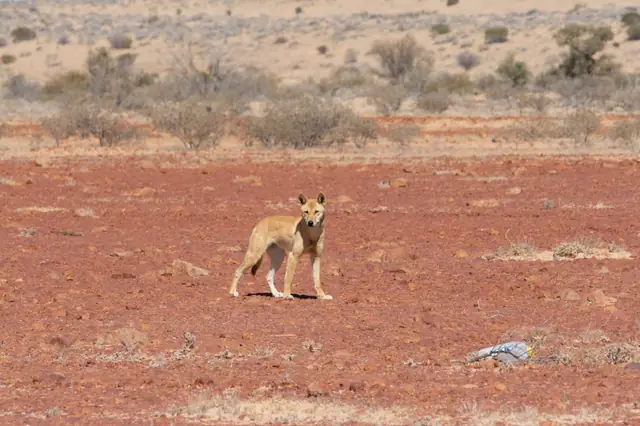
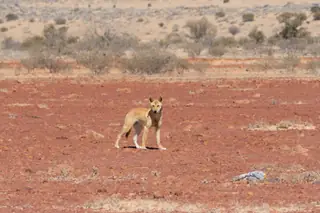
Dingo
Canis dingo
Called wongari by the Butchulla. Packs patrol the beaches and campgrounds all year. They are wild predators: follow the distance rules, never feed them, and keep children within arm's reach.
-
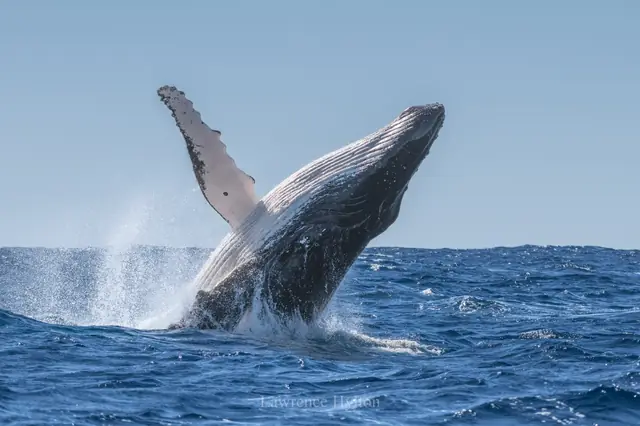
Humpback Whale
Megaptera novaeangliae
On their way back south from the breeding grounds, humpbacks rest in Hervey Bay from late July. Mothers with new calves arrive from September and are often curious about boats.
-
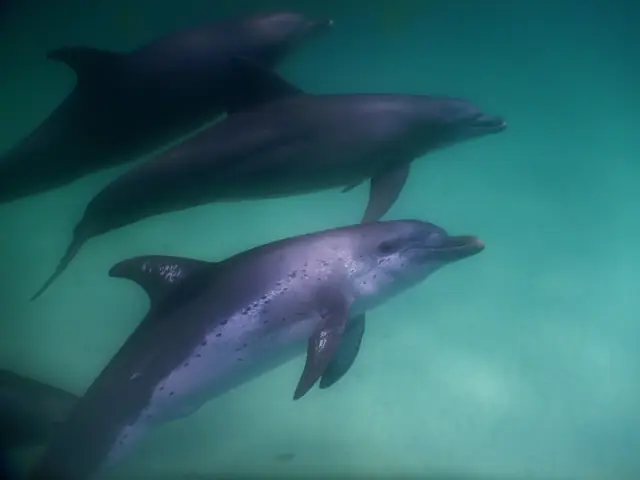
Indo-Pacific Bottlenose Dolphin
Tursiops aduncus
Common in the Great Sandy Strait and around Urangan, often seen from whale-watch boats and the long Urangan Pier.
-
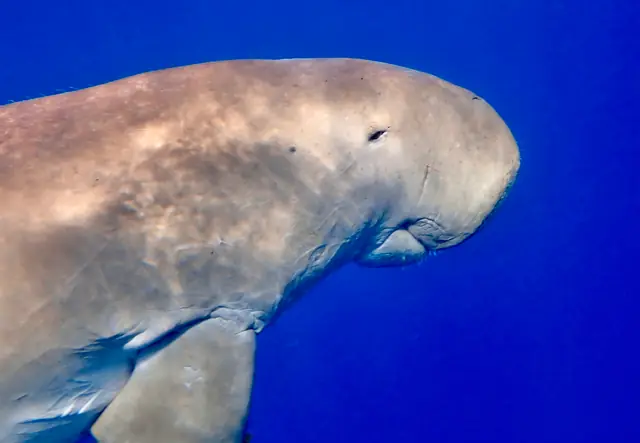
Dugong
Dugong dugon
Grazes the seagrass meadows of the Great Sandy Strait. You need luck and calm water to see the round back and blowhole surface.
-
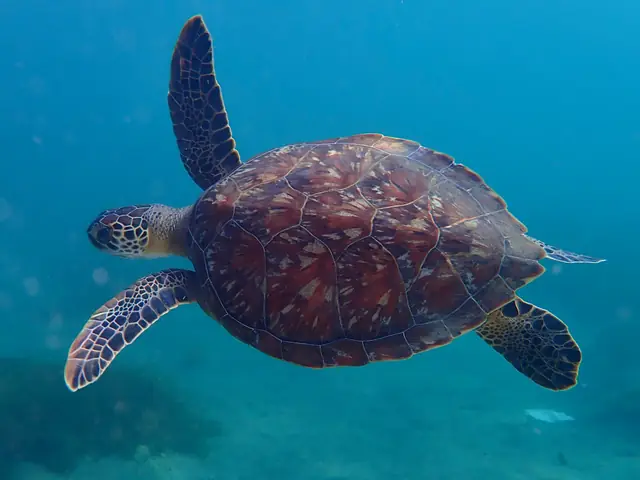
Green Sea Turtle
Chelonia mydas
Often surfaces in sheltered water and below rocky headlands, where the clear water shows turtles and sharks below.
-
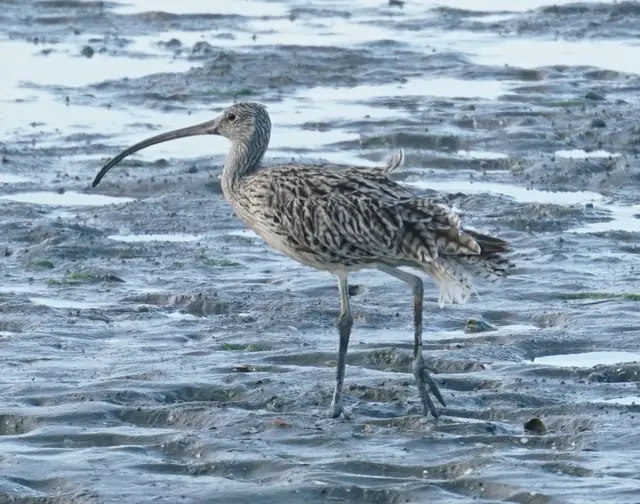
Far Eastern Curlew
Numenius madagascariensis
A critically endangered wader with a huge curved bill. From September to March it feeds on the mudflats of the Great Sandy Strait, one of its key wintering sites.
-
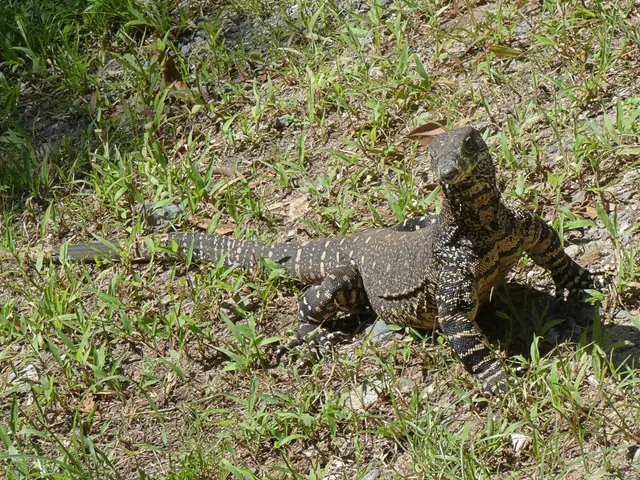
Lace Monitor
Varanus varius
A big goanna that patrols campgrounds and picnic areas looking for scraps. Lock food away and let it pass.
-
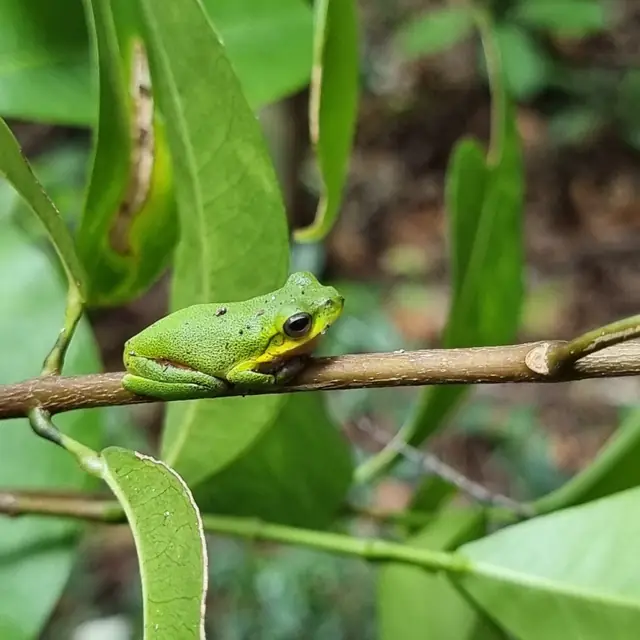
Cooloola Sedge Frog
Drymomantis cooloolensis
One of the rare 'acid frogs' that live in the tea-coloured wallum swamps. Listen for them calling after summer rain.
-
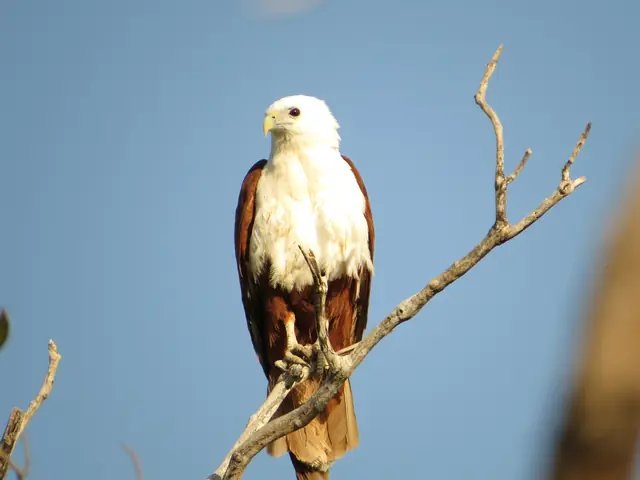
Brahminy Kite
Haliastur indus
Chestnut with a white head, hunting low over the beaches and the strait.
All 117 animals in K'gari
Dingoes and land mammals 15
-
 Dingo
-
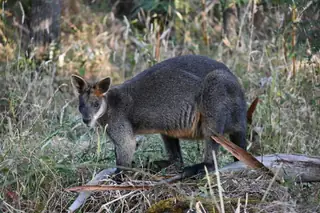 Swamp Wallaby
-
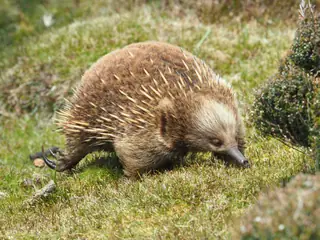 Short-beaked Echidna
-
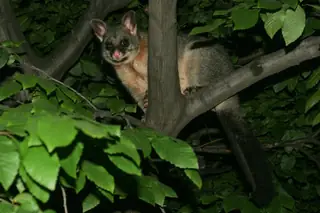 Common Brushtail Possum
-
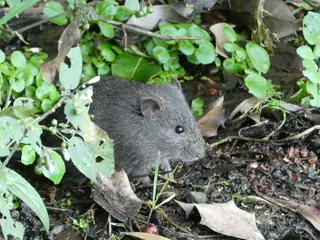 Australian Swamp RatRare
-
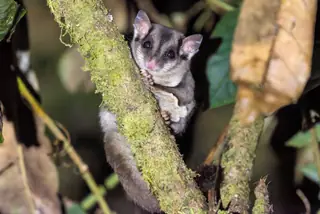 Sugar Glider
-
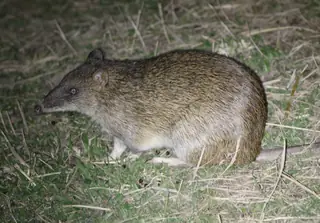 Northern Brown Bandicoot
-
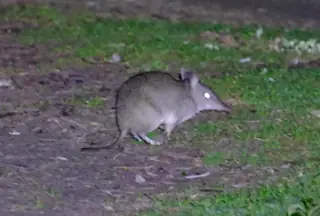 Long-nosed Bandicoot
-
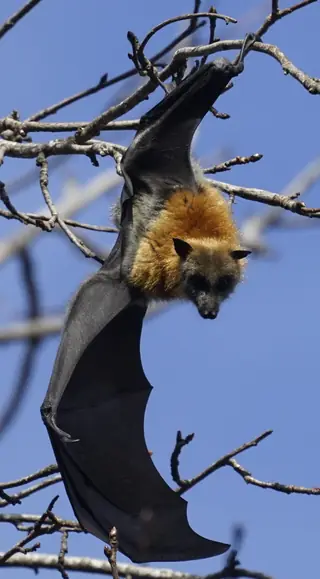 Grey-headed Flying Fox
-
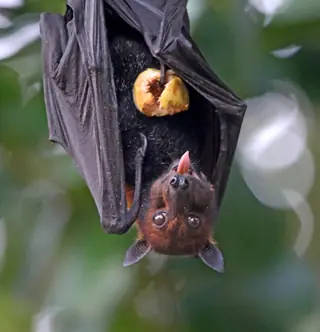 Black Flying Fox
-
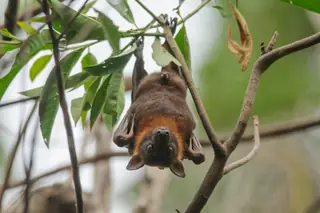 Little Red Flying Fox
-
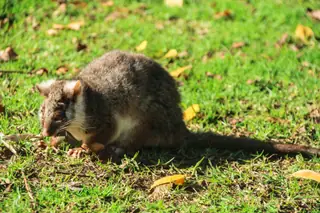 Common Ringtail Possum
-
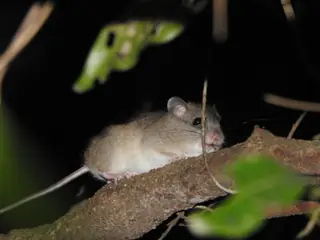 Fawn-footed Melomys
-
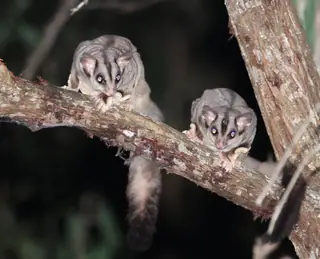 Squirrel GliderRare
-
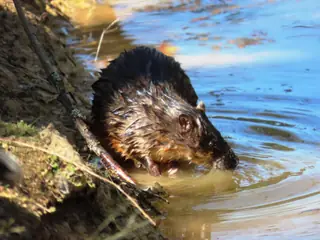 RakaliRare
Whales and dolphins 7
-
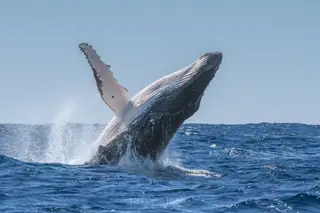 Humpback Whale
-
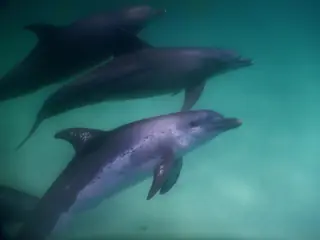 Indo-Pacific Bottlenose Dolphin
-
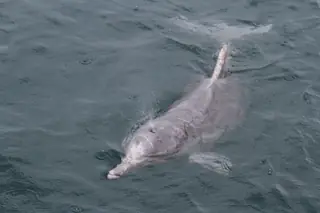 Australian Humpback Dolphin
-
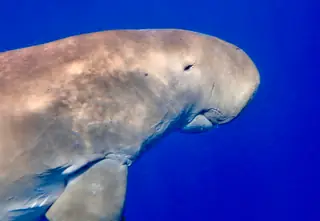 Dugong
-
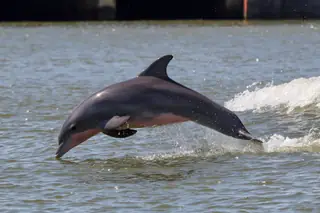 Bottlenose Dolphin
-
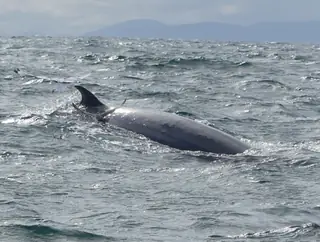 Minke WhaleRare
-
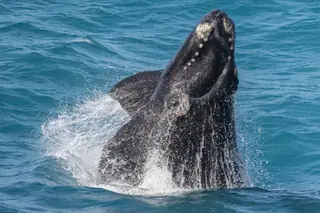 Southern Right WhaleRare
Sea turtles 4
-
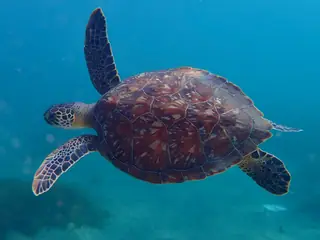 Green Sea Turtle
-
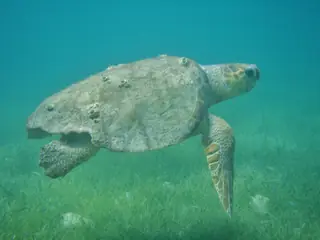 Loggerhead Sea Turtle
-
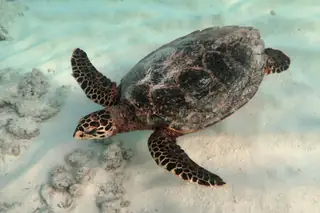 Hawksbill Sea TurtleRare
- Flatback Sea TurtleRare
Shorebirds and seabirds 28
-
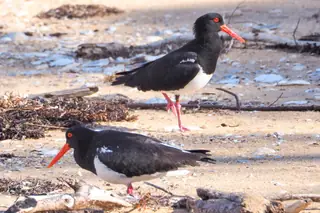 Pied Oystercatcher
-
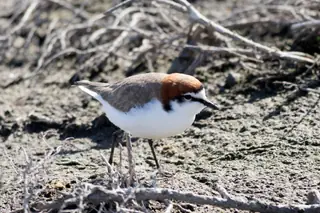 Red-capped Plover
-
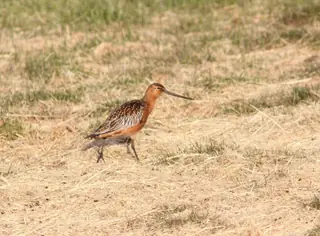 Bar-tailed Godwit
-
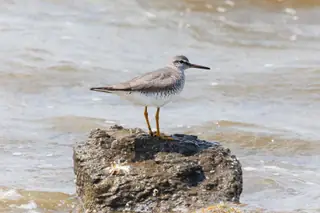 Grey-tailed Tattler
-
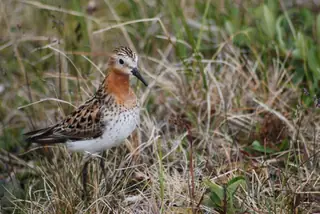 Red-necked Stint
-
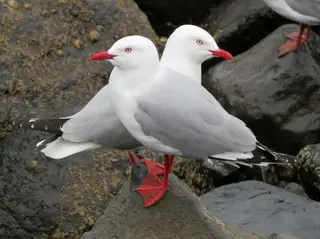 Silver Gull
-
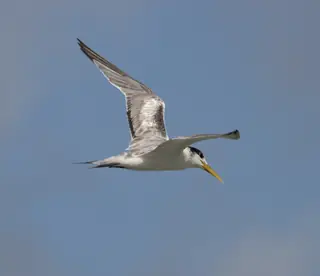 Greater Crested Tern
-
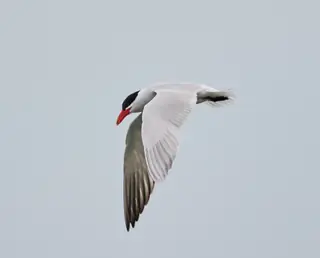 Caspian Tern
-
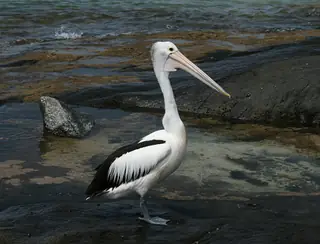 Australian Pelican
-
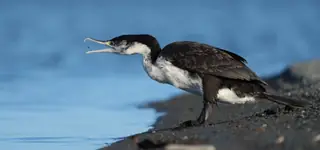 Australian Pied Cormorant
-
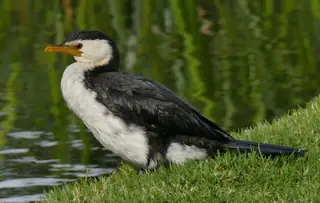 Little Pied Cormorant
-
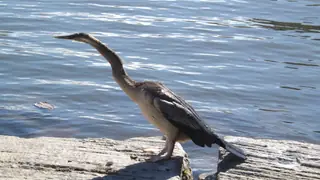 Australasian Darter
-
 Great Egret
-
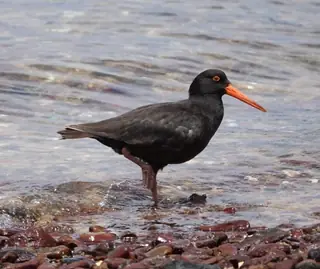 Sooty Oystercatcher
-
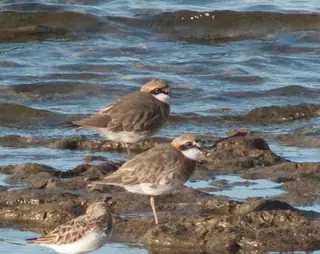 Siberian Sand Plover
-
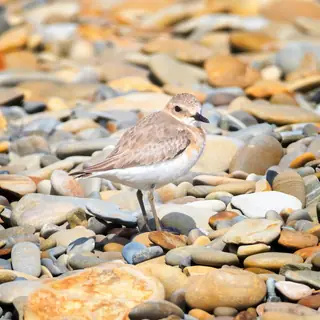 Greater Sand Plover
-
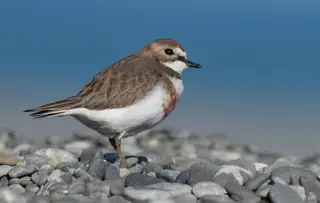 Double-banded Plover
-
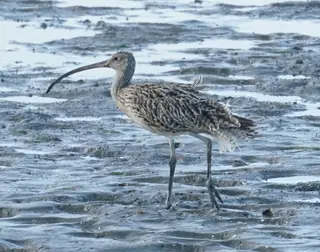 Far Eastern Curlew
-
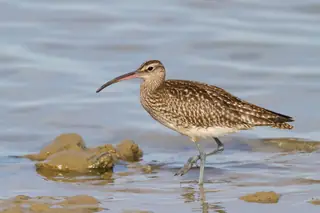 Whimbrel
-
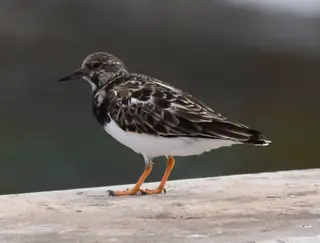 Ruddy Turnstone
-
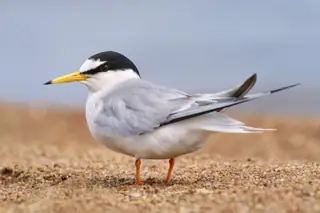 Little Tern
-
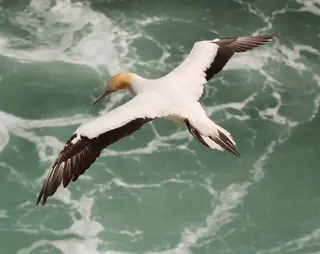 Australasian Gannet
-
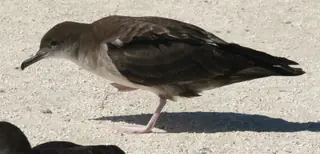 Wedge-tailed Shearwater
-
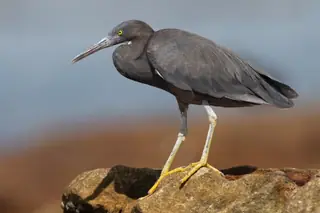 Pacific Reef Heron
-
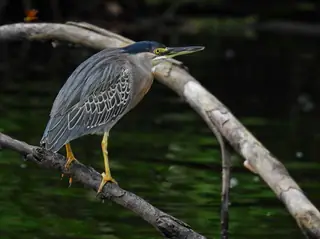 Striated Heron
-
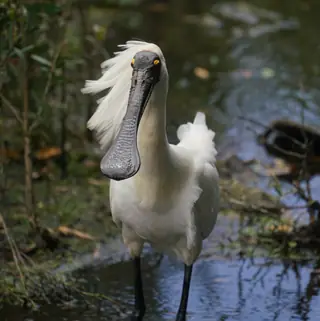 Royal Spoonbill
-
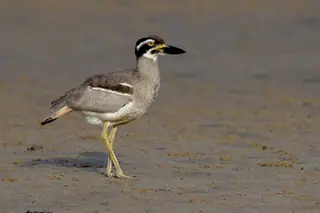 Beach Stone-curlewRare
-
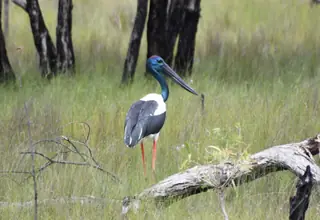 Black-necked StorkRare
Birds of prey 6
-
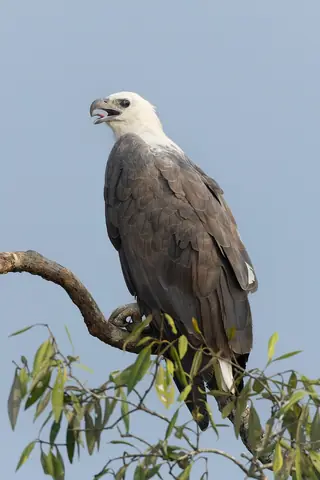 White-bellied Sea Eagle
-
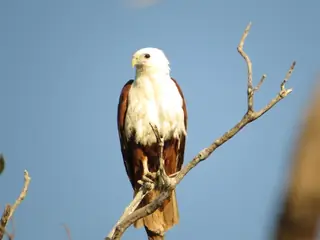 Brahminy Kite
-
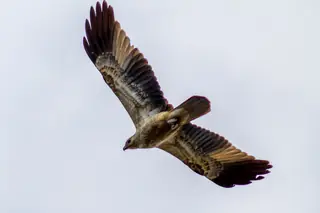 Whistling Kite
-
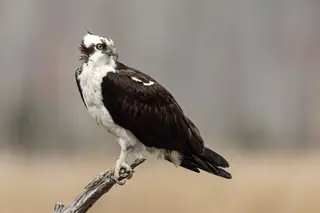 Osprey
-
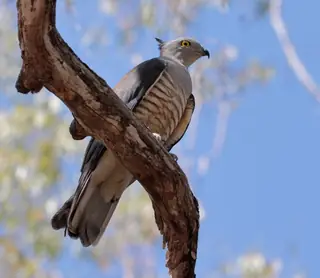 Pacific Baza
-
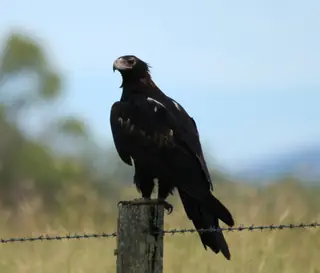 Wedge-tailed EagleRare
Forest, lake and wallum birds 33
-
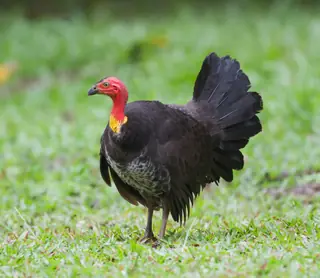 Australian Brushturkey
-
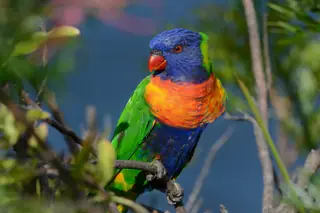 Rainbow Lorikeet
-
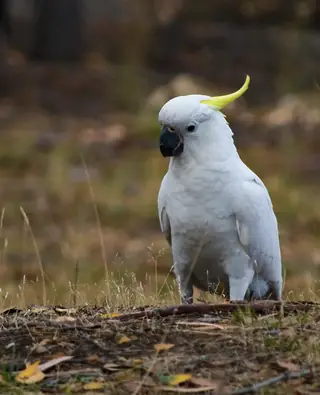 Sulphur-crested Cockatoo
-
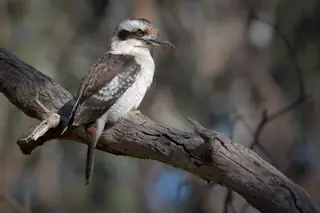 Kookaburra
-
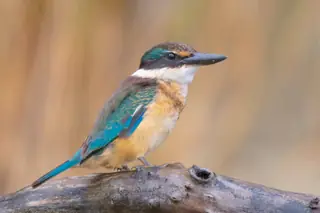 Sacred Kingfisher
-
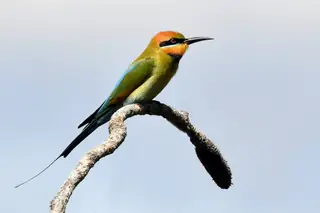 Rainbow Bee-eater
-
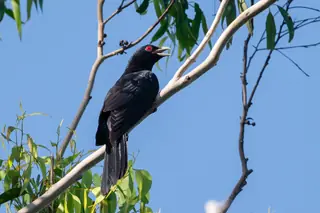 Pacific Koel
-
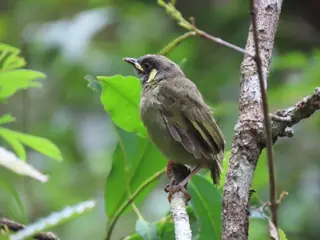 Lewin's Honeyeater
-
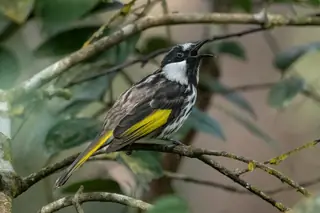 White-cheeked Honeyeater
-
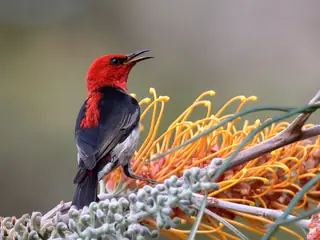 Scarlet Myzomela
-
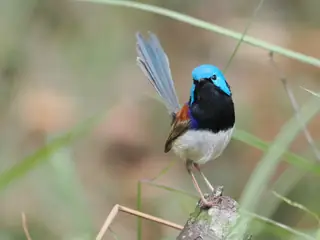 Variegated Fairywren
-
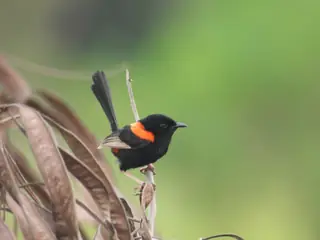 Red-backed Fairywren
-
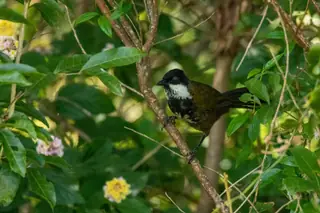 Eastern Whipbird
-
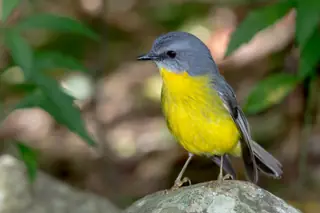 Eastern Yellow Robin
-
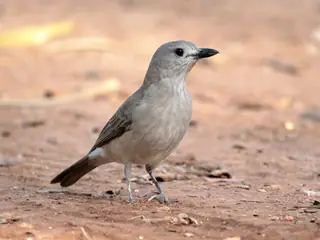 Grey Shrike-thrush
-
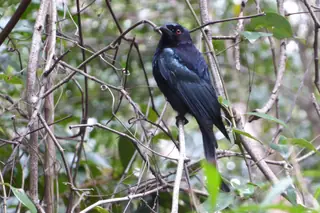 Spangled Drongo
-
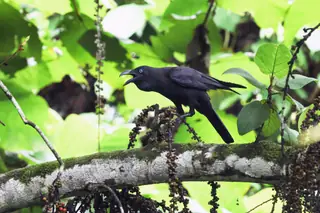 Torresian Crow
-
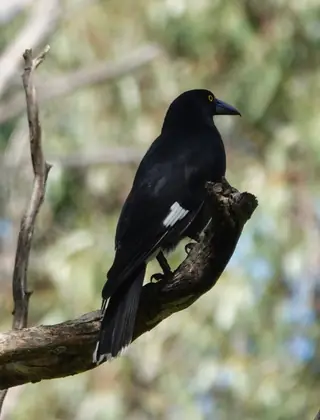 Pied Currawong
-
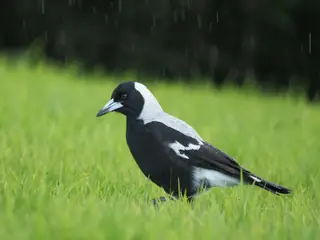 Australian Magpie
-
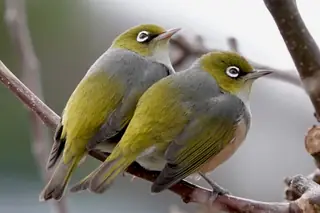 Silvereye
-
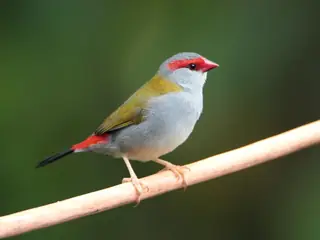 Red-browed Finch
-
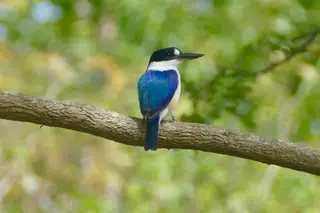 Forest Kingfisher
-
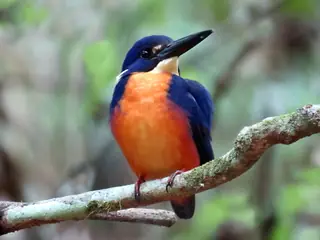 Azure Kingfisher
-
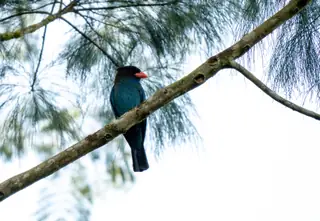 Oriental Dollarbird
-
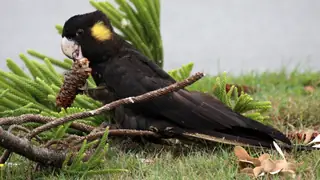 Yellow-tailed Black Cockatoo
-
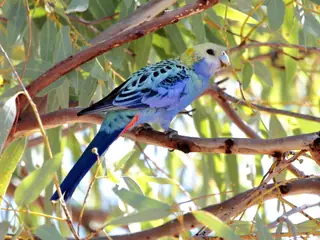 Pale-headed Rosella
-
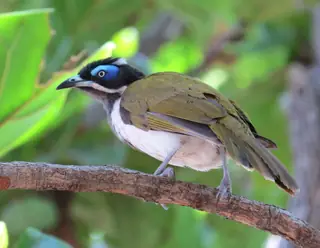 Blue-faced Honeyeater
-
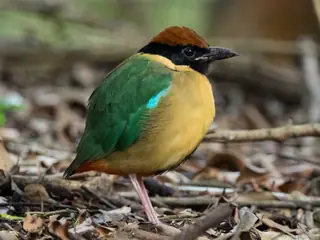 Noisy Pitta
-
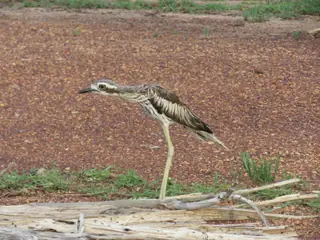 Bush Stone-curlew
-
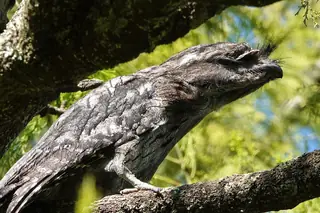 Tawny Frogmouth
-
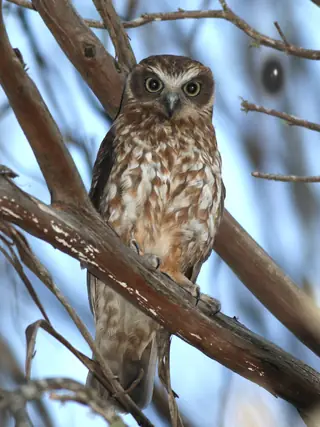 Southern Boobook
-
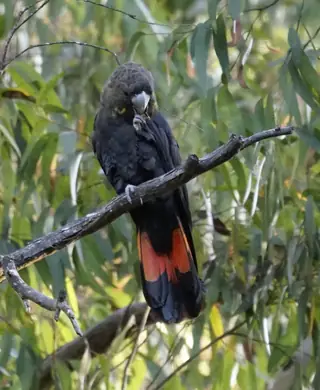 Glossy Black CockatooRare
-
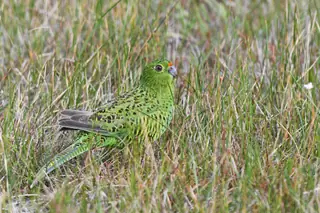 Ground ParrotRare
Reptiles 12
-
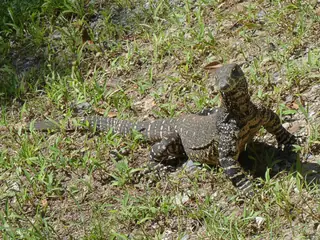 Lace Monitor
-
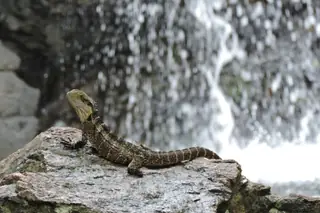 Eastern Water Dragon
-
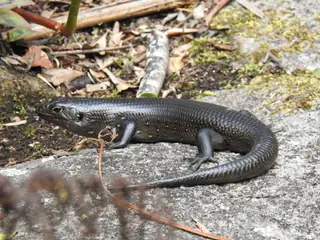 Land Mullet
-
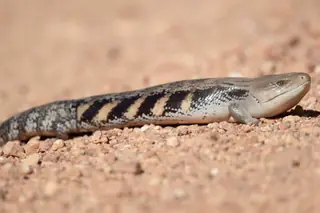 Common Blue-tongued Lizard
-
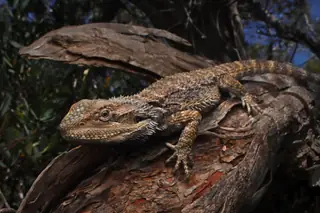 Eastern Bearded Dragon
-
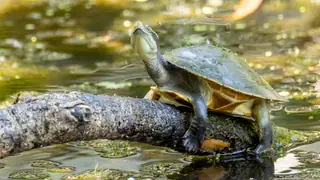 Eastern Short-necked Turtle
-
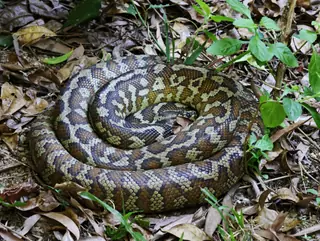 Carpet Python
-
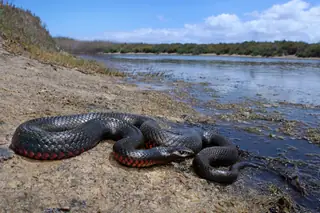 Red-bellied Black Snake
-
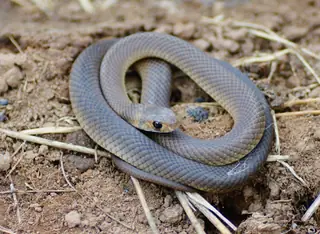 Eastern Brown Snake
-
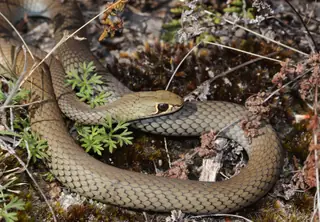 Yellow-faced Whipsnake
-
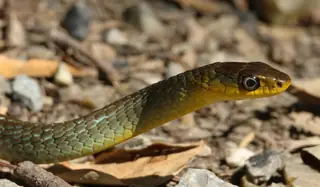 Green Tree Snake
-
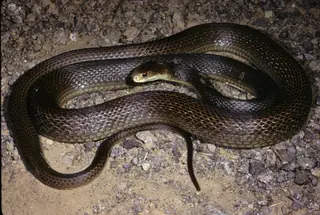 Coastal TaipanRare
Frogs 8
-
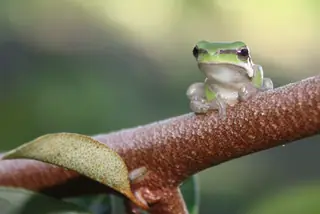 Eastern Dwarf Tree Frog
-
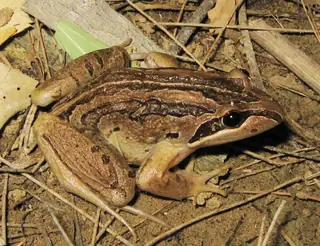 Striped Marsh Frog
-
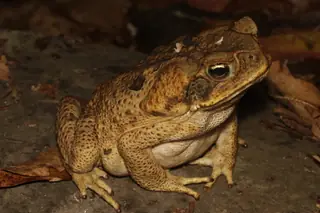 Cane Toad
-
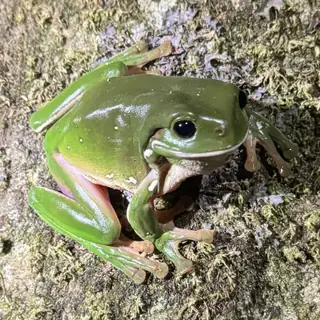 Australian Green Tree Frog
-
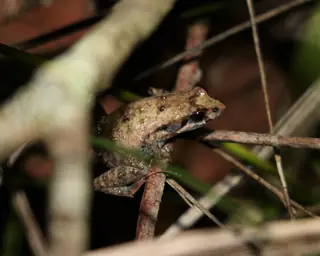 Tinkling Froglet
-
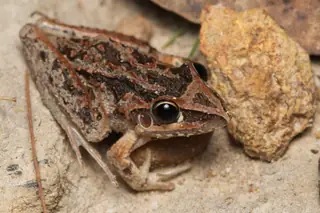 Freycinet's Frog
-
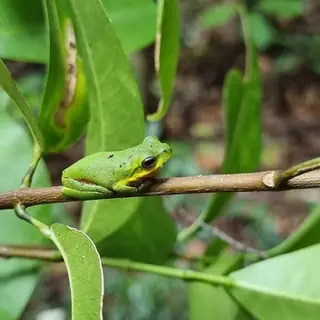 Cooloola Sedge FrogRare
-
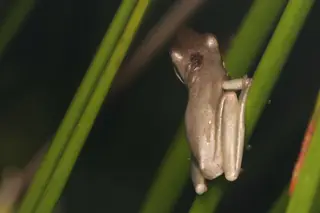 Wallum Sedge FrogRare
Sea life 4
-
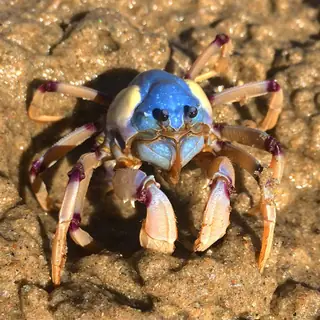 Light-blue Soldier Crab
-
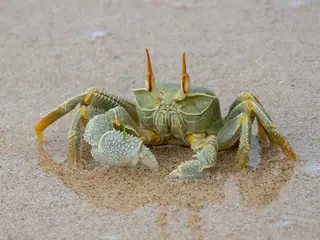 Horn-eyed Ghost Crab
-
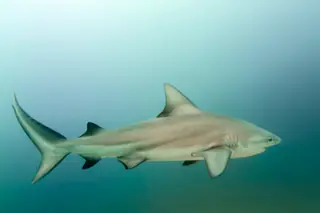 Bull Shark
-
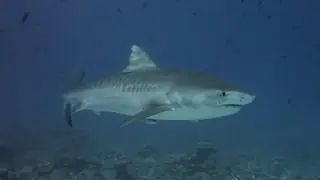 Tiger Shark
Best time to see wildlife in K'gari
Sightings by month in K'gari
Most records: May to MarRecords from GBIF.org, adjusted for how many people record wildlife each month. 100% is the busiest month.
Humpback whales are the big seasonal draw: they rest in Hervey Bay from late July to early November, with mothers and calves most common from September. August to October is the sweet spot, with dry, mild weather and the most whales. Migrant waders are on the strait from September to March, and turtles are offshore all year. Summer, December to February, is hot and humid, with storms, school holidays and busy beaches, though it is the best time for frogs after rain. Dingoes are seen all year, and the island is busiest in Queensland school holidays. Winter, June to August, is cool, dry and clear, good for walking and the lakes.
- Jun to JulCool and dry, first whales late July
- Aug to OctPeak whales, calves from September
- NovLast whales, waders on the strait
- Dec to MayHot and humid, storms, frogs after rain
Tips for spotting wildlife in K'gari
- 01
Be dingo-safe
Carry a stick when walking outside fenced areas, walk in groups, never run, and keep all food in your car or a locked box. Families with children under 14 should camp in a fenced campground.
- 02
Choose a licensed whale boat
Whale-watch boats leave Urangan Boat Harbour every day in season. Licensed operators keep to the approach distances and let curious whales come to them.
- 03
Plan for 4WD only
There are no sealed roads on K'gari. You need a high-clearance 4WD and a vehicle access permit, or join a guided tour from Hervey Bay or Rainbow Beach. Drive the beach around low tide.
- 04
Walk the rainforest creeks
The boardwalk along Wanggoolba Creek at Central Station is quiet and good for whipbirds, kingfishers and lace monitors in rainforest growing straight out of sand.
- 05
Watch waders on a rising tide
On the Urangan and Point Vernon foreshore, the incoming tide pushes godwits, curlews and tattlers closer. Stay back so they can feed and rest.
- 06
Look from the headlands
From Indian Head and the Champagne Pools path, look down into clear water for sharks, and out to sea for passing whales in season.

Take K'gari with you
Log dingoes, whales and turtles on your K'gari and Hervey Bay trip in Wilder, and keep going up the Queensland coast. Free to start.

K'gari wildlife FAQ
When is whale watching season in Hervey Bay?
Whale watching in Hervey Bay runs from late July to early November, when humpback whales rest in the sheltered bay on their way back to Antarctica. August to October usually has the most whales, and mothers with young calves are common from September. Tours leave daily from Urangan Boat Harbour.
Are the dingoes on K'gari dangerous?
They can be. K'gari's dingoes are wild predators and have bitten people, mostly where they have been fed. Follow the distance rules, never feed them, keep children within arm's reach, walk in groups and carry a stick outside fenced areas. Feeding or disturbing a dingo is an offence with heavy fines.
What animals can you see on K'gari (Fraser Island)?
Dingoes are the famous ones, with swamp wallabies, echidnas, possums, flying foxes, lace monitors and rare acid frogs on the island, and humpback whales, dolphins, dugongs and turtles in the surrounding water. Birds range from sea eagles and ospreys to godwits and curlews. This checklist covers 117 animals.
Can you swim at K'gari?
Not in the ocean: strong currents and sharks make the surf beach unsafe. Swim in the freshwater lakes, such as Boorangoora (Lake McKenzie), and in Eli Creek instead, and keep food off the beach because of dingoes.
Sources
- Queensland Parks: Be dingo-safe on K'gari
- Queensland Parks: Camping areas with dingo deterrent fences
- Tourism Australia: Whale watching in Hervey Bay
- Sightings by month: GBIF.org
Animal photos are from the Wilder catalogue; photo credits.
Similar checklists
All Oceania-
 Marine park54animals Great Barrier Reef Queensland, Australia The world's biggest coral reef: turtles, reef sharks and manta rays underwater, and seabird islands on top. Best time Jun to Oct
-
 National park123animals Lamington National Park Gold Coast hinterland, Queensland, Australia Ancient Gondwana rainforest on the Queensland border: bowerbirds and pademelons around O'Reilly's and Binna Burra, and Albert's lyrebird singing in the cool months. Best time Sept to Nov
-
 National park127animals Daintree Rainforest and Cape Tribulation Far North Queensland, Australia Ancient rainforest running down to the reef: cassowaries on the forest floor, crocodiles in the Daintree River and birdwing butterflies in the canopy. Best time Jun to Sept
-
 Marine park121animals Ningaloo Reef and Exmouth Exmouth and Coral Bay, Western Australia, Australia A fringing reef you can swim to from the beach, where whale sharks gather each autumn, manta rays live all year and red kangaroos graze in the dunes. Best time Mar to Jul