Region · Dhofar · Oman
Dhofar Wildlife Checklist

Dhofar is the southern province of Oman, around the city of Salalah, where the summer monsoon turns the coastal mountains green. It mixes Arabian and African wildlife: spinner dolphins off Mirbat, flamingos and crab-plovers in the coastal lagoons, Bruce's green pigeons and Rüppell's weavers at the springs, and Arabian gazelles and Nubian ibex on Jebel Samhan. This checklist covers 140 animals. October to April is best for birds and dolphins.
Tick off all 140 animals in Dhofar on your phone, even offline. Launching soon. Free A4 PDF, no sign-up.
Most visitors stay in Salalah, on a flat coastal plain between the Arabian Sea and the Dhofar mountains. Freshwater springs such as Ayn Razat and Ayn Hamran sit at the foot of the hills, the khawrs (coastal lagoons) line the shore from Mughsail to Khawr Rawri, and the high plateau of Jebel Samhan rises behind Mirbat to the east.
- Animals to find
- 140
- Where
- Oman
- Best time
- Oct to Apr
- Monsoon season
- Jun to Sept (khareef)
Popular animals in Dhofar
-
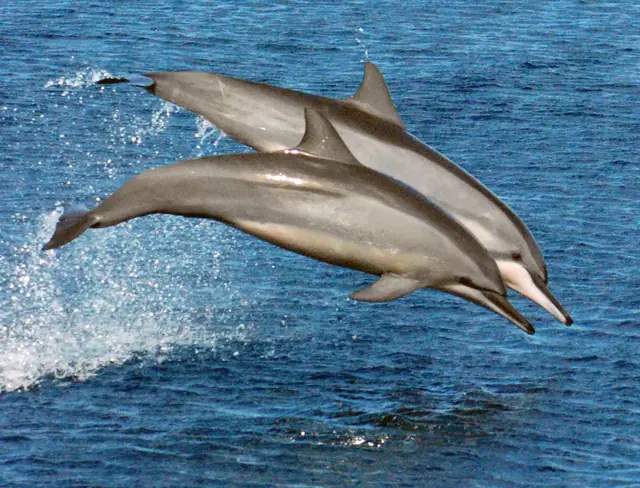
Spinner Dolphin
Stenella longirostris
Large schools leap and spin in the calm seas off Mirbat and Salalah. Go with licensed boat operators who follow the local whale-watching code.
-
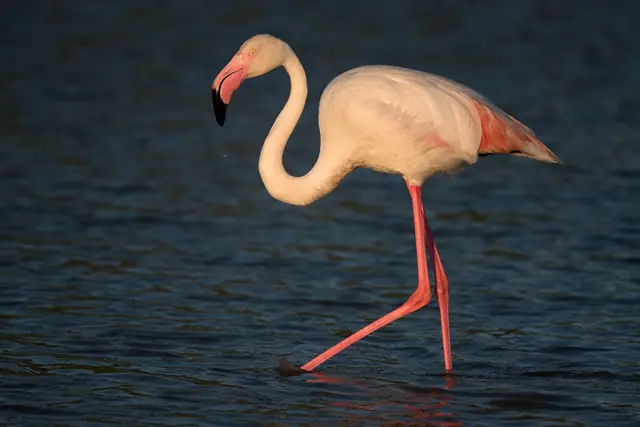
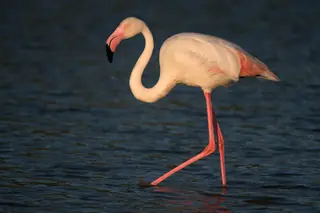
Greater Flamingo
Phoenicopterus roseus
Feeds in the khawrs along the coast, most of all in winter. Watch from the edges of the lagoons without walking out on the mud.
-
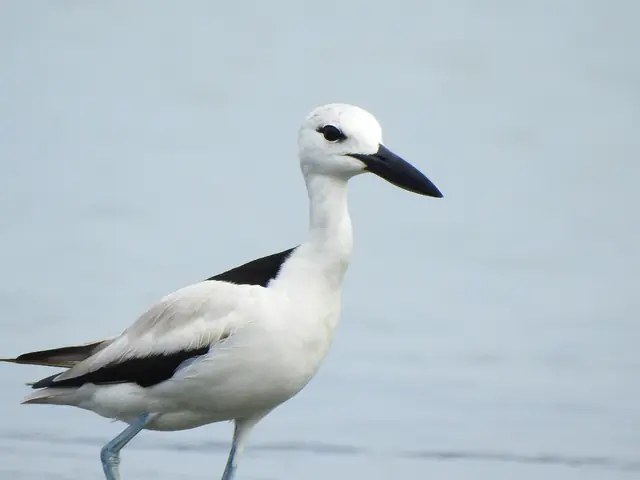
Crab-plover
Dromas ardeola
A big black and white wader of sandy beaches and lagoon mouths in winter. Watch from a distance so feeding flocks are not flushed.
-
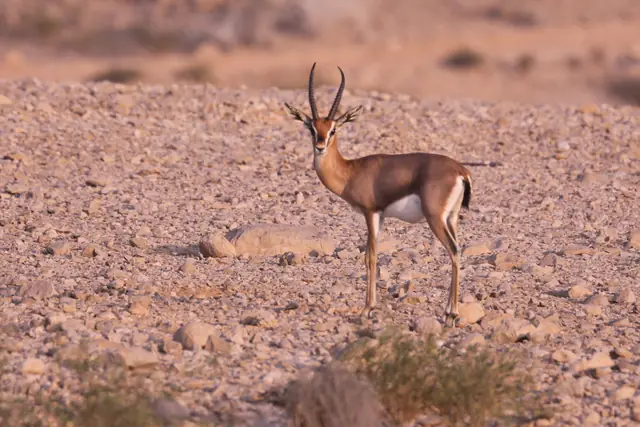
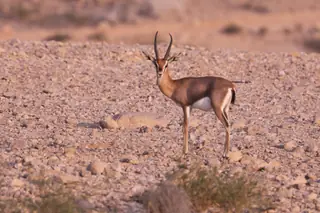
Arabian Gazelle
Gazella arabica
Small groups graze the stony plateau of Jebel Samhan and the plains behind the mountains. Look early and late, and stay on the roads.
-
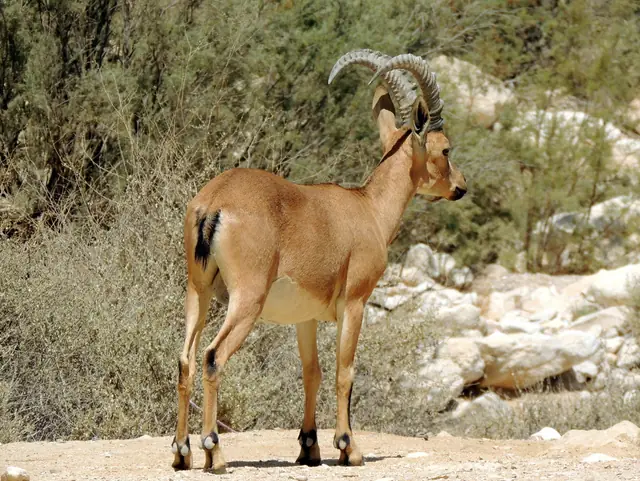
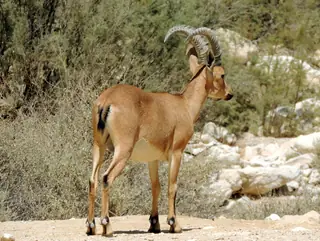
Nubian Ibex
Capra nubiana
Lives on the steep cliffs and gorges of Jebel Samhan. Scan the ledges with binoculars from the viewpoints.
-
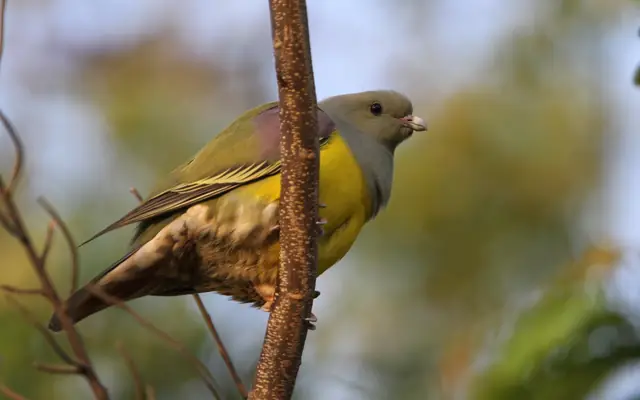
Bruce's Green Pigeon
Treron waalia
An African pigeon that feeds quietly in big fig trees at the springs and in wooded wadis. It is hard to see until it moves.
-
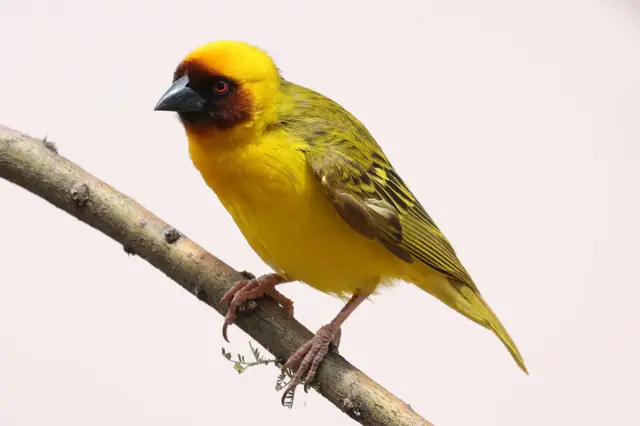
Rüppell's Weaver
Ploceus galbula
Yellow males weave hanging nests in trees beside water. The colonies at the springs are busy in spring and summer.
-
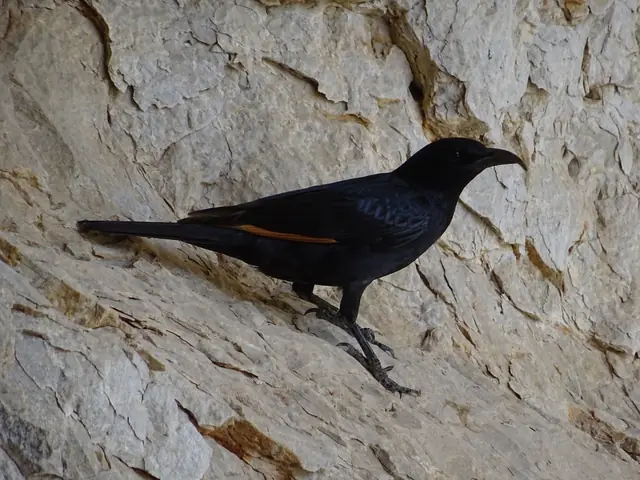
Tristram's Starling
Onychognathus tristramii
Noisy flocks flash bright chestnut wings at the springs, cliffs and picnic sites all year.
-
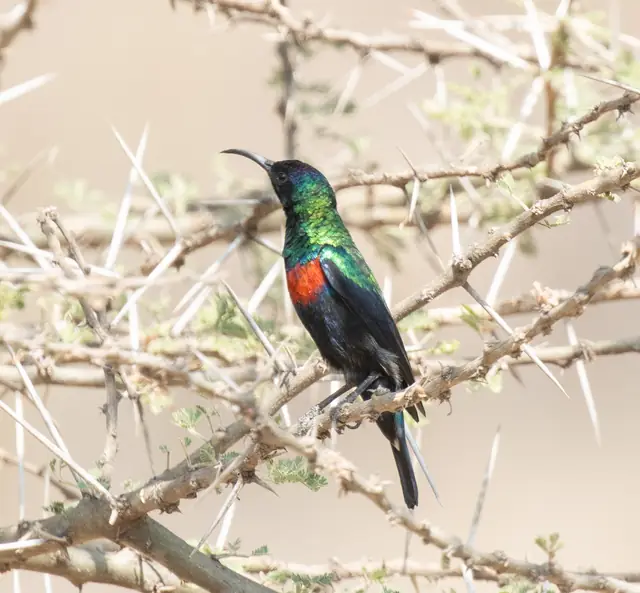
Shining Sunbird
Cinnyris habessinicus
Males glitter green and red at flowering trees in the wadis and gardens.
-
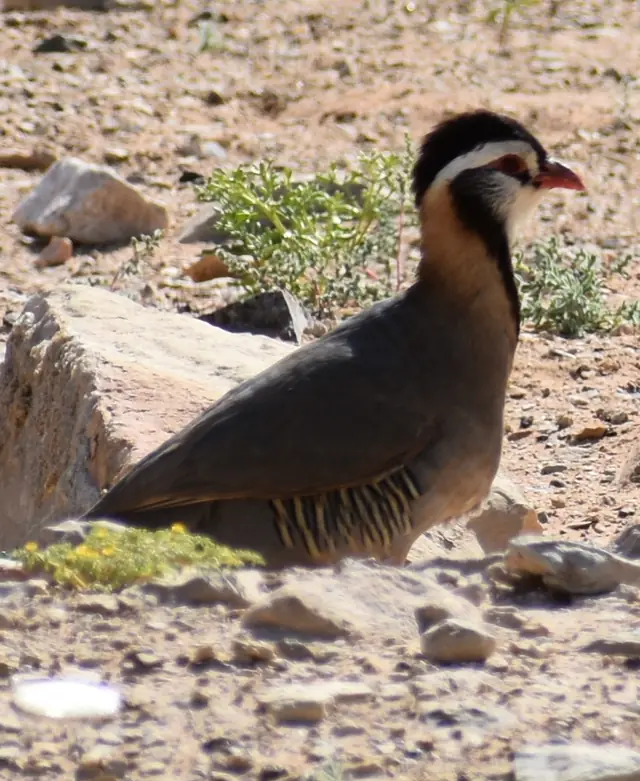
Arabian Partridge
Alectoris melanocephala
A black-headed partridge of the monsoon woodland and hillsides, often seen running across mountain tracks.
-
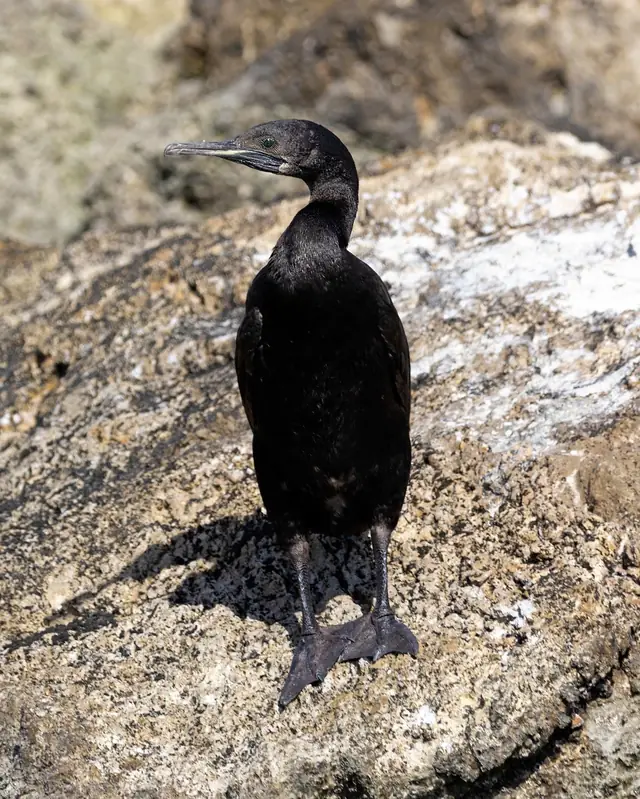
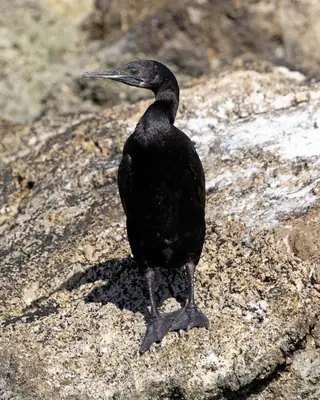
Socotra Cormorant
Phalacrocorax nigrogularis
Found only around Arabia and declining. Flocks fly low over the sea, mostly in winter; watch from shore or boats and never approach their roosts.
All 140 animals in Dhofar
Land mammals 12
-
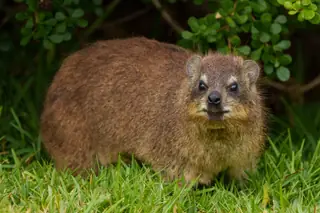 Rock Hyrax
-
 Arabian Gazelle
-
 Cape Hare
-
 Egyptian Rousette
-
 Red Fox
-
 Nubian IbexRare
-
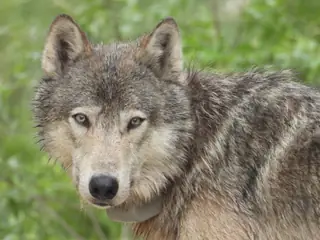 Grey WolfRare
-
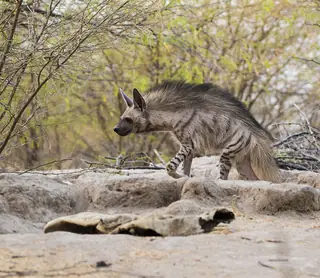 Striped HyenaRare
-
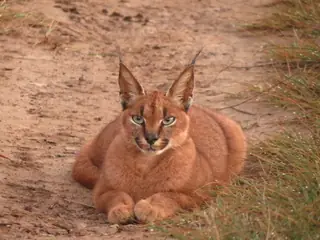 CaracalRare
-
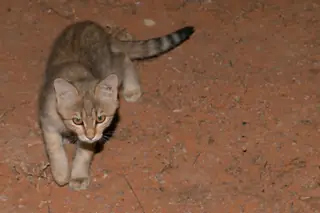 African WildcatRare
-
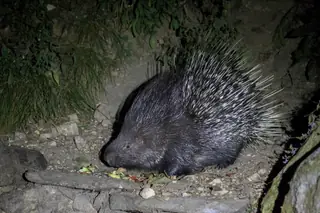 Indian Crested PorcupineRare
-
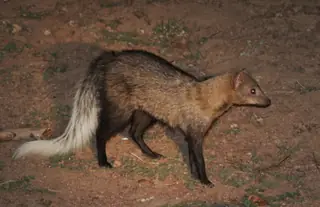 White-tailed MongooseRare
Whales, dolphins and turtles 7
-
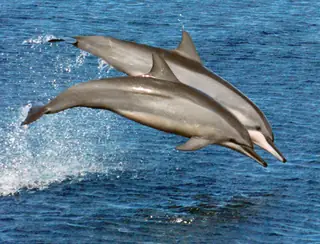 Spinner Dolphin
-
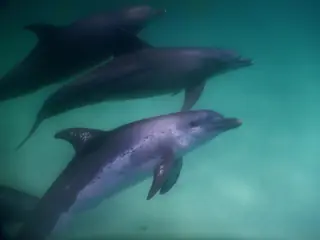 Indo-Pacific Bottlenose Dolphin
-
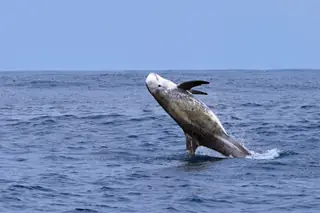 Risso's DolphinRare
-
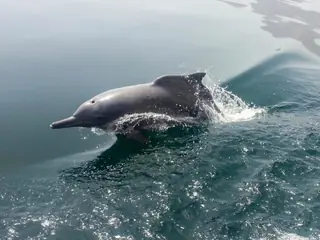 Indian Ocean Humpback DolphinRare
-
 Humpback WhaleRare
-
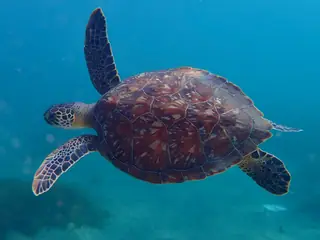 Green Sea Turtle
-
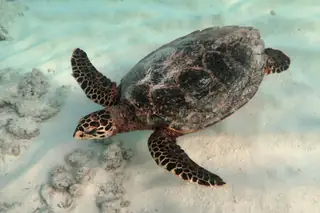 Hawksbill Sea TurtleRare
Flamingos, herons and ducks 20
-
 Greater Flamingo
-
 Grey Heron
-
 Western Reef Heron
-
 Great Egret
-
 Little Egret
-
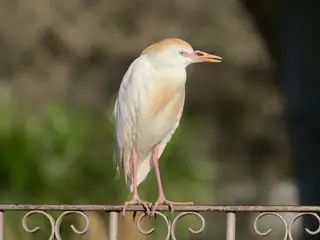 Western Cattle Egret
-
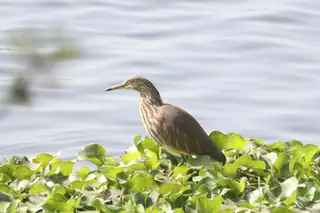 Indian Pond Heron
-
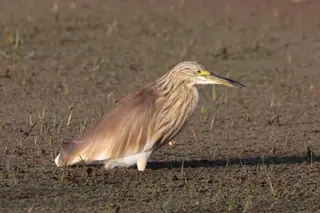 Squacco Heron
-
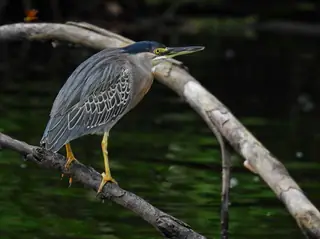 Striated Heron
-
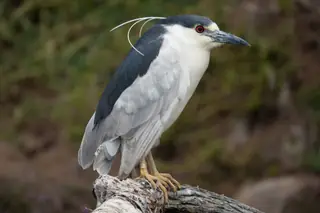 Black-crowned Night Heron
-
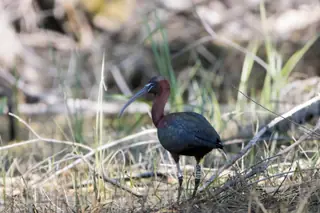 Glossy Ibis
-
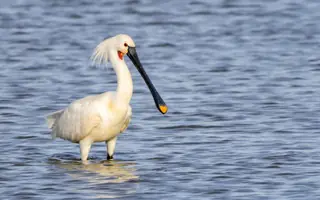 Eurasian Spoonbill
-
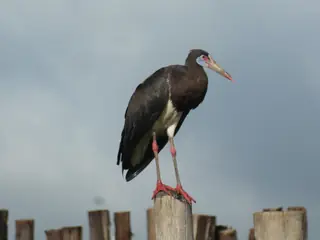 Abdim's Stork
-
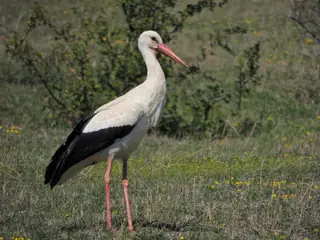 White Stork
-
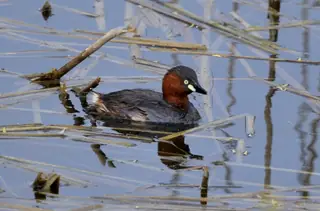 Little Grebe
-
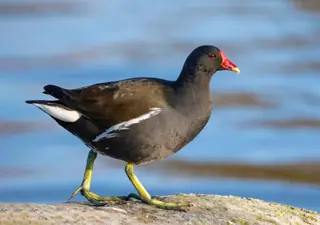 Common Moorhen
-
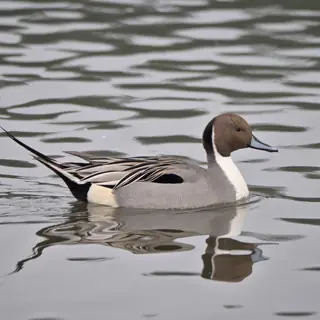 Northern Pintail
-
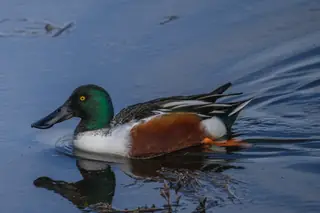 Northern Shoveler
-
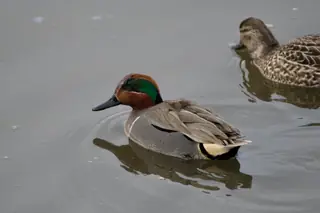 Eurasian Teal
-
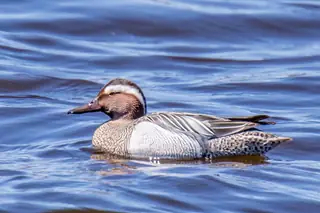 Garganey
Waders 19
-
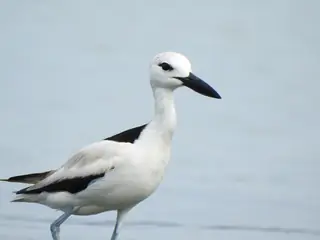 Crab-plover
-
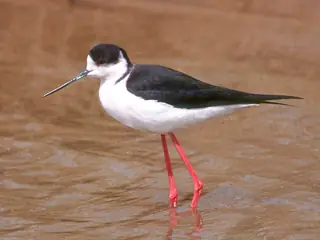 Black-winged Stilt
-
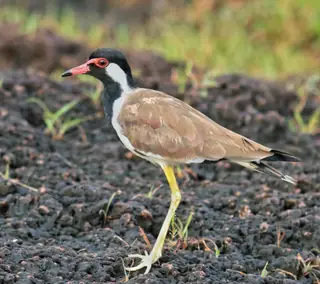 Red-wattled Lapwing
-
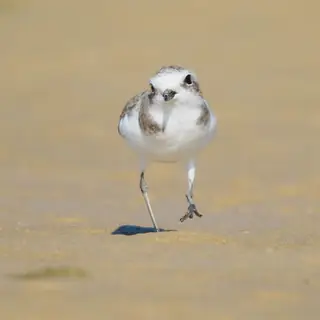 Kentish Plover
-
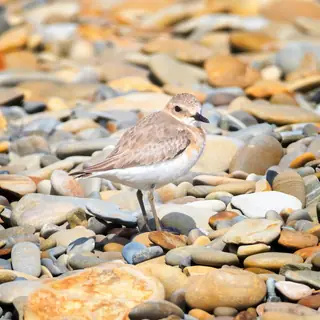 Greater Sand Plover
-
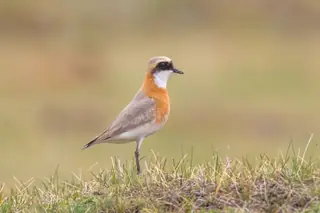 Tibetan Sand Plover
-
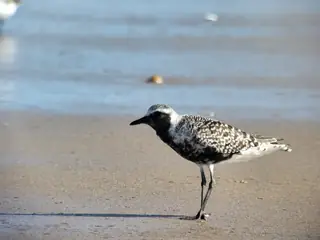 Grey Plover
-
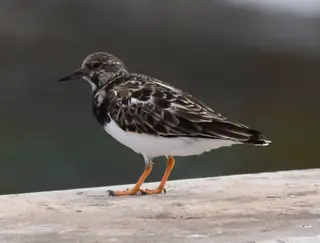 Ruddy Turnstone
-
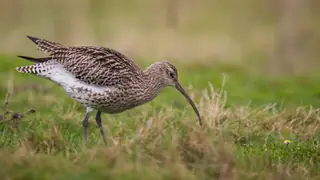 Eurasian Curlew
-
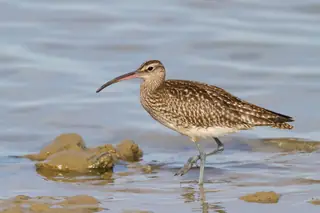 Whimbrel
-
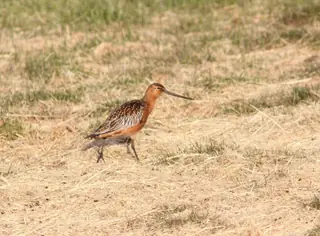 Bar-tailed Godwit
-
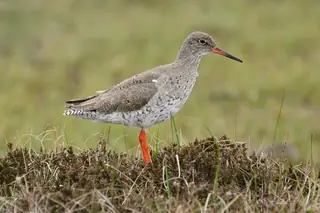 Common Redshank
-
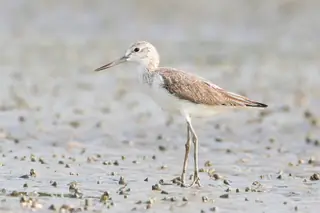 Common Greenshank
-
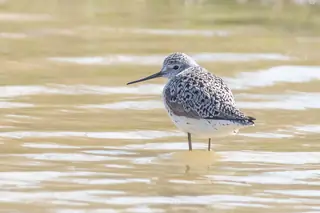 Marsh Sandpiper
-
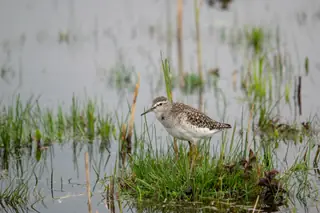 Wood Sandpiper
-
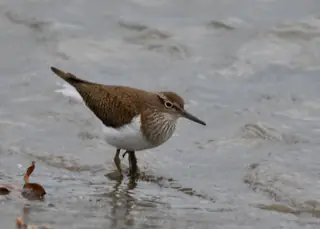 Common Sandpiper
-
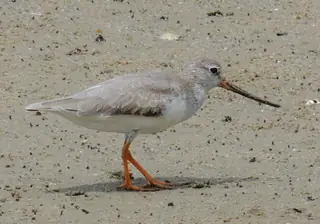 Terek Sandpiper
-
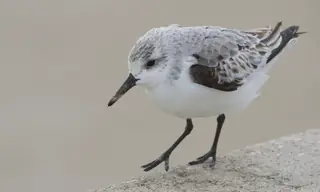 Sanderling
-
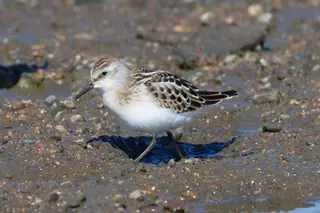 Little Stint
Gulls, terns and seabirds 14
-
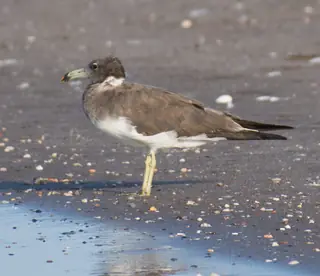 Sooty Gull
-
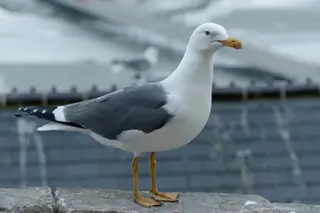 Lesser Black-backed Gull
-
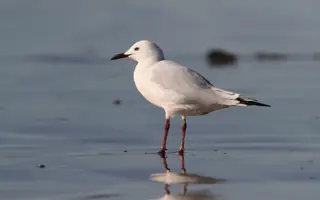 Slender-billed Gull
-
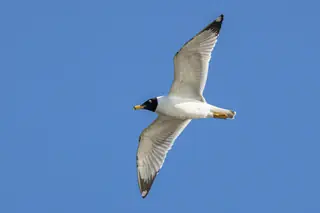 Pallas's Gull
-
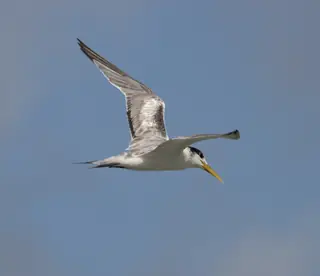 Greater Crested Tern
-
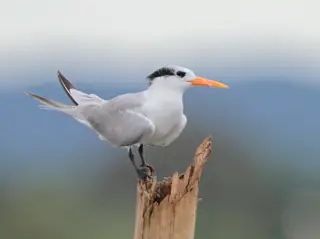 Lesser Crested Tern
-
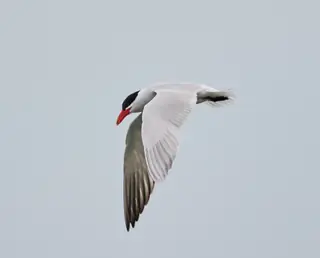 Caspian Tern
-
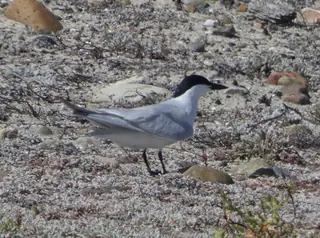 Gull-billed Tern
-
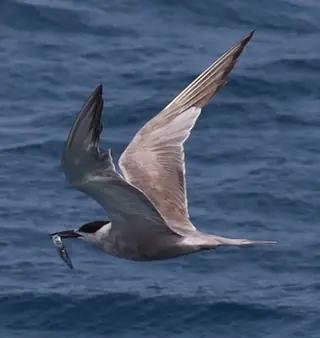 White-cheeked Tern
-
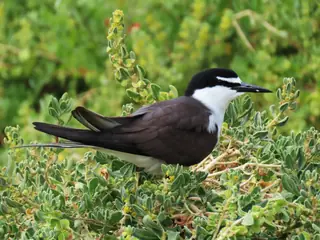 Bridled Tern
-
 Socotra Cormorant
-
 Masked Booby
-
 Red-billed Tropicbird
-
 Persian Shearwater
Birds of prey and owls 15
-
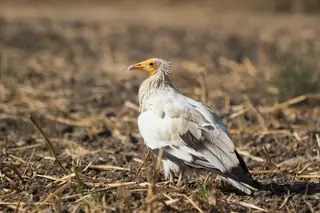 Egyptian Vulture
-
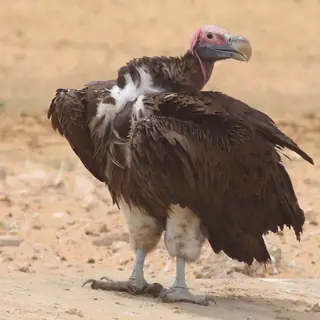 Lappet-faced Vulture
-
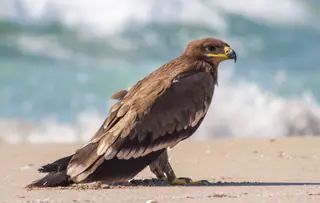 Steppe Eagle
-
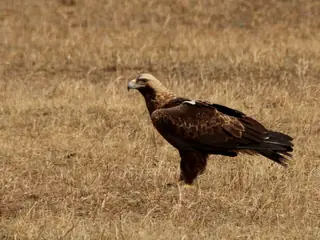 Eastern Imperial Eagle
-
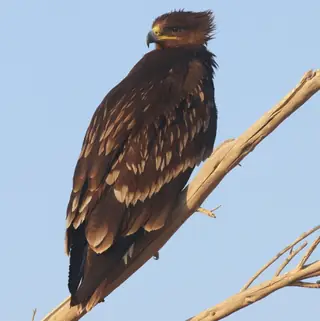 Greater Spotted Eagle
-
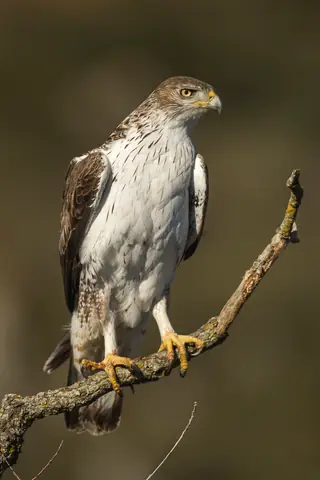 Bonelli's Eagle
-
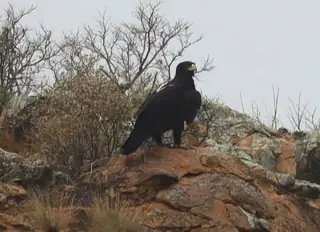 Verreaux's EagleRare
-
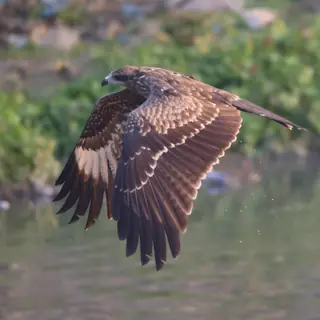 Black Kite
-
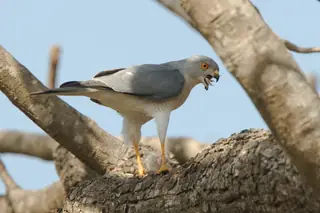 Shikra
-
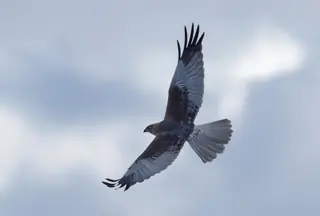 Western Marsh Harrier
-
 Osprey
-
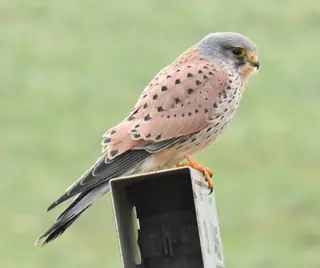 Common Kestrel
-
 Peregrine Falcon
-
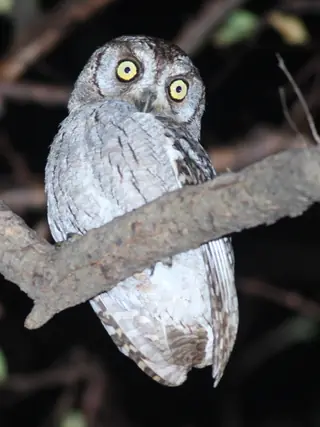 Arabian Scops Owl
- Desert OwlRare
Partridges, pigeons and bee-eaters 15
-
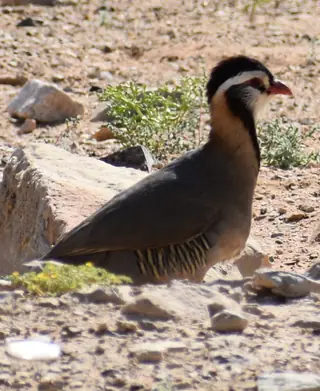 Arabian Partridge
-
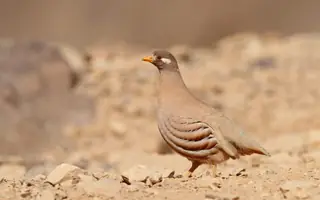 Sand Partridge
-
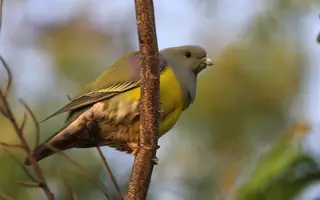 Bruce's Green Pigeon
-
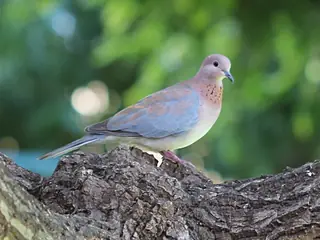 Laughing Dove
-
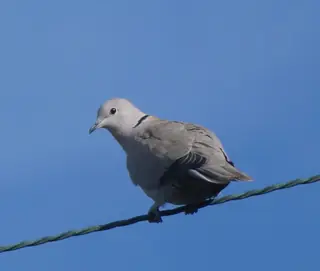 Eurasian Collared Dove
-
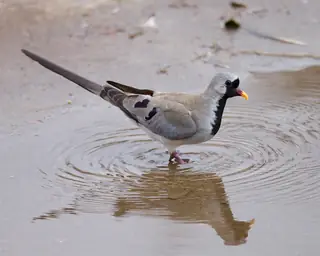 Namaqua Dove
-
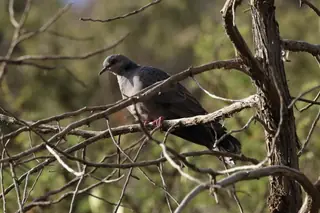 Dusky Turtle Dove
-
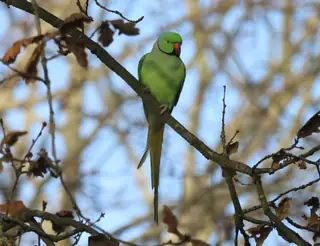 Ring-necked Parakeet
-
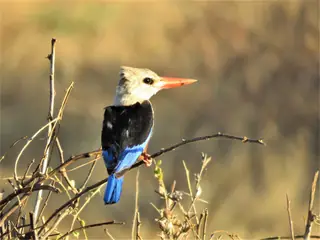 Grey-headed Kingfisher
-
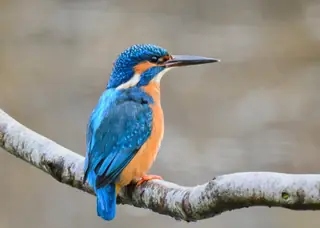 Common Kingfisher
-
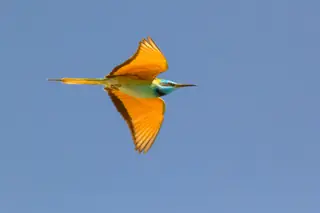 Arabian Green Bee-eater
-
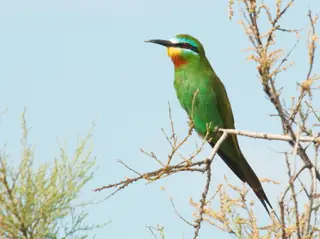 Blue-cheeked Bee-eater
-
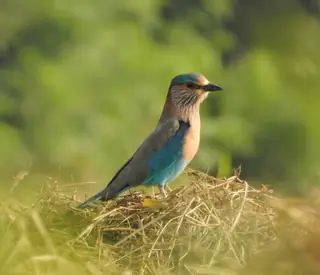 Indian Roller
-
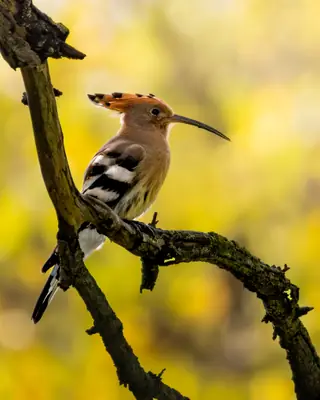 Common Hoopoe
-
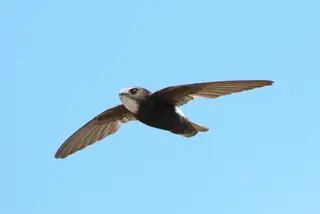 Little Swift
Springs, wadis and gardens 19
-
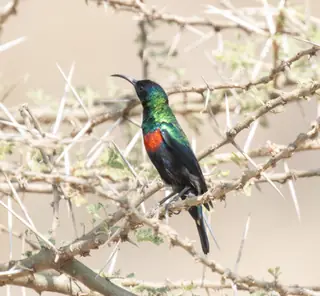 Shining Sunbird
-
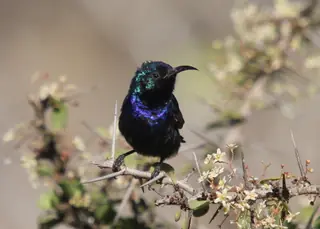 Palestine Sunbird
-
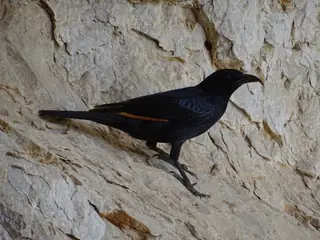 Tristram's Starling
-
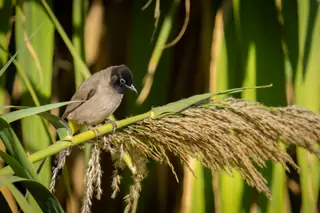 White-spectacled Bulbul
-
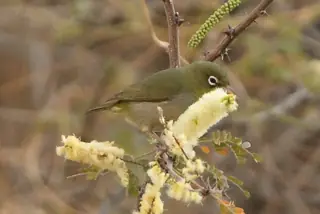 Abyssinian White-eye
-
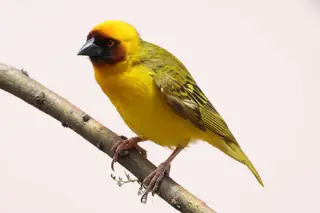 Rüppell's Weaver
-
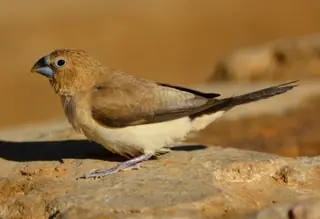 African Silverbill
-
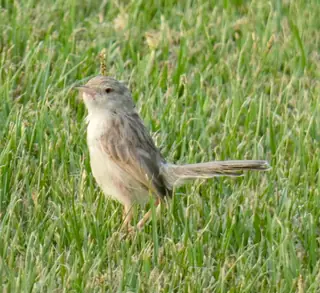 Graceful Prinia
-
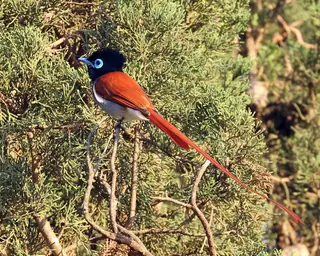 African Paradise Flycatcher
-
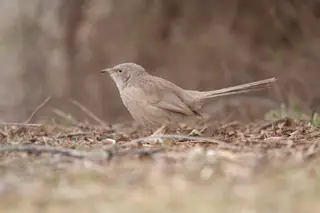 Arabian Babbler
-
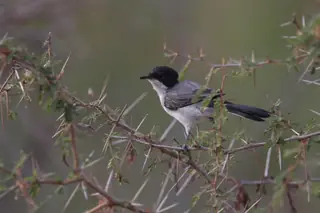 Arabian Warbler
-
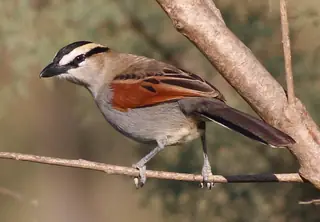 Black-crowned TchagraRare
-
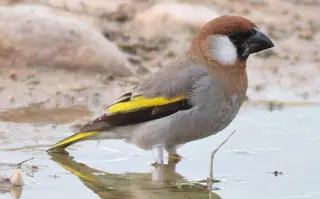 Arabian GrosbeakRare
-
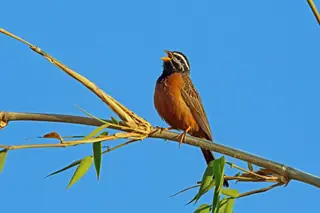 Cinnamon-breasted Bunting
-
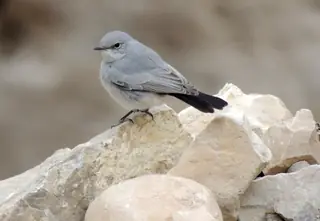 Blackstart
-
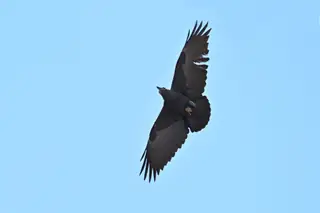 Fan-tailed Raven
-
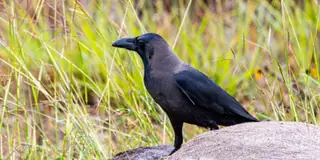 House Crow
-
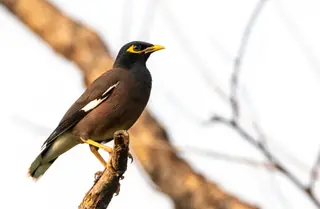 Common Myna
-
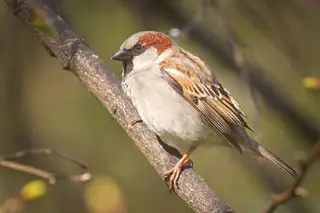 House Sparrow
Larks, wheatears and open country 12
-
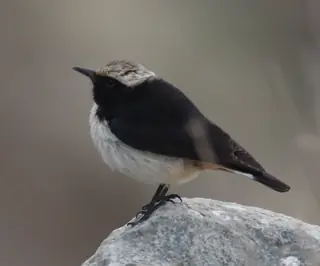 Arabian Wheatear
-
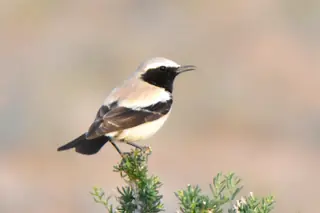 Desert Wheatear
-
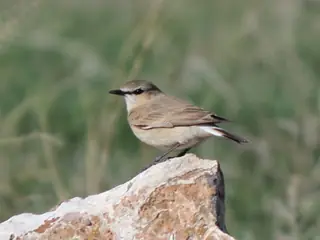 Isabelline Wheatear
-
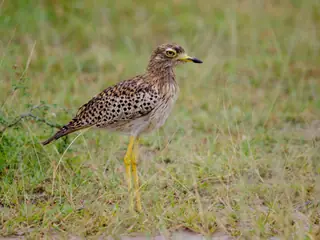 Spotted Thick-knee
-
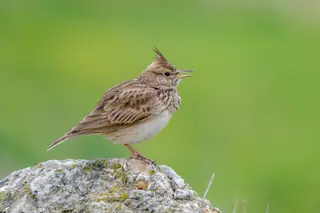 Crested Lark
-
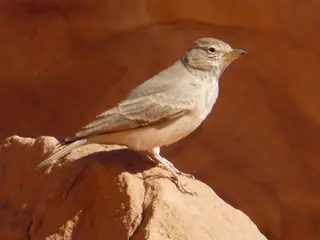 Desert Lark
-
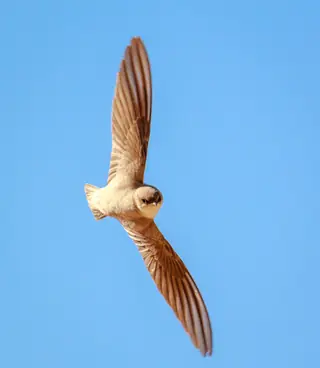 Pale Crag Martin
-
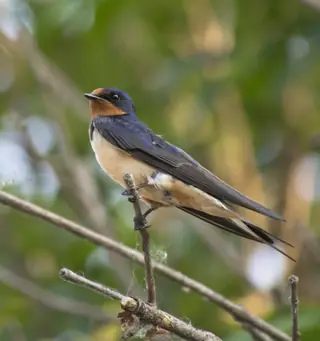 Barn Swallow
-
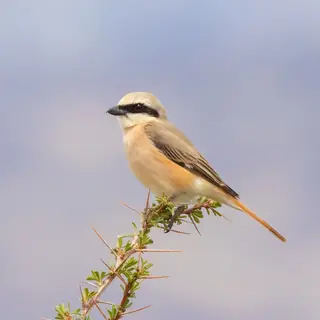 Isabelline Shrike
-
 Great Grey Shrike
-
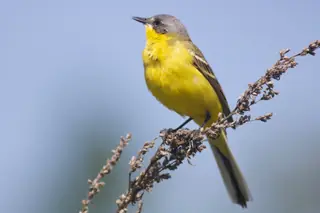 Western Yellow Wagtail
-
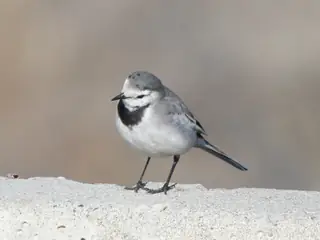 White Wagtail
Reptiles, amphibians and insects 7
-
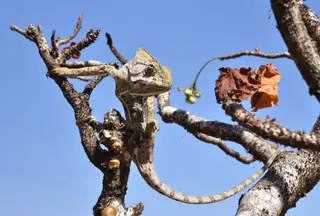 Arabian Chameleon
-
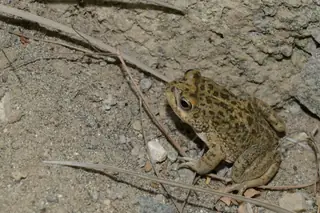 Arabian Toad
-
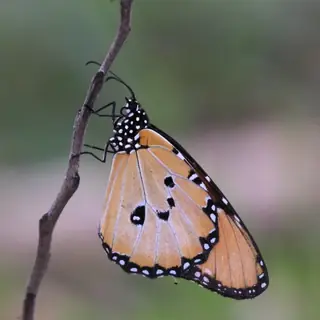 Plain Tiger
-
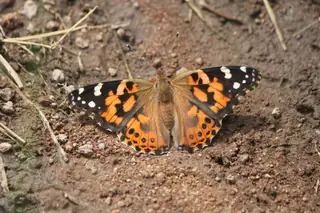 Painted Lady
-
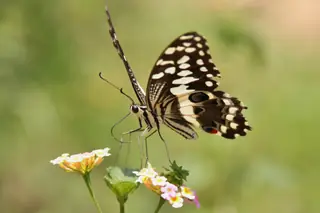 Citrus Swallowtail
-
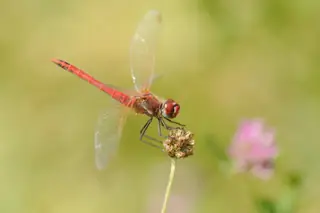 Red-veined Darter
-
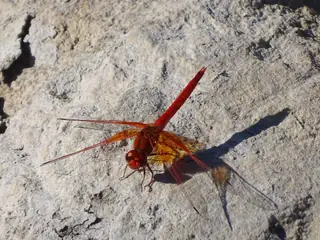 Orange-winged Dropwing
Best time to see wildlife in Dhofar
Sightings by month in Dhofar
Most records: Oct to AprRecords from GBIF.org, adjusted for how many people record wildlife each month. 100% is the busiest month.
Dhofar has two seasons for visitors. From October to April the weather is warm, dry and sunny, the sea is calm for dolphin trips, and migrant waders, gulls, eagles and ducks join the resident birds in the khawrs and around Salalah. This is the main season for wildlife watching. From late June to early September the khareef, the summer monsoon, brings drizzle, mist and cool air to the mountains, which turn green with waterfalls in Wadi Darbat. It is the busiest time for Gulf visitors; the sea is rough and boat trips stop, but African birds such as grey-headed kingfishers breed in the wadis and flocks of Abdim's storks feed on the green plain. May and early June are the hottest months, and seabirds gather offshore as the monsoon builds.
- Oct to NovMigrants arrive; calm seas, dolphin trips start
- Dec to FebPeak for wintering waders, gulls and eagles in the khawrs
- Mar to AprSpring passage, weavers nesting, warm and dry
- May to JunHot; seabirds offshore as the monsoon builds
- Jul to SeptKhareef: green mountains, breeding kingfishers, rough seas
Tips for spotting wildlife in Dhofar
- 01
Take a dolphin trip in the calm months
Boats leave from Mirbat and the Salalah marina between October and May, when the sea is calm. Choose an operator who follows the local whale-watching code and lets the dolphins come to the boat.
- 02
Visit the springs early
Ayn Razat, Ayn Hamran and the other springs at the foot of the mountains are best in the first hours of the day, before picnickers arrive. Sit quietly by the water and the sunbirds, weavers and starlings come to you.
- 03
Watch the khawrs from the edges
The coastal lagoons hold flamingos, herons and waders all winter. Scan from the shore and the paths, and keep off the mud so feeding and roosting birds are not flushed.
- 04
Scan from the Jebel Samhan viewpoints
The high plateau behind Mirbat is the place for gazelles, ibex and soaring eagles. Stay on the roads, use binoculars from the viewpoints and look early or late in the day.
- 05
Listen after dark
Owls call from the wooded wadis at night, and hyraxes and toads are busy around the springs. Listen from where you are staying or with a local guide rather than searching or playing calls.
- 06
Respect the grazing land
Much of the mountains is grazing land for camels and cattle. Keep to roads and tracks, leave gates as you find them and ask before walking near herders' camps.

Take Dhofar with you
Heading to Salalah this winter? Keep this list on your phone and tick off each bird at the springs and khawrs, even with no signal. Wilder is free to start.

Dhofar wildlife FAQ
When is the best time to see wildlife in Dhofar?
The best time to see wildlife in Dhofar is October to April. The weather is warm and dry, the sea is calm for dolphin trips, and wintering waders, gulls and eagles join the resident birds. The khareef monsoon, from late June to early September, turns the mountains green and brings breeding African birds, but the sea is too rough for boat trips.
Can you see dolphins in Salalah?
Yes, spinner dolphins are seen on most boat trips from Mirbat and Salalah between October and May, often in large, leaping schools. Bottlenose dolphins are also seen, and Arabian Sea humpback whales are a rare sighting. Go with licensed operators who follow the local whale-watching code.
What birds can you see in Dhofar?
Dhofar has a mix of Arabian and African birds, including Arabian partridge, Bruce's green pigeon, Rüppell's weaver, shining sunbird, Tristram's starling and African paradise flycatcher. The khawrs hold flamingos, spoonbills, crab-plovers and many waders in winter, and steppe eagles and Egyptian vultures are common around Salalah. This checklist covers 140 animals, including mammals, sea life, reptiles and butterflies as well as birds.
Can you see Arabian gazelles in Dhofar?
Yes, Arabian gazelles live in small groups on the stony plateau of Jebel Samhan and the plains behind the Dhofar mountains. Look early in the morning or late in the afternoon, watch from the roads and keep your distance so they keep grazing.
Is there wildlife in Dhofar besides birds?
Yes, rock hyraxes are common on cliffs and boulders in the wadis, Arabian gazelles and Nubian ibex live on Jebel Samhan, and spinner dolphins and green sea turtles are seen from boats. Striped hyenas, Arabian wolves and caracals live in the mountains but are rarely seen. Arabian toads call at the springs, and plain tigers and other butterflies are common in the gardens and wadis.
Sources
- Key Biodiversity Areas: Jabal Samhan, Oman
- Key Biodiversity Areas: Khawr Rouri, Oman
- Frontiers: Arabian Sea humpback whale's long-distance trip highlights species' unique ecology
- Sightings by month: GBIF.org
Animal photos are from the Wilder catalogue; photo credits.
Similar checklists
All Asia-
 Region69animals Ethiopian Highlands Bale, Simien and the central plateau, Ethiopia Africa's high plateau: Ethiopian wolves hunting mole-rats on the open moorland, gelada troops grazing the Simien escarpments, walia ibex on the cliffs, and dozens of birds found nowhere else. Best time Oct to Mar
-
 Region70animals Mirissa and the south coast Southern Province, Sri Lanka Whale-watching boats from Mirissa head out to deep water off Sri Lanka's southern tip, one of the most reliable places in the world to see a blue whale, with spinner dolphins and sea turtles closer in. Best time Dec to Apr
-
 Region132animals Maldives Baa, Ari and Malé atolls, Maldives A chain of coral atolls strung across the Indian Ocean, where reef manta rays gather to feed in Baa Atoll, whale sharks cruise the outer reef of South Ari, and spinner dolphins, turtles and reef sharks are part of almost every boat trip. Best time Dec to Apr
-
 Region142animals Namib Coast Erongo, Namibia Cold Atlantic shore where the Namib dunes meet the sea: fur seals by the thousand at Cape Cross, Heaviside's dolphins and flamingos in Walvis Bay, and chameleons, sidewinding adders and web-footed geckos in the dunes. Best time All year