Region · Baa, Ari and Malé atolls · Maldives
Maldives Wildlife Checklist

The Maldives is a chain of 26 coral atolls in the Indian Ocean, south-west of India and Sri Lanka, and one of the easiest places in the world to snorkel with manta rays, whale sharks, reef sharks and turtles. Most wildlife is underwater, on house reefs and boat trips, with spinner dolphins in the channels and herons, terns and fruit bats on the islands. This checklist covers 132 animals. December to April brings calm seas and clear water; May to November is manta season in Baa Atoll.
Tick off all 132 animals in Maldives on your phone, even offline. Launching soon. Free A4 PDF, no sign-up.
Most visitors stay on a resort island or a local island in North and South Malé, Ari or Baa atolls, and see wildlife from the house reef and on boat trips to the outer reef, channels and sandbanks. Each atoll is a ring of reefs and islands around a lagoon, with deep channels where the ocean current flows in and out.
- Animals to find
- 132
- Where
- Maldives
- Best time
- Dec to Apr
- Coral atolls
- 26
Popular animals in Maldives
-
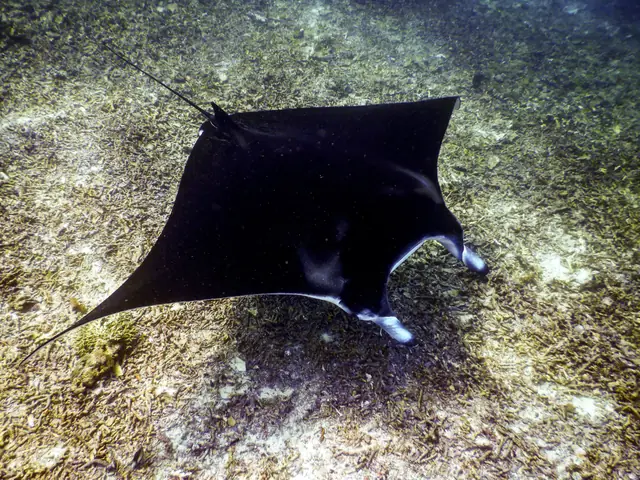
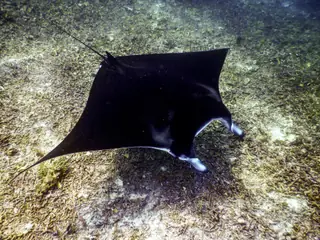
Reef Manta Ray
Mobula alfredi
Feeds on plankton and visits cleaning stations on the sheltered, down-current side of the atolls, which switches with the monsoon. At Hanifaru Bay in Baa Atoll, from May to November, groups feed together; snorkel only with a certified guide and never touch or chase them.
-
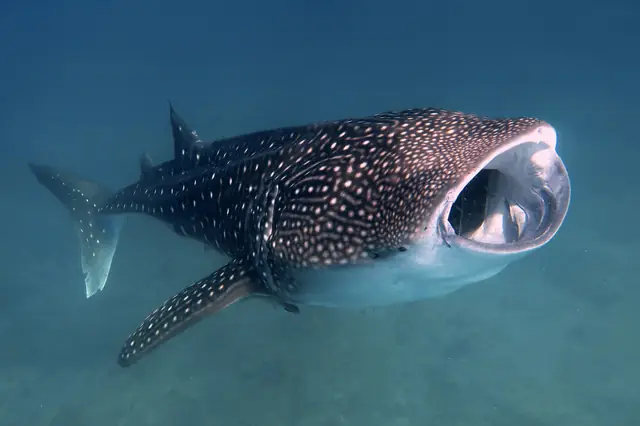
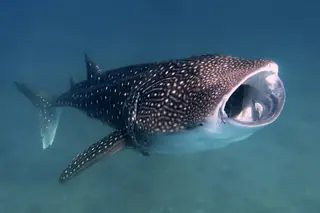
Whale Shark
Rhincodon typus
Found all year along the outer reef of the South Ari Marine Protected Area. Go with a licensed operator, follow the local whale shark code and give the shark space to swim on.
-
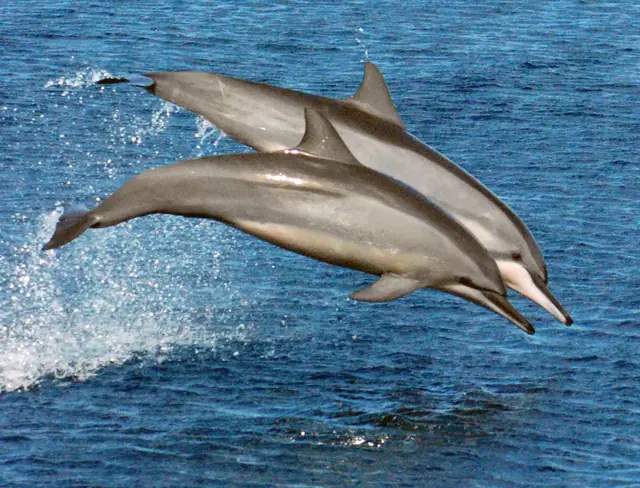
Spinner Dolphin
Stenella longirostris
Large pods rest in the lagoons and leap in the channels between islands. Morning and sunset boat trips see them most days.
-
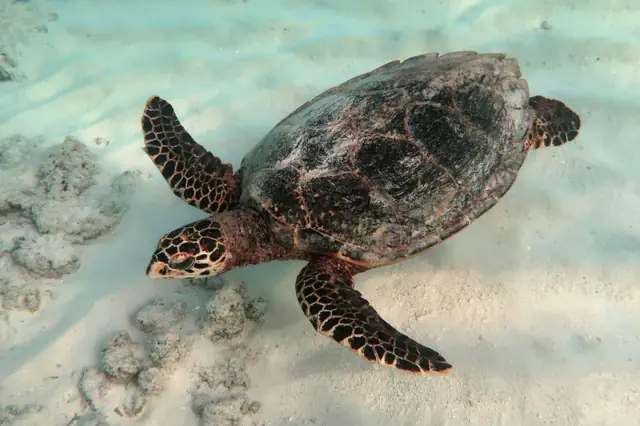
Hawksbill Sea Turtle
Eretmochelys imbricata
Feeds on sponges on the reef and is seen on most snorkels. Keep your distance, never touch or follow a turtle, and let it come up to breathe.
-
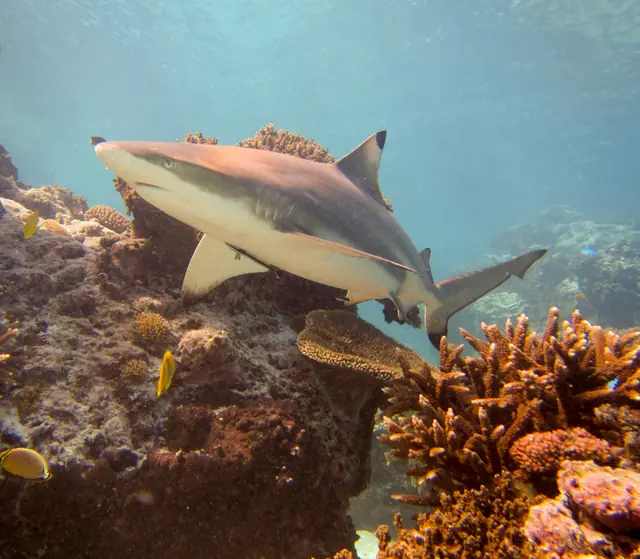
Blacktip Reef Shark
Carcharhinus melanopterus
Young sharks patrol the shallow lagoons and beach edges of many islands. Shy and harmless to snorkellers; often seen from jetties at dusk.
-
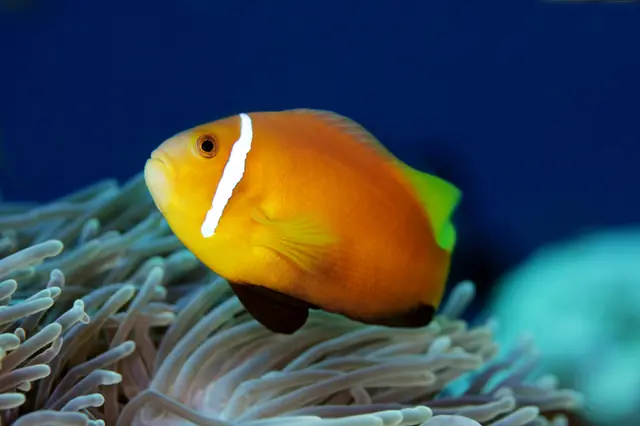
Maldive Anemonefish
Amphiprion nigripes
An orange anemonefish with a single white stripe along its back, found only around the Maldives, Lakshadweep and Sri Lanka. Look for it in magnificent sea anemones, without touching the anemone.
-
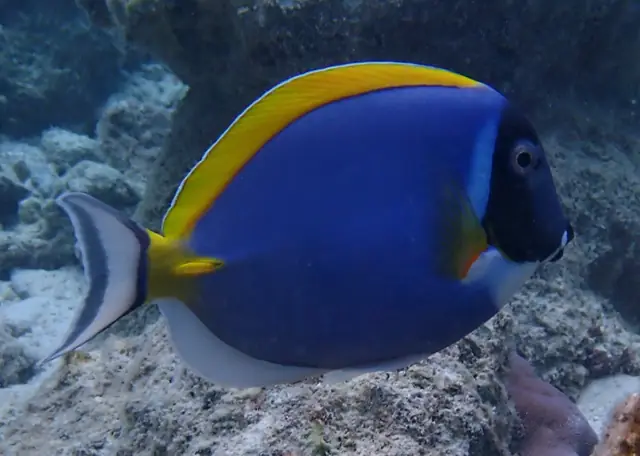
Powder Blue Tang
Acanthurus leucosternon
Bright blue surgeonfish with a white throat and yellow fin, grazing the shallow reef top in shoals. One of the most common fish on house reefs.
-
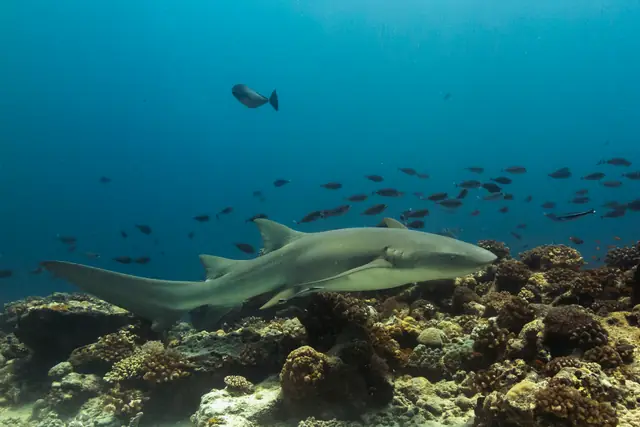
Tawny Nurse Shark
Nebrius ferrugineus
Rests under ledges and in caves by day and hunts the reef at night. Never touch or feed them.
-
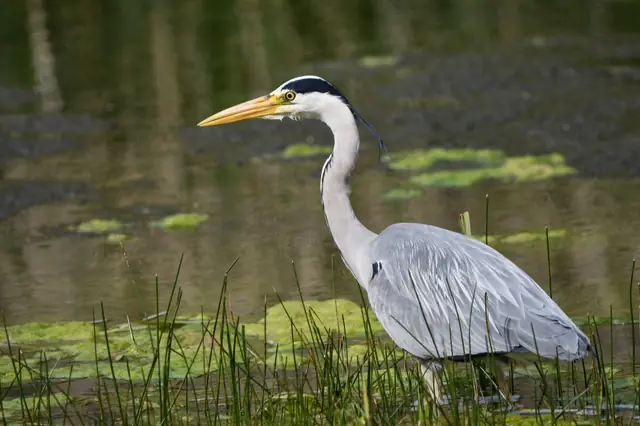
Grey Heron
Ardea cinerea
One of the Maldives' most familiar birds, standing still on beaches, reef flats and jetties, often beside fishing boats.
-
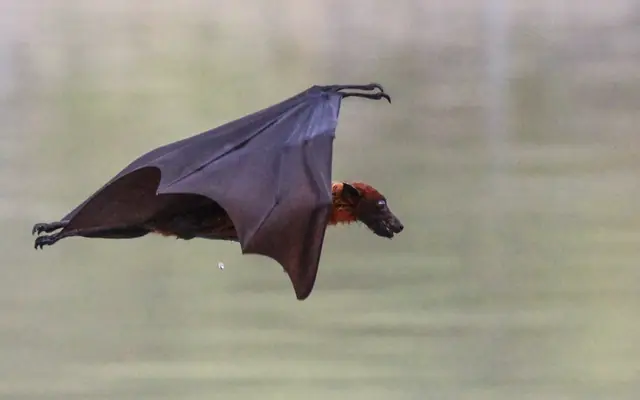
Indian Flying Fox
Pteropus medius
The only native mammal visitors usually see: a large fruit bat that flies between islands at dusk. Watch quietly and keep away from roosts.
All 132 animals in Maldives
Manta rays, sharks and rays 14
-
 Reef Manta Ray
-
 Whale Shark
-
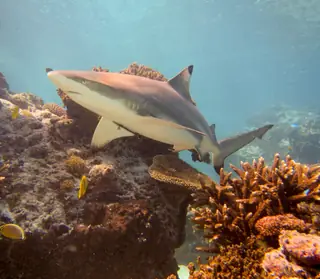 Blacktip Reef Shark
-
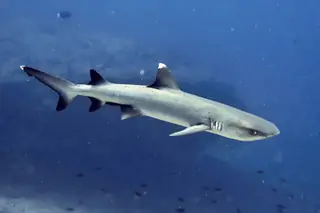 Whitetip Reef Shark
-
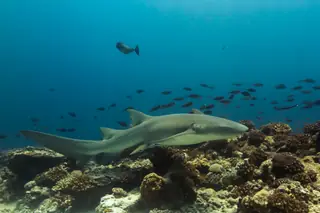 Tawny Nurse Shark
-
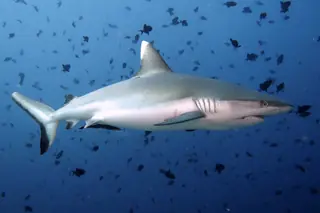 Grey Reef Shark
-
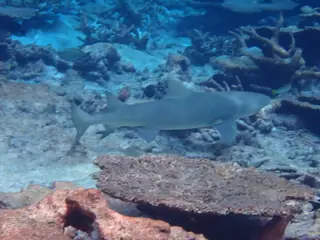 Sicklefin Lemon Shark
-
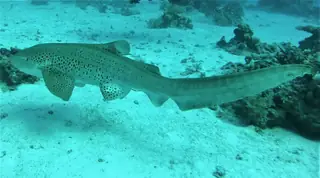 Zebra Shark
-
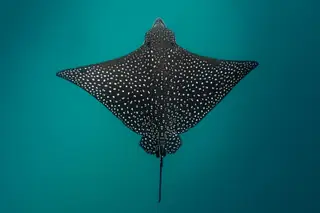 Ocellated Eagle Ray
-
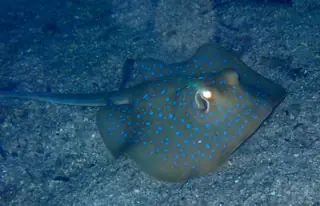 Blue-spotted Ribbontail Ray
-
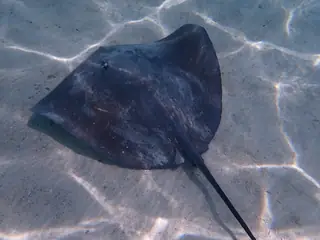 Pink Whipray
-
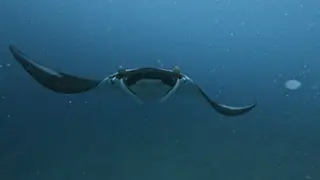 Manta RayRare
-
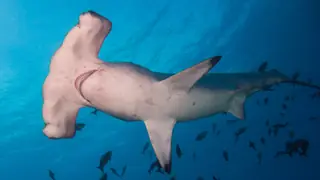 Scalloped HammerheadRare
-
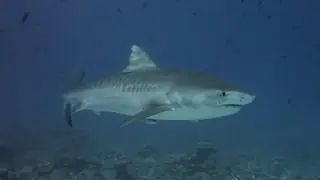 Tiger SharkRare
Angelfish, butterflyfish and surgeonfish 11
-
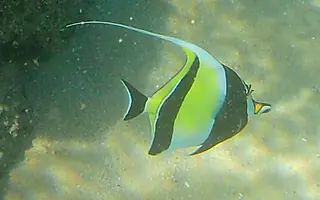 Moorish Idol
-
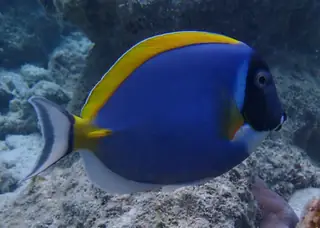 Powder Blue Tang
-
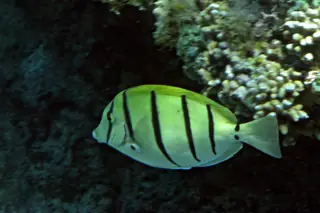 Convict Surgeonfish
-
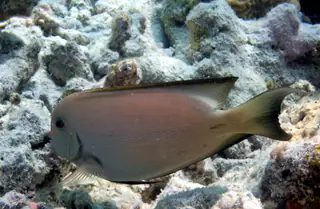 Striated Surgeonfish
-
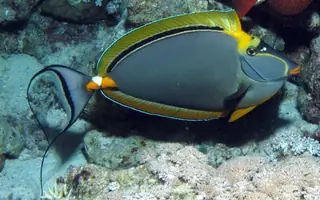 Orangespine Unicornfish
-
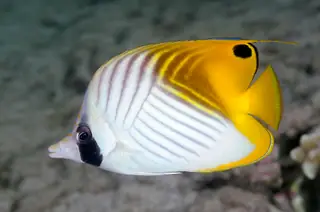 Threadfin Butterflyfish
-
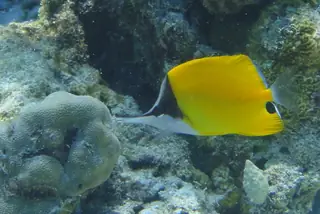 Longnose Butterflyfish
-
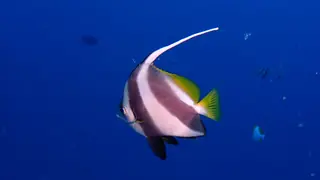 Schooling Bannerfish
-
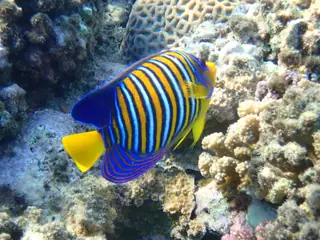 Regal Angelfish
-
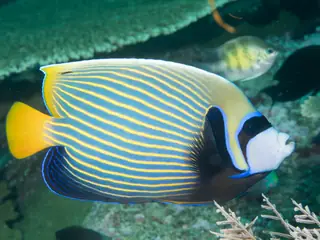 Emperor Angelfish
-
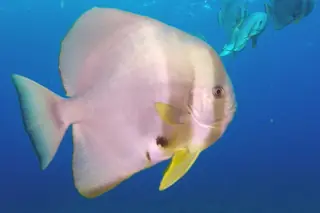 Longfin Batfish
Triggerfish, wrasses and parrotfish 11
-
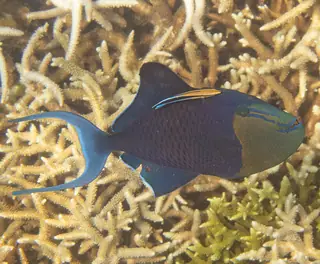 Redtooth Triggerfish
-
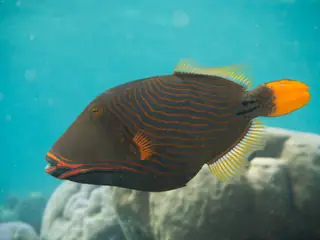 Orange-lined Triggerfish
-
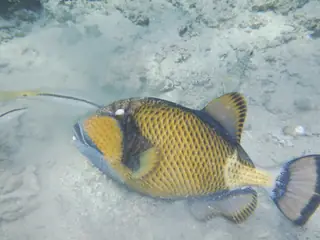 Titan Triggerfish
-
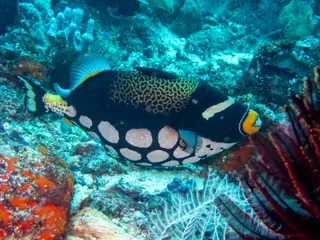 Clown Triggerfish
-
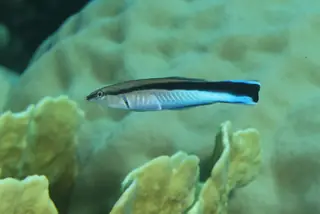 Bluestreak Cleaner Wrasse
-
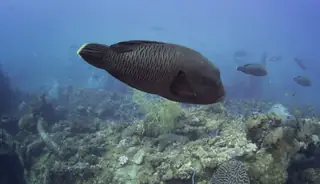 Humphead Wrasse
-
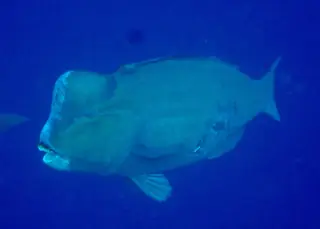 Bumphead Parrotfish
-
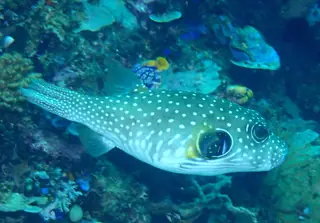 White-spotted Puffer
-
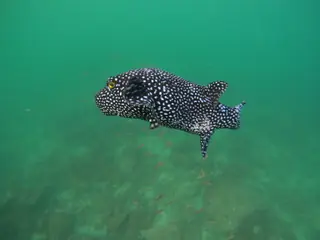 Guineafowl Puffer
-
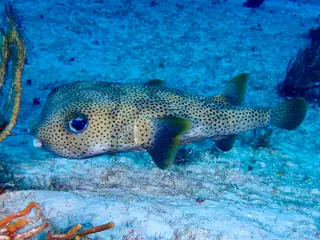 Porcupinefish
-
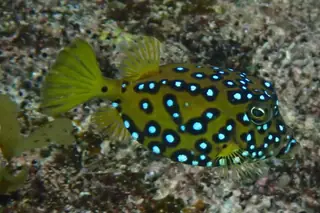 Yellow Boxfish
Snappers, groupers and hunters 10
-
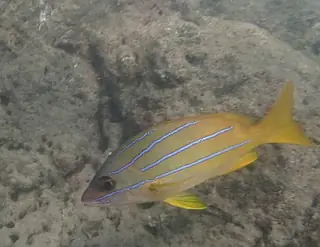 Bluestripe Snapper
-
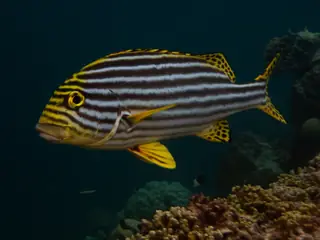 Oriental Sweetlips
-
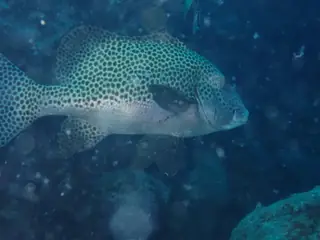 Many-spotted Sweetlips
-
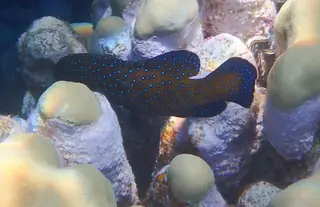 Peacock Grouper
-
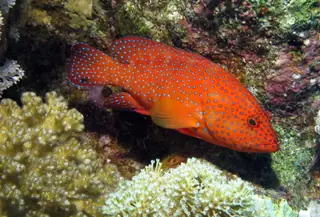 Coral Hind
-
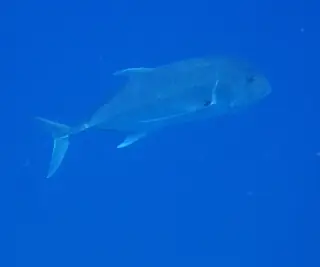 Giant Trevally
-
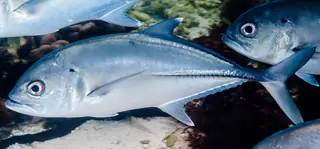 Bigeye Trevally
-
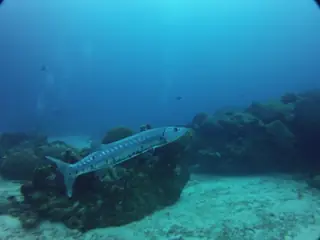 Great Barracuda
-
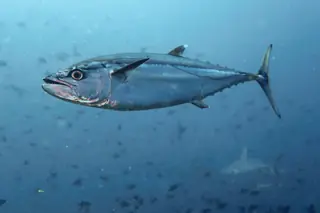 Dogtooth Tuna
-
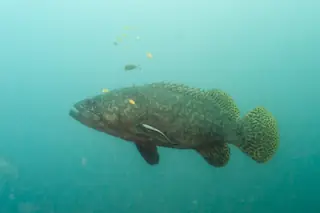 Giant GrouperRare
Anemonefish and small reef fish 10
-
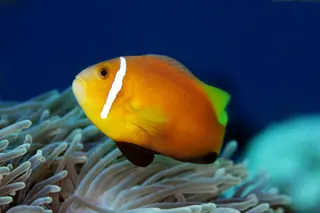 Maldive Anemonefish
-
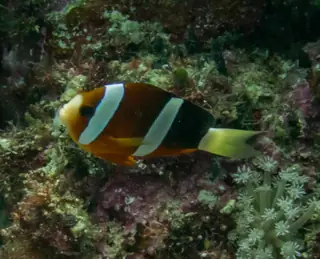 Clark's Anemonefish
-
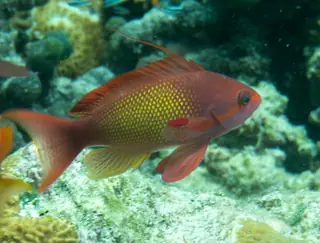 Sea Goldie
-
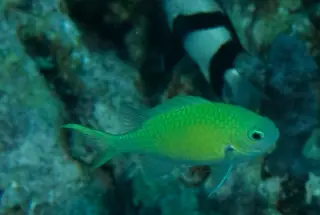 Blue-green Chromis
-
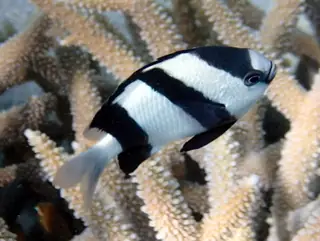 Humbug Damselfish
-
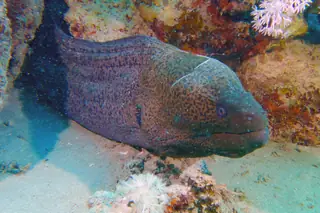 Giant Moray
-
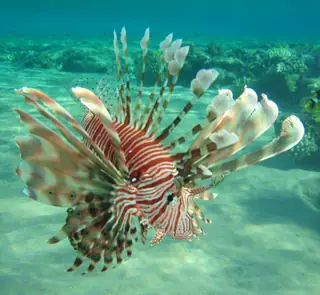 Devil Firefish
-
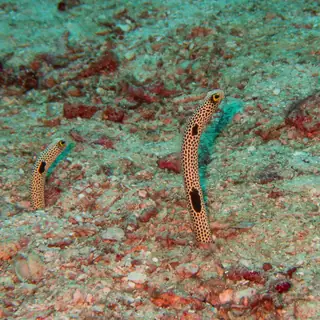 Spotted Garden Eel
-
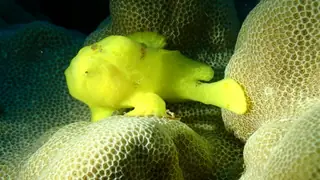 Giant FrogfishRare
-
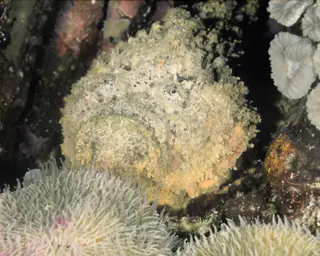 Reef StonefishRare
Corals and invertebrates 10
-
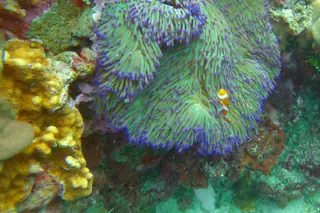 Magnificent Sea Anemone
-
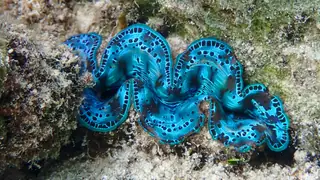 Small Giant Clam
-
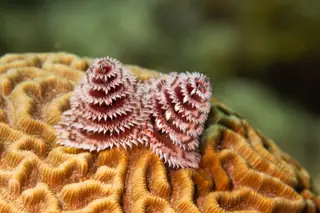 Christmas Tree Worm
-
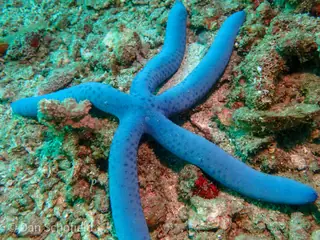 Blue Sea Star
-
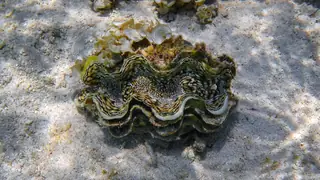 Fluted Giant Clam
-
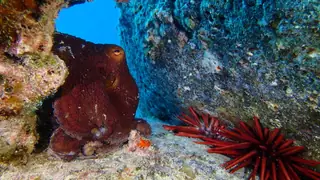 Day Octopus
-
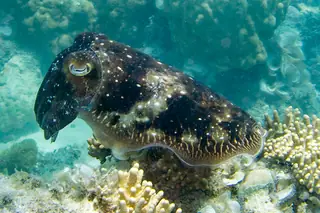 Broadclub Cuttlefish
-
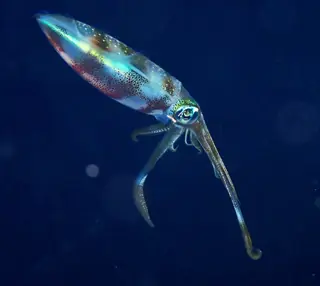 Bigfin Reef Squid
-
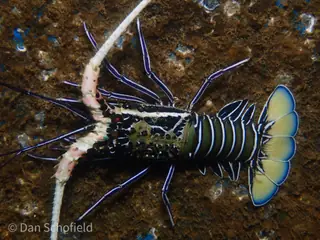 Painted Spiny Lobster
-
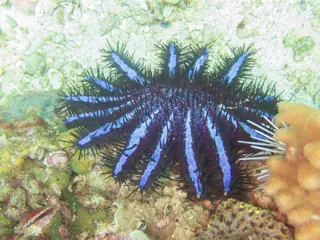 Long-spined Crown-of-thorns
Turtles, whales and dolphins 16
-
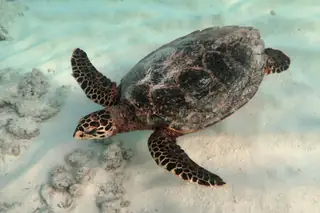 Hawksbill Sea Turtle
-
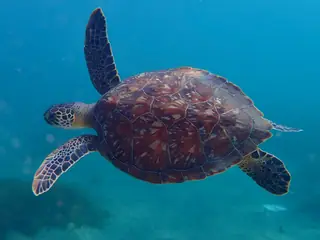 Green Sea Turtle
-
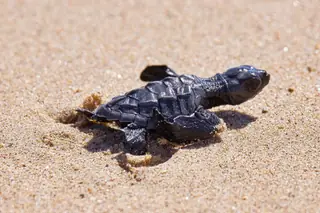 Olive Ridley Sea TurtleRare
-
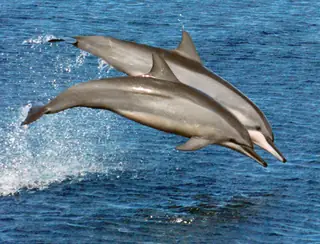 Spinner Dolphin
-
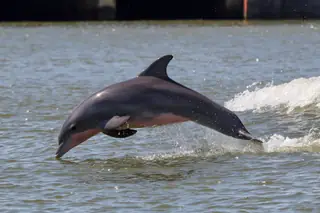 Bottlenose Dolphin
-
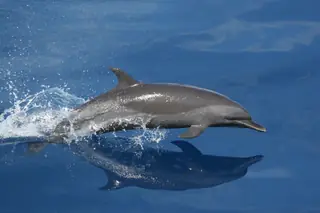 Pantropical Spotted Dolphin
-
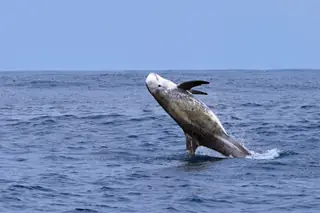 Risso's Dolphin
-
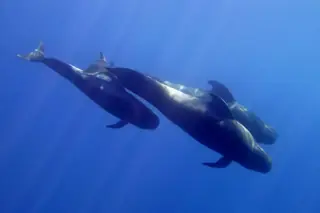 Short-finned Pilot Whale
-
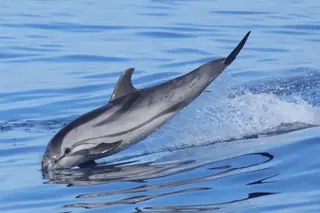 Striped DolphinRare
-
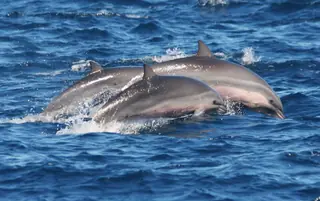 Fraser's DolphinRare
-
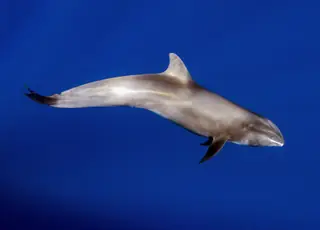 Melon-headed WhaleRare
-
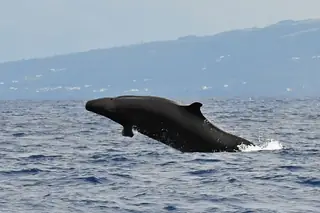 False Killer WhaleRare
-
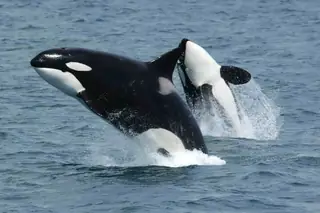 OrcaRare
-
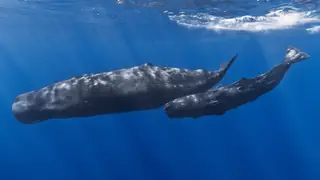 Sperm WhaleRare
-
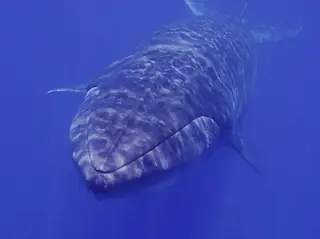 Bryde's WhaleRare
-
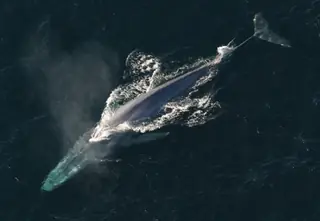 Blue WhaleRare
Seabirds 18
-
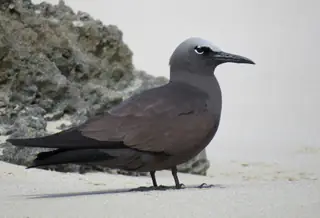 Brown Noddy
-
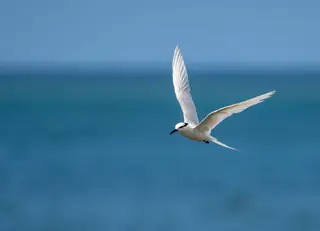 Black-naped Tern
-
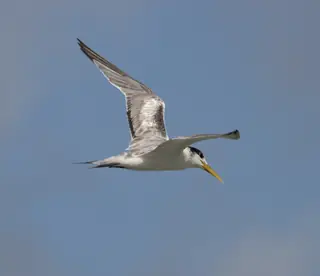 Greater Crested Tern
-
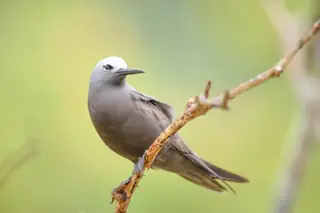 Lesser Noddy
-
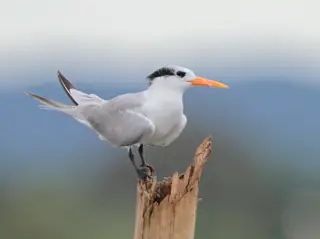 Lesser Crested Tern
-
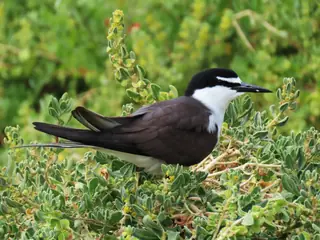 Bridled Tern
-
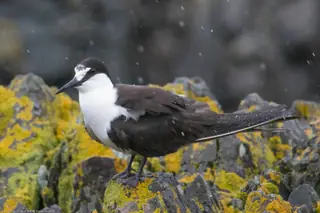 Sooty Tern
-
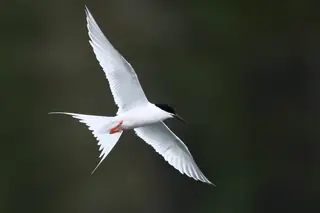 Roseate Tern
-
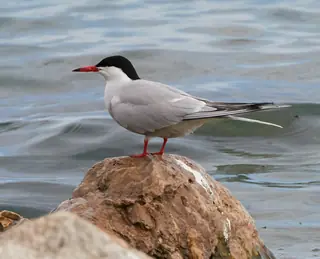 Common Tern
-
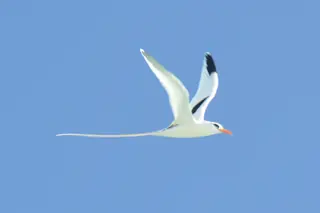 White-tailed Tropicbird
-
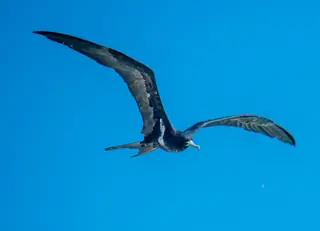 Lesser Frigatebird
-
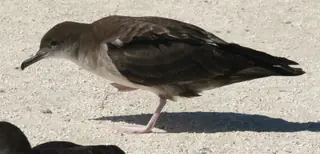 Wedge-tailed Shearwater
-
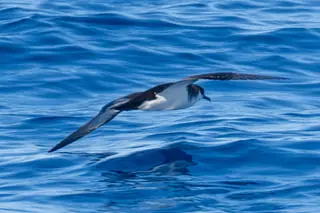 Tropical Shearwater
-
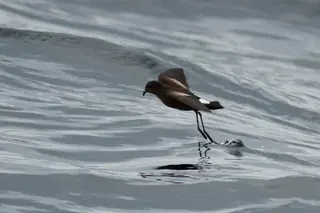 Wilson's Storm Petrel
-
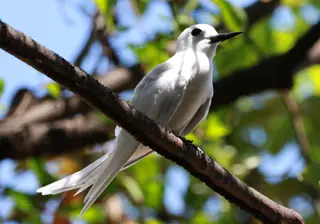 White TernRare
-
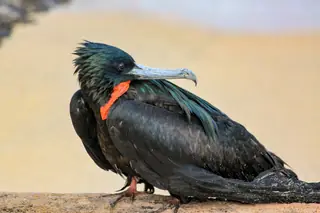 Great FrigatebirdRare
-
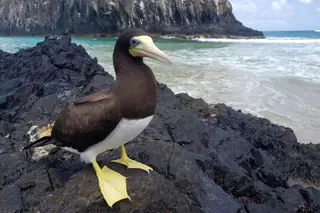 Brown BoobyRare
-
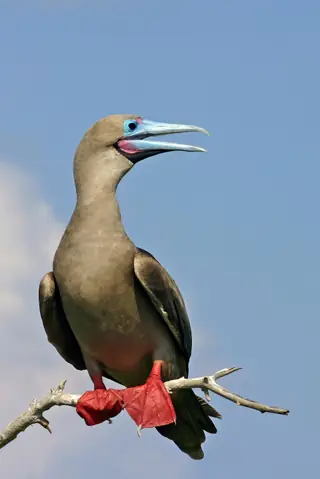 Red-footed BoobyRare
Herons and shore birds 20
-
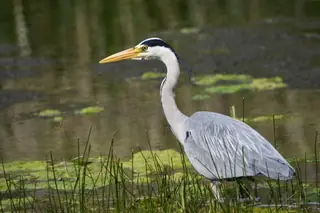 Grey Heron
-
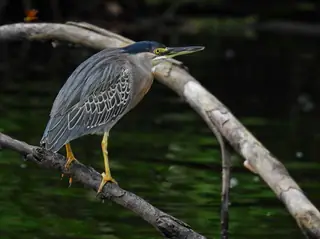 Striated Heron
-
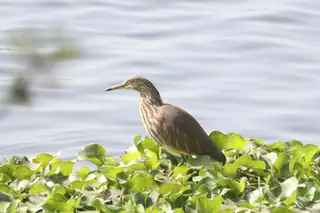 Indian Pond Heron
-
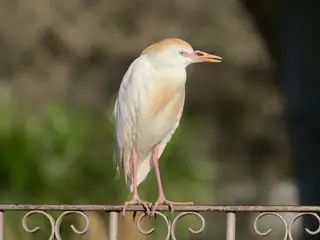 Cattle Egret
-
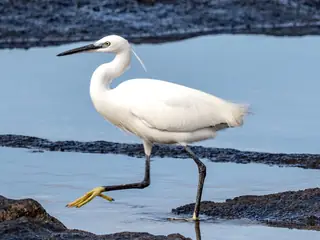 Little Egret
-
 Great Egret
-
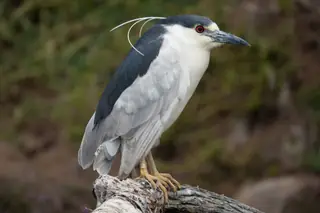 Black-crowned Night Heron
-
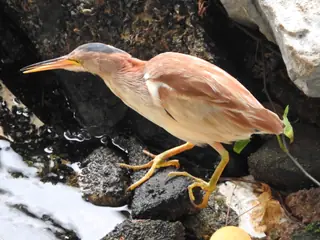 Yellow Bittern
-
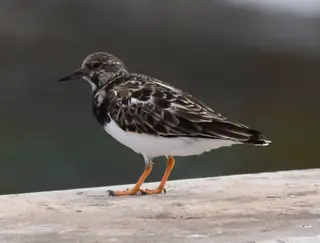 Ruddy Turnstone
-
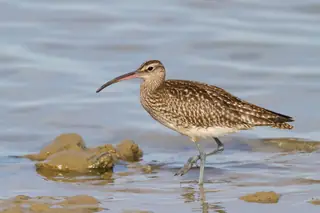 Whimbrel
-
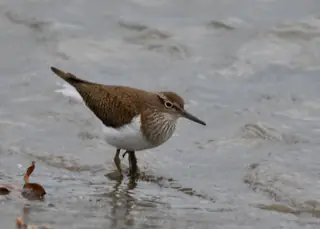 Common Sandpiper
-
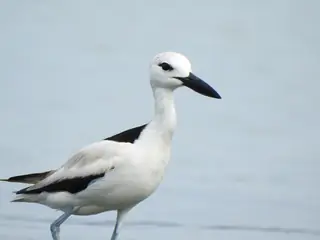 Crab-plover
-
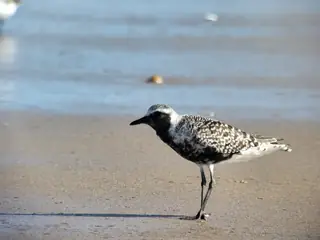 Grey Plover
-
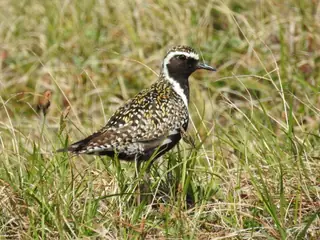 Pacific Golden Plover
-
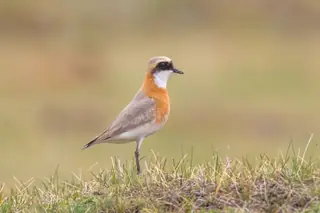 Tibetan Sand Plover
-
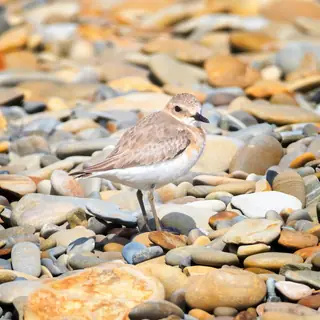 Greater Sand Plover
-
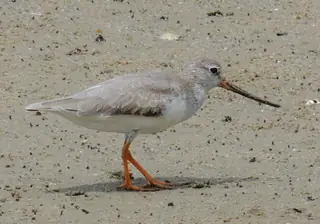 Terek Sandpiper
-
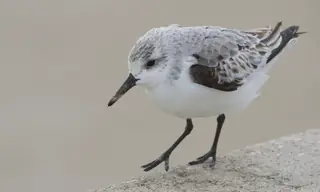 Sanderling
-
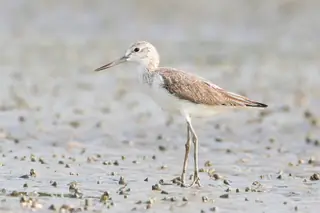 Common Greenshank
-
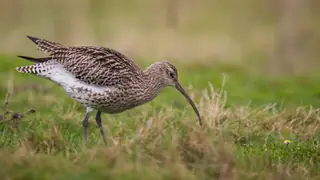 Eurasian Curlew
Island birds, bats and lizards 12
-
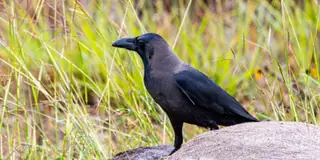 House Crow
-
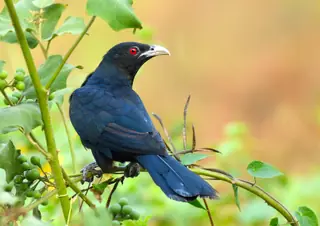 Asian Koel
-
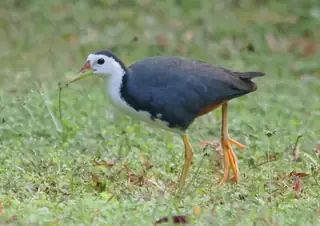 White-breasted Waterhen
-
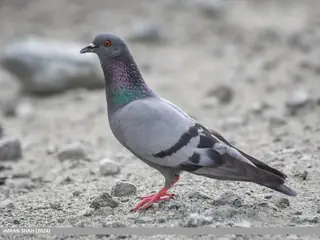 Feral Pigeon
-
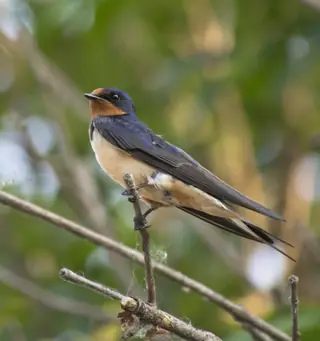 Barn Swallow
-
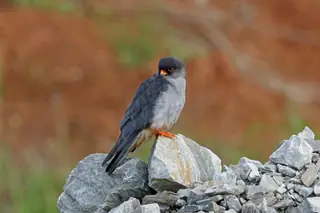 Amur FalconRare
-
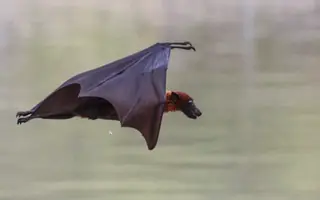 Indian Flying Fox
-
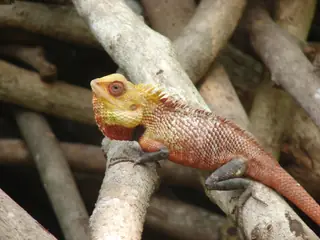 Oriental Garden Lizard
-
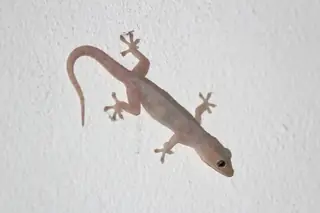 Common House Gecko
-
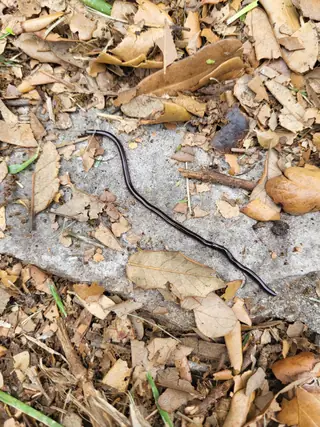 Brahminy Blind SnakeRare
-
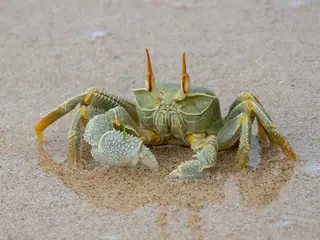 Horn-eyed Ghost Crab
-
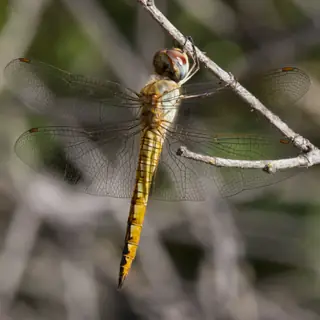 Wandering Glider
Best time to see wildlife in Maldives
Sightings by month in Maldives
Most records: FebRecords from GBIF.org, adjusted for how many people record wildlife each month. 100% is the busiest month.
The Maldives has two monsoons rather than summer and winter. The northeast monsoon, December to April, is the dry season: calm seas, sunshine and the clearest water, with manta rays on the west side of the atolls and migrant shorebirds such as crab-plovers on the reef flats. The southwest monsoon, May to November, brings more wind, showers and rougher crossings, but also the plankton that draws reef manta rays into Hanifaru Bay in Baa Atoll, with mantas on the east side of the atolls. Whale sharks are found in South Ari all year. October to December brings passing Amur falcons and swarms of wandering glider dragonflies crossing the ocean from India. Turtles, reef sharks, spinner dolphins and reef fish are seen in every month.
- Dec to AprDry season; calm, clear water, mantas on the west side of the atolls
- MayMonsoon turns; mantas start moving to the east side
- Jun to NovWetter and windier; manta feeding at Hanifaru Bay, best Jul to Oct
- Oct to DecAmur falcons and wandering gliders pass through; winter shorebirds arrive
- All yearWhale sharks in South Ari, turtles, reef sharks and spinner dolphins
Tips for spotting wildlife in Maldives
- 01
Snorkel the house reef first
Many islands have a reef a few strokes from the beach. Swim the edge where the reef drops away, at slack tide and in good light, to see turtles, reef sharks, anemonefish and shoals of tangs and snappers.
- 02
Follow the monsoon for mantas
Manta rays feed on the sheltered, down-current side of the atolls, where the monsoon current piles up plankton: the west side from December to April, the east side from May to November. Ask your dive centre which sites are working that week.
- 03
Keep your hands off the reef
Float flat, keep your fins off the coral and never stand on the reef. Use reef-safe sun cream or a rash vest, and leave shells, coral and sea stars where they are.
- 04
Go with licensed guides for big animals
Hanifaru Bay is snorkel only, with certified guides and limited boats, and whale shark trips in South Ari follow a code of conduct. Choose operators who keep to the rules, and never touch, chase or ride any animal.
- 05
Take a sunset boat
Dolphin cruises at dusk find spinner dolphins in the channels most days. Watch from the boat as they come to you rather than driving into the pod.
- 06
Look up at dusk
Flying foxes cross between the islands as the light goes, herons gather on the jetties and ghost crabs come out on the sand.

Take Maldives with you
Snorkelling the Maldives? Keep this list on your phone and tick off each manta, turtle and reef fish as you see it, even on a remote island with no signal. Wilder is free to start.

Maldives wildlife FAQ
When is the best time to see manta rays in the Maldives?
You can see reef manta rays in the Maldives all year, because they follow the monsoon from one side of the atolls to the other. The biggest feeding gatherings happen at Hanifaru Bay in Baa Atoll from May to November, best from July to October. From December to April, mantas visit cleaning stations on the west side of the atolls, especially in Ari and the Malé atolls.
Where can you swim with whale sharks in the Maldives?
The most reliable place to see a whale shark in the Maldives is the South Ari Marine Protected Area, where they are found along the outer reef all year. Go with a licensed operator, follow the local whale shark code, keep clear of the shark's path and never touch it. Whale sharks also visit Hanifaru Bay during the southwest monsoon.
Can you see turtles in the Maldives?
Yes, hawksbill and green sea turtles are seen on most snorkels in the Maldives, on house reefs and outer reefs alike. Hawksbills feed on sponges on the reef and green turtles graze seagrass in the lagoons. Give them space, never touch or chase them, and let them surface to breathe.
Are there land animals in the Maldives?
The Maldives has very few land animals, because the islands are small, low and far from any continent. The Indian flying fox is the only native mammal most visitors see, and the Oriental garden lizard and house geckos are the common reptiles. Birds include grey herons, Indian pond herons, white-breasted waterhens, Asian koels and house crows, with terns, noddies and winter shorebirds on the coast. This checklist covers 132 animals, most of them in the sea.
Are the sharks in the Maldives dangerous?
The reef sharks snorkellers meet in the Maldives, such as blacktip reef sharks, whitetip reef sharks and tawny nurse sharks, are shy and not a danger if left alone. Never touch, chase or feed them, and follow your guide's advice on outer reef dives, where grey reef sharks gather in the currents.
Sources
- Convention on Migratory Species: Shark and ray tourism factsheet, Baa Atoll and Hanifaru Bay
- Maldives Whale Shark Research Programme: Research overview
- Manta Trust: Maldivian Manta Ray Project, Ari Atoll annual report 2019
- Sightings by month: GBIF.org
Animal photos are from the Wilder catalogue; photo credits.
Similar checklists
All Asia-
 Island111animals Seychelles: the inner islands Mahé, Praslin and La Digue, Seychelles Granite islands in the western Indian Ocean where giant tortoises roam free, black parrots whistle in the coco de mer palms of Vallée de Mai, and reserve islands crowded with terns and noddies shelter some of the rarest birds on Earth. Best time Apr to May, Oct to Nov
-
 Region70animals Mirissa and the south coast Southern Province, Sri Lanka Whale-watching boats from Mirissa head out to deep water off Sri Lanka's southern tip, one of the most reliable places in the world to see a blue whale, with spinner dolphins and sea turtles closer in. Best time Dec to Apr
- Region132animals Raja Ampat Southwest Papua, Indonesia Forested islands off the western tip of New Guinea, ringed by some of the richest coral reefs on Earth, where snorkellers meet manta rays, wobbegongs and turtles, and birds of paradise display in the rainforest at dawn. Best time Oct to Apr
-
 National park86animals Komodo National Park West Manggarai, East Nusa Tenggara, Indonesia Dry volcanic islands between Sumbawa and Flores where wild Komodo dragons roam, ringed by coral seas full of manta rays, reef sharks and turtles. Best time Apr to Nov