Region · Southwest Papua · Indonesia
Raja Ampat Wildlife Checklist
Raja Ampat is a group of about 1,500 islands off the western tip of New Guinea, in Indonesia's Southwest Papua province, reached by ferry from Sorong. Its reefs sit at the heart of the Coral Triangle and are among the richest on Earth, with manta rays, wobbegongs, walking sharks and turtles. The forested islands hold Wilson's and red birds of paradise, hornbills and cockatoos. This checklist covers 132 animals. October to April is best.
Tick off all 132 animals in Raja Ampat on your phone, even offline. Launching soon. Free A4 PDF, no sign-up.
Most visitors stay in homestays or resorts on Kri, Gam, Mansuar and Waigeo, around the Dampier Strait, or join liveaboard boats that also reach Misool in the south and Wayag in the north. Birding trips leave from villages on Waigeo and Gam before dawn.
- Animals to find
- 132
- Where
- Indonesia
- Best time
- Oct to Apr
- Islands
- About 1,500
Popular animals in Raja Ampat
-
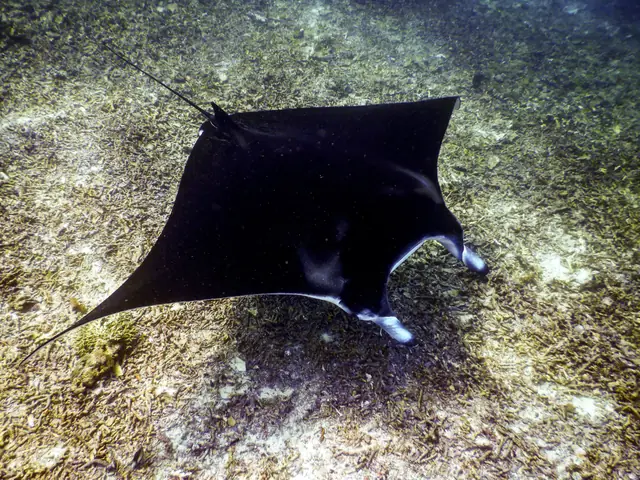
Reef Manta Ray
Mobula alfredi
Mantas visit cleaning stations in the Dampier Strait and around southern Misool. Go with a licensed operator, keep still and low in the water, and never touch or chase them.
-
Wilson's Bird-of-paradise
Cicinnurus respublica
Found only on Waigeo and Batanta. The tiny red, yellow and blue male clears a dance floor on the forest floor, watched at dawn from hides run by local village guides.
-
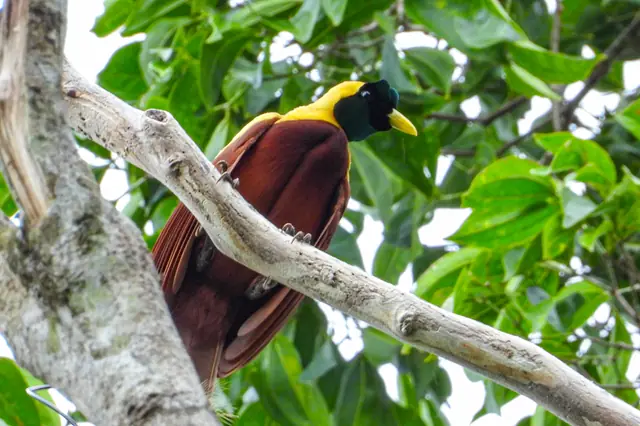
Red Bird-of-paradise
Paradisaea rubra
Found only on Waigeo, Batanta and a few nearby islands. Males display with long red plumes high in the canopy at first light; local guides lead the walks.
-
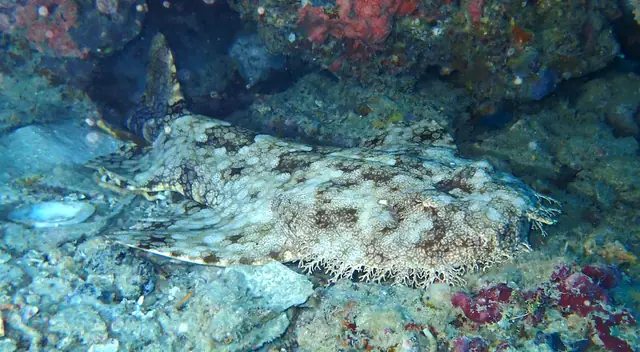
Tasselled Wobbegong
Eucrossorhinus dasypogon
A flat, fringed carpet shark that rests under table corals and ledges, almost invisible until you spot its face. Look closely and never touch.
-
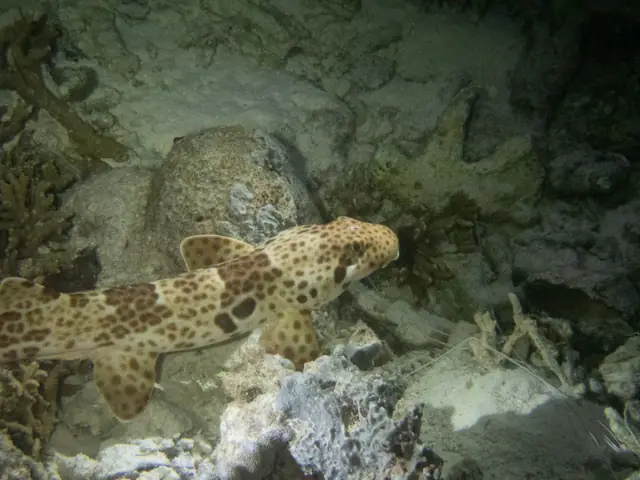
Raja Epaulette Shark
Hemiscyllium freycineti
A small shark found only in Raja Ampat that walks over the reef on its fins at night. Look for it on a guided night snorkel or dive.
-
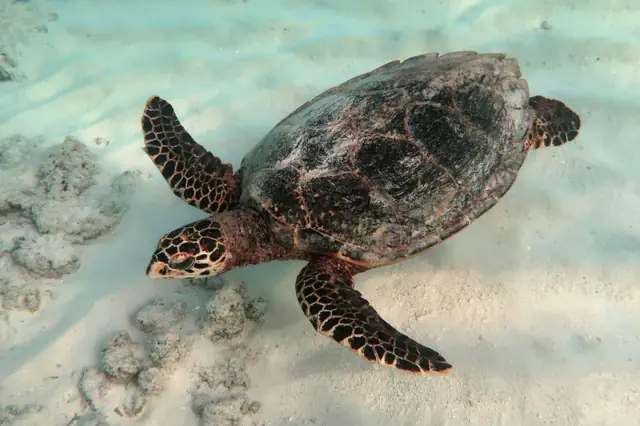
Hawksbill Sea Turtle
Eretmochelys imbricata
Feeds on sponges on almost any reef. Follow the local distance rules and let it carry on feeding.
-
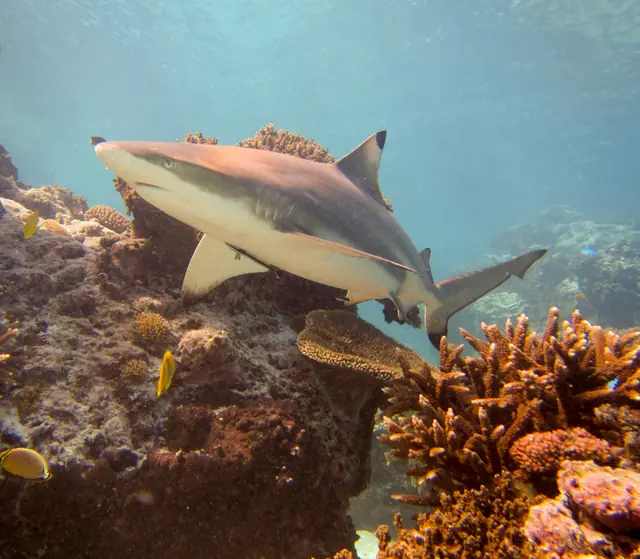
Blacktip Reef Shark
Carcharhinus melanopterus
Young sharks patrol the shallows off beaches and jetties, harmless to snorkellers and a sign of a healthy reef.
-
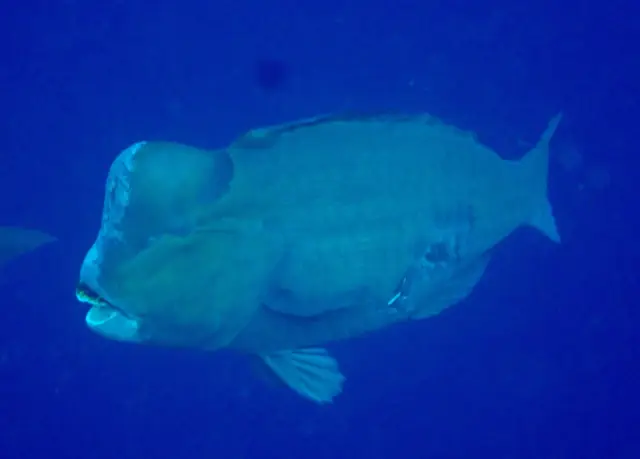
Bumphead Parrotfish
Bolbometopon muricatum
Herds of these big, bulb-headed fish graze the shallow reefs in the early morning; listen for the crunching.
-
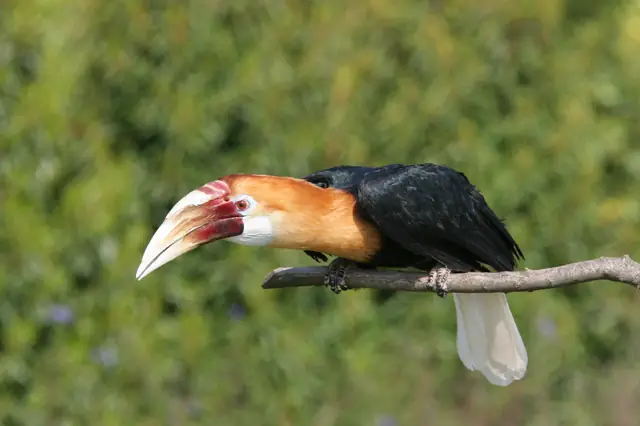
Blyth's Hornbill
Rhyticeros plicatus
Pairs cross between the islands with loud, whooshing wingbeats, often seen from boats and village jetties.
-
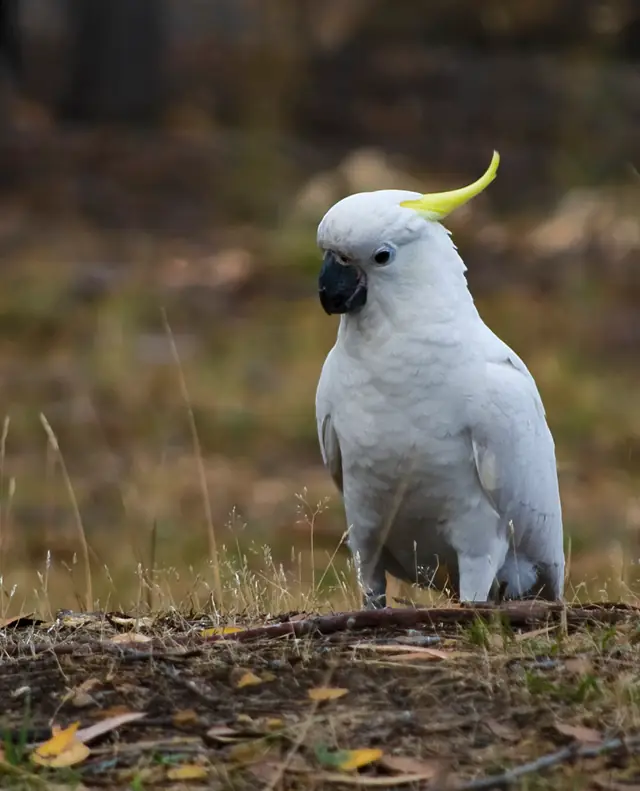
Sulphur-crested Cockatoo
Cacatua galerita
Noisy white flocks fly between islands at dawn and dusk. Parrots here are trapped for the pet trade, so never buy birds or feathers.
-
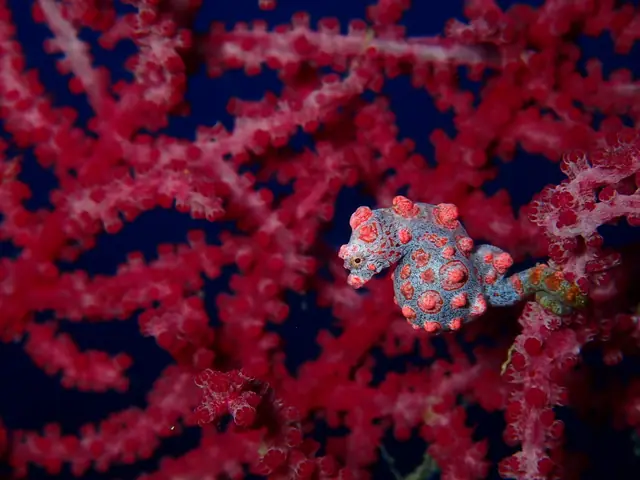
Pygmy Seahorse
Hippocampus bargibanti
Thumbnail-sized and living on sea fans. Guides find them for divers; no touching, moving or bright lights.
All 132 animals in Raja Ampat
Birds of paradise and forest birds 6
-
 Red Bird-of-paradise
- Wilson's Bird-of-paradise
-
 Blyth's Hornbill
-
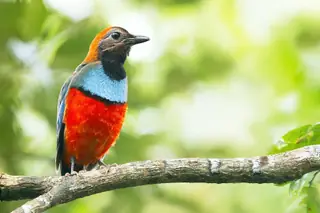 Papuan Pitta
-
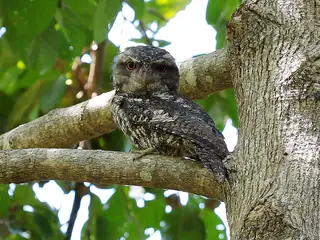 Papuan Frogmouth
-
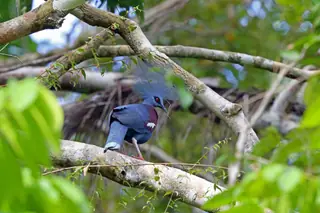 Western Crowned PigeonRare
Cockatoos, parrots and pigeons 9
-
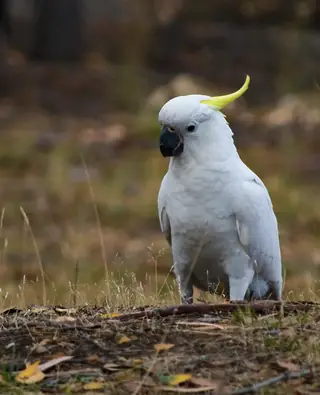 Sulphur-crested Cockatoo
-
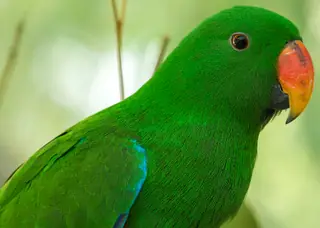 Papuan Eclectus
-
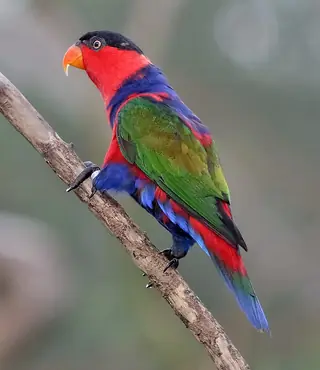 Black-capped Lory
- Coconut Lorikeet
-
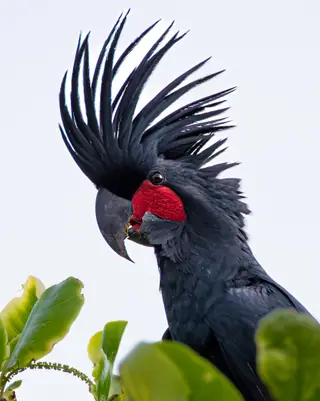 Palm Cockatoo
-
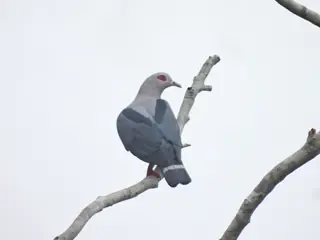 Pinon's Imperial Pigeon
-
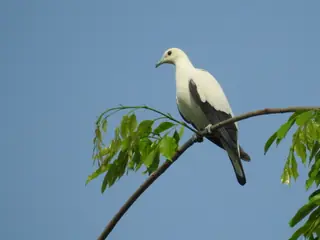 Pied Imperial Pigeon
-
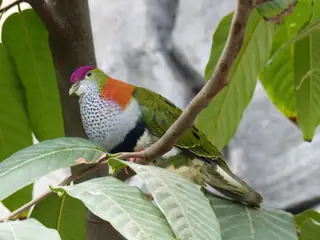 Superb Fruit Dove
-
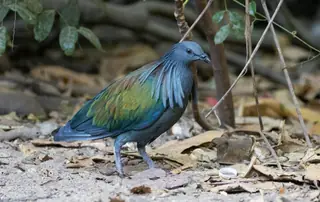 Nicobar PigeonRare
Kingfishers and village birds 21
-
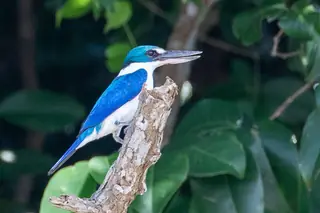 Collared Kingfisher
-
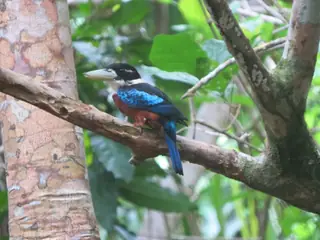 Rufous-bellied Kookaburra
-
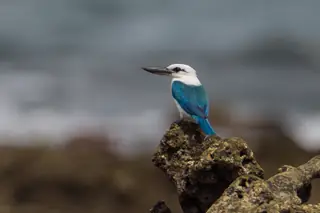 Beach Kingfisher
-
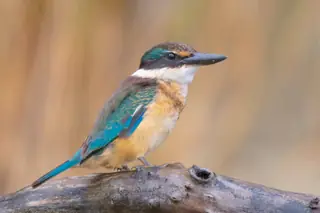 Sacred Kingfisher
-
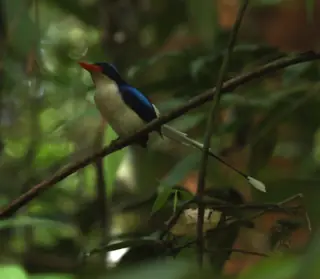 Common Paradise Kingfisher
-
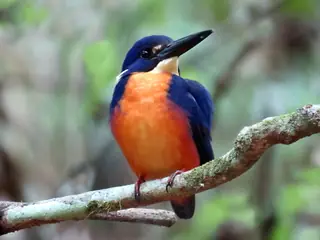 Azure Kingfisher
-
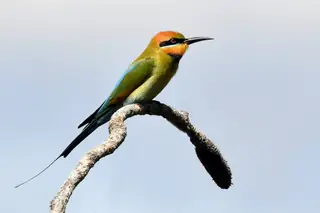 Rainbow Bee-eater
-
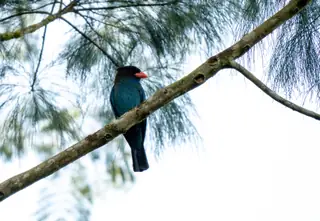 Oriental Dollarbird
-
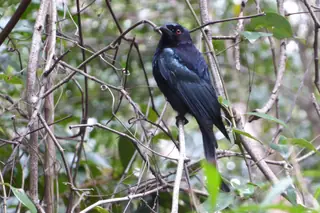 Spangled Drongo
-
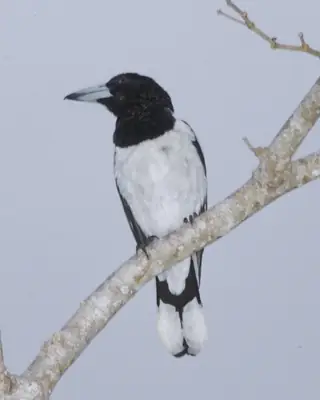 Hooded Butcherbird
-
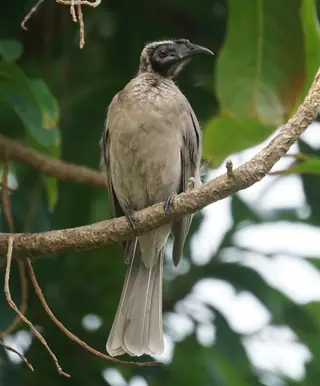 Helmeted Friarbird
-
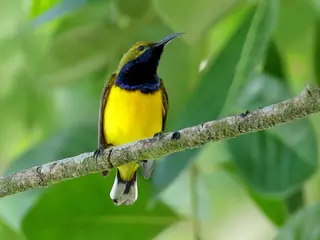 Sahul Sunbird
-
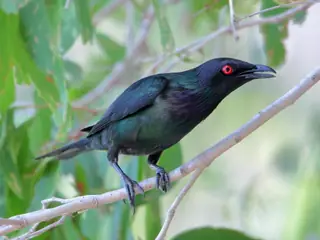 Metallic Starling
-
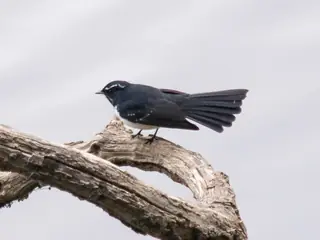 Willie Wagtail
-
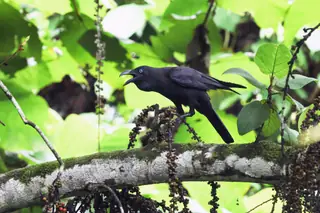 Torresian Crow
-
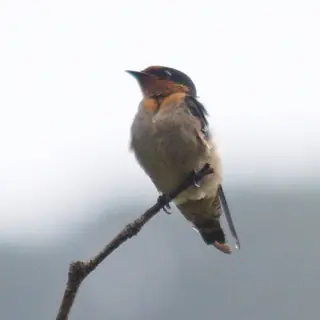 Pacific Swallow
-
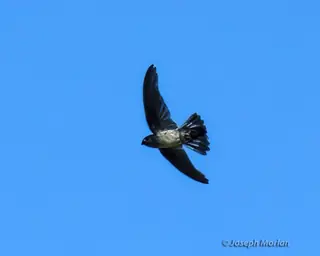 Glossy Swiftlet
-
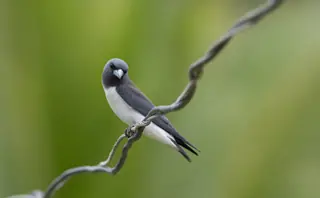 White-breasted Woodswallow
-
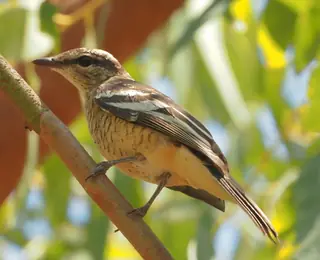 Varied Triller
-
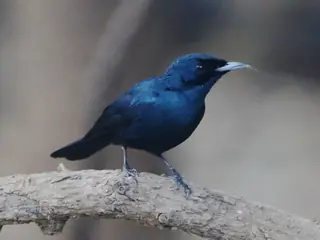 Shining Flycatcher
-
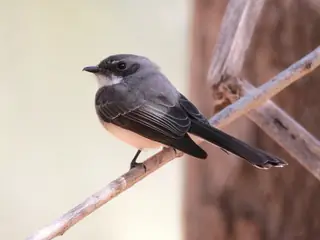 Northern Fantail
Birds of prey, seabirds and shore birds 22
-
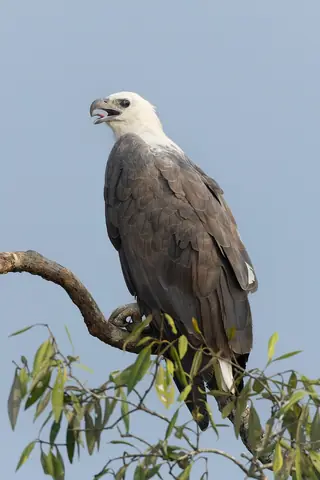 White-bellied Sea Eagle
-
 Brahminy Kite
-
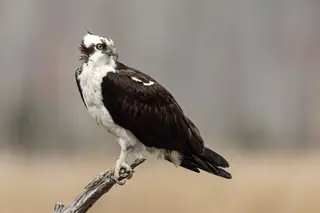 Osprey
-
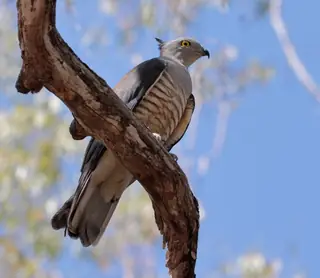 Pacific Baza
-
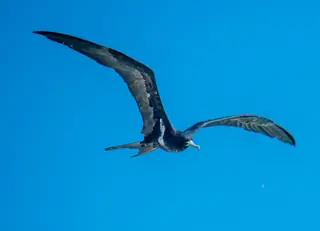 Lesser Frigatebird
-
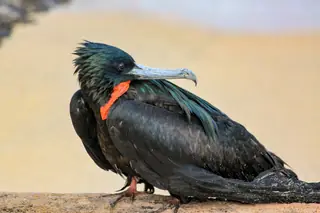 Great Frigatebird
-
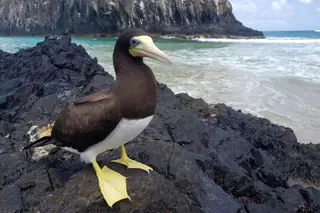 Brown Booby
-
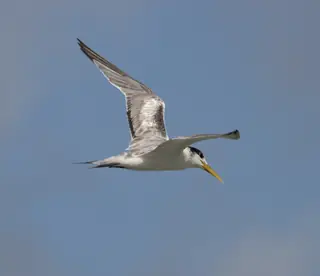 Greater Crested Tern
-
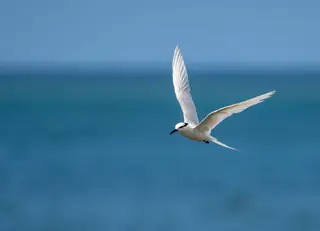 Black-naped Tern
-
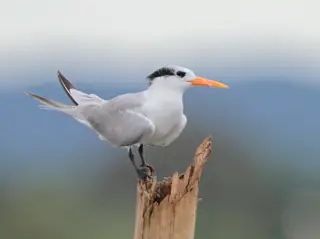 Lesser Crested Tern
-
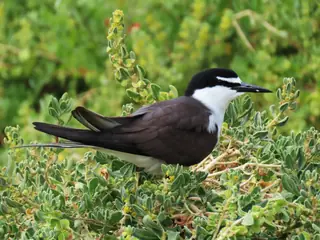 Bridled Tern
-
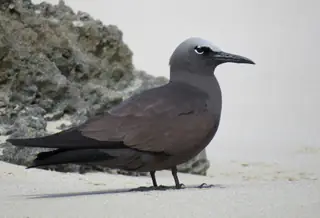 Brown Noddy
-
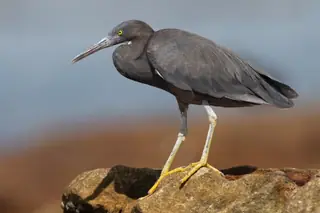 Pacific Reef Heron
-
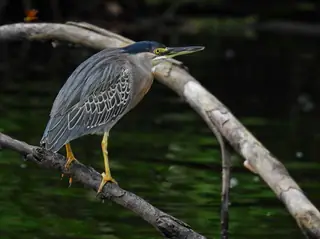 Striated Heron
-
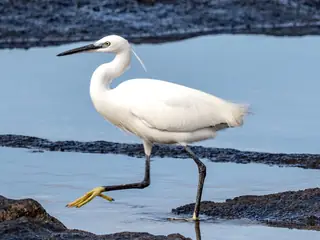 Little Egret
-
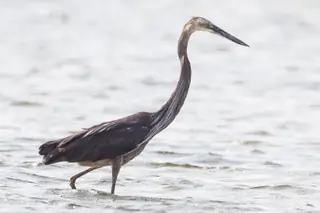 Great-billed Heron
-
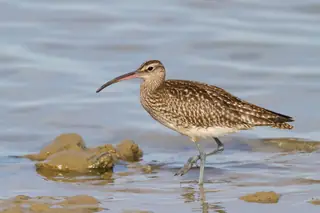 Whimbrel
-
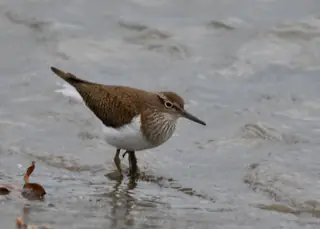 Common Sandpiper
-
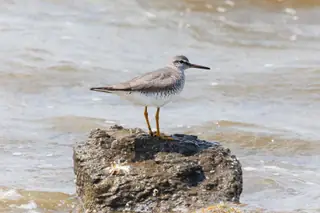 Grey-tailed Tattler
-
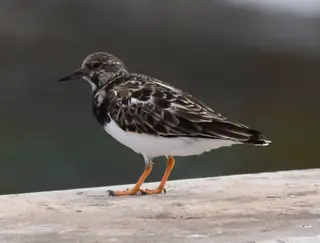 Ruddy Turnstone
-
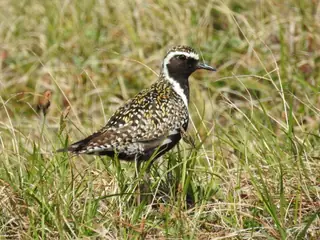 Pacific Golden Plover
-
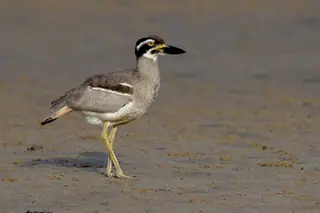 Beach Stone-curlew
Land mammals, reptiles and butterflies 9
-
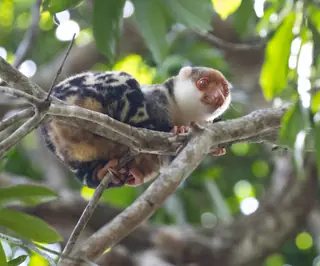 Waigeo CuscusRare
-
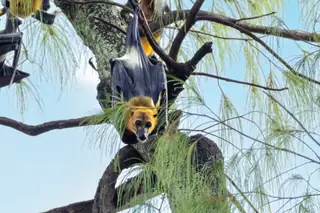 Great Flying-fox
-
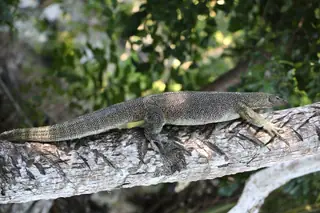 Mangrove Monitor
-
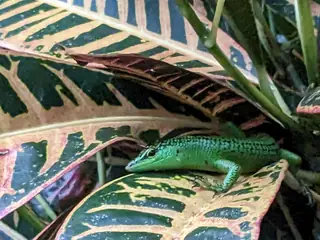 Emerald Tree Skink
-
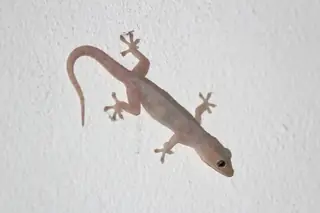 Common House Gecko
-
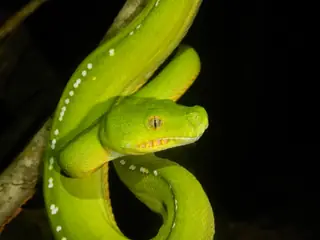 Green Tree PythonRare
-
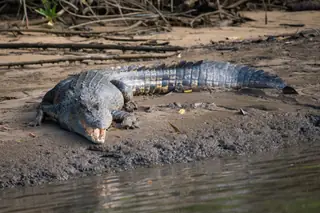 Saltwater CrocodileRare
- Common Green Birdwing
-
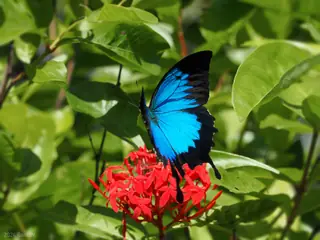 Ulysses Swallowtail
Turtles, dolphins and dugong 11
-
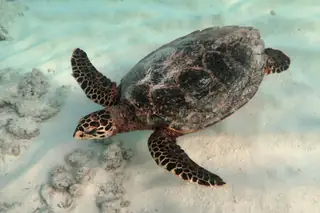 Hawksbill Sea Turtle
-
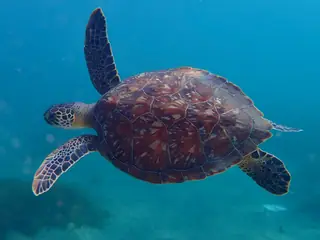 Green Sea Turtle
-
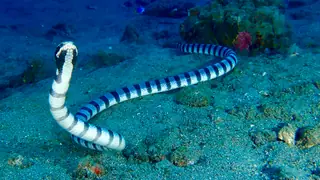 Yellow-lipped Sea Krait
-
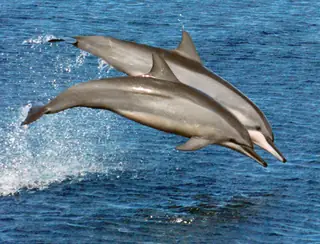 Spinner Dolphin
-
 Indo-Pacific Bottlenose Dolphin
-
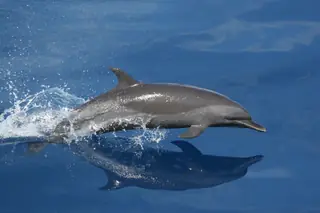 Pantropical Spotted Dolphin
-
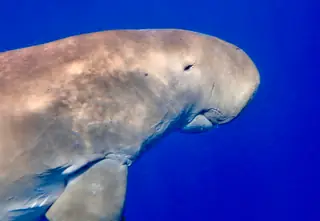 DugongRare
-
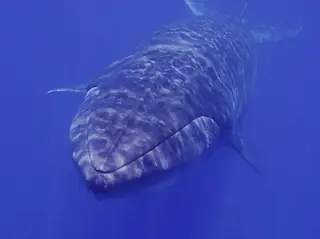 Bryde's WhaleRare
-
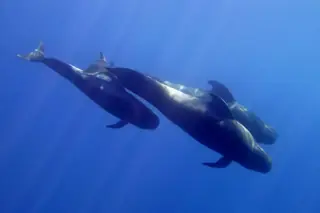 Short-finned Pilot WhaleRare
-
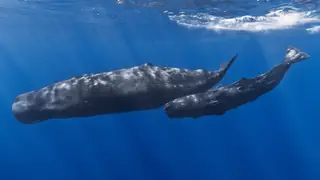 Sperm WhaleRare
-
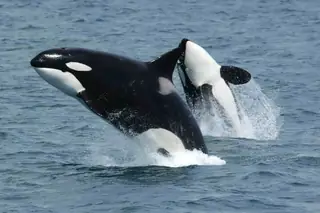 OrcaRare
Sharks and rays 12
-
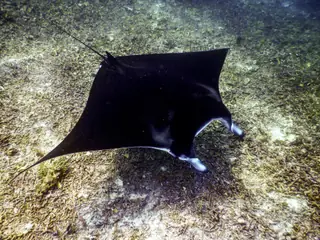 Reef Manta Ray
-
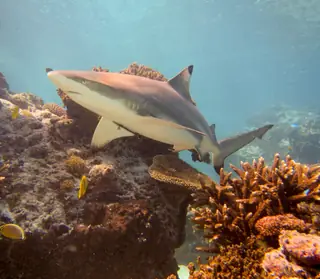 Blacktip Reef Shark
-
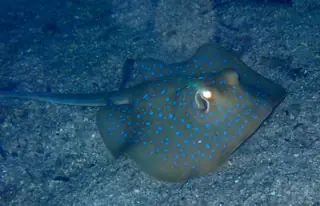 Blue-spotted Ribbontail Ray
-
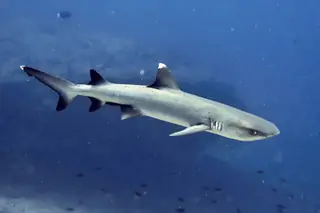 Whitetip Reef Shark
-
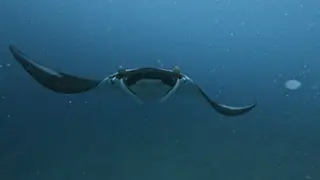 Manta Ray
-
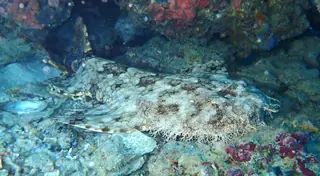 Tasselled Wobbegong
-
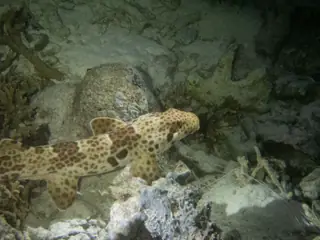 Raja Epaulette Shark
-
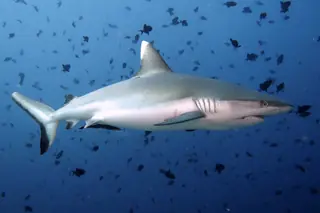 Grey Reef Shark
-
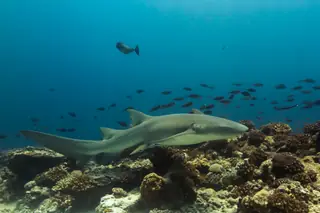 Tawny Nurse Shark
-
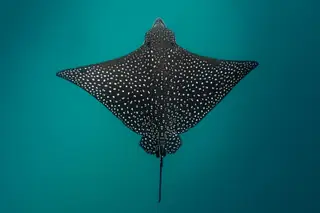 Ocellated Eagle Ray
-
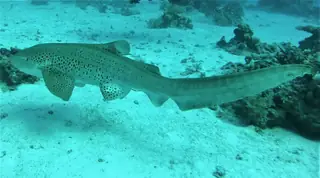 Zebra SharkRare
-
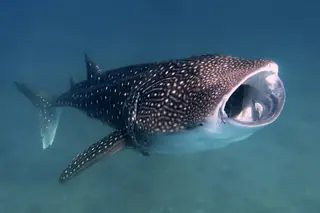 Whale SharkRare
Big reef fish and schools 18
-
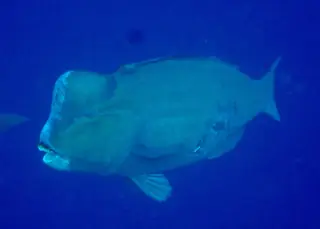 Bumphead Parrotfish
-
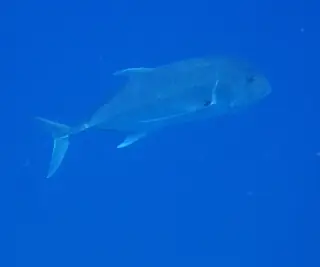 Giant Trevally
-
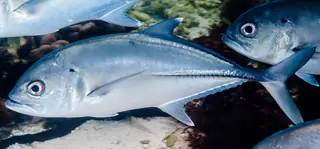 Bigeye Trevally
-
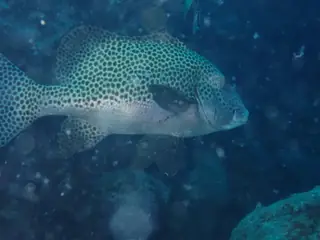 Many-spotted Sweetlips
-
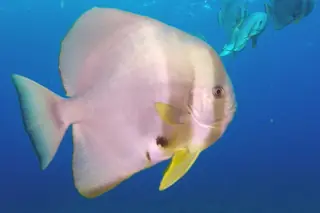 Longfin Batfish
-
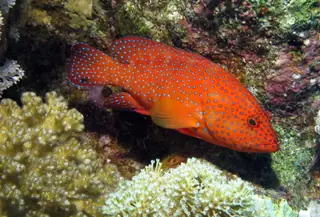 Coral Hind
-
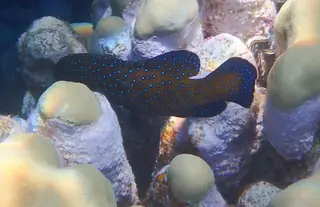 Peacock Grouper
-
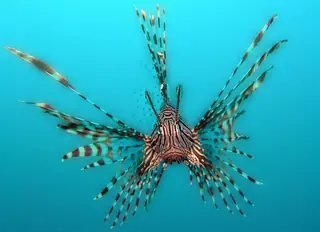 Red Lionfish
-
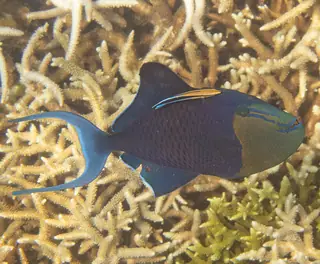 Redtooth Triggerfish
-
 Titan Triggerfish
-
 Bluestreak Cleaner Wrasse
-
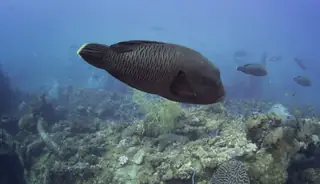 Humphead Wrasse
-
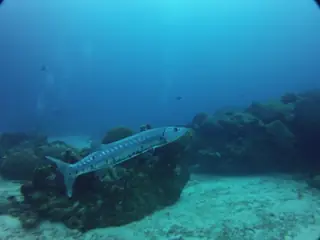 Great Barracuda
-
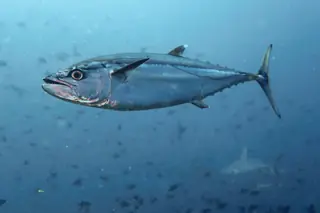 Dogtooth Tuna
-
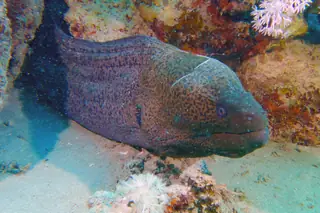 Giant Moray
-
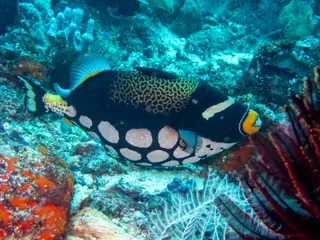 Clown Triggerfish
-
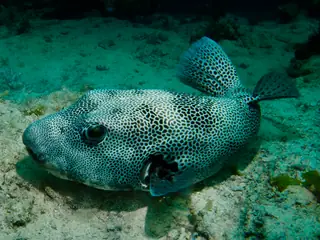 Starry Puffer
-
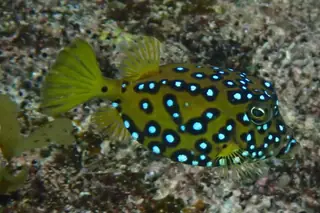 Yellow Boxfish
Anemonefish, angelfish and small wonders 13
-
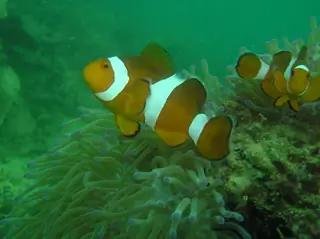 Clown Anemonefish
-
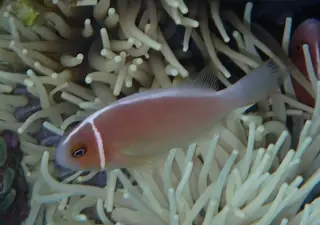 Pink Anemonefish
-
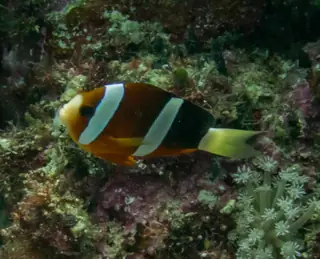 Clark's Anemonefish
-
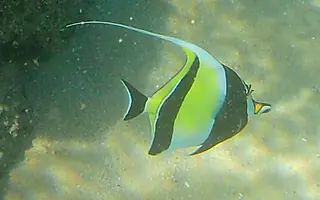 Moorish Idol
-
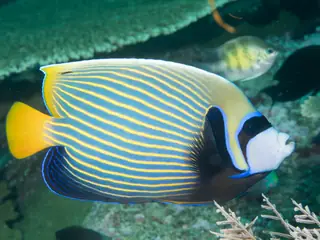 Emperor Angelfish
-
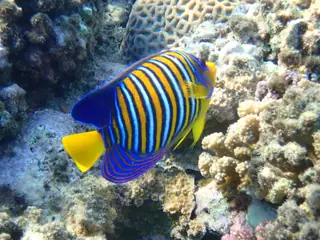 Regal Angelfish
-
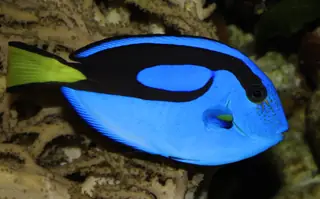 Blue Tang
-
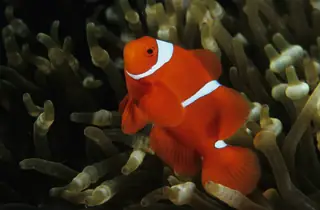 Maroon Clownfish
-
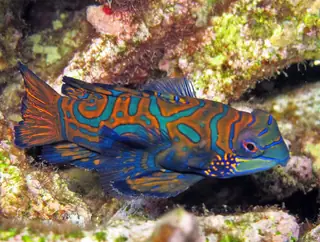 Mandarinfish
-
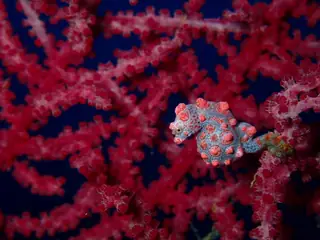 Pygmy Seahorse
-
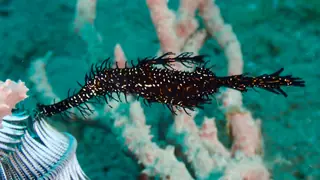 Ornate Ghost Pipefish
-
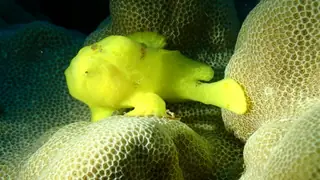 Giant Frogfish
-
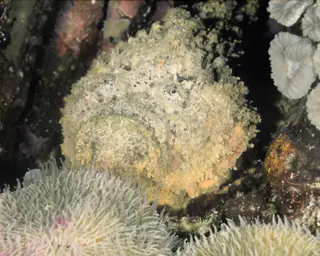 Reef Stonefish
Corals and invertebrates 11
-
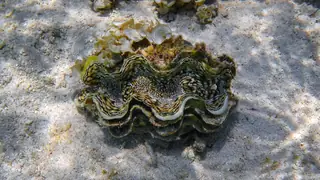 Fluted Giant Clam
-
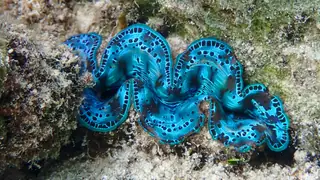 Small Giant Clam
-
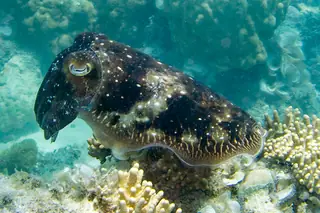 Broadclub Cuttlefish
-
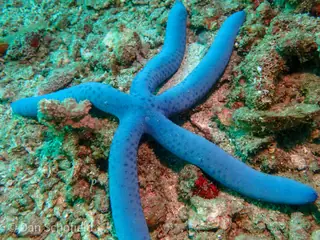 Blue Sea Star
-
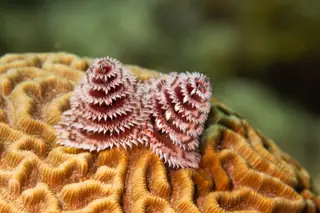 Christmas Tree Worm
-
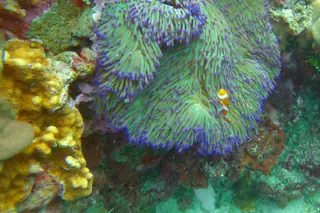 Magnificent Sea Anemone
-
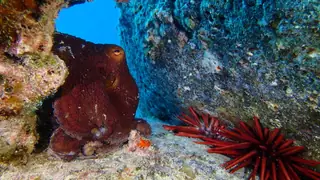 Day Octopus
-
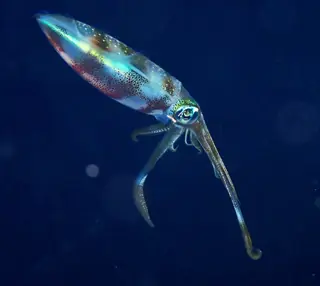 Bigfin Reef Squid
-
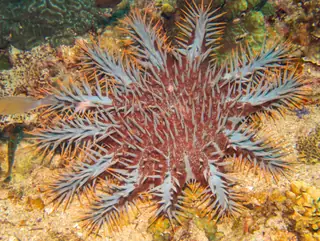 Pacific Crown-of-thorns Starfish
-
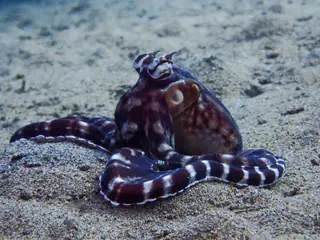 Mimic OctopusRare
-
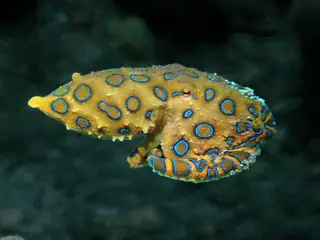 Greater Blue-ringed OctopusRare
Best time to see wildlife in Raja Ampat
Sightings by month in Raja Ampat
Most records: Dec to OctRecords from GBIF.org, adjusted for how many people record wildlife each month. 100% is the busiest month.
Raja Ampat lies just south of the equator and is warm all year, so there is wildlife in every month. October to April is the main season, with the calmest seas for crossings and the best visibility; this is also when manta rays gather at the cleaning stations, and the birds of paradise display year round in the early morning. From June to September the south-east winds bring choppier seas, especially in the south around Misool, and some liveaboards move elsewhere, though the sheltered Dampier Strait stays diveable. Migrant waders from the north are on the beaches from about September to April, and sacred kingfishers arrive from Australia in the southern winter. Rain can fall in any month, usually in short showers.
- Oct to DecCalm seas, good visibility, mantas and liveaboard season starts
- Jan to AprPeak season; mantas, migrant waders, calm crossings
- MayShoulder month; fewer boats, seas still mostly calm
- Jun to SepWindier and choppier, especially near Misool; Dampier Strait still good
- All yearBirds of paradise display at dawn; reef life and turtles
Tips for spotting wildlife in Raja Ampat
- 01
Pay the marine park fee
Every visitor buys a Raja Ampat marine park permit, which pays for rangers, patrols and village conservation. Carry it with you on boats.
- 02
Be at the hide before dawn
Bird of paradise displays start at first light and are over within a couple of hours. Go with local village guides, sit quietly in the hide and never use flash.
- 03
Snorkel from the jetties
Many homestay and village jetties have rich reef right below them, with blacktip reef sharks, turtles and huge schools of fish. Slack tide is easiest.
- 04
Keep off the coral
Never stand on, touch or kick the reef, keep fins up in the shallows and use reef-safe sun cream. A short buoyancy refresher helps divers.
- 05
Try a night snorkel
After dark the walking shark, cuttlefish, crabs and sleeping parrotfish come out. Go with a guide and a dim torch, and keep the light off animals' eyes.
- 06
Watch from the boat
Dolphins, dugongs and whales are best enjoyed from a drifting boat. Follow the local whale-watching code and never chase or swim after them.

Take Raja Ampat with you
Heading to Raja Ampat? Keep this list on your phone and tick off each manta, shark and bird of paradise as you see it, even far from any signal. Wilder is free to start.

Raja Ampat wildlife FAQ
When is the best time to visit Raja Ampat for wildlife?
The best time to visit Raja Ampat is October to April, when the seas are calmest, visibility is good and manta rays gather at the cleaning stations. Birds of paradise display all year in the early morning. June to September is windier, especially around Misool, but the Dampier Strait stays good for diving and snorkelling.
Can you see manta rays in Raja Ampat?
Yes, reef manta rays visit cleaning stations in the Dampier Strait and around southern Misool, and the larger oceanic manta turns up on the outer reefs. Snorkellers and divers can see them with licensed local operators. Keep still and low, give them space, and never touch or chase them.
Where can you see birds of paradise in Raja Ampat?
Wilson's and red birds of paradise live only on Waigeo, Batanta and a few nearby islands. Local village guides on Waigeo and Gam lead early morning walks to hides near the display sites. Go before dawn, stay quiet in the hide and never use flash.
What is the walking shark in Raja Ampat?
The walking shark is the Raja epaulette shark, a small, spotted bamboo shark found only in Raja Ampat. It uses its fins to walk over the shallow reef at night, hunting crabs and small fish. The best way to see one is on a guided night snorkel or dive.
What wildlife is there in Raja Ampat besides reef fish?
Raja Ampat has hawksbill and green turtles, blacktip and whitetip reef sharks, wobbegongs, dolphins and the occasional dugong. On land there are birds of paradise, Blyth's hornbills, cockatoos, lories, kingfishers, cuscuses and mangrove monitors. This checklist covers 132 animals.
Sources
- Raja Ampat MPAs Management Authority: Raja Ampat Marine Protected Areas
- UNESCO World Heritage Centre: Raja Ampat Islands (Tentative List)
- Sightings by month: GBIF.org
Animal photos are from the Wilder catalogue; photo credits.
Similar checklists
All Asia-
 National park86animals Komodo National Park West Manggarai, East Nusa Tenggara, Indonesia Dry volcanic islands between Sumbawa and Flores where wild Komodo dragons roam, ringed by coral seas full of manta rays, reef sharks and turtles. Best time Apr to Nov
-
 Reserve82animals Tangkoko Nature Reserve North Sulawesi, Indonesia Lowland rainforest and black-sand coast at the tip of North Sulawesi, walked with local guides from Batuputih, where troops of crested black macaques forage on the ground, tiny tarsiers wake at dusk and knobbed hornbills and endemic kingfishers fill the canopy. Best time Jul to Oct
-
 Island133animals Palawan Palawan, Philippines The Philippines' long, wild western island: peacock-pheasants and hornbills in the forest around the Underground River, bearcats and stink badgers at night, cockatoos over the mangroves, and turtles, reef fish and dugongs among the limestone islands of El Nido and Coron. Best time Dec to May
-
 Marine park54animals Great Barrier Reef Queensland, Australia The world's biggest coral reef: turtles, reef sharks and manta rays underwater, and seabird islands on top. Best time Jun to Oct