Reserve · North Sulawesi · Indonesia
Tangkoko Wildlife Checklist

Tangkoko is a lowland rainforest reserve on the coast at the north-eastern tip of Sulawesi, near the city of Bitung. It is one of the best places in Asia to see tarsiers and the critically endangered Celebes crested macaque, with bear cuscuses, knobbed hornbills and several endemic kingfishers in the forest. This checklist covers 82 animals. July to October, the drier months, are best.
Tick off all 82 animals in Tangkoko on your phone, even offline. Launching soon. Free A4 PDF, no sign-up.
Visitors stay in the village of Batuputih, at the reserve gate, and walk the forest with local guides, who are required. The reserve runs from the black-sand beach up the slopes of Mount Tangkoko and Duasudara, an old volcanic landscape of tall forest, figs and coastal scrub.
- Animals to find
- 82
- Where
- Indonesia
- Best time
- Jul to Oct
- Key Biodiversity Area
- About 95 km²
Popular animals in Tangkoko
-
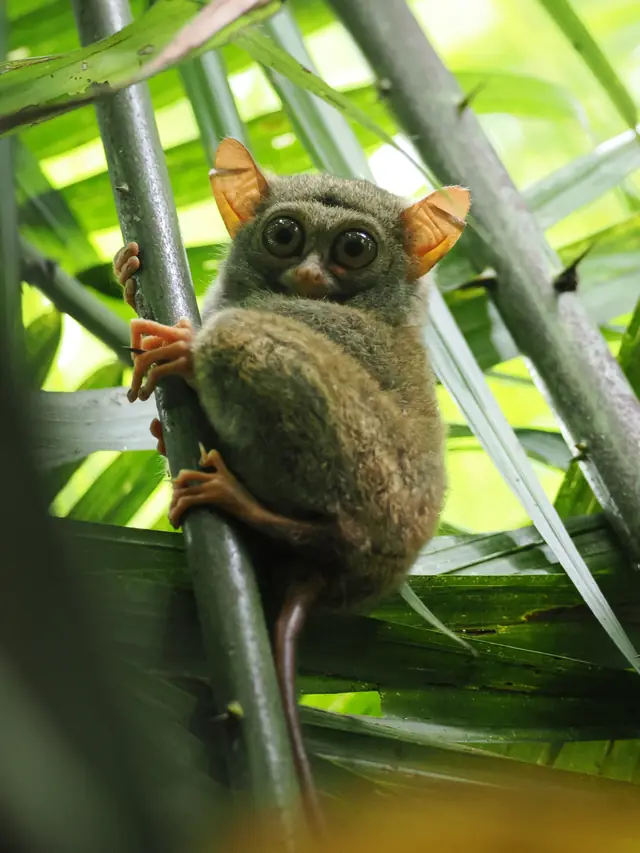
Gursky's Spectral Tarsier
Tarsius spectrumgurskyae
A tiny primate with huge eyes that wakes at dusk. Guides take small groups to watch family groups leave their sleeping trees; keep torches off their faces and never use flash.
-
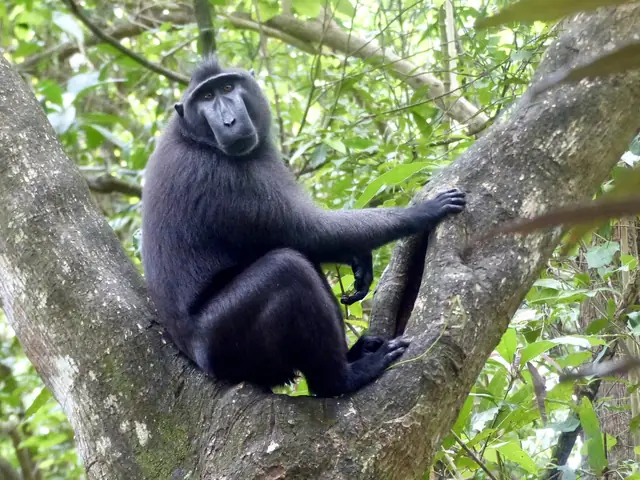
Celebes Crested Macaque
Macaca nigra
Jet-black monkeys with a punk crest, found only in North Sulawesi. Troops forage on the forest floor and the beach; follow your guide, keep the reserve's distance rules and never feed them.
-
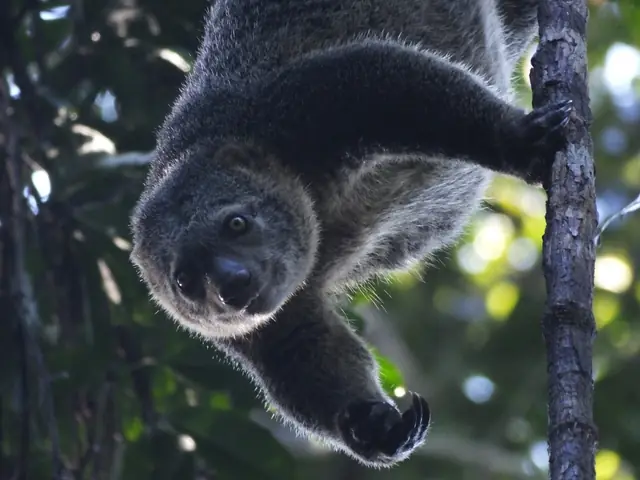
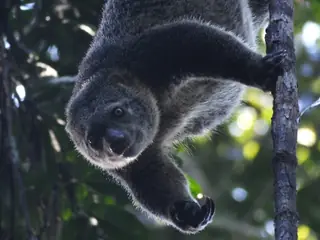
Common Bear Cuscus
Ailurops ursinus
A slow, woolly marsupial that spends the day resting high in the canopy. Guides scan the tree crowns, and it often stays put for long views.
-
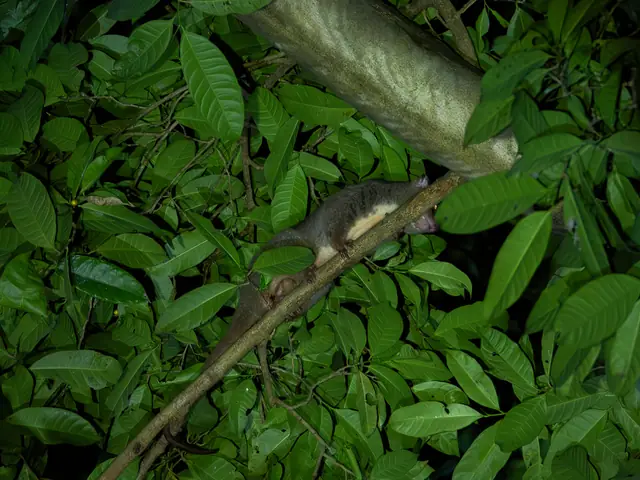
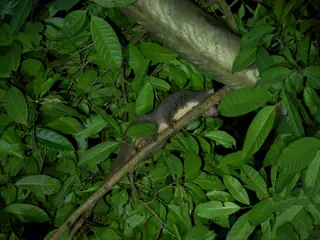
Small Sulawesi Cuscus
Strigocuscus celebensis
A small night-active cuscus, a lucky find on guided night walks. Keep the torch beam dim and off its eyes.
-
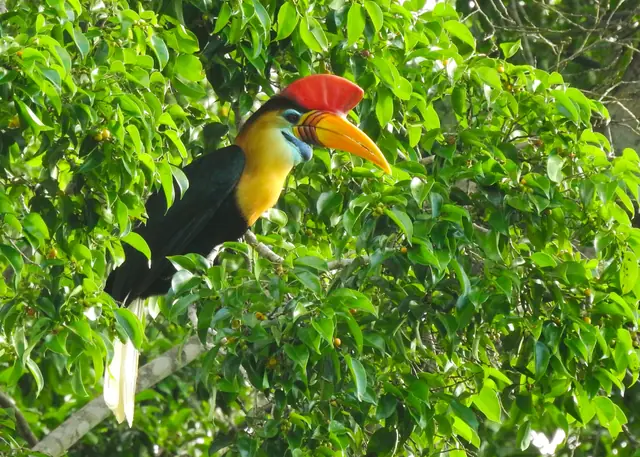
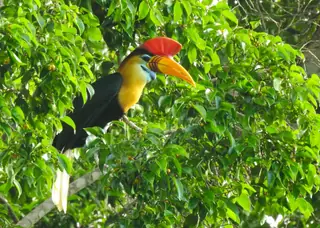
Knobbed Hornbill
Rhyticeros cassidix
A huge hornbill with a red casque, found only on Sulawesi. Pairs whoosh over the forest and feed in fruiting figs, most in the early morning.
-
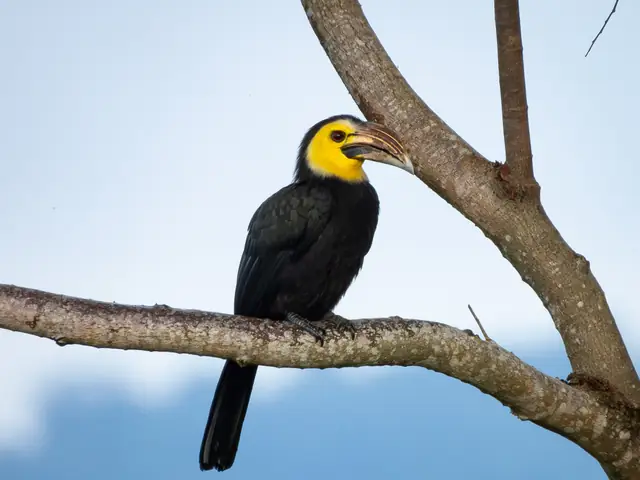
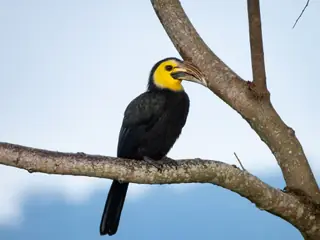
Sulawesi Hornbill
Rhabdotorrhinus exarhatus
A smaller, darker hornbill that moves in noisy little groups through the lower canopy.
-
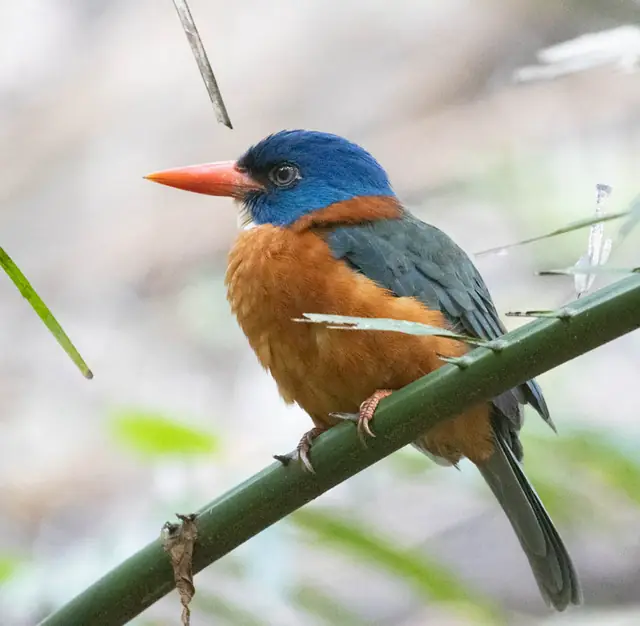
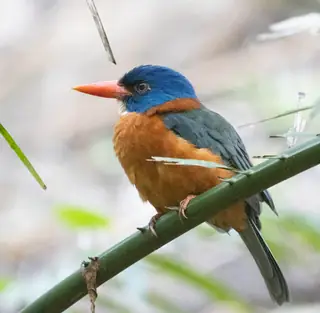
Green-backed Kingfisher
Actenoides monachus
A big, quiet forest kingfisher of the shady interior. It sits still for long spells, so a guide who knows its call helps.
-
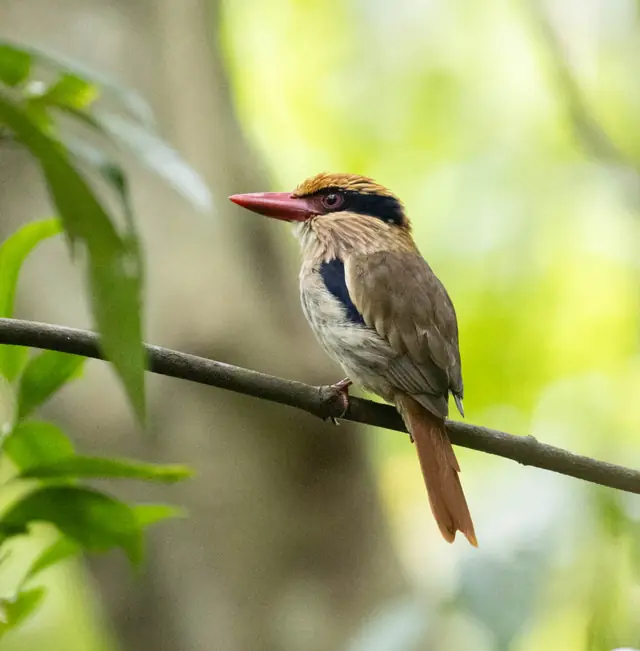
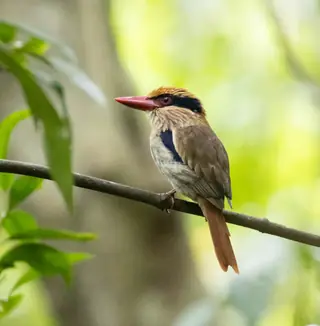
Lilac Kingfisher
Cittura cyanotis
An endemic forest kingfisher with lilac cheeks, perched in the mid storey. Walk slowly and scan the branches.
-
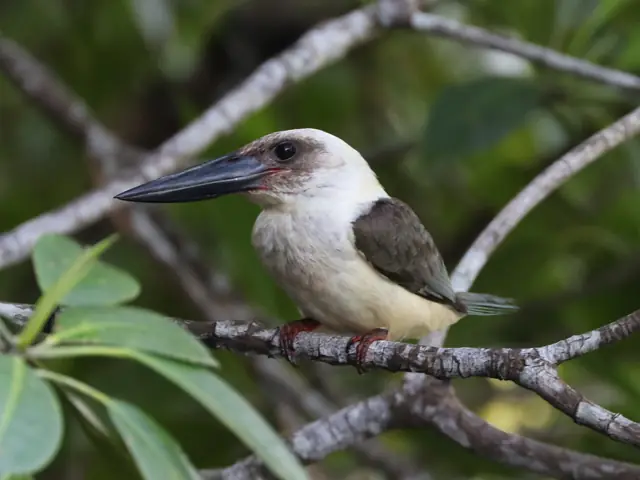
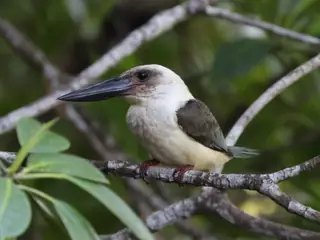
Black-billed Kingfisher
Pelargopsis melanorhyncha
A large kingfisher with a massive dark bill, also called the great-billed kingfisher, on mangroves and coastal trees along the shore.
-
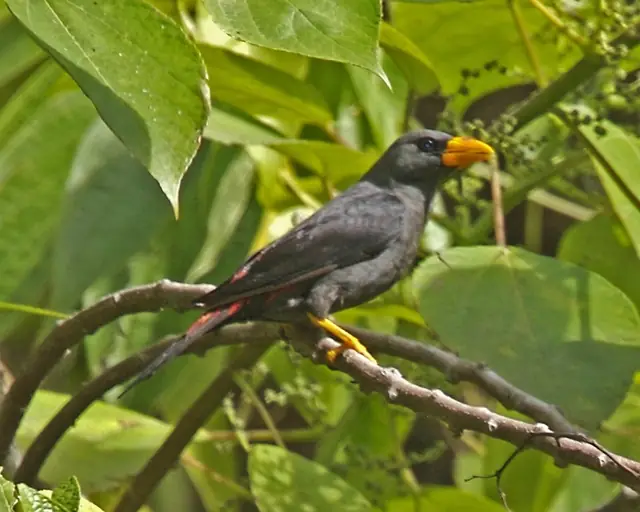
Grosbeak Starling
Scissirostrum dubium
An odd endemic starling, also called the finch-billed myna, that nests in noisy colonies in holes in dead trees around the village and forest edge.
All 82 animals in Tangkoko
Tarsiers, macaques and cuscuses 4
-
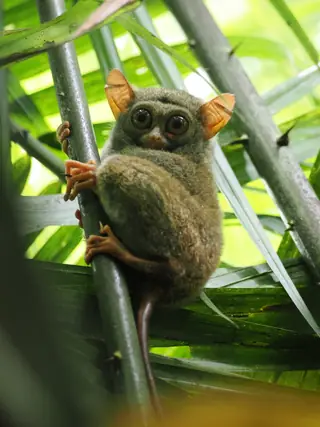 Gursky's Spectral Tarsier
-
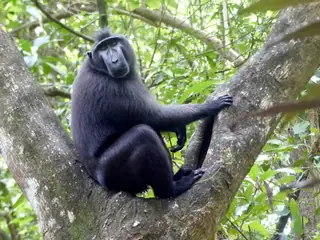 Celebes Crested Macaque
-
 Common Bear Cuscus
-
 Small Sulawesi CuscusRare
Other mammals 1
-
 Black Flying Fox
Hornbills, kingfishers and rollers 12
-
 Knobbed Hornbill
-
 Sulawesi Hornbill
-
 Green-backed Kingfisher
-
 Lilac Kingfisher
-
 Black-billed Kingfisher
-
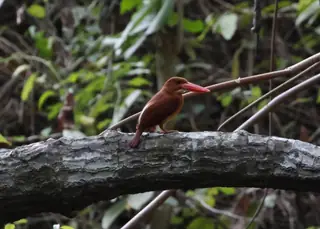 Ruddy Kingfisher
-
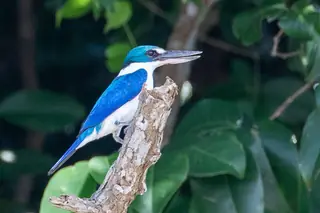 Collared Kingfisher
-
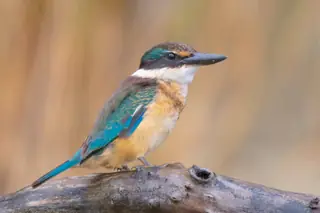 Sacred Kingfisher
-
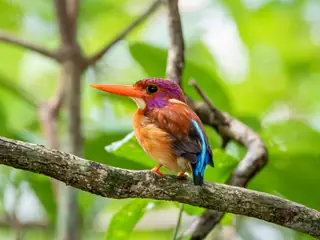 Sulawesi Dwarf KingfisherRare
-
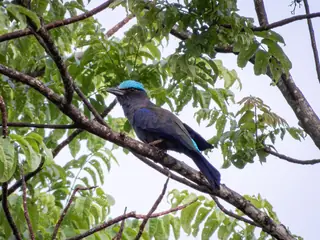 Purple-winged Roller
-
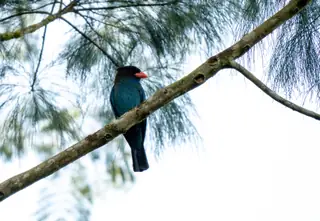 Oriental Dollarbird
-
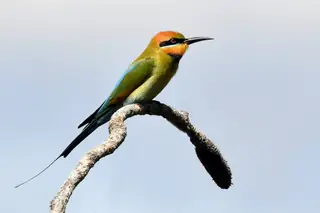 Rainbow Bee-eater
Megapodes, pigeons and parrots 12
-
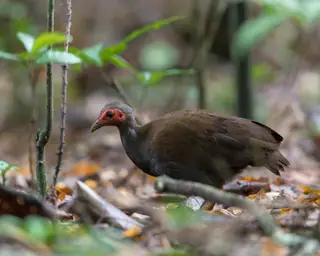 Tabon Scrubfowl
-
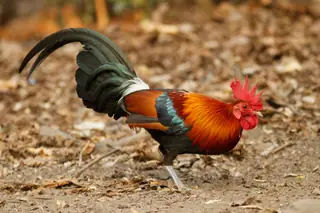 Red Junglefowl
-
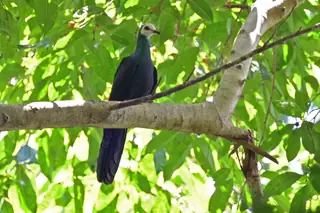 White-faced Cuckoo-Dove
-
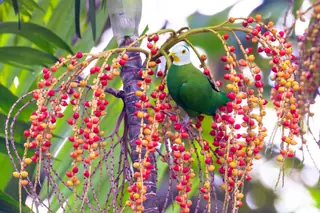 Black-naped Fruit Dove
-
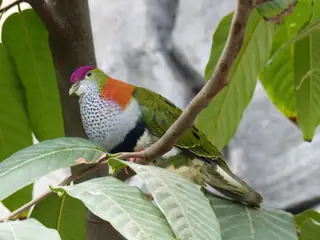 Superb Fruit Dove
-
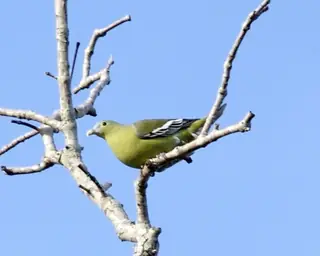 Grey-cheeked Green Pigeon
-
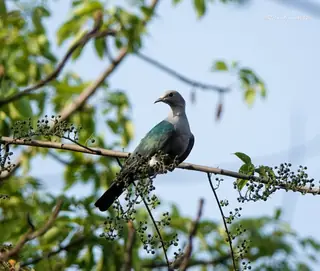 Green Imperial Pigeon
-
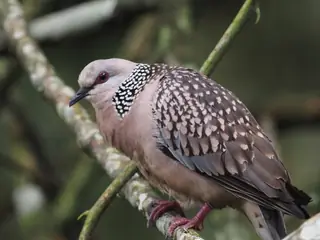 Spotted Dove
- Ornate Lorikeet
-
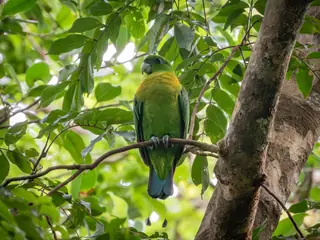 Yellow-breasted Racket-tail
-
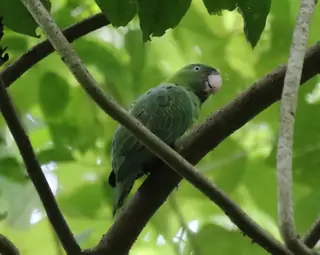 Azure-rumped Parrot
-
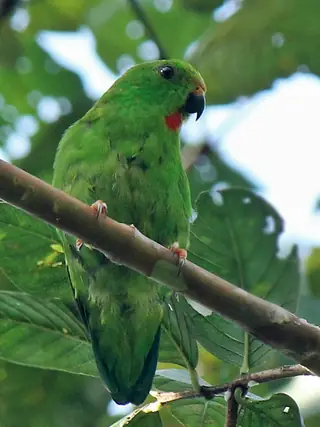 Sulawesi Hanging Parrot
Birds of prey, owls and nightjars 8
-
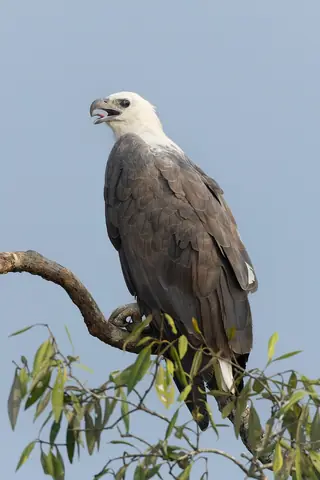 White-bellied Sea Eagle
-
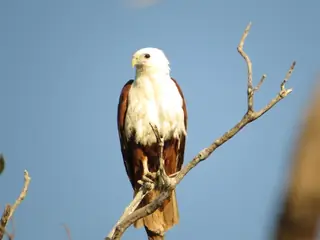 Brahminy Kite
-
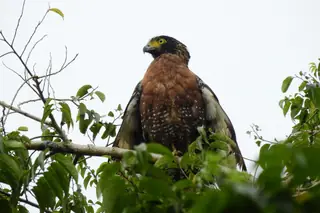 Sulawesi Serpent Eagle
-
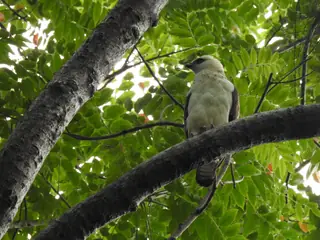 Sulawesi Hawk-Eagle
-
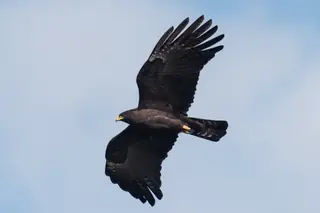 Black EagleRare
-
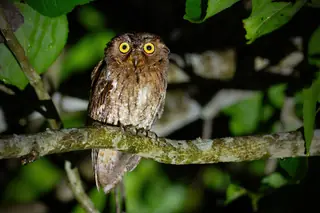 Sulawesi Scops Owl
-
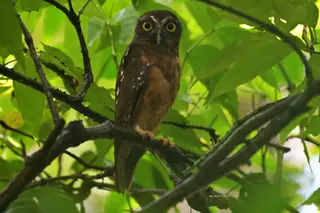 Ochre-bellied Boobook
-
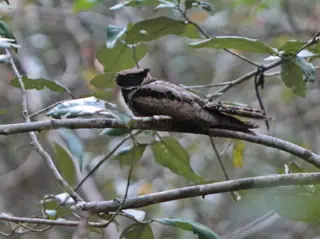 Great Eared Nightjar
Forest birds 10
-
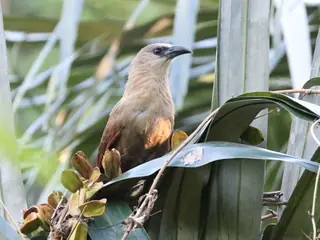 Bay Coucal
-
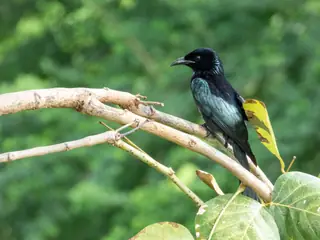 Hair-crested Drongo
-
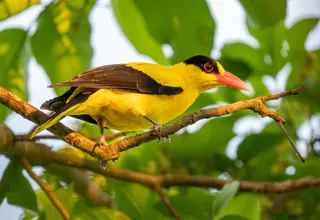 Black-naped Oriole
-
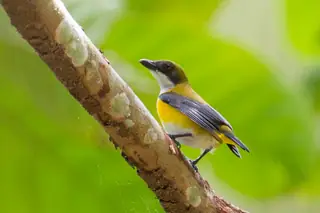 Yellow-sided Flowerpecker
-
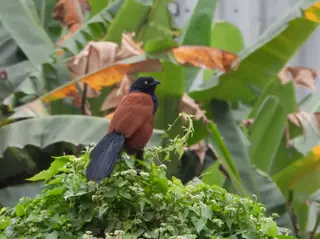 Lesser Coucal
-
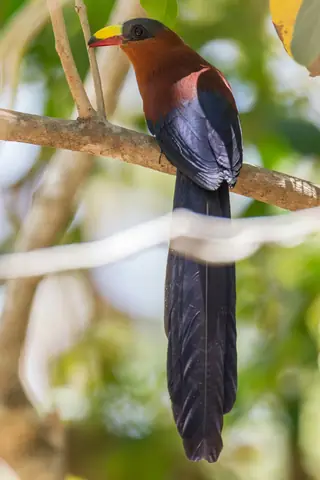 Yellow-billed Malkoha
-
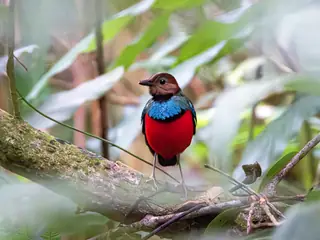 Sulawesi Pitta
-
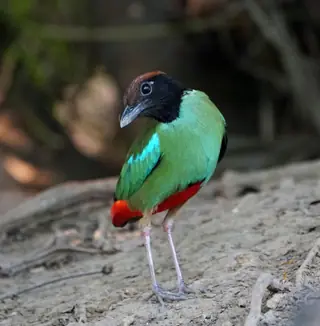 Hooded Pitta
-
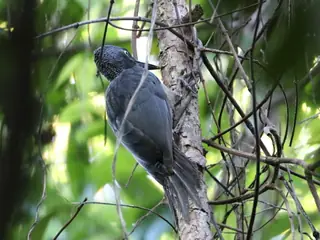 Ashy Woodpecker
-
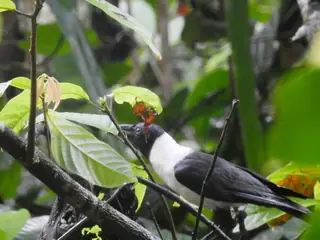 Piping Crow
Village and coast birds 15
-
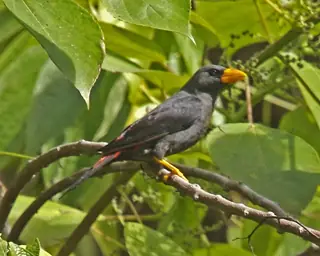 Grosbeak Starling
-
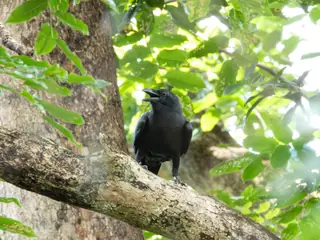 Sulawesi Crow
-
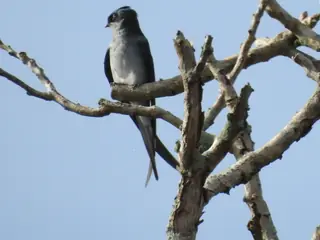 Grey-rumped Treeswift
-
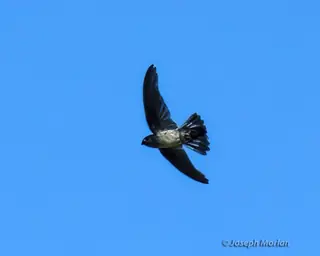 Glossy Swiftlet
-
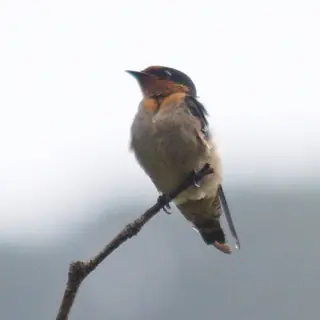 Pacific Swallow
-
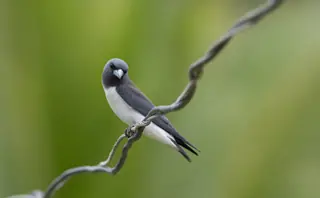 White-breasted Woodswallow
-
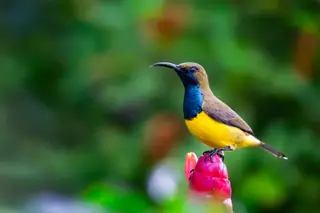 Olive-backed Sunbird
-
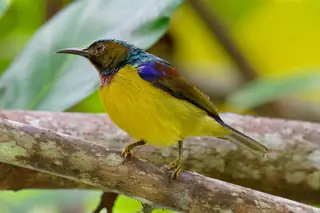 Brown-throated Sunbird
-
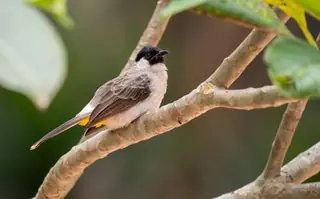 Sooty-headed Bulbul
-
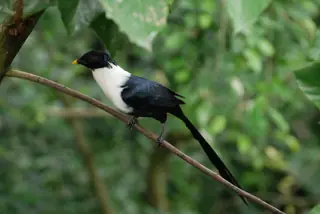 White-necked Myna
-
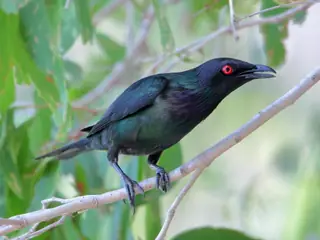 Metallic Starling
-
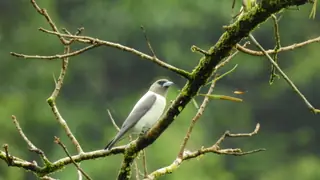 Ivory-backed Woodswallow
-
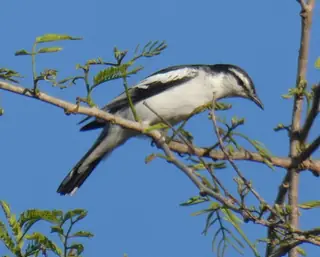 White-shouldered Triller
-
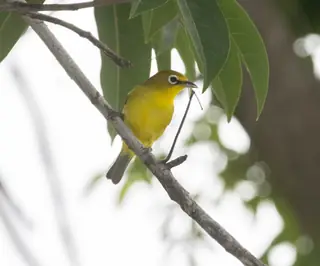 Lemon-bellied White-eye
-
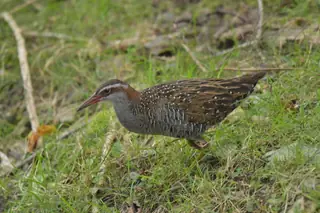 Buff-banded Rail
Shore birds and seabirds 10
-
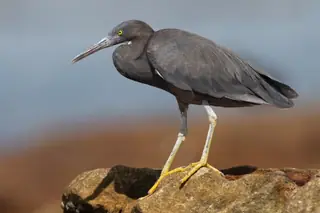 Pacific Reef Heron
-
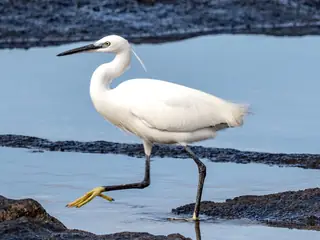 Little Egret
-
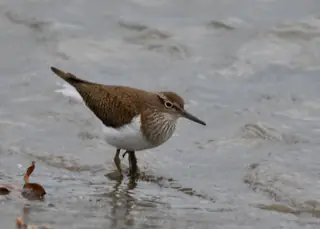 Common Sandpiper
-
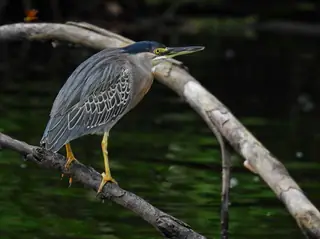 Striated Heron
-
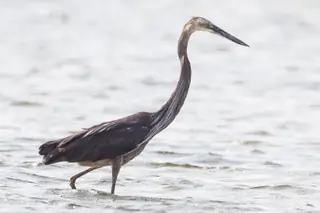 Great-billed HeronRare
-
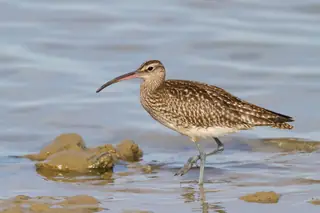 Whimbrel
-
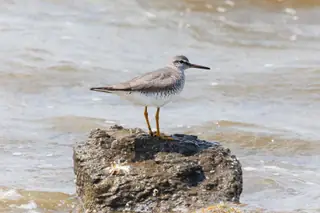 Grey-tailed Tattler
-
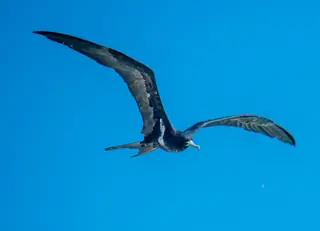 Lesser Frigatebird
-
 Black-naped Tern
-
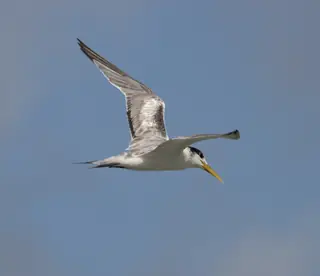 Greater Crested Tern
Reptiles and amphibians 10
- Tokay Gecko
-
 Common House Gecko
-
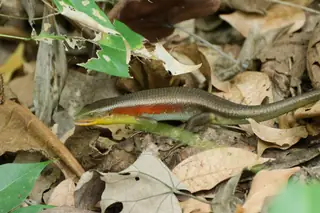 Common Sun Skink
-
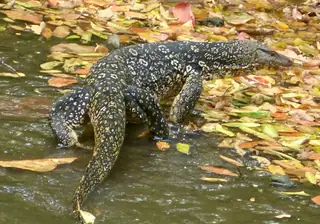 Asian Water Monitor
-
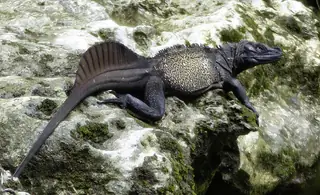 Sulawesi Sailfin Lizard
-
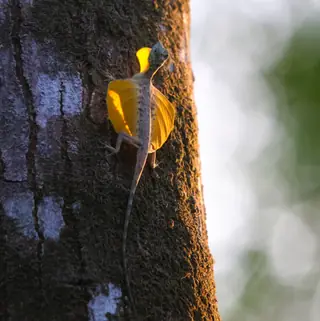 Sulawesi Lined Gliding Lizard
-
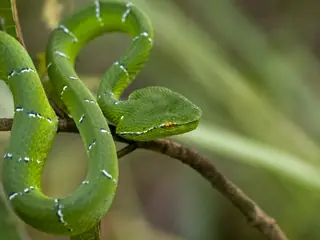 Bornean Keeled Pit Viper
-
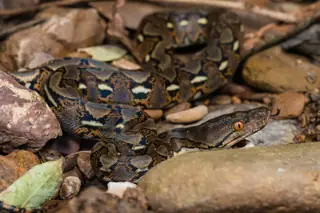 Reticulated Python
-
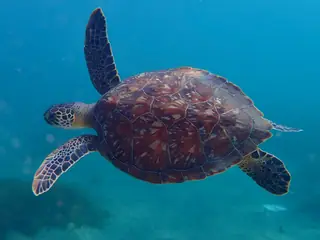 Green Sea TurtleRare
-
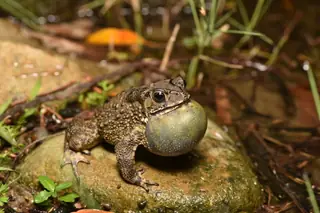 Asian Common Toad
Best time to see wildlife in Tangkoko
Sightings by month in Tangkoko
Most records: Feb to DecRecords from GBIF.org, adjusted for how many people record wildlife each month. 100% is the busiest month.
Tangkoko is warm and humid all year, and the animals do not migrate, so a visit at any season can find the tarsiers, macaques and hornbills. The drier months, roughly July to October, are the most comfortable: trails are firmer, mornings are clear and the forest birds are active. The wettest months are around December to March, when heavy showers make trails muddy and some walks are cut short. Fruiting figs draw hornbills, pigeons and parrots whenever they ripen. Northern waders such as whimbrels and tattlers visit the shore from about September to April. Whatever the month, go out at first light and again late in the afternoon, and join a night walk for the tarsiers and cuscuses.
- Jul to OctDrier and most comfortable; best for walking and birding
- Sep to AprMigrant waders from the north on the shore
- NovRains build; still good, with greener forest
- Dec to MarWettest months; muddy trails and heavy showers
- Apr to JunRains easing; good, quieter months
Tips for spotting wildlife in Tangkoko
- 01
Walk with a local guide
Guides are required in the reserve and they know where the macaque troops are feeding and which trees the hornbills are using. Book them in Batuputih and keep to the trails.
- 02
Start at first light
Hornbills, kingfishers and pigeons are most active in the first hours after dawn, and the forest is cooler. Rest in the heat of the day and go out again late in the afternoon.
- 03
Watch the tarsiers kindly
Tarsiers come out of their sleeping trees at dusk. Stand back in a small group, talk quietly, keep torches off their faces and never use flash.
- 04
Give the macaques room
Crested macaques are used to people but are wild. Follow the reserve's distance rules, keep bags closed and never feed them or leave food out.
- 05
Join a night walk
After dark, guides look for cuscuses, owls, sleeping birds and reptiles. Use a dim torch, keep beams brief and stay on the trail.
- 06
Check the shore
The black-sand beach and mangroves along the reserve's coast hold black-billed kingfishers, reef herons and, in the north's winter, waders. Walk it early or late when the light is soft.

Take Tangkoko with you
Walking Tangkoko with a guide? Keep this list on your phone and tick off each tarsier, macaque and kingfisher as you find them, even with no signal. Wilder is free to start.

Tangkoko wildlife FAQ
Can you see tarsiers in Tangkoko?
Yes, Tangkoko is one of the most reliable places in the world to see a wild tarsier. Gursky's spectral tarsiers live in family groups and leave their sleeping trees at dusk, when local guides take small groups to watch. Keep torches off their faces, never use flash and stay back so they can start their night's hunting.
What is the best time to visit Tangkoko?
The best time to visit Tangkoko is July to October, the drier months, when trails are firmer and mornings are clear. The animals live there all year, so any month can find tarsiers, macaques and hornbills. December to March is the wettest time.
What animals can you see in Tangkoko?
You can see Gursky's spectral tarsiers, Celebes crested macaques, bear cuscuses, knobbed and Sulawesi hornbills and endemic kingfishers such as the green-backed and lilac kingfishers. Night walks can find owls and, with luck, the small Sulawesi cuscus. This checklist covers 82 animals, including reptiles and shore birds.
Is the Celebes crested macaque endangered?
Yes, the Celebes crested macaque is critically endangered. It is found only in North Sulawesi, and Tangkoko holds one of its largest remaining populations. Hunting and forest loss are the main threats, so watch troops with a guide, follow the reserve's distance rules and never feed them.
Can you see cuscuses at Tangkoko?
Yes, bear cuscuses are often found by Tangkoko guides, resting high in the canopy by day, and they tend to stay put for long views. The smaller Sulawesi cuscus is active at night and is a lucky find on guided night walks. Keep torch beams dim and off their eyes.
Sources
- Key Biodiversity Areas: Tangkoko Dua Sudara
- Macaca Nigra Project: crested macaque research and conservation in Tangkoko
- Sightings by month: GBIF.org
Animal photos are from the Wilder catalogue; photo credits.
Similar checklists
All Asia-
 National park86animals Komodo National Park West Manggarai, East Nusa Tenggara, Indonesia Dry volcanic islands between Sumbawa and Flores where wild Komodo dragons roam, ringed by coral seas full of manta rays, reef sharks and turtles. Best time Apr to Nov
- Region132animals Raja Ampat Southwest Papua, Indonesia Forested islands off the western tip of New Guinea, ringed by some of the richest coral reefs on Earth, where snorkellers meet manta rays, wobbegongs and turtles, and birds of paradise display in the rainforest at dawn. Best time Oct to Apr
-
 National park95animals Tanjung Puting National Park Central Kalimantan, Borneo, Indonesia Peat swamp and riverside forest on Borneo's south coast, explored by houseboat, with orangutans, proboscis monkeys and gibbons. Best time Jun to Sept
-
 National park114animals Gunung Leuser National Park North Sumatra and Aceh, Sumatra, Indonesia Vast mountain rainforest in northern Sumatra, walked with local guides from Bukit Lawang and Ketambe, and one of the last strongholds of the Sumatran orangutan. Best time May to Sept