Island · Palawan · Philippines
Palawan Wildlife Checklist

Palawan is a long, narrow island in the west of the Philippines, with rainforest, mangroves, limestone cliffs and coral reefs. It shares much of its wildlife with Borneo but has many animals of its own, such as the Palawan peacock-pheasant, Palawan hornbill, stink badger and bearcat. The Philippine cockatoo survives here, and dugongs and turtles feed in the bays. This checklist covers 133 animals. December to May, the dry season, is best.
Tick off all 133 animals in Palawan on your phone, even offline. Launching soon. Free A4 PDF, no sign-up.
Most visitors fly into Puerto Princesa, visit the Underground River at Sabang and Honda Bay, then head north to El Nido and on by boat to Coron and the Calamian islands. The forest is best at dawn with a local guide; the reefs are a boat ride from almost every beach.
- Animals to find
- 133
- Where
- Philippines
- Best time
- Dec to May
- Birds found nowhere else
- 20 restricted-range species (BirdLife)
Popular animals in Palawan
-
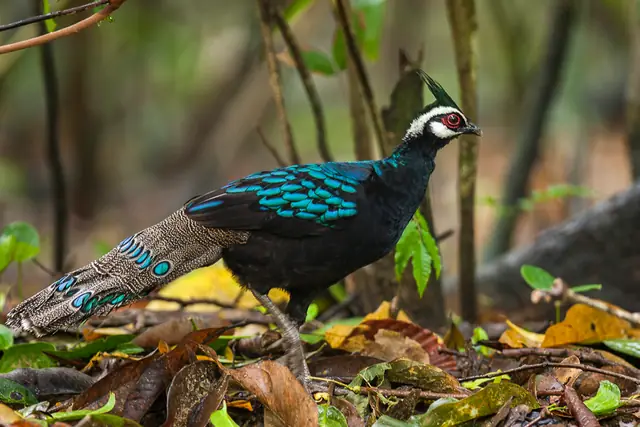
Palawan Peacock-Pheasant
Polyplectron napoleonis
Found only on Palawan. The male is black with a shining blue-green back and a white face. It walks the floor of lowland forest and is most often seen early in the morning with local guides around Sabang.
-
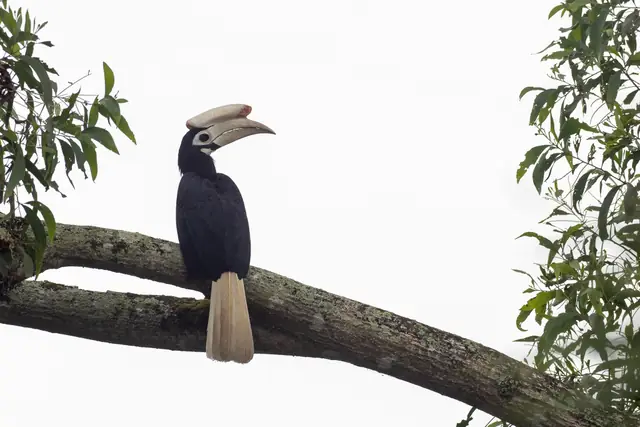
Palawan Hornbill
Anthracoceros marchei
A black and white hornbill with a pale bill, found only on Palawan and nearby islands. Pairs and small groups fly noisily between fruiting trees at the forest edge.
-
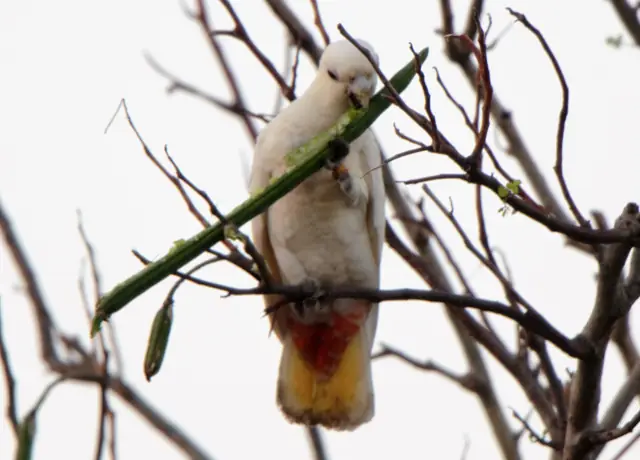
Philippine Cockatoo
Cacatua haematuropygia
Critically endangered, and one of the rarest parrots in the world. Palawan holds most of those left, feeding in coastal forest and mangroves. A lucky sighting; watch only with local wardens on permitted visits.
-
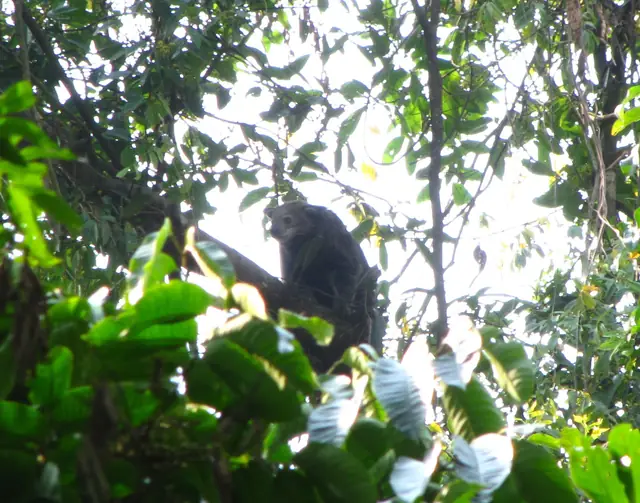
Binturong
Arctictis binturong
Also called the bearcat. The Palawan bearcat is a shaggy, slow-moving animal of the canopy that is active at night; a lucky sighting on a guided night walk.
-
Palawan Stink Badger
Mydaus marchei
A small black and white badger found only on Palawan and the Calamian islands. It roots in grassy clearings after dark; give it room, as it can spray a strong smell.
-
Palawan Water Monitor
Varanus palawanensis
A large lizard found only on Palawan. Monitors patrol the beach and forest around the Underground River; keep your distance and never feed them.
-
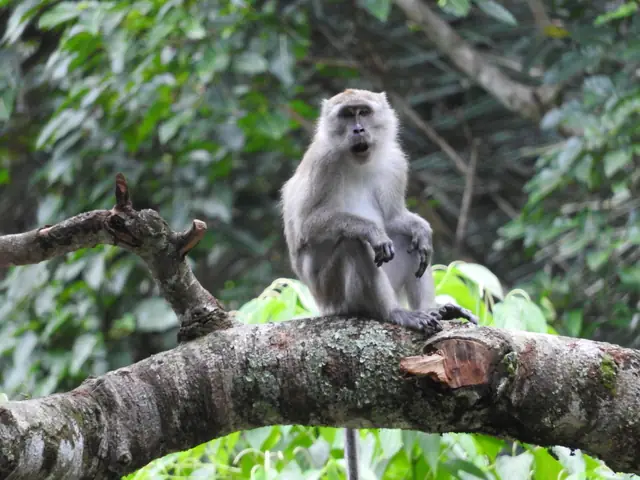
Long-tailed Macaque
Macaca fascicularis
The island's only monkey, bold around jetties, beaches and picnic spots. Keep food out of sight and never feed them.
-
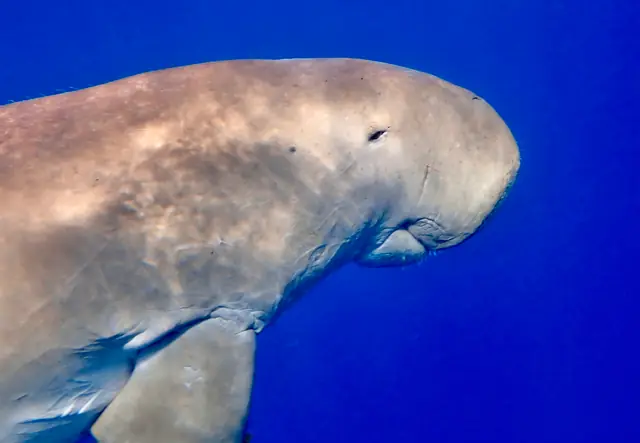
Dugong
Dugong dugon
Grazes seagrass in the quiet bays of Busuanga and the Calamian islands. Go only with licensed operators, stay at the surface, and never chase or touch one.
-
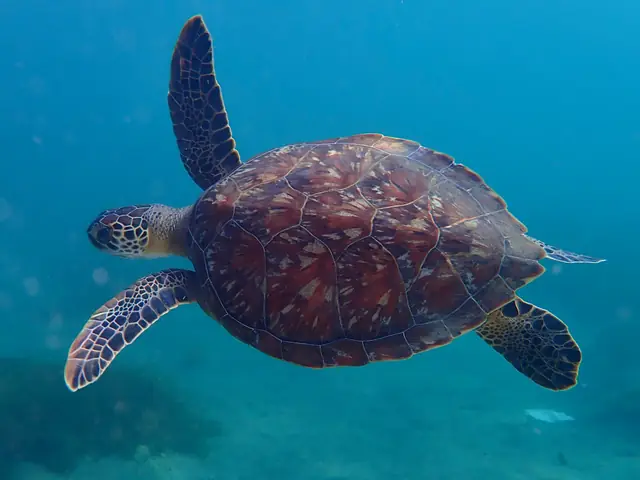
Green Sea Turtle
Chelonia mydas
Feeds on seagrass and rests on reefs around El Nido, Coron and Honda Bay. Snorkel slowly, keep back and let it swim on.
-
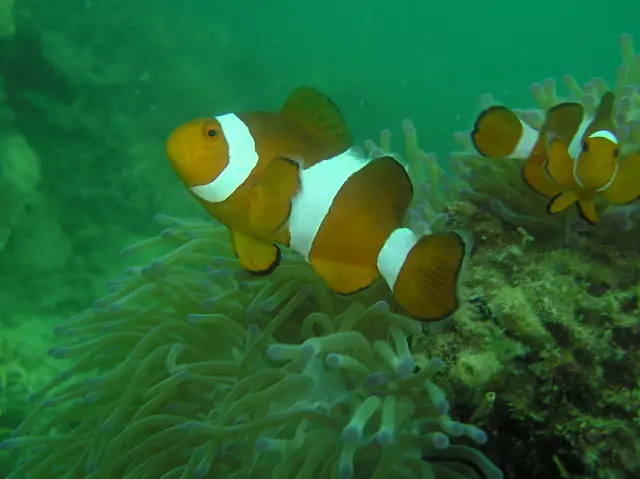
Clown Anemonefish
Amphiprion ocellaris
Lives among anemones on the shallow reefs found almost everywhere around Palawan. Watch without touching the anemone.
-
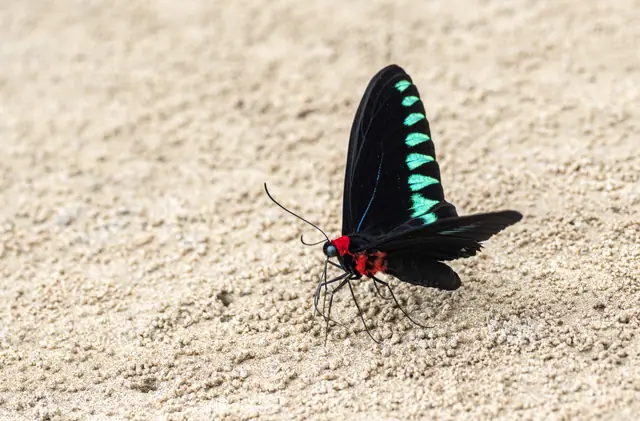
Palawan Birdwing
Trogonoptera trojana
A big black and green butterfly found only on Palawan. It floats along forest edges and flowering trees on sunny days.
All 133 animals in Palawan
Land mammals and bats 13
-
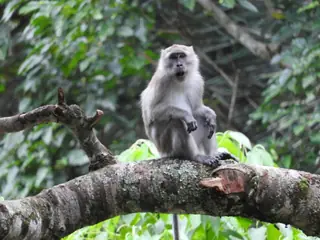 Long-tailed Macaque
- Palawan Bearded Pig
- Calamian Deer
-
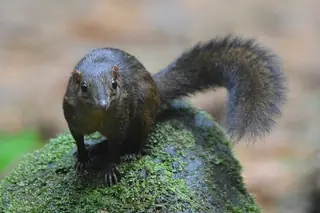 Palawan Treeshrew
-
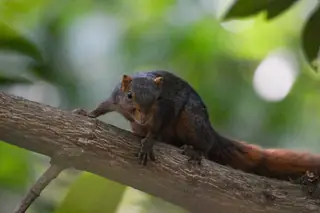 Northern Palawan Tree Squirrel
-
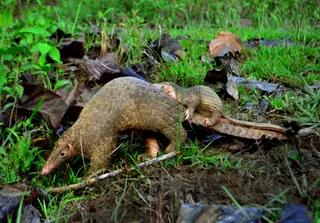 Philippine PangolinRare
- Palawan Stink Badger
-
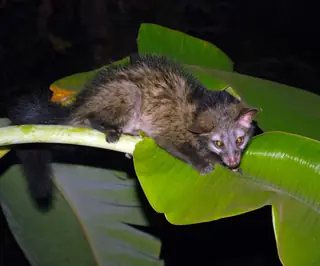 Common Palm Civet
-
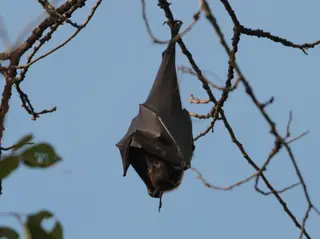 Large Flying-fox
- Wrinkle-lipped Free-tailed Bat
-
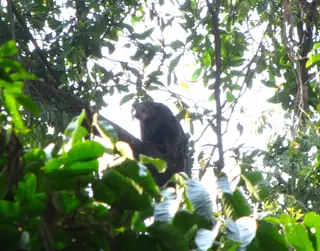 BinturongRare
-
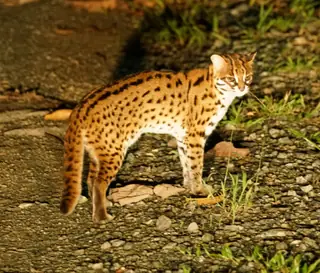 Sunda Leopard CatRare
-
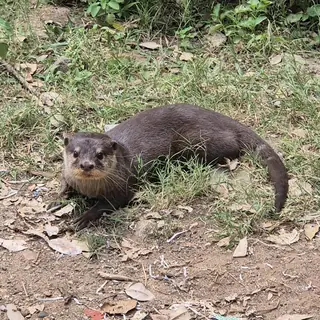 Asian Small-clawed OtterRare
Dugongs and dolphins 5
-
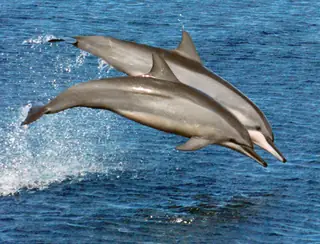 Spinner Dolphin
-
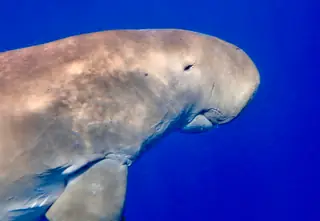 DugongRare
-
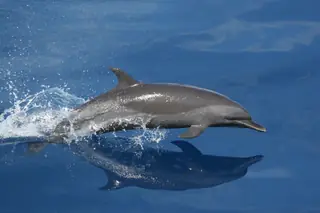 Pantropical Spotted DolphinRare
-
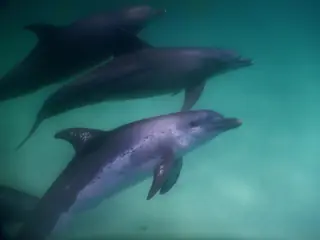 Indo-Pacific Bottlenose DolphinRare
-
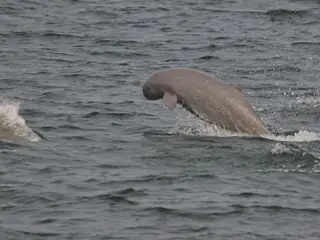 Irrawaddy DolphinRare
Hornbills and parrots 6
-
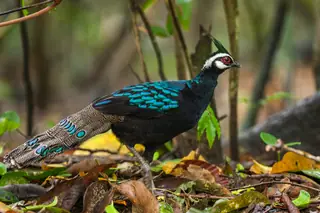 Palawan Peacock-Pheasant
-
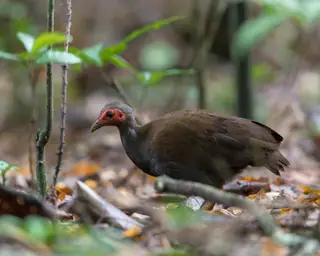 Tabon Scrubfowl
-
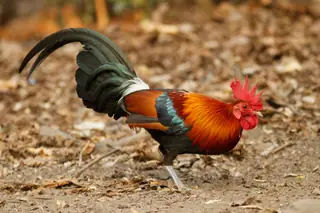 Red Junglefowl
-
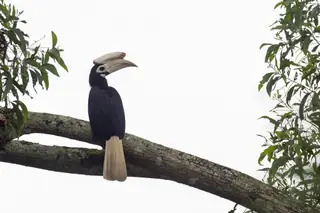 Palawan Hornbill
-
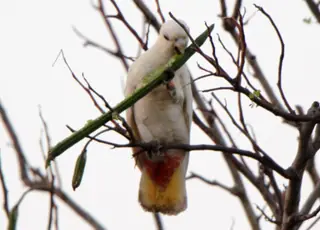 Philippine CockatooRare
-
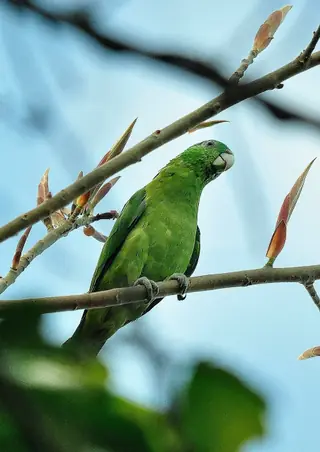 Blue-headed Racket-tail
Forest birds 23
-
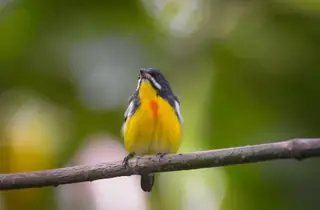 Palawan Flowerpecker
-
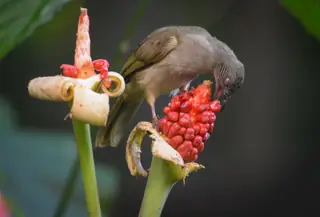 Ashy-fronted Bulbul
-
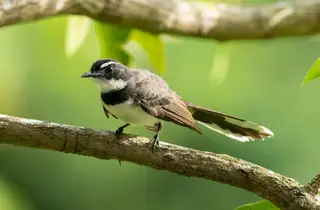 Philippine Pied Fantail
-
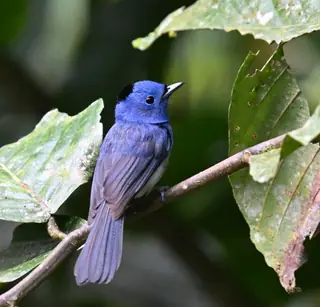 Black-naped Monarch
-
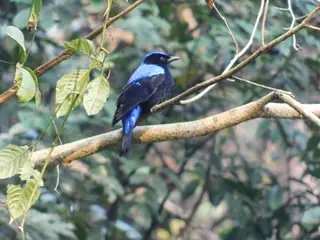 Asian Fairy-bluebird
-
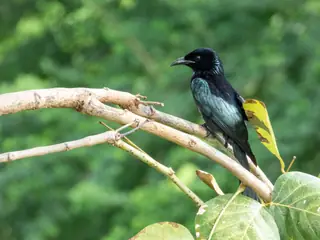 Hair-crested Drongo
-
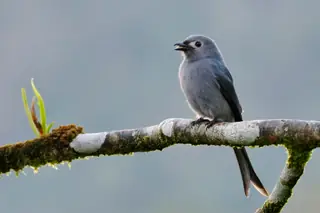 Ashy Drongo
-
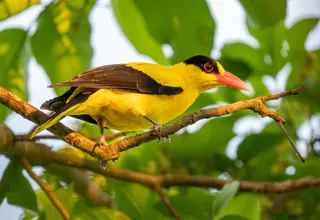 Black-naped Oriole
-
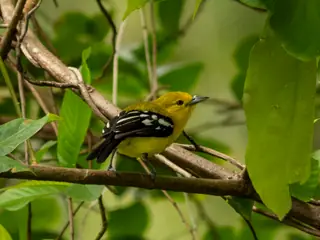 Common Iora
-
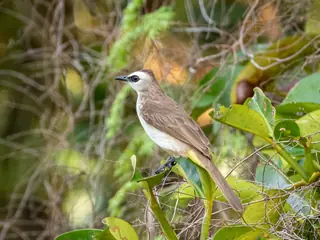 Yellow-vented Bulbul
-
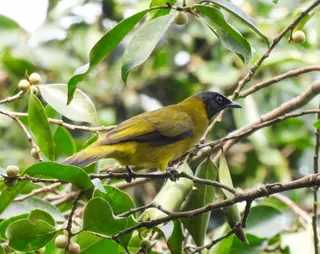 Black-headed Bulbul
-
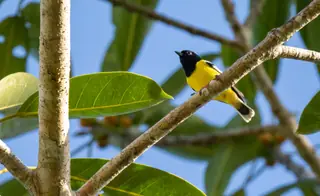 Palawan Tit
-
 Palawan Bulbul
-
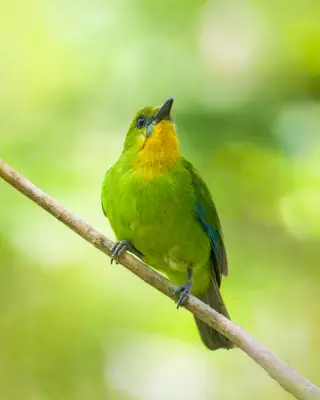 Yellow-throated Leafbird
-
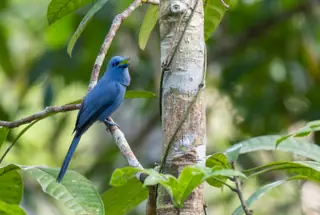 Blue Paradise Flycatcher
-
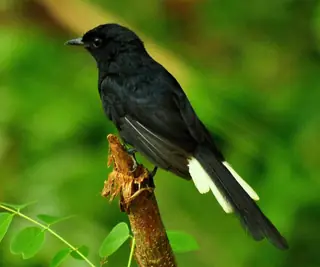 White-vented Shama
-
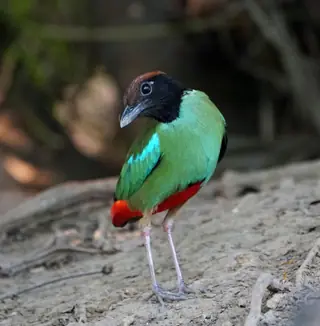 Western Hooded Pitta
-
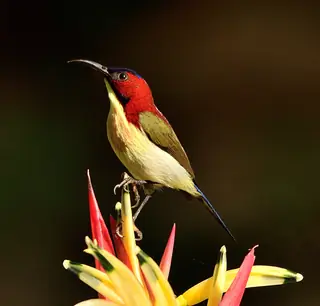 Lovely Sunbird
-
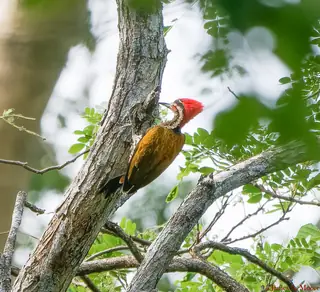 Spot-throated Flameback
-
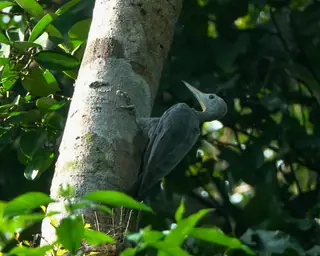 Great Slaty Woodpecker
-
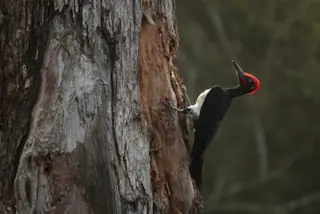 White-bellied Woodpecker
-
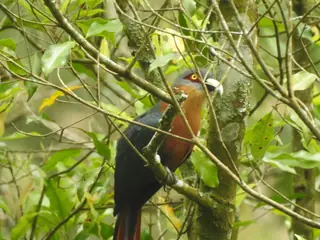 Chestnut-breasted Malkoha
-
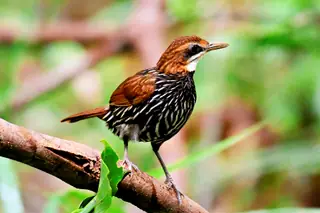 Falcated Ground BabblerRare
Birds of prey and owls 9
-
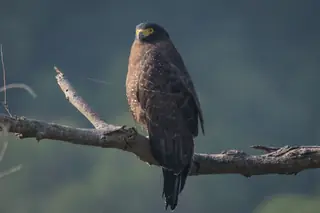 Crested Serpent Eagle
-
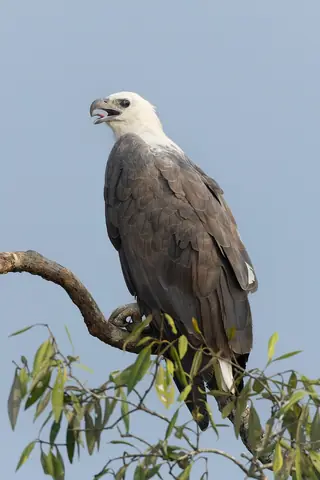 White-bellied Sea Eagle
-
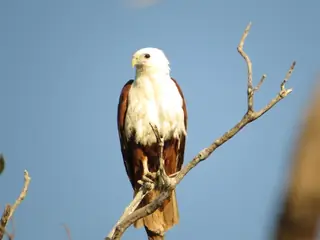 Brahminy Kite
-
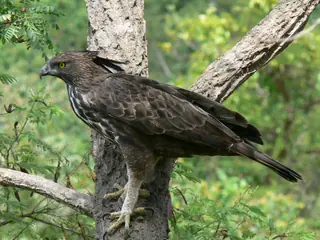 Changeable Hawk-Eagle
-
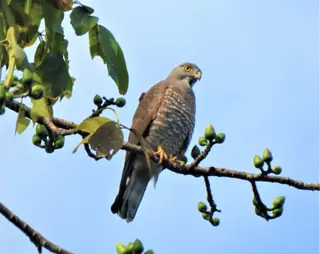 Grey-faced Buzzard
-
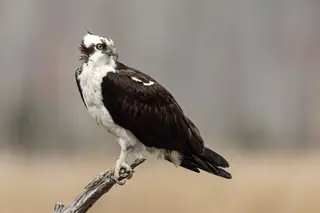 Osprey
-
 Peregrine FalconRare
-
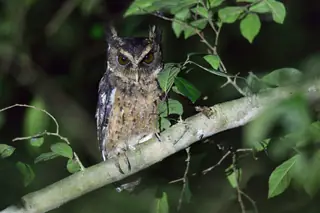 Palawan Scops OwlRare
-
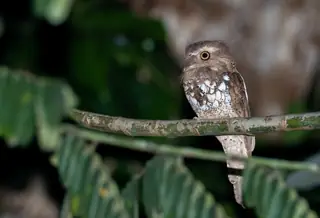 Palawan FrogmouthRare
Pigeons and kingfishers 26
-
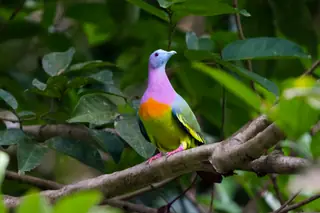 Pink-necked Green Pigeon
-
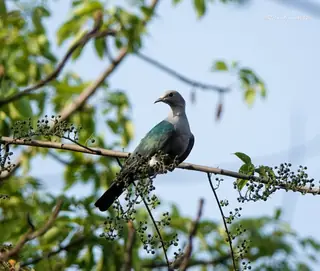 Green Imperial Pigeon
-
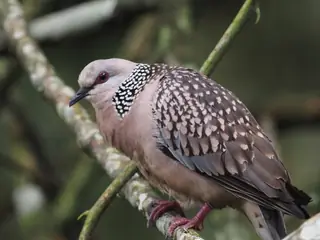 Spotted Dove
-
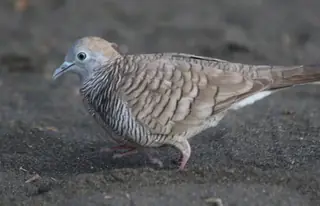 Zebra Dove
-
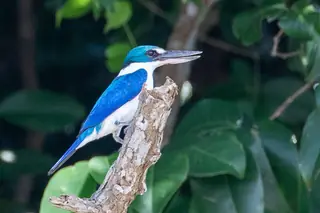 Collared Kingfisher
-
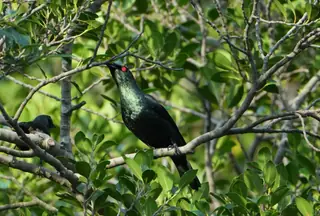 Asian Glossy Starling
-
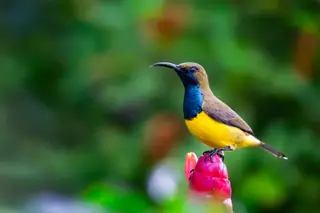 Olive-backed Sunbird
-
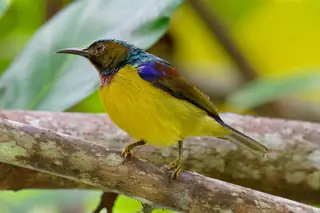 Brown-throated Sunbird
-
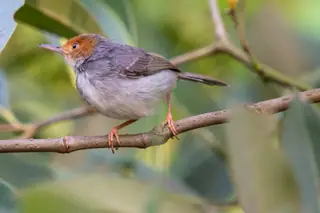 Ashy Tailorbird
-
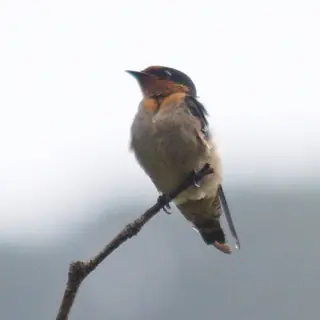 Pacific Swallow
-
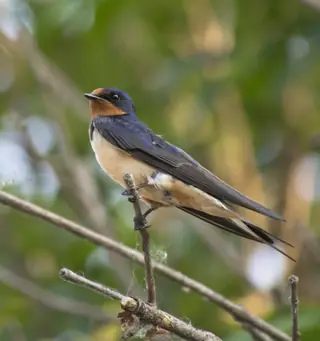 Barn Swallow
-
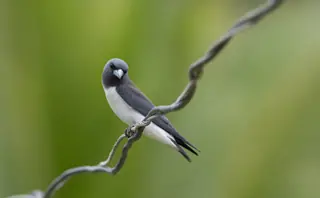 White-breasted Woodswallow
-
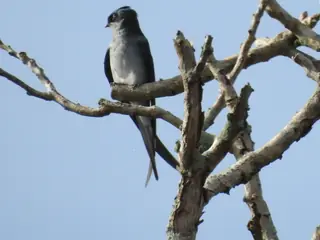 Grey-rumped Treeswift
-
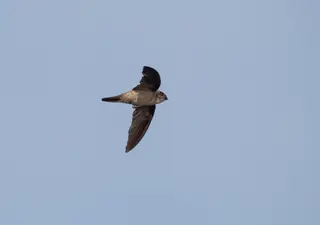 Germain's Swiftlet
-
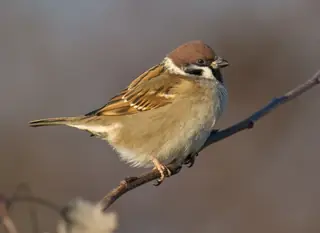 Eurasian Tree Sparrow
-
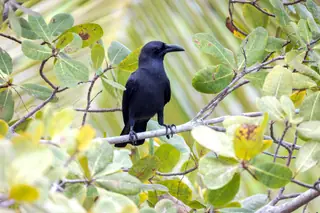 Palawan Crow
-
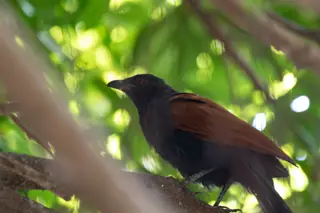 Greater Coucal
-
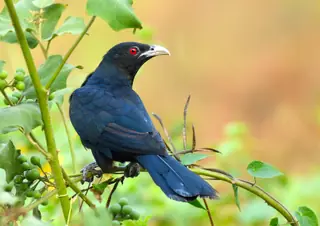 Asian Koel
-
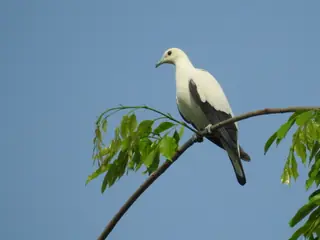 Pied Imperial Pigeon
-
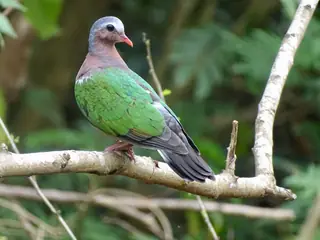 Common Emerald Dove
-
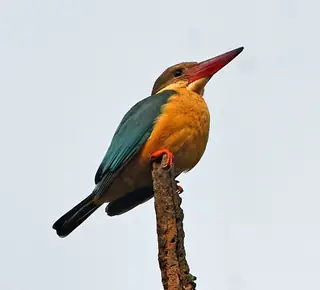 Stork-billed Kingfisher
-
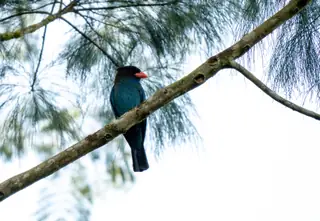 Oriental Dollarbird
-
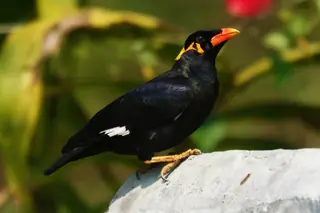 Common Hill Myna
-
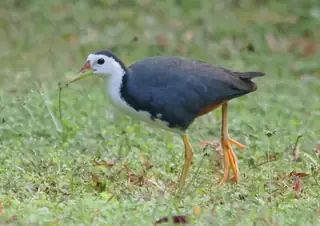 White-breasted Waterhen
-
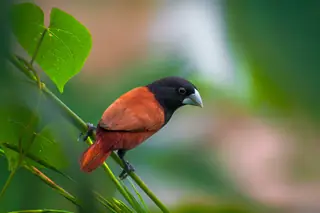 Chestnut Munia
-
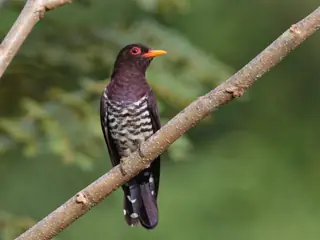 Violet Cuckoo
Waterbirds 17
-
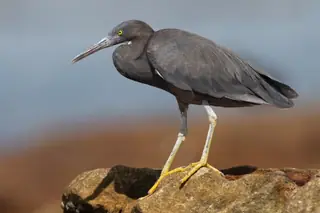 Pacific Reef Heron
-
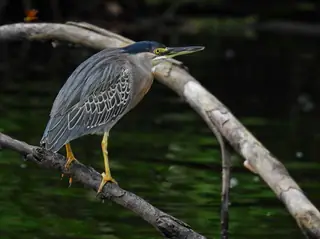 Striated Heron
-
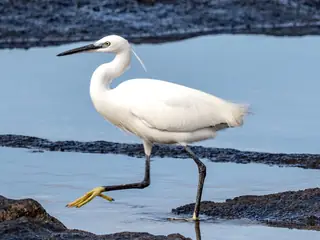 Little Egret
-
 Great Egret
-
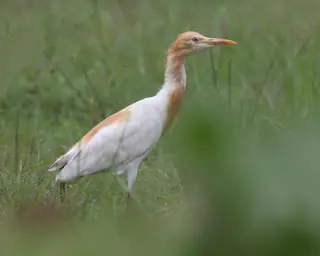 Eastern Cattle Egret
-
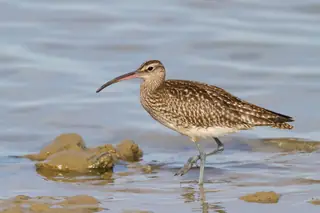 Whimbrel
-
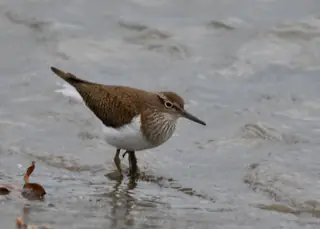 Common Sandpiper
-
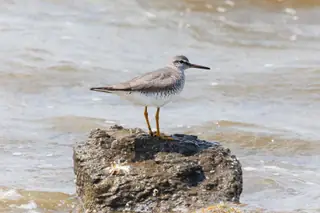 Grey-tailed Tattler
-
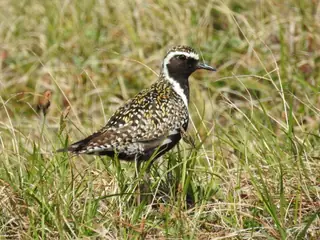 Pacific Golden Plover
-
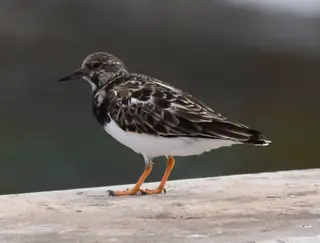 Ruddy Turnstone
-
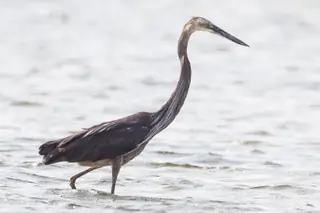 Great-billed HeronRare
-
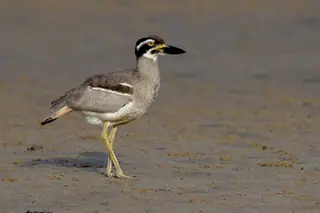 Beach Stone-curlewRare
-
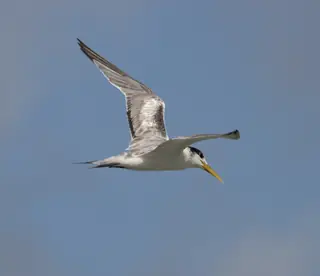 Greater Crested Tern
-
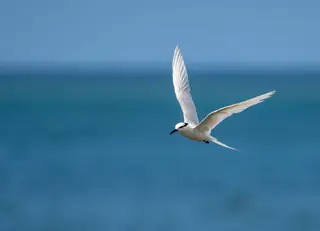 Black-naped Tern
-
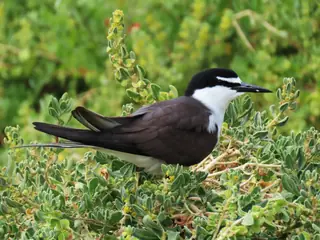 Bridled Tern
-
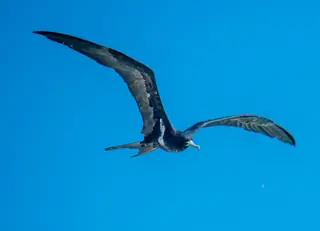 Lesser Frigatebird
-
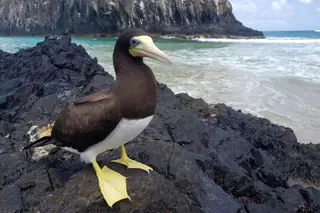 Brown BoobyRare
Reptiles and butterflies 9
- Palawan Water Monitor
-
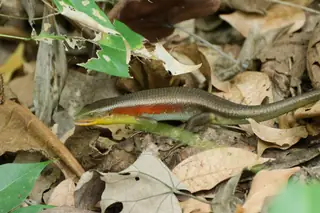 Common Sun Skink
- Tokay Gecko
-
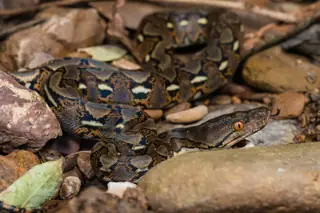 Reticulated Python
-
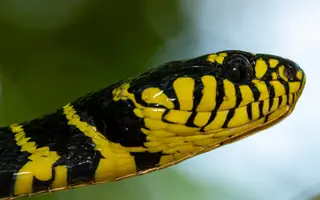 Mangrove Cat Snake
-
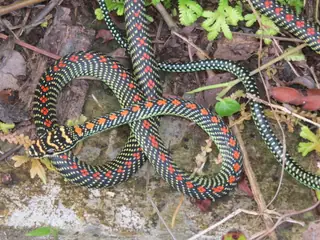 Paradise Flying SnakeRare
-
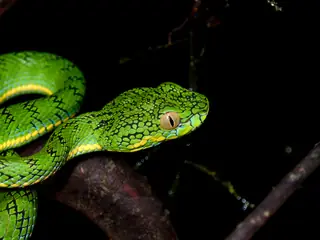 Schultze's Pit Viper
-
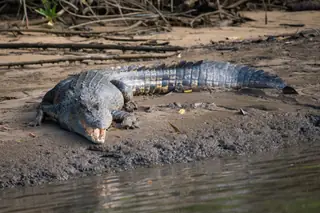 Saltwater CrocodileRare
-
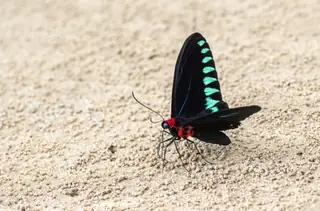 Palawan Birdwing
Turtles, rays and sharks 7
-
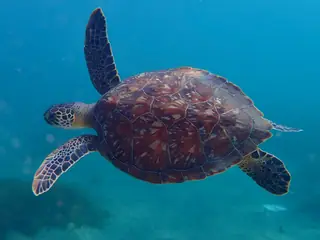 Green Sea Turtle
-
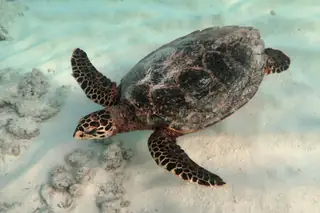 Hawksbill Sea Turtle
-
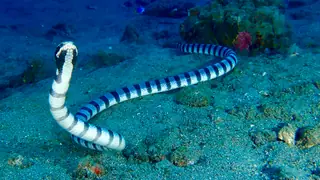 Yellow-lipped Sea Krait
-
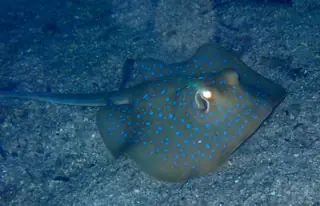 Blue-spotted Ribbontail Ray
-
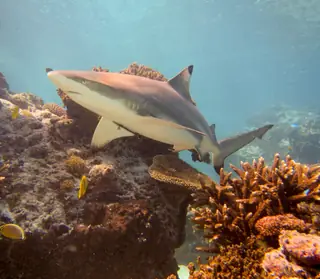 Blacktip Reef Shark
-
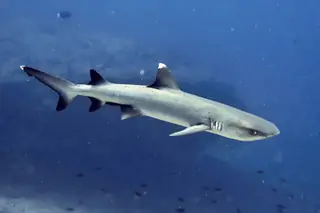 Whitetip Reef Shark
-
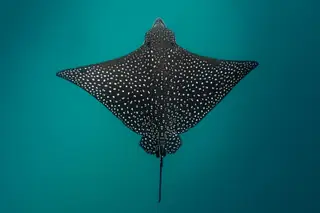 Ocellated Eagle RayRare
Reef fish and invertebrates 18
-
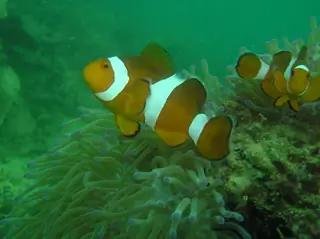 Clown Anemonefish
-
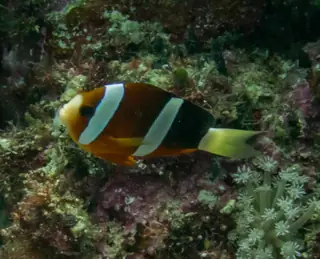 Clark's Anemonefish
-
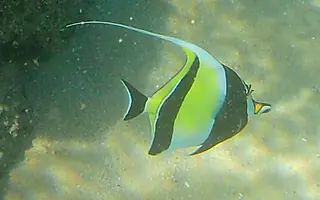 Moorish Idol
-
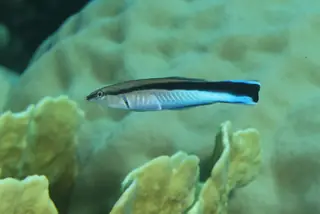 Bluestreak Cleaner Wrasse
-
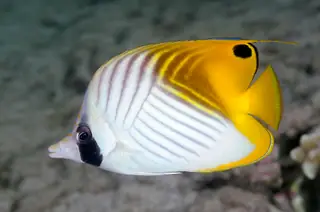 Threadfin Butterflyfish
-
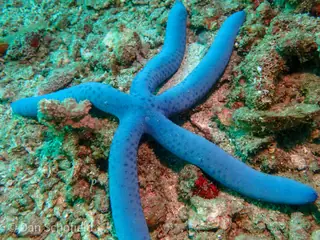 Blue Sea Star
-
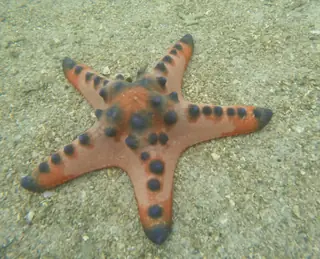 Horned Sea Star
-
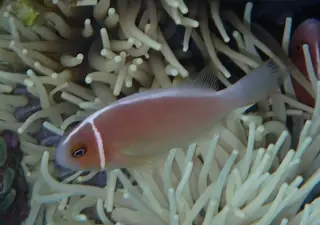 Pink Anemonefish
-
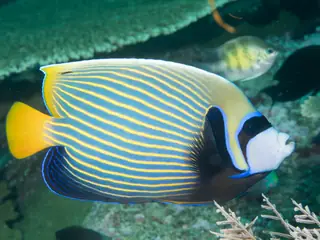 Emperor Angelfish
-
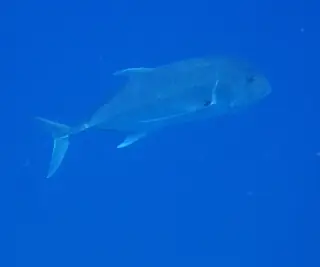 Giant Trevally
-
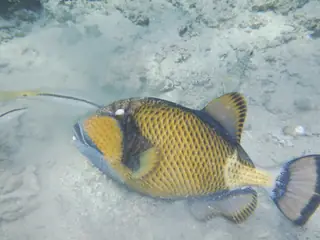 Titan Triggerfish
-
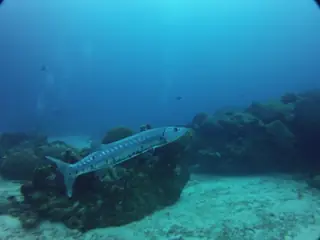 Great Barracuda
-
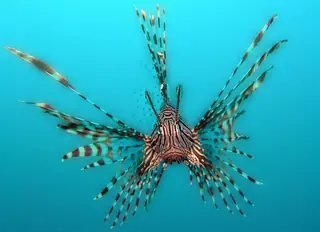 Red Lionfish
-
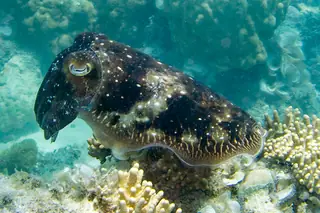 Broadclub Cuttlefish
-
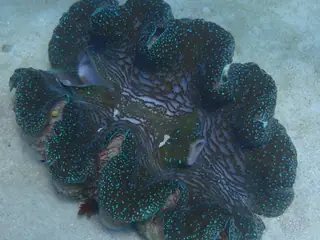 Giant Clam
-
 Bumphead ParrotfishRare
-
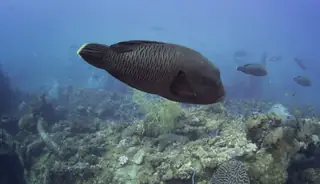 Humphead WrasseRare
-
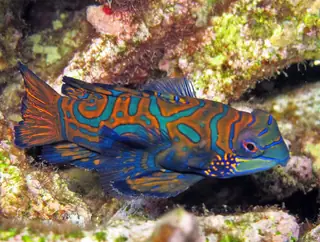 MandarinfishRare
Best time to see wildlife in Palawan
Sightings by month in Palawan
Most records: All yearRecords from GBIF.org, adjusted for how many people record wildlife each month. 100% is the busiest month.
Palawan is warm all year. The dry season, from December to May, is the best time to visit: seas are calm for island hopping and snorkelling, and forest trails are easier to walk. March to May is the hottest stretch and the time many forest birds are singing and nesting, so go out early. From June to October the south-west monsoon brings rain and rougher seas, especially on the west coast around El Nido and Sabang, and boat trips can be cancelled; the forest is green and quieter. Northern Palawan and the Calamians can be hit by typhoons, mostly from July to November. Migrant waders and raptors from the north arrive from September and stay until about April.
- Dec to FebDry and cooler; calm seas, wintering waders and raptors
- Mar to MayHot and dry; forest birds singing, best snorkelling visibility
- Jun to AugRains begin; rougher seas on the west coast, fewer visitors
- Sep to NovWettest months and typhoon risk in the north; migrants arrive
Tips for spotting wildlife in Palawan
- 01
Go early with a local guide
The forest around Sabang and the Underground River is liveliest in the first hours after dawn. Local guides know where peacock-pheasants, hornbills and pittas feed and keep to paths that do not disturb them.
- 02
Take a night walk
Stink badgers, civets, bearcats and frogmouths come out after dark. Go with a guide, keep torch beams low and off animals' eyes, and let them move on in their own time.
- 03
Paddle the mangroves quietly
Paddle-boat trips through the mangroves near Sabang pass kingfishers, mangrove snakes and monitor lizards. Ask the boatman to drift so animals stay put.
- 04
Snorkel without touching
Reefs around El Nido, Coron and Honda Bay are easy to reach. Float rather than stand, keep fins off the coral, use reef-safe sun cream and never pick up sea stars or shells.
- 05
Book licensed marine trips
For dugongs, dolphins and turtles, use licensed operators who follow the local wildlife-watching code: no chasing, no crowding and engines low near animals.
- 06
Keep rare animals' locations private
Pangolins, cockatoos, parrots and hill mynas are taken for the illegal pet and wildlife trade. Enjoy any sighting, but do not post or share where you saw it.

Take Palawan with you
Heading to Palawan? Keep this list on your phone and tick off each hornbill, monitor and reef fish as you go, even out on the boats with no signal. Wilder is free to start.

Palawan wildlife FAQ
What animals can you see in Palawan?
In Palawan you can see long-tailed macaques, monitor lizards, hornbills, peacock-pheasants, kingfishers, sea eagles and many birds found only on the island, plus turtles, reef sharks, rays and colourful reef fish. Lucky visitors meet stink badgers, bearcats or dugongs. This checklist covers 133 animals.
When is the best time to see wildlife in Palawan?
The best time to see wildlife in Palawan is the dry season, December to May, when seas are calm for snorkelling and forest trails are dry. March to May is hottest and good for singing forest birds. June to October is wetter, with rougher seas on the west coast.
Can you see dugongs in Coron?
Yes, dugongs graze the seagrass beds in some bays of Busuanga and the Calamian islands near Coron, and a few licensed operators run small-group trips. Sightings are not guaranteed. Stay at the surface, keep back, and never chase, touch or crowd a dugong.
Where can you see the Philippine cockatoo?
Most of the world's remaining Philippine cockatoos live in Palawan, with the largest group protected in the Rasa Island Wildlife Sanctuary near Narra. Visits there need certified boats and local guides, and the island is closed in the breeding season. Watch quietly and never approach nest trees.
Is the Palawan peacock-pheasant easy to see?
The Palawan peacock-pheasant is shy and lives on the floor of lowland forest, so most visitors see it with a local guide around Sabang, early in the morning. It is found only on Palawan. Walk slowly and quietly, keep to the trail and give the bird space.
Sources
- UNESCO World Heritage Centre: Puerto-Princesa Subterranean River National Park
- BirdLife International: Palawan Endemic Bird Area factsheet
- Katala Foundation: Rasa Island Wildlife Sanctuary
- Sightings by month: GBIF.org
Animal photos are from the Wilder catalogue; photo credits.
Similar checklists
All Asia-
 Region115animals Sabah North-east Borneo, Malaysia The northern tip of Borneo: orangutans and proboscis monkeys along the rivers, pygmy elephants, the lowland rainforest of Danum and Tabin, and the cloud forest birds of Mount Kinabalu. Best time Mar to Oct
-
 National park86animals Komodo National Park West Manggarai, East Nusa Tenggara, Indonesia Dry volcanic islands between Sumbawa and Flores where wild Komodo dragons roam, ringed by coral seas full of manta rays, reef sharks and turtles. Best time Apr to Nov
- Region132animals Raja Ampat Southwest Papua, Indonesia Forested islands off the western tip of New Guinea, ringed by some of the richest coral reefs on Earth, where snorkellers meet manta rays, wobbegongs and turtles, and birds of paradise display in the rainforest at dawn. Best time Oct to Apr
-
 Reserve82animals Tangkoko Nature Reserve North Sulawesi, Indonesia Lowland rainforest and black-sand coast at the tip of North Sulawesi, walked with local guides from Batuputih, where troops of crested black macaques forage on the ground, tiny tarsiers wake at dusk and knobbed hornbills and endemic kingfishers fill the canopy. Best time Jul to Oct