Island · Mahé, Praslin and La Digue · Seychelles
Seychelles Wildlife Checklist

The inner islands of Seychelles are granite islands in the western Indian Ocean, north-east of Madagascar. They are home to giant tortoises, a dozen endemic land birds such as the Seychelles black parrot, magpie-robin and paradise flycatcher, and reserve islands with huge colonies of terns and noddies. Hawksbill turtles nest on the beaches and reef sharks and rays patrol the lagoons. This checklist covers 111 animals. April to May and October to November are best.
Tick off all 111 animals in Seychelles on your phone, even offline. Launching soon. Free A4 PDF, no sign-up.
Most visitors stay on Mahé, Praslin or La Digue and take day boats to the small reserve islands, such as Cousin, Aride and Curieuse. Mahé has the high mist forest, Praslin the coco de mer palms of Vallée de Mai, and La Digue the flycatcher woodland; the reserve islands hold the seabirds and the rarest birds.
- Animals to find
- 111
- Where
- Seychelles
- Best time
- Apr to May, Oct to Nov
- Endemic land birds
- 12 species in the inner islands
Popular animals in Seychelles
-
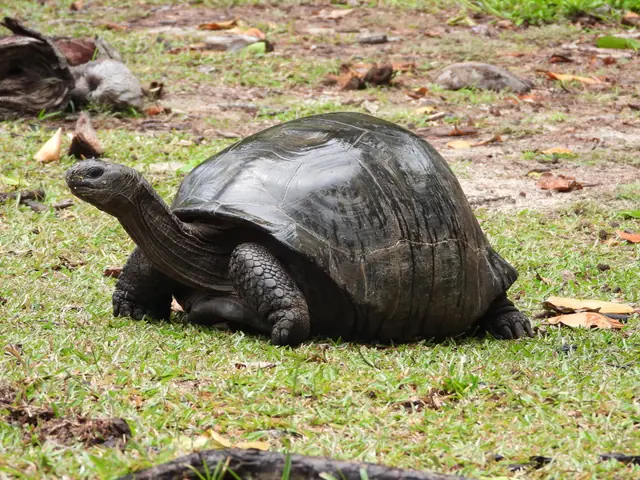
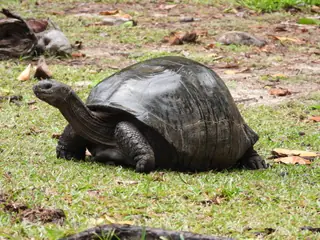
Aldabra Giant Tortoise
Aldabrachelys gigantea
Roams free on Curieuse and some reserve islands, grazing under the trees. Watch from the path and never feed, touch or ride them.
-
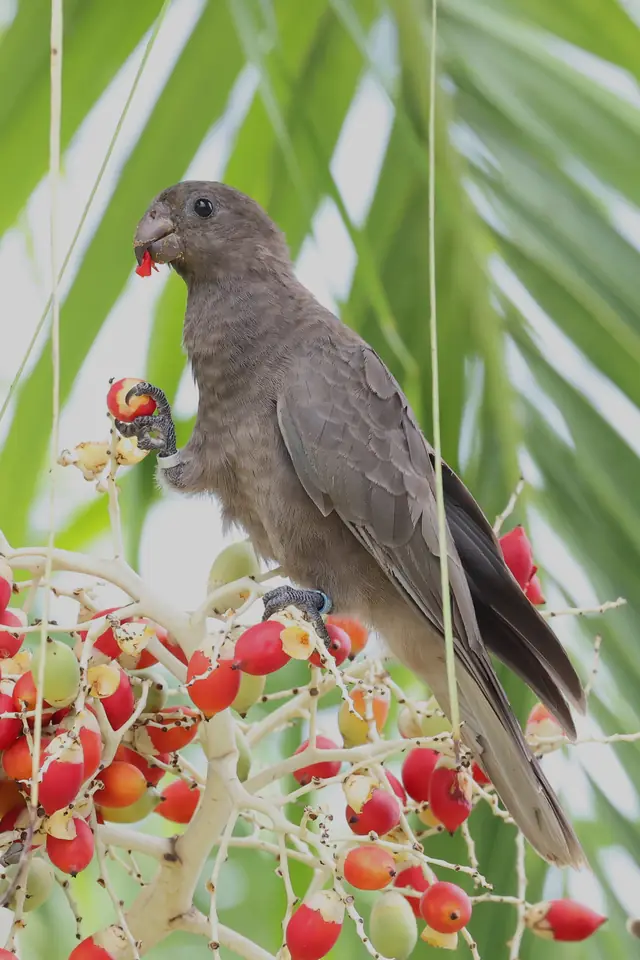
Seychelles Black Parrot
Coracopsis barklyi
The national bird, found only on Praslin. Listen for its fluting whistles in Vallée de Mai and the palm forest in the early morning.
-
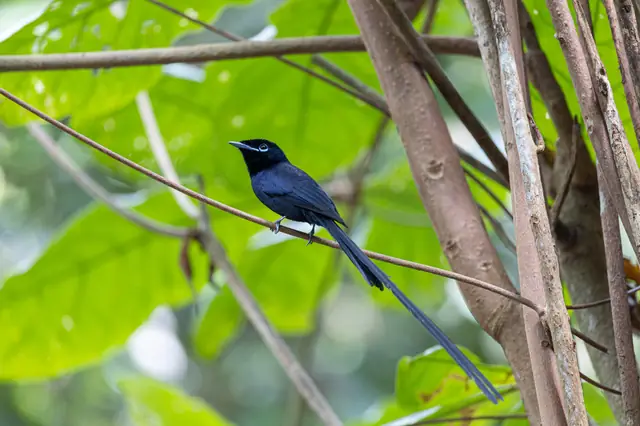
Seychelles Paradise Flycatcher
Terpsiphone corvina
Most of the world's few hundred birds live on La Digue. Males are glossy blue-black with long tail streamers; look in the Veuve Reserve woodland.
-
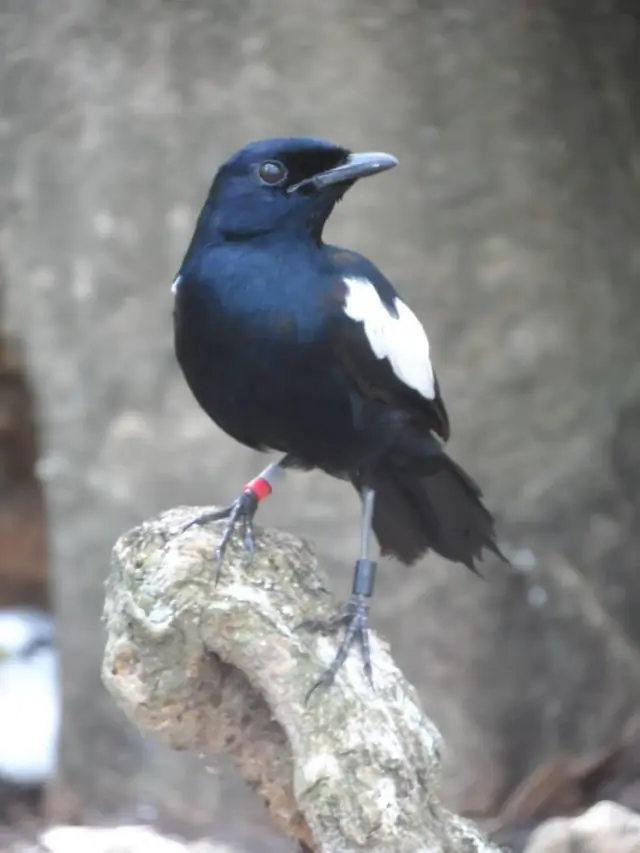
Seychelles Magpie-Robin
Copsychus sechellarum
Once down to about two dozen birds, it now lives on a few predator-free islands. It often feeds on the ground near the paths on Cousin and Aride.
-
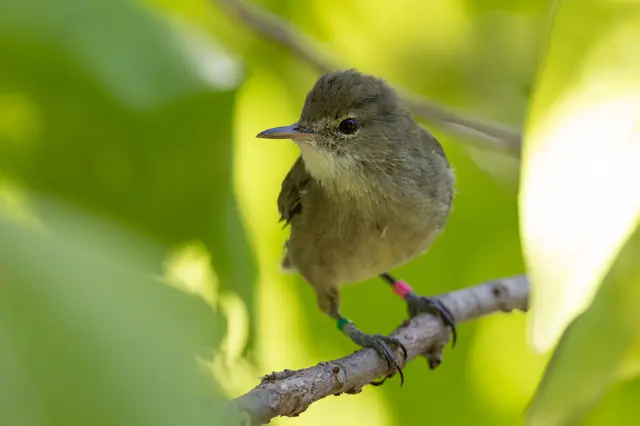
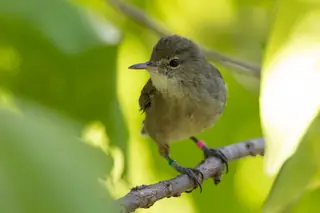
Seychelles Warbler
Acrocephalus sechellensis
A plain brown warbler saved from extinction on Cousin and moved to several other reserve islands. It searches leaves in the low woodland.
-
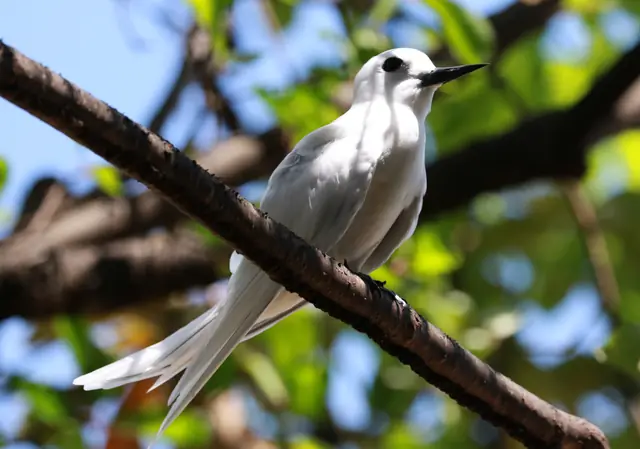
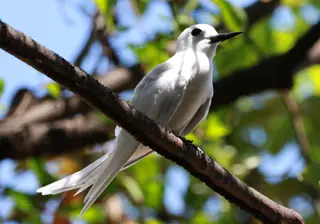
White Tern
Gygis alba
Pure white with a black eye, it lays its single egg on a bare branch with no nest. Common on the reserve islands; watch from the path and keep moving.
-
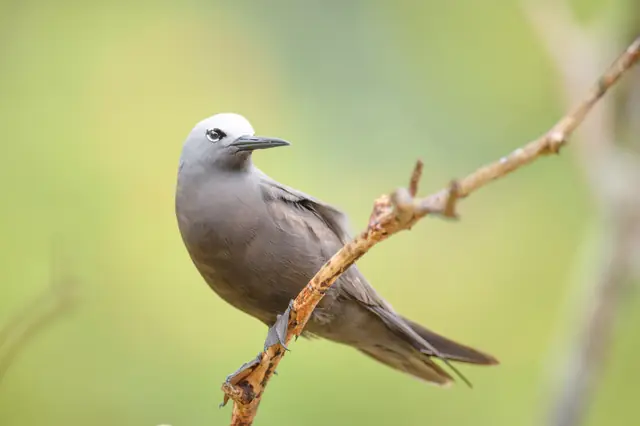
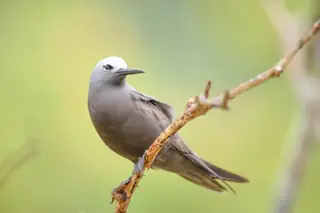
Lesser Noddy
Anous tenuirostris
Huge numbers nest in the trees on Aride and Cousin. Keep to the guided paths so the birds can come and go.
-
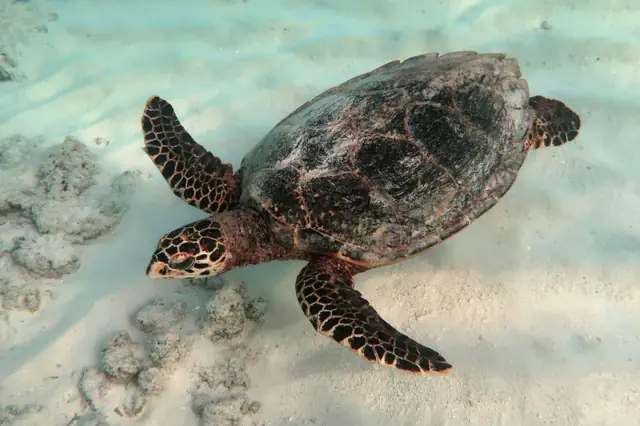
Hawksbill Sea Turtle
Eretmochelys imbricata
Snorkellers often meet them on the reefs, and on Cousin they nest in daylight, mostly October to February. Watch only with the wardens and keep back.
-
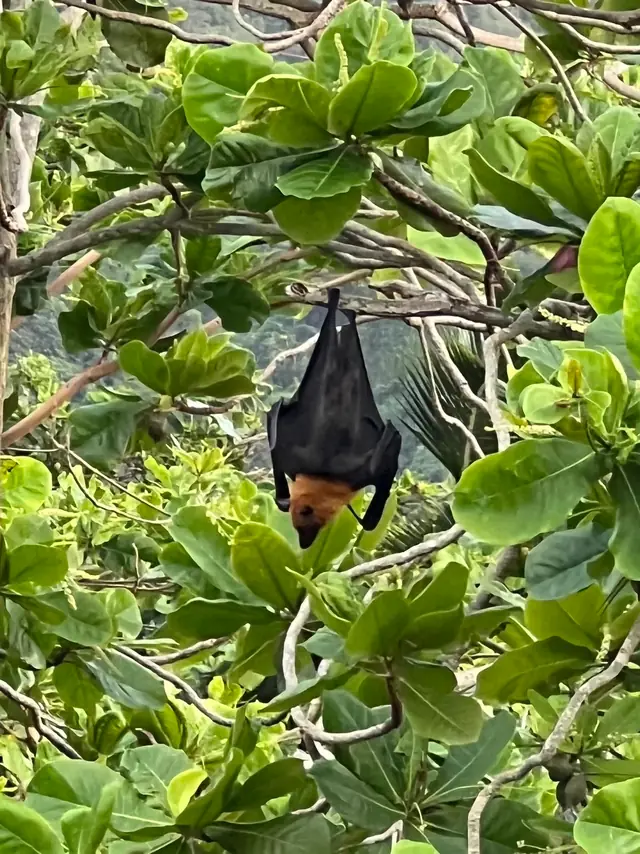
Seychelles Flying Fox
Pteropus seychellensis
Large fruit bats that flap over every island in the afternoon and at dusk, and feed in garden trees.
-
Seychelles Giant Day Gecko
Phelsuma sundbergi
A bright green gecko on palm trunks, coco de mer leaves and walls on Praslin and La Digue.
-
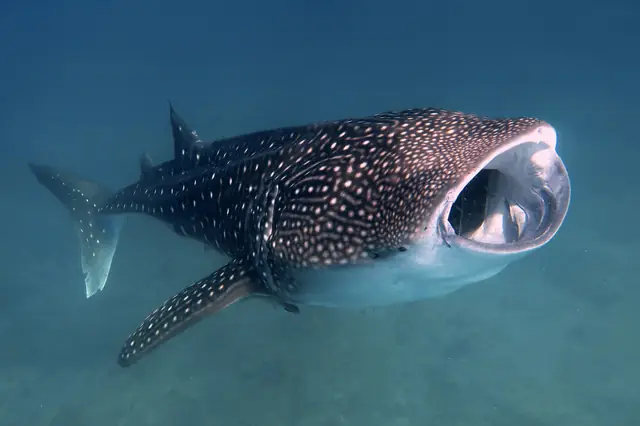
Whale Shark
Rhincodon typus
Passes Mahé on the plankton, mostly about August to November, in fewer numbers than in the past. Go only with licensed operators who follow the code.
All 111 animals in Seychelles
Tortoises, lizards and frogs 14
-
 Aldabra Giant Tortoise
- Seychelles Giant Day Gecko
-
 Seychelles Small Day Gecko
-
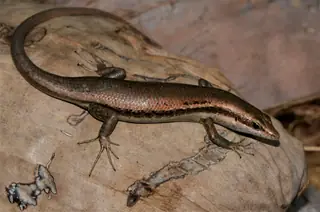 Seychelles Skink
-
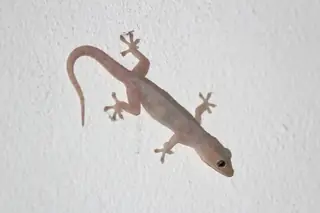 Common House Gecko
-
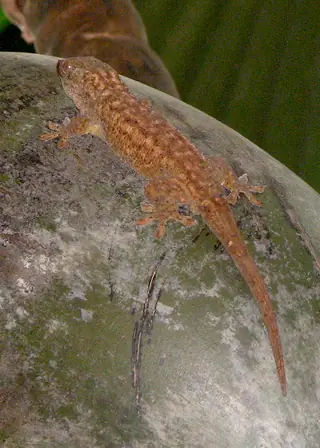 Seychelles Bronze-eyed Gecko
-
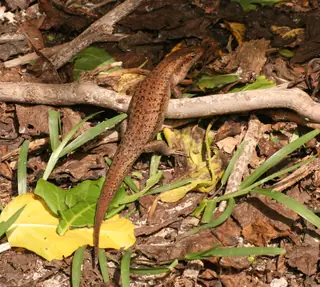 Wright's Skink
-
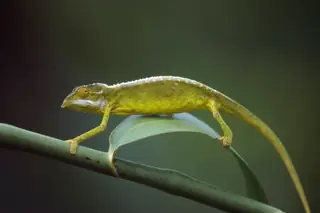 Seychelles Tiger ChameleonRare
-
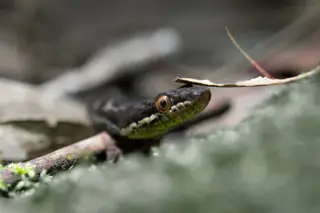 Seychelles Wolf SnakeRare
- Seychelles House SnakeRare
-
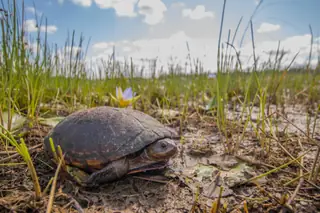 East African Black Mud TurtleRare
-
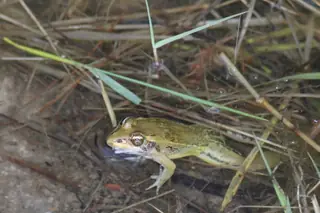 Mascarene Grass Frog
-
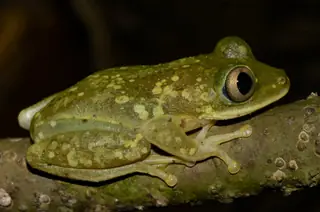 Seychelles Treefrog
-
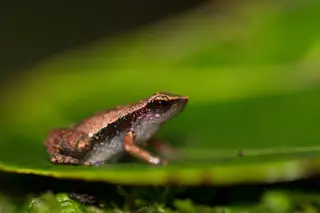 Gardiner's Seychelles FrogRare
Endemic land birds 12
-
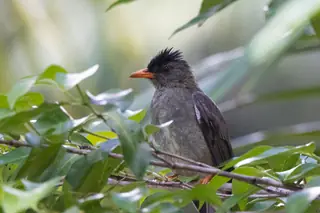 Seychelles Bulbul
-
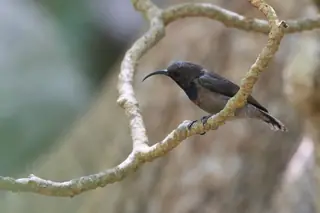 Seychelles Sunbird
-
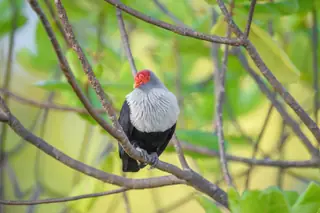 Seychelles Blue Pigeon
-
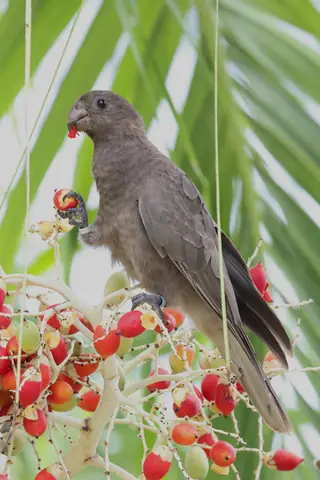 Seychelles Black Parrot
-
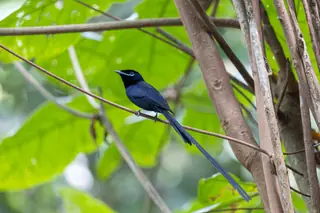 Seychelles Paradise Flycatcher
-
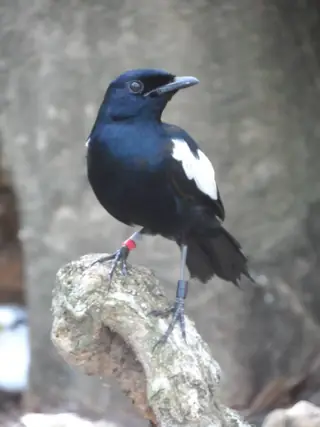 Seychelles Magpie-Robin
-
 Seychelles Warbler
-
 Seychelles Fody
-
 Seychelles Kestrel
-
 Seychelles Swiftlet
-
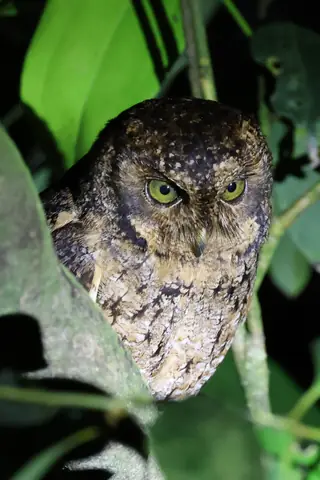 Seychelles Scops OwlRare
-
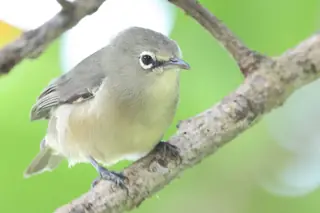 Seychelles White-eyeRare
Garden, village and wetland birds 14
-
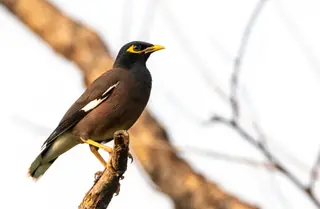 Common Myna
-
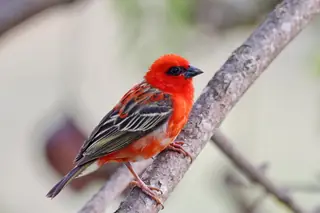 Red Fody
-
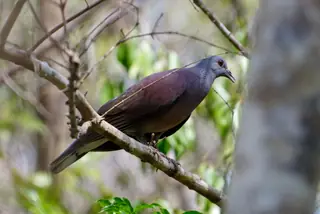 Malagasy Turtle Dove
-
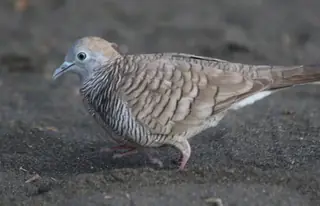 Zebra Dove
-
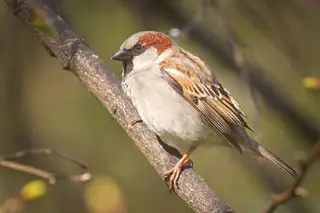 House Sparrow
-
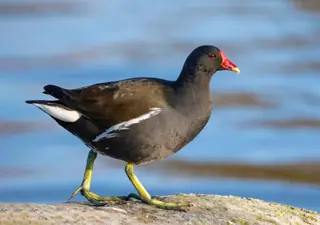 Common Moorhen
-
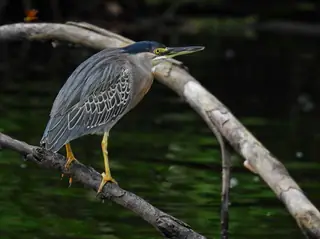 Striated Heron
-
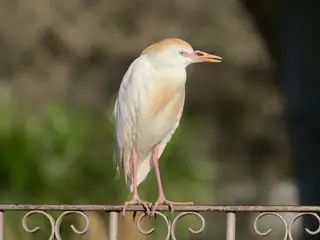 Western Cattle Egret
-
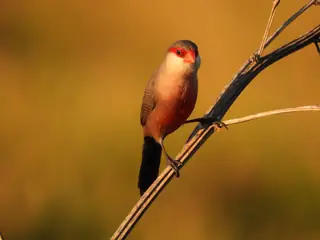 Common Waxbill
-
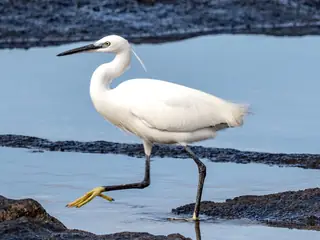 Little Egret
-
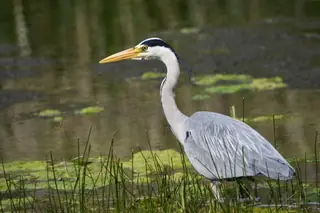 Grey Heron
-
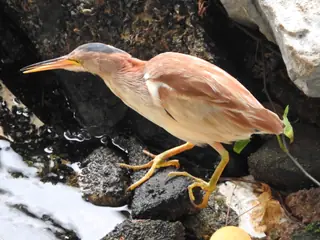 Yellow Bittern
-
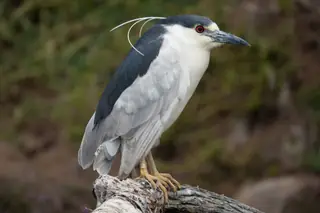 Black-crowned Night Heron
-
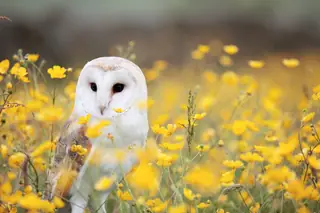 Barn OwlRare
Seabirds 15
-
 White Tern
-
 Lesser Noddy
-
 Brown Noddy
-
 White-tailed Tropicbird
-
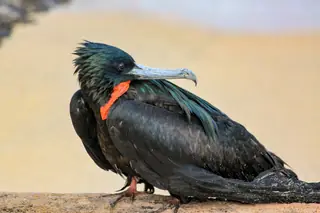 Great Frigatebird
-
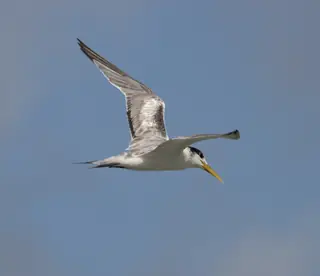 Greater Crested Tern
-
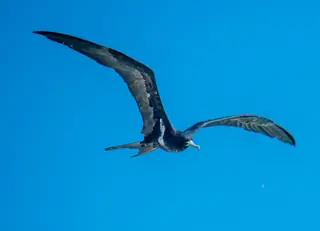 Lesser Frigatebird
-
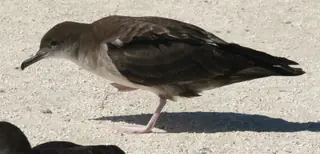 Wedge-tailed Shearwater
-
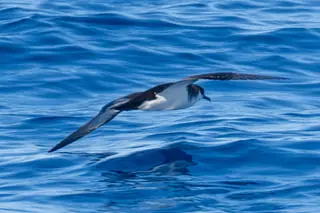 Tropical Shearwater
-
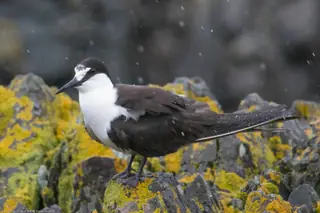 Sooty Tern
-
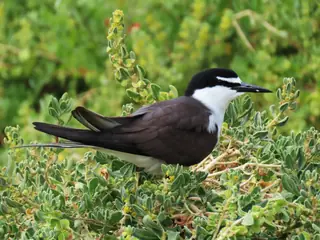 Bridled Tern
-
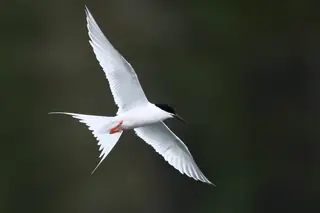 Roseate Tern
-
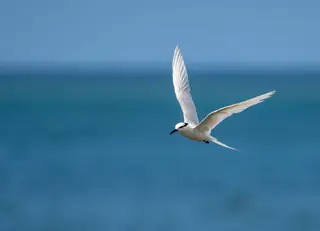 Black-naped Tern
-
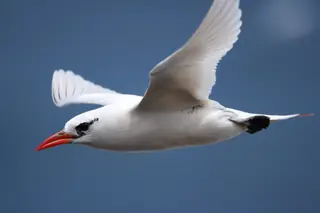 Red-tailed TropicbirdRare
-
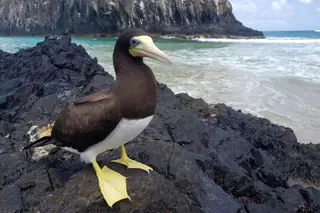 Brown BoobyRare
Shorebirds 12
-
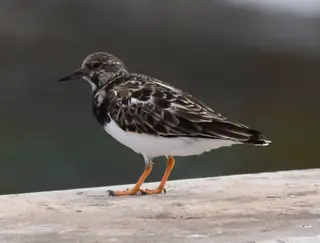 Ruddy Turnstone
-
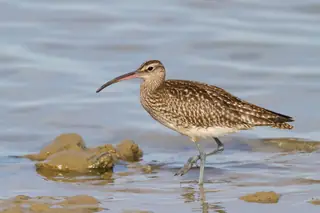 Whimbrel
-
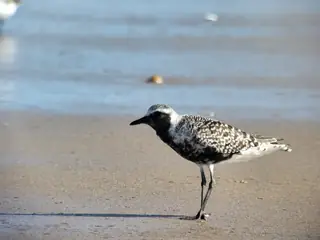 Grey Plover
-
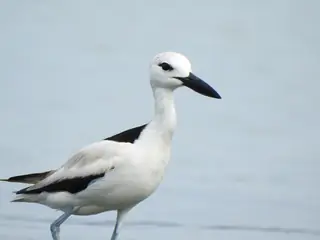 Crab-plover
-
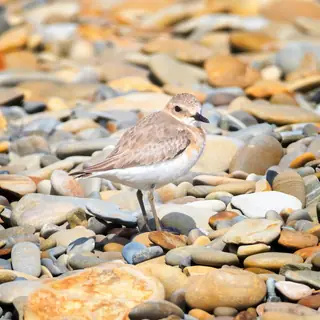 Greater Sand Plover
-
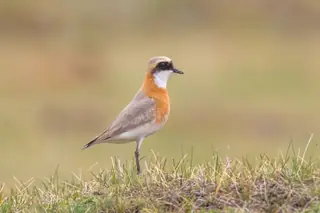 Tibetan Sand Plover
-
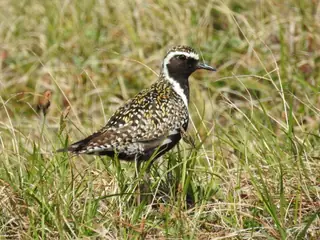 Pacific Golden Plover
-
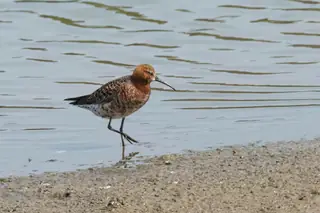 Curlew Sandpiper
-
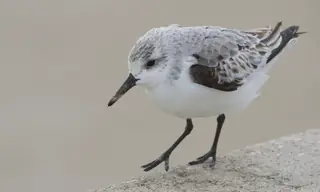 Sanderling
-
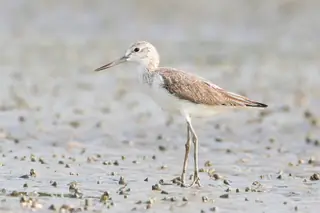 Common Greenshank
-
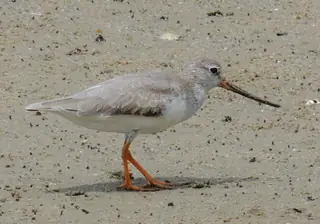 Terek Sandpiper
-
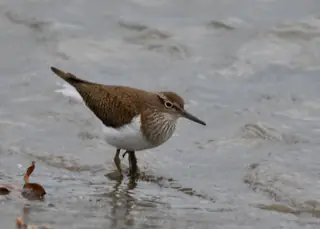 Common Sandpiper
Mammals 7
-
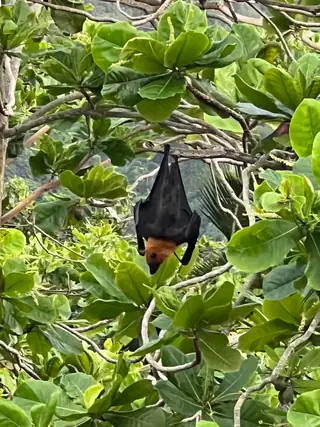 Seychelles Flying Fox
-
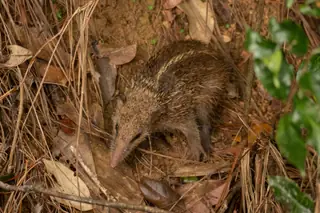 Tailless TenrecRare
-
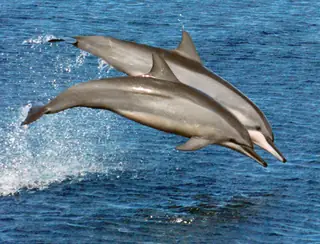 Spinner Dolphin
-
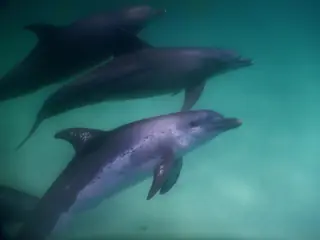 Indo-Pacific Bottlenose Dolphin
-
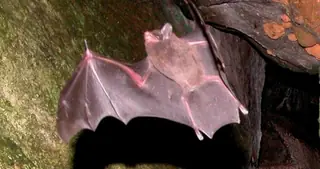 Seychelles Sheath-tailed BatRare
-
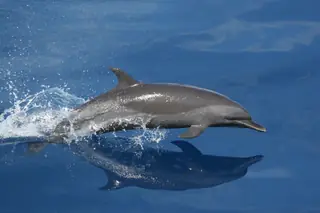 Pantropical Spotted DolphinRare
-
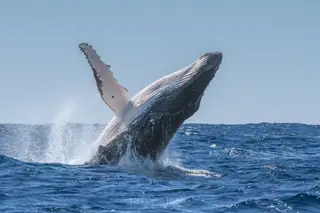 Humpback WhaleRare
Turtles, sharks and rays 10
-
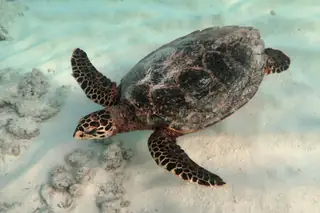 Hawksbill Sea Turtle
-
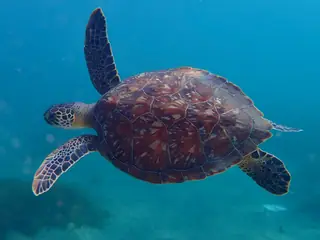 Green Sea Turtle
-
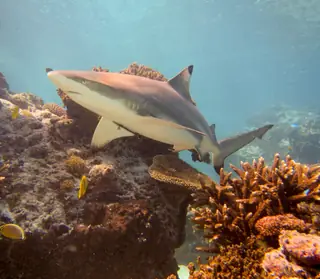 Blacktip Reef Shark
-
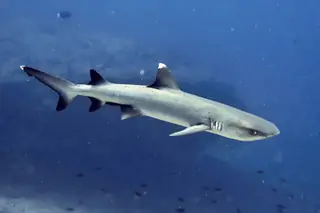 Whitetip Reef Shark
-
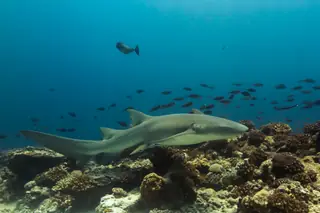 Tawny Nurse Shark
-
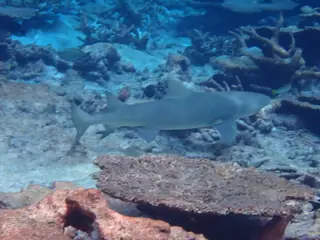 Sicklefin Lemon Shark
-
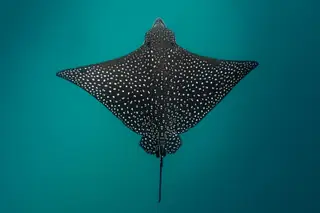 Ocellated Eagle Ray
-
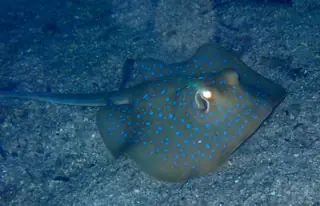 Blue-spotted Ribbontail Ray
-
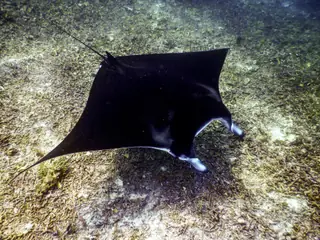 Reef Manta RayRare
-
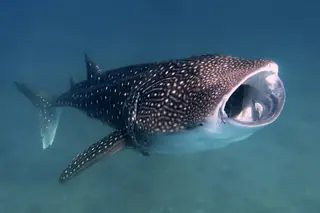 Whale SharkRare
Reef fish 20
-
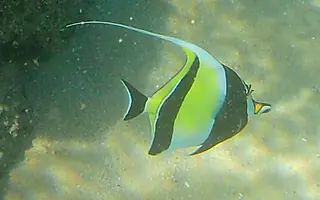 Moorish Idol
-
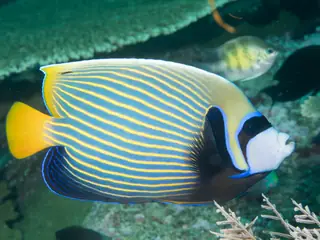 Emperor Angelfish
-
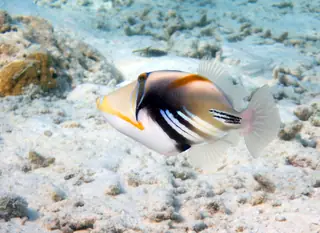 Lagoon Triggerfish
-
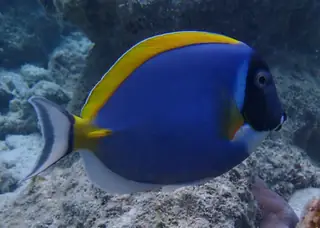 Powder-blue Surgeonfish
-
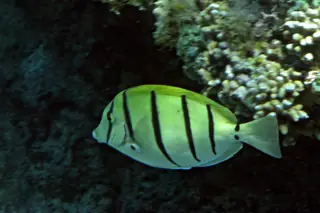 Convict Surgeonfish
-
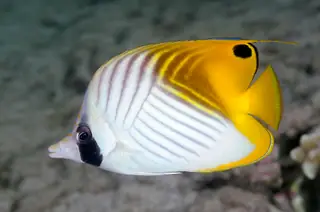 Threadfin Butterflyfish
-
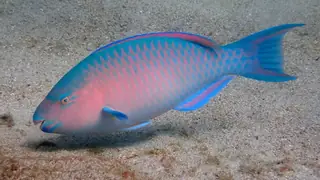 Blue-barred Parrotfish
-
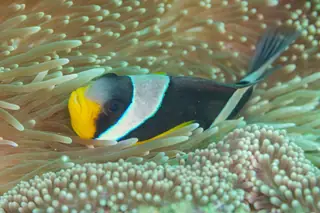 Seychelles Anemonefish
-
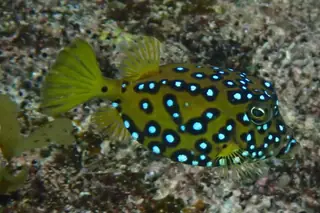 Yellow Boxfish
-
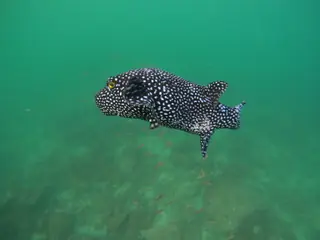 Guineafowl Puffer
-
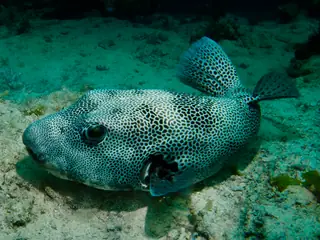 Starry Puffer
-
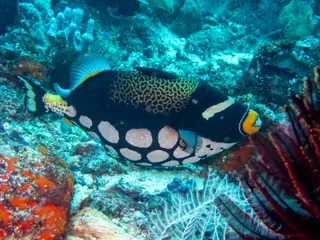 Clown Triggerfish
-
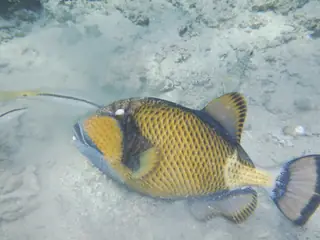 Titan Triggerfish
-
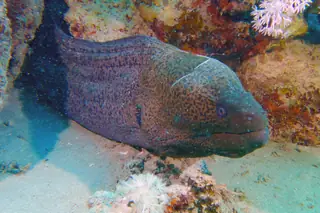 Giant Moray
-
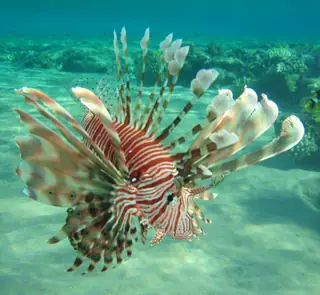 Devil Firefish
-
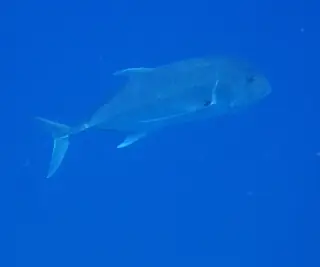 Giant Trevally
-
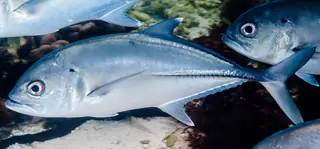 Bigeye Trevally
-
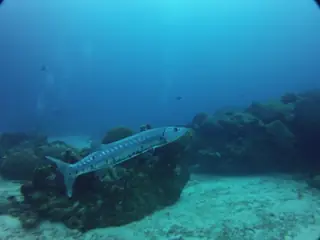 Great Barracuda
-
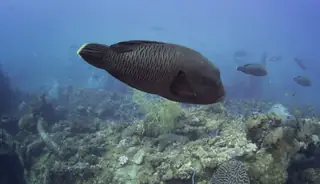 Humphead WrasseRare
-
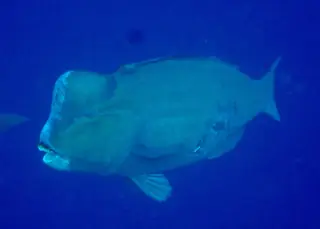 Bumphead ParrotfishRare
Other sea and shore life 7
-
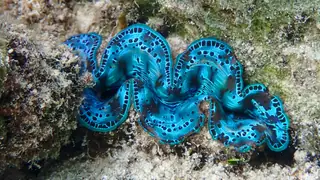 Small Giant Clam
-
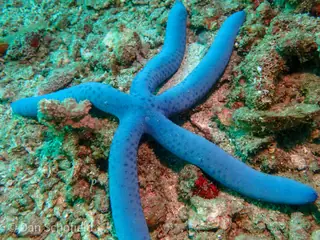 Blue Sea Star
-
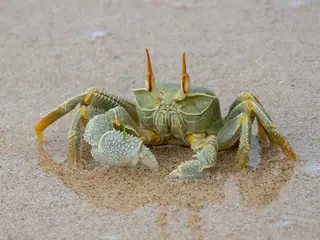 Horn-eyed Ghost Crab
-
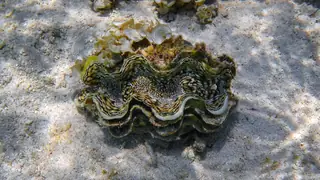 Fluted Giant Clam
-
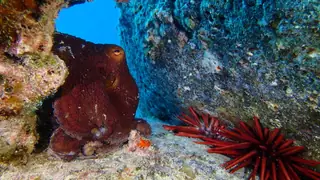 Day Octopus
-
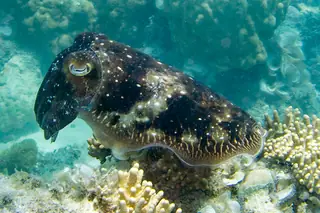 Broadclub Cuttlefish
-
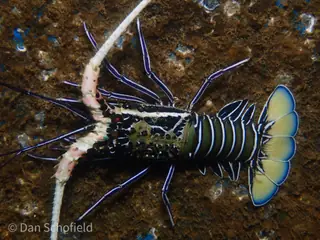 Painted Spiny Lobster
Best time to see wildlife in Seychelles
Sightings by month in Seychelles
Most records: Sept to Dec, Feb to AprRecords from GBIF.org, adjusted for how many people record wildlife each month. 100% is the busiest month.
Seychelles is warm all year and the land birds are resident, so any month works. The trade winds set the seasons. The south-east trades blow from about May to September, bringing cooler, drier weather but choppier seas, which can cancel boat trips to the reserve islands and stir up the water for snorkelling. The north-west monsoon, roughly December to March, is hotter, more humid and wetter, with calmer seas on many coasts. The changeover months, April to May and October to November, have the calmest seas and clearest water for snorkelling and diving. Sooty terns crowd Bird Island from about May to October, hawksbill turtles nest from about October to February, and shorebirds from the north are on the beaches from October to April. Whale sharks pass Mahé mostly from about August to November.
- Apr to MayCalm seas, clear water; Sooty Terns start arriving on Bird Island
- Jun to SepSouth-east trades, cooler and drier; rougher crossings, seabird colonies busy
- Oct to NovCalm seas again; turtles start nesting, shorebirds arrive, whale sharks possible
- Dec to MarHot, humid and wetter; hawksbills nesting, waders on the beaches
Tips for spotting wildlife in Seychelles
- 01
Book the reserve islands early
Cousin, Aride and Curieuse are reached by day boat with licensed operators, and landings depend on the sea. Plan them early in your stay so a rough day can be moved.
- 02
Walk Vallée de Mai in the morning
The black parrots are most active and vocal soon after opening. Walk the trails slowly, stop often and listen for their whistles among the coco de mer palms.
- 03
Keep to the paths on seabird islands
On Cousin and Aride, terns, noddies and shearwaters nest on branches, on the ground and in burrows beside the paths. Follow the wardens, stay on the trail and never touch eggs or chicks.
- 04
Snorkel without touching
Float over the coral, never stand on it, and use reef-safe sun cream. Give turtles, rays and sharks space and never chase or feed them.
- 05
Listen after dark
Fruit bats, geckos, tree frogs and, in the Mahé hills, scops owls are all busiest at night. Listen from where you are staying or a quiet road rather than searching or playing calls.
- 06
Help keep islands predator-free
Rats and other pests can wipe out the rarest birds. Before visiting a reserve island, check your bags and shoes for soil, seeds and stowaways, as the wardens ask.

Take Seychelles with you
Island-hopping in Seychelles? Keep this list on your phone and tick off every tortoise, tern and endemic bird as you go, even on a boat with no signal. Wilder is free to start.

Seychelles wildlife FAQ
What wildlife can you see in Seychelles?
You can see giant tortoises, endemic birds such as the Seychelles black parrot, magpie-robin, warbler and paradise flycatcher, and big colonies of white terns, noddies and tropicbirds in Seychelles. Fruit bats fly over every island, bright day geckos live on the palms, and the reefs hold hawksbill turtles, reef sharks, rays and colourful fish. This checklist covers 111 animals in the inner islands.
Where can you see giant tortoises in Seychelles?
You can see free-roaming Aldabra giant tortoises on Curieuse, a marine national park off Praslin, and on some other reserve islands. Smaller groups live in pens on La Digue and Mahé. The wild population lives on far-off Aldabra atoll, which is not covered here. Never feed, touch or ride the tortoises.
Where can you see the Seychelles black parrot?
The Seychelles black parrot lives only on Praslin, and Vallée de Mai, a World Heritage nature reserve of coco de mer palms, is the best place to see one. Go early in the morning, walk slowly and listen for its whistles. Watch quietly and never try to attract one.
When is the best time to visit Seychelles for wildlife?
The best time to visit Seychelles for wildlife is April to May or October to November, when the seas are calmest for boat trips to the reserve islands and the water is clearest for snorkelling. Seabird colonies are busiest from about May to October, and hawksbill turtles nest from about October to February.
Can you see whale sharks in Seychelles?
Yes, whale sharks pass Mahé, mostly from about August to November, but sightings are less reliable than in the past. Go only with licensed operators who follow the local code on boats and swimmers, and never touch or crowd one.
Sources
- IUCN World Heritage Outlook: Vallée de Mai Nature Reserve
- Cousin Island Special Reserve (Nature Seychelles): Conservation overview
- Nature Seychelles: Visiting Cousin Island
- Sightings by month: GBIF.org
Animal photos are from the Wilder catalogue; photo credits.
Similar checklists
All Africa-
 Region132animals Maldives Baa, Ari and Malé atolls, Maldives A chain of coral atolls strung across the Indian Ocean, where reef manta rays gather to feed in Baa Atoll, whale sharks cruise the outer reef of South Ari, and spinner dolphins, turtles and reef sharks are part of almost every boat trip. Best time Dec to Apr
-
 National park100animals Andasibe-Mantadia National Park Alaotra-Mangoro, Madagascar Misty eastern rainforest a few hours from Antananarivo, where the indri, Madagascar's largest lemur, sings across the valleys every morning. Best time Apr to Nov
-
 Island70animals Galápagos Islands Galápagos Province, Ecuador Volcanic islands where the animals barely notice you: giant tortoises, marine iguanas, dancing boobies and sea lions on every beach. Best time All year
-
 National park86animals Komodo National Park West Manggarai, East Nusa Tenggara, Indonesia Dry volcanic islands between Sumbawa and Flores where wild Komodo dragons roam, ringed by coral seas full of manta rays, reef sharks and turtles. Best time Apr to Nov