National park · Alaotra-Mangoro · Madagascar
Andasibe-Mantadia Wildlife Checklist

Andasibe-Mantadia National Park, about 140 km east of Antananarivo, is the easiest place in Madagascar to see and hear the indri, the largest living lemur. Its rainforest also holds diademed sifakas, chameleons, leaf-tailed geckos and colourful endemic birds. This checklist covers 100 animals. April to November is drier and easier for walking, while the warm, wet months bring frogs and the most active reptiles.
Tick off all 100 animals in Andasibe on your phone, even offline. Launching soon. Free A4 PDF, no sign-up.
The park has two parts: the small, easy reserve of Analamazaotra next to Andasibe village, where most visitors see indri, and the larger, wilder forest of Mantadia to the north. A certified local guide is required on every walk inside the park.
- Animals to find
- 100
- Where
- Madagascar
- Best time
- Apr to Nov
- Lemurs
- About 14 species
Popular animals in Andasibe
-
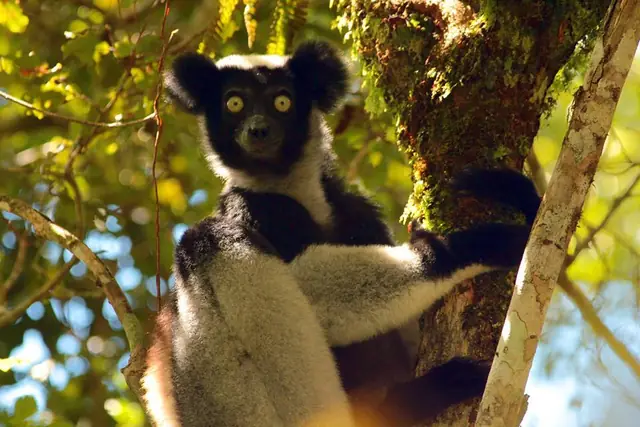
Indri
Indri indri
The largest living lemur, black and white with a teddy-bear face and almost no tail. Families sing a haunting, wailing song that carries for kilometres, most often in the morning.
-
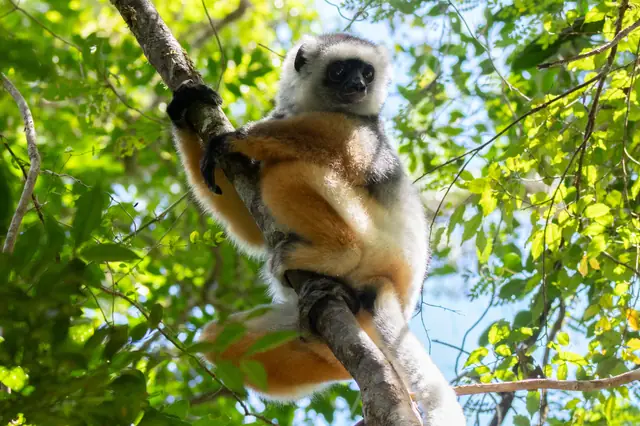
Diademed Sifaka
Propithecus diadema
One of the most colourful lemurs, with orange limbs and a white crown. Watch it leap upright between trunks, covering several metres in a single bound.
-
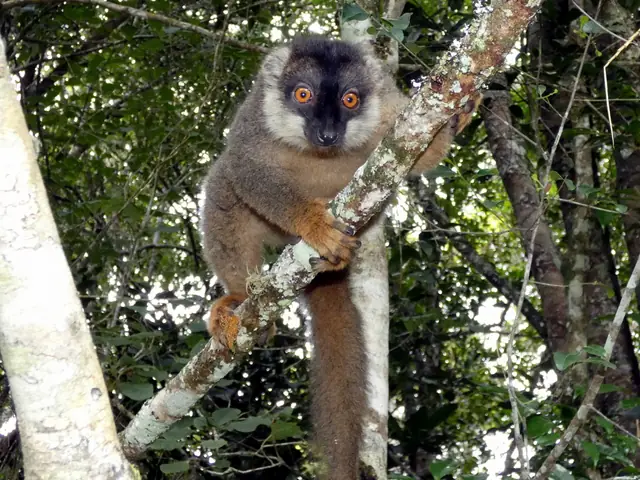
Common Brown Lemur
Eulemur fulvus
Groups move noisily through the canopy and are often the first lemur you see. Like all lemurs here, they must never be fed.
-
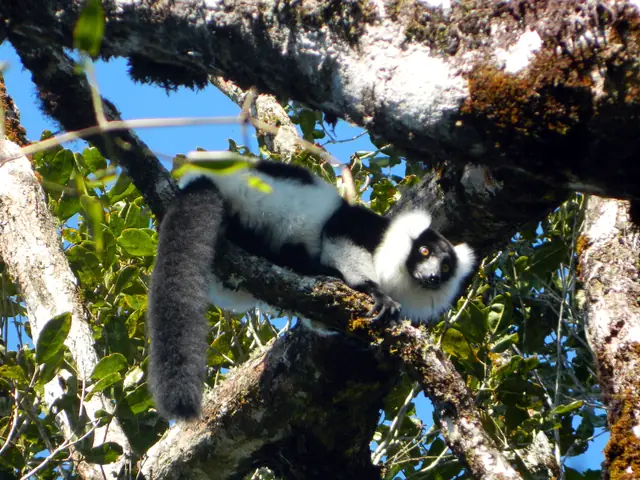
Black-and-white Ruffed Lemur
Varecia variegata
Large and boldly marked, with a loud, rasping chorus. Wild ruffed lemurs are a highlight of a day in Mantadia's taller forest.
-
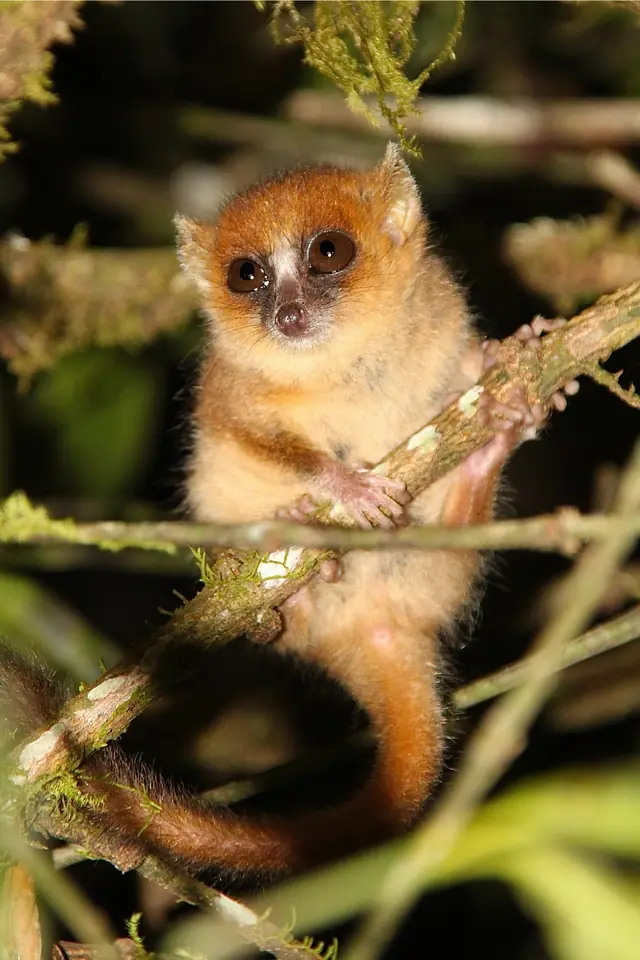
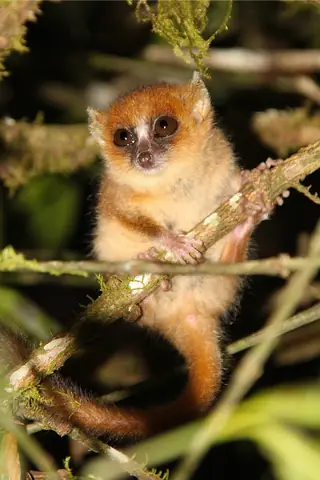
Goodman's Mouse Lemur
Microcebus lehilahytsara
One of the smallest primates in the world. You will see its eyeshine on a night walk, which runs outside the park boundary with a licensed guide.
-
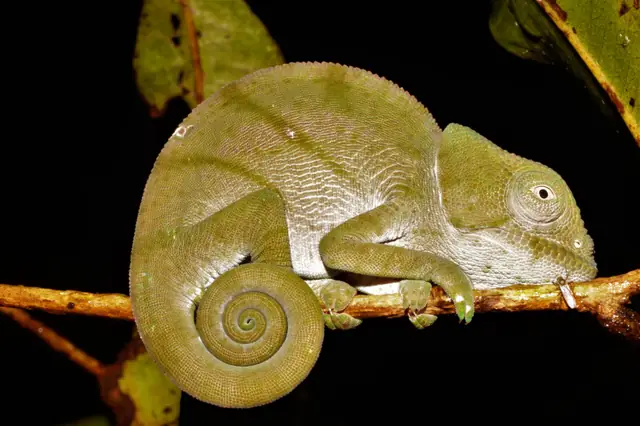
Parson's Chameleon
Calumma parsonii
A giant among chameleons, slow and green, resting on mid-storey branches. Look, but never handle chameleons: many are taken for the pet trade.
-
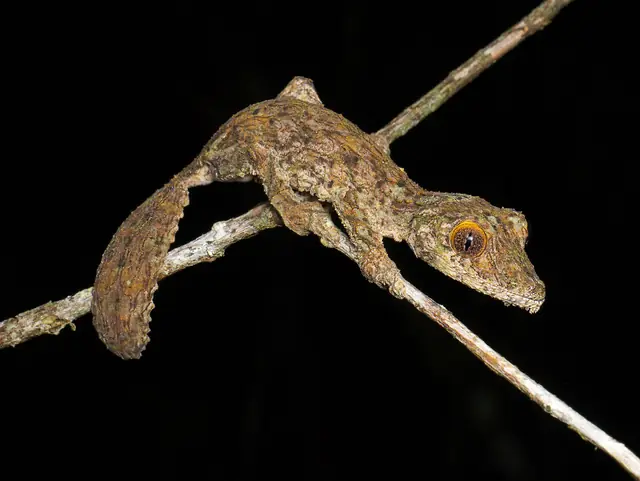
Mossy Leaf-tailed Gecko
Uroplatus sikorae
Pressed flat against a mossy trunk by day, it is almost impossible to spot without a guide's trained eye. Enjoy the view and leave it untouched.
-
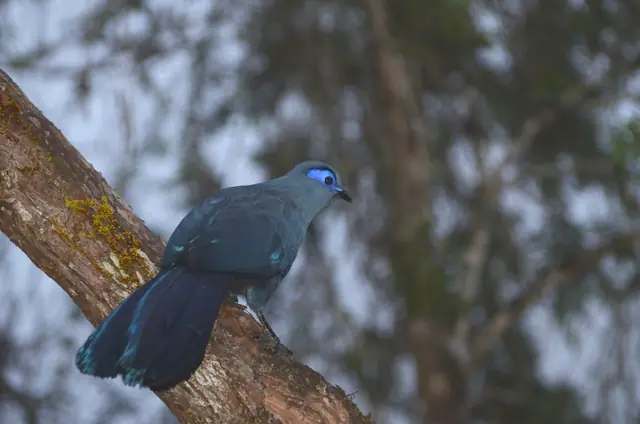
Blue Coua
Coua caerulea
A large, glossy blue cuckoo that creeps through the vines. Common, easy to see and one of the first endemic birds most visitors tick off.
All 100 animals in Andasibe
Lemurs 11
-
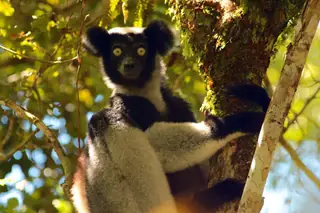 Indri
-
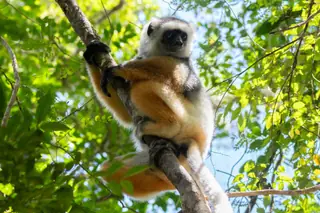 Diademed Sifaka
-
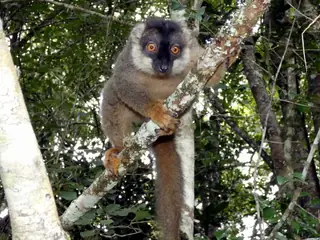 Common Brown Lemur
-
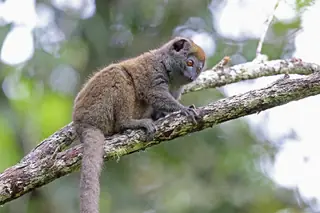 Eastern Lesser Bamboo Lemur
-
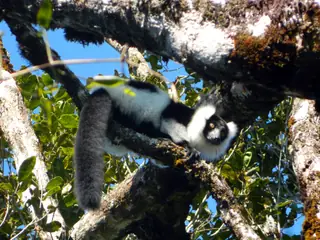 Black-and-white Ruffed Lemur
-
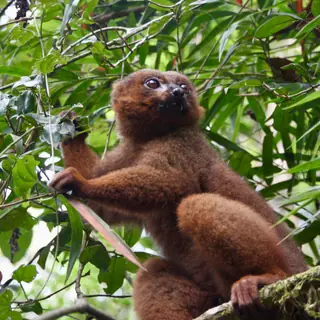 Red-bellied Lemur
-
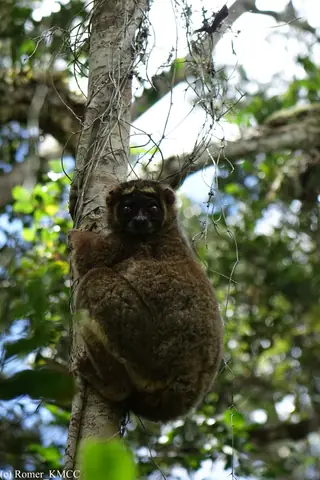 Eastern Woolly Lemur
-
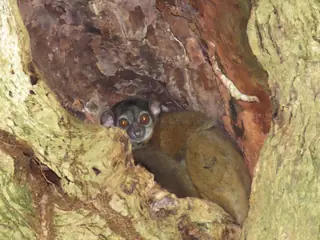 Weasel Sportive Lemur
-
 Goodman's Mouse Lemur
-
 Furry-eared Dwarf Lemur
-
 Aye-ayeRare
Other mammals 9
-
 Ring-tailed Vontsira
-
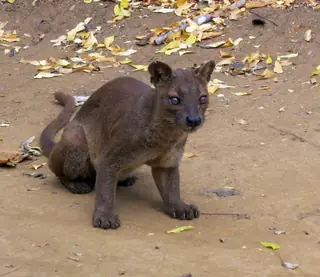 FossaRare
-
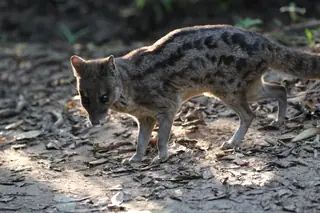 Spotted FanalokaRare
- Broad-striped VontsiraRare
-
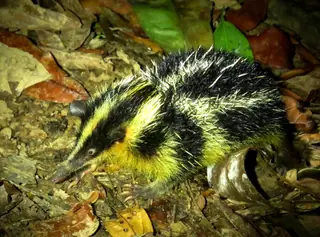 Lowland Streaked Tenrec
-
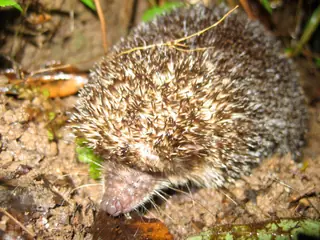 Greater Hedgehog Tenrec
-
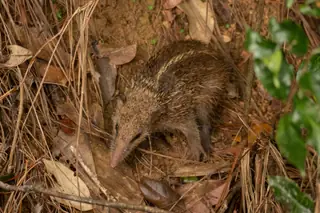 Tailless Tenrec
-
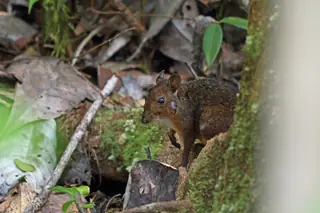 Eastern Red Forest Rat
- Madagascar Rousette
Forest birds 38
-
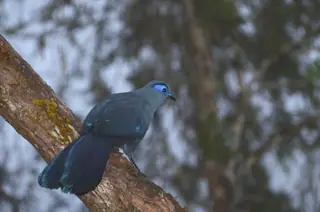 Blue Coua
-
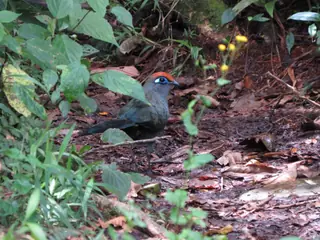 Red-fronted Coua
-
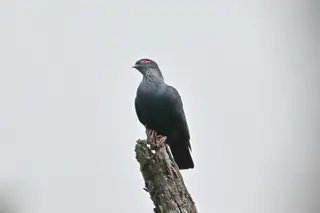 Madagascar Blue Pigeon
-
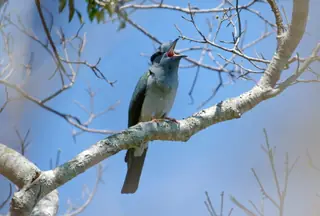 Cuckoo-roller
-
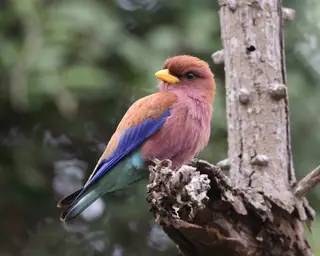 Broad-billed Roller
-
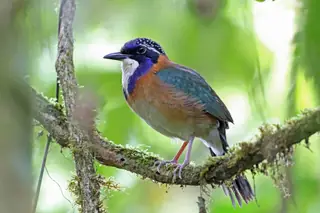 Pitta-like Ground-roller
-
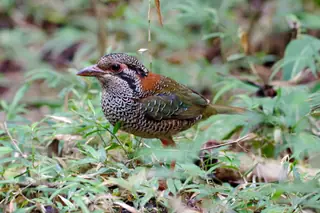 Scaly Ground-rollerRare
-
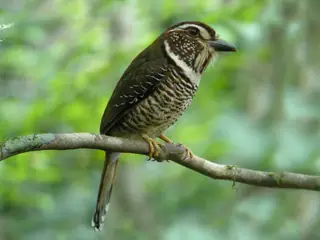 Short-legged Ground-rollerRare
-
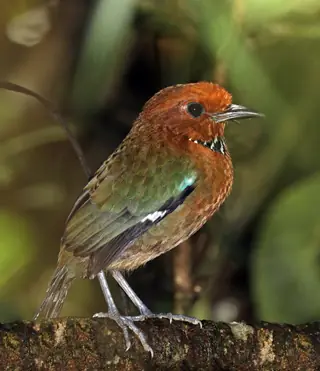 Rufous-headed Ground-rollerRare
-
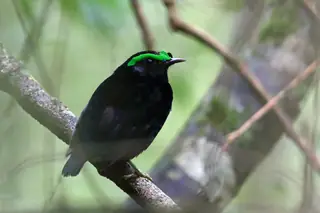 Velvet Asity
-
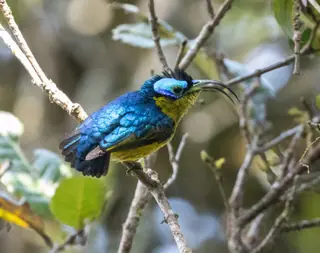 Common Sunbird-Asity
-
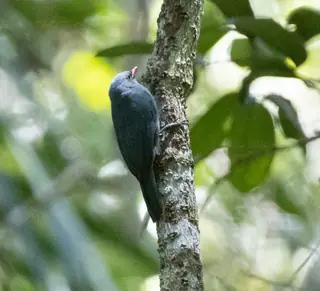 Nuthatch Vanga
-
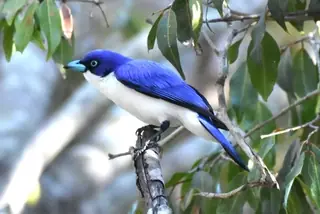 Blue Vanga
-
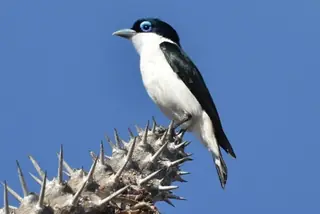 Chabert Vanga
-
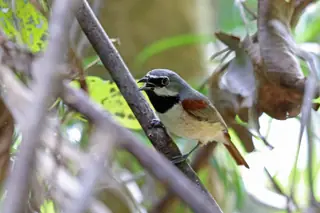 Red-tailed Vanga
-
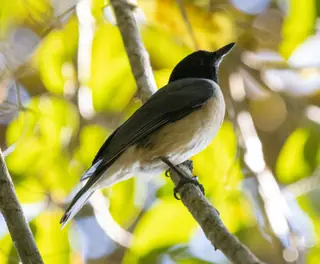 Tylas Vanga
-
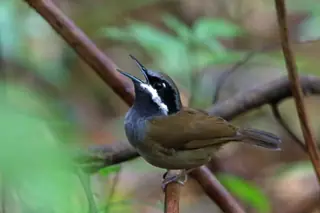 Crossley's Vanga
-
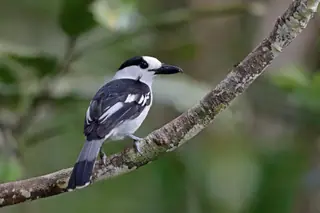 Hook-billed Vanga
-
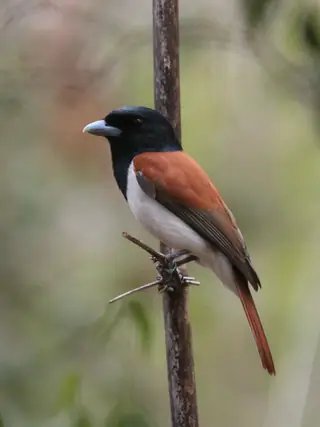 Rufous Vanga
-
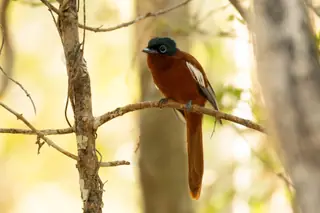 Malagasy Paradise Flycatcher
-
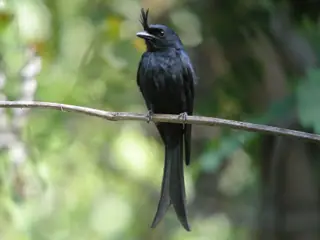 Crested Drongo
-
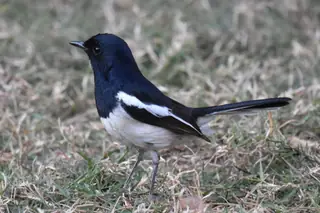 Madagascar Magpie-Robin
-
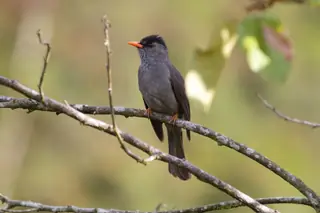 Malagasy Bulbul
-
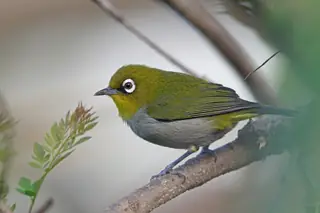 Malagasy White-eye
-
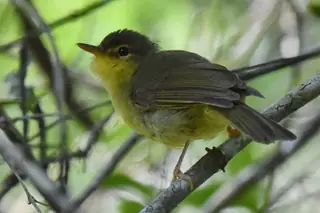 Spectacled Tetraka
-
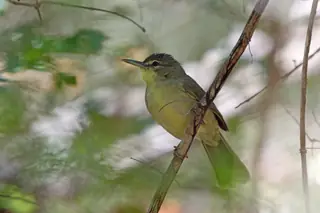 Long-billed Bernieria
-
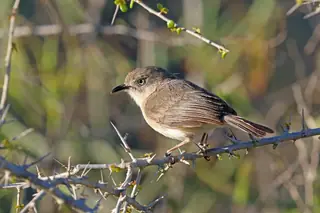 Common Newtonia
-
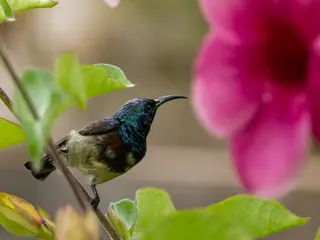 Souimanga Sunbird
-
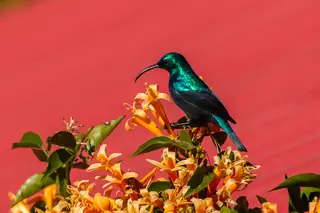 Malagasy Green Sunbird
-
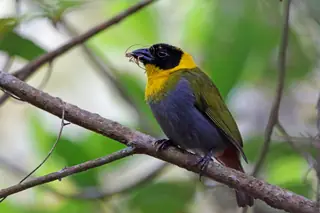 Nelicourvi Weaver
-
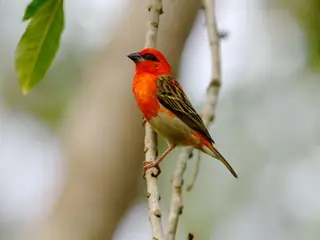 Forest Fody
-
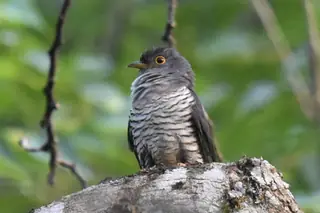 Madagascar Cuckoo
-
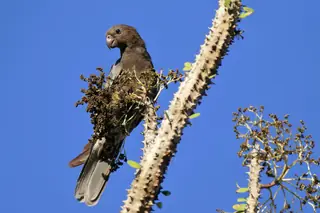 Lesser Vasa Parrot
-
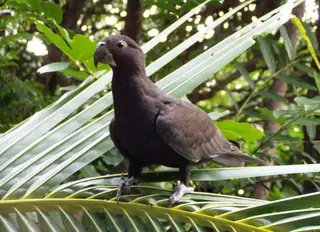 Greater Vasa Parrot
-
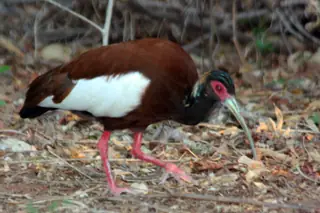 Madagascar Crested Ibis
-
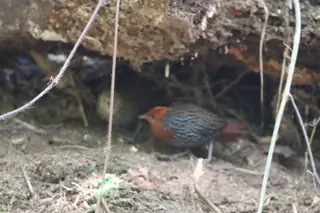 Madagascar Flufftail
-
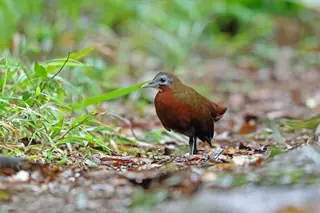 Madagascar Wood Rail
-
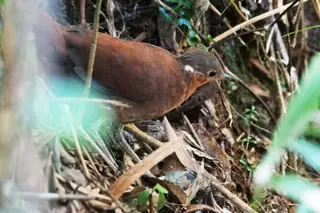 Brown MesiteRare
Open country and water birds 17
-
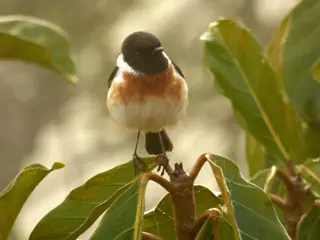 Madagascar Stonechat
-
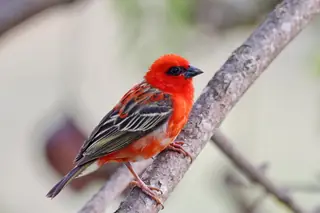 Red Fody
-
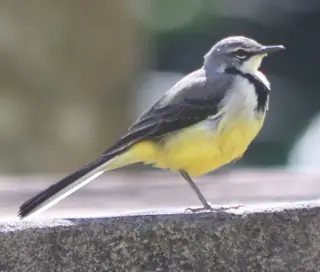 Madagascar Wagtail
-
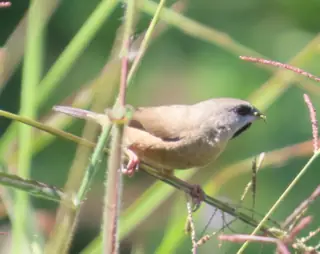 Madagascar Munia
-
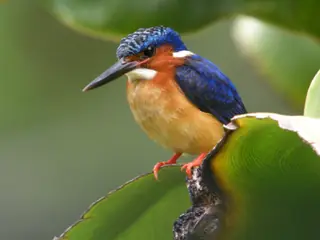 Malagasy Kingfisher
-
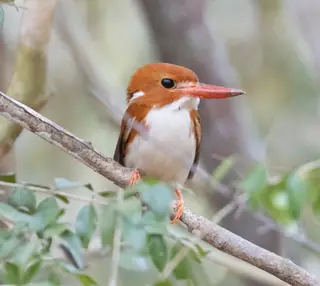 Madagascar Pygmy Kingfisher
-
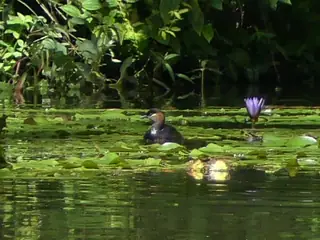 Madagascar Grebe
-
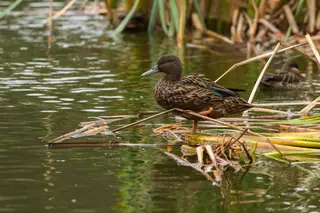 Meller's DuckRare
-
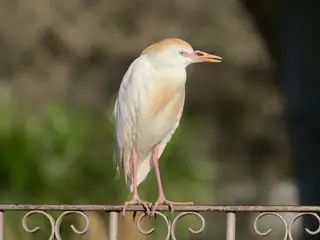 Western Cattle Egret
-
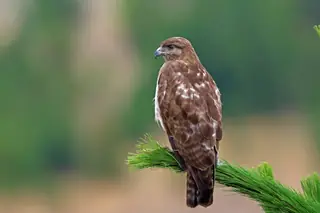 Madagascar Buzzard
-
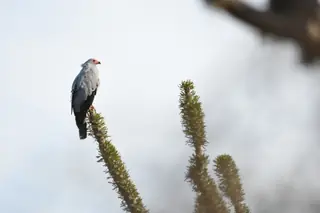 Madagascar Harrier-Hawk
-
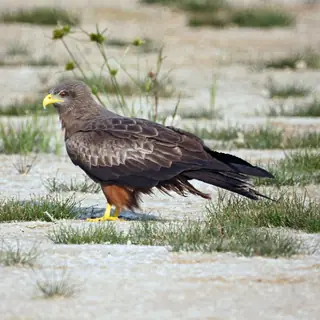 Yellow-billed Kite
-
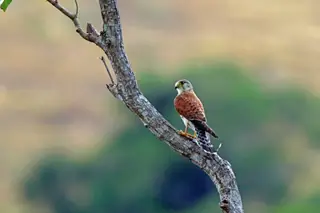 Malagasy Kestrel
-
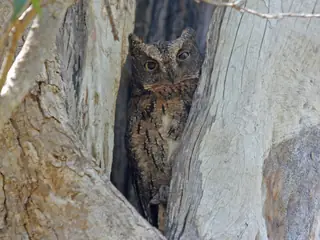 Rainforest Scops Owl
-
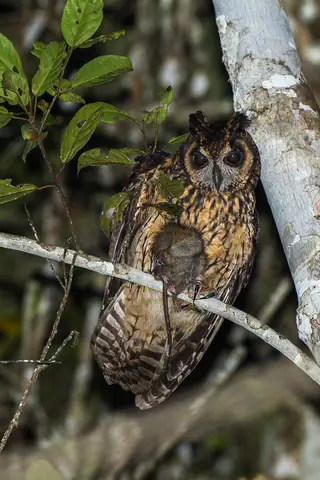 Madagascar Owl
-
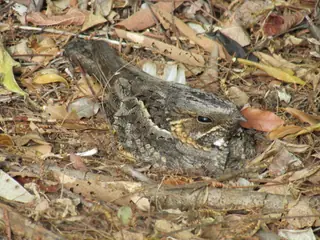 Madagascar Nightjar
-
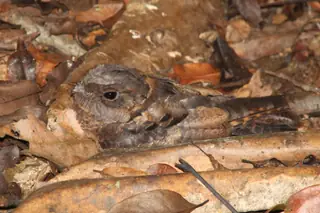 Collared Nightjar
Chameleons and lizards 10
-
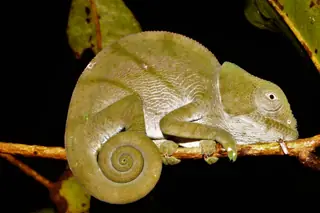 Parson's Chameleon
-
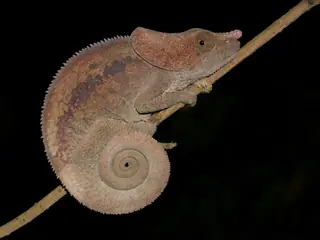 Short-horned Chameleon
-
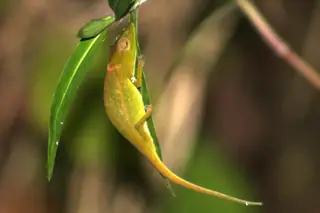 Perinet Chameleon
-
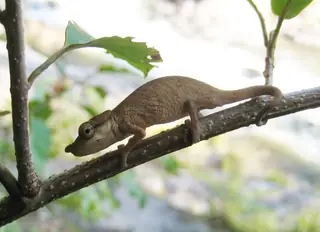 Big-nosed Chameleon
-
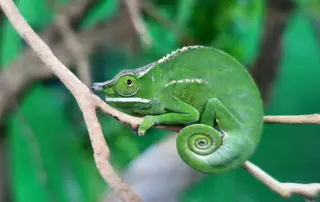 Wills's Chameleon
-
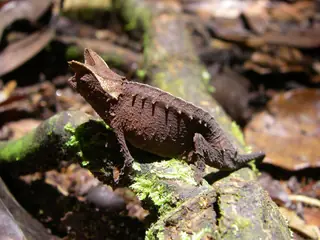 Brown Leaf Chameleon
-
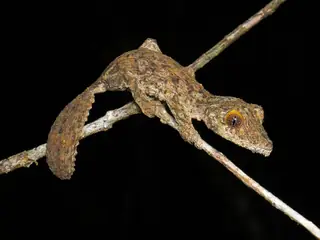 Mossy Leaf-tailed Gecko
-
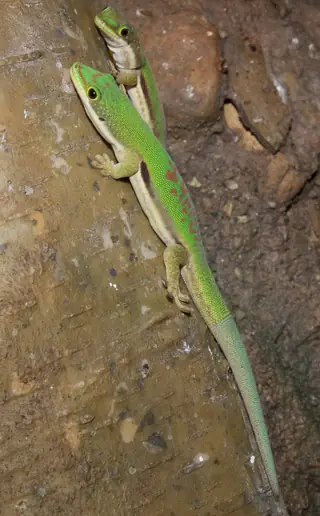 Lined Day Gecko
-
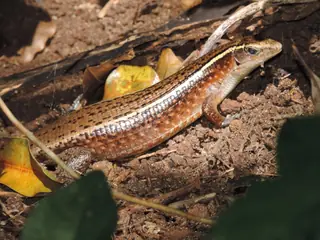 Madagascar Girdled Lizard
-
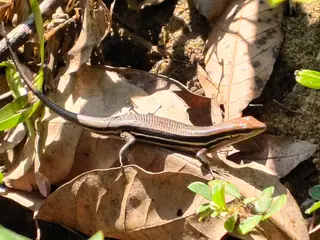 Gravenhorst's Mabuya
Snakes and frogs 12
-
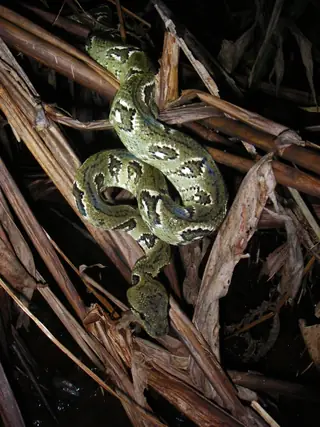 Madagascar Tree Boa
-
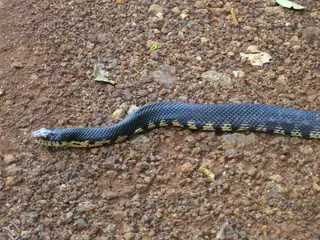 Madagascar Giant Hognose Snake
-
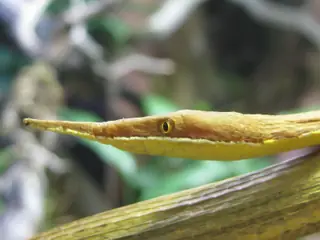 Malagasy Leaf-nosed SnakeRare
-
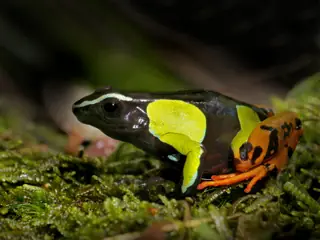 Baron's Mantella
-
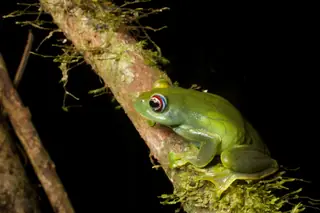 Yellow Bright-eyed Frog
-
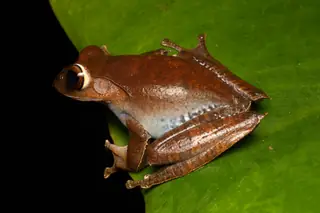 Madagascar Bright-eyed Frog
-
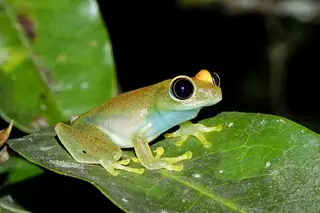 Green Bright-eyed Frog
-
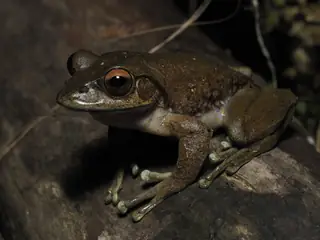 Goudot's Bright-eyed Frog
-
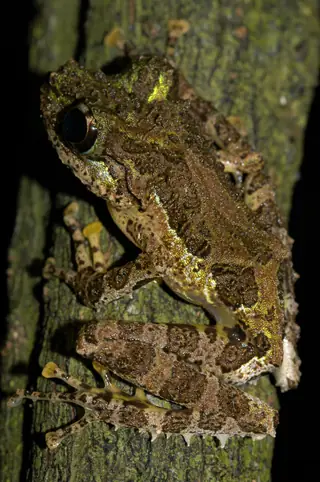 Aglave's Frog
-
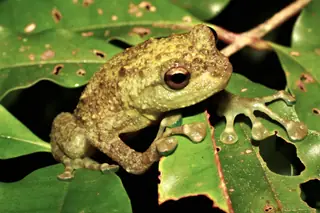 Giant Madagascar Treefrog
-
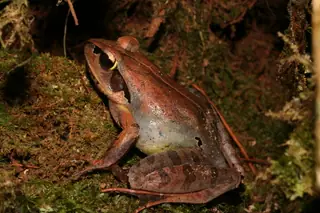 Madagascar Jumping Frog
-
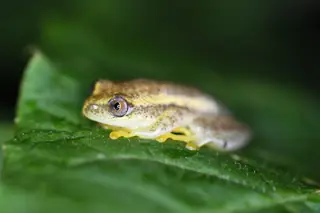 Betsileo Reed Frog
Butterflies 3
-
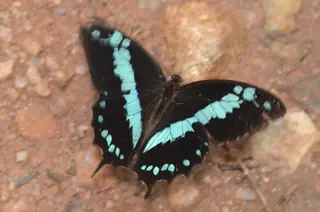 Madagascan Green-banded Swallowtail
-
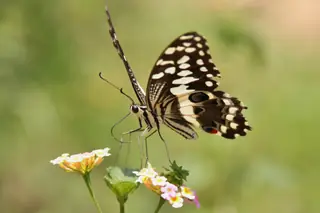 Citrus Swallowtail
-
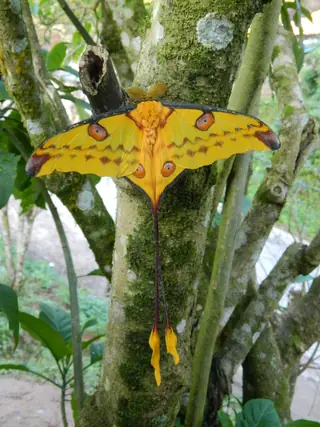 Comet Moth
Best time to see wildlife in Andasibe
Sightings by month in Andasibe
Most records: Aug to AprRecords from GBIF.org, adjusted for how many people record wildlife each month. 100% is the busiest month.
Andasibe is wet all year, so pack a waterproof whatever the month. The cooler, drier season from about April to November is the most comfortable for walking, with less mud and fewer leeches; June to August can be chilly at night. Indri sing and can be found in every month. The warm, wet season from December to March is best for frogs, snakes and chameleons, and dwarf lemurs wake from their dry-season sleep from about October. Cyclones can bring heavy rain to the east from January to March and can close roads. October and November are a good compromise: warmer, still fairly dry, with birds breeding and reptiles active. Weekends and July and August holidays are busiest, so start walks early.
- Dec to MarHot and wet; best for frogs and reptiles, cyclone risk
- Apr to MayRains easing; good all-round conditions
- Jun to AugCool and drier; cold nights, dwarf lemurs asleep
- Sep to NovWarming up; birds breeding, reptiles active
Tips for spotting wildlife in Andasibe
- 01
Go early for the indri song
Indri sing most in the morning. Start at opening time in Analamazaotra with your certified guide and listen: the song tells you where a family is.
- 02
Give a day to Mantadia
Mantadia's forest is bigger and wilder than Analamazaotra, with ruffed lemurs, ground-rollers and fewer people. The tracks are rough, so arrange transport with your guide.
- 03
Night walks happen outside the park
Night visits are not run inside the park. Licensed guides lead walks along the edge of the forest for mouse lemurs, chameleons and frogs. Keep your torch beam off animals' eyes.
- 04
Look, never touch
Chameleons, geckos and frogs are easy to stress and some carry skin toxins. Do not handle them, and skip places that let you hold or feed lemurs.
- 05
Support community reserves
Community-run forests next to the park, such as those managed by the Mitsinjo association, have trained guides and put visitor fees straight into local conservation.

Take Andasibe with you
Walking Andasibe? Take this list on your phone and tick off indri, sifakas and chameleons on the trail, even with no signal. Wilder is free to start.

Andasibe wildlife FAQ
Where is the best place to see indri in Madagascar?
Andasibe-Mantadia National Park is the best and easiest place to see indri. Several habituated families live in the Analamazaotra reserve, a short drive from Andasibe village, and guides find them most days by following their song. Mornings are best, when indri call most. The park is about three to four hours by road from Antananarivo.
How many days do you need in Andasibe?
Two full days is a good minimum. Spend one morning in Analamazaotra for indri and sifakas, one day in Mantadia for ruffed lemurs and forest birds, and fit in at least one night walk. Birders and reptile fans often stay three or four days.
Do you need a guide in Andasibe-Mantadia?
Yes, a certified local guide is required on every visit inside the park. You can book one at the park entrance. Guides know the indri families and the calls of shy birds, and the fee supports local jobs. Larger groups are split between guides.
What animals can you see on a night walk in Andasibe?
On a night walk you can expect mouse lemurs, chameleons asleep on twigs, tree frogs and sometimes woolly or dwarf lemurs. This checklist marks which are likely and which are rare. Walks run outside the park boundary with a licensed guide, and the warm, wet months are busiest for frogs and reptiles.
Is it OK to visit the lemur island near Andasibe?
Some private sites near Andasibe let visitors feed and hold tame lemurs. Wilder recommends seeing wild lemurs in the park instead: feeding and handling change their behaviour, can spread disease and are not allowed in Madagascar's national parks.
Sources
- Madagascar National Parks: Analamazaotra
- Madagascar National Parks: Mantadia
- Vivy Travel: Andasibe-Mantadia National Park
- Sightings by month: GBIF.org
Animal photos are from the Wilder catalogue; photo credits.
Similar checklists
All Africa-
 National park106animals Ranomafana National Park Vatovavy and Haute Matsiatra, Madagascar Steep, river-cut rainforest in the south-east highlands, created to protect the golden bamboo lemur and home to a dozen or more kinds of lemur. Best time Sept to Dec
-
 Reserve71animals Kinabatangan River Sabah, Borneo, Malaysia Borneo's great wildlife river: proboscis monkeys at dusk, wild orangutans, pygmy elephants on the banks and eight kinds of hornbill. Best time Mar to Oct
-
 Reserve119animals Sinharaja Forest Reserve Ratnapura, Galle and Matara, Sri Lanka Sri Lanka's last big lowland rainforest, a World Heritage Site where noisy mixed flocks of endemic birds, purple-faced langurs and green pit vipers fill the trails. Best time Jan to Apr
-
 National park52animals Bwindi Impenetrable National Park Kanungu, Kisoro and Rubanda, Uganda Steep, misty rainforest that is home to around half the world's mountain gorillas, and to birds found nowhere outside the Albertine Rift. Best time Jun to Aug, Dec to Feb