National park · Vatovavy and Haute Matsiatra · Madagascar
Ranomafana Wildlife Checklist

Ranomafana National Park in south-east Madagascar protects steep, river-cut rainforest created after the golden bamboo lemur was discovered here in 1986. It holds around a dozen kinds of lemur, including Milne-Edwards's sifaka and the rare greater bamboo lemur, plus chameleons, frogs and endemic birds. This checklist covers 106 animals. September to December is a good balance of drier trails and active wildlife.
Tick off all 106 animals in Ranomafana on your phone, even offline. Launching soon. Free A4 PDF, no sign-up.
The park covers about 43,500 hectares on the edge of the highland plateau, between roughly 500 and 1,500 metres. Most visits start at the entrance by the Namorona River near Ranomafana village, and a licensed guide is required inside the park.
- Animals to find
- 106
- Where
- Madagascar
- Best time
- Sept to Dec
- Lemurs
- 13 species
Popular animals in Ranomafana
-
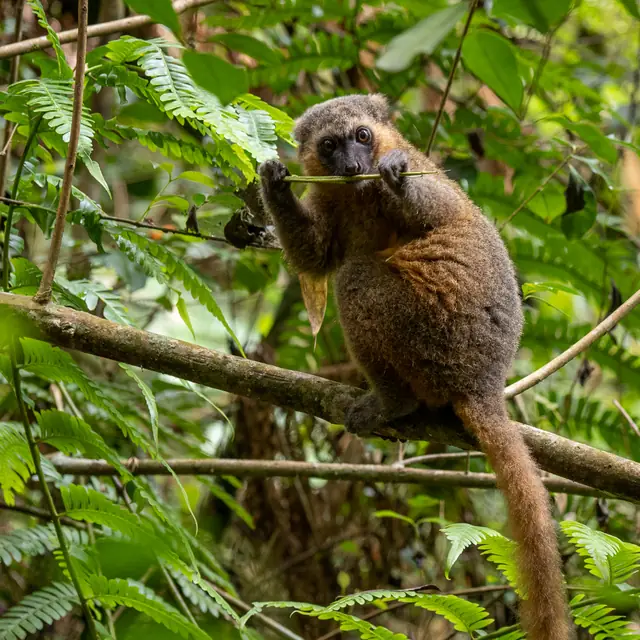
Golden Bamboo Lemur
Hapalemur aureus
Discovered here in 1986, which led to the park's creation. It feeds on giant bamboo that contains cyanide, a mystery researchers are still studying.
-
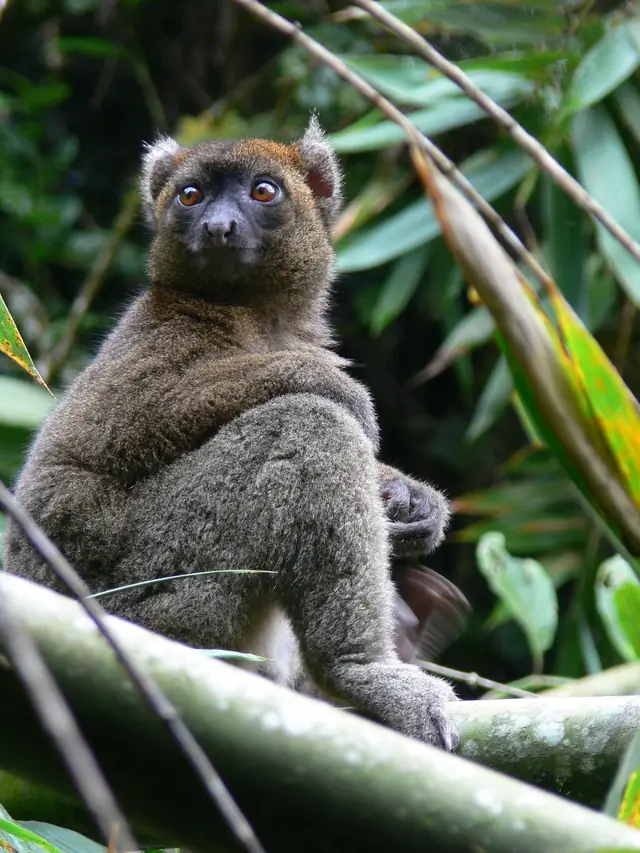
Greater Bamboo Lemur
Prolemur simus
One of the rarest primates in the world. Ranomafana is one of very few places it can be seen, and it takes luck and a specialist guide.
-
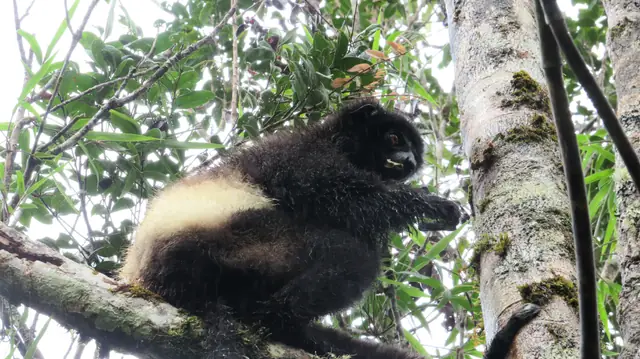
Milne-Edwards's Sifaka
Propithecus edwardsi
Dark chocolate with pale flanks, leaping between upright trunks in the primary forest. Studied here for decades, so many groups are used to people.
-
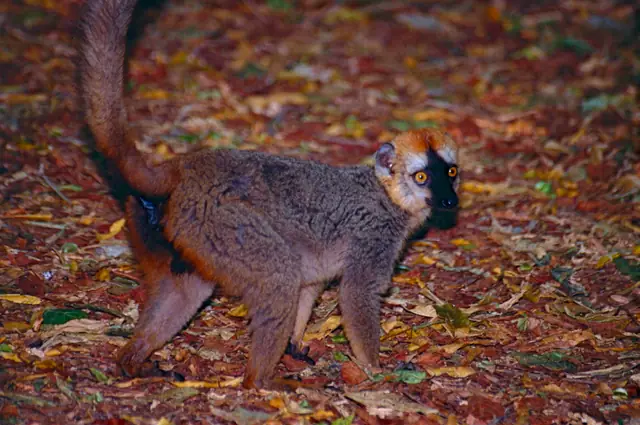
Red-fronted Brown Lemur
Eulemur rufifrons
Noisy, fast-moving troops that are often the first lemur you see. Look for the males' pale cheeks and the females' rusty crowns.
-
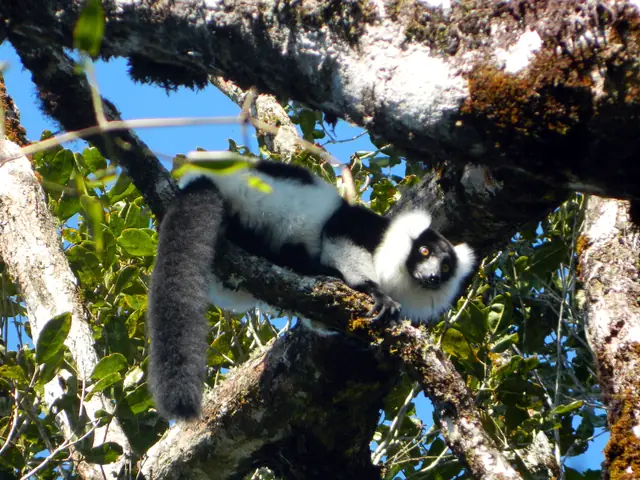
Black-and-white Ruffed Lemur
Varecia variegata
Large, striking and loud, in the higher and wilder parts of the forest. Their braying chorus carries a long way.
-
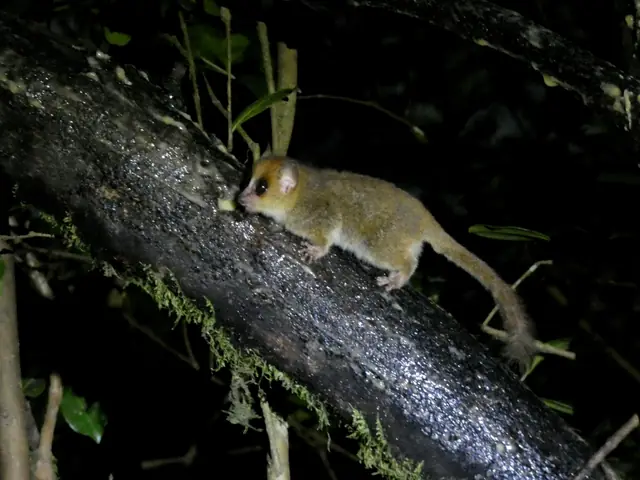
Rufous Mouse Lemur
Microcebus rufus
A tiny, bright-eyed lemur seen on night walks along the forest edge. Choose a guide who does not use fruit to draw them in.
-
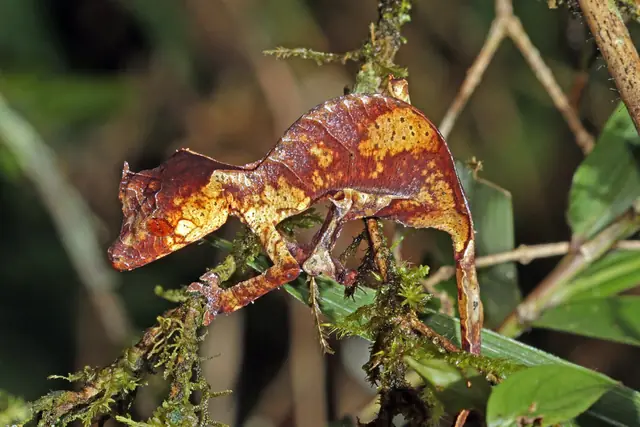
Satanic Leaf-tailed Gecko
Uroplatus phantasticus
Shaped and coloured exactly like a dead leaf, even with nibbled edges. A prize for photographers, and a target for the pet trade, so never touch one.
-
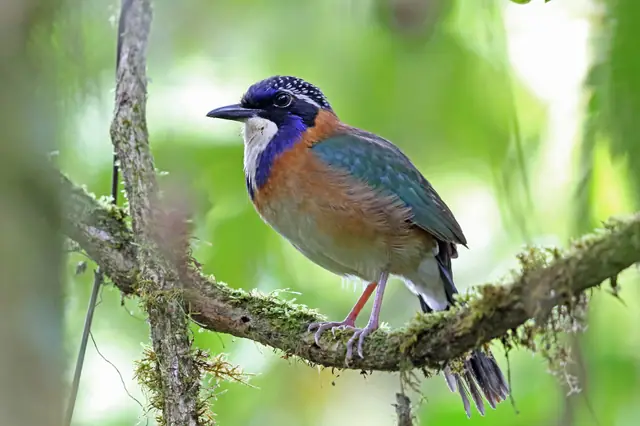
Pitta-like Ground-roller
Atelornis pittoides
A bright, ground-dwelling bird of the forest floor. Ground-rollers are among the most wanted birds in Madagascar; listen for the soft hoot at dawn.
All 106 animals in Ranomafana
Lemurs 12
-
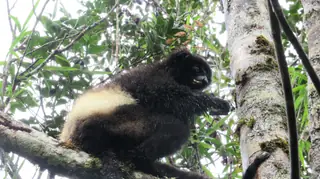 Milne-Edwards's Sifaka
-
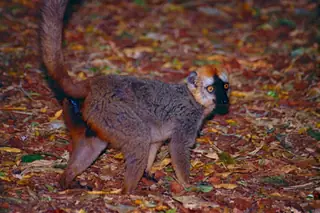 Red-fronted Brown Lemur
-
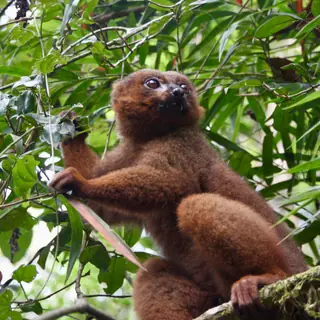 Red-bellied Lemur
-
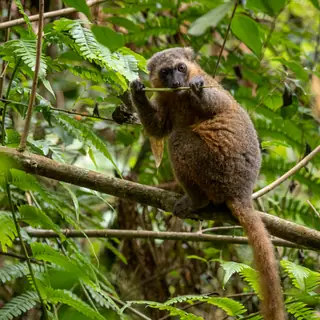 Golden Bamboo Lemur
-
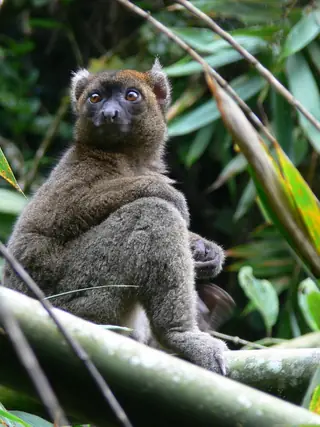 Greater Bamboo LemurRare
-
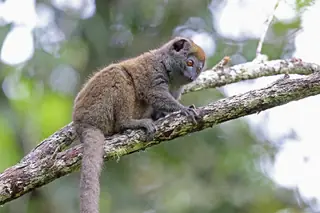 Eastern Lesser Bamboo Lemur
-
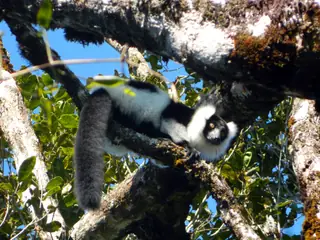 Black-and-white Ruffed Lemur
-
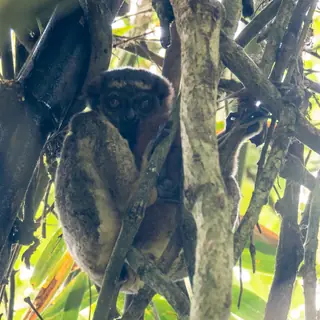 Peyrieras's Woolly Lemur
-
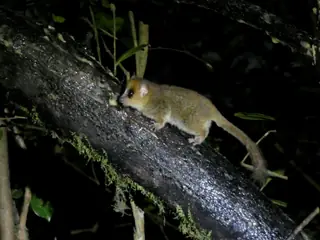 Rufous Mouse Lemur
-
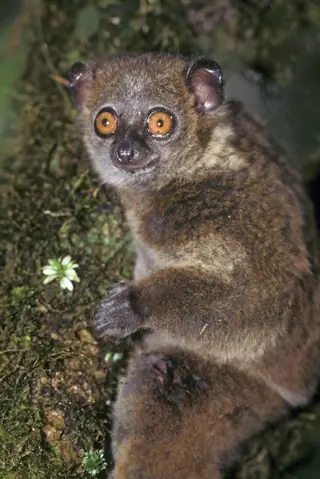 Small-toothed Sportive Lemur
-
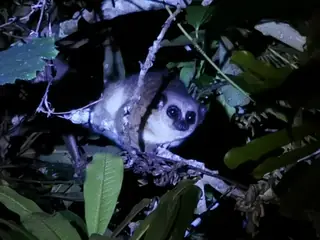 Furry-eared Dwarf Lemur
-
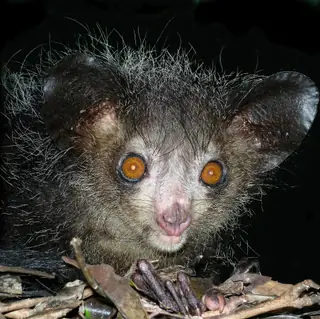 Aye-ayeRare
Other mammals 9
-
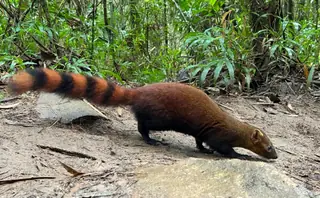 Ring-tailed Vontsira
-
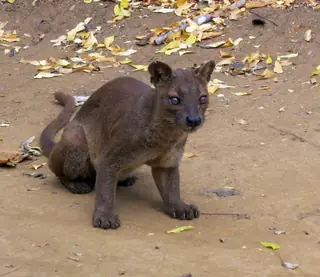 FossaRare
-
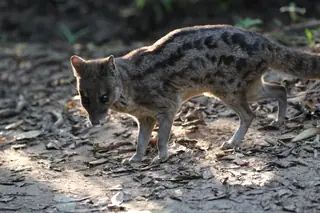 Spotted FanalokaRare
- Broad-striped VontsiraRare
-
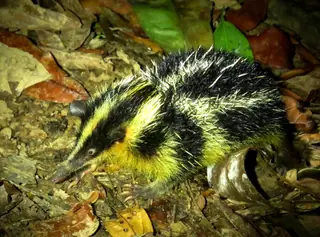 Lowland Streaked Tenrec
-
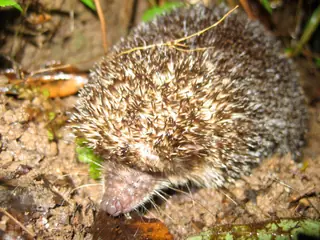 Greater Hedgehog Tenrec
-
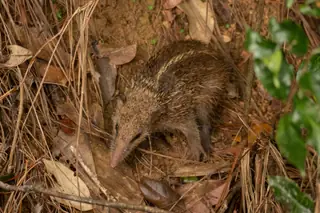 Tailless Tenrec
-
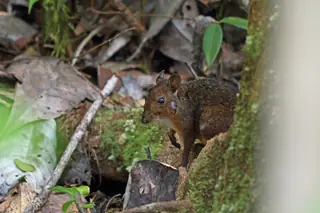 Eastern Red Forest Rat
- Madagascar Rousette
Forest birds 40
-
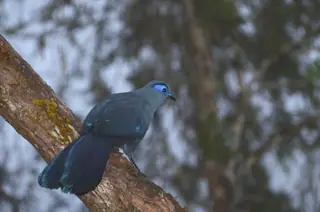 Blue Coua
-
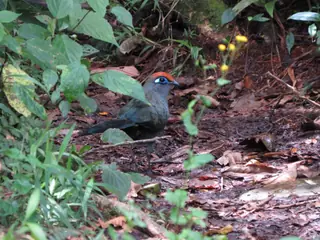 Red-fronted Coua
-
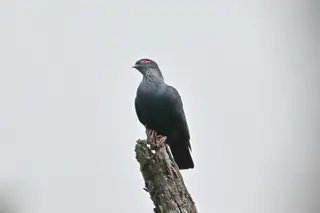 Madagascar Blue Pigeon
-
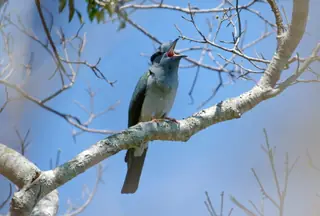 Cuckoo-roller
-
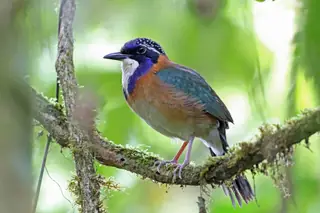 Pitta-like Ground-roller
-
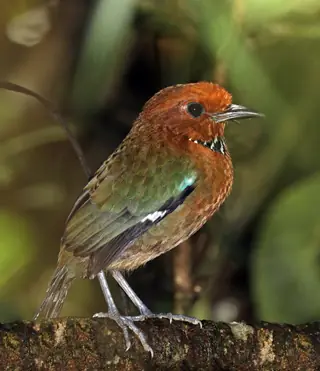 Rufous-headed Ground-rollerRare
-
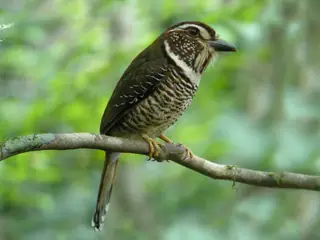 Short-legged Ground-rollerRare
-
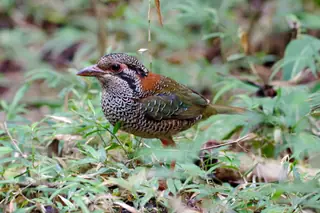 Scaly Ground-rollerRare
-
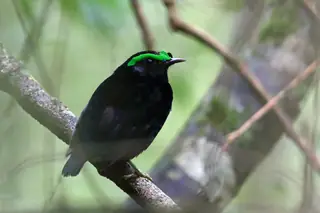 Velvet Asity
-
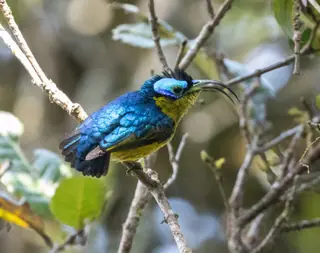 Common Sunbird-Asity
-
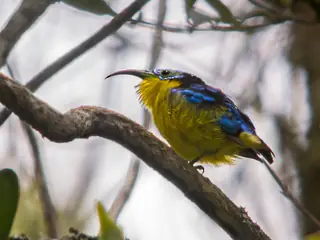 Yellow-bellied Sunbird-AsityRare
-
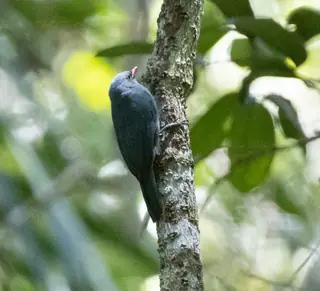 Nuthatch Vanga
-
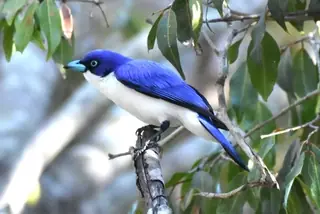 Blue Vanga
-
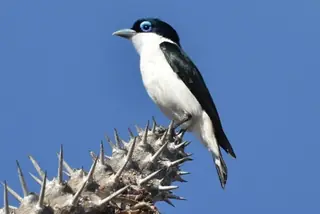 Chabert Vanga
-
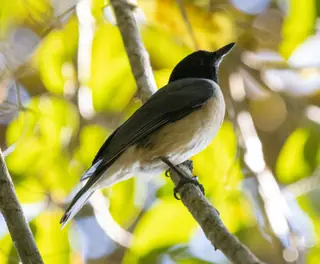 Tylas Vanga
-
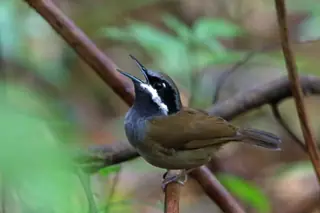 Crossley's Vanga
-
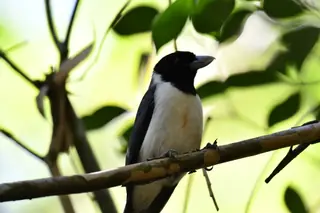 Pollen's VangaRare
-
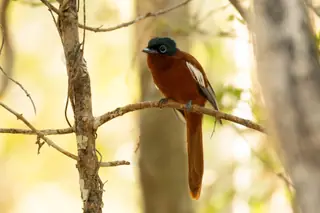 Malagasy Paradise Flycatcher
-
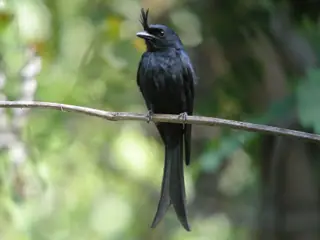 Crested Drongo
-
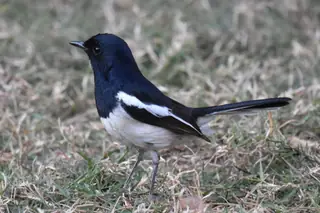 Madagascar Magpie-Robin
-
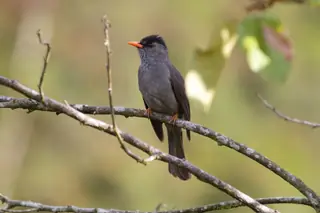 Malagasy Bulbul
-
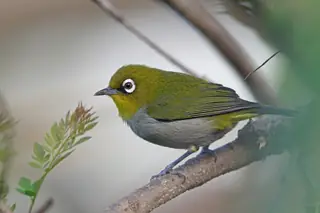 Malagasy White-eye
-
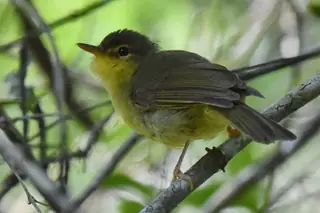 Spectacled Tetraka
-
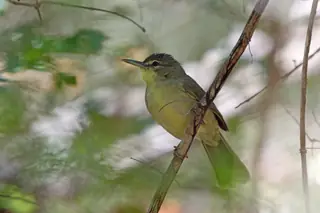 Long-billed Bernieria
-
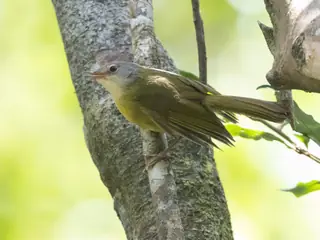 Grey-crowned Tetraka
-
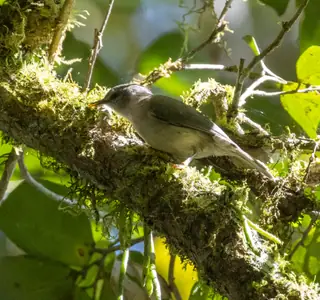 Rand's Warbler
- Brown Emutail
-
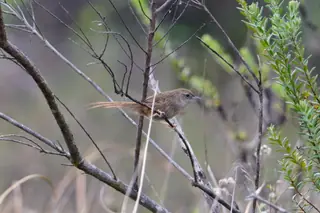 Grey Emutail
-
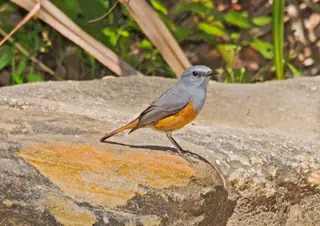 Forest Rock Thrush
-
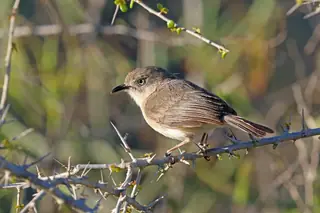 Common Newtonia
-
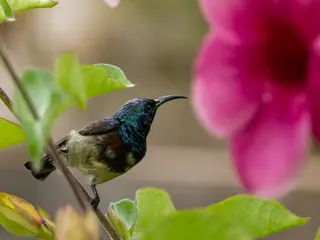 Souimanga Sunbird
-
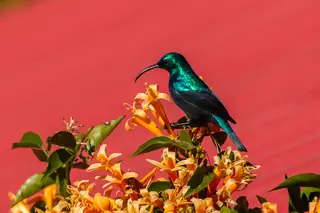 Malagasy Green Sunbird
-
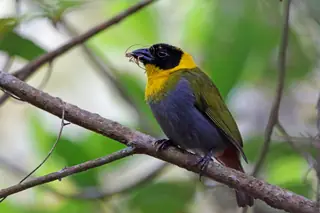 Nelicourvi Weaver
-
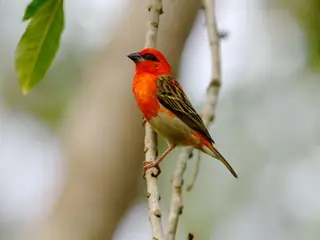 Forest Fody
-
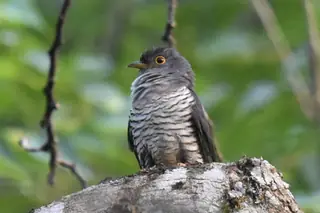 Madagascar Cuckoo
-
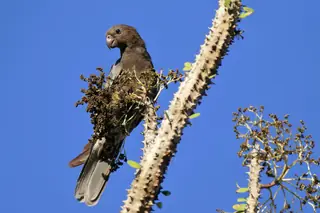 Lesser Vasa Parrot
-
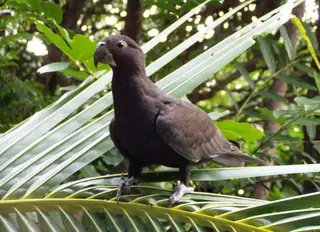 Greater Vasa Parrot
-
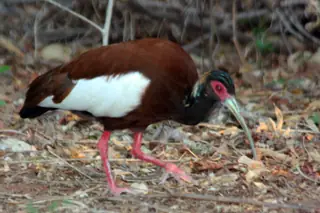 Madagascar Crested Ibis
-
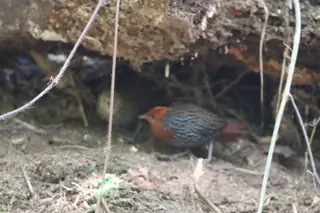 Madagascar Flufftail
-
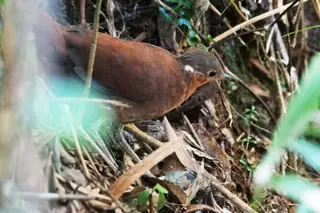 Brown MesiteRare
Open country and water birds 16
-
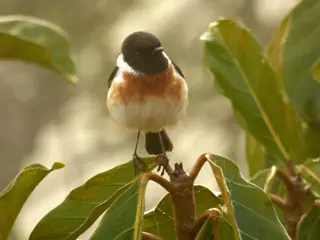 Madagascar Stonechat
-
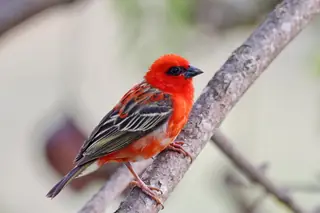 Red Fody
-
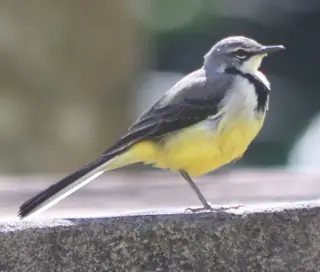 Madagascar Wagtail
-
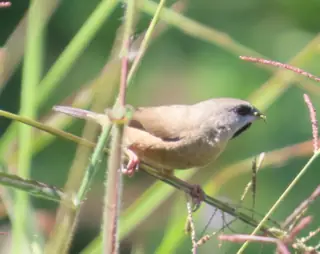 Madagascar Munia
-
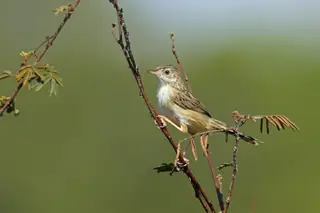 Madagascar Cisticola
-
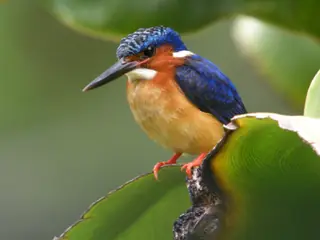 Malagasy Kingfisher
-
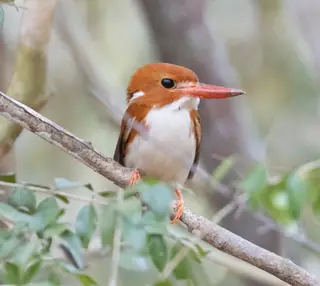 Madagascar Pygmy Kingfisher
-
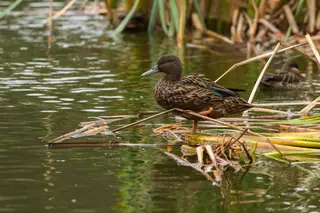 Meller's DuckRare
-
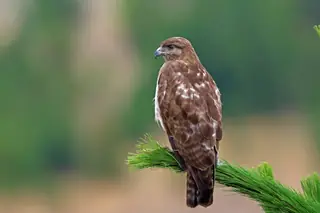 Madagascar Buzzard
-
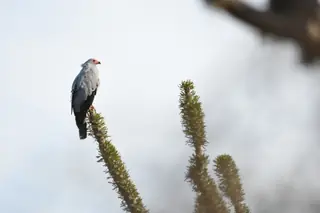 Madagascar Harrier-Hawk
-
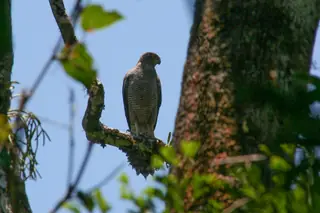 Henst's GoshawkRare
-
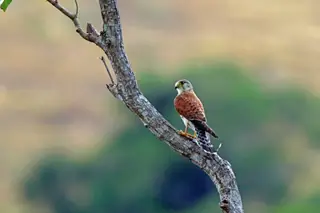 Malagasy Kestrel
-
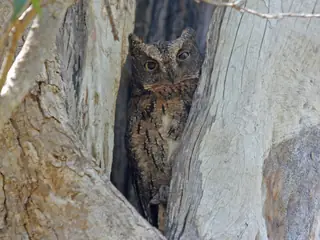 Rainforest Scops Owl
-
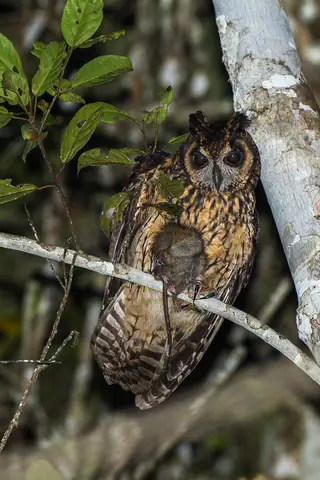 Madagascar OwlRare
-
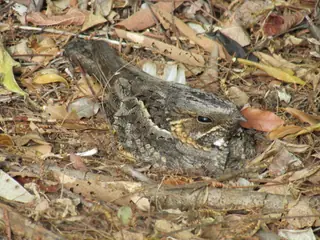 Madagascar Nightjar
-
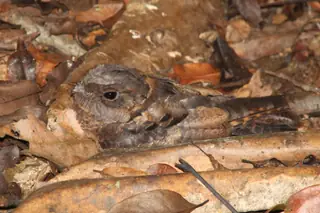 Collared Nightjar
Chameleons and lizards 15
-
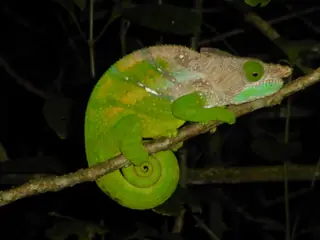 O'Shaughnessy's Chameleon
-
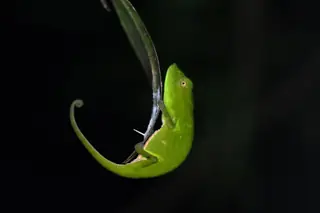 Glaw's Chameleon
-
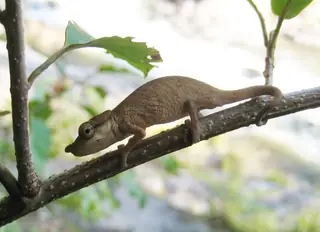 Big-nosed Chameleon
-
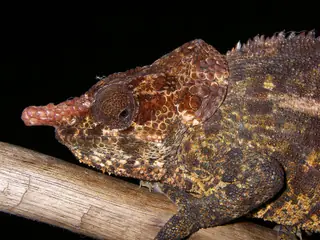 Blue-legged Chameleon
-
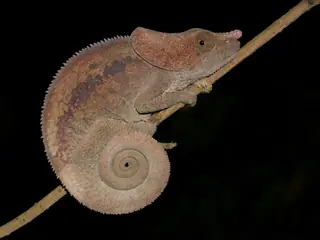 Short-horned Chameleon
-
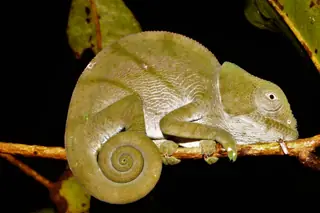 Parson's ChameleonRare
-
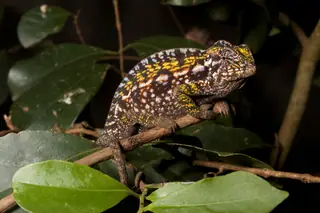 Carpet Chameleon
-
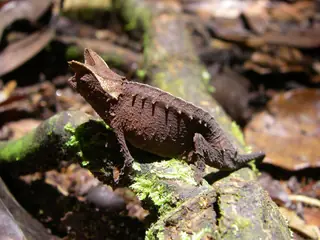 Brown Leaf Chameleon
-
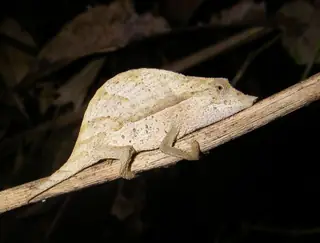 Elongate Leaf Chameleon
-
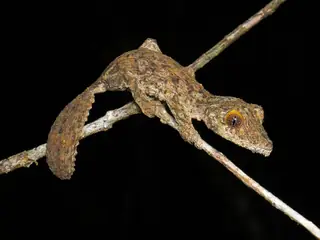 Mossy Leaf-tailed Gecko
-
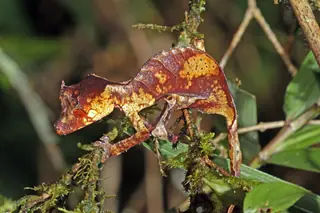 Satanic Leaf-tailed Gecko
-
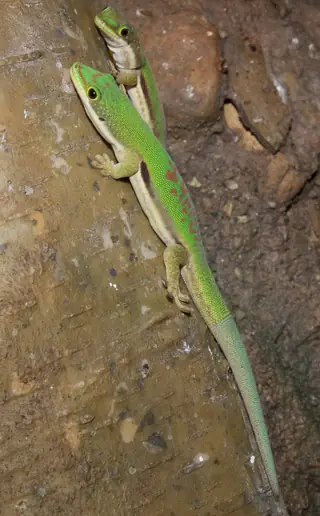 Lined Day Gecko
-
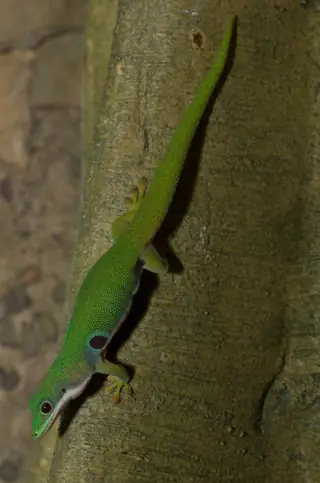 Peacock Day Gecko
-
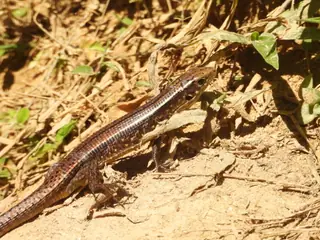 Bronze Girdled Lizard
-
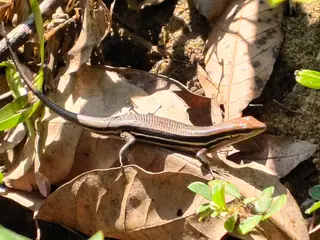 Gravenhorst's Mabuya
Snakes and frogs 14
-
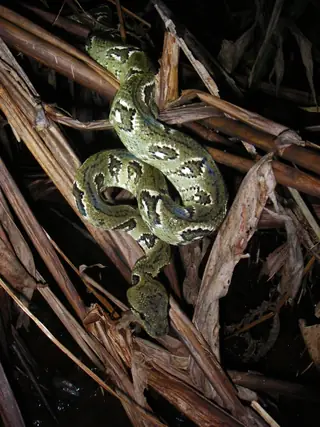 Madagascar Tree BoaRare
-
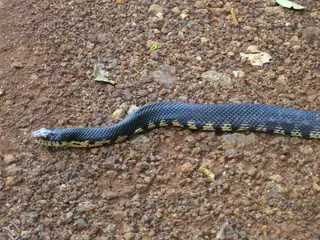 Madagascar Giant Hognose Snake
-
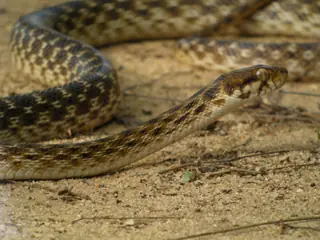 Madagascar Cat-eyed Snake
-
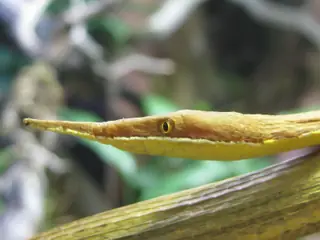 Malagasy Leaf-nosed SnakeRare
-
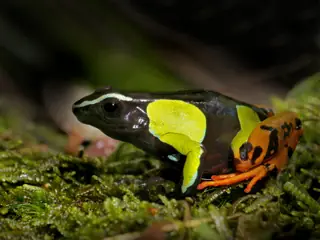 Baron's Mantella
-
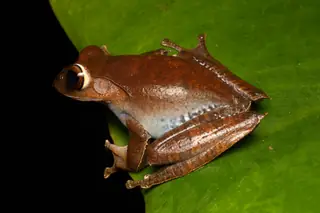 Madagascar Bright-eyed Frog
-
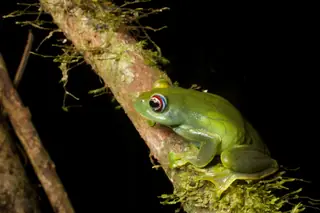 Yellow Bright-eyed Frog
-
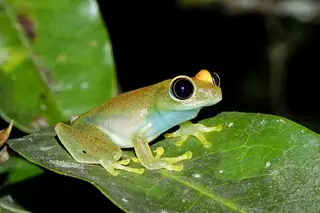 Green Bright-eyed Frog
- Elena's Bright-eyed Frog
-
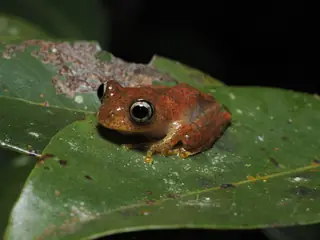 Red Bright-eyed Frog
-
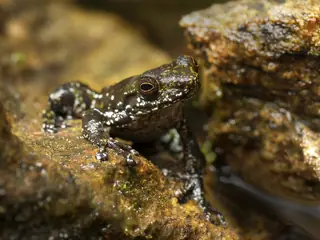 Mournful Madagascar Frog
-
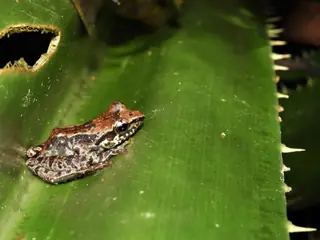 Free Madagascar Frog
-
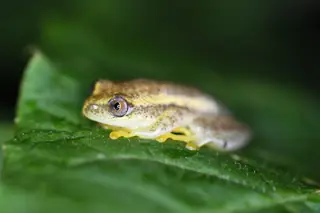 Betsileo Reed Frog
-
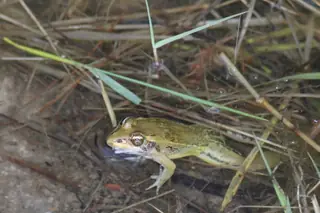 Mascarene Grass Frog
Best time to see wildlife in Ranomafana
Sightings by month in Ranomafana
Most records: All yearRecords from GBIF.org, adjusted for how many people record wildlife each month. 100% is the busiest month.
Ranomafana means hot water, after the springs in the village, but the park itself is cool, steep and very wet. The rainy season runs from about December to March, with torrential rain and a risk of cyclones in January to March; frogs are loud and reptiles active, but trails get muddy. From April to August it is drier but cool, and June to August nights can drop to a few degrees above freezing, when dwarf lemurs sleep and fewer reptiles are about. September to December is the sweet spot: warmer, fairly dry, with lemurs carrying young, birds breeding and chameleons returning. Rain can fall at any time, so bring a waterproof and shoes with good grip.
- Jan to MarHeavy rain, cyclone risk; frogs and reptiles at their best
- Apr to MayRains easing; lush and quiet
- Jun to AugCool and drier; cold nights, fewer reptiles
- Sep to DecWarm, fairly dry; baby lemurs and breeding birds
Tips for spotting wildlife in Ranomafana
- 01
Hire a guide and start early
A licensed guide is required inside the park. Lemurs are most active in the first hours after dawn, so be at the entrance when it opens.
- 02
Be ready for steep paths
Trails climb steep slopes and get slippery. Sifakas often mean a longer walk into the primary forest, so ask your guide about the route and pace yourself.
- 03
Choose a guide who doesn't bait
Night walks run along the park edge for mouse lemurs, chameleons and frogs. Choose a guide who doesn't put out bait for mouse lemurs, and keep your torch beam off eyes.
- 04
Go higher for birds
The higher forest above the escarpment holds ground-rollers, sunbird-asities and the rarer birds. Hire a specialist local bird guide and do not use call playback.
- 05
Never handle reptiles or frogs
Chameleons, leaf-tailed geckos and mantellas are easy to stress and are taken for the pet trade. Watch and photograph without touching or moving them.

Take Ranomafana with you
Trekking in Ranomafana? Take this list on your phone and tick off sifakas, bamboo lemurs and chameleons as you go, even with no signal. Wilder is free to start.

Ranomafana wildlife FAQ
What lemurs can you see in Ranomafana?
You can see around a dozen kinds of lemur in Ranomafana, including Milne-Edwards's sifaka, red-fronted and red-bellied lemurs, three kinds of bamboo lemur and, at night, mouse lemurs. This checklist covers 12 lemur species. Brown lemurs and lesser bamboo lemurs are seen most days; the greater bamboo lemur and aye-aye are rare.
How many days do you need in Ranomafana?
Two days is a good minimum: one long day walk for sifakas and bamboo lemurs, a second walk for birds or a different part of the forest, and a night walk. Keen birders and naturalists often stay three or four days. The park is about seven hours by road south of Antananarivo, so most people break the drive.
Is the golden bamboo lemur easy to see?
The golden bamboo lemur is uncommon but often found with a good guide, because researchers know where groups feed in the bamboo. It was only discovered in 1986, and Ranomafana was set up largely to protect it. Expect a steep walk and let your guide set the distance.
Ranomafana or Andasibe: which is better?
They complement each other. Andasibe is closer to Antananarivo and best for indri, which do not live in Ranomafana. Ranomafana has more lemur species, including golden and greater bamboo lemurs and Milne-Edwards's sifaka, and steeper, wilder forest. Many trips include both.
Sources
- Stony Brook University Centre ValBio: Ranomafana field guide
- Madagascar National Parks
- Madamagazine: Ranomafana National Park
- Sightings by month: GBIF.org
Animal photos are from the Wilder catalogue; photo credits.
Similar checklists
All Africa-
 National park100animals Andasibe-Mantadia National Park Alaotra-Mangoro, Madagascar Misty eastern rainforest a few hours from Antananarivo, where the indri, Madagascar's largest lemur, sings across the valleys every morning. Best time Apr to Nov
-
 Reserve71animals Kinabatangan River Sabah, Borneo, Malaysia Borneo's great wildlife river: proboscis monkeys at dusk, wild orangutans, pygmy elephants on the banks and eight kinds of hornbill. Best time Mar to Oct
-
 Reserve119animals Sinharaja Forest Reserve Ratnapura, Galle and Matara, Sri Lanka Sri Lanka's last big lowland rainforest, a World Heritage Site where noisy mixed flocks of endemic birds, purple-faced langurs and green pit vipers fill the trails. Best time Jan to Apr
-
 Reserve107animals Monteverde Cloud Forest Monteverde, Puntarenas, Costa Rica Misty cloud forest on the Continental Divide, home to the resplendent quetzal, the bonging call of the bellbird and hummingbirds by the dozen. Best time Feb to May