Region · Bale, Simien and the central plateau · Ethiopia
Ethiopian Highlands Animal Checklist

The Ethiopian Highlands are a vast high plateau in the Horn of Africa, cut by deep gorges and sheer escarpments, with Afroalpine moorland on the highest ground. They are home to animals found nowhere else, including the Ethiopian wolf, gelada, walia ibex and mountain nyala, and dozens of endemic birds such as blue-winged goose and thick-billed raven. This checklist covers 69 animals. The dry season, October to March, is the easiest time to see them, with the clearest skies.
Tick off all 69 animals in the Ethiopian Highlands on your phone, even offline. Launching soon. Free A4 PDF, no sign-up.
This list covers the highlands as a whole, from the Simien Mountains in the north to the Bale Mountains in the south and the central plateau between them. Both mountain ranges are national parks and World Heritage Sites.
- Animals to find
- 69
- Where
- Ethiopia
- Best time
- Oct to Mar
- Ethiopian wolves
- Fewer than 500 left
Popular animals in the Ethiopian Highlands
-
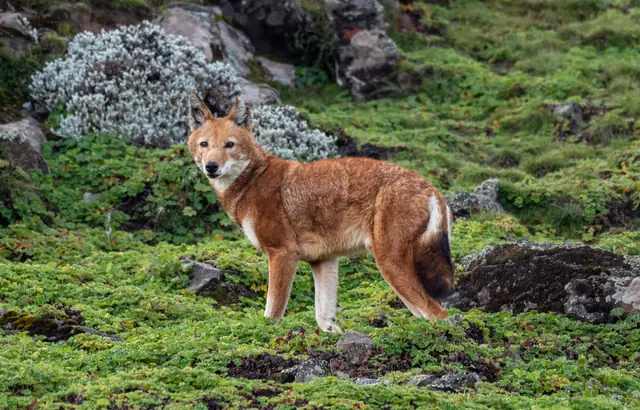
Ethiopian Wolf
Canis simensis
Africa's rarest carnivore: a slim, rusty-red wolf with a white throat and a bushy tail. Packs share a territory, but each wolf usually hunts alone by day, stalking rodents across open moorland.
-
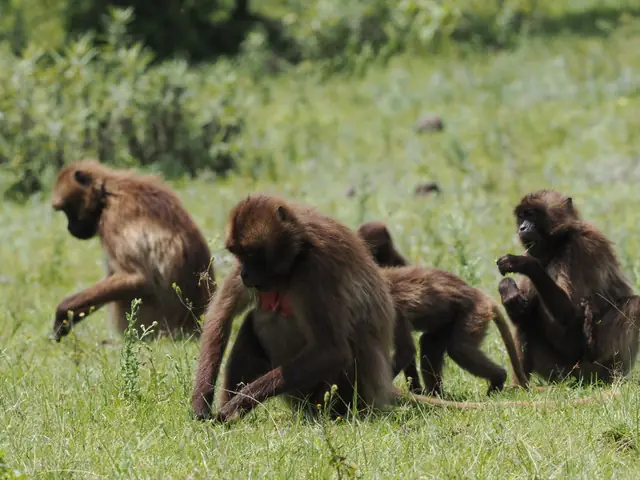
Gelada
Theropithecus gelada
A grass-eating monkey that spends most of the day sitting and plucking grass on the high meadows. Males have a long cape of hair and a bare red patch on the chest, and herds can number in the hundreds.
-
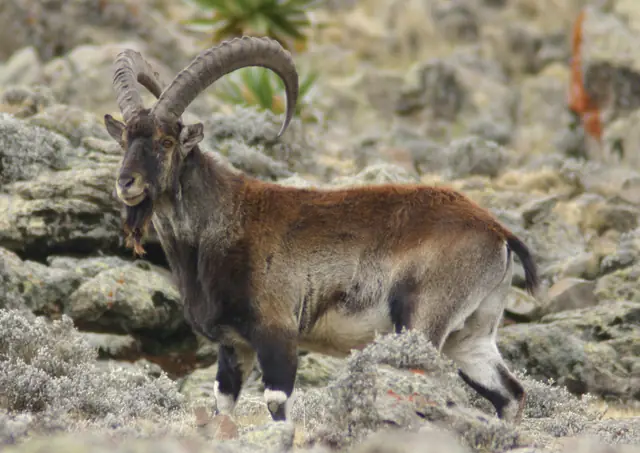
Walia Ibex
Capra walie
A wild goat found nowhere else on earth, living on steep cliffs and narrow ledges. Males carry heavy, curved horns and are surefooted on the sheerest rock.
-
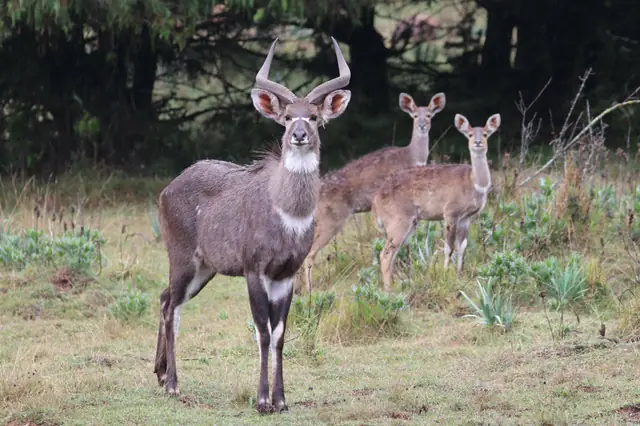
Mountain Nyala
Tragelaphus buxtoni
A large, shy antelope of highland woodland and heath, found only in Ethiopia. Males are grey-brown with long, twisting horns; females and young move in small groups.
-
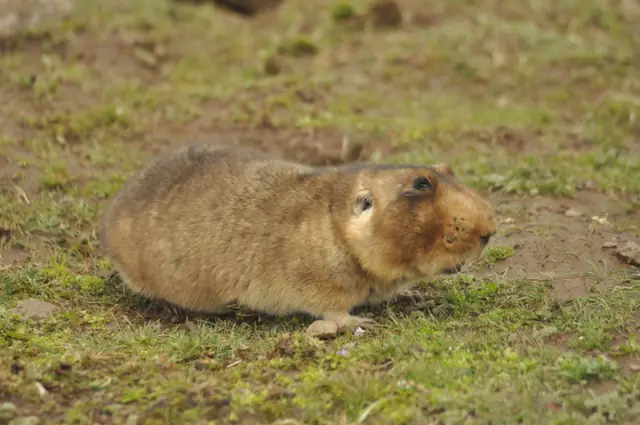
Giant Root-rat
Tachyoryctes macrocephalus
A big, round-faced burrowing rodent of the high moorland, found only in Ethiopia. It feeds on plants around its burrow entrance and is the Ethiopian wolf's main prey.
-
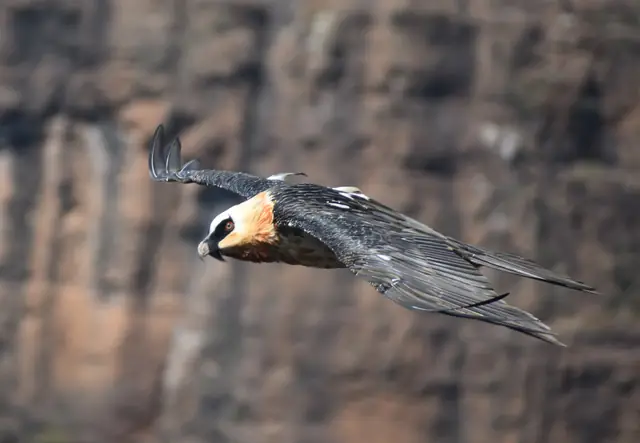
Bearded Vulture
Gypaetus barbatus
A huge vulture with a rusty chest, a black 'beard' and a long, wedge-shaped tail. It drops bones from a height onto rock to break them, then eats the marrow.
-
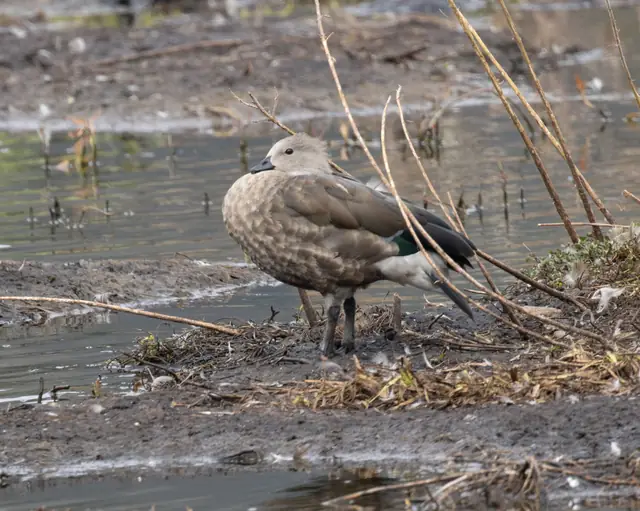
Blue-winged Goose
Cyanochen cyanoptera
A small, grey-brown goose of highland grassland and wetland, found only in the Ethiopian highlands. The pale blue wing patch shows best in flight.
-
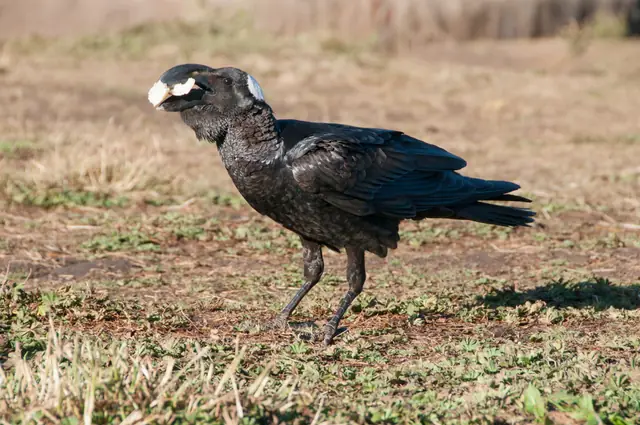
Thick-billed Raven
Corvus crassirostris
One of the world's largest crows, with a massive, deep bill tipped white and a white patch on the nape. Bold and curious, it follows people and livestock on the plateau.
All 69 animals in the Ethiopian Highlands
Highland mammals 10
-
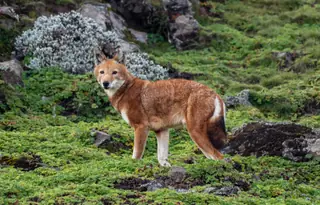 Ethiopian Wolf
-
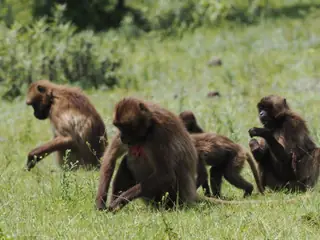 Gelada
-
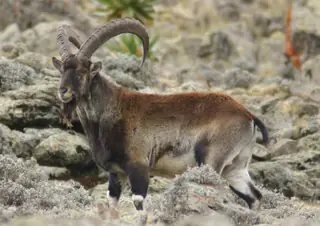 Walia Ibex
-
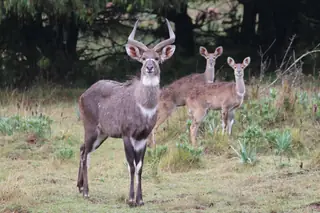 Mountain Nyala
-
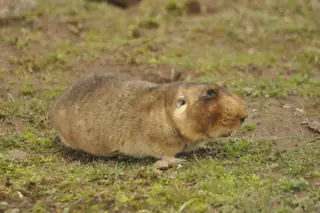 Giant Root-rat
-
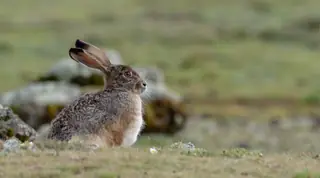 Starck's Hare
-
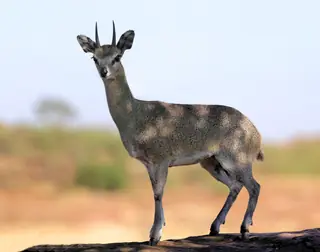 Klipspringer
-
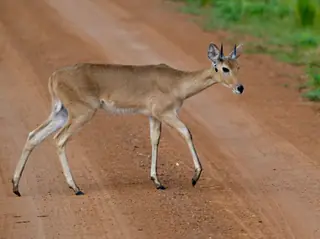 Bohor Reedbuck
-
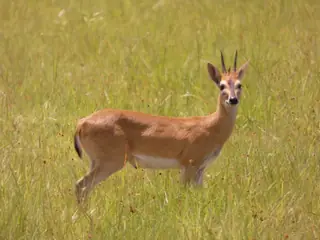 Common Duiker
-
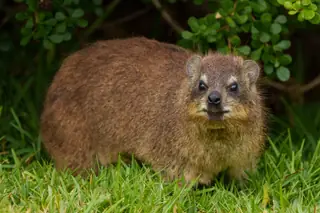 Rock Hyrax
Other mammals 11
-
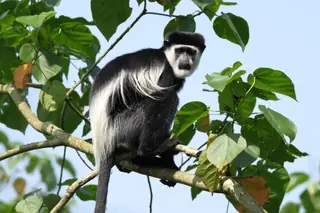 Mantled Guereza
-
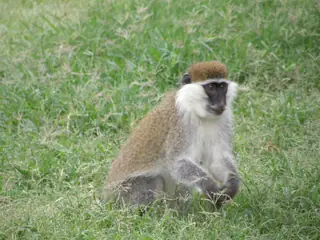 Grivet
-
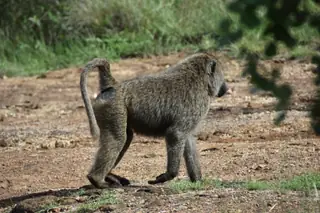 Olive Baboon
-
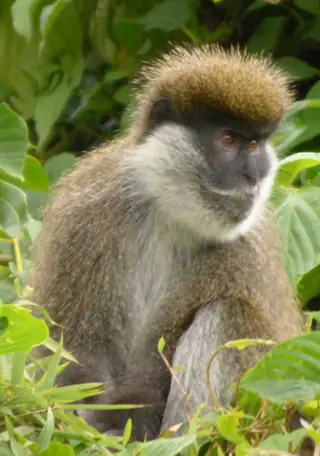 Bale MonkeyRare
-
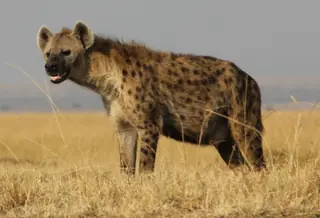 Spotted Hyena
-
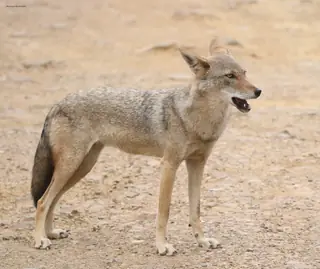 African Golden Wolf
-
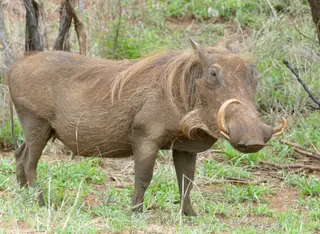 Warthog
-
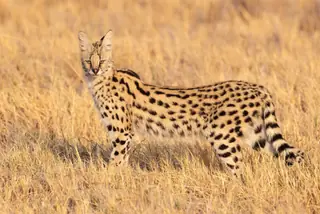 ServalRare
-
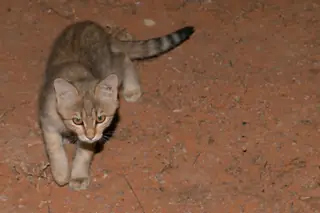 African WildcatRare
-
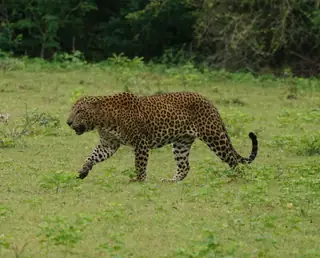 LeopardRare
-
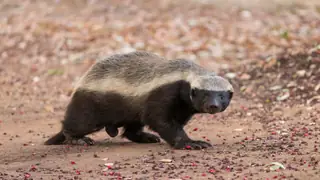 Honey BadgerRare
Birds found only here 16
-
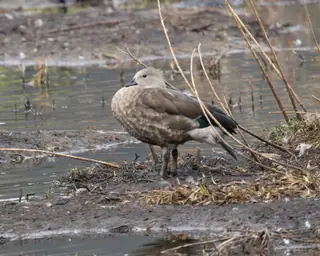 Blue-winged Goose
-
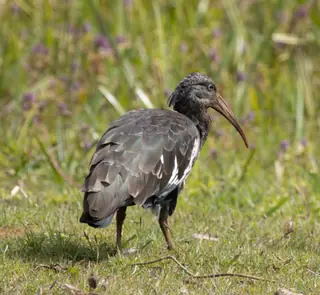 Wattled Ibis
-
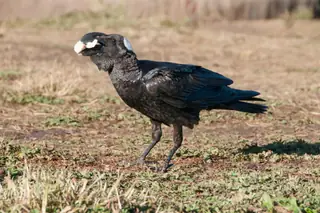 Thick-billed Raven
-
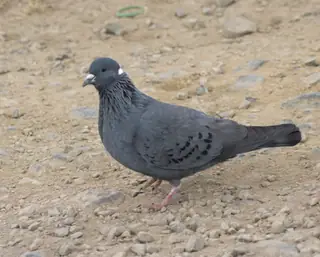 White-collared Pigeon
-
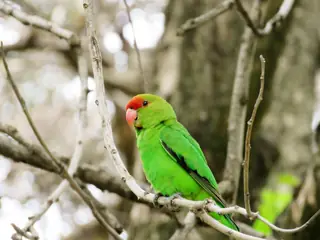 Black-winged Lovebird
-
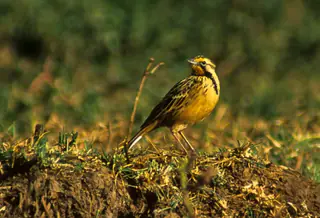 Abyssinian Longclaw
-
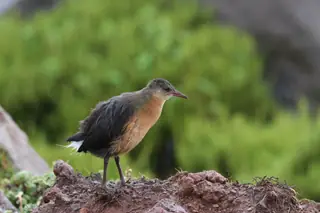 Rouget's Rail
-
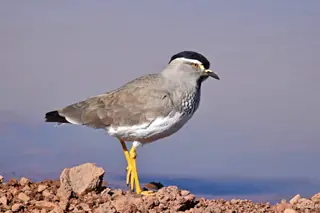 Spot-breasted Lapwing
-
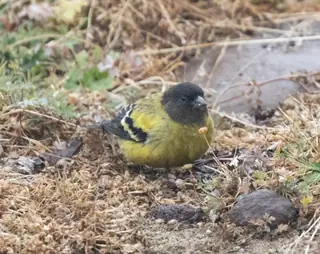 Ethiopian Siskin
-
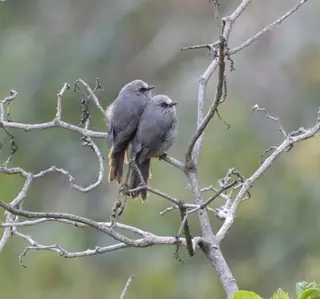 Abyssinian Catbird
-
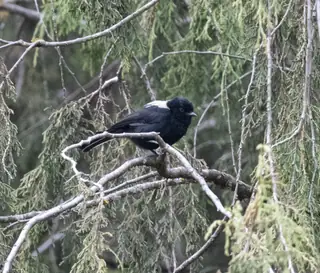 White-backed Black Tit
-
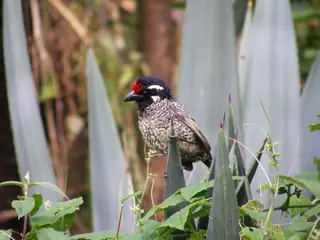 Banded Barbet
-
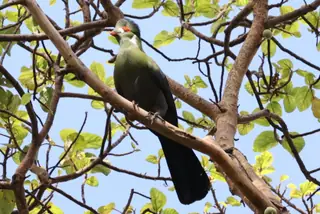 White-cheeked Turaco
-
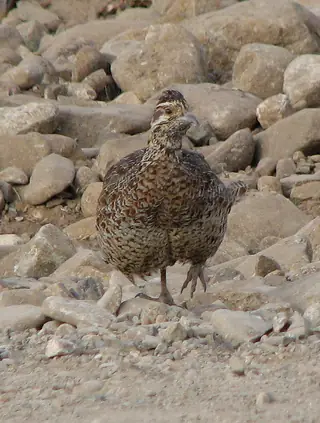 Moorland Francolin
-
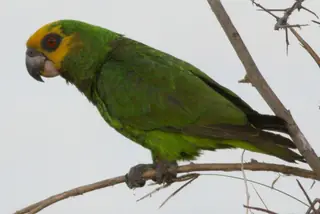 Yellow-fronted ParrotRare
-
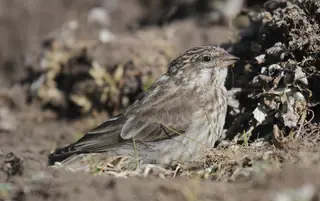 Ankober SerinRare
Birds of prey 12
-
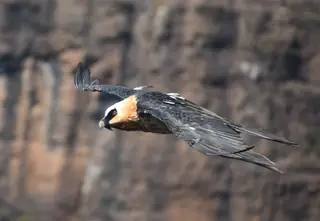 Bearded Vulture
-
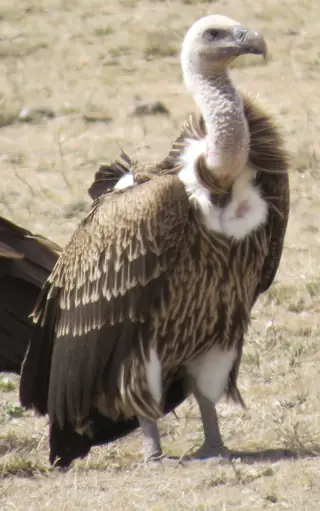 Rüppell's Vulture
-
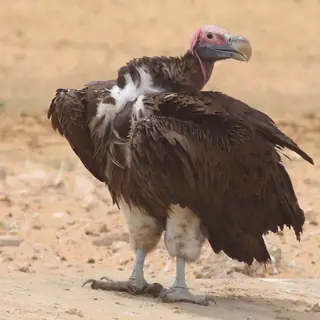 Lappet-faced Vulture
-
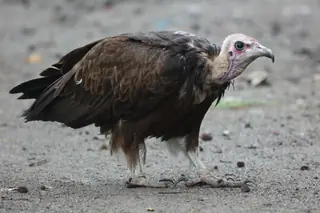 Hooded Vulture
-
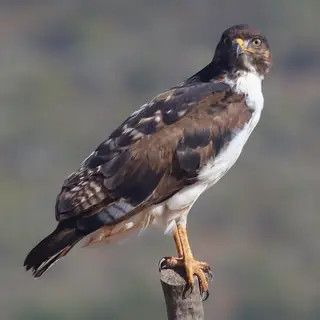 Augur Buzzard
-
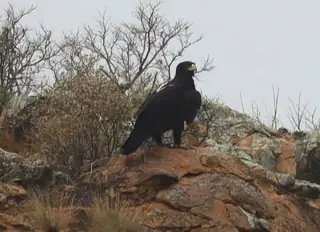 Verreaux's Eagle
-
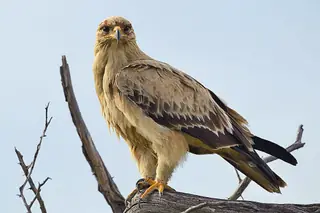 Tawny Eagle
-
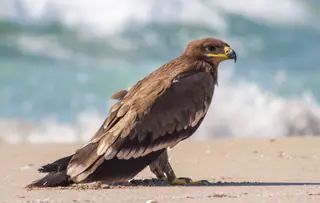 Steppe Eagle
-
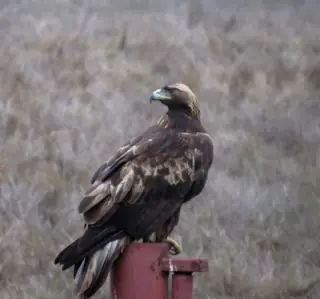 Golden EagleRare
-
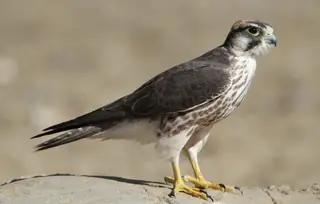 Lanner Falcon
-
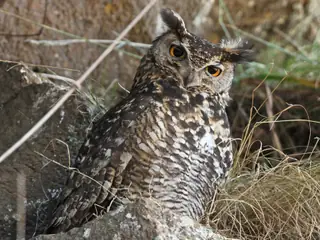 Cape Eagle-OwlRare
-
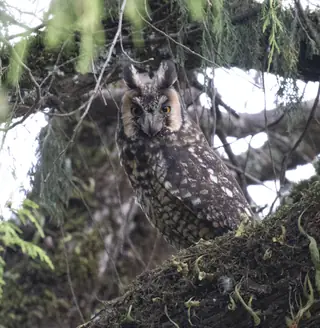 Abyssinian OwlRare
Other birds 20
-
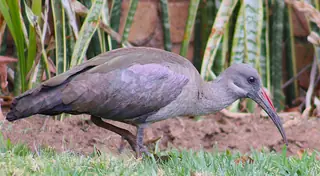 Hadada Ibis
-
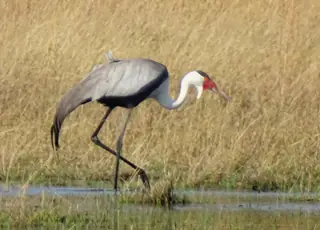 Wattled Crane
-
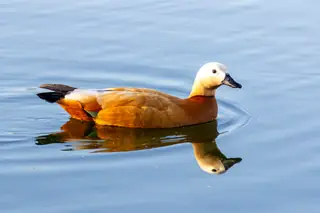 Ruddy Shelduck
-
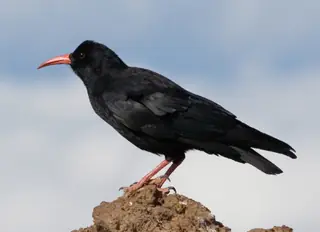 Red-billed Chough
-
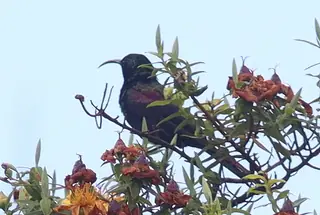 Tacazze Sunbird
-
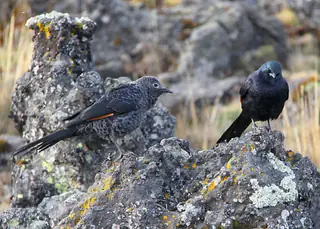 Slender-billed Starling
-
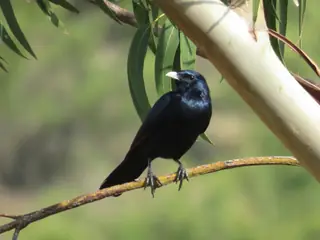 White-billed Starling
-
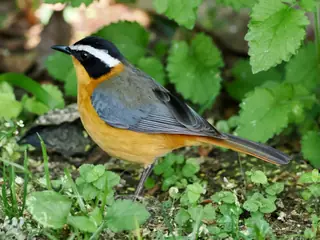 Rüppell's Robin-Chat
-
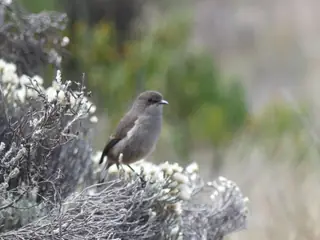 Moorland Chat
-
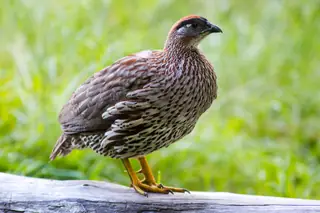 Erckel's Spurfowl
-
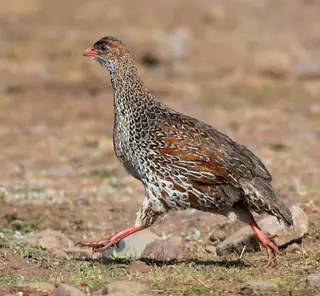 Chestnut-naped Spurfowl
-
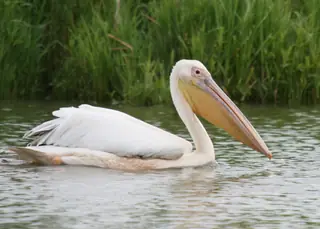 Great White Pelican
-
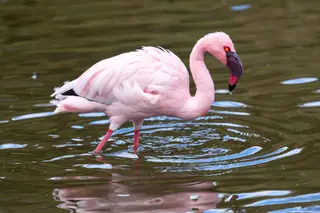 Lesser Flamingo
-
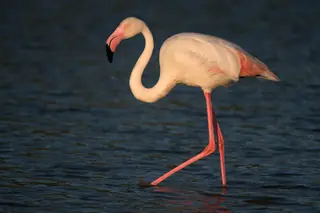 Greater Flamingo
-
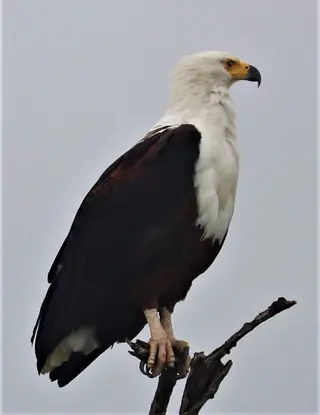 African Fish Eagle
-
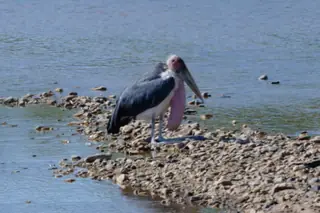 Marabou Stork
-
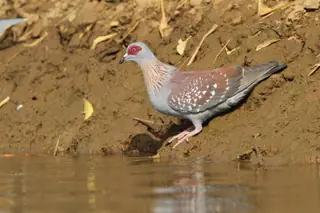 Speckled Pigeon
-
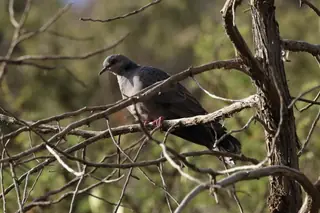 Dusky Turtle Dove
-
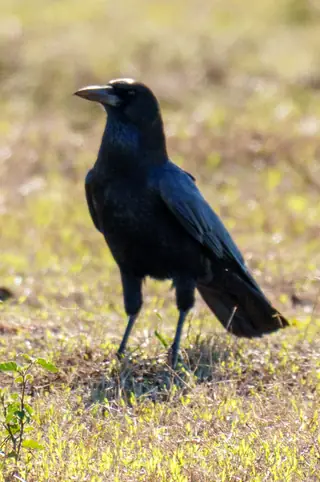 Cape Crow
-
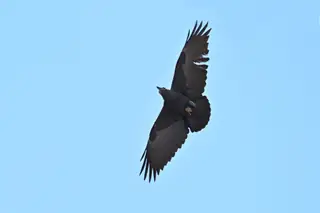 Fan-tailed Raven
Best time to see wildlife in the Ethiopian Highlands
Sightings by month in the Ethiopian Highlands
Most records: May to Dec, FebRecords from GBIF.org, adjusted for how many people record wildlife each month. 100% is the busiest month.
The highlands have one main rainy season, roughly June to September, when mist and cloud often hide the cliffs and the high ground is wet and cold. As the rains end, the grass and wildflowers are at their best from September to November. October to March is the dry season, with clear skies and long views, the easiest time to pick out wolves, ibex and birds of prey across open country; December to February is the clearest and busiest. Nights at altitude can be well below freezing. From March to May skies grow cloudier with occasional showers. Geladas and most endemic birds are seen all year, and from October Palearctic migrants such as steppe eagles arrive for the northern winter.
- Oct to NovRains over; green grass, wildflowers, migrant birds arrive
- Dec to FebDry and clear; the easiest months for wildlife, cold nights
- Mar to MayWarmer, cloudier, short showers; fewer visitors
- Jun to SeptMain rains; mist on the cliffs, harder viewing
Tips for spotting wildlife in the Ethiopian Highlands
- 01
Start early
Mornings are usually the clearest time of day before cloud builds over the high ground. Many highland animals are active by day, so a full morning out pays off.
- 02
Sit still with the geladas
Gelada herds are used to people and will often graze around a seated, quiet watcher. Never walk into the middle of a herd; let the animals choose how close they come.
- 03
Go with a local guide
Local guides and scouts know the animals' habits and the endemic birds by call. Hiring them also supports the communities who share the land with the wildlife.
- 04
Bring good binoculars or a scope
Much of the wildlife lives on open moorland or far-off cliffs. Binoculars of 8x or 10x help, and a scope makes distant ibex and raptors easy to enjoy without getting closer.
- 05
Keep your distance
Follow the local rules on distance, and never follow or chase an animal for a photo. If it stops feeding or moves away because of you, you are too close.

Take the Ethiopian Highlands with you
Heading to the Ethiopian Highlands? Tick off geladas, walia ibex and the endemic birds in Wilder as you go, even high on the plateau with no signal. Wilder is free to start.

Ethiopian Highlands wildlife FAQ
What animals can you see in the Ethiopian Highlands?
The Ethiopian Highlands are home to the Ethiopian wolf, gelada, walia ibex, mountain nyala, giant root-rat, Bale monkey and Starck's hare, all found only in Ethiopia, along with klipspringer, guereza colobus and spotted hyena. Birds include bearded vultures and many endemics such as blue-winged goose, wattled ibis and thick-billed raven. This checklist covers 69 animals. Geladas and most endemic birds are easy to see; wolves, ibex and nyala take more time.
When is the best time to visit the Ethiopian Highlands for wildlife?
The best time is the dry season, October to March, when skies are clear and animals are easy to pick out on open ground. September to November is greenest, with wildflowers after the rains. The main rains, June to September, bring mist and cloud that can hide cliff animals such as walia ibex for days.
How rare is the Ethiopian wolf?
The Ethiopian wolf is Africa's most endangered carnivore, with fewer than 500 left in a handful of isolated mountain populations. It is listed as Endangered by the IUCN. Unlike most wolves, it usually hunts alone, mostly for mole-rats and other rodents, though pack members share a territory and raise pups together.
Are geladas baboons?
Geladas are sometimes called gelada baboons, but they belong to a genus of their own. They are the only monkeys that live almost entirely on grass, and they gather in large herds made of many small family units. The bare red patch on the chest gives them the nickname bleeding-heart monkey.
Why does Ethiopia have so many endemic animals?
The highlands rise high above the surrounding lowlands and have been cut off for a very long time, so the cold, high habitats work like islands. Animals and birds adapted to them evolved into species found nowhere else, from the Ethiopian wolf and gelada to birds such as the blue-winged goose.
Sources
- UNESCO World Heritage Centre: Simien National Park
- UNESCO World Heritage Centre: Bale Mountains National Park
- Ethiopian Wolf Conservation Programme: Home
- Sightings by month: GBIF.org
Animal photos are from the Wilder catalogue; photo credits.
Similar checklists
All Africa-
 Safari109animals Samburu, Buffalo Springs and Shaba Samburu and Isiolo counties, Kenya Hot, dry bush along the Ewaso Nyiro River in northern Kenya, home to the Samburu Special Five that you won't find in the Mara. Best time Jun to Oct, Jan to Mar
-
 National park61animals Volcanoes National Park Musanze, Northern Province, Rwanda Bamboo and cloud forest on the slopes of the Virunga volcanoes, where Dian Fossey studied mountain gorillas and golden monkeys feed in the bamboo. Best time Jun to Sept, Dec to Feb
-
 National park52animals Bwindi Impenetrable National Park Kanungu, Kisoro and Rubanda, Uganda Steep, misty rainforest that is home to around half the world's mountain gorillas, and to birds found nowhere outside the Albertine Rift. Best time Jun to Aug, Dec to Feb
-
 Safari99animals Lake Nakuru National Park Nakuru County, Kenya A fenced Rift Valley lake park, best known for rhinos, Rothschild's giraffe and flocks of pelicans and flamingos on the soda lake. Best time Jun to Oct, Jan to Feb