Safari · Nakuru County · Kenya
Lake Nakuru National Park Wildlife Checklist

Lake Nakuru National Park, a fenced soda-lake park in Kenya's Rift Valley, is one of the most reliable places in East Africa to see both white and black rhino, along with Rothschild's giraffe, buffalo and leopard. Its famous flamingo flocks now come and go with the lake level, but pelicans are reliable. This checklist covers 99 animals. June to October and January to February are driest.
Tick off all 99 animals in Lake Nakuru on your phone, even offline. Launching soon. Free A4 PDF, no sign-up.
The park is small, about 188 square kilometres, and sits beside Nakuru town, roughly three hours' drive north-west of Nairobi. That makes it an easy stop between Nairobi and the Masai Mara or the northern parks.
- Animals to find
- 99
- Where
- Kenya
- Best time
- Jun to Oct, Jan to Feb
- Rhinos
- White and black
Popular animals in Lake Nakuru
-
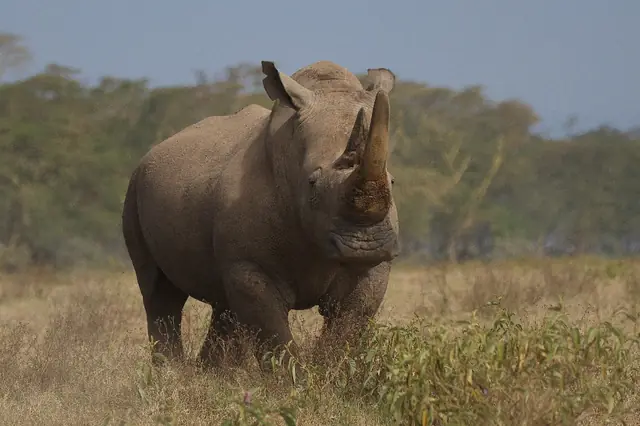
White Rhinoceros
Ceratotherium simum
Grazes on the open grassland, and the fenced park makes sightings likely on a full day. Please don't share rhino locations or post geotagged photos.
-
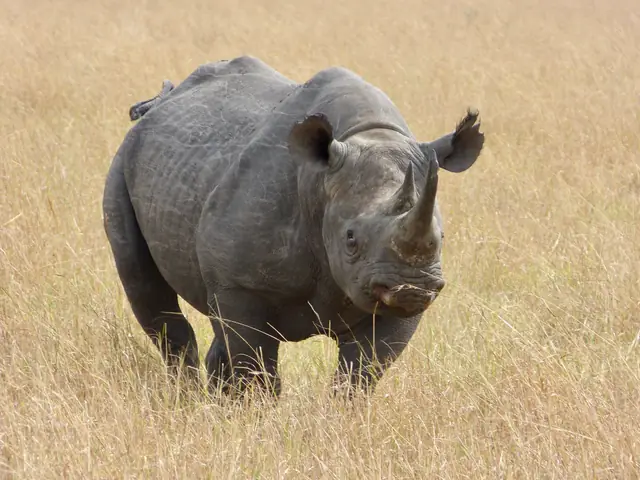
Black Rhinoceros
Diceros bicornis
A shy browser of thicker bush and woodland. Nakuru is one of Kenya's black rhino strongholds, but you will see white rhino far more often.
-
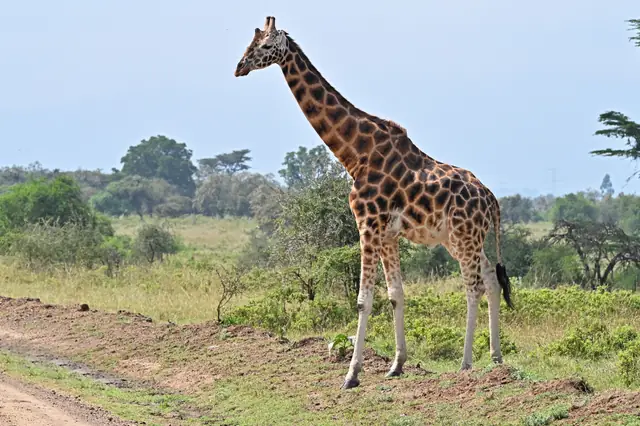
Northern Giraffe
Giraffa camelopardalis
These are Rothschild's giraffe, moved here from western Kenya from 1977 onwards. Look for them browsing in the acacia woodland.
-
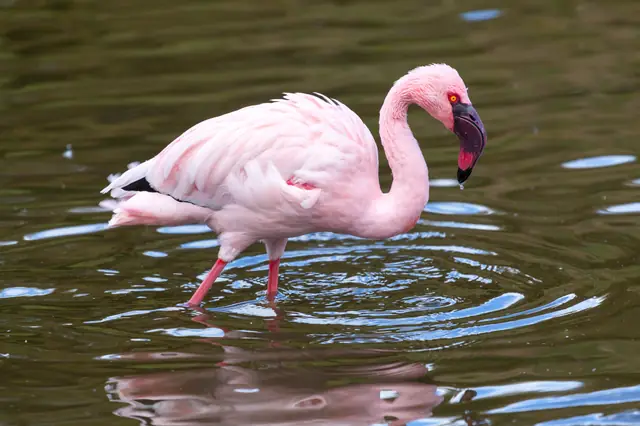
Lesser Flamingo
Phoeniconaias minor
Once present in vast numbers, flamingos now come and go. High water since about 2013 made the lake less salty and many moved to Bogoria and Elementaita, though some years thousands return.
-
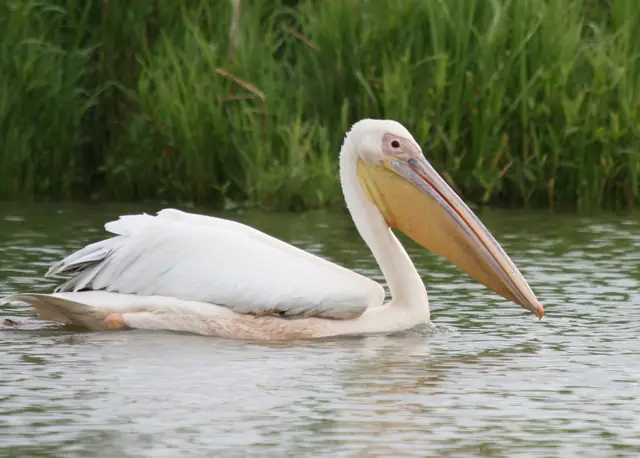
Great White Pelican
Pelecanus onocrotalus
Big rafts fish together on the lake, often the most reliable large flock of birds on a visit.
-
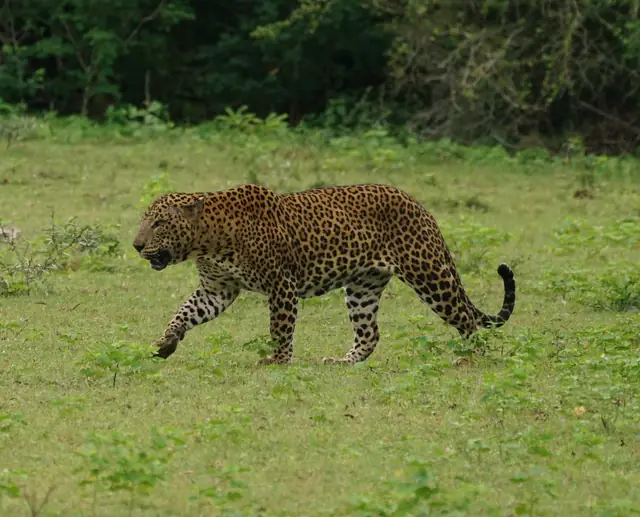
Leopard
Panthera pardus
Nakuru's yellow-barked acacia woodland is good leopard habitat. Scan the branches early in the morning.
-
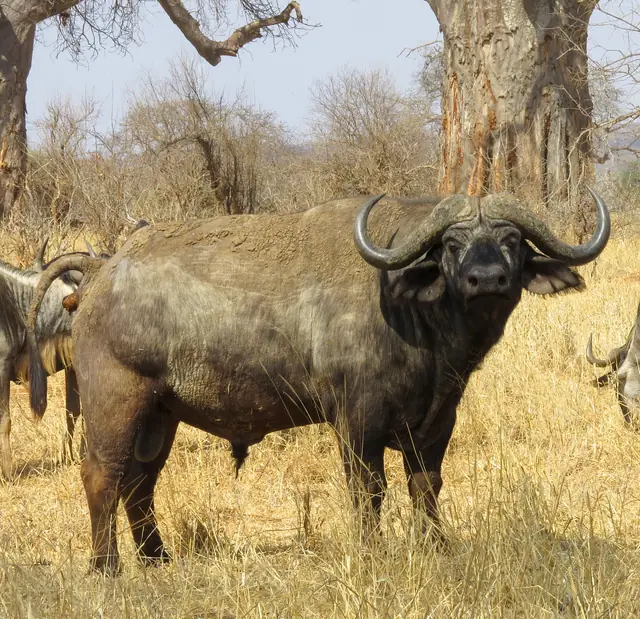
Cape Buffalo
Syncerus caffer
Large herds graze the grassland around the lakeshore, often with oxpeckers riding along.
All 99 animals in Lake Nakuru
Rhinos and big game 6
-
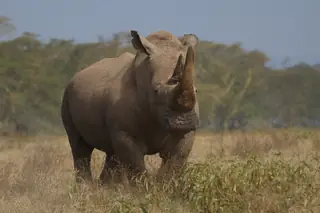 White Rhinoceros
-
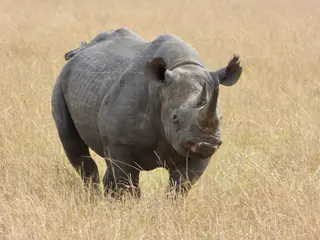 Black Rhinoceros
-
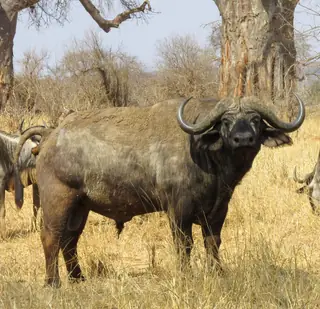 Cape Buffalo
-
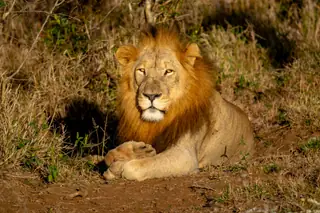 Lion
-
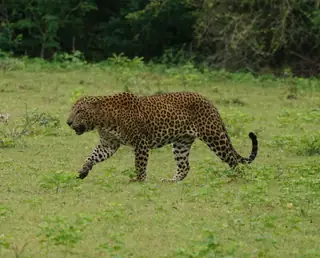 Leopard
-
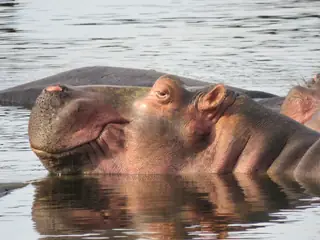 Hippopotamus
Grazers and browsers 13
-
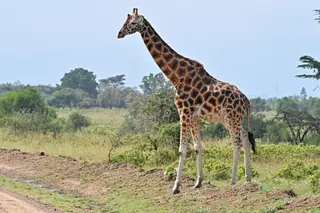 Northern Giraffe
-
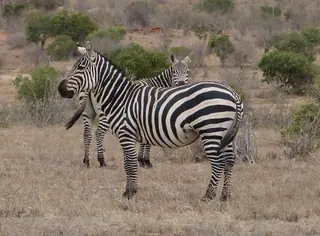 Plains Zebra
-
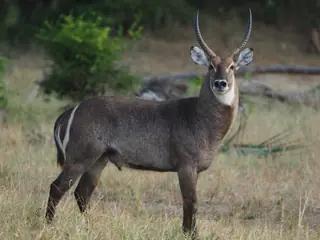 Waterbuck
-
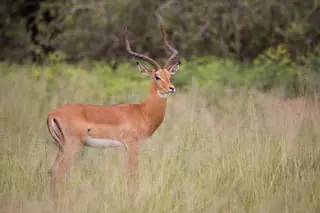 Impala
-
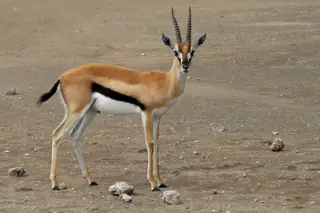 Thomson's Gazelle
-
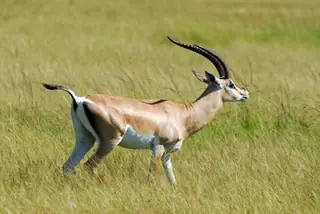 Grant's Gazelle
-
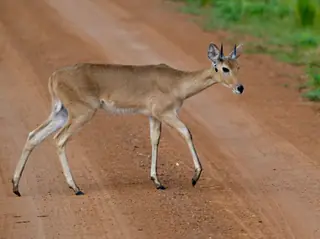 Bohor Reedbuck
-
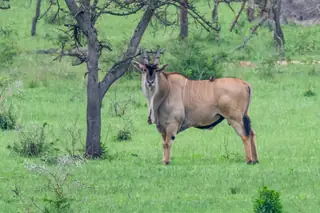 Eland
-
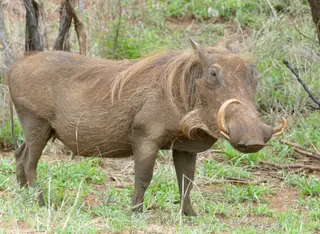 Warthog
-
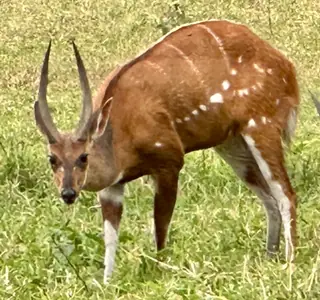 Bushbuck
-
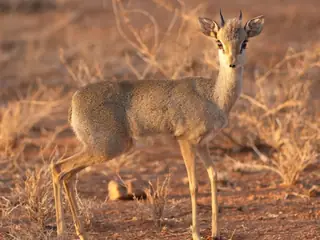 Kirk's Dik-dikRare
-
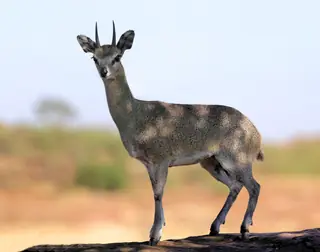 KlipspringerRare
-
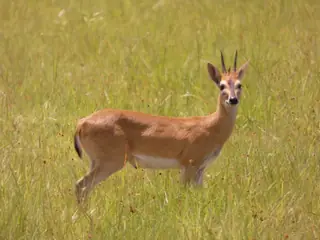 Common DuikerRare
Hunters and smaller mammals 16
-
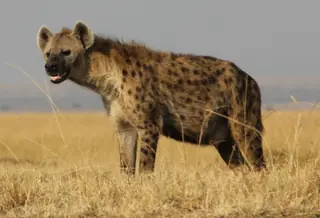 Spotted Hyena
-
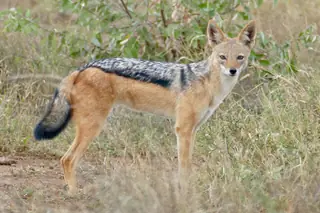 Black-backed Jackal
-
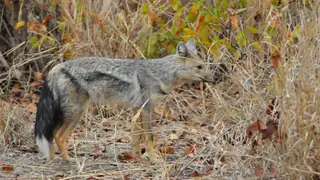 Side-striped JackalRare
-
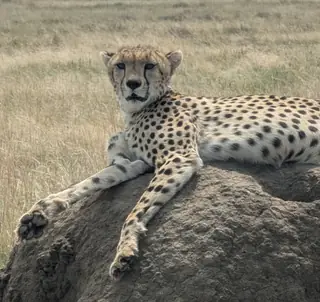 CheetahRare
-
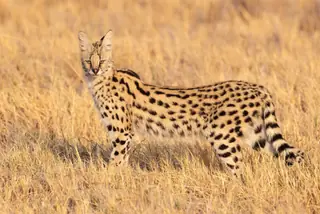 ServalRare
-
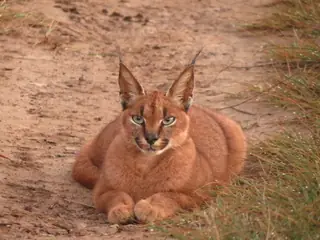 CaracalRare
-
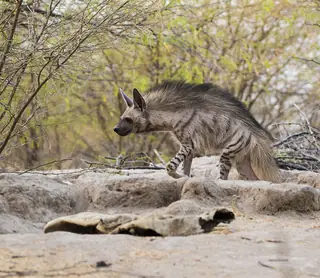 Striped HyenaRare
-
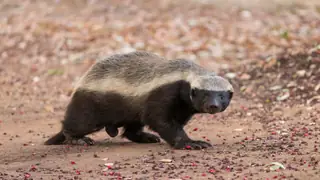 Honey BadgerRare
-
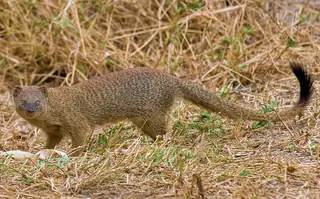 Slender Mongoose
-
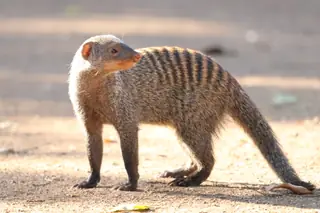 Banded Mongoose
-
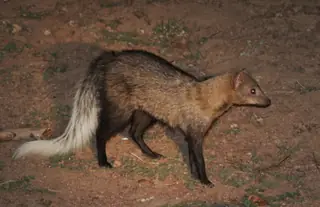 White-tailed MongooseRare
-
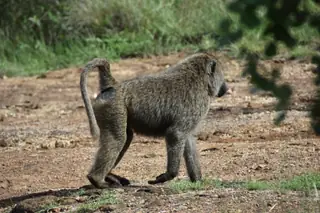 Olive Baboon
-
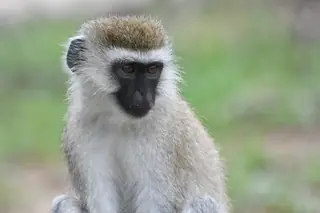 Vervet Monkey
-
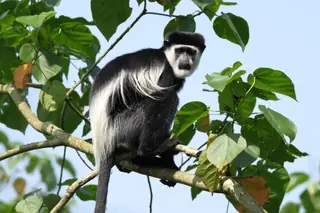 Black-and-white Colobus (Guereza)
-
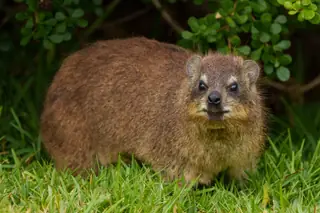 Rock Hyrax
-
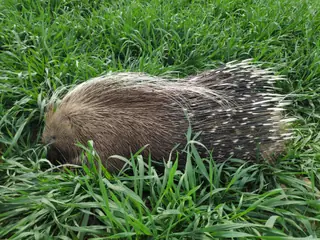 Crested PorcupineRare
Flamingos and water birds 29
-
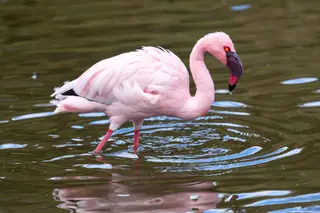 Lesser Flamingo
-
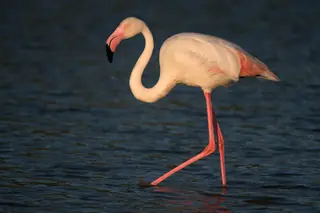 Greater Flamingo
-
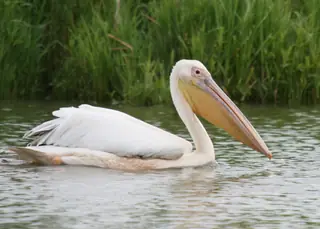 Great White Pelican
-
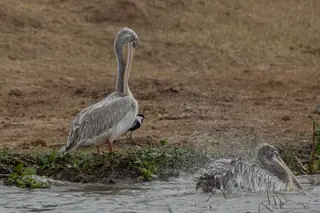 Pink-backed Pelican
-
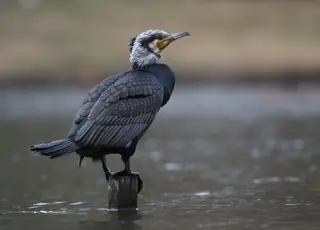 Great Cormorant
-
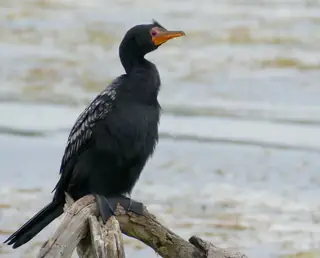 Reed Cormorant
-
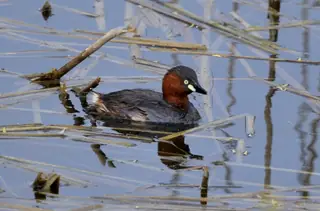 Little Grebe
-
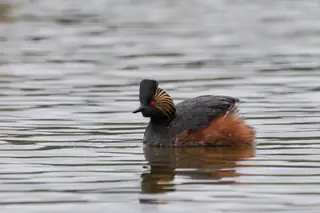 Black-necked Grebe
-
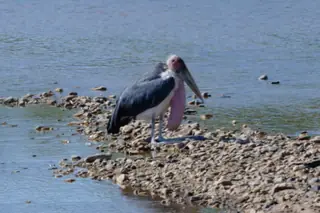 Marabou Stork
-
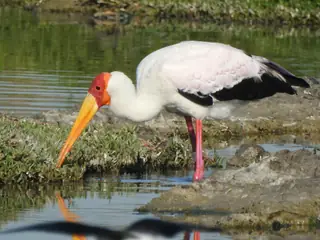 Yellow-billed Stork
-
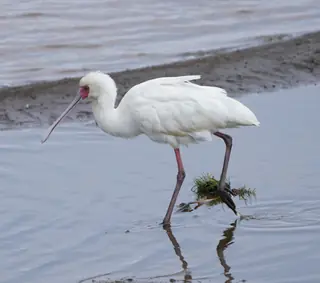 African Spoonbill
-
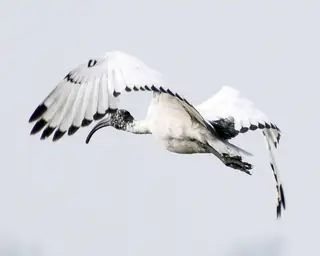 African Sacred Ibis
-
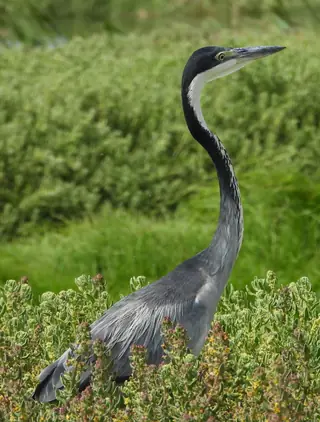 Black-headed Heron
-
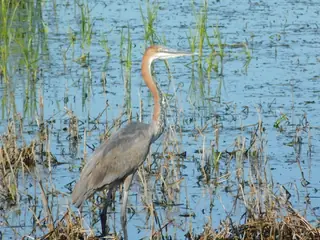 Goliath Heron
-
 Great Egret
-
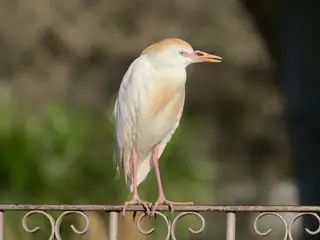 Western Cattle Egret
-
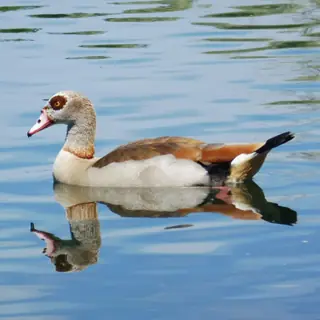 Egyptian Goose
-
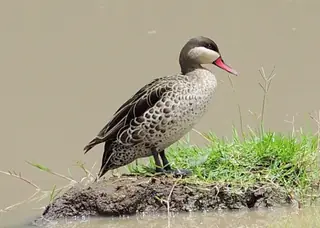 Red-billed Teal
-
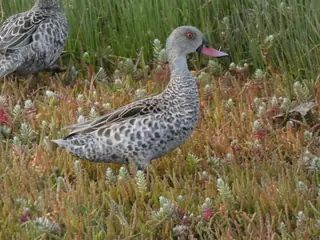 Cape Teal
-
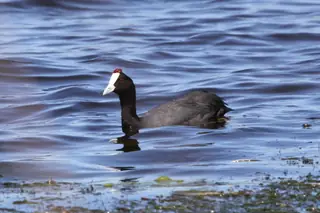 Red-knobbed Coot
-
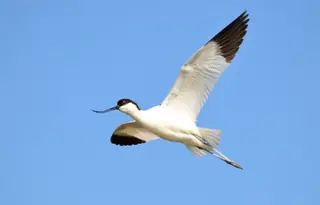 Avocet
-
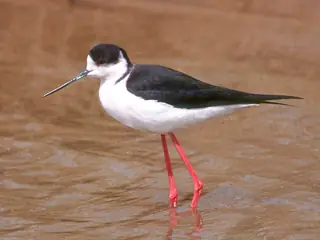 Black-winged Stilt
-
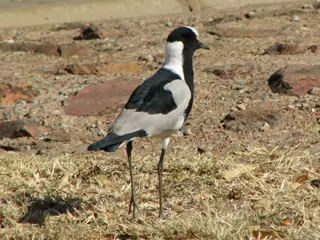 Blacksmith Lapwing
-
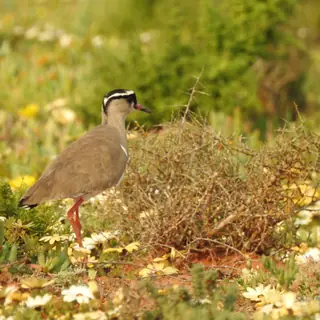 Crowned Lapwing
-
 Kittlitz's Plover
-
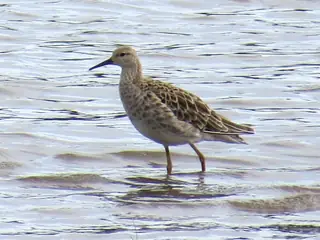 Ruff
-
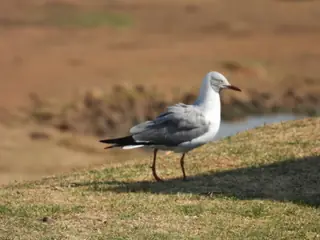 Grey-headed Gull
-
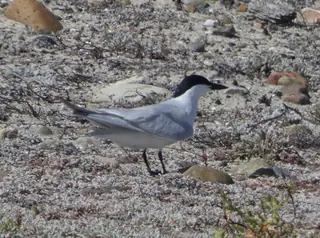 Gull-billed Tern
-
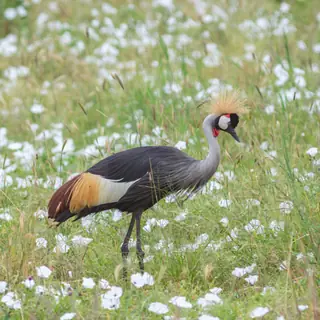 Grey Crowned Crane
Birds of prey 11
-
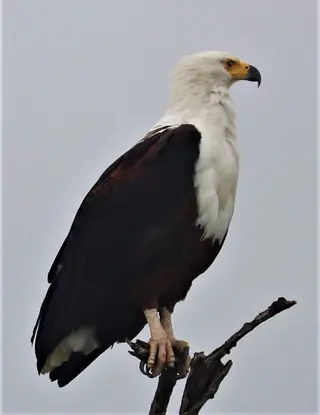 African Fish Eagle
-
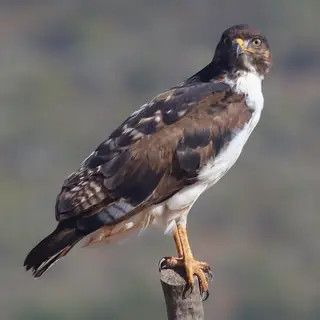 Augur Buzzard
-
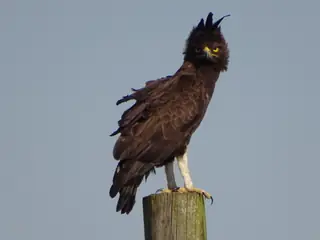 Long-crested Eagle
-
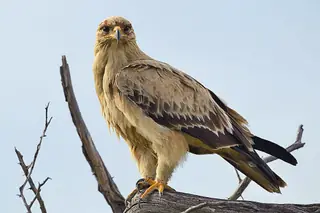 Tawny Eagle
-
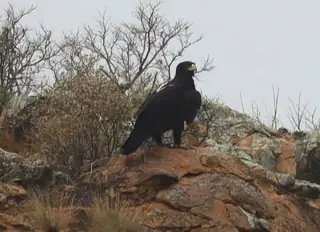 Verreaux's EagleRare
-
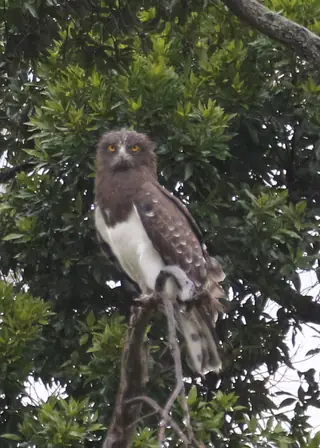 Black-chested Snake Eagle
-
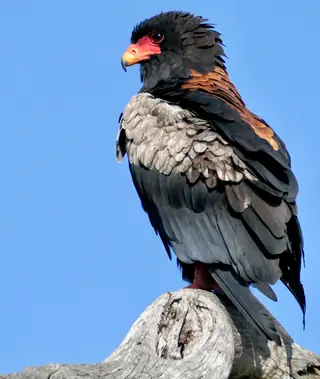 Bateleur
-
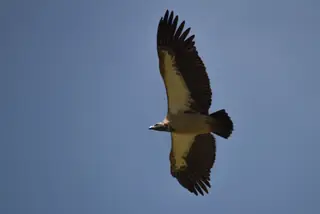 White-backed Vulture
-
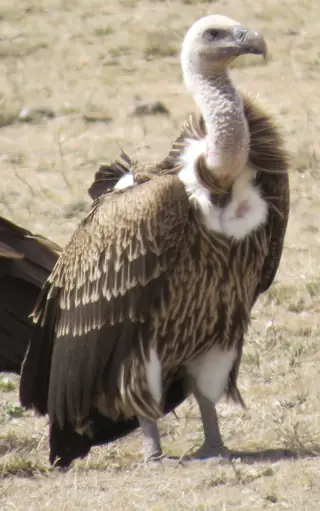 Rüppell's Vulture
-
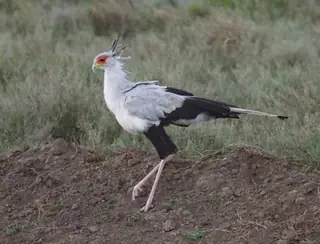 Secretary BirdRare
-
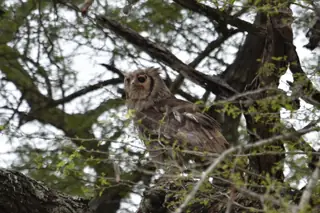 Verreaux's Eagle-Owl
Woodland and grassland birds 18
-
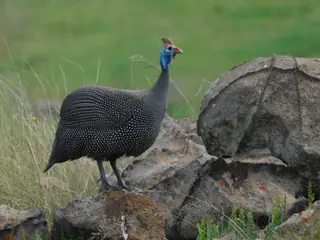 Helmeted Guineafowl
-
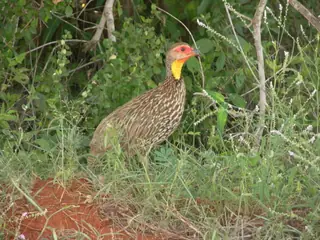 Yellow-necked Spurfowl
-
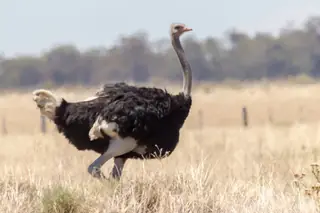 OstrichRare
-
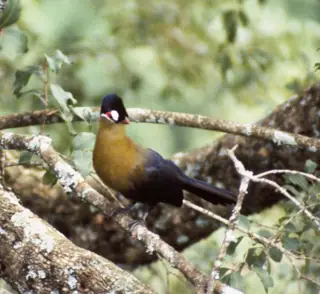 Hartlaub's Turaco
-
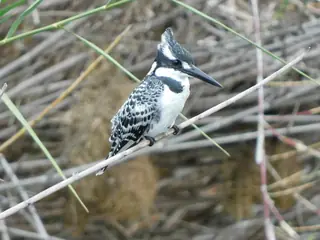 Pied Kingfisher
-
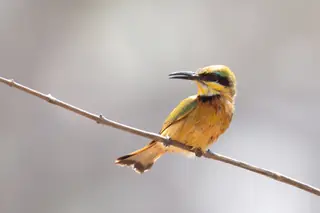 Little Bee-eater
-
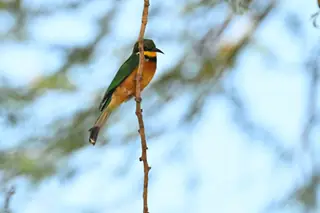 Cinnamon-chested Bee-eater
-
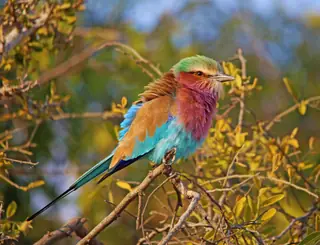 Lilac-breasted Roller
-
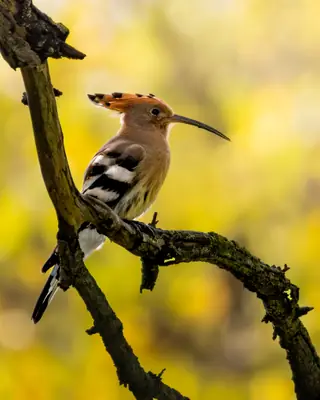 Common Hoopoe
-
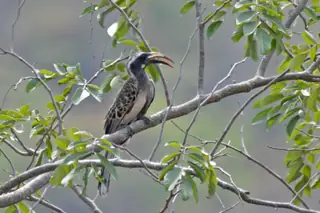 African Grey Hornbill
-
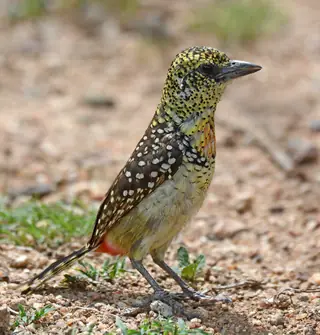 D'Arnaud's Barbet
-
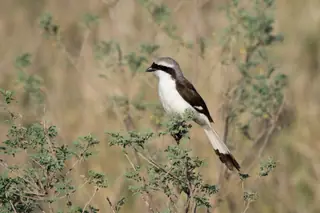 Grey-backed Fiscal
-
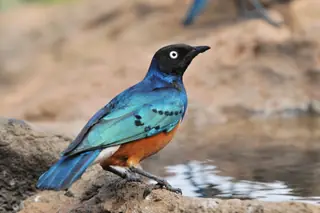 Superb Starling
-
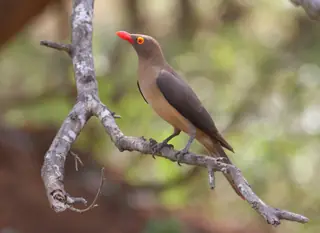 Red-billed Oxpecker
-
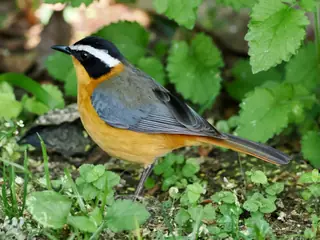 Rüppell's Robin-Chat
-
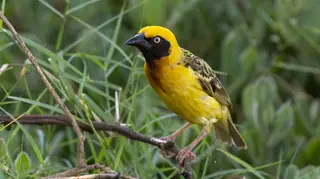 Speke's Weaver
-
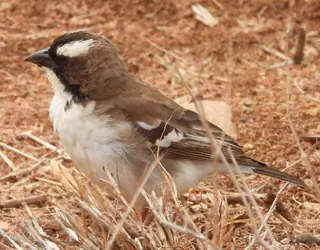 White-browed Sparrow-Weaver
-
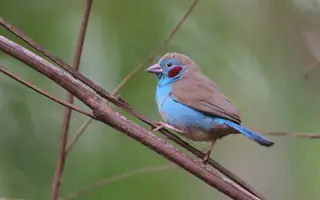 Red-cheeked Cordon-bleu
Reptiles 6
-
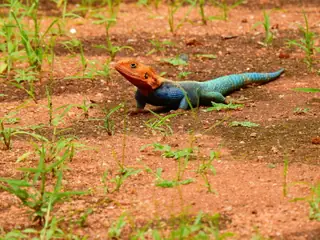 Red-headed Rock Agama
-
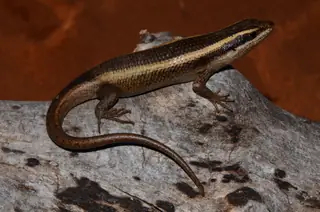 Striped Skink
-
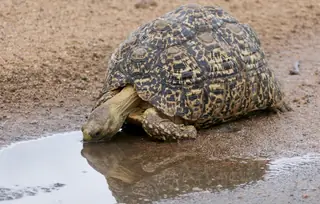 Leopard Tortoise
-
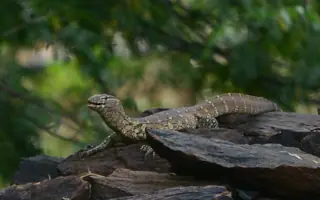 Nile Monitor
-
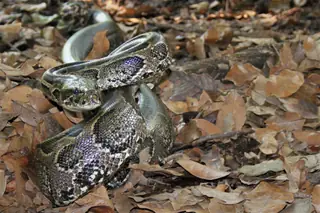 African Rock PythonRare
-
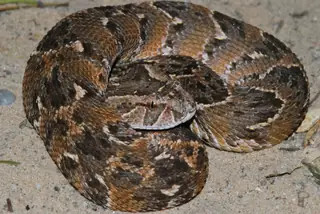 Puff AdderRare
Best time to see wildlife in Lake Nakuru
Sightings by month in Lake Nakuru
Most records: Dec to OctRecords from GBIF.org, adjusted for how many people record wildlife each month. 100% is the busiest month.
Lake Nakuru can be visited all year. The driest months, June to October and January to February, are best for game drives, as the grass is short and tracks are firm. The long rains, March to May, and short rains, November to December, make some tracks muddy but the park is green and quiet. Flamingo numbers depend on the lake's water level and salt content rather than the season, so they are hard to predict; ask your guide or check recent trip reports before you go. Migrant waders and ducks from Europe are present from about September to April. At 1,750 metres, mornings can be cool.
- Jan to FebDry; good game viewing, migrant birds
- Mar to MayLong rains; green and quiet
- Jun to OctMain dry season; busiest
- Nov to DecShort rains; European migrants present
Tips for spotting wildlife in Lake Nakuru
- 01
Climb to Baboon Cliff
The viewpoint at Baboon Cliff gives a wide view over the lake and the shoreline flocks. Hyraxes and agamas sun on the rocks; keep food inside the vehicle because of the baboons.
- 02
Spend a full day
The park is small, but a full day lets you loop the lake slowly and come back to the open grassland in the afternoon, when buffalo are out grazing.
- 03
Keep your distance from rhinos
Stay on the tracks, switch off and let rhinos move on in their own time. Never drive off-road for a closer view.
- 04
Look for leopards in the acacias
In the early morning, slow down in the yellow-barked acacia woodland and scan the larger branches. Patience pays more than driving fast.
- 05
Visit Makalia Falls
The seasonal waterfall in the south of the park is a quieter corner, with woodland birds and colobus in the forest patches nearby.

Take Lake Nakuru with you
Visiting Lake Nakuru? Tick off rhinos, giraffe and the lake's birds in Wilder as you drive, offline if the signal drops. Free to start.

Lake Nakuru wildlife FAQ
Are there still flamingos at Lake Nakuru?
Sometimes. Lake Nakuru was famous for huge flocks of Lesser Flamingo, but the lake has risen sharply since about 2013, diluting the salty water and the algae flamingos feed on. Many moved to Lake Bogoria and Lake Elementaita. Some years thousands return, so treat flamingos as a bonus and enjoy the pelicans.
Can you see rhinos at Lake Nakuru?
Yes. Lake Nakuru is a fenced rhino sanctuary and one of the best places in Kenya to see white rhino, which graze on the open grassland. Black rhino live there too but are shyer and seen less often. Please keep your distance and don't share their locations online.
Can you see the Big Five at Lake Nakuru?
You can see four of them: lion, leopard, buffalo and rhino. There are no elephants in Lake Nakuru National Park. Buffalo and rhino are easy, while lion and leopard take more luck. This checklist covers 99 animals, including all four.
Is Lake Nakuru worth a visit on the way to the Masai Mara?
Yes. It is around three hours from Nairobi and a few hours from the Mara, so many safaris stop for a night or a long day. It adds rhinos and Rothschild's giraffe, which are hard to see in the Mara, plus a lake full of water birds.
Sources
- Wikipedia: Lake Nakuru
- Kenya News Agency: tourism activities improving at Lake Nakuru National Park
- Sightings by month: GBIF.org
Animal photos are from the Wilder catalogue; photo credits.
Similar checklists
All Africa-
 Safari88animals Masai Mara National Reserve Narok County, Kenya Kenya's most famous reserve: big cat country, and the Mara River crossings when the migration arrives from July to October. Takes in the conservancies around the reserve. Best time Jul to Oct
-
 Safari109animals Samburu, Buffalo Springs and Shaba Samburu and Isiolo counties, Kenya Hot, dry bush along the Ewaso Nyiro River in northern Kenya, home to the Samburu Special Five that you won't find in the Mara. Best time Jun to Oct, Jan to Mar
-
 Safari112animals Amboseli National Park Kajiado County, Kenya Big-tusked elephants crossing dusty plains and green swamps beneath Kilimanjaro, in one of the most studied elephant populations in Africa. Best time Jun to Oct, Jan to Feb
-
 Safari88animals Serengeti National Park Mara, Simiyu and Arusha, Tanzania Endless plains and the great wildebeest migration, with lions on the kopjes and cheetahs hunting in the open grass. Best time Jun to Oct, Jan to Mar