Safari · Kajiado County · Kenya
Amboseli Wildlife Checklist

Amboseli National Park in southern Kenya is famous for its elephants, some with huge tusks, walking across open plains beneath Mount Kilimanjaro. Spring-fed swamps draw buffalo, hippos and hundreds of water birds into the dry country. This checklist covers 112 animals, from lions and cheetahs to flamingos and crowned cranes. The dry months, June to October and January to February, are best.
Tick off all 112 animals in Amboseli on your phone, even offline. Launching soon. Free A4 PDF, no sign-up.
Amboseli is small and open, so game is easy to see, and the elephants here have been studied since the early 1970s, making them some of the best known in the world. Kilimanjaro itself is across the border in Tanzania, and is clearest at dawn and dusk.
- Animals to find
- 112
- Where
- Kenya
- Best time
- Jun to Oct, Jan to Feb
- Bird species
- Over 400
Popular animals in Amboseli
-
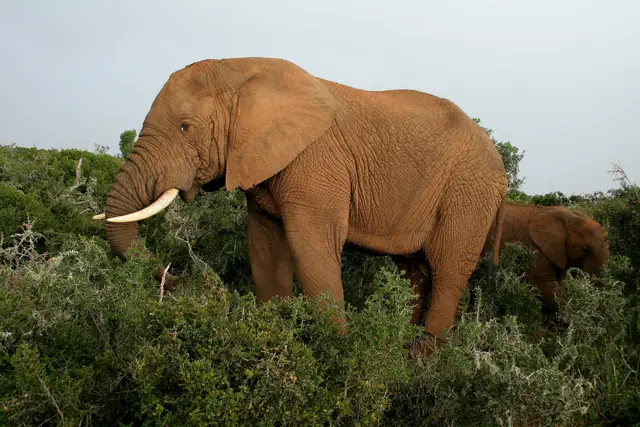
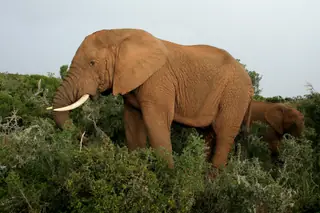
African Savanna Elephant
Loxodonta africana
Family herds walk out of the woodland each morning to feed in the swamps. Amboseli is known for big tuskers; keep well back, let them cross, and do not share where you saw them.
-
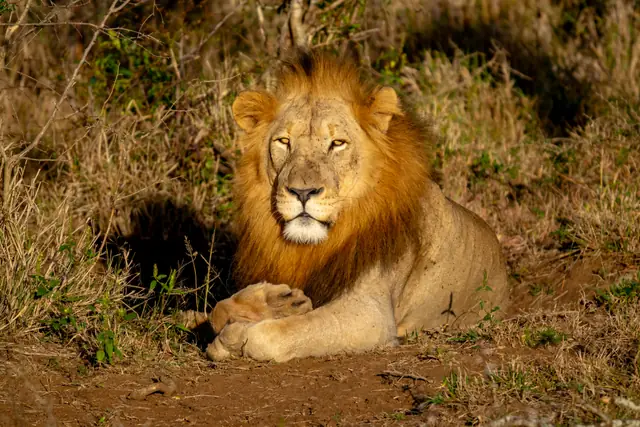
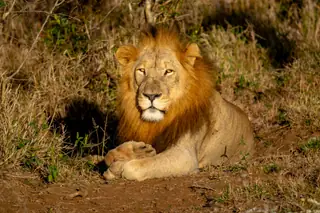
Lion
Panthera leo
Prides hunt along the swamp edges and open plains. There are fewer than in the Mara, so a lion sighting here feels earned.
-
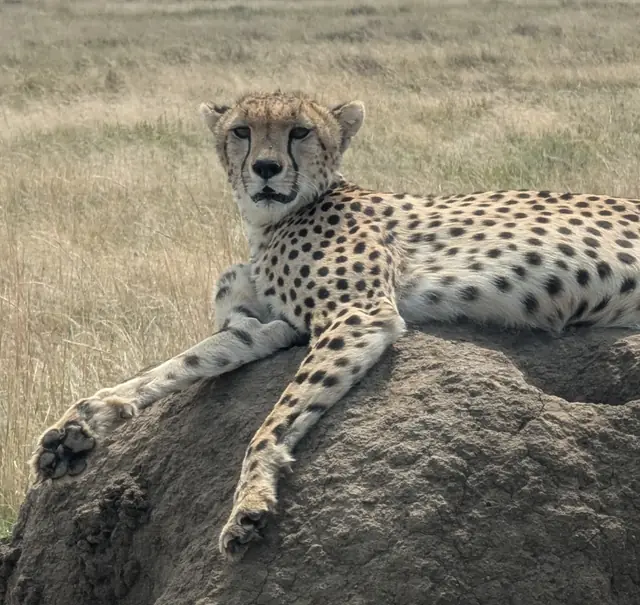
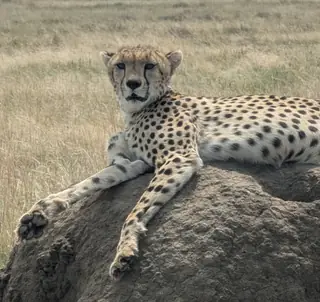
Cheetah
Acinonyx jubatus
The short-grass plains suit cheetahs, which hunt by day. Look early and late, when they sit up on low mounds to scan.
-
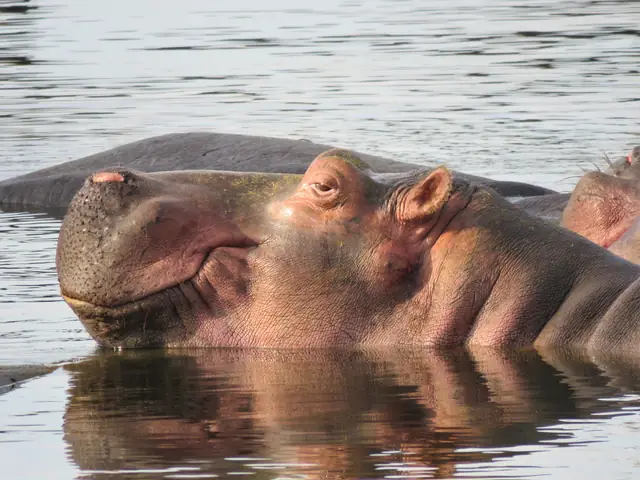
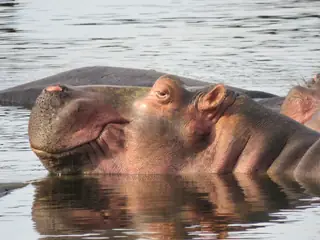
Hippopotamus
Hippopotamus amphibius
Half-submerged in the swamps by day, coming out to graze on the grass after dark.
-
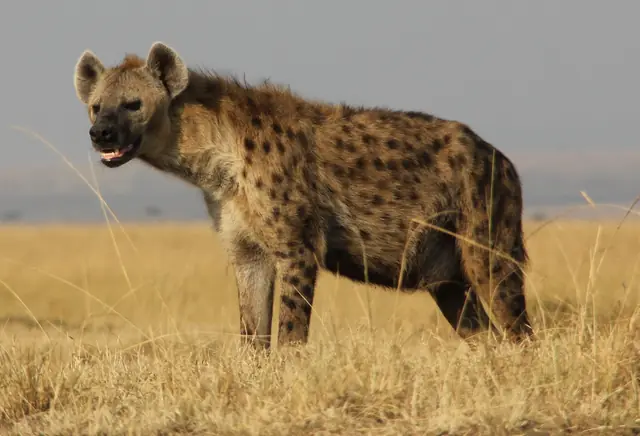
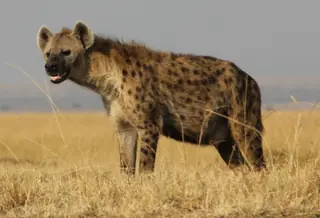
Spotted Hyena
Crocuta crocuta
Common and often seen at first light, trotting across the plains after a night of hunting.
-
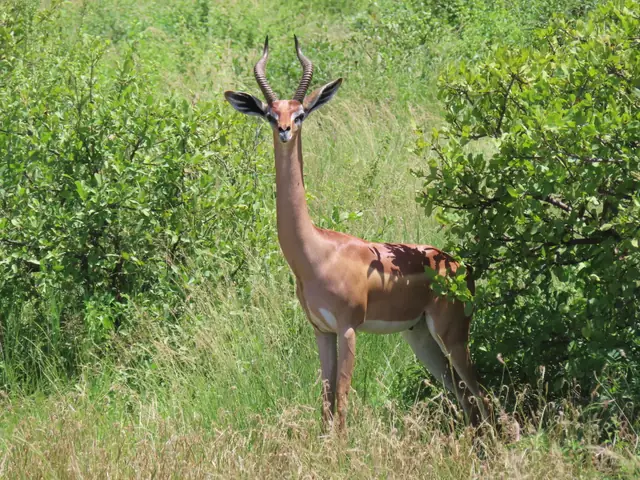
Gerenuk
Litocranius walleri
A long-necked gazelle that stands on its hind legs to browse. Look in the dry bush on the edges of the park.
-
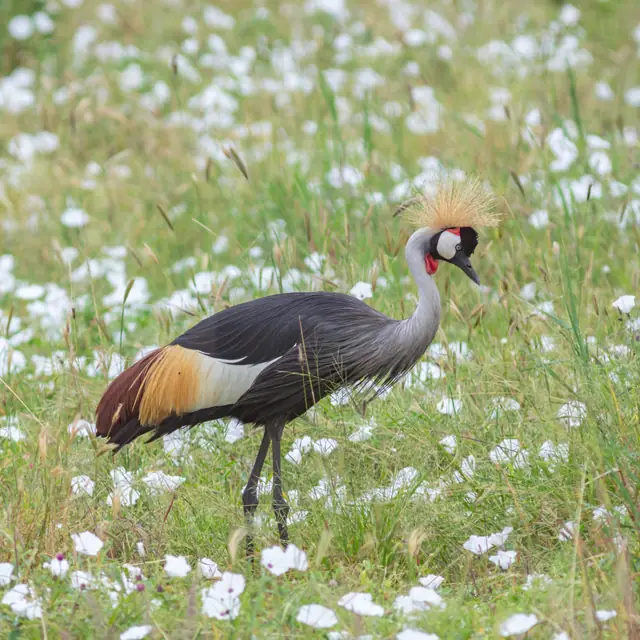
Grey Crowned Crane
Balearica regulorum
Pairs and small flocks feed in the wet grass around the swamps, and dance with spread wings.
-
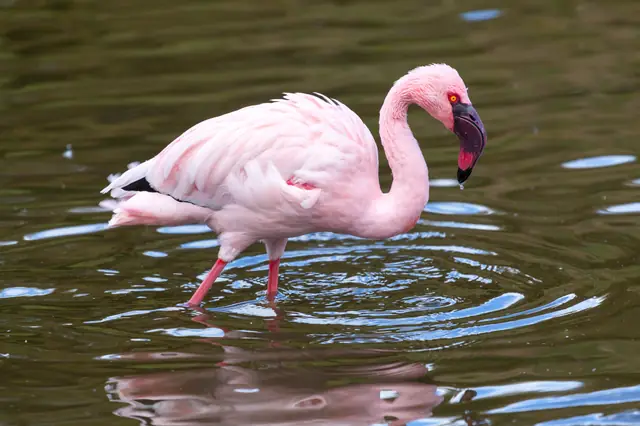
Lesser Flamingo
Phoeniconaias minor
After good rains, flamingos gather on the seasonal lake. For much of the year the lake bed is dry and dusty.
All 112 animals in Amboseli
Big game 10
-
 African Savanna Elephant
-
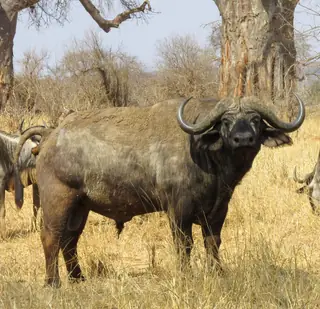 Cape Buffalo
-
 Lion
-
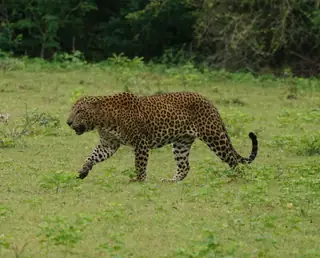 LeopardRare
-
 Cheetah
-
 Spotted Hyena
-
 Hippopotamus
-
 Masai Giraffe
-
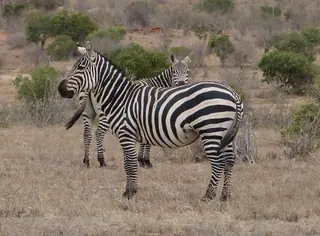 Plains Zebra
-
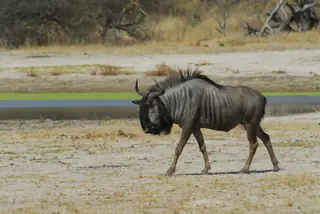 Wildebeest
Grazers and browsers 13
-
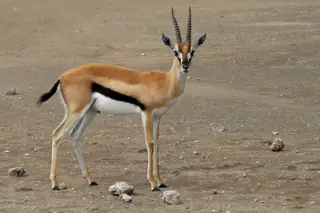 Thomson's Gazelle
-
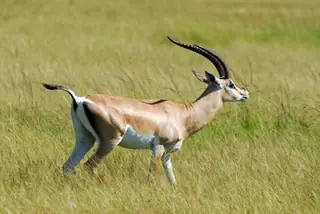 Grant's Gazelle
-
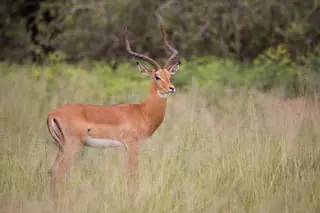 Impala
-
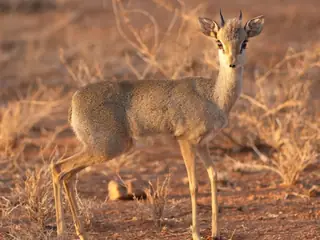 Kirk's Dik-dik
-
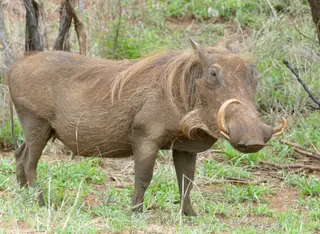 Warthog
-
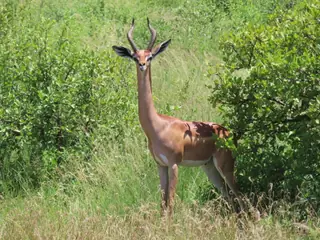 Gerenuk
-
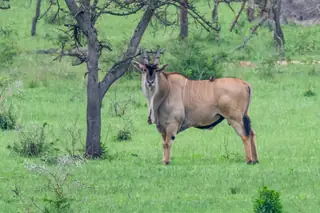 Eland
-
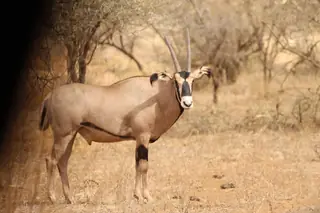 Beisa Oryx
-
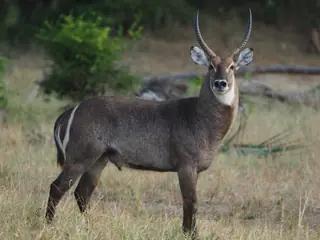 Waterbuck
-
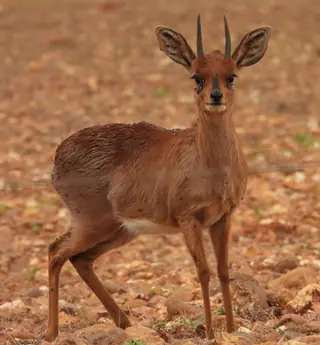 Steenbok
-
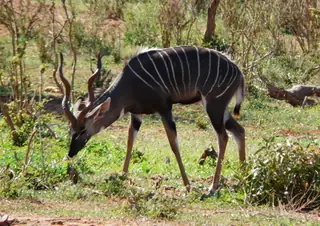 Lesser KuduRare
-
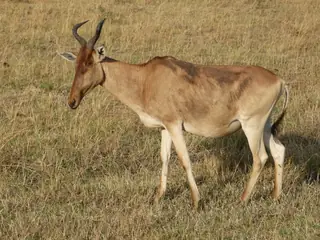 Coke's HartebeestRare
-
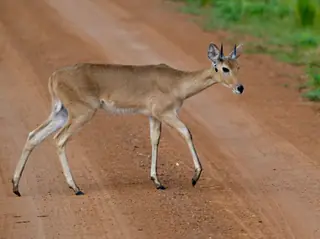 Bohor ReedbuckRare
Hunters 10
-
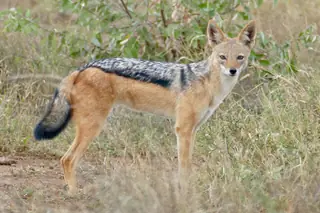 Black-backed Jackal
-
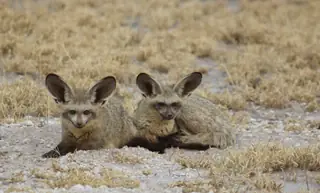 Bat-eared Fox
-
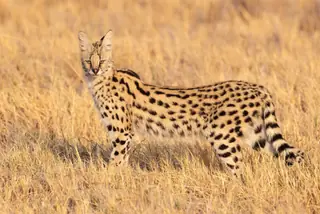 Serval
-
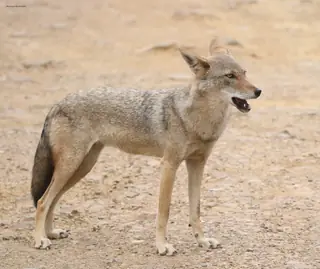 African Golden Wolf
-
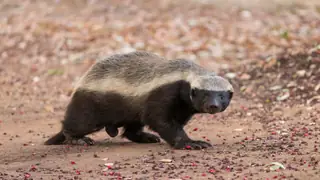 Honey BadgerRare
-
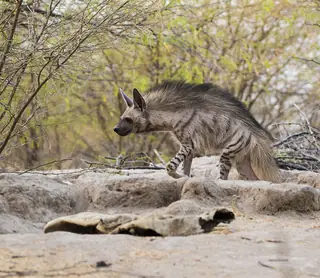 Striped HyenaRare
-
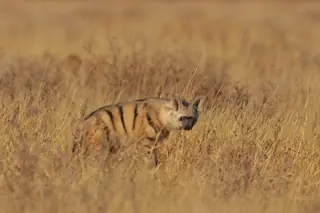 AardwolfRare
-
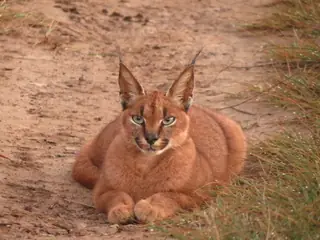 CaracalRare
-
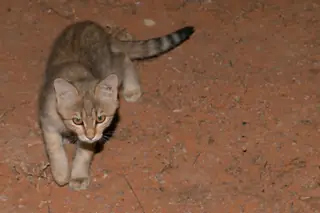 African WildcatRare
-
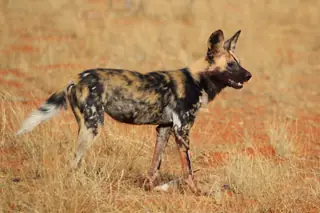 African Wild DogRare
Smaller mammals 12
-
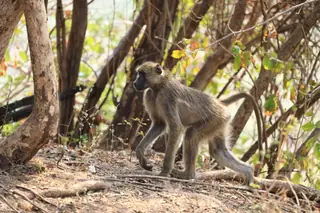 Yellow Baboon
-
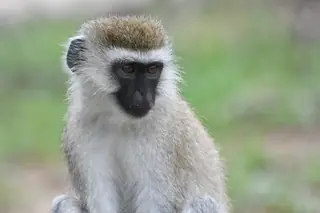 Vervet Monkey
-
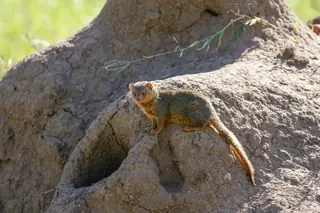 Dwarf Mongoose
-
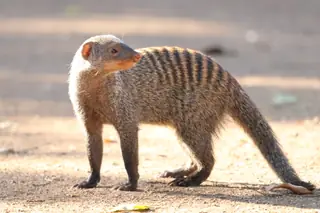 Banded Mongoose
-
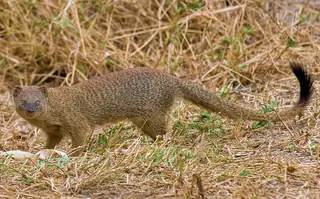 Slender Mongoose
-
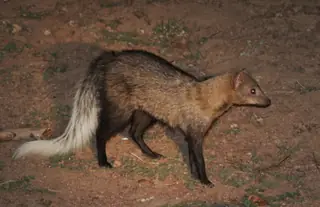 White-tailed MongooseRare
-
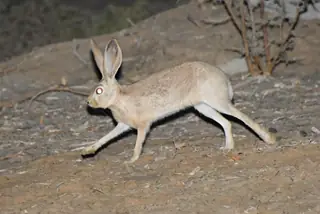 Cape Hare
-
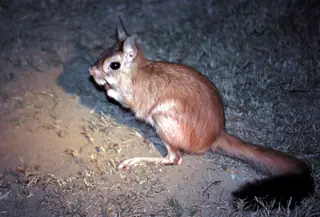 East African Springhare
-
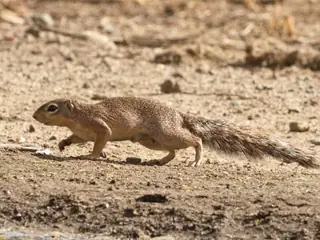 Unstriped Ground Squirrel
-
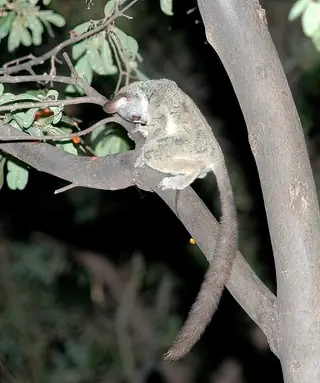 Northern Lesser Galago
-
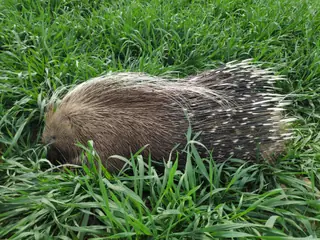 Crested PorcupineRare
-
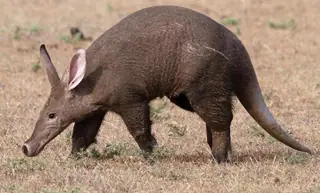 AardvarkRare
Swamp and lake birds 24
-
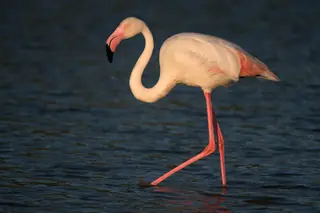 Greater Flamingo
-
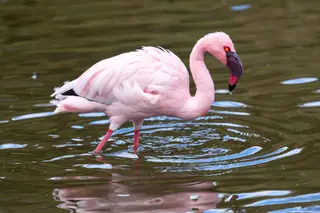 Lesser Flamingo
-
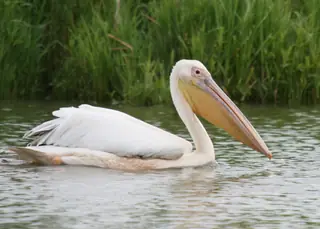 Great White Pelican
-
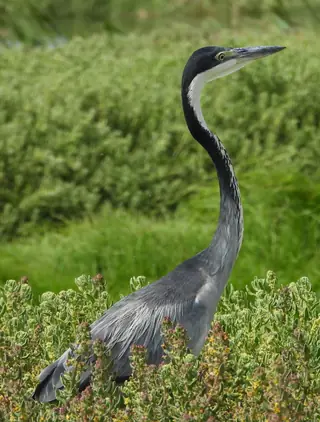 Black-headed Heron
-
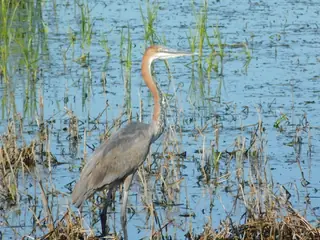 Goliath Heron
-
 Great Egret
-
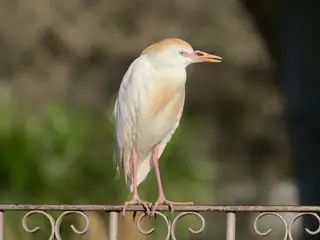 Western Cattle Egret
-
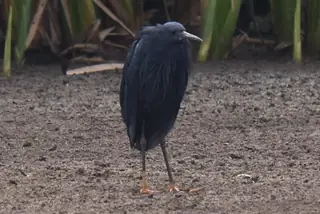 Black Heron
-
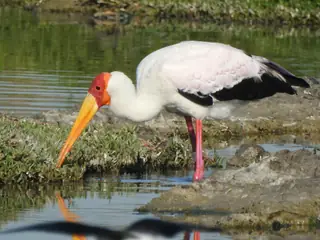 Yellow-billed Stork
-
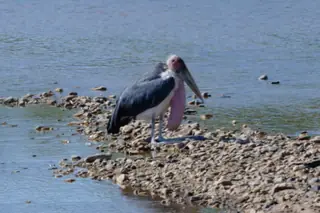 Marabou Stork
-
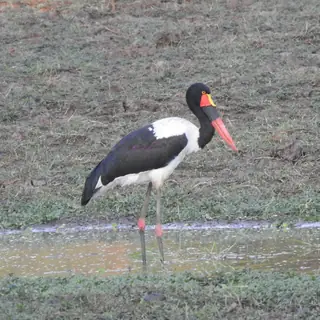 Saddle-billed Stork
-
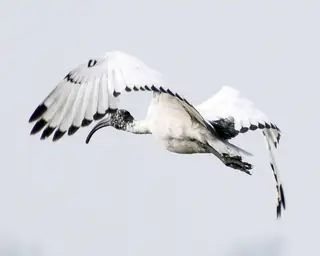 African Sacred Ibis
-
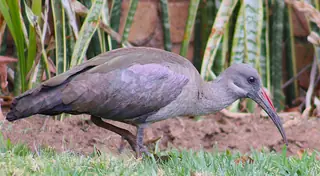 Hadada Ibis
-
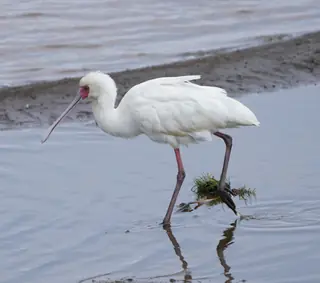 African Spoonbill
-
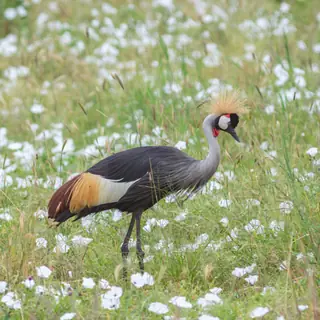 Grey Crowned Crane
-
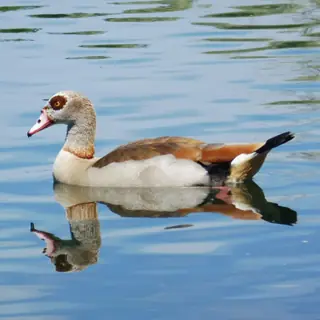 Egyptian Goose
-
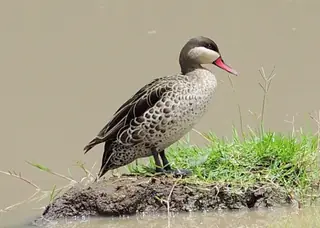 Red-billed Teal
-
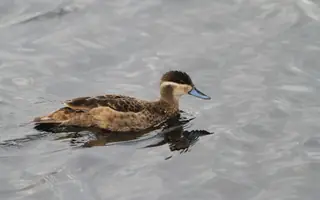 Blue-billed Teal
-
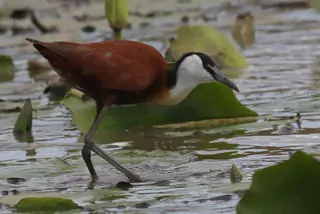 African Jacana
-
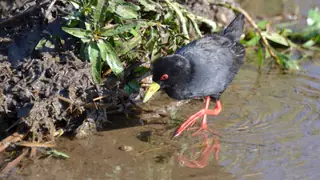 Black Crake
-
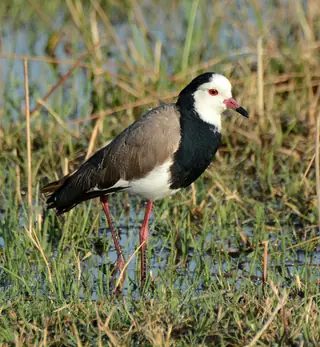 Long-toed Lapwing
-
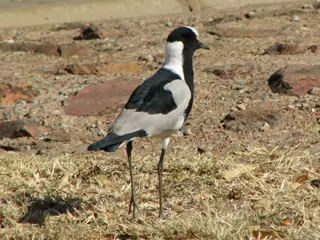 Blacksmith Lapwing
-
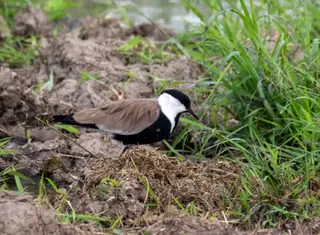 Spur-winged Lapwing
-
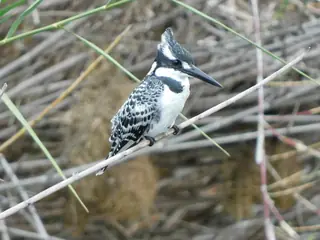 Pied Kingfisher
Birds of prey 12
-
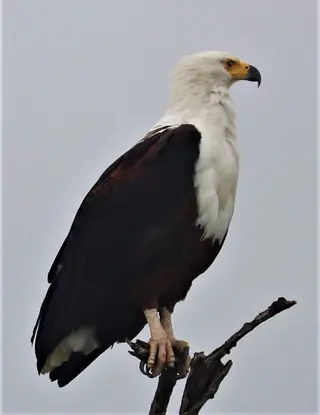 African Fish Eagle
-
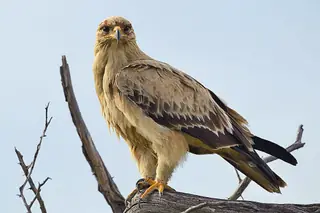 Tawny Eagle
-
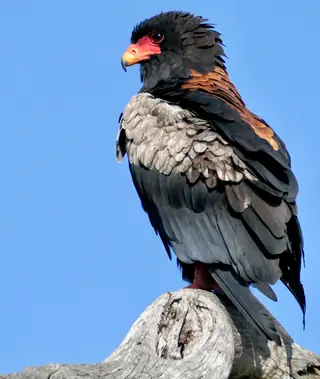 Bateleur
-
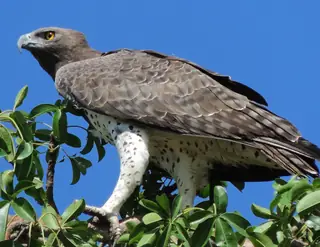 Martial Eagle
-
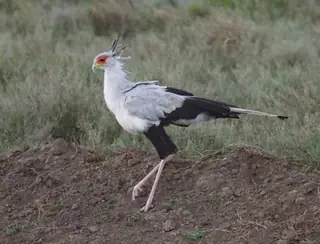 Secretary Bird
-
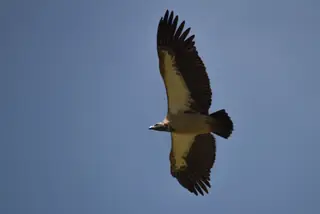 White-backed Vulture
-
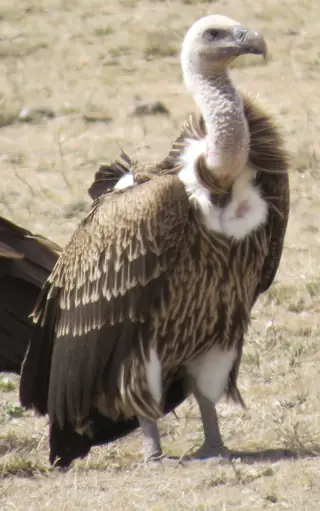 Rüppell's Vulture
-
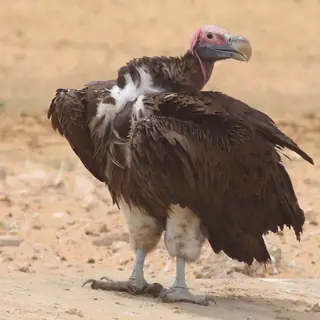 Lappet-faced Vulture
-
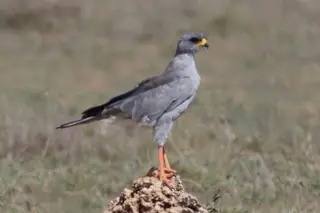 Eastern Chanting Goshawk
-
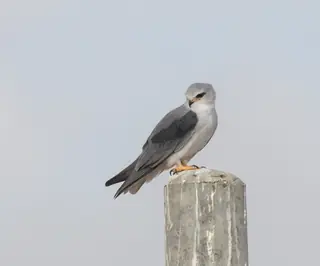 Black-winged Kite
-
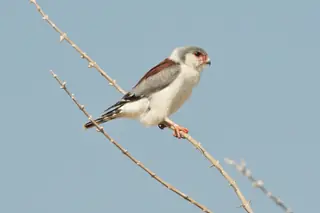 Pygmy Falcon
-
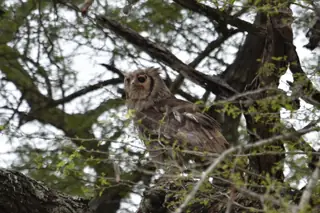 Verreaux's Eagle-Owl
Plains and bush birds 23
-
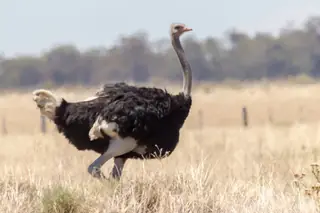 Ostrich
-
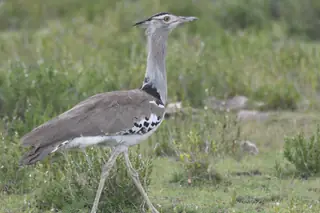 Kori Bustard
-
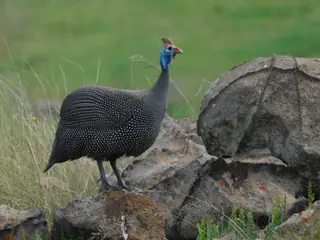 Helmeted Guineafowl
-
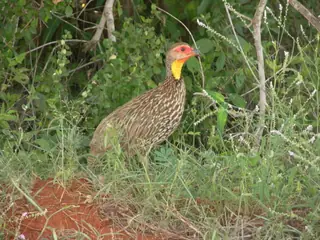 Yellow-necked Spurfowl
-
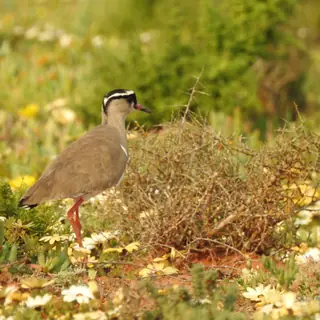 Crowned Lapwing
-
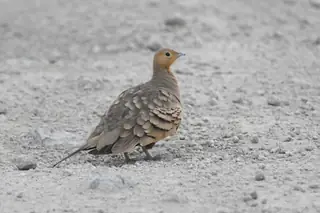 Chestnut-bellied Sandgrouse
-
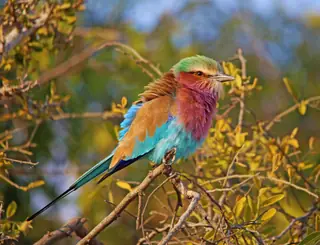 Lilac-breasted Roller
-
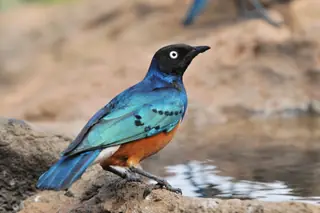 Superb Starling
-
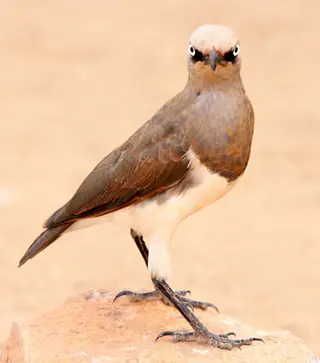 Fischer's Starling
-
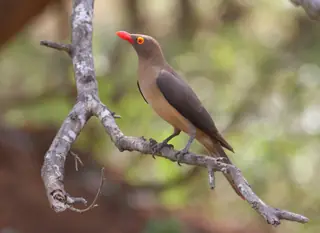 Red-billed Oxpecker
-
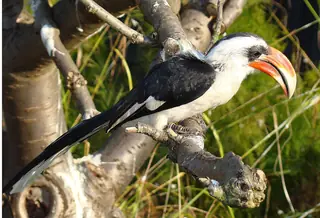 Von der Decken's Hornbill
-
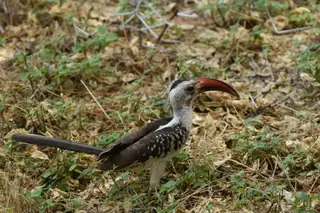 Red-billed Hornbill
-
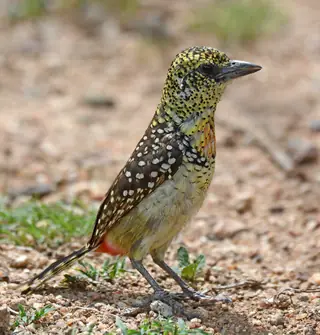 D'Arnaud's Barbet
-
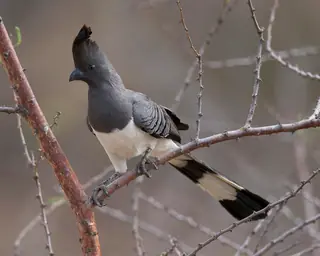 White-bellied Go-away-bird
-
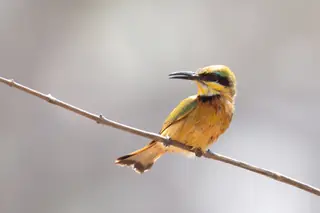 Little Bee-eater
-
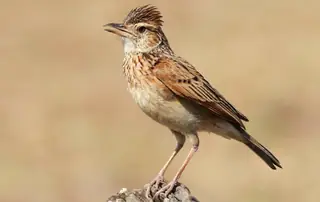 Rufous-naped Lark
-
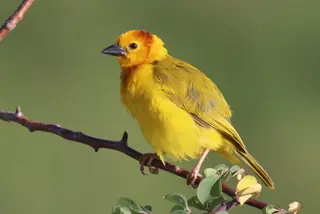 Taveta Golden Weaver
-
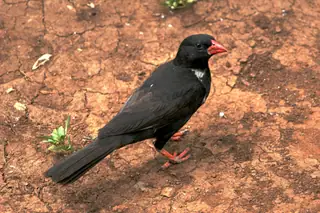 Red-billed Buffalo Weaver
-
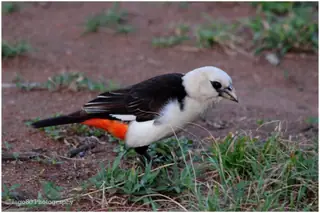 White-headed Buffalo Weaver
-
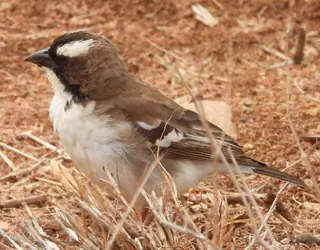 White-browed Sparrow-Weaver
-
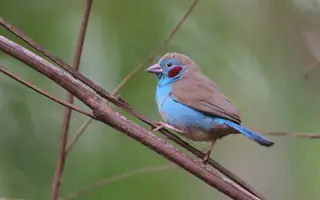 Red-cheeked Cordon-bleu
-
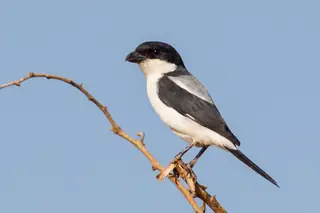 Taita Fiscal
-
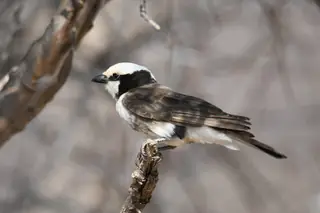 Northern White-crowned Shrike
Reptiles and amphibians 8
-
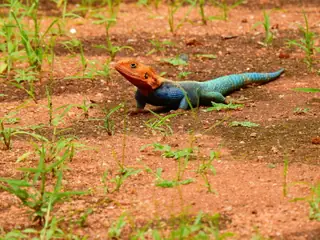 Red-headed Rock Agama
-
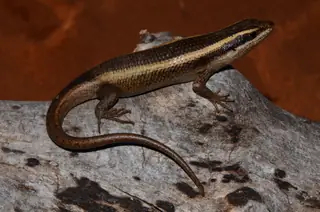 Striped Skink
-
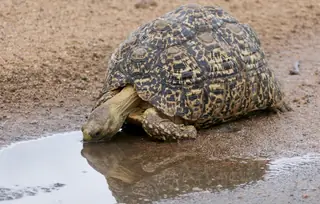 Leopard Tortoise
-
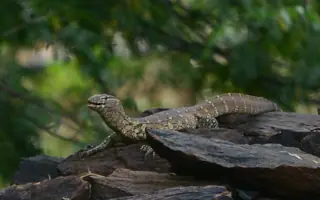 Nile Monitor
-
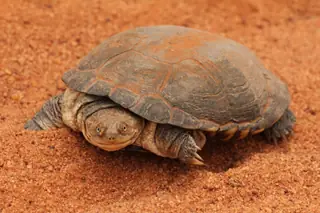 Marsh Terrapin
-
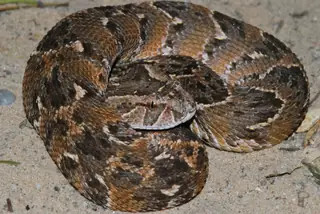 Puff AdderRare
-
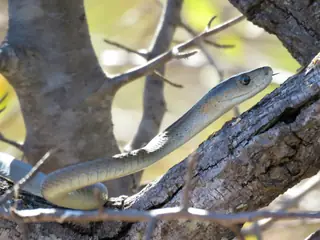 Black MambaRare
-
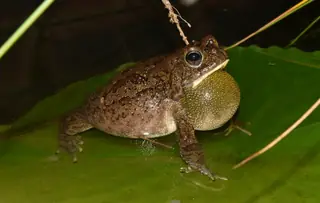 Guttural Toad
Best time to see wildlife in Amboseli
Sightings by month in Amboseli
Most records: Jun to SeptRecords from GBIF.org, adjusted for how many people record wildlife each month. 100% is the busiest month.
Amboseli has two dry seasons and two rainy seasons. The long dry season, roughly June to October, is the classic time: the grass is short, dust devils spin across the dry lake and elephants crowd into the swamps, which never dry out. January and February are a shorter dry spell, often with clearer views of Kilimanjaro and young animals about. The long rains fall from about March to May, when the plains turn green, some roads get muddy and visitors are few. The short rains come in November and December and bring migrant birds from Europe and Asia. Kilimanjaro is often hidden by cloud by mid-morning in any season, so be out at dawn for the classic view.
- Jan to FebShort dry season; clear mountain views, young animals
- Mar to MayLong rains; green, quiet, some muddy roads
- Jun to OctLong dry season; elephants in the swamps, peak visitors
- Nov to DecShort rains; migrant birds arrive
Tips for spotting wildlife in Amboseli
- 01
Be out at dawn
Gates open at 6am. The first hours bring the clearest view of Kilimanjaro, elephants walking in to the swamps and cats still active.
- 02
Stay on the tracks
Off-road driving is banned in Amboseli and the dust scars last for years. Keep to the roads, the 40 km/h speed limit and a good distance from wildlife.
- 03
Wait at the swamp edges
Rather than chasing sightings, park beside one of the swamps, switch off and wait. Elephants, buffalo and birds come to you.
- 04
Climb Observation Hill
Observation Hill is one of the few places you can leave your vehicle. It gives a wide view over the swamps and plains with Kilimanjaro behind.
- 05
Visit the conservancies
Community conservancies around the park allow walking safaris and night drives with licensed guides, and the fees support the Maasai landowners who share their land with wildlife.

Take Amboseli with you
On safari in Amboseli? Take this list on your phone and tick off elephants, lions and crowned cranes as you go, even with no signal. Wilder is free to start.

Amboseli wildlife FAQ
Why is Amboseli famous for elephants?
Amboseli is famous for elephants because its herds are easy to see on open ground, have been studied since 1972 and include some of the largest tuskers left in Africa. The permanent swamps give them water all year. Photographs of elephants with Kilimanjaro behind have made the park one of Kenya's best known.
Can you see the Big Five in Amboseli?
Not all of them. Amboseli has elephant, buffalo and lion, and leopards are present but rarely seen. There are no rhinos in the park, so for all of the Big Five most people combine it with another reserve. This checklist covers 112 animals, with the big game, swamp birds and plains wildlife you can realistically expect.
When is the best time to visit Amboseli?
The best time to visit Amboseli is the dry season, June to October, and the short dry spell in January and February. Game gathers around the swamps and the grass is short. Kilimanjaro is often clearest in January and February and early in the morning year round.
How far is Amboseli from Nairobi?
Amboseli is about 240 km south-east of Nairobi, roughly four to five hours by road through Emali or Namanga. There are also daily light-aircraft flights from Nairobi to airstrips in and near the park, which take under an hour.
Sources
- Kenya Wildlife Service: Amboseli National Park
- Wikipedia: Amboseli National Park
- Sightings by month: GBIF.org
Animal photos are from the Wilder catalogue; photo credits.
Similar checklists
All Africa-
 Safari88animals Masai Mara National Reserve Narok County, Kenya Kenya's most famous reserve: big cat country, and the Mara River crossings when the migration arrives from July to October. Takes in the conservancies around the reserve. Best time Jul to Oct
-
 Safari109animals Samburu, Buffalo Springs and Shaba Samburu and Isiolo counties, Kenya Hot, dry bush along the Ewaso Nyiro River in northern Kenya, home to the Samburu Special Five that you won't find in the Mara. Best time Jun to Oct, Jan to Mar
-
 Safari115animals Tarangire National Park Manyara Region, Tanzania Giant baobabs, a lifeline river and some of the biggest elephant herds in Tanzania, crowding in through the dry season. Best time Jun to Oct
-
 Safari88animals Serengeti National Park Mara, Simiyu and Arusha, Tanzania Endless plains and the great wildebeest migration, with lions on the kopjes and cheetahs hunting in the open grass. Best time Jun to Oct, Jan to Mar