Safari · Manyara Region · Tanzania
Tarangire Wildlife Checklist

Tarangire National Park in northern Tanzania is known for giant baobab trees and some of the largest elephant herds in the country, which gather in the dry season. It also has lions, big flocks of yellow-collared lovebirds and birds found only in Tanzania. This checklist covers 115 animals. June to October is the best time, when game crowds in to the river.
Tick off all 115 animals in Tarangire on your phone, even offline. Launching soon. Free A4 PDF, no sign-up.
Tarangire covers about 2,850 square kilometres, around two hours' drive from Arusha. In the dry season the river is the only permanent water for miles, so animals pour in from the surrounding plains; in the rains they spread out again.
- Animals to find
- 115
- Where
- Tanzania
- Best time
- Jun to Oct
- Elephants
- Thousands in the dry season
Popular animals in Tarangire
-
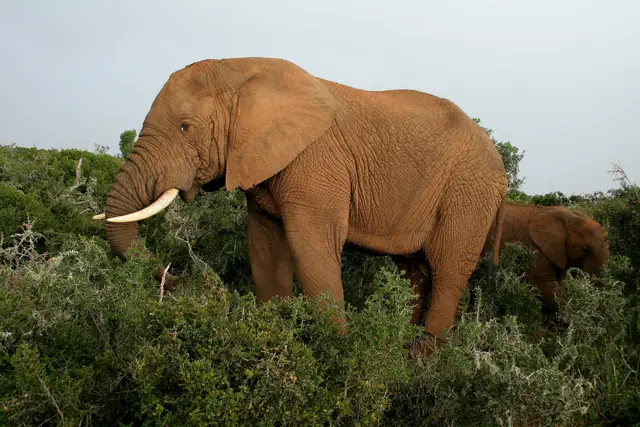
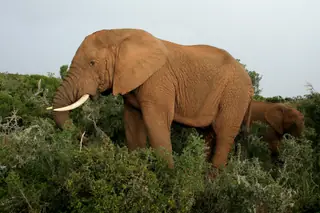
African Savanna Elephant
Loxodonta africana
Herds of hundreds gather from about June to October, digging in dry riverbeds for water. Keep well back and never block their path.
-
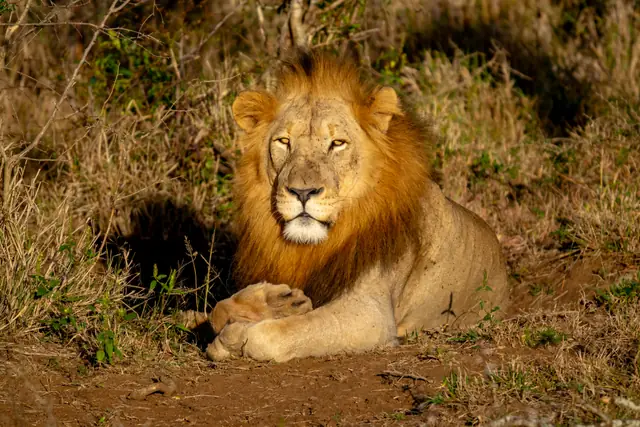
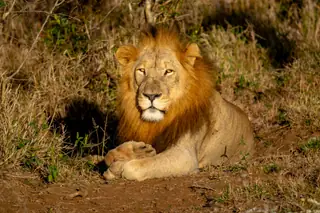
Lion
Panthera leo
Prides rest in thick shade, and some climb into trees in the heat of the day.
-
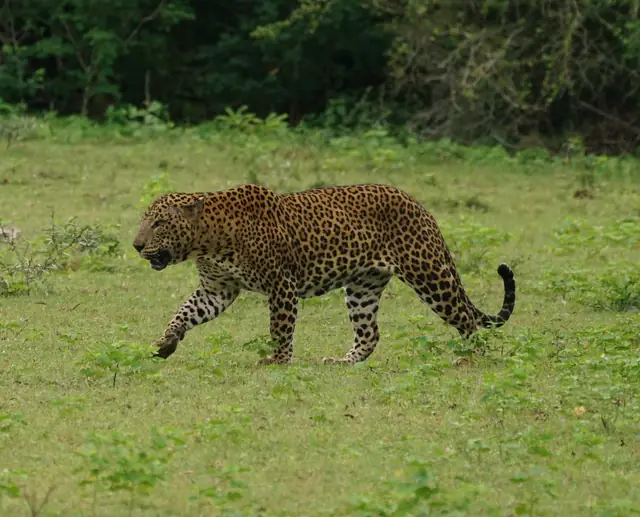
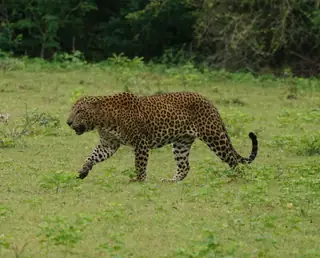
Leopard
Panthera pardus
Big riverine trees and rocky ridges suit leopards. Scan branches at dawn and dusk.
-
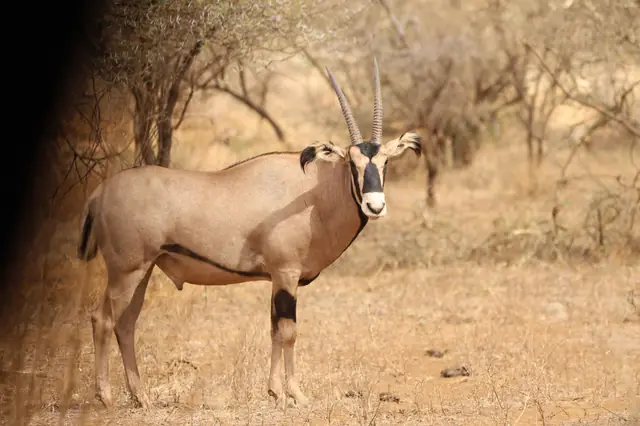
Beisa Oryx
Oryx beisa
The fringe-eared oryx, with tufted ears, lives in the drier south. Tarangire is one of the best places in northern Tanzania to see it.
-
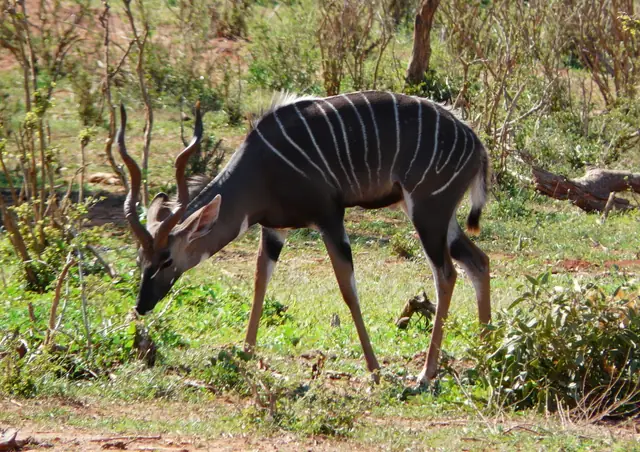
Lesser Kudu
Tragelaphus imberbis
A shy, striped antelope of dense thornbush. Look early in the morning, when it steps out into the open.
-
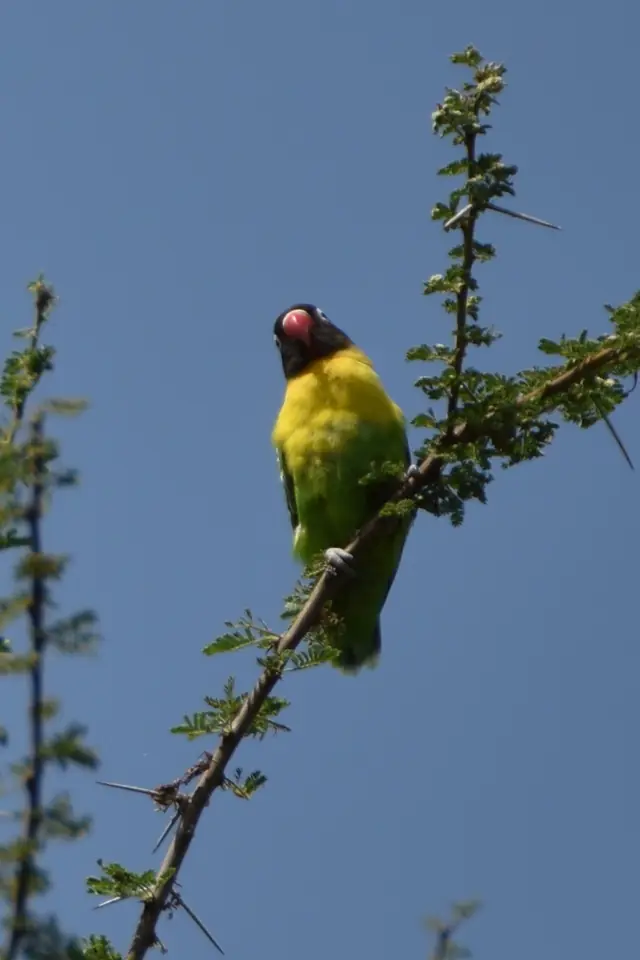
Yellow-collared Lovebird
Agapornis personatus
Found only in Tanzania. Fast, squeaky green flocks dart between the baobabs and acacias.
-
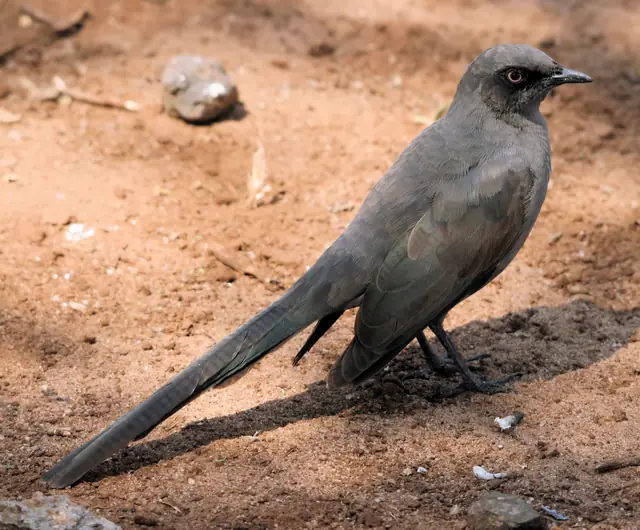
Ashy Starling
Lamprotornis unicolor
Plain grey-brown but special: it is found only in Tanzania and is common in the park.
-
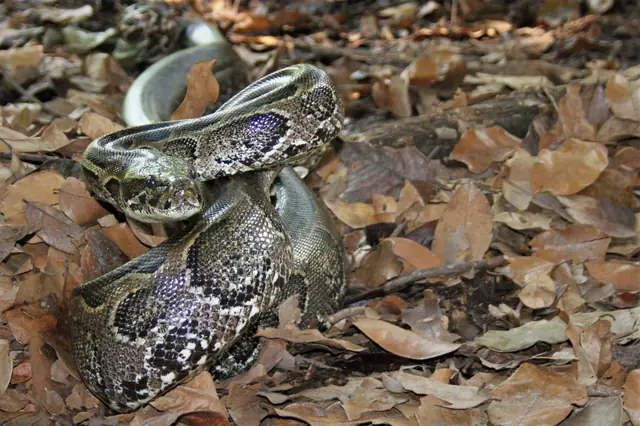
African Rock Python
Python sebae
Africa's largest snake is sometimes seen draped in trees by the river. Give it plenty of room.
All 115 animals in Tarangire
Big game 10
-
 African Savanna Elephant
-
 Lion
-
 Leopard
-
 CheetahRare
-
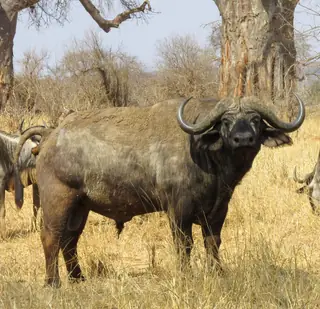 Cape Buffalo
-
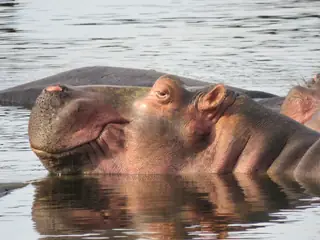 Hippopotamus
-
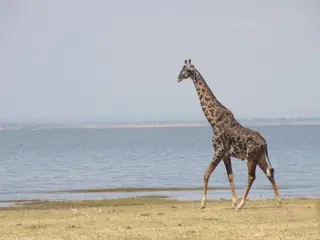 Masai Giraffe
-
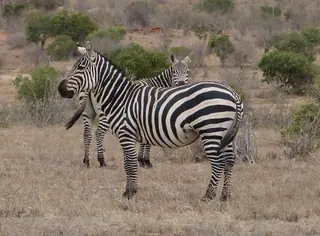 Plains Zebra
-
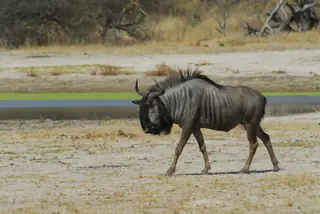 Wildebeest
-
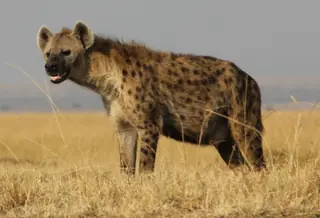 Spotted Hyena
Grazers and browsers 17
-
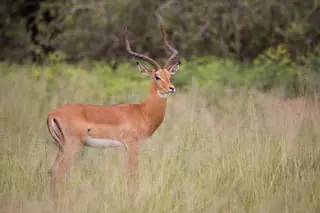 Impala
-
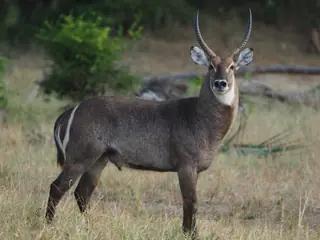 Waterbuck
-
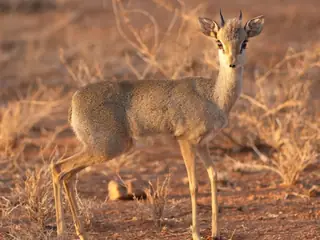 Kirk's Dik-dik
-
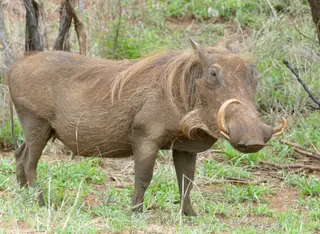 Warthog
-
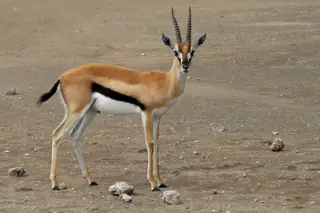 Thomson's Gazelle
-
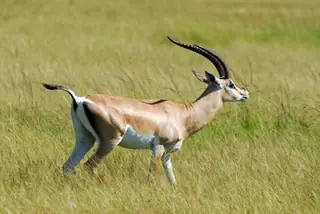 Grant's Gazelle
-
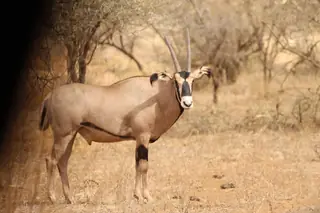 Beisa OryxRare
-
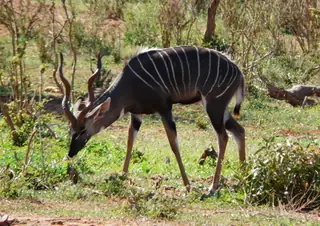 Lesser Kudu
-
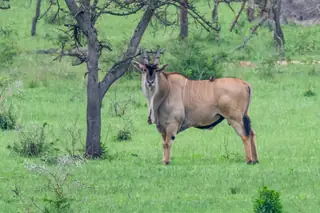 Eland
-
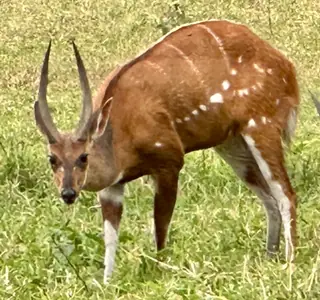 Bushbuck
-
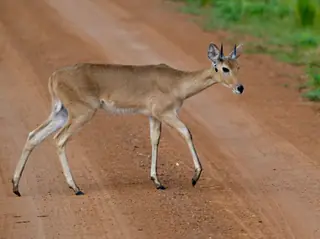 Bohor Reedbuck
-
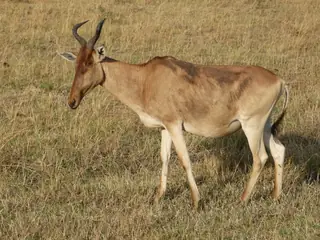 Coke's Hartebeest
-
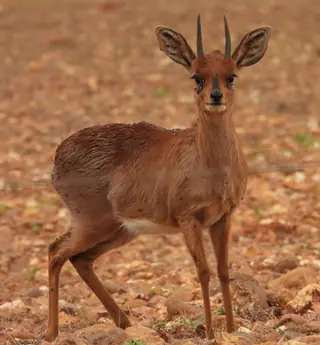 Steenbok
-
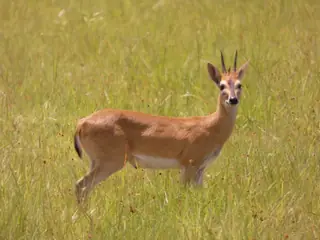 Common Duiker
-
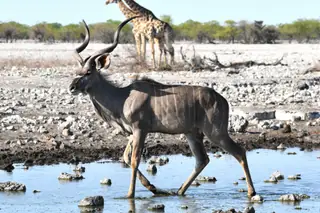 KuduRare
-
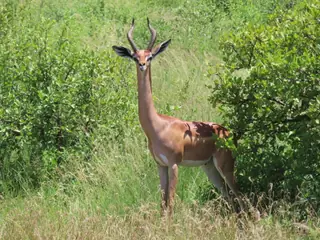 GerenukRare
-
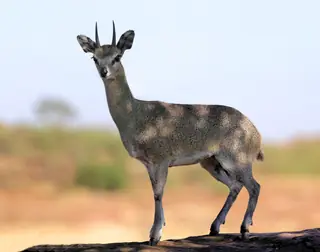 KlipspringerRare
Hunters 13
-
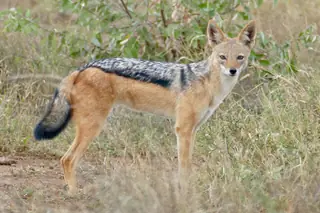 Black-backed Jackal
-
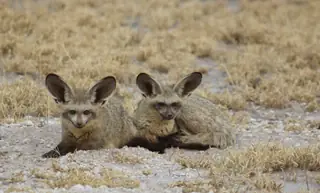 Bat-eared Fox
-
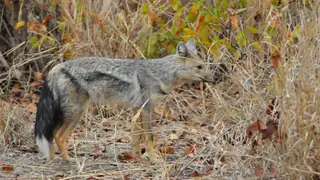 Side-striped Jackal
-
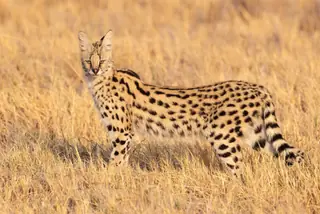 Serval
-
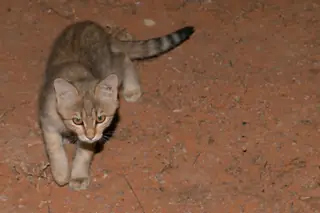 African Wildcat
-
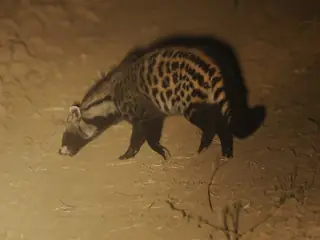 African Civet
-
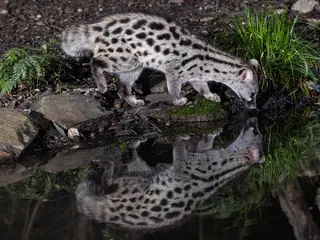 Common Genet
-
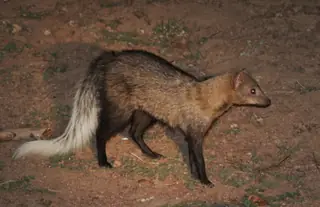 White-tailed Mongoose
-
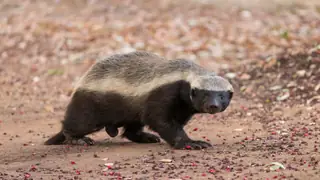 Honey BadgerRare
-
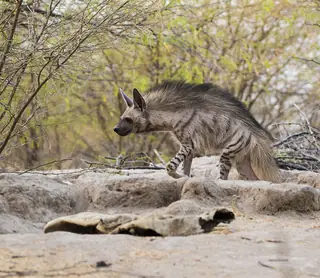 Striped HyenaRare
-
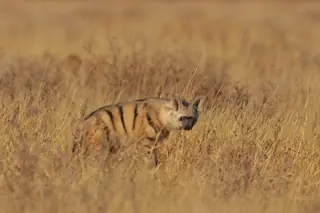 AardwolfRare
-
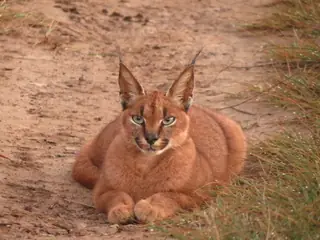 CaracalRare
-
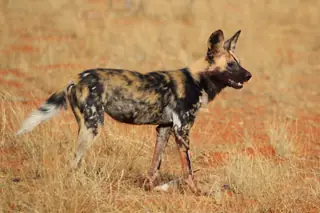 African Wild DogRare
Smaller mammals 15
-
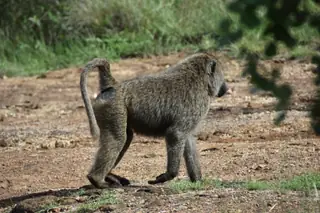 Olive Baboon
-
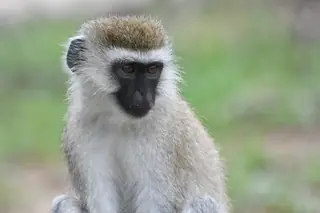 Vervet Monkey
-
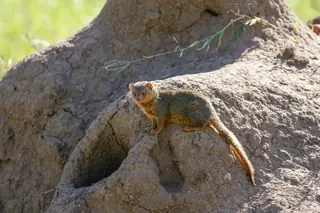 Dwarf Mongoose
-
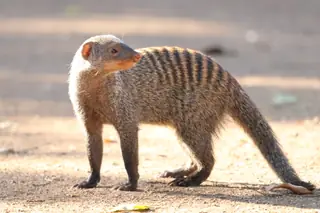 Banded Mongoose
-
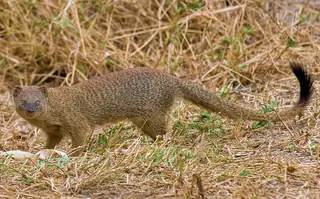 Slender Mongoose
-
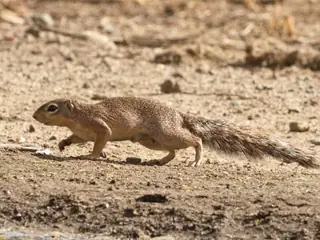 Unstriped Ground Squirrel
-
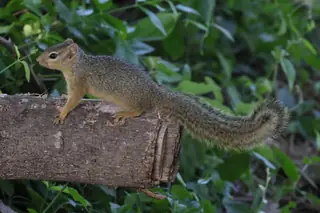 Ochre Bush Squirrel
-
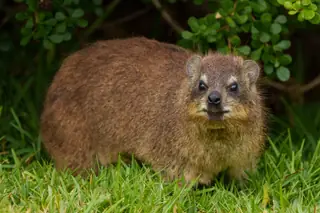 Rock Hyrax
-
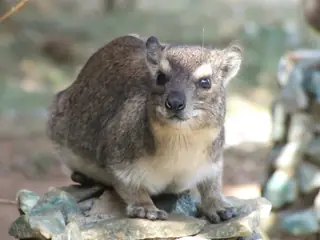 Bush Hyrax
-
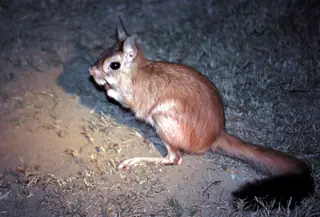 East African Springhare
-
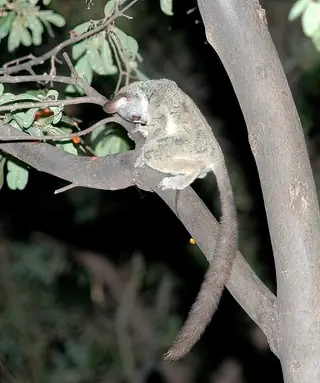 Northern Lesser Galago
- Rufous Sengi
-
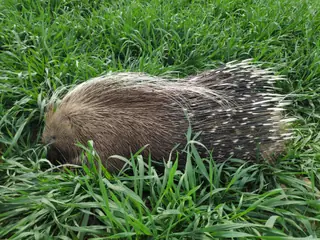 Crested PorcupineRare
-
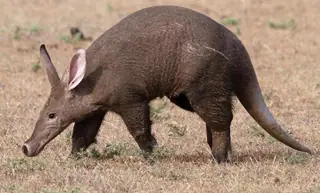 AardvarkRare
-
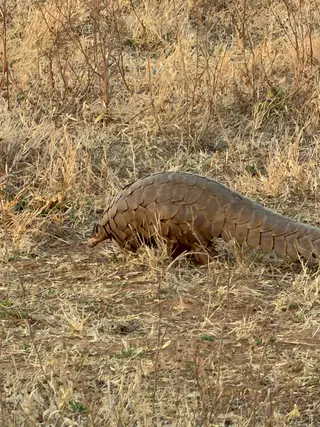 Ground PangolinRare
Tarangire specials 4
-
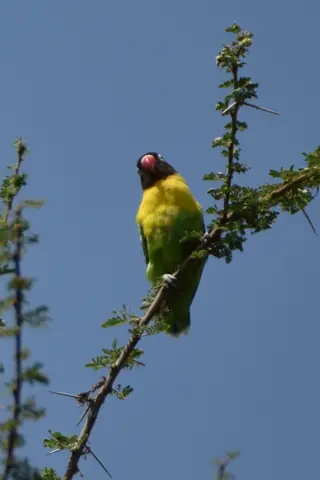 Yellow-collared Lovebird
-
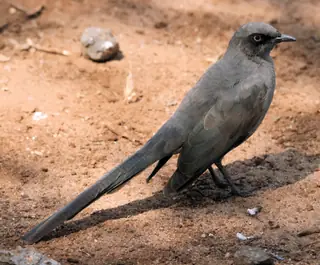 Ashy Starling
-
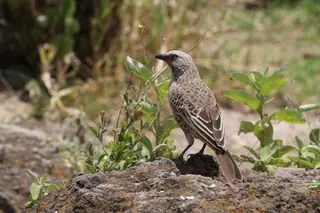 Rufous-tailed Weaver
-
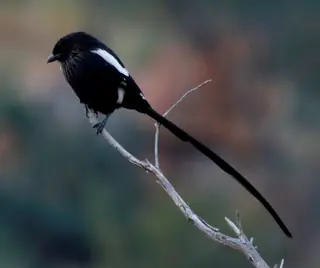 Magpie Shrike
Birds of prey 13
-
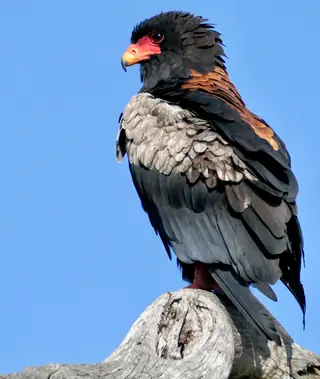 Bateleur
-
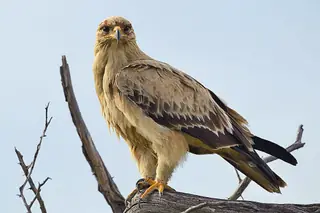 Tawny Eagle
-
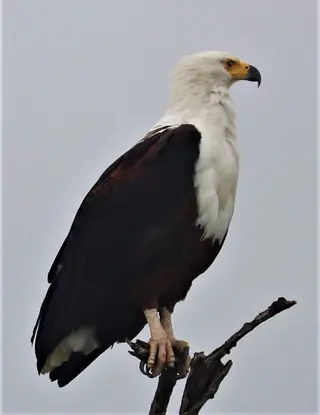 African Fish Eagle
-
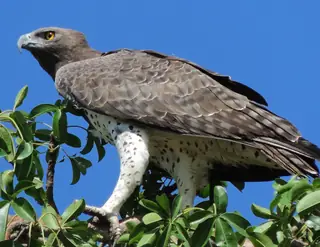 Martial Eagle
-
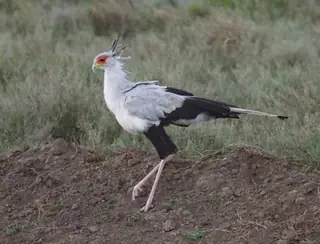 Secretary Bird
-
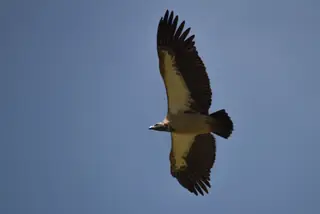 White-backed Vulture
-
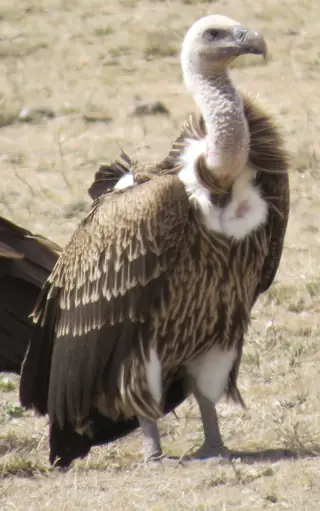 Rüppell's Vulture
-
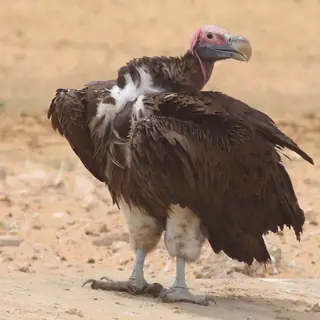 Lappet-faced Vulture
-
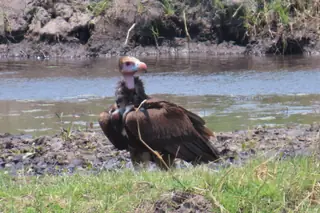 White-headed VultureRare
-
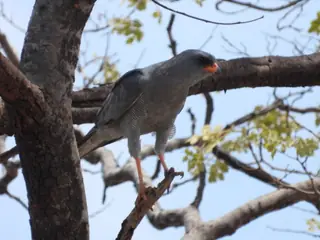 Dark Chanting Goshawk
-
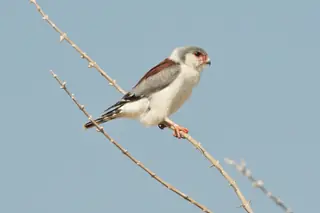 Pygmy Falcon
-
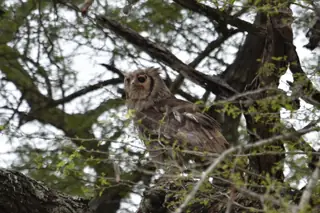 Verreaux's Eagle-Owl
-
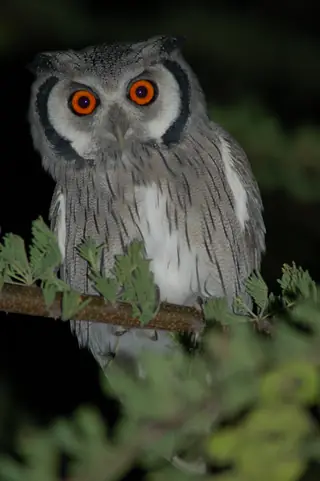 Southern White-faced Owl
Big birds 13
-
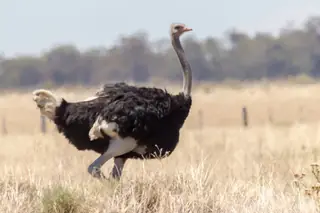 Ostrich
-
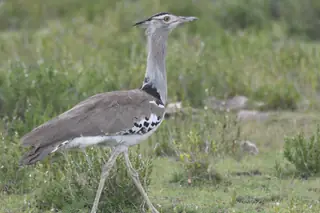 Kori Bustard
-
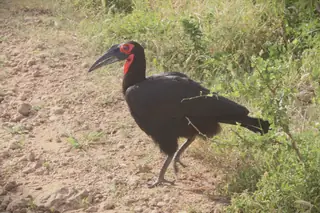 Southern Ground Hornbill
-
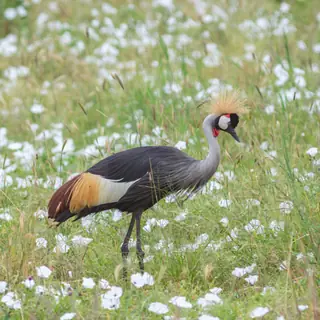 Grey Crowned Crane
-
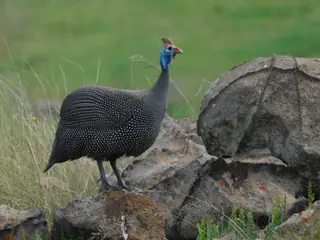 Helmeted Guineafowl
-
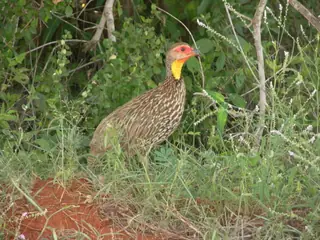 Yellow-necked Spurfowl
-
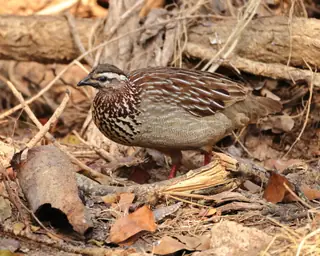 Crested Francolin
-
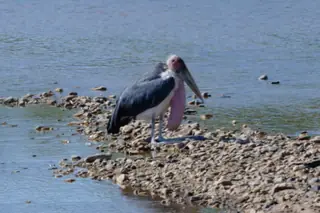 Marabou Stork
-
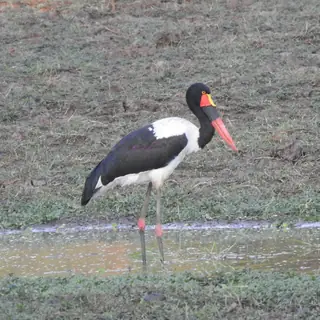 Saddle-billed Stork
-
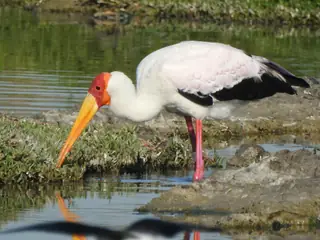 Yellow-billed Stork
-
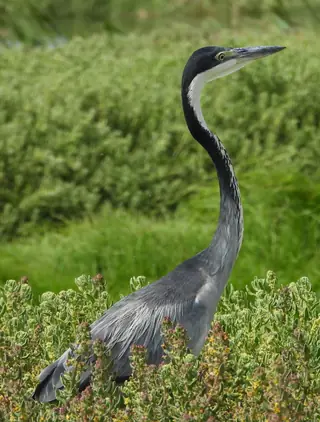 Black-headed Heron
-
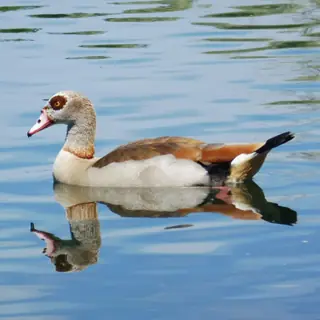 Egyptian Goose
-
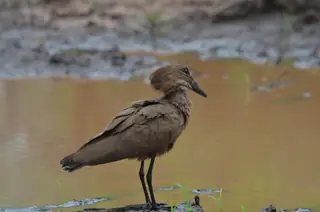 Hamerkop
Colourful birds 21
-
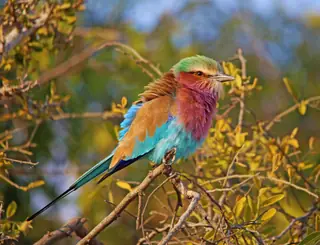 Lilac-breasted Roller
-
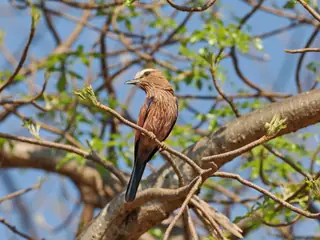 Purple Roller
-
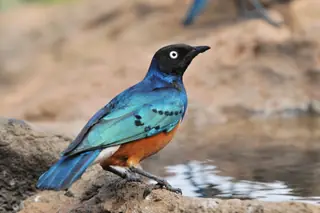 Superb Starling
-
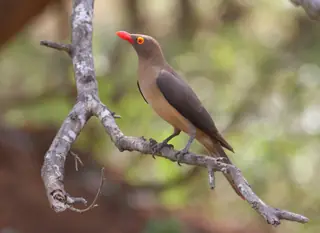 Red-billed Oxpecker
-
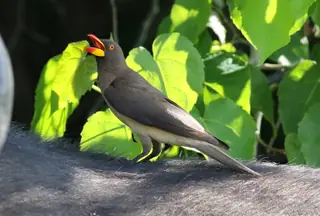 Yellow-billed Oxpecker
-
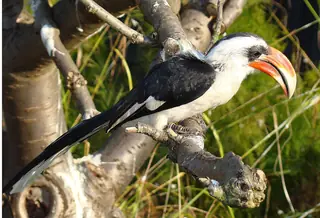 Von der Decken's Hornbill
-
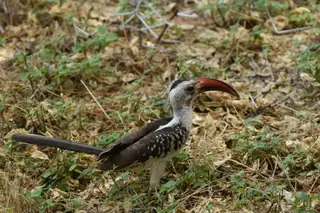 Red-billed Hornbill
-
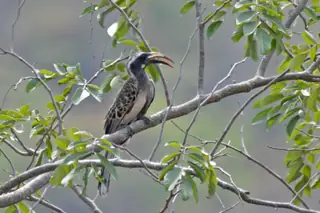 African Grey Hornbill
-
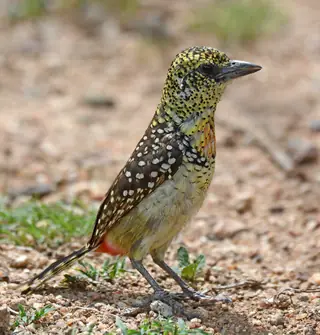 D'Arnaud's Barbet
-
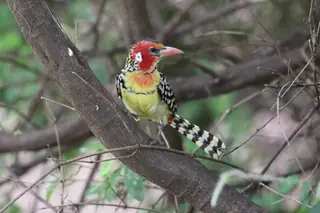 Red-and-yellow Barbet
-
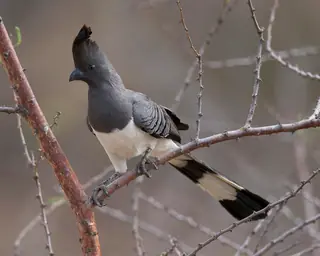 White-bellied Go-away-bird
-
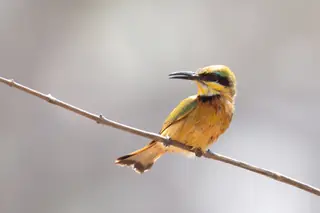 Little Bee-eater
-
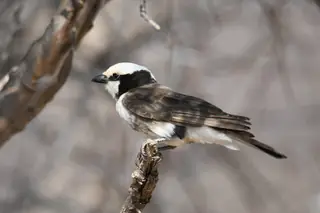 Northern White-crowned Shrike
-
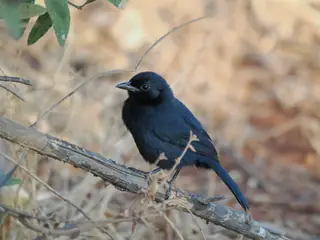 Slate-coloured Boubou
-
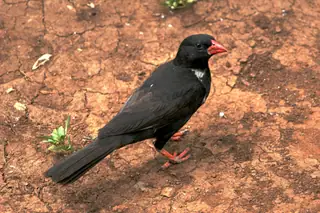 Red-billed Buffalo Weaver
-
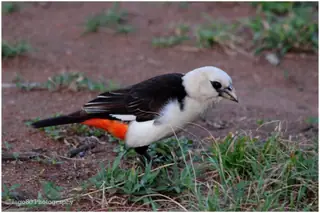 White-headed Buffalo Weaver
-
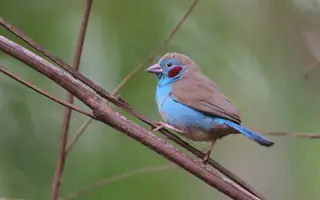 Red-cheeked Cordon-bleu
-
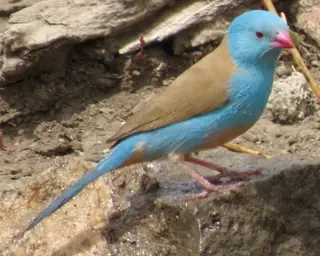 Blue-capped Cordon-bleu
-
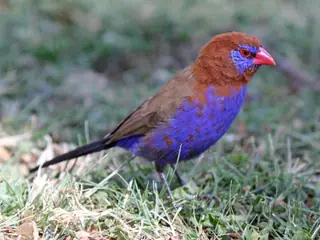 Purple Grenadier
-
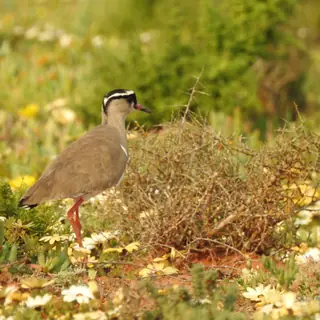 Crowned Lapwing
-
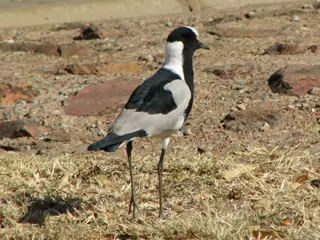 Blacksmith Lapwing
Reptiles and amphibians 9
-
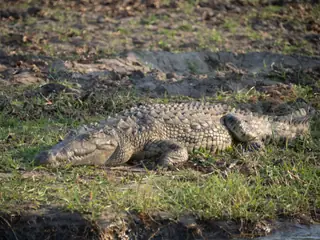 Nile Crocodile
-
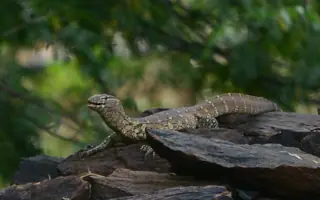 Nile Monitor
-
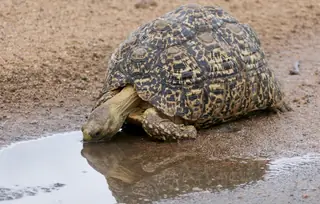 Leopard Tortoise
-
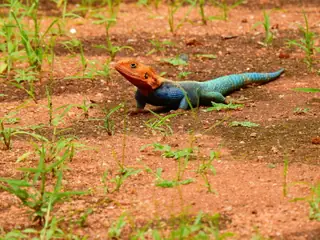 Red-headed Rock Agama
-
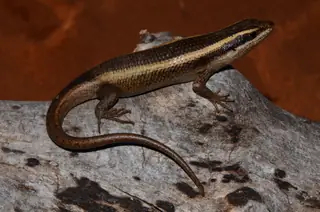 Striped Skink
-
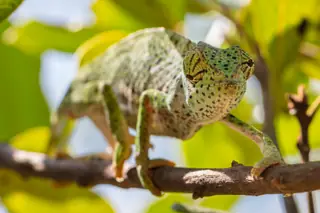 Flap-necked Chameleon
-
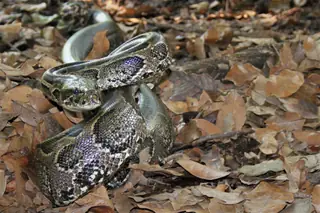 African Rock PythonRare
-
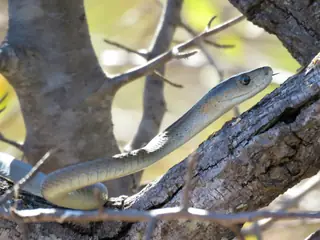 Black MambaRare
-
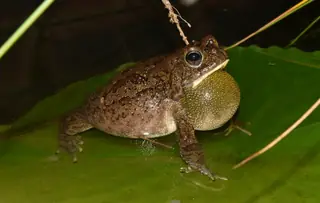 Guttural Toad
Best time to see wildlife in Tarangire
Sightings by month in Tarangire
Most records: Jun to Oct, Dec to JanRecords from GBIF.org, adjusted for how many people record wildlife each month. 100% is the busiest month.
Tarangire changes with the seasons more than most parks. In the dry season, roughly June to October, the park holds the only reliable water in the area, and elephants, zebra, wildebeest and buffalo stream in from the surrounding plains. This is the best time, with the biggest herds in September and October. The short rains in November and December and the long rains from March to May let the animals spread out over a much larger area, and many leave the park. The green season brings migrant birds, baby animals and far fewer vehicles, but game is more scattered. January and February are a short, drier break and often good.
- Jan to FebShort dry spell; green and quiet
- Mar to MayLong rains; game scattered, lush scenery
- Jun to OctDry season; huge herds along the river
- Nov to DecShort rains; migrant birds, animals start to disperse
Tips for spotting wildlife in Tarangire
- 01
Visit in the dry season for herds
From about June to October, the park fills with elephants and other game. September and October usually bring the largest gatherings.
- 02
Wait by the river
Instead of chasing sightings, find a viewpoint above the river, switch off and wait. Herds come down to drink and dig for water in the sand.
- 03
Look up into the baobabs
Baobabs here can be hundreds of years old. Many are hollowed and scarred by elephants, and lovebirds, hornbills and owls use the trees.
- 04
Stay longer than a half day
Many itineraries rush through on the way to Ngorongoro. An overnight inside or beside the park lets you be out at dawn and dusk, the best hours for cats.
- 05
Walk with a licensed guide
Guided walks and night drives are offered by licensed operators in and around the park. Walking reveals tracks, termite mounds and small animals you miss from a vehicle.

Take Tarangire with you
On safari in Tarangire? Take this list on your phone and tick off elephants, lovebirds and oryx as you go, even with no signal. Wilder is free to start.

Tarangire wildlife FAQ
Is Tarangire worth visiting?
Yes. Tarangire is one of the best places in Tanzania for elephants in the dry season, with herds of hundreds, and its baobab scenery is unlike anywhere else on the northern circuit. It is also quieter than the Serengeti and Ngorongoro, and has dry-country animals such as oryx and lesser kudu.
What animals can you see in Tarangire National Park?
In Tarangire you can see elephants, lions, leopards, buffalo, giraffes, zebras, wildebeest, oryx and lesser kudu, plus hundreds of bird species. This checklist covers 115 animals. Elephants and giraffes are near certain in the dry season, lions likely, and leopard and cheetah need luck. There are no rhinos in the park.
When is the best time to visit Tarangire?
The best time to visit Tarangire is the dry season, June to October, when animals gather along the Tarangire River. The rainy months are greener with more birds, but much of the big game leaves the park to graze on the plains outside.
How does Tarangire compare with the Serengeti?
Tarangire is smaller, closer to Arusha and at its best in the dry season, when the Serengeti's herds are far to the north. It is the place for elephants and baobabs, while the Serengeti is better for big cats and the wildebeest migration. Many itineraries include Tarangire, Ngorongoro and the Serengeti.
Sources
- Tanzania National Parks: Tarangire National Park
- Tanzania National Parks: Tarangire visitor guide
- Africa Geographic: Tarangire National Park
- Sightings by month: GBIF.org
Animal photos are from the Wilder catalogue; photo credits.
Similar checklists
All Africa-
 Safari69animals Ngorongoro Crater Arusha Region, Tanzania A vast volcanic caldera packed with game: the best place in Tanzania for black rhino, with flamingos on the soda lake. Best time All year
-
 Safari88animals Serengeti National Park Mara, Simiyu and Arusha, Tanzania Endless plains and the great wildebeest migration, with lions on the kopjes and cheetahs hunting in the open grass. Best time Jun to Oct, Jan to Mar
-
 Safari112animals Amboseli National Park Kajiado County, Kenya Big-tusked elephants crossing dusty plains and green swamps beneath Kilimanjaro, in one of the most studied elephant populations in Africa. Best time Jun to Oct, Jan to Feb
-
 Safari88animals Masai Mara National Reserve Narok County, Kenya Kenya's most famous reserve: big cat country, and the Mara River crossings when the migration arrives from July to October. Takes in the conservancies around the reserve. Best time Jul to Oct