Safari · Mara, Simiyu and Arusha · Tanzania
Serengeti Animal Checklist

The Serengeti in northern Tanzania is famous for the great migration, when well over a million wildebeest follow the rains in a year-round loop with zebras and gazelles. It has all of the Big Five, though black rhino is rare, and some of Africa's best lion and cheetah viewing. This checklist covers 88 animals. June to October and January to March are the peak months.
Tick off all 88 animals in the Serengeti on your phone, even offline. Launching soon. Free A4 PDF, no sign-up.
At nearly 15,000 square kilometres, the Serengeti is about ten times the size of Kenya's Masai Mara, and where the herds are depends on the month. Resident lions, leopards and hyenas stay put all year.
- Animals to find
- 88
- Where
- Tanzania
- Best time
- Jun to Oct, Jan to Mar
- Great migration
- Year-round loop
Popular animals in the Serengeti
-
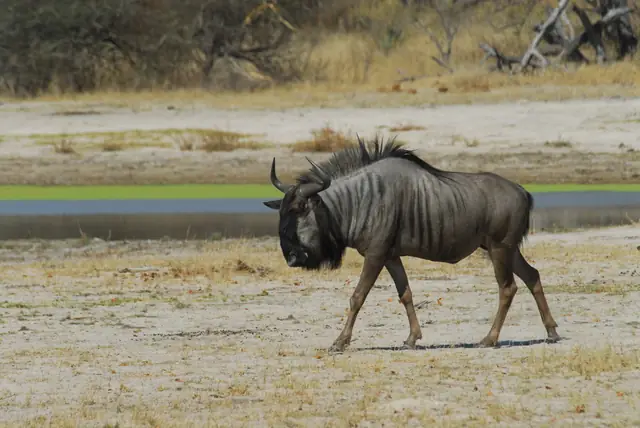
Wildebeest
Connochaetes taurinus
The engine of the migration. Calving peaks on the short-grass plains around Ndutu in February, and the herds reach the Mara River in the far north from about July.
-
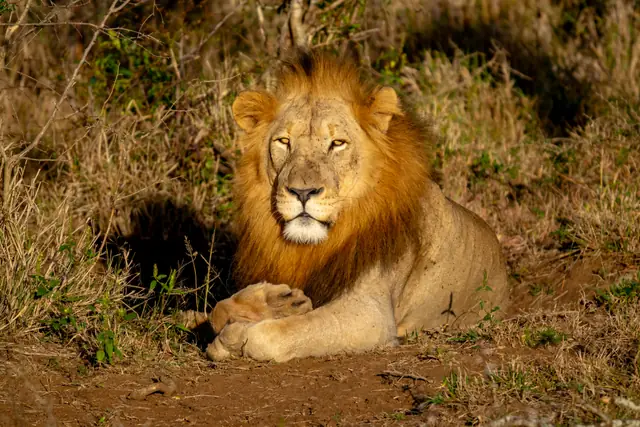
Lion
Panthera leo
The Serengeti has one of Africa's largest lion populations. Look on the granite kopjes, where prides rest in the shade.
-
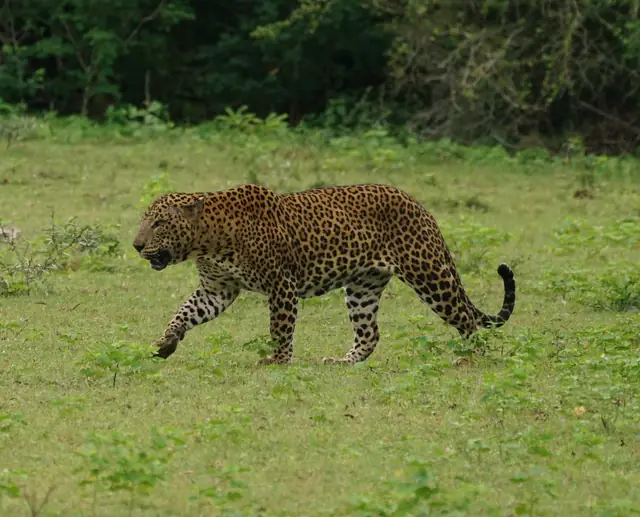
Leopard
Panthera pardus
Scan the sausage trees and yellow-barked acacias along the rivers, where leopards lie draped over branches in the heat of the day.
-
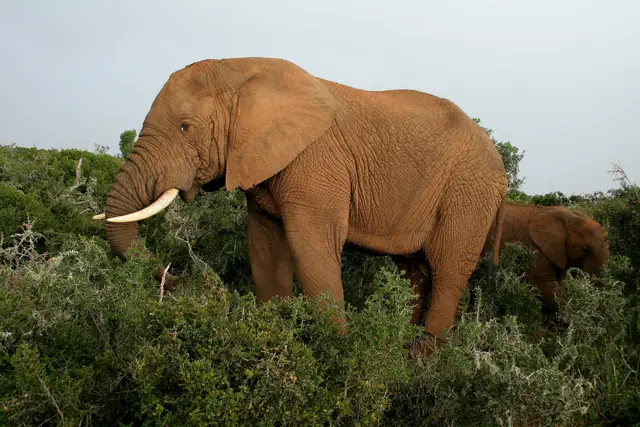
African Savanna Elephant
Loxodonta africana
Scarce on the open plains, but herds move through the woodlands.
-
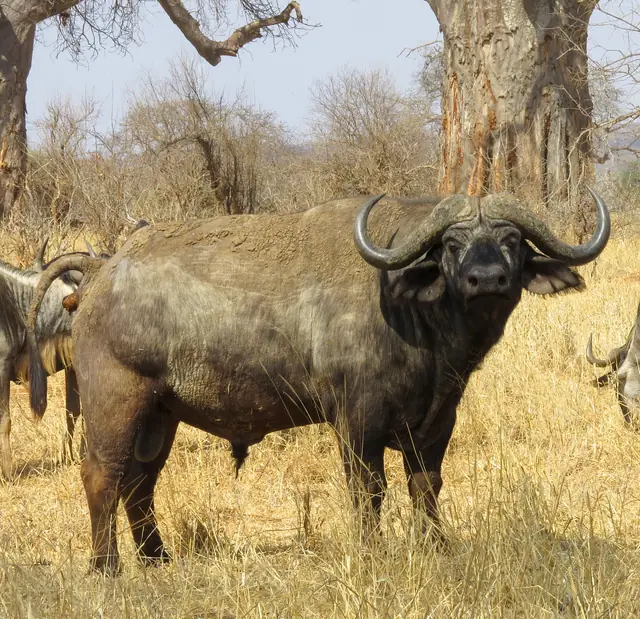
Cape Buffalo
Syncerus caffer
Big herds graze in the central and northern woodlands, and old bulls wallow in the swamps along the Seronera and Grumeti rivers.
-
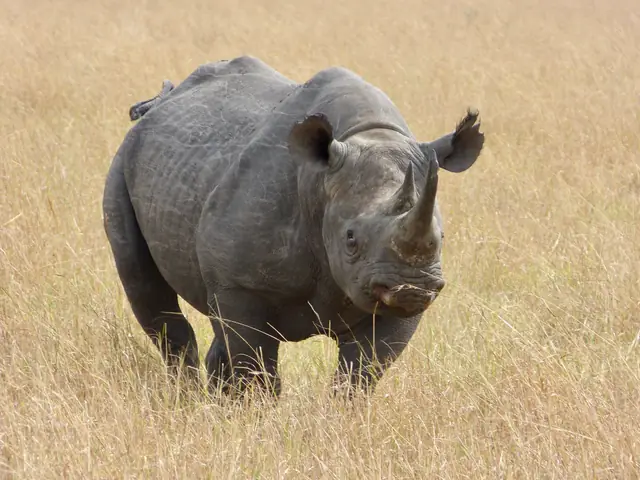
Black Rhinoceros
Diceros bicornis
Only a small, closely guarded population lives in the park. A sighting is a real bonus; if you are lucky, keep its location to yourself.
-
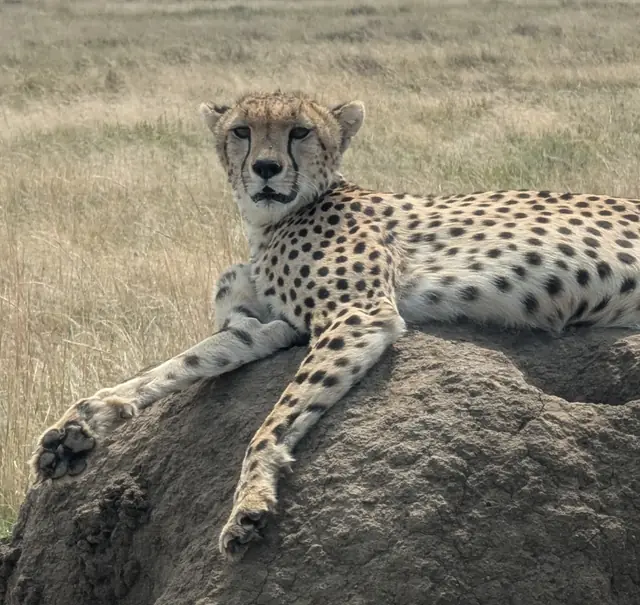
Cheetah
Acinonyx jubatus
The open short-grass plains are some of the best cheetah country anywhere. Look for them on termite mounds, scanning for gazelles.
-
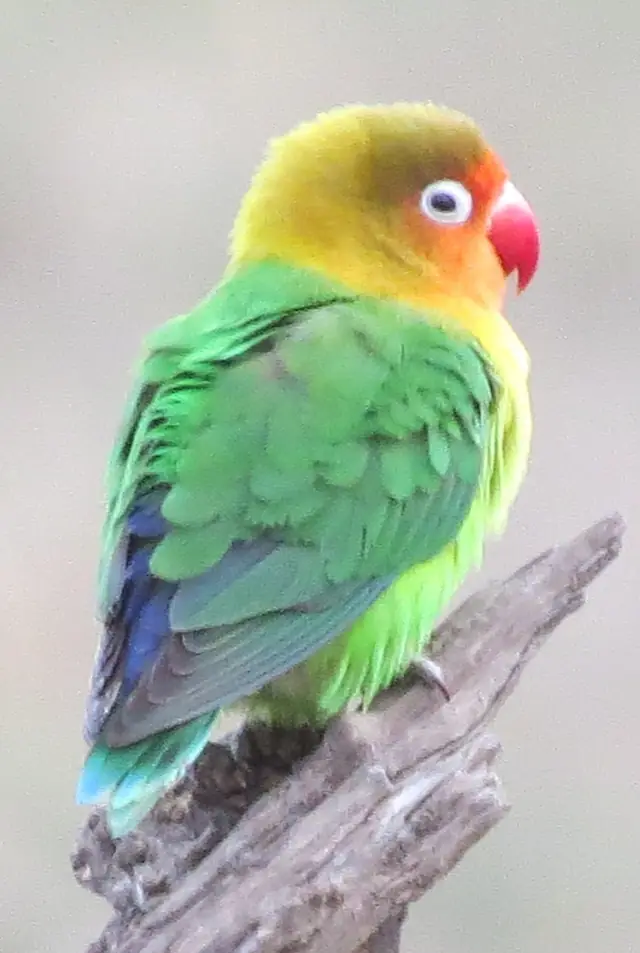
Fischer's Lovebird
Agapornis fischeri
A small green parrot found only in north-central Tanzania. Flocks feed on the ground near waterholes and in acacia woodland around Seronera.
All 88 animals in the Serengeti
The Big Five 5
-
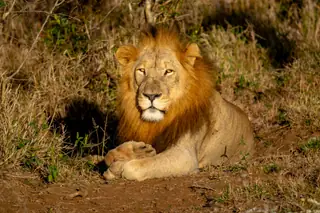 Lion
-
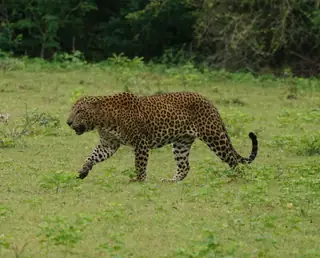 Leopard
-
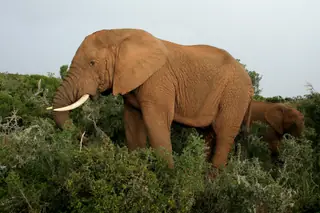 African Savanna Elephant
-
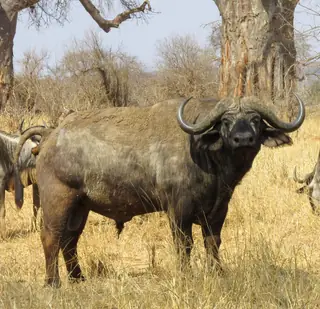 Cape Buffalo
-
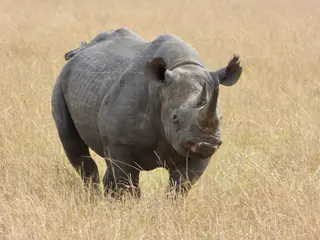 Black RhinocerosRare
Grazers and browsers 18
-
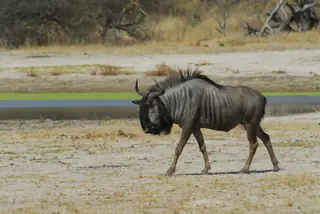 Wildebeest
-
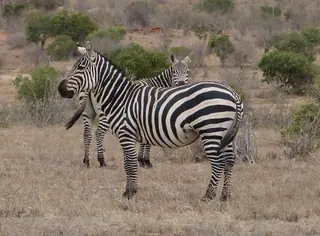 Plains Zebra
-
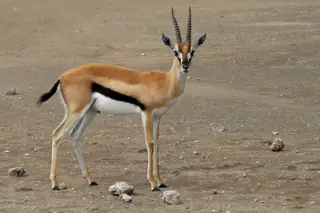 Thomson's Gazelle
-
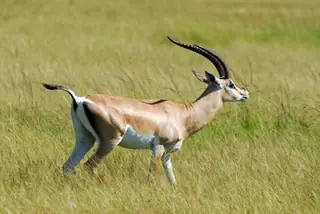 Grant's Gazelle
-
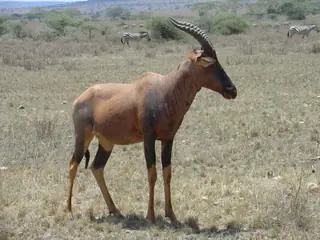 Topi
-
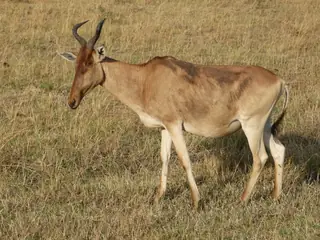 Coke's Hartebeest
-
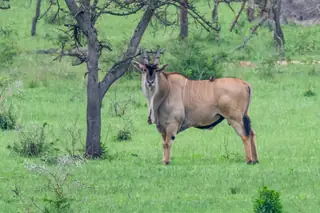 Eland
-
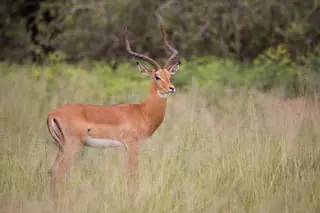 Impala
-
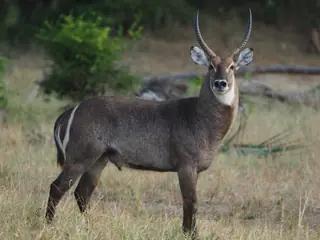 Waterbuck
-
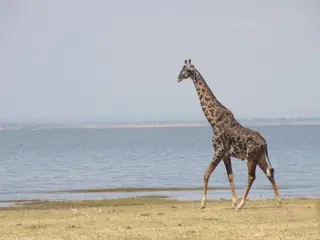 Masai Giraffe
-
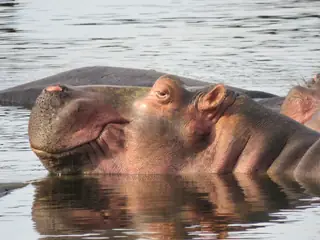 Hippopotamus
-
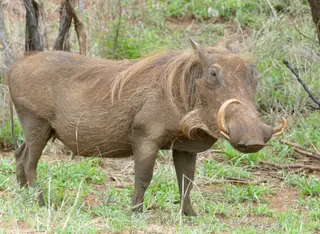 Warthog
-
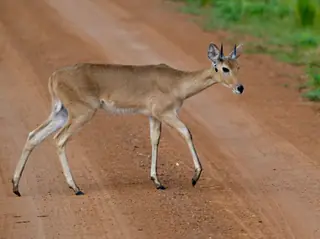 Bohor Reedbuck
-
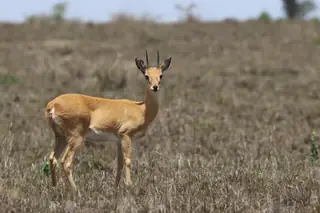 OribiRare
-
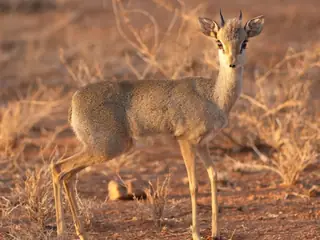 Kirk's Dik-dik
-
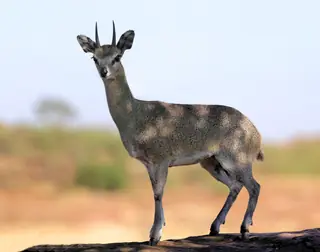 Klipspringer
-
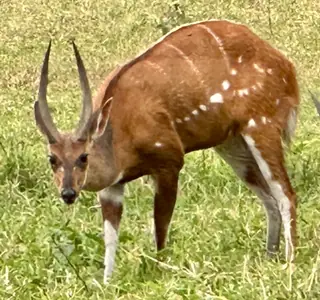 Bushbuck
-
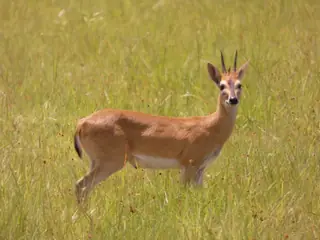 Common Duiker
Hunters 13
-
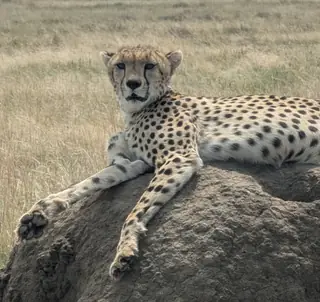 Cheetah
-
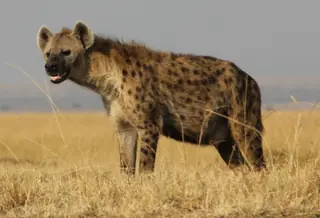 Spotted Hyena
-
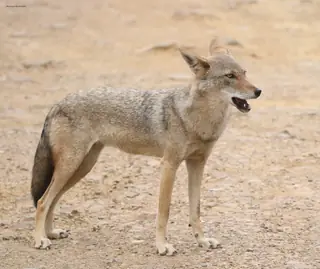 African Golden Wolf
-
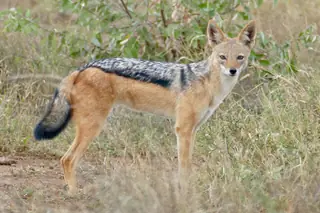 Black-backed Jackal
-
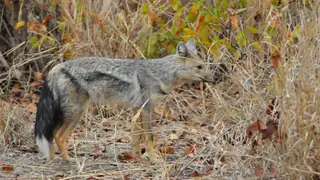 Side-striped JackalRare
-
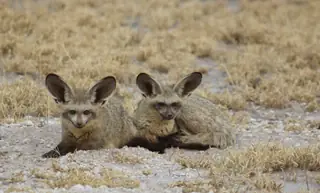 Bat-eared Fox
-
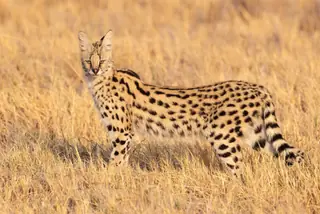 Serval
-
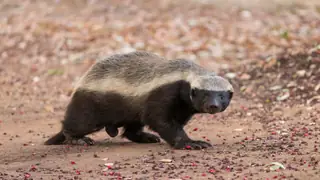 Honey BadgerRare
-
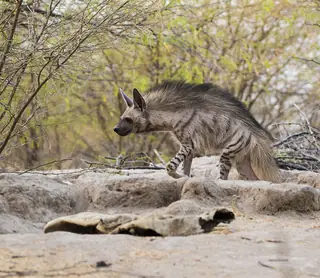 Striped HyenaRare
-
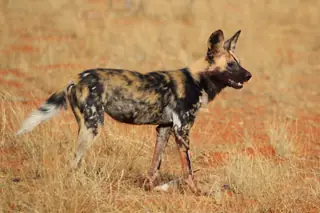 African Wild DogRare
-
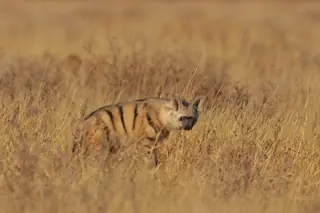 AardwolfRare
-
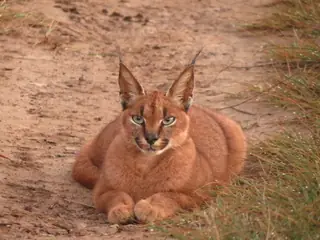 CaracalRare
-
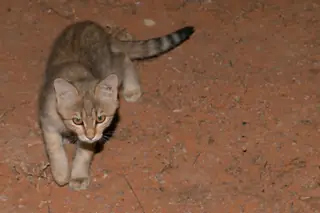 African Wildcat
Smaller mammals 9
-
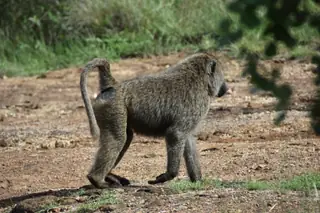 Olive Baboon
-
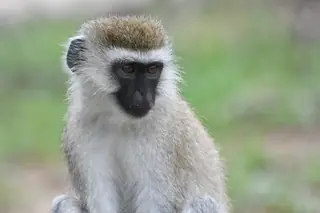 Vervet Monkey
-
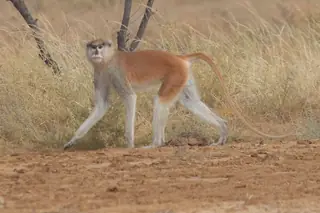 Patas Monkey
-
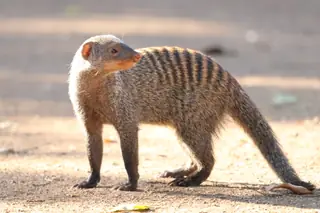 Banded Mongoose
-
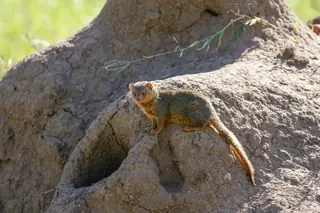 Dwarf Mongoose
-
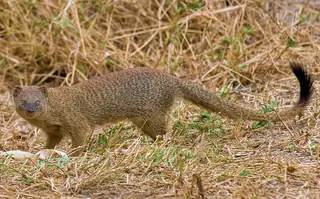 Slender Mongoose
-
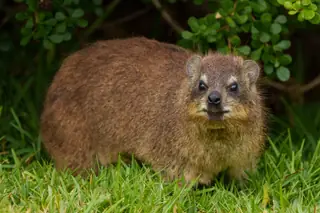 Rock Hyrax
-
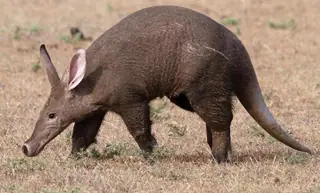 AardvarkRare
-
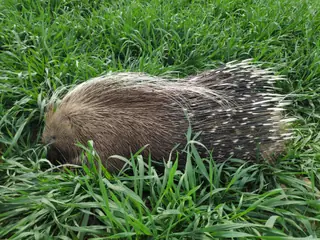 Crested PorcupineRare
Birds of prey 11
-
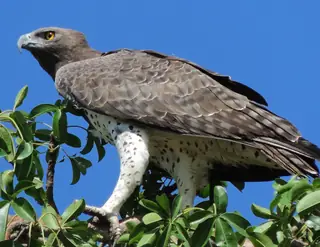 Martial Eagle
-
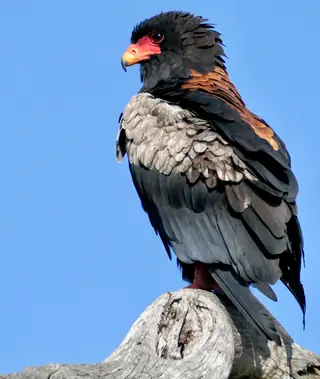 Bateleur
-
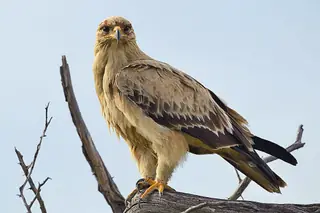 Tawny Eagle
-
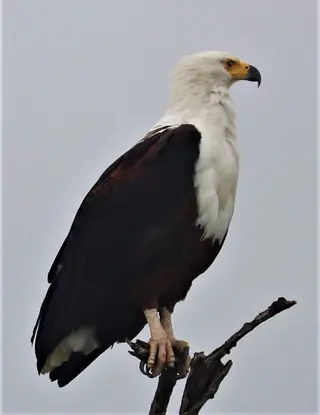 African Fish Eagle
-
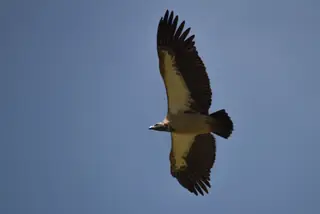 White-backed Vulture
-
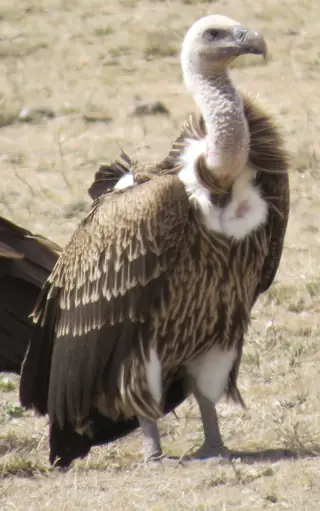 Rüppell's Vulture
-
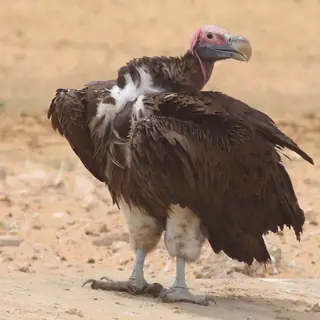 Lappet-faced Vulture
-
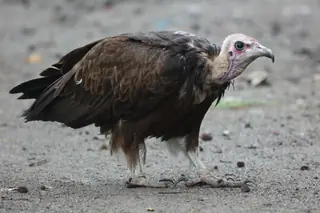 Hooded Vulture
-
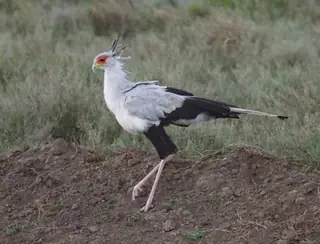 Secretary Bird
-
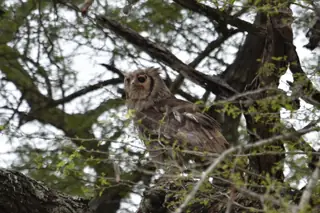 Verreaux's Eagle-Owl
-
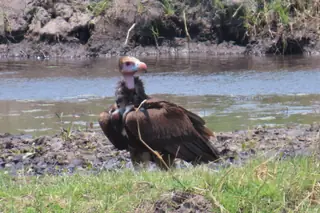 White-headed Vulture
Big birds 11
-
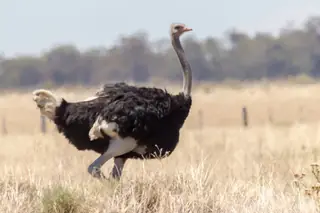 Ostrich
-
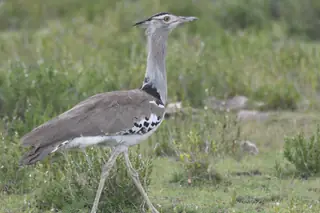 Kori Bustard
-
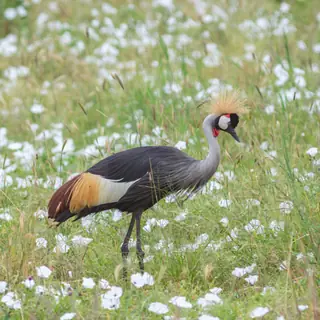 Grey Crowned Crane
-
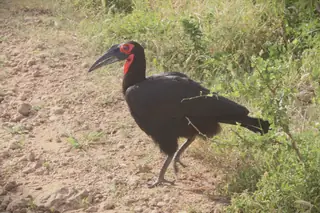 Southern Ground Hornbill
-
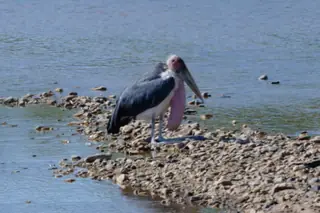 Marabou Stork
-
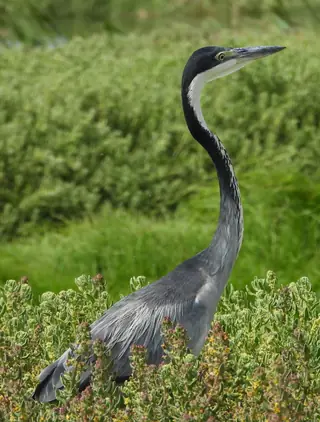 Black-headed Heron
-
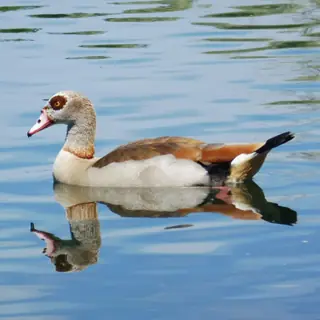 Egyptian Goose
-
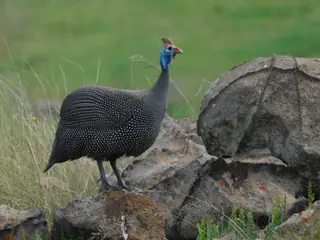 Helmeted Guineafowl
-
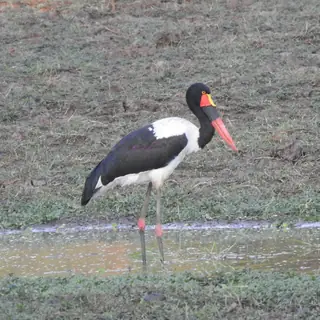 Saddle-billed Stork
-
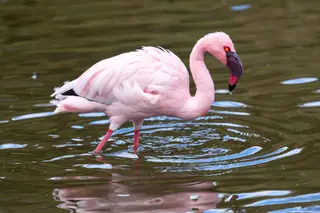 Lesser Flamingo
-
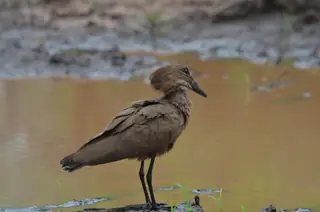 Hamerkop
Colourful birds 15
-
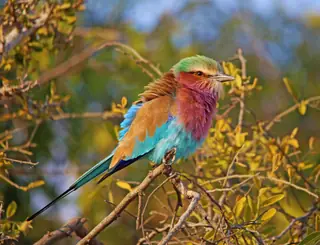 Lilac-breasted Roller
-
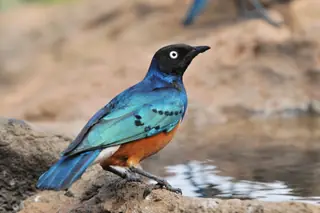 Superb Starling
-
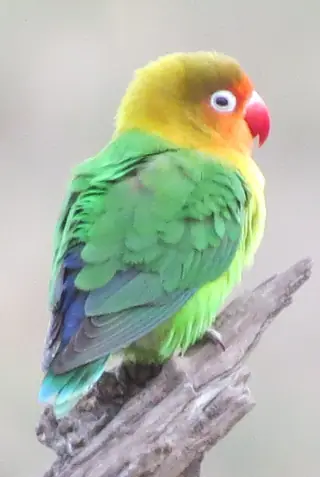 Fischer's Lovebird
-
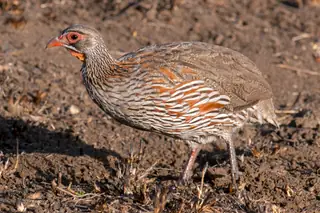 Grey-breasted Spurfowl
-
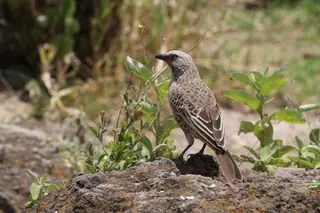 Rufous-tailed Weaver
-
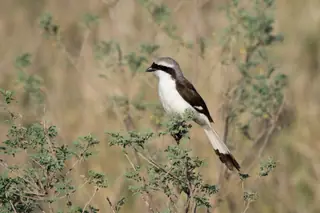 Grey-backed Fiscal
-
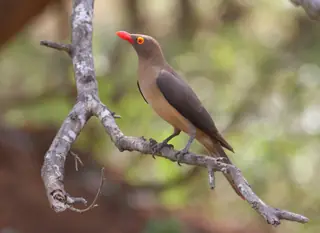 Red-billed Oxpecker
-
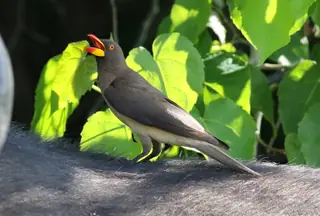 Yellow-billed Oxpecker
-
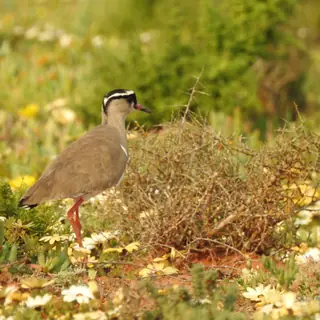 Crowned Lapwing
-
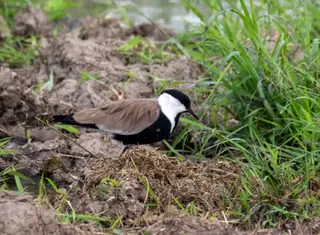 Spur-winged Lapwing
-
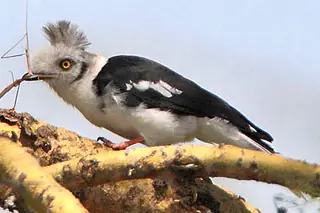 Grey-crested HelmetshrikeRare
-
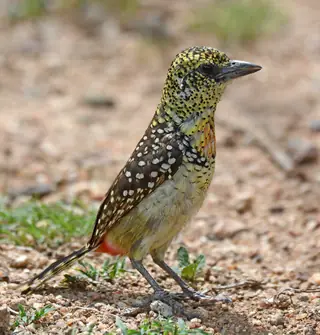 D'Arnaud's Barbet
-
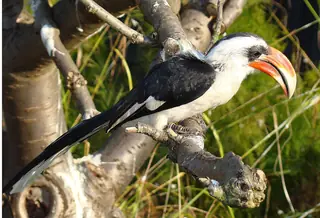 Von der Decken's Hornbill
-
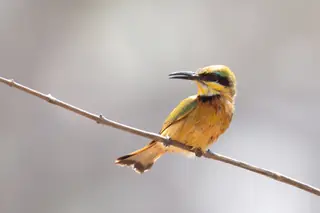 Little Bee-eater
-
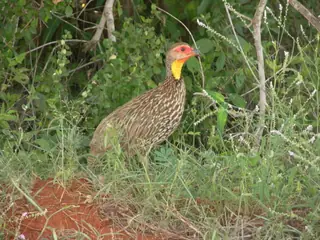 Yellow-necked Spurfowl
Reptiles and amphibians 6
-
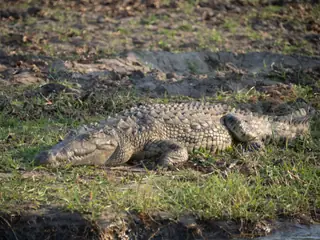 Nile Crocodile
-
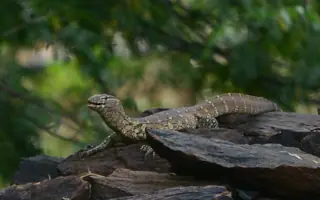 Nile Monitor
-
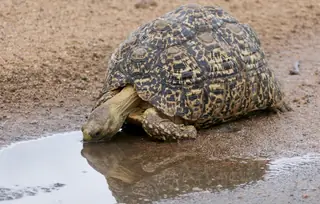 Leopard Tortoise
-
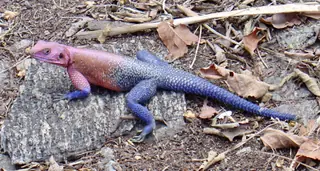 Mwanza Flat-headed Agama
-
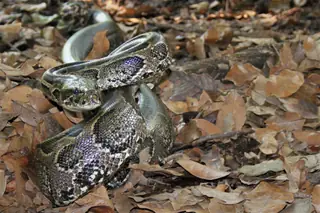 African Rock PythonRare
-
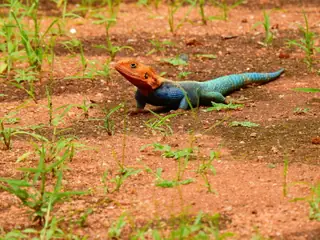 Red-headed Rock Agama
Best time to see wildlife in the Serengeti
Sightings by month in the Serengeti
Most records: Jun to Oct, JanRecords from GBIF.org, adjusted for how many people record wildlife each month. 100% is the busiest month.
There is no bad month in the Serengeti, but where to stay changes with the migration. From December to March the herds spread across the southern plains around Ndutu, and most calves are born in a few weeks in late January and February. Predators follow, so this is a superb time for lion, cheetah and hyena action. The long rains in April and May make some tracks muddy, and many camps close. From late May the herds move north and west, and in June and July they cross the Grumeti River in the Western Corridor. From July to October they reach the far north around Kogatende, with crossings of the Mara River. November's short rains send them back south through the central and eastern Serengeti. Resident game around Seronera is good all year.
- Dec to MarHerds on the southern plains; calving around Ndutu peaks in February
- Apr to MayLong rains; herds moving to central and western areas, some camps close
- Jun to JulRut and Grumeti River crossings in the Western Corridor
- Jul to OctMara River crossings in the northern Serengeti around Kogatende
- NovShort rains; herds stream back south through the east
Tips for spotting wildlife in the Serengeti
- 01
Base yourself by the month
The herds can be 150 km from where they were a few months earlier. Choose a camp in the south for January to March, the west for June, and the north for August to October.
- 02
Spend time at the kopjes
The granite outcrops shelter lions, klipspringers, rock hyraxes and Verreaux's eagle-owls. Circle them slowly and check the shady side.
- 03
Watch the short grass in calving season
In February, look for groups of vultures and hyenas. They often mark a birth or a kill, and cheetahs hunt the calves by day.
- 04
Stay on the tracks
Off-road driving is not permitted in most of the national park, and night drives are not allowed. The Ndutu area, inside the Ngorongoro Conservation Area, has its own rules; even there, don't ask your driver to leave the track for a closer look.
- 05
Look for the local birds
Fischer's lovebird, rufous-tailed weaver and grey-breasted spurfowl are found only in northern Tanzania. All three are easy around Seronera, if you ask your guide to stop.

Take the Serengeti with you
Following the migration? Take this Serengeti list on your phone and tick off each animal on the drive, offline. Wilder is free to start.

Serengeti wildlife FAQ
What animals can you see in the Serengeti?
You can see wildebeest, zebra, gazelles, lions, leopards, cheetahs, elephants, buffalo, giraffes, hippos and hyenas in the Serengeti, plus more than 500 bird species. This checklist covers 88 of them, including birds found only in northern Tanzania. The migration herds move with the seasons, but most other animals are resident, so you can see plenty in any month.
Can you see the Big Five in the Serengeti?
Yes, the Serengeti has all of the Big Five, but the rhino is hard. Lion, leopard, elephant and buffalo are seen on most trips. Black rhinos live only in small numbers and sightings are rare.
Where is the great migration each month?
The migration is in the southern Serengeti and Ndutu from December to March, moving through the central and western Serengeti in April and May. It is in the Western Corridor around the Grumeti River in June and July, and in the far north and Kenya's Masai Mara from July to October. It heads back south in November. Rain decides the timing, so it shifts by a few weeks each year.
When is calving season in the Serengeti?
Calving season in the Serengeti is from late January to early March, with a peak in February. Around eight thousand wildebeest calves can be born a day on the short-grass plains around Ndutu and the southern Serengeti. It is one of the best times to see predators hunting, especially cheetahs, lions and spotted hyenas, and the plains are green after the short rains.
Are there rhinos in the Serengeti?
Yes, there are black rhinos in the Serengeti, but very few, and they are rarely seen. The small population is closely protected by rangers. There are no white rhinos.
Sources
- Tanzania National Parks (TANAPA): Serengeti National Park
- UNESCO World Heritage: Serengeti National Park
- Frankfurt Zoological Society: Serengeti
- Sightings by month: GBIF.org
Animal photos are from the Wilder catalogue; photo credits.
Similar checklists
All Africa-
 Safari69animals Ngorongoro Crater Arusha Region, Tanzania A vast volcanic caldera packed with game: the best place in Tanzania for black rhino, with flamingos on the soda lake. Best time All year
-
 Safari88animals Masai Mara National Reserve Narok County, Kenya Kenya's most famous reserve: big cat country, and the Mara River crossings when the migration arrives from July to October. Takes in the conservancies around the reserve. Best time Jul to Oct
-
 National park52animals Bwindi Impenetrable National Park Kanungu, Kisoro and Rubanda, Uganda Steep, misty rainforest that is home to around half the world's mountain gorillas, and to birds found nowhere outside the Albertine Rift. Best time Jun to Aug, Dec to Feb
-
 Safari81animals South Luangwa National Park Eastern and Muchinga provinces, Zambia The home of the walking safari, famous for leopards on night drives and a river crowded with hippos. Best time May to Oct