Safari · Samburu and Isiolo counties · Kenya
Samburu Wildlife Checklist

Samburu, Buffalo Springs and Shaba are three neighbouring reserves along the Ewaso Nyiro River in hot, dry northern Kenya. They are home to the Samburu Special Five: Grévy's zebra, reticulated giraffe, beisa oryx, gerenuk and Somali ostrich, none of which live in the Mara. This checklist covers 109 animals. The dry months, June to October and January to March, are best.
Tick off all 109 animals in Samburu on your phone, even offline. Launching soon. Free A4 PDF, no sign-up.
The Ewaso Nyiro River is the reserves' lifeline: Samburu lies on the north bank, Buffalo Springs on the south, and Shaba to the east. Elephants, lions and leopards are all regular, and the dry-country birds are some of the best in Kenya.
- Animals to find
- 109
- Where
- Kenya
- Best time
- Jun to Oct, Jan to Mar
- Grevy's zebra
- Most of the world's are here
Popular animals in Samburu
-
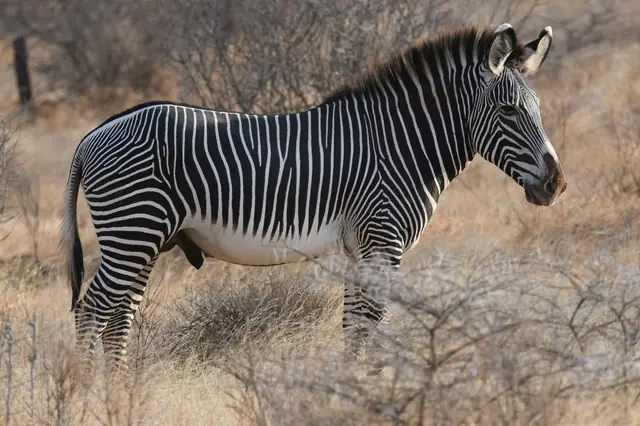
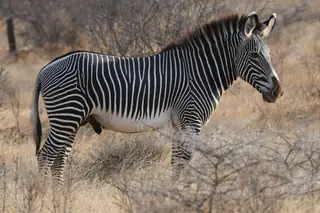
Grévy's Zebra
Equus grevyi
The largest and most endangered zebra, with narrow stripes, a white belly and big round ears. Most of the world's population lives in northern Kenya.
-
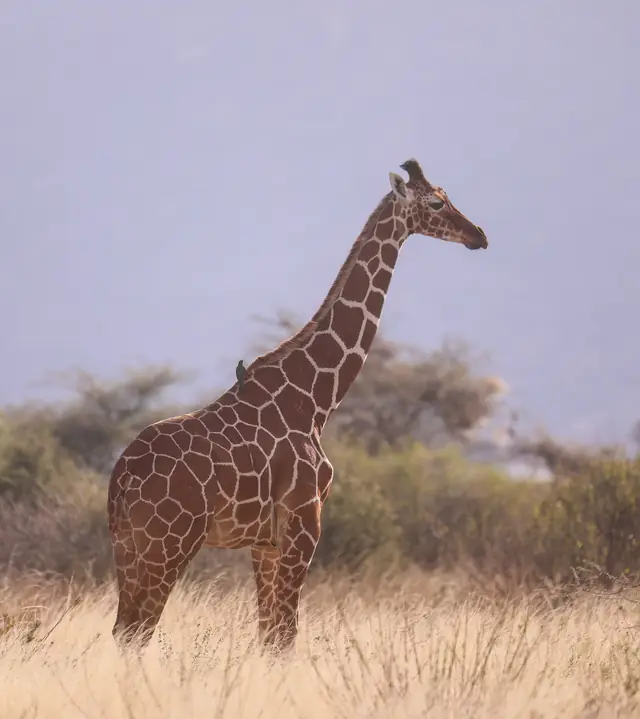
Reticulated Giraffe
Giraffa reticulata
Its coat looks like a net of white lines over rich red-brown patches. Easy to see browsing acacias on both banks of the river.
-
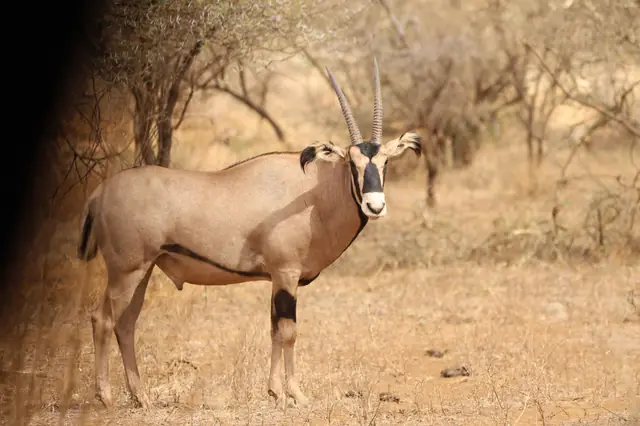
Beisa Oryx
Oryx beisa
A grey antelope with long, straight horns and a black-and-white face, often in herds on the open plains.
-
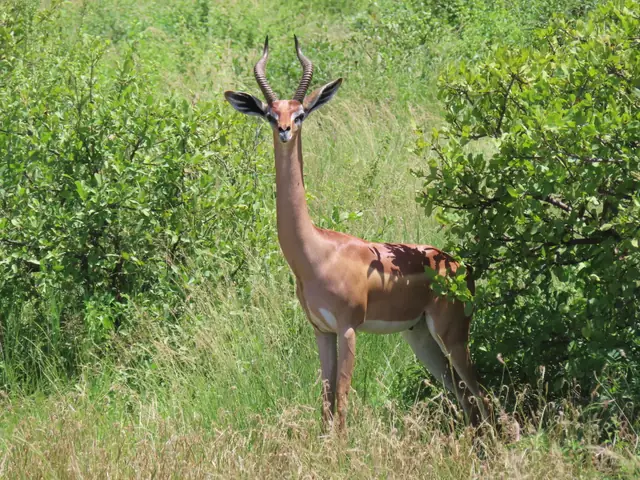
Gerenuk
Litocranius walleri
Gerenuk is Somali for giraffe-necked. It stands on its hind legs to reach the highest leaves of thornbushes.
-
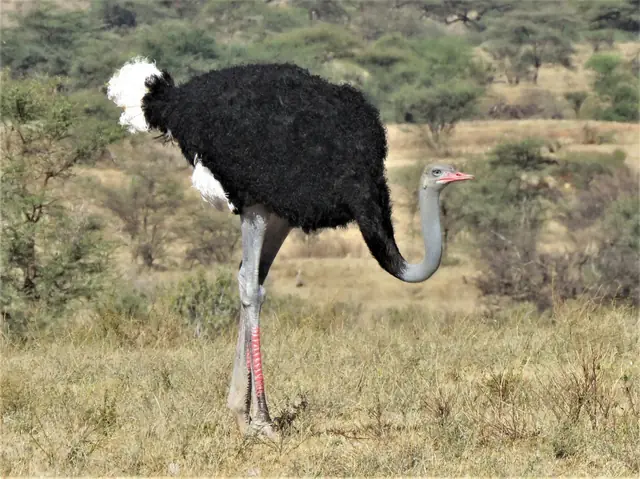
Somali Ostrich
Struthio molybdophanes
The males' necks and legs are blue-grey, not pink as in the ostriches further south. Look on the open plains away from the river.
-
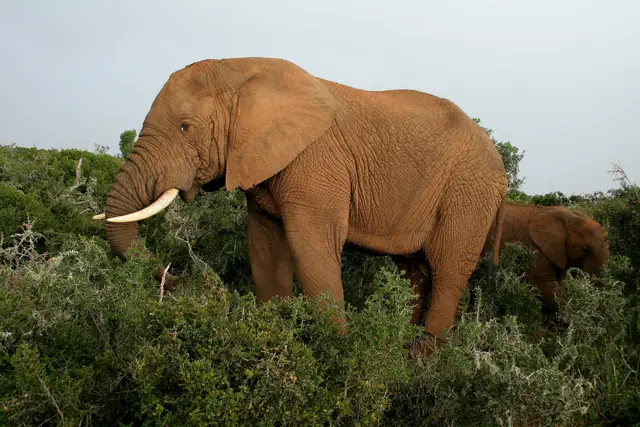
African Savanna Elephant
Loxodonta africana
Not one of the five, but a highlight: families come down to water in the heat of the day. Long-term research follows these herds, so keep well back.
-
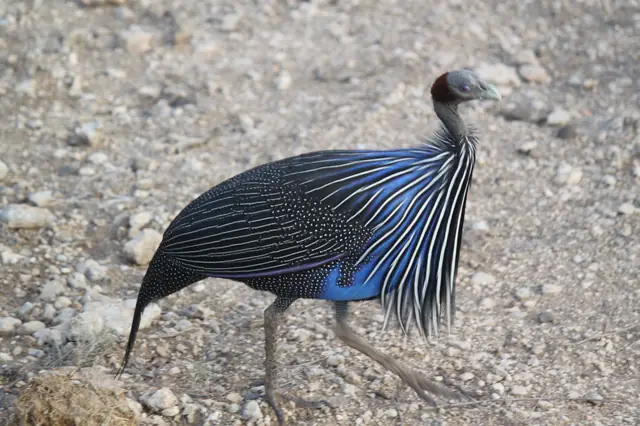
Vulturine Guineafowl
Acryllium vulturinum
Cobalt-blue breast, long striped neck feathers and a bare head. Flocks scurry through the bush and are seen on most drives.
All 109 animals in Samburu
Samburu Special Five 5
-
 Grévy's Zebra
-
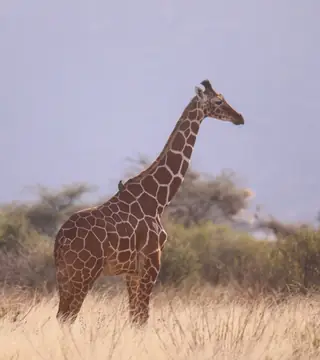 Reticulated Giraffe
-
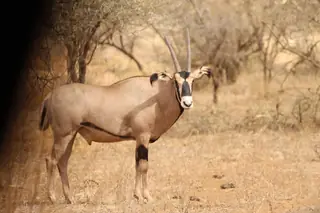 Beisa Oryx
-
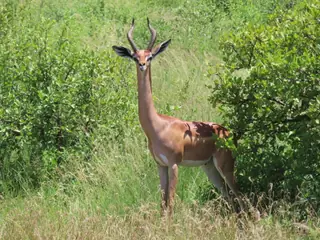 Gerenuk
-
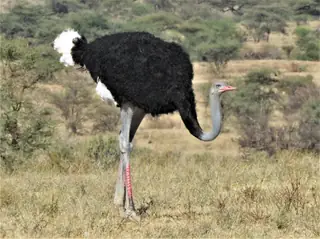 Somali Ostrich
Big game 7
-
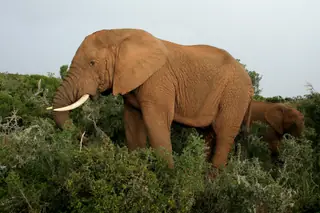 African Savanna Elephant
-
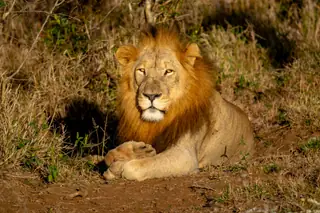 Lion
-
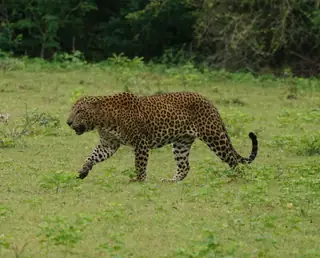 Leopard
-
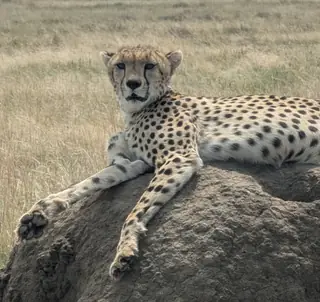 Cheetah
-
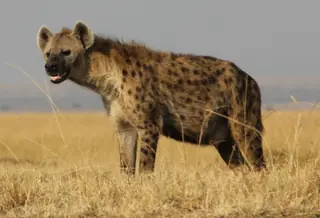 Spotted Hyena
-
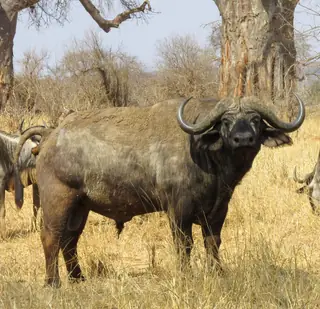 Cape Buffalo
-
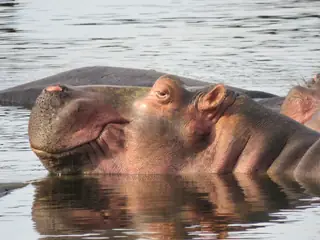 Hippopotamus
Grazers and browsers 11
-
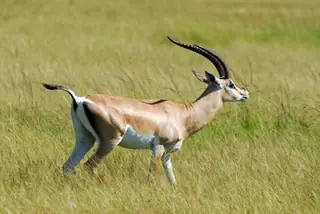 Grant's Gazelle
-
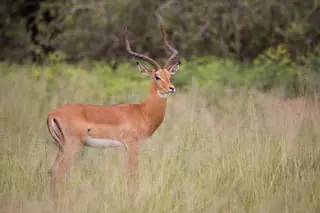 Impala
-
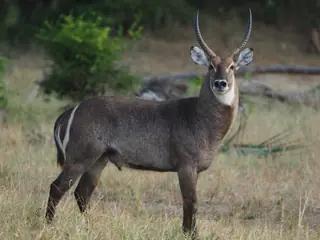 Waterbuck
-
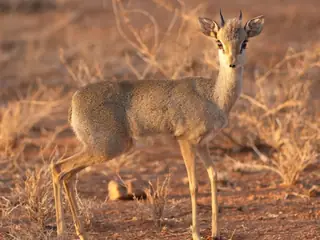 Kirk's Dik-dik
-
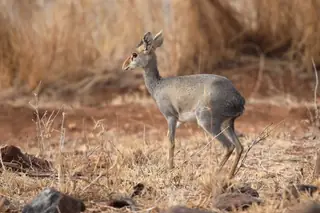 Günther's Dik-dik
-
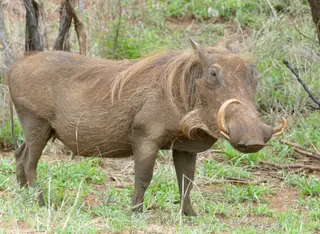 Warthog
-
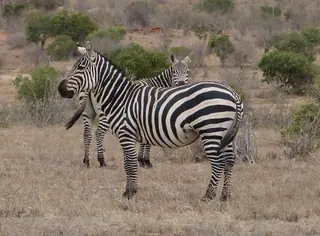 Plains Zebra
-
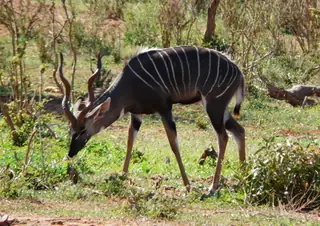 Lesser Kudu
-
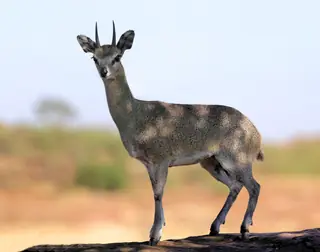 Klipspringer
-
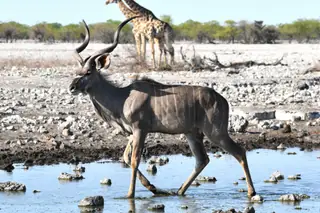 KuduRare
-
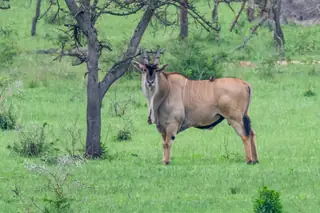 ElandRare
Hunters 12
-
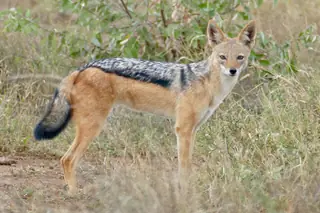 Black-backed Jackal
-
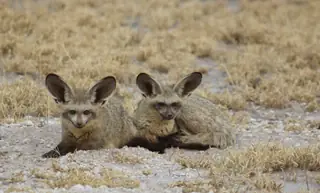 Bat-eared Fox
-
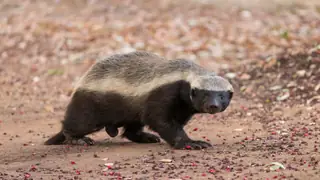 Honey Badger
-
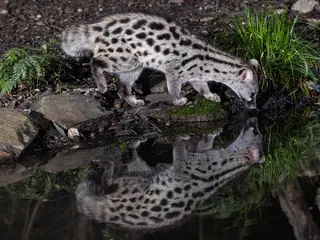 Common Genet
-
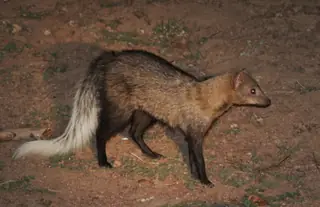 White-tailed Mongoose
-
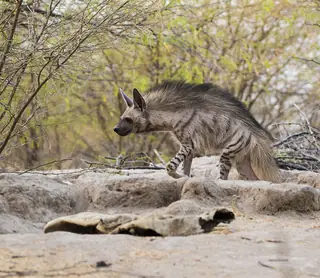 Striped HyenaRare
-
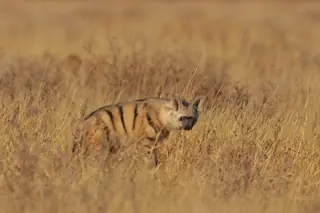 AardwolfRare
-
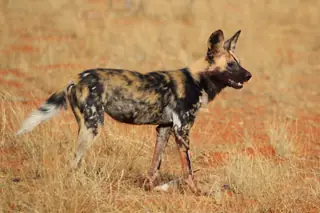 African Wild DogRare
-
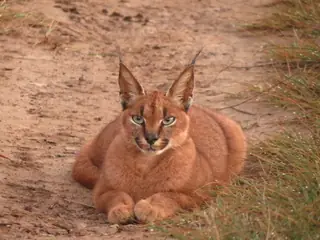 CaracalRare
-
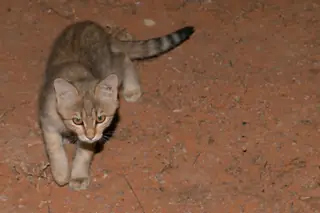 African WildcatRare
-
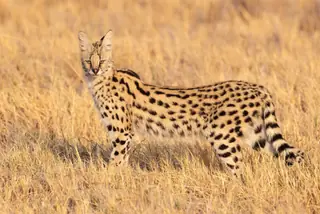 ServalRare
-
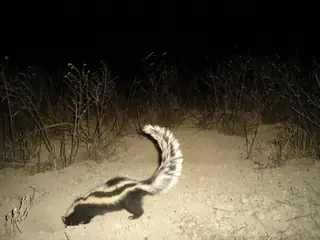 ZorillaRare
Smaller mammals 13
-
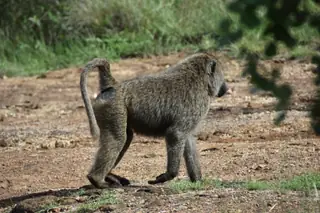 Olive Baboon
-
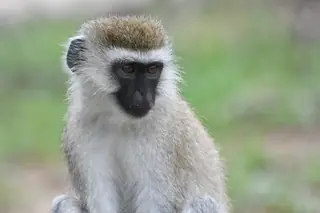 Vervet Monkey
-
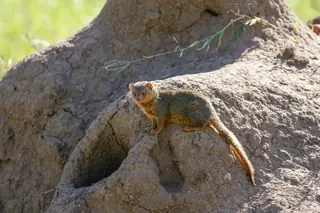 Dwarf Mongoose
-
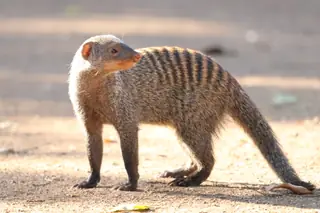 Banded Mongoose
-
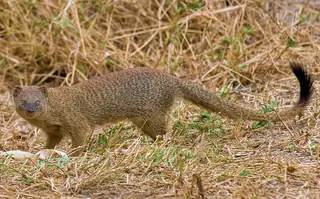 Slender Mongoose
-
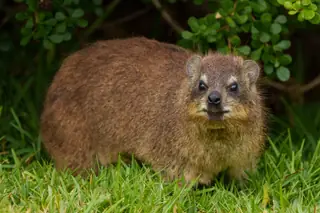 Rock Hyrax
-
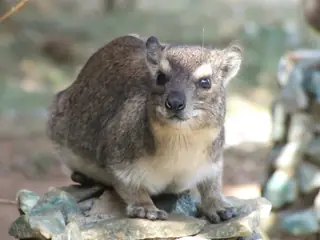 Bush Hyrax
-
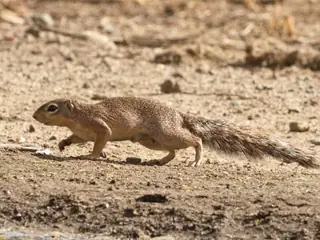 Unstriped Ground Squirrel
-
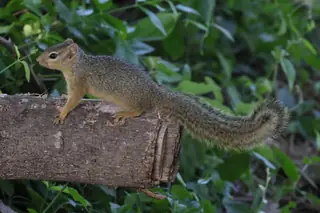 Ochre Bush Squirrel
-
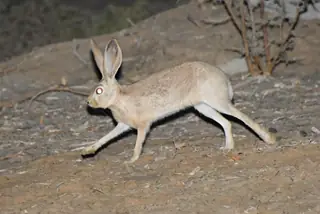 Cape Hare
-
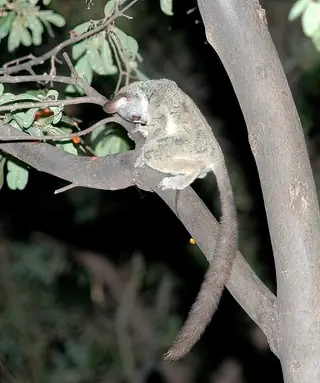 Northern Lesser Galago
-
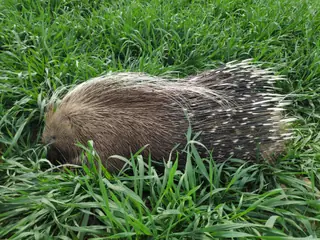 Crested PorcupineRare
-
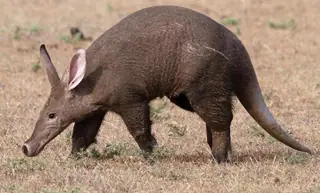 AardvarkRare
Northern specials 11
-
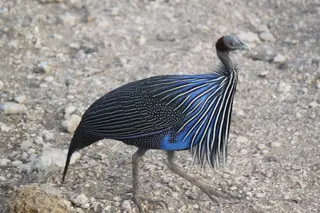 Vulturine Guineafowl
-
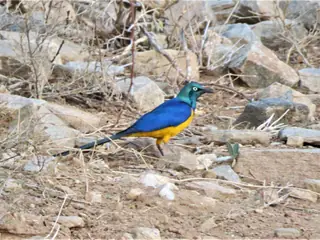 Golden-breasted Starling
-
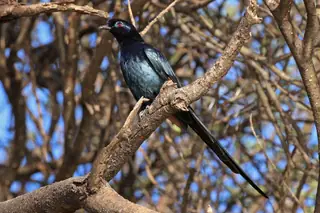 Bristle-crowned Starling
-
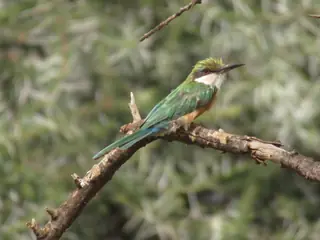 Somali Bee-eater
-
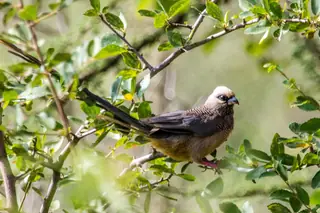 White-headed Mousebird
-
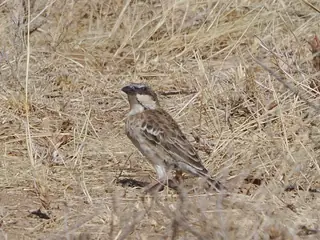 Donaldson Smith's Sparrow-Weaver
-
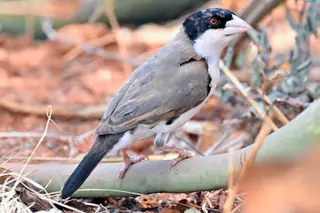 Black-capped Social Weaver
-
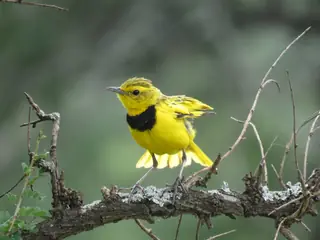 Golden Pipit
-
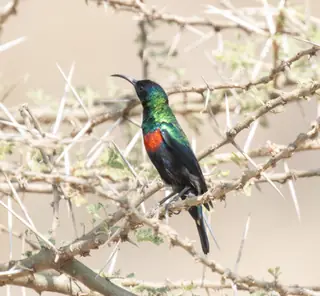 Shining Sunbird
-
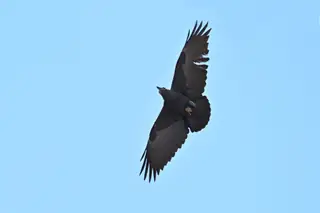 Fan-tailed Raven
-
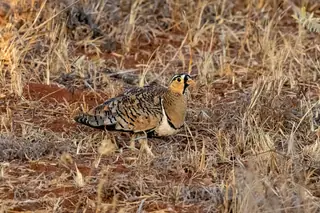 Black-faced Sandgrouse
Birds of prey 11
-
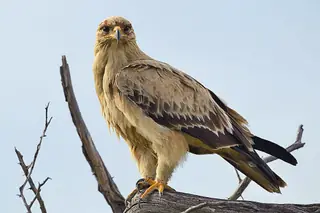 Tawny Eagle
-
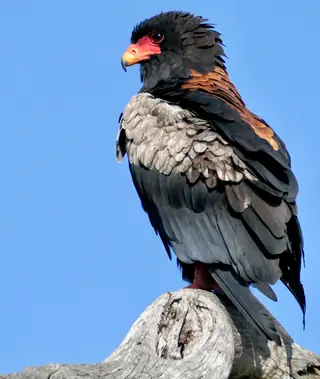 Bateleur
-
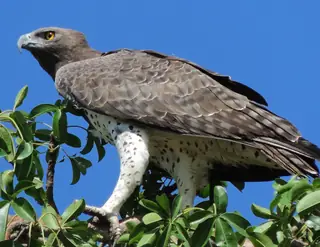 Martial Eagle
-
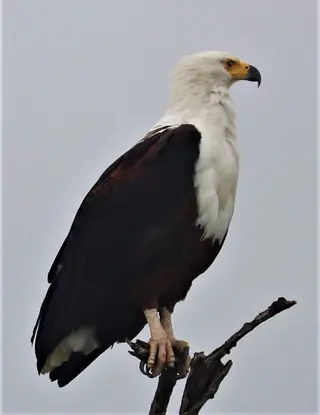 African Fish Eagle
-
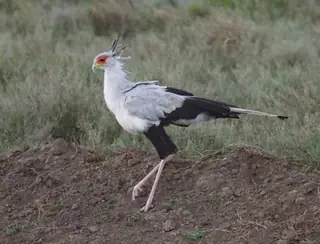 Secretary Bird
-
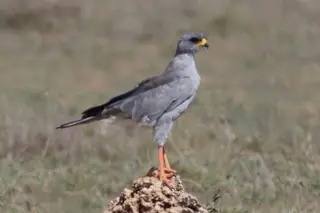 Eastern Chanting Goshawk
-
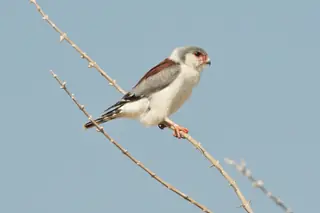 Pygmy Falcon
-
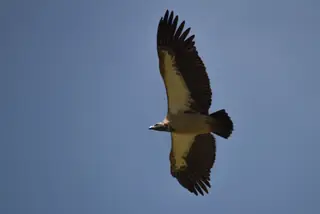 White-backed Vulture
-
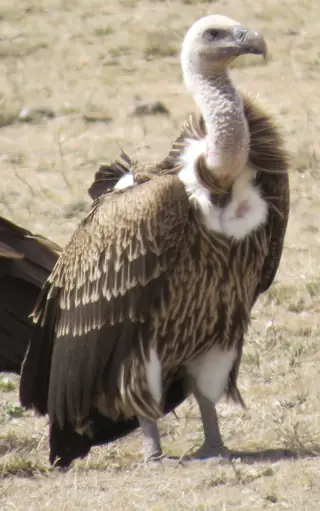 Rüppell's Vulture
-
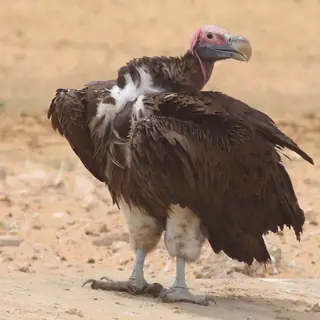 Lappet-faced Vulture
-
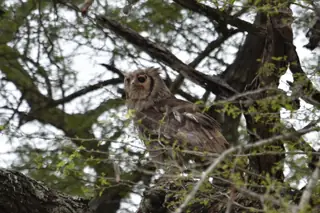 Verreaux's Eagle-Owl
Bush and river birds 32
-
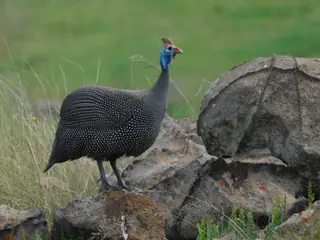 Helmeted Guineafowl
-
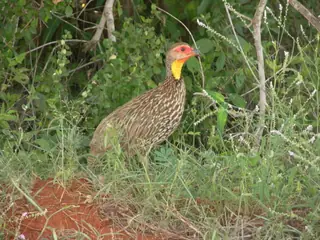 Yellow-necked Spurfowl
-
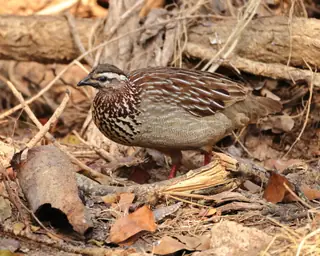 Crested Francolin
-
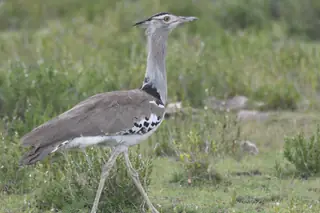 Kori Bustard
-
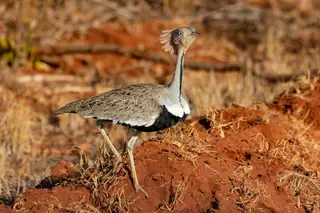 Buff-crested Bustard
-
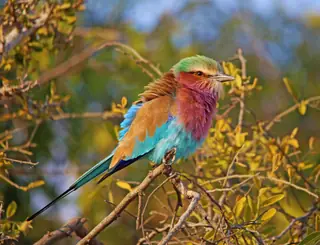 Lilac-breasted Roller
-
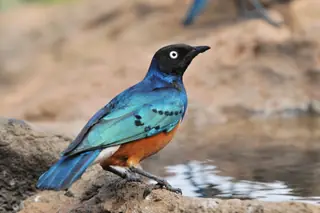 Superb Starling
-
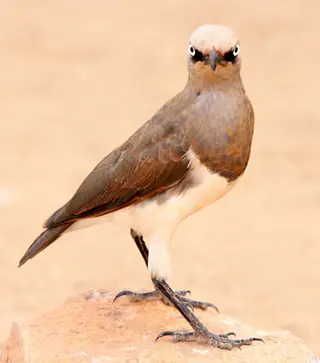 Fischer's Starling
-
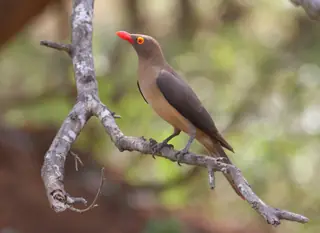 Red-billed Oxpecker
-
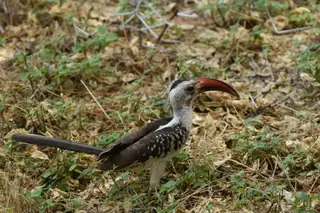 Red-billed Hornbill
-
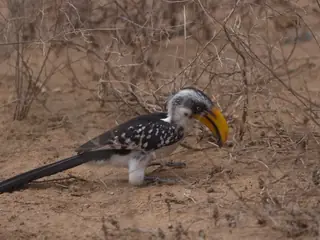 Eastern Yellow-billed Hornbill
-
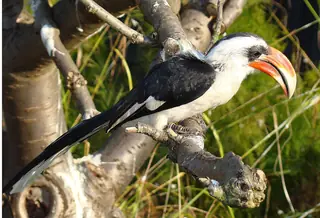 Von der Decken's Hornbill
-
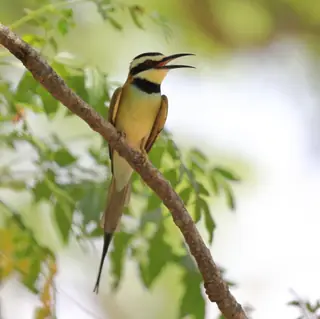 White-throated Bee-eater
-
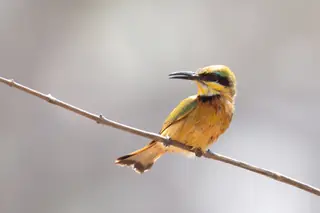 Little Bee-eater
-
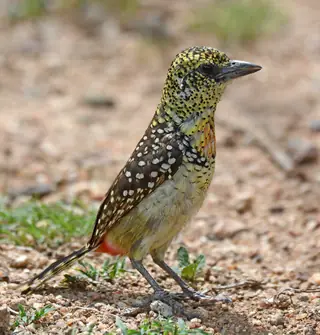 D'Arnaud's Barbet
-
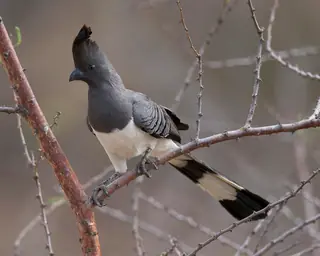 White-bellied Go-away-bird
-
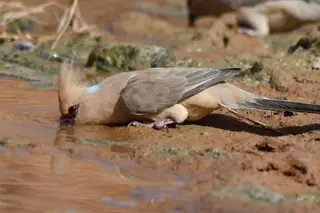 Blue-naped Mousebird
-
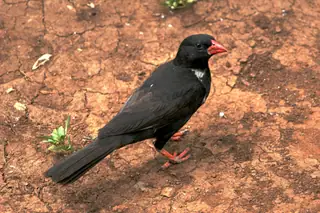 Red-billed Buffalo Weaver
-
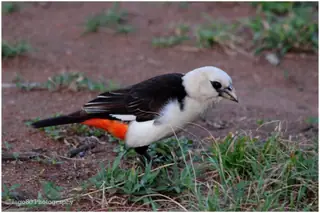 White-headed Buffalo Weaver
-
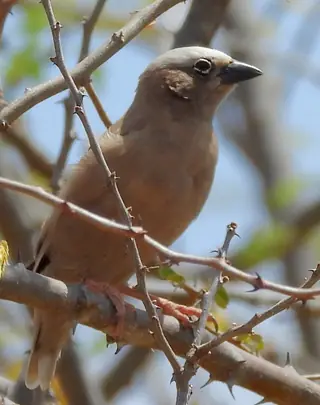 Grey-capped Social Weaver
-
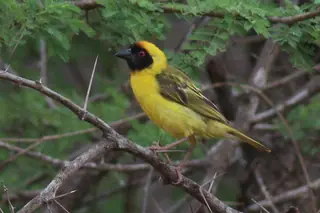 Vitelline Masked Weaver
-
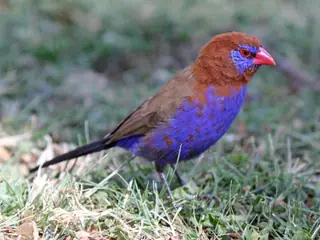 Purple Grenadier
-
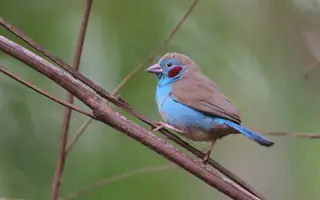 Red-cheeked Cordon-bleu
-
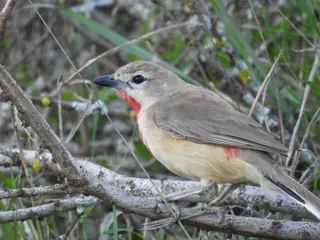 Rosy-patched Bushshrike
-
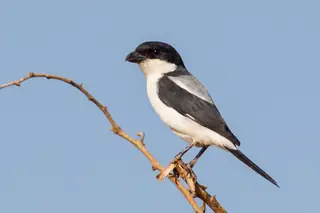 Taita Fiscal
-
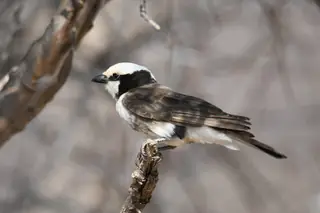 Northern White-crowned Shrike
-
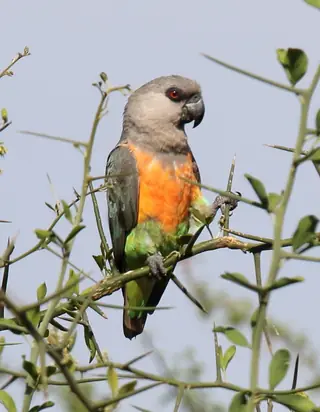 Red-bellied Parrot
-
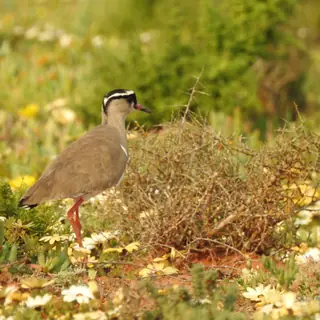 Crowned Lapwing
-
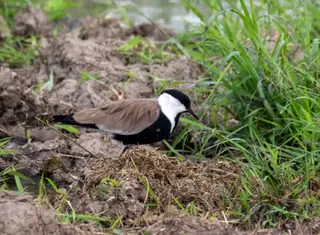 Spur-winged Lapwing
-
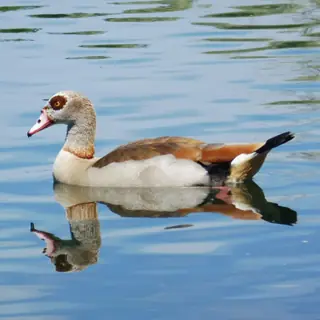 Egyptian Goose
-
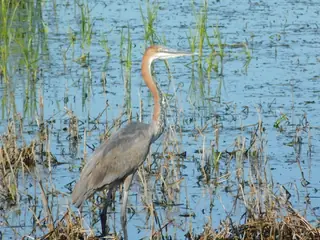 Goliath Heron
-
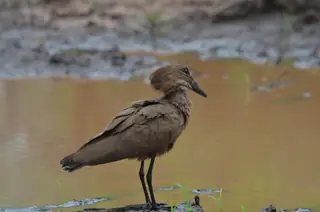 Hamerkop
Reptiles and amphibians 7
-
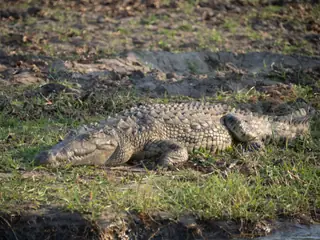 Nile Crocodile
-
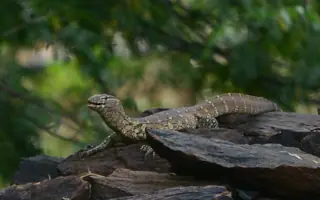 Nile Monitor
-
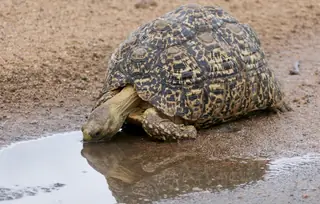 Leopard Tortoise
-
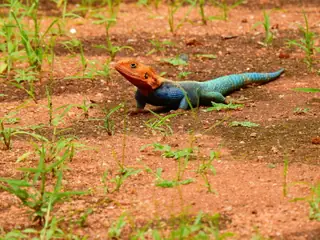 Red-headed Rock Agama
-
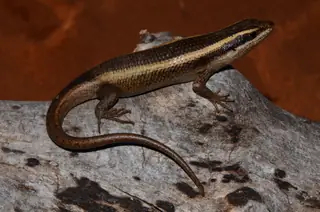 Striped Skink
-
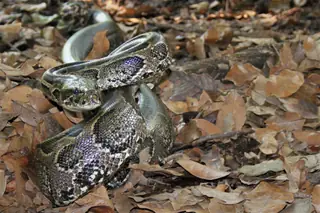 African Rock PythonRare
-
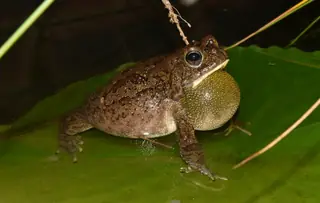 Guttural Toad
Best time to see wildlife in Samburu
Sightings by month in Samburu
Most records: Jun to OctRecords from GBIF.org, adjusted for how many people record wildlife each month. 100% is the busiest month.
Samburu is hot and dry for most of the year, which is what makes it so good for game. The long dry season, roughly June to October, is the classic time: animals stay close to the Ewaso Nyiro River, and the bush is thin and easy to see into. January to March is a second dry spell, hot but often excellent. The long rains, about April to May, and the short rains in November and December green the country and scatter the animals, but bring breeding birds and fewer vehicles. The river can flood in heavy rain and drop almost dry in a long drought. Midday heat is fierce in any month, so plan drives for early morning and late afternoon.
- Jan to MarHot and dry; game near the river
- Apr to MayLong rains; green, birds breeding, quiet
- Jun to OctMain dry season; the classic time to visit
- Nov to DecShort rains; migrant birds, some muddy tracks
Tips for spotting wildlife in Samburu
- 01
Drive the river early and late
Most game stays within reach of the river. Drive slowly along the riverine forest at dawn and in the late afternoon, then rest through the midday heat.
- 02
Look away from the river for the specials
Grévy's zebra, oryx and Somali ostrich prefer the open, stony plains away from the water. Gerenuk keep to thornbush.
- 03
Give elephants space
Samburu's elephants are studied by long-running research projects. Keep well back, switch off, and never block a herd on its way to water.
- 04
Bring binoculars for birds
The dry-country birds here are the best in Kenya, from golden-breasted starlings to vulturine guineafowl. Many are only found in north-east Africa.
- 05
Respect the Samburu people
The reserves are run by the Samburu and Isiolo county governments on community land. Ask before photographing people, and choose a cultural visit run by a community.

Take Samburu with you
Heading to Samburu? Take this list on your phone and tick off the Special Five as you find them, even with no signal. Wilder is free to start.

Samburu wildlife FAQ
What are the Samburu Special Five?
The Samburu Special Five are Grévy's zebra, reticulated giraffe, beisa oryx, gerenuk and Somali ostrich. They are adapted to the dry north and are not found in southern Kenya's big parks such as the Masai Mara. All five are regular in Samburu, Buffalo Springs and Shaba, and most visitors see them in two or three days.
Can you see the Big Five in Samburu?
Samburu has elephant, lion, leopard and buffalo, but no rhinos, so not the full Big Five. Leopards are seen more often here than in many Kenyan parks, around rocky outcrops and the riverine forest. This checklist covers 109 animals, including the Samburu Special Five and the dry-country birds.
What is the difference between Samburu and Buffalo Springs?
Samburu and Buffalo Springs are separate reserves facing each other across the Ewaso Nyiro River, Samburu on the north bank and Buffalo Springs on the south. Wildlife moves freely between them, and most safaris drive both, plus Shaba to the east, on one trip.
When is the best time to visit Samburu?
The best time to visit Samburu is the dry season from June to October, with January to March a close second. Animals gather along the river and are easy to find. The rainy months, April to May and November to December, are greener and quieter, with good birding but more scattered game.
Sources
- Kenya Wildlife Service: Grévy's zebra recovery and action plan
- The East African: Special five herbivores of Samburu
- Sightings by month: GBIF.org
Animal photos are from the Wilder catalogue; photo credits.
Similar checklists
All Africa-
 Safari88animals Masai Mara National Reserve Narok County, Kenya Kenya's most famous reserve: big cat country, and the Mara River crossings when the migration arrives from July to October. Takes in the conservancies around the reserve. Best time Jul to Oct
-
 Safari112animals Amboseli National Park Kajiado County, Kenya Big-tusked elephants crossing dusty plains and green swamps beneath Kilimanjaro, in one of the most studied elephant populations in Africa. Best time Jun to Oct, Jan to Feb
-
 Safari88animals Serengeti National Park Mara, Simiyu and Arusha, Tanzania Endless plains and the great wildebeest migration, with lions on the kopjes and cheetahs hunting in the open grass. Best time Jun to Oct, Jan to Mar
-
 Safari115animals Tarangire National Park Manyara Region, Tanzania Giant baobabs, a lifeline river and some of the biggest elephant herds in Tanzania, crowding in through the dry season. Best time Jun to Oct