National park · Musanze, Northern Province · Rwanda
Volcanoes National Park Wildlife Checklist

Volcanoes National Park in north-west Rwanda protects the Rwandan side of the Virunga volcanoes, home to habituated families of mountain gorillas and to golden monkeys in the bamboo. Gorilla trekking runs all year. This checklist covers 61 animals, from gorillas to turacos and sunbirds. The drier months, June to September and December to February, are easiest.
Tick off all 61 animals in Volcanoes National Park on your phone, even offline. Launching soon. Free A4 PDF, no sign-up.
The park is about two to three hours' drive from Kigali, and Dian Fossey founded her Karisoke research centre here in 1967. Permits are sold by the Rwanda Development Board for a set date, and treks start with a briefing at park headquarters early in the morning.
- Animals to find
- 61
- Where
- Rwanda
- Best time
- Jun to Sept, Dec to Feb
- Highest volcano
- Karisimbi, 4,507 m
Popular animals in Volcanoes National Park
-
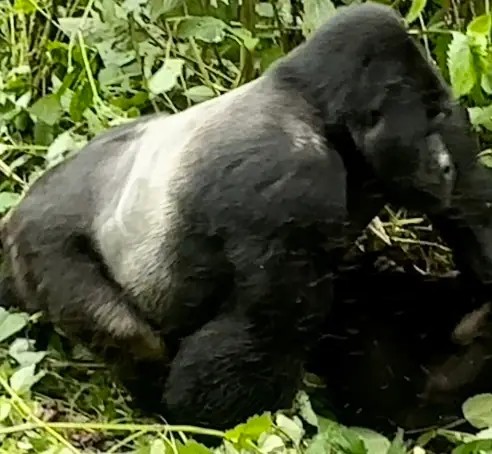
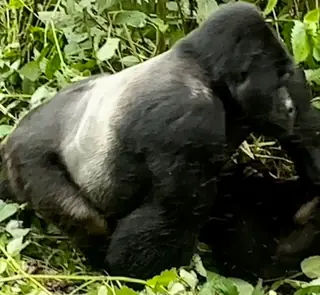
Mountain Gorilla
Gorilla beringei
A permit gives you one hour with a habituated family. Treks can be short or take most of the day, depending on where the family is; your ranger sets the distance.
-
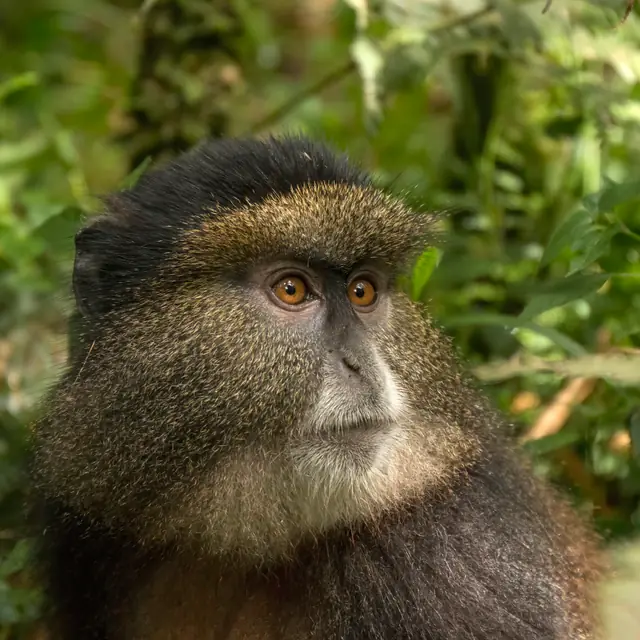
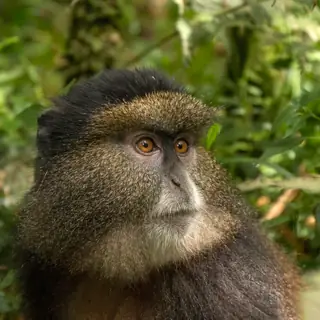
Golden Monkey
Cercopithecus kandti
An Albertine Rift endemic with a bright orange back, living in the bamboo on the lower slopes. Tracking them takes a separate permit and is usually an easier walk than for gorillas.
-
Rwenzori Turaco
Gallirex johnstoni
A big, colourful forest bird of the higher slopes. Watch for its crimson wings flashing as it flies.
-
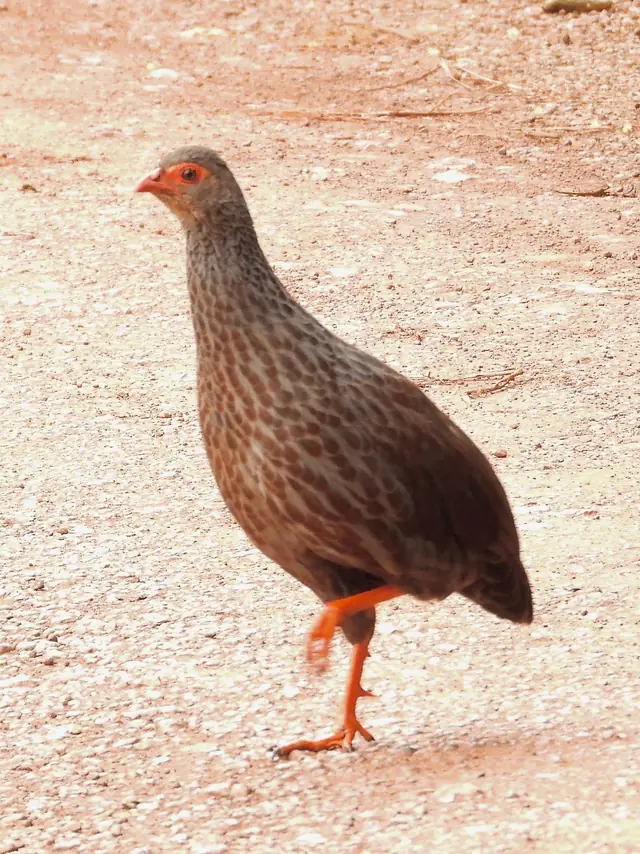
Handsome Spurfowl
Pternistis nobilis
An Albertine Rift endemic that walks on forest trails early in the morning.
-
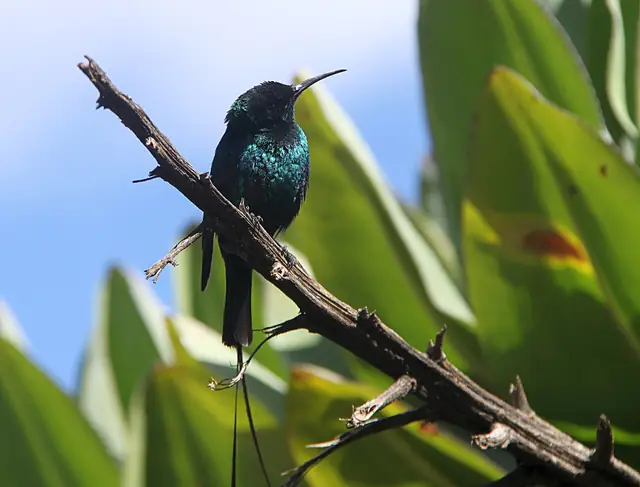
Scarlet-tufted Sunbird
Nectarinia johnstoni
A high-altitude sunbird of the giant lobelias, seen on the hikes up the volcanoes.
-
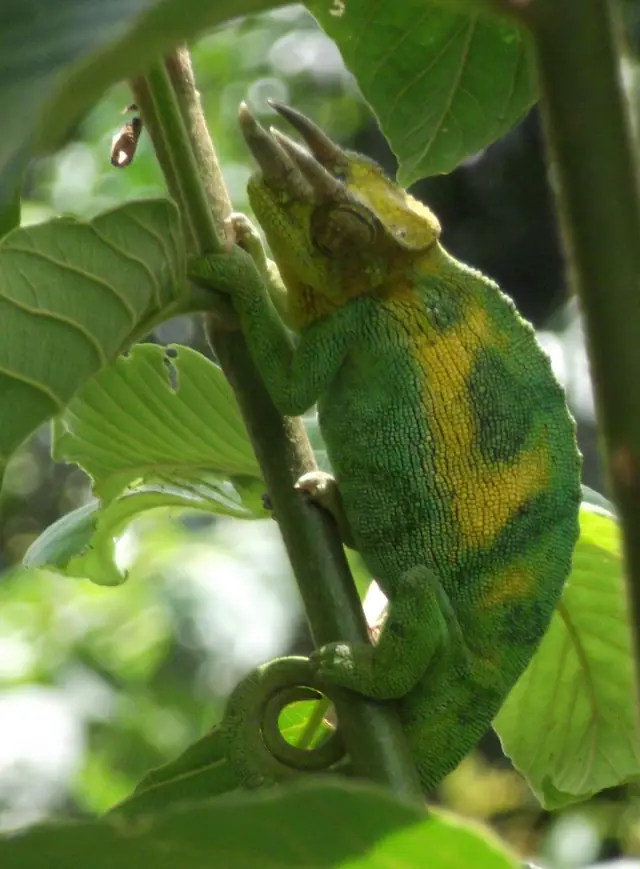
Rwenzori Three-horned Chameleon
Trioceros johnstoni
Males carry three horns on the face. Look on shrubs at the forest edge, but never handle chameleons.
-
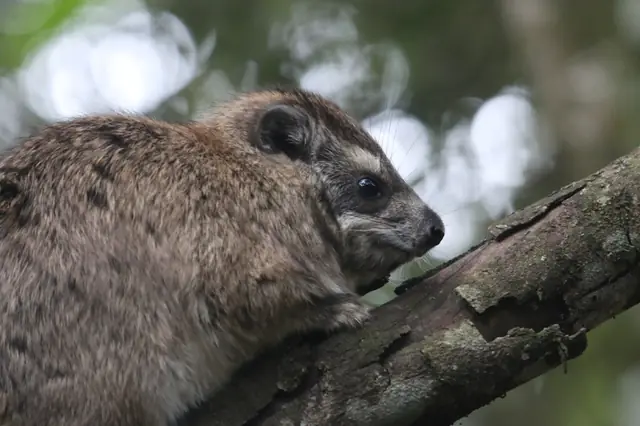
Southern Tree Hyrax
Dendrohyrax arboreus
Rarely seen but often heard: its eerie, rising scream rings out from the forest at night.
All 61 animals in Volcanoes National Park
Primates 2
-
 Mountain Gorilla
-
 Golden Monkey
Other mammals 9
-
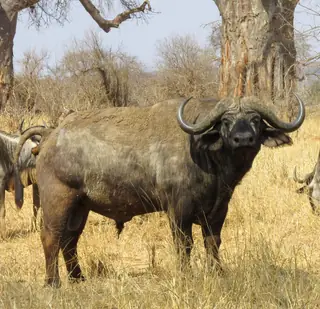 Cape Buffalo
-
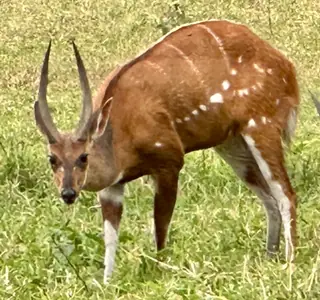 Bushbuck
- Black-fronted Duiker
-
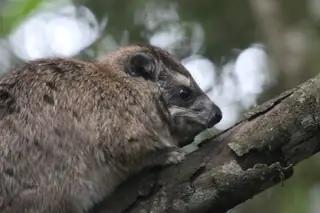 Southern Tree Hyrax
-
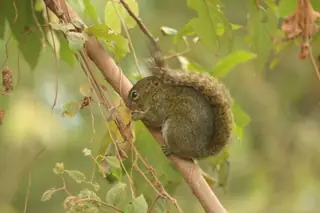 Carruthers's Mountain Squirrel
-
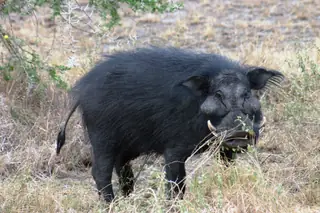 Giant Forest HogRare
-
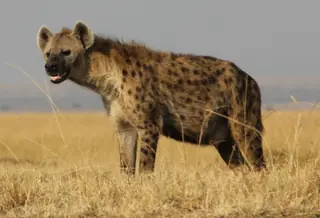 Spotted HyenaRare
-
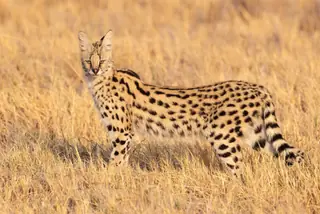 ServalRare
- African Golden CatRare
Albertine Rift birds 18
- Rwenzori Turaco
-
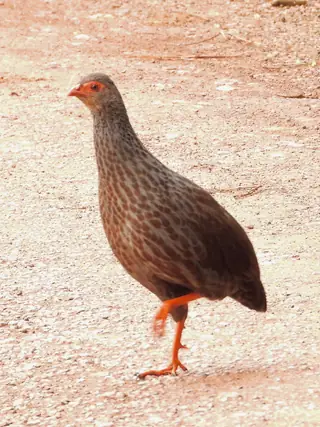 Handsome Spurfowl
- Rwenzori Batis
-
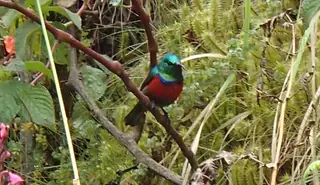 Rwenzori Double-collared Sunbird
-
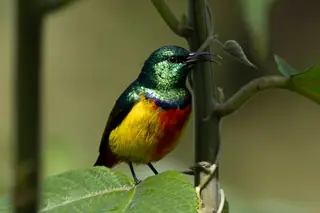 Regal Sunbird
-
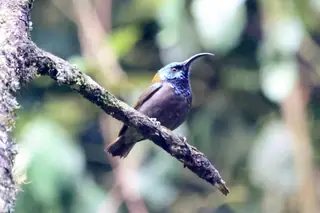 Blue-headed Sunbird
-
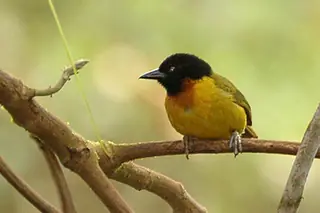 Strange Weaver
-
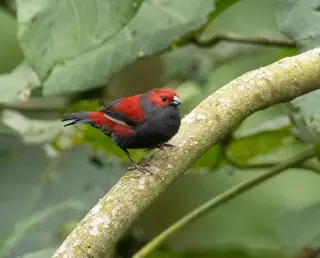 Dusky Crimsonwing
-
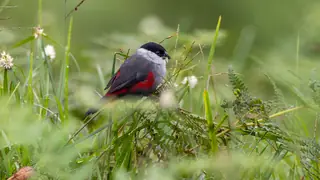 Kandt's Waxbill
-
 Collared Apalis
-
 Mountain Masked Apalis
- Rwenzori Hill Babbler
- Archer's Ground Robin
-
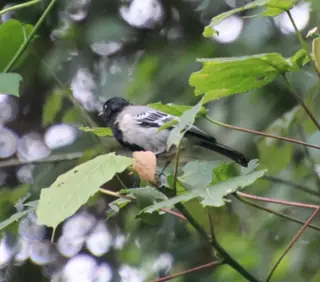 Stripe-breasted Tit
-
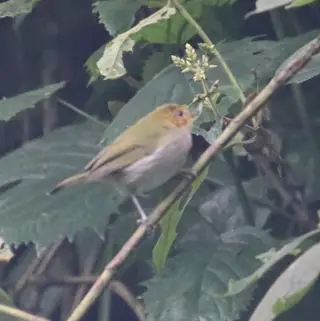 Red-faced Woodland Warbler
-
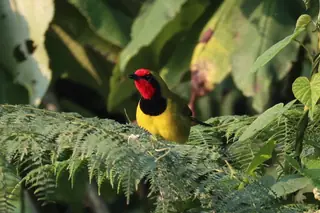 Doherty's Bushshrike
- Lagden's BushshrikeRare
- Grauer's Rush WarblerRare
Forest and edge birds 24
-
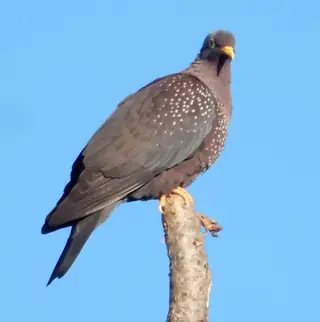 African Olive Pigeon
-
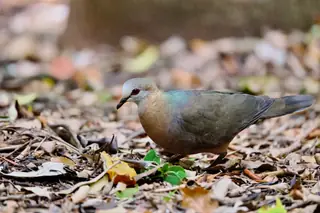 Lemon Dove
-
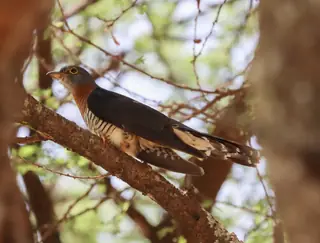 Red-chested Cuckoo
-
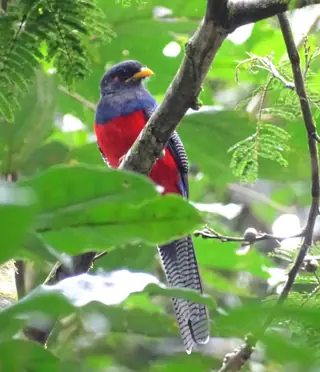 Bar-tailed Trogon
-
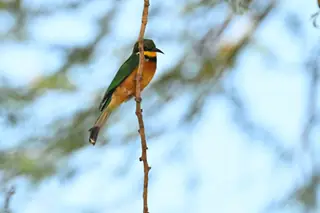 Cinnamon-chested Bee-eater
-
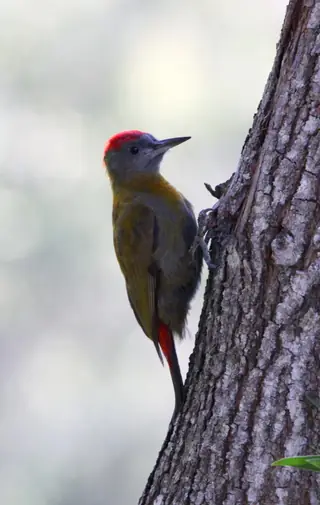 Olive Woodpecker
-
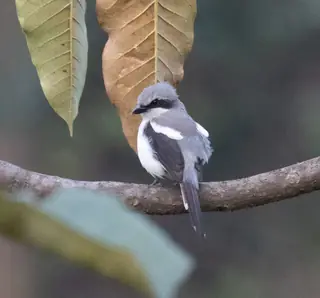 Mackinnon's Shrike
-
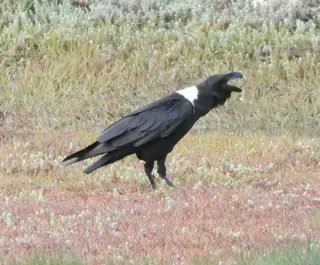 White-necked Raven
-
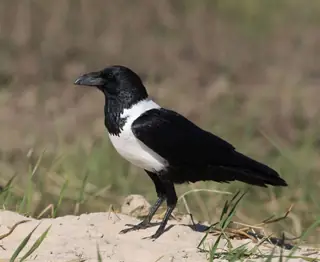 Pied Crow
-
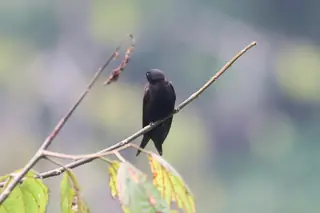 Black Saw-wing
-
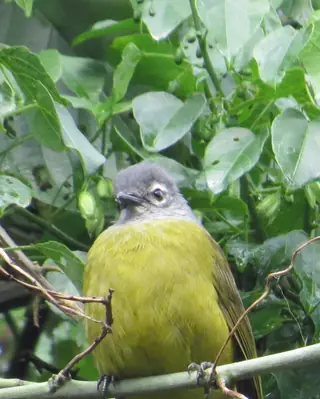 Kikuyu Mountain Greenbul
-
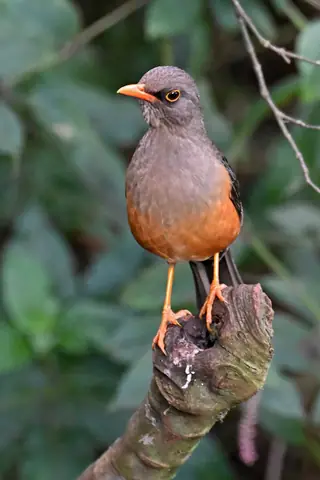 Abyssinian Thrush
-
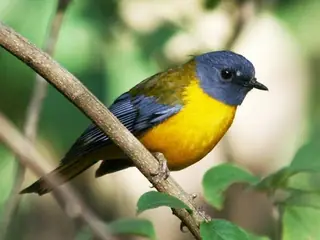 White-starred Robin
-
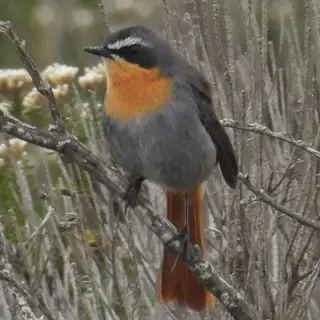 Cape Robin-chat
-
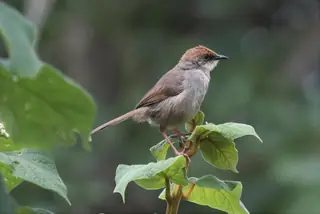 Chubb's Cisticola
-
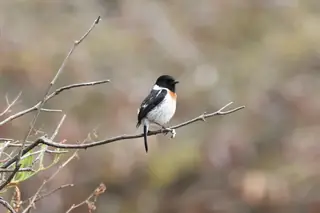 African Stonechat
-
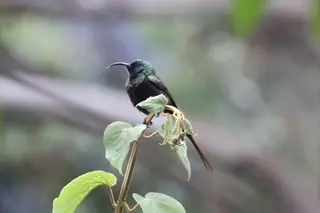 Bronze Sunbird
-
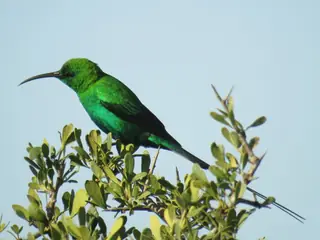 Malachite Sunbird
-
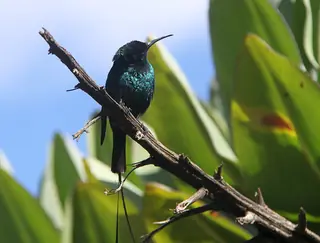 Scarlet-tufted Sunbird
-
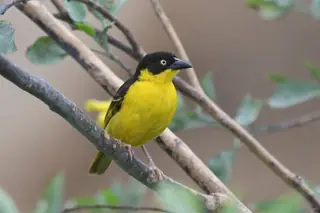 Baglafecht Weaver
-
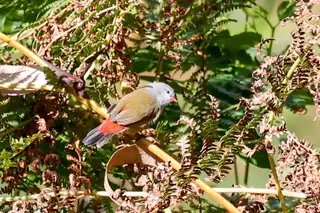 Yellow-bellied Waxbill
-
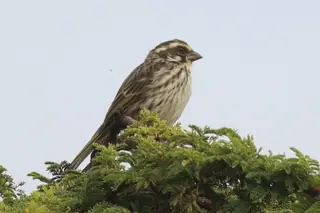 Streaky Seedeater
-
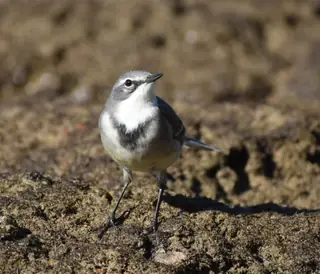 Cape Wagtail
-
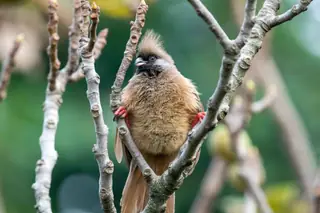 Speckled Mousebird
Birds of prey 4
-
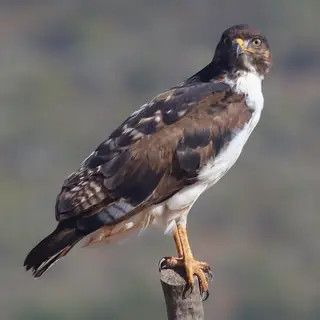 Augur Buzzard
-
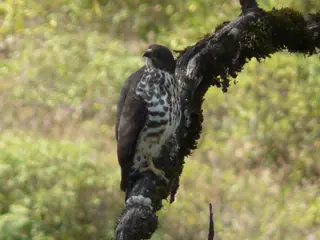 Mountain Buzzard
-
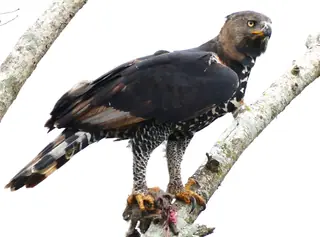 African Crowned Eagle
-
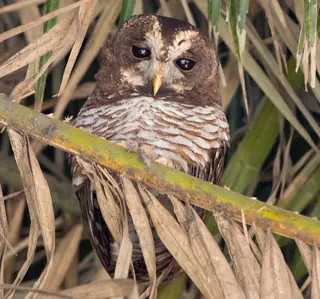 African Wood Owl
Reptiles and amphibians 4
-
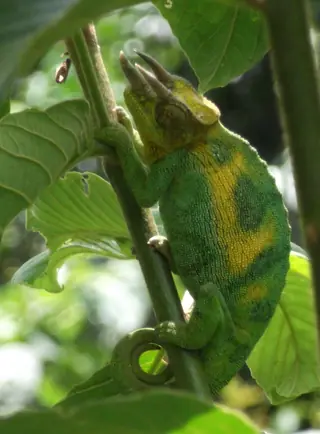 Rwenzori Three-horned Chameleon
- Elliot's Chameleon
-
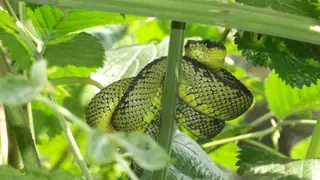 Great Lakes Bush ViperRare
-
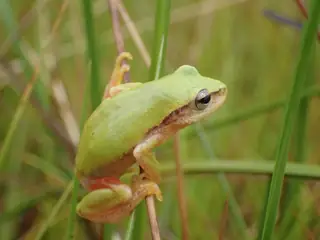 Kivu Reed Frog
Best time to see wildlife in Volcanoes National Park
Sightings by month in Volcanoes National Park
Most records: Jun to Aug, JanRecords from GBIF.org, adjusted for how many people record wildlife each month. 100% is the busiest month.
Gorilla trekking runs all year, and the gorillas do not migrate, so your chance of a sighting is high in any month. The drier seasons, roughly June to September and December to February, are the most popular: trails are less muddy and steep slopes are easier. They are also the busiest, so book permits well ahead. The long rains from about March to May and the short rains around October and November make trails slippery, but the forest is green and there are fewer visitors. Mornings are cool at altitude in any month, and rain can fall at any time, so bring a waterproof and warm layers.
- Dec to FebShort dry season; good trekking, busy at Christmas
- Mar to MayLong rains; muddy trails, fewer visitors
- Jun to SepMain dry season; peak demand for permits
- Oct to NovShort rains; quieter and green
Tips for spotting wildlife in Volcanoes National Park
- 01
Book your permit early
Gorilla permits are sold by the Rwanda Development Board for a set date, and the dry months sell out months ahead. Trekkers must be 15 or older.
- 02
Follow the gorilla rules
Groups are limited to eight visitors and one hour. Keep the distance your ranger sets, speak quietly, do not eat or use flash near the gorillas, and do not trek if you are ill, because gorillas catch human diseases.
- 03
Hire a porter and wear gloves
Trails are steep, muddy and full of nettles. A local porter carries your bag and helps on slopes, and garden gloves protect your hands.
- 04
Track golden monkeys too
Golden monkey tracking is a gentler walk in the bamboo and a good second day. The same rules on distance, time and quiet apply.
- 05
Hike to Dian Fossey's grave
A guided hike climbs to the site of the Karisoke research centre and Dian Fossey's grave, through forest that is good for turacos, sunbirds and other Albertine Rift birds.

Take Volcanoes National Park with you
Trekking in the Virungas? Take this list on your phone and tick off gorillas, golden monkeys and sunbirds on the trail, even with no signal. Wilder is free to start.

Volcanoes wildlife FAQ
How much is a gorilla permit in Rwanda?
A gorilla trekking permit in Volcanoes National Park costs 1,500 US dollars per person for international visitors. Permits are sold by the Rwanda Development Board, or through tour operators, for a set date. Part of the fee goes to communities around the park, which helps protect the gorillas.
What are the rules for gorilla trekking in Rwanda?
You must be at least 15, keep the distance your ranger sets, and spend no more than one hour with them, in a group of no more than eight. Do not trek if you have a cold or other illness. Speak quietly, avoid flash photography, and follow your ranger's instructions at all times.
Volcanoes or Bwindi: where should I see gorillas?
Both offer excellent gorilla trekking. Volcanoes in Rwanda is easier to reach from Kigali, with shorter drives and generally more open, bamboo-covered slopes. Bwindi in Uganda has more gorilla families and steeper forest. Rwanda's permits cost more. Many visitors decide on travel time and budget.
What else can you see in Volcanoes National Park?
Besides gorillas, you can track golden monkeys, hike the volcanoes, visit Dian Fossey's grave and see Albertine Rift birds such as the Rwenzori turaco and handsome spurfowl. This checklist covers 61 animals. Larger mammals such as buffalo live here but keep to thick cover.
Sources
- Visit Rwanda: Volcanoes National Park
- Visit Rwanda: Gorilla tracking
- Duma Explorer: Rwanda gorilla trekking permits and costs
- Sightings by month: GBIF.org
Animal photos are from the Wilder catalogue; photo credits.
Similar checklists
All Africa-
 National park52animals Bwindi Impenetrable National Park Kanungu, Kisoro and Rubanda, Uganda Steep, misty rainforest that is home to around half the world's mountain gorillas, and to birds found nowhere outside the Albertine Rift. Best time Jun to Aug, Dec to Feb
-
 Safari88animals Serengeti National Park Mara, Simiyu and Arusha, Tanzania Endless plains and the great wildebeest migration, with lions on the kopjes and cheetahs hunting in the open grass. Best time Jun to Oct, Jan to Mar
-
 Safari88animals Masai Mara National Reserve Narok County, Kenya Kenya's most famous reserve: big cat country, and the Mara River crossings when the migration arrives from July to October. Takes in the conservancies around the reserve. Best time Jul to Oct
-
 Safari112animals Amboseli National Park Kajiado County, Kenya Big-tusked elephants crossing dusty plains and green swamps beneath Kilimanjaro, in one of the most studied elephant populations in Africa. Best time Jun to Oct, Jan to Feb