Region · Erongo · Namibia
Namib Coast Animal Checklist: Walvis Bay and Swakopmund

The Namib coast around Walvis Bay and Swakopmund is where one of the world's oldest deserts meets the cold Atlantic. Expect brown fur seals by the thousand, Heaviside's dolphins, flamingos and pelicans on the lagoon, huge flocks of migrant waders, and desert reptiles found by guides in the dunes. This checklist covers 142 animals. It is good all year.
Tick off all 142 animals in Namib Coast on your phone, even offline. Launching soon. Free A4 PDF, no sign-up.
Boat trips leave from Walvis Bay, whose lagoon is a Ramsar wetland of international importance, and the coast from the Kuiseb to the Ugab River is protected as Dorob National Park. Cape Cross Seal Reserve lies about two hours' drive north of Swakopmund.
- Animals to find
- 142
- Where
- Namibia
- Best time
- All year
- Fur seals at Cape Cross
- Up to 210,000
Popular animals in Namib Coast
-
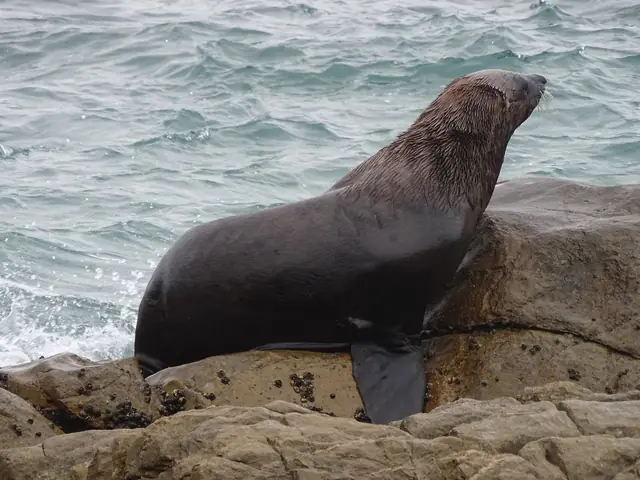
Brown Fur Seal
Arctocephalus pusillus
Up to 210,000 gather at Cape Cross in the breeding season, with pups born from late November. Stay on the walkway and follow the reserve's rules.
-
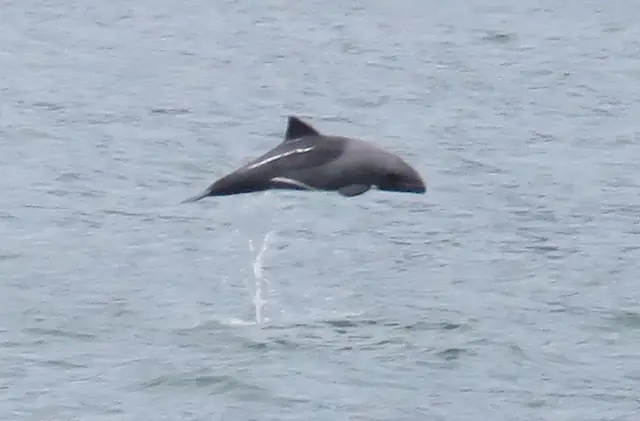
Heaviside's Dolphin
Cephalorhynchus heavisidii
A small, dark-headed dolphin found only off south-western Africa. It often rides the bow of boats in Walvis Bay.
-
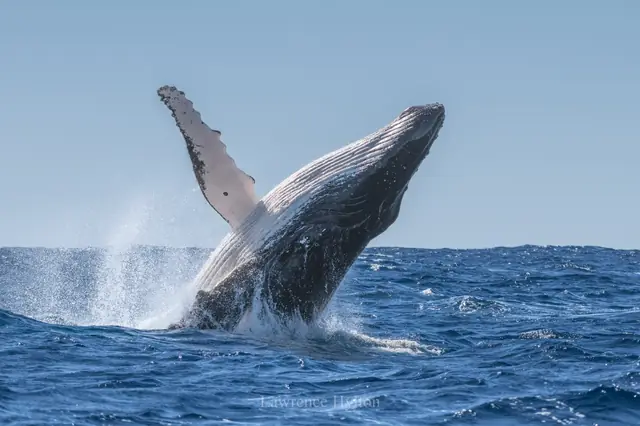
Humpback Whale
Megaptera novaeangliae
Passes along the coast from about June to November, most in July to October. Seen on boat trips from Walvis Bay.
-
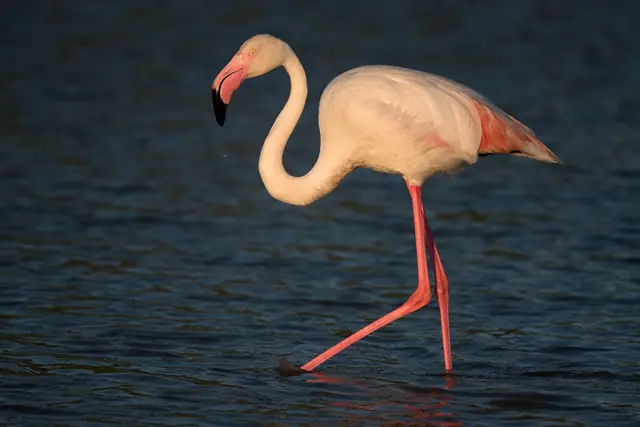
Greater Flamingo
Phoenicopterus roseus
Thousands feed in Walvis Bay lagoon and the salt works all year. The lagoon promenade gives easy views.
-
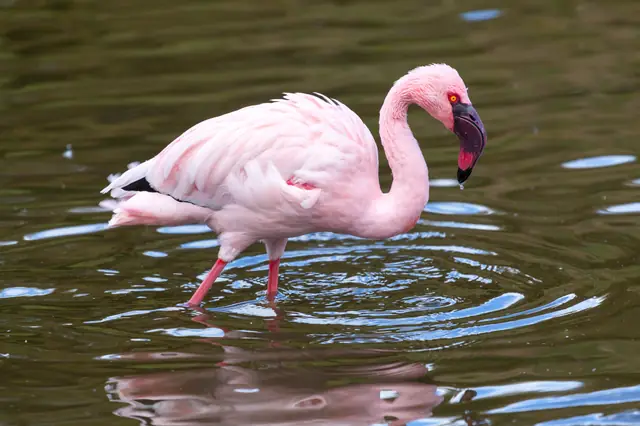
Lesser Flamingo
Phoeniconaias minor
Mixed in with the greater flamingos. Smaller and pinker, with a dark red bill.
-
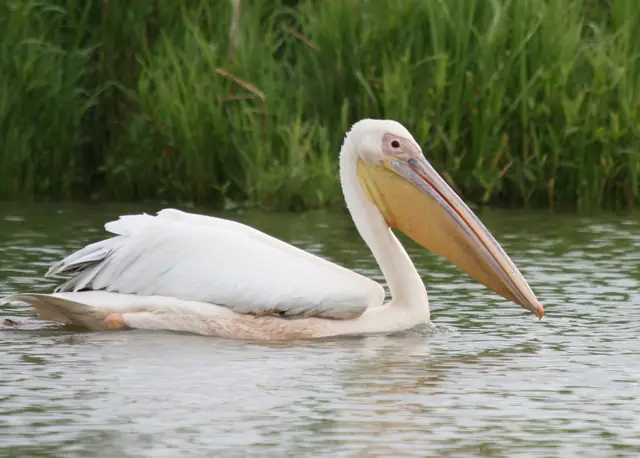
Great White Pelican
Pelecanus onocrotalus
Often flies alongside the boats in Walvis Bay and rests on the sandbanks.
-
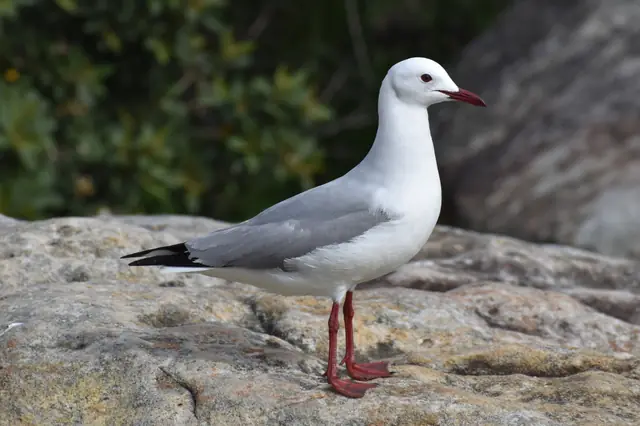
Hartlaub's Gull
Chroicocephalus hartlaubii
Endemic to the Benguela coast and common on beaches, jetties and the Swakopmund seafront.
-
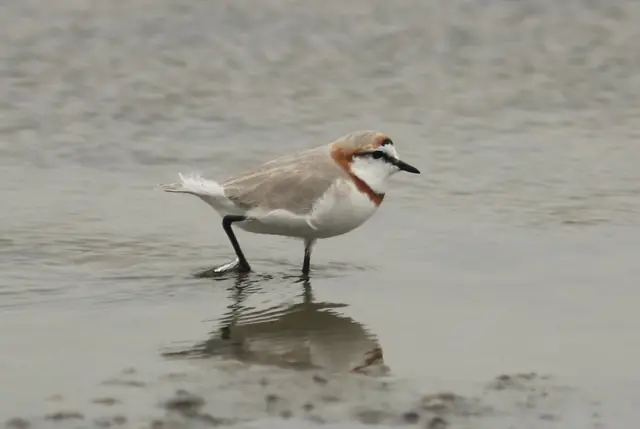
Chestnut-banded Plover
Anarhynchus pallidus
A small southern African plover of the salt pans, common on the edges of the lagoon and salt works.
-
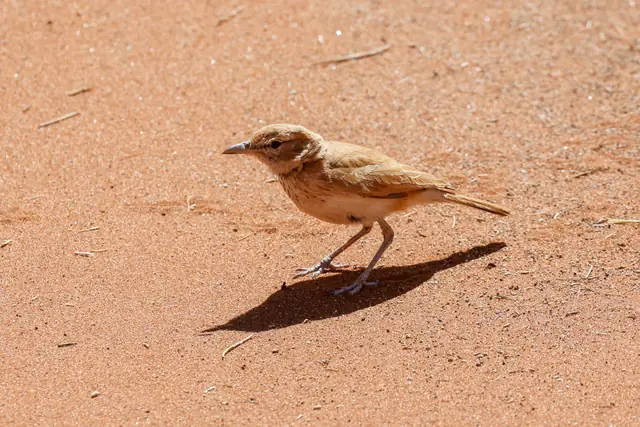
Dune Lark
Calendulauda erythrochlamys
Namibia's only true endemic bird, living in vegetated dunes. Easiest to find with a local guide.
-
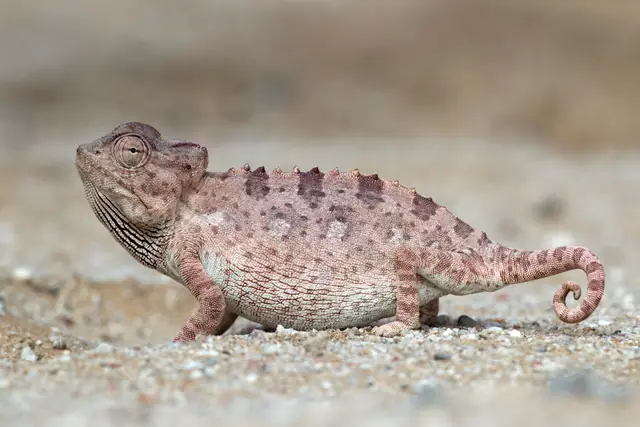
Namaqua Chameleon
Chamaeleo namaquensis
The largest chameleon of Africa's deserts, hunting beetles on open sand. Look on a licensed guided dune walk, and never pick one up.
-
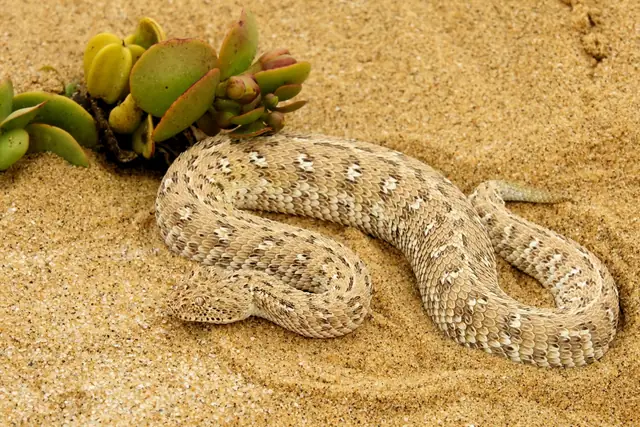
Peringuey's Adder
Bitis peringueyi
A small sidewinder that buries itself in the sand with only its eyes showing. Guides find it from its tracks; keep well back.
-
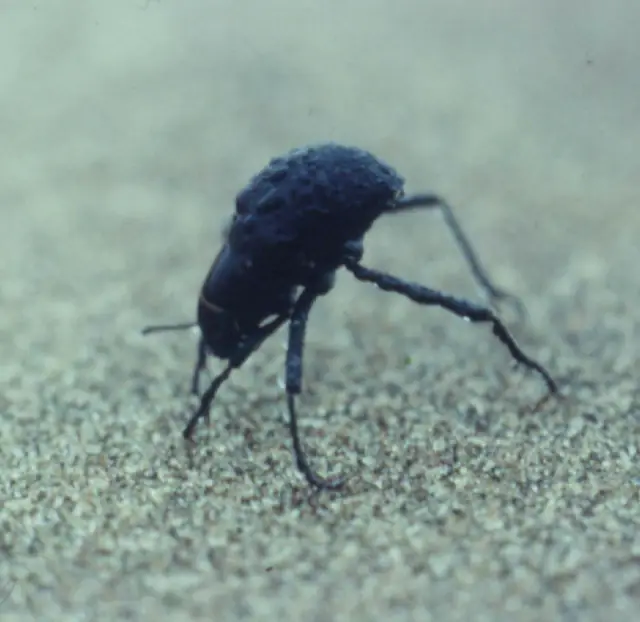
Fog-basking Beetle
Onymacris unguicularis
Stands head-down on dune crests on foggy mornings, drinking the droplets that run down its back.
All 142 animals in Namib Coast
Seals, dolphins and whales 8
-
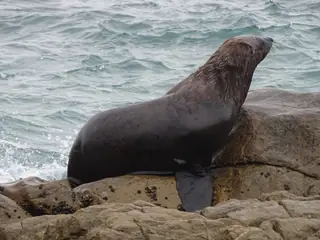 Brown Fur Seal
-
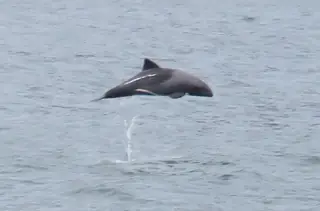 Heaviside's Dolphin
-
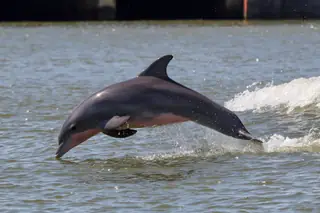 Common Bottlenose Dolphin
-
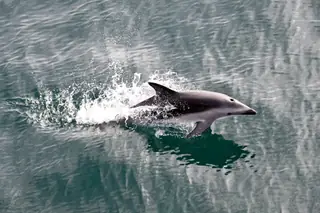 Dusky Dolphin
-
 Humpback Whale
-
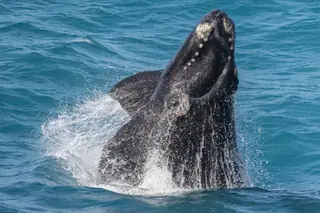 Southern Right WhaleRare
-
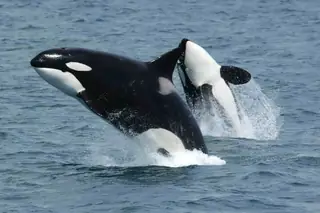 OrcaRare
-
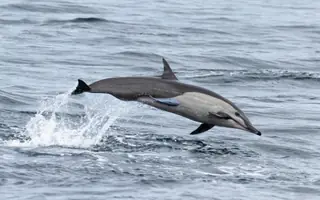 Common DolphinRare
Desert mammals 13
-
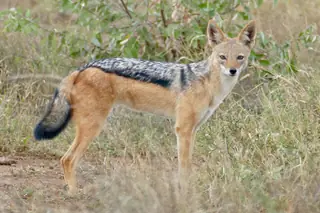 Black-backed Jackal
-
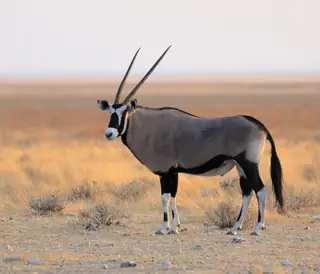 Gemsbok (Oryx)
-
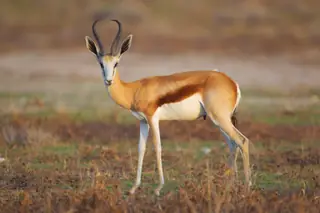 Springbok
-
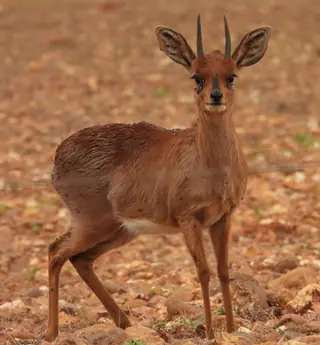 SteenbokRare
-
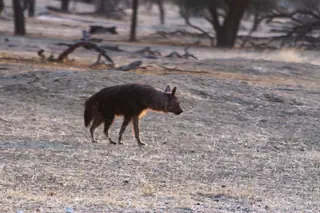 Brown HyenaRare
-
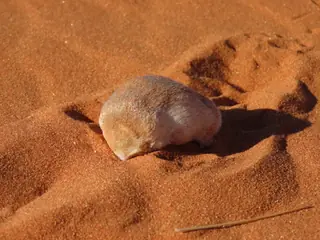 Grant's Golden MoleRare
-
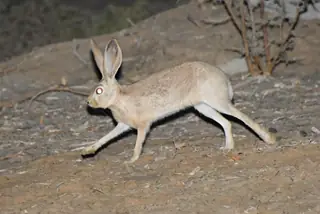 Cape HareRare
-
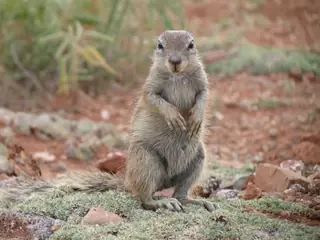 Cape Ground Squirrel
-
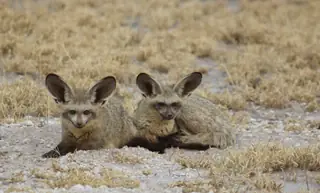 Bat-eared FoxRare
-
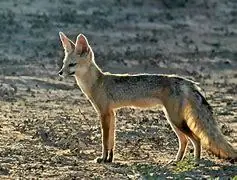 Cape FoxRare
-
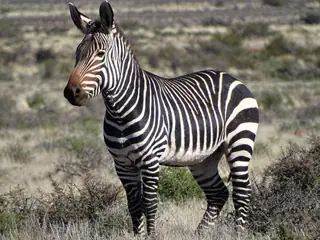 Mountain ZebraRare
-
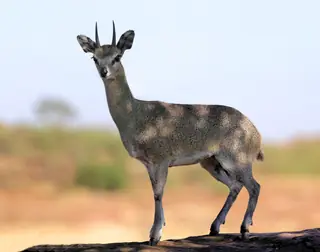 KlipspringerRare
-
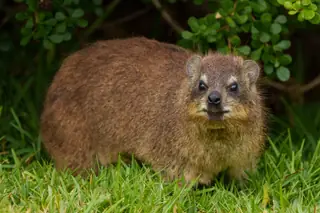 Rock Hyrax
Flamingos, pelicans and water birds 18
-
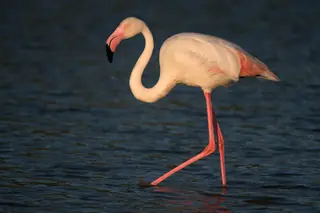 Greater Flamingo
-
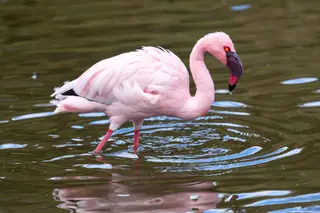 Lesser Flamingo
-
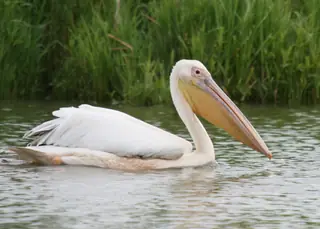 Great White Pelican
-
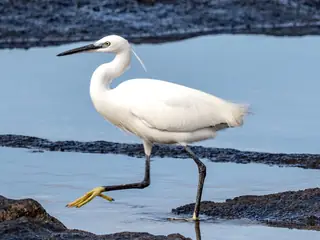 Little Egret
-
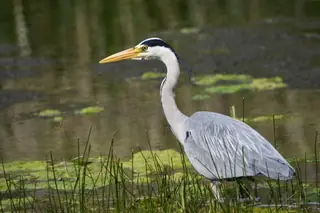 Grey Heron
-
 Great Egret
-
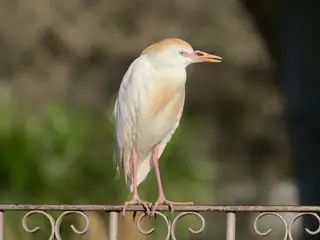 Western Cattle Egret
-
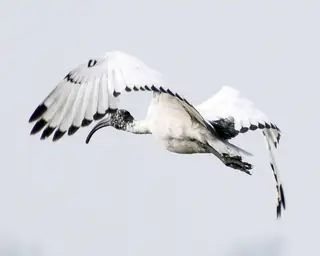 African Sacred Ibis
-
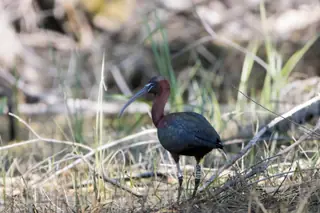 Glossy IbisRare
-
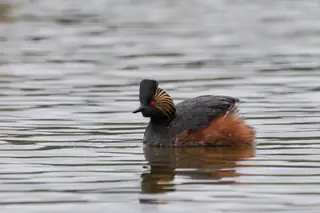 Black-necked Grebe
-
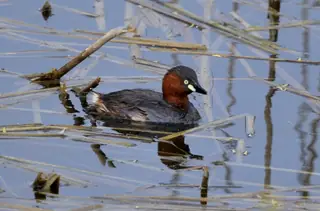 Little Grebe
-
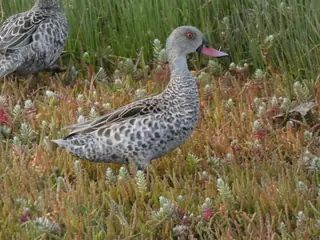 Cape Teal
-
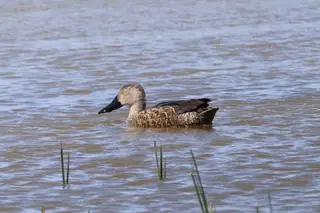 Cape Shoveler
-
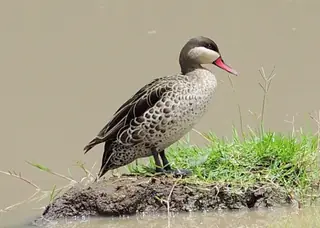 Red-billed Teal
-
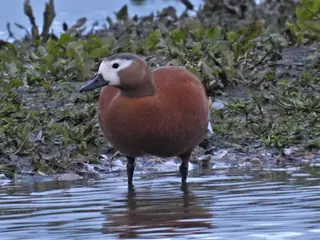 South African Shelduck
-
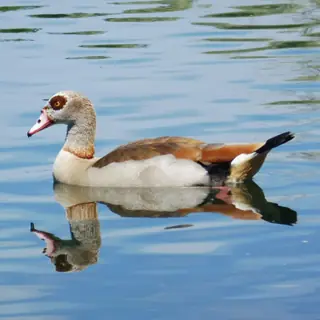 Egyptian Goose
-
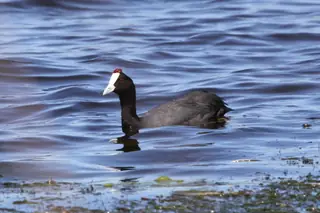 Red-knobbed Coot
-
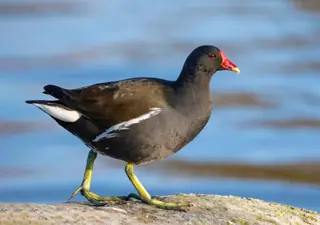 Common Moorhen
Cormorants, gannets and seabirds 12
-
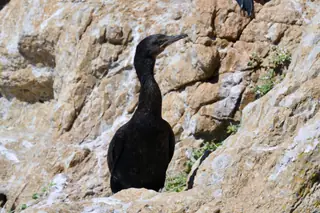 Cape Cormorant
-
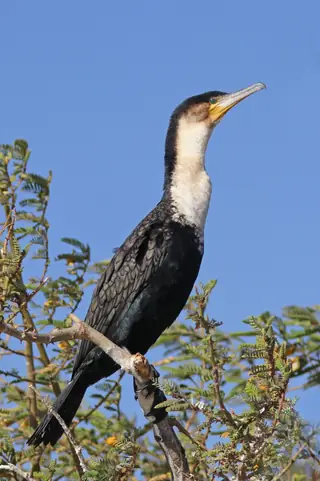 White-breasted Cormorant
-
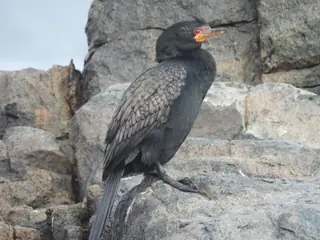 Crowned Cormorant
-
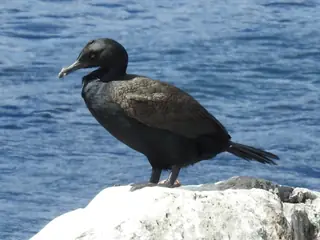 Bank CormorantRare
-
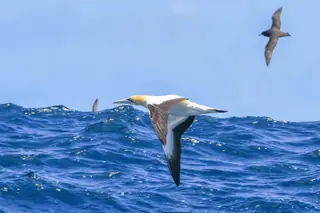 Cape Gannet
-
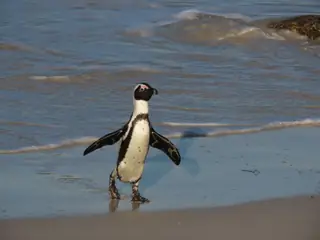 Penguin (African)Rare
-
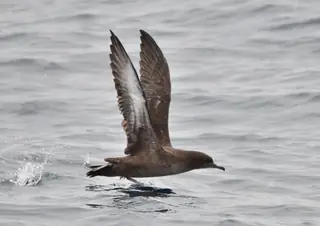 Sooty ShearwaterRare
-
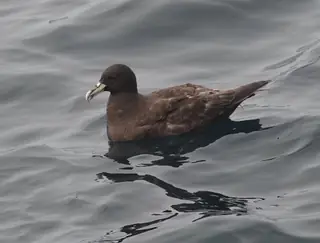 White-chinned PetrelRare
-
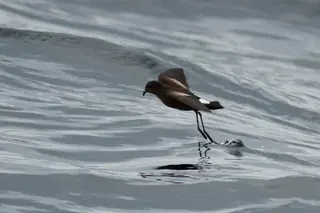 Wilson's Storm PetrelRare
-
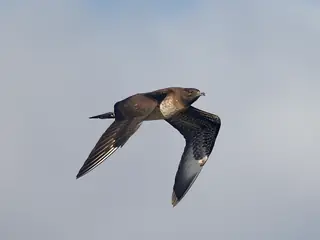 Skua (Arctic)
-
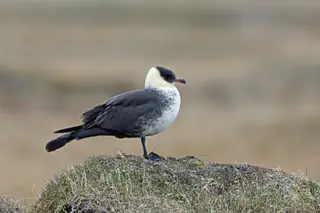 Skua (Pomarine)Rare
-
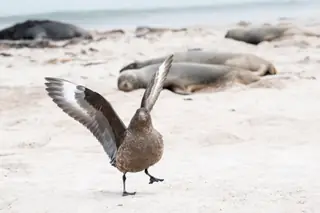 Brown SkuaRare
Gulls and terns 11
-
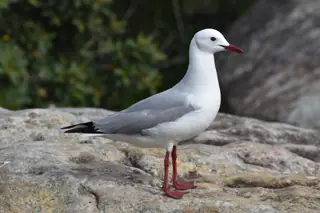 Hartlaub's Gull
-
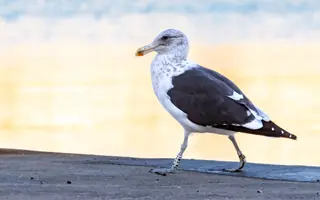 Kelp Gull
-
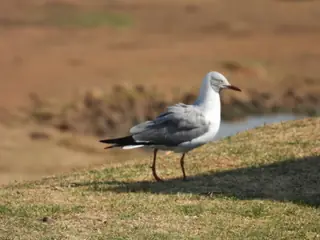 Grey-headed Gull
- Damara Tern
-
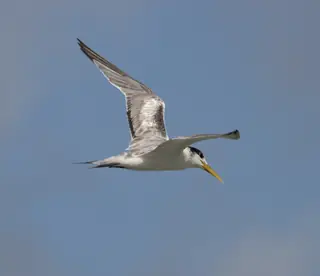 Greater Crested Tern
-
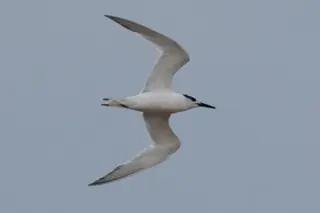 Sandwich Tern
-
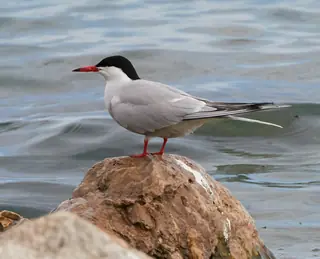 Common Tern
-
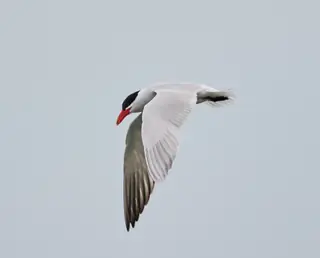 Caspian Tern
-
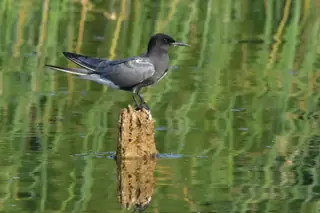 Black Tern
-
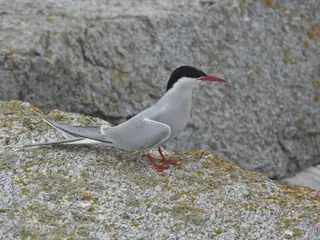 Arctic Tern
-
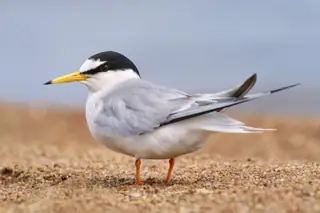 Little Tern
Waders 25
-
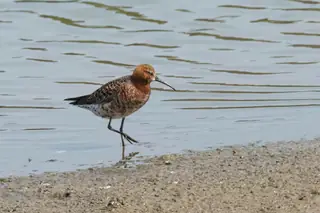 Curlew Sandpiper
-
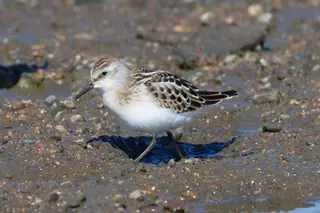 Little Stint
-
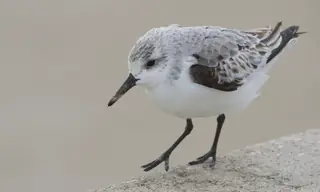 Sanderling
-
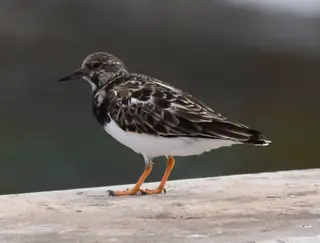 Ruddy Turnstone
-
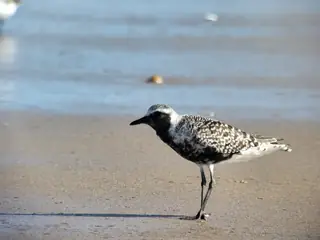 Grey Plover
-
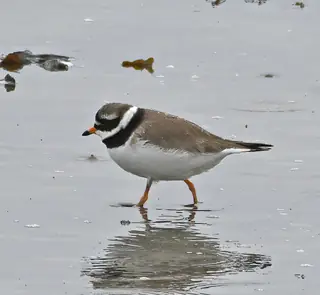 Common Ringed Plover
-
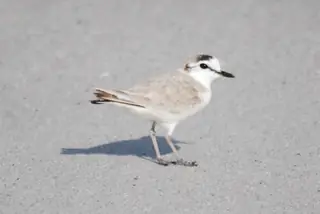 White-fronted Plover
-
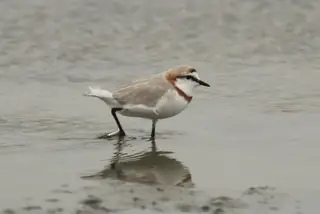 Chestnut-banded Plover
-
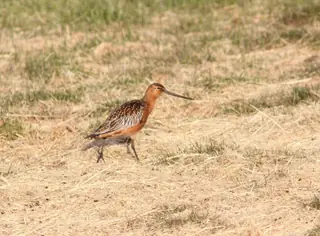 Bar-tailed Godwit
-
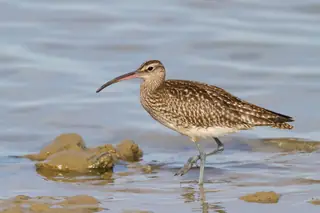 Whimbrel
-
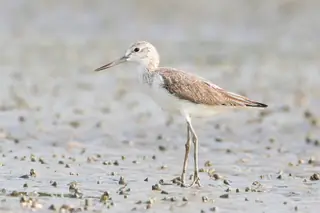 Common Greenshank
-
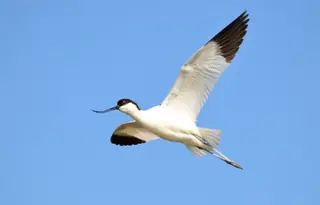 Pied Avocet
-
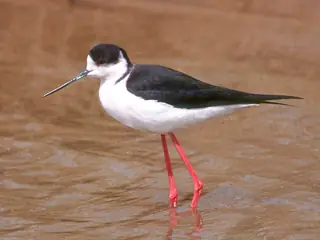 Black-winged Stilt
-
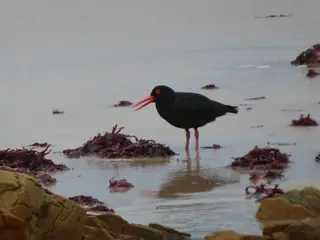 African Oystercatcher
-
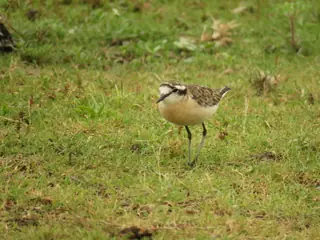 Kittlitz's Plover
-
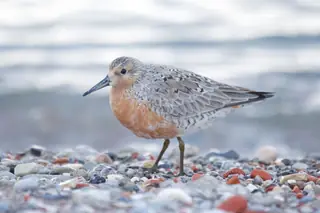 Red Knot
-
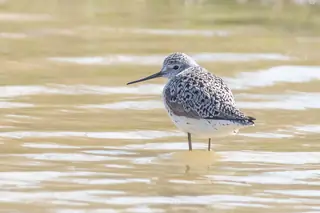 Marsh Sandpiper
-
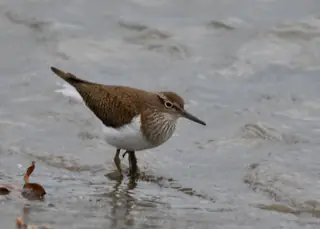 Common Sandpiper
-
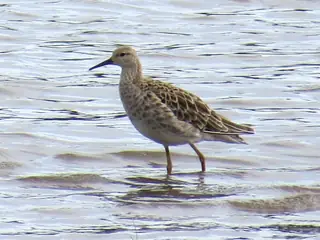 Ruff
-
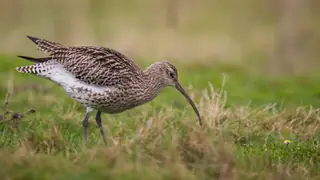 Eurasian CurlewRare
-
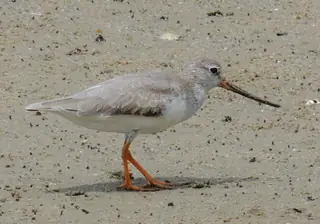 Terek SandpiperRare
-
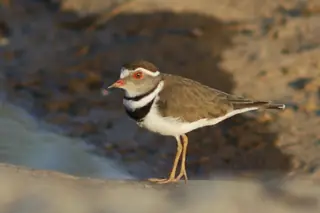 Three-banded Plover
-
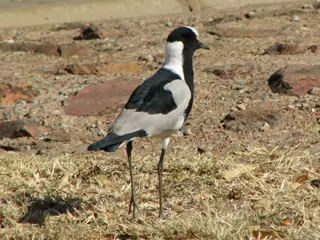 Blacksmith Lapwing
-
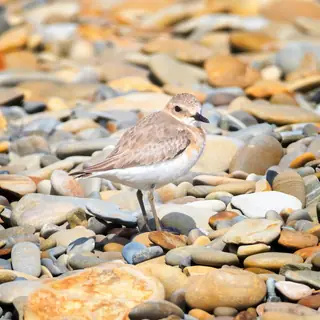 Greater Sand PloverRare
-
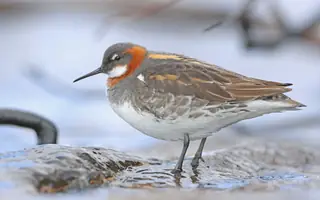 Red-necked PhalaropeRare
Desert and garden birds 42
-
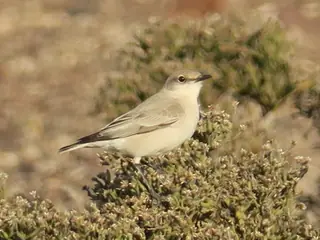 Tractrac Chat
-
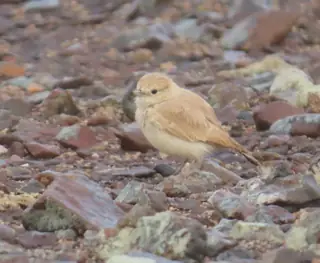 Gray's Lark
-
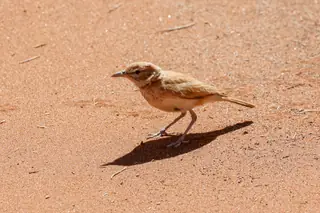 Dune Lark
-
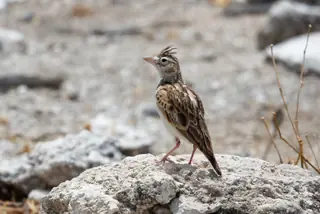 Stark's LarkRare
-
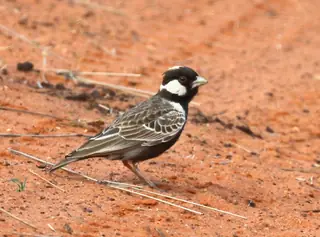 Grey-backed Sparrow-lark
-
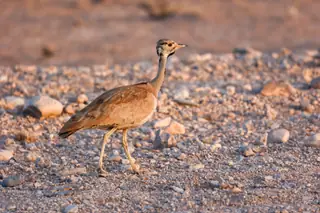 Rüppell's Korhaan
-
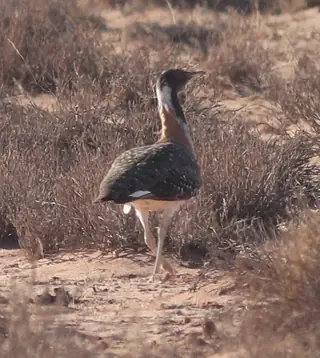 Ludwig's BustardRare
-
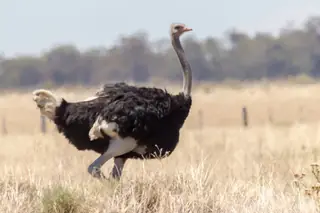 Common Ostrich
-
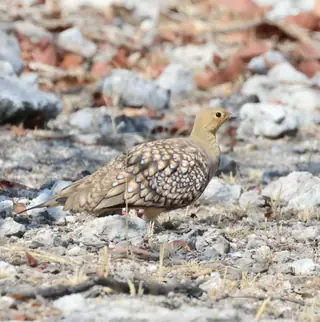 Namaqua Sandgrouse
-
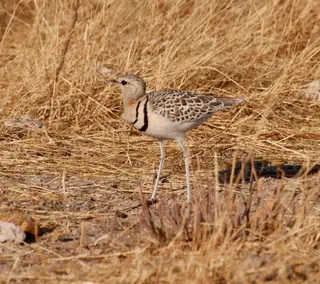 Double-banded Courser
-
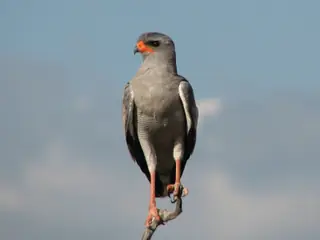 Pale Chanting Goshawk
-
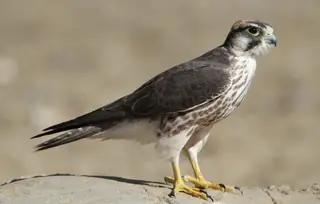 Lanner Falcon
-
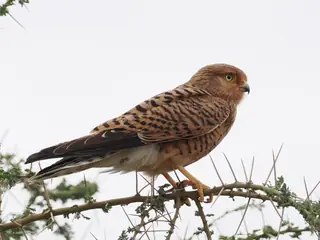 Greater Kestrel
-
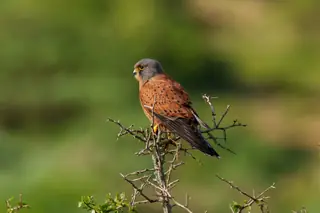 Rock Kestrel
-
 Peregrine FalconRare
-
 OspreyRare
-
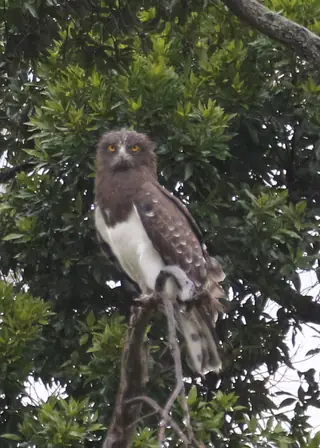 Black-chested Snake Eagle
-
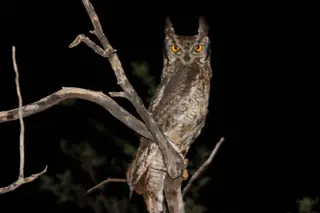 Spotted Eagle-OwlRare
-
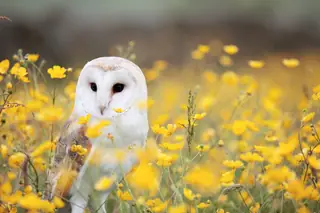 Barn OwlRare
-
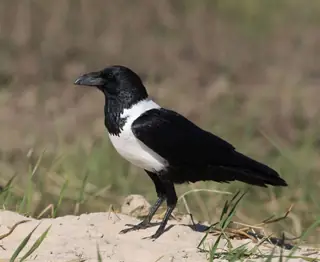 Pied Crow
-
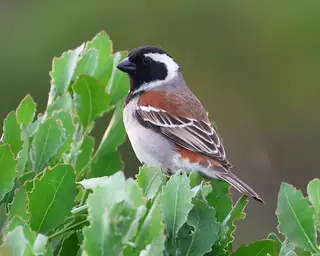 Cape Sparrow
-
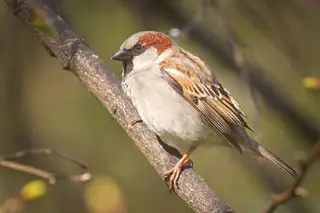 House Sparrow
-
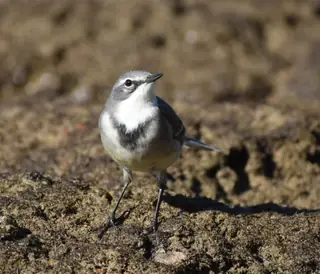 Cape Wagtail
-
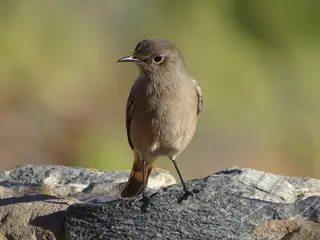 Familiar Chat
-
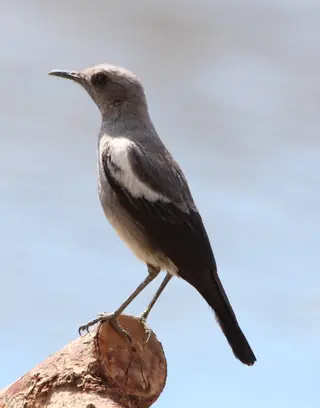 Mountain Wheatear
-
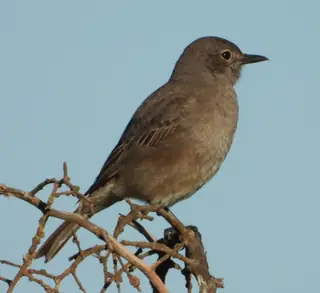 Chat Flycatcher
-
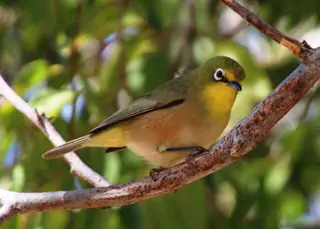 Orange River White-eye
-
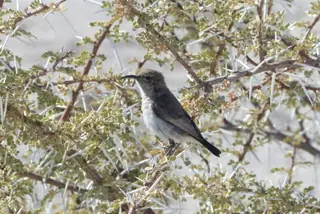 Dusky Sunbird
-
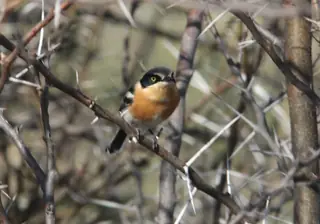 Pririt Batis
-
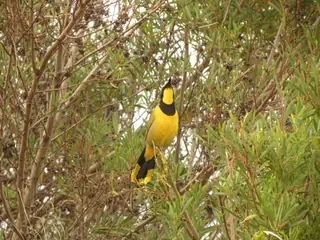 Bokmakierie
-
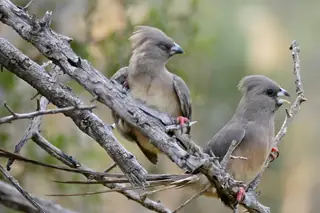 White-backed Mousebird
-
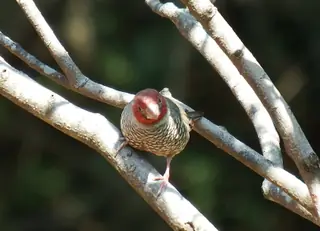 Red-headed Finch
-
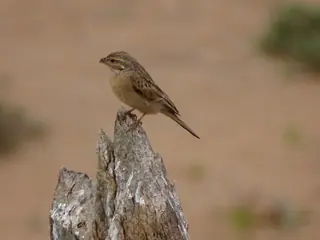 Lark-like Bunting
-
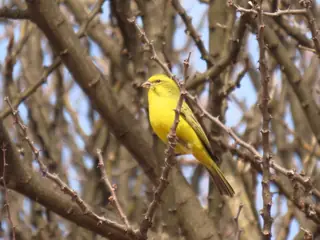 Yellow Canary
-
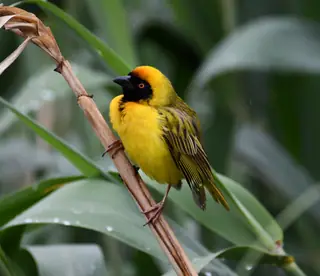 Southern Masked Weaver
-
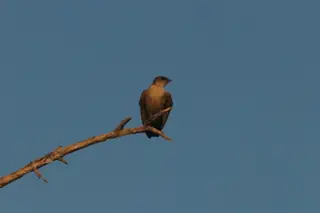 Rock Martin
-
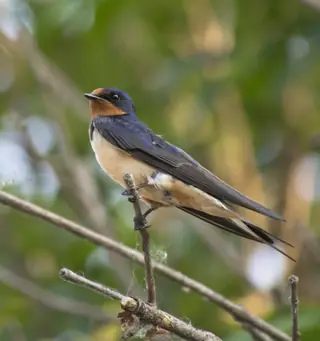 Barn Swallow
-
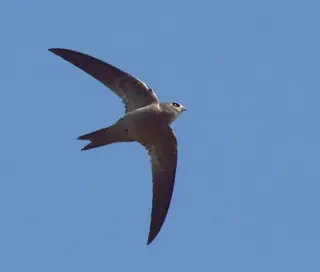 Bradfield's Swift
-
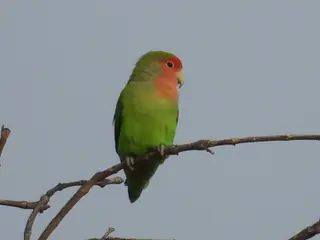 Rosy-faced LovebirdRare
-
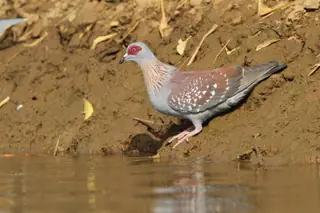 Speckled Pigeon
-
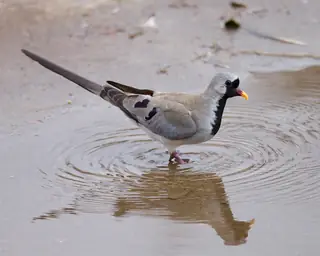 Namaqua Dove
-
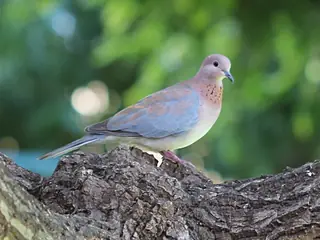 Laughing Dove
Reptiles 11
-
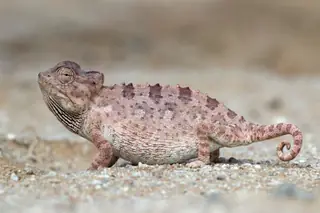 Namaqua Chameleon
-
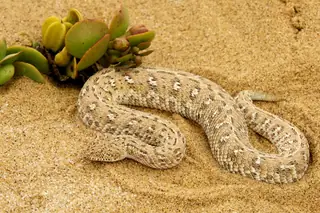 Peringuey's Adder
-
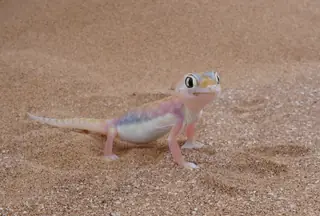 Namib Web-footed Gecko
-
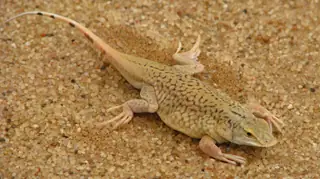 Shovel-snouted Lizard
-
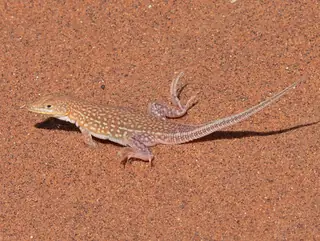 Wedge-snouted Desert Lizard
-
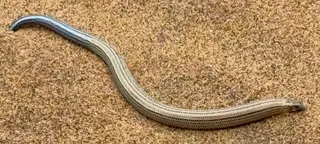 FitzSimons' Burrowing Skink
- Namib Sand Snake
-
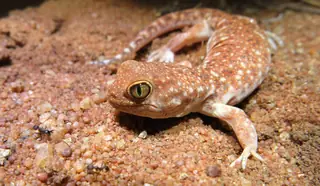 Common Barking Gecko
-
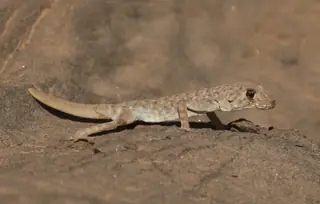 Namib Day Gecko
-
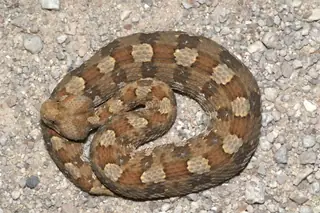 Horned AdderRare
-
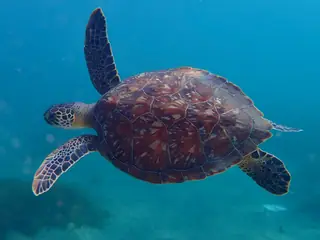 Green Sea TurtleRare
Fish and insects 2
-
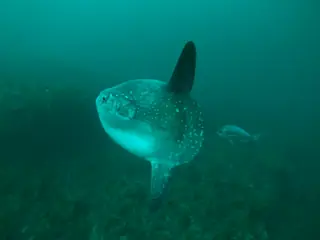 Ocean Sunfish
-
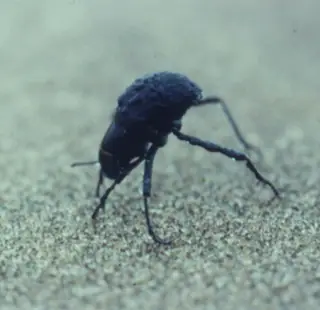 Fog-basking Beetle
Best time to see wildlife in Namib Coast
Sightings by month in Namib Coast
Most records: Feb to Apr, Aug to OctRecords from GBIF.org, adjusted for how many people record wildlife each month. 100% is the busiest month.
The Namib coast is good all year, because the cold Benguela Current keeps it cool and often foggy. What changes is who is visiting. From about October to April, tens of thousands of migrant waders from the Arctic feed on Walvis Bay lagoon, and black terns roost on the beaches. Damara terns arrive to breed in the southern summer and move north in winter. Humpback whales pass from about June to November, most in July to October, and southern right whales are possible in the same months. Fur seal pups are born from late November into December, the busiest and smelliest time at Cape Cross. Flamingos and pelicans are present all year. Mornings are often grey with fog that lifts by midday, and in winter hot east winds can bring dusty days.
- Jan to MarMigrant waders at their peak; mildest weather; sunfish on boat trips
- Apr to JunWaders leave; occasional hot, dusty east-wind days
- Jul to OctWhales on boat trips; flamingos and pelicans all season
- Nov to DecSeal pups born; waders back in strength
Tips for spotting wildlife in Namib Coast
- 01
Take a morning boat trip
Licensed boats from Walvis Bay visit the seals at Pelican Point and often meet Heaviside's and bottlenose dolphins, pelicans and, in season, humpbacks. Choose an operator that follows the distance rules and doesn't feed the wildlife.
- 02
Walk the lagoon on a rising tide
The Walvis Bay lagoon promenade is the easiest place to watch flamingos and waders. A rising tide pushes birds closer to the shore; bring binoculars and stay off the mudflats.
- 03
Join a guided dune walk
Licensed guides read tracks in the coastal dunes to find chameleons, sidewinding adders and web-footed geckos, and show them without handling. Walk in the guide's footsteps and never dig for or pick up animals.
- 04
Keep to marked roads on the plains
The gravel plains hold nesting terns, larks and chats, and tyre tracks there last for decades. Stay on marked roads and only drive in the dunes where it is allowed.
- 05
Visit Cape Cross quietly
Stay on the walkway, keep your voice down and don't step towards the seals. Black-backed jackals patrol the colony for weak pups, so expect hard scenes in summer.

Take Namib Coast with you
Visiting Walvis Bay or Swakopmund? Take this list on your phone and tick off seals, dolphins and waders as you go, with no signal needed. Wilder is free to start.

Namib Coast wildlife FAQ
What animals can you see on the Namib coast?
You can see brown fur seals, Heaviside's and bottlenose dolphins, flamingos, pelicans and huge flocks of waders on the Namib coast, with humpback whales in season. In the dunes, guides find chameleons, adders, geckos and the dune lark, and gemsbok and springbok graze the gravel plains inland. This checklist covers 142 animals.
Can you see dolphins in Walvis Bay?
Yes, Heaviside's dolphins and common bottlenose dolphins are often seen on boat trips in Walvis Bay, and dusky dolphins sometimes join them. Heaviside's dolphin lives only off south-western Africa, so this is one of the best places in the world to see it. Morning trips usually have the calmest water.
When is whale season in Namibia?
Whale season on the Namibian coast runs from about June to November, with most humpback sightings from July to October. Southern right whales visit in the same winter and spring months, sometimes close inshore. Boat trips from Walvis Bay are the easiest way to look; follow the operator's distance rules.
When is the best time to see seals at Cape Cross?
The seals are at Cape Cross all year, but numbers peak at up to 210,000 in the breeding season, November and December, when pups are born. The colony is loud and smelly at any time. Stay on the walkway, keep noise down and never walk towards the seals.
Are there flamingos in Walvis Bay all year?
Yes, greater and lesser flamingos are in Walvis Bay all year, though numbers rise and fall with food and with breeding elsewhere in southern Africa. The lagoon promenade is the easiest place to watch them, especially on a rising tide in the morning.
Sources
- Namibia Ministry of Environment, Forestry and Tourism: Cape Cross Seal Reserve
- Ramsar Sites Information Service: Walvis Bay
- Dorob National Park (Wikipedia)
- Sightings by month: GBIF.org
Animal photos are from the Wilder catalogue; photo credits.
Similar checklists
All Africa-
 Region142animals Damaraland Kunene, Namibia Red rock ranges, gravel plains and dry river valleys in north-west Namibia, where desert-adapted elephants browse the riverbeds and Hartmann's mountain zebra, gemsbok and springbok live off sparse grazing, with Rüppell's korhaans, Herero chats and Monteiro's hornbills among the rocks. Best time May to Oct
-
 Safari88animals Etosha National Park Kunene, Oshana and Oshikoto, Namibia A great white salt pan ringed by waterholes, where elephants, black rhino and lions come to drink in the dry season. Best time May to Oct
-
 Region95animals Cape Peninsula and the Whale Coast Cape Town and Overstrand, Western Cape, South Africa Penguins on the beach at Boulders, sugarbirds on the slopes of Table Mountain and southern right whales close to the cliffs at Hermanus in spring. Best time Sept to Oct
-
 Safari105animals Kgalagadi Transfrontier Park Northern Cape and Kgalagadi District, South Africa and Botswana Red dunes and two dry riverbeds shared by South Africa and Botswana, famous for black-maned lions, cheetahs and birds of prey. Best time Mar to May