Safari · Northern Cape and Kgalagadi District · South Africa and Botswana
Kgalagadi Transfrontier Park Wildlife Checklist

Kgalagadi Transfrontier Park covers more than 3.6 million hectares of the Kalahari across South Africa and Botswana. It is famous for black-maned lions, cheetahs, brown hyenas and some of the best raptor watching in Africa, all easy to spot in open, dry riverbeds. This checklist covers 105 animals. March to May, after the rains, is the most rewarding time to visit.
Tick off all 105 animals in the Kgalagadi on your phone, even offline. Launching soon. Free A4 PDF, no sign-up.
Two fossil riverbeds, the Auob and the Nossob, hold most of the water, game and roads on the South African side, between red dunes. The main entrance at Twee Rivieren is about 250 km north of Upington, with further main camps at Mata-Mata and Nossob.
- Animals to find
- 105
- Where
- South Africa and Botswana
- Best time
- Mar to May
- Size
- Over 3.6 million ha
Popular animals in the Kgalagadi
-
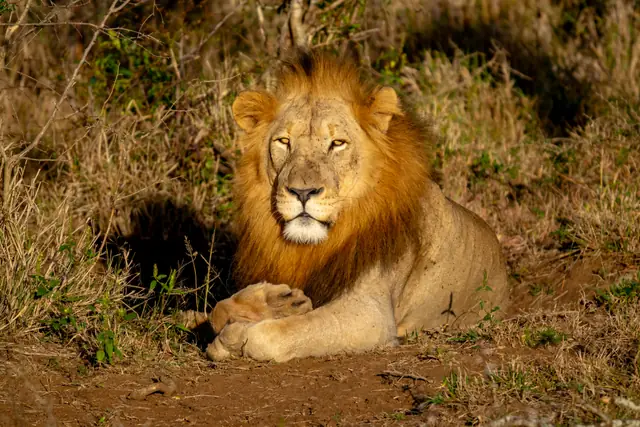
Lion
Panthera leo
Kalahari lions are known for their dark manes. Prides rest in the shade along the riverbeds by mid-morning, so drive early.
-
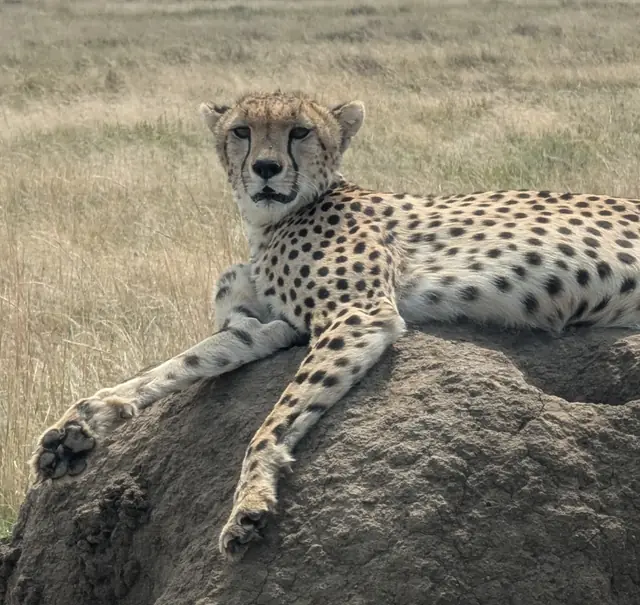
Cheetah
Acinonyx jubatus
The open riverbeds make this one of the best parks in Africa to watch cheetahs hunt springbok, usually in the morning.
-
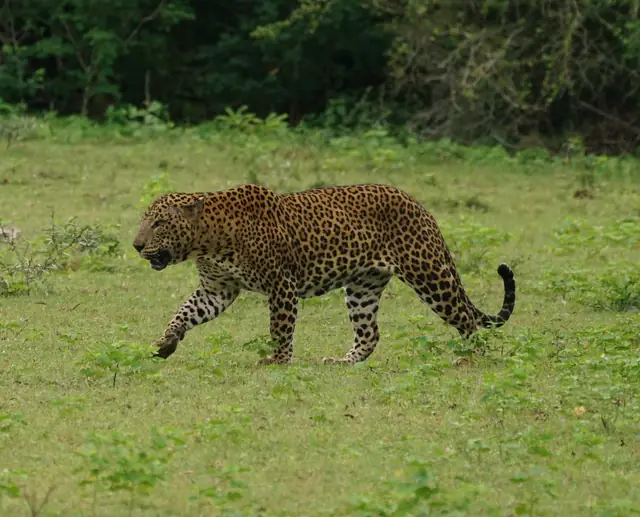
Leopard
Panthera pardus
Shady camelthorn trees in the riverbeds are the places to scan at dawn and dusk.
-
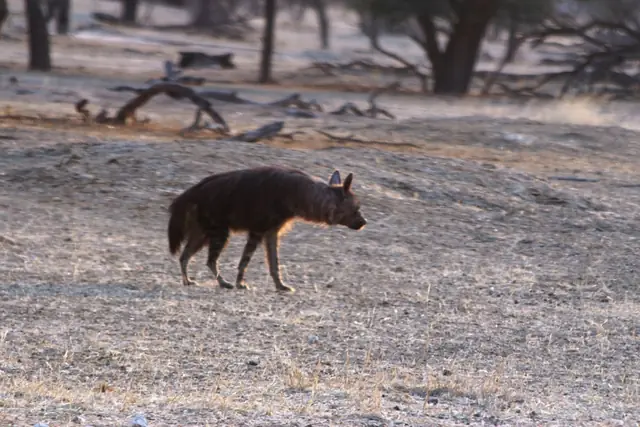
Brown Hyena
Parahyaena brunnea
Shaggy and mostly nocturnal, but sometimes seen crossing the road at first light or late in the evening.
-
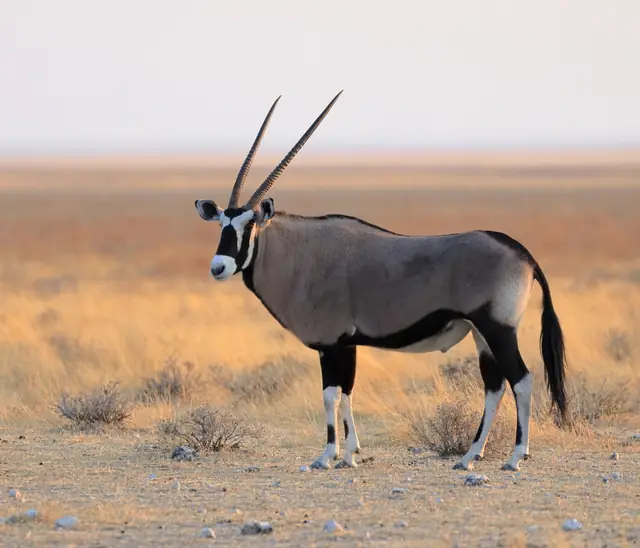
Gemsbok (Oryx)
Oryx gazella
The park's emblem lives on the dunes and riverbeds alike and can go for weeks without drinking.
-
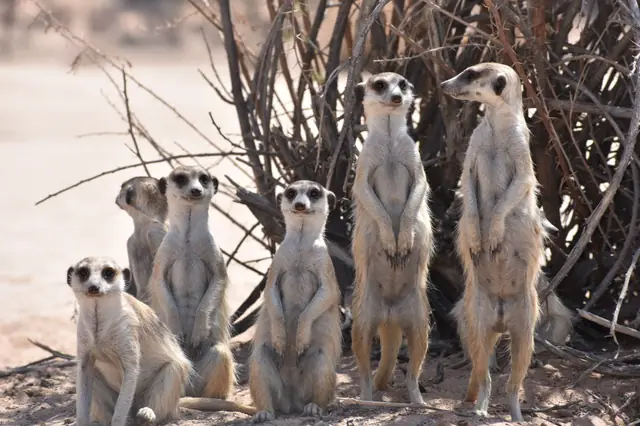
Meerkat
Suricata suricatta
Groups stand sentry on the riverbanks in the morning sun. Switch off and watch from the car.
-
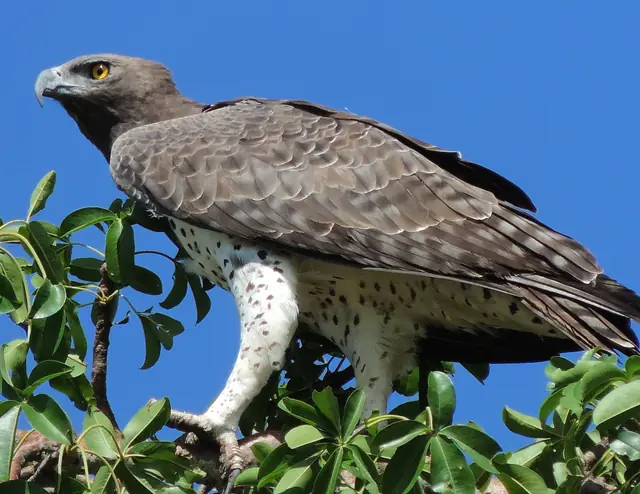
Martial Eagle
Polemaetus bellicosus
Africa's biggest eagle perches on dead trees along the riverbeds, one of many big raptors here.
-
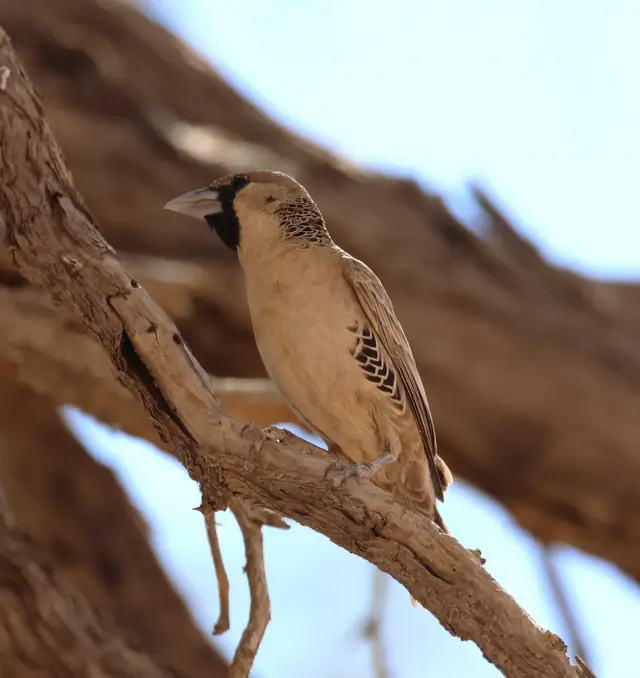
Sociable Weaver
Philetairus socius
Builds huge shared nests in camelthorn trees, used by pygmy falcons and other birds too. Watch from the road.
All 105 animals in the Kgalagadi
Cats and big hunters 8
-
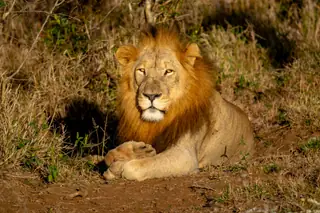 Lion
-
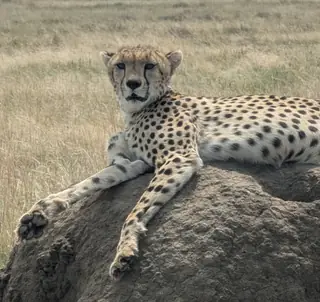 Cheetah
-
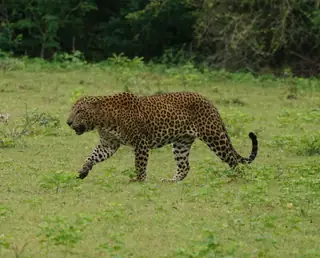 Leopard
-
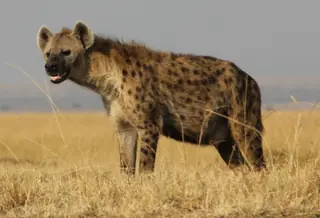 Spotted Hyena
-
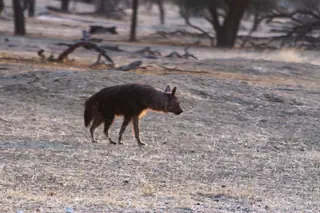 Brown Hyena
-
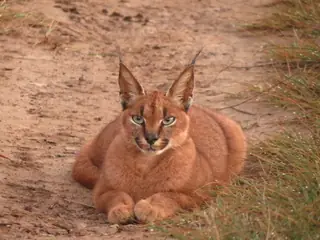 Caracal
-
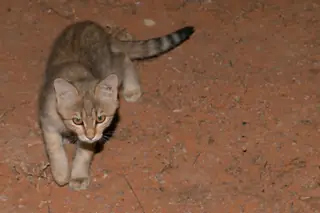 African Wildcat
- Black-footed CatRare
Antelope and grazers 9
-
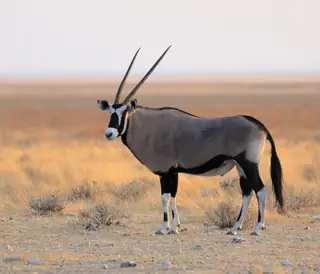 Gemsbok (Oryx)
-
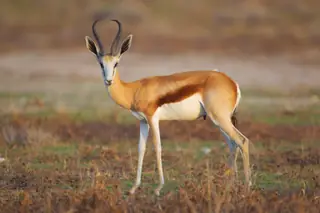 Springbok
-
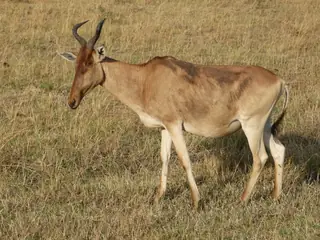 Red Hartebeest
-
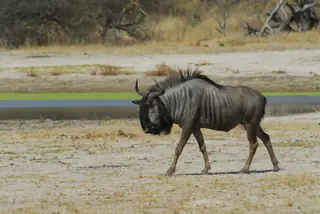 Wildebeest
-
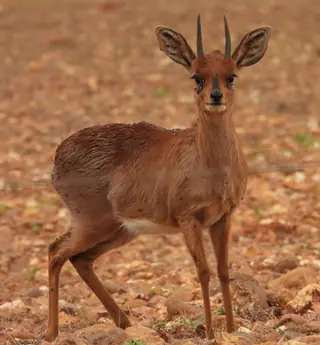 Steenbok
-
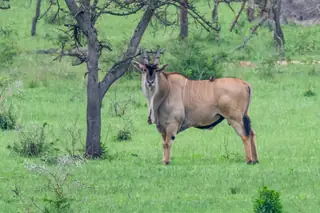 Eland
-
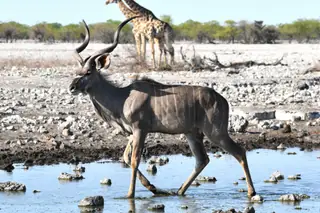 Kudu
-
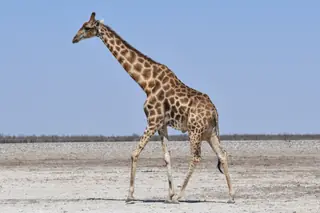 Southern Giraffe
-
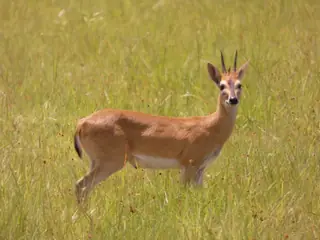 Common Duiker
Smaller hunters 6
-
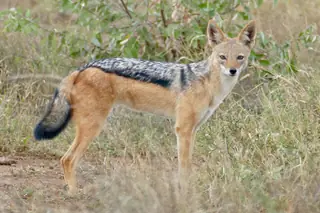 Black-backed Jackal
-
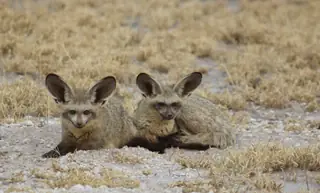 Bat-eared Fox
-
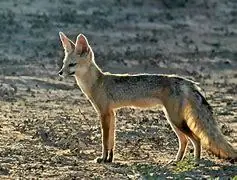 Cape Fox
-
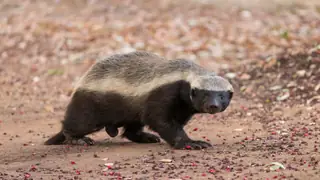 Honey Badger
-
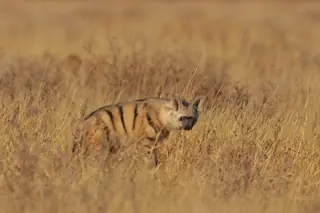 AardwolfRare
-
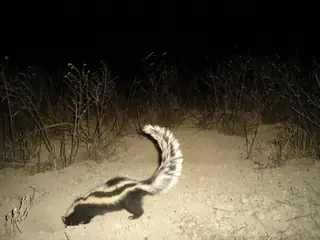 ZorillaRare
Smaller mammals 11
-
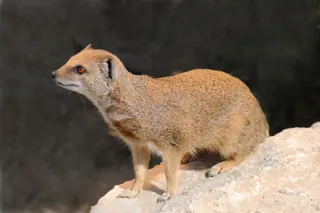 Yellow Mongoose
-
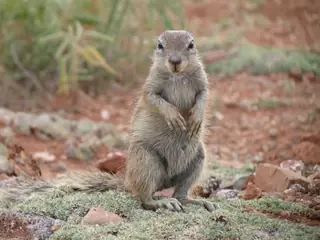 Cape Ground Squirrel
-
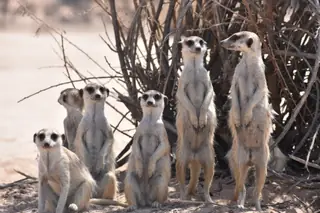 Meerkat
-
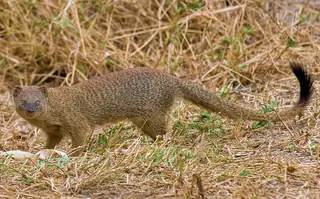 Slender Mongoose
-
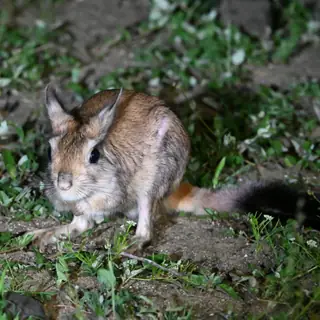 Springhare
-
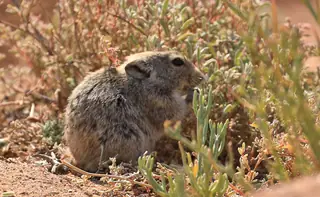 Brants's Whistling Rat
-
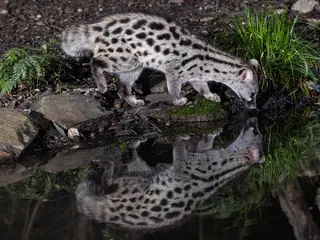 Common Genet
-
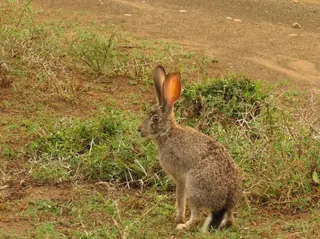 Scrub Hare
-
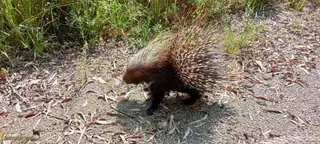 Cape PorcupineRare
-
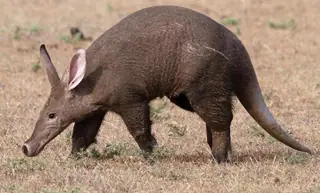 AardvarkRare
-
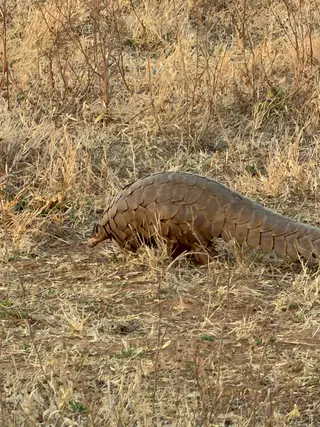 Ground PangolinRare
Birds of prey 18
-
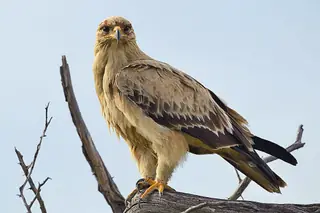 Tawny Eagle
-
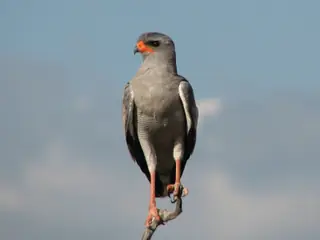 Pale Chanting Goshawk
-
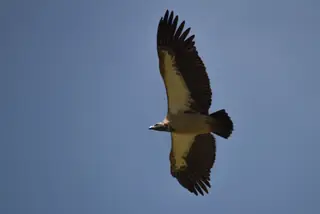 White-backed Vulture
-
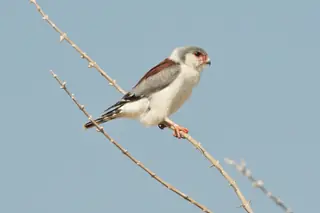 Pygmy Falcon
-
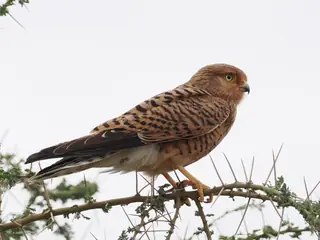 Greater Kestrel
-
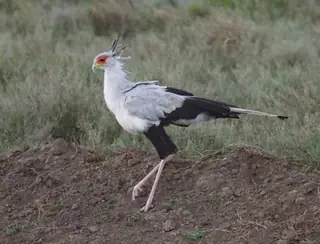 Secretary Bird
-
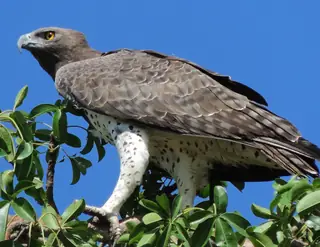 Martial Eagle
-
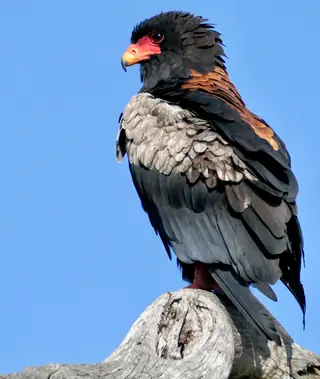 Bateleur
-
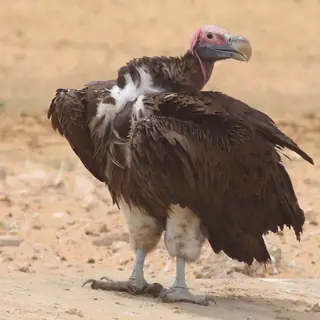 Lappet-faced Vulture
-
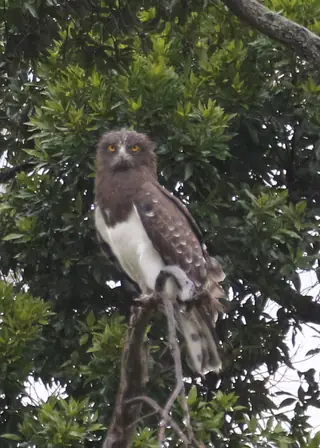 Black-chested Snake Eagle
-
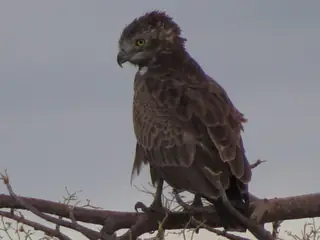 Brown Snake Eagle
-
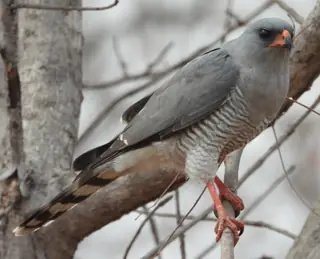 Gabar Goshawk
-
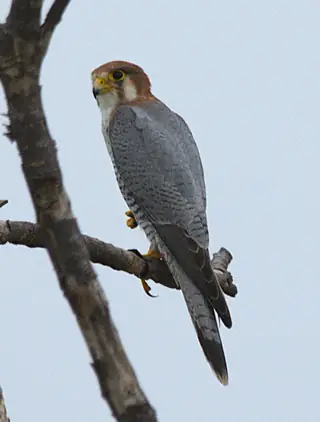 Red-necked Falcon
-
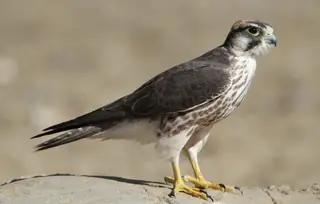 Lanner Falcon
-
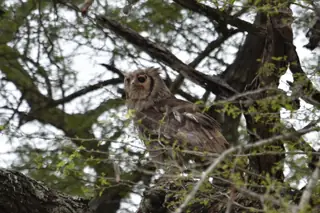 Verreaux's Eagle-Owl
-
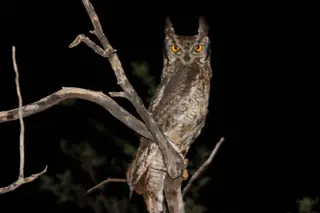 Spotted Eagle-Owl
-
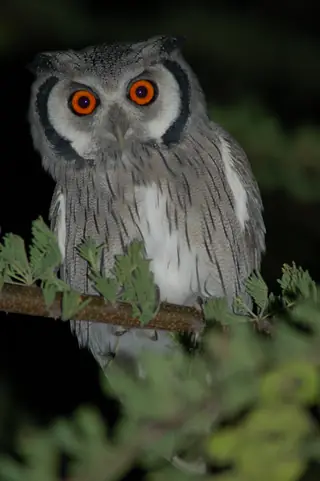 Southern White-faced Owl
-
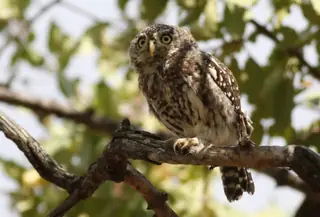 Pearl-spotted Owlet
Ground birds 14
-
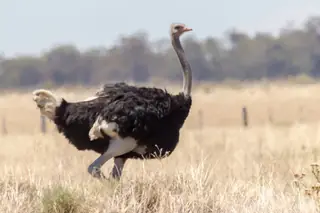 Ostrich
-
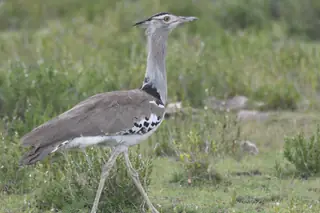 Kori Bustard
-
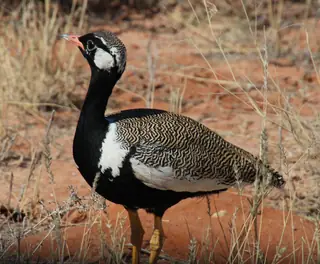 Northern Black Korhaan
-
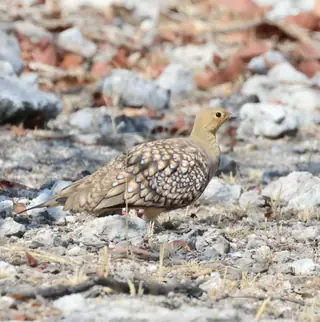 Namaqua Sandgrouse
-
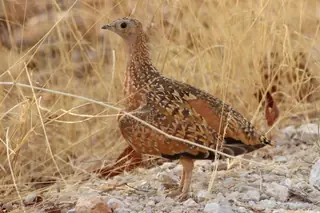 Burchell's Sandgrouse
-
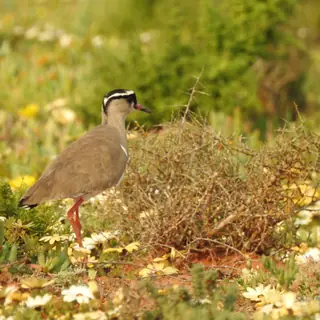 Crowned Lapwing
-
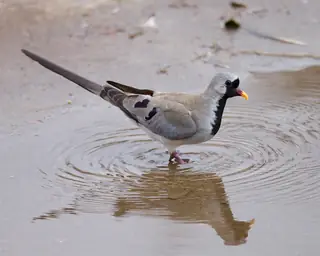 Namaqua Dove
-
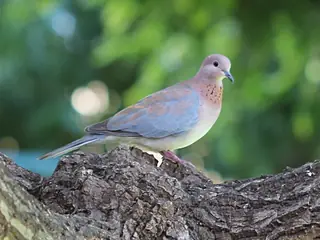 Laughing Dove
-
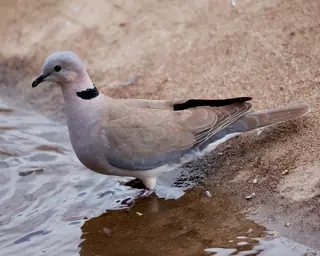 Ring-necked Dove
-
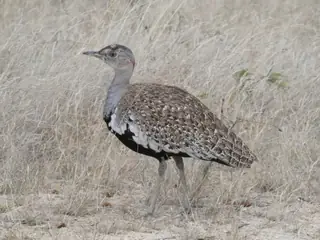 Red-crested Korhaan
-
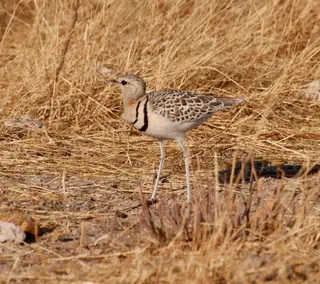 Double-banded Courser
-
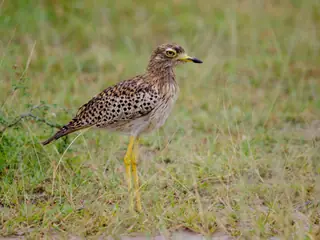 Spotted Thick-knee
-
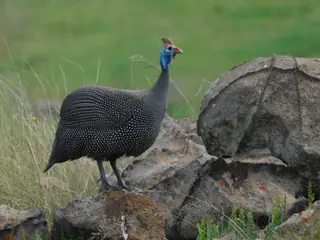 Helmeted Guineafowl
-
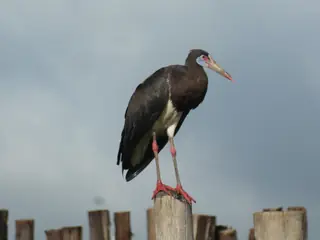 Abdim's Stork
Smaller birds 30
-
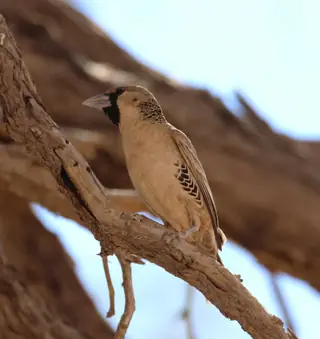 Sociable Weaver
-
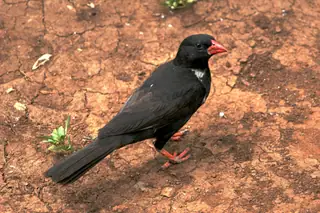 Red-billed Buffalo Weaver
-
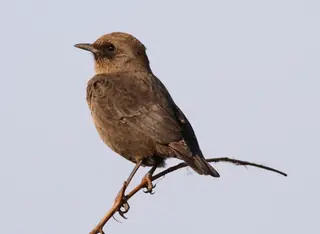 Anteating Chat
-
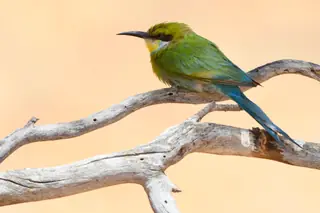 Swallow-tailed Bee-eater
-
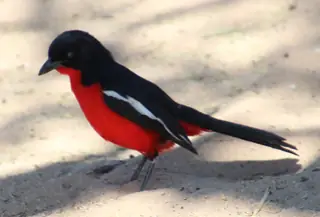 Crimson-breasted Shrike
-
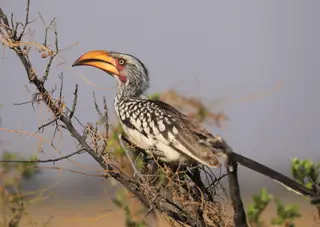 Southern Yellow-billed Hornbill
-
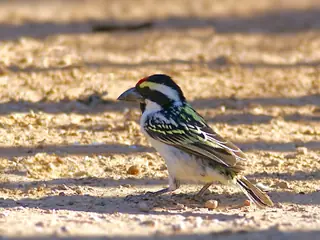 Acacia Pied Barbet
-
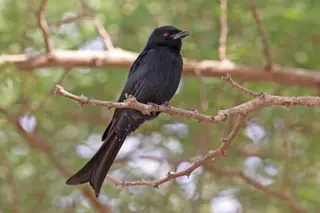 Fork-tailed Drongo
-
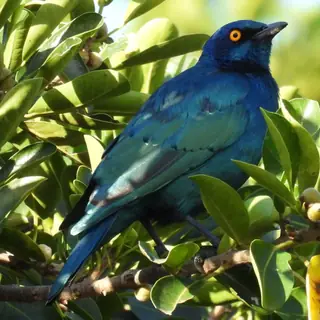 Cape Glossy Starling
-
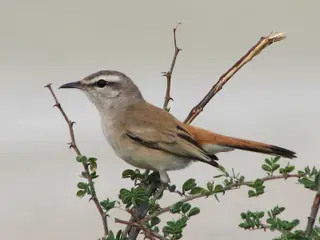 Kalahari Scrub Robin
-
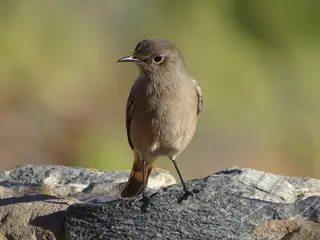 Familiar Chat
-
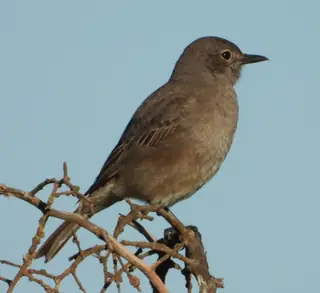 Chat Flycatcher
-
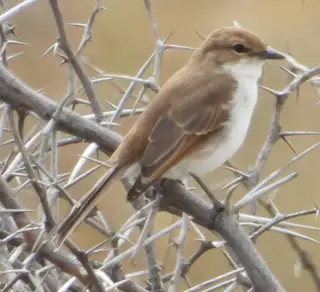 Marico Flycatcher
-
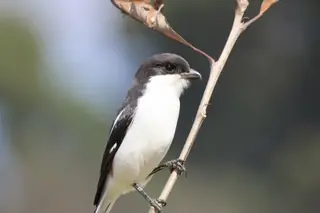 Southern Fiscal
-
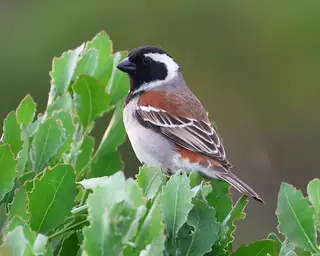 Cape Sparrow
-
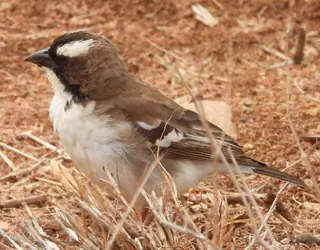 White-browed Sparrow-Weaver
-
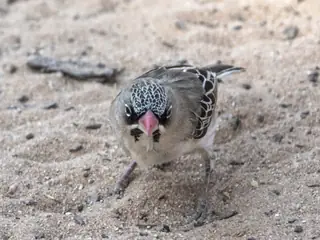 Scaly-feathered Weaver
-
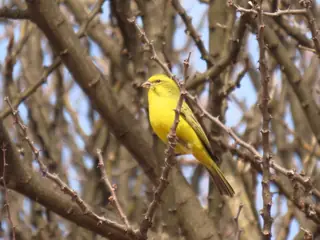 Yellow Canary
-
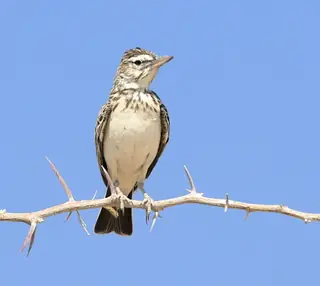 Sabota Lark
-
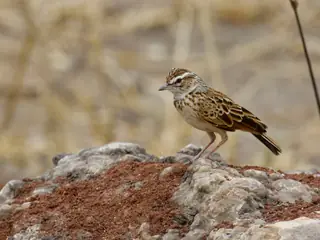 Fawn-coloured Lark
-
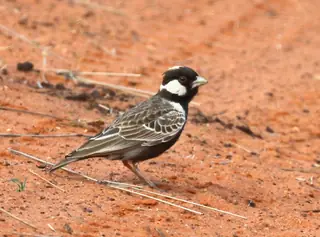 Grey-backed Sparrow-lark
-
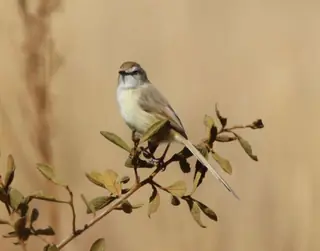 Black-chested Prinia
-
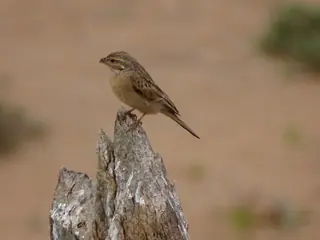 Lark-like Bunting
-
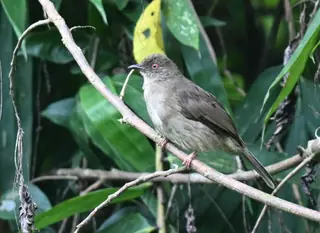 Red-eyed Bulbul
-
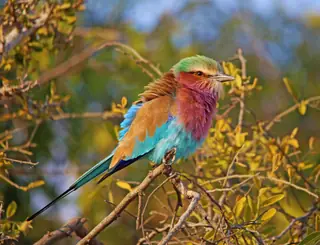 Lilac-breasted Roller
-
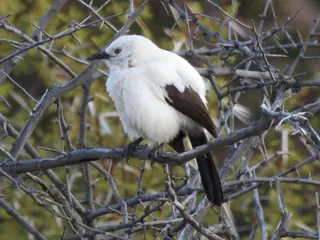 Southern Pied Babbler
-
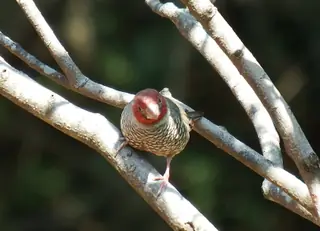 Red-headed Finch
-
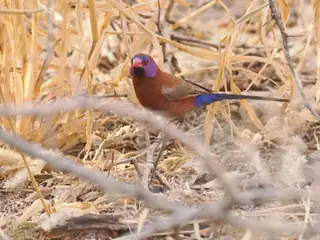 Violet-eared Waxbill
-
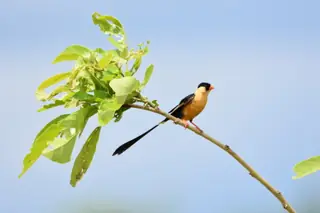 Shaft-tailed Whydah
-
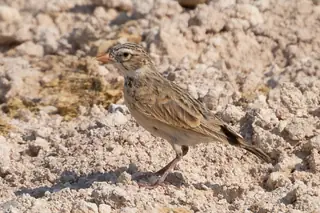 Pink-billed Lark
Reptiles and amphibians 9
-
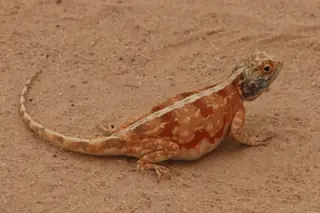 Ground Agama
-
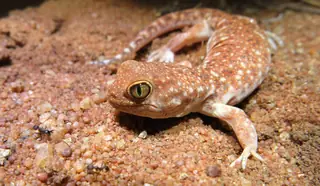 Common Barking Gecko
-
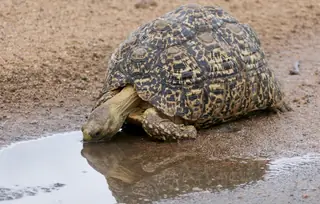 Leopard Tortoise
-
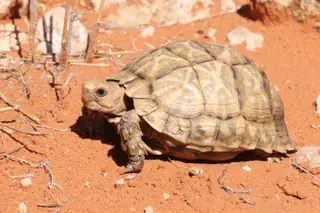 Serrated Tent Tortoise
-
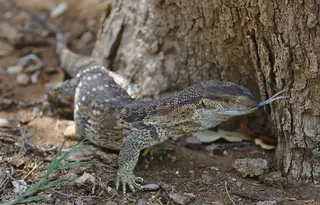 Rock Monitor
-
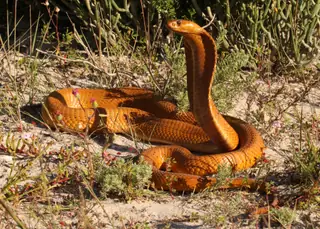 Cape Cobra
-
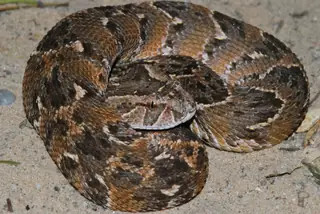 Puff Adder
-
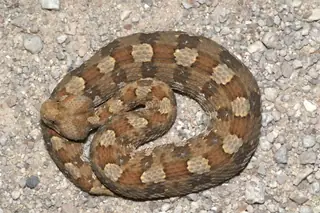 Horned AdderRare
-
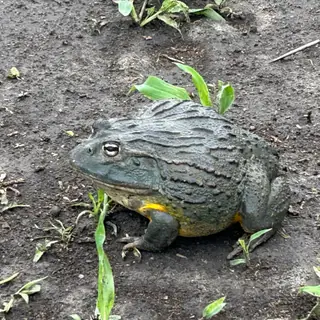 African BullfrogRare
Best time to see wildlife in the Kgalagadi
Sightings by month in the Kgalagadi
Most records: All yearRecords from GBIF.org, adjusted for how many people record wildlife each month. 100% is the busiest month.
Kgalagadi is a park of extremes. Most rain falls from January to April in thunderstorms, and after good rains the riverbeds turn green, springbok drop their lambs and raptors gather to feed on swarming termites. March to May is the most rewarding window: the grass is fresh, temperatures are pleasant and predators follow the herds along the riverbeds. Winter, June to August, is dry and sunny, with nights often below freezing, so pack warm layers; game concentrates at the waterholes. Spring, September and October, is dry and windy, a good time for jackals and foxes with young. Summer, November to February, is very hot, with afternoon temperatures in the 40s °C, but early mornings are productive and storms bring dramatic skies.
- Jan to FebHot, with storms; springbok lambs, summer birds
- Mar to MayGreen after rain, mild days; prime time
- Jun to AugDry, sunny days and freezing nights; game at waterholes
- Sep to OctDry and windy; good for small predators
- Nov to DecVery hot; first storms, early mornings best
Tips for spotting wildlife in the Kgalagadi
- 01
Drive the riverbeds early
Be at the camp gate when it opens. The first hours in the riverbeds are when cheetahs hunt and lions are still moving before the heat.
- 02
Wait at a waterhole
Most game, sandgrouse and raptors come to the waterholes along the riverbeds. Pick one, switch off and wait an hour; it pays far better than racing between them.
- 03
Book a sunset or night drive
Self-drivers must be in camp by gate closing. A SANParks guided drive is the only way to look for brown hyena, aardwolf, Cape fox and, very rarely, black-footed cat after dark.
- 04
Plan fuel, water and distances
Camps are far apart on slow gravel and sand roads, and the speed limit is low. Carry plenty of water, fill up at every camp and allow more time than you think between camps.
- 05
Look up as well as around
Kgalagadi is one of the best parks in Africa for birds of prey. Check every dead tree and telegraph pole for martial eagles, tawny eagles, pale chanting goshawks and the tiny pygmy falcon.

Take the Kgalagadi with you
Going to the Kgalagadi? Keep this list on your phone and tick off lions, cheetahs and raptors on the riverbed drives, even with no signal. Wilder is free to start.

Kgalagadi wildlife FAQ
What animals can you see in Kgalagadi Transfrontier Park?
You can see lions, cheetahs, leopards, brown and spotted hyenas, gemsbok, springbok, wildebeest, red hartebeest, meerkats and many birds of prey in Kgalagadi. This checklist covers 105 of the animals visitors most often look for. Gemsbok, springbok and raptors are easy; leopard, brown hyena and black-footed cat take luck.
Is Kgalagadi good for big cats?
Yes. Kgalagadi is one of the best parks in Africa for watching lions, cheetahs and leopards, because the open riverbeds and sparse cover make them easier to see than in thick bush. The black-maned Kalahari lions are a highlight. There are no elephants, buffalo or rhinos here.
What is the best time to visit Kgalagadi?
The best time to visit Kgalagadi is March to May, after the summer rains, when the riverbeds are green, the weather is mild and predators follow the springbok herds. Winter, June to August, is also good, with game at waterholes, but nights fall below freezing. Summer is extremely hot.
Do you need a 4x4 for Kgalagadi?
Not for the main routes on the South African side. A car with good clearance, such as an SUV, can reach Twee Rivieren, Mata-Mata and Nossob on the gravel riverbed roads, driven carefully. The wilderness camps, the Botswana side and some dune roads need a 4x4.
Can you cross between South Africa and Botswana in Kgalagadi?
Yes. You can move between the South African and Botswana sides without immigration checks if you leave through the country you entered. To exit into another country, including Namibia through Mata-Mata, you clear immigration at Twee Rivieren and must stay at least two nights in the park first.
Sources
- SANParks: Kgalagadi Transfrontier Park overview
- South African Tourism: Kgalagadi Transfrontier Park
- HPH Publishing: best time of year to visit the Kgalagadi
- Sightings by month: GBIF.org
Animal photos are from the Wilder catalogue; photo credits.
Similar checklists
All Africa-
 Safari88animals Etosha National Park Kunene, Oshana and Oshikoto, Namibia A great white salt pan ringed by waterholes, where elephants, black rhino and lions come to drink in the dry season. Best time May to Oct
-
 Safari111animals Okavango Delta and Moremi North-West District, Botswana A vast inland delta of lagoons, papyrus and palm islands, explored by mokoro and on foot: wild dogs, lechwe and big cats. Best time Jun to Oct
-
 Safari110animals Kruger National Park Limpopo and Mpumalanga, South Africa Africa's classic safari: the Big Five, wild dogs on the move, and some of the best birdwatching on the continent. Takes in the private reserves along its western edge, such as Sabi Sand and Timbavati. Best time May to Sept
-
 National park108animals Addo Elephant National Park Eastern Cape, South Africa More than 600 elephants in thick Eastern Cape bush, with lions and black rhino, and gannets, penguins and whales in Algoa Bay. Best time All year