National park · Eastern Cape · South Africa
Addo Elephant National Park Wildlife Checklist

Addo Elephant National Park near Gqeberha (Port Elizabeth) in the Eastern Cape began in 1931 to protect the last 11 elephants in the area and now holds more than 600. Its marine section lets it claim a Big Seven: the Big Five plus southern right whale and great white shark. This checklist covers 108 animals. It is good all year, and malaria-free.
Tick off all 108 animals in Addo on your phone, even offline. Launching soon. Free A4 PDF, no sign-up.
The main game area is an easy hour's drive from Gqeberha and suits self-drivers. Beyond it, the park takes in Karoo plains, the forested Zuurberg mountains, the dunes of Woody Cape and the islands of Algoa Bay.
- Animals to find
- 108
- Where
- South Africa
- Best time
- All year
- Elephants
- More than 600
Popular animals in Addo
-
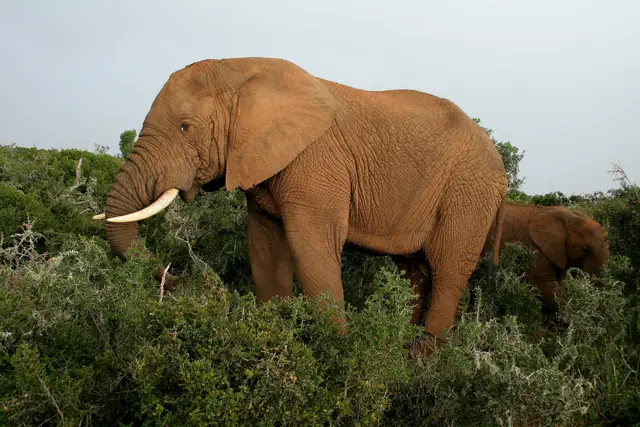
African Savanna Elephant
Loxodonta africana
Family herds come down to drink through the day, most of all in hot weather. Stay in the car, keep back and never block their path. Many Addo cows have no tusks.
-
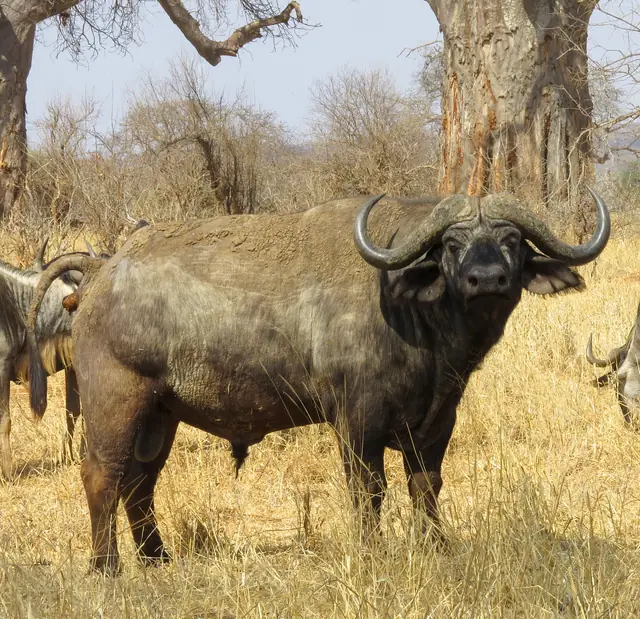
Cape Buffalo
Syncerus caffer
Addo's buffalo are a disease-free herd. Look for them grazing the open patches between the thicket, often in the early morning.
-
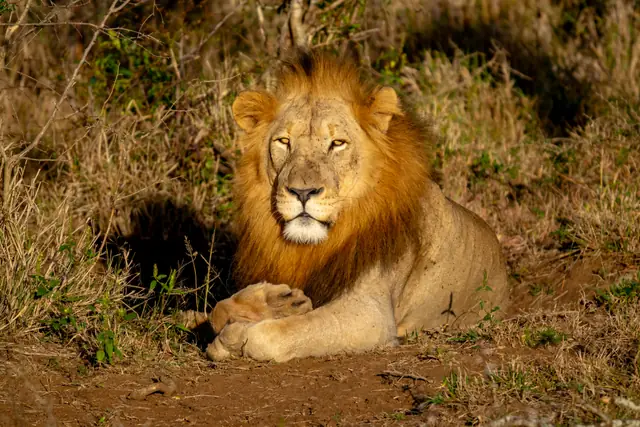
Lion
Panthera leo
Lions were brought back from the Kalahari in 2003. They are most active at dawn, and you may hear them roar before sunrise.
-
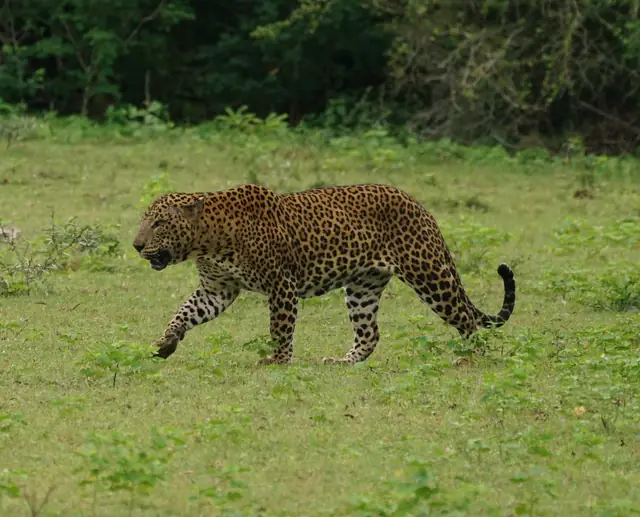
Leopard
Panthera pardus
Present but rarely seen in the dense spekboom thicket.
-
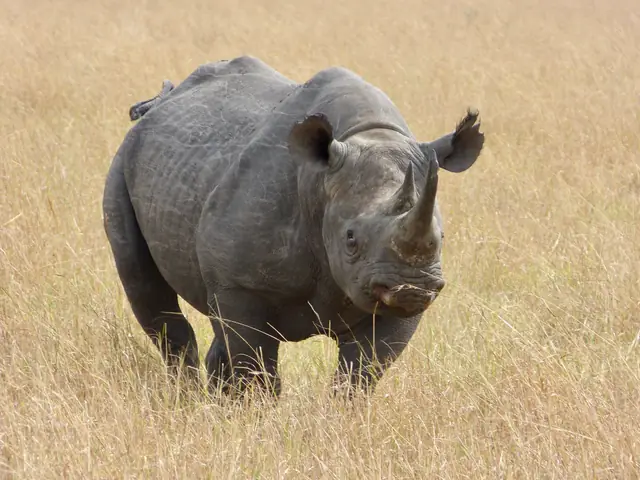
Black Rhinoceros
Diceros bicornis
A small, closely guarded population of the south-western subspecies. Sightings are rare. Never share rhino locations or post geotagged photos.
-
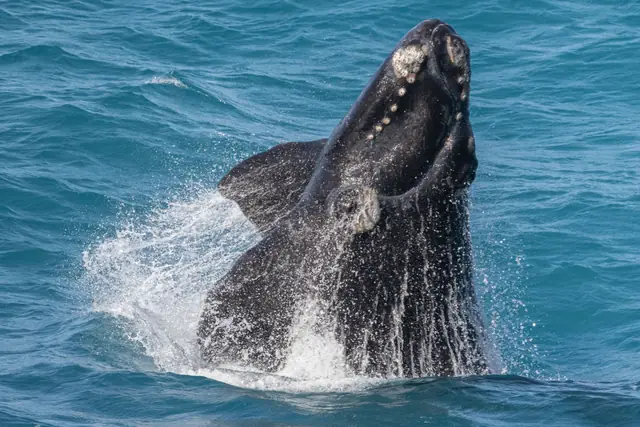
Southern Right Whale
Eubalaena australis
In Algoa Bay from about July to November. Watch from licensed whale-watching boats or from the shore at Woody Cape.
-
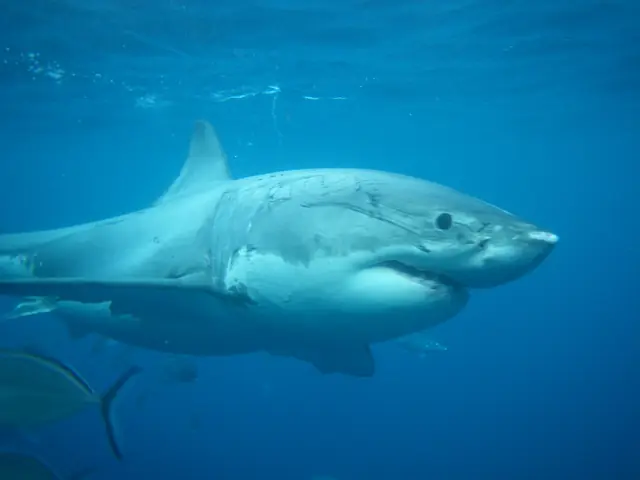
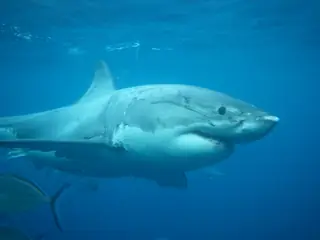
Great White Shark
Carcharodon carcharias
Part of the Big Seven and present in Algoa Bay, but rarely seen.
-
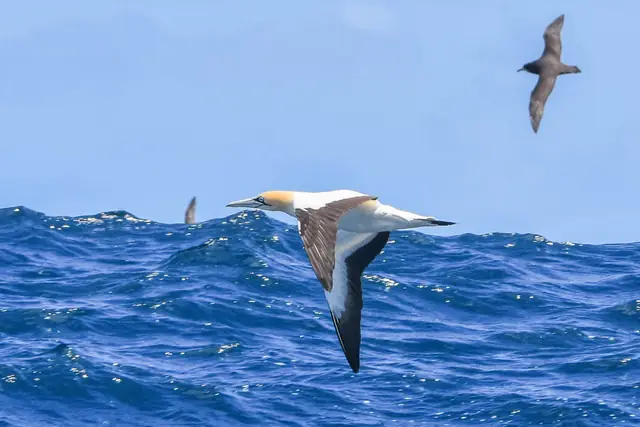
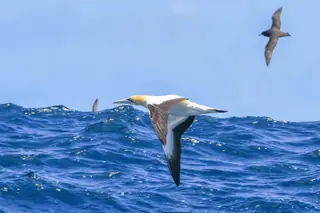
Cape Gannet
Morus capensis
Algoa Bay holds the world's biggest gannet colony. Licensed boat trips show you thousands plunge-diving for sardines.
-
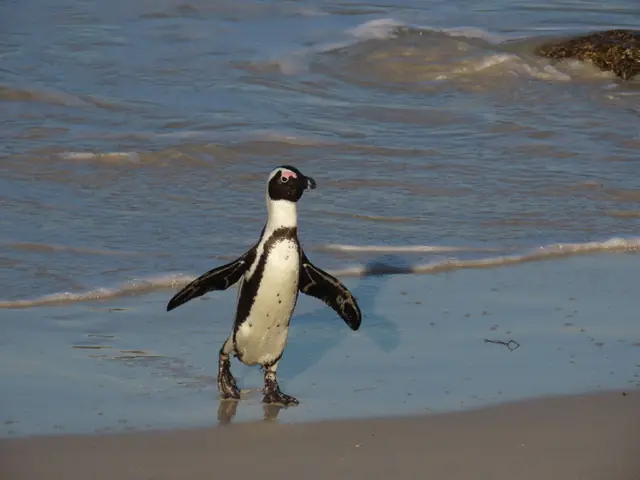
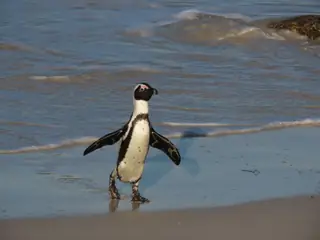
Penguin (African)
Spheniscus demersus
Critically endangered. The island colonies in Algoa Bay are seen only from licensed boats that keep their distance; landing is not allowed.
All 108 animals in Addo
Big game 8
-
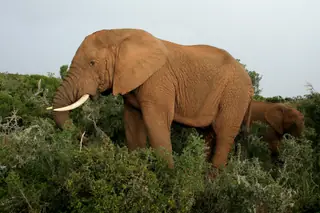 African Savanna Elephant
-
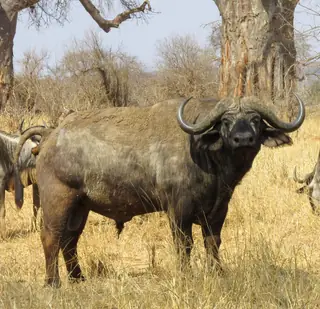 Cape Buffalo
-
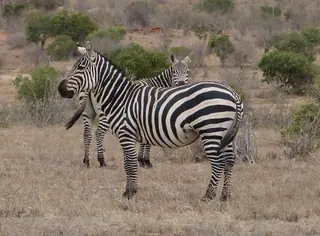 Plains Zebra
-
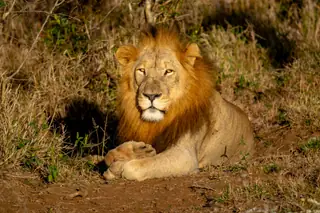 Lion
-
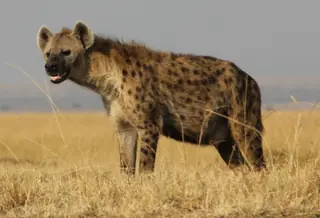 Spotted Hyena
-
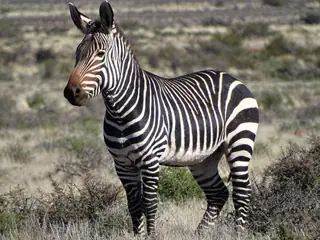 Mountain Zebra
-
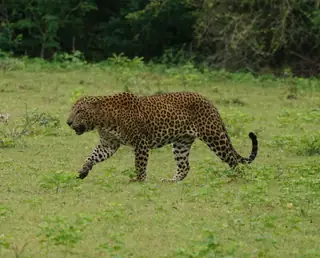 LeopardRare
-
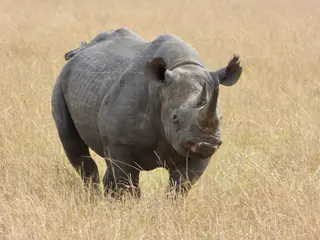 Black RhinocerosRare
Antelope 13
-
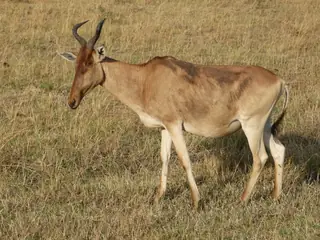 Red Hartebeest
-
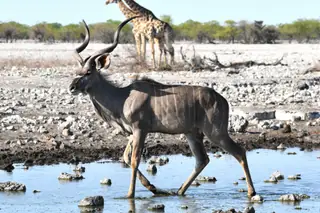 Kudu
-
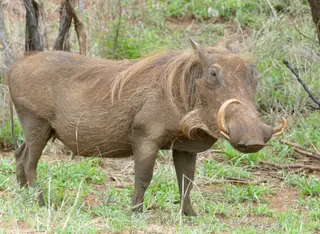 Warthog
-
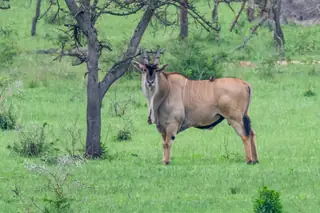 Eland
-
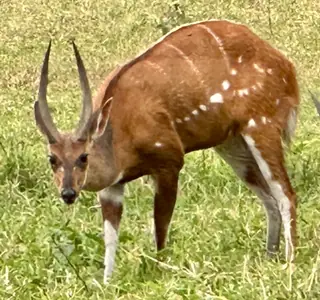 Bushbuck
-
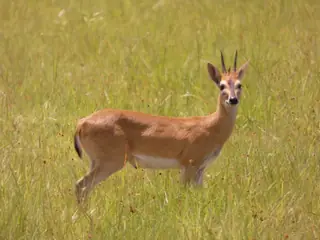 Common Duiker
-
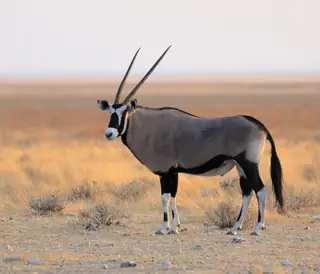 Gemsbok (Oryx)
-
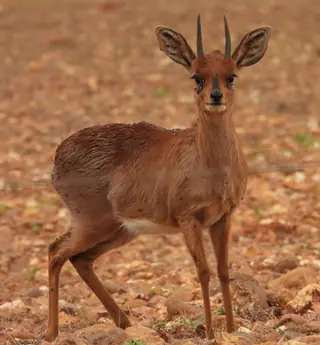 Steenbok
-
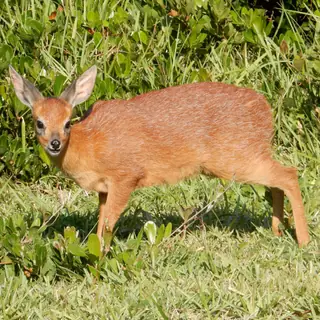 Cape GrysbokRare
-
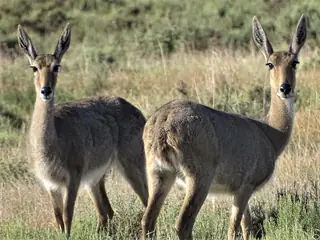 Grey RhebokRare
-
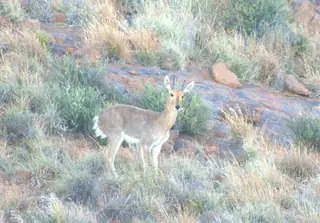 Mountain ReedbuckRare
-
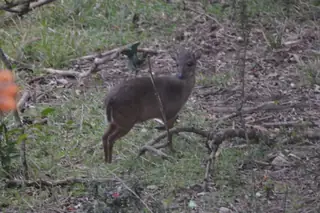 Blue DuikerRare
-
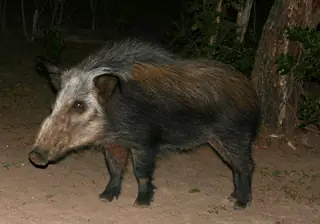 BushpigRare
Smaller hunters and mammals 18
-
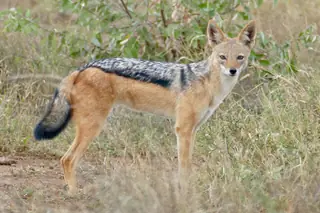 Black-backed Jackal
-
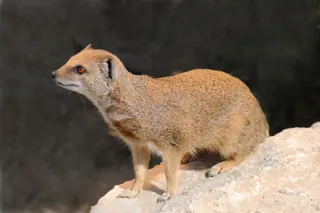 Yellow Mongoose
-
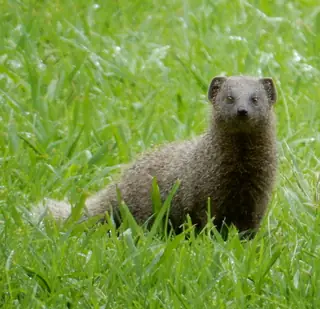 Cape Grey Mongoose
-
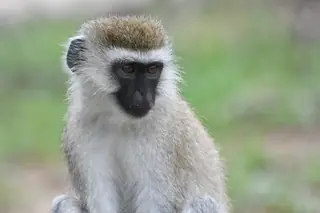 Vervet Monkey
-
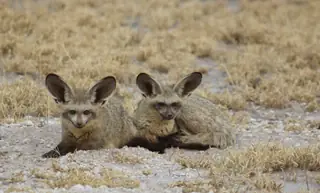 Bat-eared Fox
-
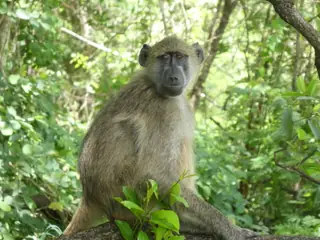 Chacma Baboon
-
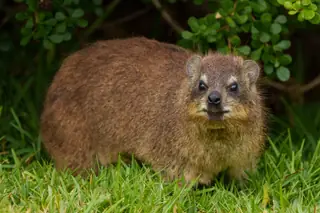 Rock Hyrax
-
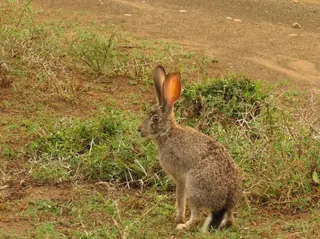 Scrub Hare
-
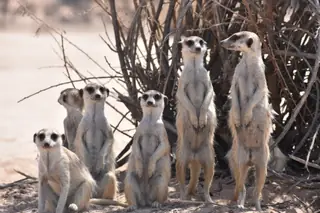 MeerkatRare
-
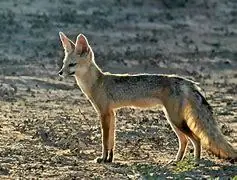 Cape FoxRare
-
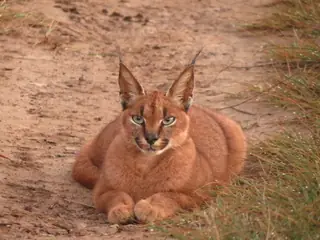 CaracalRare
-
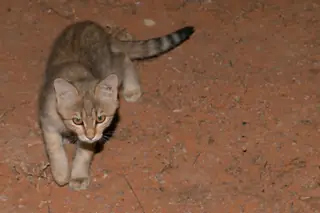 African WildcatRare
-
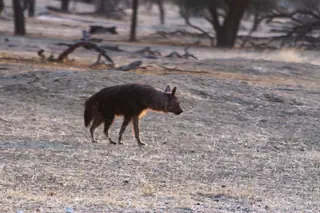 Brown HyenaRare
-
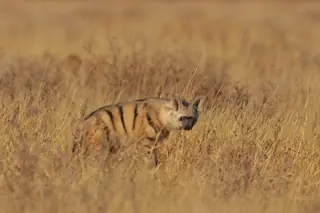 AardwolfRare
-
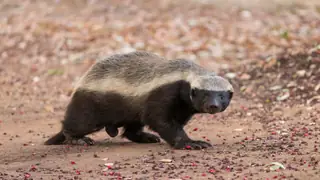 Honey BadgerRare
-
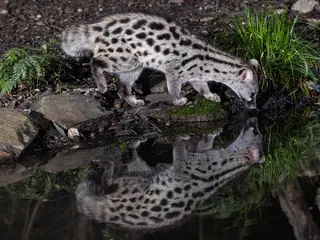 Common GenetRare
-
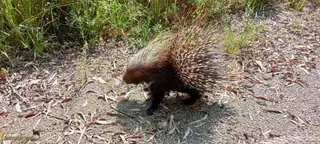 Cape PorcupineRare
-
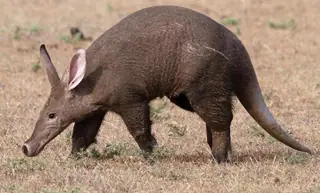 AardvarkRare
Whales, seals and sharks 9
-
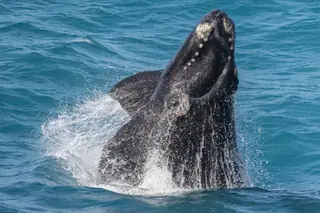 Southern Right Whale
-
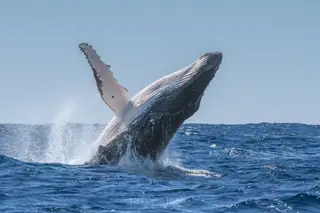 Humpback Whale
-
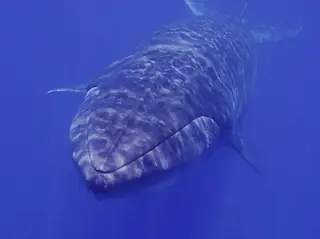 Bryde's Whale
-
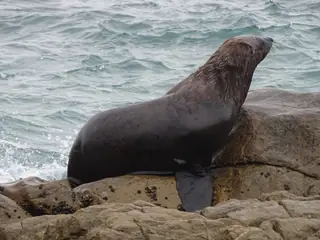 Brown Fur Seal
-
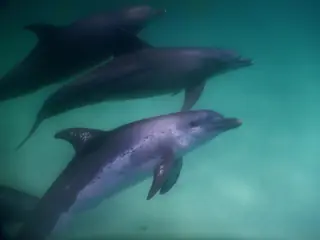 Indo-Pacific Bottlenose Dolphin
-
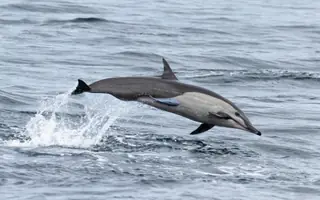 Common Dolphin
-
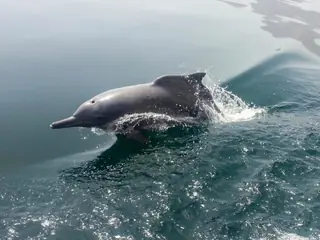 Indian Ocean Humpback DolphinRare
-
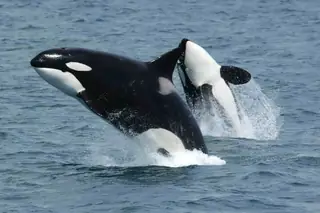 OrcaRare
-
 Great White SharkRare
Seabirds and coast 7
-
 Kelp Gull
-
 Cape Gannet
-
 Penguin (African)
-
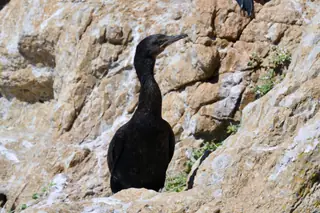 Cape Cormorant
-
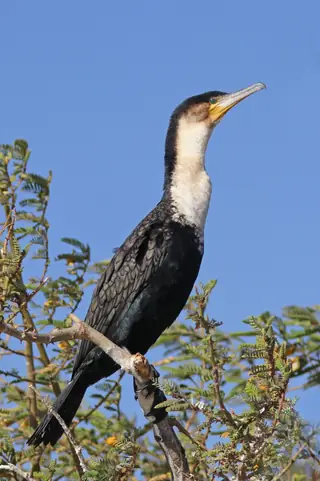 White-breasted Cormorant
-
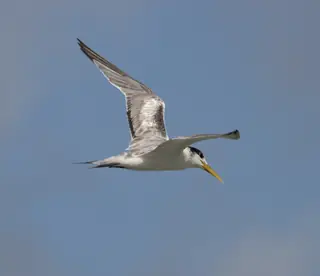 Greater Crested Tern
-
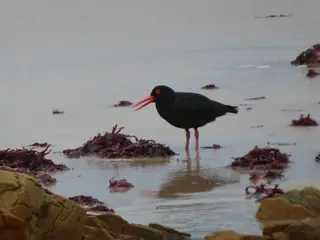 African Oystercatcher
Land birds 42
-
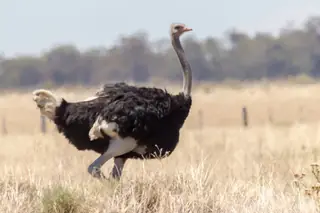 Ostrich
-
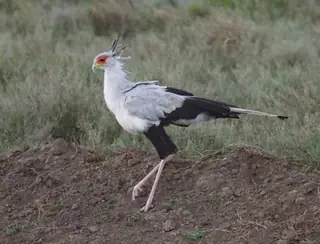 Secretary Bird
-
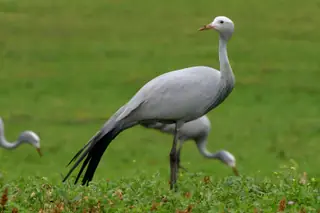 Blue Crane
-
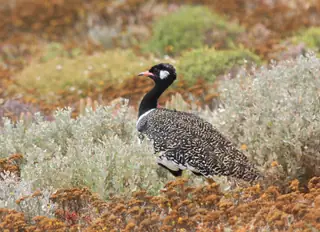 Southern Black Korhaan
-
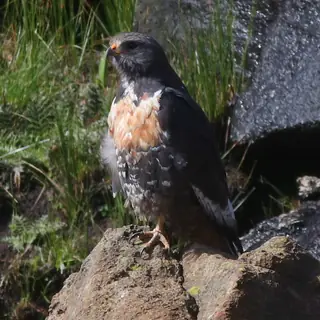 Jackal Buzzard
-
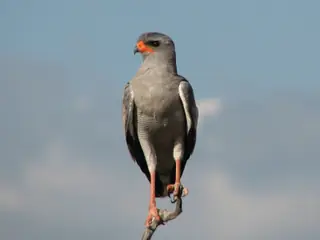 Pale Chanting Goshawk
-
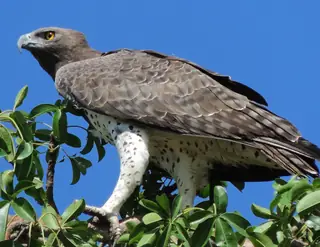 Martial Eagle
-
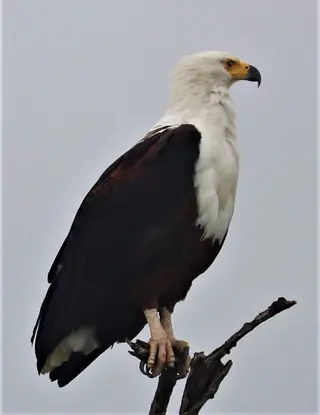 African Fish Eagle
-
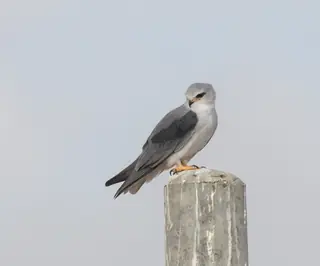 Black-winged Kite
-
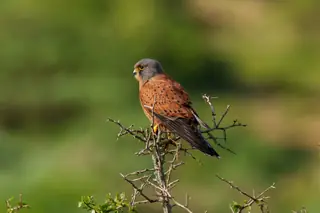 Rock Kestrel
-
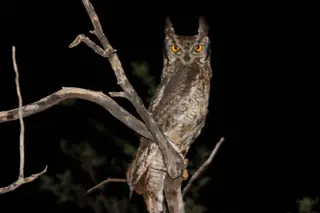 Spotted Eagle-Owl
-
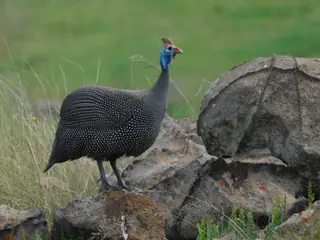 Helmeted Guineafowl
-
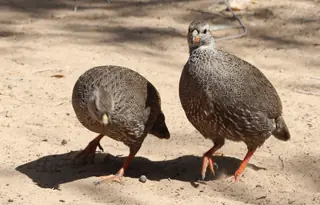 Cape Spurfowl
-
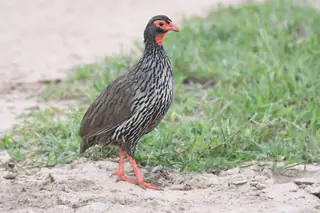 Red-necked Spurfowl
-
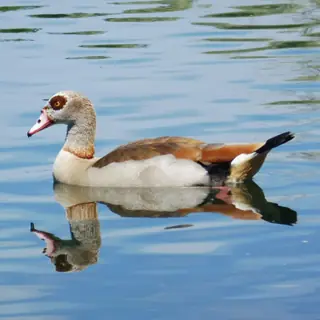 Egyptian Goose
-
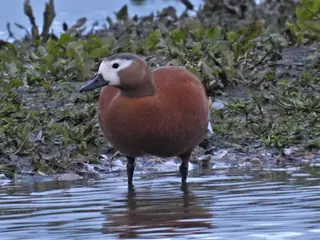 South African Shelduck
-
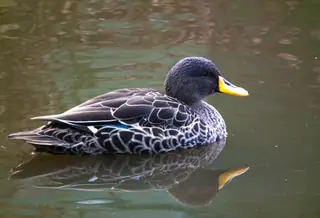 Yellow-billed Duck
-
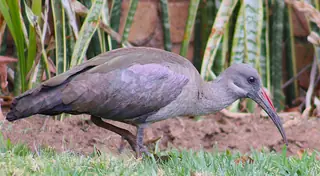 Hadada Ibis
-
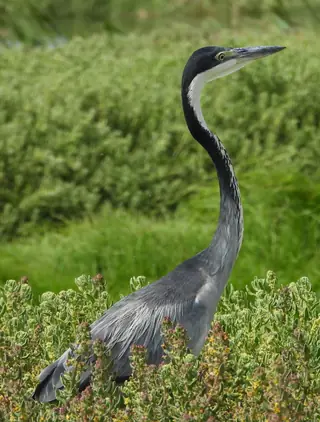 Black-headed Heron
-
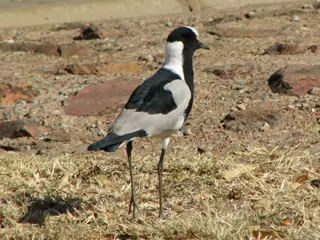 Blacksmith Lapwing
-
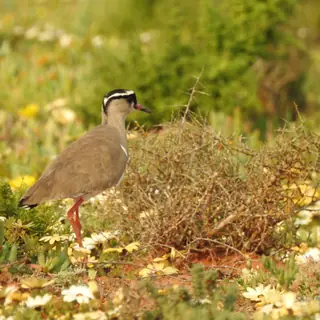 Crowned Lapwing
-
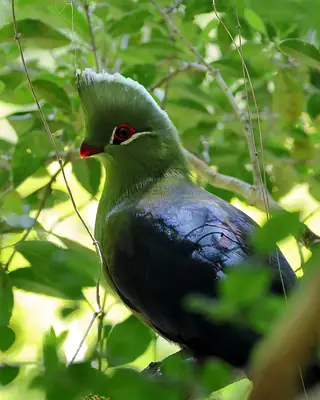 Knysna Turaco
-
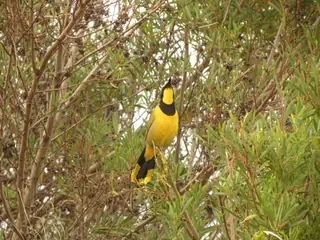 Bokmakierie
-
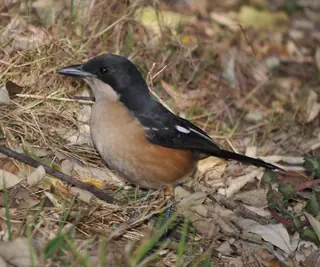 Southern Boubou
-
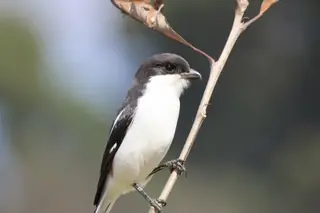 Southern Fiscal
-
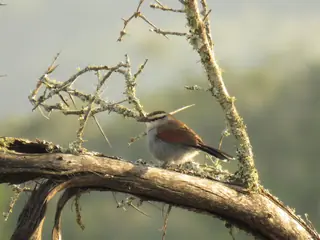 Southern Tchagra
-
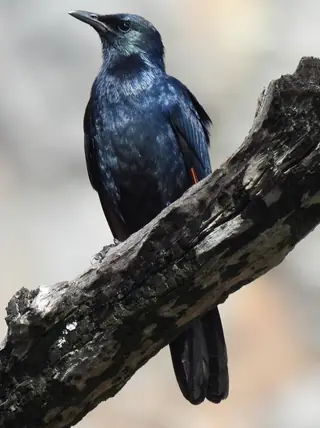 Red-winged Starling
-
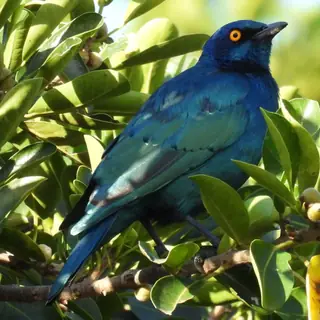 Cape Glossy Starling
-
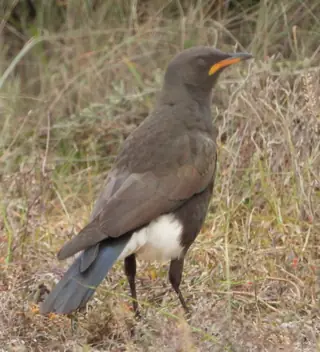 African Pied Starling
-
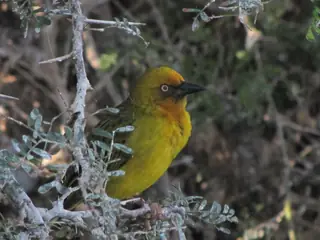 Cape Weaver
-
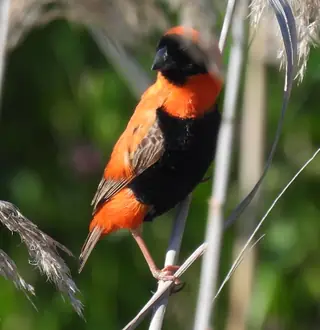 Southern Red Bishop
-
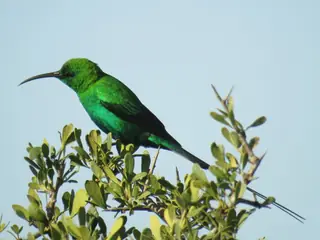 Malachite Sunbird
-
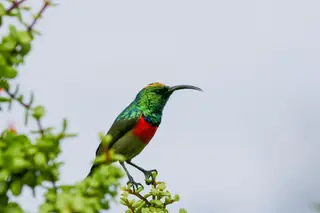 Greater Double-collared Sunbird
-
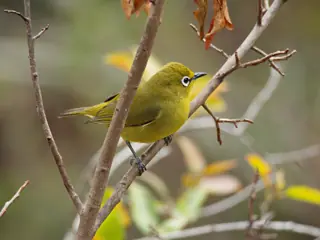 Cape White-eye
-
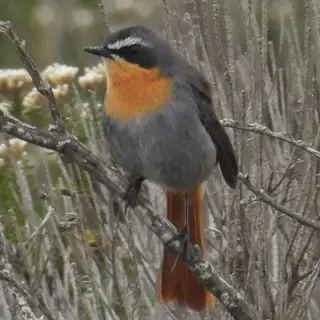 Cape Robin-chat
-
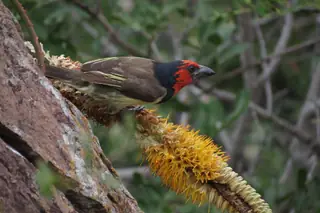 Black-collared Barbet
-
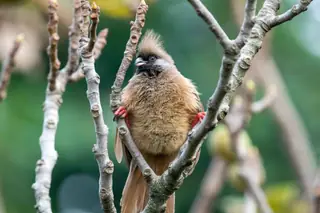 Speckled Mousebird
-
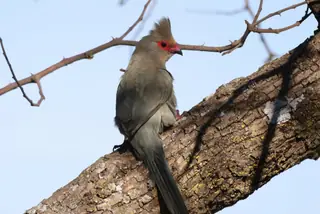 Red-faced Mousebird
-
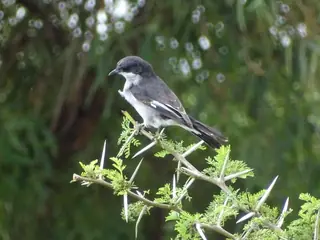 Fiscal Flycatcher
-
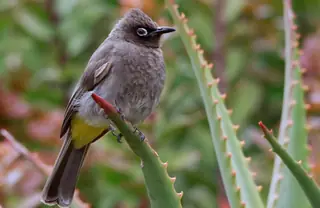 Cape Bulbul
-
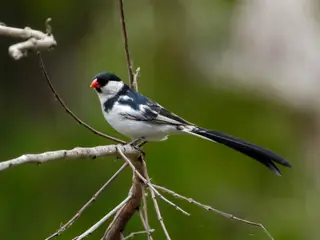 Pin-tailed Whydah
-
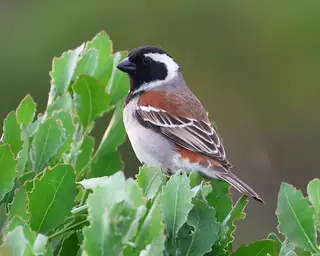 Cape Sparrow
Reptiles, amphibians and insects 11
-
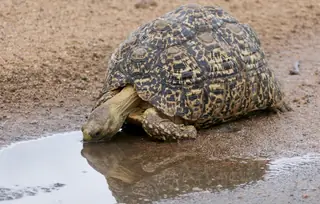 Leopard Tortoise
-
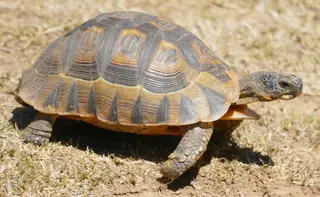 Angulate Tortoise
-
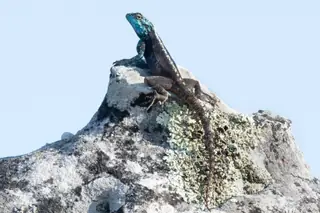 Southern Rock Agama
-
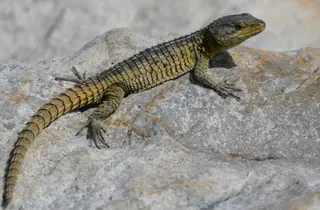 Cape Girdled Lizard
-
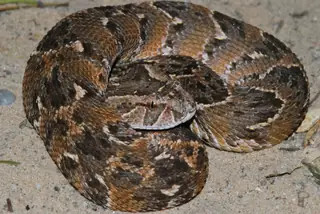 Puff Adder
-
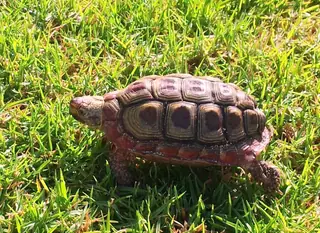 Parrot-beaked PadloperRare
-
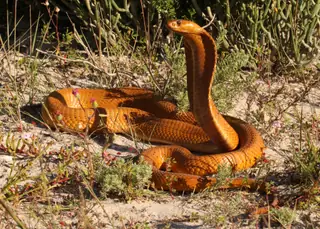 Cape CobraRare
-
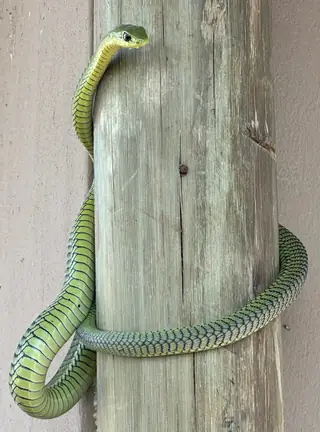 BoomslangRare
-
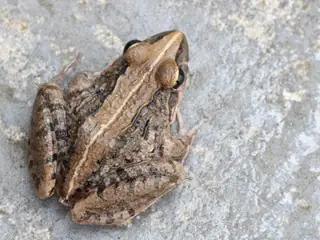 Clicking Stream Frog
-
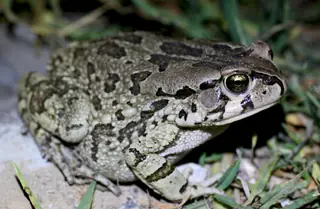 Raucous Toad
-
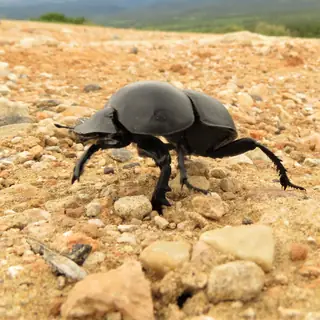 Flightless Dung Beetle
Best time to see wildlife in Addo
Sightings by month in Addo
Most records: Feb to Sept, DecRecords from GBIF.org, adjusted for how many people record wildlife each month. 100% is the busiest month.
Addo is a year-round park, with no single best season. Rain can fall in any month, with small peaks in spring and autumn, and the thicket stays green most of the year. Summer, from November to March, is hot, and elephants gather at water in big numbers in the middle of the day, which makes midday drives worthwhile here. Winter, from June to August, brings cool, clear days and cold mornings, with good walking in the Zuurberg. Southern right whales are in Algoa Bay from about July to November, and humpbacks pass between June and December, so winter and spring are best if you want whales too. Bryde's whales and bottlenose dolphins are in the bay all year. South African school holidays are busy, so book early.
- Dec to FebHot; elephants at water through the day, busy holidays
- Mar to MayMild and settled; a quieter window
- Jun to AugCool and clear; whales arrive in the bay
- Sep to NovSpring flowers and birds; southern right whales in Algoa Bay
Tips for spotting wildlife in Addo
- 01
Watch for dung beetles on the road
Addo has the largest surviving population of the flightless dung beetle, and they roll their balls across the roads, especially after rain. Signs remind you that they have right of way, so drive slowly and go round them.
- 02
Wait at water in the heat
On hot days, park at a waterhole with a view, switch off and wait. Elephant herds arrive in procession to drink and bathe, and you get far better views than by driving around.
- 03
Go to sea for the Big Seven
To see whales, gannets, penguins and dolphins, book a trip with the licensed marine operator in Algoa Bay. Boats follow strict distance rules around whales and islands.
- 04
Stay in your car
You may only get out at marked picnic sites and lookouts. The bush is thick, and lions and buffalo can be very close to the road without being seen.
- 05
Explore beyond the main game area
The Zuurberg section has forest birds such as Knysna turaco and hiking trails, the Darlington section has Karoo plains with gemsbok and Cape mountain zebra, and Woody Cape has dune walks and coastal birds.

Take Addo with you
Visiting Addo? Take this checklist along and tick off elephants, buffalo and the rest of the Big Seven as you go, even offline. Wilder is free to start.

Addo wildlife FAQ
What animals can you see in Addo Elephant National Park?
You can see elephants, buffalo, zebra, kudu, red hartebeest, warthogs, lions, spotted hyenas and black-backed jackals in Addo, plus whales, dolphins, gannets and penguins in the marine section. This checklist covers 108 of the animals visitors look for. Elephants are almost guaranteed; leopard and black rhino are rarely seen.
What are the Big Seven in Addo?
The Big Seven are the Big Five (elephant, buffalo, lion, leopard and rhino) plus the southern right whale and great white shark. Addo can claim all seven because its marine section in Algoa Bay is part of the park. Seeing all seven in one trip is very unlikely, but elephant, buffalo and whales in season are realistic.
Is Addo Elephant Park malaria-free?
Yes. Addo is in a malaria-free area of the Eastern Cape, which makes it popular with families and with visitors who want to avoid antimalarial tablets. Check current health advice before you travel, as for any trip.
How many elephants are in Addo?
Addo has more than 600 elephants. When the park was set up in 1931 to protect them, only about 11 elephants were left in the area after years of hunting. Many of the females have no tusks, a trait that became common in this small population.
Can you do Addo as a day trip from Gqeberha?
Yes. The main gate is about an hour's drive from Gqeberha (Port Elizabeth), so a day trip works well, either on a self-drive or with a guided tour. Arrive at opening time for the best game viewing, and allow a full day if you also want to visit the Zuurberg or the coast.
Sources
- SANParks: Addo marine eco-tours
- Wikipedia: Addo Elephant National Park
- South African Tourism: Addo Elephant National Park
- Sightings by month: GBIF.org
Animal photos are from the Wilder catalogue; photo credits.
Similar checklists
All Africa-
 Region95animals Cape Peninsula and the Whale Coast Cape Town and Overstrand, Western Cape, South Africa Penguins on the beach at Boulders, sugarbirds on the slopes of Table Mountain and southern right whales close to the cliffs at Hermanus in spring. Best time Sept to Oct
-
 Safari131animals Hluhluwe-iMfolozi Park Zululand, KwaZulu-Natal, South Africa Africa's oldest proclaimed park, where the white rhino was saved from extinction: rolling Zululand hills with all of the Big Five. Best time May to Sept
-
 Safari110animals Kruger National Park Limpopo and Mpumalanga, South Africa Africa's classic safari: the Big Five, wild dogs on the move, and some of the best birdwatching on the continent. Takes in the private reserves along its western edge, such as Sabi Sand and Timbavati. Best time May to Sept
-
 Safari105animals Kgalagadi Transfrontier Park Northern Cape and Kgalagadi District, South Africa and Botswana Red dunes and two dry riverbeds shared by South Africa and Botswana, famous for black-maned lions, cheetahs and birds of prey. Best time Mar to May