Safari · Zululand, KwaZulu-Natal · South Africa
Hluhluwe-iMfolozi Park Wildlife Checklist

Hluhluwe-iMfolozi Park in KwaZulu-Natal, proclaimed in 1895, is the oldest game reserve in Africa and the place where the southern white rhino was saved from extinction. It holds all of the Big Five, plus nyala, wild dogs and cheetahs. This checklist covers 131 animals. May to September, the dry winter, is the easiest time to see them.
Tick off all 131 animals in Hluhluwe-iMfolozi on your phone, even offline. Launching soon. Free A4 PDF, no sign-up.
The park's 96,000 hectares of hills, thicket and grassland are about three hours' drive north of Durban. The hilly northern Hluhluwe section is greener and cooler; the southern iMfolozi section is drier and more open.
- Animals to find
- 131
- Where
- South Africa
- Best time
- May to Sept
- Africa's oldest game reserve
- Since 1895
Popular animals in Hluhluwe-iMfolozi
-
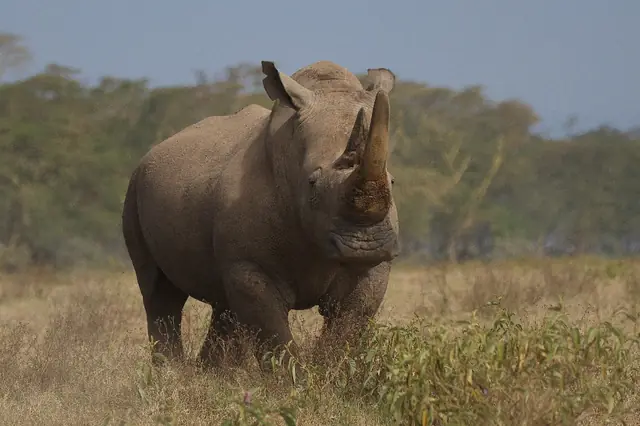
White Rhinoceros
Ceratotherium simum
Grazes on open grassland throughout the park. Poaching is severe here, so never share rhino locations or post geotagged photos.
-
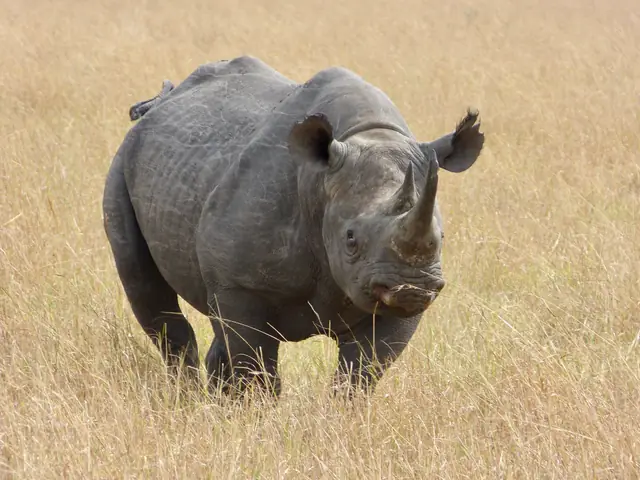
Black Rhinoceros
Diceros bicornis
A shy browser of thick bush.
-
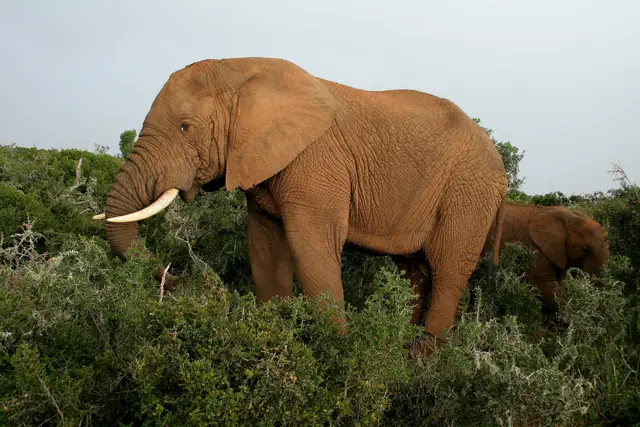
African Savanna Elephant
Loxodonta africana
Often on the roads in the hilly north. Stop well back, switch off and wait for them to move on.
-
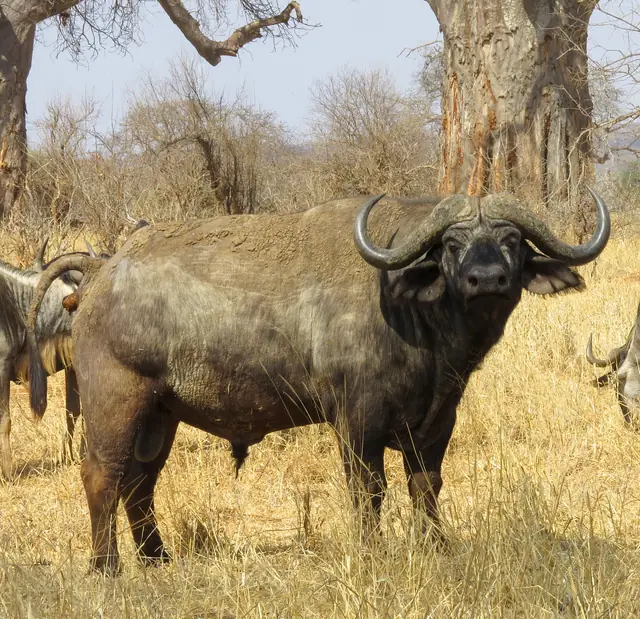
Cape Buffalo
Syncerus caffer
Herds graze the grassland and old bulls wallow in mud near the rivers.
-
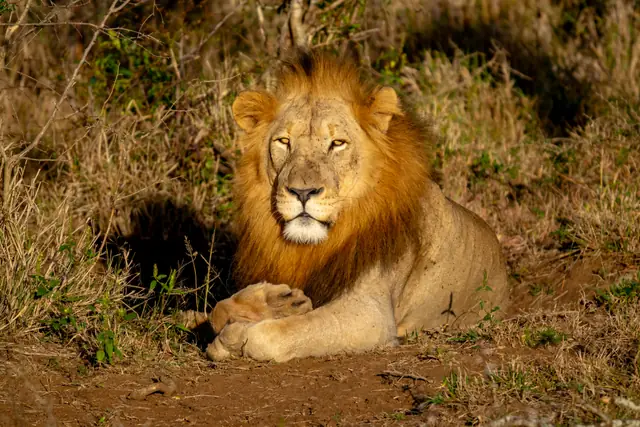
Lion
Panthera leo
Prides live in both sections of the park. Listen for them calling at dawn, and scan the open grassland early in the day.
-
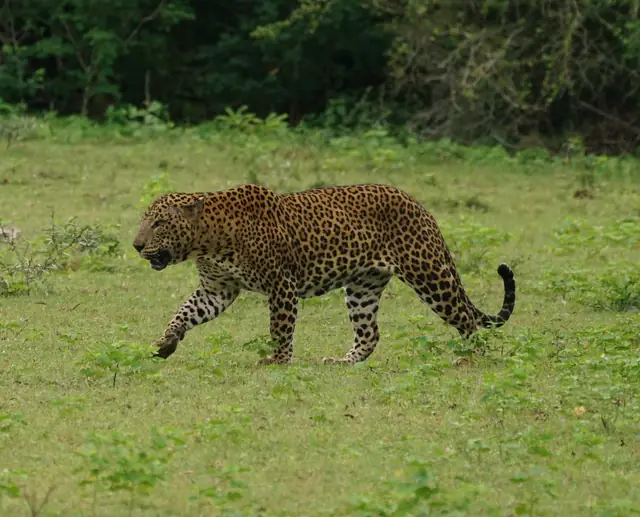
Leopard
Panthera pardus
Thick riverine bush is their territory, and sightings are always a matter of luck. Dawn and dusk give the best chance.
-
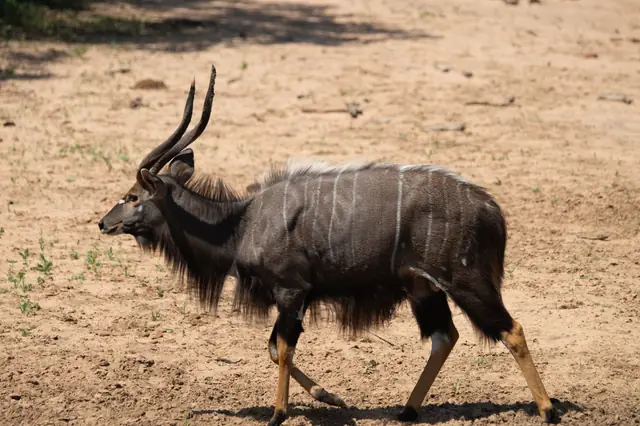
Nyala
Tragelaphus angasii
Not one of the Big Five, but one of the park's specialities: shaggy males with yellow legs and females with bright white stripes, in thicket and along the rivers.
-
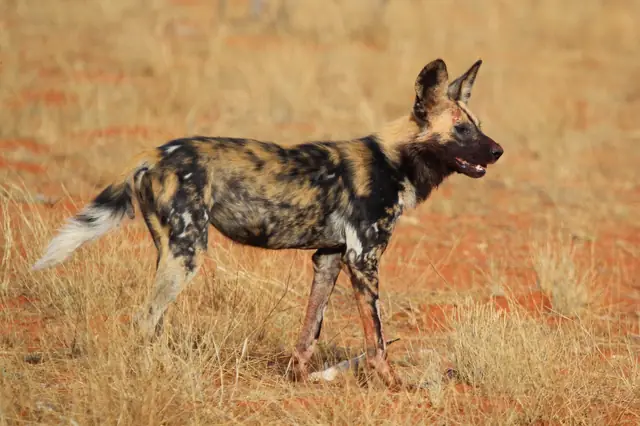
African Wild Dog
Lycaon pictus
A small reintroduced population roams the park. If you find a pack, switch off and let them pass in their own time.
All 131 animals in Hluhluwe-iMfolozi
The Big Five 6
-
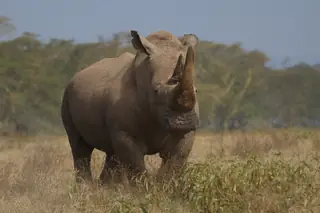 White Rhinoceros
-
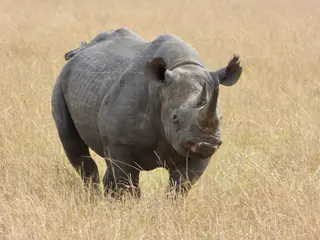 Black Rhinoceros
-
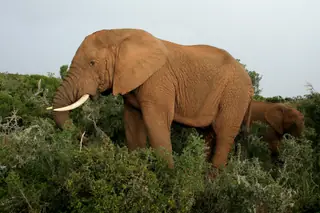 African Savanna Elephant
-
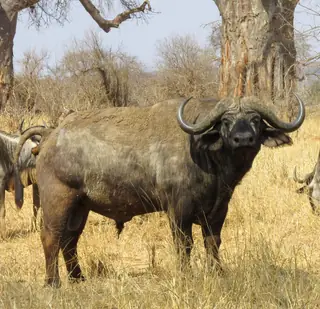 Cape Buffalo
-
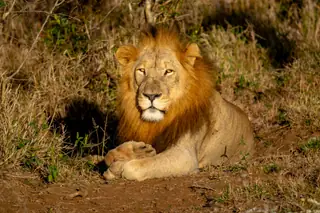 Lion
-
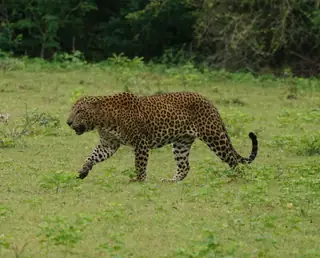 Leopard
Grazers and browsers 18
-
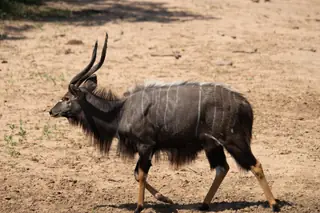 Nyala
-
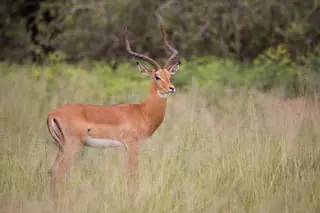 Impala
-
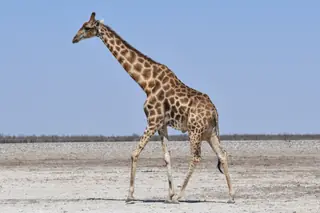 Southern Giraffe
-
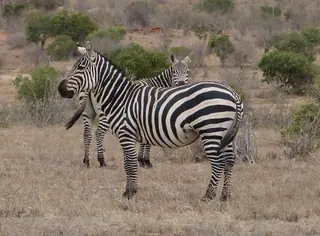 Plains Zebra
-
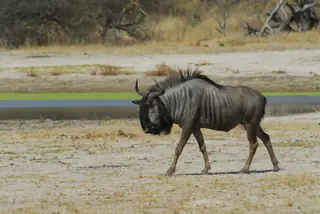 Wildebeest
-
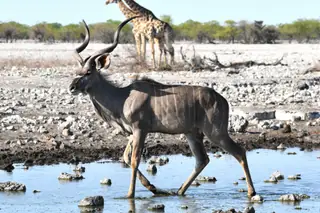 Kudu
-
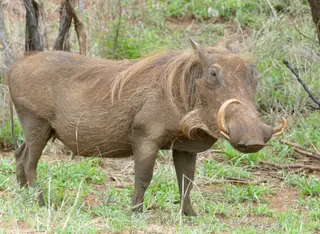 Warthog
-
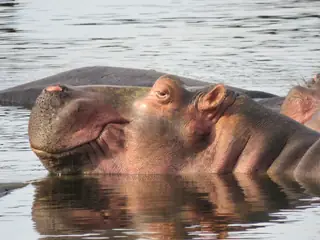 Hippopotamus
-
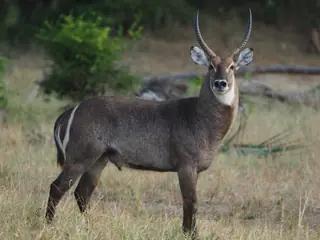 Waterbuck
-
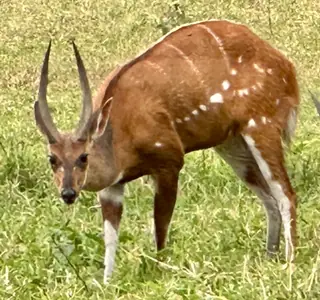 Bushbuck
-
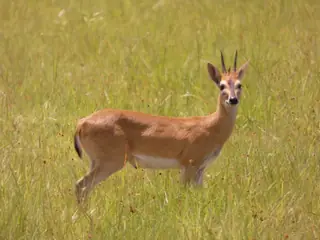 Common Duiker
-
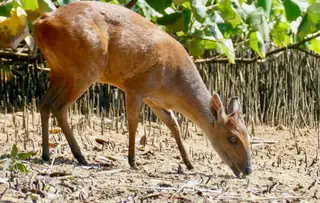 Natal Red Duiker
-
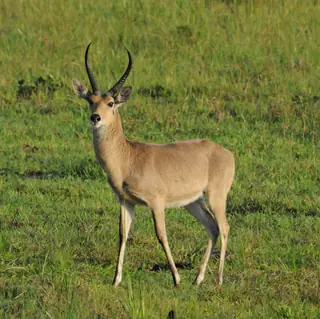 Southern Reedbuck
-
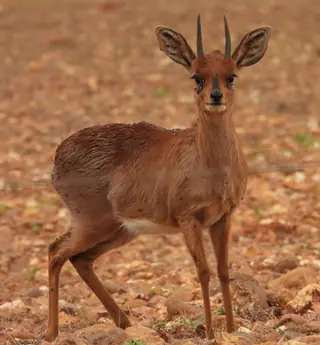 Steenbok
-
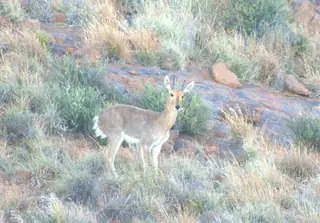 Mountain ReedbuckRare
-
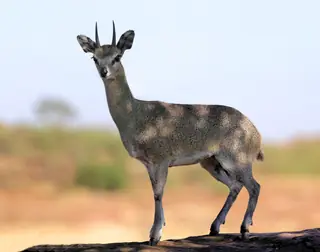 KlipspringerRare
-
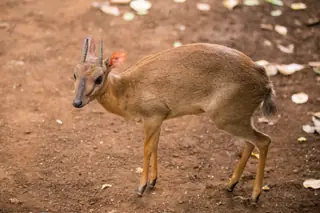 SuniRare
-
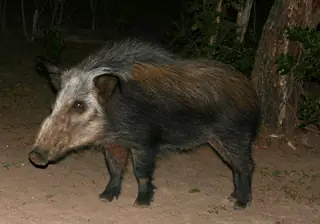 BushpigRare
Hunters 11
-
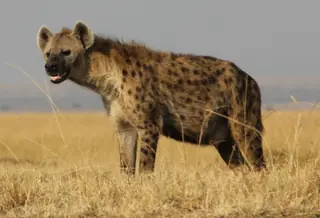 Spotted Hyena
-
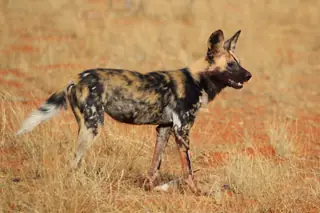 African Wild Dog
-
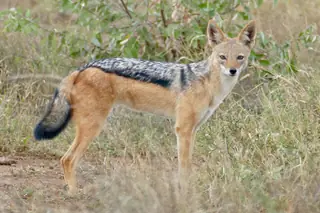 Black-backed Jackal
-
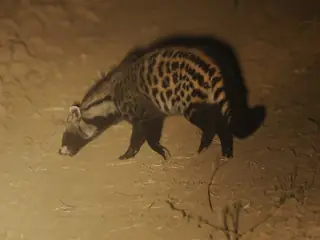 African Civet
-
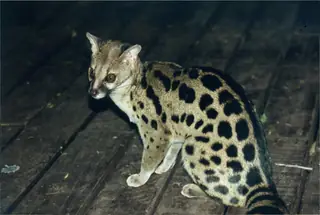 Large-spotted Genet
-
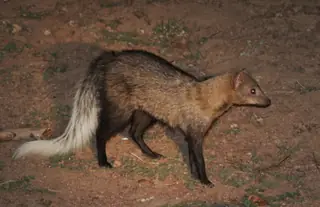 White-tailed Mongoose
-
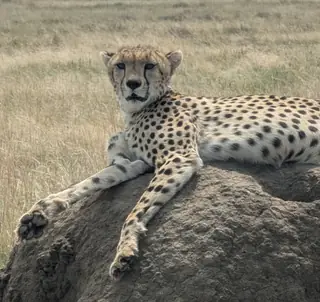 CheetahRare
-
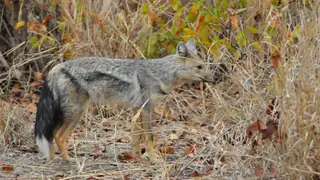 Side-striped JackalRare
-
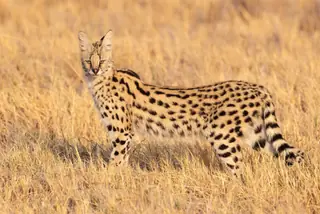 ServalRare
-
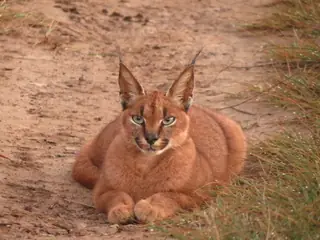 CaracalRare
-
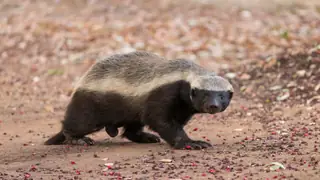 Honey BadgerRare
Smaller mammals 15
-
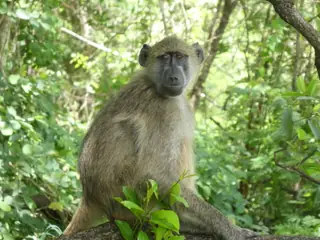 Chacma Baboon
-
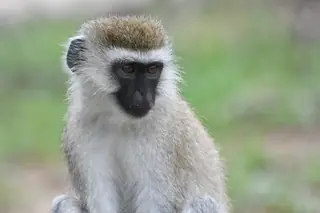 Vervet Monkey
-
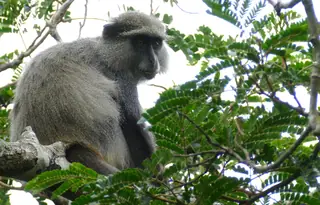 Samango MonkeyRare
-
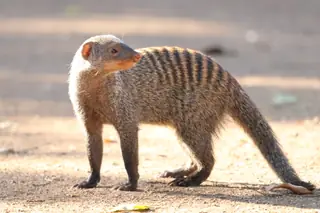 Banded Mongoose
-
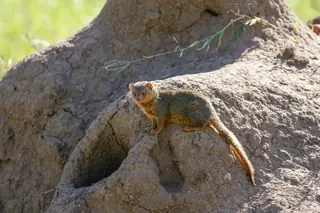 Dwarf Mongoose
-
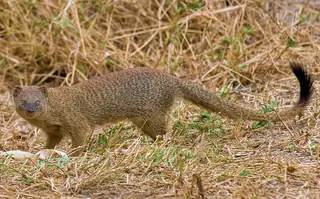 Slender Mongoose
-
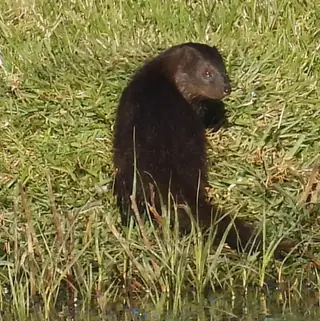 Marsh Mongoose
-
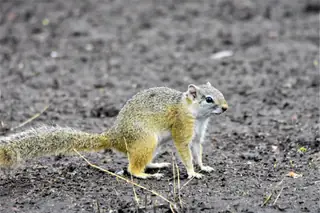 Tree Squirrel
-
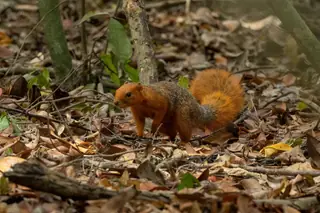 Red Bush SquirrelRare
-
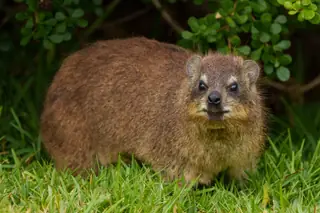 Rock Hyrax
-
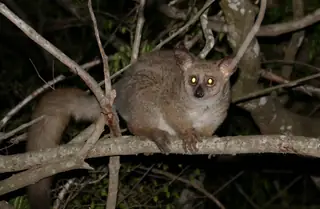 Thick-tailed Bushbaby
-
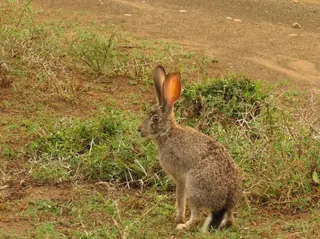 Scrub Hare
-
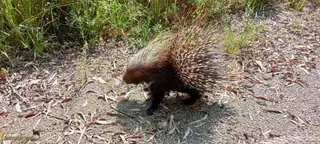 Cape PorcupineRare
-
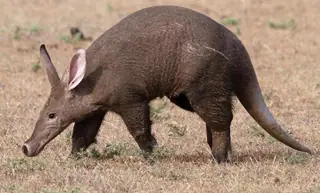 AardvarkRare
-
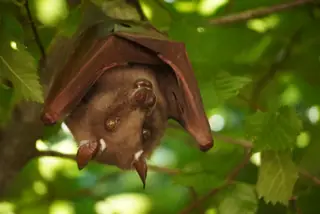 Wahlberg's Epauletted Fruit Bat
Birds of prey 15
-
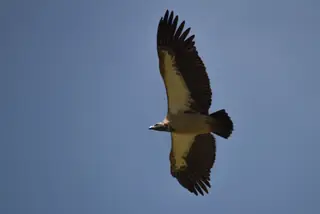 White-backed Vulture
-
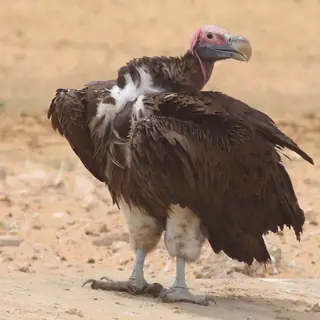 Lappet-faced Vulture
-
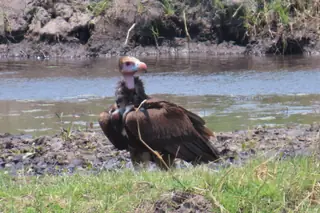 White-headed Vulture
-
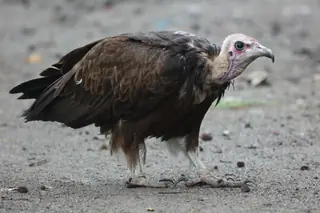 Hooded VultureRare
-
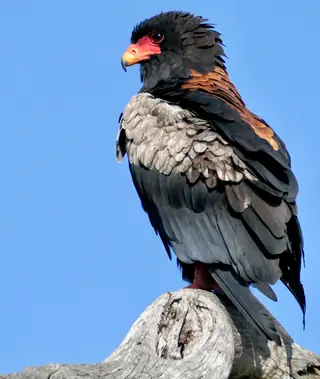 Bateleur
-
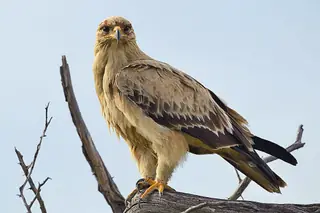 Tawny Eagle
-
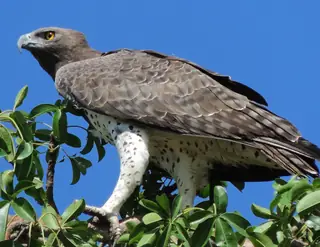 Martial Eagle
-
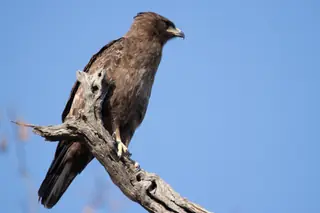 Wahlberg's Eagle
-
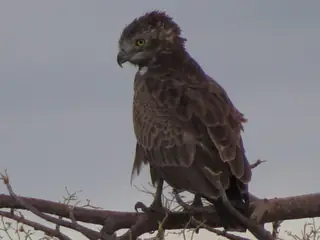 Brown Snake Eagle
-
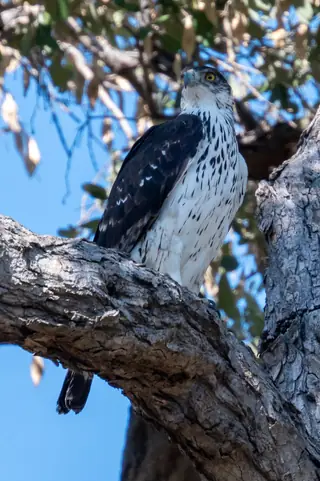 African Hawk-eagle
-
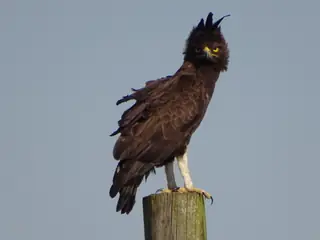 Long-crested Eagle
-
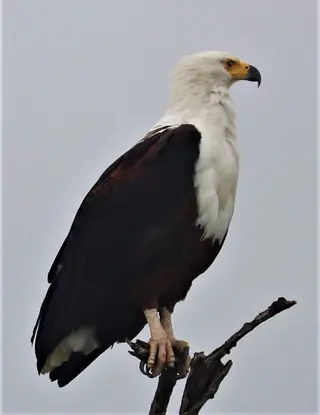 African Fish Eagle
-
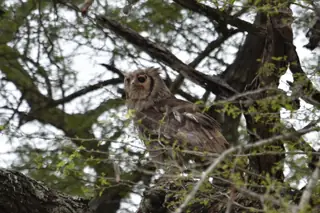 Verreaux's Eagle-Owl
-
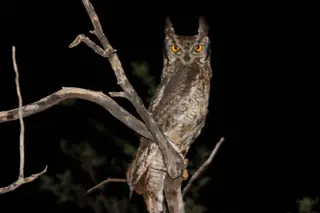 Spotted Eagle-Owl
-
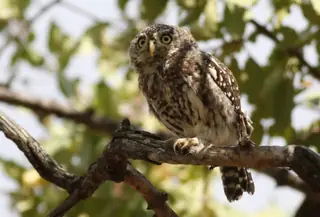 Pearl-spotted Owlet
Big birds 16
-
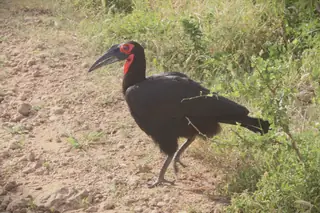 Southern Ground Hornbill
-
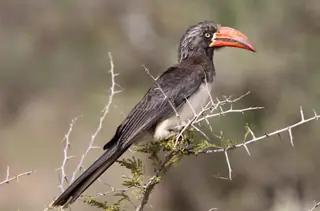 Crowned Hornbill
-
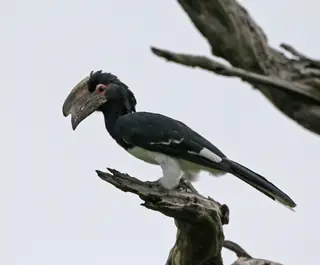 Trumpeter Hornbill
-
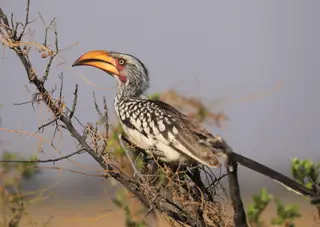 Southern Yellow-billed Hornbill
-
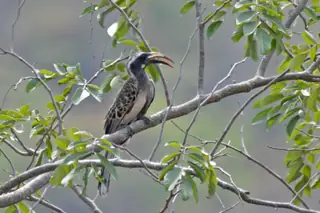 African Grey Hornbill
-
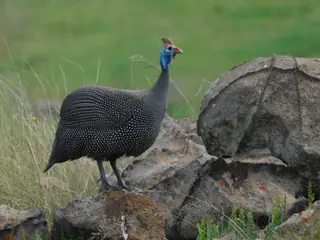 Helmeted Guineafowl
-
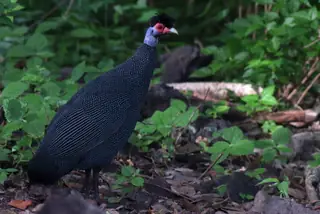 Crested Guineafowl
-
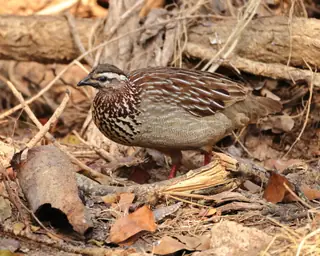 Crested Francolin
-
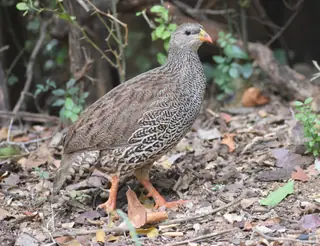 Natal Spurfowl
-
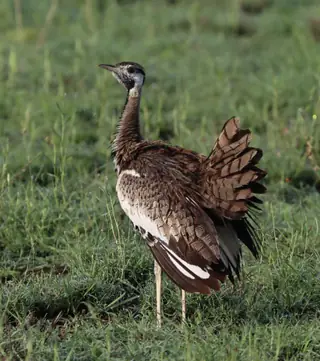 Black-bellied Bustard
-
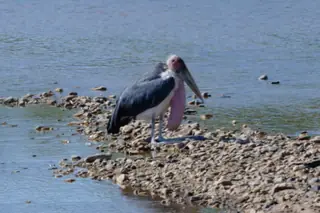 Marabou Stork
-
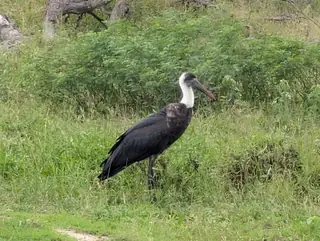 African Woolly-necked Stork
-
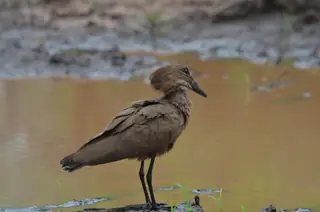 Hamerkop
-
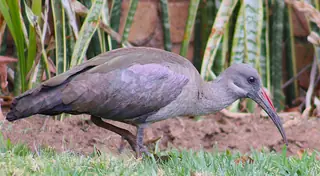 Hadada Ibis
-
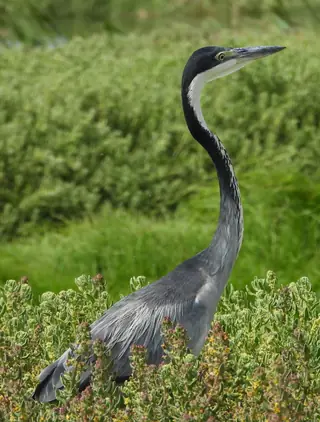 Black-headed Heron
-
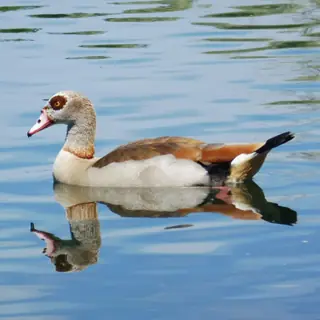 Egyptian Goose
Colourful birds 34
-
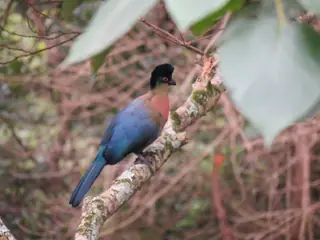 Purple-crested Turaco
-
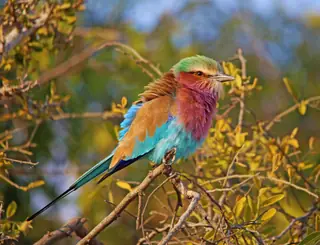 Lilac-breasted Roller
-
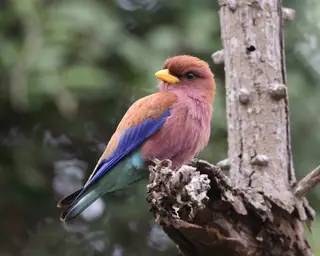 Broad-billed Roller
-
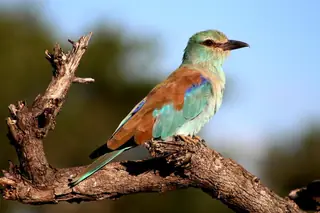 European Roller
-
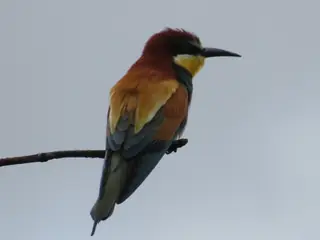 European Bee-eater
-
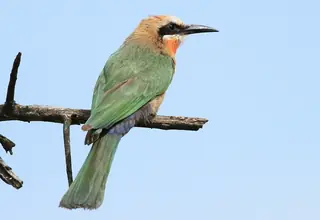 White-fronted Bee-eater
-
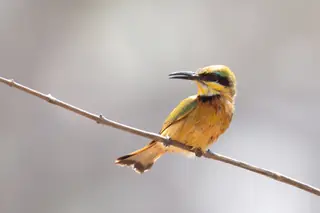 Little Bee-eater
-
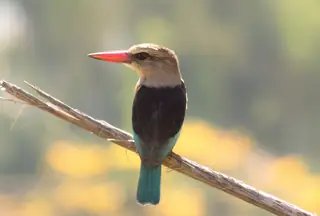 Brown-hooded Kingfisher
-
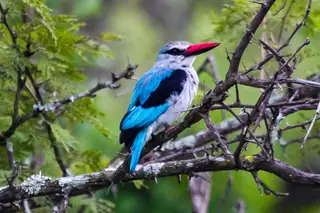 Woodland Kingfisher
-
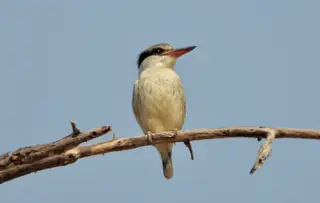 Striped Kingfisher
-
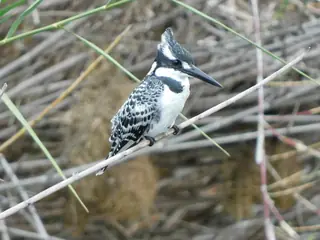 Pied Kingfisher
-
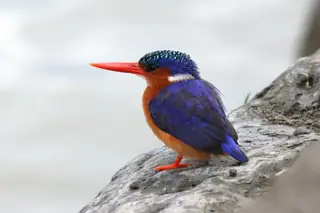 Malachite Kingfisher
-
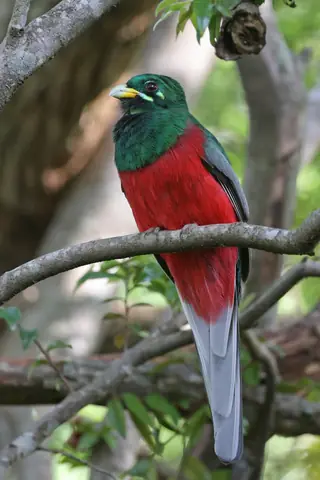 Narina Trogon
-
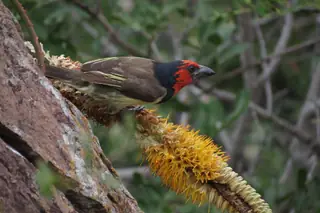 Black-collared Barbet
-
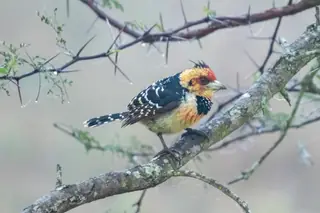 Crested Barbet
-
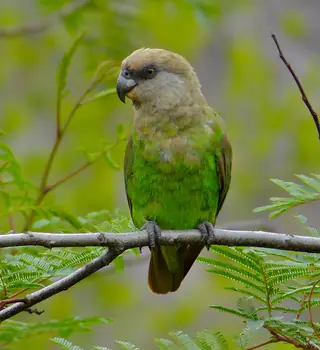 Brown-headed Parrot
-
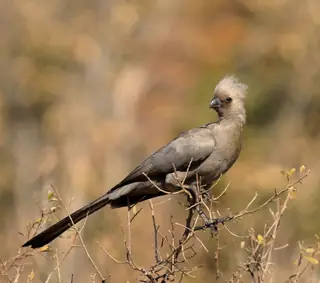 Grey Go-away-bird
-
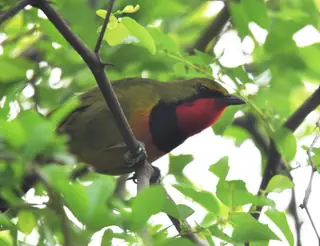 Gorgeous Bushshrike
-
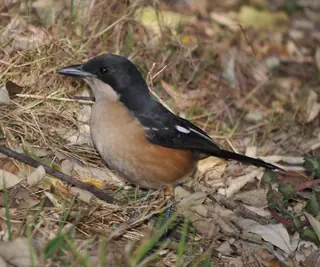 Southern Boubou
-
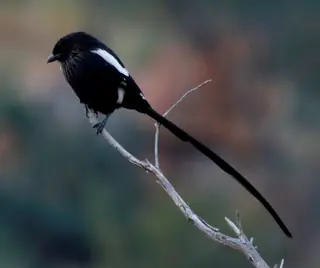 Magpie Shrike
-
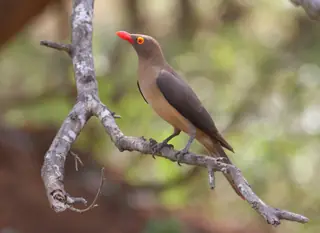 Red-billed Oxpecker
-
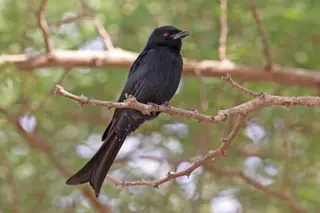 Fork-tailed Drongo
-
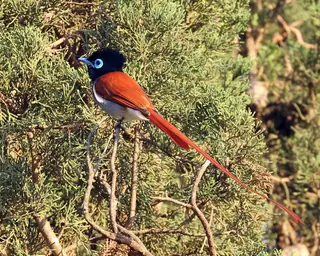 African Paradise Flycatcher
-
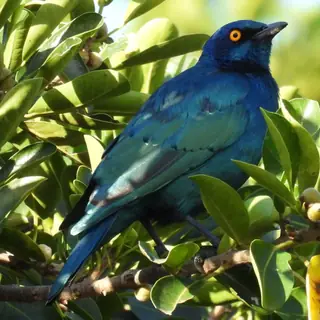 Cape Glossy Starling
-
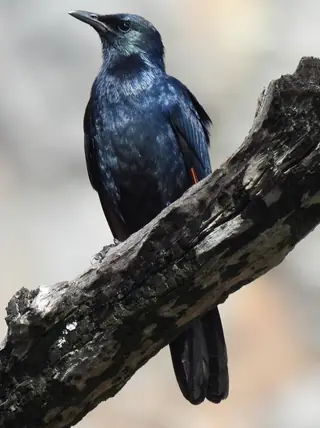 Red-winged Starling
-
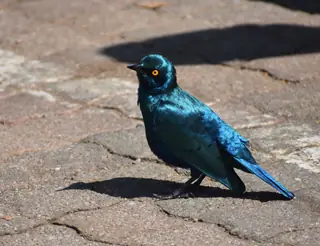 Greater Blue-eared Starling
-
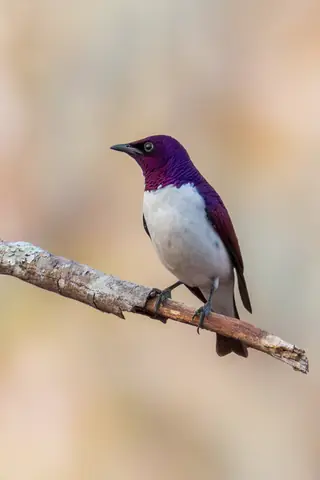 Violet-backed Starling
-
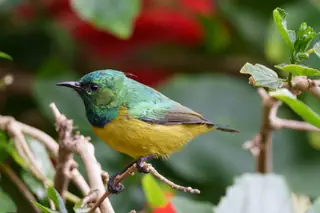 Collared Sunbird
-
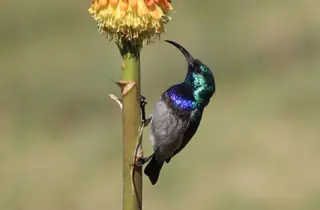 White-bellied Sunbird
-
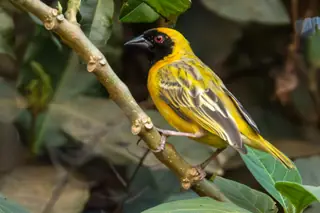 Village Weaver
-
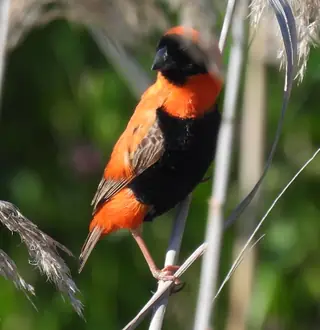 Southern Red Bishop
-
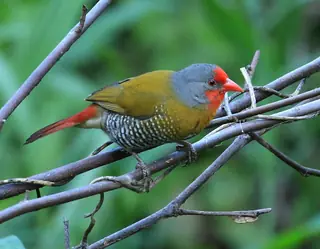 Green-winged Pytilia
-
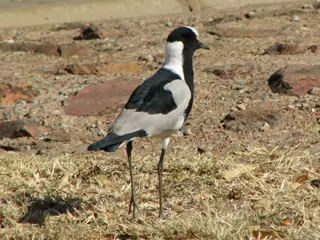 Blacksmith Lapwing
-
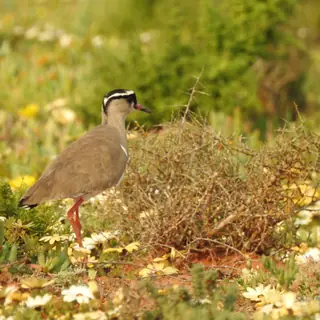 Crowned Lapwing
Reptiles and amphibians 16
-
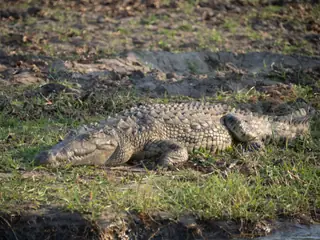 Nile Crocodile
-
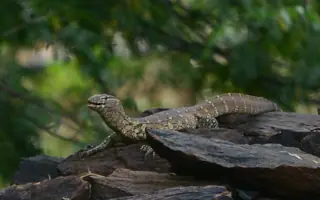 Nile Monitor
-
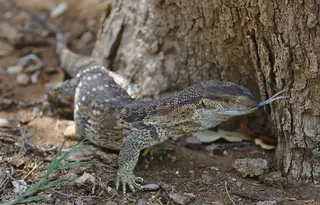 Rock Monitor
-
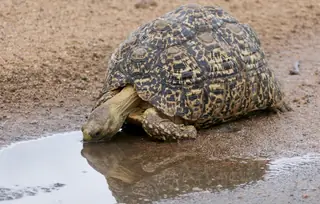 Leopard Tortoise
-
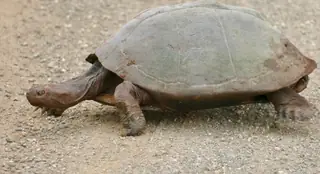 Serrated Hinged Terrapin
-
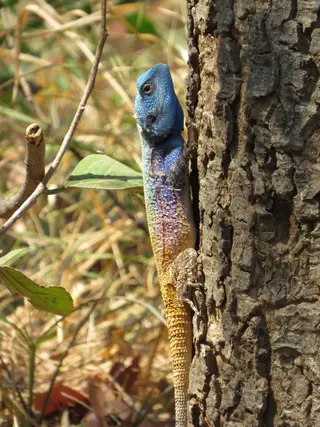 Southern Tree Agama
-
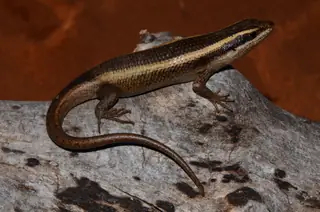 Striped Skink
-
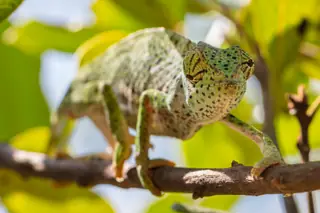 Flap-necked Chameleon
-
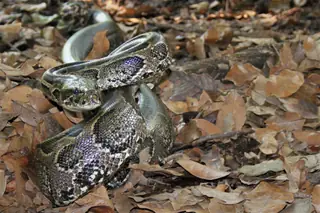 African Rock Python
-
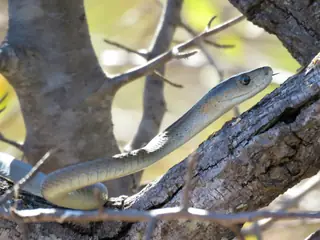 Black MambaRare
-
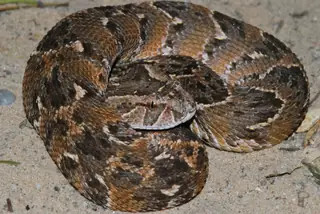 Puff Adder
-
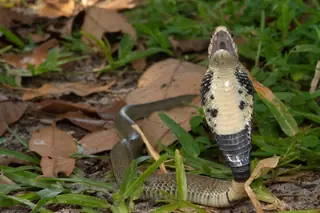 Mozambique Spitting CobraRare
-
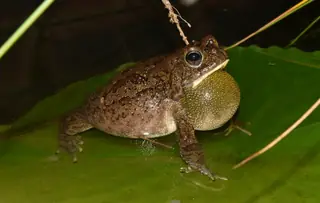 Guttural Toad
-
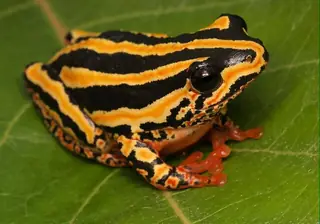 Painted Reed Frog
-
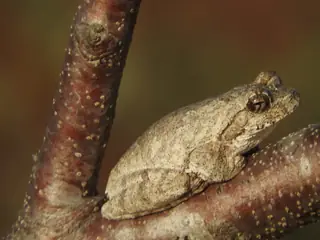 Southern Foam Nest Frog
-
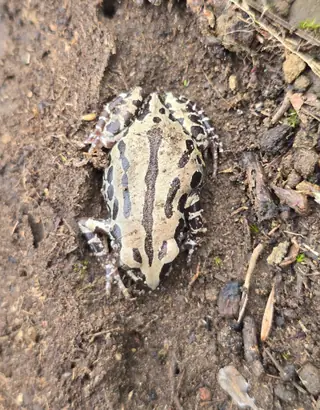 Bubbling Kassina
Best time to see wildlife in Hluhluwe-iMfolozi
Sightings by month in Hluhluwe-iMfolozi
Most records: Feb to NovRecords from GBIF.org, adjusted for how many people record wildlife each month. 100% is the busiest month.
Hluhluwe-iMfolozi is good all year. The dry winter, from May to September, is the easiest time for game: the grass dies back, trees thin and animals stay close to the rivers. Days are mild and sunny, though mornings can be cool in the hills. October brings the first rains and fresh green grass. From November to March the summer is hot, humid and green; the bush is thick and game is harder to spot, but it is the best time for birds, as European bee-eaters, rollers and other migrants arrive, and many antelope have young. Rain usually falls in afternoon storms. South African school holidays, especially in July and December, make the camps busy.
- Jan to MarHot, humid and green; migrant birds, thick bush
- Apr to MayRains ending, cooler; a quiet, pleasant window
- Jun to AugDry winter; best game viewing, cool mornings
- Sep to OctDry and warming; first rains in October
- Nov to DecSummer rains; young animals and returning birds
Tips for spotting wildlife in Hluhluwe-iMfolozi
- 01
Explore both sections
The northern Hluhluwe section is hilly, green and good for nyala and forest birds. The southern iMfolozi section is drier and more open. The tarred road linking them makes a full-day loop easy.
- 02
Drive early and slowly
Be at the gate when it opens. The first two hours are when lions and wild dogs are most active, and slow driving is how you spot a black rhino in the thicket or a tortoise on the road.
- 03
Stop at the river viewpoints
Rather than chasing reports, park at a lookout over the Black or White iMfolozi river in the dry season and wait quietly. Game comes to drink, and you have it to yourself.
- 04
Book a guided walk or wilderness trail
The park runs guided walks and, from about mid-February to November, multi-day trails with armed guides in the iMfolozi wilderness area, one of the first set aside in Africa. Walking is the best way to learn tracks and see the small things.
- 05
Keep rhino sightings to yourself
Rhino poaching is a serious threat here. Enjoy every sighting, but do not share locations, and switch off geotagging before posting photos.

Take Hluhluwe-iMfolozi with you
Heading to Hluhluwe-iMfolozi? Keep this list on your phone and tick off rhinos, nyala and the rest of the Big Five, even out of signal. Wilder is free to start.

Hluhluwe-iMfolozi wildlife FAQ
What animals can you see in Hluhluwe-iMfolozi Park?
You can see all of the Big Five in Hluhluwe-iMfolozi, plus giraffe, zebra, nyala, wildebeest, wild dogs, cheetahs and around 340 bird species. This checklist covers 131 of the animals visitors most often look for. White rhino, buffalo, nyala and giraffe are seen on most visits, while leopard and wild dog take more luck.
Is Hluhluwe-iMfolozi good for seeing rhinos?
Yes. It is one of the best places in Africa to see white rhinos, and black rhinos live here too. In the 1950s and 1960s, Operation Rhino moved white rhinos from this park to reserves across Africa, saving the species. Poaching is now a serious threat, so never share rhino locations or post geotagged photos.
Can you see the Big Five in Hluhluwe-iMfolozi?
Yes. Hluhluwe-iMfolozi is the only state-run park in KwaZulu-Natal with all of the Big Five: lion, leopard, elephant, buffalo and rhino, both black and white. Rhino and buffalo are easy to find, elephant and lion are likely over a couple of days, and leopard is the hardest.
What is the best time to visit Hluhluwe-iMfolozi?
The best time to see game is the dry winter, from May to September, when the bush is thin and animals stay near water. Summer, from November to March, is hot and green, with harder game viewing but excellent birding and young animals. The park is open all year.
Is iSimangaliso part of Hluhluwe-iMfolozi Park?
No. iSimangaliso Wetland Park, with St Lucia's hippos and crocodiles, is a separate park about an hour's drive east on the coast. Many visitors combine the two, but this checklist covers Hluhluwe-iMfolozi only.
Sources
- Ezemvelo KZN Wildlife: iMfolozi wilderness trails
- Wikipedia: Hluhluwe-Imfolozi Park
- Africa Geographic: Hluhluwe-iMfolozi Park
- Sightings by month: GBIF.org
Animal photos are from the Wilder catalogue; photo credits.
Similar checklists
All Africa-
 Safari110animals Kruger National Park Limpopo and Mpumalanga, South Africa Africa's classic safari: the Big Five, wild dogs on the move, and some of the best birdwatching on the continent. Takes in the private reserves along its western edge, such as Sabi Sand and Timbavati. Best time May to Sept
-
 National park108animals Addo Elephant National Park Eastern Cape, South Africa More than 600 elephants in thick Eastern Cape bush, with lions and black rhino, and gannets, penguins and whales in Algoa Bay. Best time All year
-
 Region95animals Cape Peninsula and the Whale Coast Cape Town and Overstrand, Western Cape, South Africa Penguins on the beach at Boulders, sugarbirds on the slopes of Table Mountain and southern right whales close to the cliffs at Hermanus in spring. Best time Sept to Oct
-
 Safari86animals Chobe National Park Chobe District, Botswana Home to some of the largest elephant herds in Africa, best seen drinking and swimming from a boat. Best time Jun to Oct