Safari · North-West District · Botswana
Okavango Delta and Moremi Animal Checklist

The Okavango Delta in northern Botswana is a huge inland delta of lagoons, papyrus channels and palm islands, with Moremi Game Reserve at its heart. It is one of Africa's strongholds for African wild dogs, and famous for lions, leopards, elephants and red lechwe. This checklist covers 111 animals. The flood peaks from June to August, the best time for game.
Tick off all 111 animals in the Okavango on your phone, even offline. Launching soon. Free A4 PDF, no sign-up.
The delta floods in the dry season: rain that falls in the Angolan highlands early in the year arrives months later. Most of the delta is private concessions reached by light aircraft, while Moremi can be visited on a self-drive trip.
- Animals to find
- 111
- Where
- Botswana
- Best time
- Jun to Oct
- Elephants
- Part of the world's largest population
Popular animals in the Okavango
-
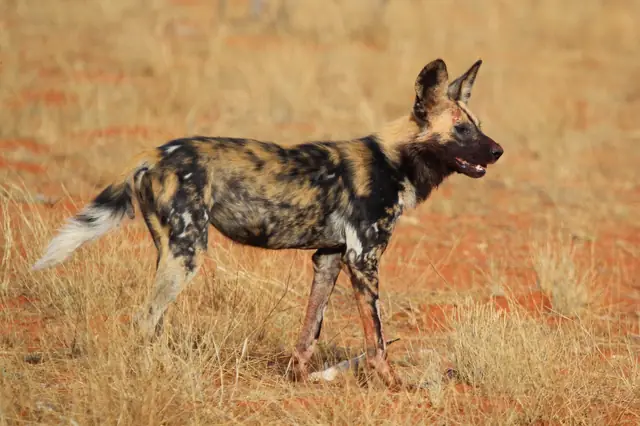
African Wild Dog
Lycaon pictus
The delta is one of the best places in Africa for wild dogs. Packs den around June and July and are easily disturbed then, so the best sightings are of dogs out hunting at dawn and dusk.
-
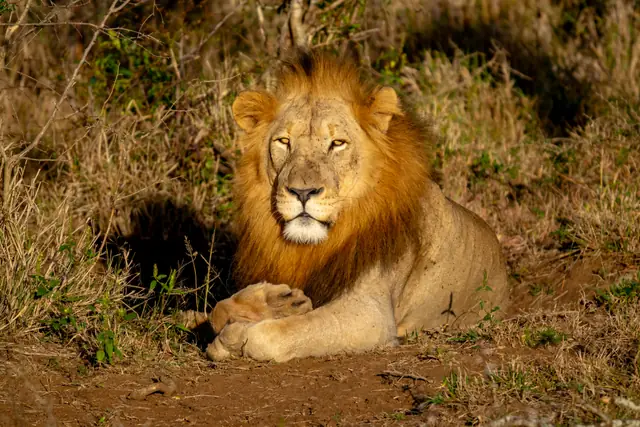
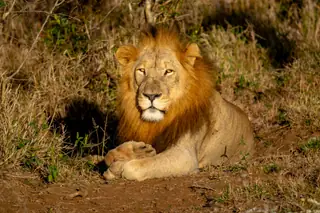
Lion
Panthera leo
Delta lions are used to water and swim between islands. Some large prides hunt buffalo.
-
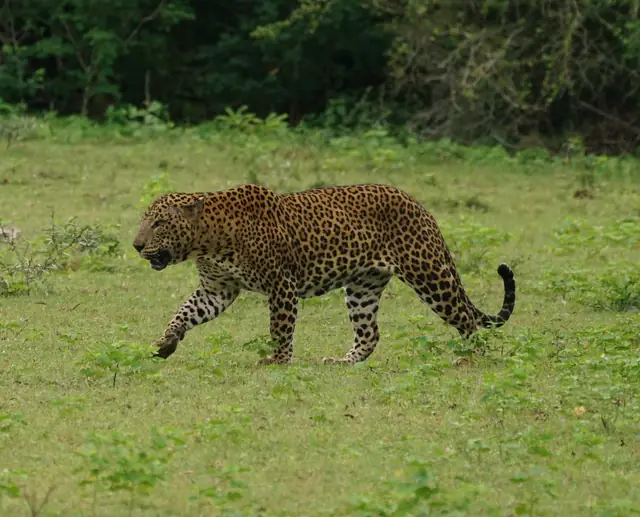
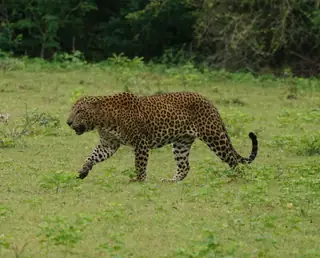
Leopard
Panthera pardus
Common in riverine woodland. Look in sausage trees and jackalberries along the channels at dawn and dusk.
-
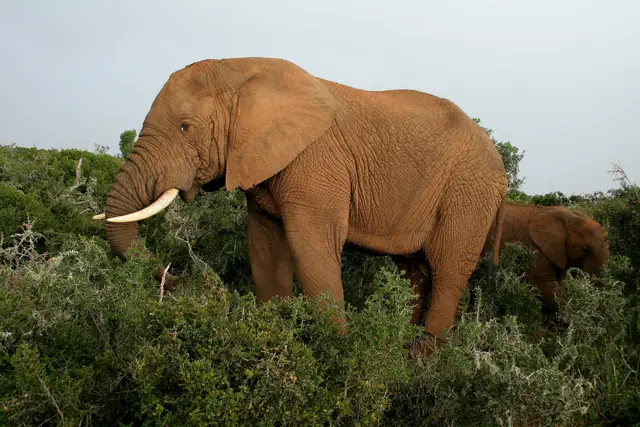
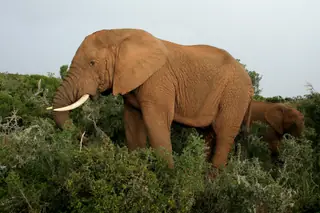
African Savanna Elephant
Loxodonta africana
Northern Botswana has one of the largest elephant populations in Africa. Herds wade and swim through the channels, especially when the flood is high.
-
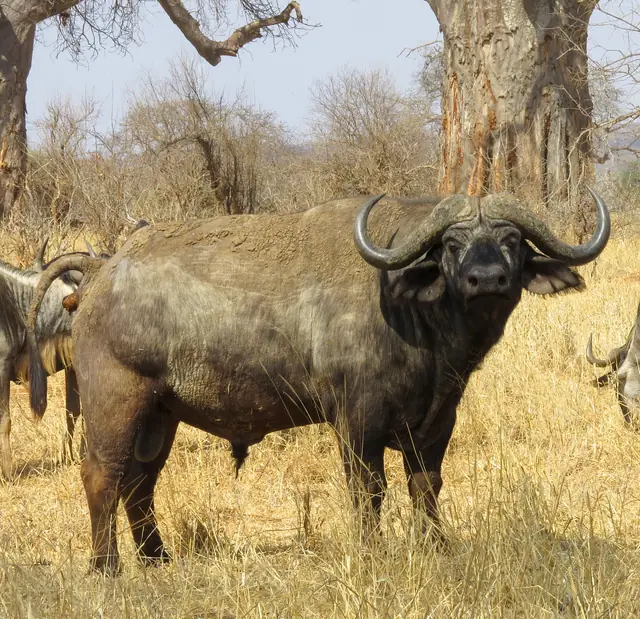
Cape Buffalo
Syncerus caffer
Herds of hundreds graze the floodplains. The open plains near Chief's Island and Duba are reliable.
-
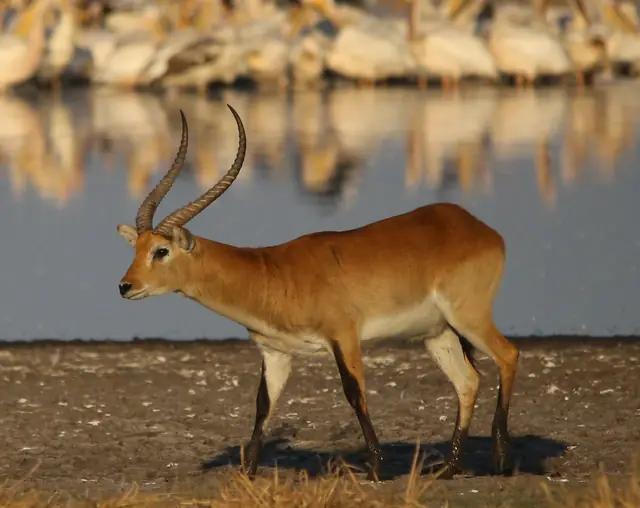
Red Lechwe
Kobus leche
The antelope of the delta, splashing across the floodplains on long, splayed hooves. You will see them almost everywhere there is shallow water.
-
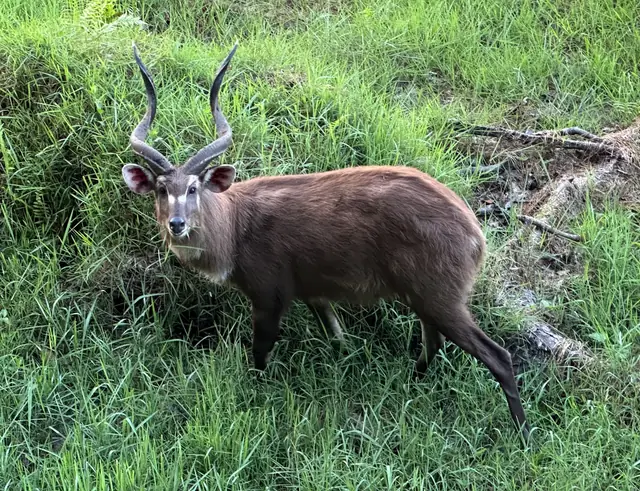
Sitatunga
Tragelaphus spekii
A shy swamp antelope that lives deep in the papyrus. Your best chance is a quiet boat trip in the permanent channels of the northern delta.
-
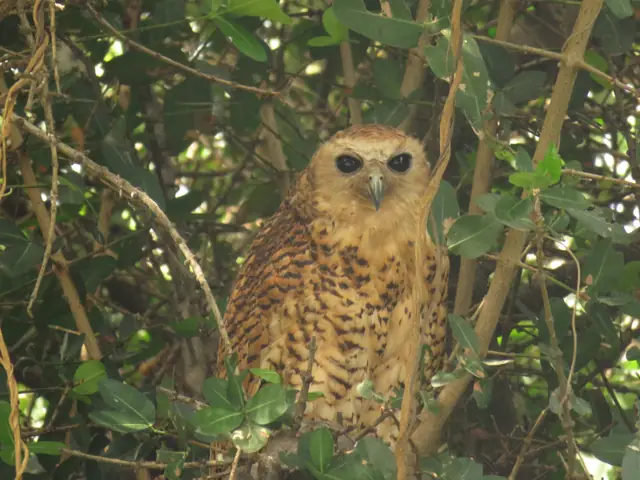
Pel's Fishing Owl
Scotopelia peli
The delta's star bird, a huge ginger owl that roosts in big riverside trees by day. Guides along the Panhandle and the permanent channels know where to look, and a good one keeps the visit short and quiet.
-
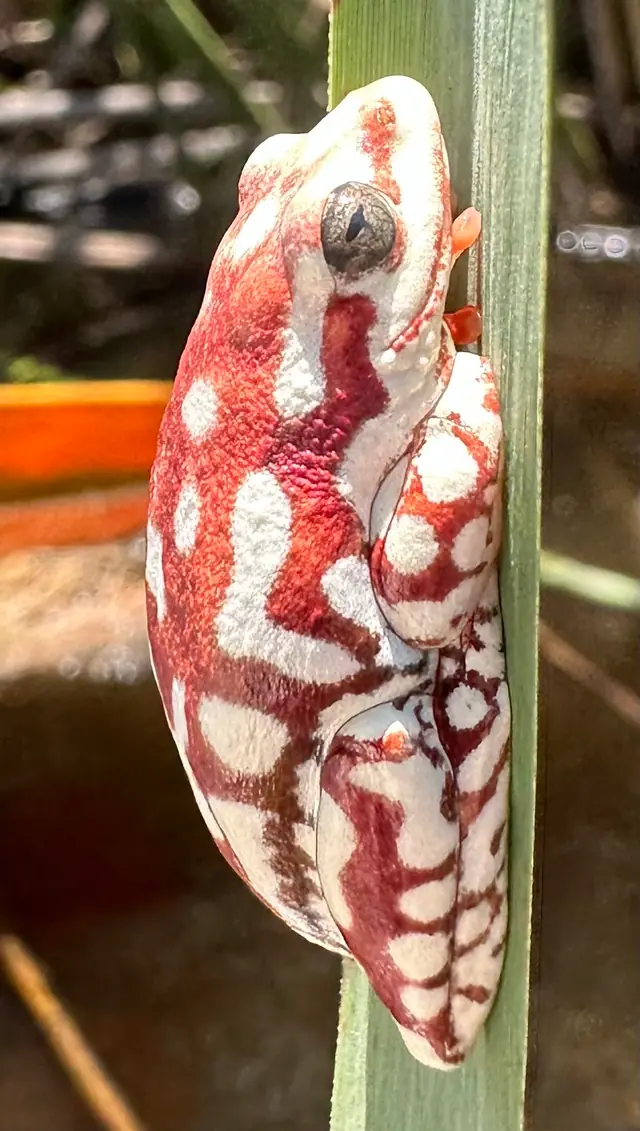
Angolan Reed Frog
Hyperolius parallelus
Tiny, bright and loud: the delta's painted reed frog. You hear them at dusk and find them clinging to reeds from a mokoro.
All 111 animals in the Okavango
The Big Five 5
-
 Lion
-
 Leopard
-
 African Savanna Elephant
-
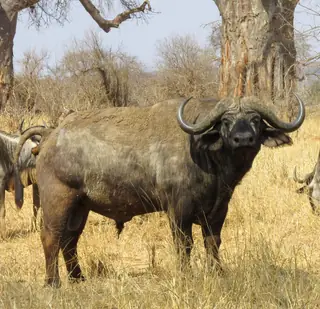 Cape Buffalo
-
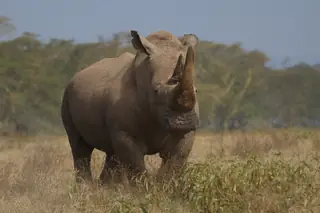 White RhinocerosRare
Grazers and browsers 18
-
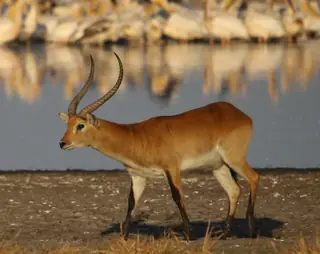 Red Lechwe
-
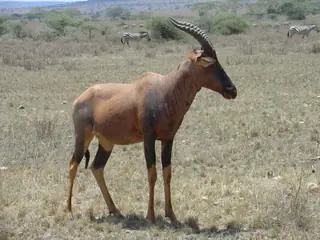 Tsessebe
-
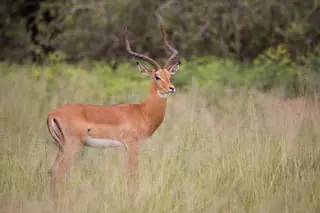 Impala
-
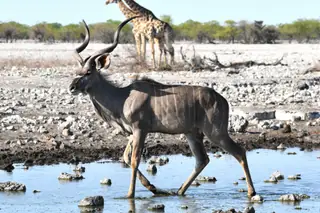 Kudu
-
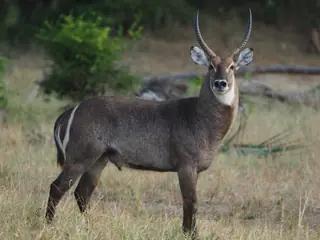 Waterbuck
-
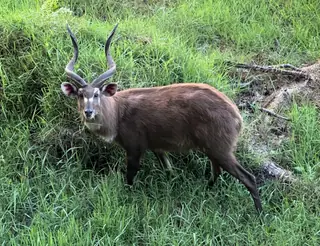 SitatungaRare
-
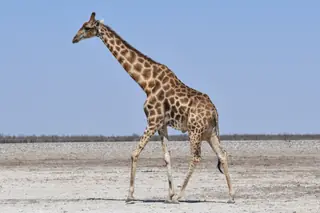 Southern Giraffe
-
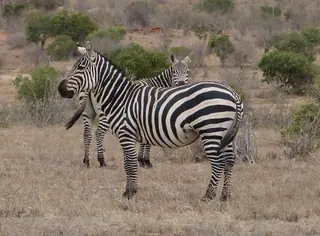 Plains Zebra
-
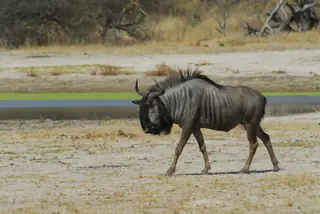 Wildebeest
-
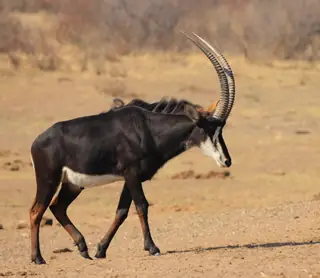 Sable Antelope
-
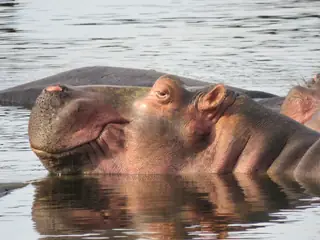 Hippopotamus
-
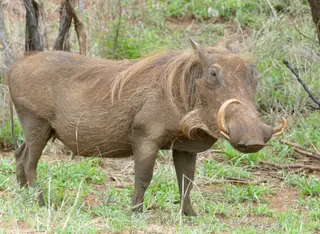 Warthog
-
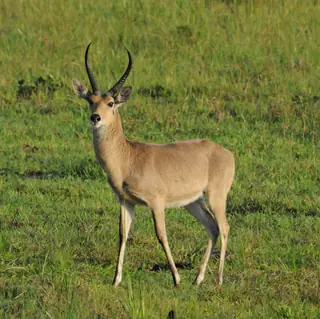 Southern Reedbuck
-
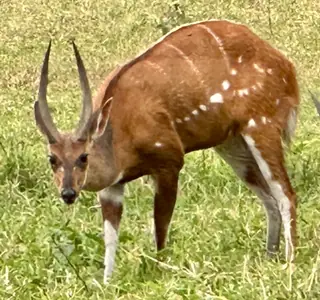 Bushbuck
-
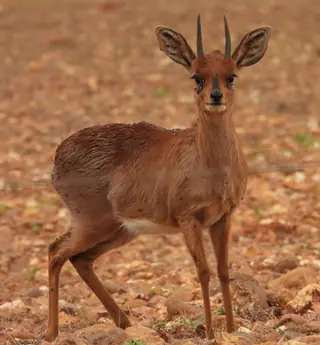 Steenbok
-
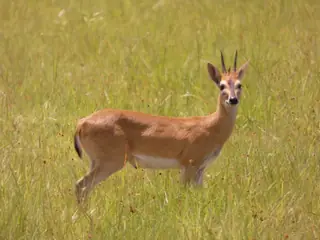 Common Duiker
-
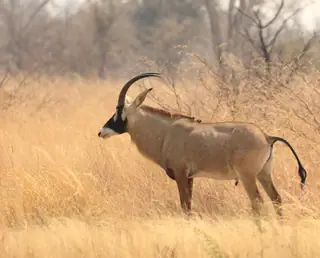 Roan AntelopeRare
-
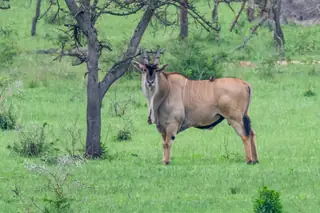 ElandRare
Hunters 12
-
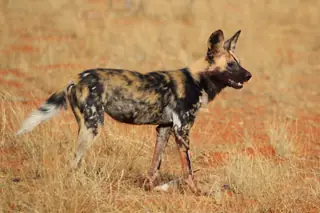 African Wild Dog
-
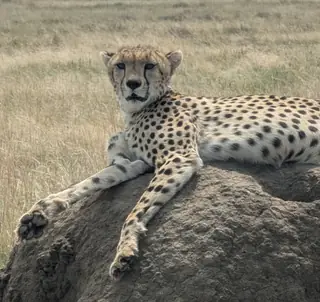 Cheetah
-
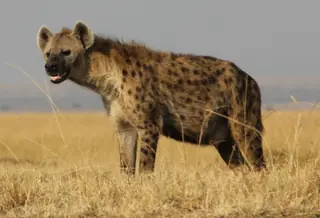 Spotted Hyena
-
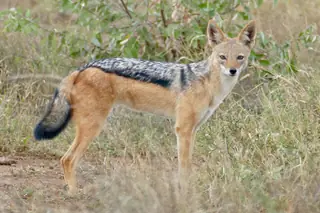 Black-backed Jackal
-
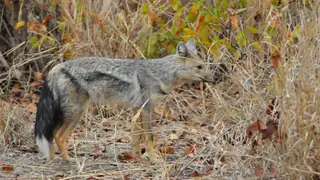 Side-striped Jackal
-
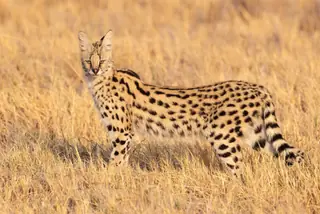 Serval
-
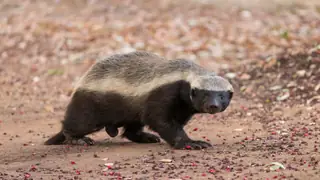 Honey BadgerRare
-
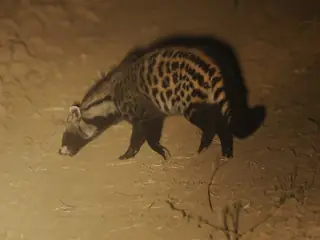 African Civet
-
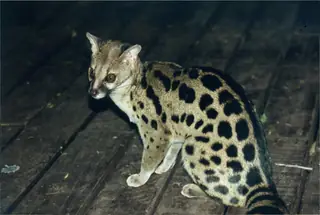 Large-spotted Genet
-
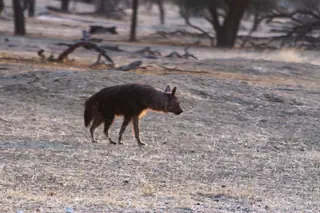 Brown HyenaRare
-
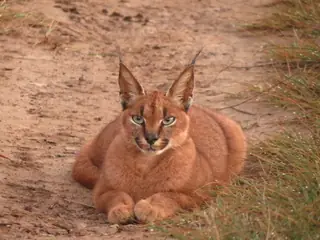 CaracalRare
-
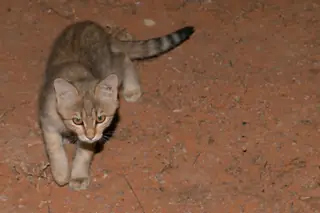 African Wildcat
Smaller mammals 12
-
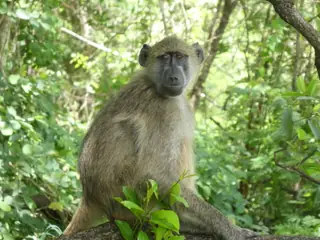 Chacma Baboon
-
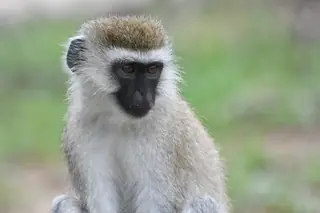 Vervet Monkey
-
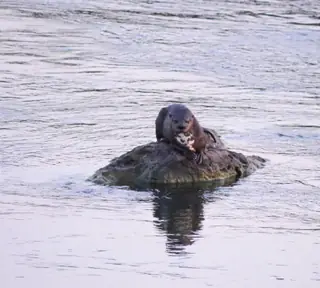 Spotted-necked OtterRare
-
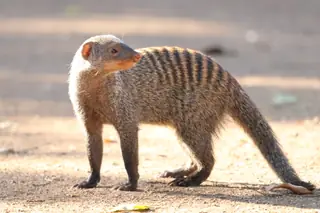 Banded Mongoose
-
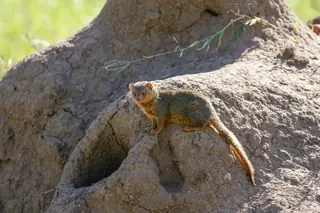 Dwarf Mongoose
-
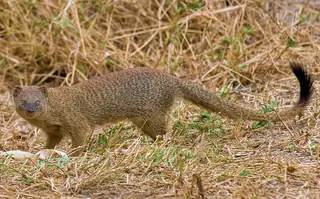 Slender Mongoose
-
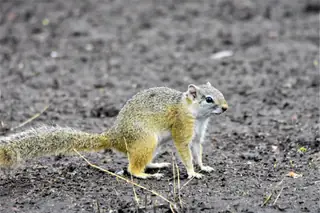 Tree Squirrel
-
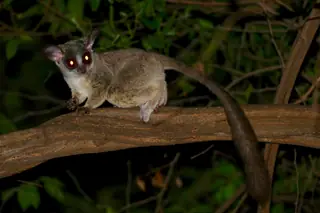 Lesser Bushbaby
-
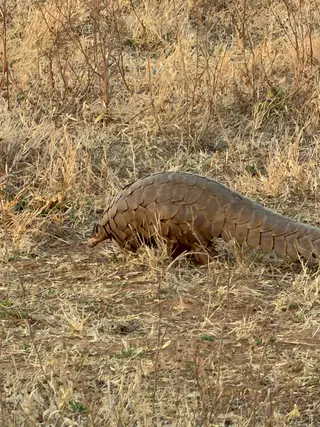 Ground PangolinRare
-
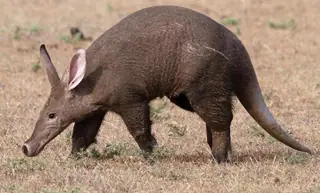 AardvarkRare
-
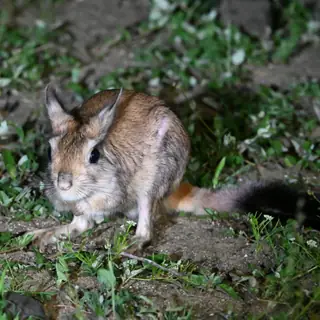 Springhare
-
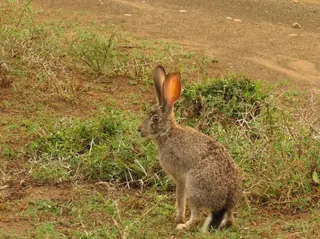 Scrub Hare
Water birds 26
-
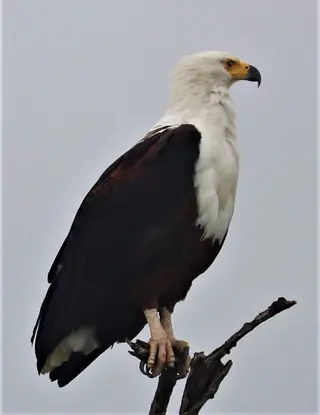 African Fish Eagle
-
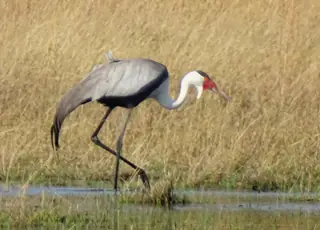 Wattled Crane
-
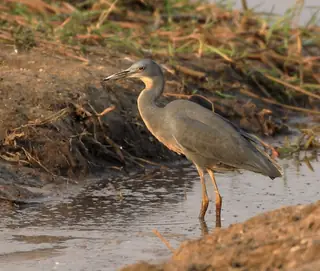 Slaty Egret
-
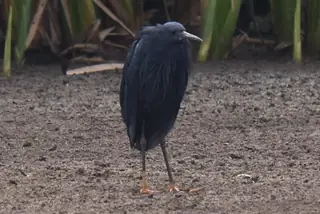 Black Heron
-
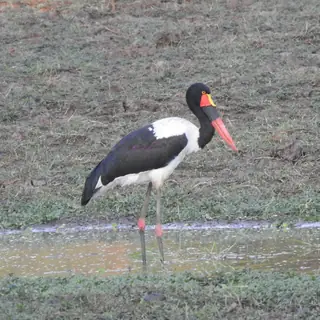 Saddle-billed Stork
-
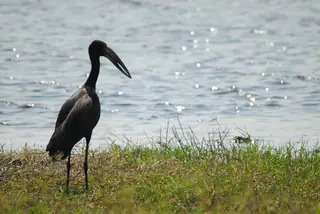 African Openbill
-
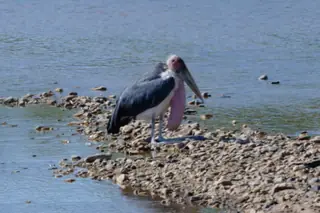 Marabou Stork
-
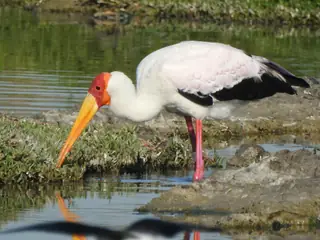 Yellow-billed Stork
-
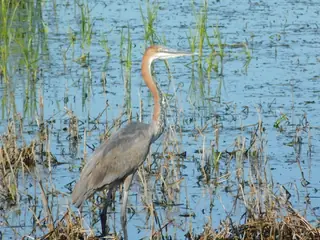 Goliath Heron
-
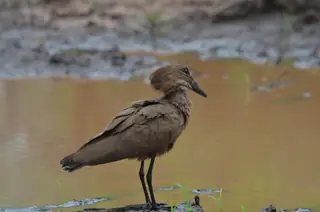 Hamerkop
-
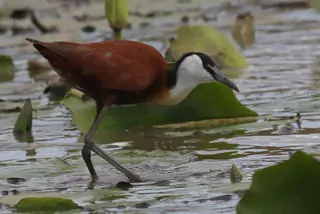 African Jacana
-
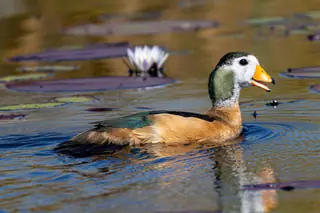 African Pygmy Goose
-
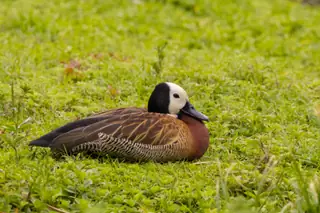 White-faced Whistling Duck
-
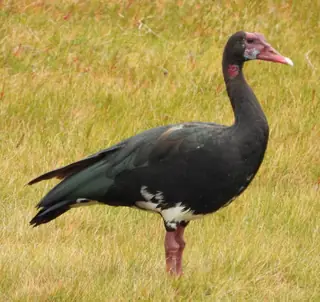 Spur-winged Goose
-
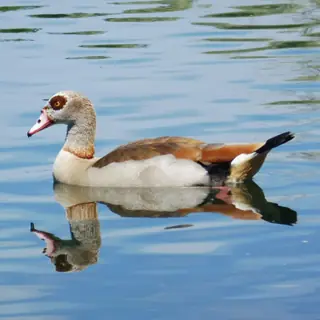 Egyptian Goose
-
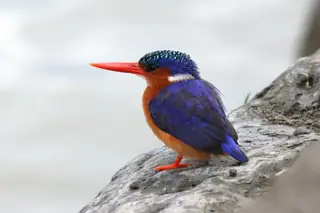 Malachite Kingfisher
-
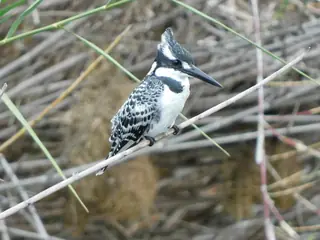 Pied Kingfisher
-
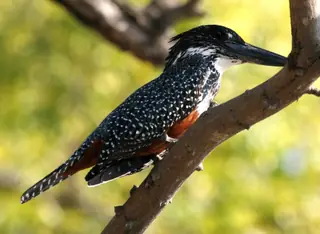 Giant Kingfisher
-
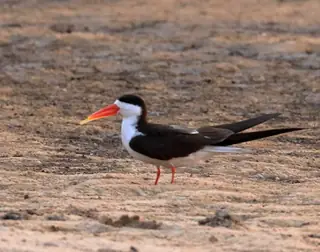 African Skimmer
-
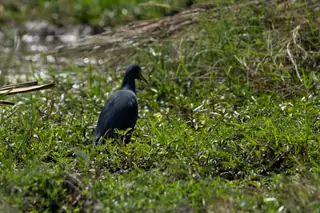 Rufous-bellied Heron
-
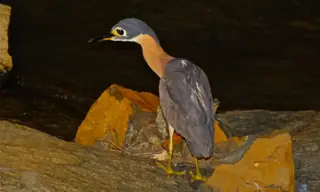 White-backed Night HeronRare
-
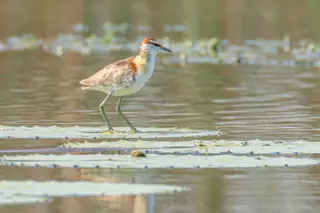 Lesser Jacana
-
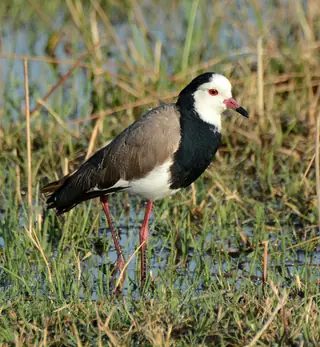 Long-toed Lapwing
-
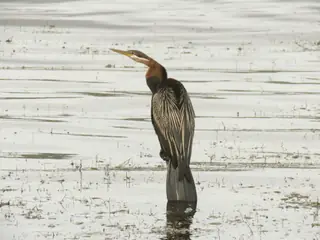 African Darter
-
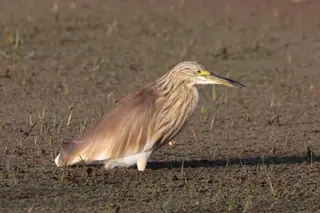 Squacco Heron
-
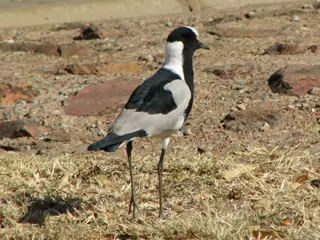 Blacksmith Lapwing
Birds of prey 10
-
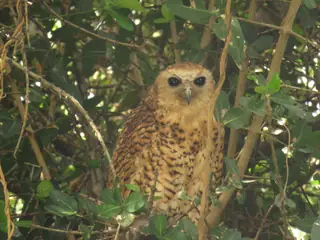 Pel's Fishing OwlRare
-
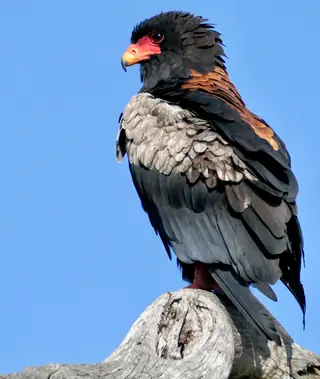 Bateleur
-
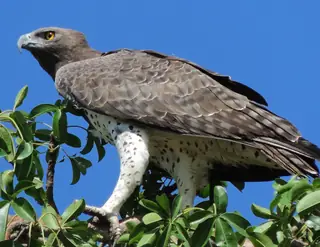 Martial Eagle
-
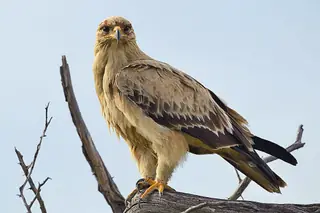 Tawny Eagle
-
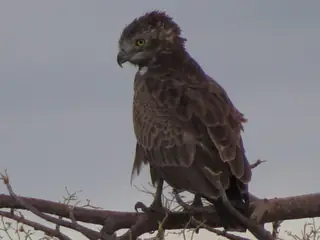 Brown Snake Eagle
-
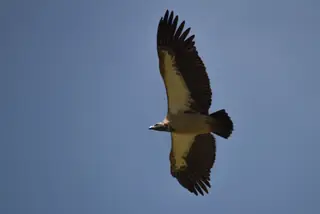 White-backed Vulture
-
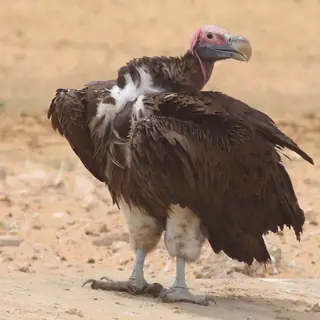 Lappet-faced Vulture
-
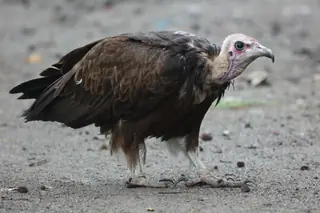 Hooded Vulture
-
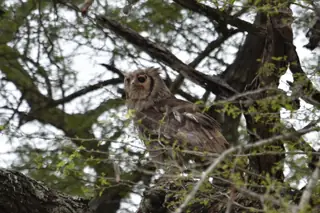 Verreaux's Eagle-Owl
-
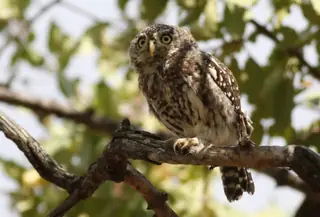 Pearl-spotted Owlet
Land birds 22
-
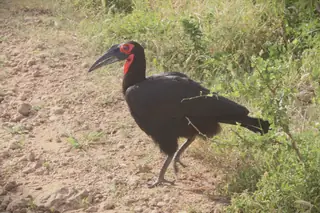 Southern Ground Hornbill
-
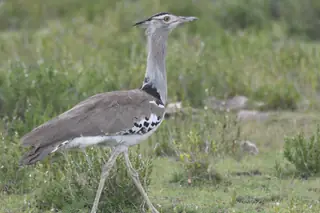 Kori Bustard
-
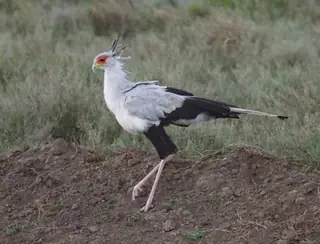 Secretary Bird
-
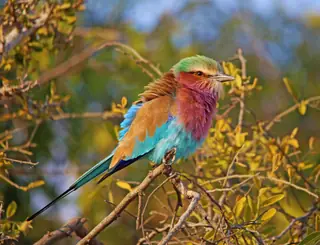 Lilac-breasted Roller
-
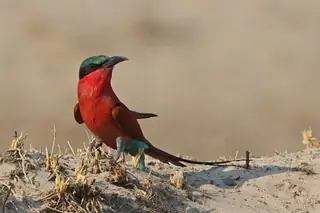 Southern Carmine Bee-eater
-
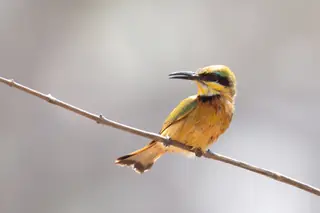 Little Bee-eater
-
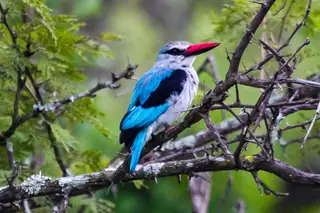 Woodland Kingfisher
-
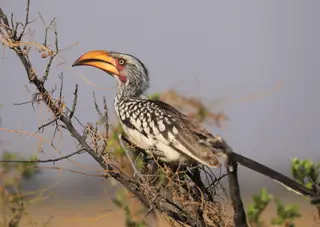 Southern Yellow-billed Hornbill
-
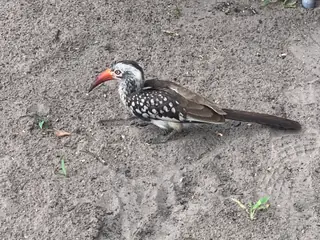 Southern Red-billed Hornbill
-
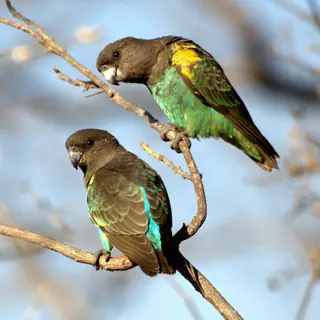 Meyer's Parrot
-
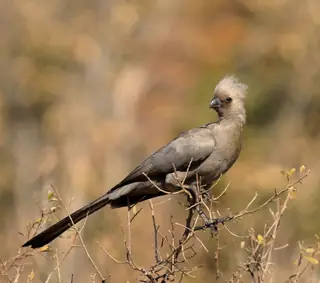 Grey Go-away-bird
-
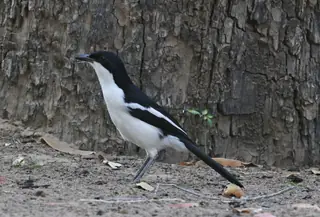 Swamp Boubou
-
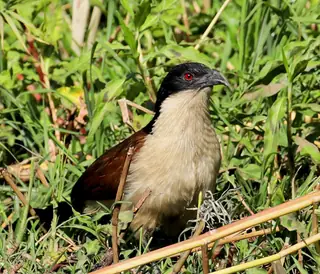 Coppery-tailed Coucal
-
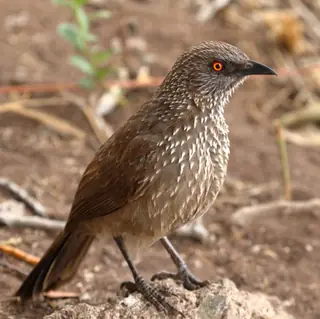 Arrow-marked Babbler
-
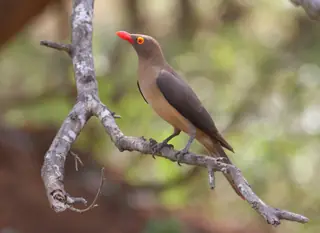 Red-billed Oxpecker
-
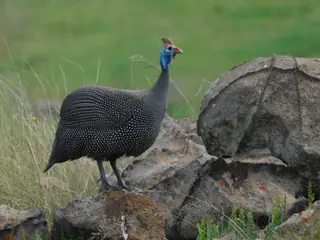 Helmeted Guineafowl
-
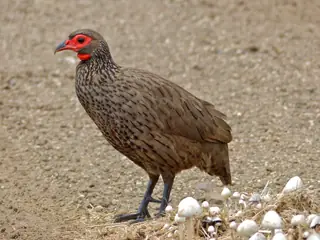 Swainson's Spurfowl
-
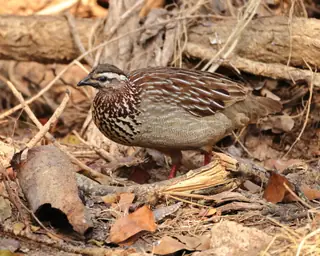 Crested Francolin
-
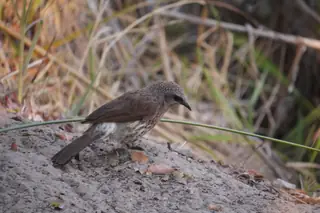 Hartlaub's Babbler
-
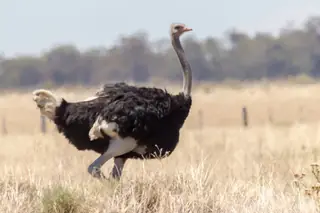 Ostrich
-
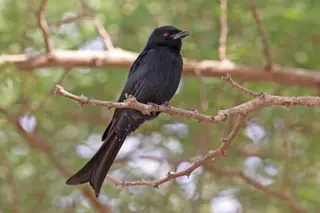 Fork-tailed Drongo
-
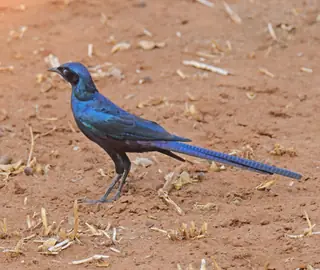 Meves's Starling
Reptiles and amphibians 6
-
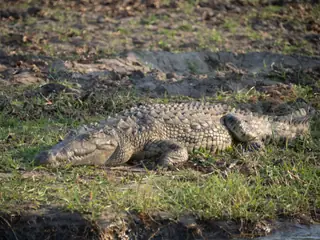 Nile Crocodile
-
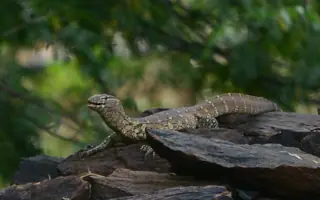 Nile Monitor
-
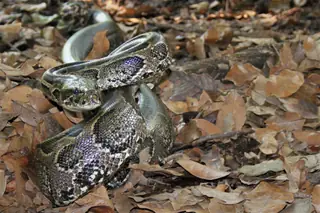 African Rock PythonRare
-
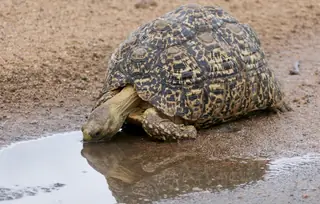 Leopard Tortoise
-
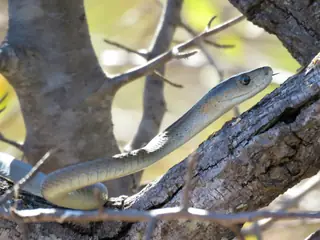 Black MambaRare
-
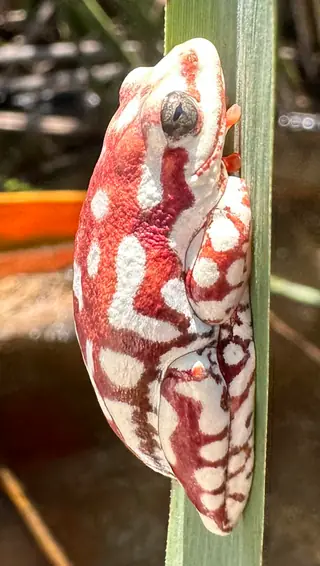 Angolan Reed Frog
Best time to see wildlife in the Okavango
Sightings by month in the Okavango
Most records: Apr to OctRecords from GBIF.org, adjusted for how many people record wildlife each month. 100% is the busiest month.
The Okavango works in reverse. Rain falls in Angola from about November to March, and the flood water takes months to travel down, so the delta is fullest from about June to August, which is also Botswana's dry season. Animals from the dry land around the delta crowd onto the islands and floodplains, and mokoro trips are at their best. September and October are the hottest months, with game packed around water and the best predator viewing, though some channels start to shrink. The local rains fall from about November to March. This green season is quieter and cheaper, with newborn antelope, migrant birds such as the Southern Carmine Bee-eater, and dramatic storms, but game is more spread out and some areas are hard to reach.
- Jan to MarGreen season; birds, newborns, storms, lower prices
- Apr to MayRains ending; the flood starts to arrive in the delta
- Jun to AugFlood at its peak; cool dry days, wild dogs denning
- Sep to OctHot and dry; big game concentrated, top predator action
- Nov to DecFirst rains; lechwe and impala lambs, carmine bee-eaters
Tips for spotting wildlife in the Okavango
- 01
Mix water and land
The delta is best seen three ways: by mokoro for the small life, by motorboat for fish eagles and hippos, and by game drive for predators. Choose camps that offer both water and land activities.
- 02
Choose Khwai or a concession for night drives
Inside Moremi Game Reserve, drives must stay on roads and end by dark. The Khwai community area and the private concessions allow night drives and guided walks, with fewer vehicles at each sighting.
- 03
Leave denning dogs in peace
Wild dogs den from about June to August, and disturbance can make a pack move its pups. Choose camps that limit visits to dens, and enjoy the dogs when they head out to hunt.
- 04
Scan the lily pads
On a mokoro, watch for African jacanas walking on the lilies and African pygmy geese among them. Painted reed frogs cling to papyrus stems at eye level.
- 05
Give hippos a wide berth
Mokoro polers avoid deep channels where hippos rest. Stay seated, keep quiet and follow your poler's lead if they change course.

Take the Okavango with you
Off to the Okavango? Take this list on your phone and tick off wild dogs and lechwe from the mokoro, even without signal. Wilder is free to start.

Okavango wildlife FAQ
What animals can you see in the Okavango Delta?
You can see elephants, lions, leopards, wild dogs, buffalo, hippos, giraffes, zebras and water-loving antelope such as red lechwe and sitatunga in the Okavango Delta. It also has more than 450 bird species, including the Pel's fishing owl. This checklist covers 111 animals. Big game is easiest to see from June to October, when the flood is high and the land is dry.
Can you see the Big Five in the Okavango Delta?
Yes, but the rhino is the hard one. Lion, leopard, elephant and buffalo are seen on most trips. White and black rhinos have been reintroduced, but they are few and their locations are kept quiet. Most visitors see four of the Big Five and count a rhino as a rare bonus.
When is the best time to visit the Okavango Delta?
The best time to visit the Okavango Delta for game is June to October, when the flood is high but the weather is dry. July and August have cool nights and full channels for mokoro trips, while September and October are hotter with top predator viewing. November to March is the green season, best for birds, newborn animals and lower prices.
What can you see on a mokoro trip?
On a mokoro trip you mainly see the small life of the delta: painted reed frogs, African jacanas, African pygmy geese, kingfishers and dragonflies among the lilies. You may also see red lechwe, elephants and hippos from a safe distance. A mokoro is a traditional dugout canoe (now often fibreglass) poled by a local guide, and it is quiet enough to watch shy birds without disturbing them.
Sources
- UNESCO World Heritage: Okavango Delta
- Botswana Tourism Organisation
- Wild Entrust: Botswana Predator Conservation (wild dog research)
- Sightings by month: GBIF.org
Animal photos are from the Wilder catalogue; photo credits.
Similar checklists
All Africa-
 Safari86animals Chobe National Park Chobe District, Botswana Home to some of the largest elephant herds in Africa, best seen drinking and swimming from a boat. Best time Jun to Oct
-
 Safari81animals South Luangwa National Park Eastern and Muchinga provinces, Zambia The home of the walking safari, famous for leopards on night drives and a river crowded with hippos. Best time May to Oct
-
 Safari88animals Etosha National Park Kunene, Oshana and Oshikoto, Namibia A great white salt pan ringed by waterholes, where elephants, black rhino and lions come to drink in the dry season. Best time May to Oct
-
 Safari110animals Kruger National Park Limpopo and Mpumalanga, South Africa Africa's classic safari: the Big Five, wild dogs on the move, and some of the best birdwatching on the continent. Takes in the private reserves along its western edge, such as Sabi Sand and Timbavati. Best time May to Sept