Region · Kunene · Namibia
Damaraland Animal Checklist

Damaraland, now the southern part of Namibia's Kunene Region, is a land of red rock ranges, gravel plains and dry riverbeds. It is known for desert-adapted elephants, free-roaming black rhinos tracked with rangers, Hartmann's mountain zebra and dry-country birds found almost nowhere else. This checklist covers 142 animals. The cool, dry months, May to October, are best.
Tick off all 142 animals in Damaraland on your phone, even offline. Launching soon. Free A4 PDF, no sign-up.
Much of the land is run by communal conservancies, where local people guide visitors and share in tourism income. Between drives, see the rock engravings at Twyfelfontein, Namibia's first World Heritage Site, and the Brandberg, the country's highest mountain.
- Animals to find
- 142
- Where
- Namibia
- Best time
- May to Oct
- World Heritage Site
- Twyfelfontein rock art (2007)
Popular animals in Damaraland
-
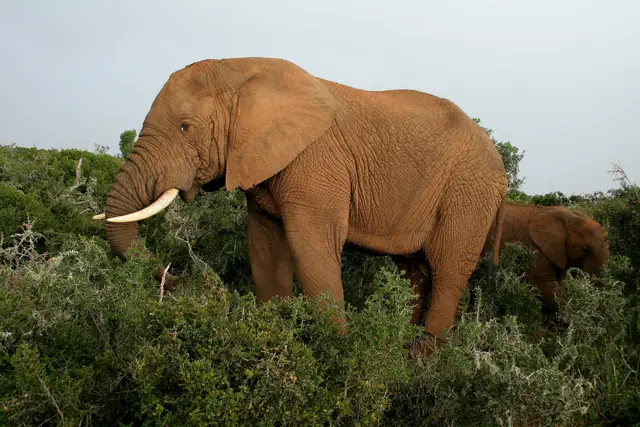
African Savanna Elephant
Loxodonta africana
Desert-adapted herds walk long distances between food and water, browsing along dry riverbeds. Watch from the vehicle with a conservancy guide, keep well back and never block their path.
-
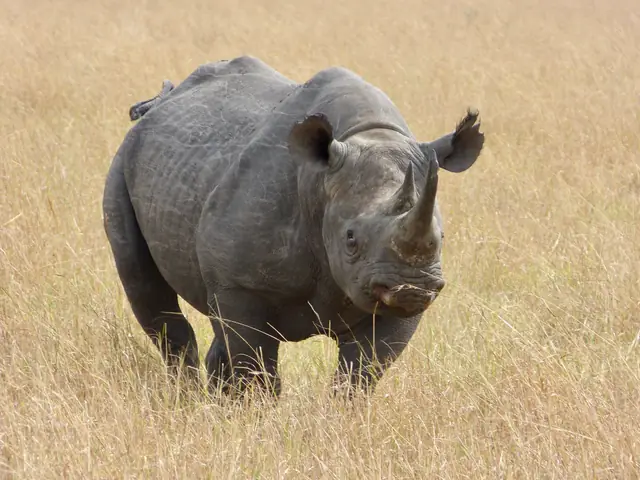
Black Rhinoceros
Diceros bicornis
Seen only on ranger-led tracking from licensed camps, with trackers setting the distance. Never share rhino locations or post geotagged photos.
-
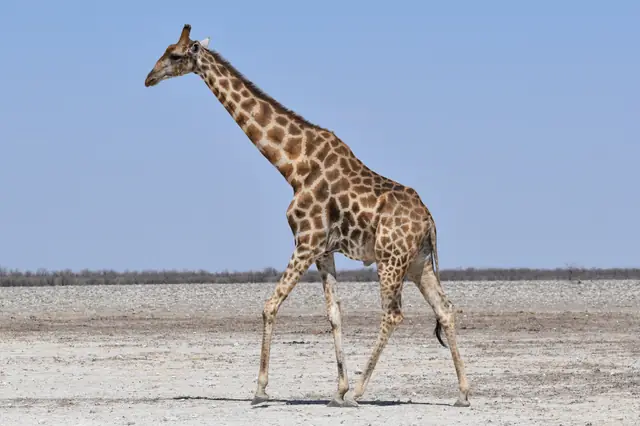
Southern Giraffe
Giraffa giraffa
Browses acacias along the riverbeds and out on the gravel plains, often far from any other game.
-
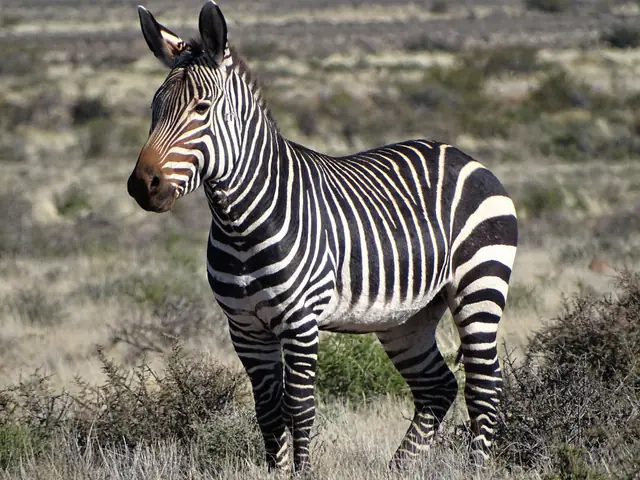
Mountain Zebra
Equus zebra
Hartmann's mountain zebra lives on stony hillsides and plains. Look for the grid-iron stripes on the rump and the dewlap on the throat.
-
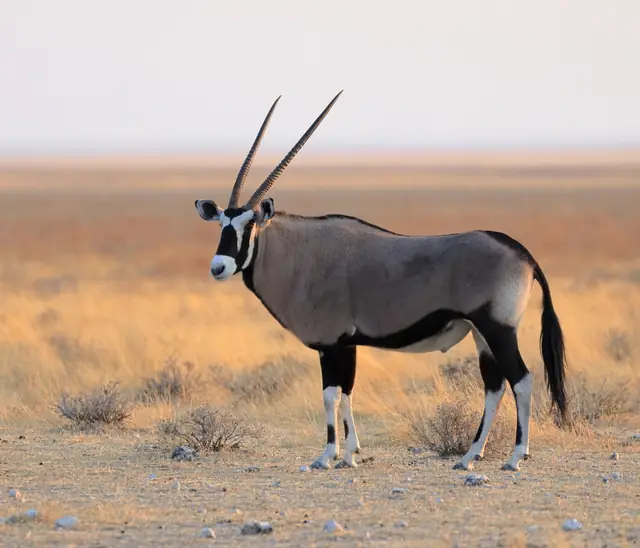
Gemsbok (Oryx)
Oryx gazella
Stands out on open gravel plains, even in the heat of the day. It can go days without drinking.
-
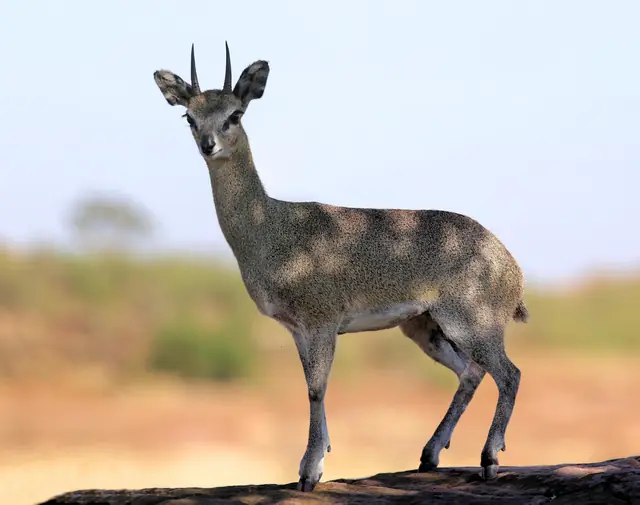
Klipspringer
Oreotragus oreotragus
A small antelope that stands on boulders and rocky outcrops, often in pairs, on tiptoe hooves.
-
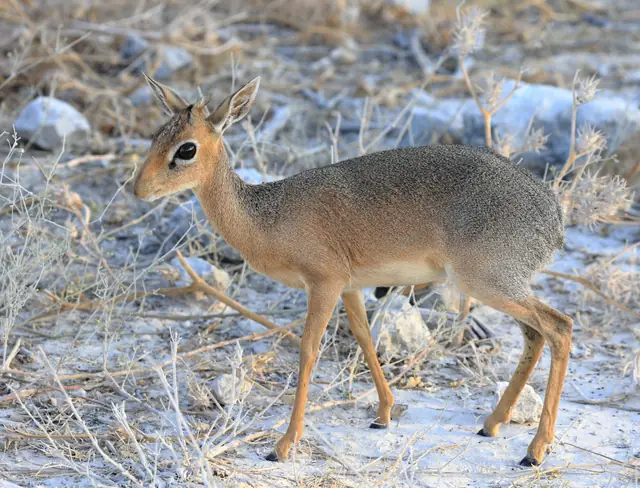
Damara Dik-dik
Madoqua damarensis
Tiny and shy, in thicker scrub along the river valleys. Usually seen as a pair darting into cover.
-
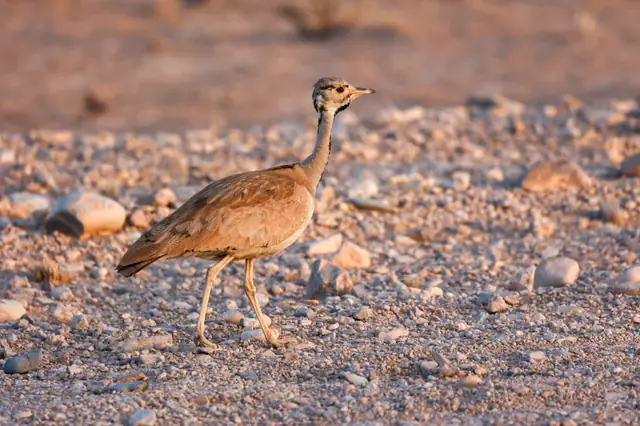
Rüppell's Korhaan
Heterotetrax rueppelii
Pairs walk the open gravel plains. Listen for their croaking duet at dawn.
-
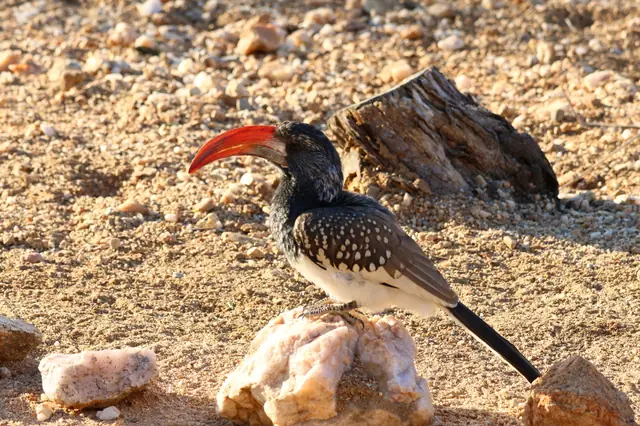
Monteiro's Hornbill
Tockus monteiri
A near-endemic of Namibia and south-west Angola, on rocky hillsides with scattered trees.
-
Herero Chat
Melaenornis herero
Quiet and easy to miss, on the lower slopes of rocky hills with scattered shrubs. A prize for visiting birders.
-
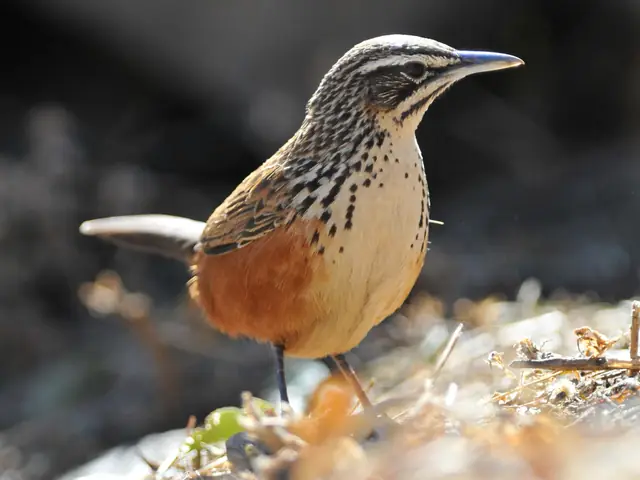
Rockrunner
Achaetops pycnopygius
Sings loudly from grassy, boulder-strewn slopes, especially after the rains.
-
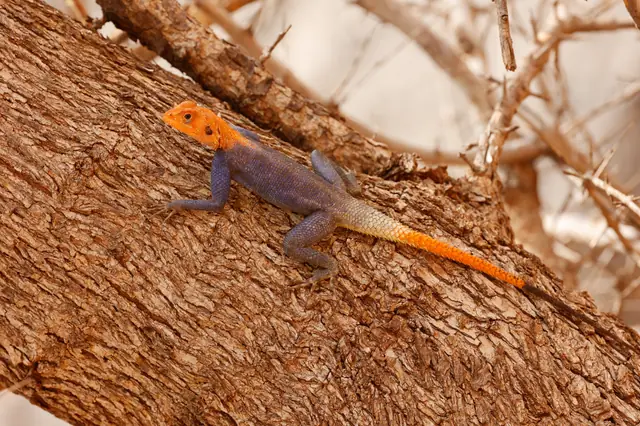
Namibian Rock Agama
Agama planiceps
Males with orange-red heads display on sunny boulders, including around the engraved rocks at Twyfelfontein.
All 142 animals in Damaraland
Big game 8
-
 African Savanna Elephant
-
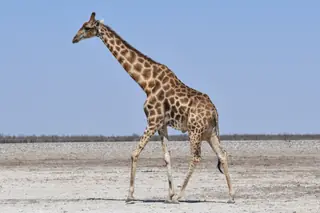 Southern Giraffe
-
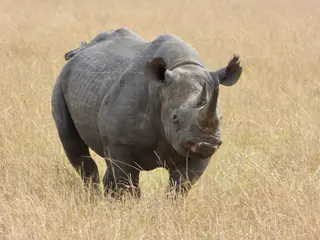 Black RhinocerosRare
-
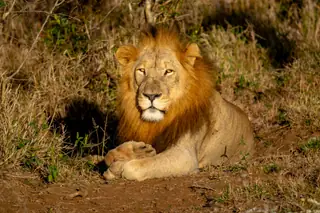 LionRare
-
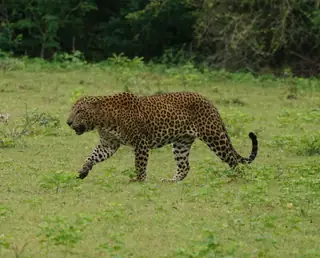 LeopardRare
-
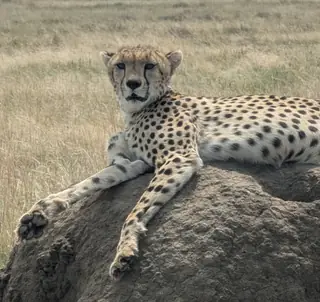 CheetahRare
-
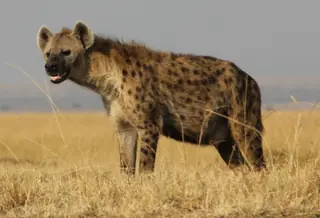 Spotted HyenaRare
-
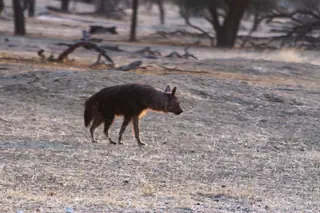 Brown HyenaRare
Hoofed mammals 9
-
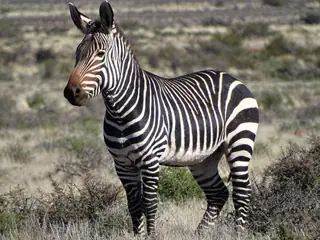 Mountain Zebra
-
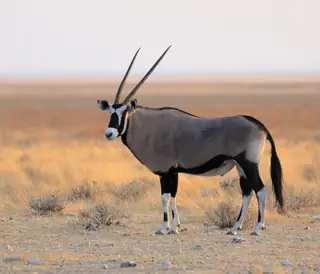 Gemsbok (Oryx)
-
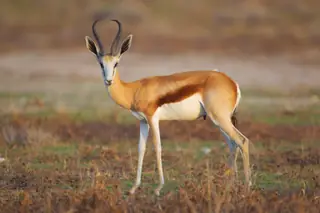 Springbok
-
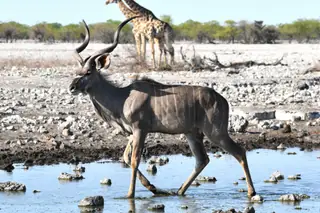 Greater Kudu
-
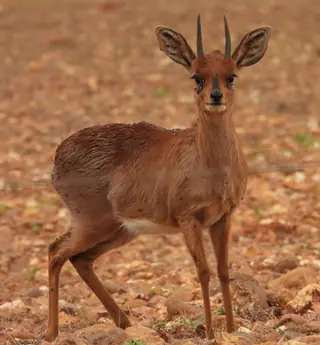 Steenbok
-
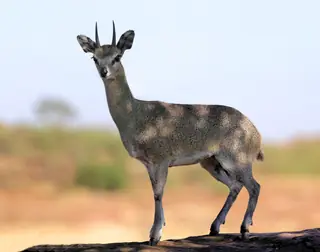 Klipspringer
-
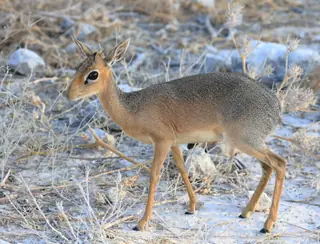 Damara Dik-dik
-
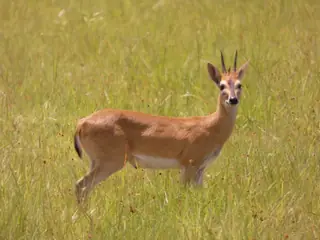 Common DuikerRare
-
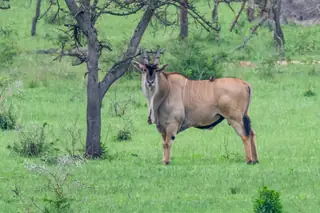 Common ElandRare
Smaller carnivores 10
-
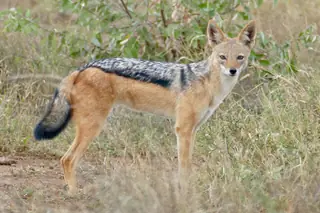 Black-backed Jackal
-
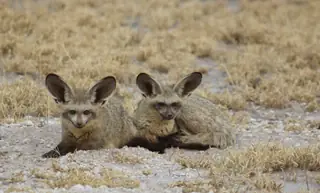 Bat-eared Fox
-
 Cape FoxRare
-
 African Wildcat
-
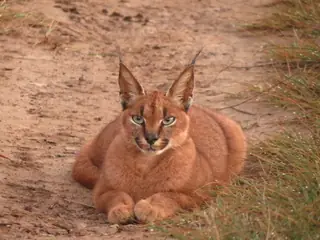 CaracalRare
-
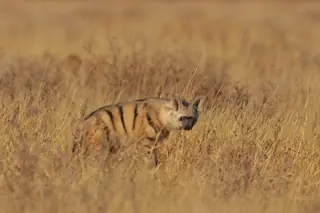 Southern AardwolfRare
-
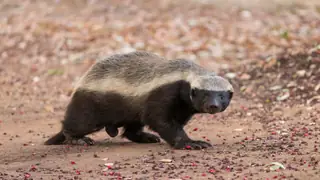 Honey BadgerRare
-
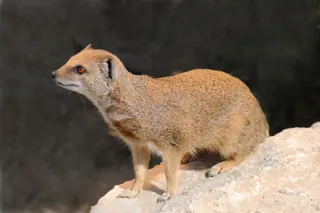 Yellow Mongoose
-
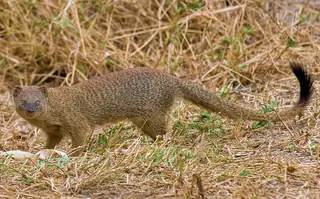 Common Slender Mongoose
-
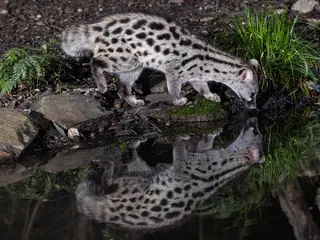 Common Genet
Smaller mammals 10
-
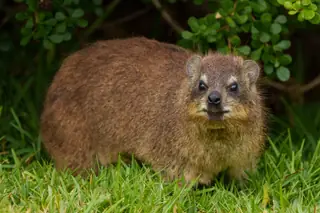 Rock Hyrax
-
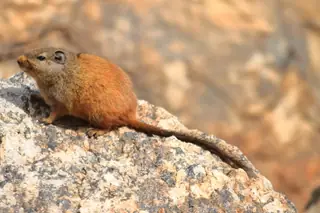 Dassie Rat
-
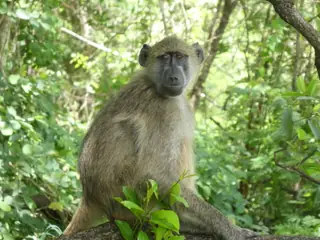 Chacma Baboon
-
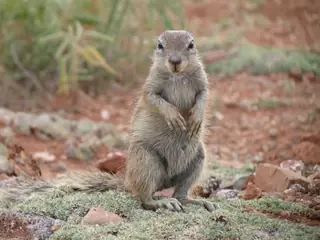 Cape Ground Squirrel
-
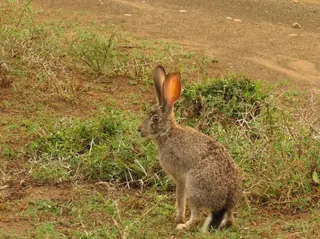 Scrub Hare
-
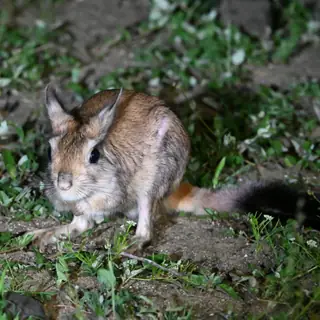 Southern African SpringhareRare
-
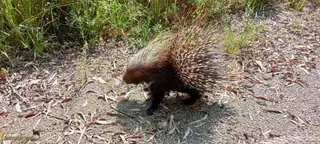 Cape PorcupineRare
-
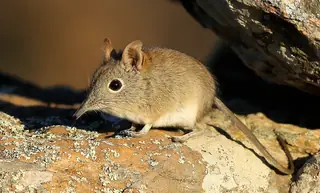 Elephant Shrew
-
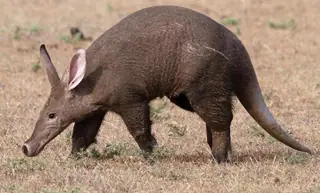 AardvarkRare
- Mountain Ground Squirrel
Birds of prey and owls 17
-
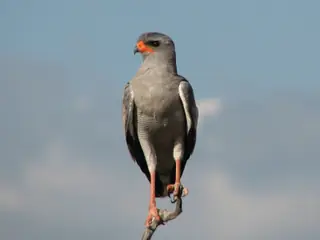 Pale Chanting Goshawk
-
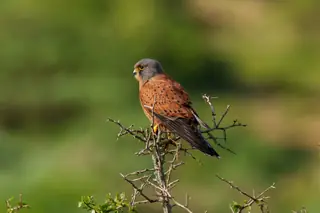 Rock Kestrel
-
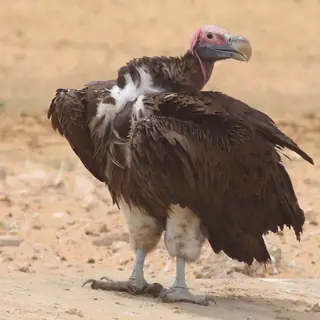 Lappet-faced Vulture
-
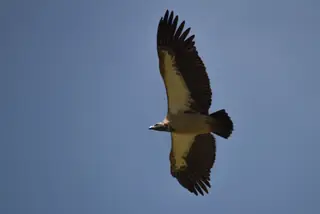 White-backed Vulture
-
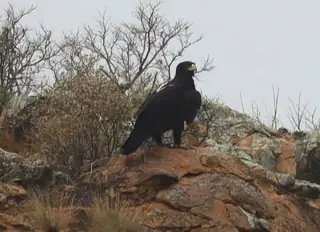 Verreaux's Eagle
-
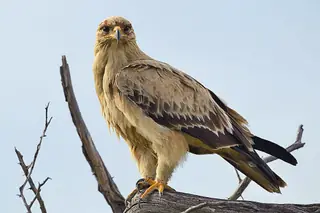 Tawny Eagle
-
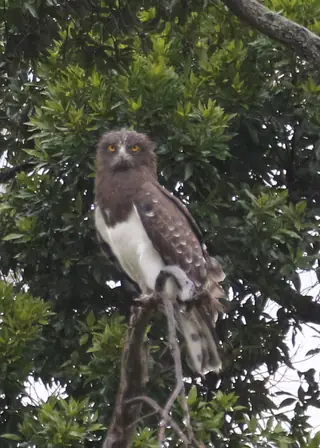 Black-chested Snake Eagle
-
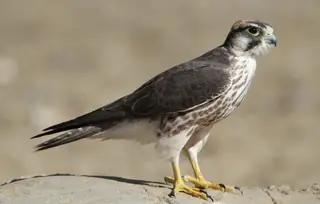 Lanner Falcon
-
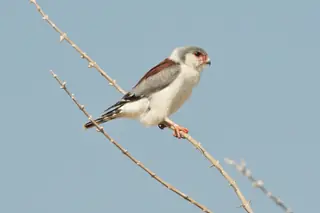 Pygmy Falcon
-
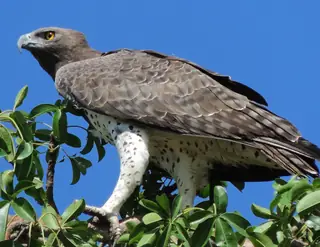 Martial EagleRare
-
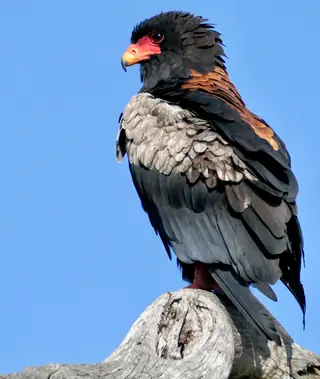 BateleurRare
-
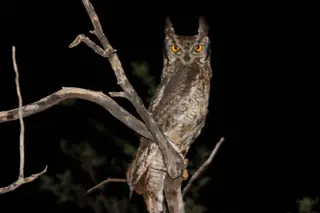 Spotted Eagle-Owl
-
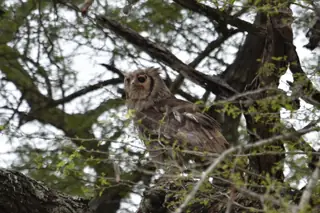 Verreaux's Eagle-OwlRare
-
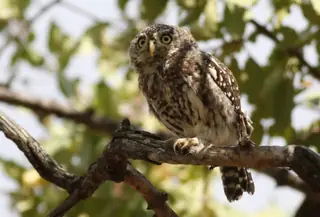 Pearl-spotted Owlet
-
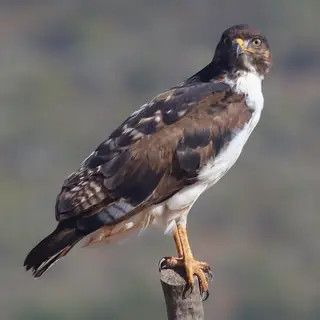 Augur Buzzard
-
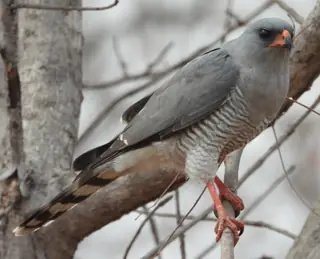 Gabar Goshawk
-
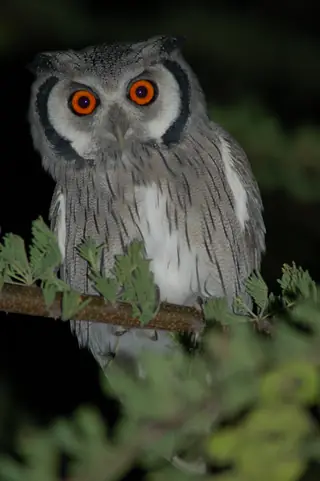 Southern White-faced OwlRare
Ground birds 13
-
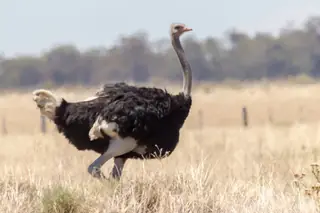 Common Ostrich
-
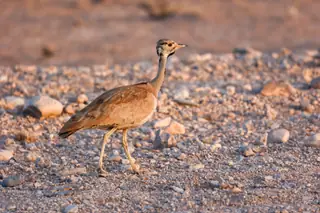 Rüppell's Korhaan
-
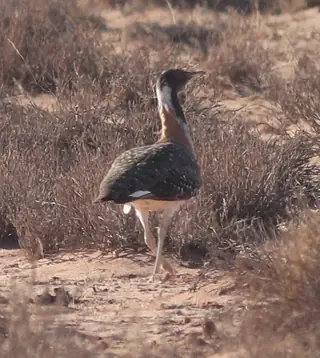 Ludwig's Bustard
-
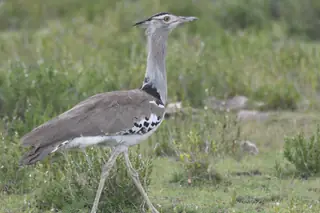 Kori BustardRare
-
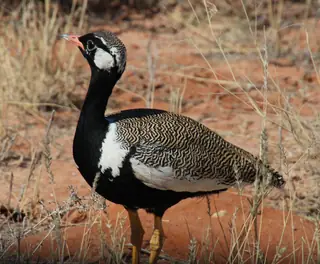 Northern Black Korhaan
-
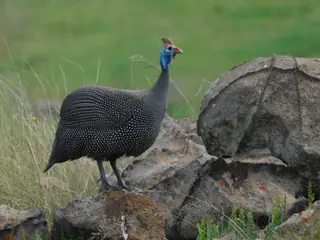 Helmeted Guineafowl
-
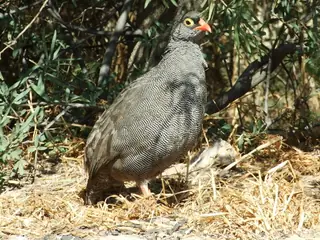 Red-billed Spurfowl
-
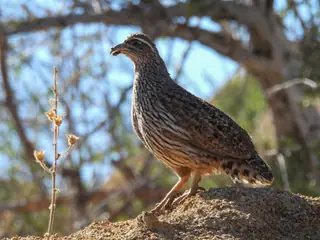 Hartlaub's Spurfowl
-
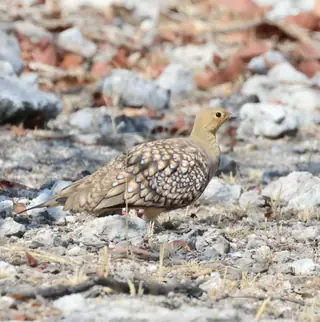 Namaqua Sandgrouse
-
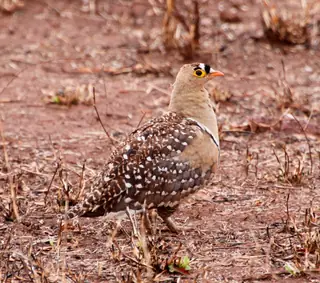 Double-banded Sandgrouse
-
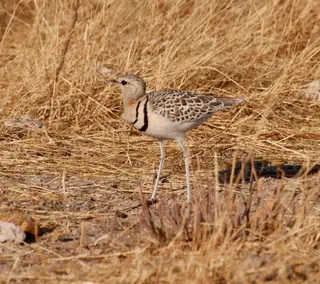 Double-banded Courser
-
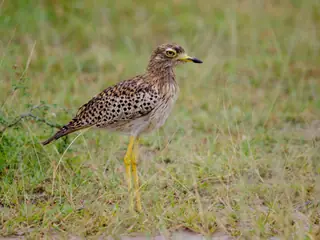 Spotted Thick-knee
-
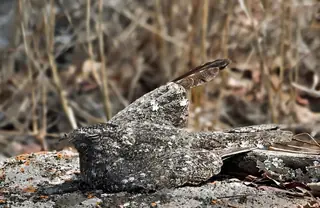 Freckled Nightjar
Namibian specials 13
-
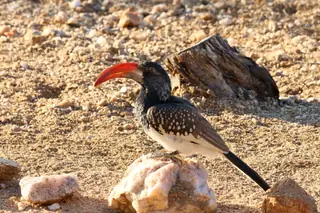 Monteiro's Hornbill
-
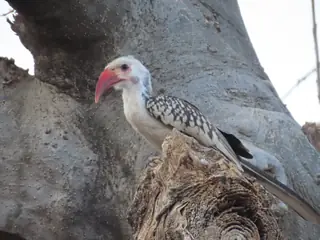 Damara Red-billed Hornbill
-
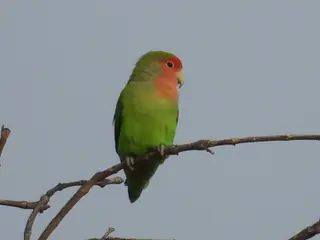 Rosy-faced Lovebird
- Herero Chat
-
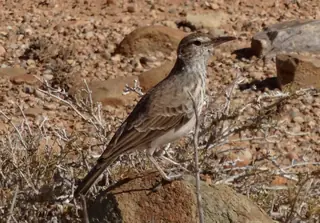 Benguela Long-billed Lark
-
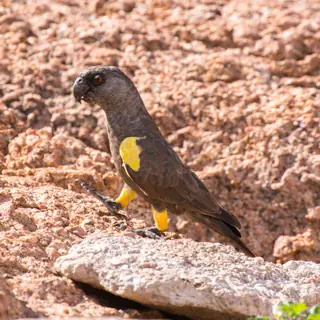 Rüppell's Parrot
-
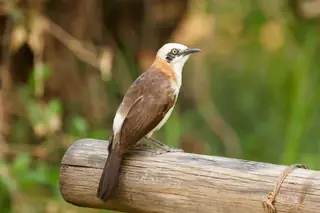 Bare-cheeked BabblerRare
-
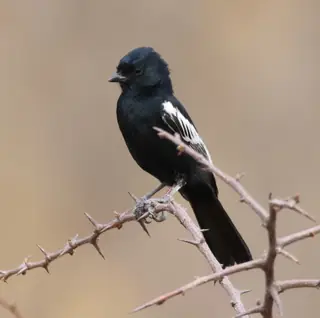 Carp's Tit
-
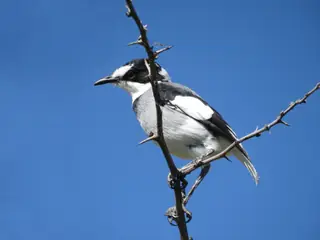 White-tailed Shrike
-
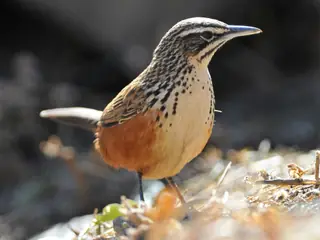 Rockrunner
-
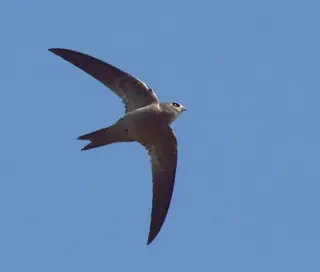 Bradfield's Swift
-
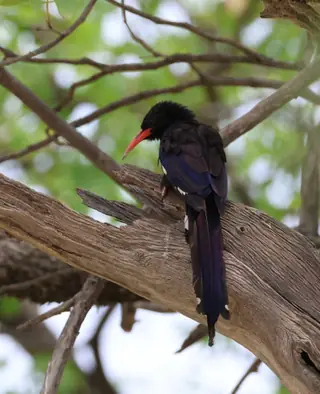 Violet WoodhoopoeRare
-
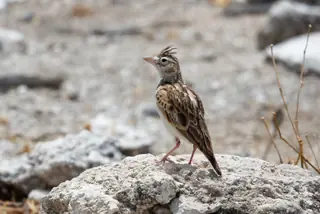 Stark's LarkRare
Larks, chats and rock birds 10
-
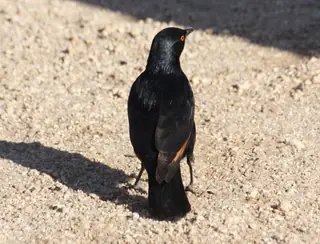 Pale-winged Starling
-
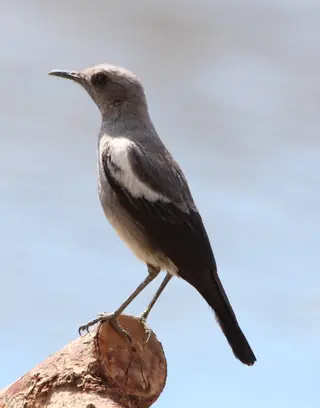 Mountain Wheatear
-
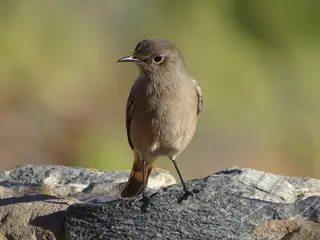 Familiar Chat
-
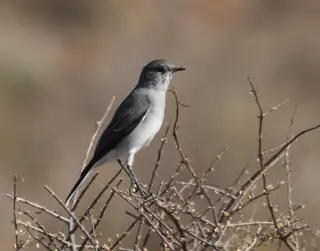 Karoo Chat
-
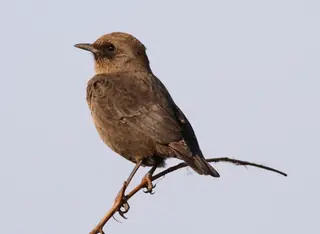 Anteating Chat
-
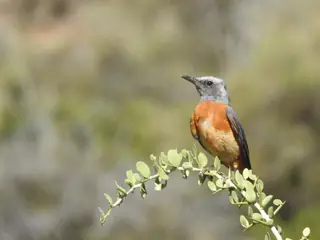 Short-toed Rock Thrush
-
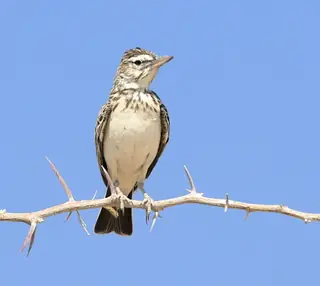 Sabota Lark
-
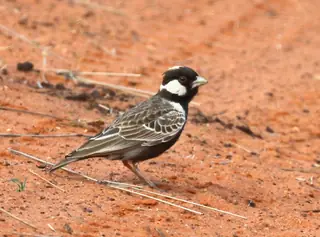 Grey-backed Sparrow-lark
-
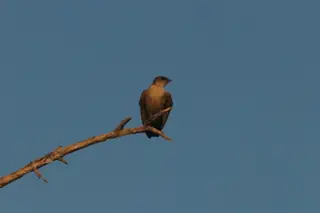 Rock Martin
-
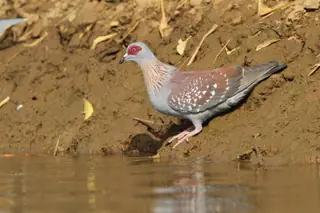 Speckled Pigeon
Bush birds 21
-
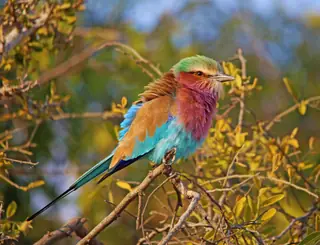 Lilac-breasted Roller
-
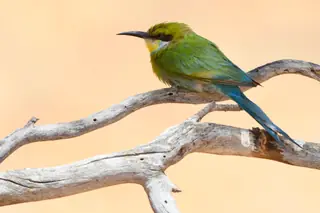 Swallow-tailed Bee-eater
-
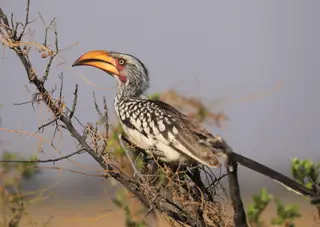 Southern Yellow-billed Hornbill
-
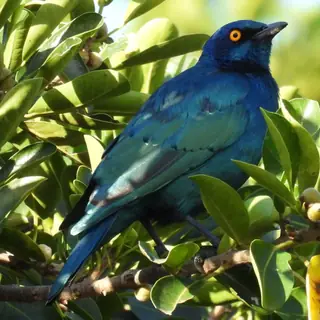 Cape Glossy Starling
-
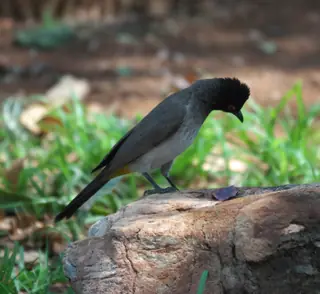 Black-fronted Bulbul
-
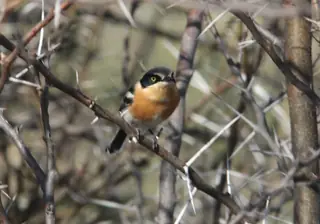 Pririt Batis
-
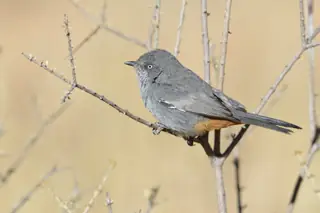 Chestnut-vented Warbler
-
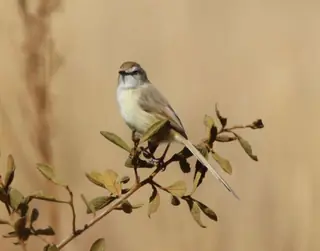 Black-chested Prinia
-
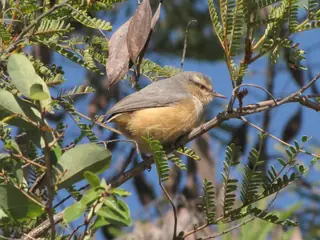 Long-billed Crombec
-
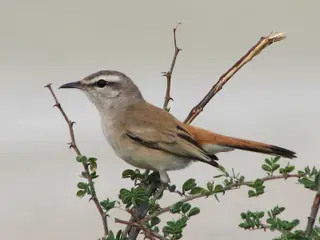 Kalahari Scrub Robin
-
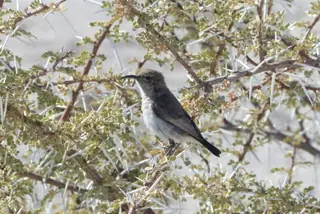 Dusky Sunbird
-
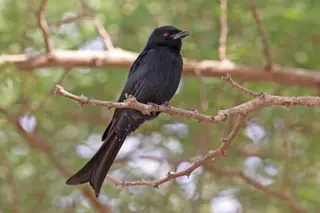 Fork-tailed Drongo
-
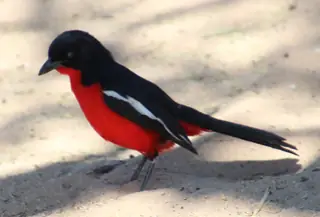 Crimson-breasted Shrike
-
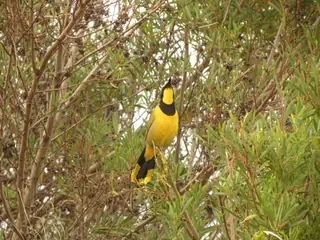 Bokmakierie
-
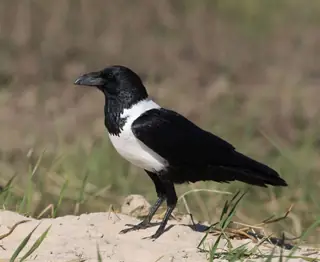 Pied Crow
-
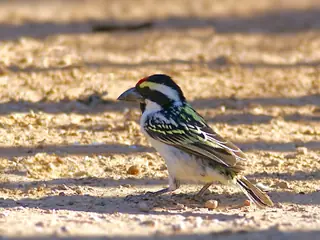 Acacia Pied Barbet
-
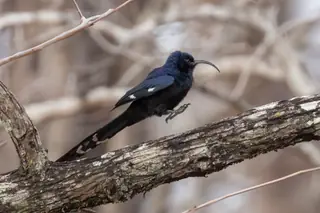 Common Scimitarbill
-
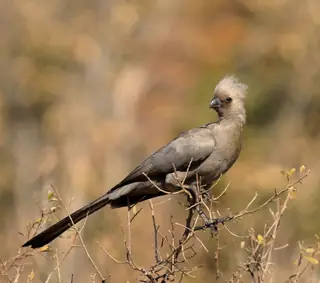 Grey Go-away-bird
-
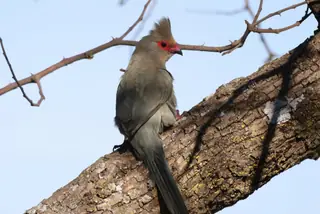 Red-faced Mousebird
-
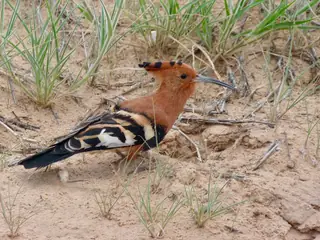 African Hoopoe
-
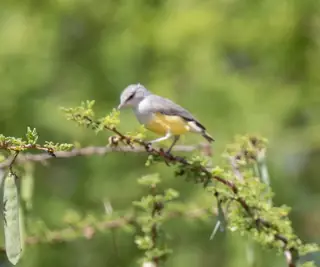 Yellow-bellied Eremomela
Seedeaters and doves 14
-
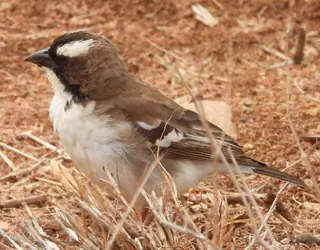 White-browed Sparrow-Weaver
-
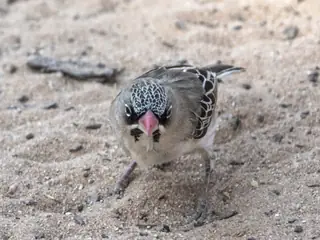 Scaly-feathered Weaver
-
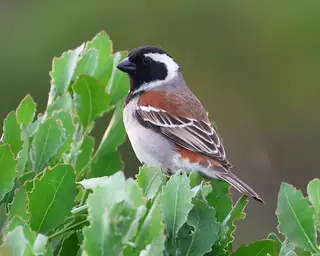 Cape Sparrow
-
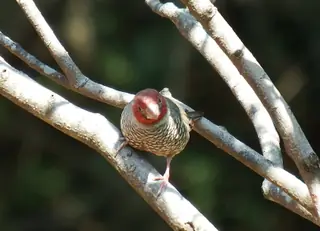 Red-headed Finch
-
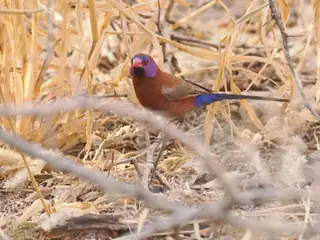 Violet-eared Waxbill
-
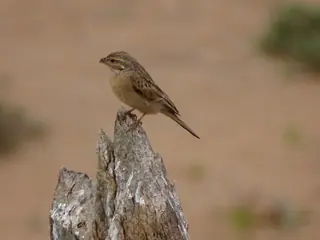 Lark-like Bunting
-
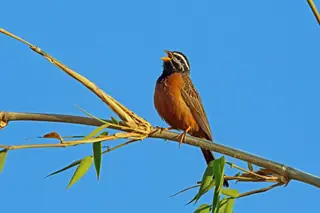 Cinnamon-breasted Bunting
-
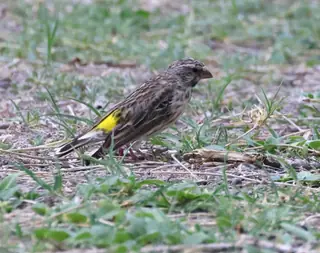 Black-throated Canary
-
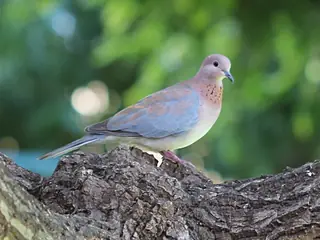 Laughing Dove
-
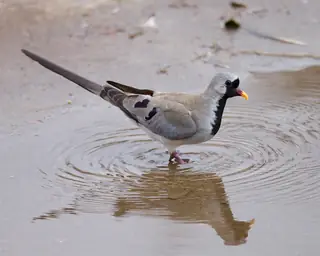 Namaqua Dove
-
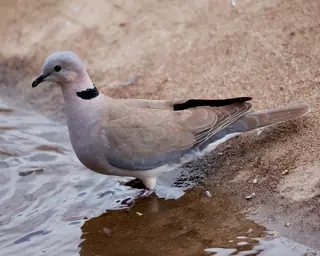 Ring-necked Dove
-
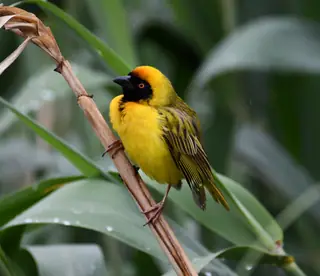 Southern Masked Weaver
-
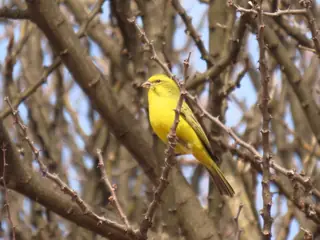 Yellow Canary
-
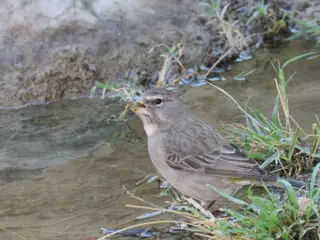 White-throated Canary
Springs and river pools 5
-
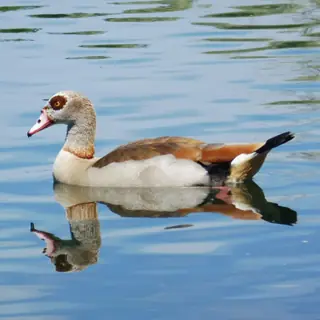 Egyptian Goose
-
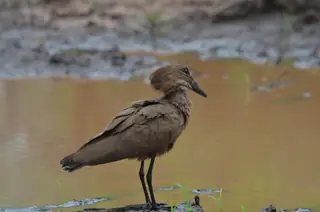 Hamerkop
-
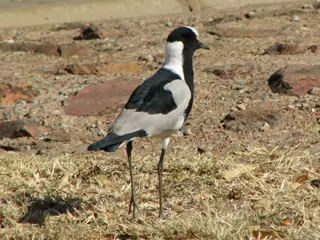 Blacksmith Lapwing
-
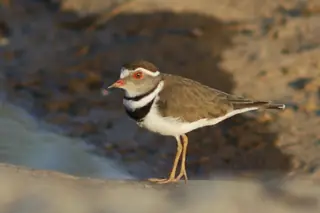 Three-banded Plover
-
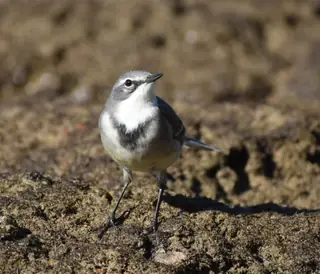 Cape Wagtail
Reptiles 12
-
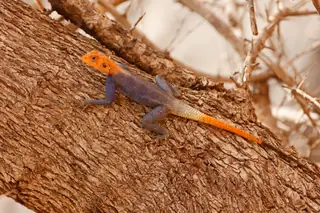 Namibian Rock Agama
-
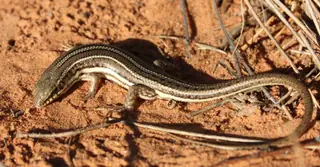 Western Three-striped Skink
-
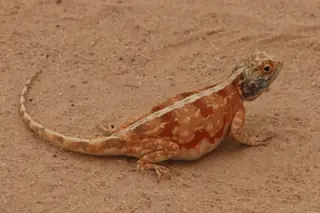 Ground Agama
-
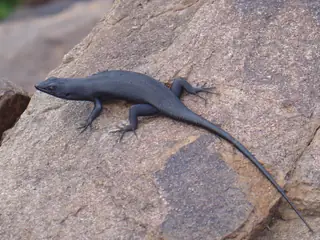 Western Rock Skink
-
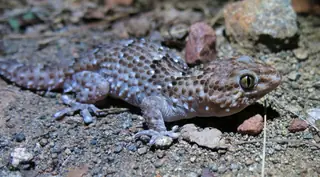 Turner's Thick-toed Gecko
-
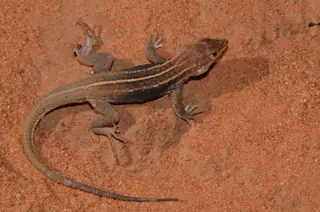 Bushveld Lizard
-
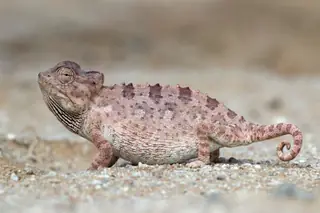 Namaqua ChameleonRare
-
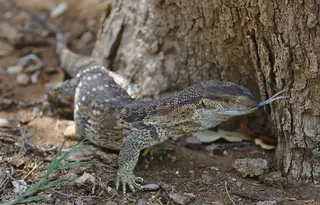 Rock Monitor
-
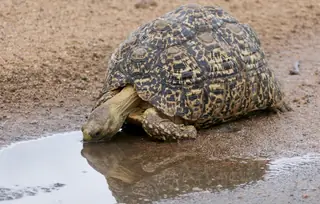 Leopard Tortoise
-
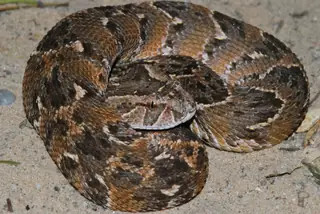 Puff AdderRare
-
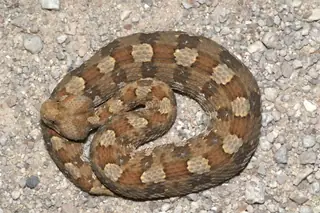 Horned AdderRare
-
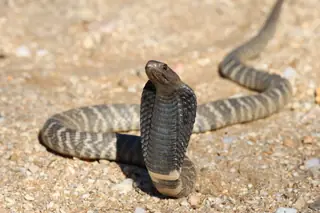 Zebra Spitting CobraRare
Best time to see wildlife in Damaraland
Sightings by month in Damaraland
Most records: May to Dec, FebRecords from GBIF.org, adjusted for how many people record wildlife each month. 100% is the busiest month.
The dry season, May to October, is the most comfortable time to visit Damaraland and the easiest for wildlife. With no rain, game keeps closer to the riverbeds and the few springs, and the clear air is good for scanning hillsides. June to August have mild, sunny days and cold nights. September and October get very hot by midday, so the first and last hours of light matter most. The rains, mostly short thunderstorms, fall from about December to March, and in some years hardly at all. After good rain the plains turn green, springbok and gemsbok spread out to graze, larks and buntings breed, and rockrunners sing from the slopes. Dry rivers can flow for a few hours after a storm, so check road conditions before setting out.
- Jan to MarRains, if they come; hot, green flush, birds breeding
- Apr to MayDrying out; good light and pleasant temperatures
- Jun to AugCool and clear; cold nights, game near riverbeds and springs
- Sep to OctHot and dry; wildlife most active at first light
- Nov to DecHottest months; first storms
Tips for spotting wildlife in Damaraland
- 01
Go with a conservancy guide
Elephants and rhinos range over huge areas of open land, and local guides know the country and its rules. Let the guide keep the distance and keep each sighting short.
- 02
Stay on existing tracks
Desert soils and lichen fields take decades to recover from tyre marks. Keep to existing tracks and never drive off-road towards animals.
- 03
Scan the rocks at dawn
Early morning is when klipspringer, rock hyrax and dassie rats sit out on the boulders, and Verreaux's eagles hunt along the cliffs.
- 04
See the engravings early
Visit Twyfelfontein soon after it opens, before the heat. Local guides lead the walks, and rock agamas display on the sunny boulders along the way.
- 05
Stop and listen at first light
Rüppell's korhaans duet across the gravel plains at dawn and Hartlaub's spurfowl call from rocky hillsides. Switch off the engine and listen before you look.
- 06
Plan fuel and water
Fuel stops are far apart, in small towns such as Khorixas and Uis. Carry plenty of water and aim to reach camp well before dark.

Take Damaraland with you
Driving through Damaraland? Carry this list on your phone and tick off mountain zebra, korhaans and hornbills as you go, with no signal needed. Wilder is free to start.

Damaraland wildlife FAQ
What animals can you see in Damaraland?
You can see desert-adapted elephants, giraffes, Hartmann's mountain zebra, gemsbok, springbok, kudu and klipspringer in Damaraland, with black rhino on ranger-led tracking. Lions, leopards and cheetahs live here too but are rarely seen. The birds include Namibian specials such as Rüppell's korhaan, Monteiro's hornbill, Herero chat and rockrunner. This checklist covers 142 animals.
Can you see desert elephants in Damaraland?
Yes, desert-adapted elephants live in Damaraland, but they range widely and sightings are never guaranteed. They move between dry riverbeds, browsing trees and digging for water. Your best chance is a drive with a conservancy guide, who will keep well back and follow the conservancy's rules. Never block their path or drive off-road towards them.
Can you go rhino tracking in Damaraland?
Yes, black rhino tracking is possible in Damaraland, but only on ranger-led trips from licensed camps. The region holds one of Africa's largest free-roaming populations of black rhino, living outside fenced parks. Trackers set the distance and the length of each sighting. Please don't share rhino locations or post geotagged photos, because poachers use them.
When is the best time to visit Damaraland?
The best time to visit Damaraland is the dry season, May to October, when days are sunny and game stays closer to water. June to August are the most comfortable, with cold nights. The summer rains, roughly December to March, bring heat and storms but green plains, breeding birds and newborn antelope.
What is the difference between Damaraland and Etosha?
Etosha is a fenced national park where game gathers at waterholes and you can self-drive between rest camps. Damaraland is open, unfenced country, much of it run by communal conservancies, with far fewer animals but desert-adapted ones and dramatic rock scenery. Many trips combine the two, as Etosha lies to the north-east.
Sources
- Twyfelfontein (Wikipedia)
- NACSO: Twyfelfontein-Uibasen Conservancy fact sheet
- Namibia Ministry of Environment, Forestry and Tourism
- Sightings by month: GBIF.org
Animal photos are from the Wilder catalogue; photo credits.
Similar checklists
All Africa-
 Safari88animals Etosha National Park Kunene, Oshana and Oshikoto, Namibia A great white salt pan ringed by waterholes, where elephants, black rhino and lions come to drink in the dry season. Best time May to Oct
-
 Region142animals Namib Coast Erongo, Namibia Cold Atlantic shore where the Namib dunes meet the sea: fur seals by the thousand at Cape Cross, Heaviside's dolphins and flamingos in Walvis Bay, and chameleons, sidewinding adders and web-footed geckos in the dunes. Best time All year
-
 Safari105animals Kgalagadi Transfrontier Park Northern Cape and Kgalagadi District, South Africa and Botswana Red dunes and two dry riverbeds shared by South Africa and Botswana, famous for black-maned lions, cheetahs and birds of prey. Best time Mar to May
-
 Safari111animals Okavango Delta and Moremi North-West District, Botswana A vast inland delta of lagoons, papyrus and palm islands, explored by mokoro and on foot: wild dogs, lechwe and big cats. Best time Jun to Oct