Reserve · New Mexico · USA
Bosque del Apache Wildlife Checklist

Bosque del Apache is a national wildlife refuge on the Rio Grande in central New Mexico, south of Socorro and near the village of San Antonio. It is one of the best places in North America to watch wintering sandhill cranes and snow geese, which gather in tens of thousands from early November to late January. Ducks, bald eagles and hawks winter on the pools and fields, and roadrunners, quail and coyotes live in the desert around them. This checklist covers 137 animals. November to January is best.
Tick off all 137 animals in Bosque del Apache on your phone, even offline. Launching soon. Free A4 PDF, no sign-up.
The refuge sits at the northern edge of the Chihuahuan Desert, at about 1,400 metres. A scenic drive loops past managed pools, marshes, farm fields and cottonwood woods by the river, with the dry desert hills of the Chupadera and Little San Pascual wilderness areas on either side. Most visitors stay in Socorro or San Antonio.
- Animals to find
- 137
- Where
- USA
- Best time
- Nov to Jan
- Refuge size
- 57,331 acres (about 23,200 hectares)
Popular animals in Bosque del Apache
-
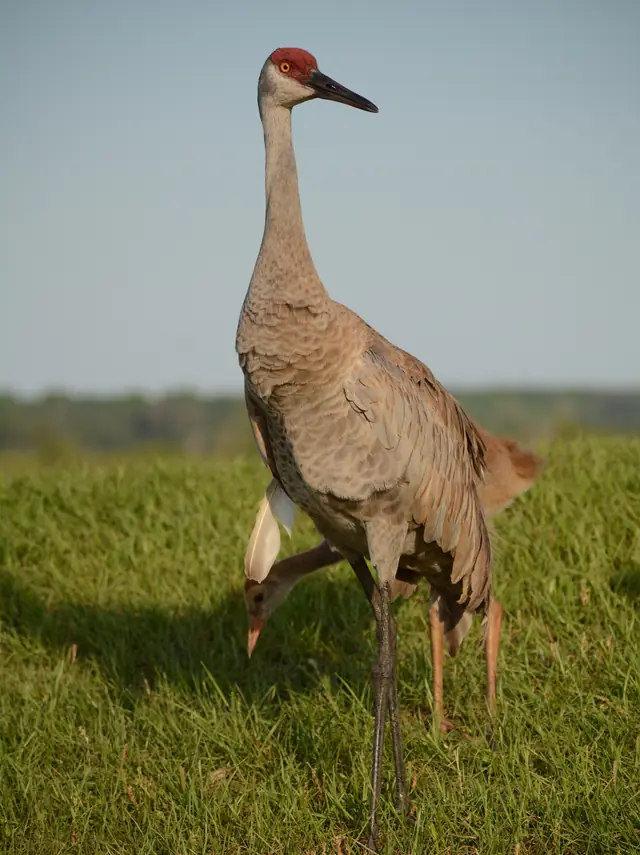
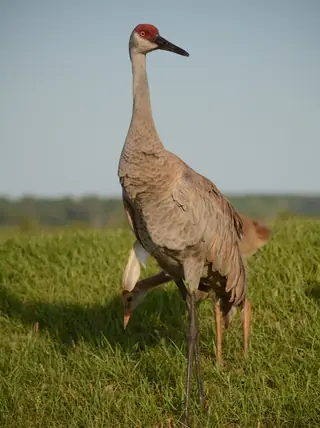
Sandhill Crane
Antigone canadensis
The refuge's best-known bird. Cranes roost standing in shallow water at night, fly out to the fields at sunrise and return at sunset, calling as they come.
-
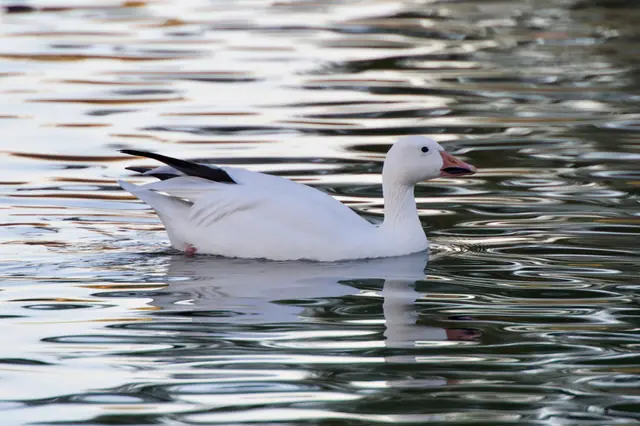
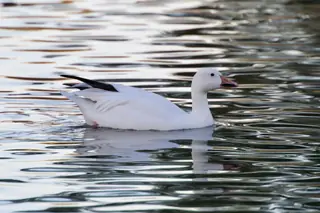
Snow Goose
Anser caerulescens
Huge flocks rest on the pools and lift off together just after dawn, one of the great wildlife sights of the American West. Some are dark blue morph birds.
-
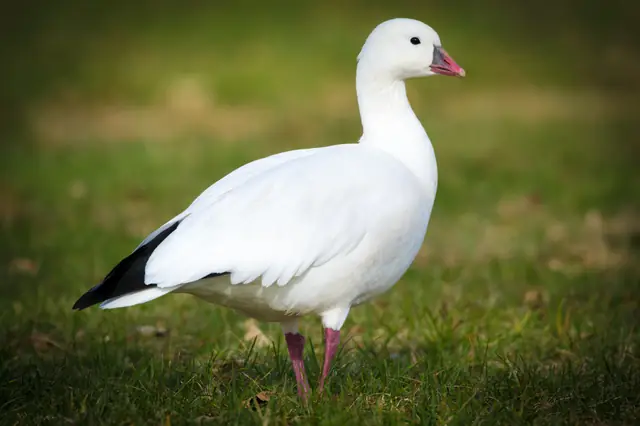
Ross's Goose
Anser rossii
A smaller cousin of the snow goose with a short, stubby bill, mixed into the same flocks.
-
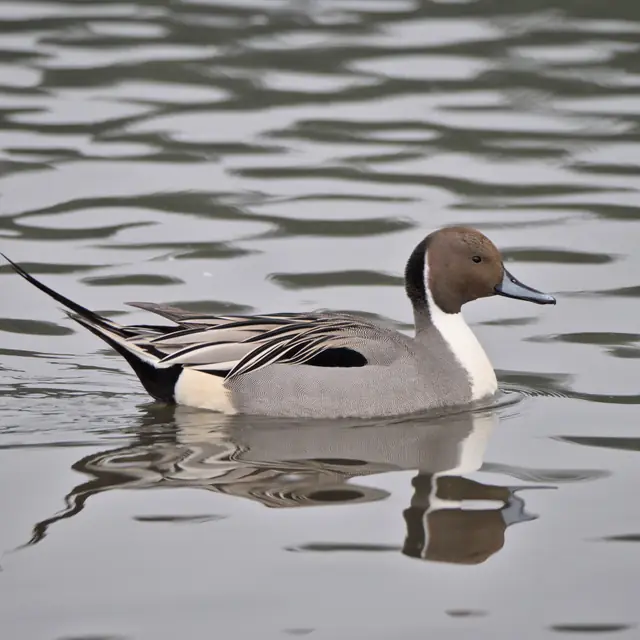
Northern Pintail
Anas acuta
One of the commonest of the twenty or so ducks that winter on the pools, the males with long, pointed tails.
-
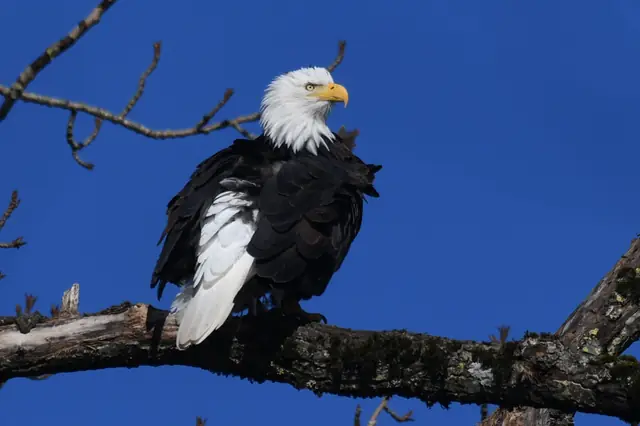
Bald Eagle
Haliaeetus leucocephalus
Winters on the refuge, perching on dead trees by the pools and watching the cranes, geese and ducks.
-
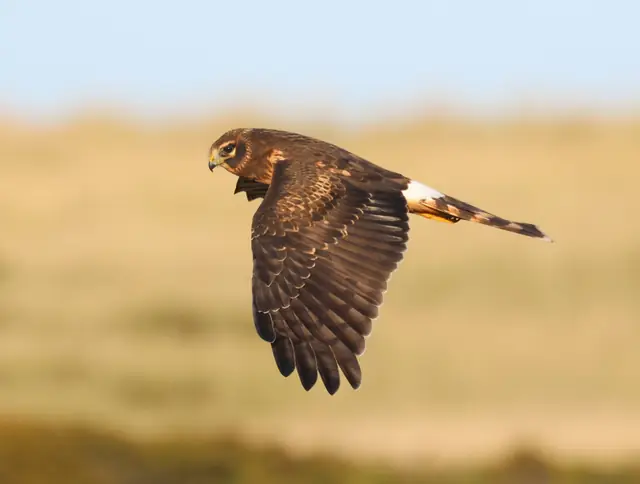
Northern Harrier
Circus hudsonius
Glides low over the fields and marshes on raised wings, hunting voles and small birds.
-
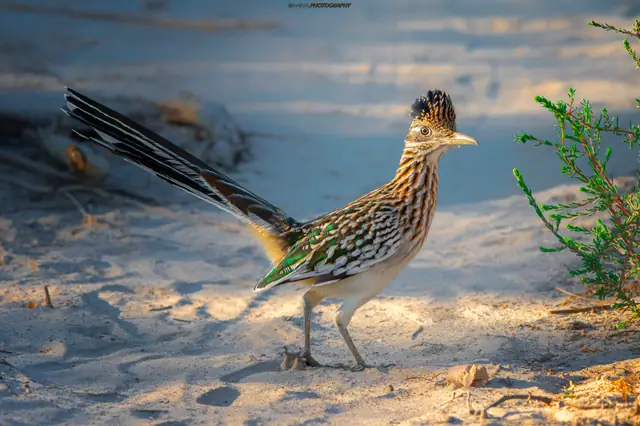
Greater Roadrunner
Geococcyx californianus
Lives here all year, hunting lizards and snakes along the edges of the tour route and in the desert scrub.
-
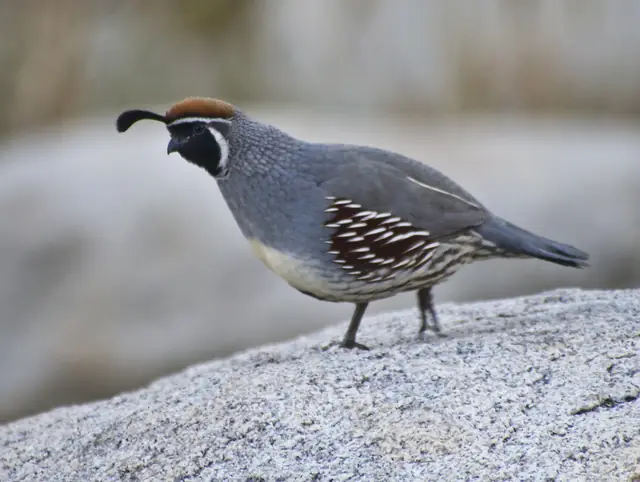
Gambel's Quail
Callipepla gambelii
Coveys with a bobbing head plume run along the roadsides and through the scrub, most often in the morning.
-
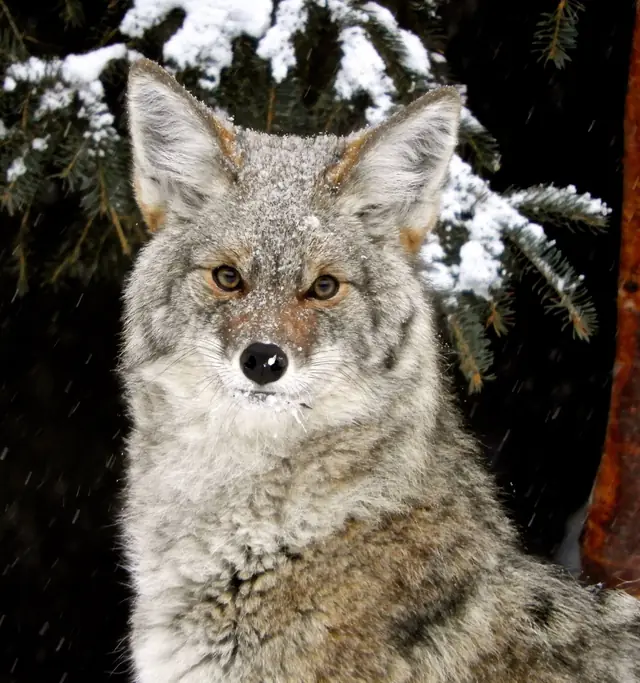
Coyote
Canis latrans
Often out in daylight, trotting through the fields and along the pool edges, where it tests the goose and crane flocks.
-
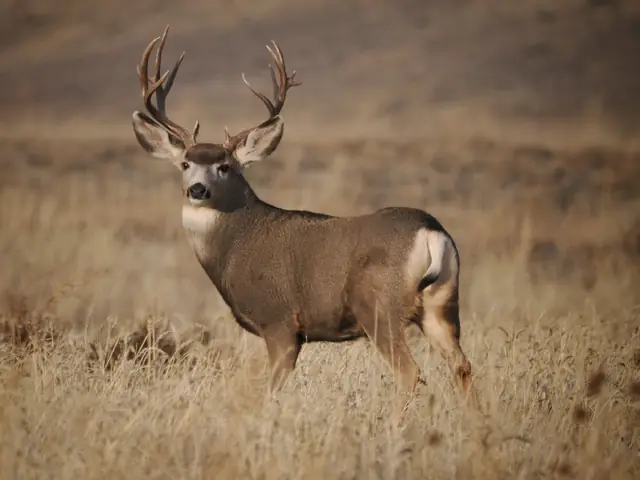
Mule Deer
Odocoileus hemionus
Grazes the field edges at dawn and dusk, often close to the tour route.
All 137 animals in Bosque del Apache
Cranes, geese and swans 6
-
 Sandhill Crane
-
 Snow Goose
-
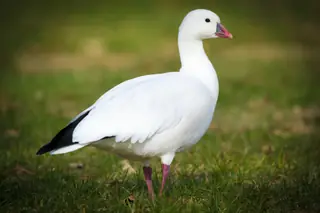 Ross's Goose
-
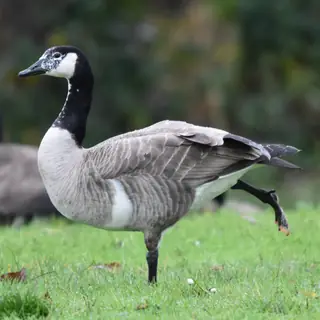 Canada Goose
-
 Greater White-fronted Goose
-
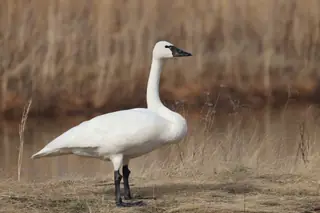 Tundra SwanRare
Ducks and water birds 19
-
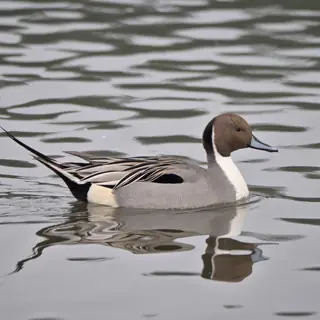 Northern Pintail
-
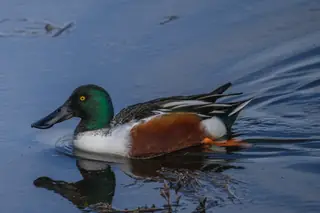 Northern Shoveler
-
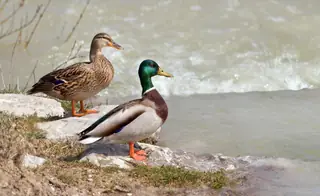 Mallard
-
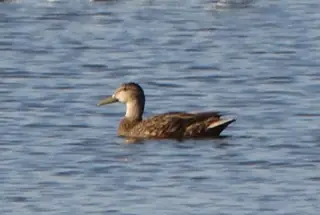 Mexican Duck
-
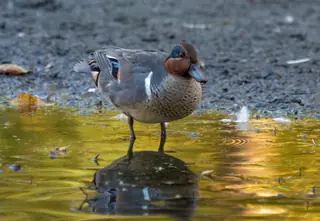 Green-winged Teal
-
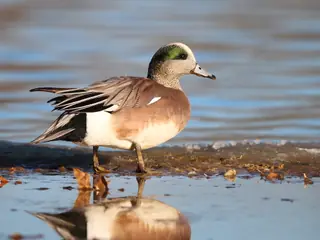 American Wigeon
-
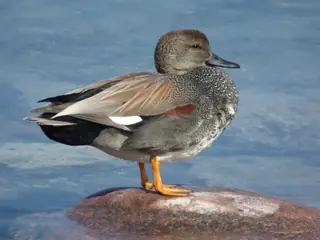 Gadwall
-
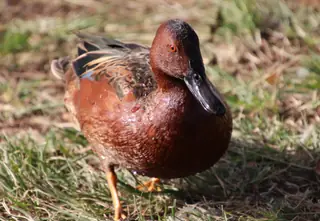 Cinnamon Teal
-
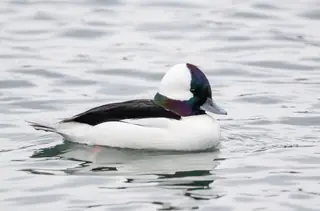 Bufflehead
-
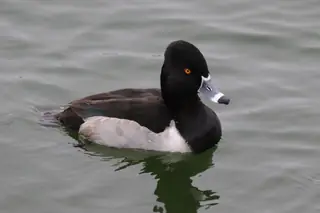 Ring-necked Duck
-
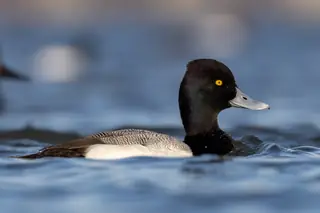 Lesser Scaup
-
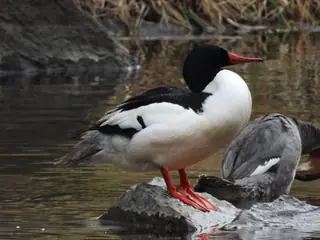 Common Merganser
-
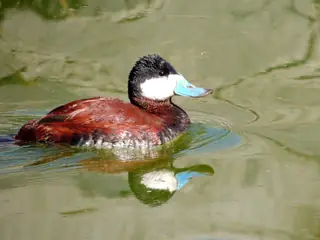 Ruddy Duck
-
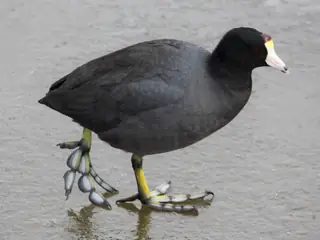 American Coot
-
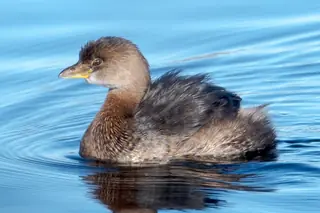 Pied-billed Grebe
-
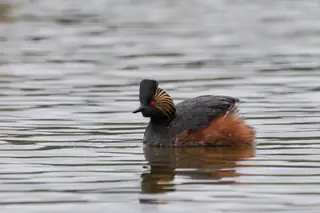 Eared Grebe
-
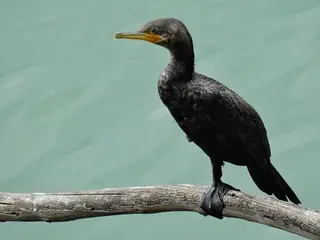 Neotropic Cormorant
-
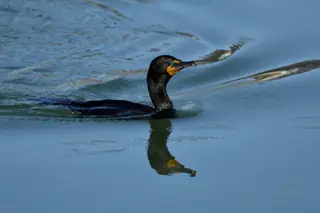 Double-crested Cormorant
-
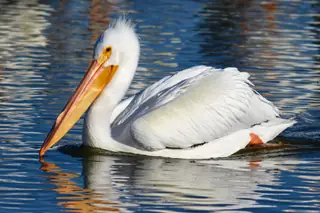 American White Pelican
Herons, ibises and shorebirds 13
-
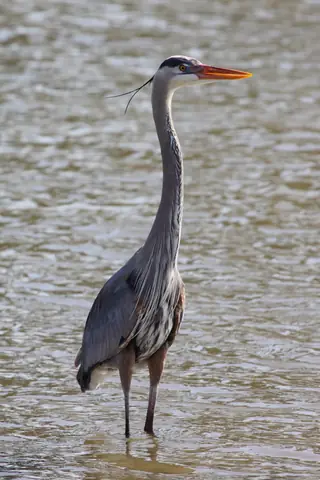 Great Blue Heron
-
 Great Egret
-
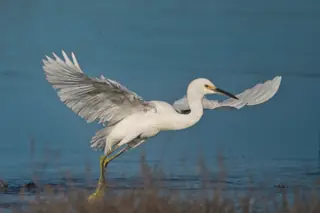 Snowy Egret
-
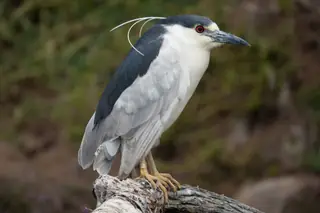 Black-crowned Night Heron
-
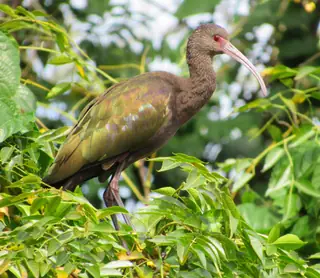 White-faced Ibis
-
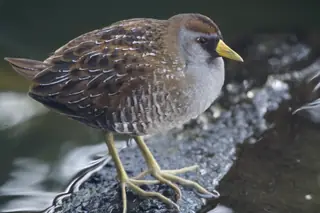 Sora
-
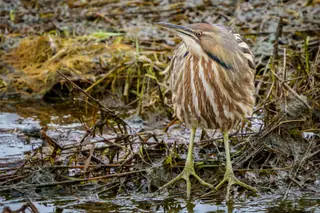 American BitternRare
-
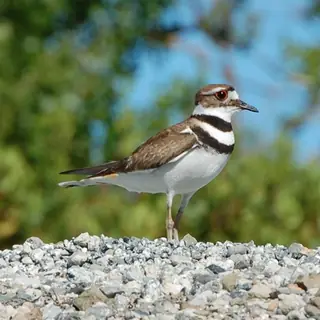 Killdeer
-
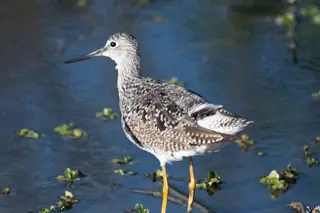 Greater Yellowlegs
-
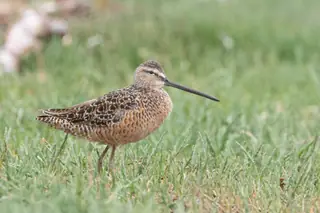 Long-billed Dowitcher
-
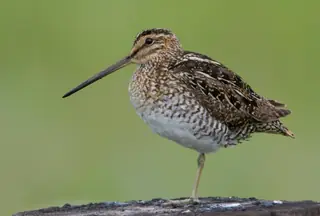 Wilson's Snipe
-
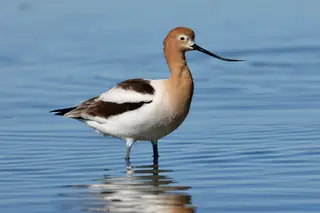 American Avocet
-
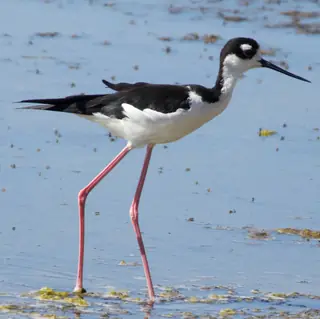 Black-necked Stilt
Birds of prey and owls 14
-
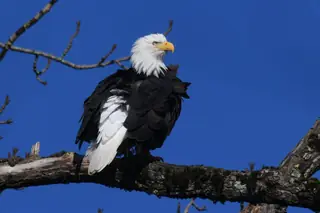 Bald Eagle
-
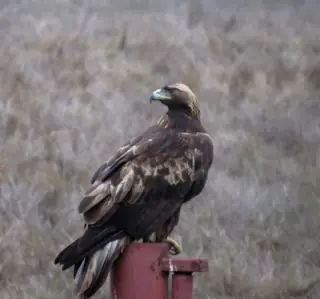 Golden Eagle
-
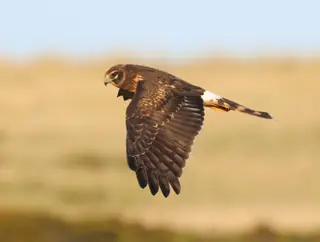 Northern Harrier
-
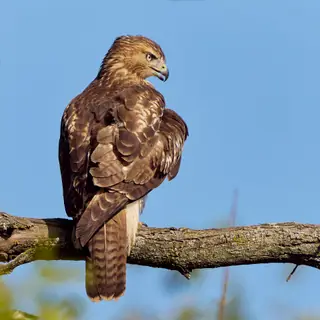 Red-tailed Hawk
-
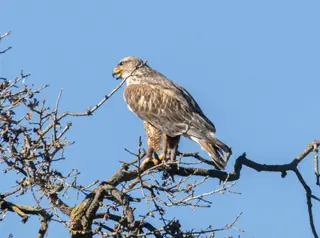 Ferruginous Hawk
-
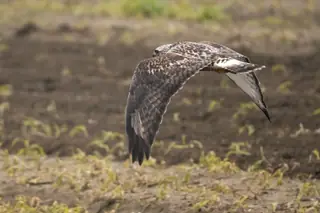 Rough-legged HawkRare
-
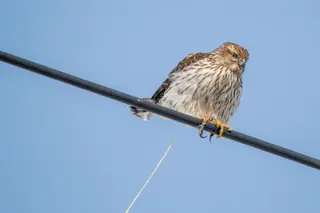 Cooper's Hawk
-
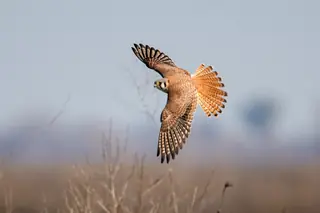 American Kestrel
-
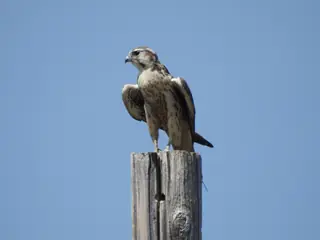 Prairie Falcon
-
 Peregrine Falcon
-
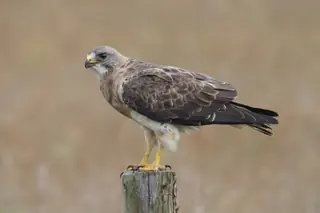 Swainson's Hawk
-
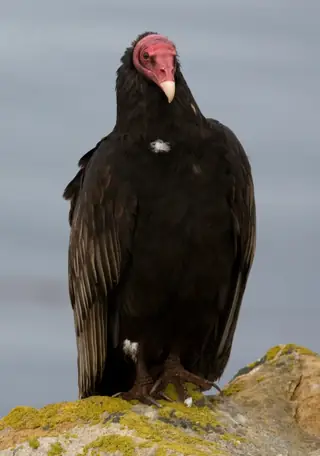 Turkey Vulture
-
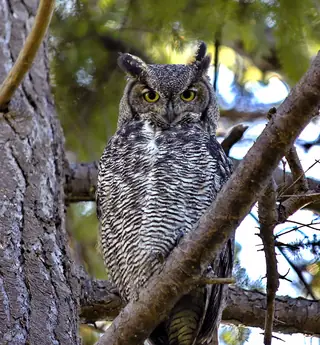 Great Horned Owl
-
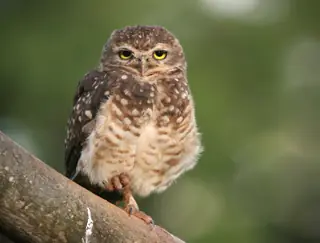 Burrowing OwlRare
Desert and scrub birds 21
-
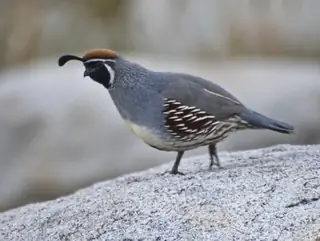 Gambel's Quail
-
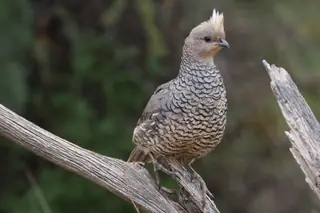 Scaled Quail
-
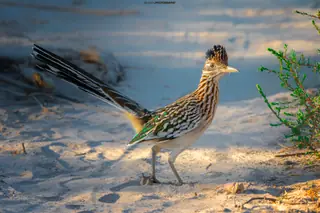 Greater Roadrunner
-
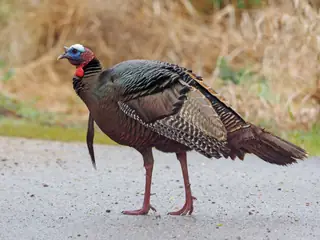 Wild Turkey
-
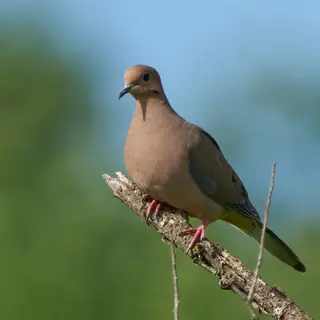 Mourning Dove
-
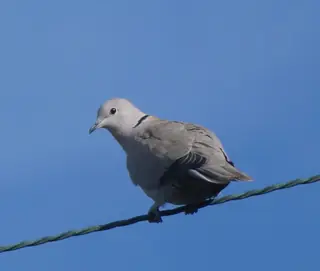 Eurasian Collared Dove
-
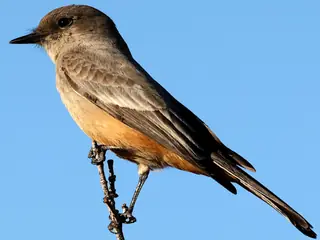 Say's Phoebe
-
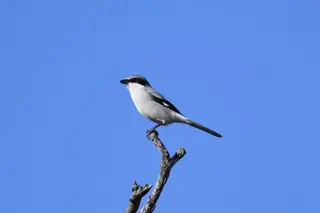 Loggerhead Shrike
-
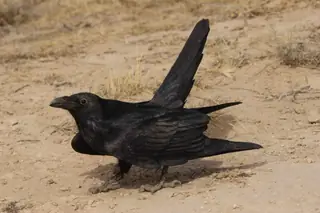 Chihuahuan Raven
-
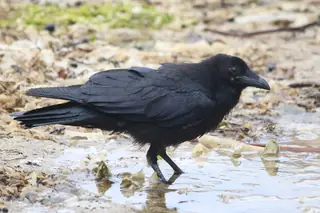 Common Raven
-
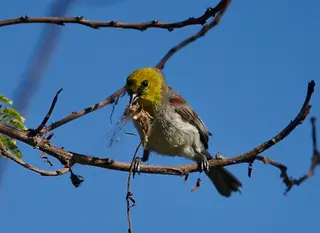 Verdin
-
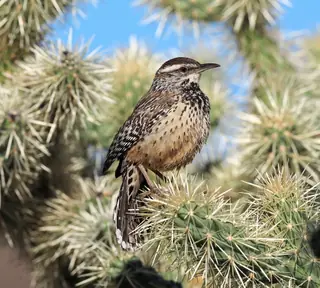 Cactus Wren
-
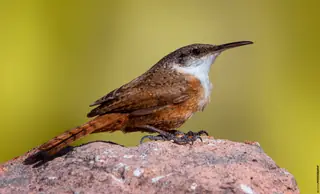 Canyon Wren
-
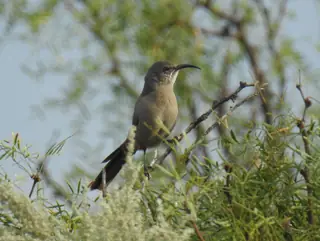 Crissal Thrasher
-
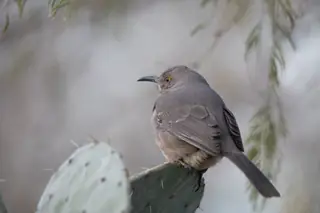 Curve-billed Thrasher
-
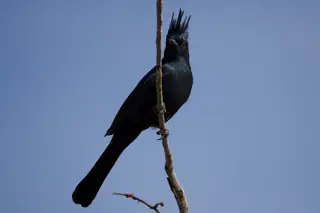 Phainopepla
-
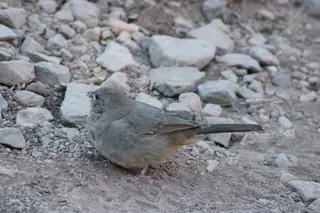 Canyon Towhee
-
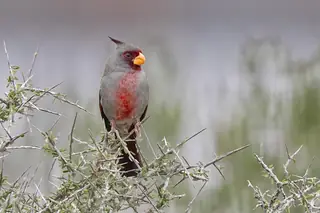 PyrrhuloxiaRare
-
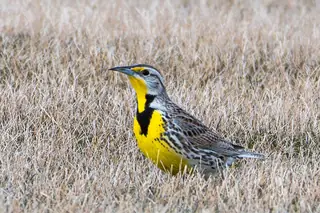 Western Meadowlark
-
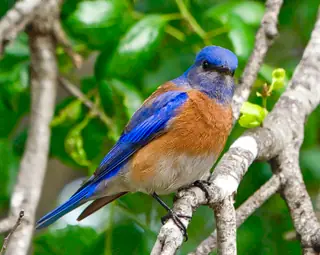 Western Bluebird
-
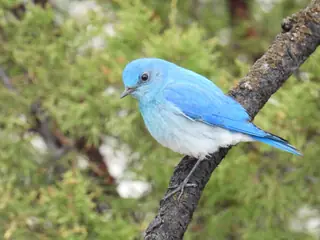 Mountain Bluebird
Woodland, marsh and field birds 27
-
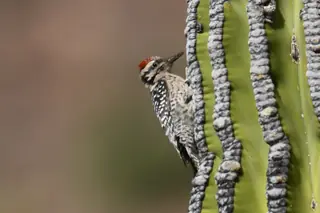 Ladder-backed Woodpecker
-
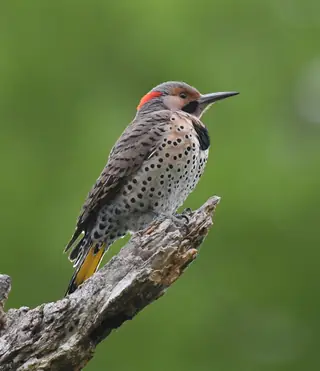 Northern Flicker
-
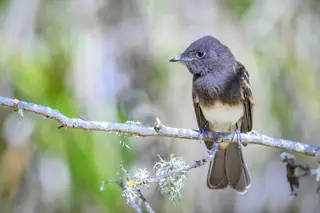 Black Phoebe
-
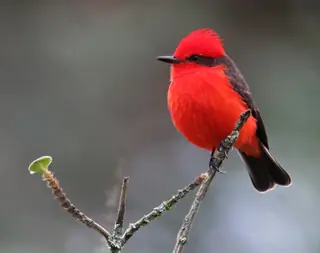 Vermilion Flycatcher
-
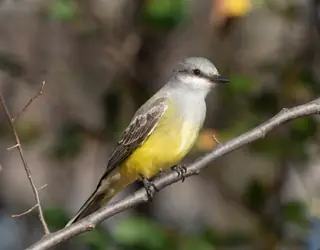 Western Kingbird
-
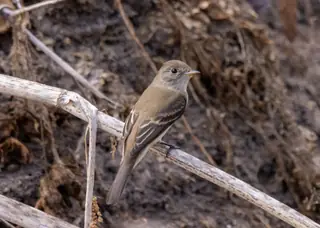 Willow FlycatcherRare
-
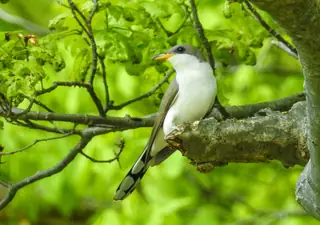 Yellow-billed CuckooRare
-
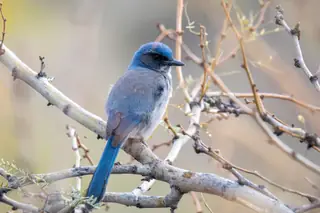 Woodhouse's Scrub Jay
-
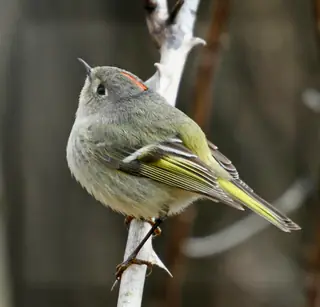 Ruby-crowned Kinglet
-
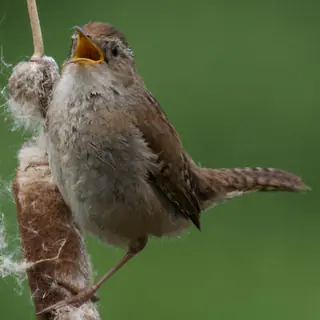 Marsh Wren
-
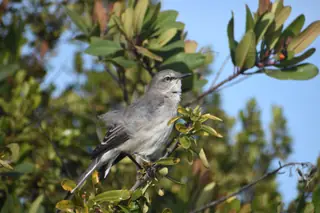 Northern Mockingbird
-
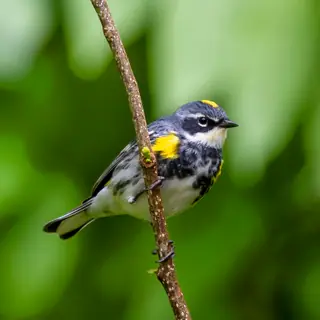 Yellow-rumped Warbler
-
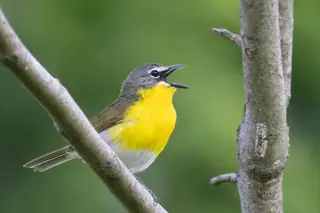 Yellow-breasted Chat
-
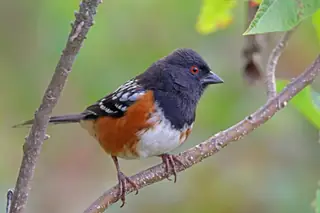 Spotted Towhee
-
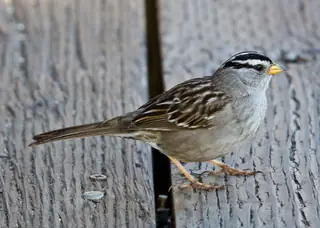 White-crowned Sparrow
-
 Dark-eyed Junco
-
 Song Sparrow
-
 Red-winged Blackbird
-
 Yellow-headed Blackbird
-
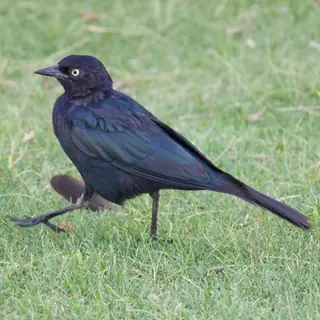 Brewer's Blackbird
-
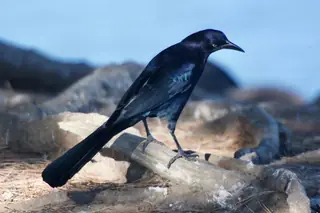 Great-tailed Grackle
-
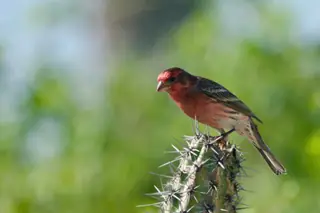 House Finch
-
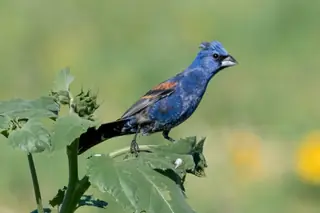 Blue Grosbeak
-
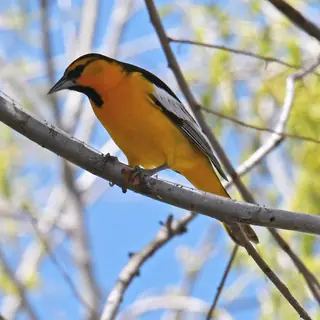 Bullock's Oriole
-
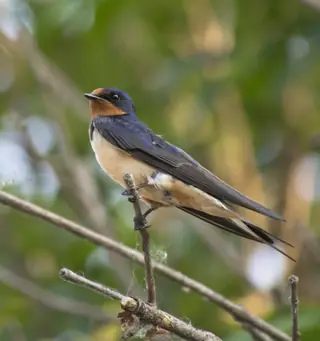 Barn Swallow
-
 Black-chinned Hummingbird
-
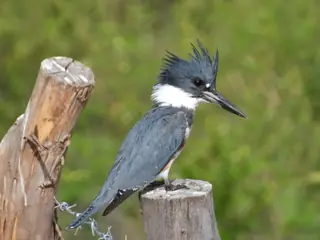 Belted Kingfisher
Mammals 18
-
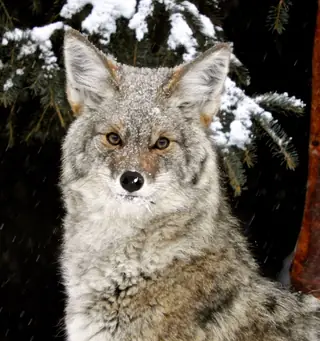 Coyote
-
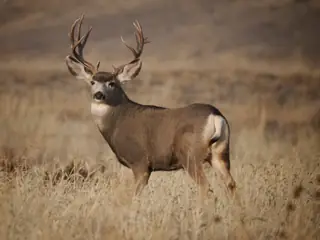 Mule Deer
-
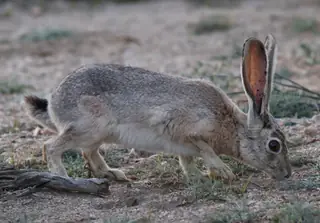 Black-tailed Jackrabbit
-
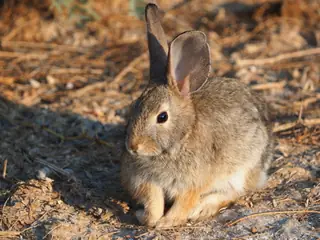 Desert Cottontail
-
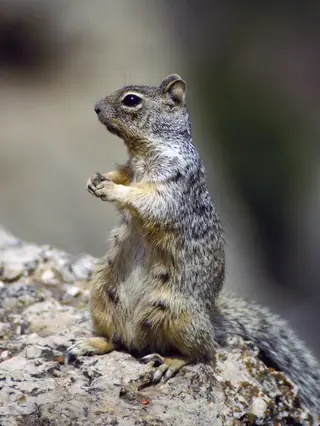 Rock Squirrel
-
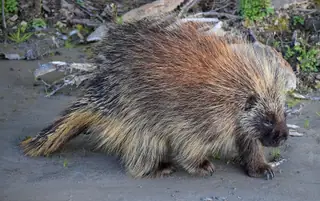 Porcupine
-
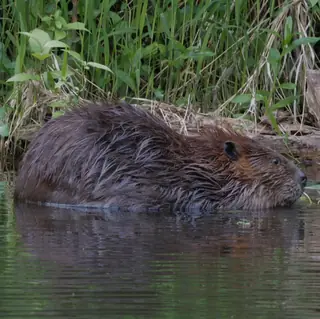 North American Beaver
-
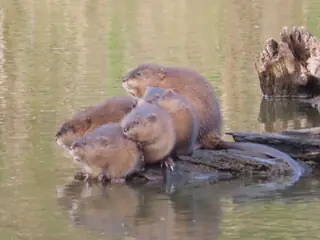 Muskrat
-
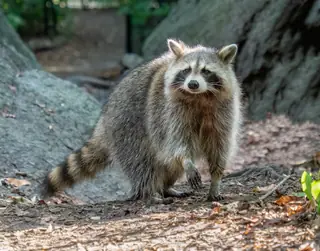 Raccoon
-
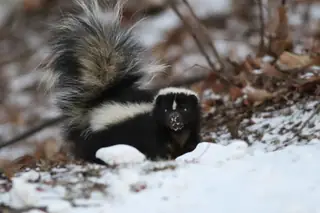 Striped Skunk
-
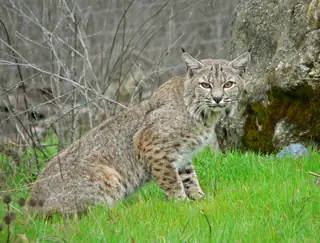 Bobcat
-
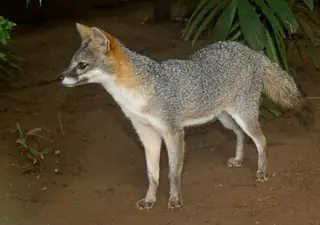 Grey Fox
-
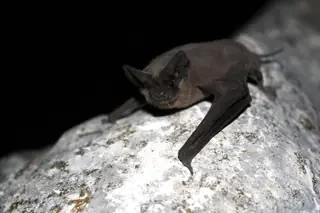 Mexican Free-tailed Bat
-
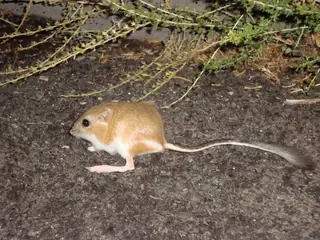 Ord's Kangaroo RatRare
-
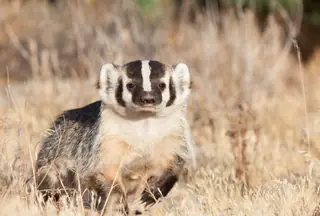 Badger (American)Rare
-
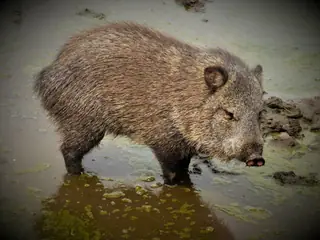 Collared PeccaryRare
-
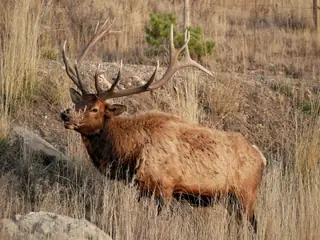 Elk (Wapiti)Rare
-
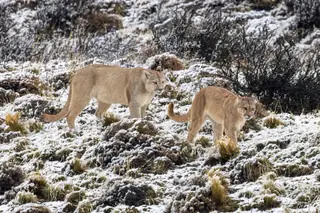 Cougar (Mountain Lion)Rare
Reptiles and amphibians 14
-
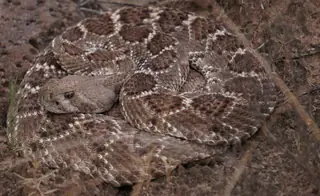 Western Diamond-backed Rattlesnake
-
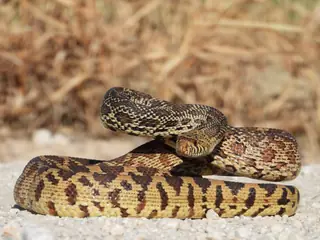 Gopher Snake
-
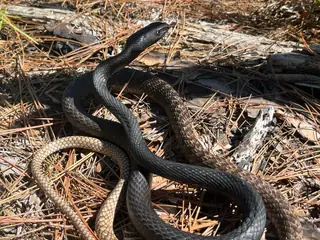 Coachwhip
-
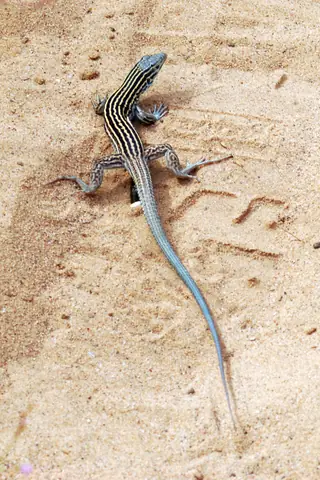 New Mexico Whiptail
-
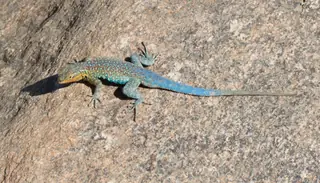 Common Side-blotched Lizard
-
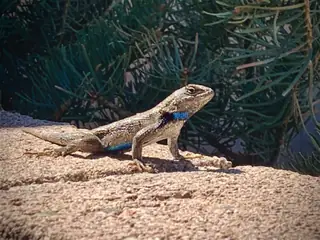 Southwestern Fence Lizard
-
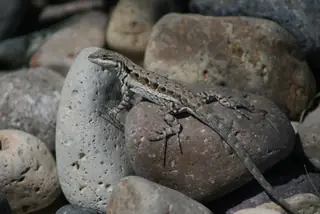 Ornate Tree Lizard
-
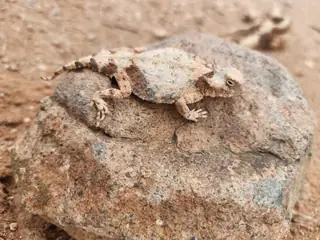 Round-tailed Horned Lizard
-
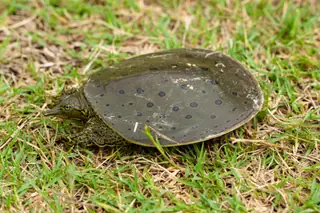 Spiny Softshell Turtle
-
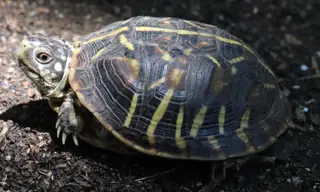 Ornate Box TurtleRare
-
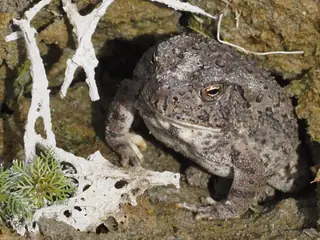 Woodhouse's Toad
-
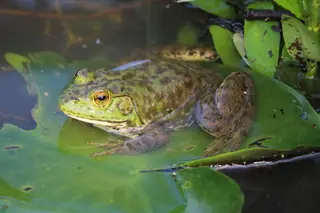 American Bullfrog
-
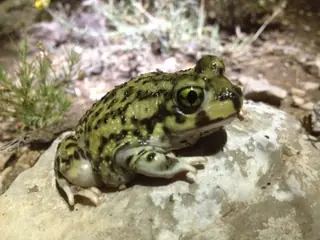 Couch's SpadefootRare
-
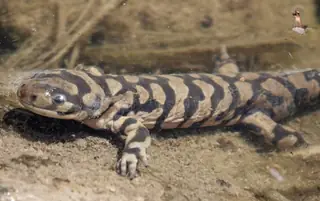 Western Tiger SalamanderRare
Butterflies and dragonflies 5
-
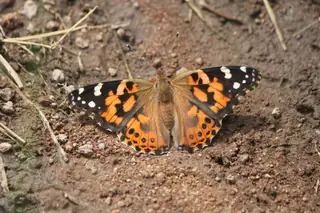 Painted Lady
-
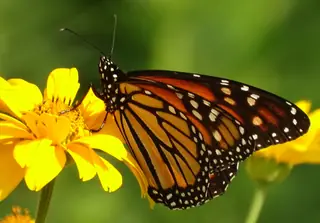 Monarch
-
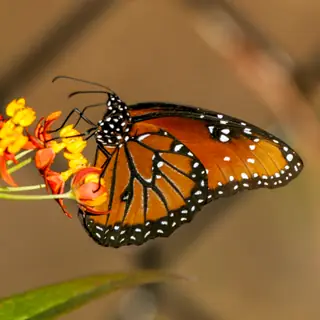 Queen
-
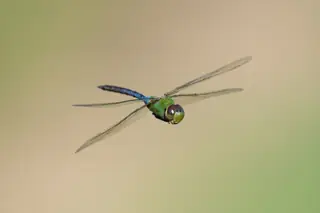 Common Green Darner
-
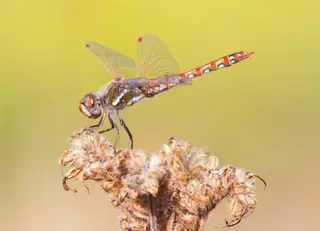 Variegated Meadowhawk
Best time to see wildlife in Bosque del Apache
Winter is the season at Bosque del Apache. The first cranes and geese arrive at the end of October, and the greatest numbers are present from early November to late January, along with more than twenty kinds of ducks and geese, bald eagles and wintering hawks. The refuge holds its Festival of the Cranes in late autumn or early winter. By February the flocks are leaving, and spring brings migrating shorebirds, flycatchers and warblers as the wetlands are drawn down. Summer, mid-May to mid-September, is hot, so go out at dawn and dusk; hummingbirds, quail families, blue grosbeaks and orioles are about, and a few ducks nest on the ditches. Autumn brings blackbird flocks, sunflowers in the fields and the first returning cranes.
- Nov to JanPeak cranes and snow geese; ducks, bald eagles and wintering hawks
- Feb to MarFlocks leave north; wintering ducks and raptors linger
- Apr to MayShorebirds on drained pools; spring migrants, flycatchers and warblers
- Jun to AugHot; hummingbirds, quail families and nesting birds, go out early
- Sep to OctBlackbird flocks, sunflowers and the first cranes and geese returning
Tips for spotting wildlife in Bosque del Apache
- 01
Be there for sunrise
The mass fly-out of geese and cranes from the roosting pools happens around dawn, so arrive before first light and wait quietly at a viewing deck. The evening fly-in at sunset is nearly as good.
- 02
Use your car as a hide
Cranes, geese and ducks put up with a slow or parked car far better than a person on foot. Drive the tour route slowly, pull over where it is allowed and watch from the car.
- 03
Keep to open roads and trails
Parts of the refuge are closed to give the birds space, especially in winter. Stay on the tour route, the marked trails and the viewing decks, and follow the refuge distance rules.
- 04
Look beyond the birds
Coyotes, mule deer and jackrabbits are out in the fields early and late. Watch the field edges and the desert scrub as well as the pools.
- 05
Walk a desert trail
The trails into the dry hills beside the wetlands are good for roadrunners, thrashers, quail and lizards. In summer go early, carry water and watch where you step for snakes.
- 06
Dress for cold dawns
Winter mornings in the desert are often below freezing, even when the afternoon is mild. Bring warm layers, gloves and a flask for the sunrise watch.

Take Bosque del Apache with you
Heading to Bosque del Apache for the cranes? Keep this list on your phone and tick off each bird as the flocks rise at sunrise, even with no signal. Wilder is free to start.

Bosque del Apache wildlife FAQ
When is the best time to see sandhill cranes at Bosque del Apache?
The best time to see sandhill cranes at Bosque del Apache is from early November to late January, when the largest numbers are on the refuge. The first cranes arrive at the end of October and most have left by the end of February. Sunrise and sunset, when they fly between the roosting pools and the fields, are the best times of day.
What animals can you see at Bosque del Apache?
You can see sandhill cranes, snow and Ross's geese, many kinds of ducks, bald eagles, hawks, roadrunners and quail at Bosque del Apache, as well as coyotes, mule deer and jackrabbits. Lizards and snakes are out in the warmer months. This checklist covers 137 animals, including mammals, reptiles, butterflies and dragonflies as well as birds.
Where is the best place to watch the snow geese fly out?
The snow geese roost on the refuge's shallow pools overnight and lift off together soon after dawn. Arrive before first light, find a viewing deck or a safe pull-off, and wait quietly. Where the flocks roost changes from year to year with the water, so ask at the visitor centre.
Is there wildlife at Bosque del Apache in summer?
Yes, Bosque del Apache has wildlife all year. In summer look for black-chinned hummingbirds, Gambel's quail families, vermilion flycatchers, blue grosbeaks and nesting Mexican ducks, along with roadrunners and lizards in the desert. It is hot, so dawn and dusk are the best times, and most animals shelter through the middle of the day.
Can you see coyotes at Bosque del Apache?
Yes, coyotes are common at Bosque del Apache and are often seen in daylight, hunting in the fields and along the edges of the pools. In winter they test the goose and crane flocks. Watch from your car and never feed them.
Sources
- US Fish and Wildlife Service: Bosque del Apache National Wildlife Refuge
- US Fish and Wildlife Service: Bosque del Apache, Seasons of Wildlife
- BirdLife International: Bosque del Apache National Wildlife Refuge Important Bird Area
- Sightings by month: GBIF.org
Animal photos are from the Wilder catalogue; photo credits.
Similar checklists
All North America-
 Region140animals Platte River Cranes Central Nebraska, USA A braided prairie river where most of the world's sandhill cranes gather each March, roosting on the sandbars at night and feeding in the fields by day, while millions of snow geese and ducks fill the Rainwater Basin wetlands to the south. Best time Mar to early Apr
-
 Region140animals Southeast Arizona Sky Islands, Arizona, USA Forested mountains rising out of the desert near the Mexican border: a dozen kinds of hummingbird at canyon feeders, elegant trogons in the sycamores, coatis and javelinas in the oak woods, and roadrunners, Gila monsters and grassland sparrows on the plains below. Best time Apr to Sept
-
 National park140animals Big Bend National Park Texas, USA Where the Rio Grande bends through the Chihuahuan Desert: roadrunners and javelinas on the desert flats, black bears and Mexican jays in the oak woods of the Chisos Mountains, and the Colima warbler, which nests nowhere else in the United States. Best time Mar to May
-
 Reserve133animals Merritt Island and Canaveral National Seashore Space Coast, Florida, USA Lagoons and marshes beside the Kennedy Space Center, with spoonbills and alligators on Black Point Wildlife Drive, manatees at Haulover Canal, Florida scrub-jays in the scrub and sea turtles nesting on the beaches. Best time Nov to Apr