Region · Sky Islands, Arizona · USA
Southeast Arizona Wildlife Checklist

Southeast Arizona is a corner of the United States beside the Mexican border where forested mountain ranges, the Sky Islands, rise out of desert and grassland. It is one of North America's best places to watch birds: more hummingbird species than anywhere else in the country, elegant trogons, Mexican jays and painted whitestarts in the canyons, and coatis and javelinas in the oak woods. This checklist covers 140 animals. April to September is best.
Tick off all 140 animals in SE Arizona on your phone, even offline. Launching soon. Free A4 PDF, no sign-up.
Most visitors move between a few famous canyons: Madera Canyon in the Santa Rita Mountains, Ramsey and the other Huachuca canyons near Sierra Vista, and Cave Creek Canyon near Portal in the Chiricahuas. Between them lie the Sonoita grasslands, Patagonia's sycamore creeks and the cottonwood forest of the San Pedro River.
- Animals to find
- 140
- Where
- USA
- Best time
- Apr to Sept
- Bird species on the San Pedro River
- About 350
Popular animals in SE Arizona
-
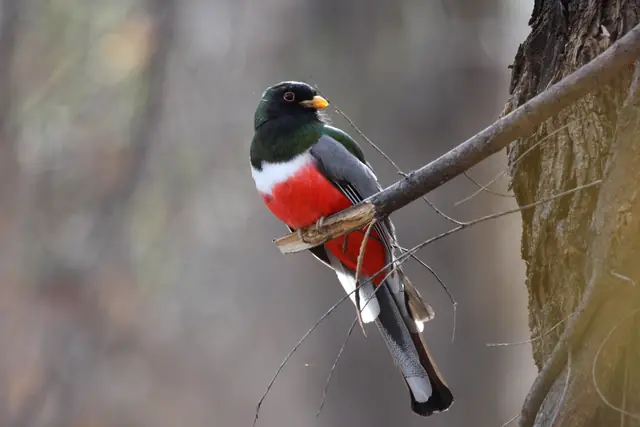
Elegant Trogon
Trogon elegans
The bird most visitors come for, copper-tailed with a red belly. Listen for its croaking call in the sycamore canyons from April to August, and watch quietly without playing recordings.
-
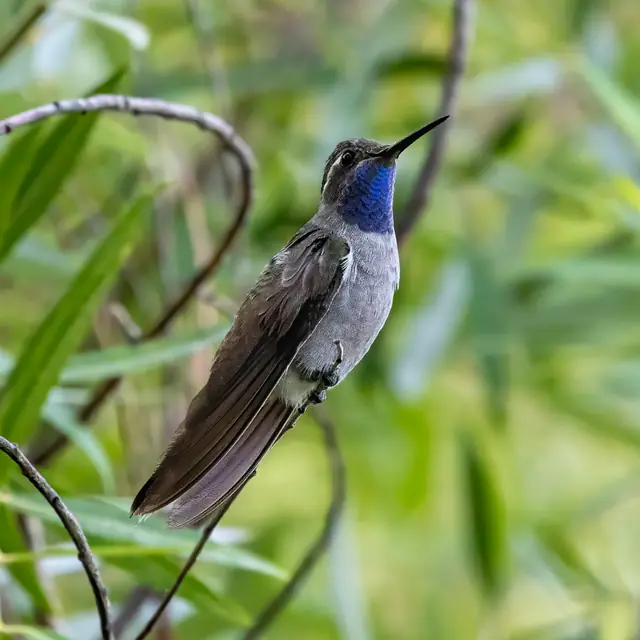
Blue-throated Mountain-gem
Lampornis clemenciae
The largest hummingbird in the United States, with bold white tail corners. It visits feeders and streams in the Huachuca and Chiricahua canyons.
-
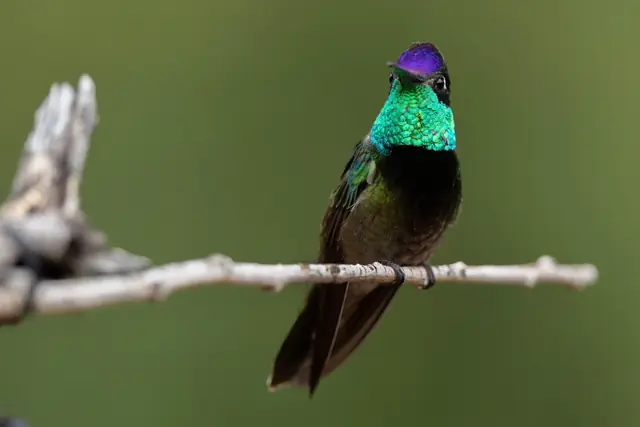
Rivoli's Hummingbird
Eugenes fulgens
A big, dark hummingbird with a purple crown and an emerald throat, at feeders in the high canyons from April to September.
-
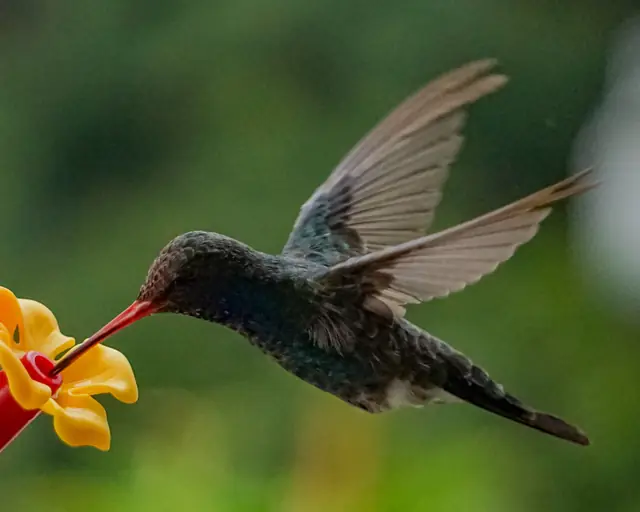
Broad-billed Hummingbird
Cynanthus latirostris
Glittering blue-green males with a coral-red bill. Common at feeders in the lower canyons and around Patagonia.
-
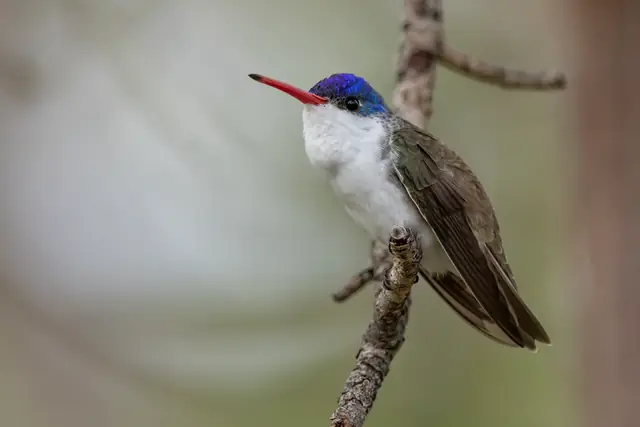
Violet-crowned Hummingbird
Ramosomyia violiceps
White underneath with a violet cap, in the sycamores along streams. The public feeders in Patagonia are the most reliable place.
-
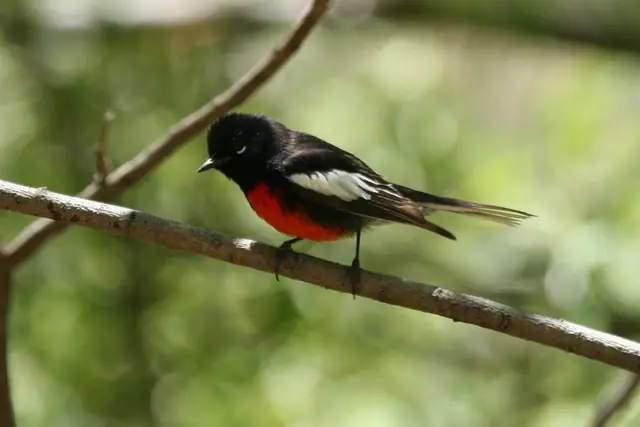
Painted Whitestart
Myioborus pictus
Also called painted redstart. Black with a scarlet belly, it fans its white-edged tail as it flits through the canyon oaks.
-
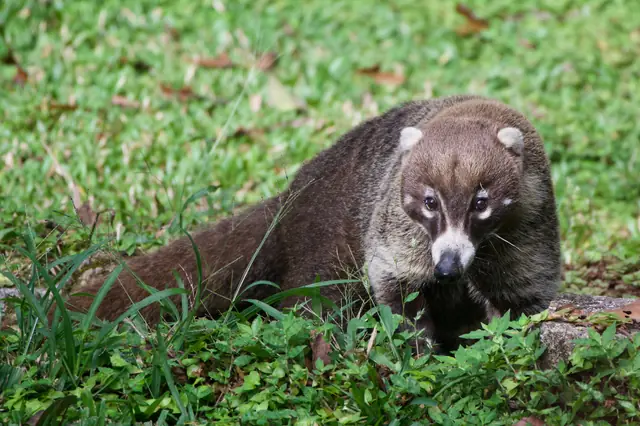
White-nosed Coati
Nasua narica
Troops with long, upright tails wander the oak and sycamore canyons by day, most often in summer. Watch quietly and never feed them.
-
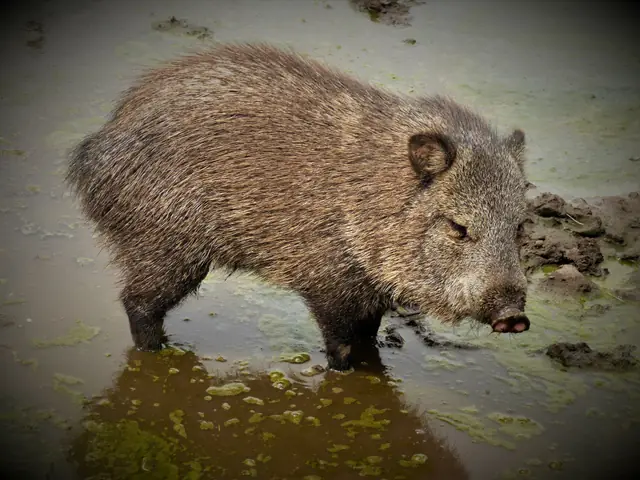
Collared Peccary
Dicotyles tajacu
Herds of javelinas root through the desert scrub and canyon bottoms, often near lodges. Keep your distance and never feed them.
-
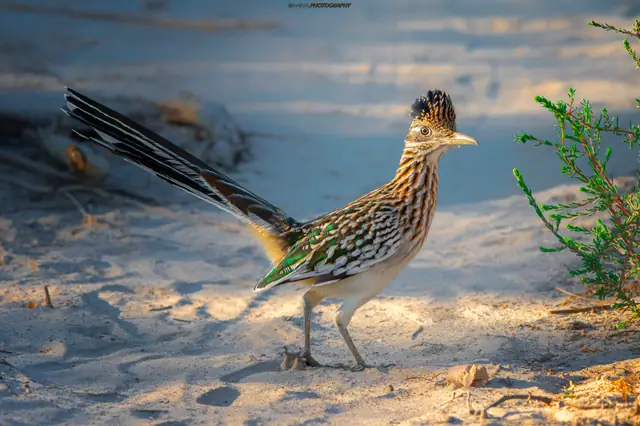
Greater Roadrunner
Geococcyx californianus
Running across roads and car parks in the desert and grassland, most active in the cool of the morning.
-
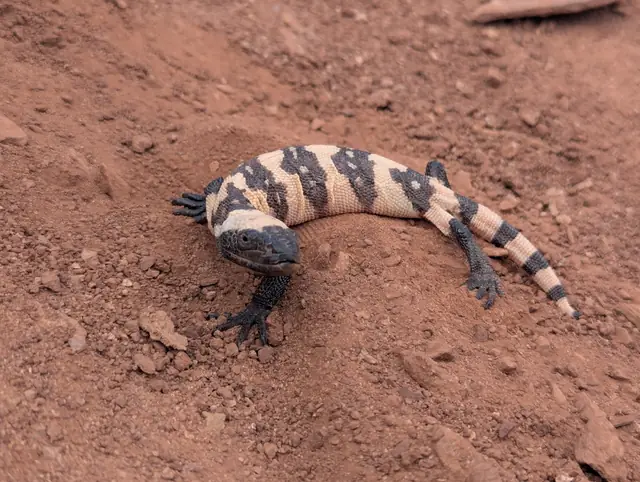
Gila Monster
Heloderma suspectum
A slow, beaded, venomous lizard that comes out mostly in spring and after the summer rains. It is protected: watch from a distance and never touch one.
-
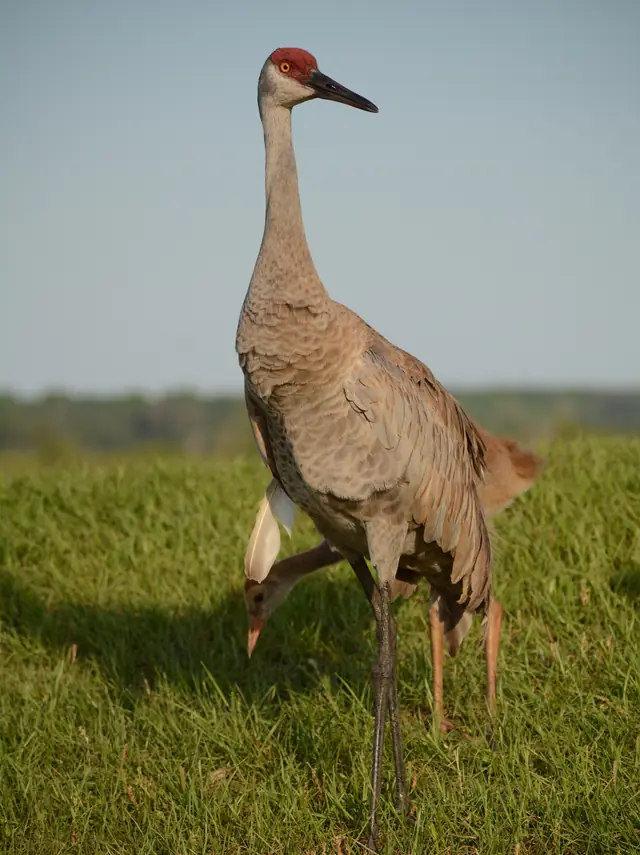
Sandhill Crane
Antigone canadensis
Thousands winter in the Sulphur Springs Valley and fly in to Whitewater Draw in the late morning from November to February.
All 140 animals in SE Arizona
Big mammals and hunters 14
-
 White-tailed Deer
-
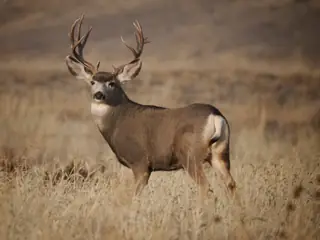 Mule Deer
-
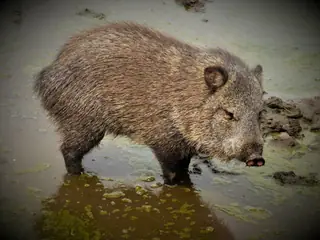 Collared Peccary
-
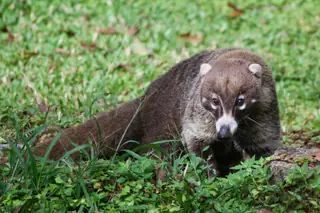 White-nosed Coati
-
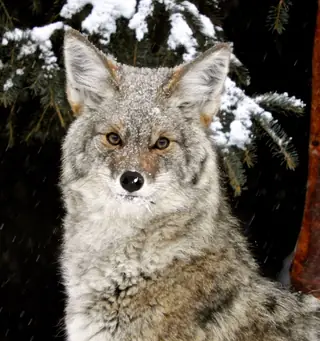 Coyote
-
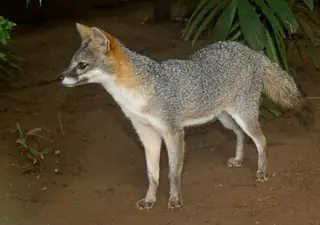 Grey Fox
-
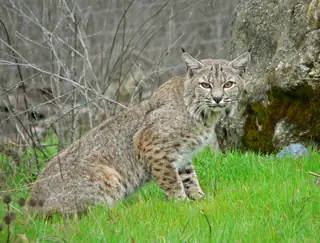 Bobcat
-
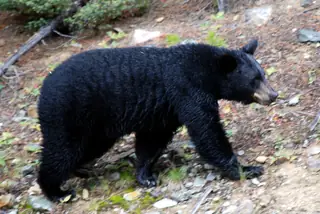 Black Bear
-
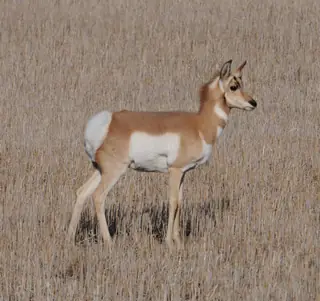 Pronghorn
-
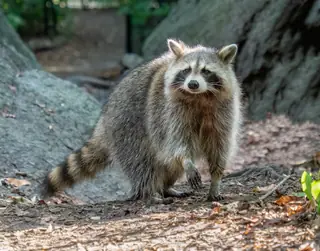 Raccoon
-
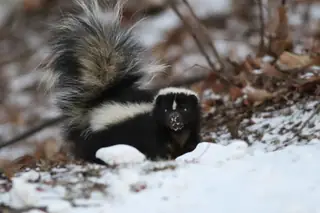 Striped Skunk
-
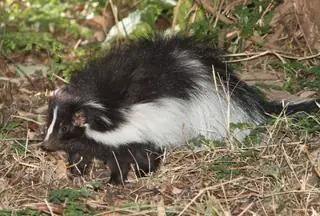 Hooded Skunk
-
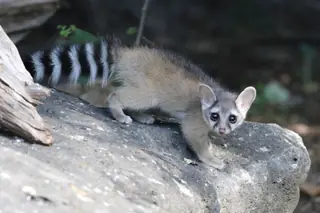 RingtailRare
-
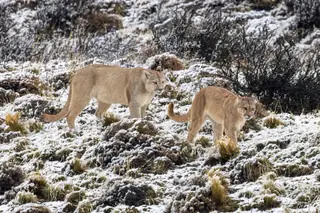 Cougar (Mountain Lion)Rare
Squirrels, rabbits and bats 12
-
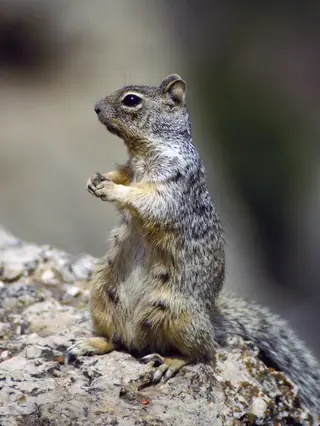 Rock Squirrel
-
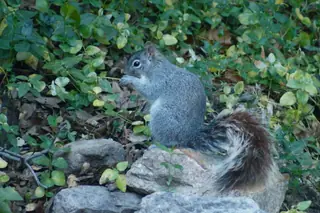 Arizona Grey Squirrel
-
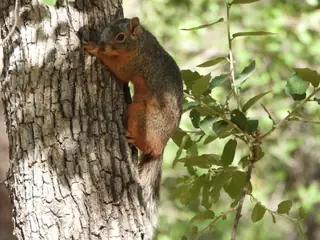 Mexican Fox Squirrel
-
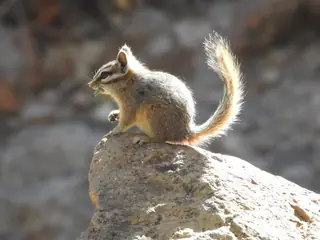 Cliff Chipmunk
-
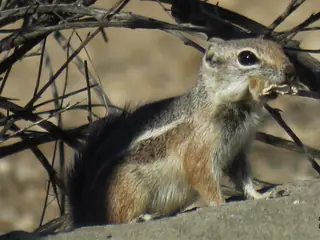 Harris's Antelope Squirrel
-
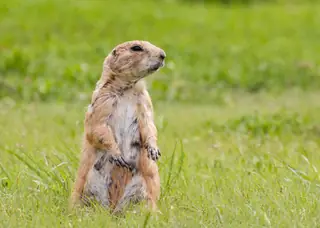 Black-tailed Prairie Dog
-
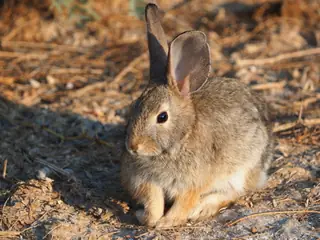 Desert Cottontail
-
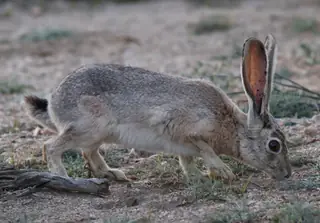 Black-tailed Jackrabbit
-
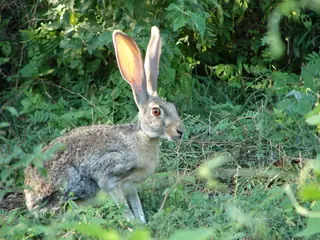 Antelope Jackrabbit
-
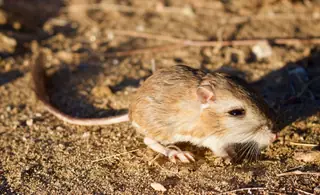 Merriam's Kangaroo Rat
-
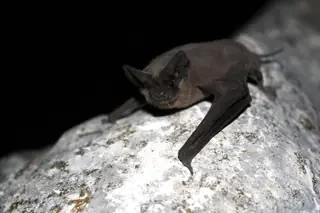 Mexican Free-tailed Bat
-
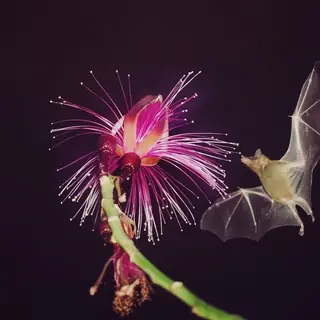 Lesser Long-nosed Bat
Hummingbirds 10
-
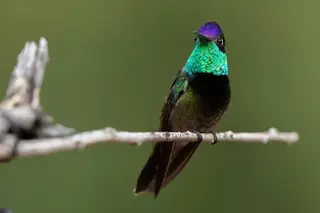 Rivoli's Hummingbird
-
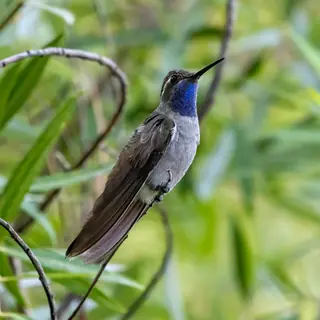 Blue-throated Mountain-gem
-
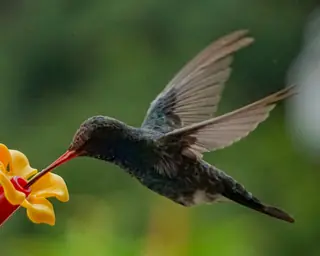 Broad-billed Hummingbird
-
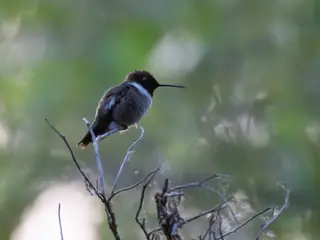 Black-chinned Hummingbird
-
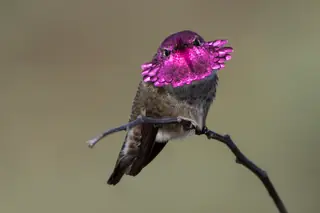 Anna's Hummingbird
-
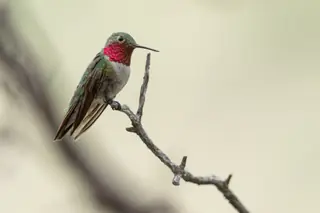 Broad-tailed Hummingbird
-
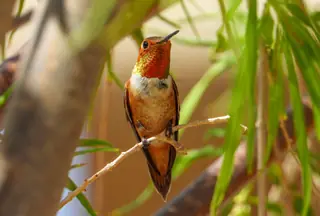 Rufous Hummingbird
-
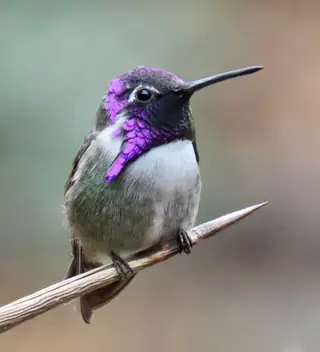 Costa's Hummingbird
-
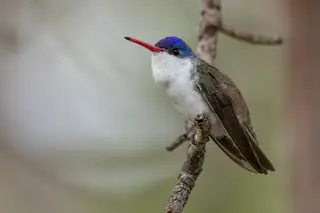 Violet-crowned Hummingbird
-
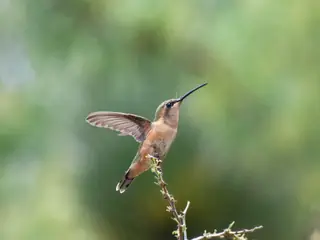 Lucifer HummingbirdRare
Trogons and mountain birds 19
-
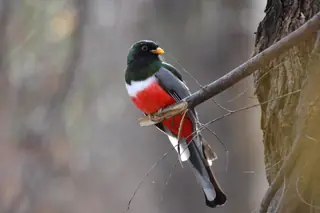 Elegant Trogon
-
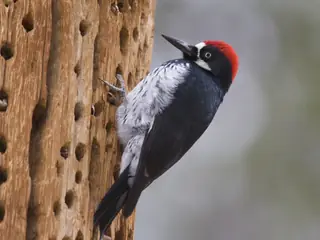 Acorn Woodpecker
-
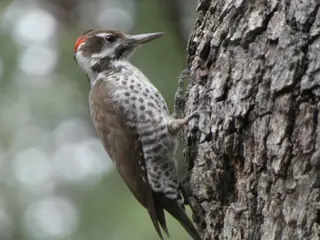 Arizona Woodpecker
-
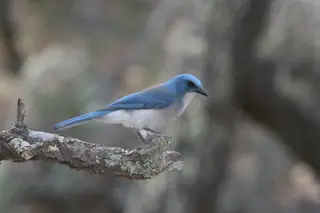 Mexican Jay
-
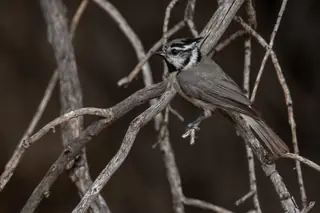 Bridled Titmouse
-
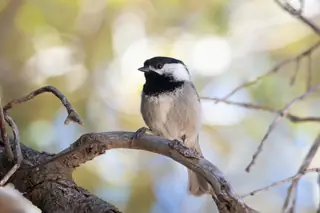 Mexican Chickadee
-
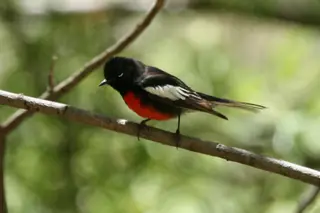 Painted Whitestart
-
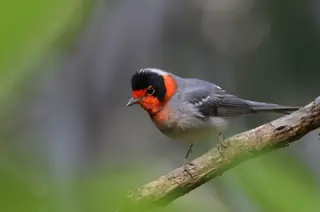 Red-faced Warbler
-
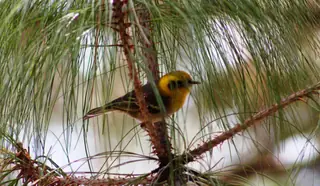 Olive Warbler
-
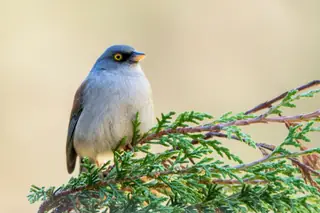 Yellow-eyed Junco
-
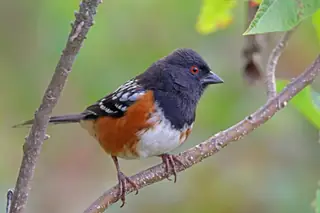 Spotted Towhee
-
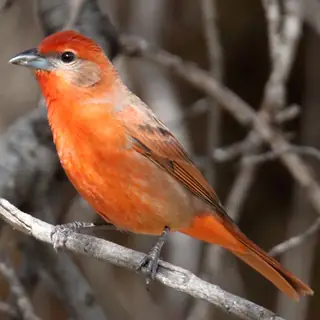 Hepatic Tanager
-
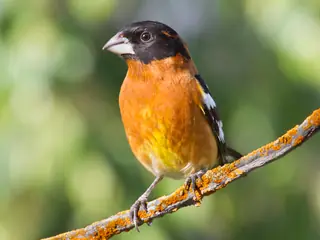 Black-headed Grosbeak
-
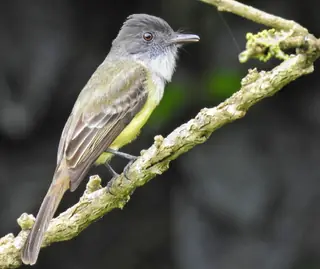 Dusky-capped Flycatcher
-
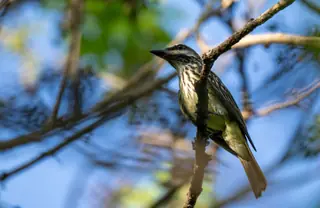 Sulphur-bellied Flycatcher
-
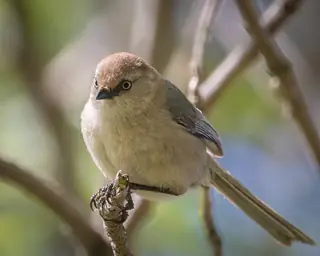 Bushtit
-
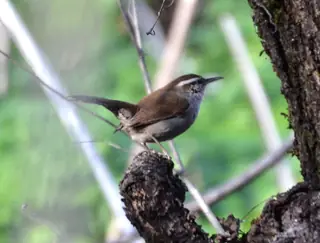 Bewick's Wren
-
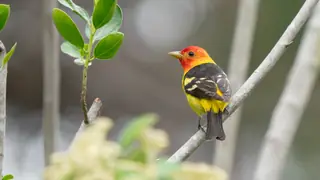 Western Tanager
-
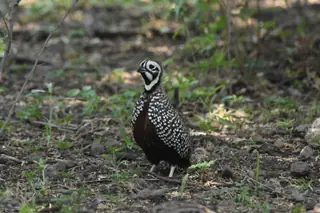 Montezuma QuailRare
Birds of prey and owls 12
-
 Turkey Vulture
-
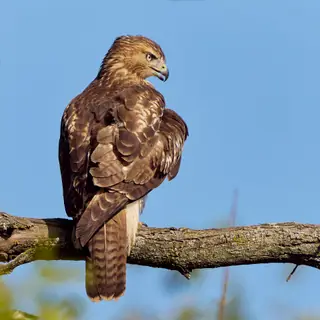 Red-tailed Hawk
-
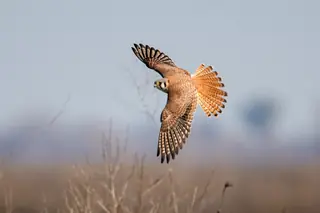 American Kestrel
-
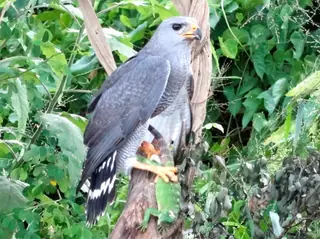 Grey Hawk
-
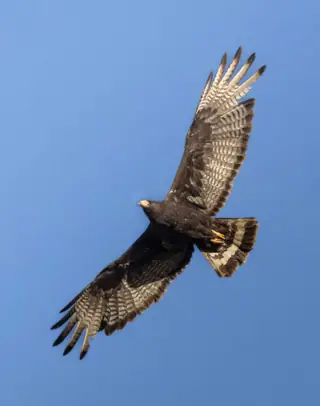 Zone-tailed Hawk
-
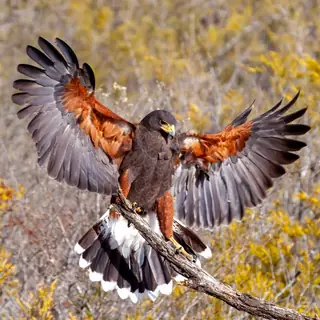 Harris's Hawk
-
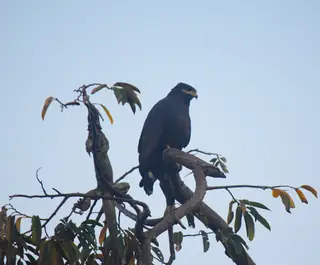 Common Black HawkRare
-
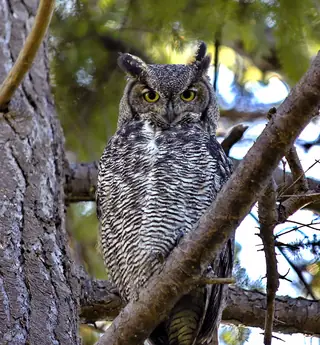 Great Horned Owl
-
 Elf Owl
-
 Whiskered Screech Owl
-
 Mexican Whip-poor-will
-
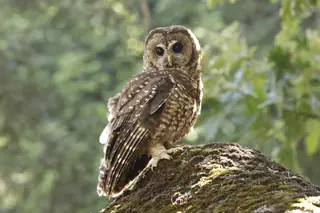 Spotted OwlRare
Desert and grassland birds 20
-
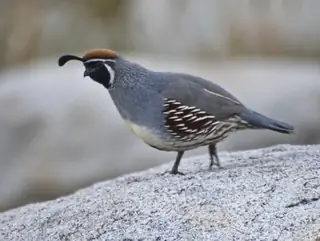 Gambel's Quail
-
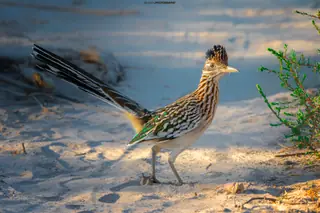 Greater Roadrunner
-
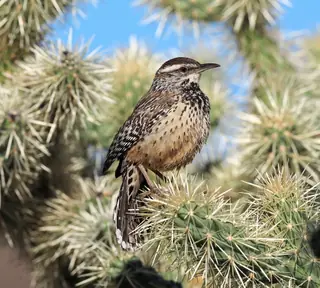 Cactus Wren
-
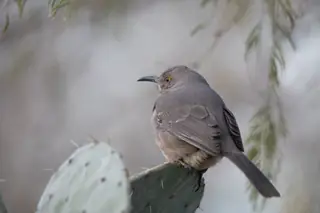 Curve-billed Thrasher
-
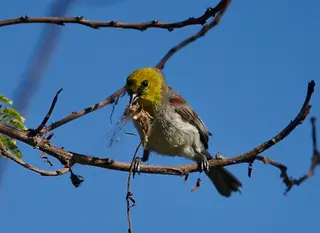 Verdin
-
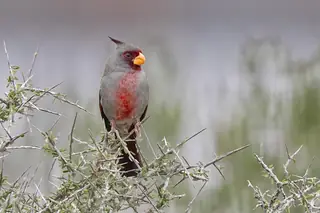 Pyrrhuloxia
-
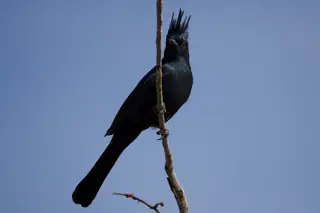 Phainopepla
-
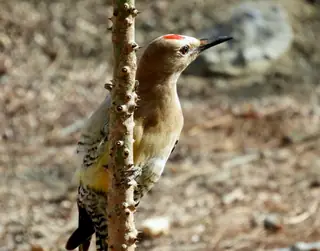 Gila Woodpecker
-
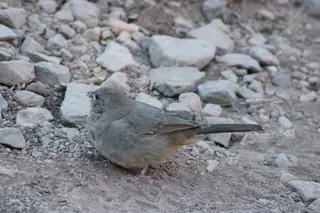 Canyon Towhee
-
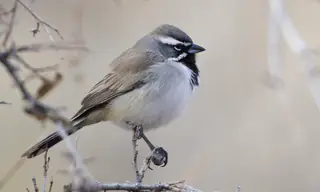 Black-throated Sparrow
-
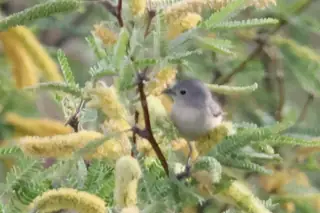 Lucy's Warbler
-
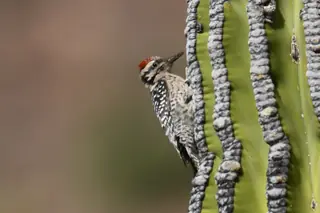 Ladder-backed Woodpecker
-
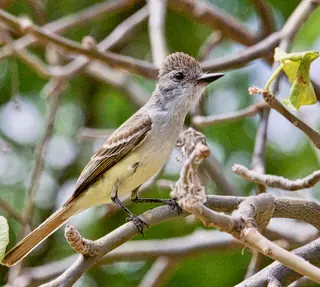 Ash-throated Flycatcher
-
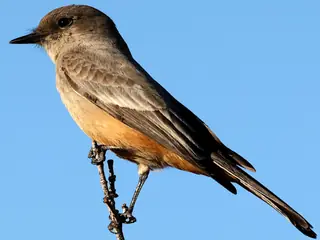 Say's Phoebe
-
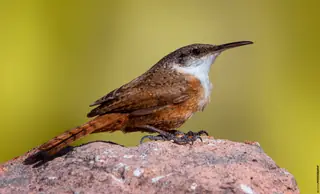 Canyon Wren
-
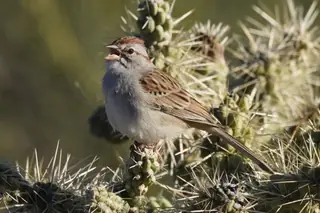 Rufous-winged Sparrow
-
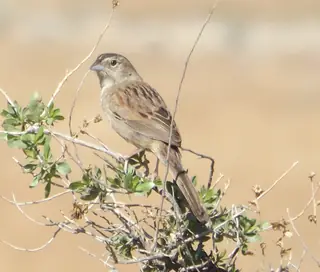 Botteri's Sparrow
-
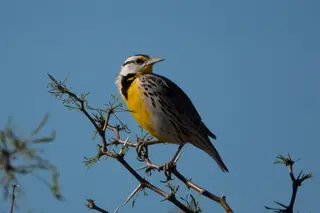 Chihuahuan Meadowlark
-
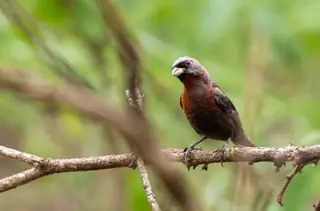 Varied Bunting
-
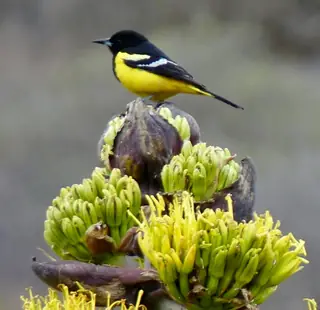 Scott's Oriole
Flycatchers and river birds 15
-
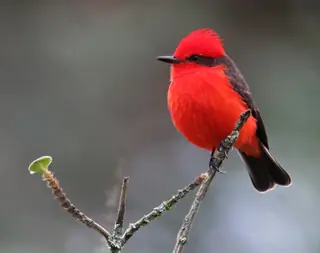 Vermilion Flycatcher
-
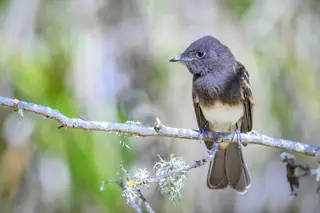 Black Phoebe
-
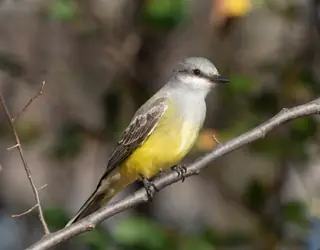 Western Kingbird
-
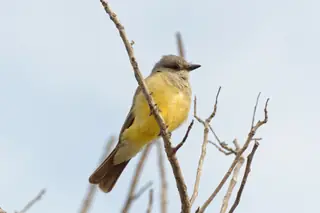 Cassin's Kingbird
-
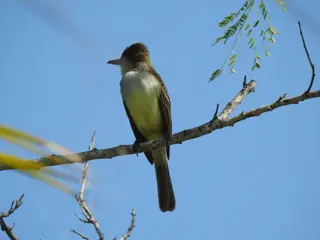 Brown-crested Flycatcher
-
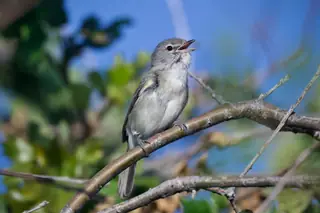 Bell's Vireo
-
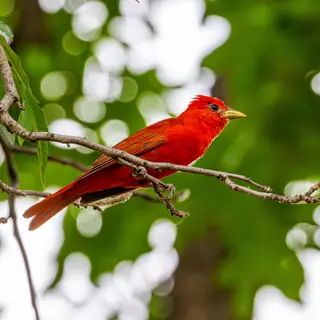 Summer Tanager
-
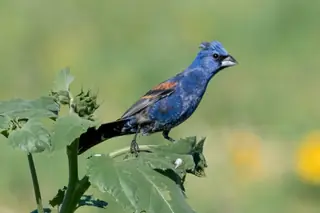 Blue Grosbeak
-
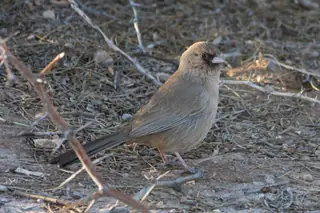 Abert's Towhee
-
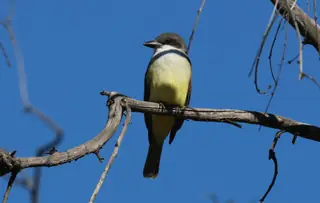 Thick-billed Kingbird
-
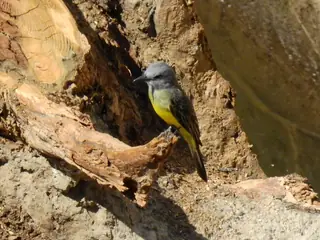 Tropical Kingbird
-
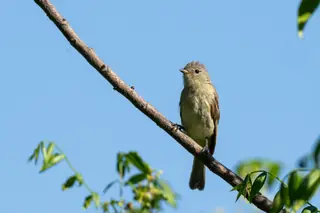 Northern Beardless Tyrannulet
-
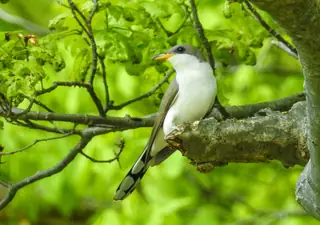 Yellow-billed Cuckoo
-
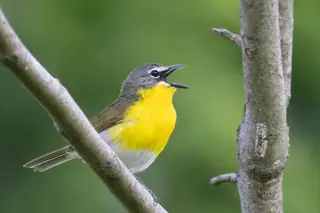 Yellow-breasted Chat
-
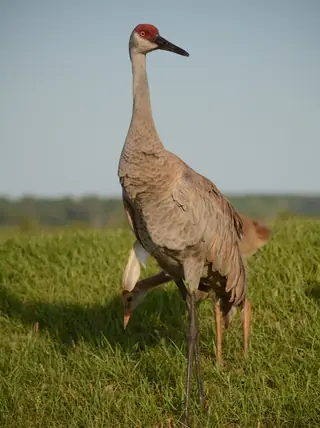 Sandhill Crane
Town and garden birds 11
-
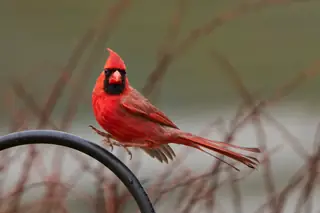 Northern Cardinal
-
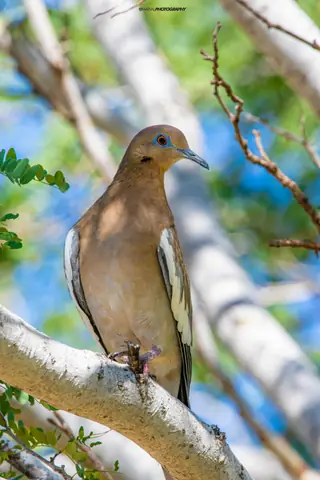 White-winged Dove
-
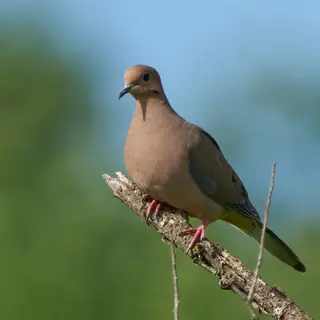 Mourning Dove
-
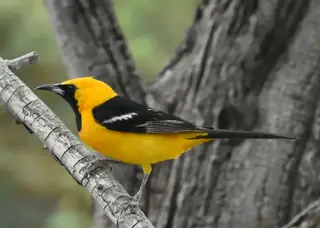 Hooded Oriole
-
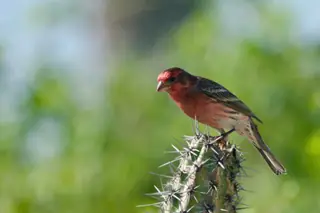 House Finch
-
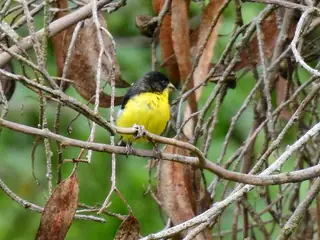 Lesser Goldfinch
-
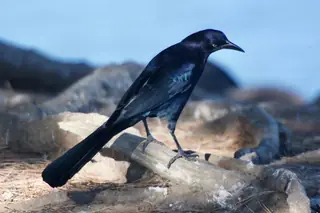 Great-tailed Grackle
-
 Common Raven
-
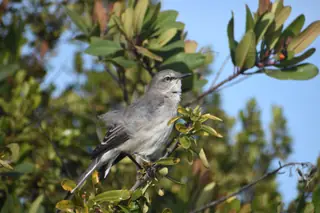 Northern Mockingbird
-
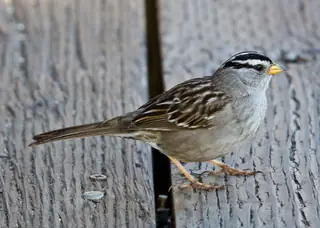 White-crowned Sparrow
-
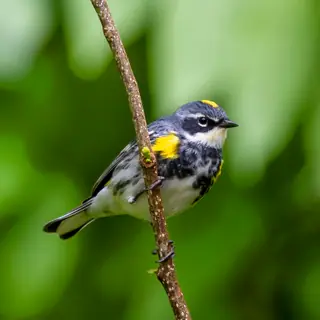 Yellow-rumped Warbler
Reptiles and amphibians 18
-
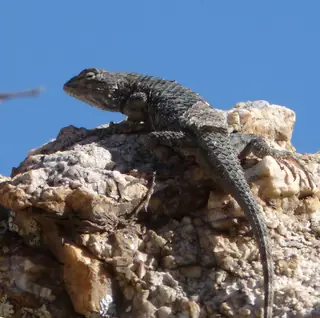 Clark's Spiny Lizard
-
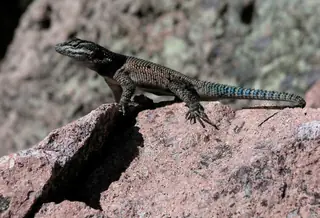 Yarrow's Spiny Lizard
-
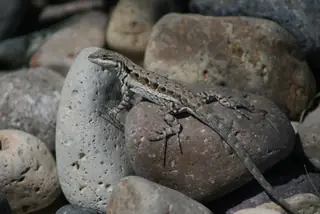 Ornate Tree Lizard
-
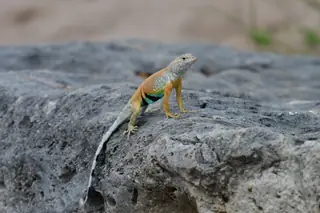 Greater Earless Lizard
-
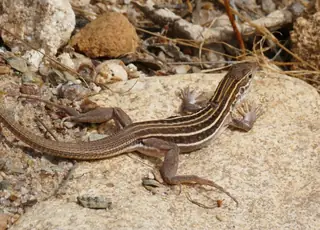 Sonoran Spotted Whiptail
-
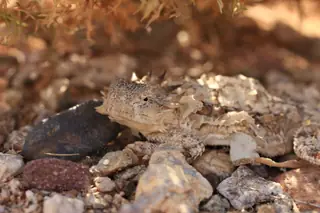 Regal Horned Lizard
-
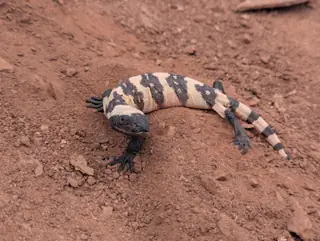 Gila MonsterRare
-
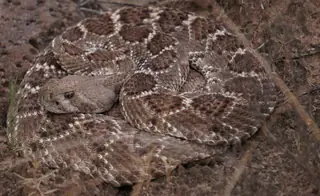 Western Diamond-backed Rattlesnake
-
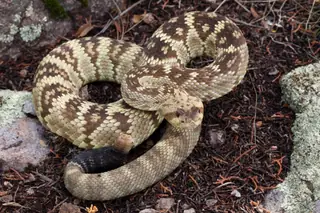 Black-tailed Rattlesnake
-
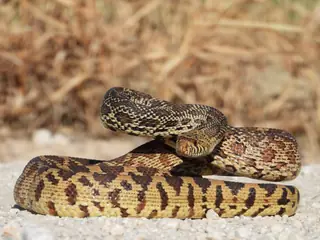 Gopher Snake
-
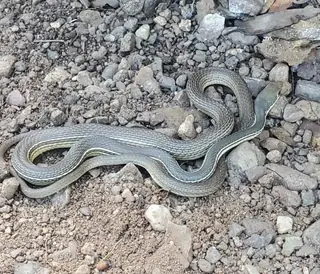 Sonoran Whipsnake
-
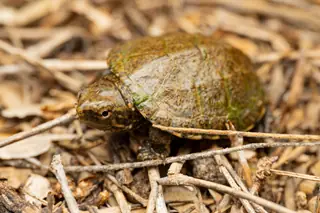 Sonoran Mud Turtle
-
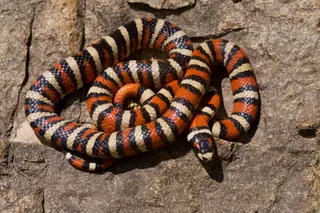 Sonoran Mountain KingsnakeRare
-
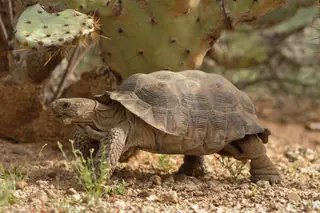 Sonoran Desert TortoiseRare
-
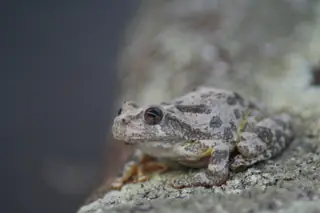 Canyon Treefrog
-
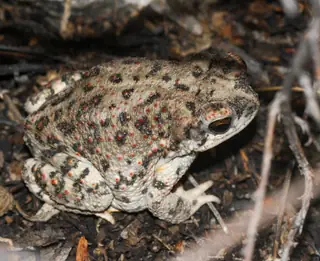 Red-spotted Toad
-
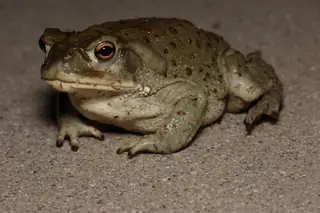 Sonoran Desert Toad
-
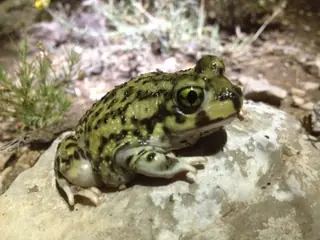 Couch's Spadefoot
Butterflies, dragonflies and spiders 9
-
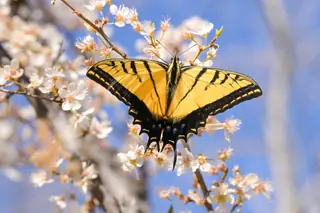 Two-tailed Swallowtail
-
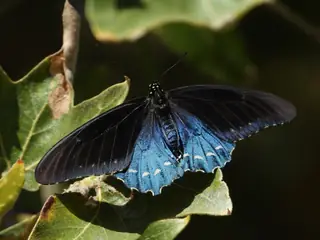 Pipevine Swallowtail
-
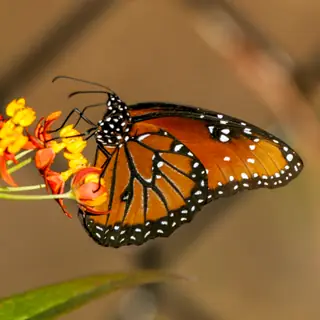 Queen
-
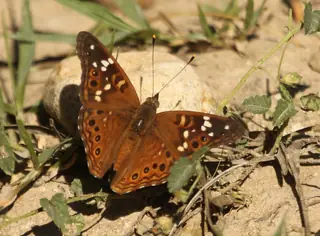 Empress Leilia
-
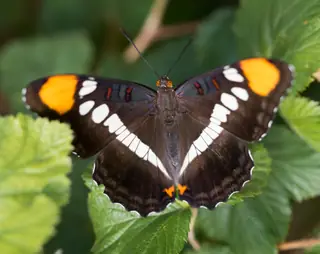 Arizona Sister
-
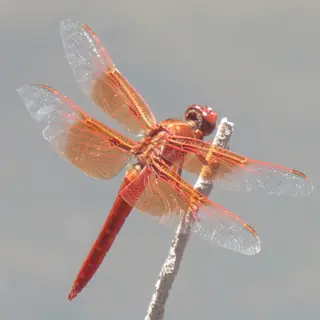 Flame Skimmer
-
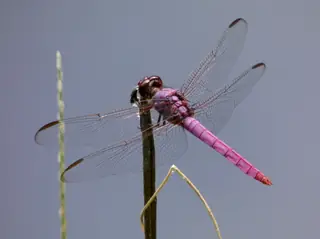 Roseate Skimmer
-
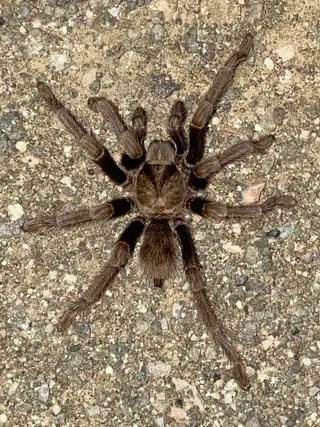 Desert Tarantula
-
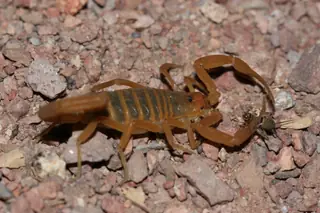 Arizona Bark Scorpion
Best time to see wildlife in SE Arizona
Southeast Arizona has wildlife all year, but the seasons are very different. Spring, from late March to May, brings the first hummingbirds, trogons and warblers back to the canyons, and the mountains are full of song. June is the hottest and driest month, with birds breeding and wildlife coming to water early and late. The summer rains, the monsoon, start in early July: the grasslands turn green, toads and spadefoots call, reptiles and tarantulas come out, and the grassland sparrows sing. Late July to September is the peak for hummingbirds, as migrants pass through and feeders can hold eight or more species. Autumn is mild and quieter. In winter the mountains can see snow, while sandhill cranes, sparrows and raptors gather in the valleys below.
- Mar to MayHummingbirds and trogons return; canyons full of song
- JunHot and dry; breeding birds, go out early and late
- Jul to AugMonsoon rains; toads, reptiles, grassland sparrows and coatis
- Aug to SeptPeak hummingbird numbers and variety at the feeders
- Oct to NovMild and quiet; first wintering sparrows and cranes
- Dec to FebSandhill cranes in the Sulphur Springs Valley; snow up high
Tips for spotting wildlife in SE Arizona
- 01
Sit by the feeders
Lodges, nature centres and some private homes keep hummingbird feeders open to visitors, often for a small donation. Sitting quietly beside one for an hour shows more species than walking.
- 02
Start early in the canyons
Birds sing and mammals move in the first hours after dawn, before the heat. By midday the canyons go quiet, which is a good time to move between them.
- 03
Listen rather than call
Trogons, owls and nightjars are found by their calls. Listen from trails, roads and lodges, and never play recordings to bring birds in.
- 04
Go up and down the mountains
Each mountain range changes from desert at the bottom to oak, pine and fir near the top, with different animals at each level. A drive up a canyon road covers several in a morning.
- 05
Watch for wildlife on the roads
Drive slowly at dawn, dusk and after rain, when quail, roadrunners, tortoises, snakes and tarantulas cross. Never pick up a tortoise or Gila monster.
- 06
Respect the border and private land
Much of the area is ranchland near the Mexican border. Keep to public roads and trails, keep gates as you find them and follow local signs.

Take SE Arizona with you
Heading to the Arizona canyons? Keep this list on your phone and tick off each hummingbird at the feeders, even with no signal in the mountains. Wilder is free to start.

SE Arizona wildlife FAQ
When is the best time to see hummingbirds in southeast Arizona?
The best time to see hummingbirds in southeast Arizona is late July to early September, when local breeders are joined by migrants and feeders can hold eight or more species. April and May are also good, as birds arrive and set up territories in the canyons.
Where can you see elegant trogons in Arizona?
Elegant trogons live in the sycamore and oak canyons of the Santa Rita, Huachuca and Chiricahua mountains, mainly from April to August. Madera Canyon and Cave Creek Canyon are the best-known places. Listen for the croaking call and watch quietly, without playing recordings.
What animals live in the Sky Islands of Arizona?
The Sky Islands are home to white-nosed coatis, javelinas, Coues white-tailed deer, black bears, grey foxes and many lizards and snakes, as well as hundreds of bird species. Mexican species such as the elegant trogon, Mexican jay and Mexican chickadee reach their northern limit here. This checklist covers 140 animals.
Can you see coatis in Arizona?
Yes, white-nosed coatis live in the oak and sycamore canyons of southeast Arizona. Troops of females and young travel by day, mostly in summer, and are often seen in Madera, Ramsey and Cave Creek canyons. Watch from a distance and never feed them.
Where do sandhill cranes winter in Arizona?
Thousands of sandhill cranes winter in the Sulphur Springs Valley of southeast Arizona, from about November to February. They roost on shallow water at Whitewater Draw Wildlife Area and Willcox, flying out to feed at dawn and returning around late morning.
Sources
- Bureau of Land Management: San Pedro Riparian National Conservation Area
- USDA Forest Service, Coronado National Forest: Cave Creek Road scenic drive
- Tucson Bird Alliance: Paton Center for Hummingbirds
- Sightings by month: GBIF.org
Animal photos are from the Wilder catalogue; photo credits.
Similar checklists
All North America-
 National park114animals Joshua Tree National Park Southern California, USA Where the Mojave meets the Colorado Desert: Joshua trees and granite boulders with cactus wrens, roadrunners and Gambel's quail by day, and kangaroo rats, kit foxes and desert tortoises for the patient. Best time Feb to May
-
 National park140animals Big Bend National Park Texas, USA Where the Rio Grande bends through the Chihuahuan Desert: roadrunners and javelinas on the desert flats, black bears and Mexican jays in the oak woods of the Chisos Mountains, and the Colima warbler, which nests nowhere else in the United States. Best time Mar to May
-
 Reserve137animals Bosque del Apache New Mexico, USA Wetlands and farm fields on the Rio Grande at the edge of the Chihuahuan Desert, where tens of thousands of sandhill cranes and snow geese spend the winter, with ducks and eagles on the pools and roadrunners, quail and coyotes in the desert scrub. Best time Nov to Jan
-
 National park114animals Grand Canyon National Park Arizona, USA California condors riding the thermals over the rim, elk in the South Rim forest, bighorn sheep on the inner canyon cliffs and tassel-eared squirrels in the ponderosa pines. Best time May to Oct