National park · Southern California · USA
Joshua Tree Wildlife Checklist

Joshua Tree National Park in southern California is where the Mojave and Colorado deserts meet. Greater roadrunners, Gambel's quail and cactus wrens are easy to see, desert bighorn sheep live on the rocky slopes and threatened desert tortoises come out after rain. This checklist covers 114 animals. February to May is best, with spring flowers and singing birds.
Tick off all 114 animals in Joshua Tree on your phone, even offline. Launching soon. Free A4 PDF, no sign-up.
The higher, cooler Mojave in the west has the Joshua trees and granite boulders; the lower, hotter Colorado Desert in the east has cholla and ocotillo. More than 350 kinds of vertebrate live in the park.
- Animals to find
- 114
- Where
- USA
- Best time
- Feb to May
- Two deserts
- Mojave and Colorado meet here
Popular animals in Joshua Tree
-
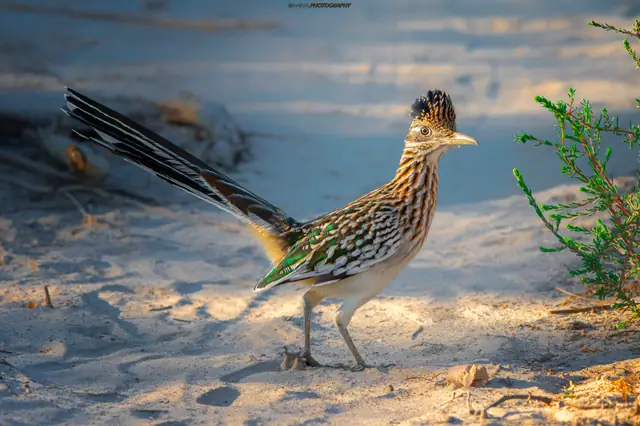
Greater Roadrunner
Geococcyx californianus
Runs across roads and campgrounds chasing lizards, most active in the cool of the morning.
-
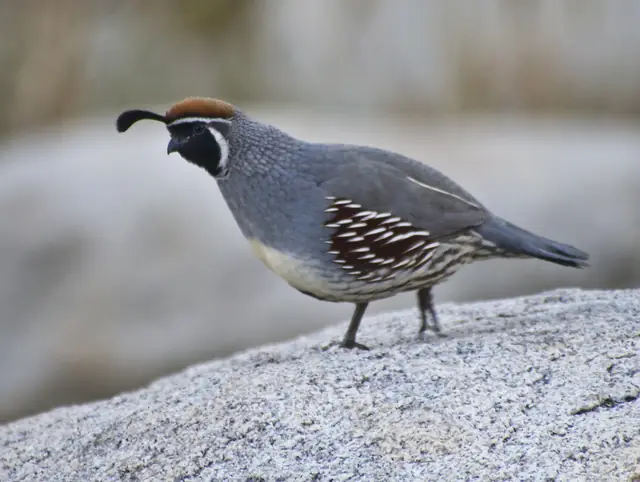
Gambel's Quail
Callipepla gambelii
Coveys with a bobbing head plume, calling from the scrub near Cottonwood and Indian Cove.
-
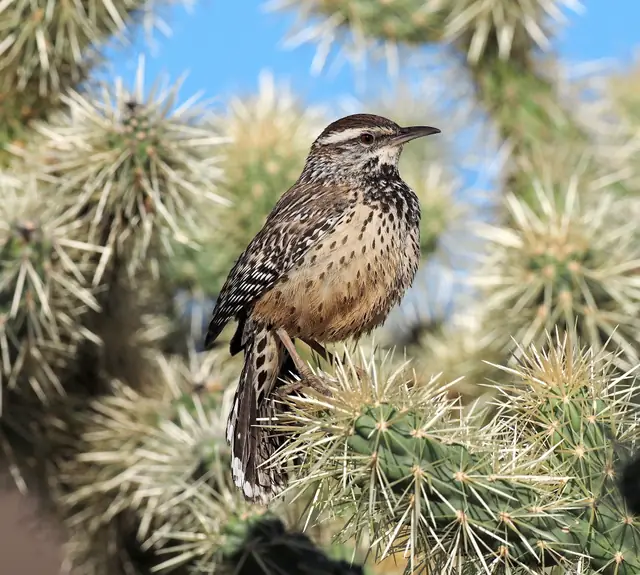
Cactus Wren
Campylorhynchus brunneicapillus
The biggest wren in the United States, singing a harsh, rattling song from the top of the chollas.
-
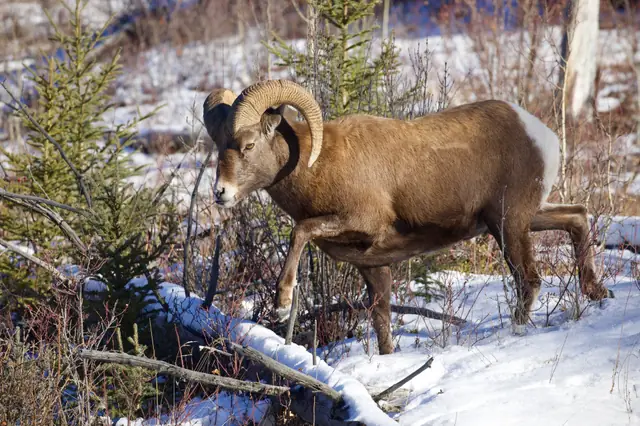
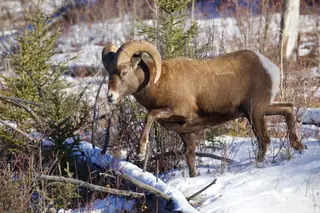
Bighorn Sheep
Ovis canadensis
Desert bighorn live on rocky slopes and boulder piles and sometimes come to water at Barker Dam. Keep well back so they can drink.
-
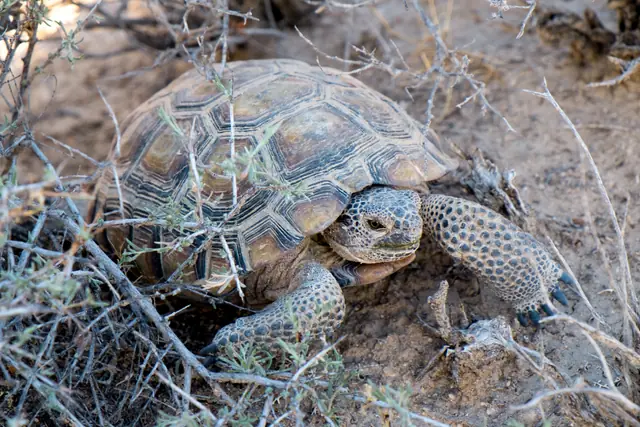
Mojave Desert Tortoise
Gopherus agassizii
Threatened, and out mostly in spring and after summer rain. Never pick one up, and check under your car before driving off.
-
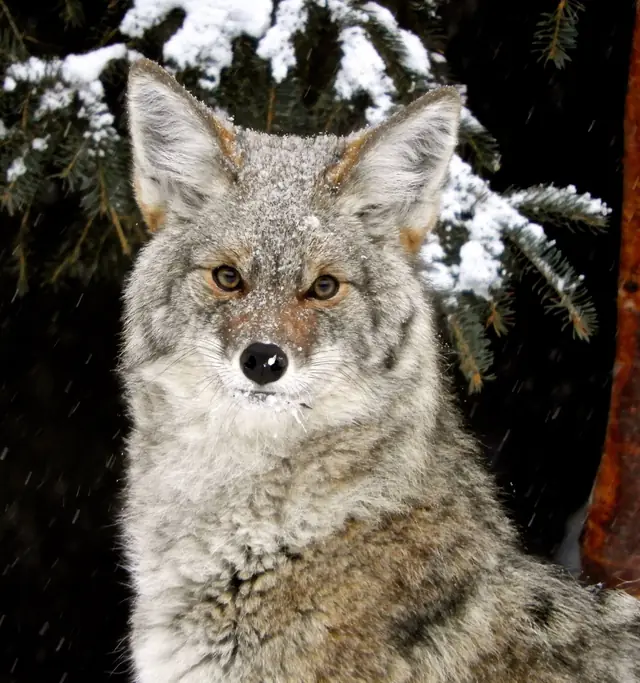
Coyote
Canis latrans
Trots along the roads and through campgrounds, often by day. Never feed one.
-
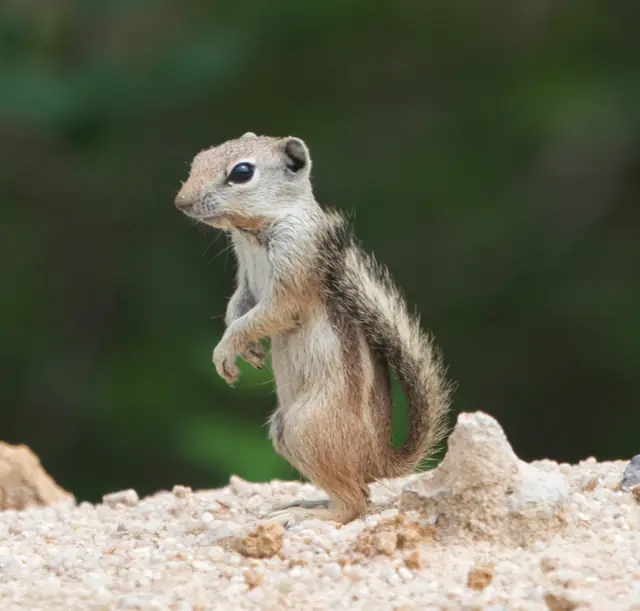
White-tailed Antelope Squirrel
Ammospermophilus leucurus
Dashes between shrubs with its tail held over its back like a sunshade, even at midday.
-
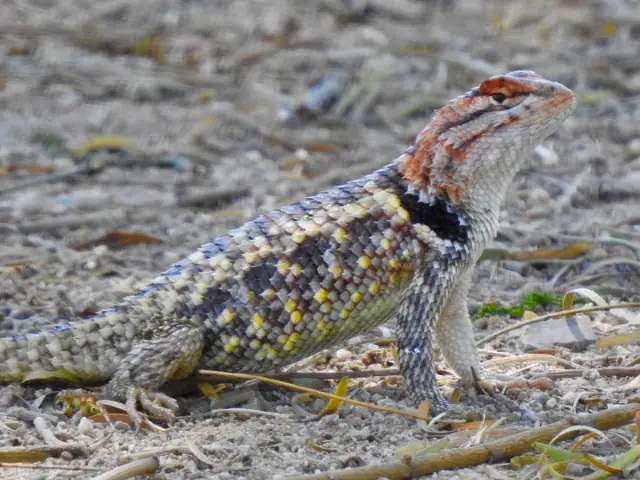
Desert Spiny Lizard
Sceloporus magister
Does push-ups on the boulders at Jumbo Rocks and Hidden Valley on warm days.
-
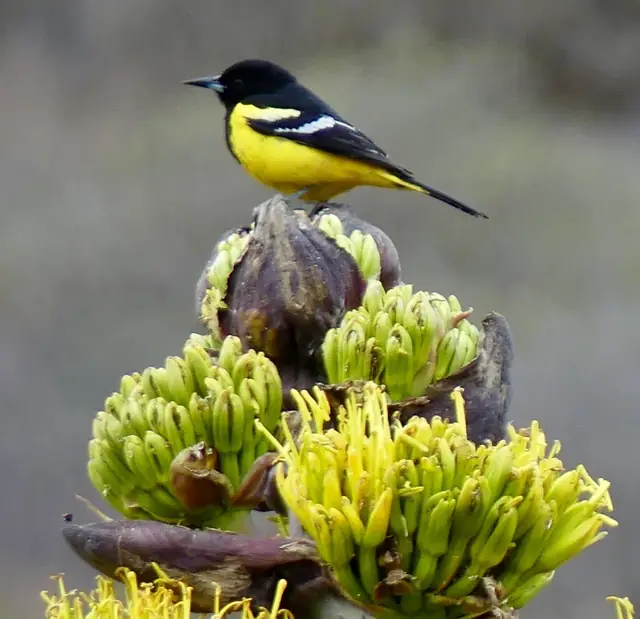
Scott's Oriole
Icterus parisorum
Black and lemon yellow, singing from the Joshua trees in spring.
-
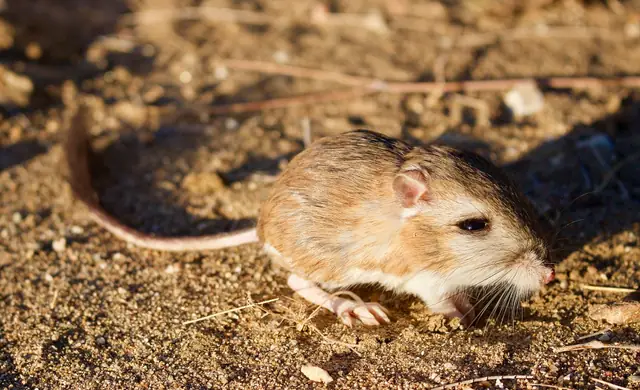
Merriam's Kangaroo Rat
Dipodomys merriami
Hops across roads at night on long back legs. Drive slowly after dark.
All 114 animals in Joshua Tree
Big mammals 3
-
 Bighorn Sheep
-
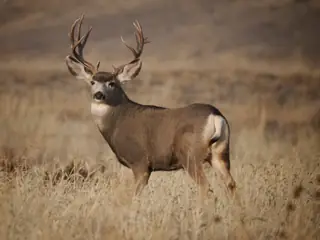 Mule DeerRare
-
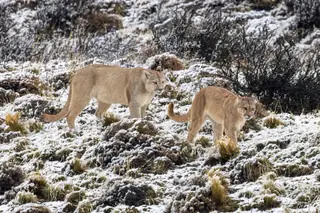 Cougar (Mountain Lion)Rare
Hunters 8
-
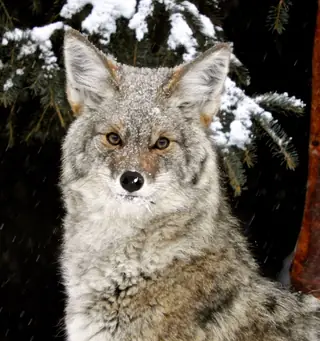 Coyote
-
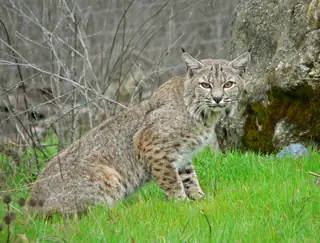 Bobcat
-
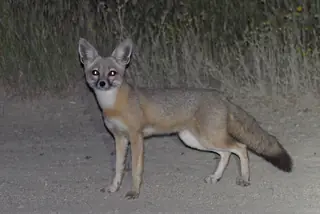 Kit Fox
-
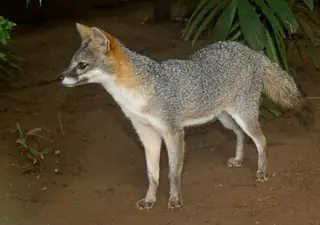 Grey Fox
-
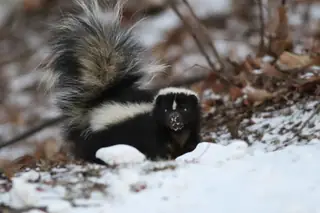 Striped Skunk
-
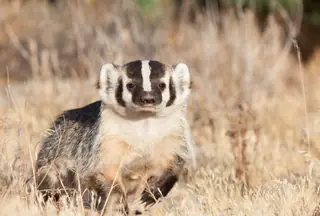 Badger (American)Rare
-
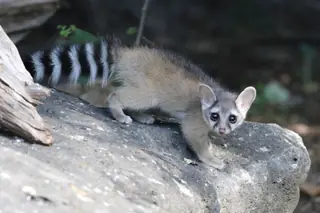 RingtailRare
-
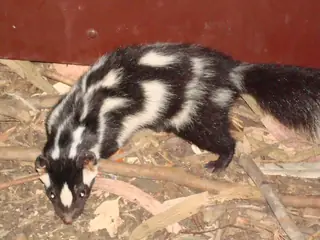 Western Spotted SkunkRare
Small mammals 10
-
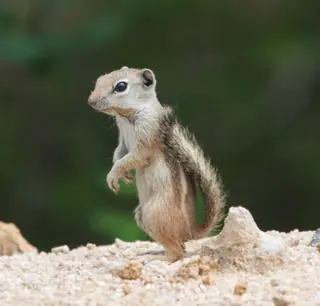 White-tailed Antelope Squirrel
-
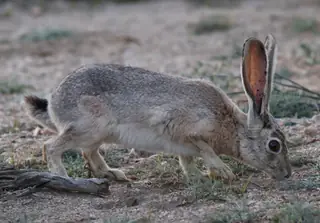 Black-tailed Jackrabbit
-
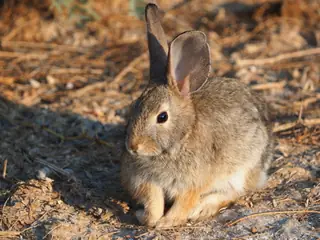 Desert Cottontail
-
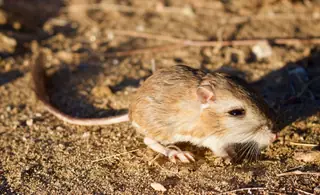 Merriam's Kangaroo Rat
-
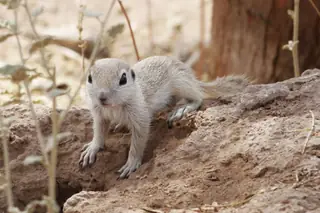 Round-tailed Ground Squirrel
-
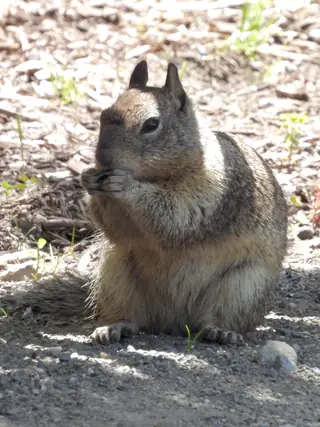 California Ground Squirrel
-
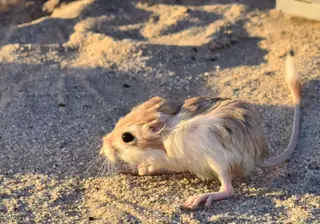 Desert Kangaroo Rat
-
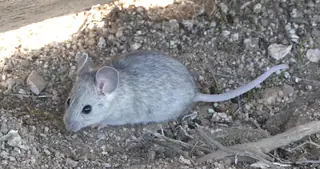 Desert Woodrat
-
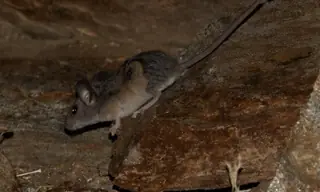 Cactus Mouse
- Southern Grasshopper MouseRare
Bats 6
-
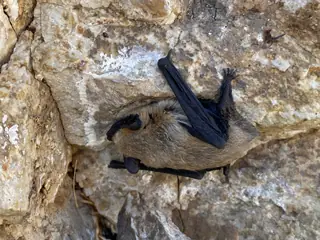 Canyon Bat
-
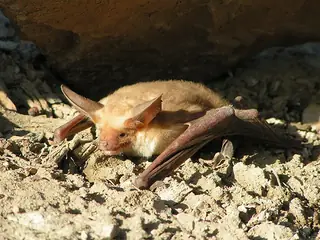 Pallid Bat
-
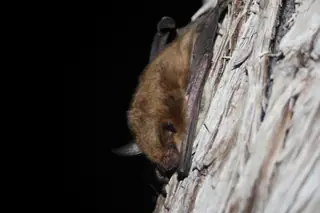 California Myotis
-
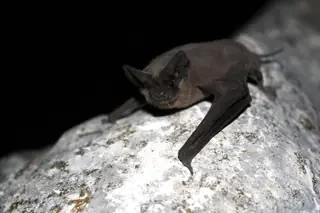 Mexican Free-tailed Bat
-
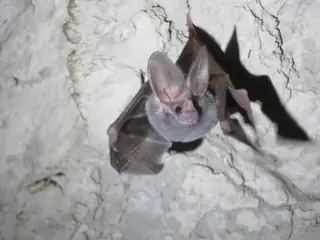 California Leaf-nosed BatRare
- Western Mastiff BatRare
Birds of prey and owls 11
-
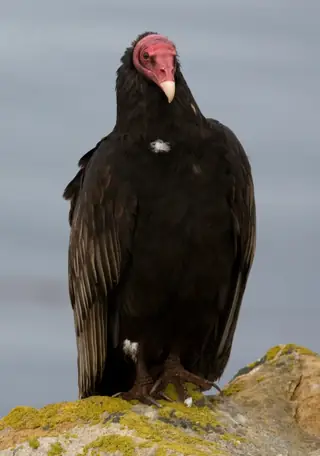 Turkey Vulture
-
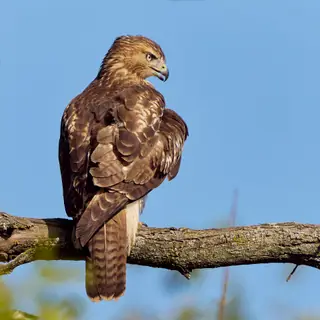 Red-tailed Hawk
-
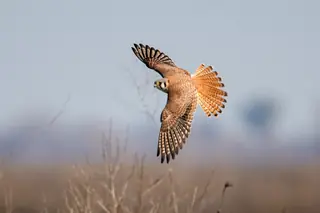 American Kestrel
-
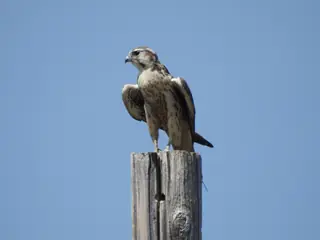 Prairie Falcon
-
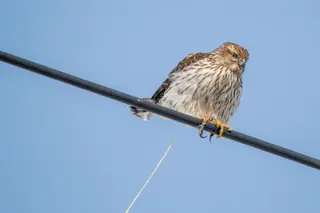 Cooper's Hawk
-
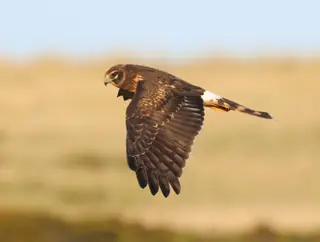 Northern Harrier
-
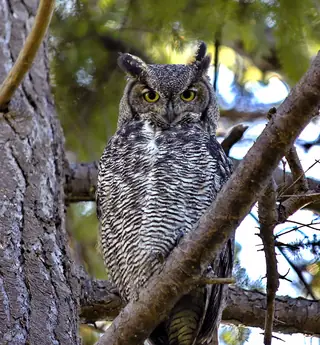 Great Horned Owl
-
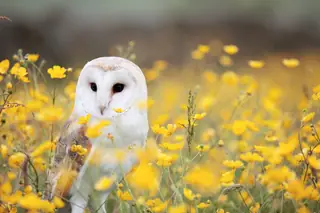 Barn Owl
-
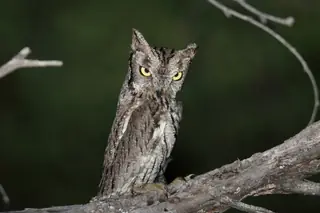 Western Screech Owl
-
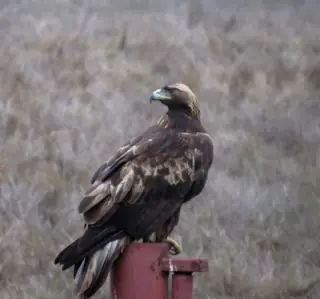 Golden EagleRare
-
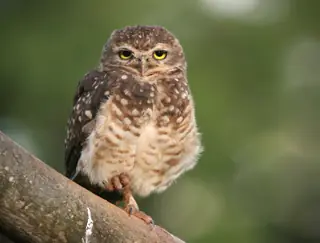 Burrowing OwlRare
Desert birds 43
-
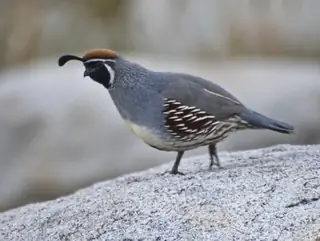 Gambel's Quail
-
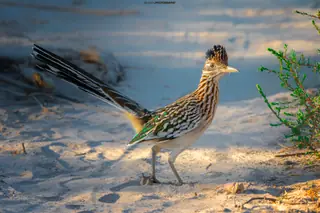 Greater Roadrunner
-
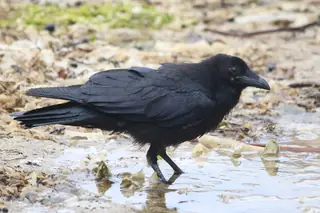 Common Raven
-
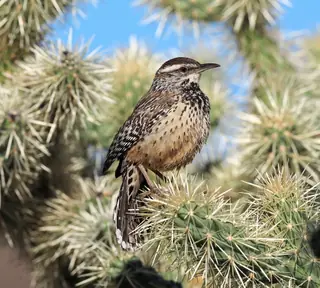 Cactus Wren
-
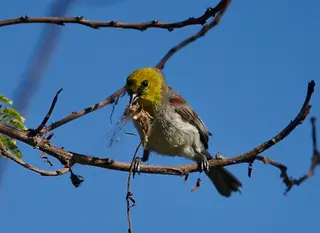 Verdin
-
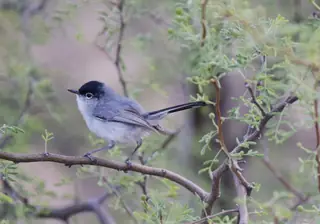 Black-tailed Gnatcatcher
-
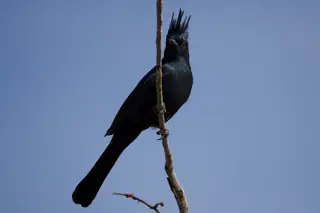 Phainopepla
-
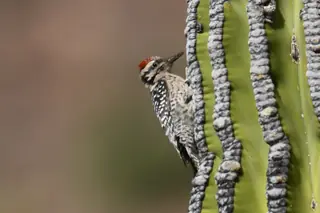 Ladder-backed Woodpecker
-
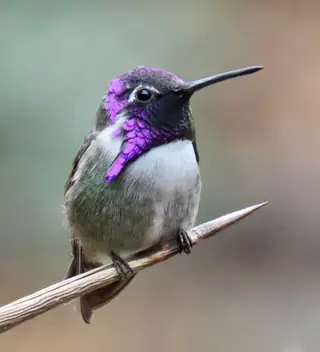 Costa's Hummingbird
-
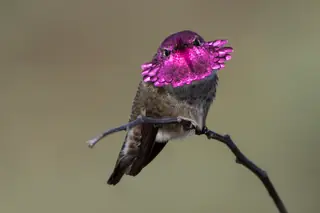 Anna's Hummingbird
-
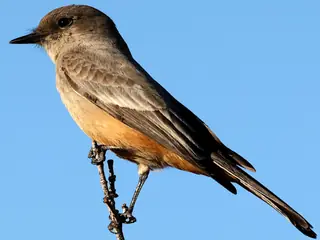 Say's Phoebe
-
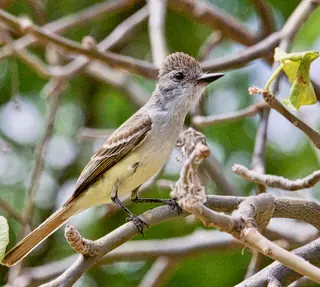 Ash-throated Flycatcher
-
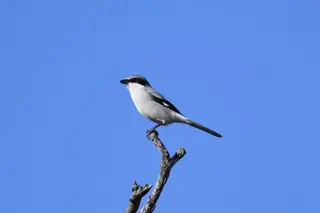 Loggerhead Shrike
-
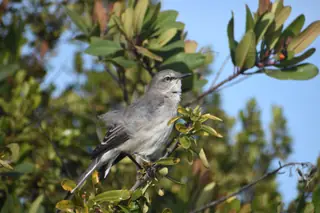 Northern Mockingbird
-
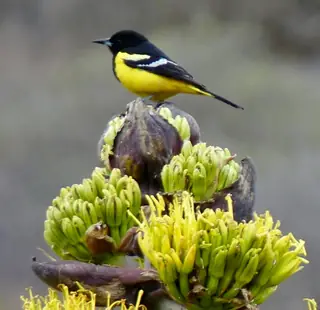 Scott's Oriole
-
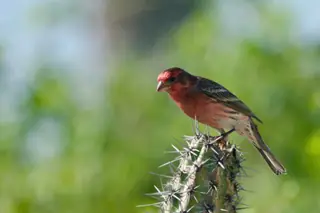 House Finch
-
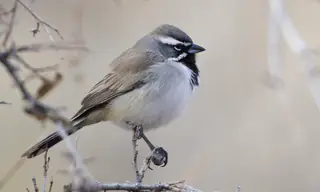 Black-throated Sparrow
-
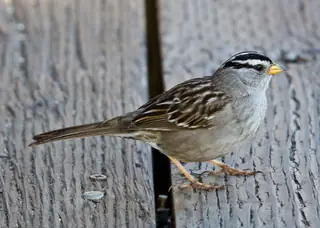 White-crowned Sparrow
-
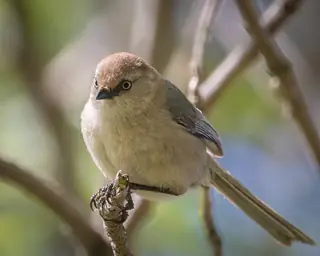 Bushtit
-
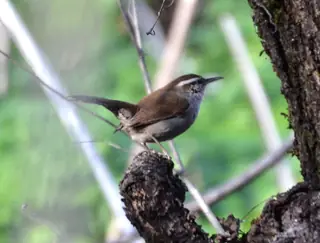 Bewick's Wren
-
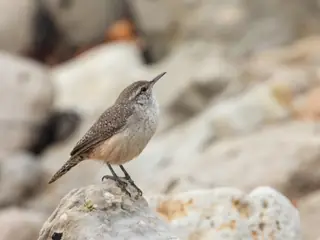 Rock Wren
-
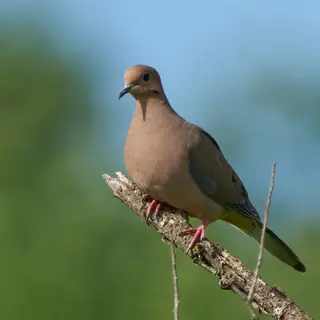 Mourning Dove
-
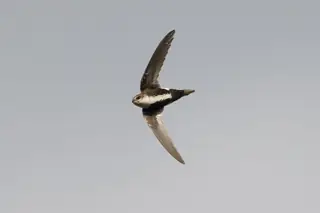 White-throated Swift
-
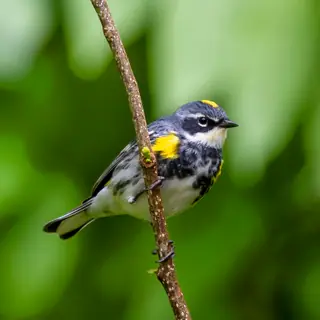 Yellow-rumped Warbler
-
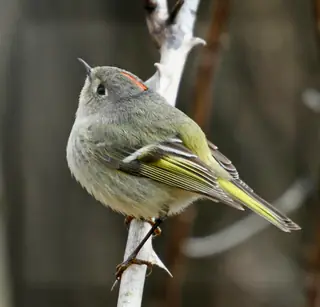 Ruby-crowned Kinglet
-
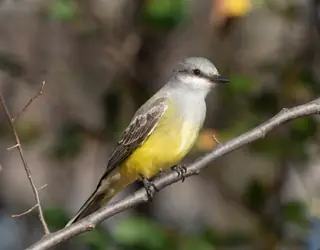 Western Kingbird
-
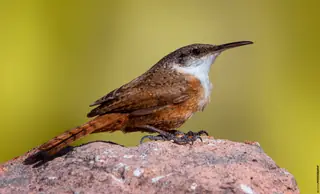 Canyon Wren
-
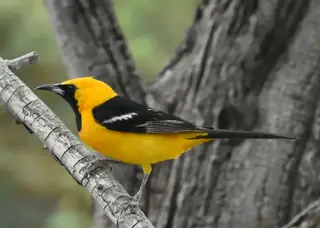 Hooded Oriole
-
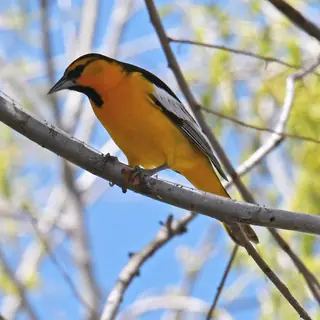 Bullock's Oriole
-
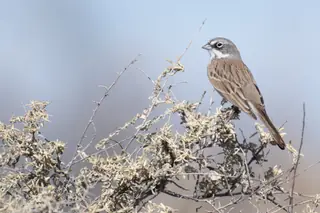 Sagebrush Sparrow
-
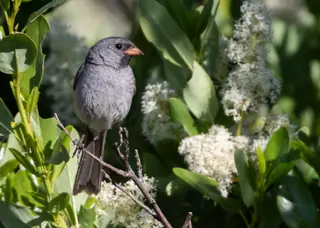 Black-chinned Sparrow
-
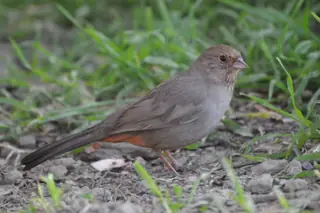 California Towhee
-
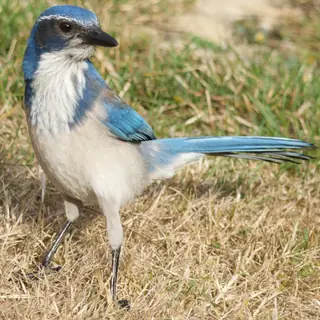 California Scrub Jay
-
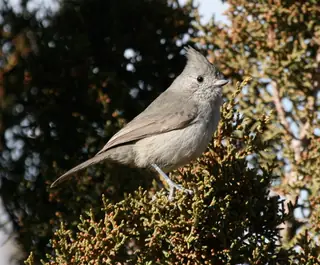 Juniper Titmouse
-
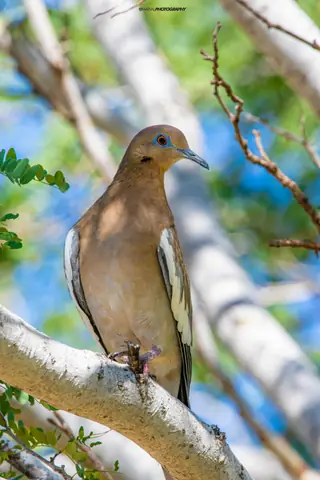 White-winged Dove
-
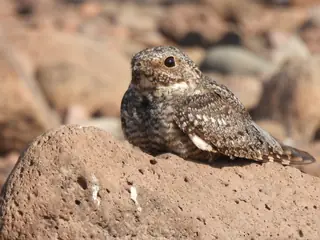 Lesser Nighthawk
-
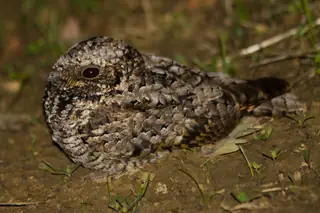 Common Poorwill
-
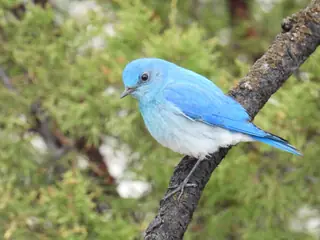 Mountain Bluebird
-
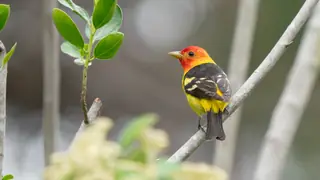 Western Tanager
-
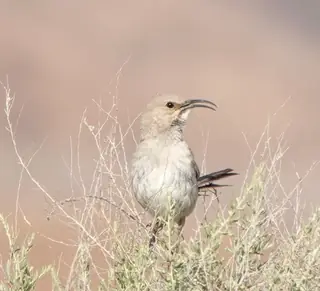 LeConte's ThrasherRare
-
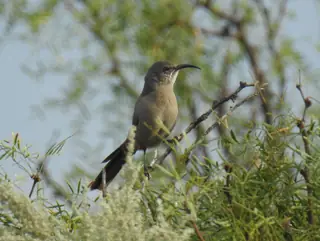 Crissal ThrasherRare
-
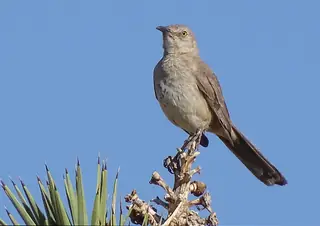 Bendire's ThrasherRare
-
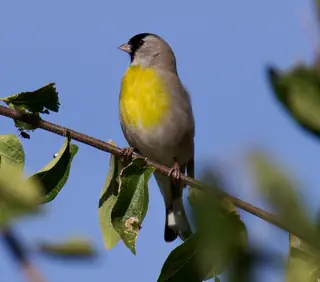 Lawrence's GoldfinchRare
Lizards 15
-
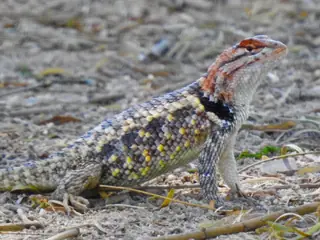 Desert Spiny Lizard
-
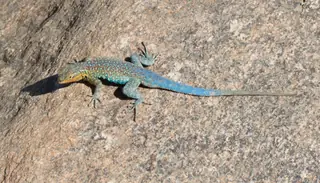 Common Side-blotched Lizard
-
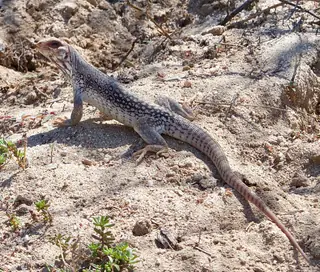 Desert Iguana
-
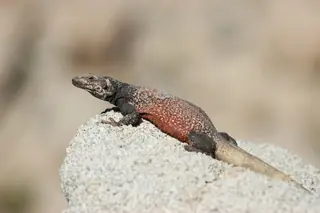 Common Chuckwalla
-
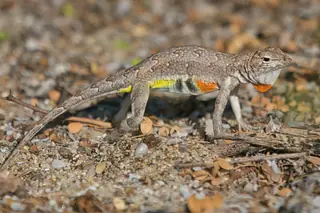 Zebra-tailed Lizard
-
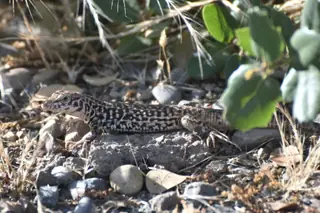 Tiger Whiptail
-
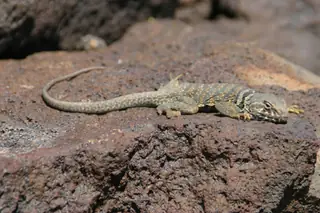 Great Basin Collared Lizard
-
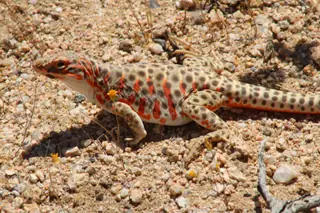 Long-nosed Leopard Lizard
-
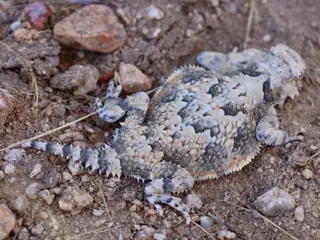 Desert Horned Lizard
-
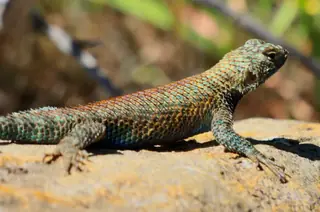 Granite Spiny Lizard
-
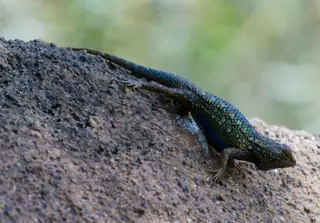 Western Fence Lizard
-
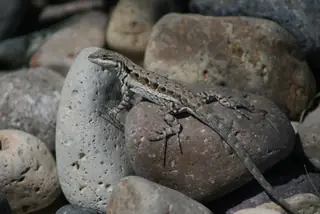 Ornate Tree Lizard
-
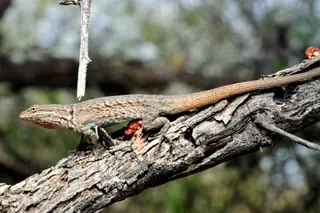 Long-tailed Brush Lizard
-
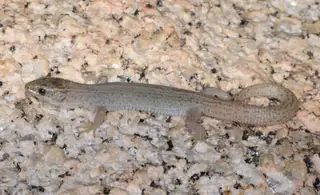 Desert Night LizardRare
-
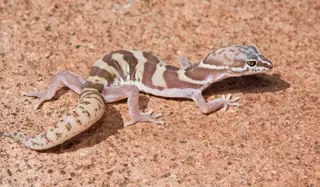 Western Banded Gecko
Tortoises and snakes 12
-
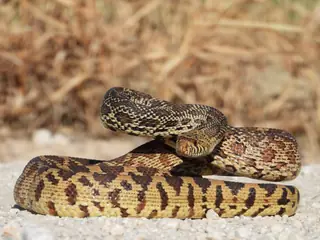 Gopher Snake
-
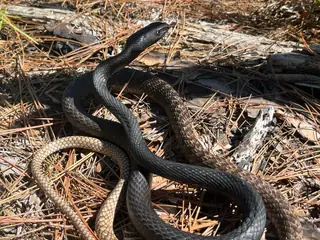 Coachwhip
-
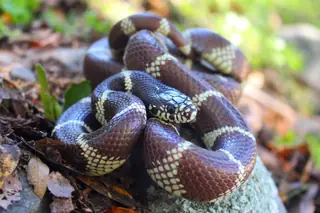 California Kingsnake
-
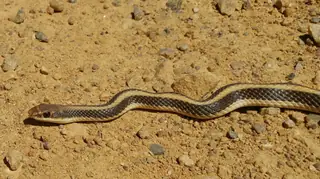 Western Patch-nosed Snake
-
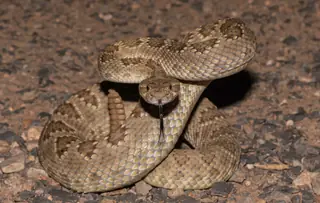 Mojave Rattlesnake
-
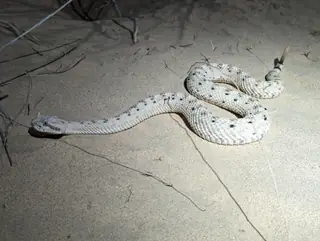 Sidewinder
-
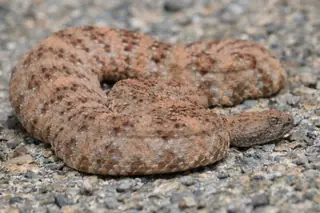 Southwestern Speckled Rattlesnake
-
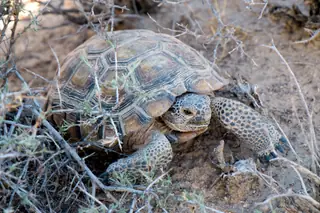 Mojave Desert TortoiseRare
-
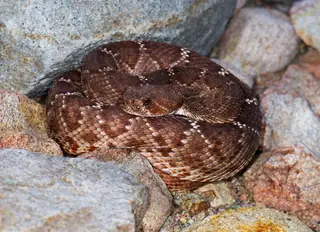 Red Diamond RattlesnakeRare
-
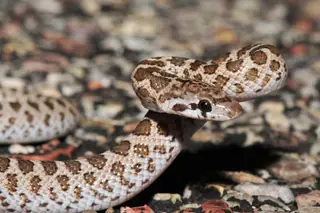 Glossy SnakeRare
-
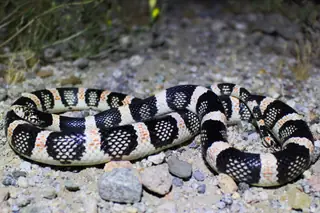 Long-nosed SnakeRare
-
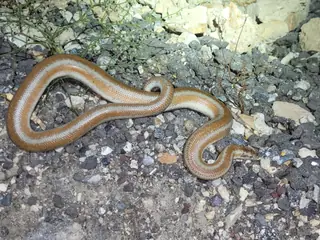 Northern Three-lined BoaRare
Amphibians 2
-
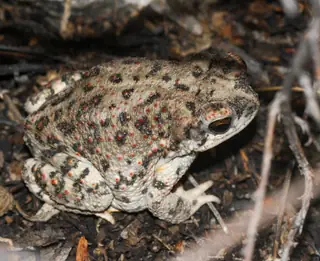 Red-spotted Toad
-
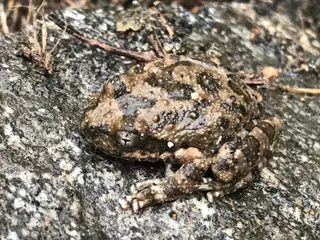 California Treefrog
Spiders and scorpions 2
-
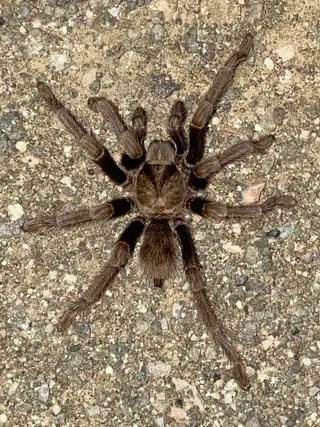 Desert Tarantula
-
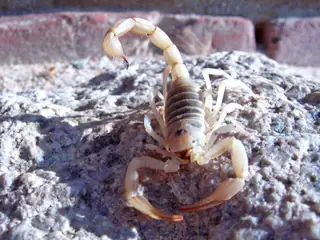 Giant Desert Hairy Scorpion
Butterflies 2
-
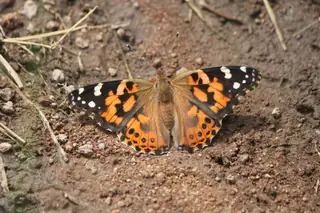 Painted Lady
-
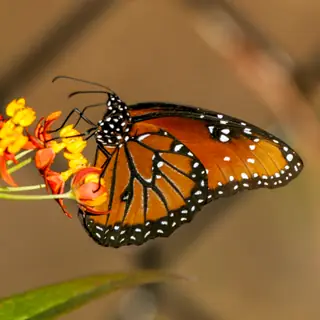 QueenRare
Best time to see wildlife in Joshua Tree
Sightings by month in Joshua Tree
Most records: Apr to JulRecords from GBIF.org, adjusted for how many people record wildlife each month. 100% is the busiest month.
Joshua Tree is open all year. Spring, from February to May, is the best time: wildflowers bloom in wet years, birds sing and nest, lizards and tortoises become active and, in some years, painted lady butterflies stream north in huge numbers. It is also the busiest season. Summer is very hot, so wildlife is active only at dawn, dusk and night; summer storms can bring tortoises out. Autumn cools again and many birds pass through on migration. Winter days are mild and nights cold, with occasional snow on the higher west side, and many reptiles stay underground.
- Feb to MayFlowers, birdsong, lizards and tortoises active
- Jun to SeptVery hot, dawn, dusk and night only
- Oct to NovCooler, migrant birds
- Dec to JanMild days, cold nights, reptiles underground
Tips for spotting wildlife in Joshua Tree
- 01
Bird the oases
Water draws birds. Walk the trails at Cottonwood Spring and the Oasis of Mara early in the morning for quail, orioles, phainopeplas and hummingbirds.
- 02
Look for bighorns on rocky slopes
Scan the boulder hills with binoculars, and wait quietly at Barker Dam when it holds water. Never block a sheep's way to water.
- 03
Give tortoises space
Desert tortoises are threatened. Never pick one up, as it may empty its stored water and die, and look under your car before you drive.
- 04
Drive slowly after dark
Kangaroo rats, kit foxes, snakes and tortoises use the warm roads at night. Keep your speed down and never spotlight animals.
- 05
Stay for the stars
Joshua Tree is an International Dark Sky Park. Bats hunt over the campgrounds at dusk and owls call from the rock piles.

Take Joshua Tree with you
Visiting Joshua Tree? Tick off roadrunners, cactus wrens and bighorn sheep in Wilder as you go. It's free to start.

Joshua Tree wildlife FAQ
What animals live in Joshua Tree National Park?
Joshua Tree has about 57 kinds of mammal, 46 reptiles and over 250 birds. Animals visitors see most include coyotes, white-tailed antelope squirrels, black-tailed jackrabbits, desert spiny lizards, common ravens, Gambel's quail and greater roadrunners. Bighorn sheep, bobcats and desert tortoises live there but are harder to find.
Can you see desert tortoises in Joshua Tree?
Sometimes, mostly in spring and after summer rain, in flat desert. Desert tortoises are threatened, so never touch or pick one up. Watch from a distance, and check under your car before driving off.
Are there bighorn sheep in Joshua Tree?
Yes. Desert bighorn sheep live on the rocky slopes and boulder hills of Joshua Tree, but they are not often seen. Scan the rocks with binoculars, and look for them coming to water at Barker Dam in years when it holds water. Keep well back so they can drink.
Are there rattlesnakes in Joshua Tree?
Yes, seven kinds of rattlesnake live in Joshua Tree, including the sidewinder and the Mojave rattlesnake. Most are active on warm evenings and nights from spring to autumn. Watch where you step and put your hands, use a torch at night and give any snake plenty of room.
Sources
- Animals, Joshua Tree National Park (NPS)
- Report a wildlife sighting, Joshua Tree (NPS)
- Mojave desert tortoise (NPS)
- Sightings by month: GBIF.org
Animal photos are from the Wilder catalogue; photo credits.
Similar checklists
All North America-
 National park116animals Zion National Park Southwest Utah, USA Towering sandstone walls above the Virgin River, with mule deer and wild turkeys on the canyon floor, bighorn sheep on the slickrock of the east side and canyon wrens singing from the cliffs. Best time Apr to Jun, Sept to Oct
-
 National park114animals Grand Canyon National Park Arizona, USA California condors riding the thermals over the rim, elk in the South Rim forest, bighorn sheep on the inner canyon cliffs and tassel-eared squirrels in the ponderosa pines. Best time May to Oct
-
 National park124animals Sequoia and Kings Canyon National Parks Sierra Nevada, California, USA The biggest trees on Earth, with black bears in the meadows, marmots on the granite at Mineral King and dippers in the Kings River deep in its canyon. Best time May to Oct
-
 National park124animals Yosemite National Park Sierra Nevada, California, USA Granite walls and giant sequoias with black bears in the meadows, marmots and pikas up on Tioga Road, and great grey owls hunting the mountain meadows at dusk. Best time May to Oct