National park · Sierra Nevada, California · USA
Sequoia and Kings Canyon Wildlife Checklist

Sequoia and Kings Canyon National Parks, side by side in California's southern Sierra Nevada, protect the largest trees on Earth and one of the deepest canyons in North America. They are among the best places in the West to see black bears, along with mule deer, marmots, Steller's jays and white-headed woodpeckers. This checklist covers 124 animals. May to October is best.
Tick off all 124 animals in Sequoia and Kings Canyon on your phone, even offline. Launching soon. Free A4 PDF, no sign-up.
The two parks are run as one and climb from oak foothills at 400 m to Mount Whitney at 4,421 m. Most visitors see the sequoia belt at Giant Forest and Grant Grove, joined by the Generals Highway; Cedar Grove in Kings Canyon and Mineral King in the south open only in summer.
- Animals to find
- 124
- Where
- USA
- Best time
- May to Oct
- Height range
- 400 m to 4,421 m on Mount Whitney
Popular animals in Sequoia and Kings Canyon
-
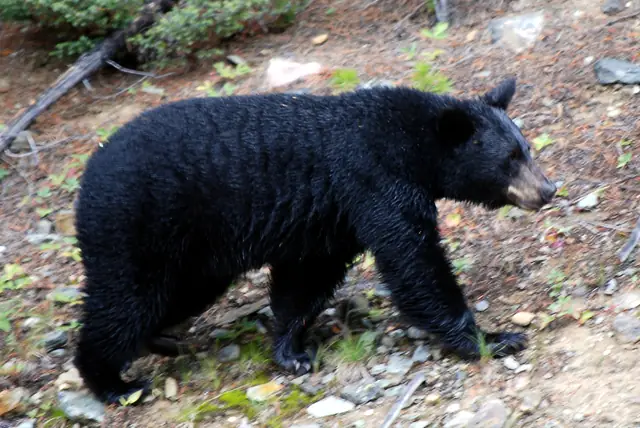
Black Bear
Ursus americanus
Seen most often in meadows and forest, digging for grubs or grazing. Many are brown or cinnamon. Keep well back and store every scrap of food in the bear boxes.
-
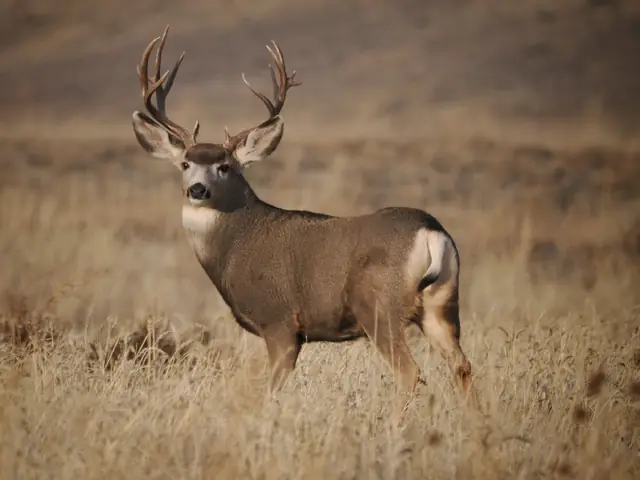
Mule Deer
Odocoileus hemionus
Grazing the meadows at Giant Forest, Grant Grove and Cedar Grove, most visible at dawn and dusk.
-
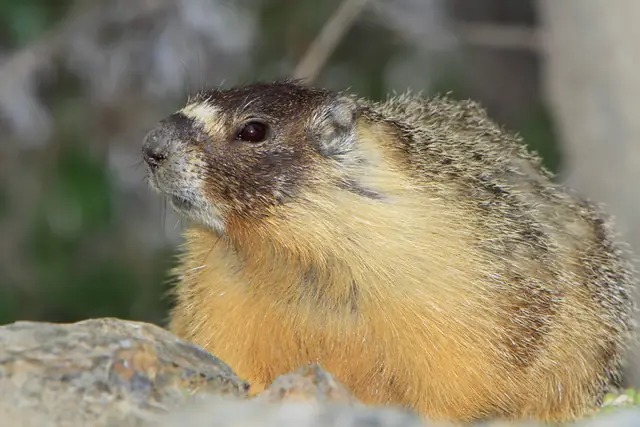
Yellow-bellied Marmot
Marmota flaviventris
Sunning on granite at Mineral King and around Moro Rock. In spring the Mineral King marmots chew car wiring and hoses.
-
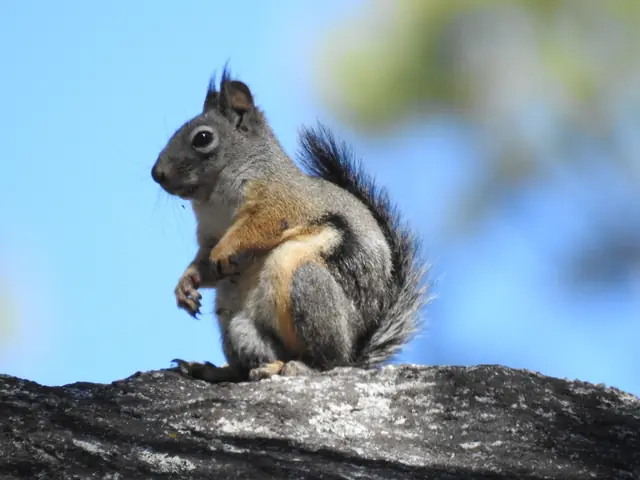
Douglas Squirrel
Tamiasciurus douglasii
The chickaree cuts green sequoia cones and scatters their seeds, helping the giant trees regrow.
-
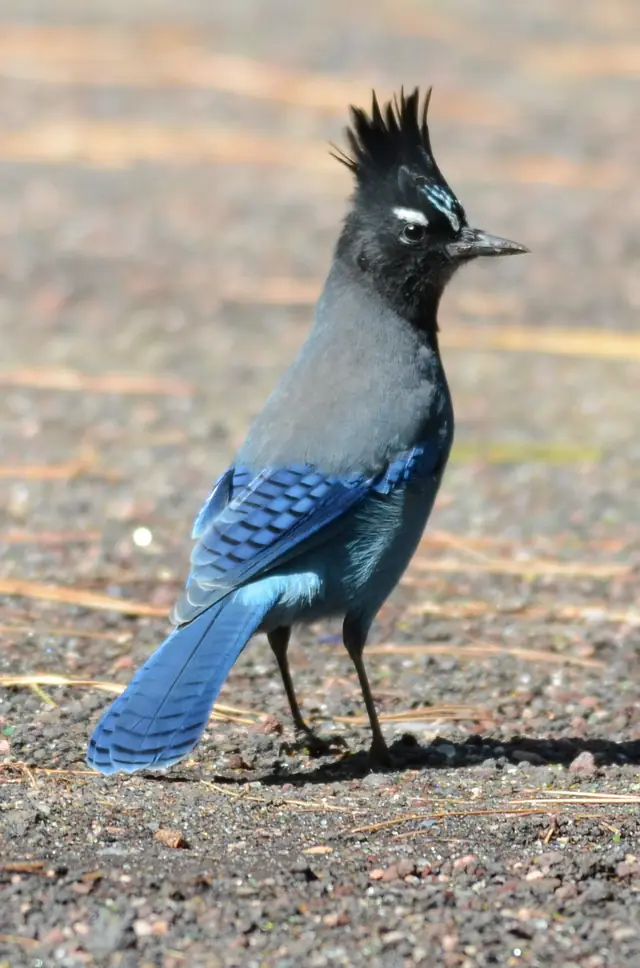
Steller's Jay
Cyanocitta stelleri
Crested, blue and noisy at every campground and picnic area. Keep food packed away.
-
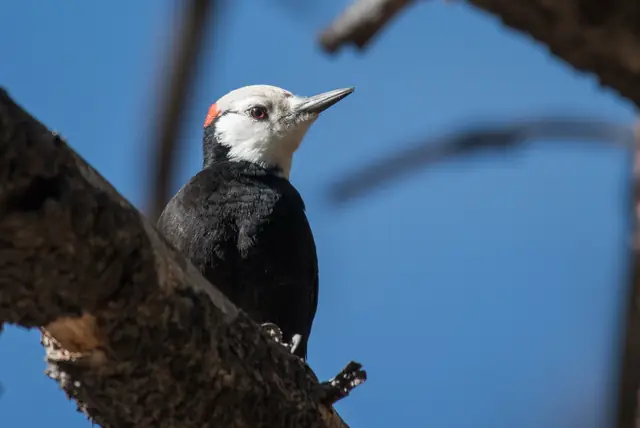
White-headed Woodpecker
Leuconotopicus albolarvatus
A Sierra speciality with a white head, in the pines and firs around Giant Forest and Grant Grove.
-
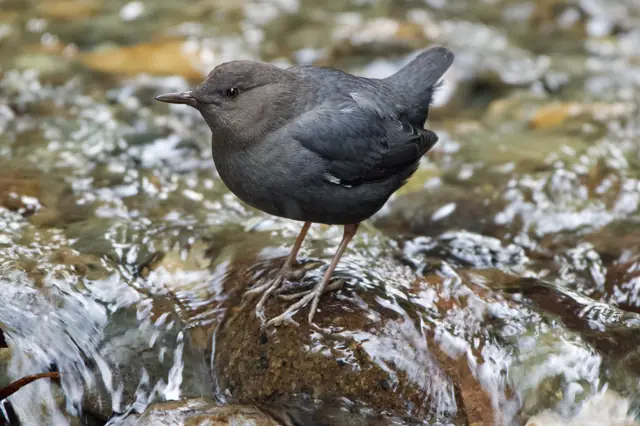
American Dipper
Cinclus mexicanus
Bobbing on boulders and diving into the fast water of the Kings River at Cedar Grove and the Kaweah, all year.
-
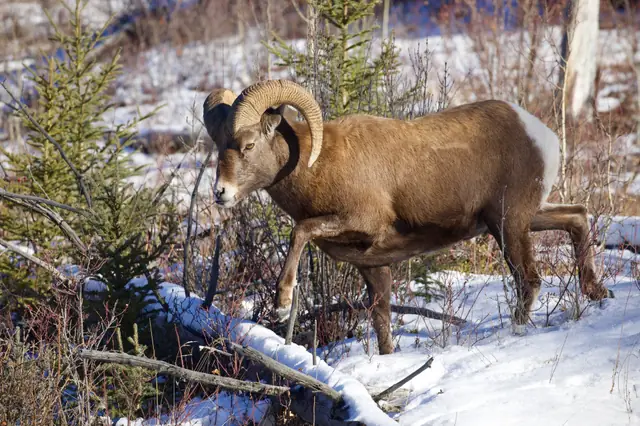
Bighorn Sheep
Ovis canadensis
Endangered Sierra Nevada bighorn, brought back to the high peaks of the Great Western Divide; a rare sight for backcountry hikers.
-
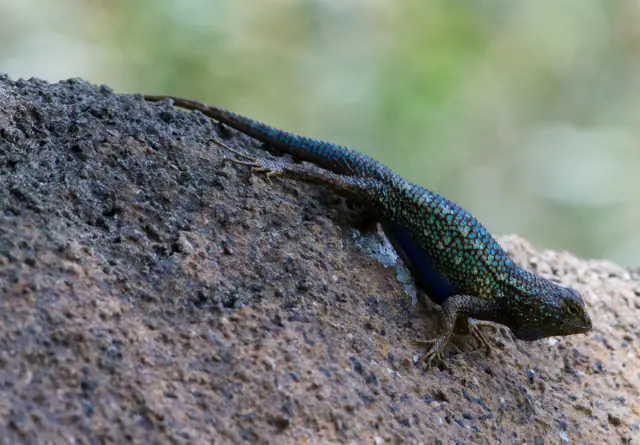
Western Fence Lizard
Sceloporus occidentalis
Doing push-ups on sunny rocks from the foothills to the sequoia groves; it helps reduce Lyme disease in the ticks that feed on it.
All 124 animals in Sequoia and Kings Canyon
Big mammals 5
-
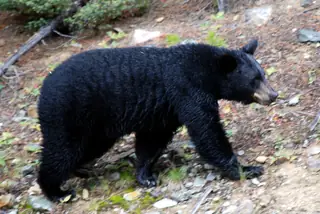 Black Bear
-
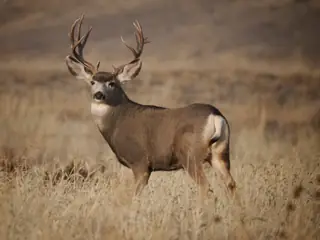 Mule Deer
-
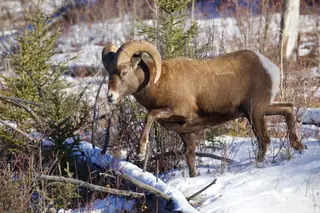 Bighorn SheepRare
-
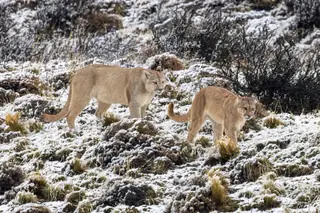 Cougar (Mountain Lion)Rare
-
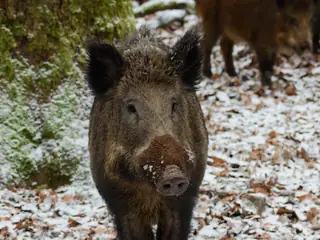 Wild BoarRare
Hunters 12
-
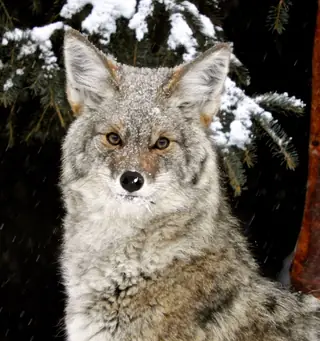 Coyote
-
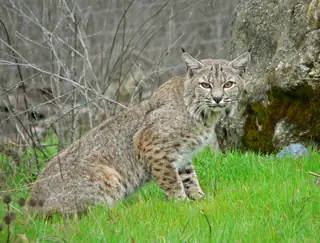 Bobcat
-
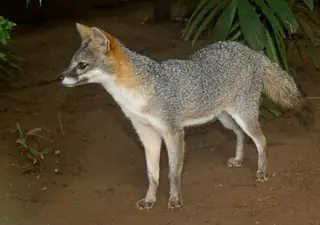 Grey Fox
-
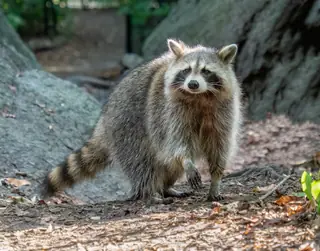 Raccoon
-
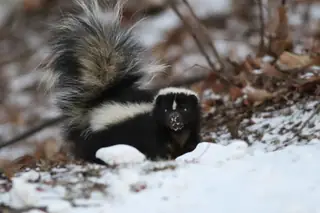 Striped Skunk
-
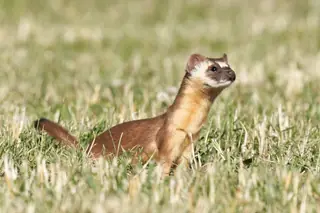 Long-tailed Weasel
-
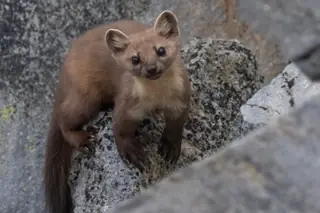 Pacific Marten
-
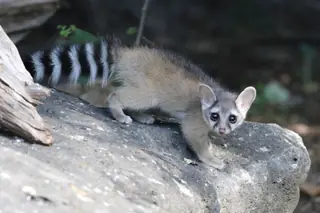 RingtailRare
-
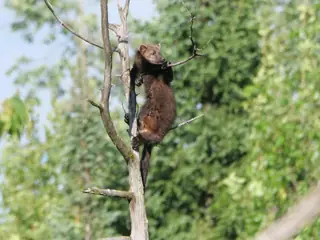 FisherRare
-
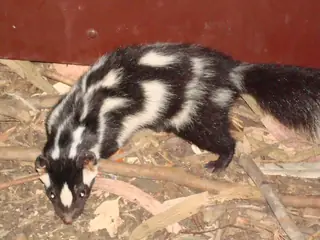 Western Spotted SkunkRare
-
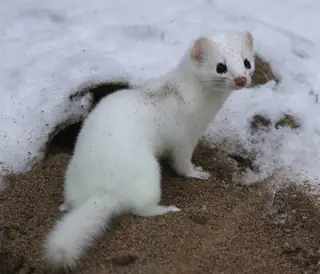 Short-tailed Weasel (Ermine)Rare
-
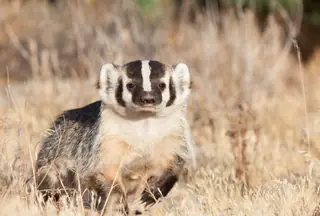 Badger (American)Rare
Small mammals 16
-
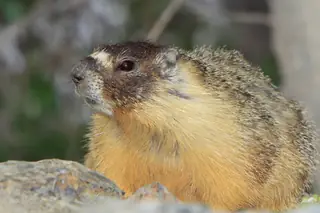 Yellow-bellied Marmot
-
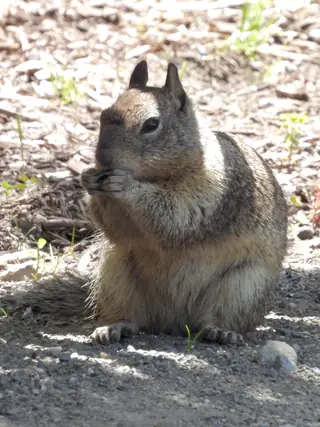 California Ground Squirrel
-
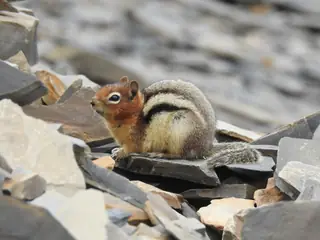 Golden-mantled Ground Squirrel
-
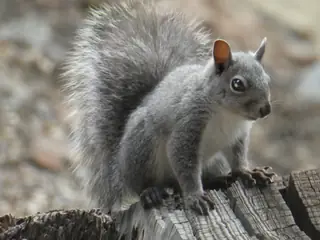 Western Grey Squirrel
-
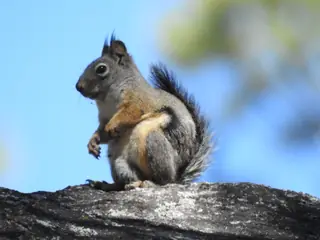 Douglas Squirrel
-
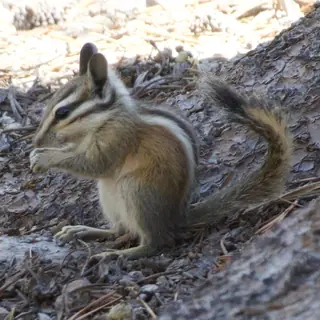 Lodgepole Chipmunk
-
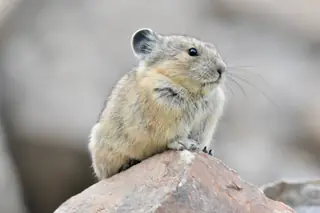 American Pika
-
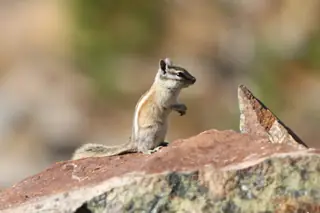 Alpine Chipmunk
-
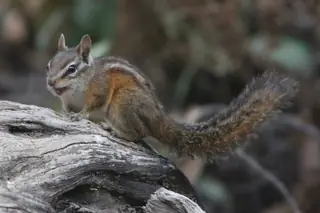 Merriam's Chipmunk
-
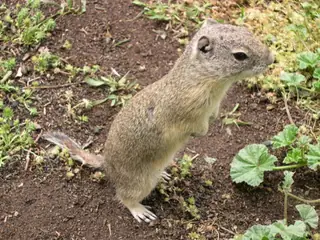 Belding's Ground Squirrel
- Bushy-tailed Woodrat
-
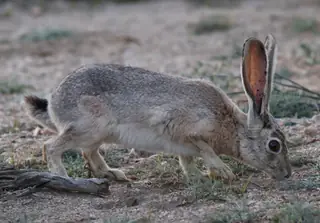 Black-tailed Jackrabbit
-
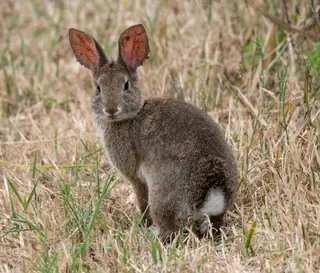 Brush Rabbit
-
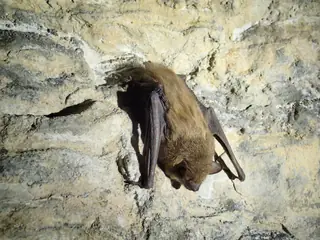 Big Brown Bat
-
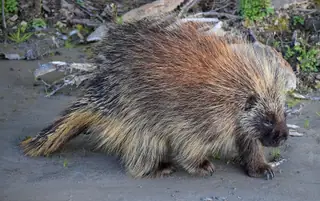 PorcupineRare
-
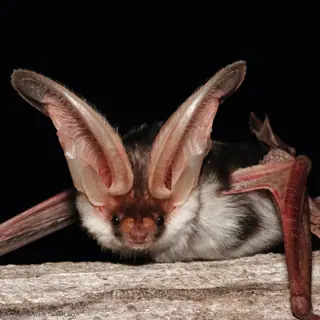 Spotted BatRare
Birds of prey and owls 15
-
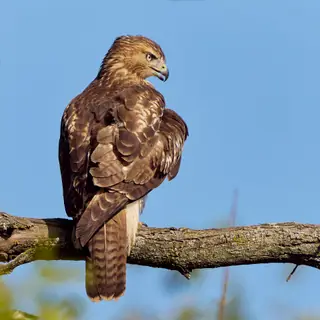 Red-tailed Hawk
-
 Turkey Vulture
-
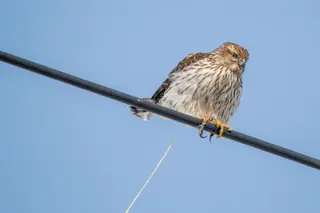 Cooper's Hawk
-
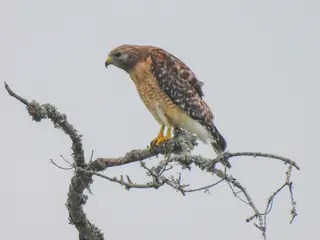 Red-shouldered Hawk
-
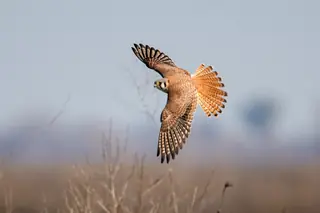 American Kestrel
-
 Golden Eagle
-
 Peregrine Falcon
-
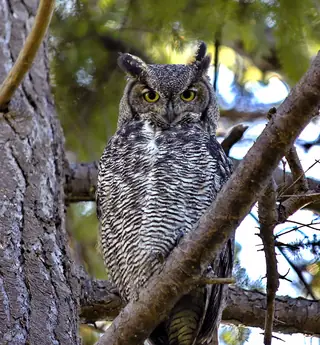 Great Horned Owl
-
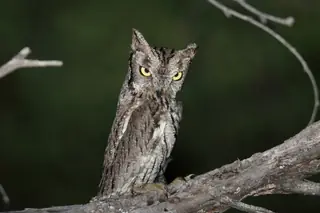 Western Screech Owl
-
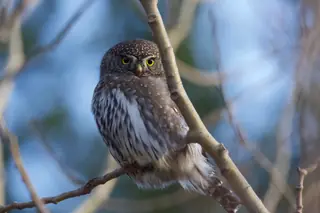 Northern Pygmy Owl
-
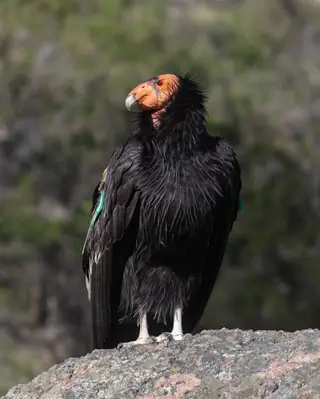 California CondorRare
-
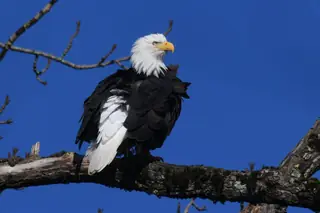 Bald EagleRare
-
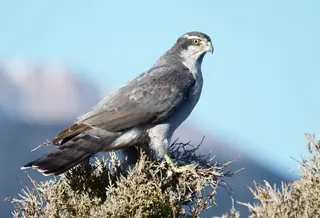 American GoshawkRare
-
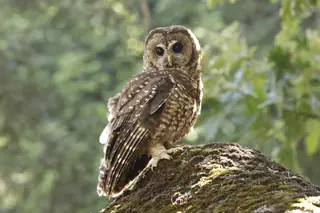 Spotted OwlRare
-
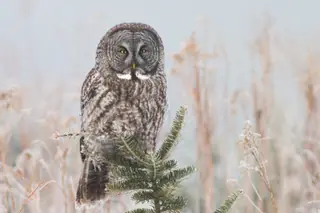 Great Grey OwlRare
Forest and foothill birds 44
-
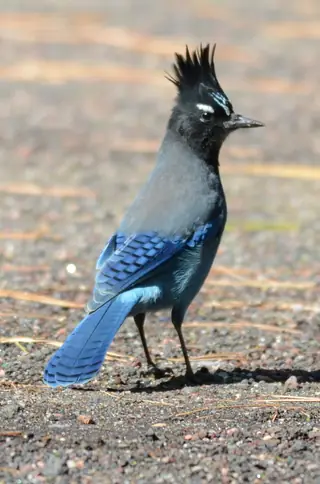 Steller's Jay
-
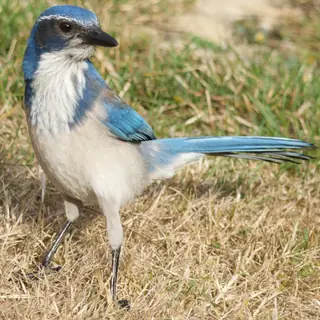 California Scrub Jay
-
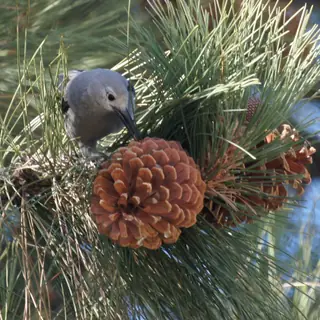 Clark's Nutcracker
-
 Common Raven
-
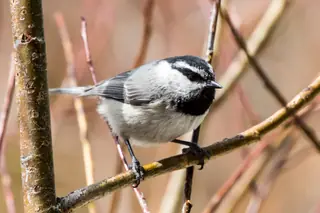 Mountain Chickadee
-
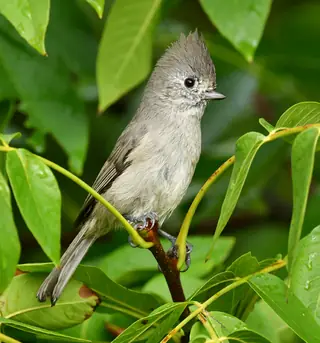 Oak Titmouse
-
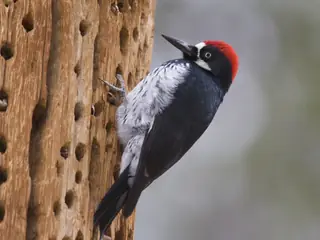 Acorn Woodpecker
-
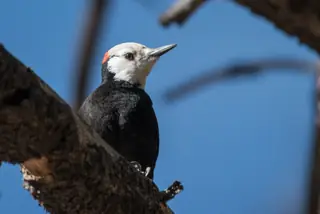 White-headed Woodpecker
-
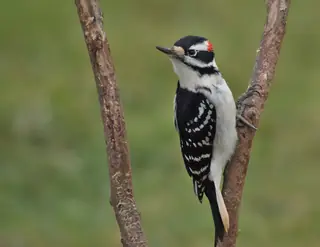 Hairy Woodpecker
-
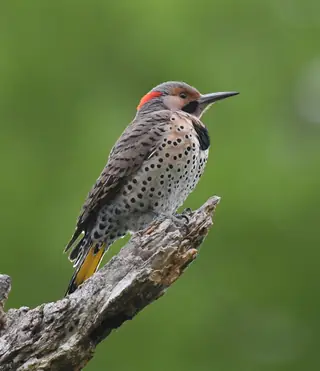 Northern Flicker
-
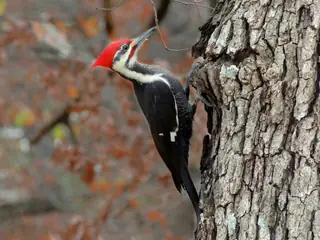 Pileated Woodpecker
-
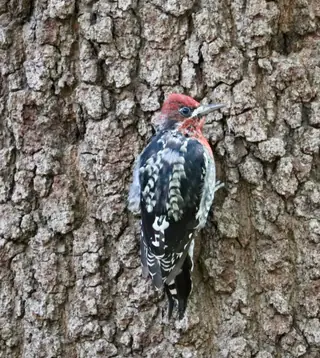 Red-breasted Sapsucker
-
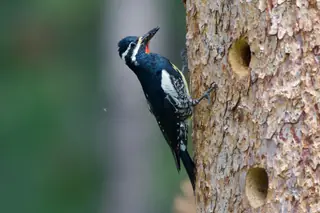 Williamson's Sapsucker
-
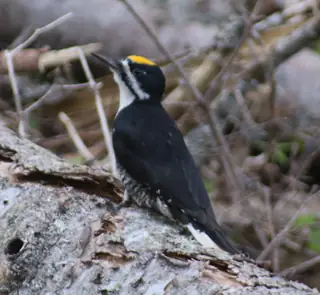 Black-backed WoodpeckerRare
-
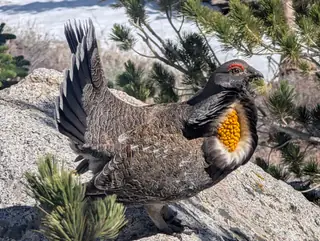 Sooty Grouse
-
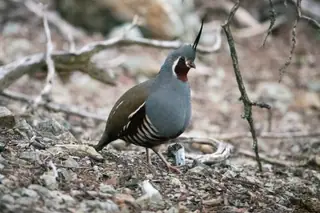 Mountain Quail
-
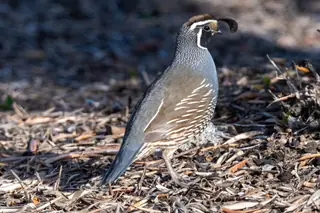 California Quail
-
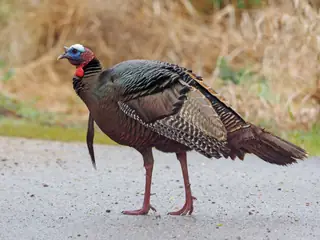 Wild Turkey
-
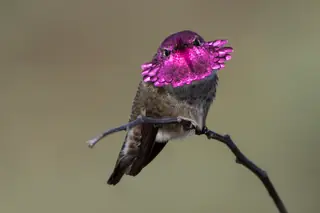 Anna's Hummingbird
-
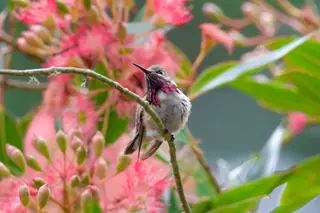 Calliope Hummingbird
-
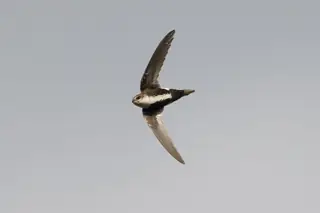 White-throated Swift
-
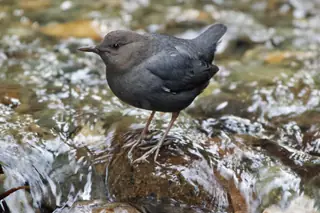 American Dipper
-
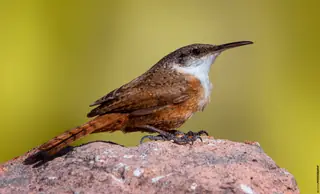 Canyon Wren
-
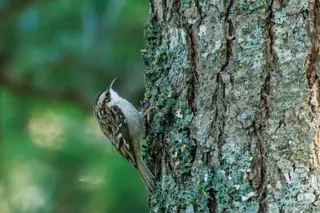 Brown Creeper
-
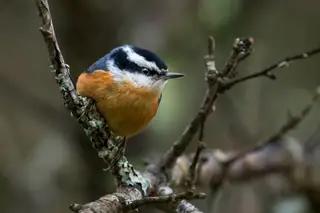 Red-breasted Nuthatch
-
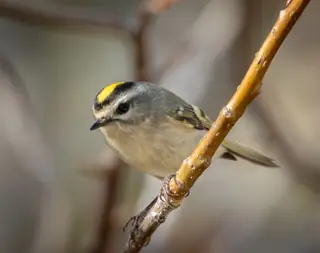 Golden-crowned Kinglet
-
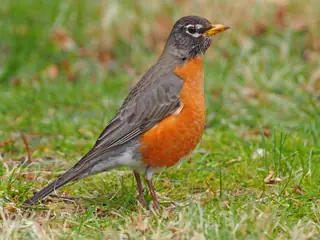 American Robin
-
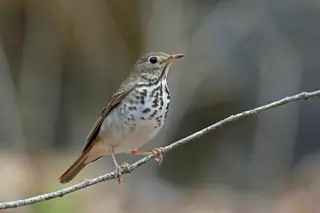 Hermit Thrush
-
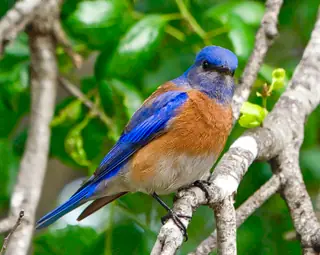 Western Bluebird
-
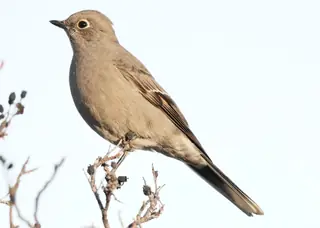 Townsend's Solitaire
-
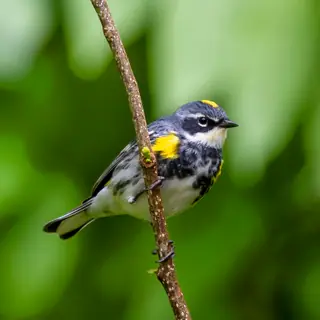 Yellow-rumped Warbler
-
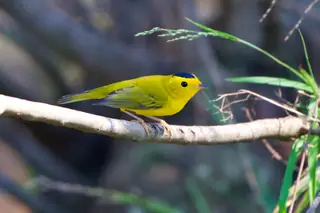 Wilson's Warbler
-
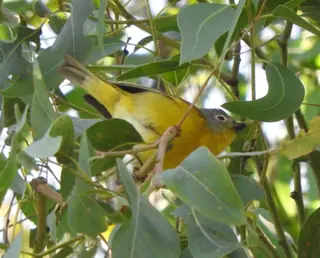 Nashville Warbler
-
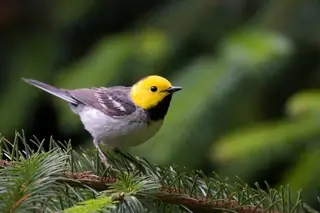 Hermit Warbler
-
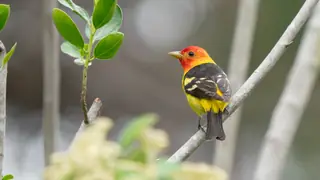 Western Tanager
-
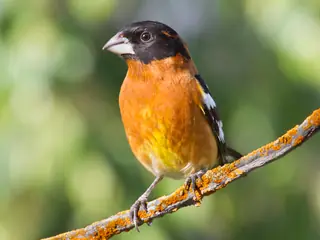 Black-headed Grosbeak
-
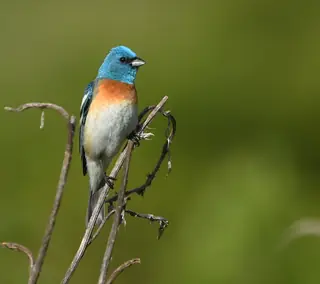 Lazuli Bunting
-
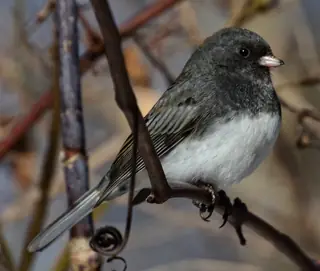 Dark-eyed Junco
-
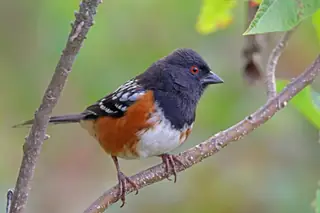 Spotted Towhee
-
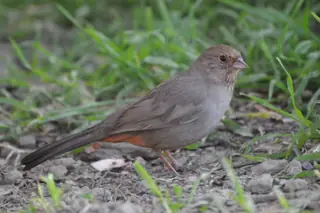 California Towhee
-
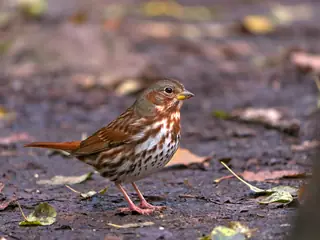 Fox Sparrow
-
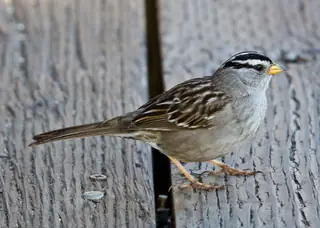 White-crowned Sparrow
-
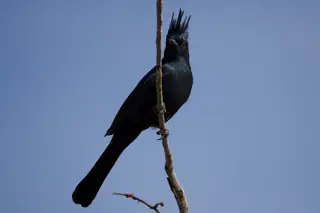 Phainopepla
-
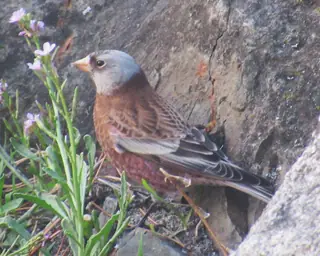 Grey-crowned Rosy FinchRare
Reptiles 13
-
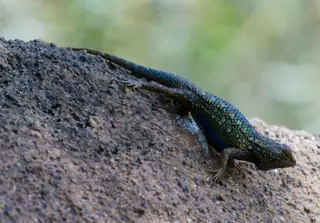 Western Fence Lizard
-
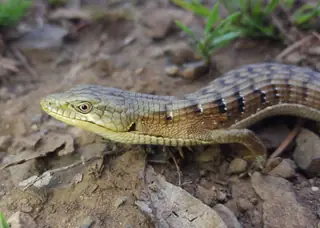 Southern Alligator Lizard
-
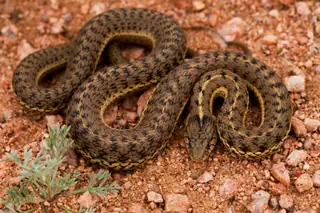 Western Terrestrial Garter Snake
-
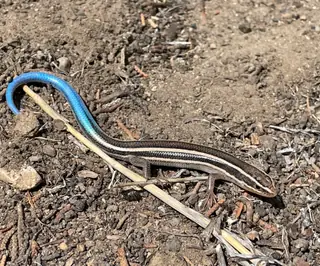 Western Skink
-
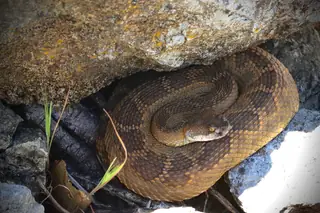 Western Rattlesnake
-
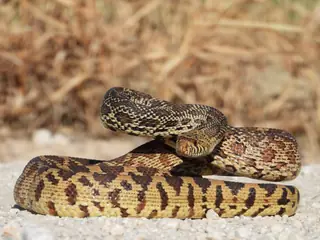 Gopher Snake
-
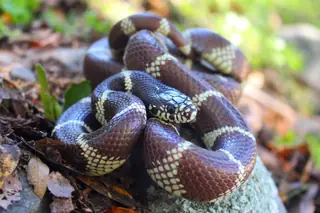 California Kingsnake
-
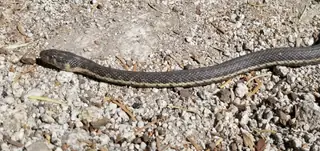 Sierra Garter Snake
-
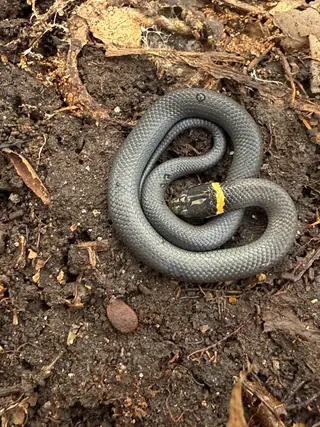 Ringneck Snake
-
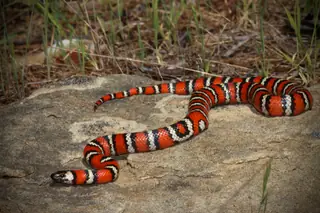 California Mountain KingsnakeRare
-
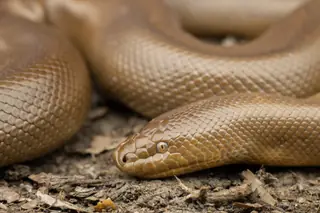 Rubber BoaRare
-
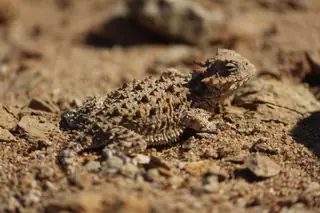 Blainville's Horned LizardRare
-
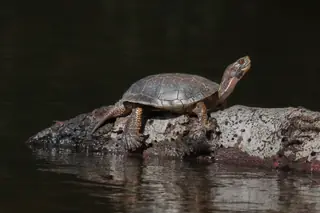 Western Pond TurtleRare
Amphibians 8
-
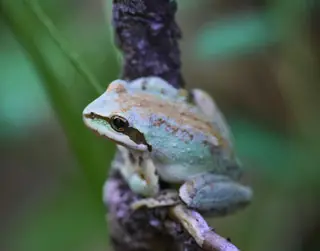 Sierran Treefrog
-
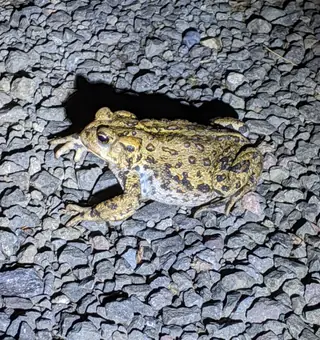 Western Toad
-
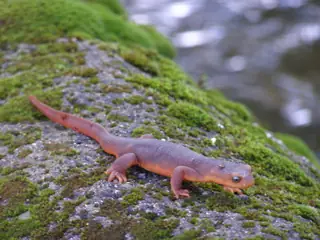 Sierra Newt
-
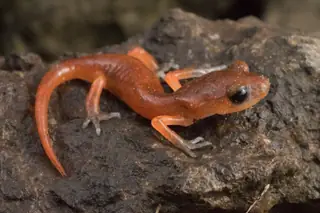 Ensatina
-
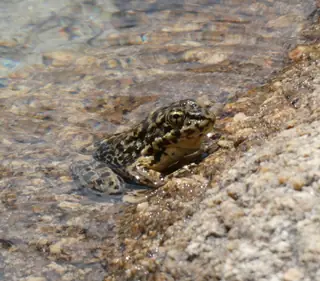 Sierra Nevada Yellow-legged FrogRare
-
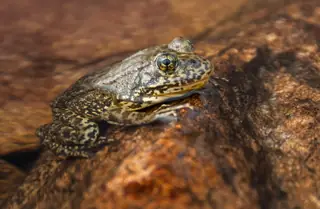 Southern Mountain Yellow-legged FrogRare
-
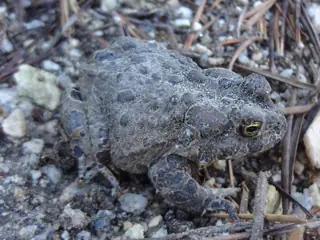 Yosemite ToadRare
-
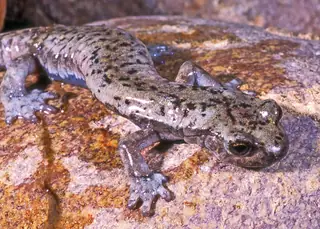 Mount Lyell SalamanderRare
Fish 4
-
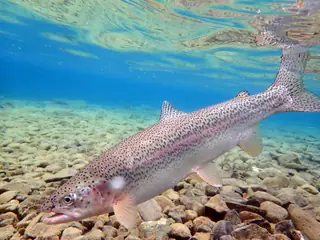 Rainbow Trout
-
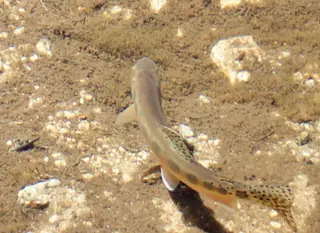 Golden TroutRare
-
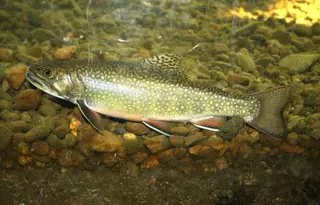 Brook Trout
-
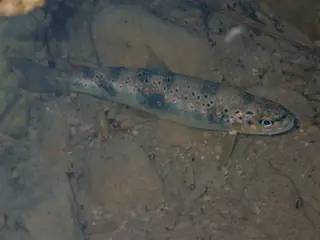 Brown Trout
Butterflies 7
-
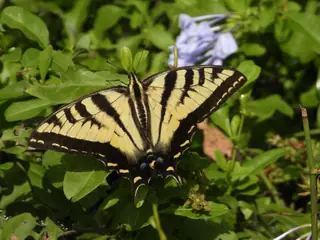 Western Tiger Swallowtail
-
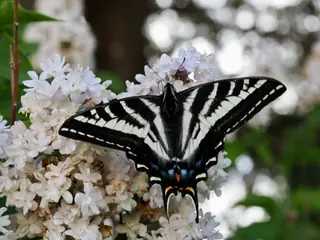 Pale Swallowtail
-
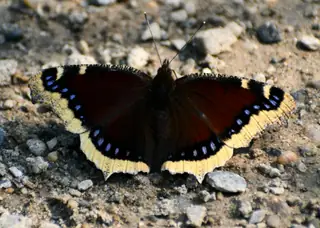 Mourning Cloak
-
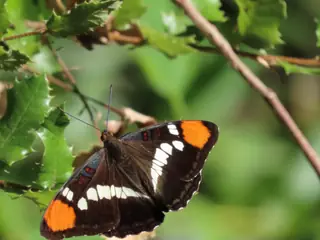 California Sister
-
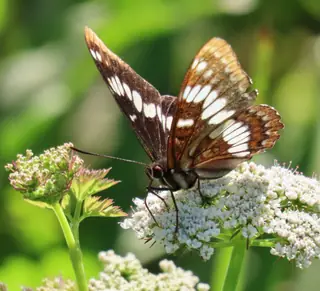 Lorquin's Admiral
-
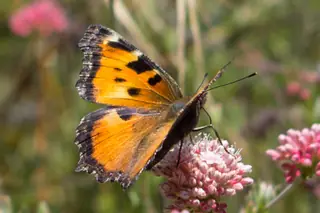 California Tortoiseshell
-
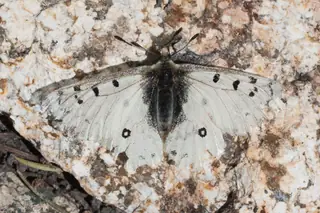 Sierra Nevada Parnassian
Best time to see wildlife in Sequoia and Kings Canyon
Sightings by month in Sequoia and Kings Canyon
Most records: Jun to SeptRecords from GBIF.org, adjusted for how many people record wildlife each month. 100% is the busiest month.
The parks are open all year, but snow shapes the season. Spring comes first to the foothills, where March to May bring wildflowers, singing birds and active lizards and snakes. Bears come out of their dens in spring and are easiest to see from May to October, when they work the meadows and later feed on acorns and berries. Mineral King Road and the road into Cedar Grove usually open in late May and close in October or November. The high trails clear of snow by July, the best time for marmots, pikas and high mountain birds. Autumn is quiet and golden, with deer in the rut and bears feeding hard before winter. In winter, snow closes much of the Generals Highway at times; chains may be required, and the sequoia groves are beautiful but quiet for wildlife.
- Dec to FebSnow in the groves, chains often needed; foothill birding
- Mar to MayFoothill wildflowers and birdsong; bears waking up
- Jun to AugEverything open; best for bears, marmots and high country
- Sep to NovFewer people; deer rut, bears feeding on acorns
Tips for spotting wildlife in Sequoia and Kings Canyon
- 01
Walk the meadows at Giant Forest
Round Meadow, Crescent Meadow and the Big Trees Trail are good for deer, especially early and late in the day. Watch from the trail and boardwalk.
- 02
Use the bear boxes every time
All food, coolers and scented items go in the metal food lockers, not in your car, from spring to autumn. Bears here know how to open cars.
- 03
Protect your car at Mineral King
In late spring and early summer marmots chew radiator hoses and wiring. The park suggests wrapping the car in a tarp; check under the bonnet before driving.
- 04
Go down to the river at Cedar Grove
The Kings River at Cedar Grove and Zumwalt Meadow is good for dippers, kingfishers, mule deer and, on warm days, butterflies.
- 05
Look for foothill birds in spring
Around the Foothills Visitor Center at Ash Mountain, look for acorn woodpeckers, oak titmice, phainopeplas and California quail from March to May.

Take Sequoia and Kings Canyon with you
Visiting Sequoia and Kings Canyon? Tick off bears, marmots and woodpeckers among the giant trees in Wilder. It's free to start and works offline in the mountains.

Sequoia & Kings Canyon wildlife FAQ
What animals can you see in Sequoia and Kings Canyon National Parks?
Black bears and mule deer are the big mammals most visitors see, along with marmots, ground squirrels, chipmunks and Douglas squirrels. Birds include Steller's jays, acorn and white-headed woodpeckers and American dippers. This checklist covers 124 animals, including rare residents such as the Sierra Nevada bighorn, fisher and great grey owl.
Are there bears in Sequoia National Park?
Yes, Sequoia and Kings Canyon have a healthy black bear population and no grizzlies, which died out in California a century ago. Black bears are often brown or cinnamon. You are most likely to see one in meadows and forest from May to October. Keep well back, never feed them and use the bear boxes.
What is the difference between Sequoia and Kings Canyon?
They are two national parks managed together and joined by the Generals Highway. Sequoia, to the south, holds Giant Forest, the General Sherman Tree, Moro Rock and Mineral King. Kings Canyon, to the north, includes Grant Grove and the deep glacial canyon of the Kings River at Cedar Grove. The wildlife is much the same in both.
Can you see wildlife in Sequoia in winter?
Some. Mule deer, Steller's jays, ravens, woodpeckers and Douglas squirrels stay active in the snowy sequoia groves, and the foothills are good for birds. Bears mostly sleep through the coldest months, and marmots and ground squirrels hibernate. Roads can close in snowstorms, and tyre chains are often required.
Sources
- Sequoia and Kings Canyon National Parks (NPS)
- Sequoia and Kings Canyon: Bears (NPS)
- Sightings by month: GBIF.org
Animal photos are from the Wilder catalogue; photo credits.
Similar checklists
All North America-
 National park124animals Yosemite National Park Sierra Nevada, California, USA Granite walls and giant sequoias with black bears in the meadows, marmots and pikas up on Tioga Road, and great grey owls hunting the mountain meadows at dusk. Best time May to Oct
-
 National seashore128animals Point Reyes National Seashore Marin County, California, USA A windswept peninsula north of San Francisco: tule elk on the Tomales Point headland, elephant seals below Chimney Rock, grey whales passing the lighthouse and bobcats hunting the pastures. Best time Jan to Apr
-
 National park114animals Joshua Tree National Park Southern California, USA Where the Mojave meets the Colorado Desert: Joshua trees and granite boulders with cactus wrens, roadrunners and Gambel's quail by day, and kangaroo rats, kit foxes and desert tortoises for the patient. Best time Feb to May
-
 Marine park125animals Monterey Bay and Big Sur Central Coast, California, USA Sea otters in the kelp, humpbacks and blue whales over the deep canyon, elephant seals on the beaches and condors soaring above the Big Sur cliffs. Best time Apr to Nov