Marine park · Central Coast, California · USA
Monterey Bay and Big Sur Wildlife Checklist

Monterey Bay and the Big Sur coast in California are famous for sea otters in the kelp, whales over a deep submarine canyon close to shore, elephant seals on the beaches and wild California condors above the cliffs. This checklist covers 125 animals. There is something to see all year: humpbacks from April to December, blue whales in late summer, grey whales from December to May.
Tick off all 125 animals in Monterey Bay on your phone, even offline. Launching soon. Free A4 PDF, no sign-up.
The Monterey Submarine Canyon brings deep, cold, food-rich water within a few miles of the harbour, so whales feed here that elsewhere stay far out to sea. Big Sur adds 90 miles of cliff coast with condors overhead.
- Animals to find
- 125
- Where
- USA
- Best time
- Apr to Nov
- Ocean canyon
- As deep as the Grand Canyon, a few miles offshore
Popular animals in Monterey Bay
-
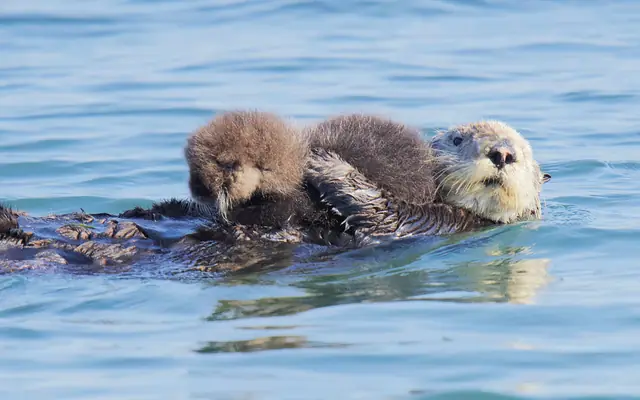
Sea Otter
Enhydra lutris
Wrapped in kelp off Pacific Grove and Point Lobos, or resting together in rafts. They were nearly wiped out by the fur trade; this coast is where they came back.
-
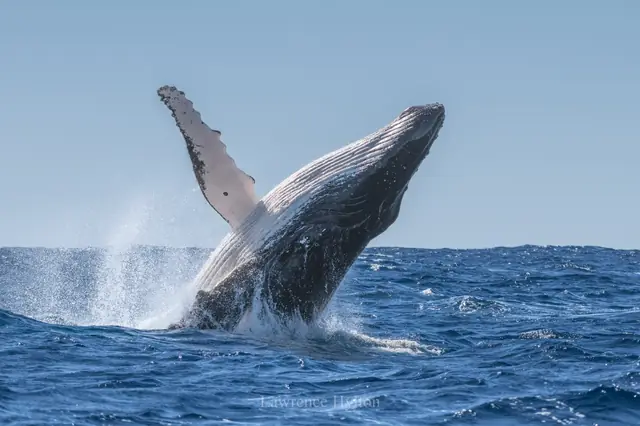
Humpback Whale
Megaptera novaeangliae
Feed in the bay from spring to early winter, lunging through anchovy shoals. Licensed boat trips leave Monterey and Moss Landing daily; some days you can watch from the shore.
-
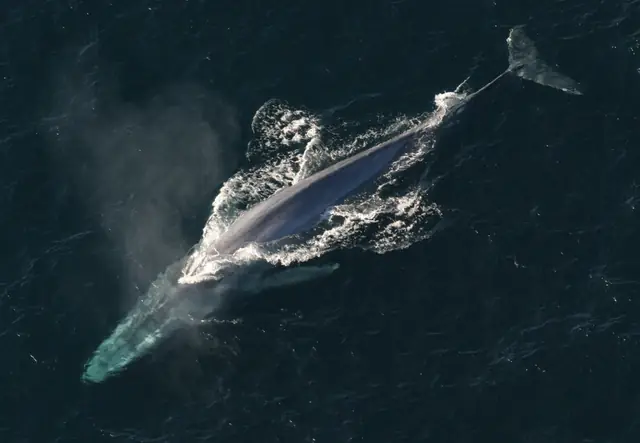
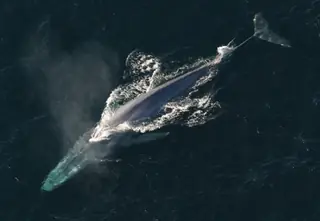
Blue Whale
Balaenoptera musculus
The largest animal that has ever lived visits the edge of the canyon from roughly July to October to feed on krill.
-
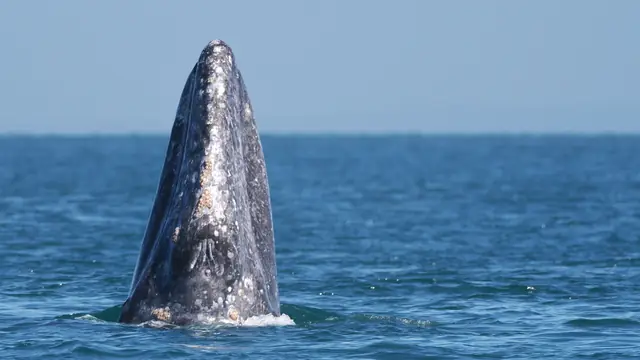
Grey Whale
Eschrichtius robustus
Pass the coast on their long migration: southbound in December and January, northbound with young calves from February to May, often close to the headlands.
-
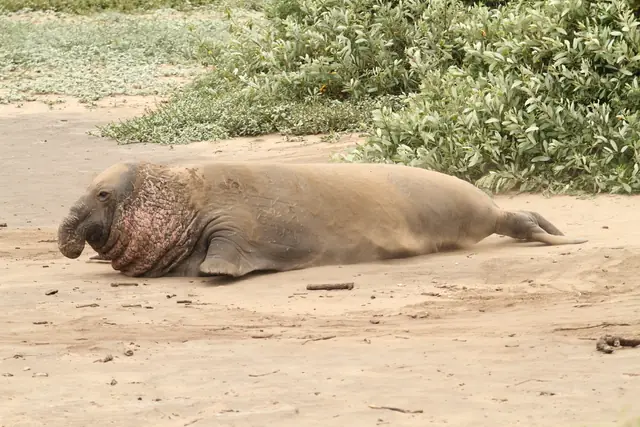
Northern Elephant Seal
Mirounga angustirostris
Thousands gather at Piedras Blancas, south of Big Sur, where a boardwalk gives views all year. Pups are born from late December to February.
-
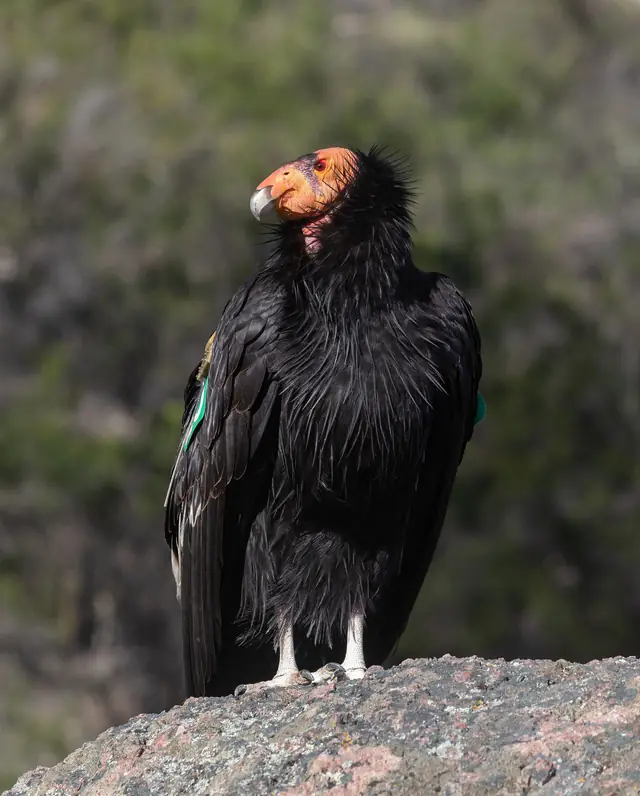
California Condor
Gymnogyps californianus
Once down to just 22 birds in the world, condors have been released on this coast since 1997. Look for the huge, flat-winged birds with numbered wing tags.
-
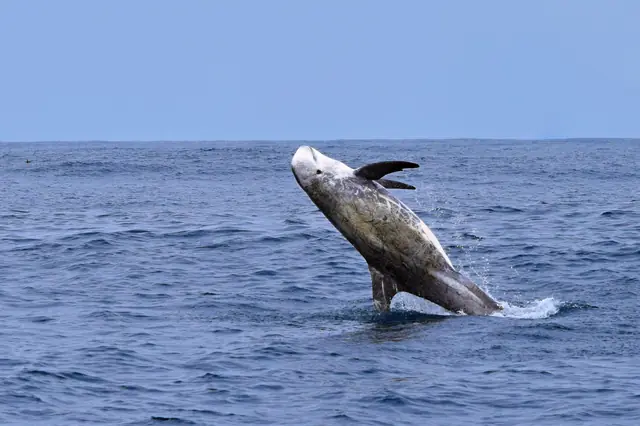
Risso's Dolphin
Grampus griseus
Grey, heavily scarred dolphins with blunt heads, found over the canyon all year and seen on most whale-watching trips.
-
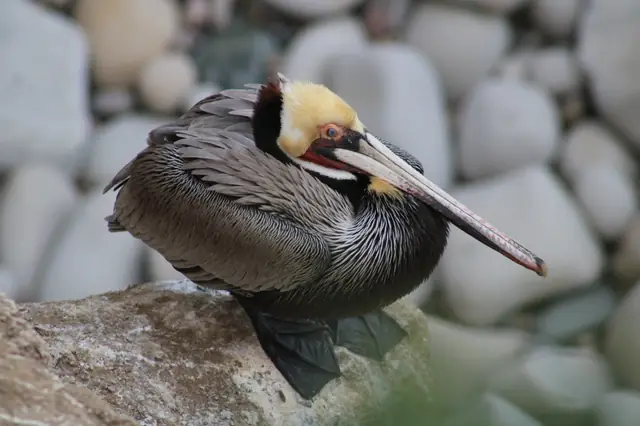
Brown Pelican
Pelecanus occidentalis
Lines of pelicans skim the waves and crash into the water after fish, most of the year.
-
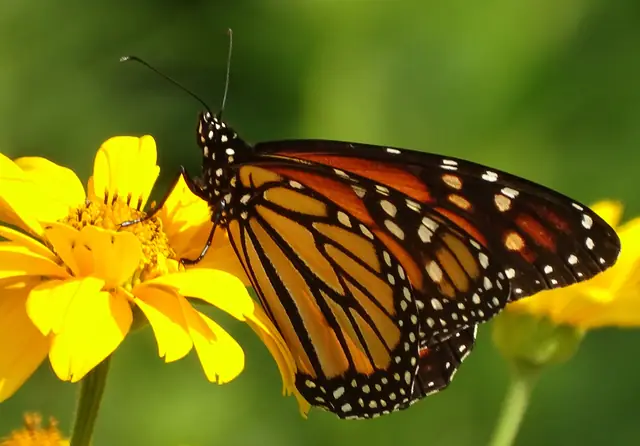
Monarch
Danaus plexippus
Overwinter in eucalyptus groves at the Pacific Grove Monarch Sanctuary from about October to February, hanging in clusters on cool mornings.
All 125 animals in Monterey Bay
Sea otters, seals and sea lions 6
-
 Sea Otter
-
 California Sea Lion
-
 Harbour Seal
-
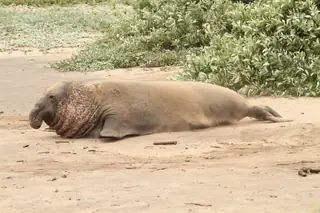 Northern Elephant Seal
-
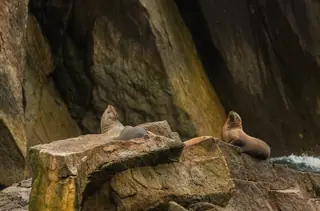 Steller Sea Lion
-
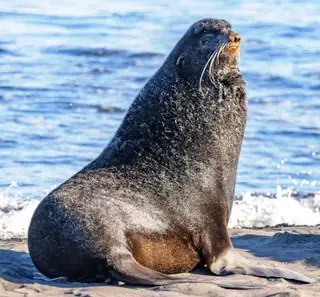 Northern Fur SealRare
Whales and dolphins 14
-
 Humpback Whale
-
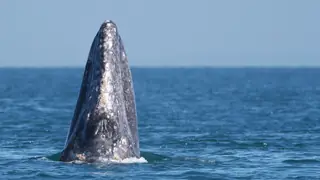 Grey Whale
-
 Blue Whale
-
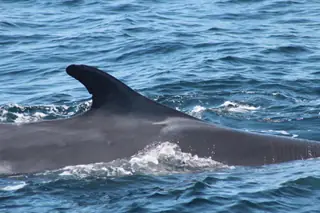 Fin Whale
-
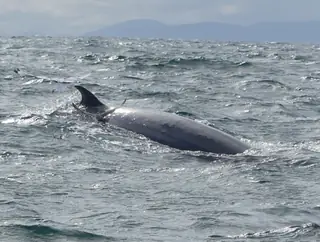 Minke Whale
-
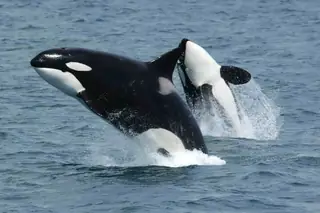 Orca
-
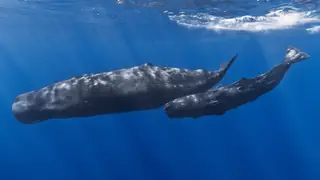 Sperm WhaleRare
-
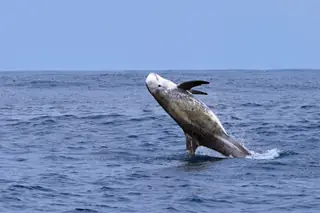 Risso's Dolphin
-
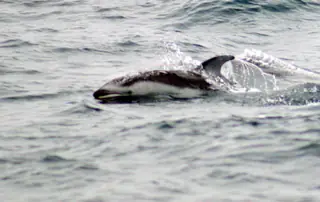 Pacific White-sided Dolphin
-
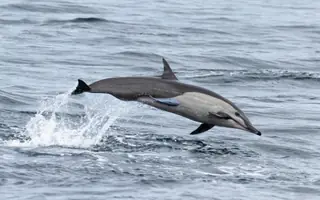 Common Dolphin
-
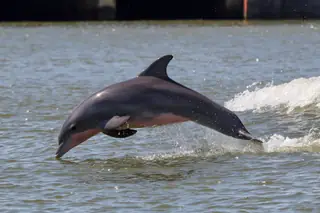 Bottlenose Dolphin
-
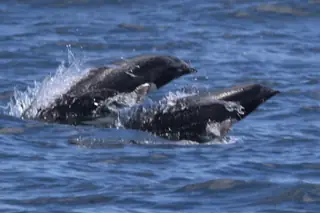 Northern Right Whale DolphinRare
-
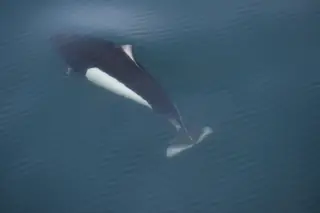 Dall's Porpoise
-
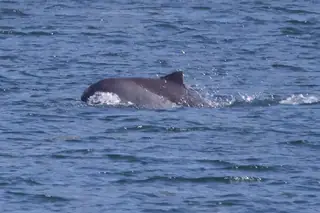 Harbour Porpoise
Land mammals 13
-
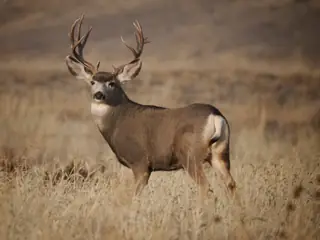 Black-tailed Deer
-
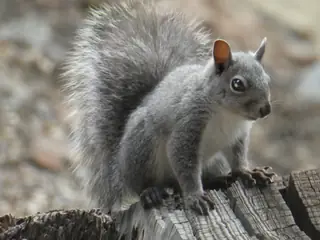 Western Grey Squirrel
-
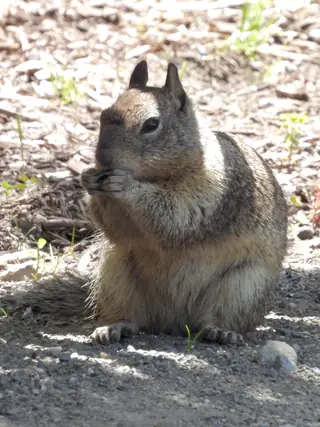 California Ground Squirrel
-
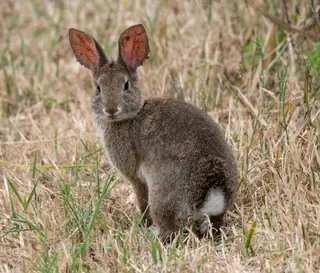 Brush Rabbit
-
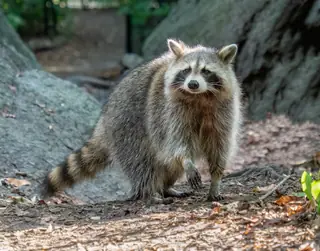 Raccoon
-
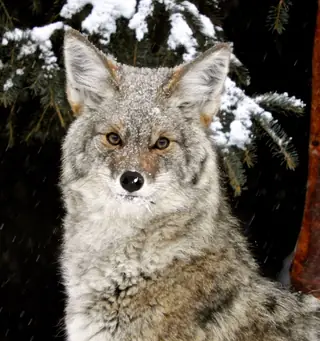 Coyote
-
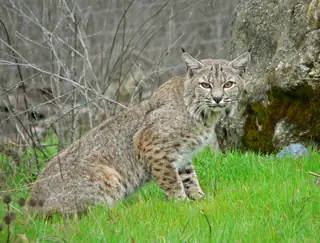 Bobcat
-
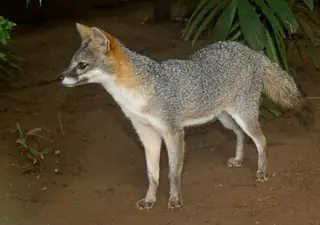 Grey Fox
-
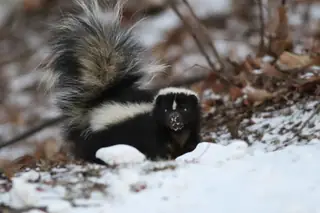 Striped Skunk
-
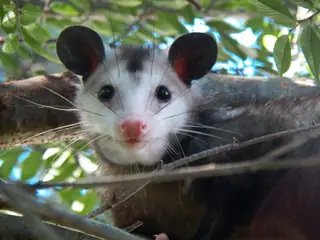 Virginia Opossum
-
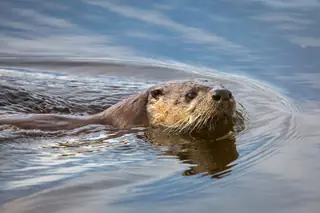 River Otter
-
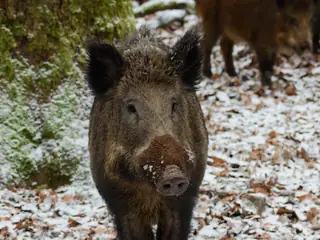 Wild BoarRare
-
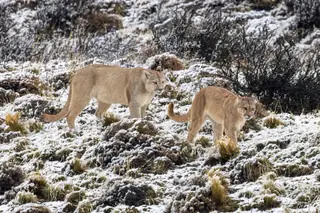 Cougar (Mountain Lion)Rare
Condors and birds of prey 11
-
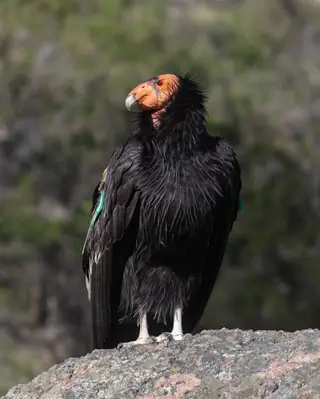 California Condor
-
 Turkey Vulture
-
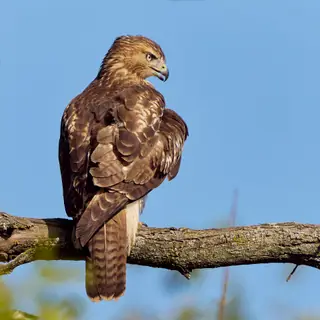 Red-tailed Hawk
-
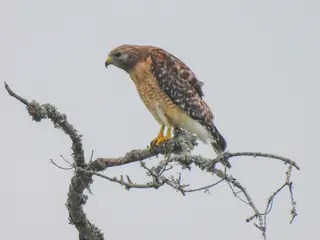 Red-shouldered Hawk
-
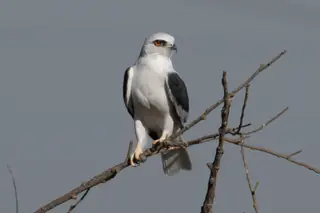 White-tailed Kite
-
 Osprey
-
 Peregrine Falcon
-
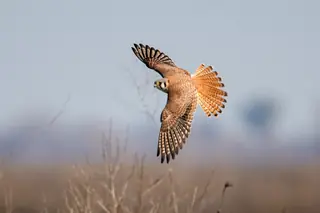 American Kestrel
-
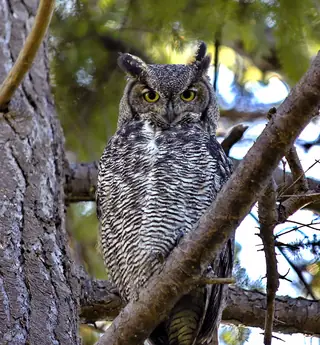 Great Horned Owl
-
 Golden EagleRare
-
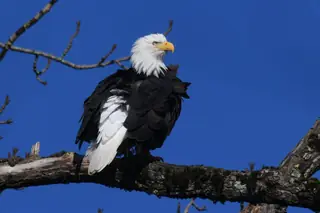 Bald EagleRare
Seabirds 15
-
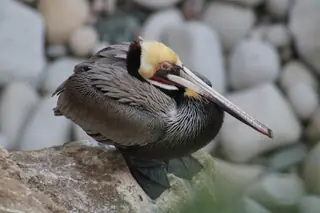 Brown Pelican
-
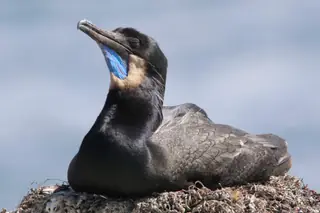 Brandt's Cormorant
-
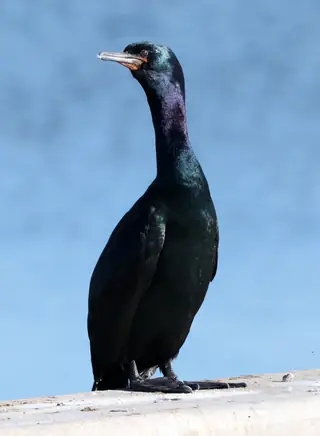 Pelagic Cormorant
-
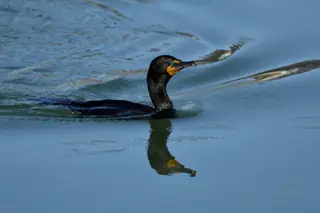 Double-crested Cormorant
-
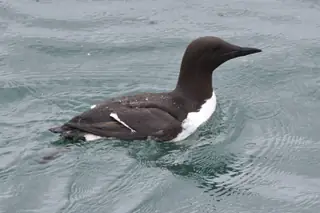 Common Murre
-
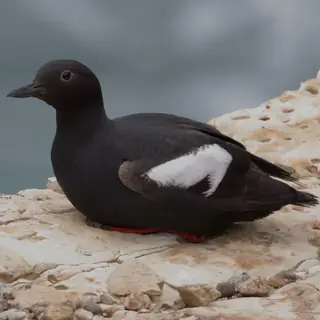 Pigeon Guillemot
-
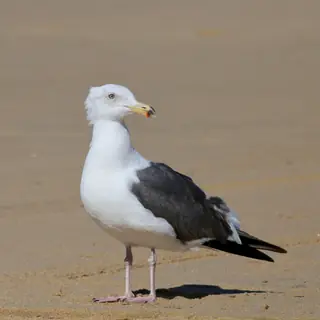 Western Gull
-
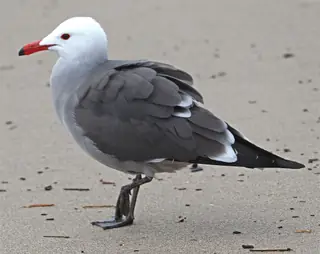 Heermann's Gull
-
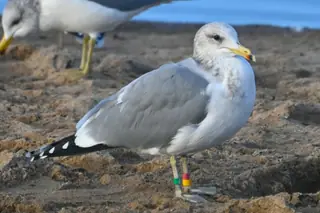 California Gull
-
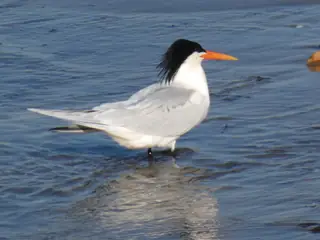 Elegant Tern
-
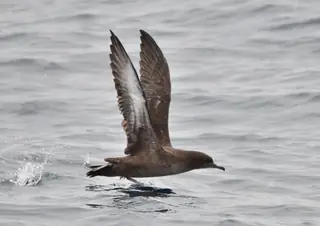 Sooty Shearwater
-
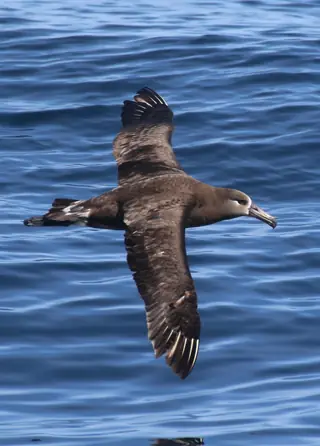 Black-footed Albatross
-
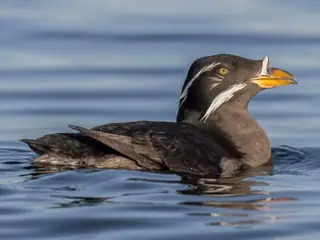 Rhinoceros Auklet
-
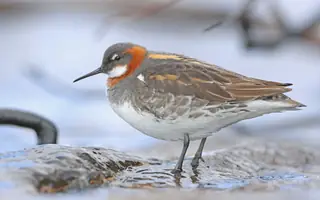 Red-necked Phalarope
-
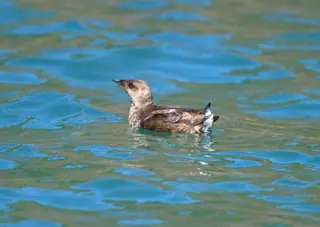 Marbled MurreletRare
Shore and estuary birds 16
-
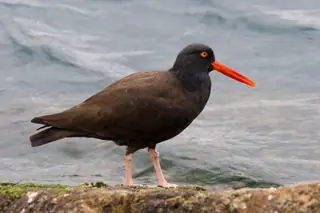 Black Oystercatcher
-
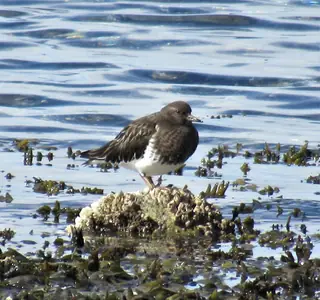 Black Turnstone
-
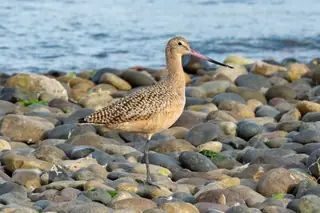 Marbled Godwit
-
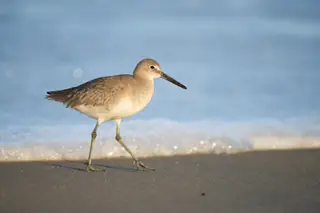 Willet
-
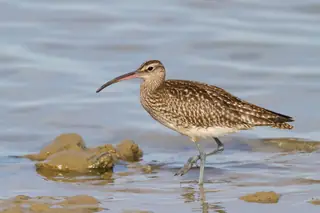 Whimbrel
-
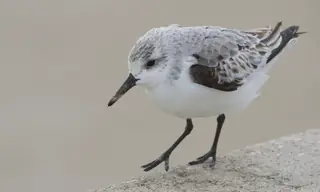 Sanderling
-
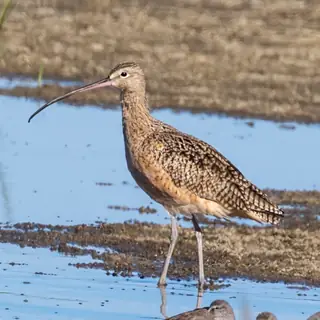 Long-billed Curlew
-
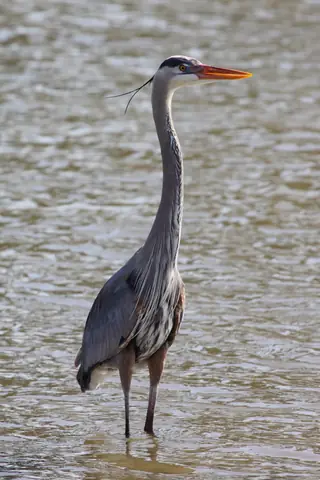 Great Blue Heron
-
 Great Egret
-
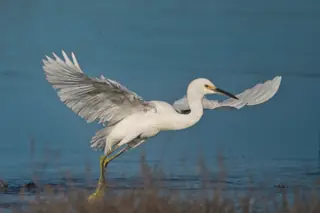 Snowy Egret
-
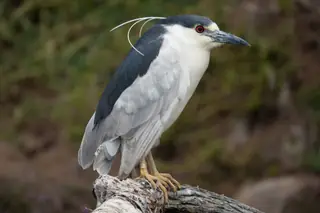 Black-crowned Night Heron
-
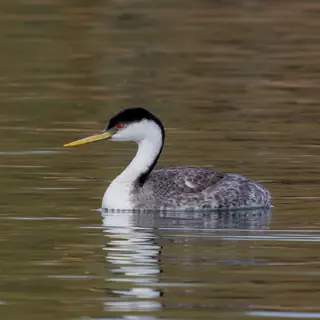 Western Grebe
-
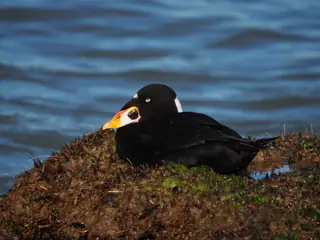 Surf Scoter
-
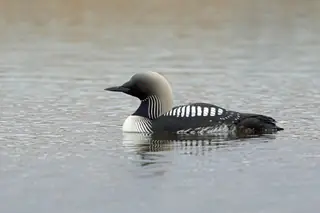 Pacific Loon
-
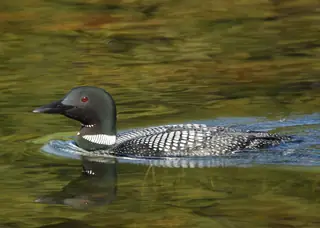 Common Loon
-
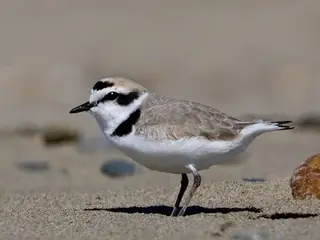 Snowy Plover
Land birds 16
-
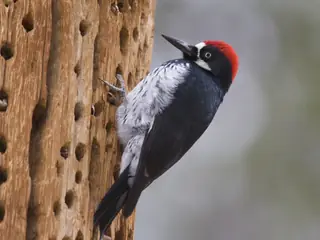 Acorn Woodpecker
-
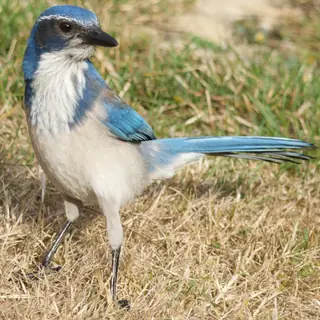 California Scrub Jay
-
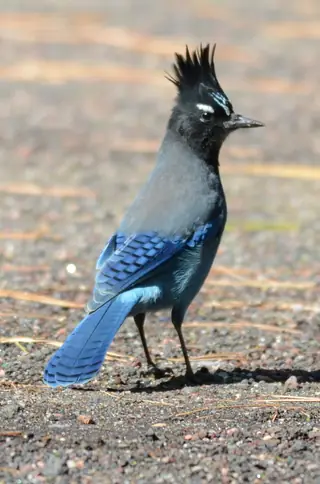 Steller's Jay
-
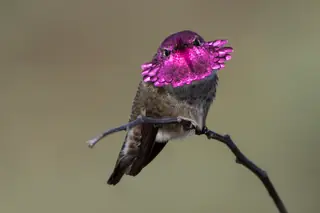 Anna's Hummingbird
-
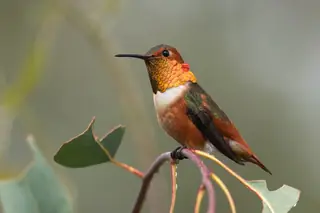 Allen's Hummingbird
-
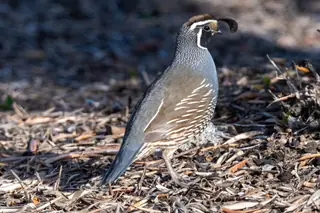 California Quail
-
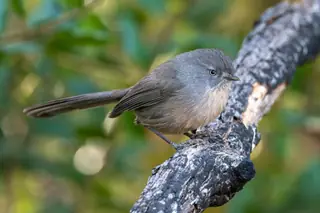 Wrentit
-
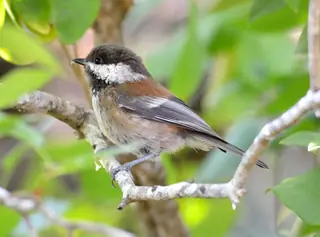 Chestnut-backed Chickadee
-
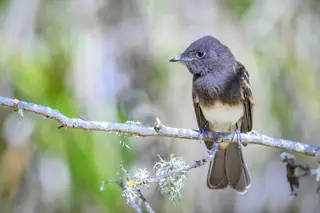 Black Phoebe
-
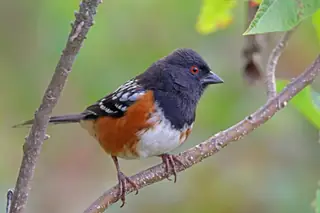 Spotted Towhee
-
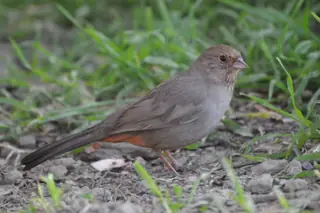 California Towhee
-
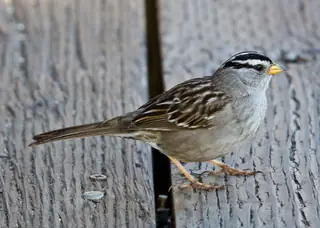 White-crowned Sparrow
-
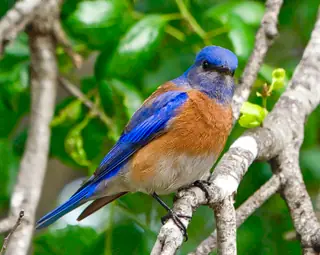 Western Bluebird
-
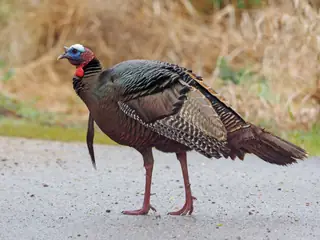 Wild Turkey
-
 Common Raven
-
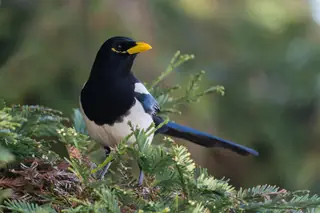 Yellow-billed Magpie
Reptiles and amphibians 11
-
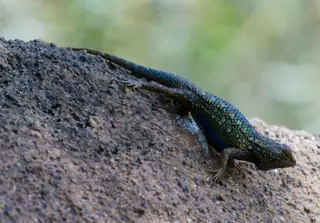 Western Fence Lizard
-
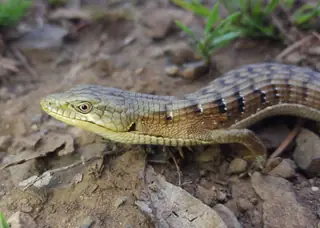 Southern Alligator Lizard
-
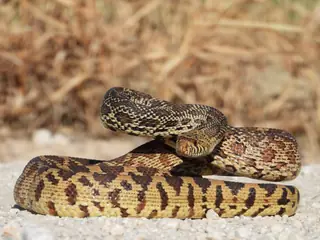 Gopher Snake
-
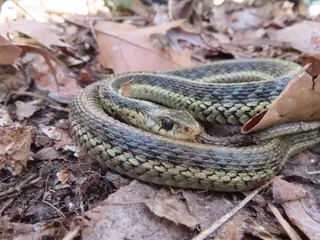 Common Garter Snake
-
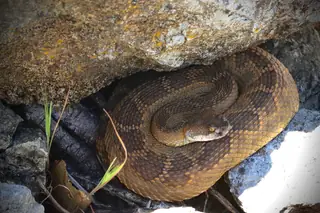 Western Rattlesnake
-
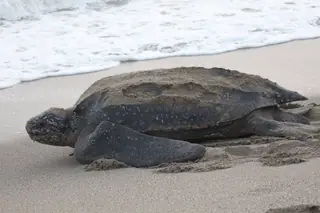 Leatherback TurtleRare
-
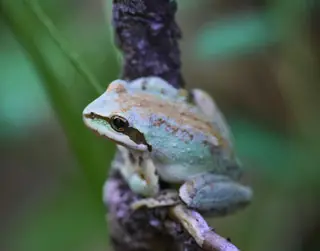 Sierran Treefrog
-
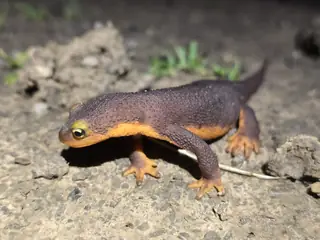 California Newt
-
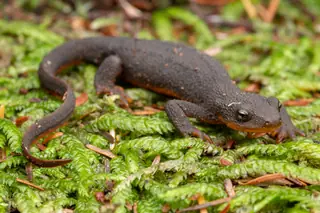 Rough-skinned Newt
-
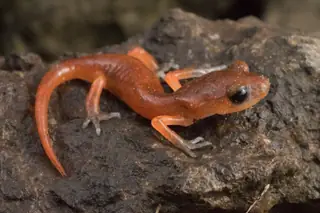 Ensatina
-
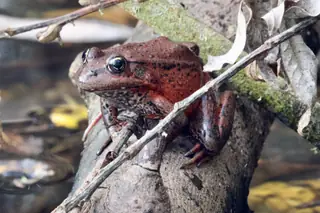 California Red-legged FrogRare
Sea life 6
-
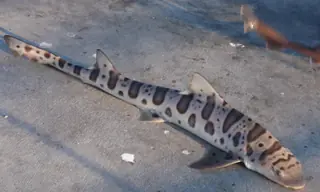 Leopard Shark
-
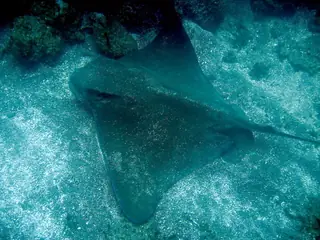 Bat Ray
-
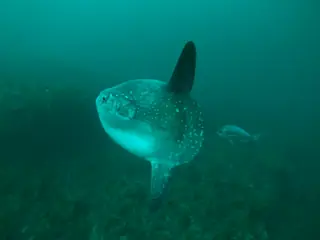 Ocean Sunfish
-
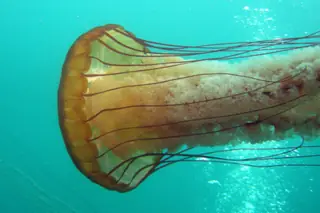 Pacific Sea Nettle
-
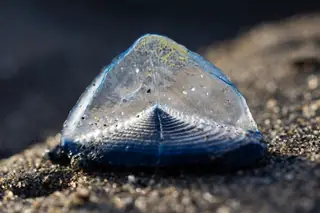 By-the-wind Sailor
-
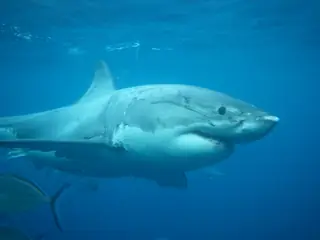 Great White SharkRare
Tide pools 13
-
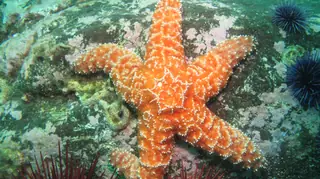 Ochre Sea Star
-
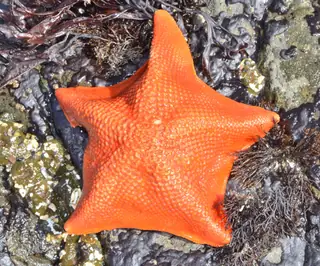 Bat Star
-
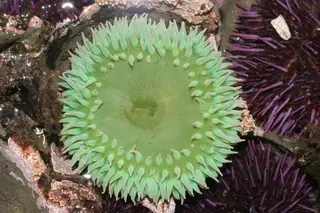 Giant Green Anemone
-
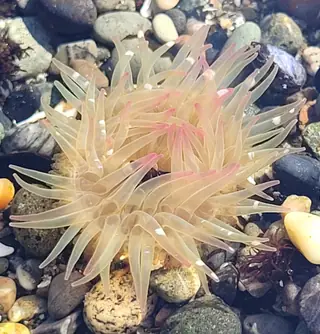 Aggregating Anemone
-
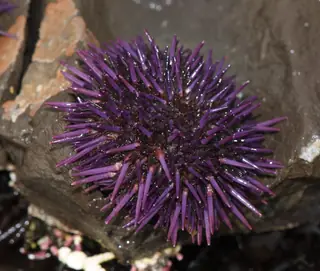 Purple Sea Urchin
-
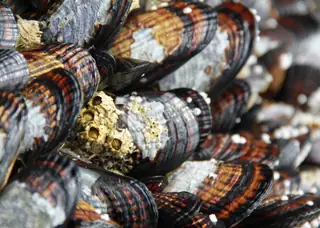 California Mussel
-
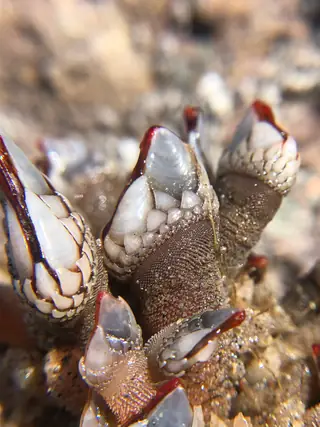 Gooseneck Barnacle
-
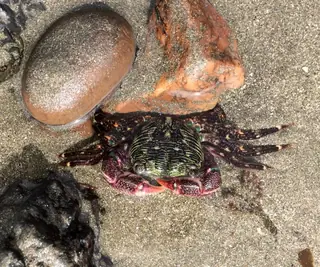 Striped Shore Crab
-
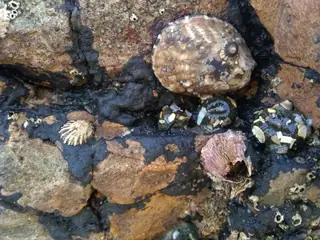 Owl Limpet
-
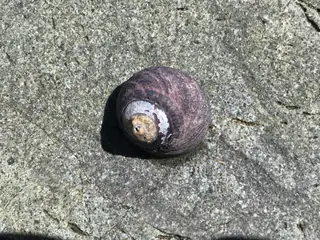 Black Turban Snail
-
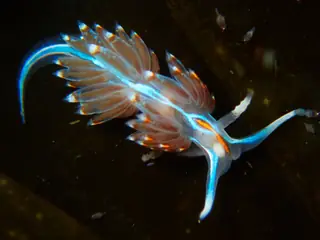 Opalescent Nudibranch
-
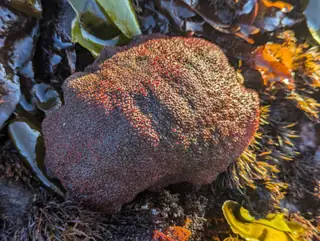 Gumboot Chiton
-
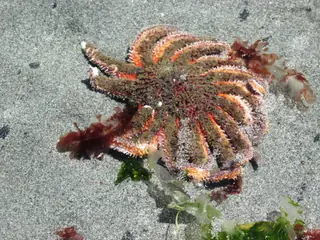 Sunflower Sea StarRare
Butterflies 4
-
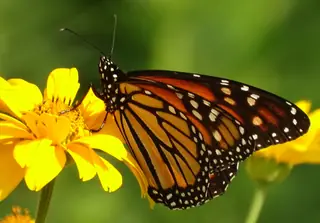 Monarch
-
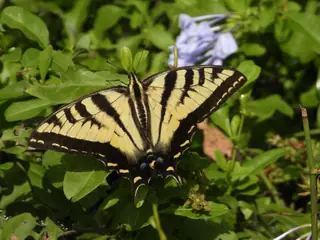 Western Tiger Swallowtail
-
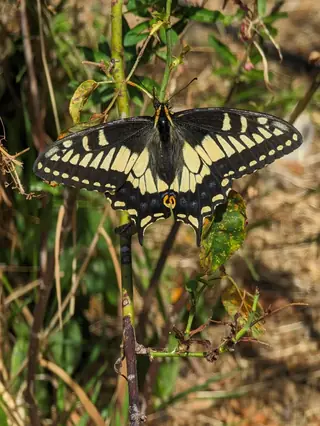 Anise Swallowtail
-
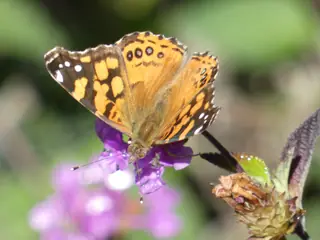 West Coast Lady
Best time to see wildlife in Monterey Bay
Sightings by month in Monterey Bay
Most records: Jul to Aug, FebRecords from GBIF.org, adjusted for how many people record wildlife each month. 100% is the busiest month.
Monterey Bay is a year-round destination, and the calendar is set by the whales. Humpbacks arrive in spring and stay into December. Blue and fin whales feed over the canyon from about July to October, when the sea is often at its calmest and the autumn sun burns off the morning fog. Grey whales pass south in December and January and come back north with calves from February to May; in April and May transient orcas hunt those calves in the bay. Elephant seals are on the beaches all year, with births and battles in midwinter. Sea otters, harbour seals and sea lions are always present. Summer mornings are often foggy on the coast, so plan headland walks for the afternoon.
- Dec to FebGrey whales heading south, elephant seal pups, monarchs
- Mar to MayGrey whales and calves heading north, orcas, otter pups
- Jun to AugHumpbacks, first blue whales, foggy mornings
- Sep to NovBlue and humpback whales, shearwater flocks, clearer weather
Tips for spotting wildlife in Monterey Bay
- 01
Book a licensed boat
Whale-watching trips from Monterey and Moss Landing reach the canyon edge within an hour. Take a seasickness tablet before you board, not after.
- 02
Give otters room
If a sea otter lifts its head or dives as you approach, you are too close. Kayakers should stay at least five kayak lengths away and never paddle through a raft.
- 03
Walk Point Lobos early
The reserve fills up by mid-morning. Arrive at opening for otters, harbour seals, deer and the best chance of a quiet bobcat.
- 04
Time the tide pools
Aim for a low tide below zero feet at Point Pinos or Asilomar. Step only on bare rock and leave animals where they are.
- 05
Scan the ridges
Condors soar from late morning once the air warms. Pull fully off the road at a proper turnout before you look up, and check for road closures before you drive.

Take Monterey Bay with you
Heading for Monterey Bay or Big Sur? Tick off otters, whales and condors in Wilder as you go. It's free to start.

Monterey Bay wildlife FAQ
Where is the best place to see sea otters in Monterey?
The best places to see sea otters around Monterey are Elkhorn Slough at Moss Landing, the shoreline path in Pacific Grove and Point Lobos State Natural Reserve. Bring binoculars, stay on the shore or keep a good distance in a kayak, and move away if an otter reacts to you.
When is whale watching season in Monterey Bay?
Monterey Bay has whales all year. Humpbacks feed in the bay from about April to December, blue and fin whales are most likely from July to October, and grey whales migrate past from December to May. Orcas are most often seen in April and May. Licensed boat trips leave from Monterey and Moss Landing.
Can you see California condors in Big Sur?
Yes, wild California condors live along the Big Sur coast, the result of a release programme that began in 1997. They are most often seen soaring over high ridges on warm afternoons. Ventana Wildlife Society runs guided condor viewing trips. Never feed them or leave food or lead ammunition behind.
Where can you see elephant seals near Big Sur?
The easiest place is the Piedras Blancas viewing area just south of Big Sur near San Simeon, where a free boardwalk overlooks the colony all year. Births and fighting males peak from December to February. Año Nuevo State Park, north of Santa Cruz, is the other big colony, visited on guided walks in winter.
Sources
- Responsible wildlife viewing, Monterey Bay National Marine Sanctuary (NOAA)
- Sea otter viewing guidelines for kayakers (US Fish and Wildlife Service)
- Be Sea Otter Savvy: observation guidelines (Morro Bay National Estuary Program)
- Sightings by month: GBIF.org
Animal photos are from the Wilder catalogue; photo credits.
Similar checklists
All North America-
 Reserve98animals Baja California Whale Lagoons El Vizcaíno and Magdalena Bay, Baja California Sur, Mexico Grey whale mothers and calves in the warm lagoons of Ojo de Liebre, San Ignacio and Magdalena Bay, with ospreys, pelicans and brant over the mangroves and desert all around. Best time Feb to Mar
-
 National park124animals Yosemite National Park Sierra Nevada, California, USA Granite walls and giant sequoias with black bears in the meadows, marmots and pikas up on Tioga Road, and great grey owls hunting the mountain meadows at dusk. Best time May to Oct
-
 National park78animals Olympic National Park Washington, USA Three parks in one: Roosevelt elk in the Hoh rainforest, marmots found nowhere else on Hurricane Ridge, and tide pools, sea otters and grey whales on the wild coast. Best time Jul to Sept
-
 Island85animals Vancouver Island British Columbia, Canada Orcas and humpbacks in Johnstone Strait, grey whales and sea otters off Tofino, black bears on the beaches at low tide, and the Vancouver Island marmot found nowhere else on Earth. Best time Jun to Sept