Reserve · El Vizcaíno and Magdalena Bay, Baja California Sur · Mexico
Baja California Whale Lagoons Wildlife Checklist

The grey whale lagoons of Baja California Sur, Ojo de Liebre and San Ignacio in the El Vizcaíno Biosphere Reserve and Magdalena Bay further south, are where grey whales give birth each winter, and where mothers sometimes bring their calves right up to small boats. This checklist covers 98 animals. Go from late January to early April, ideally mid-February to mid-March.
Tick off all 98 animals in the Baja lagoons on your phone, even offline. Launching soon. Free A4 PDF, no sign-up.
The whales swim about 10,000 km from Arctic feeding grounds to these shallow, salty lagoons to calve and mate. Around them lie desert, salt flats and mangroves full of winter shorebirds.
- Animals to find
- 98
- Where
- Mexico
- Best time
- Feb to Mar
- UNESCO
- World Heritage whale sanctuary
Popular animals in the Baja lagoons
-
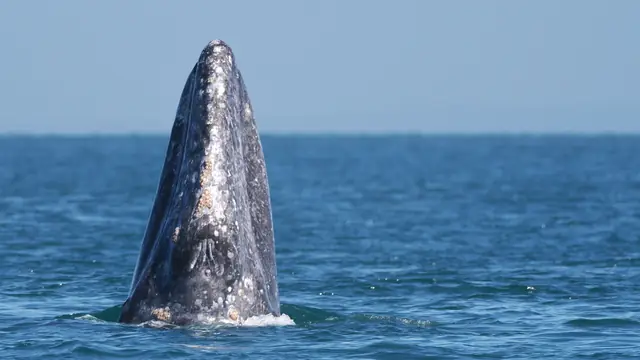
Grey Whale
Eschrichtius robustus
Mothers and calves rest and nurse in the lagoons from January to April. In San Ignacio especially, some whales approach the pangas and linger alongside; the whale decides, never the boat.
-
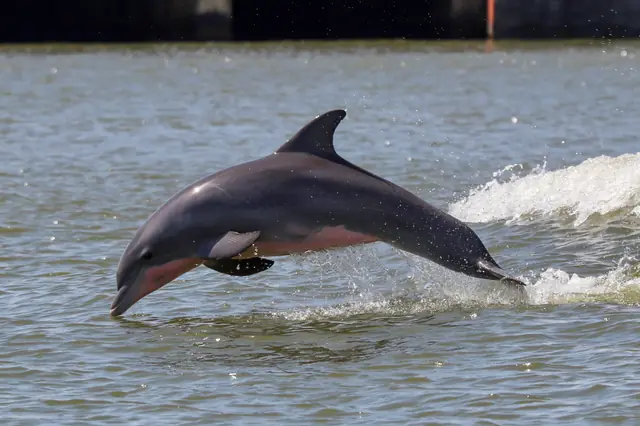
Bottlenose Dolphin
Tursiops truncatus
Groups patrol the lagoon channels and often ride the bow wave of the boats.
-
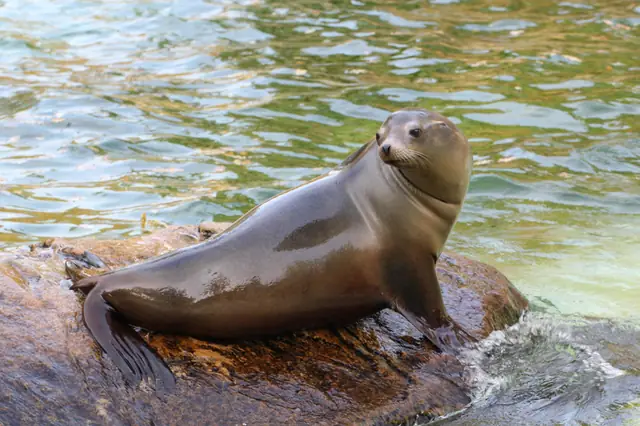
California Sea Lion
Zalophus californianus
Haul out on sandbars, buoys and rocks at the lagoon mouths and around Magdalena Bay.
-
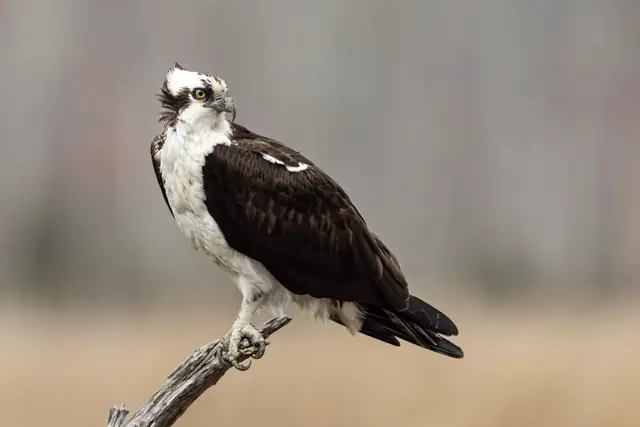
Osprey
Pandion haliaetus
Unusually common here, fishing over the lagoons and nesting on poles, markers and old boats.
-
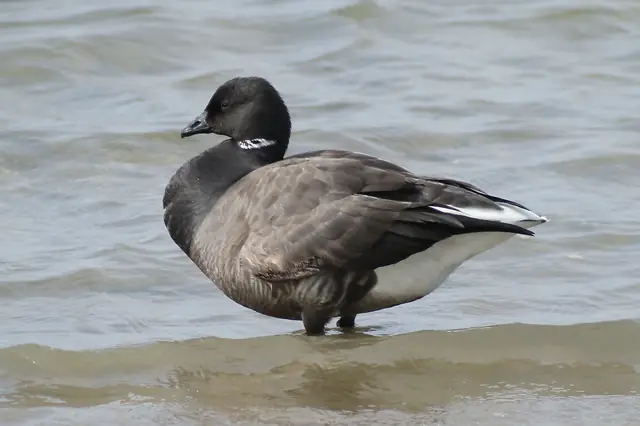
Brant
Branta bernicla
Thousands of these small dark geese winter on the eelgrass beds of Ojo de Liebre and San Ignacio.
-
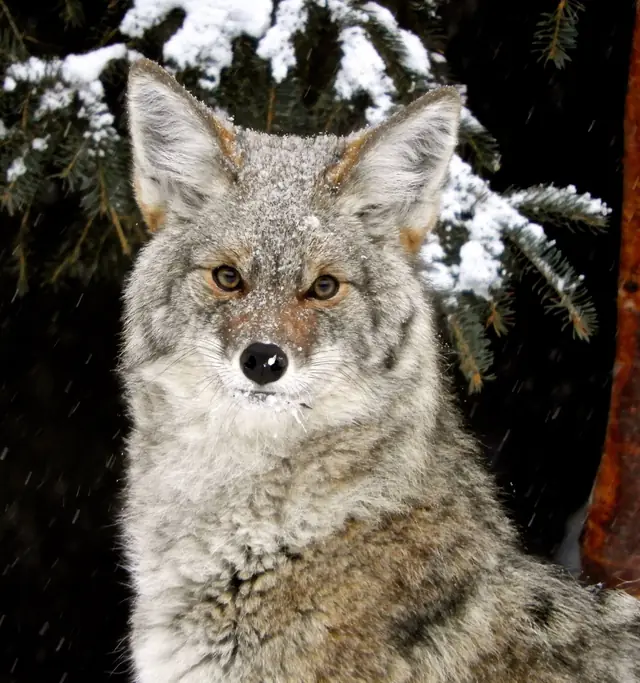
Coyote
Canis latrans
Often seen in daylight hunting along the lagoon shores and salt flats.
-
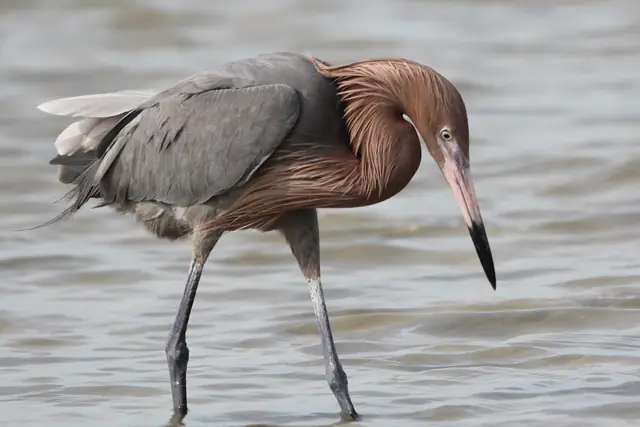
Reddish Egret
Egretta rufescens
A shaggy heron that dashes and spins after fish in the shallows.
-
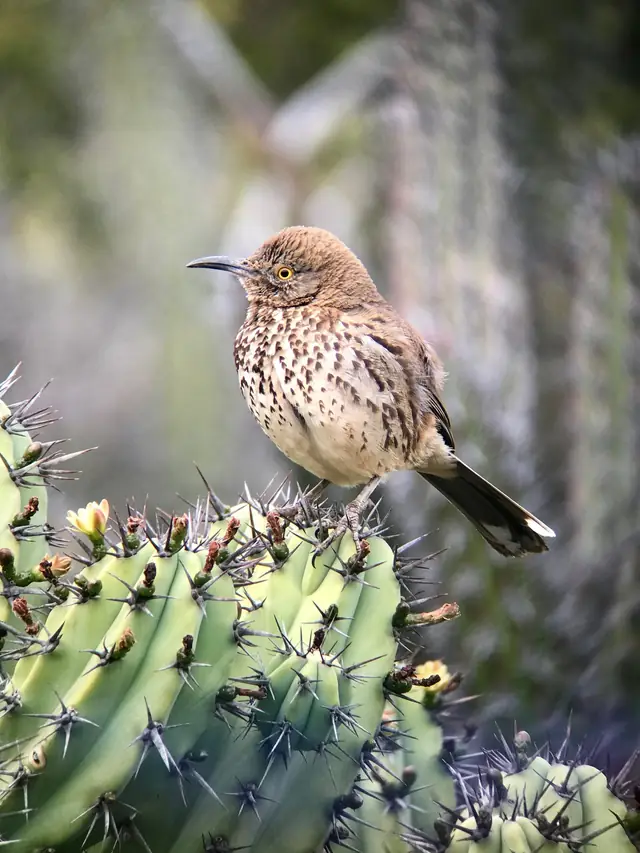
Grey Thrasher
Toxostoma cinereum
A bird found almost nowhere outside Baja California, singing from the desert scrub around the lagoons.
-
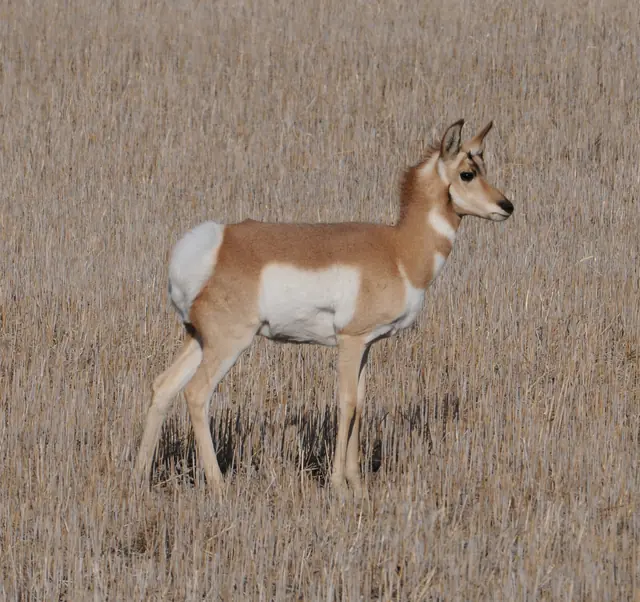
Pronghorn
Antilocapra americana
The endangered peninsular pronghorn survives in the El Vizcaíno desert thanks to a long recovery programme. It is only seen on approved guided visits.
All 98 animals in the Baja lagoons
Whales and dolphins 7
-
 Grey Whale
-
 Bottlenose Dolphin
-
 Common Dolphin
-
 Humpback Whale
-
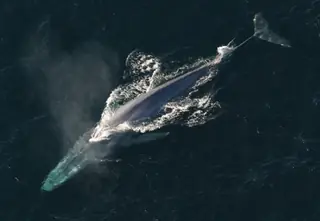 Blue WhaleRare
-
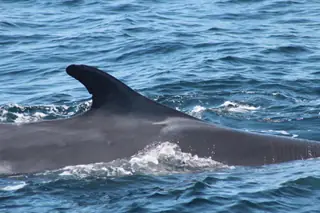 Fin WhaleRare
-
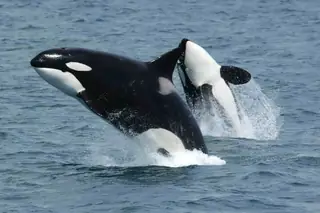 OrcaRare
Seals and sea lions 3
-
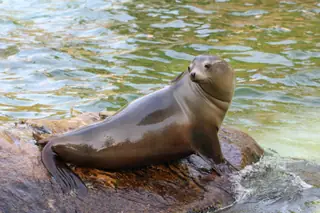 California Sea Lion
-
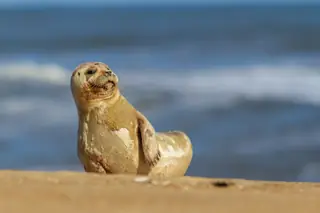 Harbour Seal
-
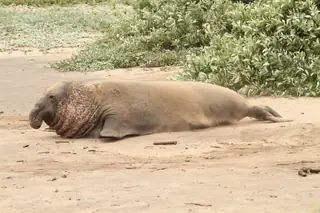 Northern Elephant SealRare
Desert mammals 16
-
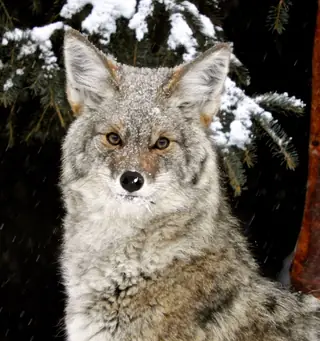 Coyote
-
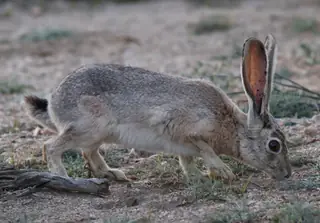 Black-tailed Jackrabbit
-
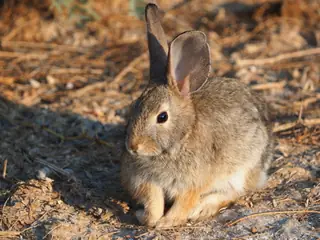 Desert Cottontail
-
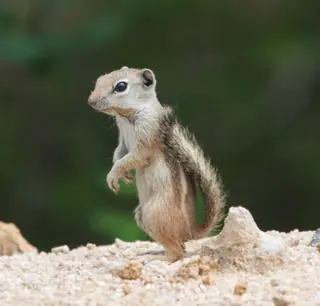 White-tailed Antelope Squirrel
-
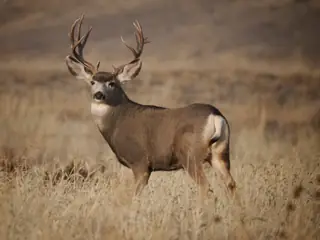 Mule Deer
-
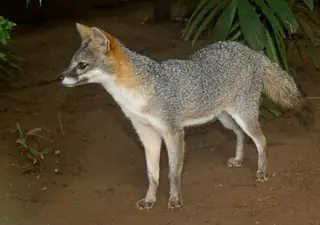 Grey Fox
-
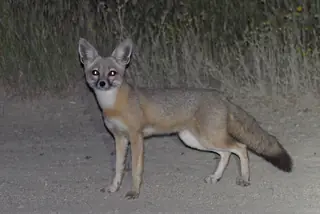 Kit Fox
-
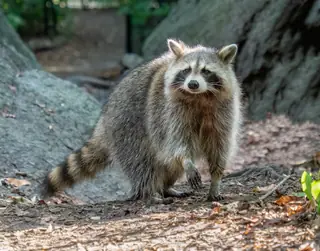 Raccoon
-
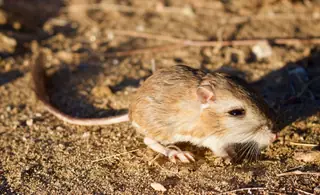 Merriam's Kangaroo Rat
-
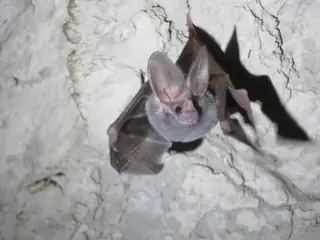 California Leaf-nosed Bat
-
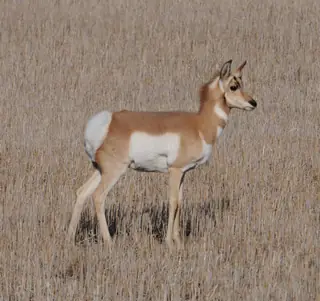 PronghornRare
-
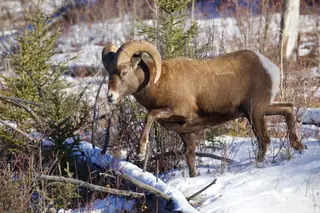 Bighorn SheepRare
-
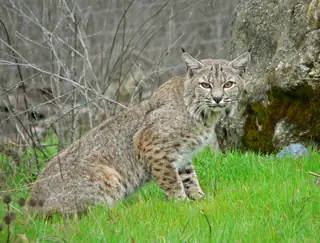 BobcatRare
-
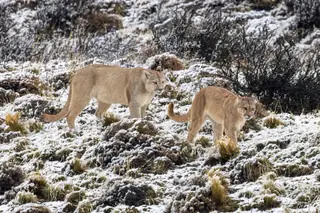 Cougar (Mountain Lion)Rare
-
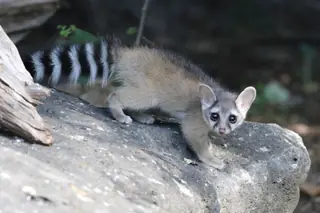 RingtailRare
-
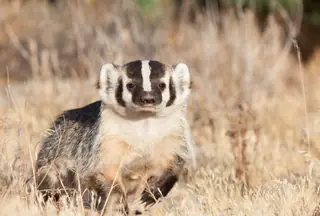 Badger (American)Rare
Lagoon and sea birds 17
-
 Osprey
-
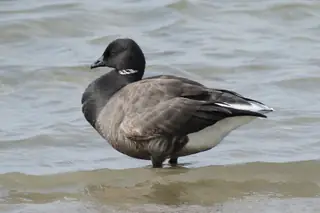 Brant
-
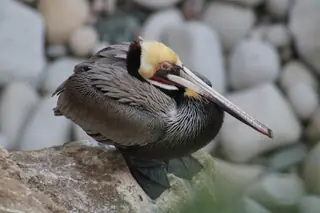 Brown Pelican
-
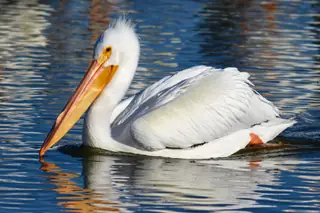 American White Pelican
-
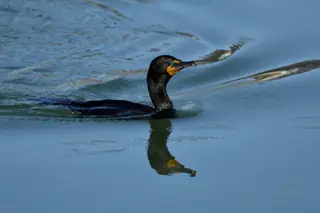 Double-crested Cormorant
-
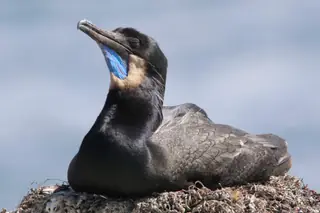 Brandt's Cormorant
-
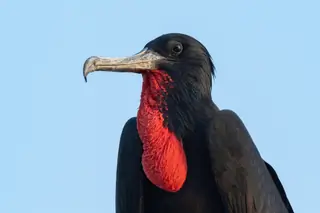 Magnificent Frigatebird
-
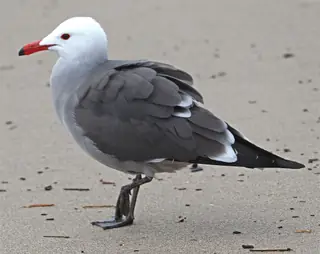 Heermann's Gull
-
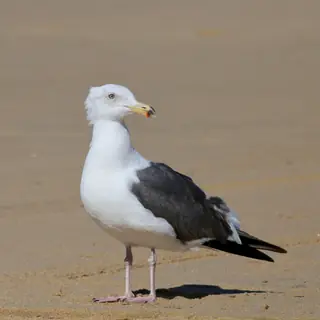 Western Gull
-
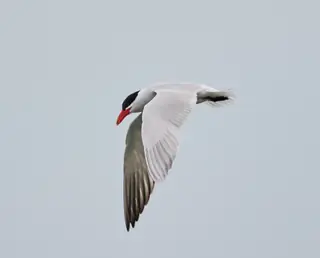 Caspian Tern
-
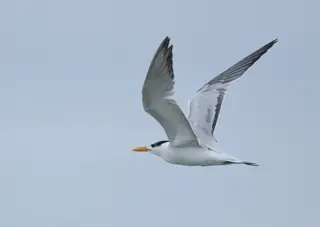 Royal Tern
-
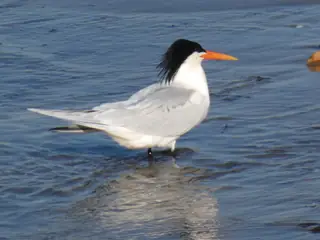 Elegant Tern
-
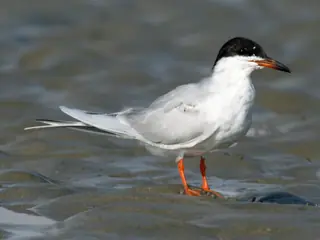 Forster's Tern
-
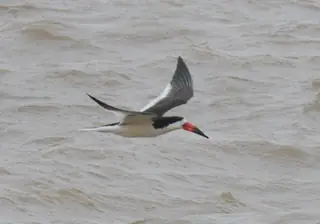 Black Skimmer
-
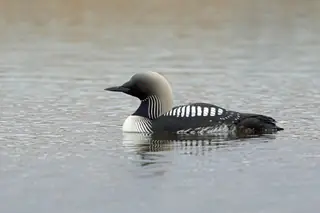 Pacific Loon
-
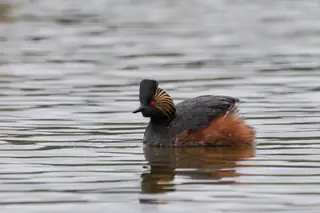 Eared Grebe
-
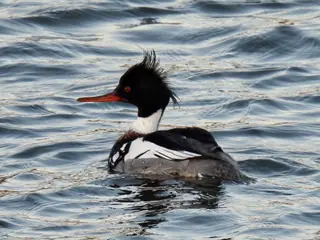 Red-breasted Merganser
Herons and shorebirds 20
-
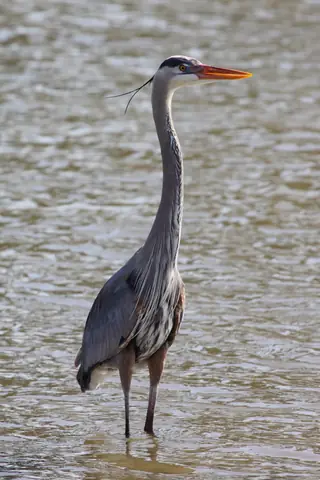 Great Blue Heron
-
 Great Egret
-
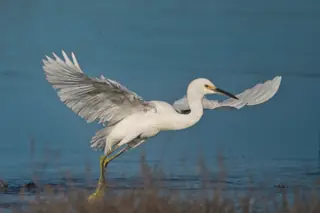 Snowy Egret
-
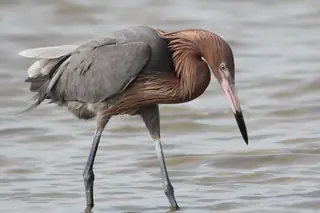 Reddish Egret
-
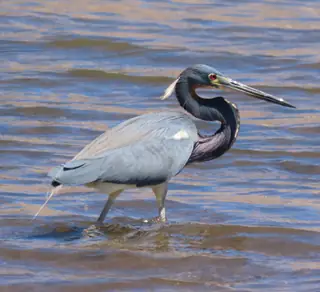 Tricolored Heron
-
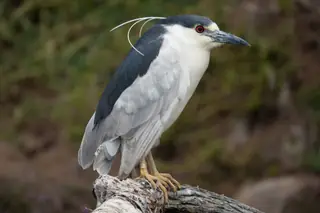 Black-crowned Night Heron
-
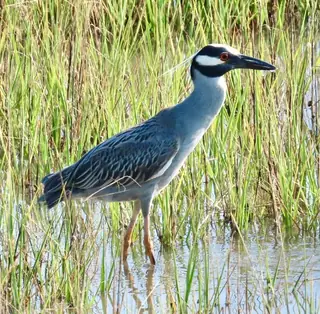 Yellow-crowned Night Heron
-
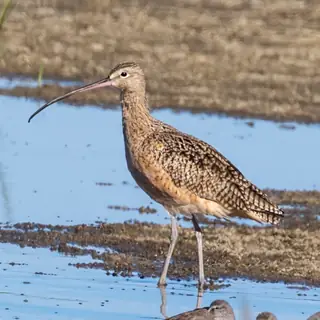 Long-billed Curlew
-
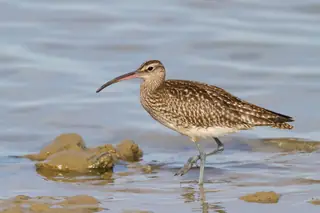 Whimbrel
-
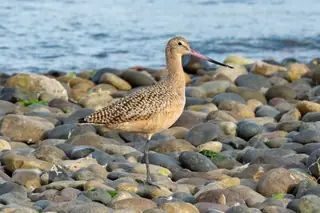 Marbled Godwit
-
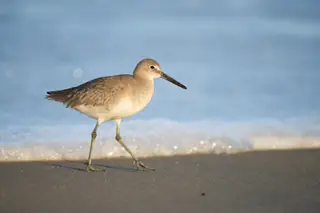 Willet
-
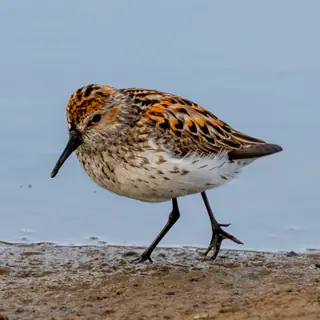 Western Sandpiper
-
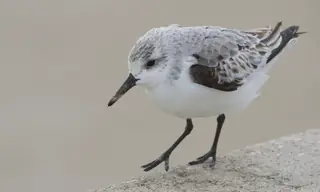 Sanderling
-
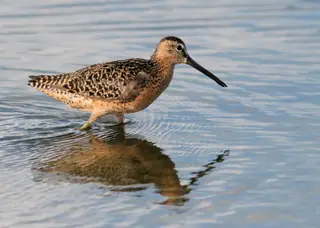 Short-billed Dowitcher
-
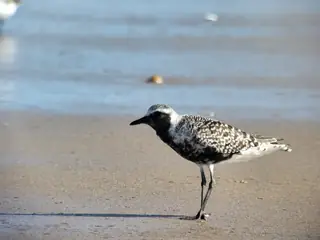 Black-bellied Plover
-
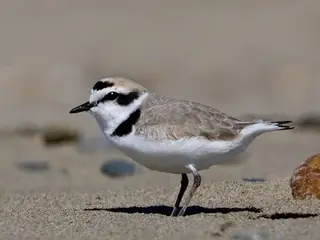 Snowy Plover
-
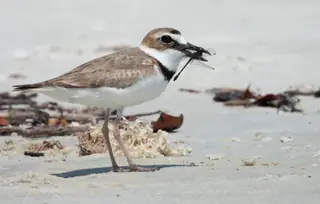 Wilson's Plover
-
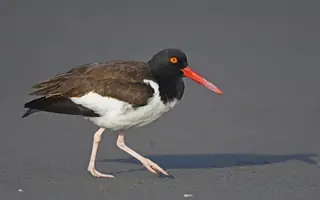 American Oystercatcher
-
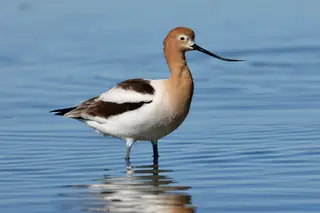 American Avocet
-
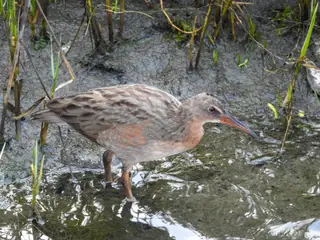 Ridgway's RailRare
Desert birds and birds of prey 24
-
 Turkey Vulture
-
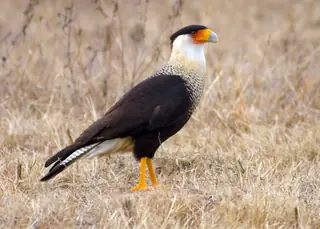 Northern Crested Caracara
-
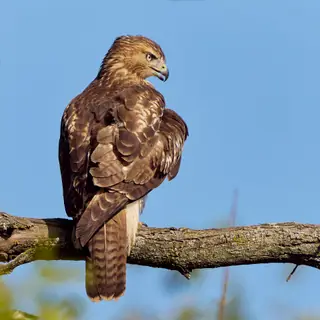 Red-tailed Hawk
-
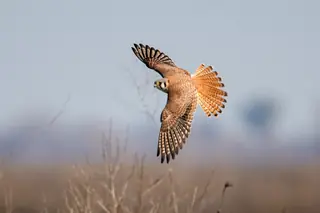 American Kestrel
-
 Peregrine Falcon
-
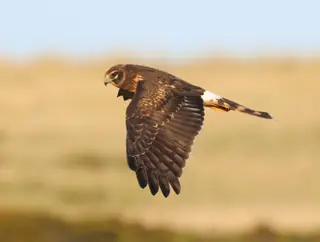 Northern Harrier
-
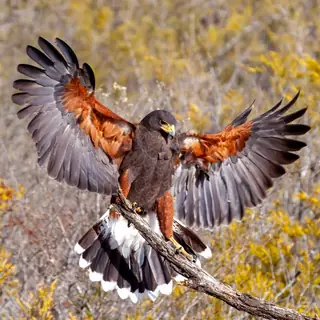 Harris's Hawk
-
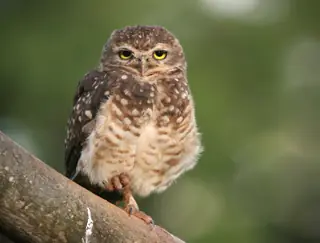 Burrowing Owl
-
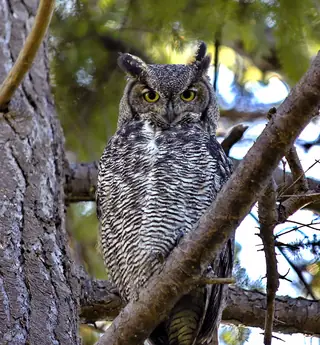 Great Horned Owl
-
 Golden EagleRare
-
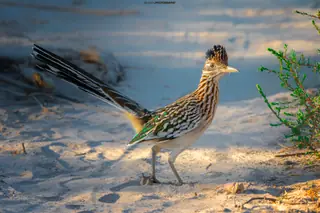 Greater Roadrunner
-
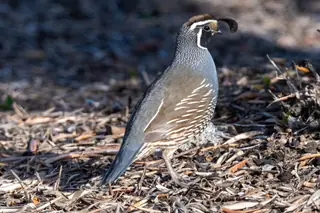 California Quail
-
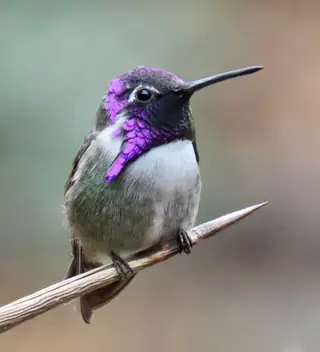 Costa's Hummingbird
-
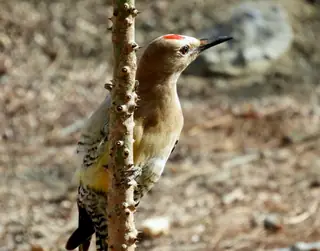 Gila Woodpecker
-
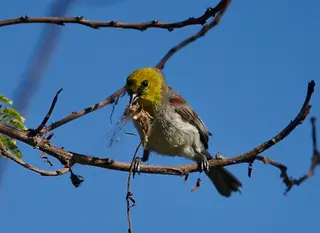 Verdin
-
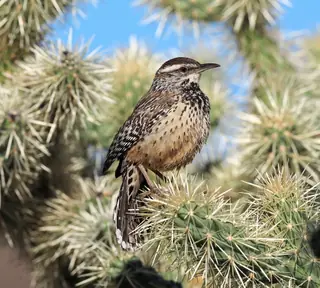 Cactus Wren
-
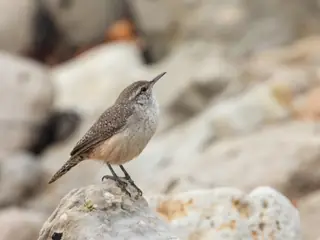 Rock Wren
-
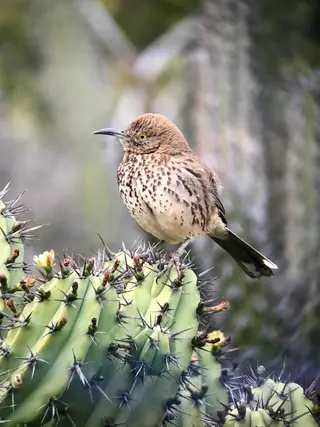 Grey Thrasher
-
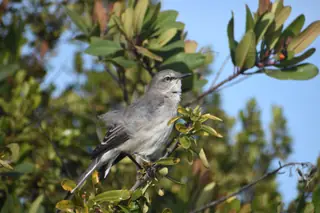 Northern Mockingbird
-
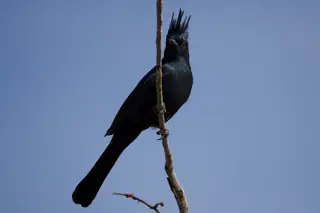 Phainopepla
-
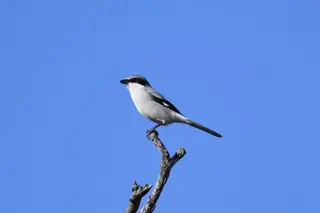 Loggerhead Shrike
-
 Common Raven
-
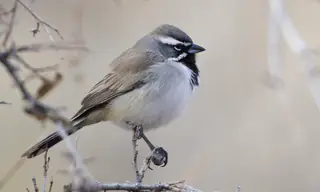 Black-throated Sparrow
-
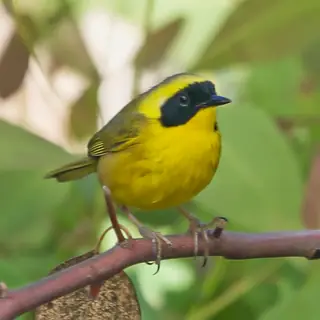 Belding's Yellowthroat
Reptiles and amphibians 11
-
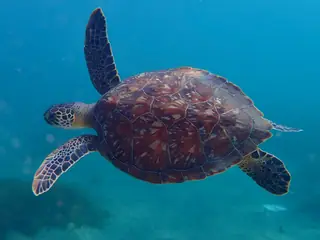 Green Sea Turtle
-
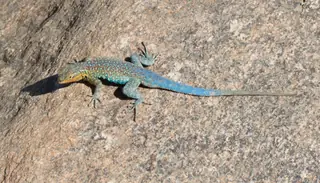 Common Side-blotched Lizard
-
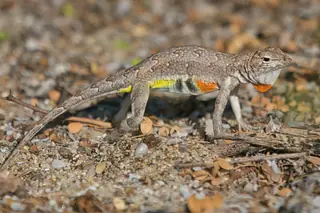 Zebra-tailed Lizard
-
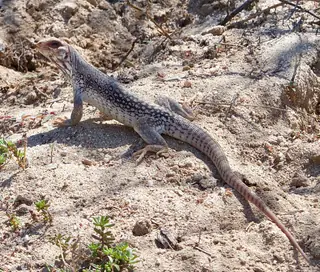 Desert Iguana
-
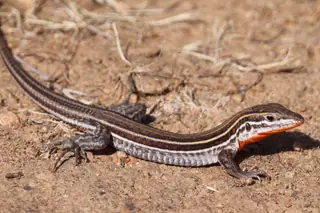 Orange-throated Whiptail
-
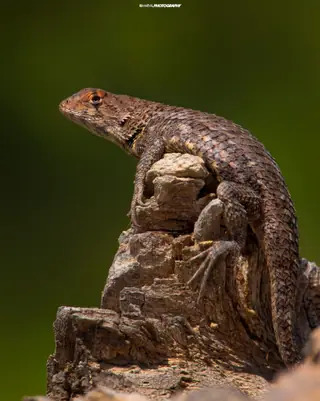 Baja California Spiny Lizard
-
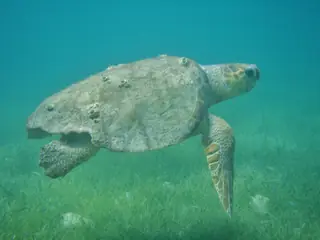 Loggerhead Sea TurtleRare
-
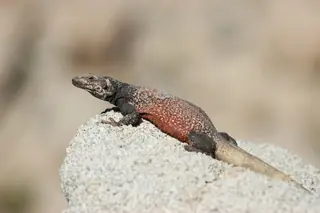 Common ChuckwallaRare
-
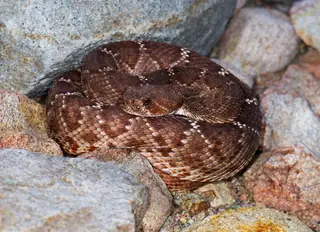 Red Diamond RattlesnakeRare
-
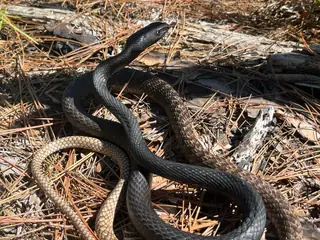 CoachwhipRare
-
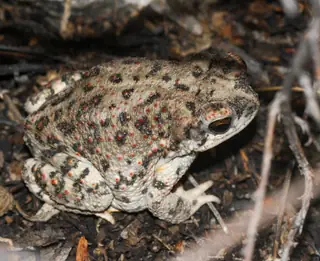 Red-spotted ToadRare
Best time to see wildlife in the Baja lagoons
Sightings by month in the Baja lagoons
Most records: Dec to Mar, Jun to JulRecords from GBIF.org, adjusted for how many people record wildlife each month. 100% is the busiest month.
Mexico sets the official whale-watching season each year, but it runs roughly from mid-December to mid-April. The first whales arrive in late December. Ojo de Liebre near Guerrero Negro is busiest from late January to March, San Ignacio from February to early April, and Magdalena Bay from mid-February to the end of March. Mid-February to mid-March gives the best mix of numbers and calves old enough to be curious. Winter days are mild and sunny, but wind can cancel boat trips, especially in the afternoon, so allow a spare day. Grey whale numbers have fallen sharply in recent years, so expect fewer whales than older trip reports describe.
- Dec to JanFirst arrivals, births, fewer whales
- Feb to MarPeak numbers, curious calves
- AprLast whales leaving San Ignacio and Magdalena Bay
- May to NovNo grey whales; lagoons closed to whale trips
Tips for spotting wildlife in the Baja lagoons
- 01
Use a local licensed panga
Only registered local boats may enter the whale zones, with limits on how many boats stay with one whale and for how long. Book through your hotel or a camp run by the lagoon cooperatives.
- 02
Let the whales come
Captains slow down and wait. Grey whales often approach the boats on their own here; let each whale choose how close to come, and never chase one.
- 03
Go early for calm water
Mornings are usually calmer than afternoons, when the wind picks up and boats may stop running.
- 04
Stay in a lagoon camp
Camps on the shore of San Ignacio Lagoon let you hear the whales blow at night and see desert birds and coyotes at dawn.
- 05
Pack for desert and sea
Mornings are cool and boats are wet. Bring a windproof layer, a hat, sunscreen and a dry bag for cameras.

Take the Baja lagoons with you
Going to the Baja lagoons? Tick off grey whales, ospreys and desert birds in Wilder as you go. It's free to start and works offline at the camps.

Baja lagoons wildlife FAQ
When is the best time to see grey whales in Baja?
The best time to see grey whales in the Baja lagoons is mid-February to mid-March. The season runs roughly from mid-December to mid-April, with Ojo de Liebre busiest from late January to March and San Ignacio from February to early April. Mexico publishes the exact dates each year.
Which Baja lagoon is best for friendly whales?
San Ignacio Lagoon is the best known for friendly grey whales, where mothers and calves often approach boats. Ojo de Liebre near Guerrero Negro has the most whales and is the easiest to reach. Magdalena Bay is closest to La Paz and Loreto, with whales in narrow channels and mangroves.
Can you touch grey whales in Baja?
Grey whales often come right up to the pangas here, and local rules allow contact when a whale approaches on its own. Let the whale choose: stay seated and quiet, and don't lean out or reach for it. Boats must not chase, block or crowd whales, and Mexican rules limit boat numbers, speed and time with each animal.
How do you get to the Baja whale lagoons?
Guerrero Negro, on Highway 1, has flights and buses and tours to Ojo de Liebre. San Ignacio Lagoon is about an hour on a dirt road from San Ignacio town. Magdalena Bay is reached from Puerto Adolfo López Mateos or Puerto San Carlos, a few hours' drive from Loreto or La Paz.
Sources
- NOM-131-SEMARNAT-2010, whale watching standard (SEMARNAT)
- Eastern North Pacific gray whales continue decline (NOAA Fisheries)
- Laguna Baja ARIC of San Ignacio Lagoon: whale-watching rules
- Whale Sanctuary of El Vizcaíno (UNESCO World Heritage Centre)
- Sightings by month: GBIF.org
Animal photos are from the Wilder catalogue; photo credits.
Similar checklists
All North America-
 Marine park125animals Monterey Bay and Big Sur Central Coast, California, USA Sea otters in the kelp, humpbacks and blue whales over the deep canyon, elephant seals on the beaches and condors soaring above the Big Sur cliffs. Best time Apr to Nov
-
 National park69animals Pacific Rim National Park Reserve Vancouver Island, British Columbia, Canada Surf beaches and old-growth rainforest between Tofino and Ucluelet: grey whales feeding close to shore, sea otters in Clayoquot Sound and black bears turning over rocks at low tide. Best time Mar to Oct
-
 Island70animals Galápagos Islands Galápagos Province, Ecuador Volcanic islands where the animals barely notice you: giant tortoises, marine iguanas, dancing boobies and sea lions on every beach. Best time All year
-
 Marine park67animals Tadoussac and the Saguenay Saguenay–St. Lawrence Marine Park, Quebec, Canada Where the Saguenay fjord meets the St. Lawrence: white belugas all year, and minke, fin, humpback and blue whales feeding from June to October, often seen from the shore. Best time Jun to Oct