National park · Texas · USA
Big Bend Wildlife Checklist

Big Bend National Park is a huge desert park in far west Texas, where the Rio Grande forms the border with Mexico. It takes in the Chihuahuan Desert, the river and its canyons, and the Chisos Mountains, the only mountain range wholly inside a US national park. More than 450 bird species have been recorded, more than in any other US national park, and visitors come for javelinas, black bears, roadrunners and the Colima warbler. This checklist covers 140 animals. March to May is best.
Tick off all 140 animals in Big Bend on your phone, even offline. Launching soon. Free A4 PDF, no sign-up.
Most visitors split their time between the Chisos Basin, a ring of wooded mountains in the middle of the park, the low desert, and the cottonwoods along the Rio Grande at Rio Grande Village and Castolon. Distances are long and services few, so carry water and fuel.
- Animals to find
- 140
- Where
- USA
- Best time
- Mar to May
- Birds recorded
- More than 450 species
Popular animals in Big Bend
-
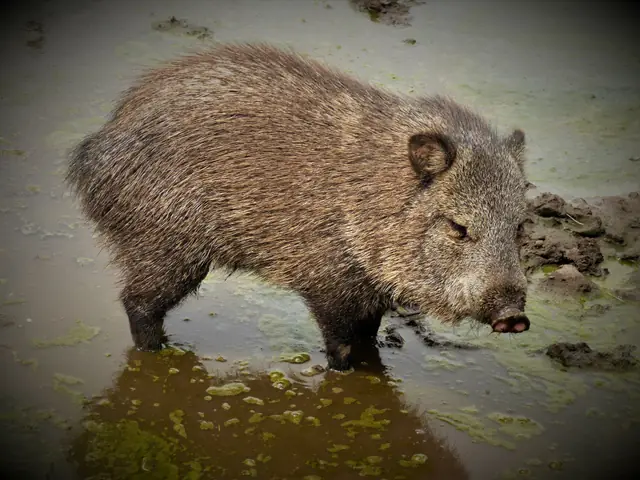
Collared Peccary
Dicotyles tajacu
The javelina. Small herds root around desert springs, Rio Grande Village and the Chisos Basin early and late in the day. Never feed them and keep food packed away.
-
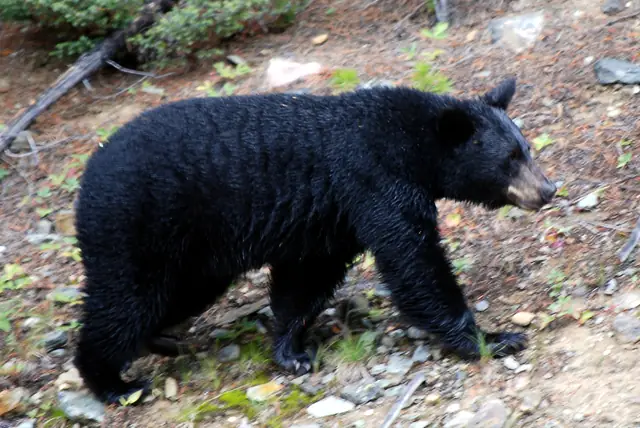
Black Bear
Ursus americanus
Bears returned to the Chisos Mountains from Mexico in the late 1980s and now live in the oak, juniper and pine woods. Late summer and autumn are best; follow the park's distance rules and use the bear boxes.
-
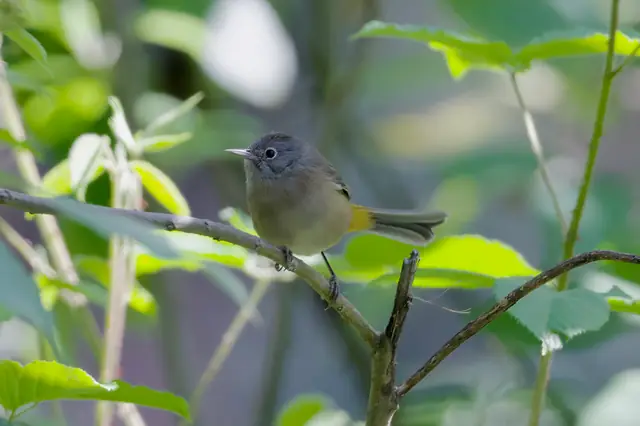
Colima Warbler
Leiothlypis crissalis
A grey warbler with a yellow rump that nests nowhere else in the United States. It sings in the oak and maple woods of the high Chisos canyons from April to September, at the end of a long uphill hike.
-
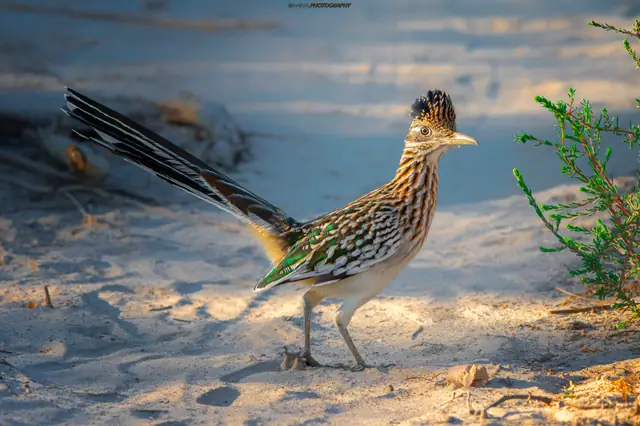
Greater Roadrunner
Geococcyx californianus
Runs along the roads and through the campgrounds after lizards and insects, most active in the cool of the morning.
-
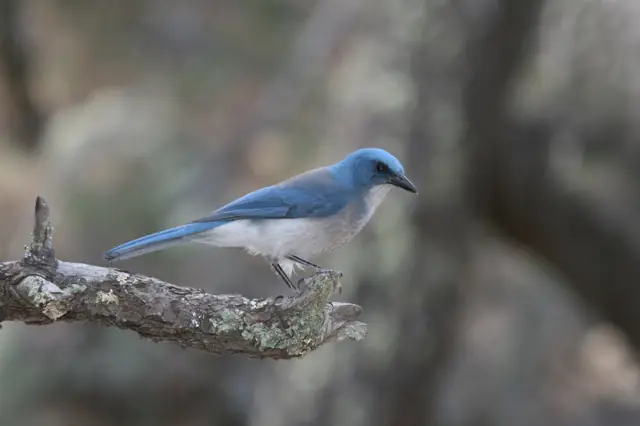
Mexican Jay
Aphelocoma wollweberi
Noisy family groups in the oak and pine woods of the Chisos Basin. Never feed them.
-
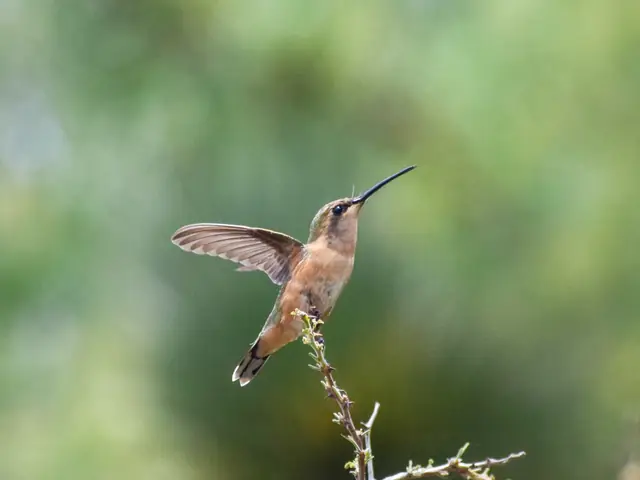
Lucifer Hummingbird
Calothorax lucifer
A desert hummingbird with a curved bill. It feeds at agave and ocotillo flowers on the lower slopes of the Chisos in spring and summer.
-
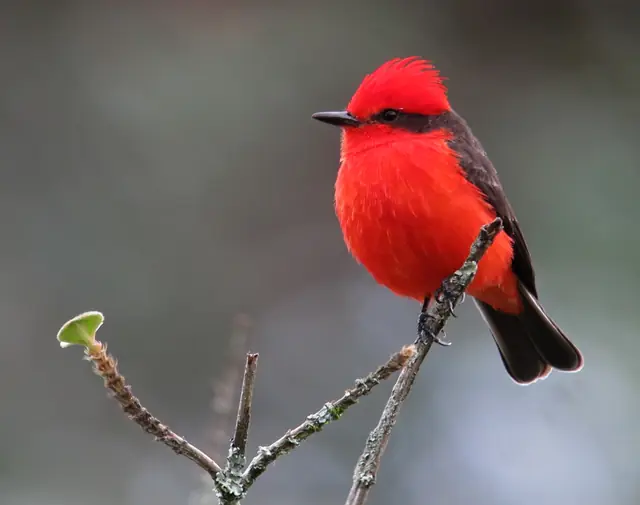
Vermilion Flycatcher
Pyrocephalus obscurus
Scarlet males sally out from the cottonwoods and mesquite along the Rio Grande, most of the year.
-
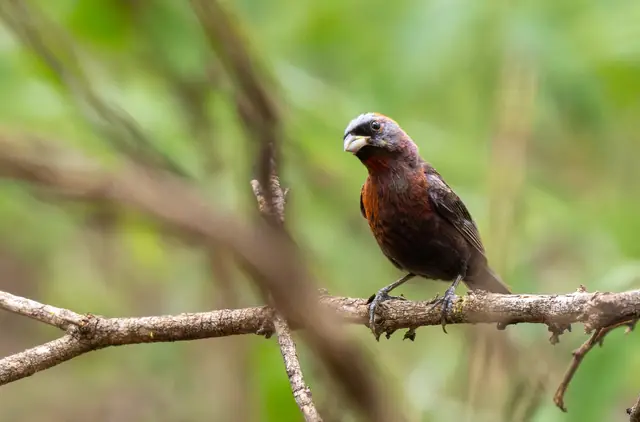
Varied Bunting
Passerina versicolor
Males look almost black until the light catches the plum, red and blue. They sing from thorny scrub in desert washes in spring and summer.
-
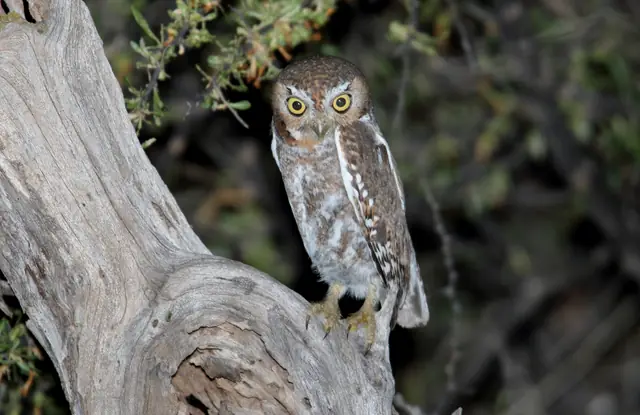
Elf Owl
Micrathene whitneyi
One of the smallest owls in the world, calling from riverside woods and desert washes on spring nights. Listen rather than search, and never play calls.
-
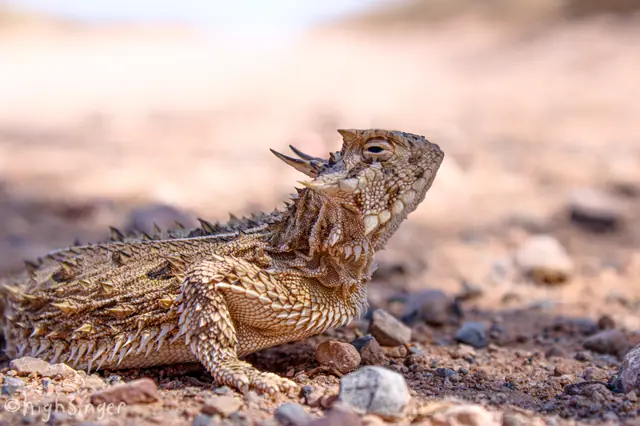
Texas Horned Lizard
Phrynosoma cornutum
A flat, spiny lizard of the open desert, out on warm mornings. It is protected, so watch and never pick one up.
All 140 animals in Big Bend
Big mammals 7
-
 Collared Peccary
-
 Mule Deer
-
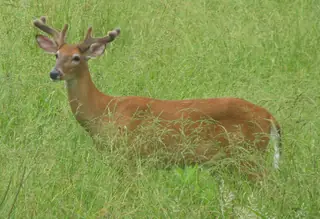 White-tailed Deer
-
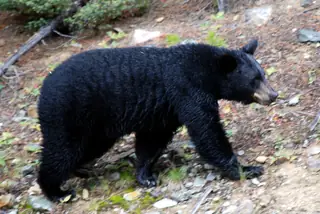 Black Bear
-
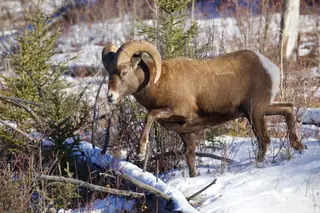 Bighorn SheepRare
-
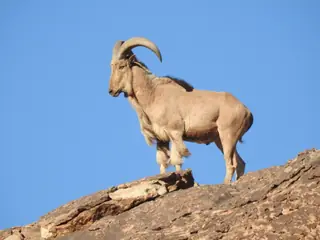 AoudadRare
-
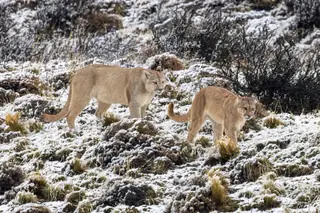 Cougar (Mountain Lion)Rare
Hunters 8
-
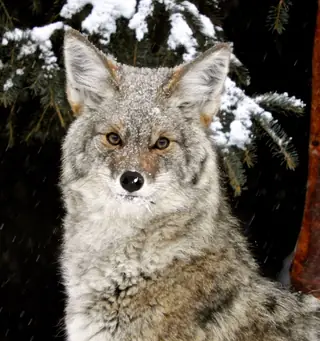 Coyote
-
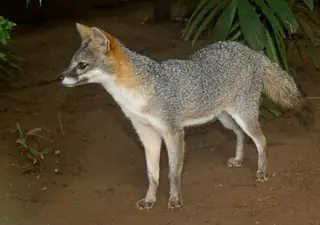 Grey Fox
-
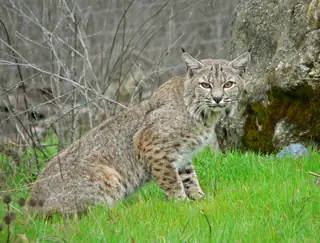 Bobcat
-
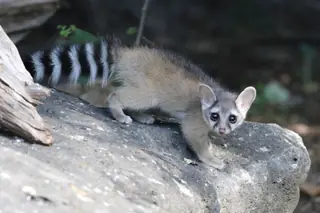 Ringtail
-
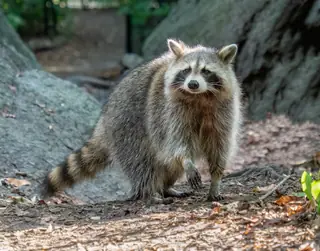 Raccoon
-
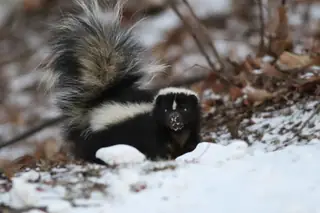 Striped Skunk
-
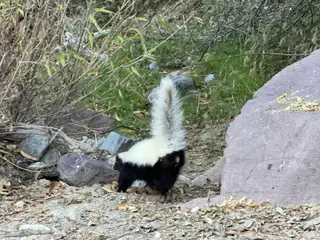 American Hog-nosed Skunk
-
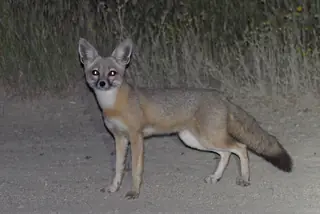 Kit FoxRare
Small mammals and bats 8
-
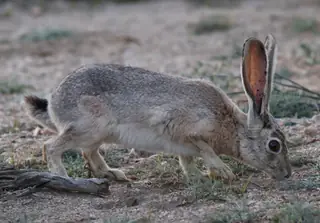 Black-tailed Jackrabbit
-
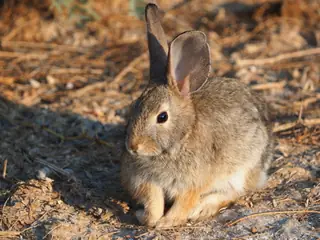 Desert Cottontail
-
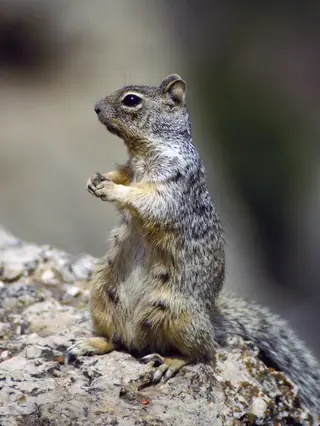 Rock Squirrel
-
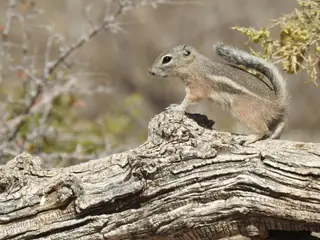 Texas Antelope Squirrel
-
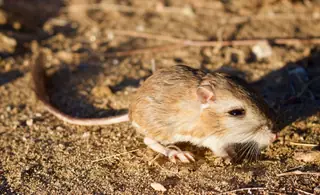 Merriam's Kangaroo Rat
-
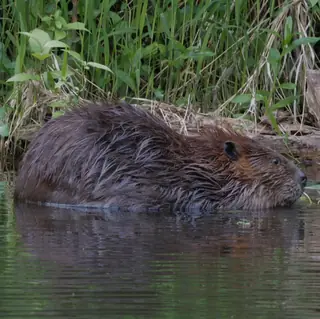 North American BeaverRare
-
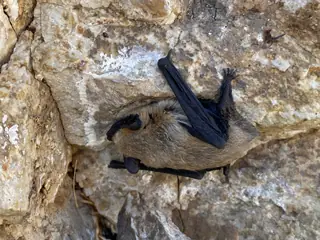 Canyon Bat
-
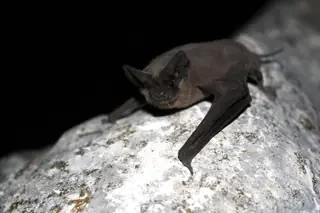 Mexican Free-tailed Bat
Birds of prey and owls 12
-
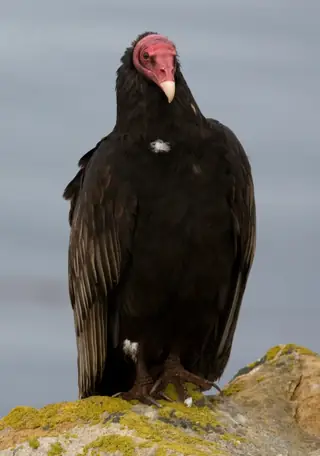 Turkey Vulture
-
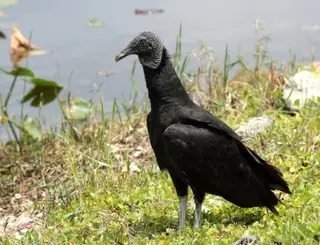 Black Vulture
-
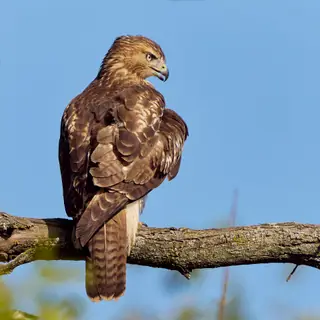 Red-tailed Hawk
-
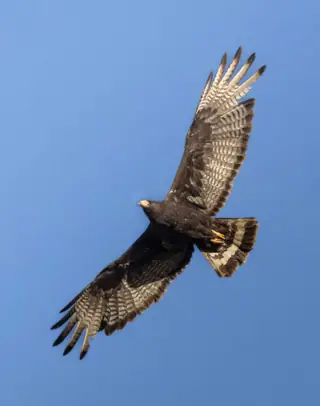 Zone-tailed Hawk
-
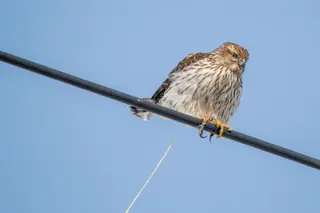 Cooper's Hawk
-
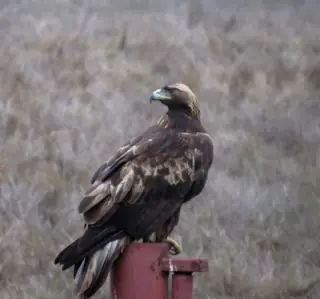 Golden Eagle
-
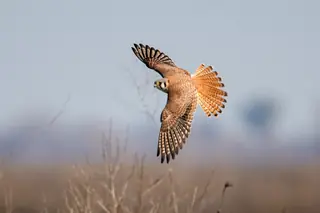 American Kestrel
-
 Peregrine Falcon
-
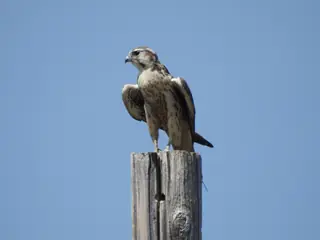 Prairie Falcon
-
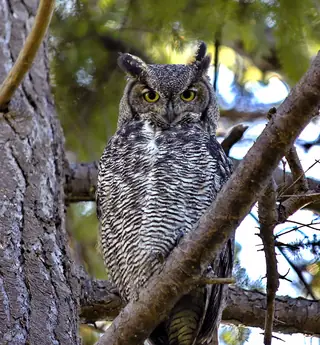 Great Horned Owl
-
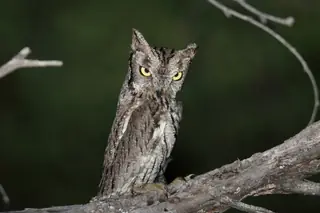 Western Screech Owl
-
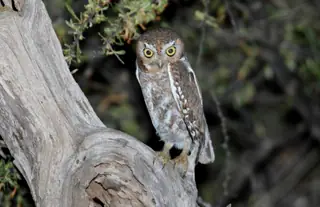 Elf Owl
Chisos Mountains birds 19
-
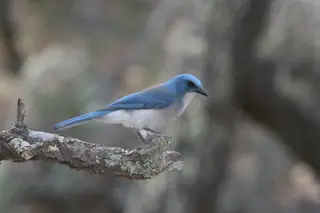 Mexican Jay
-
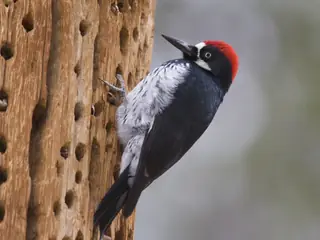 Acorn Woodpecker
-
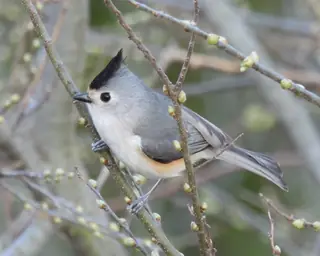 Black-crested Titmouse
-
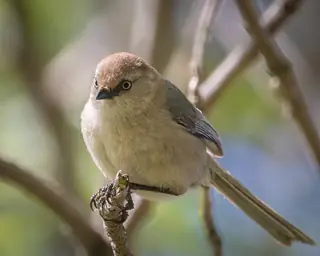 Bushtit
-
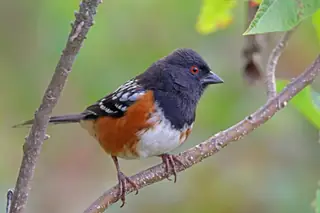 Spotted Towhee
-
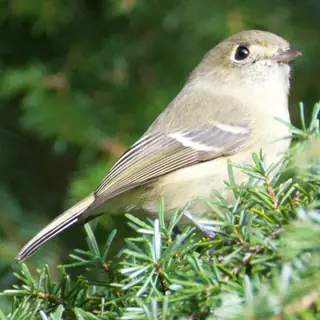 Hutton's Vireo
-
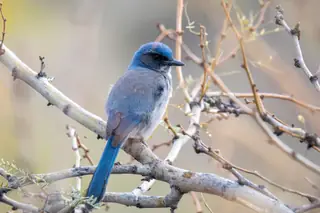 Woodhouse's Scrub Jay
-
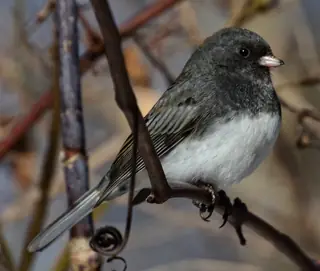 Dark-eyed Junco
-
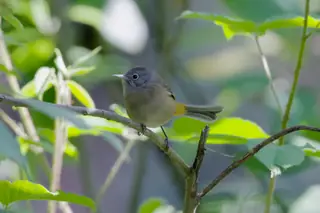 Colima Warbler
-
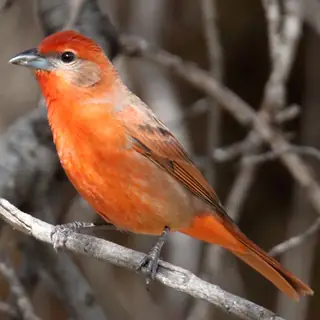 Hepatic Tanager
-
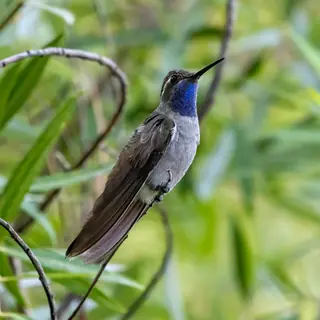 Blue-throated Mountain-gemRare
-
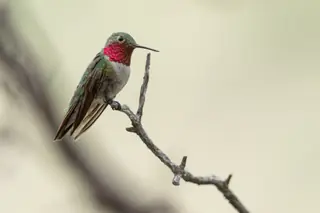 Broad-tailed Hummingbird
-
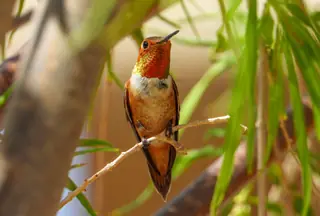 Rufous Hummingbird
-
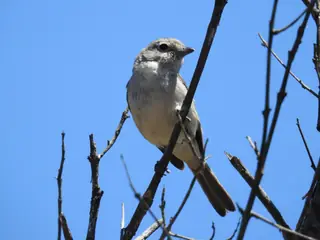 Grey Vireo
-
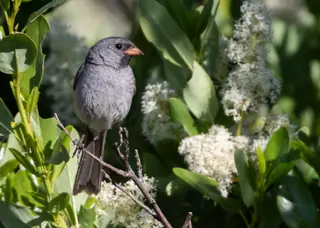 Black-chinned Sparrow
-
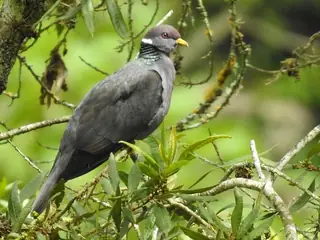 Band-tailed Pigeon
-
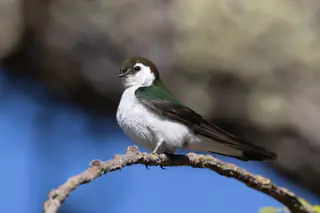 Violet-green Swallow
-
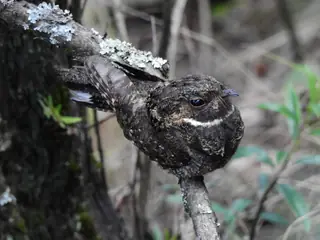 Mexican Whip-poor-will
-
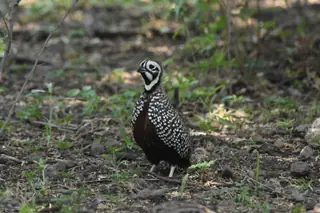 Montezuma QuailRare
Desert birds 37
-
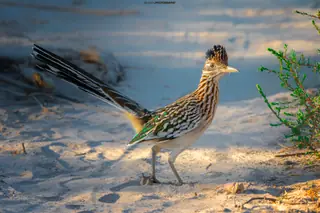 Greater Roadrunner
-
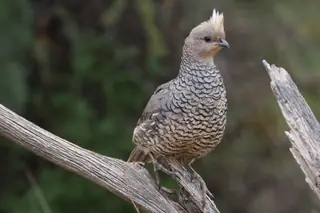 Scaled Quail
-
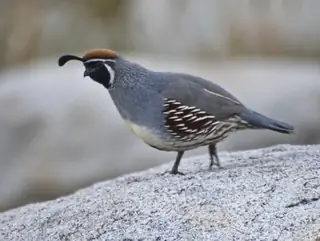 Gambel's Quail
-
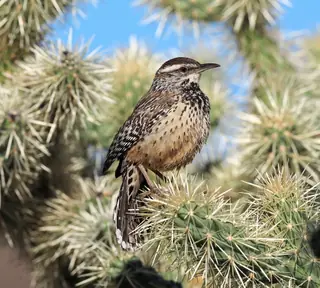 Cactus Wren
-
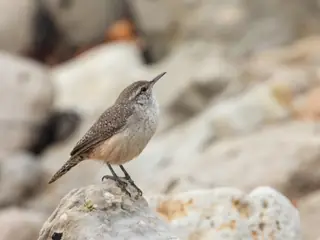 Rock Wren
-
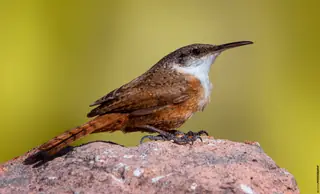 Canyon Wren
-
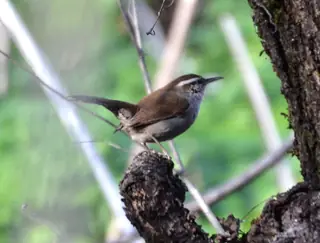 Bewick's Wren
-
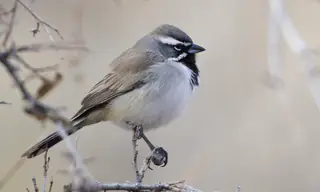 Black-throated Sparrow
-
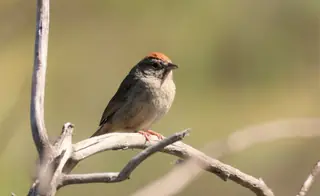 Rufous-crowned Sparrow
-
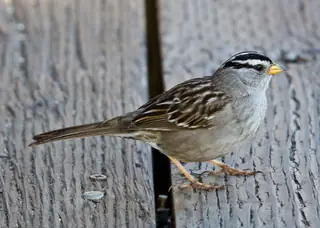 White-crowned Sparrow
-
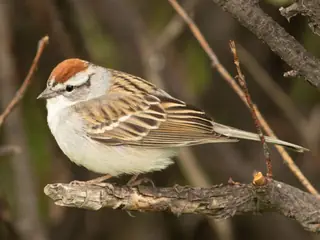 Chipping Sparrow
-
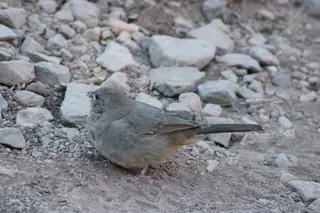 Canyon Towhee
-
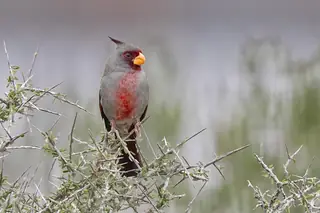 Pyrrhuloxia
-
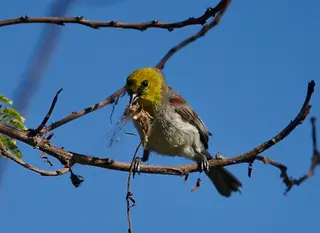 Verdin
-
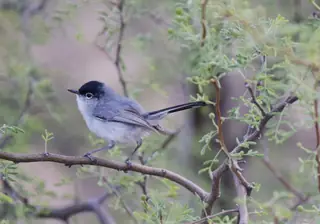 Black-tailed Gnatcatcher
-
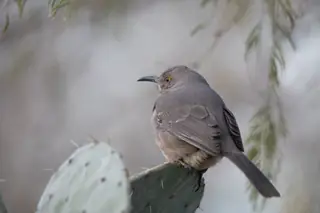 Curve-billed Thrasher
-
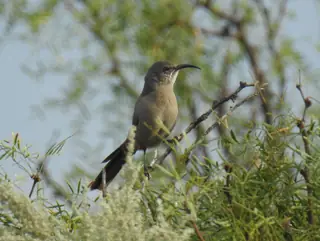 Crissal Thrasher
-
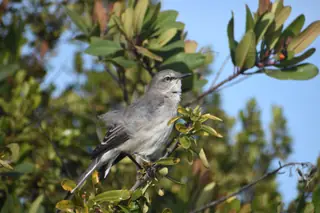 Northern Mockingbird
-
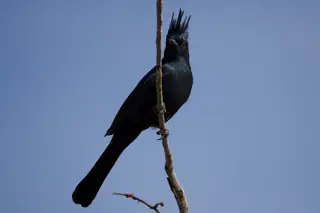 Phainopepla
-
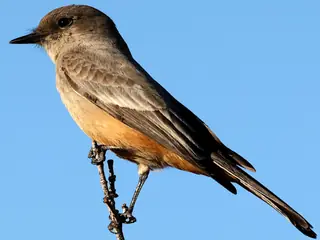 Say's Phoebe
-
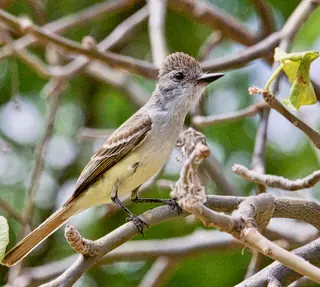 Ash-throated Flycatcher
-
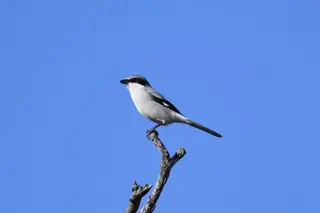 Loggerhead Shrike
-
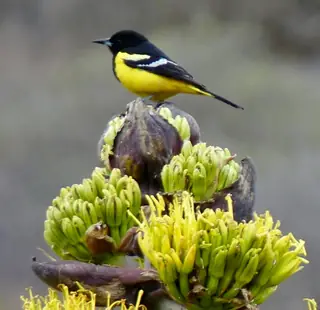 Scott's Oriole
-
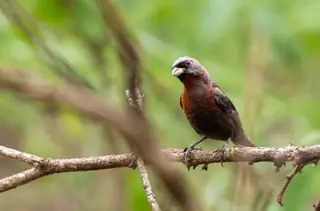 Varied Bunting
-
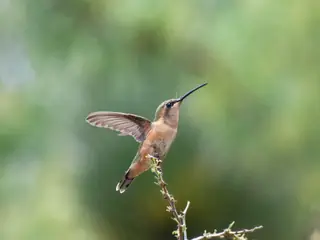 Lucifer Hummingbird
-
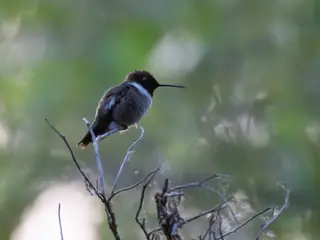 Black-chinned Hummingbird
-
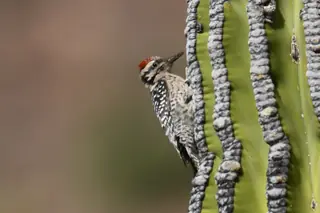 Ladder-backed Woodpecker
-
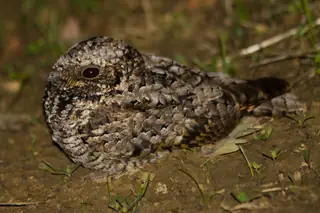 Common Poorwill
-
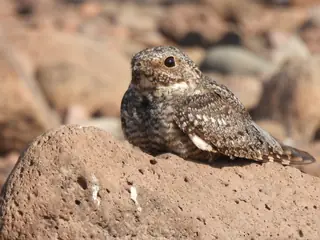 Lesser Nighthawk
-
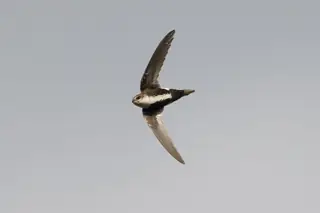 White-throated Swift
-
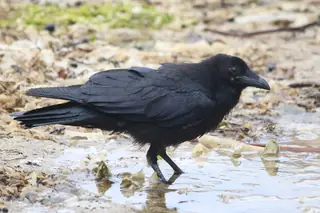 Common Raven
-
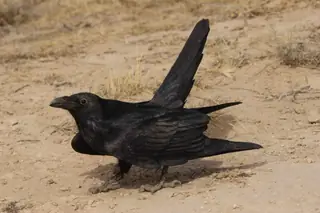 Chihuahuan Raven
-
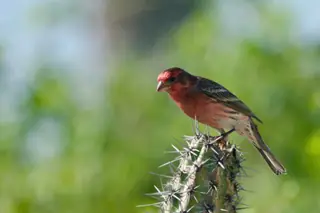 House Finch
-
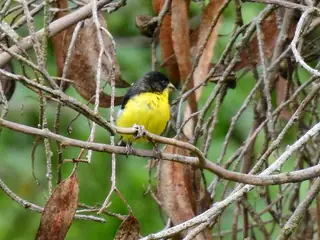 Lesser Goldfinch
-
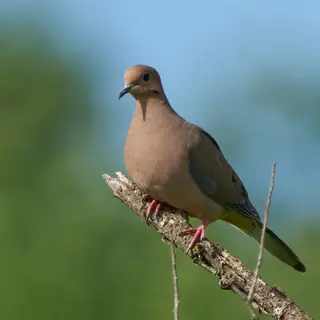 Mourning Dove
-
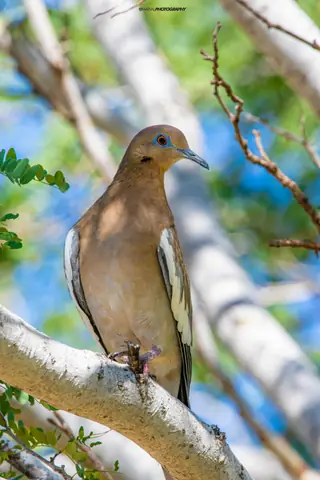 White-winged Dove
-
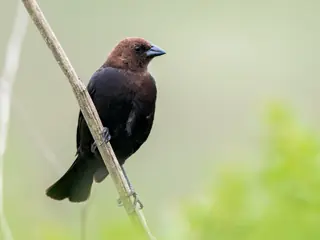 Brown-headed Cowbird
Rio Grande birds 20
-
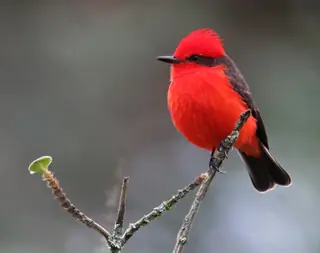 Vermilion Flycatcher
-
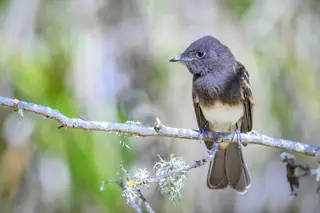 Black Phoebe
-
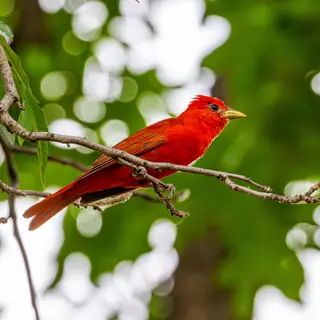 Summer Tanager
-
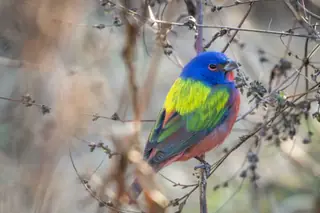 Painted Bunting
-
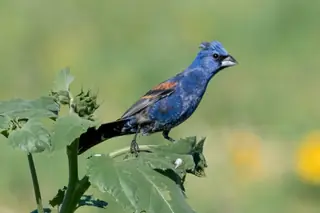 Blue Grosbeak
-
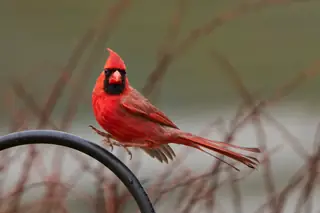 Northern Cardinal
-
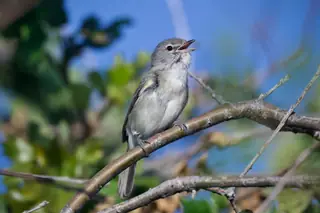 Bell's Vireo
-
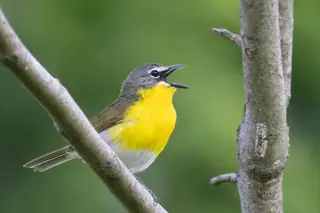 Yellow-breasted Chat
-
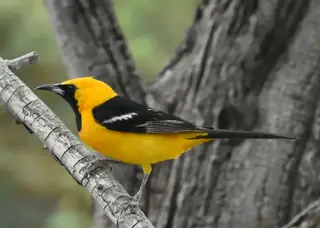 Hooded Oriole
-
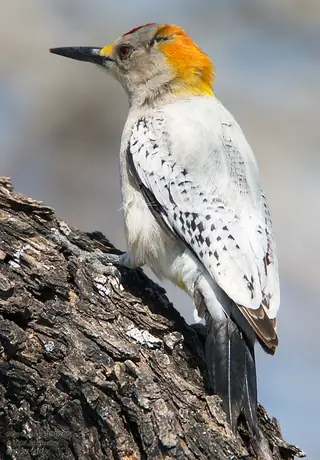 Golden-fronted Woodpecker
-
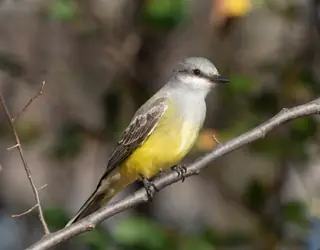 Western Kingbird
-
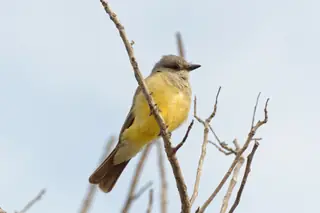 Cassin's Kingbird
-
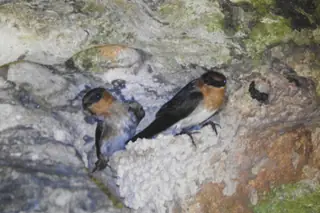 Cave Swallow
-
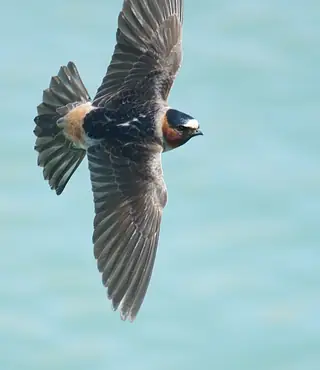 Cliff Swallow
-
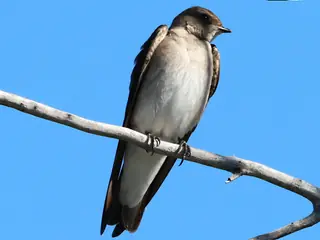 Northern Rough-winged Swallow
-
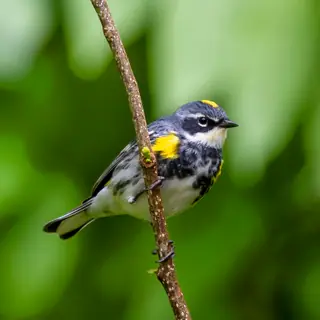 Yellow-rumped Warbler
-
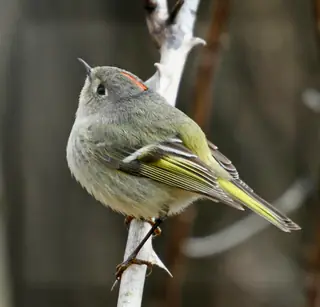 Ruby-crowned Kinglet
-
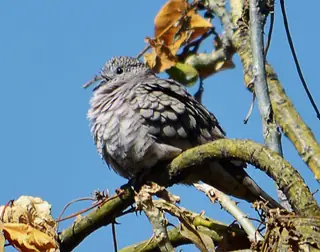 Inca Dove
-
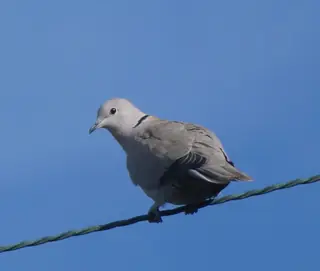 Eurasian Collared Dove
-
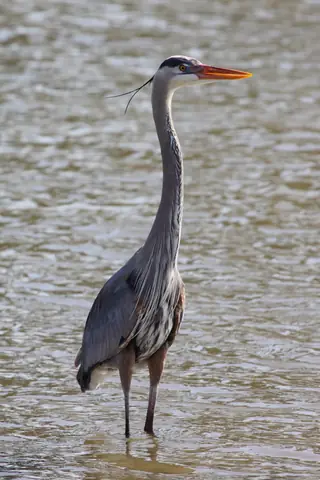 Great Blue Heron
Lizards and turtles 13
-
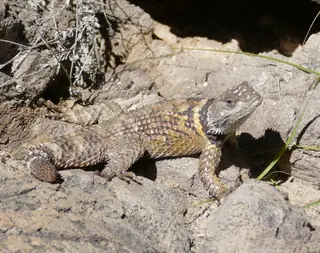 Crevice Spiny Lizard
-
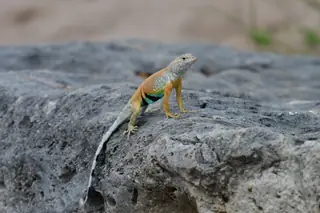 Greater Earless Lizard
-
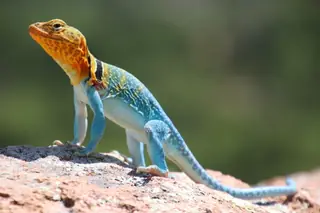 Collared Lizard
-
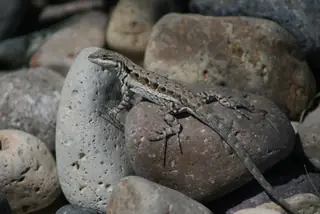 Ornate Tree Lizard
-
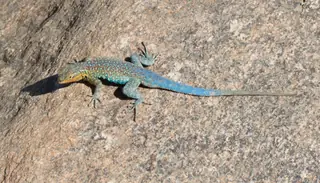 Common Side-blotched Lizard
-
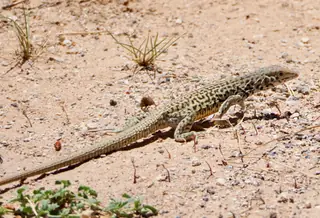 Marbled Whiptail
-
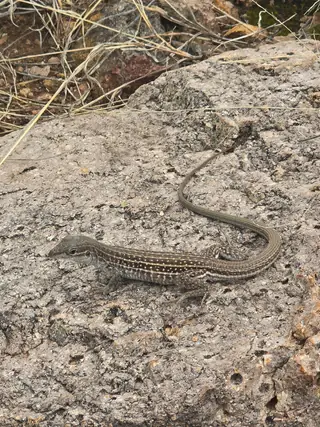 Chihuahuan Spotted Whiptail
-
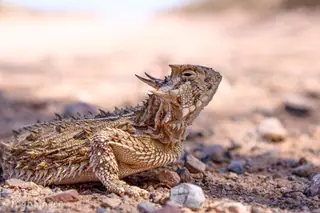 Texas Horned Lizard
-
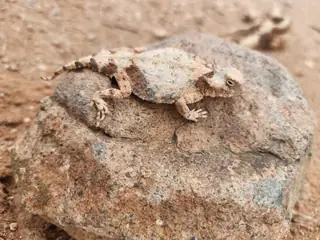 Round-tailed Horned Lizard
-
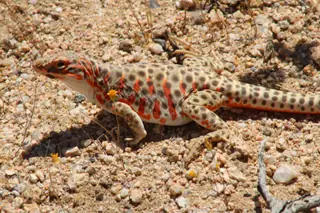 Long-nosed Leopard Lizard
-
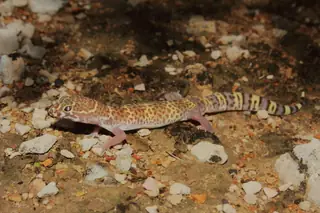 Texas Banded GeckoRare
-
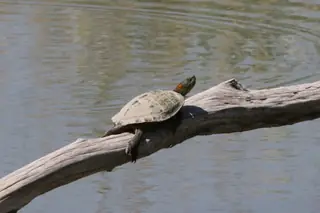 Big Bend Slider
-
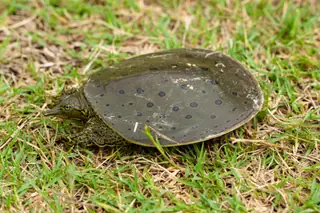 Spiny Softshell Turtle
Snakes 8
-
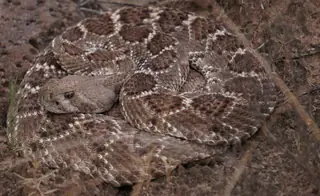 Western Diamond-backed Rattlesnake
-
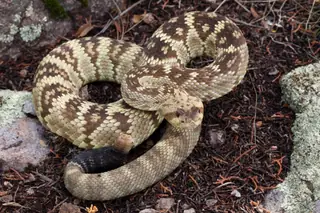 Black-tailed Rattlesnake
-
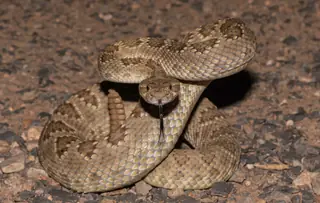 Mojave Rattlesnake
-
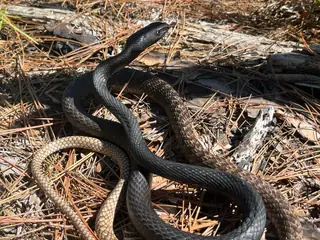 Coachwhip
-
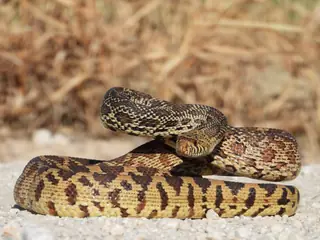 Gopher Snake
-
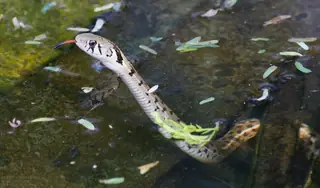 Checkered Garter Snake
-
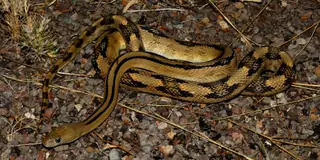 Trans-Pecos Rat SnakeRare
-
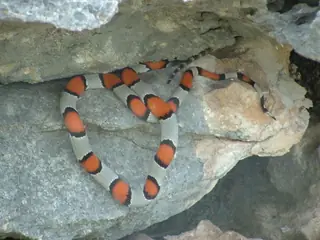 Grey-banded KingsnakeRare
Amphibians and butterflies 8
-
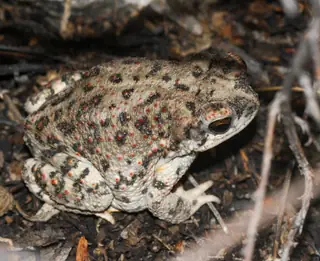 Red-spotted Toad
-
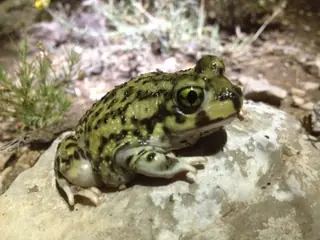 Couch's Spadefoot
-
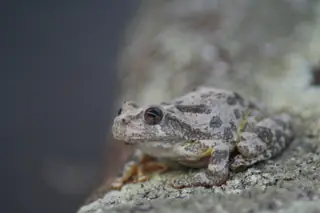 Canyon Treefrog
-
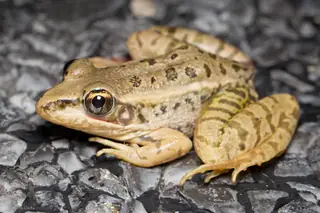 Rio Grande Leopard Frog
-
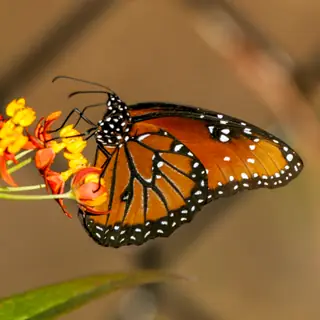 Queen
-
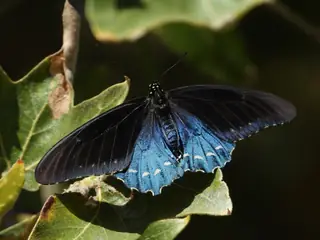 Pipevine Swallowtail
-
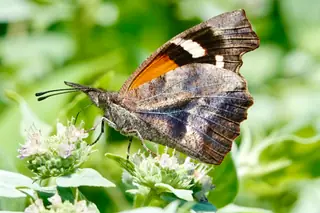 American Snout
-
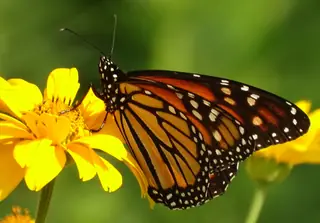 Monarch
Best time to see wildlife in Big Bend
Spring is the busiest season in Big Bend. From March the desert flowers bloom, the migrant birds pass through and the breeding birds arrive: Colima warblers in the Chisos from mid-April, and varied and painted buntings, summer tanagers and hummingbirds along the river and in the washes. April and May are the best months for birds. Summer, June to August, is very hot in the desert and along the river, so go out early and late or head up into the cooler Chisos; summer rains bring out toads, spadefoots and insects. Autumn is warm and quieter, with black bears feeding on acorns and berries in the mountains and monarchs passing south in October. Winter is mild and sunny in the lowlands, with sparrows, raptors and the resident desert birds, and cold nights in the mountains.
- MarDesert flowers, first migrants and hummingbirds
- Apr to MayPeak birding; Colima warblers in the Chisos, buntings on the river
- Jun to AugVery hot; go early or high, summer rains bring toads and spadefoots
- Sep to OctBears feed on acorns, monarchs pass south, quieter trails
- Nov to FebMild, sunny days; wintering sparrows and raptors
Tips for spotting wildlife in Big Bend
- 01
Start early, everywhere
Desert animals are busiest in the first and last hours of daylight, and the heat builds fast. Be on the trail or the river by sunrise and rest in the middle of the day.
- 02
Walk the Rio Grande Village nature trail
The cottonwoods, ponds and mesquite around Rio Grande Village hold vermilion flycatchers, buntings, tanagers and javelinas. Walk slowly in the early morning and stop often.
- 03
Go high for the mountain birds
The Chisos Basin is the base for Mexican jays, acorn woodpeckers and the Carmen Mountains white-tailed deer. The Colima warbler needs a long, steep hike into the high canyons: start at dawn and carry plenty of water.
- 04
Keep camp bear and javelina proof
Store all food, drinks and rubbish in the bear boxes or a closed car, and never leave a pack or cool box unattended. Javelinas and bears that find food lose their fear of people.
- 05
Drive slowly after dark
Kangaroo rats, snakes, skunks and foxes cross the park roads at night. Drive slowly, never spotlight wildlife from the road, and stay off closed roads and the open desert.
- 06
Watch where you step
Several kinds of rattlesnake live in the park. Use a torch at night, look before you sit or put your hands on rocks, and give any snake room to move off.

Take Big Bend with you
Heading to Big Bend? Keep this list on your phone and tick off each animal as you find it, from the Chisos to the Rio Grande, even with no signal. Wilder is free to start.

Big Bend wildlife FAQ
What animals can you see in Big Bend National Park?
You can see javelinas, mule deer, coyotes, black-tailed jackrabbits and roadrunners in the desert, black bears and Carmen Mountains white-tailed deer in the Chisos Mountains, and many lizards and snakes. The park has recorded more than 450 bird species, 75 mammals and 56 reptiles. This checklist covers 140 animals.
When is the best time to see wildlife in Big Bend?
The best time to see wildlife in Big Bend is March to May, when the desert flowers bloom, migrant birds pass through and the breeding birds arrive. Autumn is also good, with bears feeding in the mountains. Summer is very hot in the lowlands, so go out early and late or spend time in the cooler Chisos.
Are there bears in Big Bend National Park?
Yes, black bears live in the Chisos Mountains. They had all but gone by the time the park was created in 1944, and returned on their own from the mountains of northern Mexico in the late 1980s. They are seen throughout the Chisos, especially when acorns and berries ripen in late summer and autumn. Follow the park's distance rules and use the bear boxes for all food.
Where can you see the Colima warbler in Big Bend?
The Colima Warbler nests in the United States only in the high Chisos Mountains of Big Bend. It sings in the oak and maple woods of the high canyons from mid-April to September. Reaching it means a long, steep hike from the Chisos Basin, so start early and carry plenty of water.
What are javelinas, and are they dangerous?
Javelinas, or collared peccaries, are wild, pig-like animals that live in small herds in the desert and the Chisos Basin. They are not true pigs. They are usually shy but can be defensive, especially with young or if they smell food, so keep your distance, never feed them and keep food locked away.
Sources
- National Park Service: Big Bend National Park, Animals
- National Park Service: Black Bears in Big Bend
- National Park Service: The Colima Warbler story
- Sightings by month: GBIF.org
Animal photos are from the Wilder catalogue; photo credits.
Similar checklists
All North America-
 National park114animals Joshua Tree National Park Southern California, USA Where the Mojave meets the Colorado Desert: Joshua trees and granite boulders with cactus wrens, roadrunners and Gambel's quail by day, and kangaroo rats, kit foxes and desert tortoises for the patient. Best time Feb to May
-
 National park114animals Grand Canyon National Park Arizona, USA California condors riding the thermals over the rim, elk in the South Rim forest, bighorn sheep on the inner canyon cliffs and tassel-eared squirrels in the ponderosa pines. Best time May to Oct
-
 Region140animals Southeast Arizona Sky Islands, Arizona, USA Forested mountains rising out of the desert near the Mexican border: a dozen kinds of hummingbird at canyon feeders, elegant trogons in the sycamores, coatis and javelinas in the oak woods, and roadrunners, Gila monsters and grassland sparrows on the plains below. Best time Apr to Sept
-
 Reserve137animals Bosque del Apache New Mexico, USA Wetlands and farm fields on the Rio Grande at the edge of the Chihuahuan Desert, where tens of thousands of sandhill cranes and snow geese spend the winter, with ducks and eagles on the pools and roadrunners, quail and coyotes in the desert scrub. Best time Nov to Jan