Region · Central Nebraska · USA
Platte River Wildlife Checklist

The central Platte River in Nebraska hosts the largest gathering of cranes in the world. Each spring over 80% of the world's sandhill cranes stop here to rest and feed, roosting on the river's sandbars at night and feeding in the fields by day. Millions of snow geese and ducks pass through the Rainwater Basin wetlands at the same time. This checklist covers 140 animals. Mid-March to early April is best.
Tick off all 140 animals in Platte River on your phone, even offline. Launching soon. Free A4 PDF, no sign-up.
Most visitors base themselves in Kearney or Grand Island, between the two main crane centres: Audubon's Rowe Sanctuary near Gibbon and the Crane Trust near Wood River. The river is wide, shallow and braided, with cottonwood woods, wet meadows and remnant tallgrass prairie along its banks and cornfields beyond. The Rainwater Basin, a scatter of shallow wetlands in the farmland to the south, fills with geese and ducks in late winter.
- Animals to find
- 140
- Where
- USA
- Best time
- Mar to early Apr
- Sandhill cranes in spring
- Over 80% of the world's
Popular animals in Platte River
-
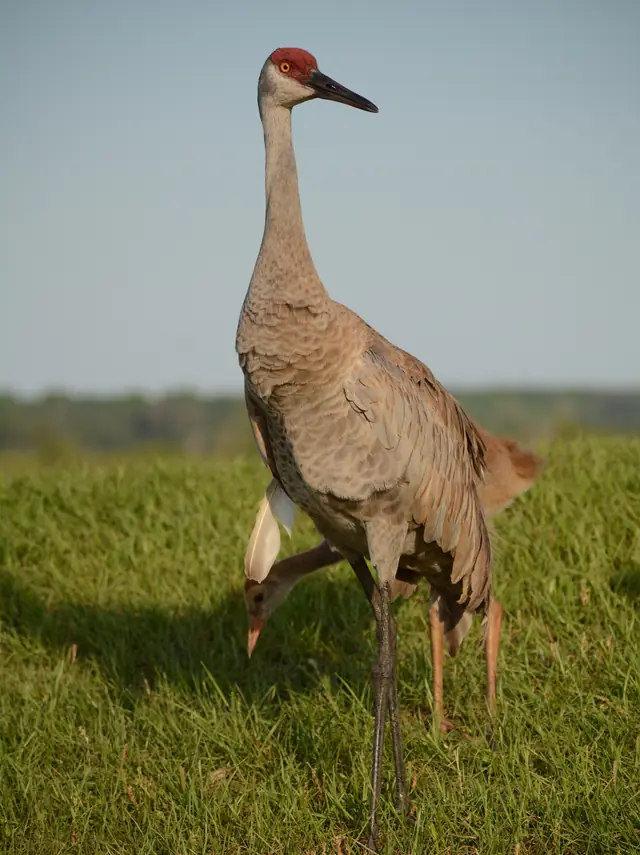
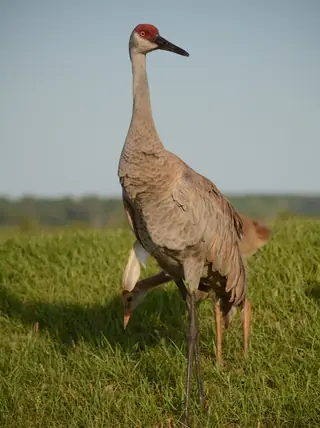
Sandhill Crane
Antigone canadensis
Hundreds of thousands gather on the central Platte from late February to early April. Watch them fly in to roost at dusk and lift off at dawn from the guided blinds or the public viewing decks.
-
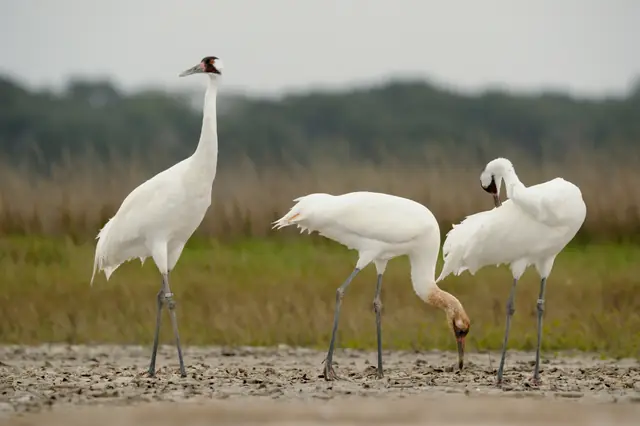
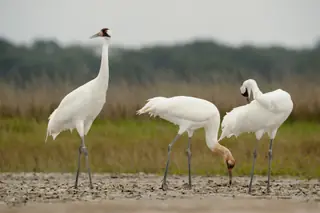
Whooping Crane
Grus americana
One of the rarest birds in North America. A few pass through in April and October, often with sandhill cranes; if you see one, stay in your car and give it plenty of room.
-
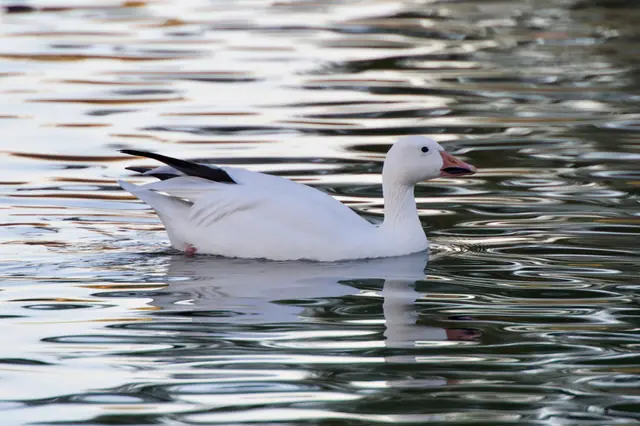
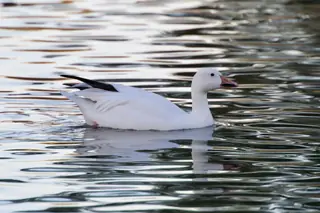
Snow Goose
Anser caerulescens
Flocks of many thousands settle on the Rainwater Basin wetlands in late February and March. The sound and sight of them lifting off together at dawn is unforgettable.
-
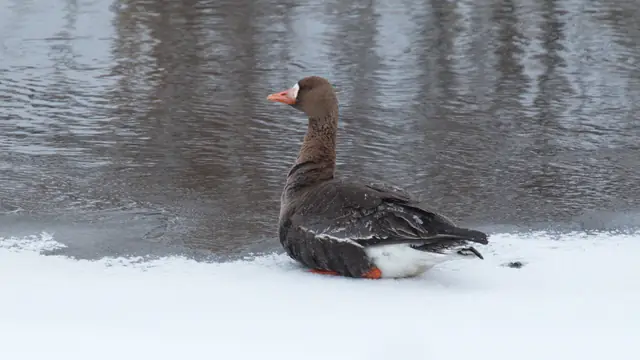
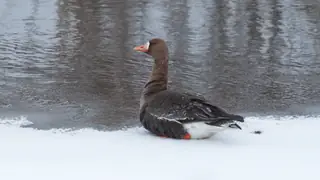
Greater White-fronted Goose
Anser albifrons
Brown geese with a white face and black bars on the belly. Flocks feed in stubble fields near the wetlands in March, with laughing calls overhead.
-
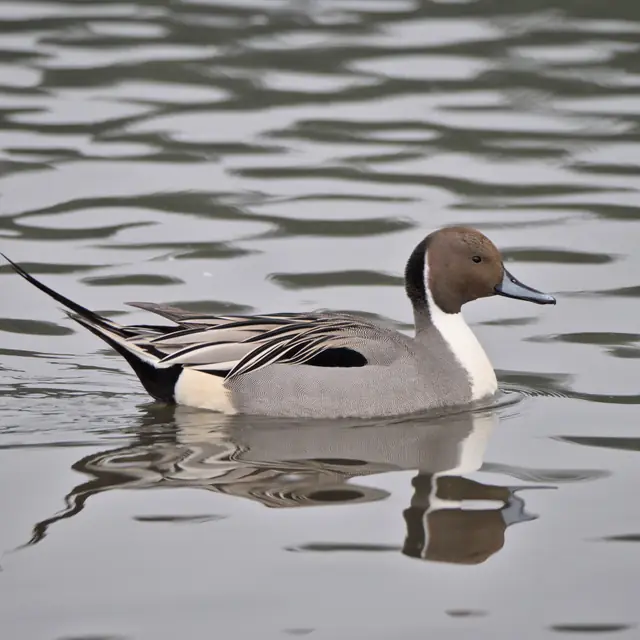
Northern Pintail
Anas acuta
An elegant long-tailed duck, among the first back in late February. Huge numbers gather on the Rainwater Basin wetlands.
-
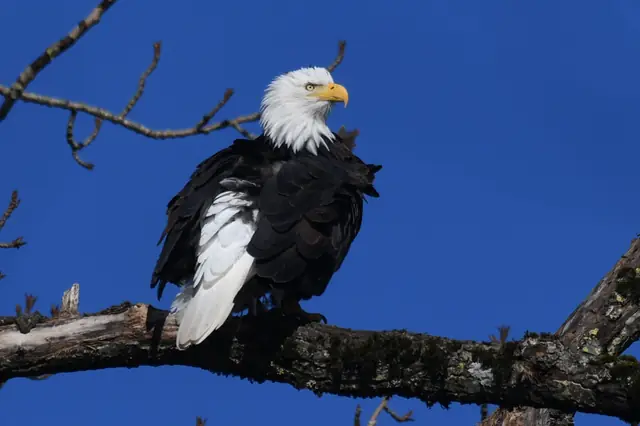
Bald Eagle
Haliaeetus leucocephalus
Common along the river in late winter and March, perched in cottonwoods or standing on the edge of the ice.
-
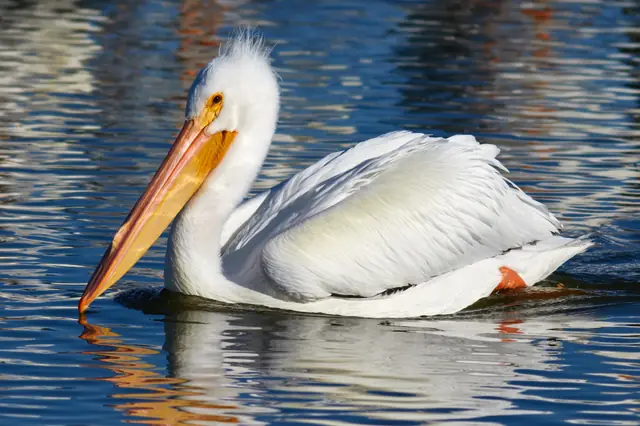
American White Pelican
Pelecanus erythrorhynchos
Huge white birds with black wingtips that arrive in April. Flocks circle high on thermals and rest on sandbars.
-
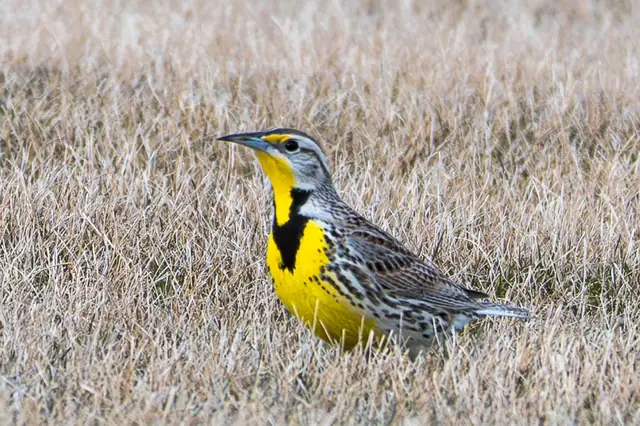
Western Meadowlark
Sturnella neglecta
Nebraska's state bird. Its rich, fluting song from fence posts is one of the first signs of spring on the prairie.
-
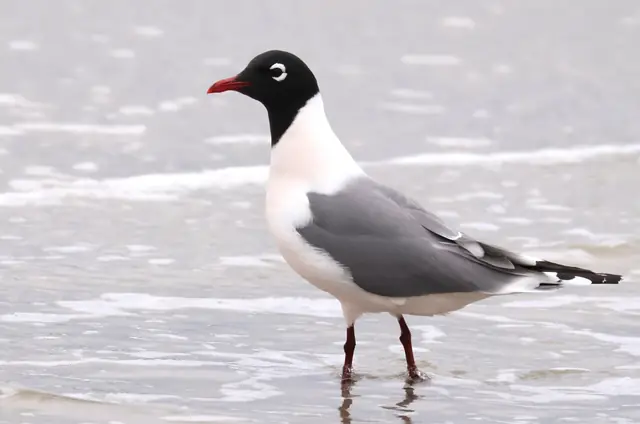
Franklin's Gull
Leucophaeus pipixcan
A small, pink-flushed gull with a black hood. Big flocks follow ploughs across the fields in April and May.
-
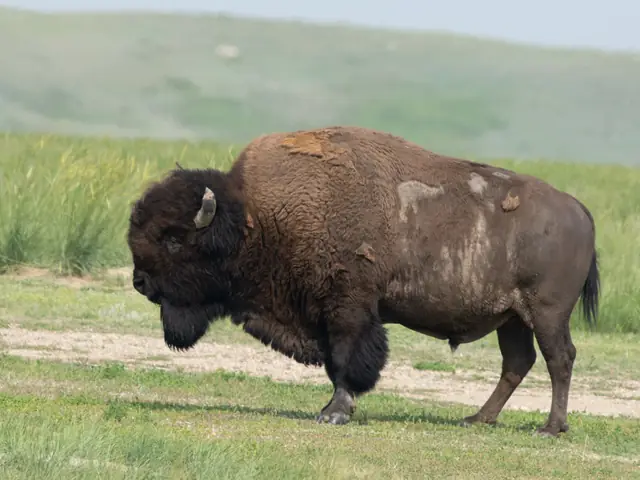
Bison
Bos bison
A conservation herd grazes the Crane Trust prairies near Wood River. Keep well back and follow the reserve's distance rules.
-
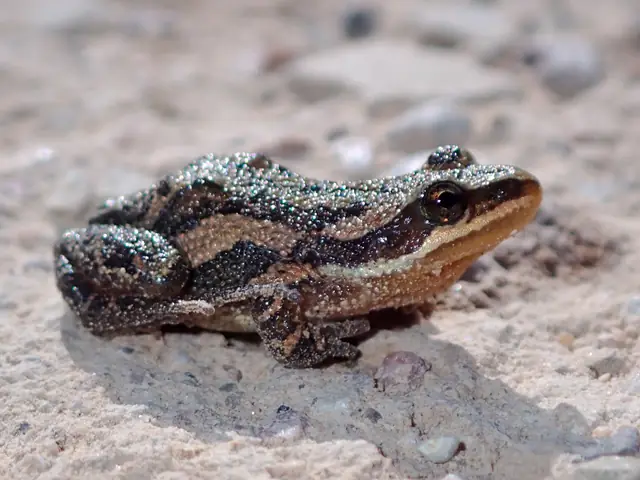
Boreal Chorus Frog
Pseudacris maculata
A tiny frog whose creaking call rises from wet meadows in March, just as the cranes arrive.
All 140 animals in Platte River
Cranes, geese and swans 9
-
 Sandhill Crane
-
 Whooping CraneRare
-
 Snow Goose
-
 Ross's Goose
-
 Greater White-fronted Goose
-
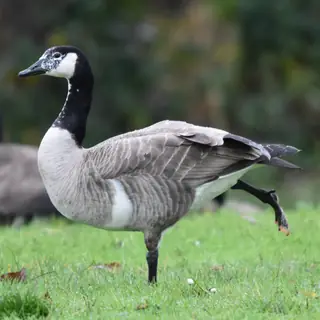 Canada Goose
-
 Cackling Goose
-
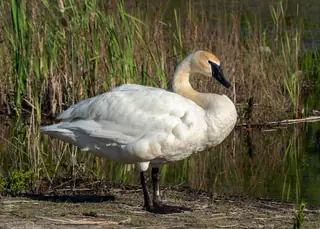 Trumpeter SwanRare
-
 Tundra SwanRare
Ducks, pelicans and herons 18
-
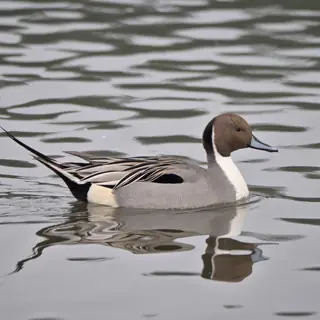 Northern Pintail
-
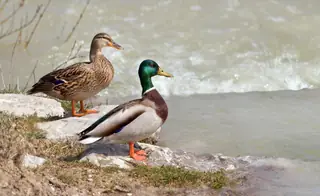 Mallard
-
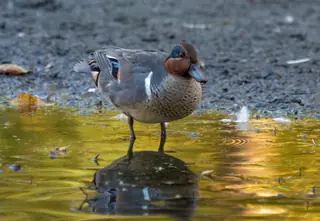 Green-winged Teal
-
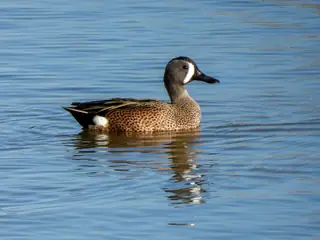 Blue-winged Teal
-
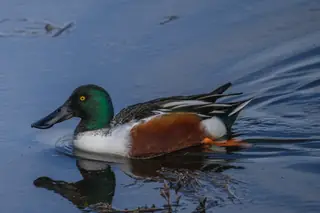 Northern Shoveler
-
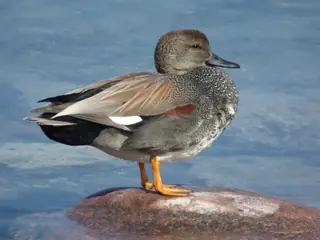 Gadwall
-
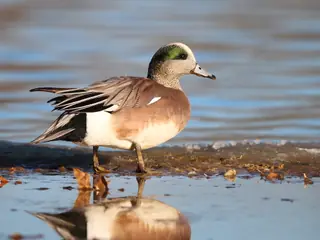 American Wigeon
-
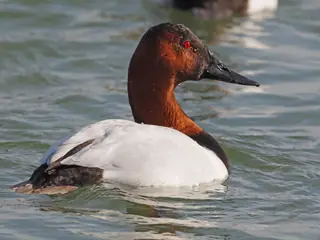 Canvasback
-
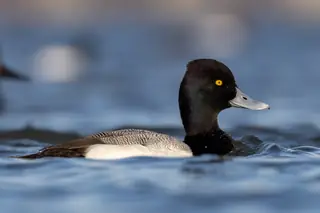 Lesser Scaup
-
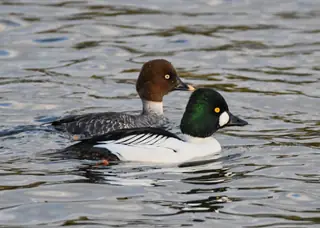 Common Goldeneye
-
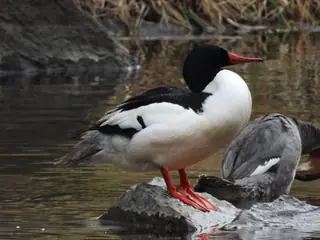 Common Merganser
-
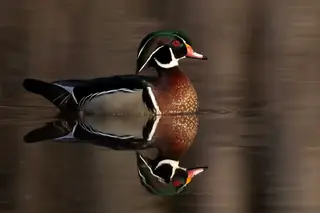 Wood Duck
-
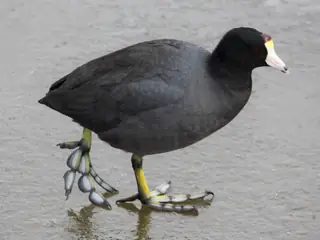 American Coot
-
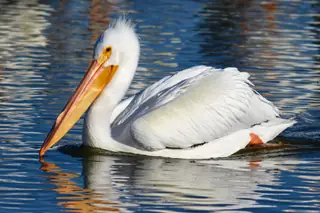 American White Pelican
-
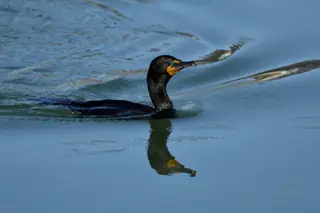 Double-crested Cormorant
-
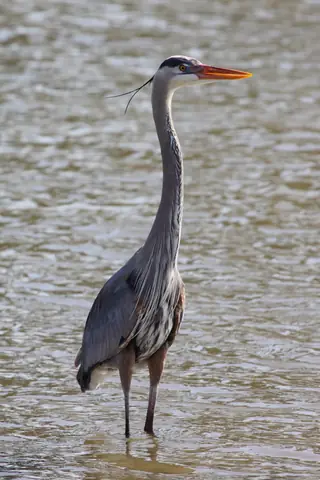 Great Blue Heron
-
 Great Egret
-
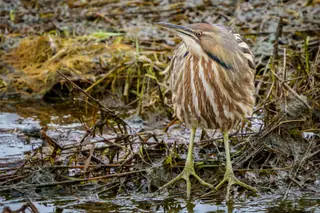 American BitternRare
Waders, gulls and terns 14
-
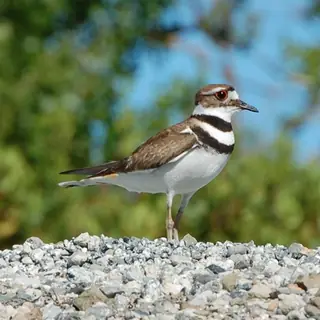 Killdeer
-
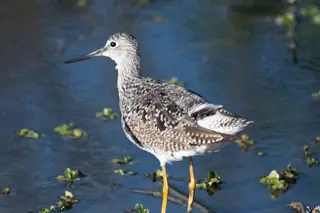 Greater Yellowlegs
-
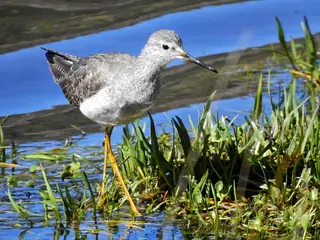 Lesser Yellowlegs
-
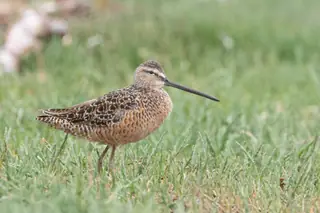 Long-billed Dowitcher
-
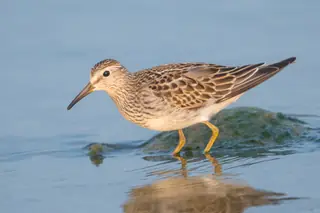 Pectoral Sandpiper
-
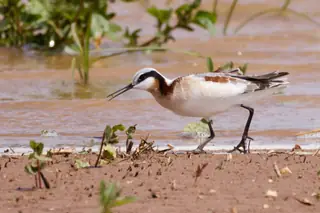 Wilson's Phalarope
-
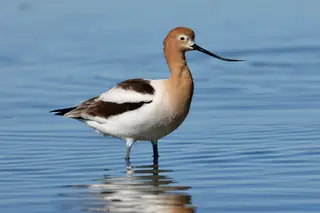 American Avocet
-
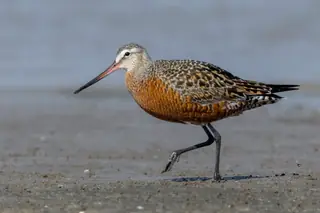 Hudsonian Godwit
-
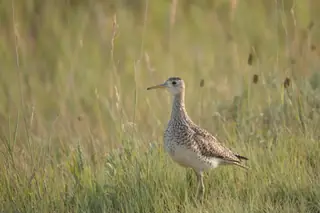 Upland Sandpiper
-
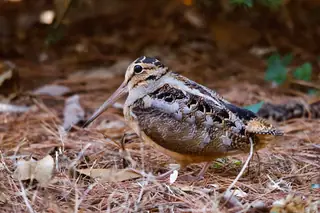 American WoodcockRare
-
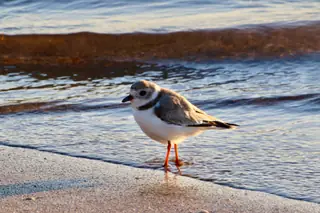 Piping Plover
-
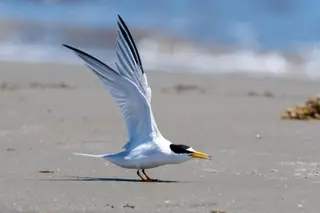 Least Tern
-
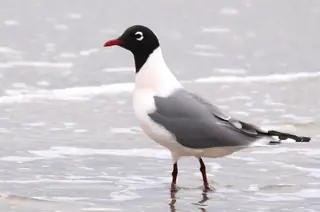 Franklin's Gull
-
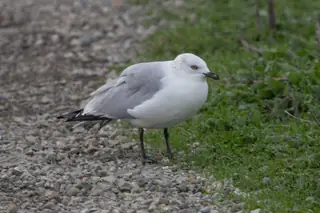 Ring-billed Gull
Birds of prey and owls 12
-
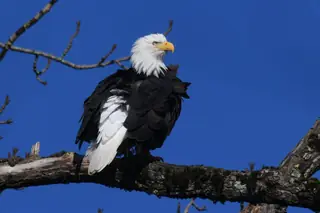 Bald Eagle
-
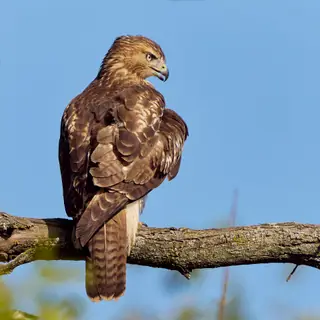 Red-tailed Hawk
-
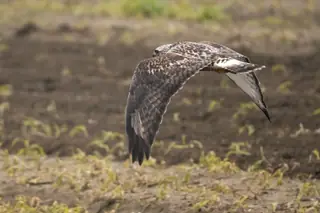 Rough-legged Hawk
-
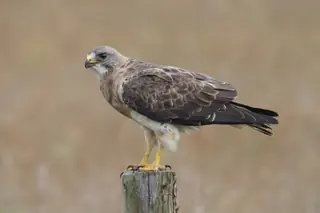 Swainson's Hawk
-
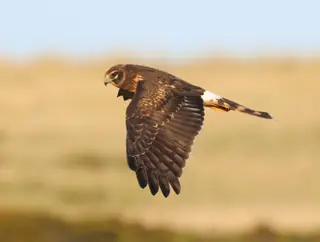 Northern Harrier
-
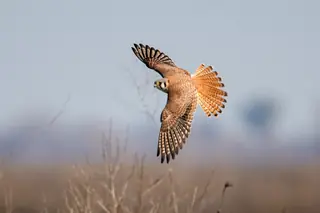 American Kestrel
-
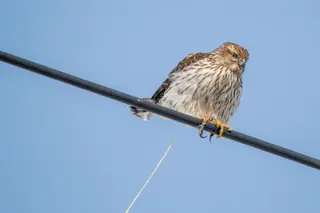 Cooper's Hawk
-
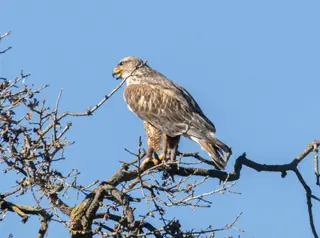 Ferruginous HawkRare
-
 Peregrine FalconRare
-
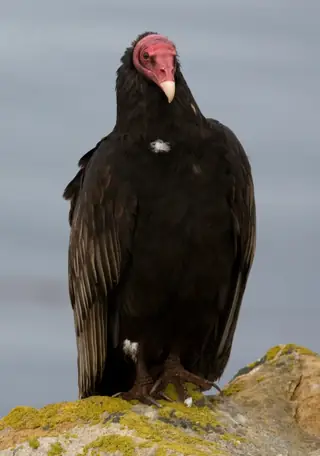 Turkey Vulture
-
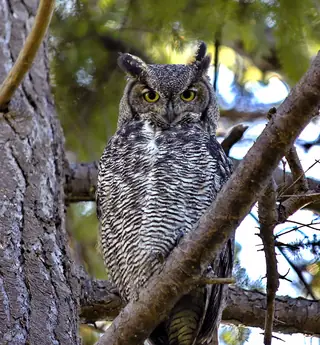 Great Horned Owl
-
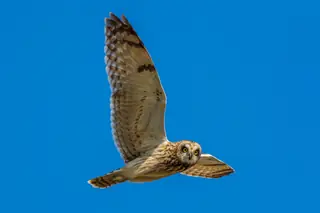 Short-eared OwlRare
Prairie and farmland birds 26
-
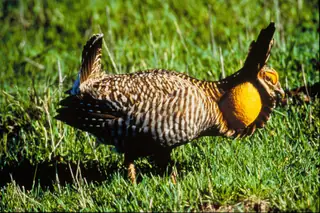 Greater Prairie-ChickenRare
-
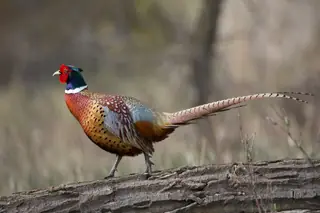 Ring-necked Pheasant
-
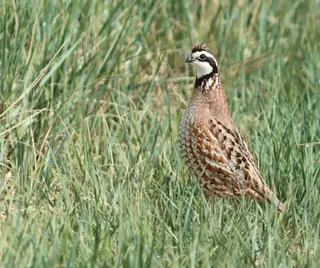 Northern Bobwhite
-
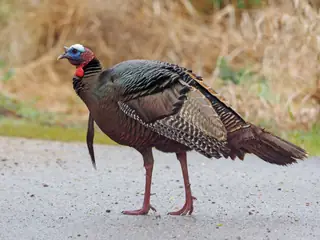 Wild Turkey
-
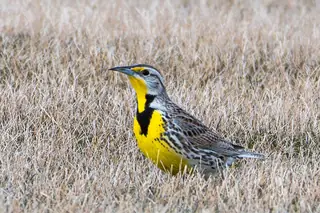 Western Meadowlark
-
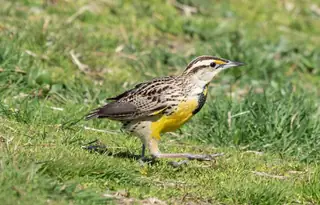 Eastern Meadowlark
-
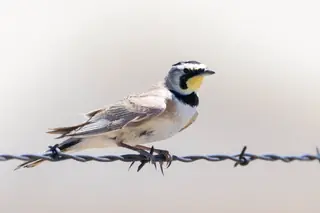 Horned Lark
-
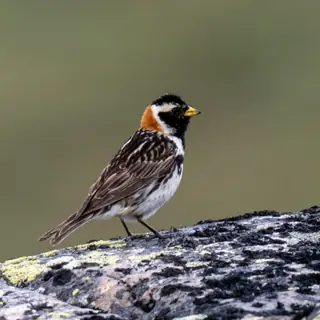 Lapland Longspur
-
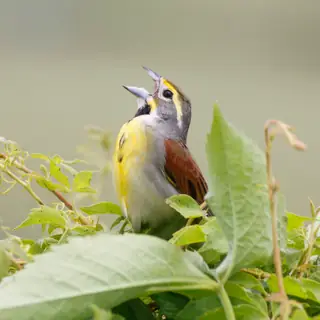 Dickcissel
-
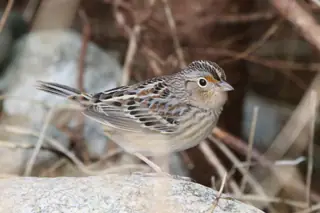 Grasshopper Sparrow
-
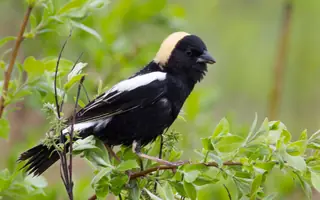 Bobolink
-
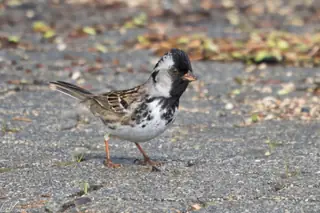 Harris's Sparrow
-
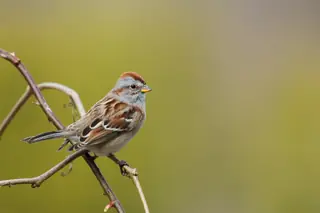 American Tree Sparrow
-
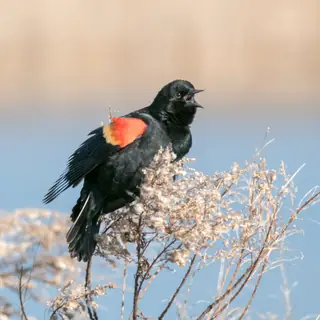 Red-winged Blackbird
-
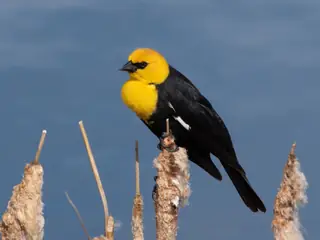 Yellow-headed Blackbird
-
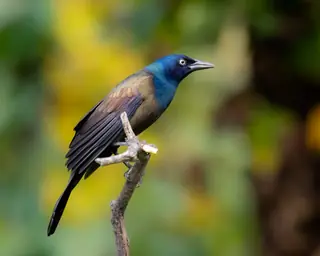 Common Grackle
-
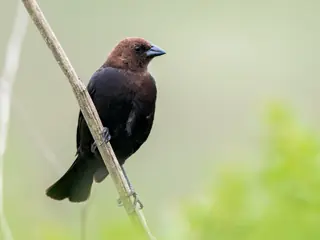 Brown-headed Cowbird
-
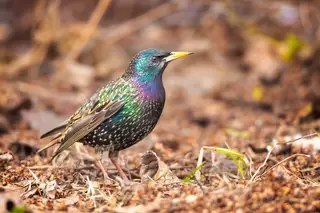 European Starling
-
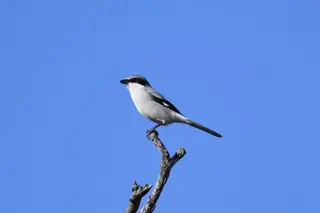 Loggerhead Shrike
-
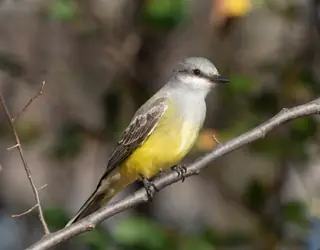 Western Kingbird
-
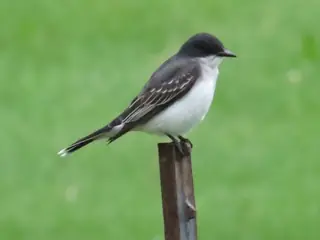 Eastern Kingbird
-
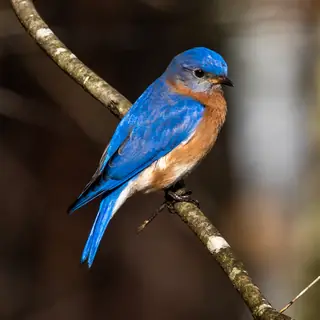 Eastern Bluebird
-
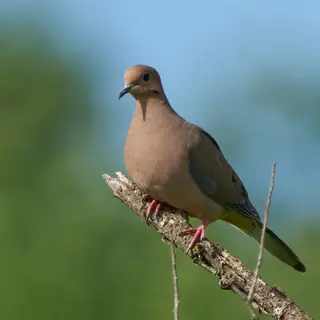 Mourning Dove
-
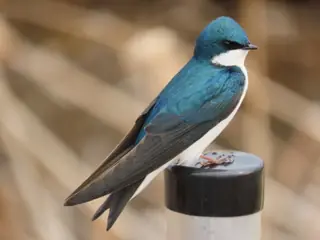 Tree Swallow
-
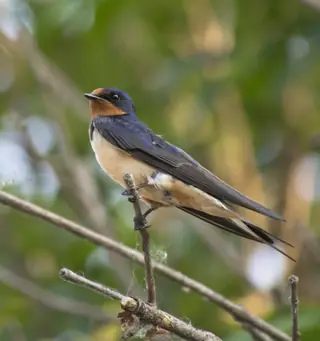 Barn Swallow
-
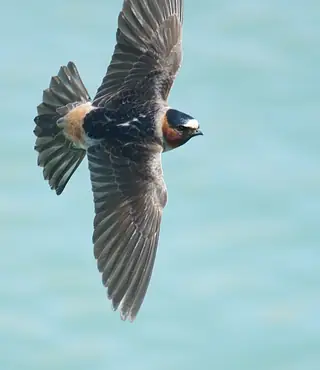 Cliff Swallow
River woods and town birds 23
-
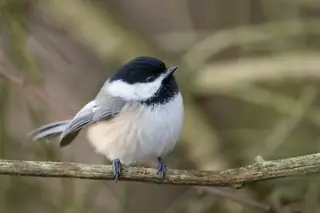 Black-capped Chickadee
-
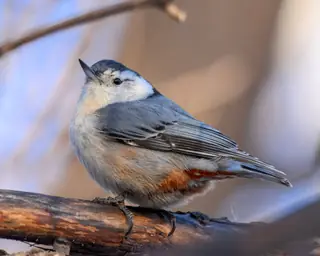 White-breasted Nuthatch
-
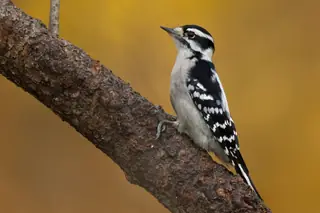 Downy Woodpecker
-
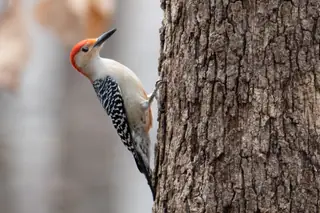 Red-bellied Woodpecker
-
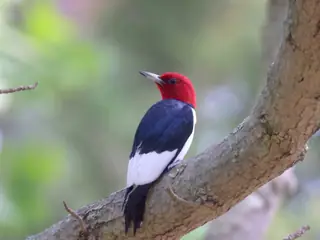 Red-headed Woodpecker
-
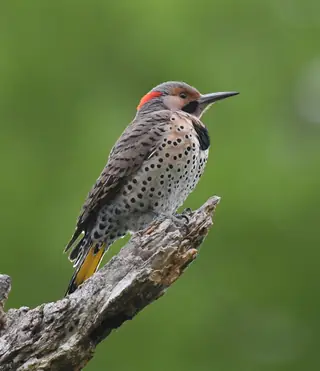 Northern Flicker
-
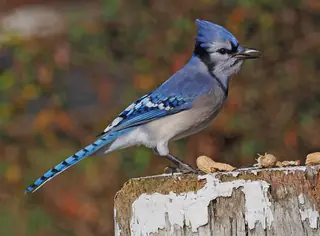 Blue Jay
-
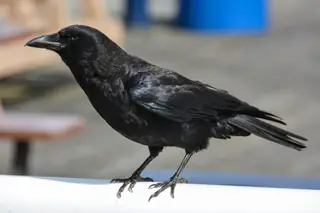 American Crow
-
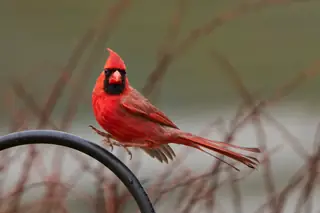 Northern Cardinal
-
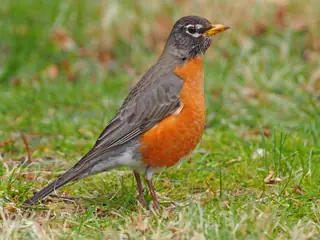 American Robin
-
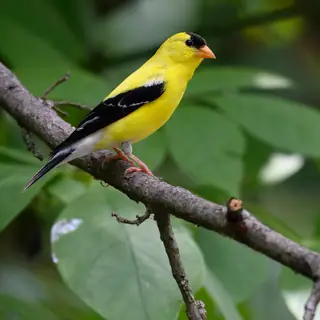 American Goldfinch
-
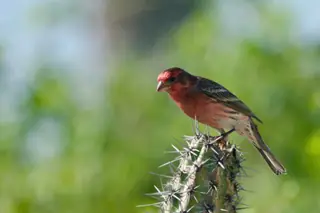 House Finch
-
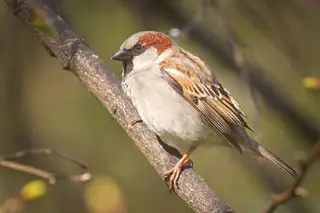 House Sparrow
-
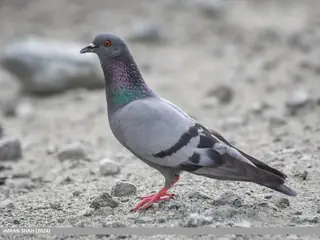 Rock Pigeon
-
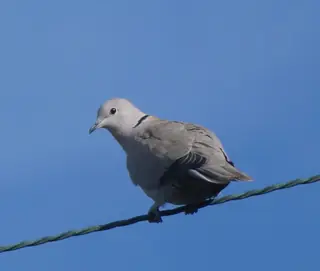 Eurasian Collared Dove
-
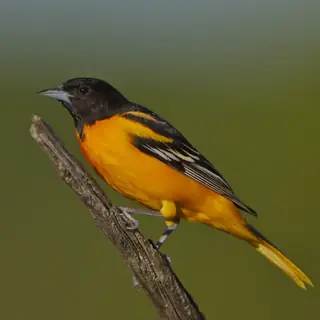 Baltimore Oriole
-
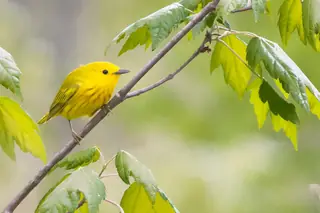 Yellow Warbler
-
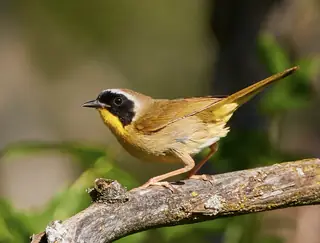 Common Yellowthroat
-
 Belted Kingfisher
-
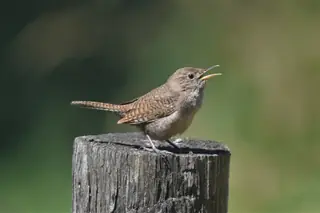 Northern House Wren
-
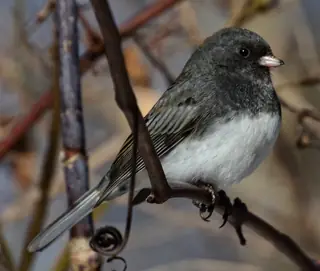 Dark-eyed Junco
-
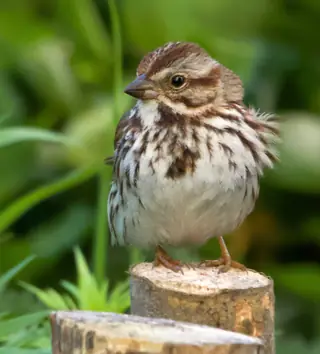 Song Sparrow
-
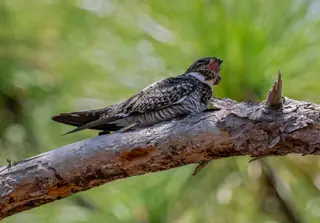 Common Nighthawk
Mammals 18
-
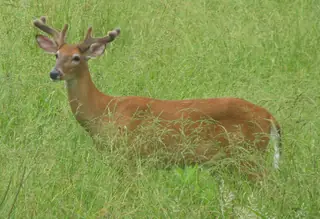 White-tailed Deer
-
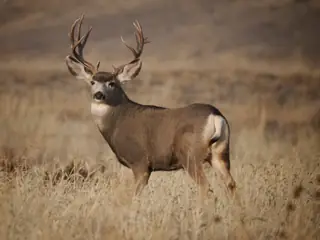 Mule Deer
-
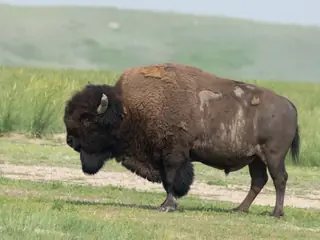 Bison
-
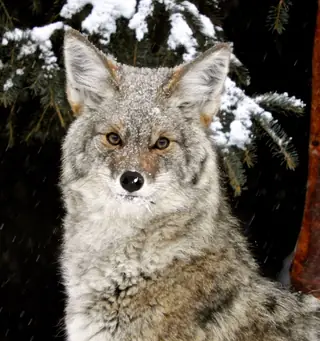 Coyote
-
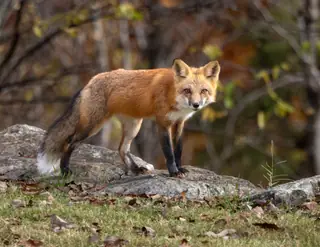 Red Fox
-
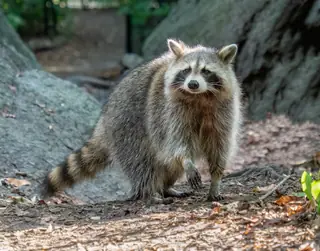 Raccoon
-
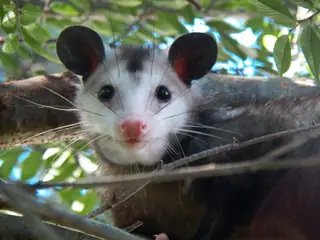 Virginia Opossum
-
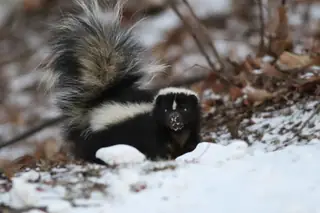 Striped Skunk
-
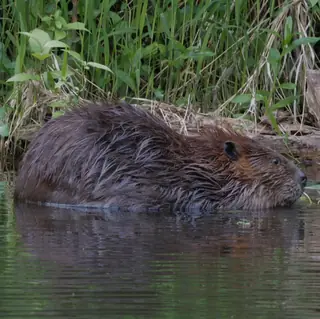 North American Beaver
-
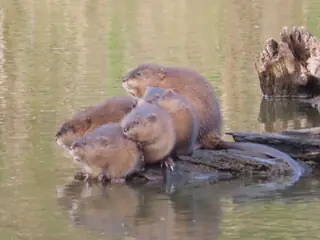 Muskrat
-
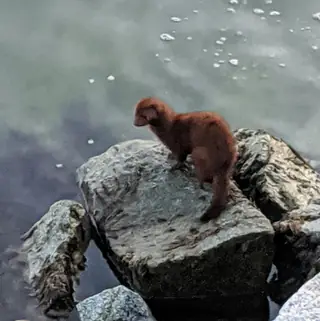 American MinkRare
-
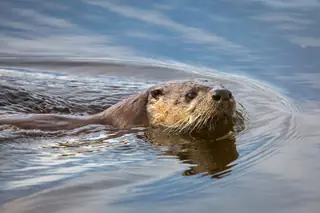 River OtterRare
-
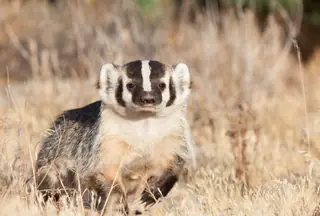 Badger (American)Rare
-
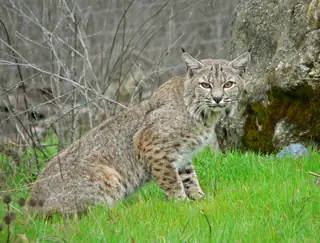 BobcatRare
-
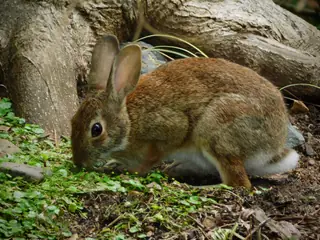 Eastern Cottontail
-
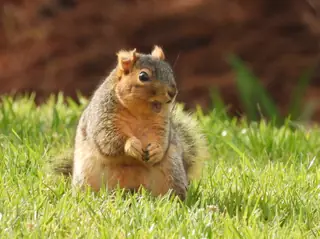 Fox Squirrel
-
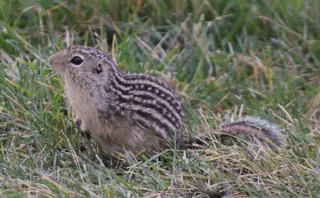 Thirteen-lined Ground Squirrel
-
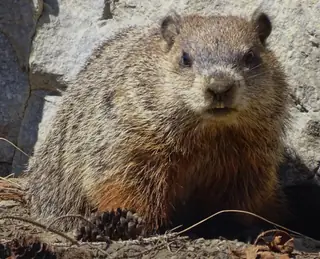 Groundhog (Woodchuck)
Reptiles and amphibians 12
-
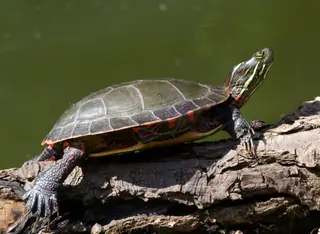 Painted Turtle
-
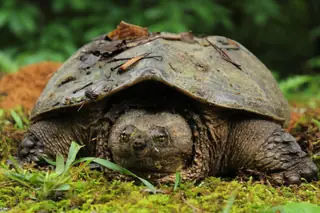 Snapping Turtle
-
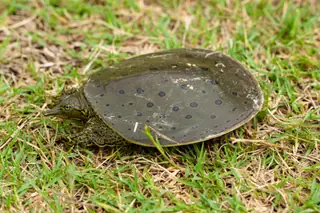 Spiny Softshell Turtle
-
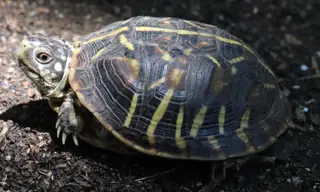 Ornate Box Turtle
-
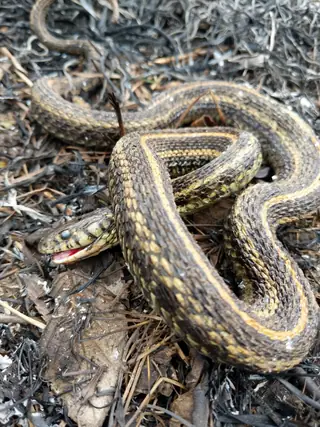 Plains Garter Snake
-
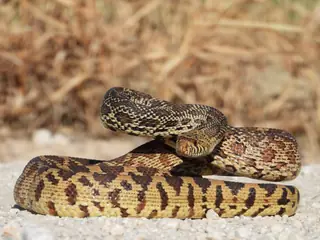 Gopher Snake
-
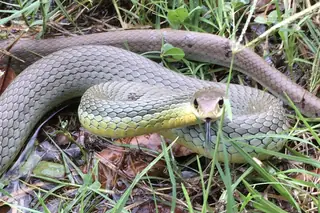 North American Racer
-
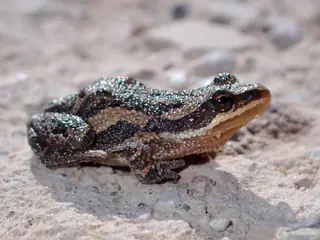 Boreal Chorus Frog
-
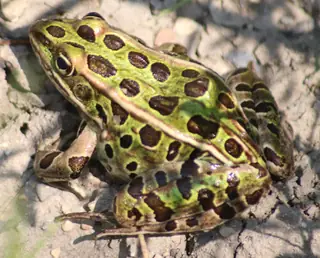 Leopard Frog
-
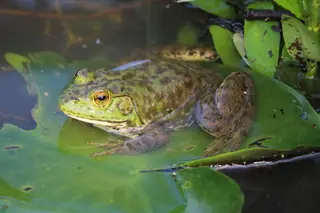 American Bullfrog
-
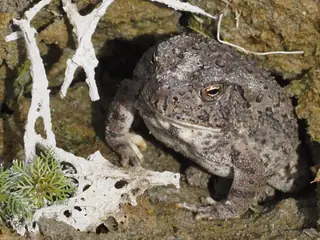 Woodhouse's Toad
-
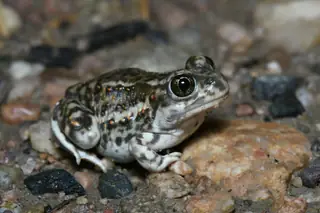 Plains SpadefootRare
Butterflies and dragonflies 8
-
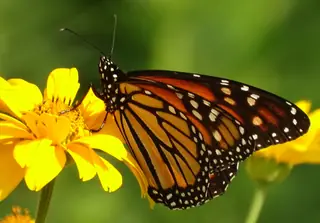 Monarch
-
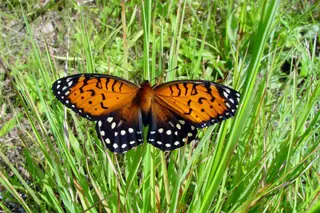 Regal Fritillary
-
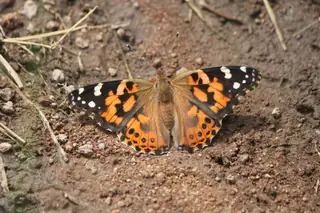 Painted Lady
-
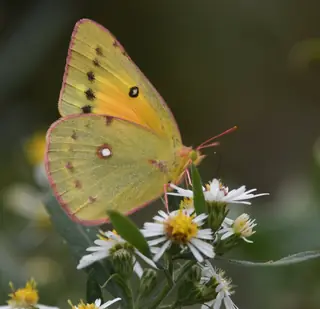 Orange Sulfur
-
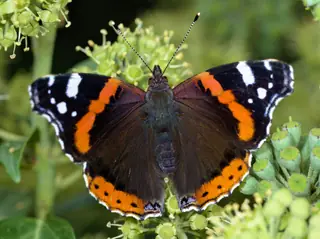 Red Admiral
-
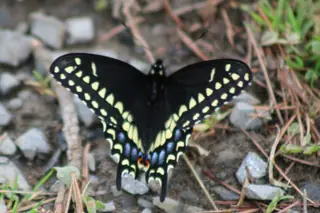 Black Swallowtail
-
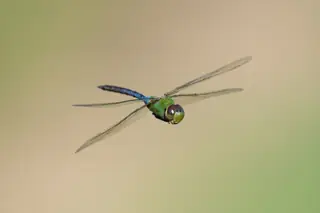 Common Green Darner
-
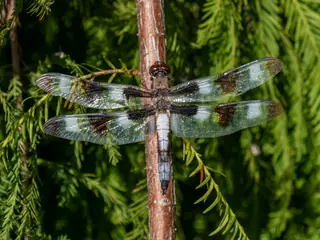 Twelve-spotted Skimmer
Best time to see wildlife in Platte River
Spring is the season on the Platte. The first sandhill cranes arrive in February, numbers build through March and peak from mid-March to early April, and most have left for Canada, Alaska and Siberia by mid-April. Snow geese, white-fronted geese and pintails fill the Rainwater Basin wetlands from late February to mid-March. April and May bring pelicans, Franklin's gulls, waders on the wetland edges and the first whooping cranes passing north. Summer is hot, with grassland birds singing, terns and plovers nesting on the sandbars, and butterflies on the prairies. Autumn migration in October and November is more spread out and quieter, and winter brings bald eagles to the river.
- FebFirst cranes, geese and pintails arrive; bald eagles on the river
- MarCrane numbers peak from mid-month; snow goose flocks in the Rainwater Basin
- AprLast cranes leave; pelicans, Franklin's gulls, whooping cranes passing
- MayWaders on the wetlands, songbirds arriving, prairie in flower
- Jun to AugHot; grassland birds, nesting terns and plovers, butterflies
- Sep to JanQuieter autumn passage, then wintering eagles and geese
Tips for spotting wildlife in Platte River
- 01
Book a crane blind early
Rowe Sanctuary and the Crane Trust run guided dawn and dusk visits to riverside blinds, where you can watch the cranes at their roost without disturbing them. Places for the peak weeks fill months ahead.
- 02
Use your car as a hide
Cranes feeding in fields flush easily from a person on foot. Stay in or right beside your car, pull fully off the road, and never walk towards a flock.
- 03
Use the public viewing decks
The public viewing decks near Gibbon and Alda and the trail bridge at Fort Kearny State Recreation Area are good for the evening flights. Arrive before sunset, keep your voice down and leave torches and flash off.
- 04
Visit the Rainwater Basin
The shallow wetlands south of the river hold the big goose and duck flocks from late February. Watch from the roads at dawn as the geese lift off to feed.
- 05
Dress for the wind
March mornings in the blinds are often below freezing and the prairie wind is sharp. Bring warm layers, a hat and gloves, even if the afternoon is mild.
- 06
Respect private land
Almost all the land along the river is privately farmed. Stay on public roads and viewing sites and never cross a fence to get closer.

Take Platte River with you
Watching the cranes on the Platte this spring? Keep this list on your phone and tick off cranes, geese and eagles from the blind or the car, even with no signal. Wilder is free to start.

Platte River wildlife FAQ
When is the best time to see the sandhill cranes in Nebraska?
The best time to see the sandhill cranes on the Platte River is from mid-March to early April, when numbers peak. The first cranes arrive in February and most have left by mid-April. Dawn and dusk are the times to watch, as the cranes fly between the river and the fields.
Where is the best place to see the cranes on the Platte River?
The best places to see the cranes are the guided blinds at Audubon's Rowe Sanctuary near Gibbon and the Crane Trust near Wood River, both between Kearney and Grand Island. Public viewing decks near Gibbon and Alda and the trail bridge at Fort Kearny State Recreation Area are good for evening flights, and the cranes feed in fields and wet meadows along the valley by day.
How many sandhill cranes come to the Platte River?
Several hundred thousand sandhill cranes gather on the central Platte River each spring, over 80% of the world's population. Counts in recent springs have topped 700,000 birds at the peak. This checklist covers 140 animals that visitors can see in the area.
Can you see whooping cranes on the Platte River?
Yes, but only rarely. A few whooping cranes, one of the rarest birds in North America, stop on the Platte River in April and October on their way between Texas and Canada. If you see one, stay in your car, keep well back and let it feed and rest undisturbed.
What other wildlife can you see on the Platte River?
Besides cranes, the Platte River valley has millions of migrating snow geese and ducks, bald eagles in late winter, white pelicans and waders in spring, and prairie birds such as western meadowlarks and dickcissels in summer. Mammals include white-tailed deer, coyotes and beavers, and the Crane Trust has a bison herd.
Sources
- Nebraska Game and Parks: Nebraska Birding Trails, Sandhill Cranes
- Audubon: Rowe Sanctuary, Crane tour experiences
- US Fish and Wildlife Service: Rainwater Basin Wetland Management District
- Sightings by month: GBIF.org
Animal photos are from the Wilder catalogue; photo credits.
Similar checklists
All North America-
 Reserve137animals Bosque del Apache New Mexico, USA Wetlands and farm fields on the Rio Grande at the edge of the Chihuahuan Desert, where tens of thousands of sandhill cranes and snow geese spend the winter, with ducks and eagles on the pools and roadrunners, quail and coyotes in the desert scrub. Best time Nov to Jan
-
 National park99animals Badlands National Park South Dakota, USA Eroded spires and mixed-grass prairie: bighorn sheep on the buttes, bison in the Sage Creek wilderness, prairie dog towns and one of the last wild homes of the black-footed ferret. Best time May to Jun, Sept to Oct
-
 National park129animals Indiana Dunes National Park Lake Michigan, Indiana, USA Fifteen miles of Lake Michigan shore where sand dunes, bogs and oak savanna meet: sandhill cranes over the Great Marsh, hawks streaming along the lake in spring and monarchs gathering on the shore in autumn. Best time Apr to May, Sept to Oct
-
 National park140animals Theodore Roosevelt National Park North Dakota, USA Painted badlands along the Little Missouri River, where Roosevelt once ranched: bison in both units, wild horses and elk in the South Unit, bighorn sheep above the river in the North Unit and noisy prairie dog towns beside the road. Best time May to Jun, Sept to early Oct