National park · North Dakota · USA
Theodore Roosevelt National Park Wildlife Checklist

Theodore Roosevelt National Park protects the North Dakota badlands along the Little Missouri River in three units. Bison roam both the South and North units, wild horses and the elk live in the South Unit, bighorn sheep in the North Unit, and prairie dog towns line the South Unit road. This checklist covers 140 animals. May to June and September to early October are best.
Tick off all 140 animals in Theodore Roosevelt on your phone, even offline. Launching soon. Free A4 PDF, no sign-up.
The South Unit at Medora, just off I-94, has the Scenic Loop Drive past prairie dog towns, horse bands and bison; the quieter North Unit near Watford City has a scenic drive to Oxbow Overlook above the river, with bison and bighorn sheep. The remote Elkhorn Ranch Unit between them keeps the site of Roosevelt's ranch.
- Animals to find
- 140
- Where
- USA
- Best time
- May to Jun, Sept to early Oct
- Wild horses
- One of the few national parks with free-roaming horses
Popular animals in Theodore Roosevelt
-
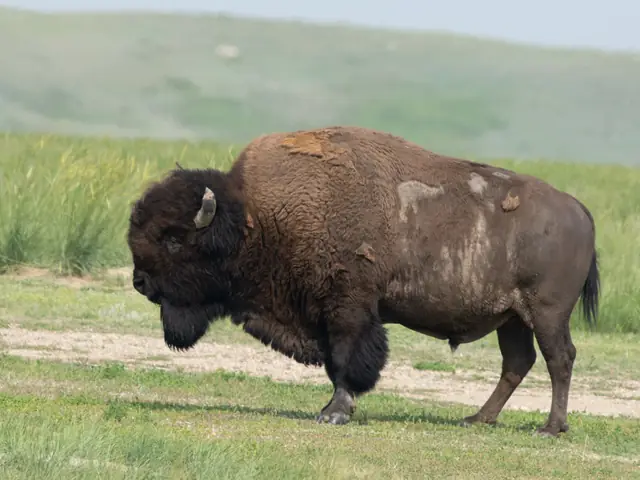
Bison
Bos bison
Herds roam both the South and North units and often graze beside or cross the scenic drives. Stay in your car or well back.
-
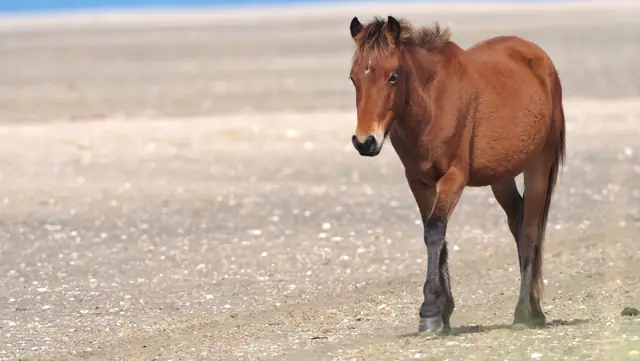
Feral Horse
Equus caballus
Bands of wild horses live in the South Unit and are often seen from the Scenic Loop Drive and from I-94.
-
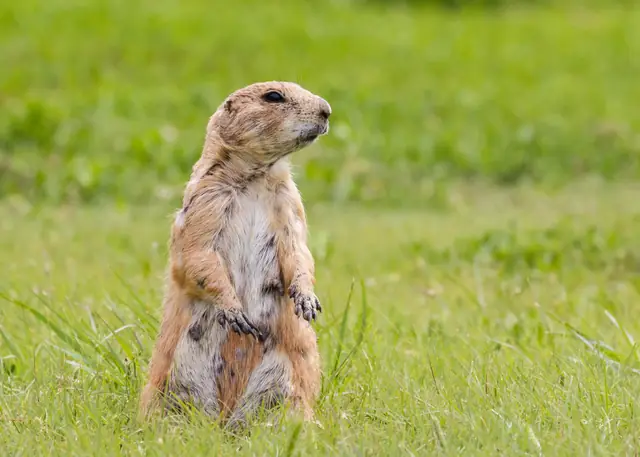
Black-tailed Prairie Dog
Cynomys ludovicianus
Large, busy towns sit right beside the South Unit road. Watch from the road edge and never feed them.
-
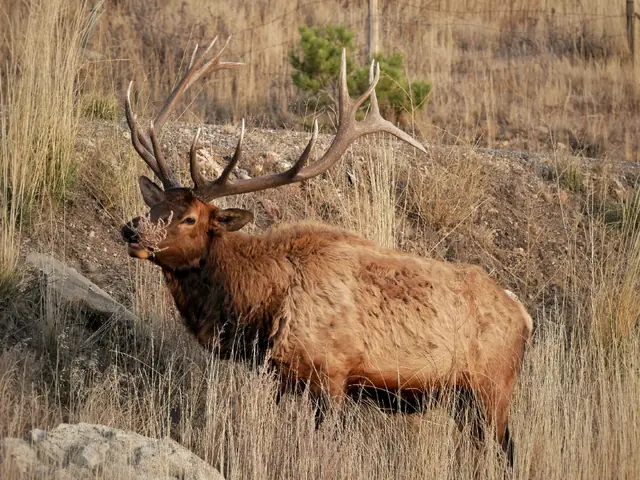
Elk (Wapiti)
Cervus canadensis
Brought back to the badlands in 1985 and seen almost only in the South Unit. Shy, and out on open grassland mainly early and late in the day.
-
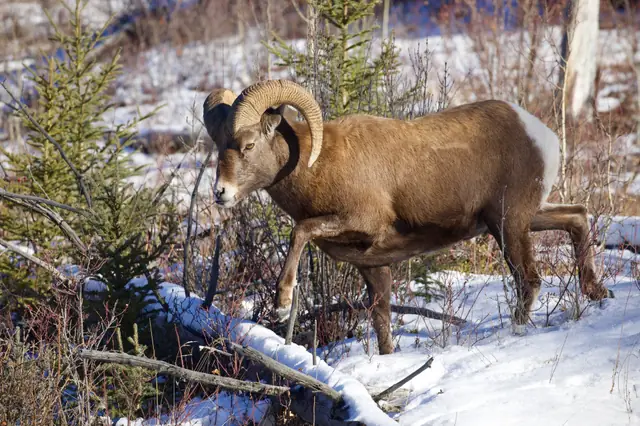
Bighorn Sheep
Ovis canadensis
Found on the steep badland slopes above the Little Missouri River in the North Unit. Scan the cliffs with binoculars.
-
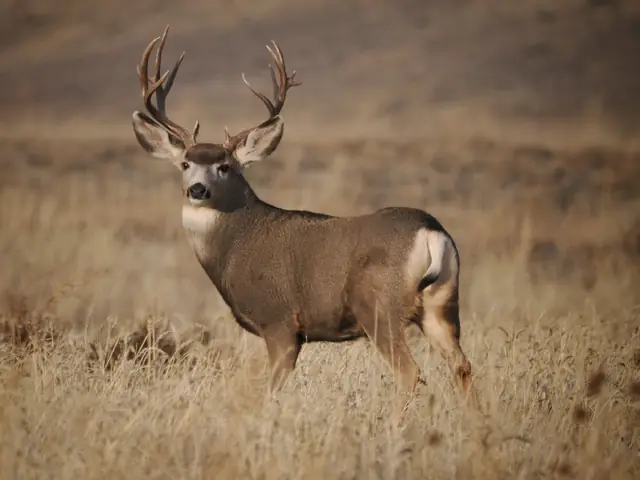
Mule Deer
Odocoileus hemionus
Common beside the park roads at dawn and dusk, resting in juniper groves through the heat of the day.
-
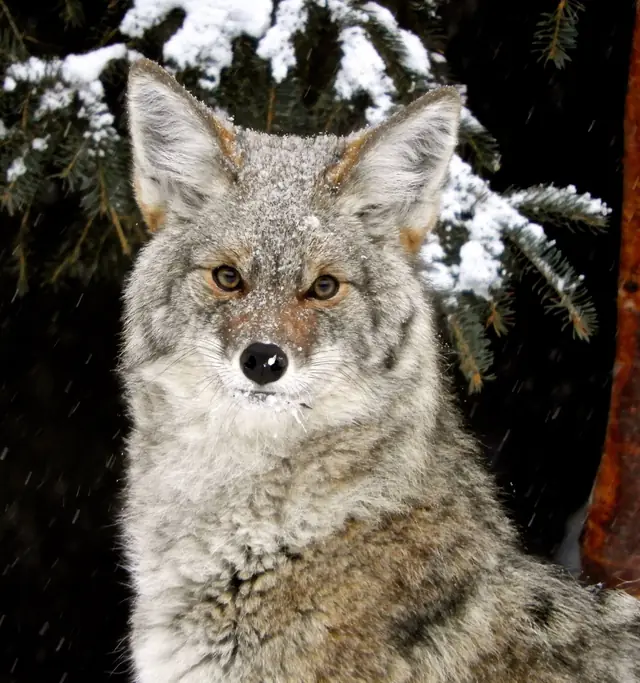
Coyote
Canis latrans
The park's commonest hunter, more often heard than seen. Listen after dark or watch prairie dog towns at twilight.
-
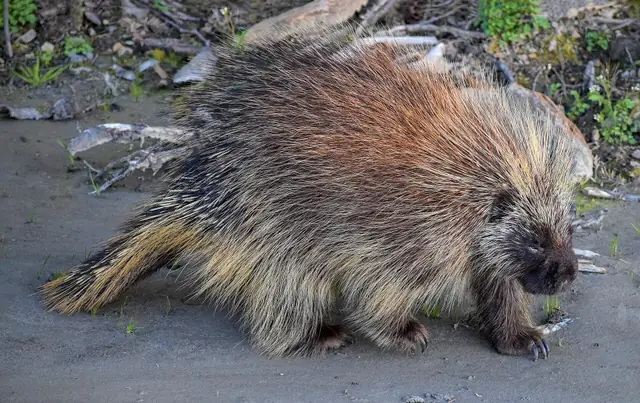
Porcupine
Erethizon dorsatum
Often seen in cottonwoods and junipers, or crossing the park roads at night.
-
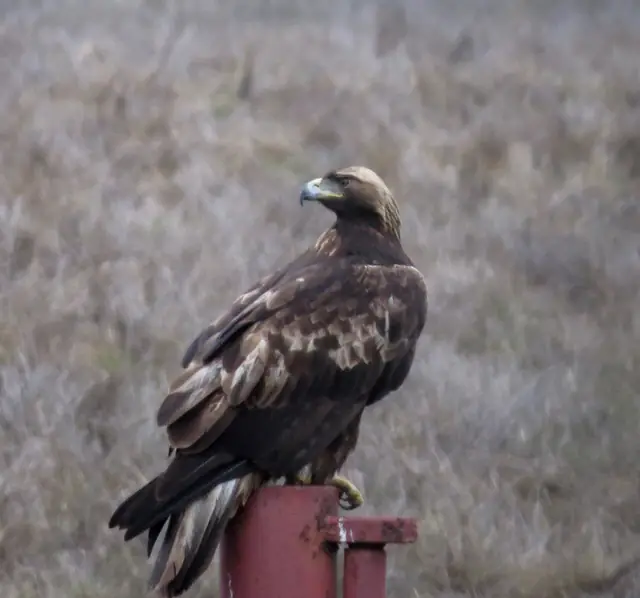
Golden Eagle
Aquila chrysaetos
Soars over the badlands and the Little Missouri floodplain all year. Watch from the overlooks.
-
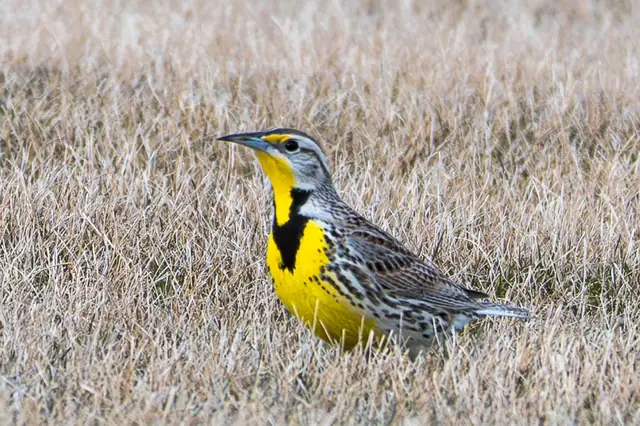
Western Meadowlark
Sturnella neglecta
North Dakota's state bird, singing from fence posts and sagebrush from spring to late summer.
All 140 animals in Theodore Roosevelt
Bison, horses and elk 8
-
 Bison
-
 Feral Horse
-
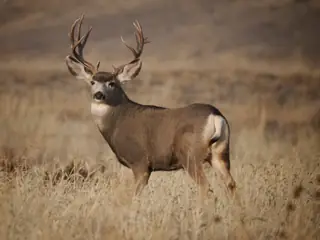 Mule Deer
-
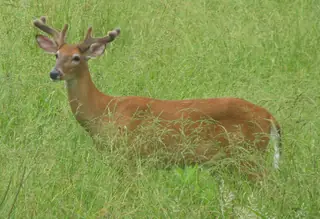 White-tailed Deer
-
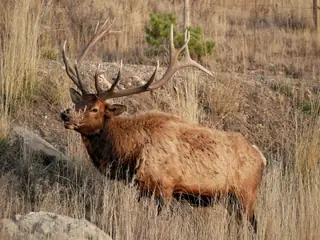 Elk (Wapiti)
-
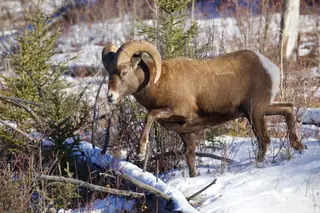 Bighorn Sheep
-
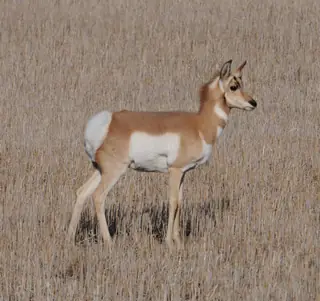 Pronghorn
-
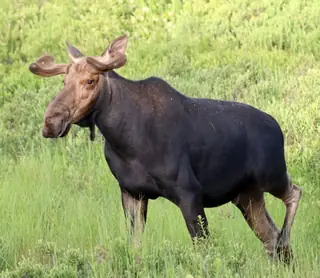 MooseRare
Prairie dog towns 3
-
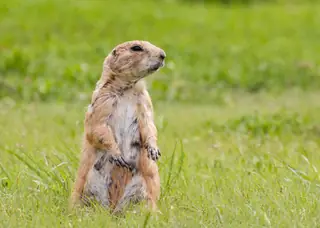 Black-tailed Prairie Dog
-
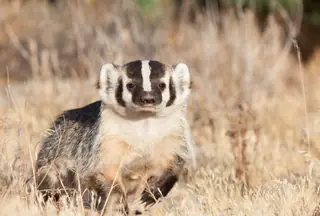 Badger (American)
-
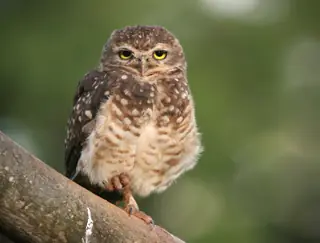 Burrowing OwlRare
Hunters 8
-
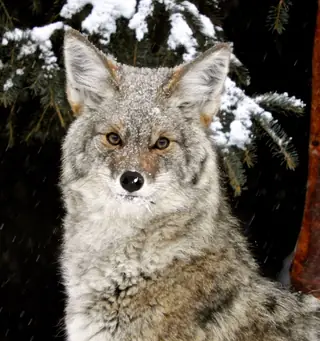 Coyote
-
 Red Fox
-
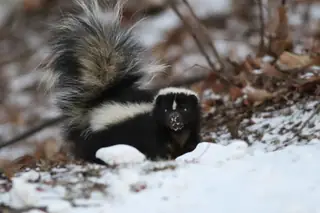 Striped Skunk
-
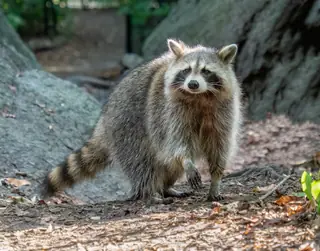 Raccoon
-
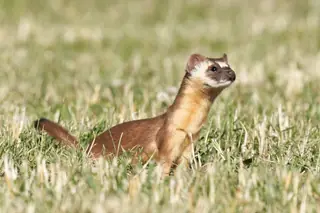 Long-tailed WeaselRare
-
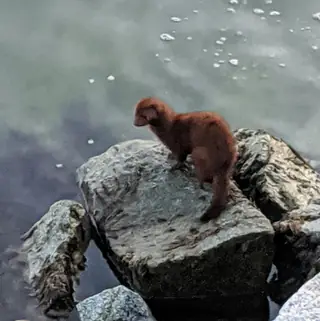 American MinkRare
-
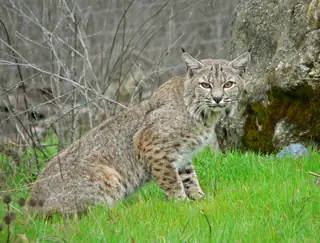 BobcatRare
-
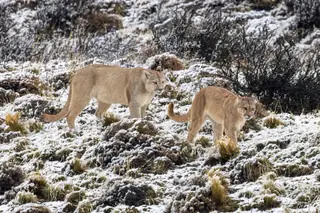 Cougar (Mountain Lion)Rare
Small mammals 13
-
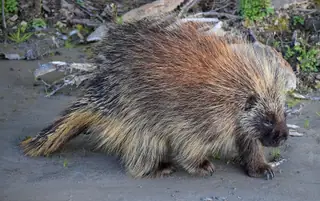 Porcupine
-
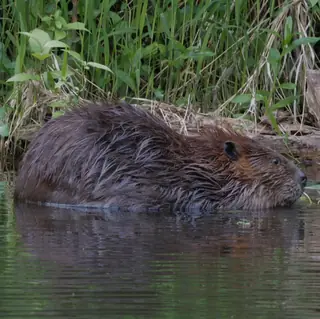 North American Beaver
-
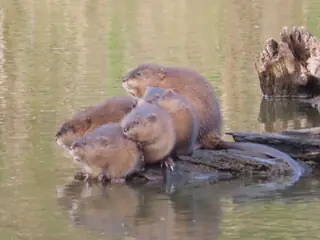 Muskrat
-
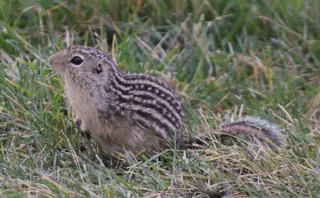 Thirteen-lined Ground Squirrel
-
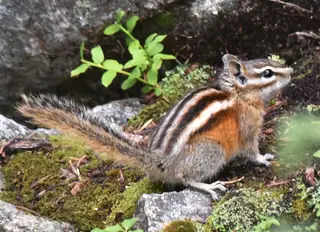 Least Chipmunk
-
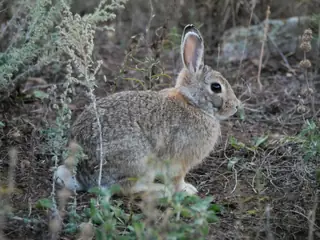 Mountain Cottontail
-
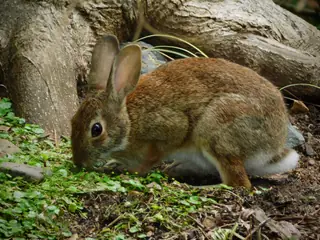 Eastern Cottontail
-
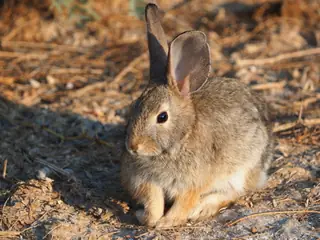 Desert Cottontail
-
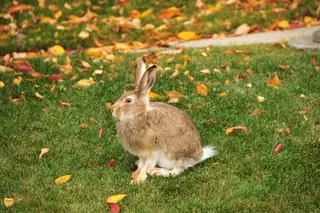 White-tailed Jackrabbit
- Bushy-tailed WoodratRare
-
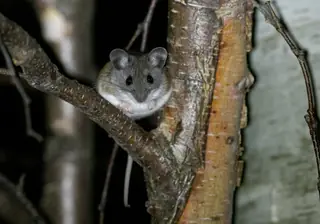 Deer Mouse
-
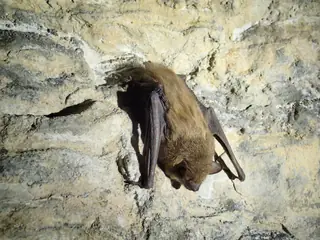 Big Brown Bat
-
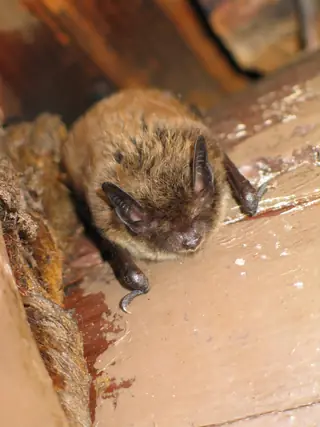 Little Brown Bat
Birds of prey and owls 14
-
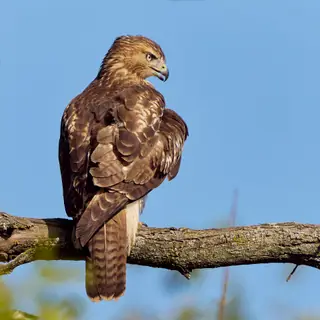 Red-tailed Hawk
-
 Turkey Vulture
-
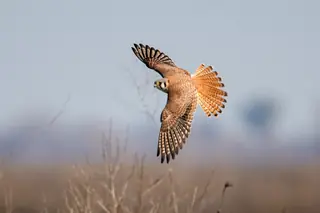 American Kestrel
-
 Golden Eagle
-
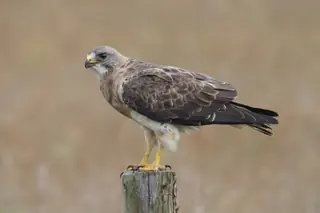 Swainson's Hawk
-
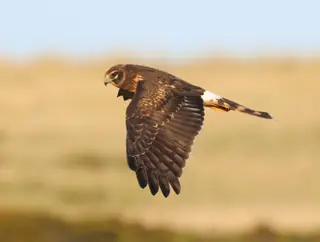 Northern Harrier
-
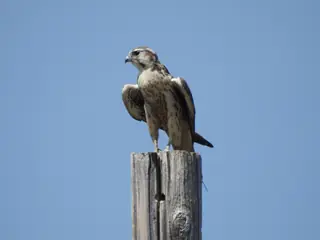 Prairie Falcon
-
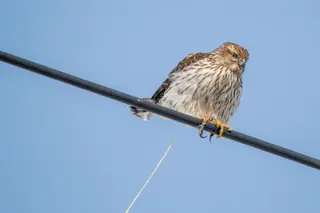 Cooper's Hawk
-
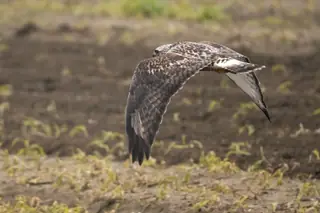 Rough-legged Hawk
-
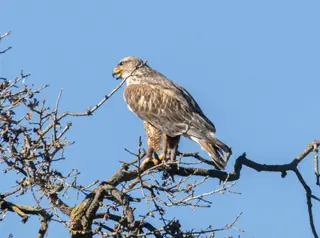 Ferruginous HawkRare
-
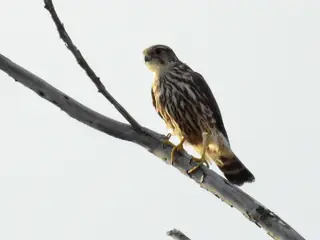 MerlinRare
-
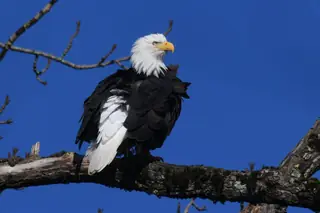 Bald EagleRare
-
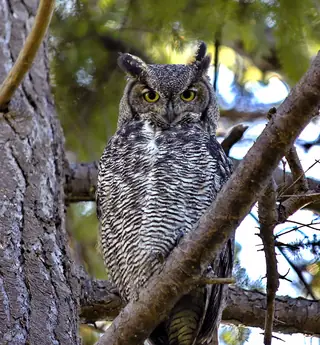 Great Horned Owl
-
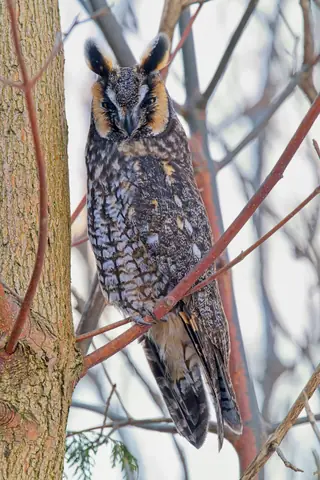 Long-eared OwlRare
Grassland birds 23
-
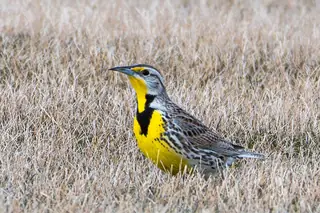 Western Meadowlark
-
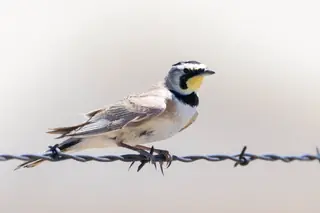 Horned Lark
-
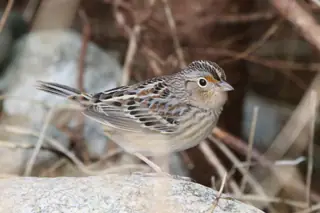 Grasshopper Sparrow
-
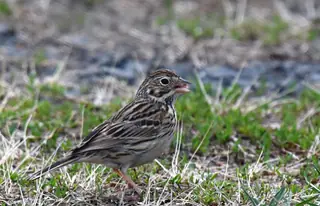 Vesper Sparrow
-
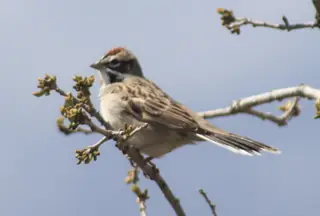 Lark Sparrow
-
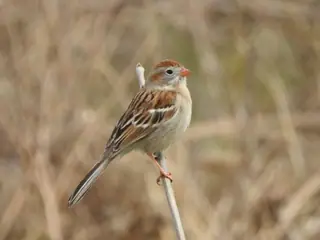 Field Sparrow
-
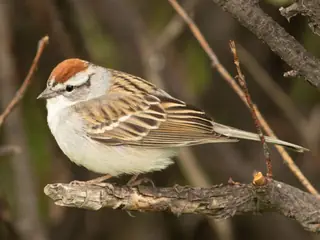 Chipping Sparrow
-
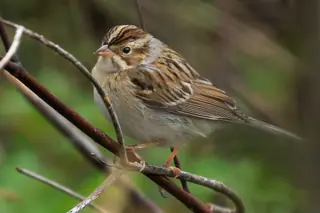 Clay-colored Sparrow
-
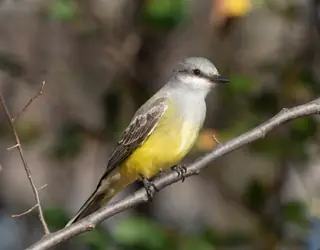 Western Kingbird
-
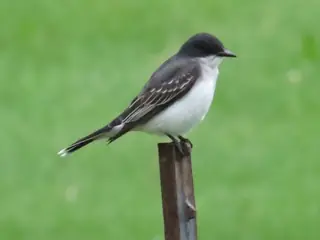 Eastern Kingbird
-
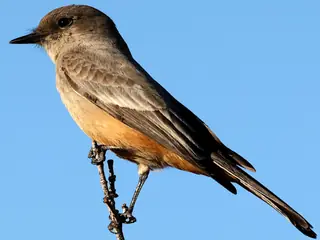 Say's Phoebe
-
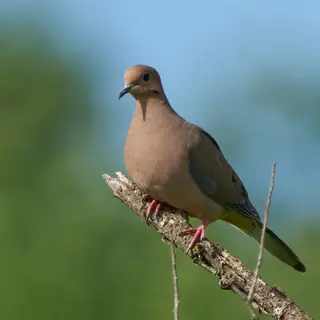 Mourning Dove
-
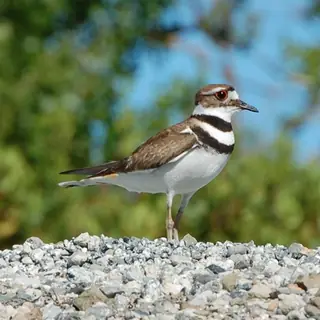 Killdeer
-
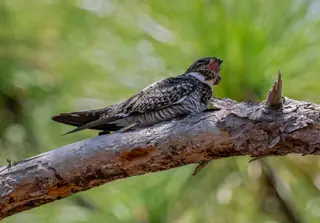 Common Nighthawk
-
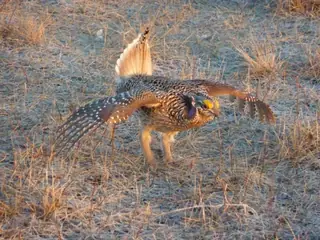 Sharp-tailed Grouse
-
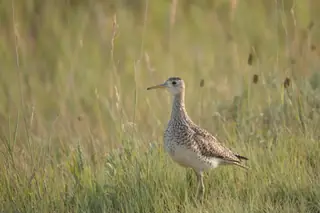 Upland Sandpiper
-
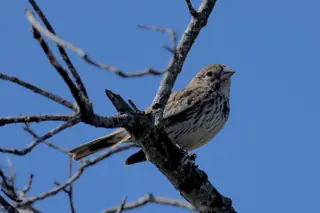 Lark Bunting
-
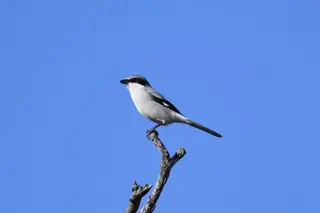 Loggerhead Shrike
-
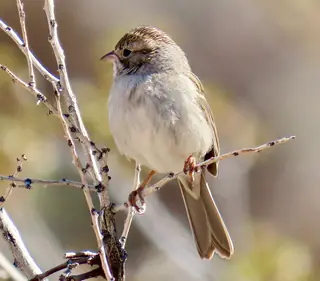 Brewer's Sparrow
-
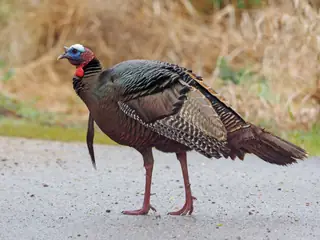 Wild Turkey
-
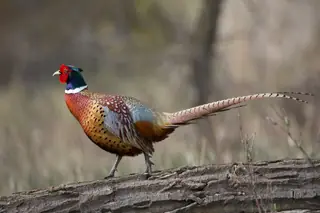 Ring-necked Pheasant
-
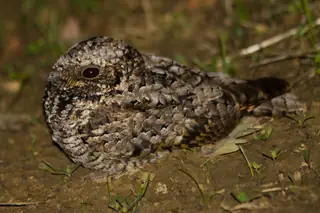 Common PoorwillRare
-
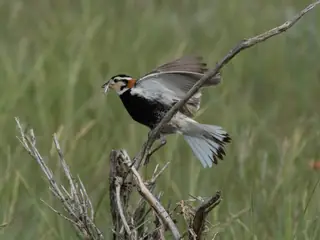 Chestnut-collared LongspurRare
Woodland and draw birds 31
-
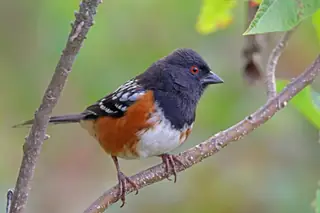 Spotted Towhee
-
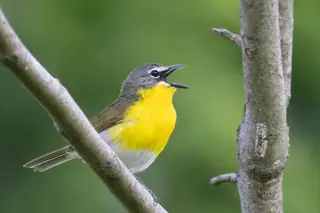 Yellow-breasted Chat
-
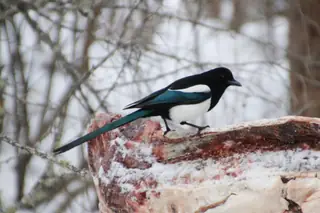 Black-billed Magpie
-
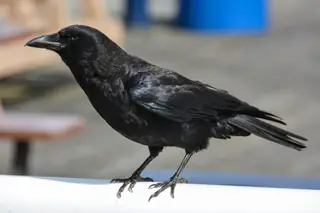 American Crow
-
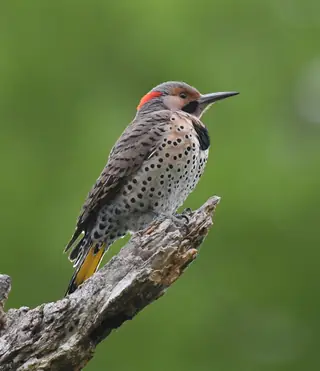 Northern Flicker
-
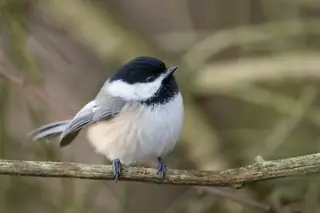 Black-capped Chickadee
-
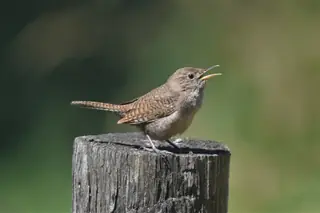 Northern House Wren
-
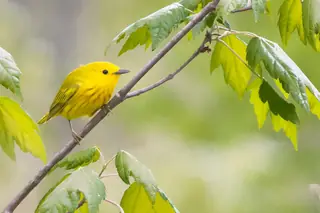 Yellow Warbler
-
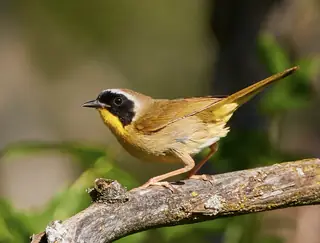 Common Yellowthroat
-
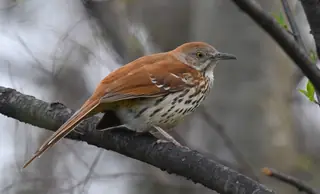 Brown Thrasher
-
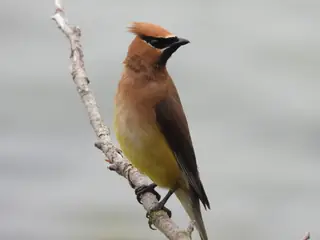 Cedar Waxwing
-
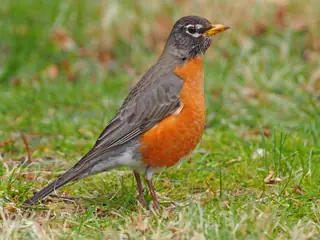 American Robin
-
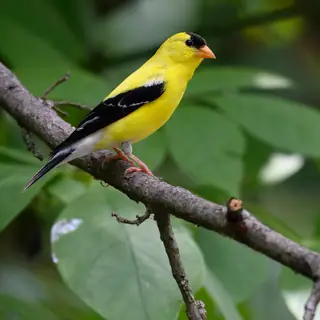 American Goldfinch
-
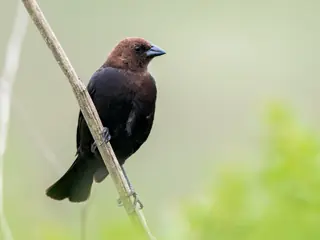 Brown-headed Cowbird
-
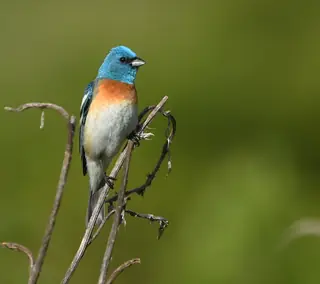 Lazuli Bunting
-
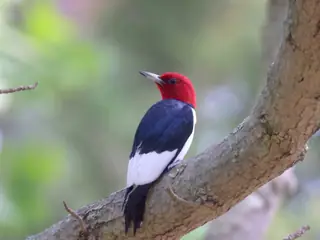 Red-headed Woodpecker
-
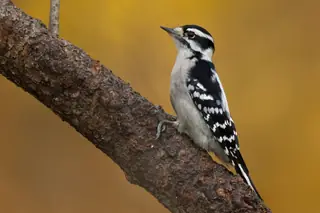 Downy Woodpecker
-
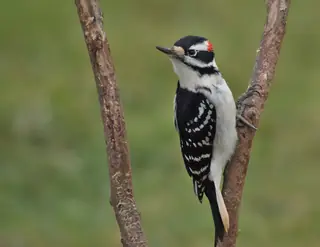 Hairy Woodpecker
-
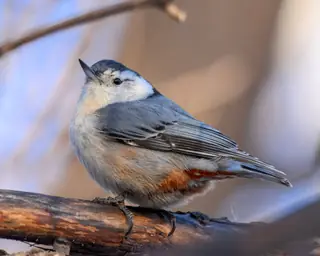 White-breasted Nuthatch
-
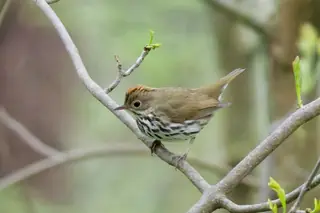 Ovenbird
-
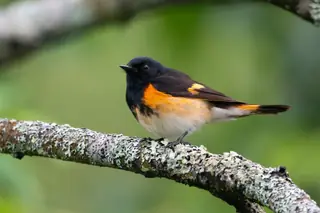 American Redstart
-
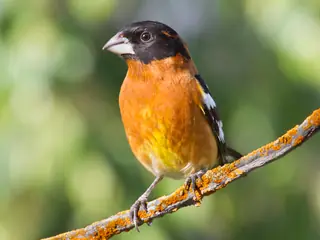 Black-headed Grosbeak
-
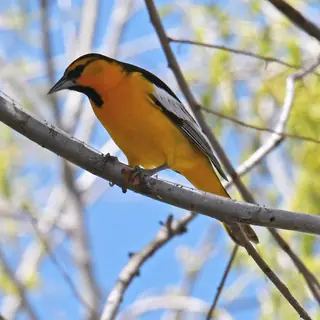 Bullock's Oriole
-
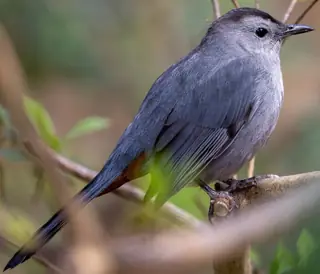 Grey Catbird
-
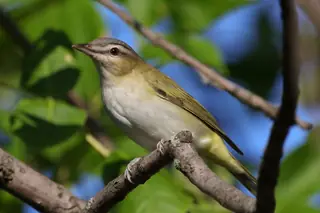 Red-eyed Vireo
-
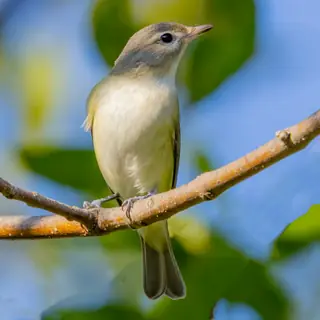 Warbling Vireo
-
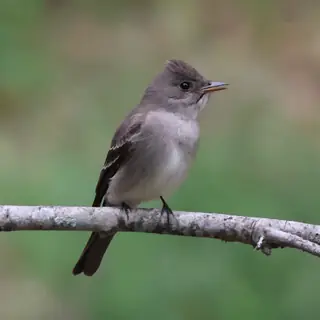 Western Wood Pewee
-
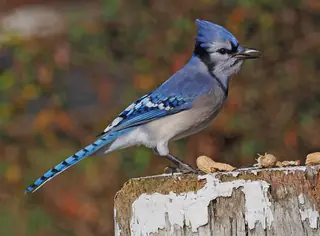 Blue Jay
-
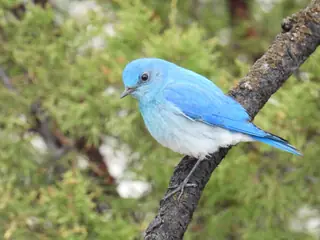 Mountain Bluebird
-
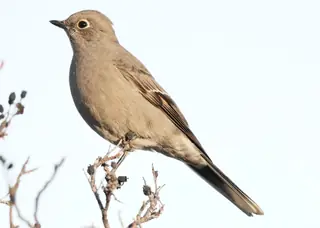 Townsend's Solitaire
-
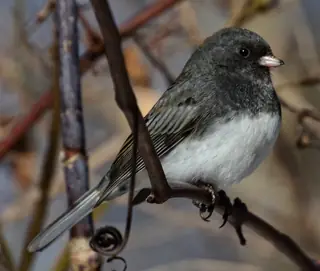 Dark-eyed Junco
River, cliff and town birds 23
-
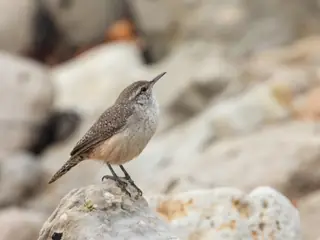 Rock Wren
-
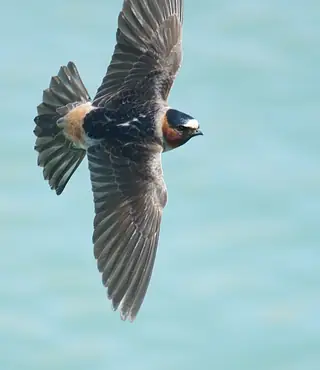 Cliff Swallow
-
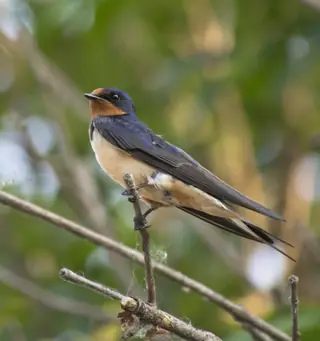 Barn Swallow
-
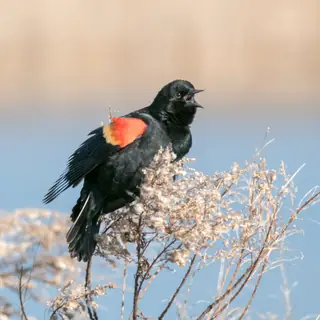 Red-winged Blackbird
-
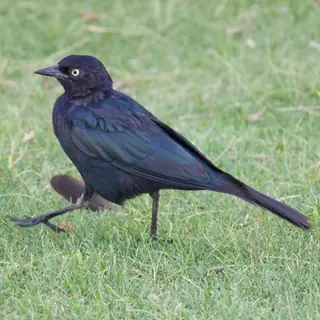 Brewer's Blackbird
-
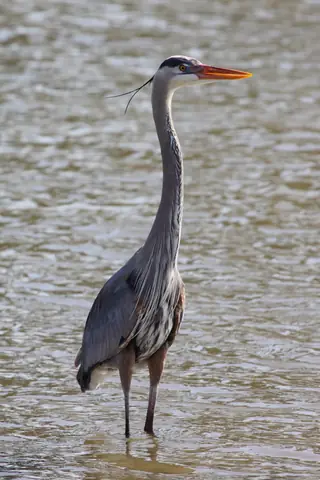 Great Blue Heron
-
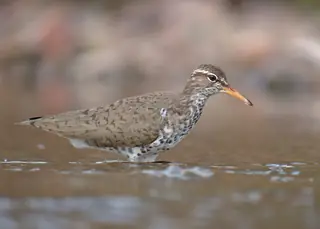 Spotted Sandpiper
-
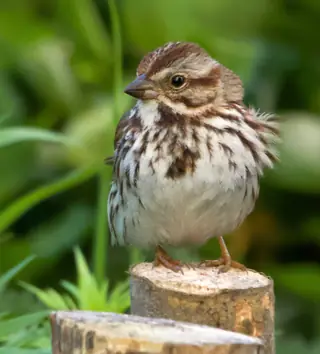 Song Sparrow
-
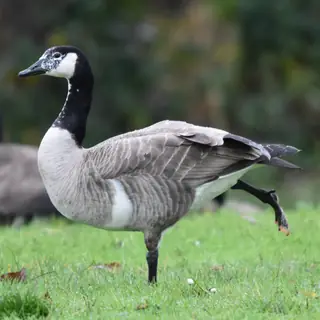 Canada Goose
-
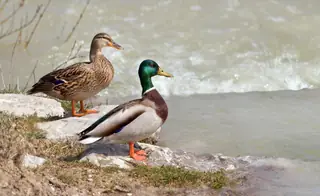 Mallard
-
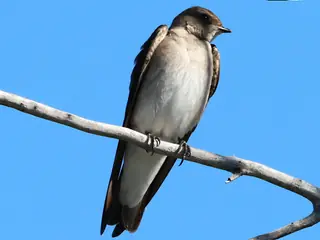 Northern Rough-winged Swallow
-
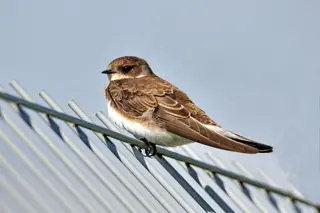 Bank Swallow
-
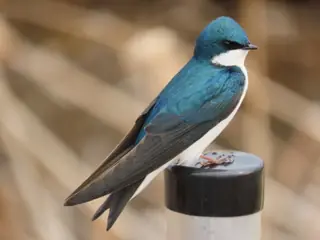 Tree Swallow
-
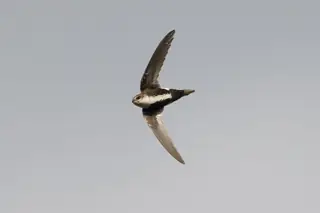 White-throated Swift
-
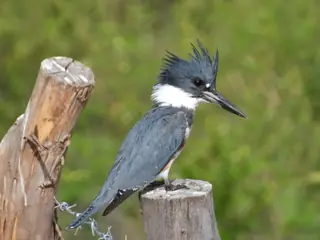 Belted Kingfisher
-
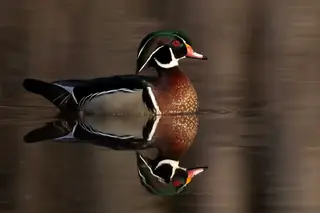 Wood Duck
-
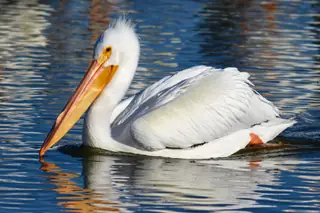 American White Pelican
-
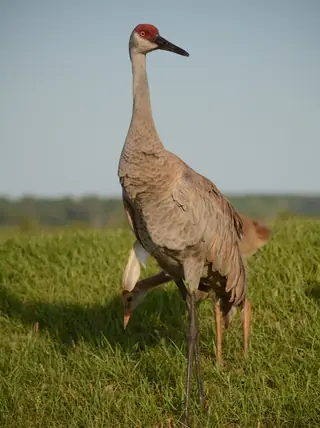 Sandhill Crane
-
 Common RavenRare
-
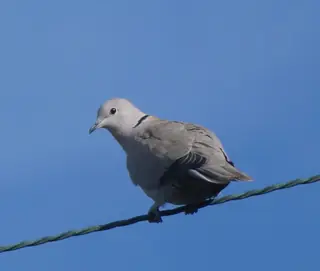 Eurasian Collared Dove
-
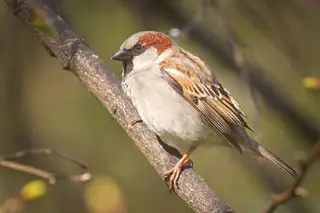 House Sparrow
-
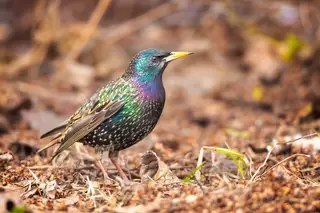 European Starling
-
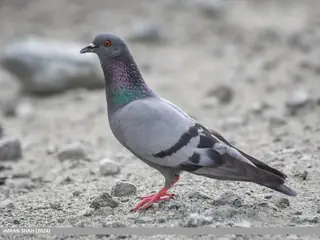 Feral Pigeon
Reptiles 11
-
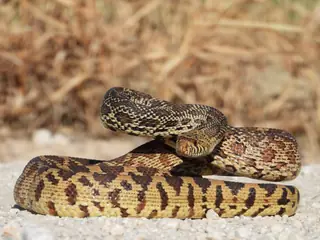 Gopher Snake
-
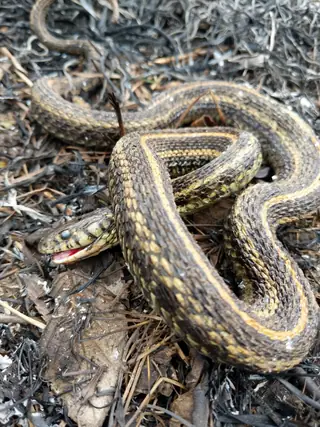 Plains Garter Snake
-
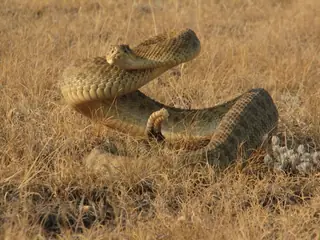 Prairie Rattlesnake
-
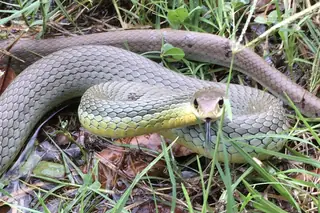 North American Racer
-
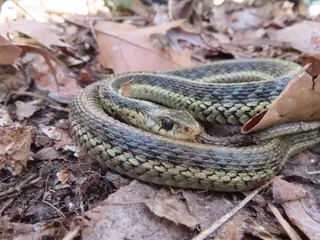 Common Garter Snake
-
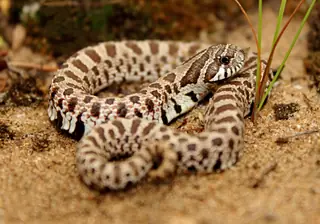 Plains Hog-nosed Snake
-
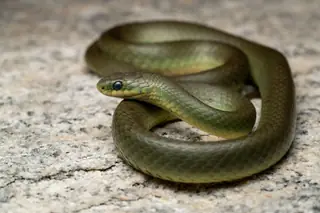 Smooth Green SnakeRare
-
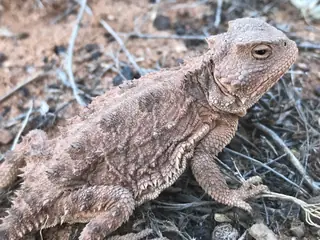 Greater Short-horned Lizard
-
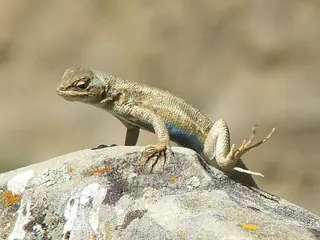 Common Sagebrush Lizard
-
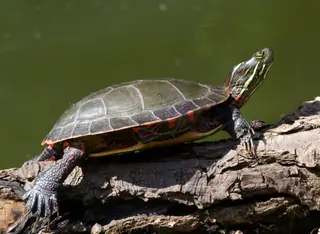 Painted Turtle
-
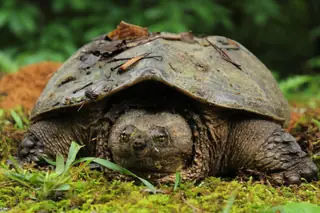 Snapping Turtle
Amphibians 6
-
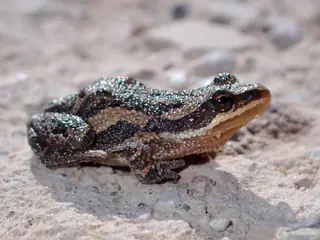 Boreal Chorus Frog
-
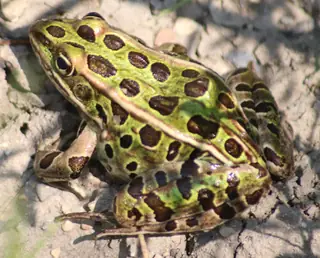 Leopard Frog
-
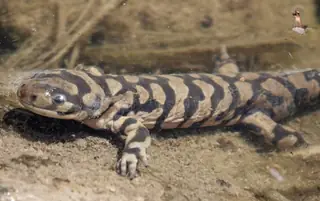 Western Tiger Salamander
-
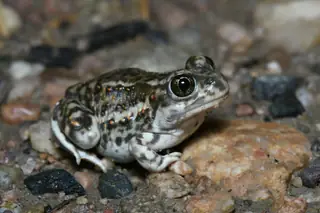 Plains Spadefoot
-
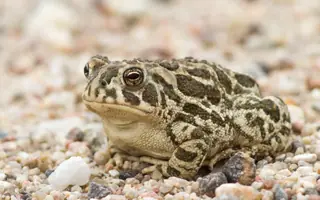 Great Plains Toad
-
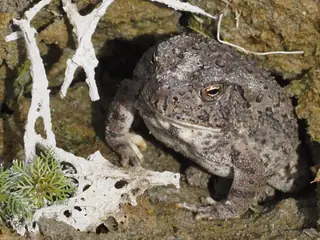 Woodhouse's Toad
Best time to see wildlife in Theodore Roosevelt
The badlands have big seasons: summer days can pass 35°C, winter nights fall far below freezing, and wind is common all year. May and June are the best overall: the grass is green, bison calves and foals are about, and the draws and grassland are full of singing birds such as meadowlarks, spotted towhees and lazuli buntings. July and August are hot, so watch wildlife in the first and last hours of light; the bison rut runs through midsummer. September and early October are cooler and quieter, with elk bugling in the South Unit and sandhill cranes passing over. Winter is cold but bison, horses and deer stay, and snow makes tracks easy to read, though parts of the scenic drives can close. Summer thunderstorms can turn the clay roads and trails slick.
- Dec to MarCold and quiet; bison and horses in the snow; some roads close
- Apr to JunGreen grass, calves and foals, birds singing
- Jul to AugHot; bison rut; go at dawn and dusk; storms
- Sep to NovCooler, elk bugling, cranes passing over
Tips for spotting wildlife in Theodore Roosevelt
- 01
Drive the scenic roads early and late
Most wildlife is out in the first and last hours of light. Drive slowly, stop at pullouts and overlooks, and if you see one deer, elk or horse, look for others nearby.
- 02
Give bison and horses room
Bison and wild horses can look calm but can charge, kick or bite. Stay in your car or follow the park's distance rules, and if an animal moves away from you, you are too close.
- 03
Visit both main units
Wild horses, the elk and the big prairie dog towns are in the South Unit; bighorn sheep are in the North Unit, just over an hour's drive north. Bison live in both.
- 04
Watch prairie dogs from the road
Stay on the road edge at prairie dog towns, never feed them and keep pets in the car. Wildlife calls and spotlights are not allowed in the park.
- 05
Watch where you step
Prairie rattlesnakes live in the park. Stay on trails, look before you sit and give any snake plenty of room.

Take Theodore Roosevelt with you
Driving the badlands? Tick off bison, wild horses and prairie dogs in Wilder as you go. It's free to start and works offline where the signal drops.

Theodore Roosevelt wildlife FAQ
Where can you see wild horses in Theodore Roosevelt National Park?
The wild horses live in the South Unit near Medora. Bands are often seen from the Scenic Loop Drive and sometimes from I-94 and the Painted Canyon area. Watch from your car or the road and give them plenty of room, especially stallions guarding a band.
What animals can you see in Theodore Roosevelt National Park?
Visitors commonly see bison, wild horses, mule and white-tailed deer, black-tailed prairie dogs and many grassland and woodland birds. With more luck you may find elk, bighorn sheep, pronghorn, badgers and golden eagles, while bobcats, cougars and moose are very rare. This checklist covers 140 animals.
Where are the bighorn sheep in Theodore Roosevelt National Park?
Bighorn sheep live in the North Unit, on the steep badland slopes along the Little Missouri River. Scan the cliffs with binoculars from the scenic drive and overlooks; they are often hard to find, so take your time.
Can you see elk in Theodore Roosevelt National Park?
Yes, in the South Unit; they are rare in the North Unit, and shy. Elk were brought back in 1985 and are best looked for on open grassland in the early morning and evening, when they leave the wooded draws where they rest by day.
Sources
- Theodore Roosevelt: Wildlife Viewing (NPS)
- Theodore Roosevelt: Mammals (NPS)
- Theodore Roosevelt: Reptiles (NPS)
- Sightings by month: GBIF.org
Animal photos are from the Wilder catalogue; photo credits.
Similar checklists
All North America-
 National park99animals Badlands National Park South Dakota, USA Eroded spires and mixed-grass prairie: bighorn sheep on the buttes, bison in the Sage Creek wilderness, prairie dog towns and one of the last wild homes of the black-footed ferret. Best time May to Jun, Sept to Oct
-
 National park98animals Yellowstone National Park Wyoming, Montana, Idaho, USA America's first national park: bison herds, wolves in the Lamar Valley, grizzlies and geysers. Best time Late Apr to Jun, Sept to Oct
-
 National park72animals Glacier National Park Montana, USA The Crown of the Continent: mountain goats at Logan Pass, grizzlies on the slopes and harlequin ducks on McDonald Creek. Best time Jul to Sept
-
 Region140animals Platte River Cranes Central Nebraska, USA A braided prairie river where most of the world's sandhill cranes gather each March, roosting on the sandbars at night and feeding in the fields by day, while millions of snow geese and ducks fill the Rainwater Basin wetlands to the south. Best time Mar to early Apr