National park · Wyoming, Montana, Idaho · USA
Yellowstone Animal Checklist

Yellowstone is the best place in the lower 48 states to see large mammals roaming free: bison herds, elk, grizzly and black bears, and wild wolves in the Lamar Valley. This checklist covers 98 animals, including the unofficial Yellowstone Big Five (bison, elk, bear, wolf and moose). Late April to June and September to October are the richest months for wildlife watching.
Tick off all 98 animals in Yellowstone on your phone, even offline. Launching soon. Free A4 PDF, no sign-up.
Most visitors come for the geysers and leave talking about the animals. Two broad valleys, Hayden and Lamar, do most of the work, and the road between the North and Northeast entrances stays open all year.
- Animals to find
- 98
- Where
- USA
- Best time
- Late Apr to Jun, Sept to Oct
- Yellowstone Big Five
- Bison, elk, bear, wolf, moose
Popular animals in Yellowstone
-
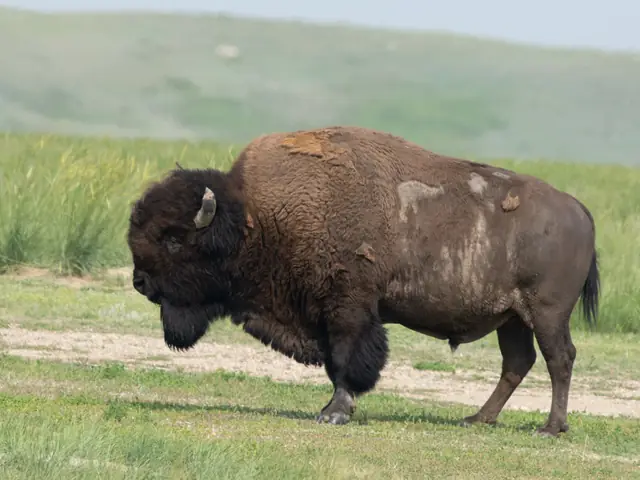
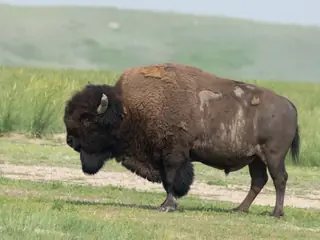
Bison
Bos bison
Thousands graze the Hayden and Lamar valleys, and they often walk the roads. The rut in late July and August is loud, dusty and best watched from the car.
-
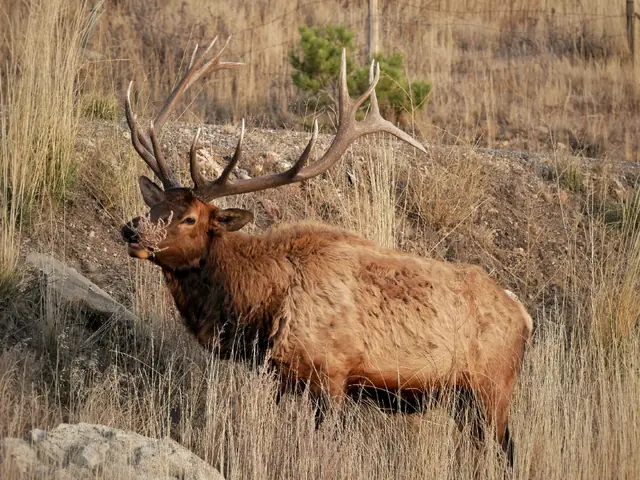
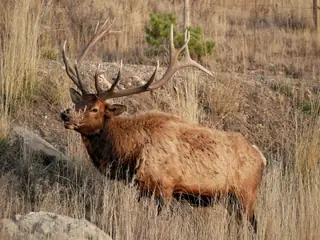
Elk (Wapiti)
Cervus canadensis
Common across the park. In September and October bulls bugle and gather harems on the lawns of Mammoth Hot Springs, where rangers manage the crowds.
-
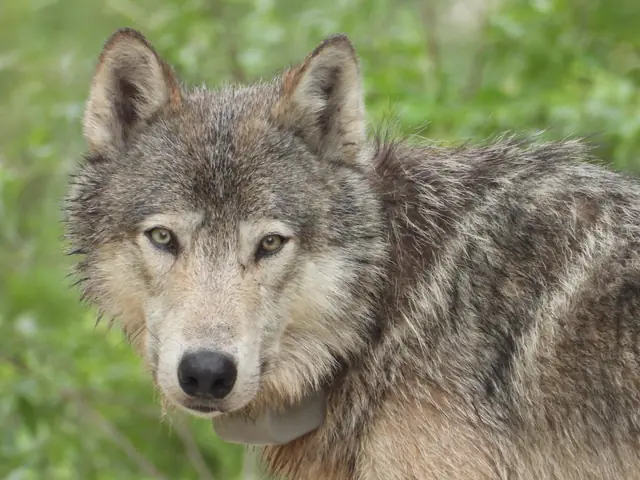
Grey Wolf
Canis lupus
Lamar Valley is the classic spot, at first light, scanning with a spotting scope. If you join other watchers, park fully off the road, keep voices low and don't walk towards the wolves.
-
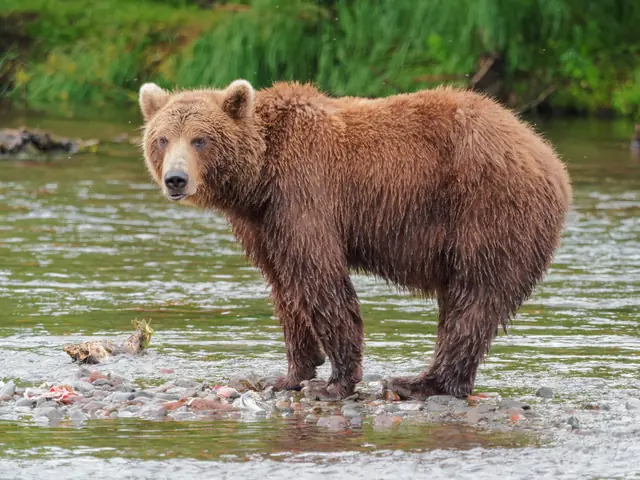
Grizzly Bear
Ursus arctos
Spring is the best time, when bears feed on winter-killed carcasses and new grass in open valleys and meadows. Follow the park's distance rules.
-
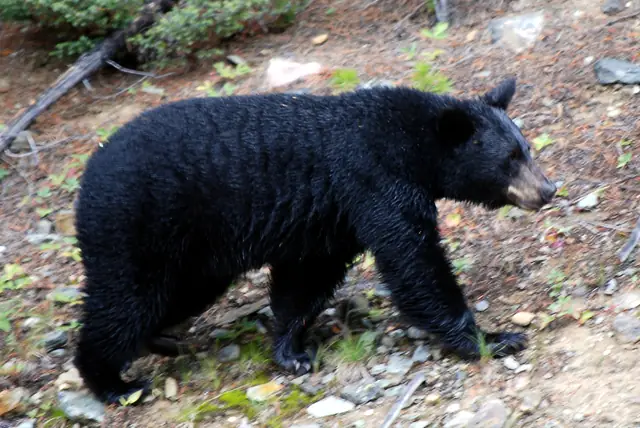
Black Bear
Ursus americanus
More at home in forest than grizzlies. In May and June they graze meadows near the forest edge.
-
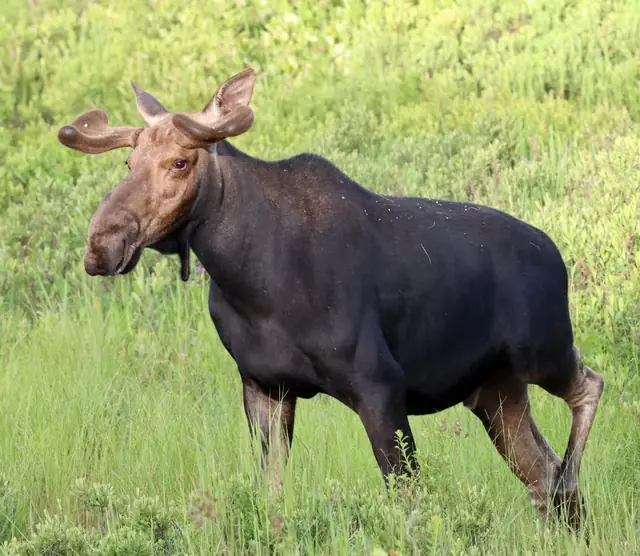
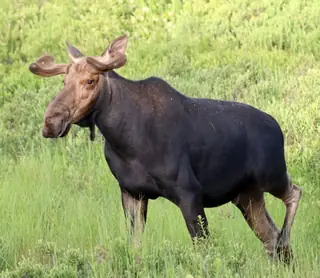
Moose
Alces alces
The hardest of the Big Five here, with a small population. Willow thickets along Soda Butte Creek and around Pebble Creek in the northeast give the best odds.
-
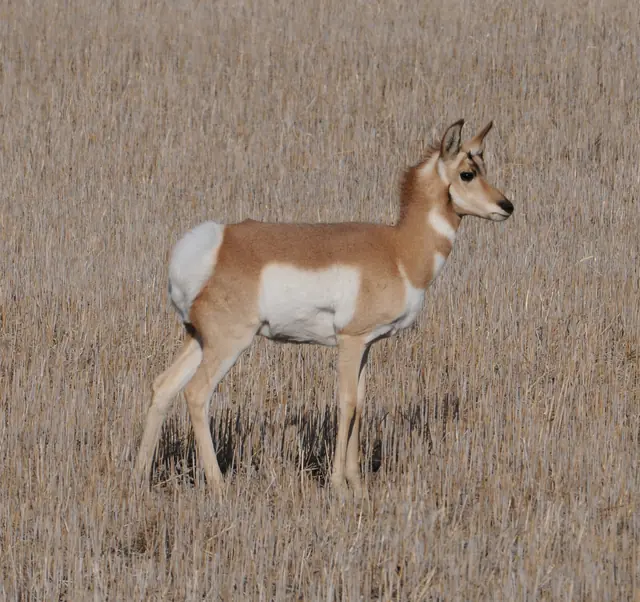
Pronghorn
Antilocapra americana
North America's fastest land animal lives on the dry flats near the North Entrance at Gardiner and in the lower Lamar.
-
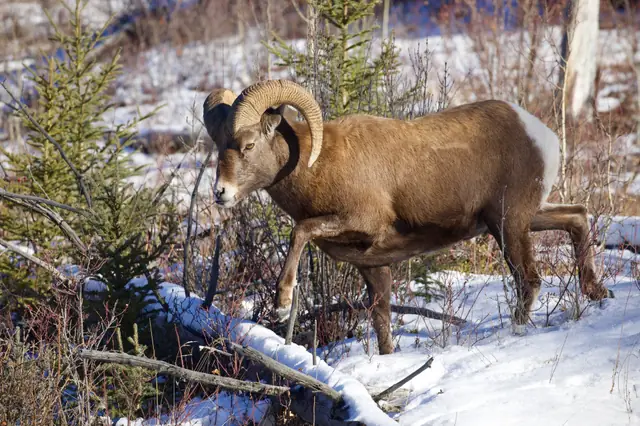
Bighorn Sheep
Ovis canadensis
Often on the cliffs along the Gardiner River canyon between Gardiner and Mammoth, and above Tower Fall.
-
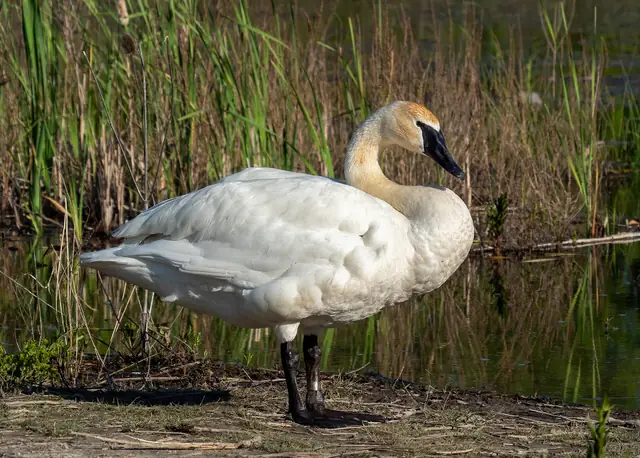
Trumpeter Swan
Cygnus buccinator
A few pairs nest in the park. The Madison River and the Yellowstone River north of the lake are good places to look; respect any closures around nest sites.
All 98 animals in Yellowstone
Big mammals 10
-
 Bison
-
 Elk (Wapiti)
-
 Moose
-
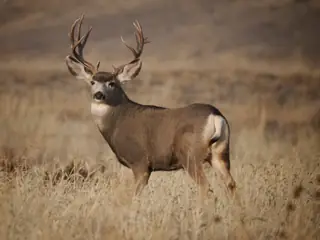 Mule Deer
-
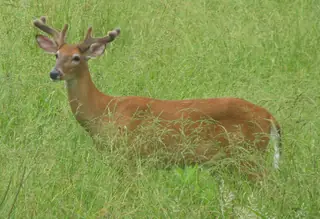 White-tailed DeerRare
-
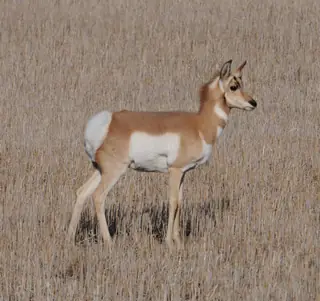 Pronghorn
-
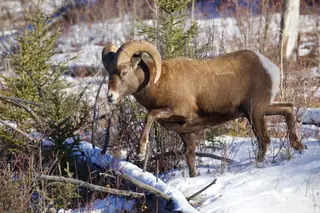 Bighorn Sheep
-
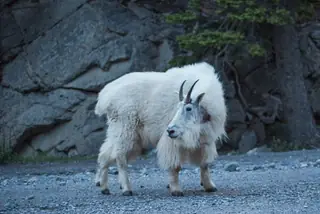 Mountain Goat
-
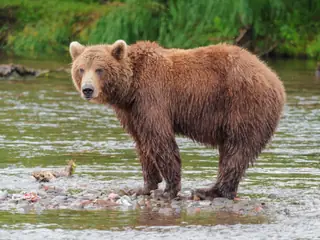 Grizzly Bear
-
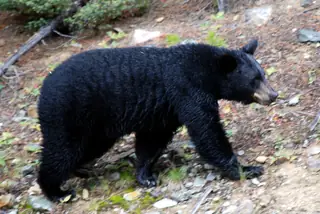 Black Bear
Hunters 8
-
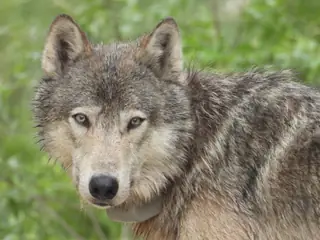 Grey Wolf
-
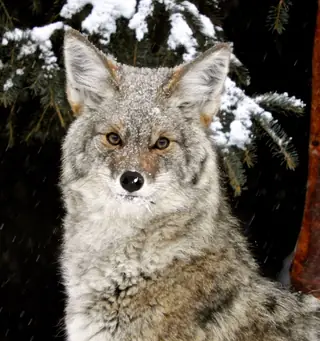 Coyote
-
 Red Fox
-
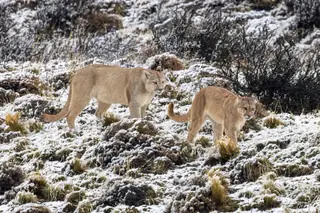 Cougar (Mountain Lion)Rare
-
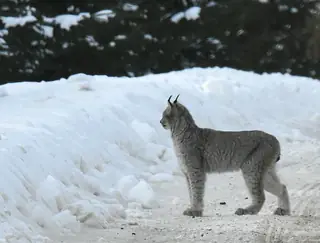 Canada LynxRare
-
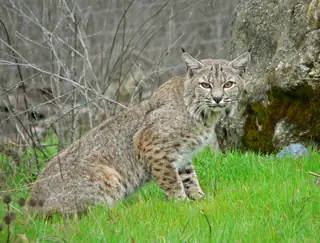 BobcatRare
-
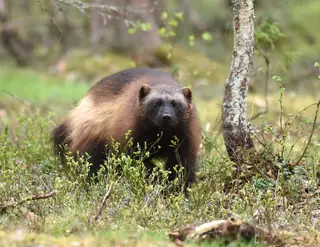 WolverineRare
-
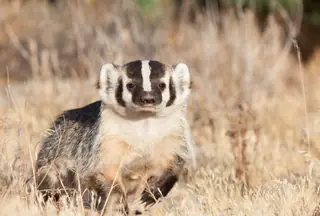 Badger (American)
Small mammals 18
-
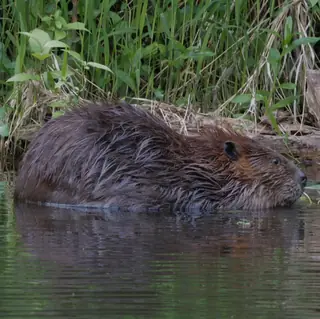 North American Beaver
-
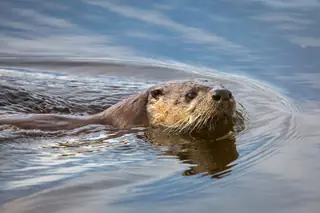 River Otter
-
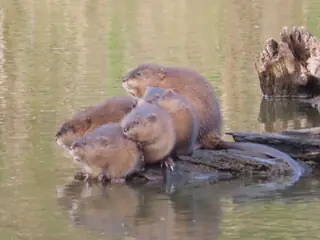 Muskrat
-
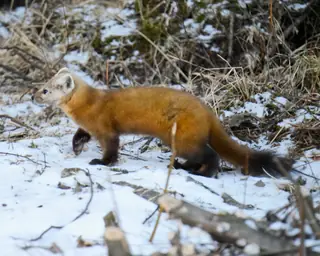 American Marten
-
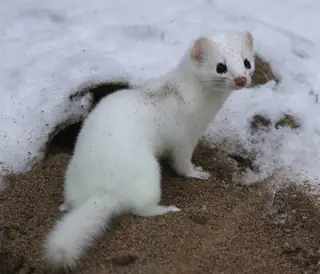 Short-tailed Weasel (Ermine)
-
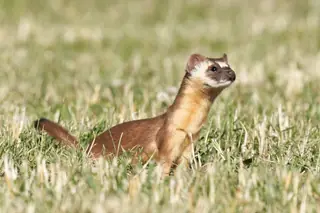 Long-tailed WeaselRare
-
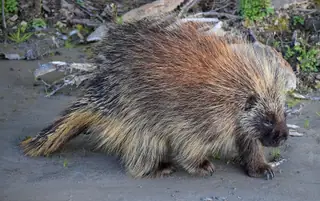 Porcupine
-
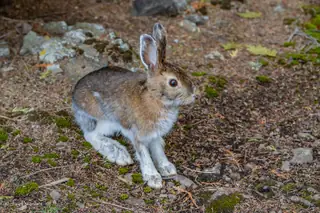 Snowshoe Hare
-
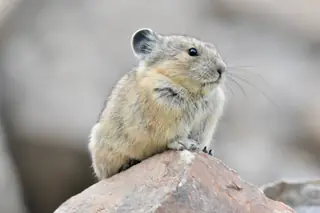 American Pika
-
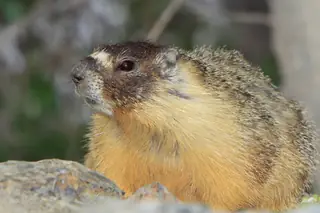 Yellow-bellied Marmot
-
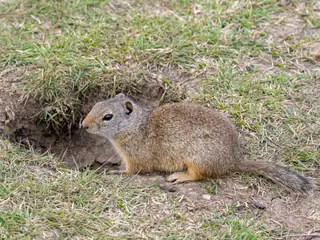 Uinta Ground Squirrel
-
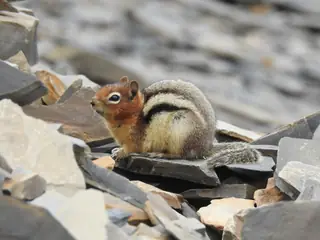 Golden-mantled Ground Squirrel
-
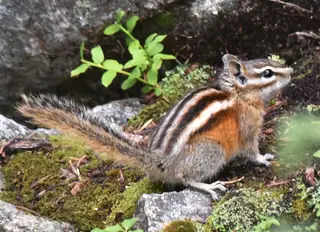 Least Chipmunk
-
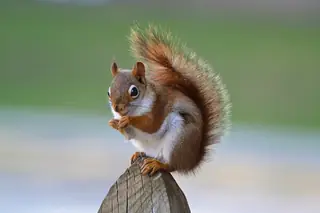 Red Squirrel (American)
-
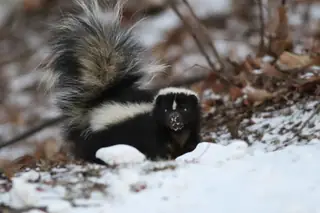 Striped Skunk
-
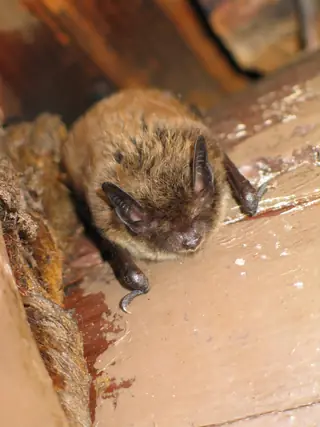 Little Brown Bat
-
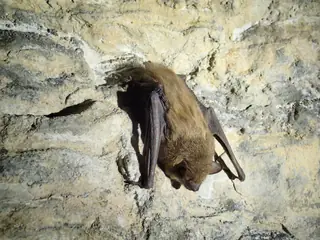 Big Brown Bat
-
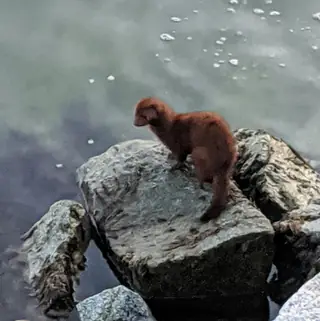 American MinkRare
Birds of prey 9
-
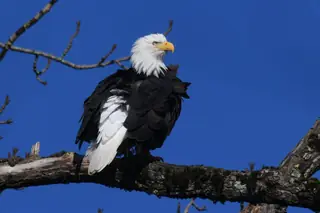 Bald Eagle
-
 Golden Eagle
-
 Osprey
-
 Peregrine Falcon
-
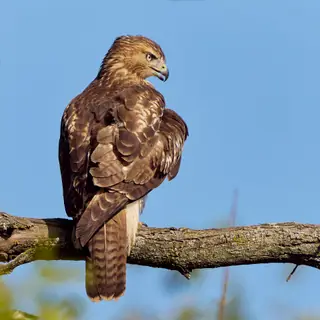 Red-tailed Hawk
-
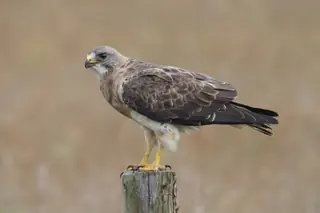 Swainson's Hawk
-
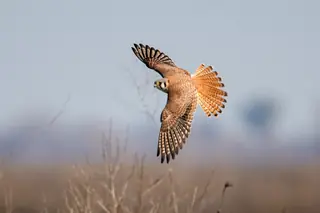 American Kestrel
-
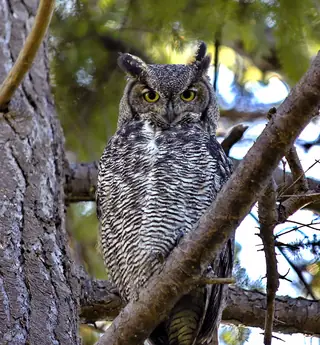 Great Horned Owl
-
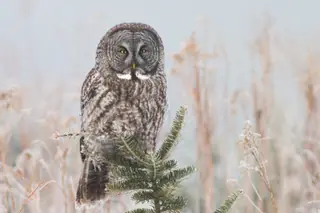 Great Grey OwlRare
Water birds 15
-
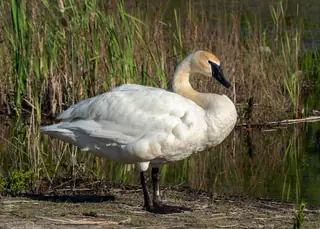 Trumpeter Swan
-
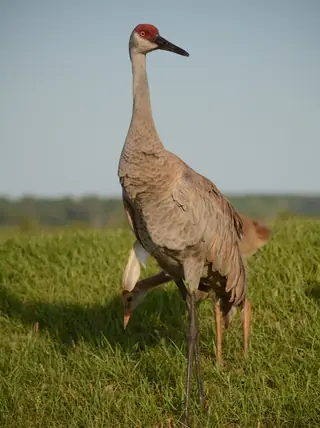 Sandhill Crane
-
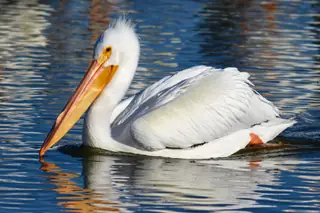 American White Pelican
-
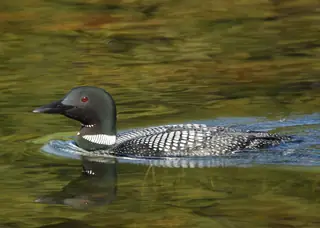 Common Loon
-
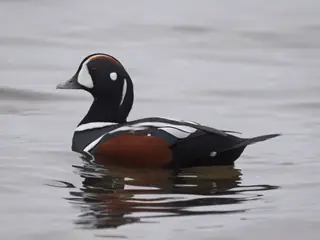 Harlequin Duck
-
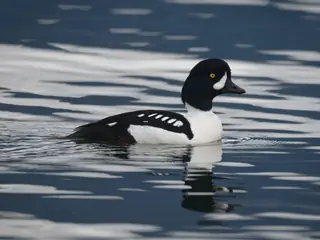 Barrow's Goldeneye
-
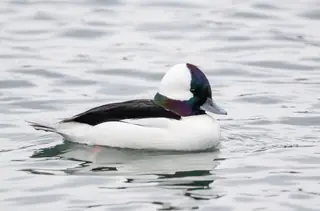 Bufflehead
-
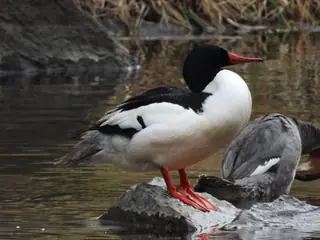 Common Merganser
-
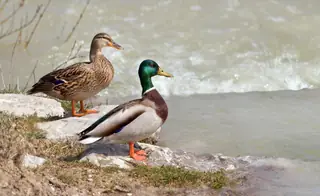 Mallard
-
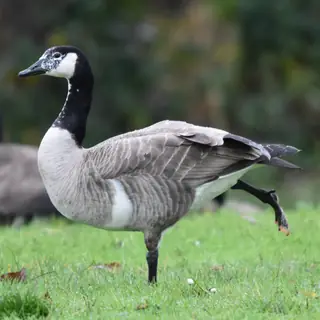 Canada Goose
-
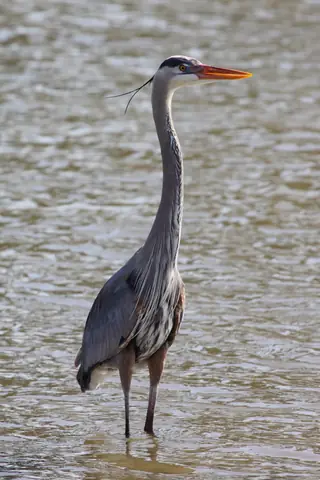 Great Blue Heron
-
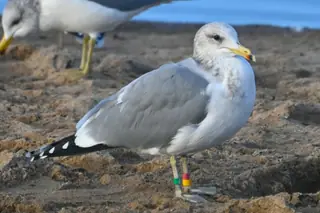 California Gull
-
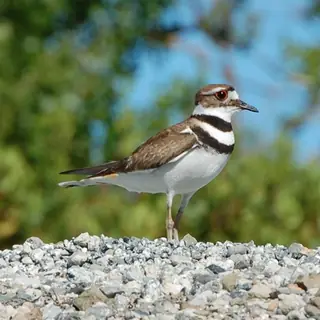 Killdeer
-
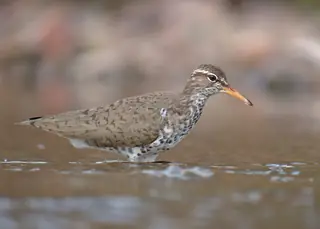 Spotted Sandpiper
-
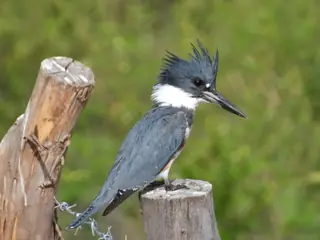 Belted Kingfisher
Forest and meadow birds 23
-
 Common Raven
-
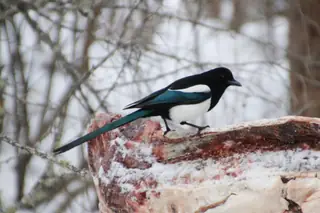 Black-billed Magpie
-
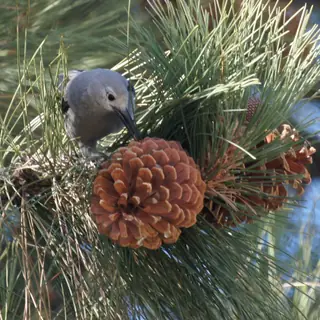 Clark's Nutcracker
-
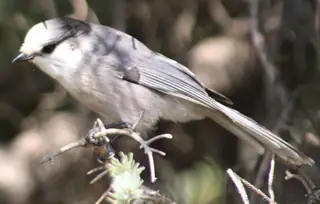 Canada Jay
-
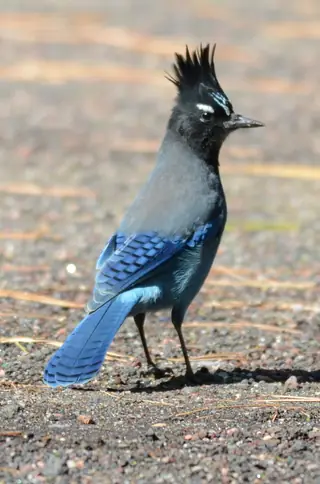 Steller's Jay
-
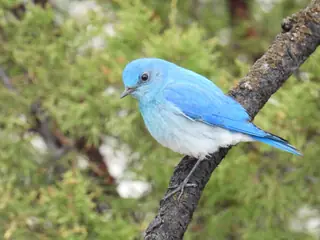 Mountain Bluebird
-
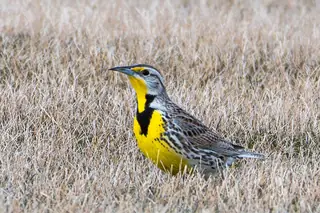 Western Meadowlark
-
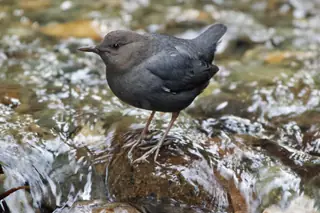 American Dipper
-
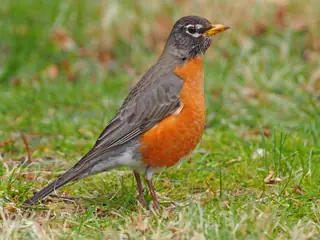 American Robin
-
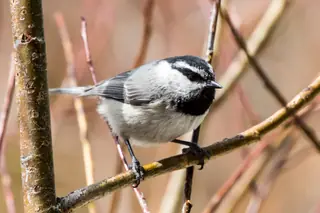 Mountain Chickadee
-
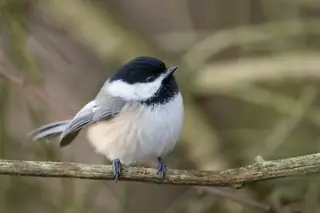 Black-capped Chickadee
-
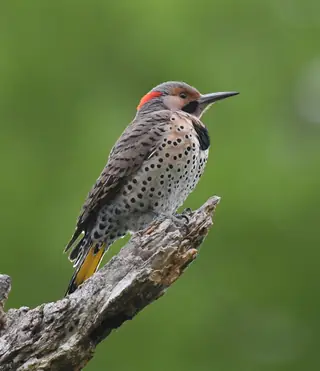 Northern Flicker
-
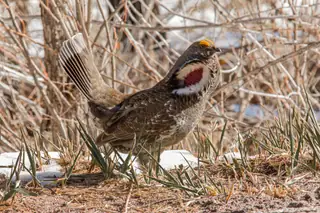 Dusky Grouse
-
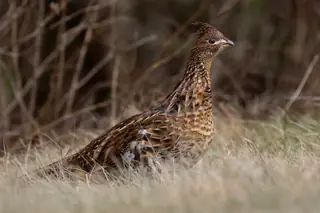 Ruffed Grouse
-
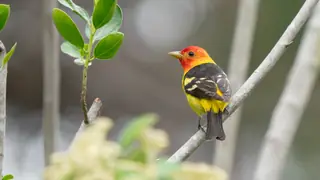 Western Tanager
-
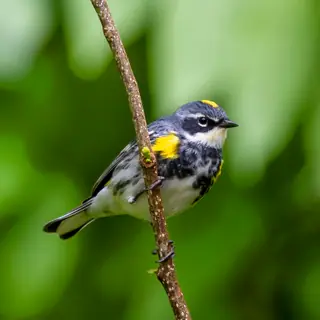 Yellow-rumped Warbler
-
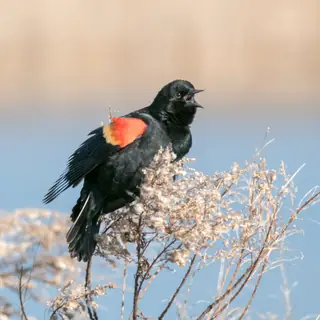 Red-winged Blackbird
-
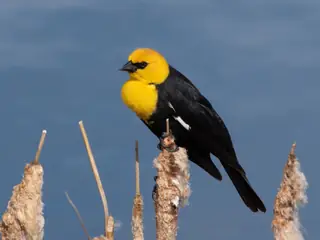 Yellow-headed Blackbird
-
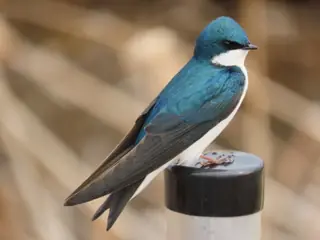 Tree Swallow
-
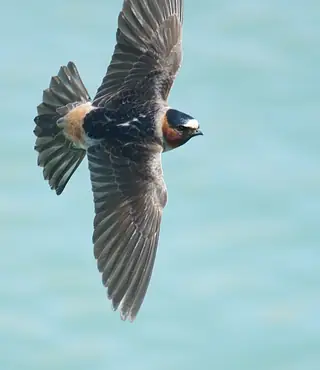 Cliff Swallow
-
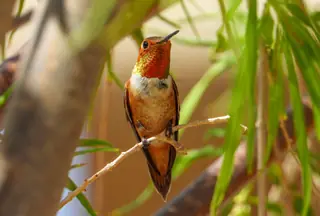 Rufous Hummingbird
-
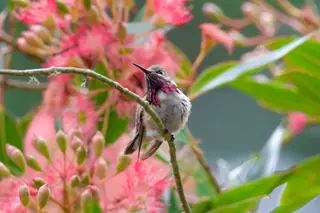 Calliope Hummingbird
-
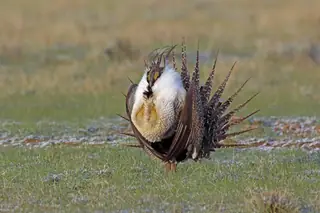 Greater Sage-GrouseRare
Reptiles and amphibians 9
-
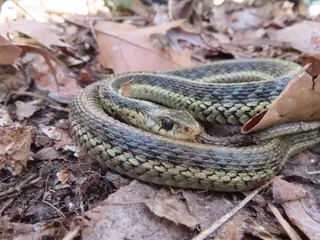 Common Garter Snake
-
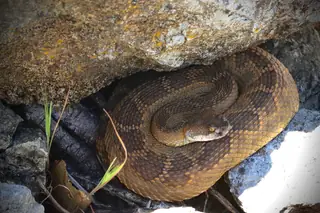 Western Rattlesnake
-
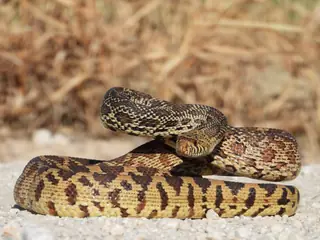 Bullsnake
-
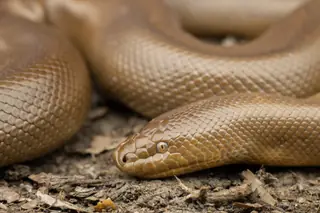 Rubber BoaRare
-
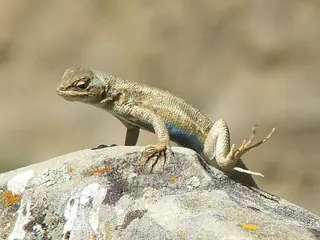 Common Sagebrush Lizard
-
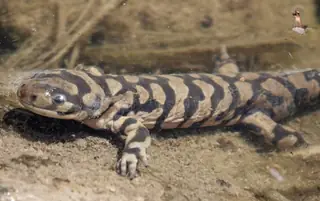 Western Tiger Salamander
-
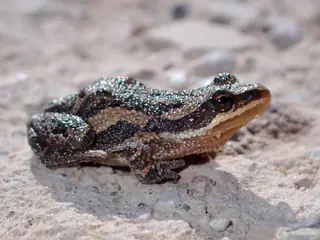 Boreal Chorus Frog
-
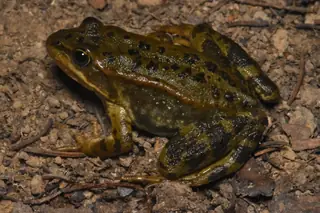 Columbia Spotted Frog
-
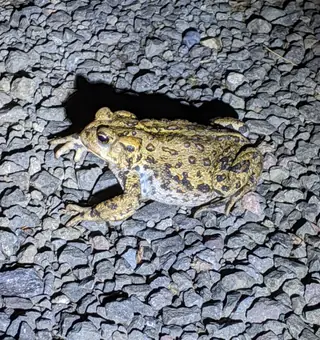 Western Toad
Fish 6
-
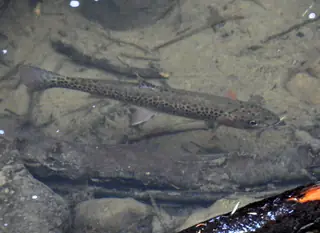 Cutthroat Trout
- Lake Trout
-
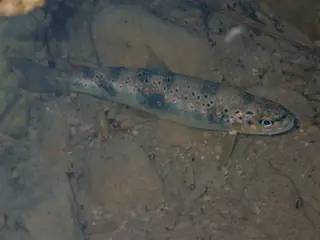 Brown Trout
-
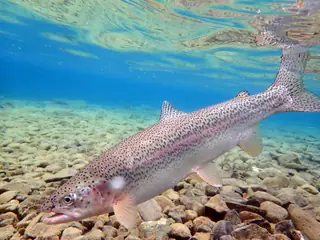 Rainbow Trout
-
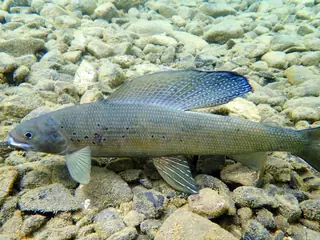 GraylingRare
-
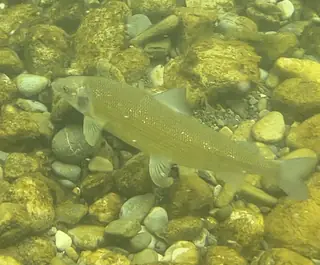 Mountain Whitefish
Best time to see wildlife in Yellowstone
Sightings by month in Yellowstone
Most records: Apr to SeptRecords from GBIF.org, adjusted for how many people record wildlife each month. 100% is the busiest month.
Spring is the season for predators and newborns. Grizzlies leave their dens from March, bison calves (the orange 'red dogs') arrive from mid April, and elk calve in late May and June. Summer brings the bison rut and high-country animals like marmots and pikas, but also the crowds, and midday heat sends big mammals into shade. September and October are excellent: the elk rut peaks, bears feed hard before winter and visitor numbers fall. Most park roads close to cars from early November to mid or late April. In winter the northern road still gives the park's best wolf watching, with dark animals easy to pick out against snow.
- Mar to AprGrizzlies emerge, first bison calves, most roads still closed
- May to JunPeak for bears, calves and elk calving
- Jul to AugBison rut in Hayden and Lamar, pikas and marmots up high
- Sep to OctElk rut at Mammoth, bears feeding, fewer people
- Nov to FebWolves in Lamar Valley, northern road only
Tips for spotting wildlife in Yellowstone
- 01
Be out at dawn and dusk
Wolves, bears and moose are most active in the first and last two hours of light. Midday is for geysers.
- 02
Know the distance rules
Follow the park's distance rules for every animal, bison and elk included, with far more room for bears and wolves. Bison injure more visitors than bears do.
- 03
Drive the Lamar slowly
Scan open slopes and river bends between Slough Creek and Soda Butte. Stop only in pullouts, never in the road, even in a bison jam.
- 04
Bring a scope or good binoculars
Many wolf and bear sightings are a mile or more away. Binoculars of 8x or 10x are the minimum; a spotting scope changes everything.
- 05
Look small too
Listen for pikas on talus slopes, watch for American Dippers bobbing in fast streams, and check LeHardy Rapids for Harlequin Ducks in early summer.

Take Yellowstone with you
Heading to Yellowstone? Tick off bison, wolves and the rest in Wilder as you go. It's free to start and works offline in the valleys where there's no signal.

Yellowstone wildlife FAQ
What animals can you see in Yellowstone?
Yellowstone has the most complete set of large mammals in the lower 48 states, including bison, elk, grizzly and black bears, wolves, moose, pronghorn, bighorn sheep and mountain goats. Most visitors see bison and elk within an hour. Smaller animals like pikas, marmots, otters and beavers, and birds such as Bald Eagles, Osprey and Trumpeter Swans, round out a list of 98 species.
Where is the best place to see wolves in Yellowstone?
The Lamar Valley in the park's northeast is the best place to see wild wolves, especially at dawn. Slough Creek and the road between Tower Junction and the Northeast Entrance are also good. Wolves are usually distant, so a spotting scope helps a lot. Winter is the most reliable season, because this road stays open and wolves stand out against the snow.
What is the best time of year to see wildlife in Yellowstone?
Late April to June is generally the best time to see wildlife in Yellowstone, with bears active, bison calves and elk calving. September and October are a close second, with the elk rut and fewer visitors. Summer is busy and animals rest in the heat of the day. Winter suits wolf watching, but most roads are closed to cars.
What are Yellowstone's 'Big Five' animals?
The Yellowstone Big Five is an informal list of bison, elk, bear, wolf and moose. It borrows the African safari idea and is widely used by local guides. Bison and elk are almost guaranteed, bears are likely in spring and early summer, wolves need patience in the Lamar Valley, and moose are the hardest, as the park has relatively few.
How close can you get to animals in Yellowstone?
Park regulations set a minimum distance from all animals, including bison and elk, and a much bigger one from bears and wolves. Follow them. If an animal moves towards you, back away. Use binoculars or a long lens instead of walking closer, and never feed wildlife.
Sources
- Yellowstone National Park: Animals (NPS)
- Yellowstone National Park: Safety, wildlife distances (NPS)
- Yellowstone National Park: Wolves (NPS)
- Sightings by month: GBIF.org
Animal photos are from the Wilder catalogue; photo credits.
Similar checklists
All North America-
 National park84animals Grand Teton Wyoming, USA Jagged peaks over Jackson Hole: moose in the willows, bison on the flats and sage-grouse dancing at dawn. Best time May to Jun, Sept to Oct
-
 National park72animals Glacier National Park Montana, USA The Crown of the Continent: mountain goats at Logan Pass, grizzlies on the slopes and harlequin ducks on McDonald Creek. Best time Jul to Sept
-
 National park68animals Rocky Mountain National Park Colorado, USA High meadows and tundra above Estes Park: bugling elk in autumn, bighorns at Sheep Lakes, moose on the west side and pikas among the rocks on Trail Ridge Road. Best time Jun to mid Oct
-
 National park80animals Banff National Park Canadian Rockies, Alberta, Canada Canada's first national park: elk by the town, bighorn sheep on the Minnewanka road, bears, and pikas in the rocks. Best time May to Jun, Sept to Oct