Reserve · Space Coast, Florida · USA
Merritt Island Wildlife Checklist

Merritt Island National Wildlife Refuge and Canaveral National Seashore share the coast beside the Kennedy Space Center in Florida, with well over a million visits a year between them. They are among the best places in Florida for wading birds, wintering ducks, manatees, alligators and the Florida scrub-jay, and sea turtles nest on the beaches in summer. This checklist covers 133 animals. November to April is best.
Tick off all 133 animals in Merritt Island on your phone, even offline. Launching soon. Free A4 PDF, no sign-up.
The refuge was created in 1963 as a buffer around the space centre, and most of it is still wild marsh, lagoon and scrub. Black Point Wildlife Drive, a one-way loop through the impoundments, is the classic first stop.
- Animals to find
- 133
- Where
- USA
- Best time
- Nov to Apr
- Wintering ducks
- Tens of thousands from November to March
Popular animals in Merritt Island
-
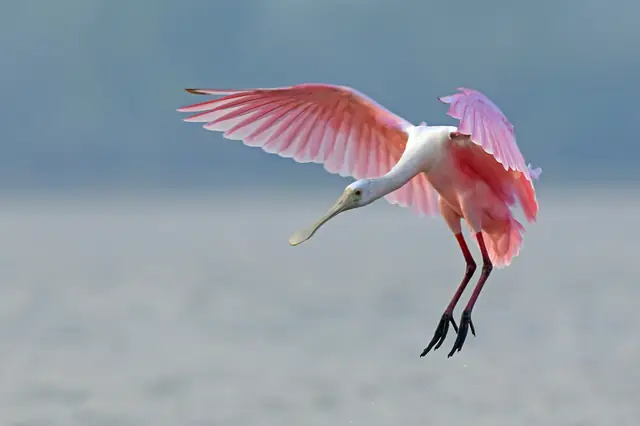
Roseate Spoonbill
Platalea ajaja
Pink spoonbills sweep the shallow impoundments on Black Point Wildlife Drive, most numerous from late winter to spring.
-
Manatee
The Manatee Observation Deck at Haulover Canal is one of the most reliable places in Florida to see manatees, mostly in the warmer months. Watch from the deck; never feed them or give them water.
-
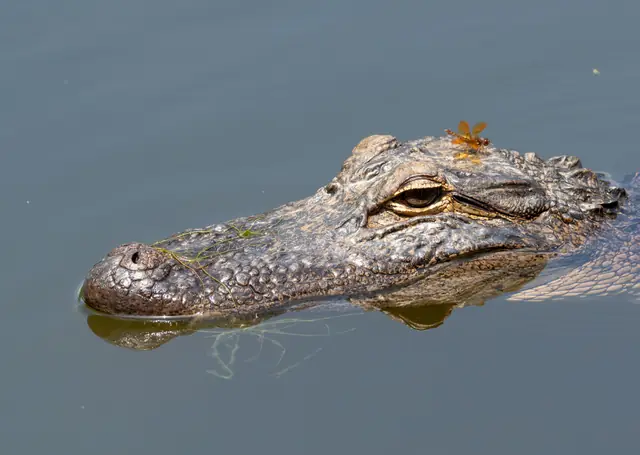
American Alligator
Alligator mississippiensis
Basks on the banks along the wildlife drives. Keep well back, stay by your car and never feed them.
-
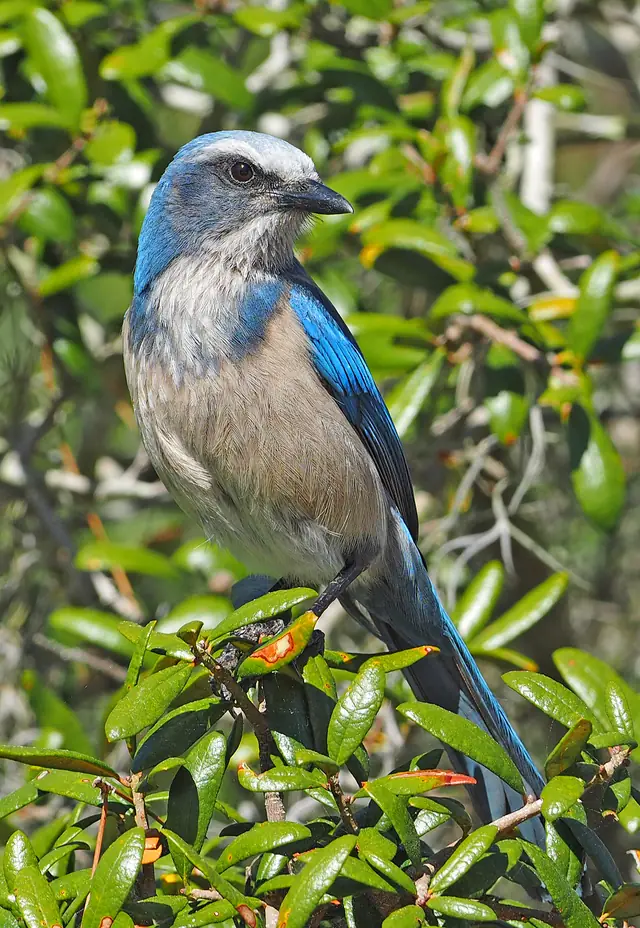
Florida Scrub Jay
Aphelocoma coerulescens
Found only in Florida, and the refuge holds one of the largest populations. Look in low oak scrub along the Scrub Ridge Trail. Feeding them is illegal.
-
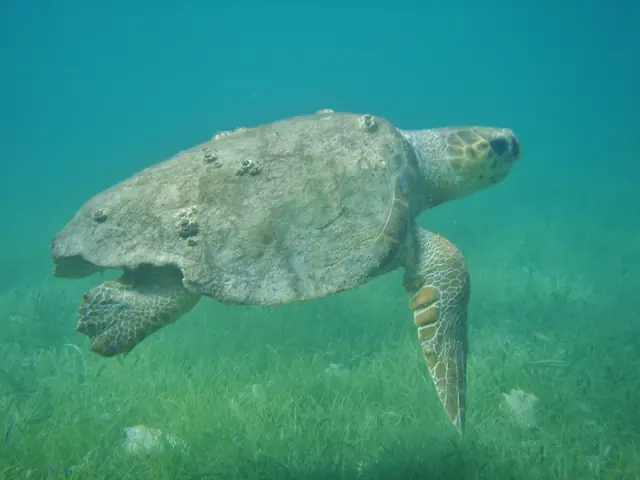
Loggerhead Sea Turtle
Caretta caretta
Thousands of nests are laid on the beaches each summer. The seashore has run ranger-led turtle watches on summer nights, booked ahead.
-
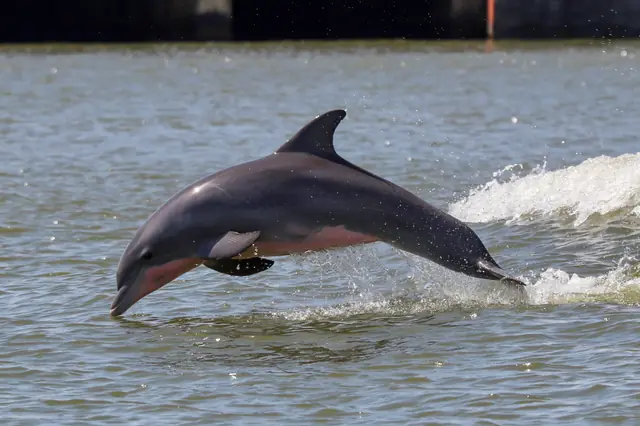
Bottlenose Dolphin
Tursiops truncatus
Feeds in Mosquito Lagoon and the Indian River, often seen from Haulover Canal.
-
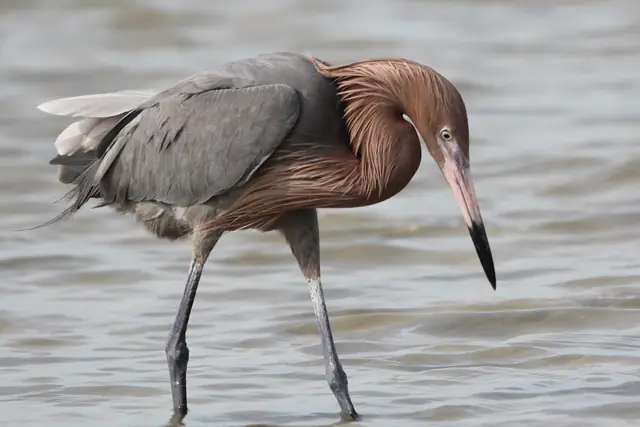
Reddish Egret
Egretta rufescens
A shaggy heron that dances through the shallows chasing fish, in both dark and white forms.
-
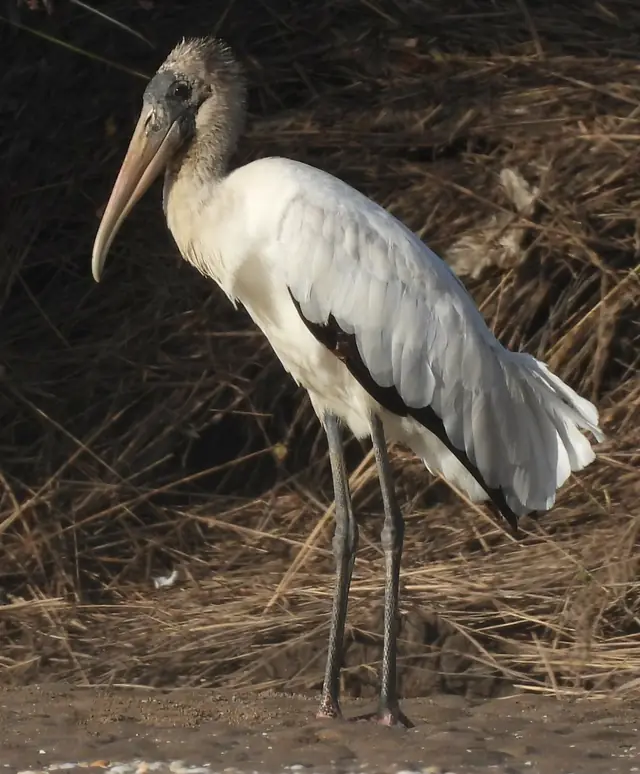
Wood Stork
Mycteria americana
Feeds in drying pools along the dikes, especially in winter and spring.
-
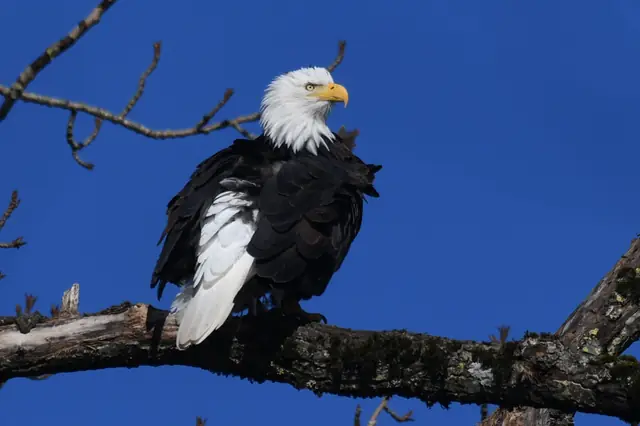
Bald Eagle
Haliaeetus leucocephalus
Nests in tall pines in winter. Watch from the roads and keep well back from any nest tree.
All 133 animals in Merritt Island
Manatees and dolphins 3
-
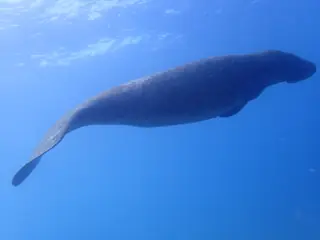 West Indian Manatee
-
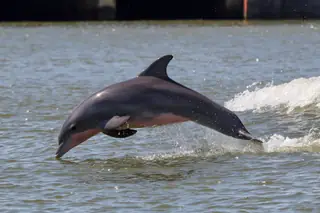 Bottlenose Dolphin
-
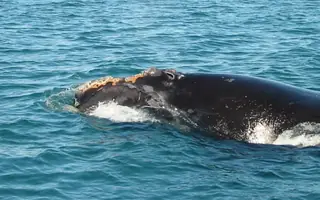 North Atlantic Right WhaleRare
Land mammals 10
-
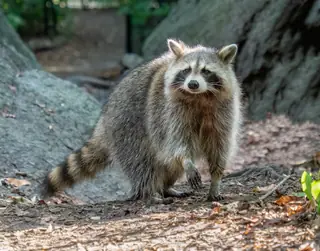 Raccoon
-
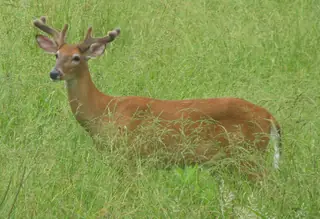 White-tailed Deer
-
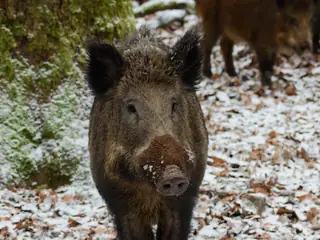 Wild Boar
-
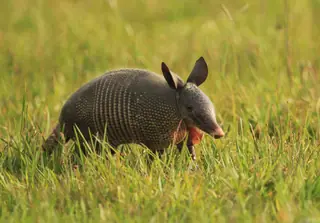 Nine-banded Armadillo
-
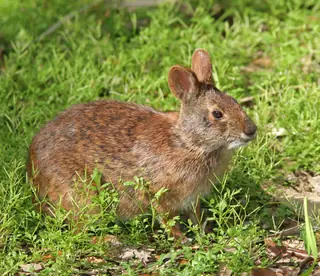 Marsh Rabbit
-
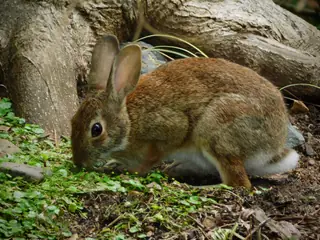 Eastern Cottontail
-
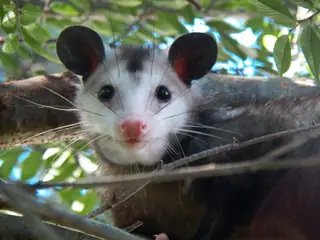 Virginia Opossum
-
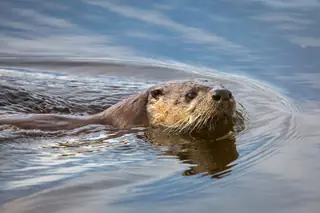 River Otter
-
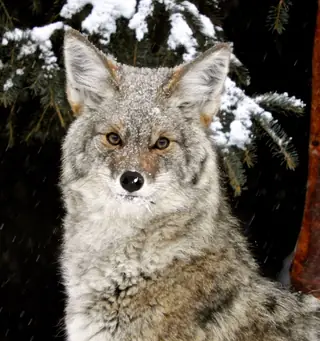 Coyote
-
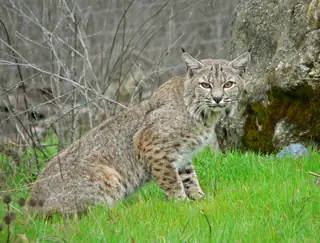 BobcatRare
Wading birds 16
-
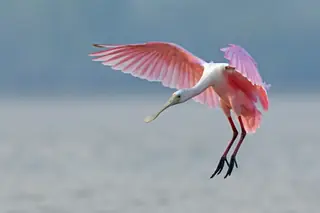 Roseate Spoonbill
-
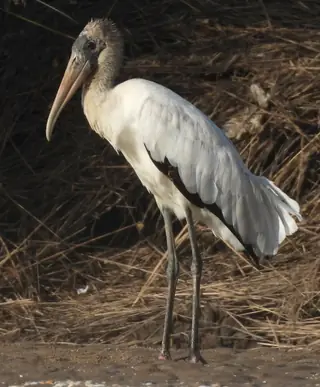 Wood Stork
-
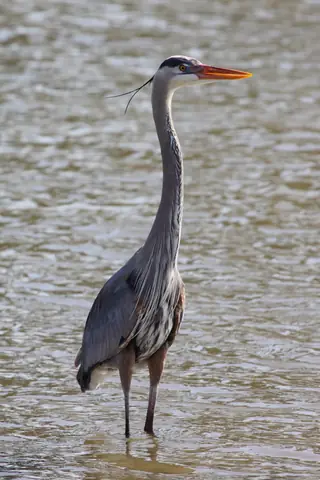 Great Blue Heron
-
 Great Egret
-
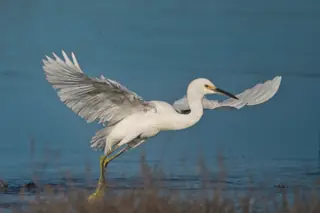 Snowy Egret
-
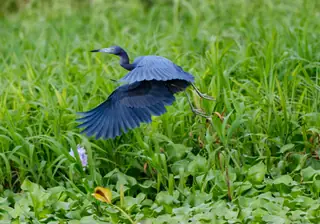 Little Blue Heron
-
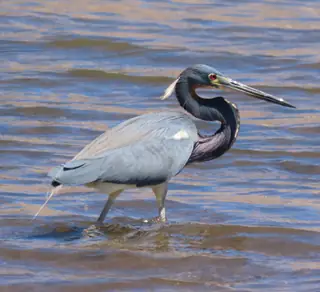 Tricolored Heron
-
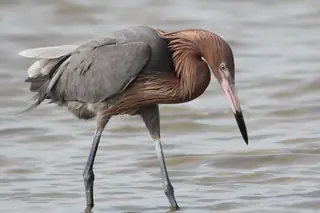 Reddish Egret
-
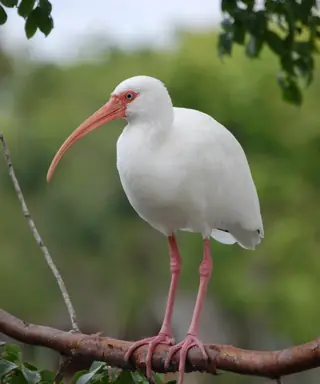 White Ibis
-
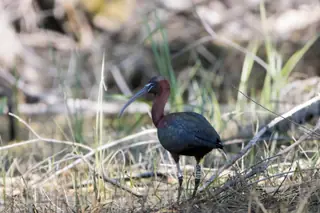 Glossy Ibis
-
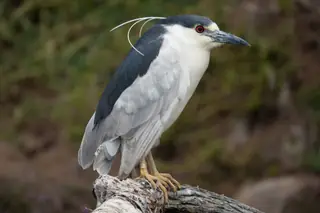 Black-crowned Night Heron
-
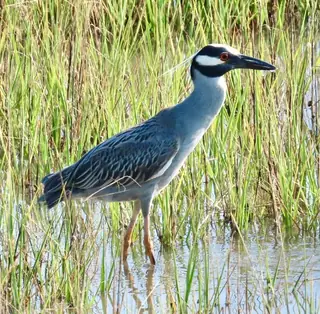 Yellow-crowned Night Heron
-
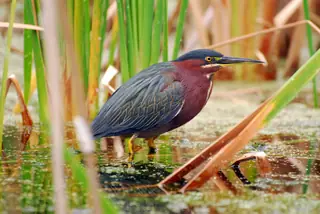 Green Heron
-
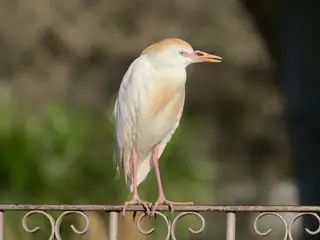 Western Cattle Egret
-
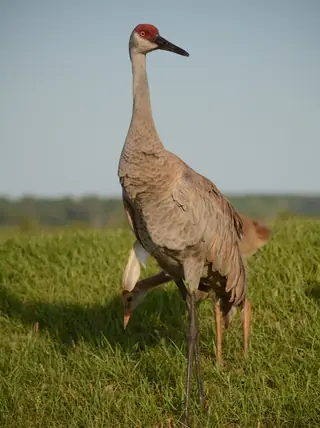 Sandhill Crane
-
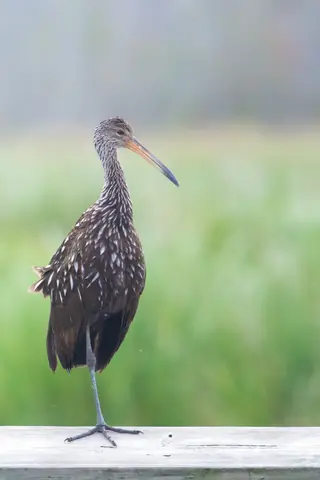 LimpkinRare
Ducks and water birds 17
-
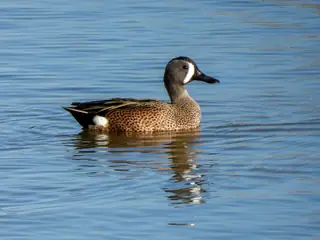 Blue-winged Teal
-
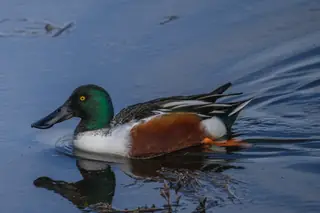 Northern Shoveler
-
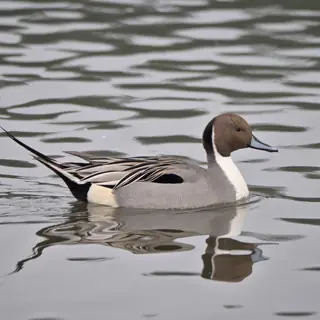 Northern Pintail
-
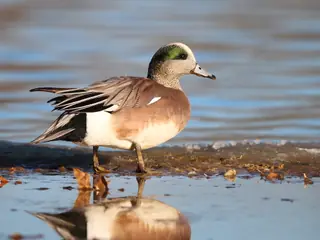 American Wigeon
-
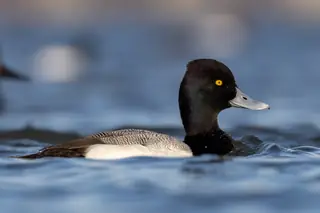 Lesser Scaup
-
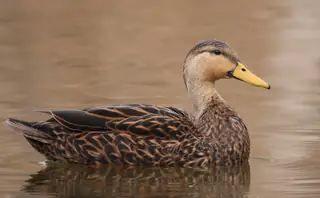 Mottled Duck
-
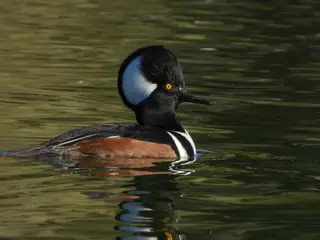 Hooded Merganser
-
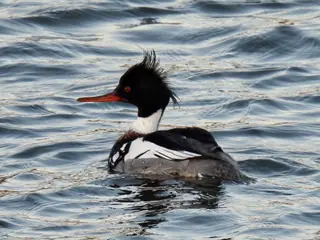 Red-breasted Merganser
-
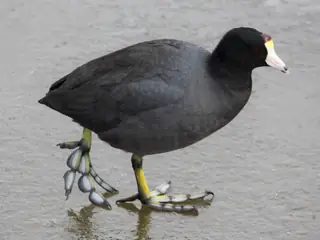 American Coot
-
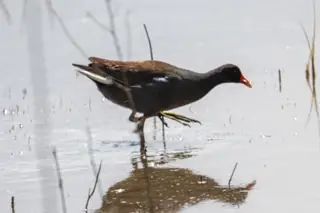 Common Gallinule
-
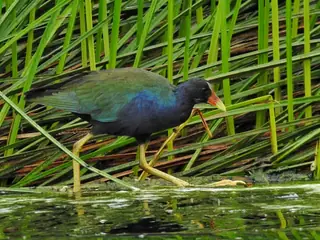 Purple GallinuleRare
-
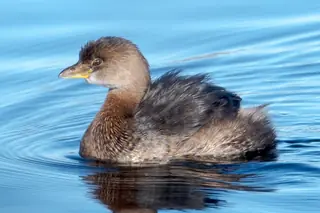 Pied-billed Grebe
-
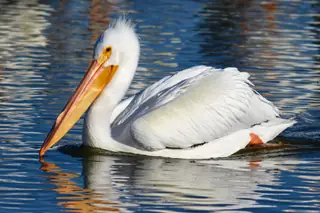 American White Pelican
-
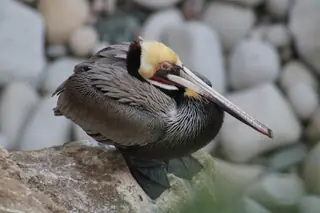 Brown Pelican
-
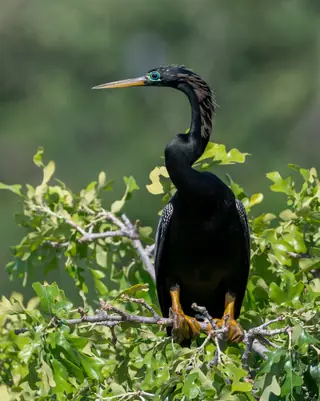 Anhinga
-
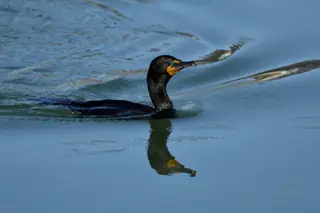 Double-crested Cormorant
-
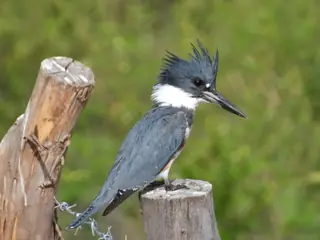 Belted Kingfisher
Shorebirds, gulls and terns 22
-
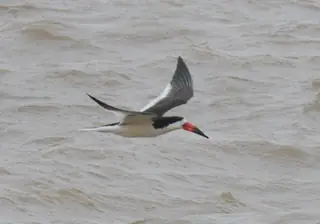 Black Skimmer
-
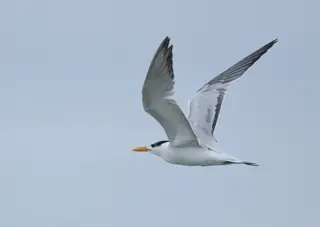 Royal Tern
-
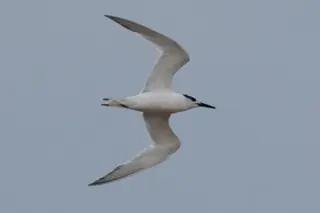 Sandwich Tern
-
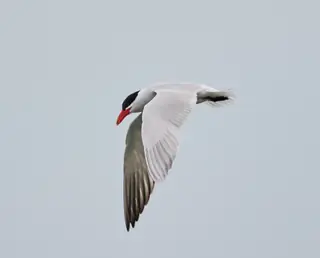 Caspian Tern
-
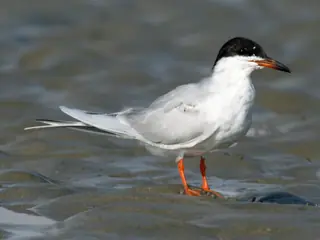 Forster's Tern
-
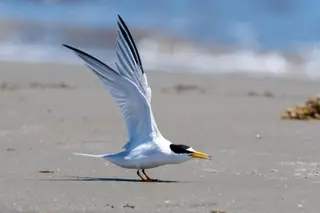 Least Tern
-
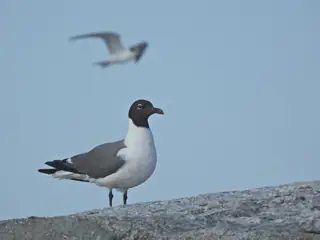 Laughing Gull
-
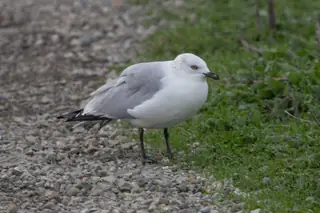 Ring-billed Gull
-
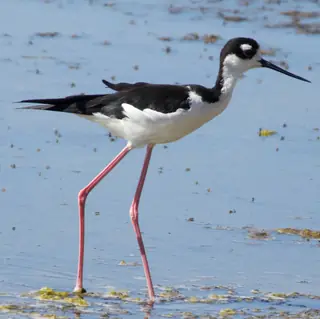 Black-necked Stilt
-
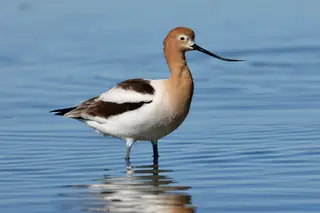 American Avocet
-
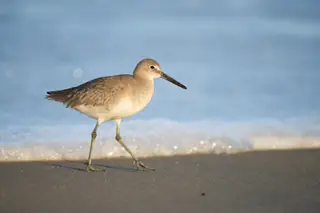 Willet
-
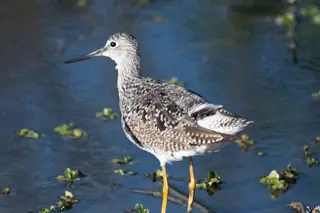 Greater Yellowlegs
-
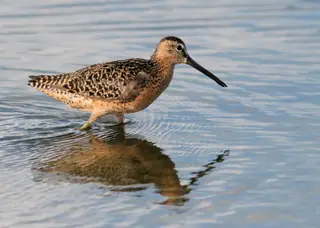 Short-billed Dowitcher
-
 Dunlin
-
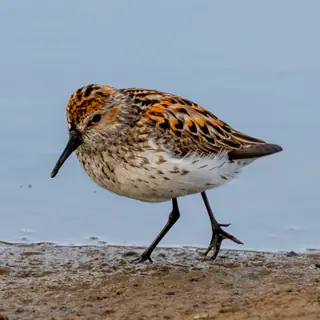 Western Sandpiper
-
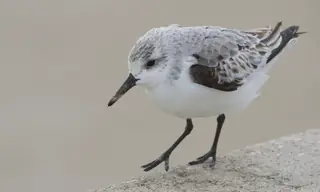 Sanderling
-
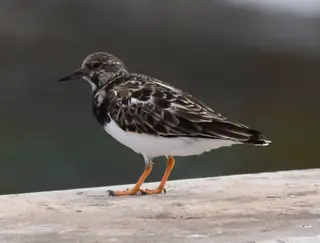 Ruddy Turnstone
-
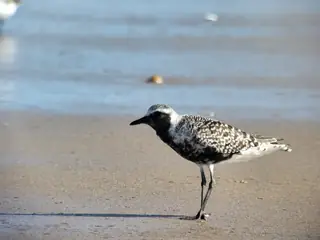 Black-bellied Plover
-
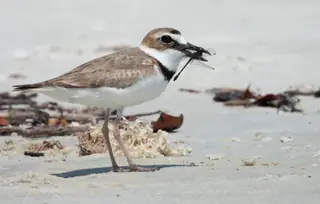 Wilson's PloverRare
-
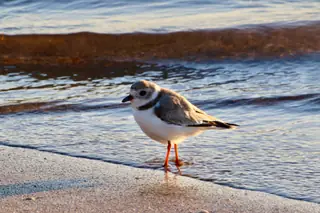 Piping PloverRare
-
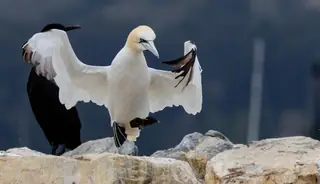 Northern Gannet
-
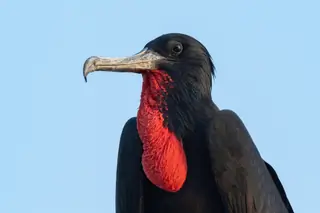 Magnificent FrigatebirdRare
Birds of prey 11
-
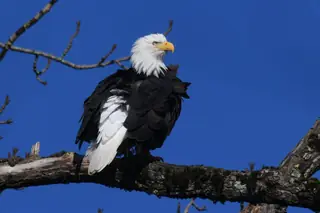 Bald Eagle
-
 Osprey
-
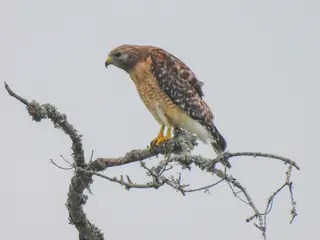 Red-shouldered Hawk
-
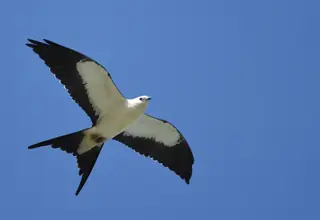 Swallow-tailed Kite
-
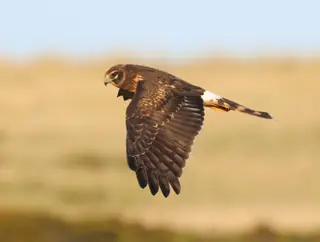 Northern Harrier
-
 Peregrine Falcon
-
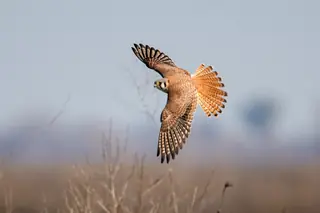 American Kestrel
-
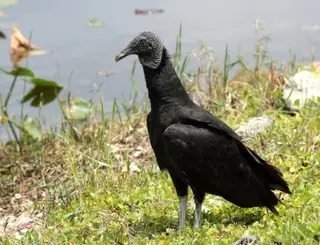 Black Vulture
-
 Turkey Vulture
-
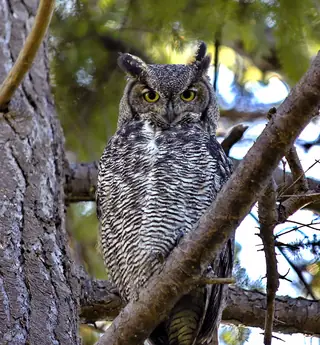 Great Horned Owl
-
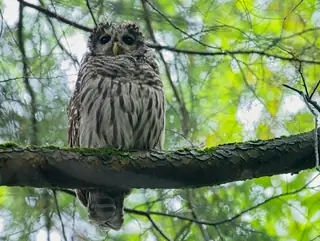 Barred OwlRare
Scrub and land birds 17
-
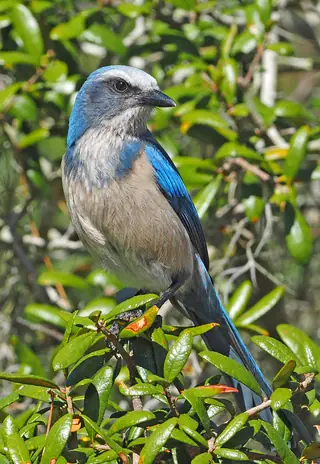 Florida Scrub Jay
-
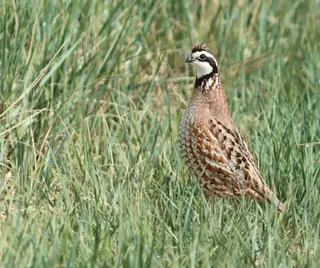 Northern Bobwhite
-
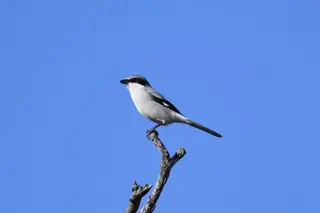 Loggerhead Shrike
-
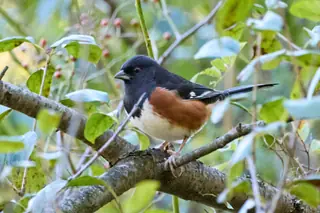 Eastern Towhee
-
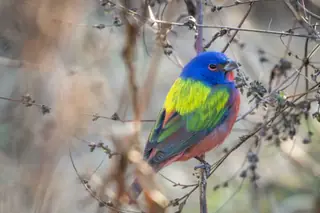 Painted Bunting
-
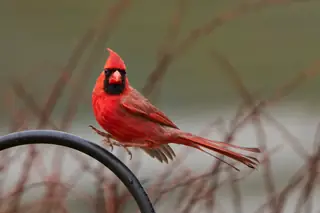 Northern Cardinal
-
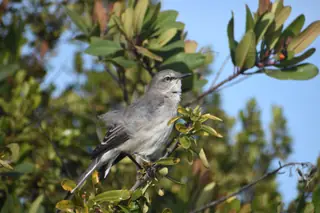 Northern Mockingbird
-
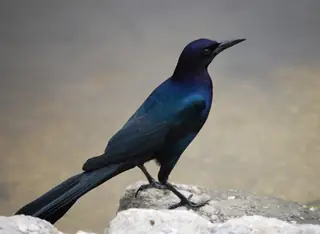 Boat-tailed Grackle
-
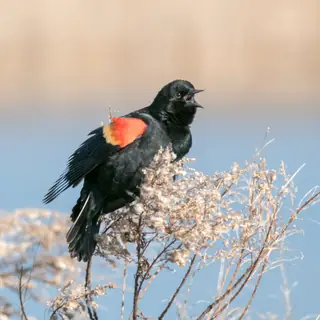 Red-winged Blackbird
-
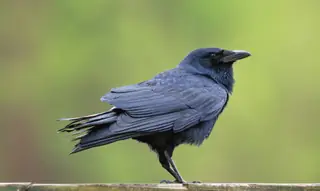 Fish Crow
-
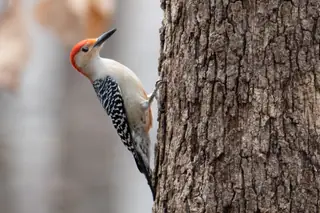 Red-bellied Woodpecker
-
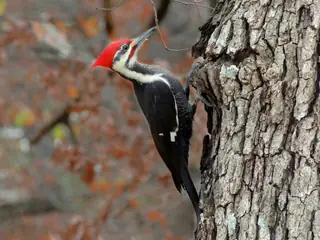 Pileated Woodpecker
-
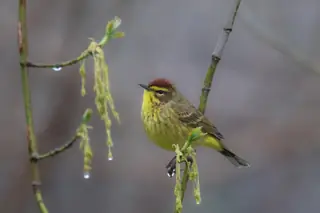 Palm Warbler
-
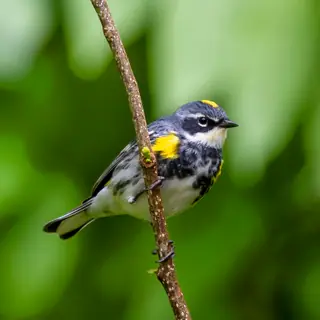 Yellow-rumped Warbler
-
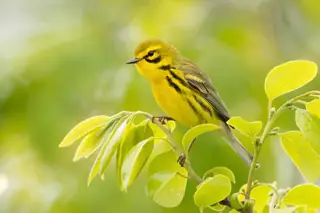 Prairie Warbler
-
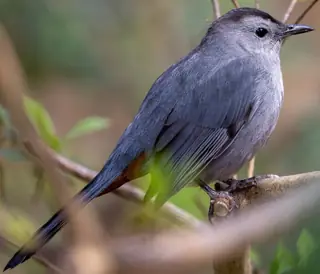 Grey Catbird
-
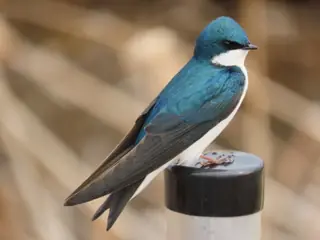 Tree Swallow
Alligators and reptiles 14
-
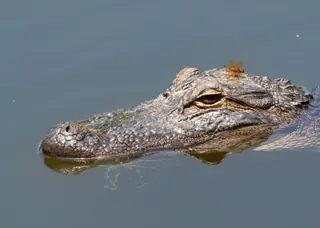 American Alligator
-
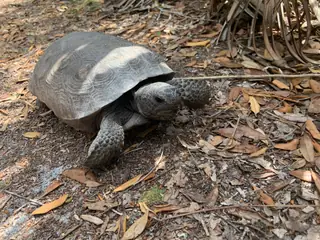 Gopher Tortoise
-
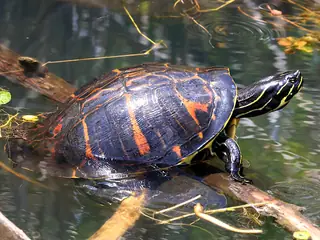 Florida Red-bellied Cooter
-
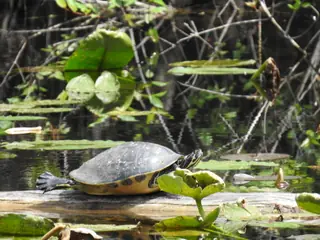 Peninsula Cooter
-
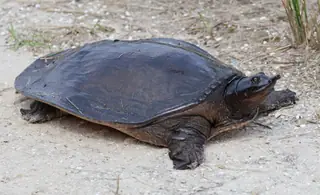 Florida Softshell Turtle
-
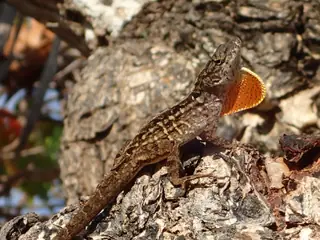 Brown Anole
-
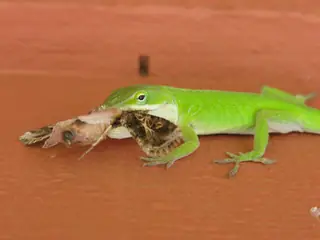 Green Anole
-
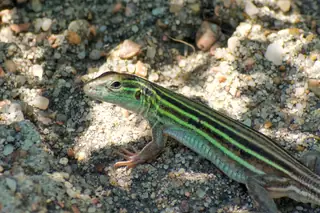 Six-lined Racerunner
-
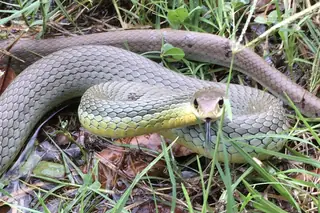 North American Racer
-
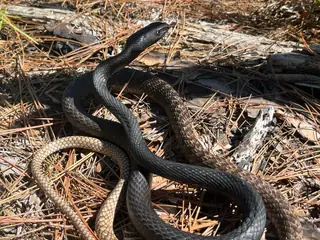 Coachwhip
-
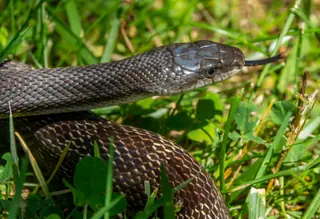 Eastern Rat Snake
-
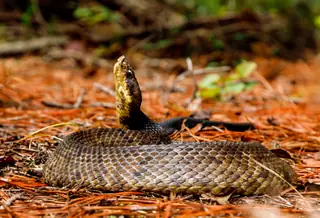 Eastern Cottonmouth
-
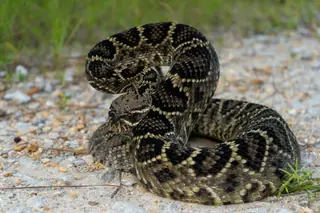 Eastern Diamondback RattlesnakeRare
-
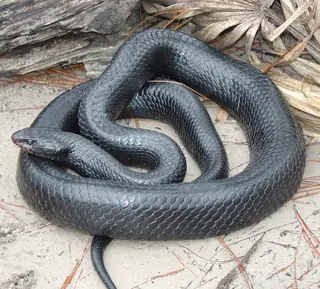 Eastern Indigo SnakeRare
Sea turtles 3
-
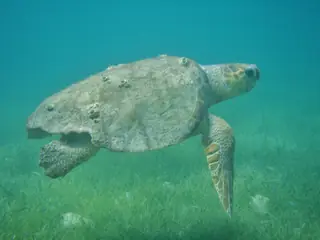 Loggerhead Sea Turtle
-
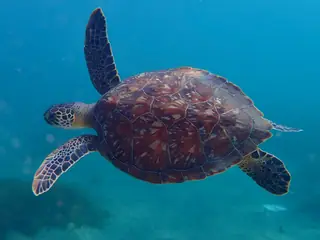 Green Sea Turtle
-
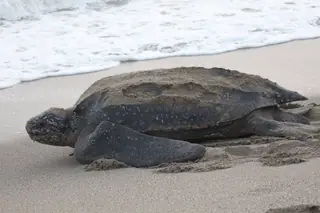 Leatherback TurtleRare
Frogs and toads 7
-
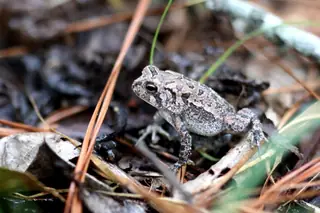 Southern Toad
-
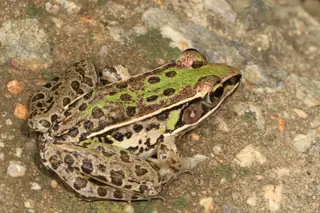 Southern Leopard Frog
-
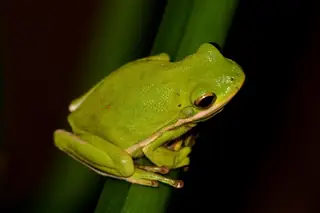 Green Tree Frog
-
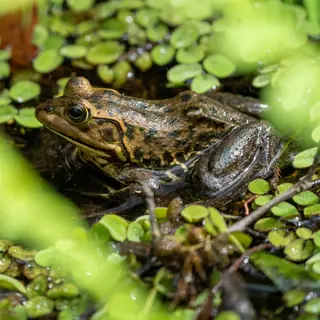 Pig Frog
-
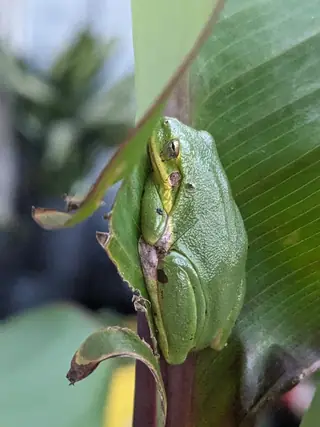 Squirrel Treefrog
-
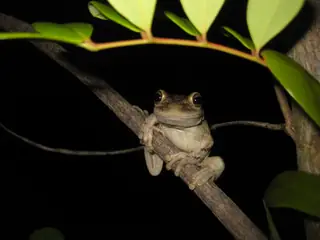 Cuban Tree Frog
-
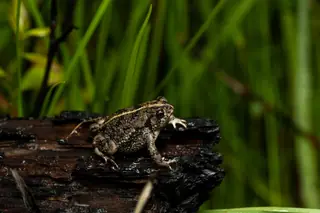 Oak ToadRare
Shore and lagoon life 4
-
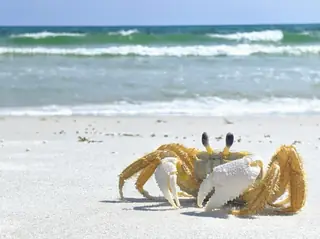 Atlantic Ghost Crab
-
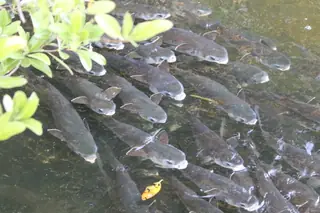 Flathead Grey Mullet
-
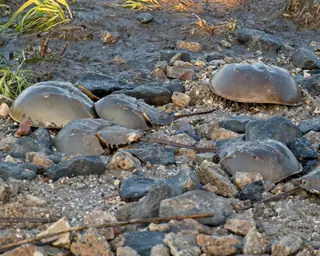 Atlantic Horseshoe Crab
-
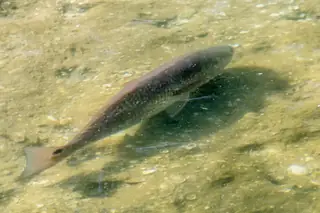 Red Drum
Butterflies and dragonflies 9
-
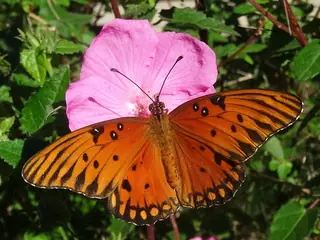 Gulf Fritillary
-
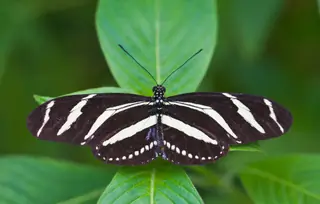 Zebra Longwing
-
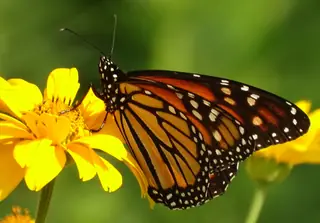 Monarch
-
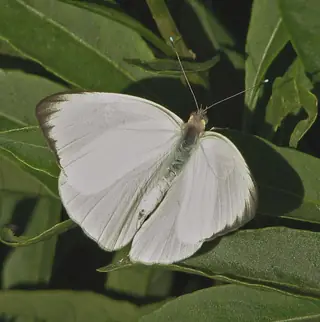 Great Southern White
-
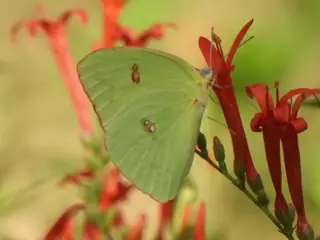 Cloudless Sulphur
-
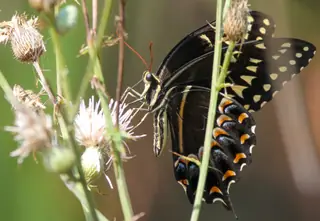 Palamedes Swallowtail
-
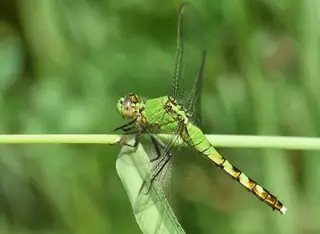 Eastern Pondhawk
-
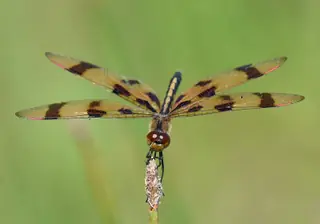 Halloween Pennant
-
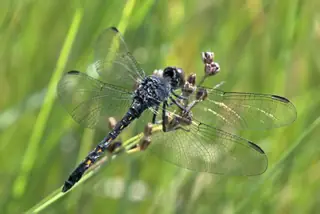 Seaside Dragonlet
Best time to see wildlife in Merritt Island
Sightings by month in Merritt Island
Most records: Nov to Apr, AugRecords from GBIF.org, adjusted for how many people record wildlife each month. 100% is the busiest month.
The best season at Merritt Island is from November to April, when the weather is mild and tens of thousands of ducks, wading birds, pelicans and shorebirds winter on the impoundments. Spoonbills and wood storks are easiest to find from late winter into spring, and bald eagles nest in winter. Manatees gather at Haulover Canal mostly in the warmer months. Summer is hot, humid and full of mosquitoes, but it is sea turtle season: loggerheads, green turtles and a few leatherbacks nest on the beaches from May to October, with hatchlings from July. Parts of the refuge and seashore close before rocket launches, so check before you travel.
- Nov to FebPeak ducks and wading birds; eagles nesting; mild weather
- Mar to AprSpoonbills, storks and spring migrants; manatees return
- May to JunTurtle nesting begins; heat and mosquitoes build
- Jul to AugTurtle hatchlings, manatees and dolphins; very hot
- Sep to OctAutumn migrants, last turtle nests; hurricane season
Tips for spotting wildlife in Merritt Island
- 01
Drive Black Point slowly
The one-way, seven-mile Black Point Wildlife Drive passes impoundments full of birds and alligators. Go early or late in the day, pull over to watch and use the observation tower.
- 02
Stop at Haulover Canal
The Manatee Observation Deck overlooks a channel where manatees and dolphins pass between the lagoons. Calm, sunny mornings give the clearest views.
- 03
Walk the scrub for jays
Florida scrub-jays live in low oak scrub. Walk quietly along the Scrub Ridge Trail in the morning and watch from the path; feeding them is against the law.
- 04
Join a turtle watch
In June and July the seashore has run small ranger-led groups to watch loggerheads nest. Book ahead if they run, and never use lights or flash on a nesting beach.
- 05
Check launch closures
The refuge and seashore share land with NASA. Roads and beaches can close before launches, so check the refuge and seashore websites before you go.

Take Merritt Island with you
Visiting the Space Coast? Log spoonbills, manatees and scrub-jays in Wilder as you go. It's free to start.

Merritt Island wildlife FAQ
Where can you see manatees at Merritt Island?
The Manatee Observation Deck at Haulover Canal, on State Road 3 in the north of the refuge, is the best place. Manatees are seen most often in the warmer months. Watch from the deck and never feed them or offer water.
What is Black Point Wildlife Drive?
Black Point Wildlife Drive is a seven-mile, one-way dirt road through the marshes of Merritt Island National Wildlife Refuge. It is the best place to see wading birds, ducks, alligators and spoonbills, especially from November to April. There is a refuge entry fee.
Can you see Florida scrub-jays at Merritt Island?
Yes. The refuge has one of the largest populations of Florida scrub-jays, a bird found only in Florida. Look in low oak scrub along the Scrub Ridge Trail, early in the day. Feeding scrub-jays is illegal because it harms them.
Can you see sea turtles at Canaveral National Seashore?
Yes. Loggerheads, green turtles and some leatherbacks nest on the beaches from May to October. The seashore has run ranger-led turtle watches in June and July, booked ahead. Use no lights on the beach at night and keep away from nests.
Are there alligators at Merritt Island?
Yes, American alligators are common in the refuge's marshes and impoundments and are often seen basking along Black Point Wildlife Drive. Keep well back, stay near your car and never feed them, which is illegal in Florida.
Sources
- Merritt Island National Wildlife Refuge (US Fish and Wildlife Service)
- Canaveral National Seashore (NPS)
- Sea turtle watch programmes (NPS, Canaveral)
- Sightings by month: GBIF.org
Animal photos are from the Wilder catalogue; photo credits.
Similar checklists
All North America-
 National park82animals Everglades National Park Florida, USA A slow river of grass: alligators beside the Anhinga Trail, spoonbills and wood storks in the shallows, and the only place where alligators and crocodiles live side by side. Best time Dec to Apr
-
 National seashore117animals Assateague Island and Chincoteague Maryland and Virginia, USA A wild barrier island where ponies graze the dunes and salt marsh, sika deer slip through the pines and herons, egrets and snow geese crowd the pools of Chincoteague refuge. Best time Apr to Jun, Sept to Nov
-
 National park75animals Great Smoky Mountains Tennessee and North Carolina, USA Misty old mountains with black bears, elk in Cataloochee, synchronous fireflies in June and more kinds of salamander than anywhere else on Earth. Best time Apr to Jun, Sept to Oct
-
 Reserve119animals Sian Ka'an Biosphere Reserve Quintana Roo, Yucatán Peninsula, Mexico Lagoons, mangroves and reef south of Tulum, where boats find dolphins, crocodiles, spoonbills and frigatebirds and a Maya canal winds through the wetlands. Best time Nov to Apr