National seashore · Maryland and Virginia · USA
Assateague Island Wildlife Checklist

Assateague Island is a 37-mile barrier island shared by Maryland and Virginia, protected as Assateague Island National Seashore and Chincoteague National Wildlife Refuge, with more than two million visits a year. It is famous for its wild ponies, plus sika deer, herons and egrets, and huge winter flocks of snow geese. This checklist covers 117 animals. April to June and September to November are best.
Tick off all 117 animals in Assateague on your phone, even offline. Launching soon. Free A4 PDF, no sign-up.
The island has two entrances that do not connect by road: the Maryland end near Berlin and Ocean City, and the Virginia end through the town of Chincoteague. Ponies live on both, in separate, fenced herds.
- Animals to find
- 117
- Where
- USA
- Best time
- Apr to Jun, Sept to Nov
- Wild ponies
- Two herds, one in each state
Popular animals in Assateague
-
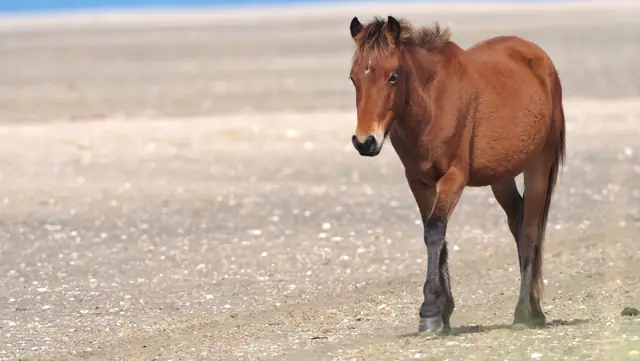
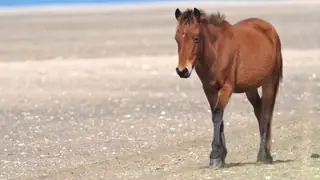
Feral Horse
Equus caballus
The famous wild ponies. The Maryland herd is managed by the National Park Service, and the Chincoteague herd in Virginia is owned by the Chincoteague Volunteer Fire Company. Follow the park's distance rules, and never feed or pet them.
-
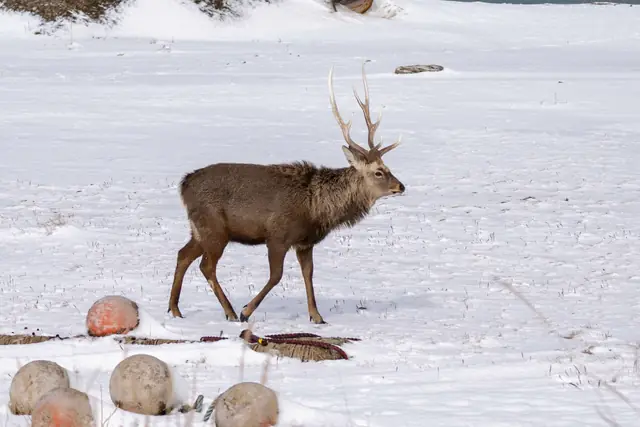
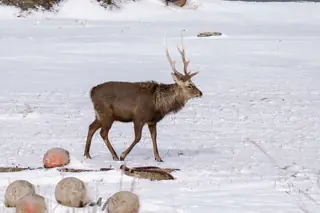
Sika Deer
Cervus nippon
A small Asian deer released on the island in the 1920s, now more common here than the native white-tailed deer. Look along the pine forest and marsh edges at dusk.
-
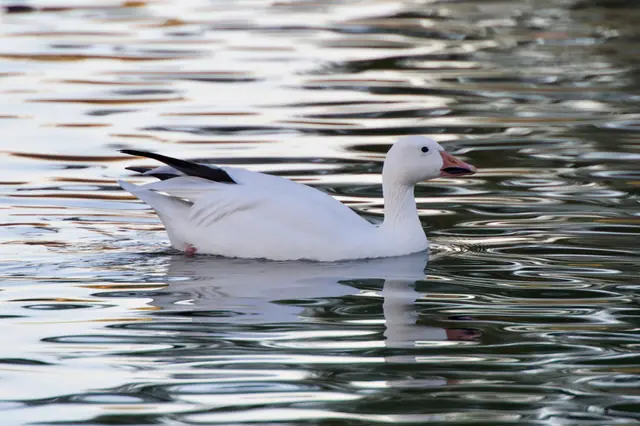
Snow Goose
Anser caerulescens
Thousands winter on the Chincoteague refuge pools from November to February, lifting off in noisy white clouds.
-
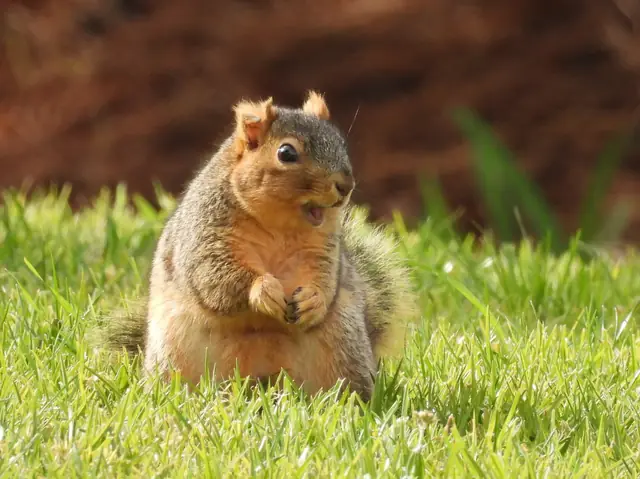
Fox Squirrel
Sciurus niger
The big, pale Delmarva fox squirrel lives in the loblolly pines on the Virginia side. It was taken off the endangered list in 2015.
-
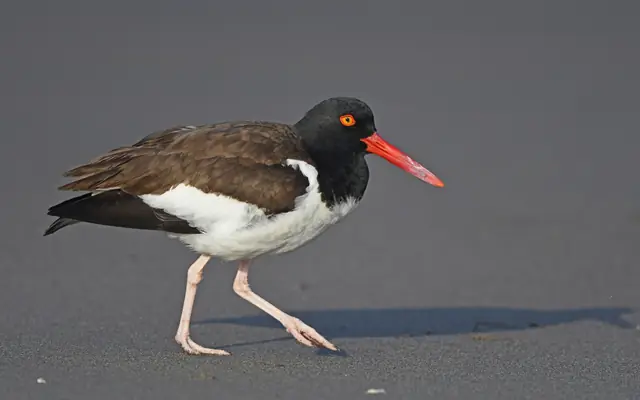
American Oystercatcher
Haematopus palliatus
A loud black-and-white shorebird with a bright red bill, on the beaches and mudflats from March to October.
-
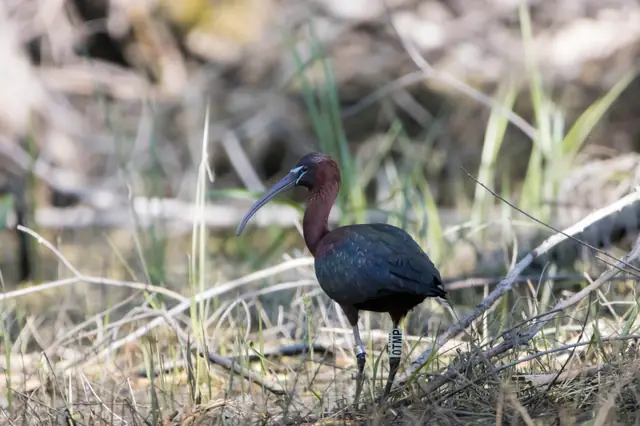
Glossy Ibis
Plegadis falcinellus
Flocks probe the wet marsh along the refuge's Wildlife Loop in summer, alongside snowy egrets and tricolored herons.
-
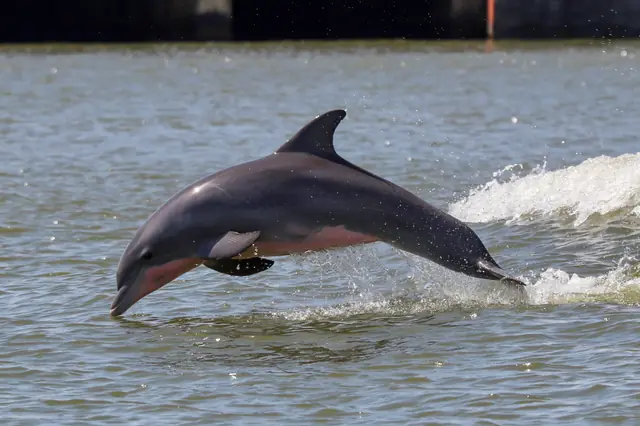
Bottlenose Dolphin
Tursiops truncatus
Pods pass close to the ocean beach and into the inlets from May to October.
-
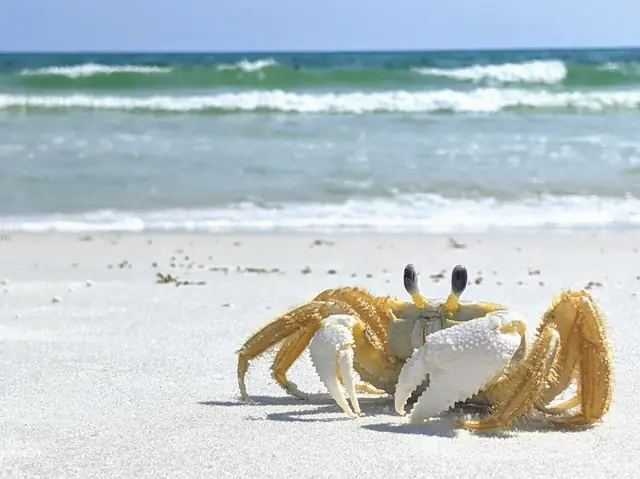
Atlantic Ghost Crab
Ocypode quadrata
Sand-coloured crabs that dart across the upper beach at dusk and after dark.
All 117 animals in Assateague
Ponies and deer 3
-
 Feral Horse
-
 Sika Deer
-
 White-tailed Deer
Other mammals 8
-
 Red Fox
-
 Raccoon
-
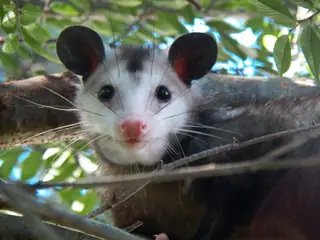 Virginia Opossum
-
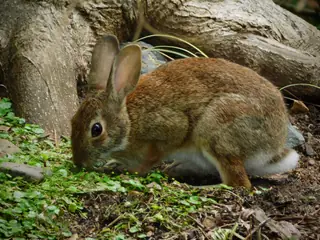 Eastern Cottontail
-
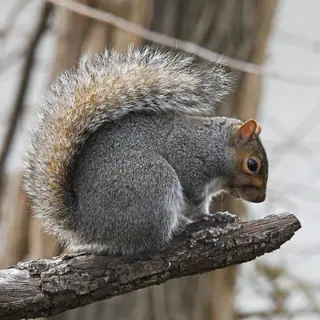 Grey Squirrel
-
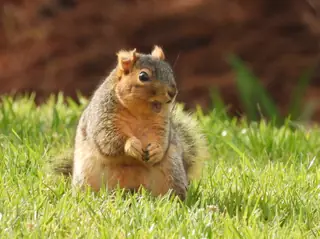 Fox SquirrelRare
-
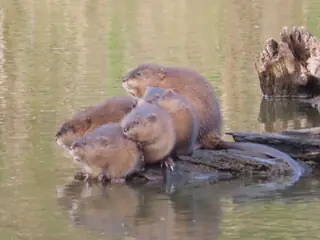 Muskrat
-
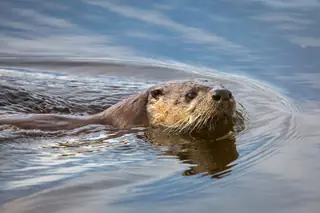 River OtterRare
Sea mammals 3
-
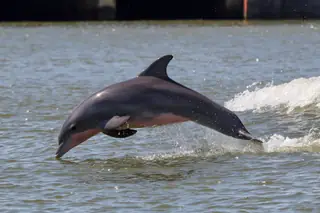 Bottlenose Dolphin
-
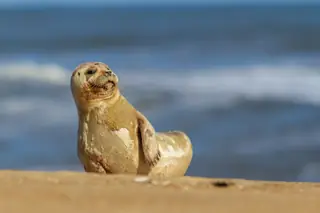 Harbour SealRare
-
 Humpback WhaleRare
Herons and waders 10
-
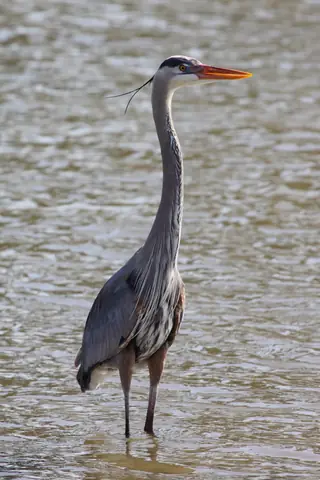 Great Blue Heron
-
 Great Egret
-
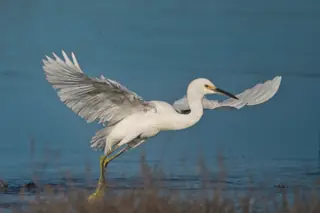 Snowy Egret
-
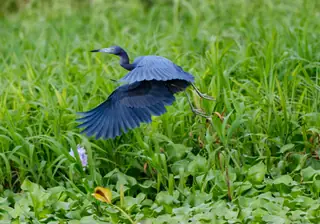 Little Blue Heron
-
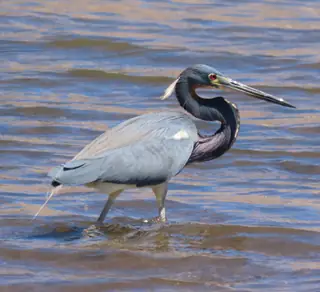 Tricolored Heron
-
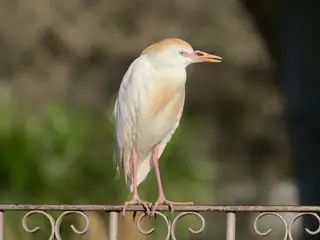 Western Cattle Egret
-
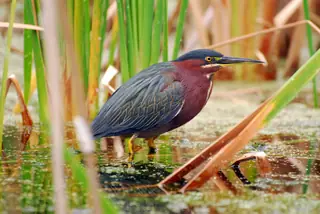 Green Heron
-
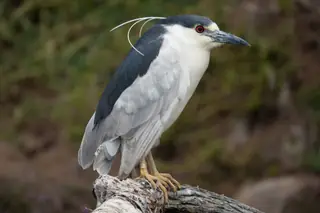 Black-crowned Night Heron
-
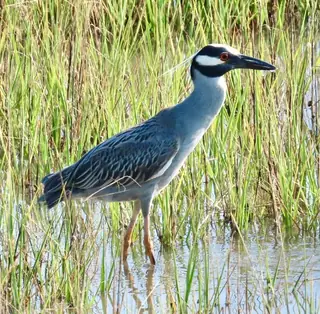 Yellow-crowned Night Heron
-
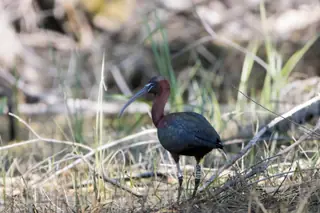 Glossy Ibis
Geese and ducks 12
-
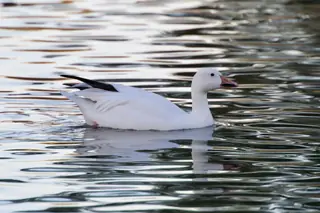 Snow Goose
-
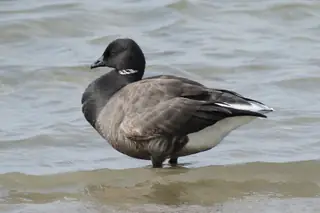 Brant
-
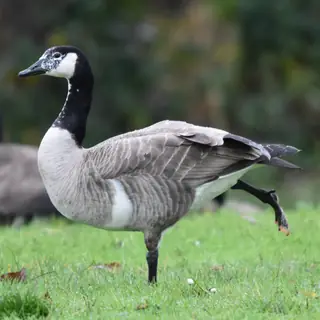 Canada Goose
-
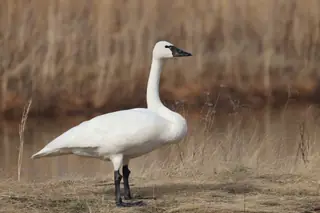 Tundra Swan
-
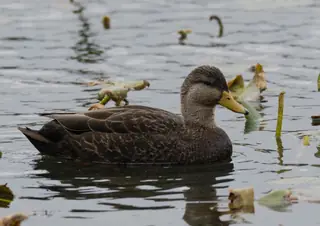 American Black Duck
-
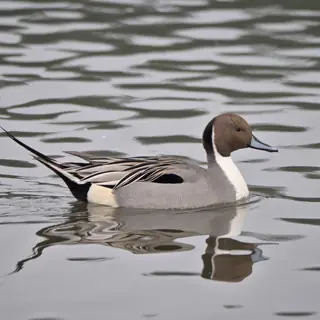 Northern Pintail
-
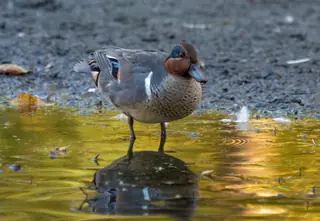 Green-winged Teal
-
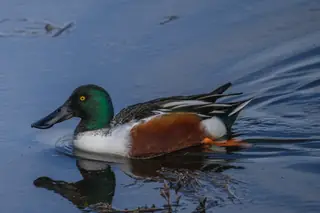 Northern Shoveler
-
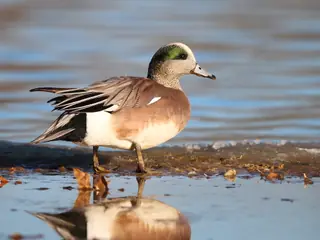 American Wigeon
-
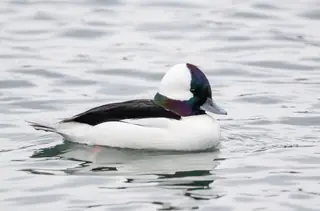 Bufflehead
-
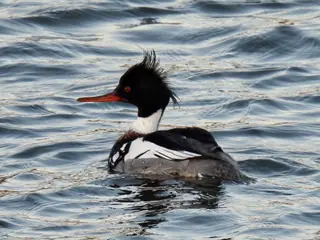 Red-breasted Merganser
-
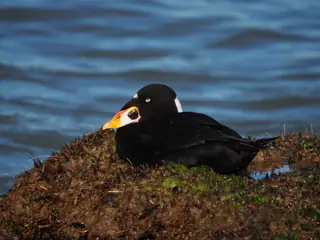 Surf Scoter
Shorebirds, gulls and terns 21
-
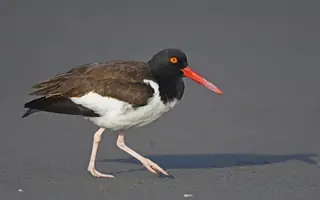 American Oystercatcher
-
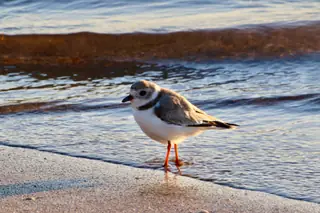 Piping Plover
-
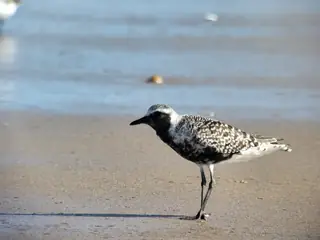 Black-bellied Plover
-
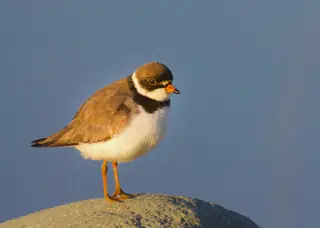 Semipalmated Plover
-
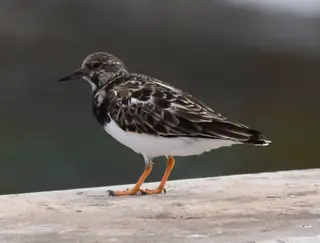 Ruddy Turnstone
-
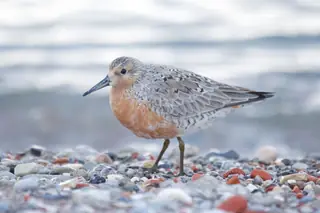 Red Knot
-
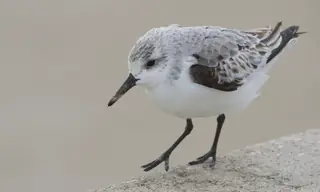 Sanderling
-
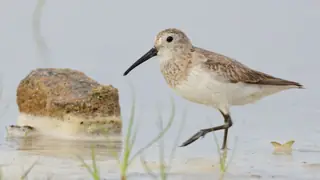 Dunlin
-
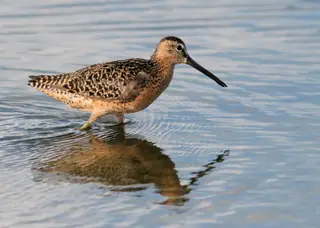 Short-billed Dowitcher
-
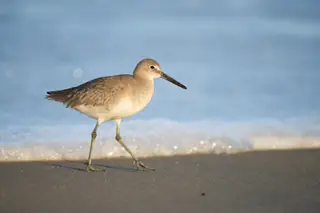 Willet
-
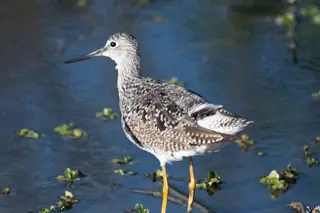 Greater Yellowlegs
-
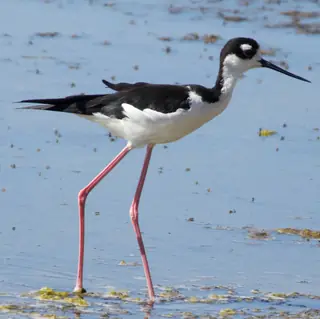 Black-necked Stilt
-
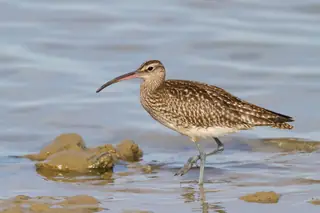 Whimbrel
-
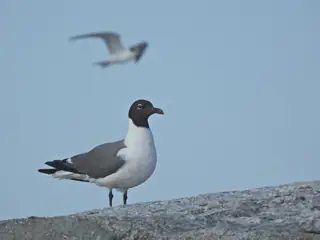 Laughing Gull
-
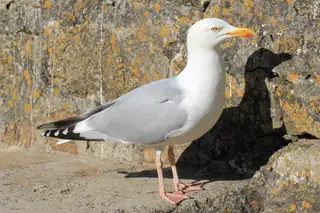 Herring Gull
-
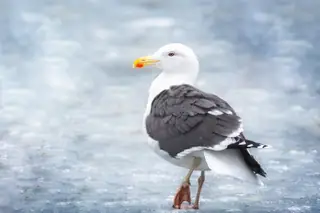 Great Black-backed Gull
-
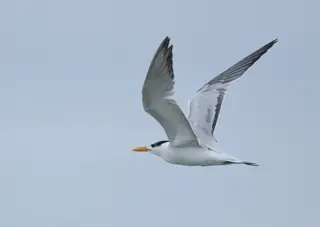 Royal Tern
-
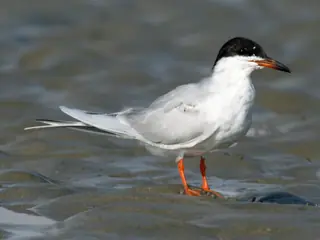 Forster's Tern
-
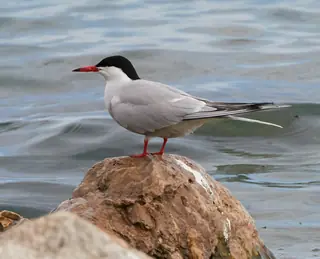 Common Tern
-
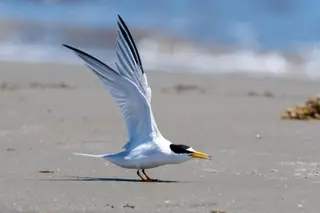 Least Tern
-
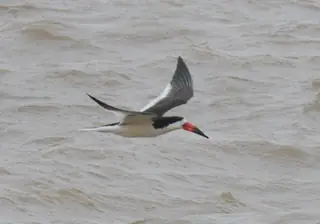 Black Skimmer
Sea and marsh birds 9
-
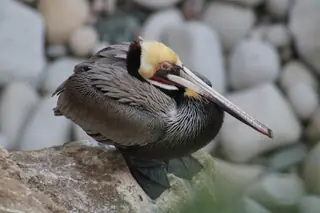 Brown Pelican
-
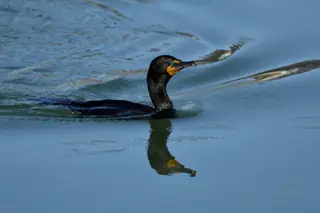 Double-crested Cormorant
-
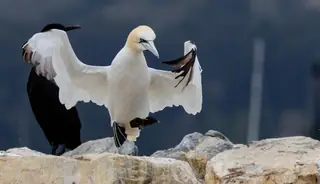 Northern Gannet
-
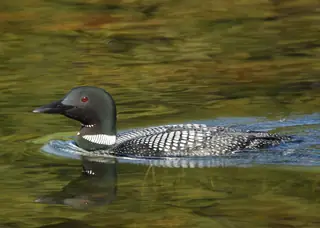 Common Loon
-
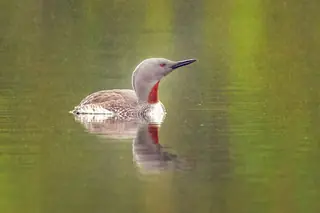 Red-throated Loon
-
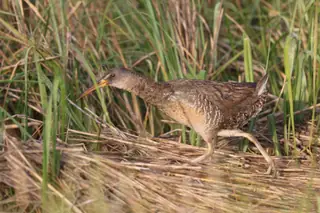 Clapper Rail
-
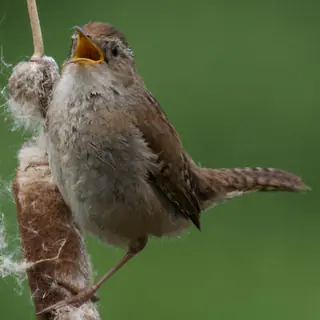 Marsh Wren
-
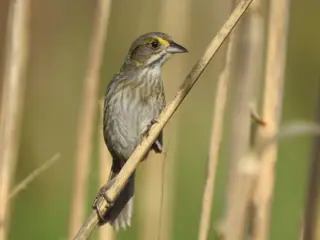 Seaside Sparrow
-
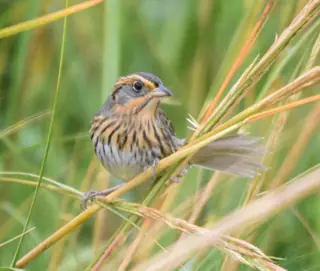 Saltmarsh Sparrow
Birds of prey 8
-
 Osprey
-
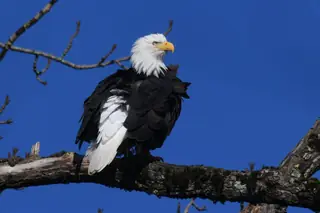 Bald Eagle
-
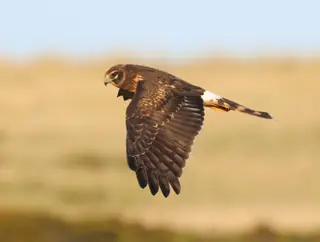 Northern Harrier
-
 Peregrine Falcon
-
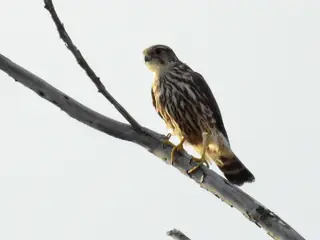 Merlin
-
 Turkey Vulture
-
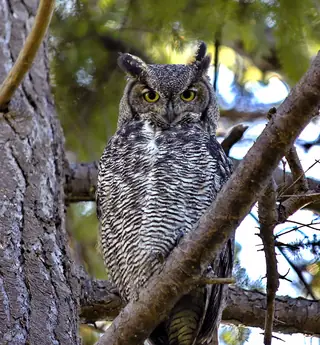 Great Horned Owl
-
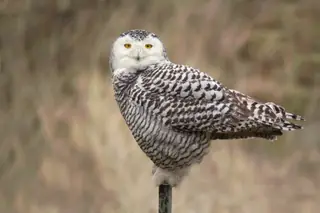 Snowy OwlRare
Land birds 16
-
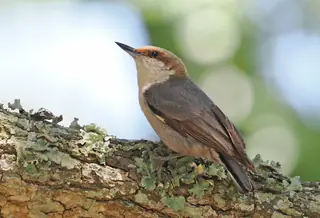 Brown-headed Nuthatch
-
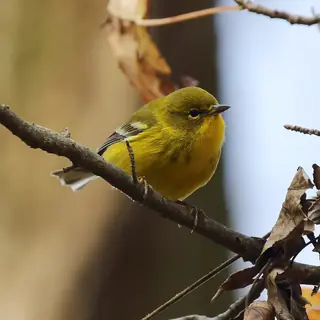 Pine Warbler
-
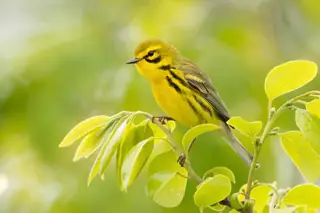 Prairie Warbler
-
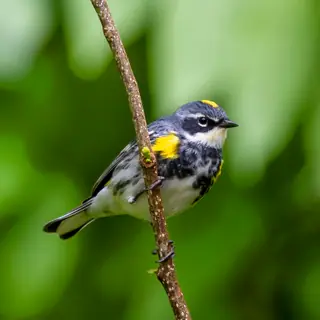 Yellow-rumped Warbler
-
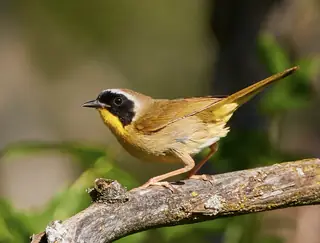 Common Yellowthroat
-
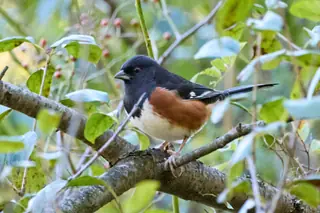 Eastern Towhee
-
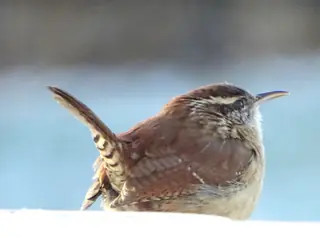 Carolina Wren
-
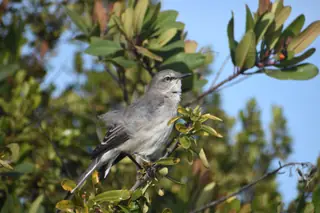 Northern Mockingbird
-
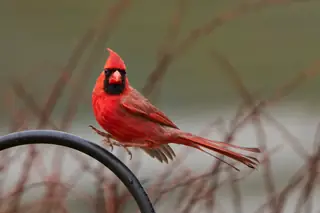 Northern Cardinal
-
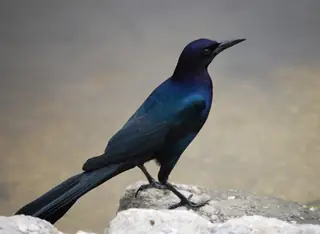 Boat-tailed Grackle
-
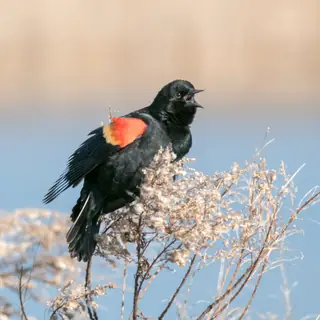 Red-winged Blackbird
-
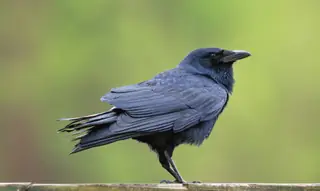 Fish Crow
-
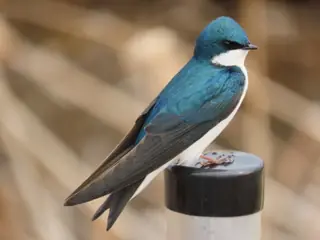 Tree Swallow
-
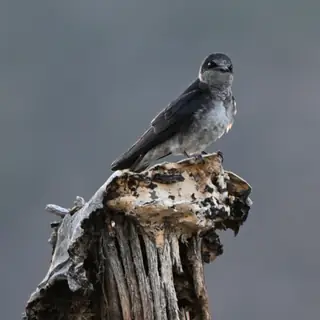 Purple Martin
-
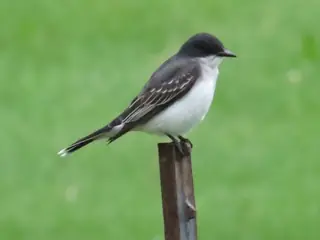 Eastern Kingbird
-
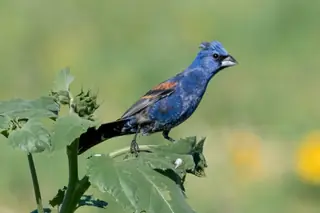 Blue Grosbeak
Reptiles and amphibians 11
-
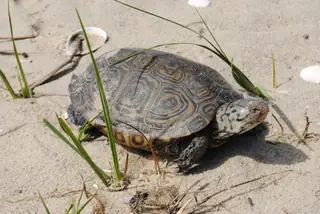 Diamondback Terrapin
-
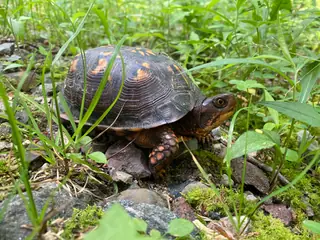 Eastern Box Turtle
-
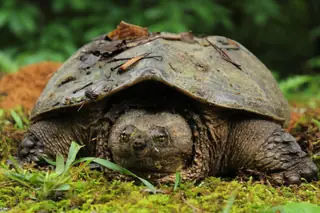 Snapping Turtle
-
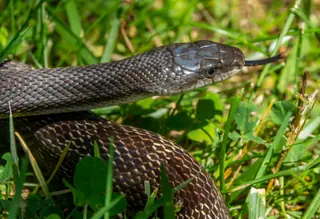 Eastern Rat Snake
-
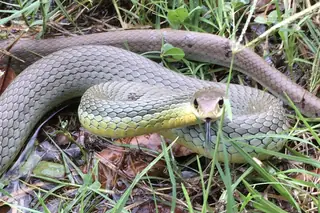 North American Racer
-
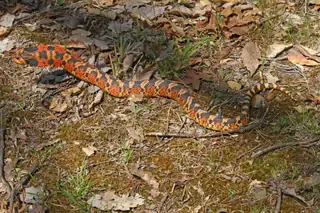 Eastern Hog-nosed SnakeRare
-
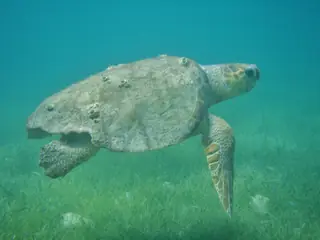 Loggerhead Sea TurtleRare
-
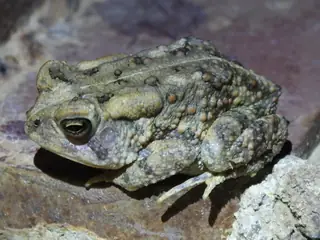 Fowler's Toad
-
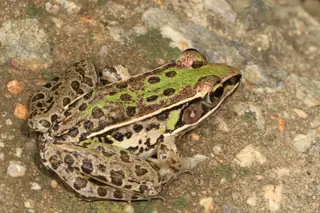 Southern Leopard Frog
-
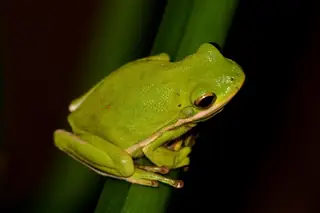 Green Tree Frog
-
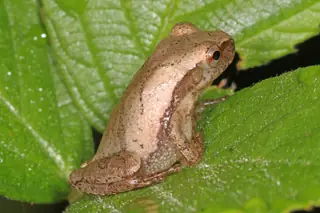 Spring Peeper
Beach and bay life 10
-
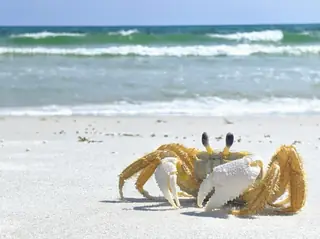 Atlantic Ghost Crab
-
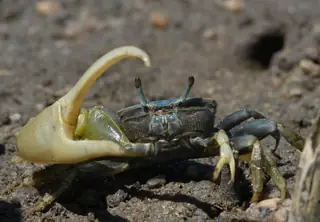 Atlantic Marsh Fiddler Crab
-
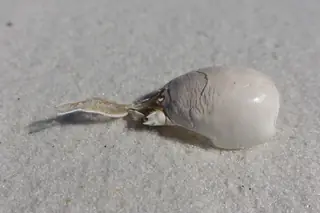 Atlantic Mole Crab
-
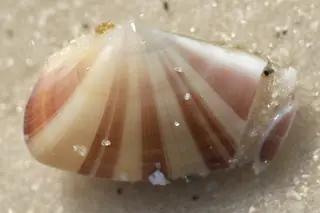 Variable Coquina
-
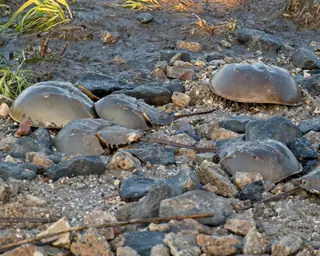 Atlantic Horseshoe Crab
-
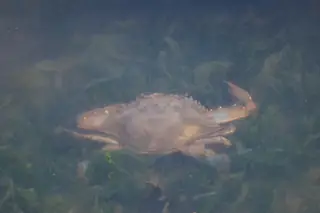 Atlantic Blue Crab
-
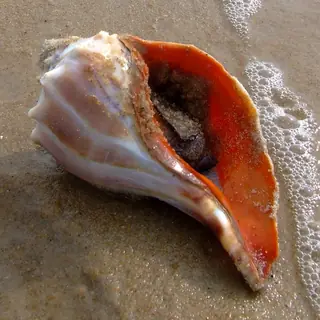 Knobbed Whelk
-
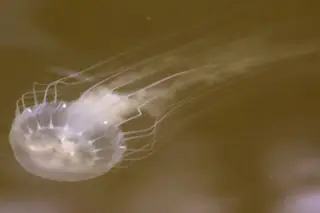 Bay Nettle
-
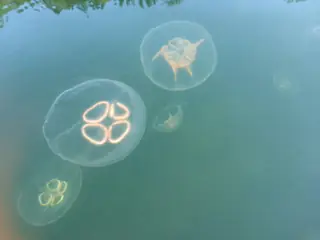 Moon Jellyfish
-
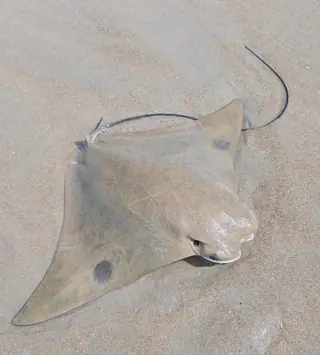 American Cownose Ray
Butterflies and dragonflies 6
-
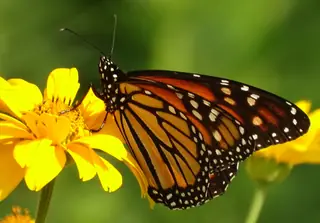 Monarch
-
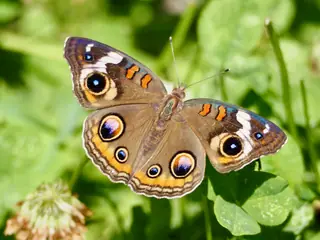 Common Buckeye
-
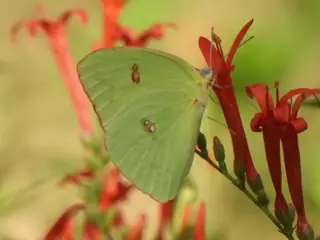 Cloudless Sulphur
-
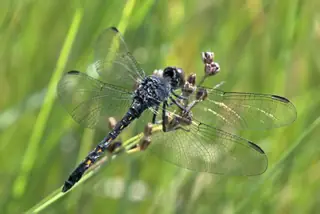 Seaside Dragonlet
-
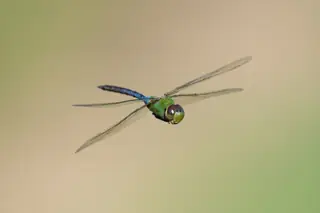 Common Green Darner
-
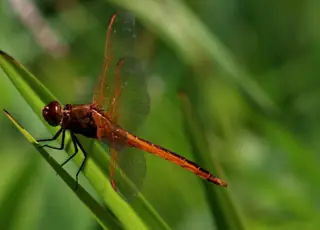 Needham's Skimmer
Best time to see wildlife in Assateague
Sightings by month in Assateague
Most records: May to AugRecords from GBIF.org, adjusted for how many people record wildlife each month. 100% is the busiest month.
Assateague is good all year, and the wildlife shifts with the seasons. Spring brings migrating shorebirds, nesting ospreys and oystercatchers, and horseshoe crabs spawning on the bay beaches in May and June. Summer is beach season, hot and busy, with herons, egrets and pelicans everywhere, dolphins offshore and biting insects in the marshes, so bring repellent. The Chincoteague Pony Swim takes place in late July and draws very large crowds. September and October are the best all-round months: migrating hawks, monarch butterflies and songbirds pass down the island, and the insects ease off. From November to February, snow geese, tundra swans and ducks pack the refuge pools.
- Jan to FebSnow geese, swans and ducks on the refuge pools
- Mar to MayShorebird migration, ospreys back, horseshoe crabs spawning
- Jun to AugHerons, dolphins and beach life; heat, insects and crowds
- Sep to OctMonarchs, hawks and songbirds on migration; best overall
- Nov to DecSnow geese arrive; quiet beaches
Tips for spotting wildlife in Assateague
- 01
Give the ponies room
Follow the park's distance rules for the horses, even when they walk up to cars or campsites. Feeding them is illegal and harmful, and they can kick and bite.
- 02
Drive the Wildlife Loop at Chincoteague
The loop around Snow Goose Pool on the Virginia side is the best place for herons, egrets, ducks and geese. Go early or late in the day and stay in or near your car.
- 03
Use both ends of the island
The Maryland end is best for ponies on the beach and campgrounds; the Virginia end for the refuge pools and birds. They are about an hour apart by road.
- 04
Bring insect repellent
Mosquitoes, ticks and biting flies are fierce in the marshes from late spring to early autumn, especially at dusk.
- 05
Respect beach closures
Parts of the beach close in spring and summer for nesting piping plovers and other birds. Follow the signs and stay outside the fenced areas.

Take Assateague with you
Visiting Assateague? Log ponies, sika deer and snow geese in Wilder as you go. It's free to start.

Assateague wildlife FAQ
Where can you see wild horses on Assateague Island?
Ponies live on both ends of the island. On the Maryland side they often graze along the roads, campgrounds and beach. On the Virginia side, the Chincoteague herd is fenced in large marsh areas of the refuge and is usually seen from viewing platforms or boat tours. Follow the park's distance rules around all horses.
What is the difference between Assateague and Chincoteague ponies?
They are the same kind of feral horse, split by a fence at the state line. The Maryland herd is wild and managed by the National Park Service. The Virginia herd, known as Chincoteague ponies, is owned by the Chincoteague Volunteer Fire Company, which holds the annual Pony Swim and auction in late July.
Can you feed the ponies on Assateague?
No. Feeding or touching the horses is illegal and can make them sick or aggressive. Follow the park's distance rules, store food in your car or a secure container, and never leave rubbish where horses can reach it.
What other animals live on Assateague Island?
Sika deer, white-tailed deer, red foxes and the Delmarva fox squirrel live on the island. Birds are abundant, from snow geese and herons to oystercatchers and ospreys. Dolphins pass offshore, and ghost crabs and diamondback terrapins live on the beaches and in the bays.
When is the best time to visit Assateague for wildlife?
September to November is best overall, with migrating birds, monarchs and fewer insects. Winter brings huge flocks of snow geese, and spring is good for shorebirds and nesting ospreys.
Sources
- Assateague Island National Seashore (NPS)
- Wild horses of Assateague (NPS)
- Chincoteague National Wildlife Refuge (US Fish and Wildlife Service)
- Sightings by month: GBIF.org
Animal photos are from the Wilder catalogue; photo credits.
Similar checklists
All North America-
 National park101animals Shenandoah National Park Blue Ridge Mountains, Virginia, USA A long, forested ridge crossed by Skyline Drive, with black bears in the oaks, deer and wild turkeys in Big Meadows, and a salamander found nowhere else on Earth. Best time May to Jun, Sept to Oct
-
 National seashore120animals Cape Cod National Seashore Outer Cape, Massachusetts, USA Forty miles of Atlantic beach and dune on the outer Cape, with grey seals in the surf, humpback whales off Provincetown, piping plovers on the sand and huge flocks of sea ducks in winter. Best time Jun to Oct
-
 Reserve133animals Merritt Island and Canaveral National Seashore Space Coast, Florida, USA Lagoons and marshes beside the Kennedy Space Center, with spoonbills and alligators on Black Point Wildlife Drive, manatees at Haulover Canal, Florida scrub-jays in the scrub and sea turtles nesting on the beaches. Best time Nov to Apr
-
 National park75animals Great Smoky Mountains Tennessee and North Carolina, USA Misty old mountains with black bears, elk in Cataloochee, synchronous fireflies in June and more kinds of salamander than anywhere else on Earth. Best time Apr to Jun, Sept to Oct