National seashore · Outer Cape, Massachusetts · USA
Cape Cod Wildlife Checklist

Cape Cod National Seashore protects about 40 miles of Atlantic beach, dune and salt marsh on the outer Cape and gets around four million visits a year. It is famous for grey seals in the surf, humpback whales on boat trips from Provincetown, piping plovers on the beaches and huge flocks of sea ducks in winter. This checklist covers 120 animals. June to October is best for whales; winter for sea ducks.
Tick off all 120 animals in Cape Cod on your phone, even offline. Launching soon. Free A4 PDF, no sign-up.
The seashore runs from Chatham to Provincetown, with visitor centres at Salt Pond in Eastham and Province Lands near Race Point. Whale watches leave Provincetown for Stellwagen Bank, a short sail north.
- Animals to find
- 120
- Where
- USA
- Best time
- Jun to Oct
- Grey seals
- Thousands haul out on the outer beaches
Popular animals in Cape Cod
-
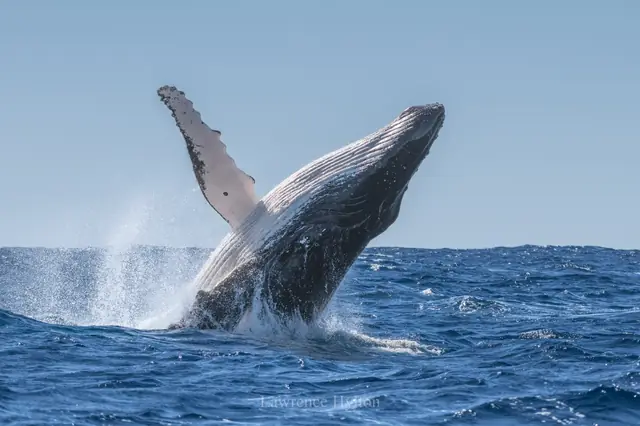
Humpback Whale
Megaptera novaeangliae
Humpbacks feed on Stellwagen Bank from about April to October. Licensed whale watches from Provincetown find them on most summer trips, and they are sometimes seen from Race Point beach.
-
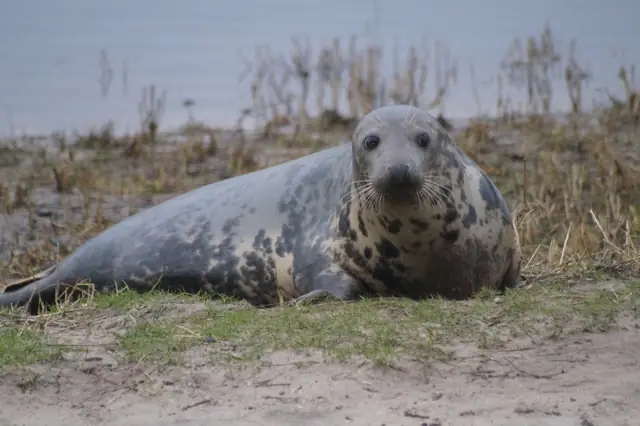
Grey Seal
Halichoerus grypus
Grey seals haul out by the thousand on the outer beaches and sandbars. Watch from well back, follow the distance rules and never come between a seal and the water.
-
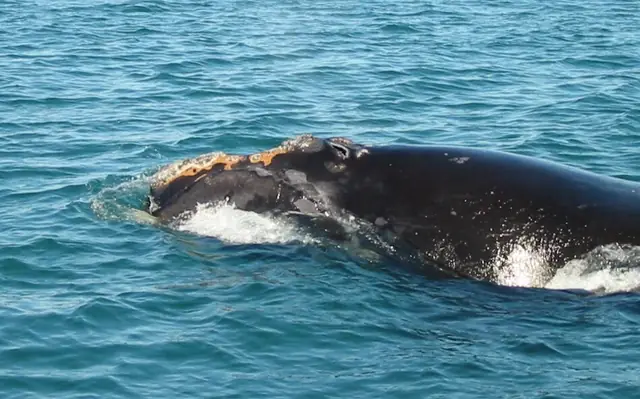
North Atlantic Right Whale
Eubalaena glacialis
One of the rarest whales on Earth gathers to feed in Cape Cod Bay from about February to April. By law boats, paddlers and drones must keep well away.
-
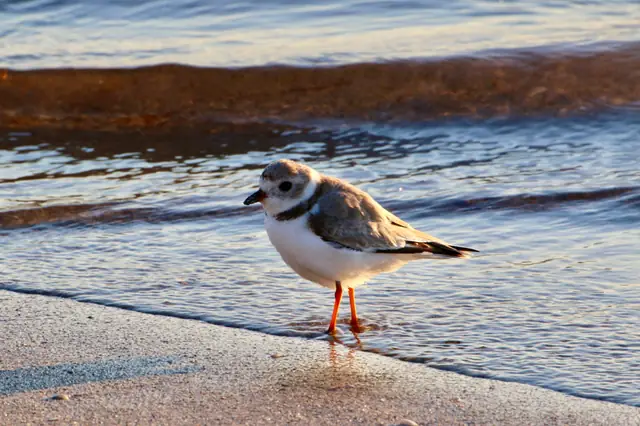
Piping Plover
Charadrius melodus
This small, sand-coloured plover nests on the open beaches from April to August. Fenced areas protect the nests, so stay outside them and keep dogs away.
-
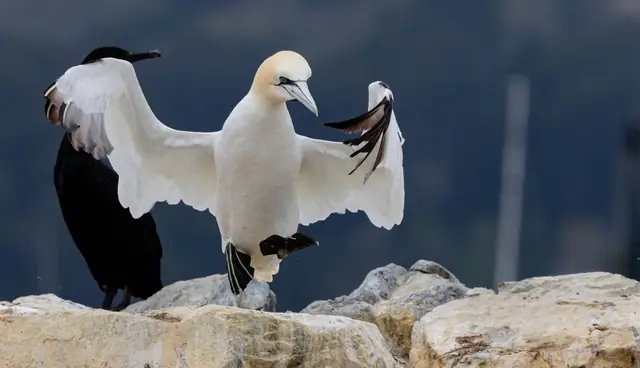
Northern Gannet
Morus bassanus
In spring and autumn, gannets plunge-dive off Race Point, sometimes in their hundreds.
-
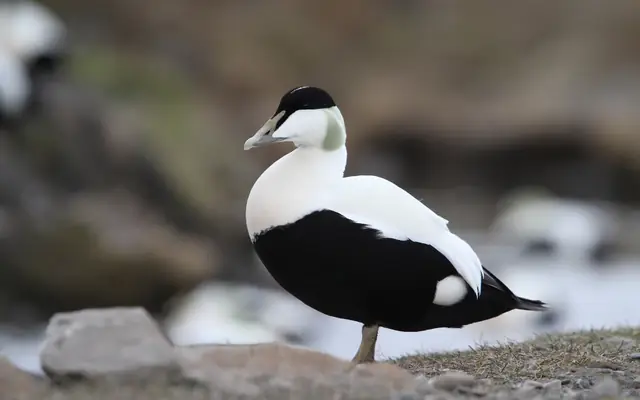
Common Eider
Somateria mollissima
Rafts of thousands winter off the outer beaches and Provincetown, joined by scoters and long-tailed ducks.
-
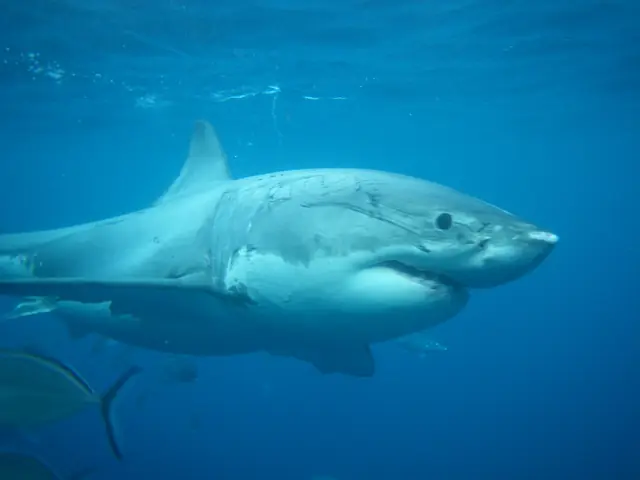
Great White Shark
Carcharodon carcharias
White sharks hunt seals close to the outer beaches from about July to October. Swim near lifeguards, stay in shallow water and keep away from seals.
-
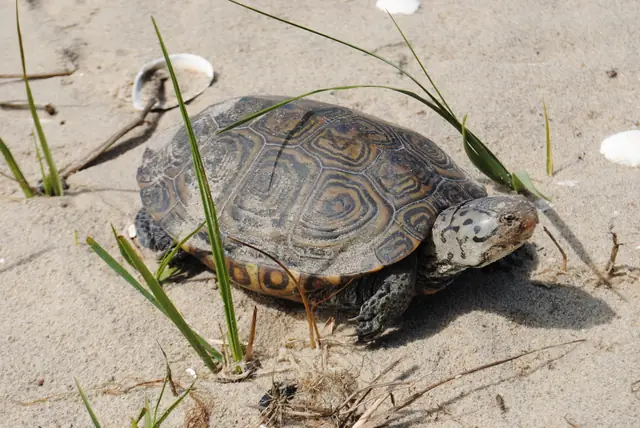
Diamondback Terrapin
Malaclemys terrapin
A salt-marsh turtle that nests in June and July.
All 120 animals in Cape Cod
Whales and dolphins 8
-
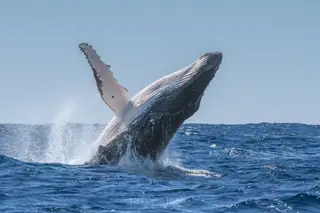 Humpback Whale
-
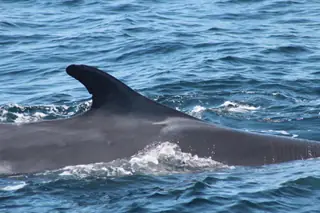 Fin Whale
-
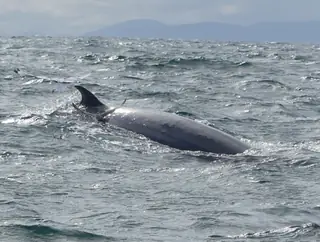 Minke Whale
-
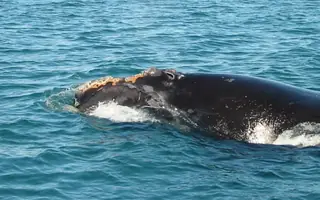 North Atlantic Right Whale
-
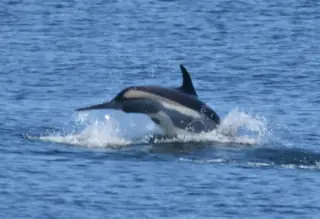 Atlantic White-sided Dolphin
-
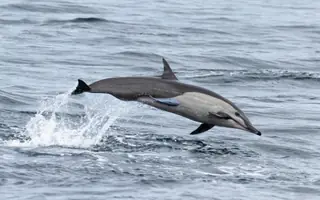 Common Dolphin
-
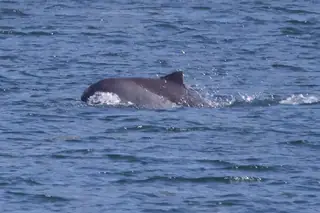 Harbour PorpoiseRare
-
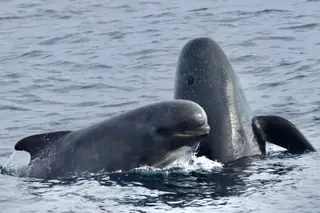 Long-finned Pilot WhaleRare
Seals 3
-
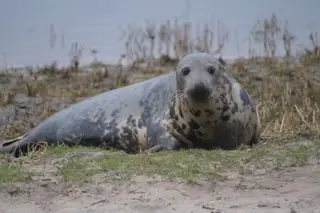 Grey Seal
-
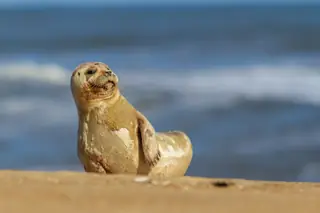 Harbour Seal
-
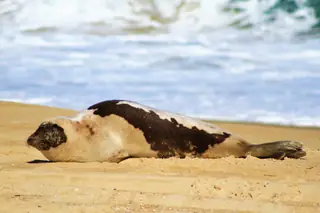 Harp SealRare
Sharks and sea turtles 6
-
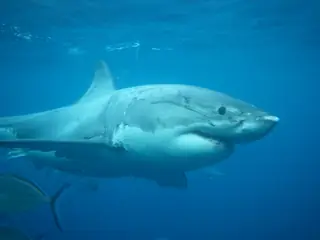 Great White Shark
-
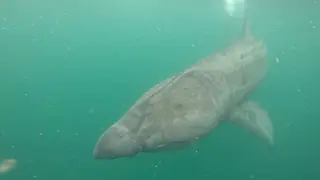 Basking SharkRare
-
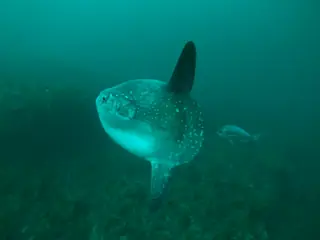 Ocean Sunfish
-
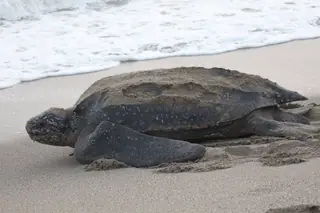 Leatherback TurtleRare
-
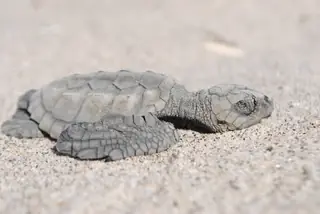 Kemp's Ridley Sea TurtleRare
-
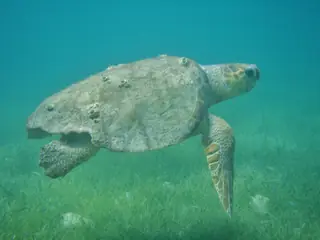 Loggerhead Sea TurtleRare
Seabirds and sea ducks 19
-
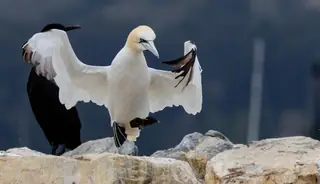 Northern Gannet
-
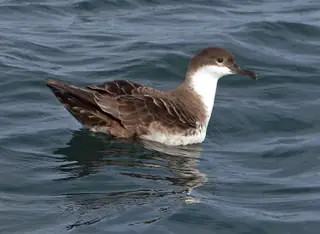 Great Shearwater
-
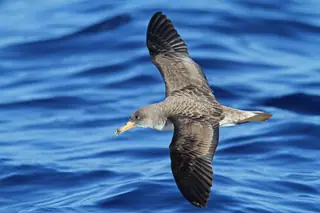 Cory's Shearwater
-
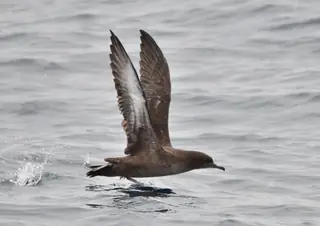 Sooty Shearwater
-
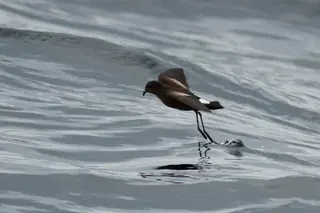 Wilson's Storm Petrel
-
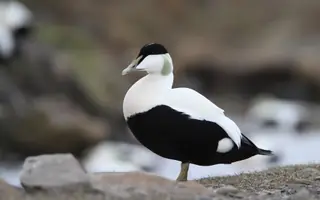 Common Eider
-
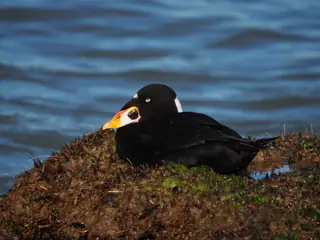 Surf Scoter
-
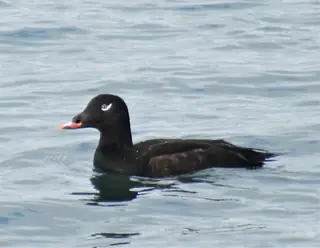 White-winged Scoter
-
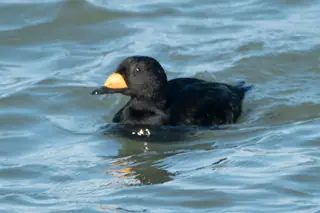 Black Scoter
-
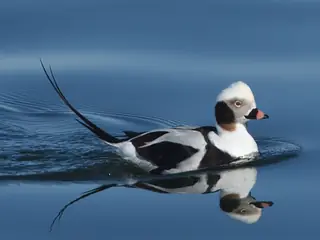 Long-tailed Duck
-
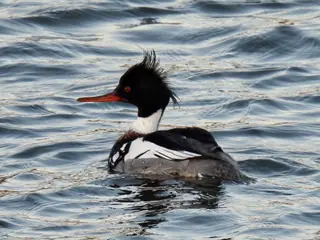 Red-breasted Merganser
-
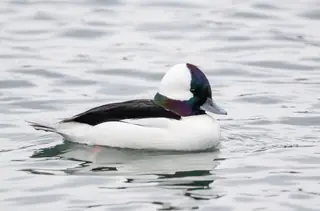 Bufflehead
-
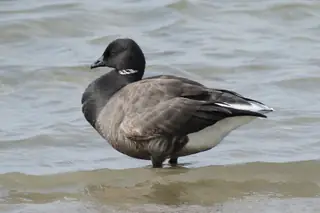 Brant
-
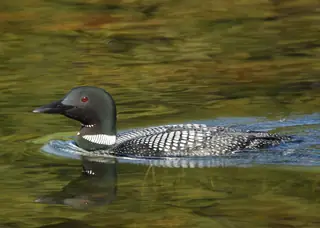 Common Loon
-
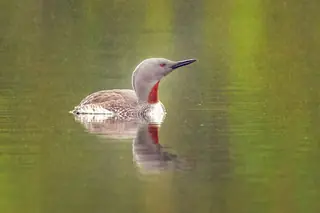 Red-throated Loon
-
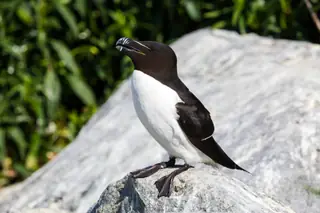 Razorbill
-
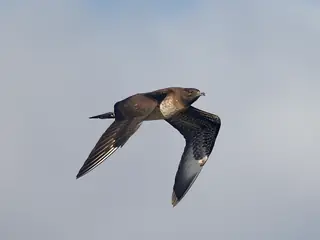 Parasitic Jaeger
-
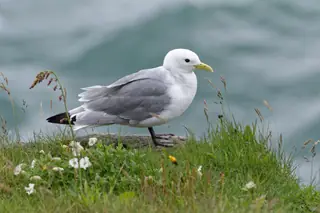 Black-legged Kittiwake
-
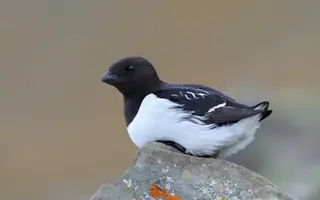 DovekieRare
Beach, marsh and shorebirds 21
-
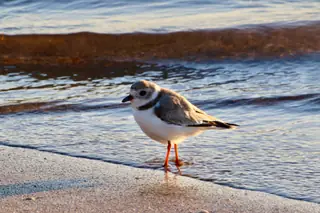 Piping Plover
-
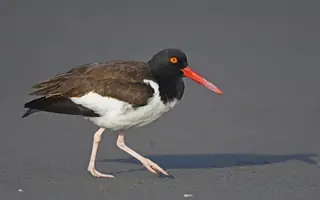 American Oystercatcher
-
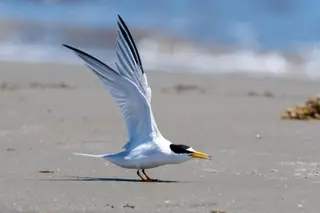 Least Tern
-
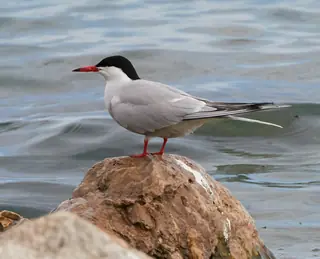 Common Tern
-
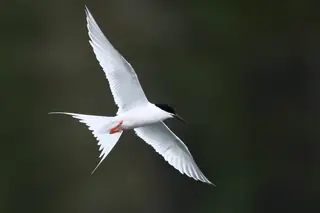 Roseate TernRare
-
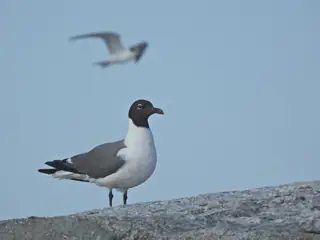 Laughing Gull
-
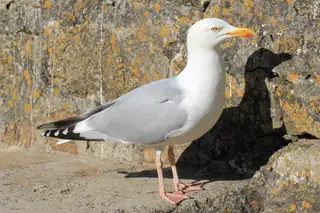 Herring Gull
-
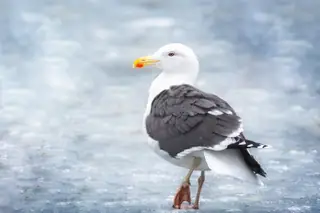 Great Black-backed Gull
-
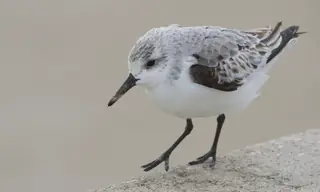 Sanderling
-
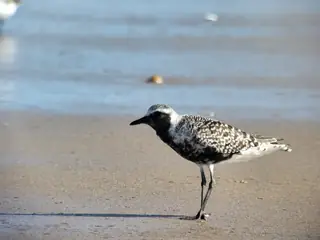 Black-bellied Plover
-
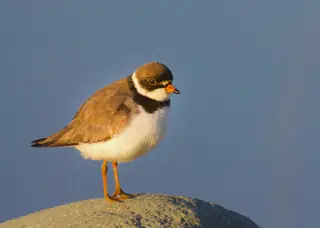 Semipalmated Plover
-
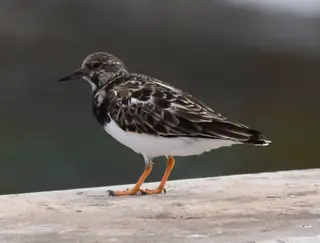 Ruddy Turnstone
-
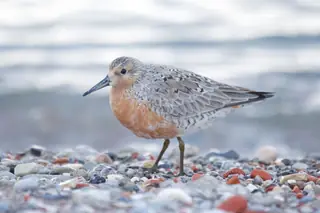 Red Knot
-
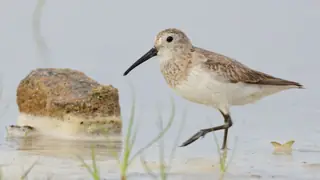 Dunlin
-
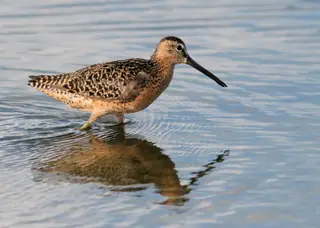 Short-billed Dowitcher
-
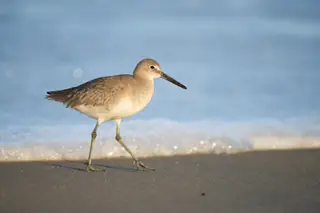 Willet
-
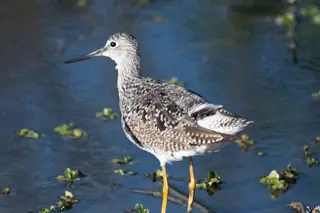 Greater Yellowlegs
-
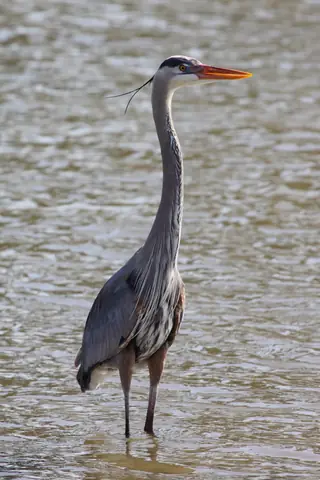 Great Blue Heron
-
 Great Egret
-
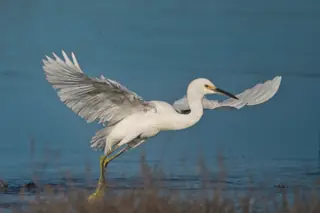 Snowy Egret
-
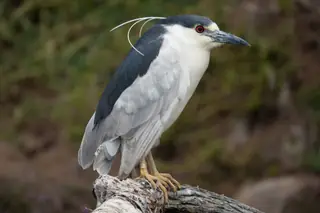 Black-crowned Night Heron
Birds of prey 7
-
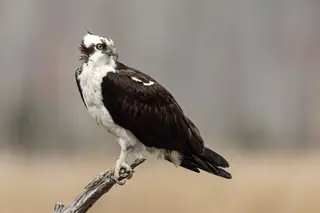 Osprey
-
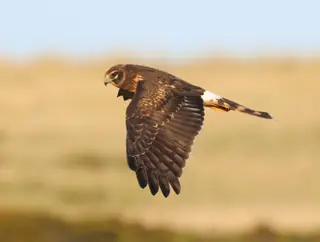 Northern Harrier
-
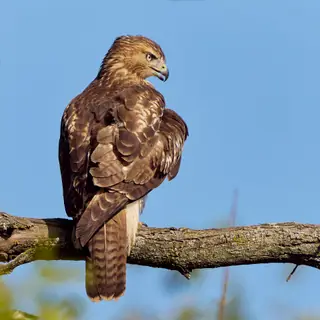 Red-tailed Hawk
-
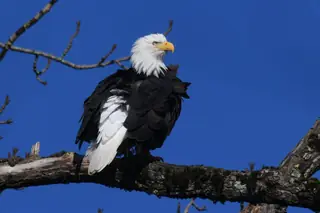 Bald EagleRare
-
 Peregrine Falcon
-
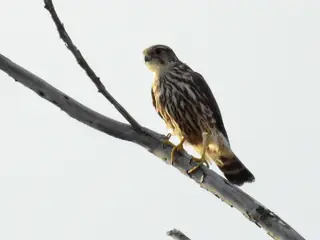 Merlin
-
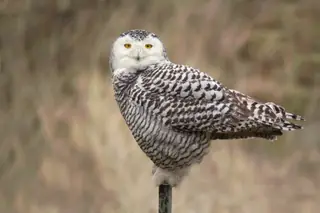 Snowy OwlRare
Land birds 17
-
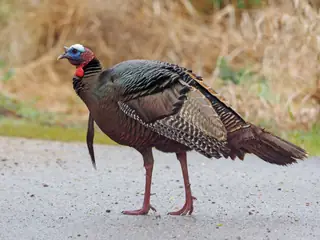 Wild Turkey
-
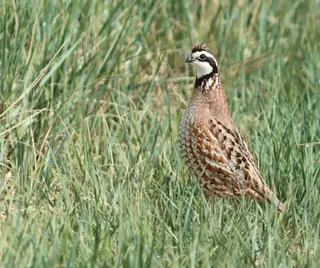 Northern Bobwhite
-
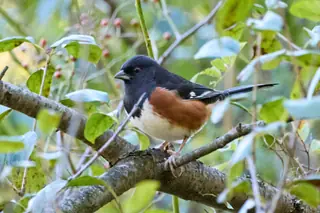 Eastern Towhee
-
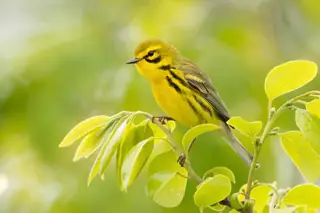 Prairie Warbler
-
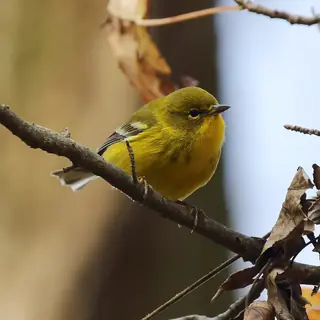 Pine Warbler
-
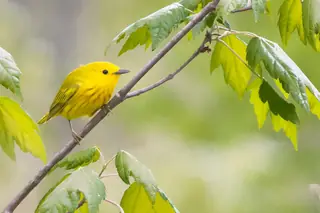 Yellow Warbler
-
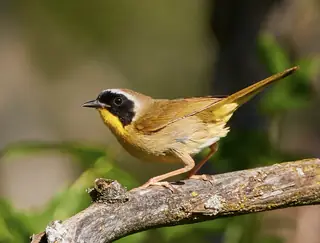 Common Yellowthroat
-
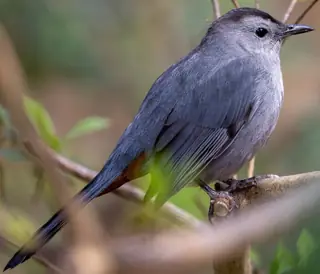 Grey Catbird
-
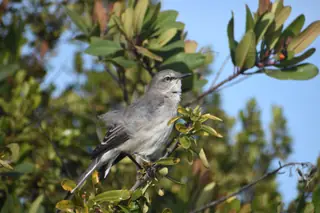 Northern Mockingbird
-
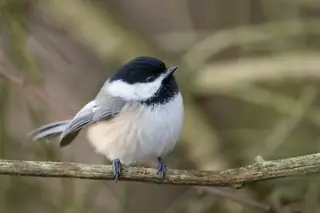 Black-capped Chickadee
-
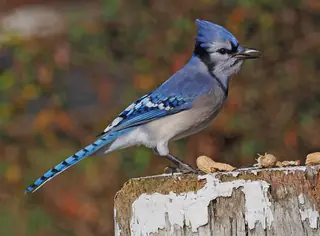 Blue Jay
-
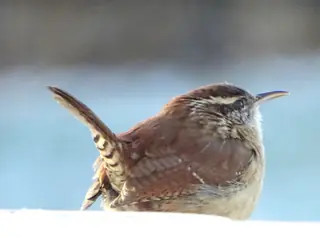 Carolina Wren
-
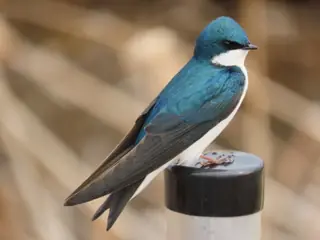 Tree Swallow
-
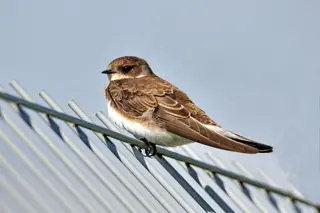 Bank Swallow
-
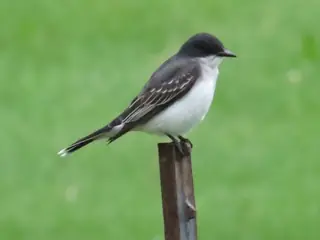 Eastern Kingbird
-
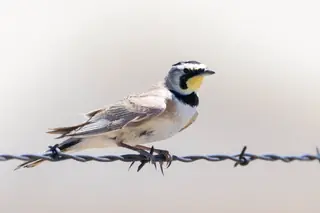 Horned Lark
-
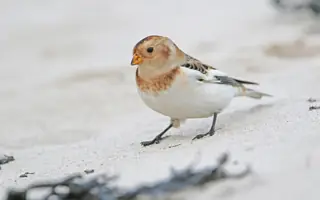 Snow Bunting
Land mammals 14
-
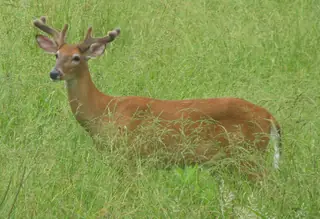 White-tailed Deer
-
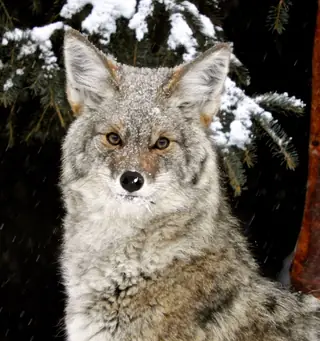 Coyote
-
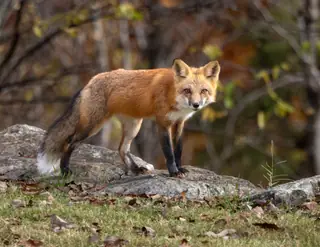 Red Fox
-
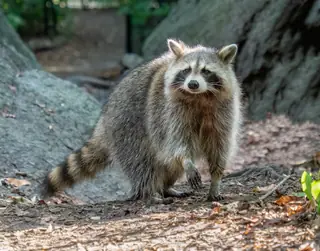 Raccoon
-
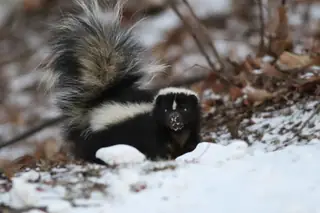 Striped Skunk
-
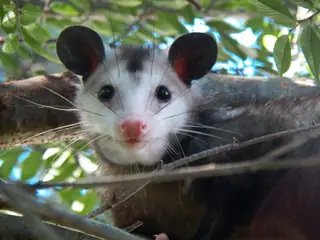 Virginia Opossum
-
 Eastern Cottontail
-
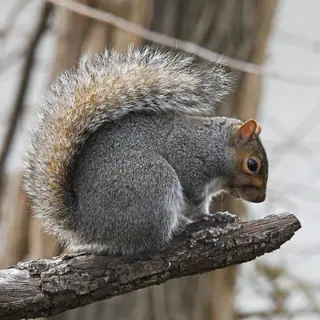 Grey Squirrel
-
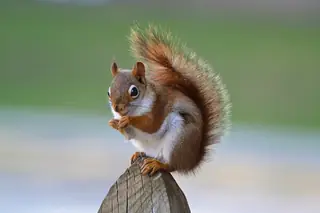 Red Squirrel (American)
-
 Eastern Chipmunk
-
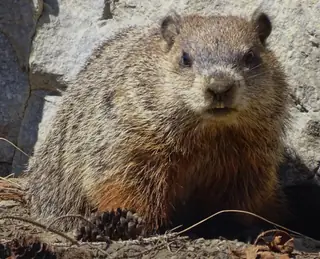 Groundhog (Woodchuck)
-
 Muskrat
-
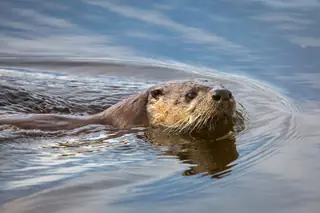 River OtterRare
-
 FisherRare
Reptiles and amphibians 11
-
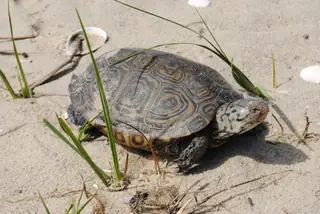 Diamondback Terrapin
-
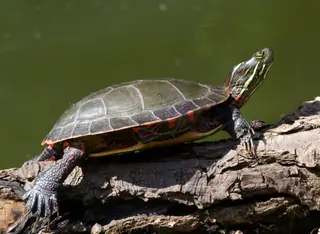 Painted Turtle
-
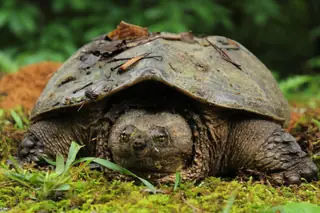 Snapping Turtle
-
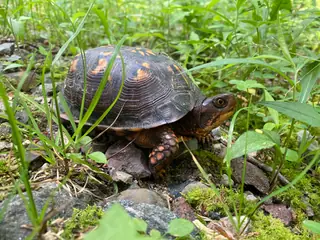 Eastern Box TurtleRare
-
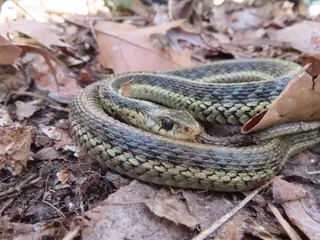 Common Garter Snake
-
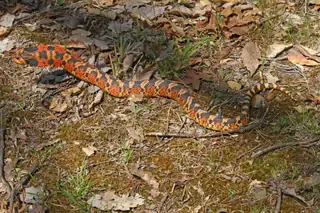 Eastern Hog-nosed SnakeRare
-
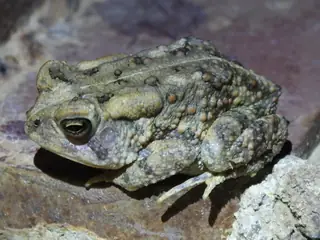 Fowler's Toad
-
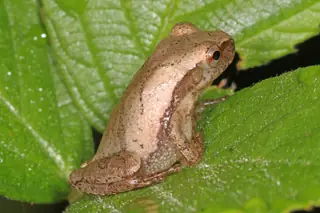 Spring Peeper
-
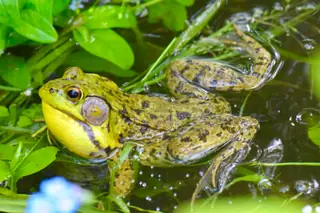 Green Frog
-
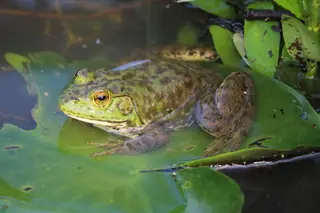 American Bullfrog
-
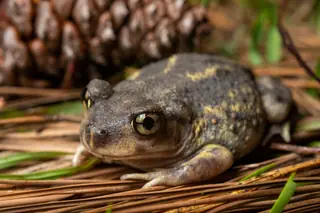 Eastern SpadefootRare
Shore and tide life 9
- Northern Sand Lance
-
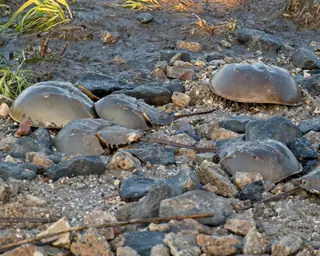 Atlantic Horseshoe Crab
-
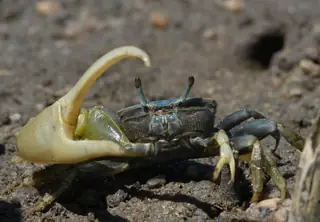 Atlantic Marsh Fiddler Crab
-
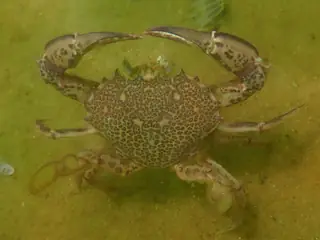 Lady Crab
-
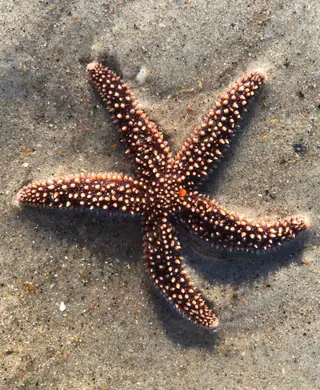 Forbes' Sea Star
-
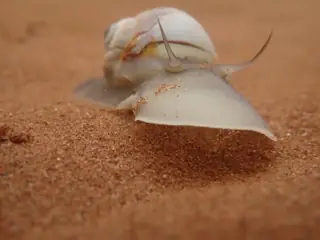 Northern Moon Snail
-
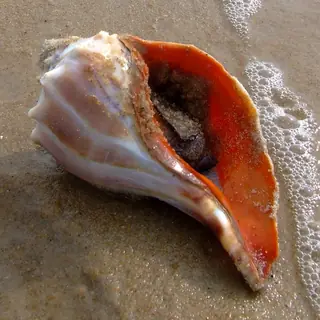 Knobbed Whelk
-
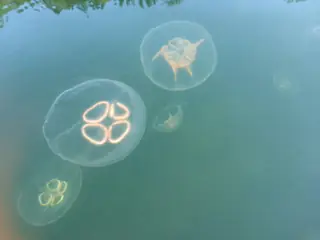 Moon Jellyfish
-
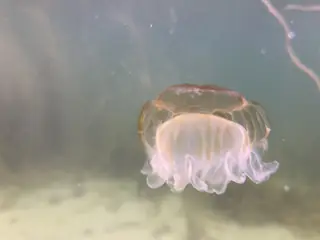 Lion's Mane Jellyfish
Butterflies and dragonflies 5
-
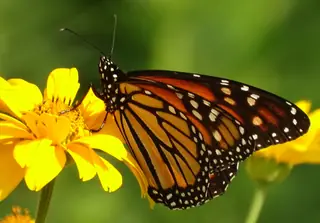 Monarch
-
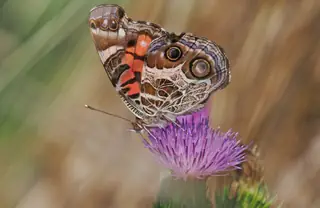 American Lady
-
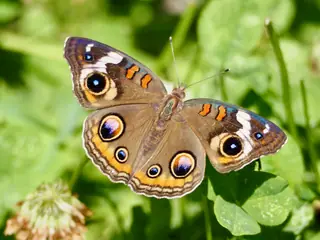 Common Buckeye
-
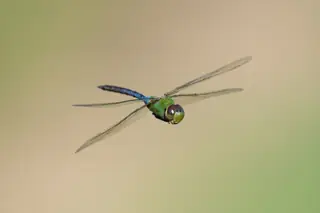 Common Green Darner
-
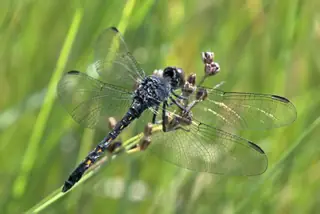 Seaside Dragonlet
Best time to see wildlife in Cape Cod
Sightings by month in Cape Cod
Most records: Jul to SeptRecords from GBIF.org, adjusted for how many people record wildlife each month. 100% is the busiest month.
Cape Cod changes completely with the seasons. Whale watches run from about April to October, with humpbacks most reliable from June to September; right whales feed in Cape Cod Bay in late winter and early spring. Summer is busy with beachgoers, terns and plovers nesting on fenced beaches, and white sharks arriving to hunt seals from July. Autumn is the best all-round season: whales are still around, shorebirds and tree swallows pass through in huge numbers, monarchs migrate along the dunes and the crowds thin out after early September. Winter is cold and windy, but it is the time for sea ducks, loons, gannets and seals, with the odd snowy owl on the dunes.
- Jan to MarSea ducks, seals and right whales in Cape Cod Bay
- Apr to MayWhale watches start, gannets pass, plovers arrive
- Jun to AugPeak whale watching; nesting terns and plovers; busy beaches
- Sep to OctWhales, shorebirds, swallows and monarchs; fewer people
- Nov to DecSea ducks arrive; stranded sea turtles
Tips for spotting wildlife in Cape Cod
- 01
Book a licensed whale watch
Trips from Provincetown reach Stellwagen Bank in under an hour. Choose an operator that follows the whale-watching guidelines, bring layers and expect three to four hours at sea.
- 02
Watch seals from the beach, well back
Grey seals rest on the outer beaches all year. Follow the distance rules, keep dogs leashed and leave pups alone; a mother is usually nearby.
- 03
Look for gannets at Race Point
In spring and autumn, stand on the beach at Race Point with binoculars to watch gannets diving, shearwaters passing and whales blowing offshore.
- 04
Respect beach closures
From April to August parts of beaches close for nesting plovers and terns, and some off-road vehicle routes shut. The closures move as birds nest, so follow the signs on the day.
- 05
Be shark smart
White sharks hunt close to shore from summer to autumn. Swim only near lifeguards, stay in waist-deep water and avoid swimming near seals.

Take Cape Cod with you
On the outer Cape? Tick off seals, whales and gannets in Wilder as you go. It's free to start.

Cape Cod wildlife FAQ
Where can you see seals on Cape Cod?
Grey seals can be seen from many outer beaches in the national seashore, especially near Race Point and Head of the Meadow, and in large numbers around Chatham and Monomoy. Seal-watching boat trips run from Chatham. Follow the distance rules and never approach seals on the beach.
When is whale watching season in Provincetown?
Whale watches from Provincetown run from about April to October. Humpback, fin and minke whales are seen most reliably from June to September on Stellwagen Bank, a short trip north of the harbour.
Are there great white sharks on Cape Cod?
Yes. White sharks visit the outer Cape from about July to October to hunt grey seals, sometimes close to shore. Swim near lifeguards, stay in shallow water, avoid seals and follow any flag warnings.
Can you see right whales from Cape Cod?
Sometimes. North Atlantic right whales feed in Cape Cod Bay from about February to April and are occasionally seen from beaches on the bay side and at Race Point. They are critically endangered, so by law boats, kayaks and drones must keep well away.
What animals live in Cape Cod National Seashore?
Grey and harbour seals, white-tailed deer, coyotes, red foxes and many birds, from ospreys and piping plovers to eiders and gannets. Offshore are humpback, fin and minke whales, and the salt marshes hold diamondback terrapins and fiddler crabs.
Sources
- Cape Cod National Seashore (NPS)
- Right whale approach rule (NOAA Fisheries)
- Wellfleet Bay Wildlife Sanctuary (Mass Audubon)
- Sightings by month: GBIF.org
Animal photos are from the Wilder catalogue; photo credits.
Similar checklists
All North America-
 National park116animals Acadia National Park Mount Desert Island, Maine, USA Granite coast and spruce forest where harbour seals haul out on the ledges, eiders raft below the cliffs, peregrines return each spring and puffins nest on the islands offshore. Best time Jun to Sept
-
 National seashore117animals Assateague Island and Chincoteague Maryland and Virginia, USA A wild barrier island where ponies graze the dunes and salt marsh, sika deer slip through the pines and herons, egrets and snow geese crowd the pools of Chincoteague refuge. Best time Apr to Jun, Sept to Nov
-
 Marine park67animals Tadoussac and the Saguenay Saguenay–St. Lawrence Marine Park, Quebec, Canada Where the Saguenay fjord meets the St. Lawrence: white belugas all year, and minke, fin, humpback and blue whales feeding from June to October, often seen from the shore. Best time Jun to Oct
-
 National park101animals Shenandoah National Park Blue Ridge Mountains, Virginia, USA A long, forested ridge crossed by Skyline Drive, with black bears in the oaks, deer and wild turkeys in Big Meadows, and a salamander found nowhere else on Earth. Best time May to Jun, Sept to Oct