National park · Blue Ridge Mountains, Virginia · USA
Shenandoah National Park Wildlife Checklist

Shenandoah National Park covers about 200,000 acres of the Blue Ridge Mountains in Virginia, crossed end to end by the 105-mile Skyline Drive, and gets more than a million visits a year. It is one of the best places in the eastern USA to see black bears, with deer and wild turkeys in Big Meadows. This checklist covers 101 animals. May to June and September to October are best.
Tick off all 101 animals in Shenandoah on your phone, even offline. Launching soon. Free A4 PDF, no sign-up.
Most visitors see the park from Skyline Drive and its 70 or so overlooks. Short trails from the drive lead to waterfalls, rocky summits and Big Meadows, the largest open area on the ridge.
- Animals to find
- 101
- Where
- USA
- Best time
- May to Jun, Sept to Oct
- Black bears
- Among the densest in the eastern US
Popular animals in Shenandoah
-
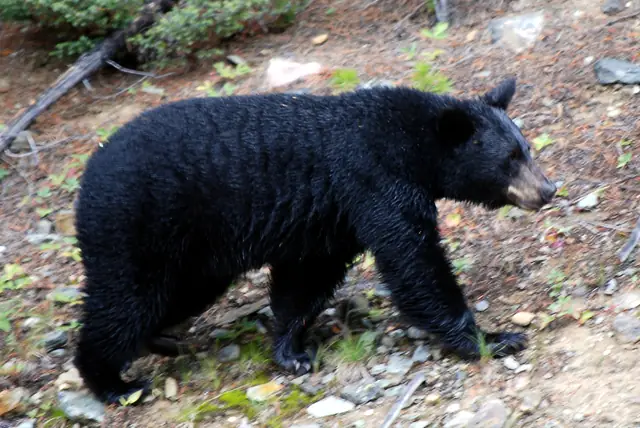
Black Bear
Ursus americanus
Shenandoah has a healthy black bear population, and sightings are common. Bears are most active early and late in the day; keep well back and never feed them.
-
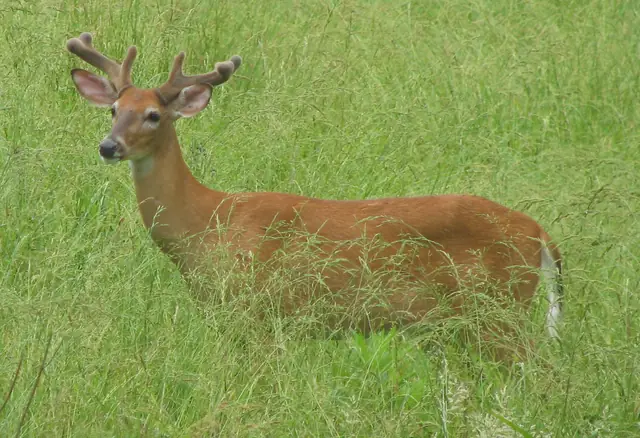
White-tailed Deer
Odocoileus virginianus
Easy to see grazing in Big Meadows at dawn and dusk, with spotted fawns from June.
-
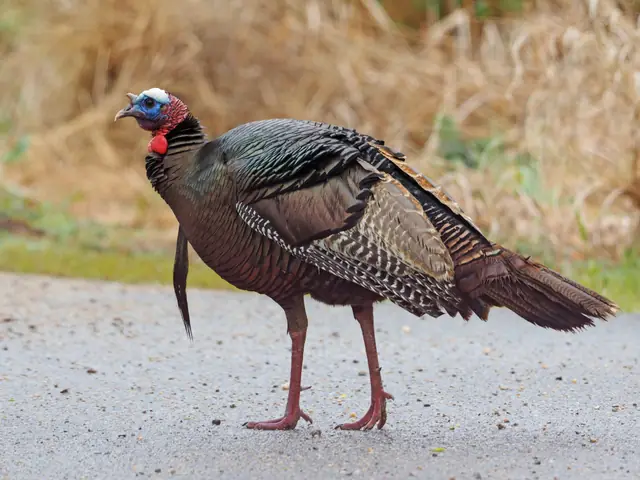
Wild Turkey
Meleagris gallopavo
Flocks feed in Big Meadows and along the grassy edges of Skyline Drive.
-
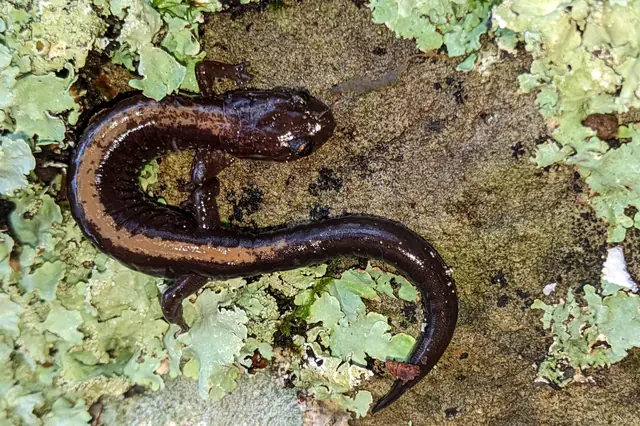
Shenandoah Salamander
Plethodon shenandoah
An endangered salamander found only on a few high, rocky slopes in this park. You are unlikely to see it, and should never turn rocks to look.
-
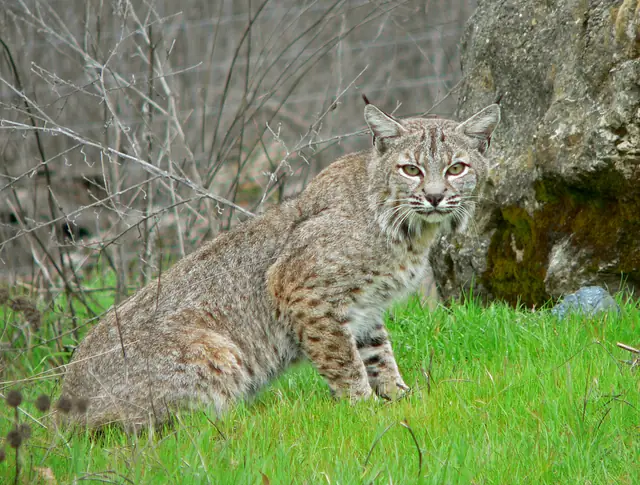
Bobcat
Lynx rufus
Present along the whole ridge but shy. Most sightings are a brief crossing on Skyline Drive at dusk.
-
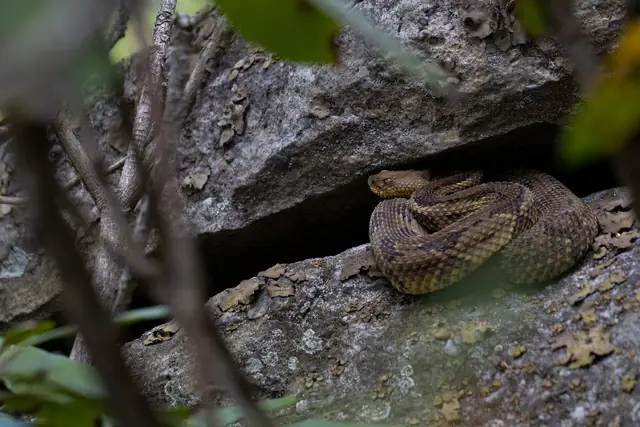
Timber Rattlesnake
Crotalus horridus
Basks on sunny rocky slopes in summer. Rattlesnakes are protected in the park: give them room and let them move off.
-
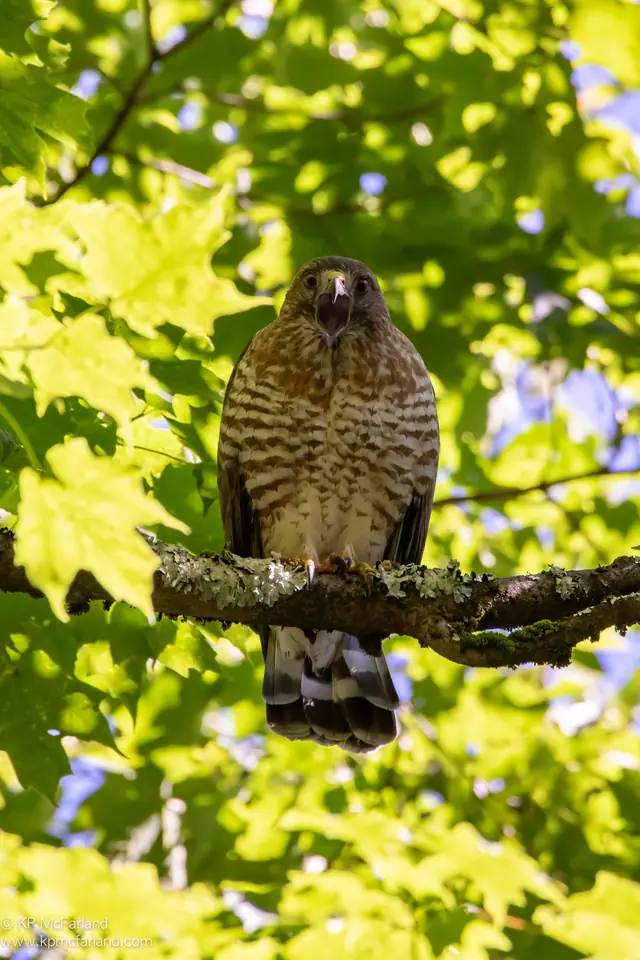
Broad-winged Hawk
Buteo platypterus
In mid to late September, kettles of migrating hawks rise along the ridge, best seen from the overlooks on clear days.
-
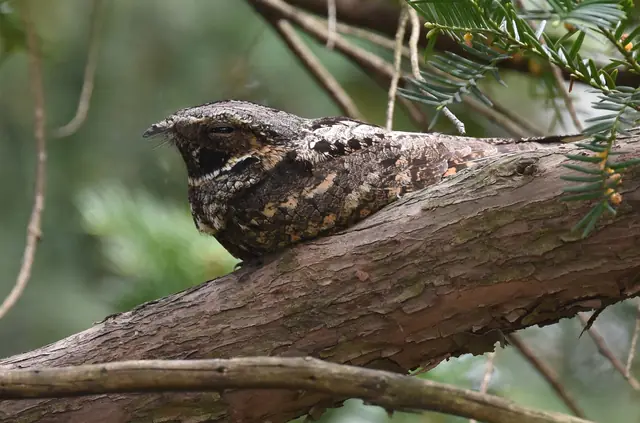
Eastern Whip-poor-will
Antrostomus vociferus
Calls its own name after dark on summer nights around Big Meadows.
All 101 animals in Shenandoah
Big mammals 4
-
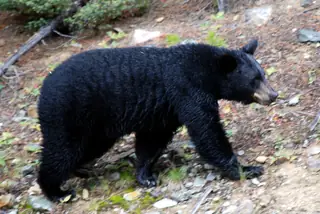 Black Bear
-
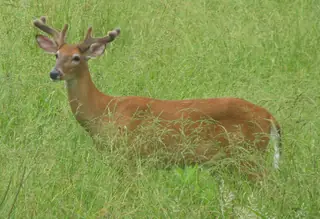 White-tailed Deer
-
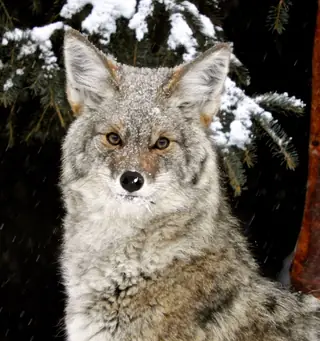 Coyote
-
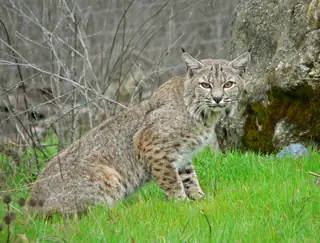 BobcatRare
Hunters 7
-
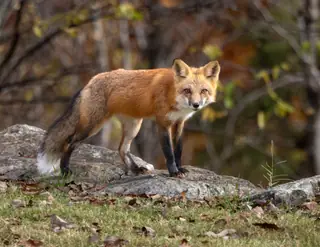 Red Fox
-
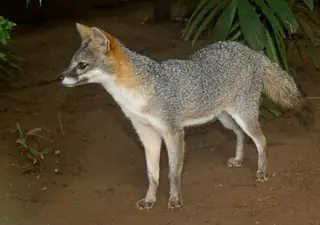 Grey Fox
-
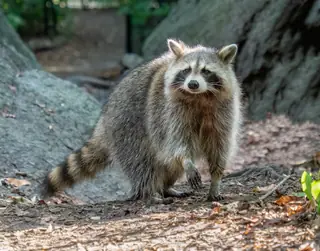 Raccoon
-
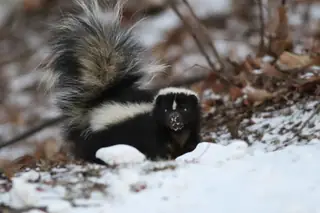 Striped Skunk
-
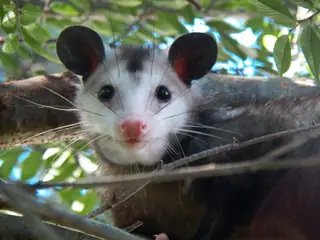 Virginia Opossum
-
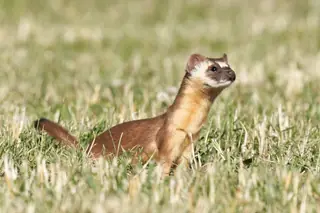 Long-tailed WeaselRare
-
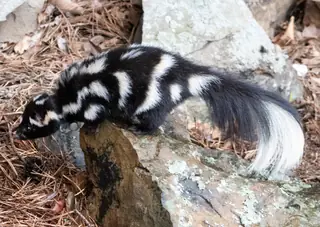 Eastern Spotted SkunkRare
Small mammals 8
-
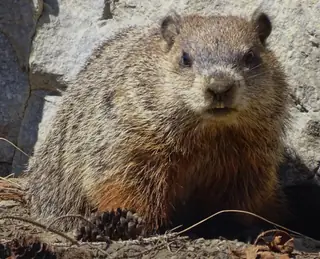 Groundhog (Woodchuck)
-
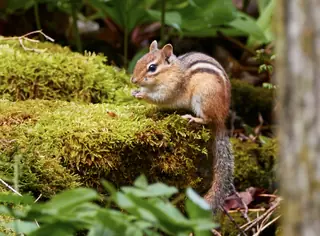 Eastern Chipmunk
-
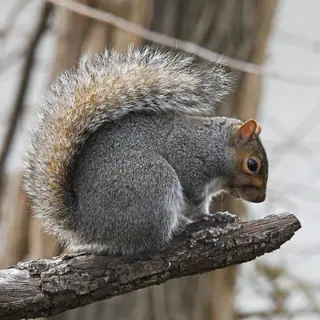 Grey Squirrel
-
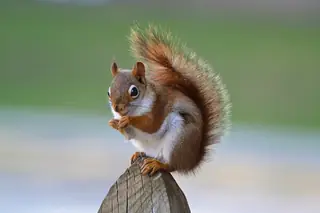 Red Squirrel (American)
-
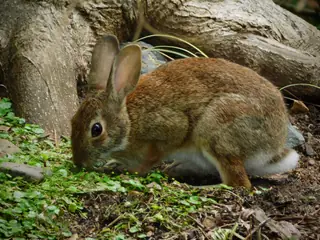 Eastern Cottontail
-
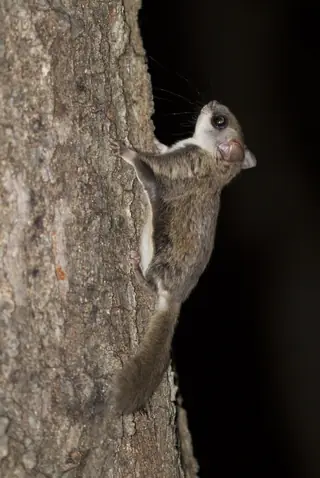 Southern Flying SquirrelRare
-
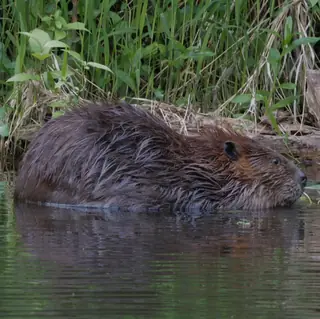 North American BeaverRare
-
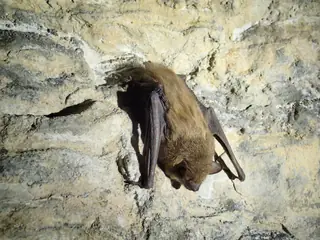 Big Brown Bat
Birds of prey 14
-
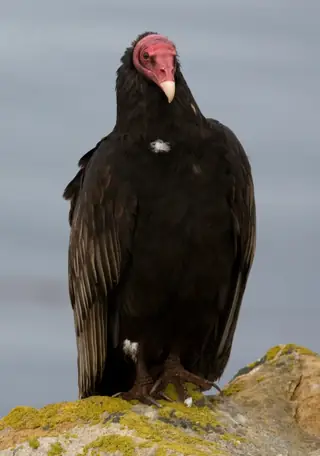 Turkey Vulture
-
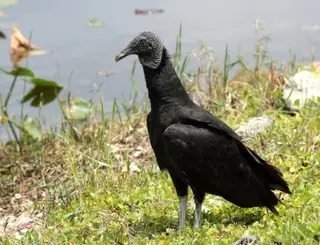 Black Vulture
-
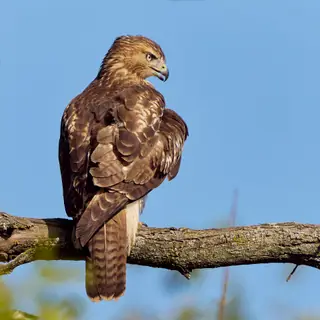 Red-tailed Hawk
-
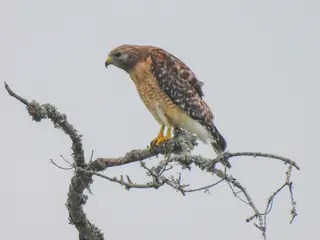 Red-shouldered Hawk
-
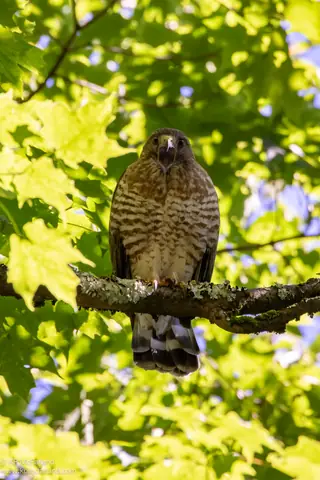 Broad-winged Hawk
-
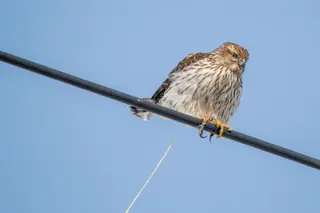 Cooper's Hawk
-
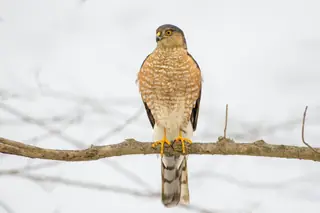 Sharp-shinned Hawk
-
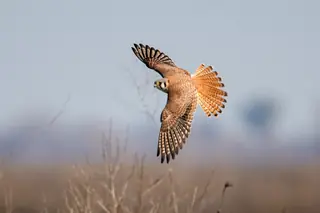 American Kestrel
-
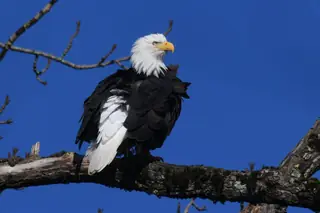 Bald EagleRare
-
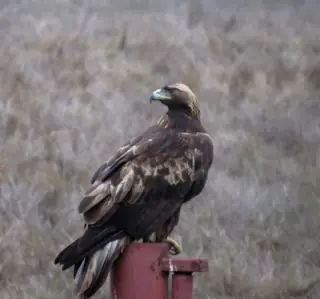 Golden EagleRare
-
 Peregrine FalconRare
-
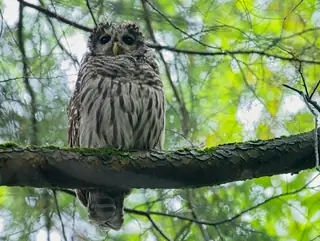 Barred Owl
-
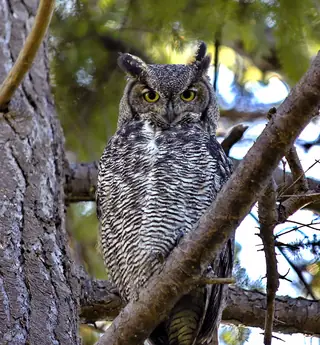 Great Horned Owl
-
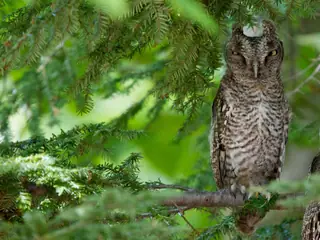 Eastern Screech-OwlRare
Forest birds 36
-
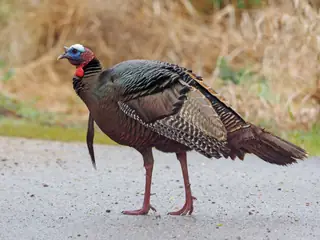 Wild Turkey
-
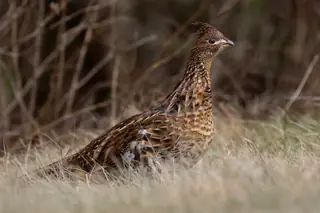 Ruffed GrouseRare
-
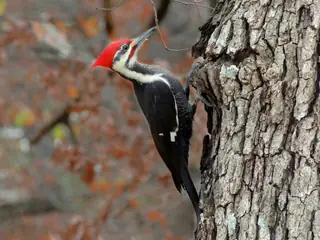 Pileated Woodpecker
-
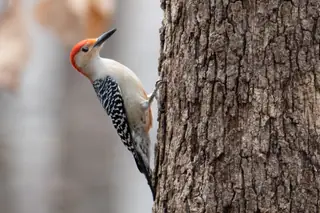 Red-bellied Woodpecker
-
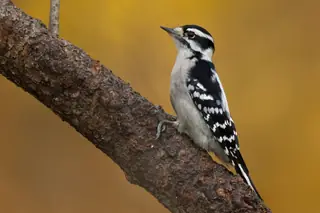 Downy Woodpecker
-
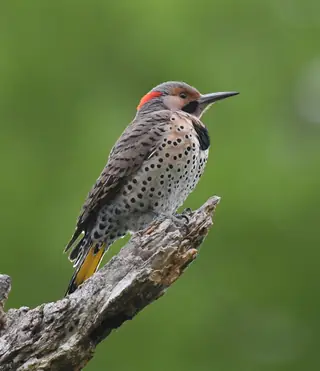 Northern Flicker
-
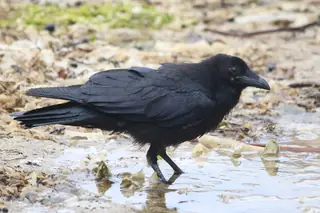 Common Raven
-
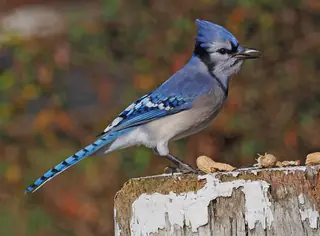 Blue Jay
-
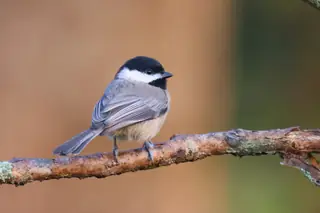 Carolina Chickadee
-
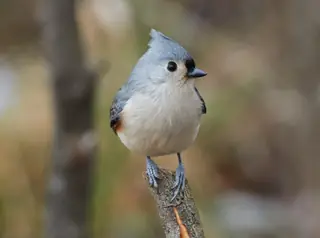 Tufted Titmouse
-
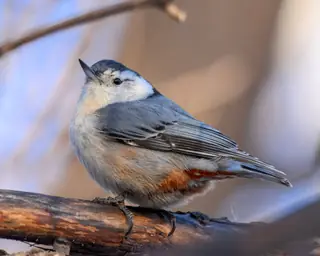 White-breasted Nuthatch
-
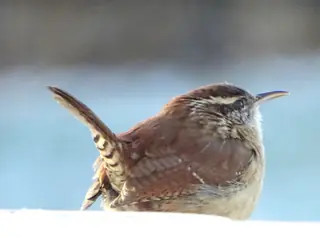 Carolina Wren
-
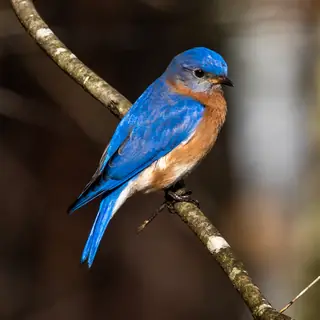 Eastern Bluebird
-
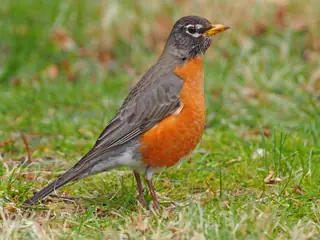 American Robin
-
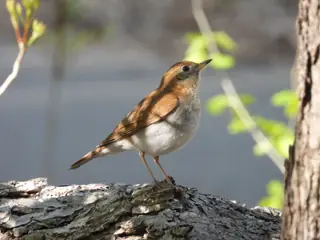 Veery
-
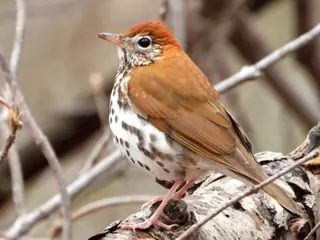 Wood Thrush
-
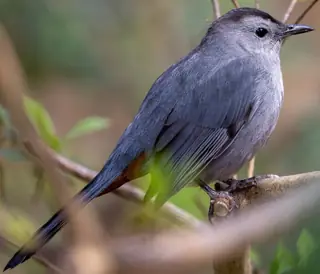 Grey Catbird
-
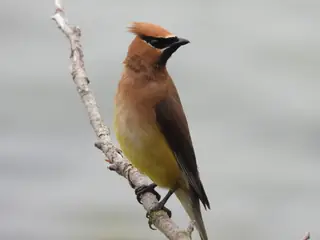 Cedar Waxwing
-
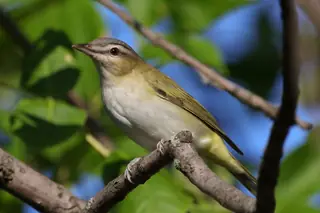 Red-eyed Vireo
-
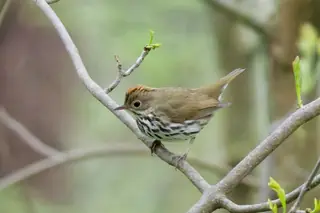 Ovenbird
-
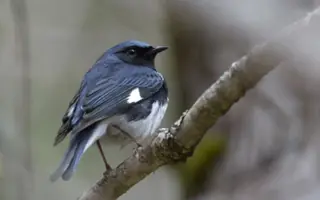 Black-throated Blue Warbler
-
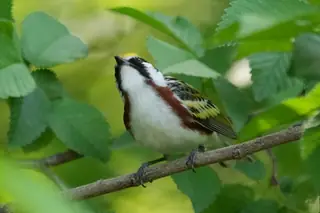 Chestnut-sided Warbler
-
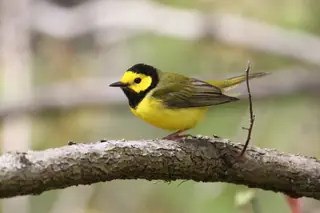 Hooded Warbler
-
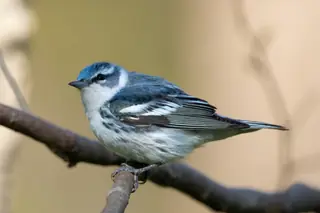 Cerulean WarblerRare
-
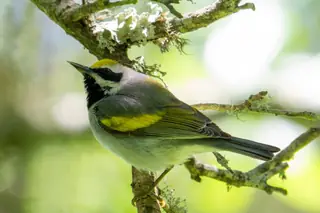 Golden-winged WarblerRare
-
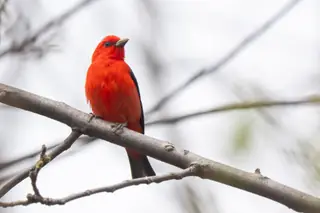 Scarlet Tanager
-
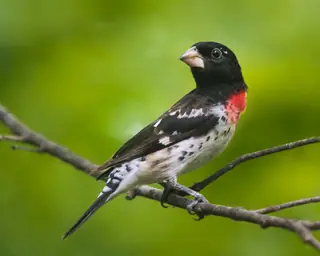 Rose-breasted Grosbeak
-
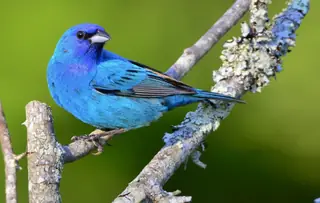 Indigo Bunting
-
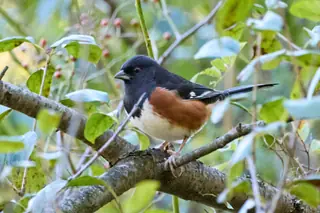 Eastern Towhee
-
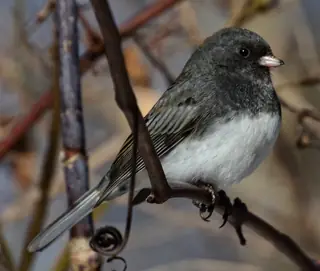 Dark-eyed Junco
-
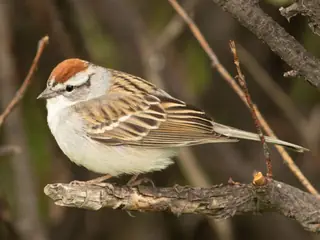 Chipping Sparrow
-
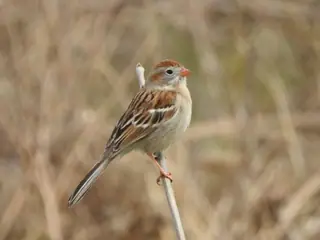 Field Sparrow
-
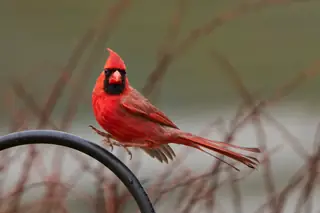 Northern Cardinal
-
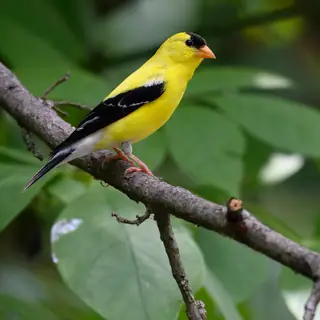 American Goldfinch
-
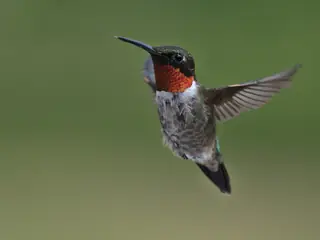 Ruby-throated Hummingbird
-
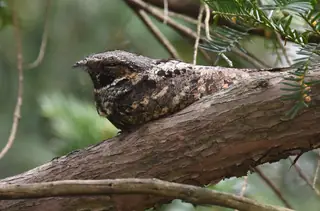 Eastern Whip-poor-will
Reptiles 12
-
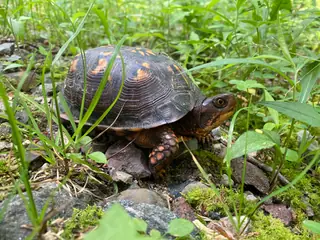 Eastern Box Turtle
-
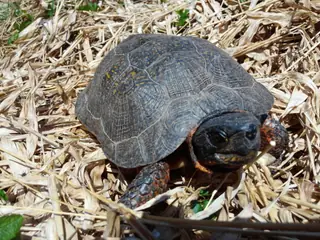 Wood TurtleRare
-
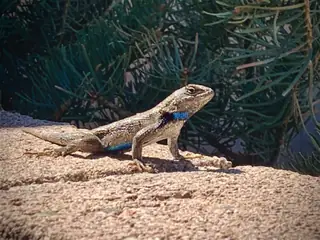 Eastern Fence Lizard
-
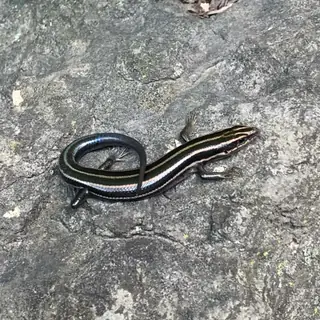 Common Five-lined Skink
-
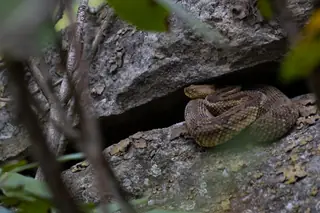 Timber Rattlesnake
-
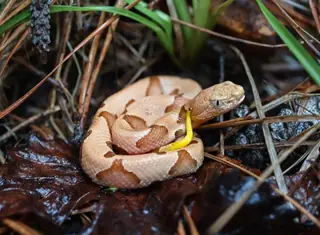 Copperhead
-
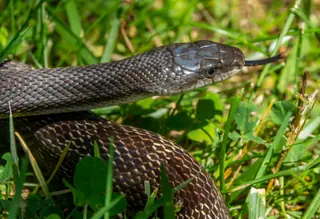 Eastern Rat Snake
-
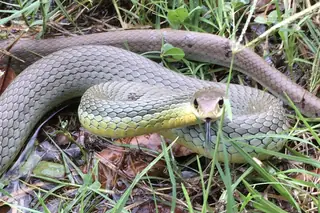 North American Racer
-
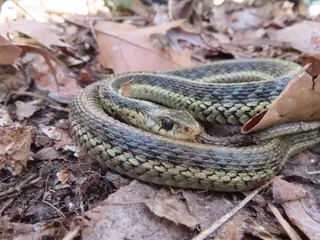 Common Garter Snake
-
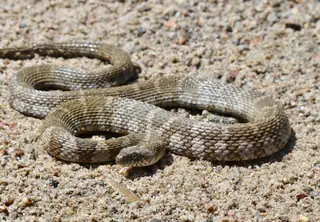 Northern Water Snake
-
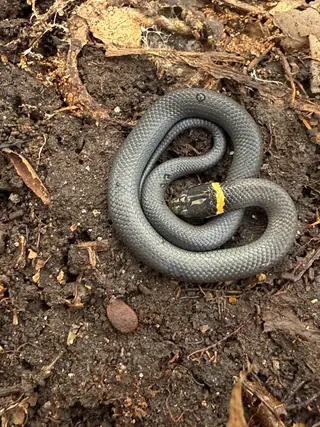 Ringneck Snake
-
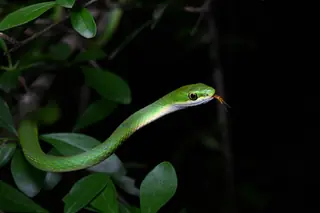 Rough Green SnakeRare
Salamanders and frogs 13
-
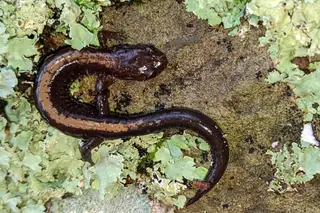 Shenandoah SalamanderRare
-
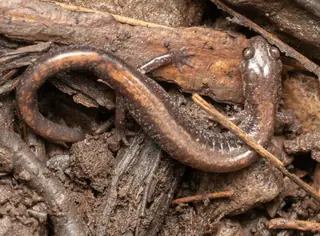 Red-backed Salamander
-
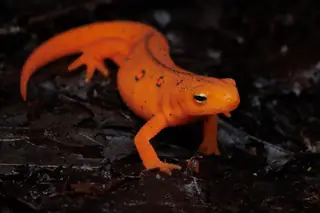 Red-spotted Newt
-
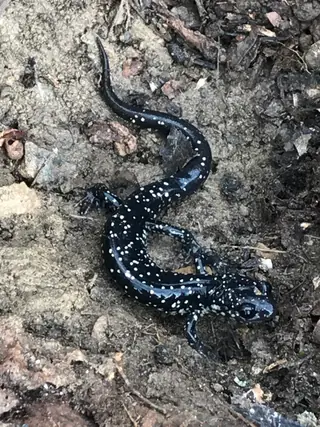 Northern Slimy Salamander
-
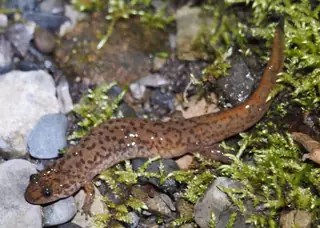 Seal Salamander
-
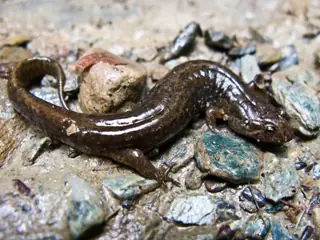 Northern Dusky Salamander
-
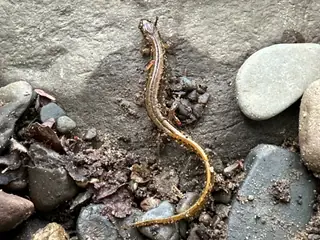 Northern Two-lined Salamander
-
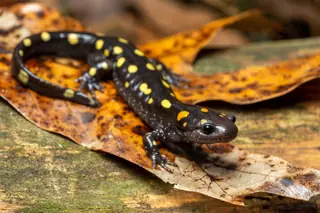 Spotted SalamanderRare
-
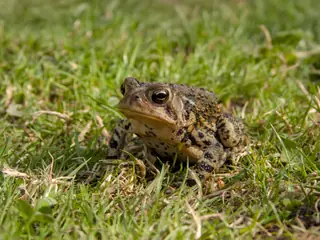 American Toad
-
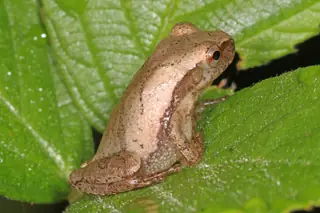 Spring Peeper
-
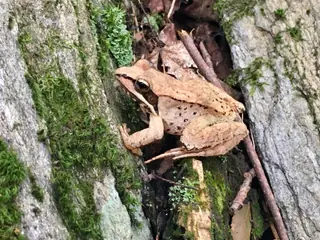 Wood Frog
-
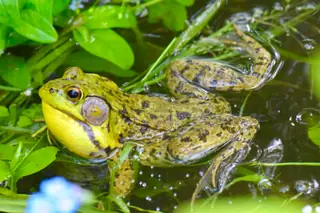 Green Frog
-
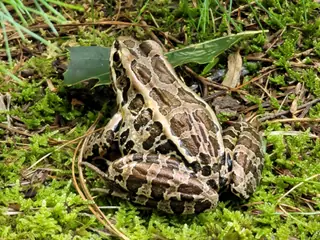 Pickerel Frog
Butterflies and fish 7
-
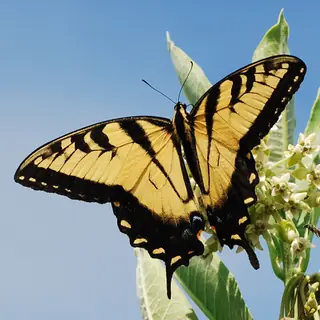 Eastern Tiger Swallowtail
-
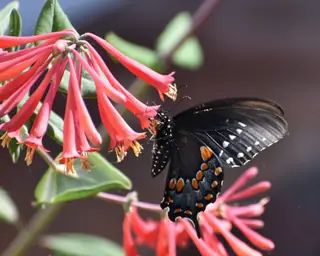 Spicebush Swallowtail
-
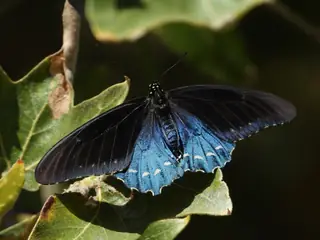 Pipevine Swallowtail
-
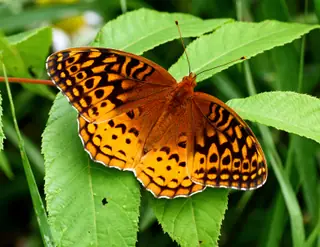 Great Spangled Fritillary
-
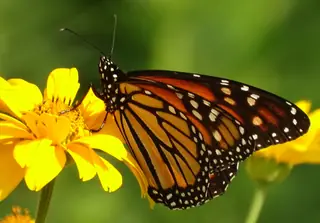 Monarch
-
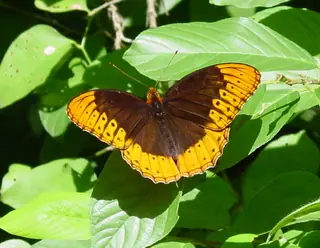 Diana FritillaryRare
-
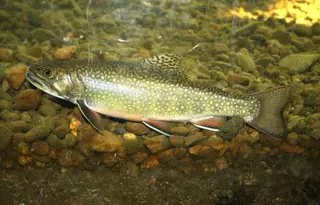 Brook Trout
Best time to see wildlife in Shenandoah
Sightings by month in Shenandoah
Most records: Jun to OctRecords from GBIF.org, adjusted for how many people record wildlife each month. 100% is the busiest month.
Shenandoah is open all year, though parts of Skyline Drive can close in snow and ice. Spring comes late on the ridge: by May the woods are full of warblers and wildflowers, and in June white-tailed fawns appear in Big Meadows. Summer is the best time for bears, which feed on berries and are active early and late in the day; the ridge is also several degrees cooler than the valleys. September brings hawk migration along the ridge, and October is peak autumn colour, with heavy traffic on weekends. Bears fatten up on acorns in autumn and many den by December. Winter is quiet, with bare trees that make birds easier to spot and lodges and most facilities closed.
- Jan to MarQuiet; facilities closed and the drive may shut in snow
- Apr to MayLate spring on the ridge; warblers and wildflowers
- Jun to AugFawns, bears in the berry patches, cool ridgetop air
- Sep to OctHawk migration, peak colour, busy weekends
- Nov to DecBears feeding on acorns, then denning; quiet trails
Tips for spotting wildlife in Shenandoah
- 01
Drive Skyline early and late
The speed limit on Skyline Drive is 35 mph, and the first and last hours of daylight are when deer and turkeys are out. Pull fully into an overlook if you stop.
- 02
Spend a dusk at Big Meadows
Deer graze the meadow at sunset, turkeys feed on the edges and whip-poor-wills start calling after dark in summer.
- 03
Give bears room
Keep well back from bears, never feed them, and use the food storage provided at campgrounds. If a bear changes its behaviour because of you, you are too close.
- 04
Look from the overlooks in September
On clear days after a cold front, hawks stream along the ridge. Any west or east facing overlook with a wide view works.
- 05
Leave rocks and logs alone
Salamanders, snakes and box turtles shelter under them. Watch animals on the trail and leave them where you find them.

Take Shenandoah with you
Visiting Shenandoah? Keep a list of bears, turkeys and hawks in Wilder as you go. It's free to start.

Shenandoah wildlife FAQ
Are there bears in Shenandoah National Park?
Yes. Shenandoah has a large black bear population and sightings are common, especially early and late in the day from spring to autumn. The park asks visitors to keep well back, never feed bears and store food properly.
What animals can you see in Shenandoah National Park?
White-tailed deer, black bears, wild turkeys, groundhogs and chipmunks are the easiest to see. Bobcats, foxes and coyotes live here but are seen less often. Birds include ravens, vultures, pileated woodpeckers and many warblers, and the park has timber rattlesnakes, box turtles and over a dozen kinds of salamander.
Where is the best place to see wildlife in Shenandoah?
Big Meadows, in the middle of the park, is the most reliable spot for deer and wild turkeys, especially at dawn and dusk. Drive slowly early and late in the day and watch the edges of the woods.
What is the Shenandoah salamander?
The Shenandoah salamander is a small, endangered woodland salamander that lives only on a few high, rocky slopes in Shenandoah National Park and nowhere else on Earth. It is rarely seen, and visitors should never turn rocks or handle salamanders to look for it.
When is the best time to visit Shenandoah for wildlife?
May and June are best for birds and fawns, and summer is good for bears. September brings hawk migration along the ridge and October has the best autumn colour, though weekends are crowded.
Sources
- Shenandoah National Park (NPS)
- Black bears in Shenandoah (NPS)
- Shenandoah salamander (US Fish and Wildlife Service)
- Sightings by month: GBIF.org
Animal photos are from the Wilder catalogue; photo credits.
Similar checklists
All North America-
 National park75animals Great Smoky Mountains Tennessee and North Carolina, USA Misty old mountains with black bears, elk in Cataloochee, synchronous fireflies in June and more kinds of salamander than anywhere else on Earth. Best time Apr to Jun, Sept to Oct
-
 National seashore117animals Assateague Island and Chincoteague Maryland and Virginia, USA A wild barrier island where ponies graze the dunes and salt marsh, sika deer slip through the pines and herons, egrets and snow geese crowd the pools of Chincoteague refuge. Best time Apr to Jun, Sept to Nov
-
 National seashore120animals Cape Cod National Seashore Outer Cape, Massachusetts, USA Forty miles of Atlantic beach and dune on the outer Cape, with grey seals in the surf, humpback whales off Provincetown, piping plovers on the sand and huge flocks of sea ducks in winter. Best time Jun to Oct
-
 National park116animals Acadia National Park Mount Desert Island, Maine, USA Granite coast and spruce forest where harbour seals haul out on the ledges, eiders raft below the cliffs, peregrines return each spring and puffins nest on the islands offshore. Best time Jun to Sept