National park · Florida · USA
Everglades Animal Checklist

Everglades National Park in south Florida is a vast, slow-moving river of grass, famous for alligators beside the Anhinga Trail, wading birds such as Roseate Spoonbills and Wood Storks, manatees and the American crocodile. It is the only place where alligators and crocodiles live side by side. This checklist covers 82 animals. December to April, the dry season, is best.
Tick off all 82 animals in the Everglades on your phone, even offline. Launching soon. Free A4 PDF, no sign-up.
The park is the largest subtropical wilderness in the USA. Water levels drive everything: as the marsh dries in winter, fish, birds and alligators crowd into the remaining pools, which is when viewing is easiest.
- Animals to find
- 82
- Where
- USA
- Best time
- Dec to Apr
- Only place where
- Alligators and crocodiles live side by side
Popular animals in the Everglades
-
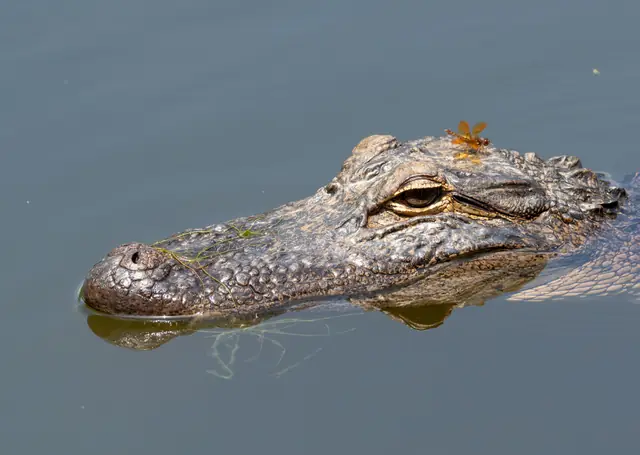
American Alligator
Alligator mississippiensis
Almost guaranteed on the Anhinga Trail at Royal Palm and along the canal at Shark Valley in the dry season. They bask on banks on cool mornings.
-
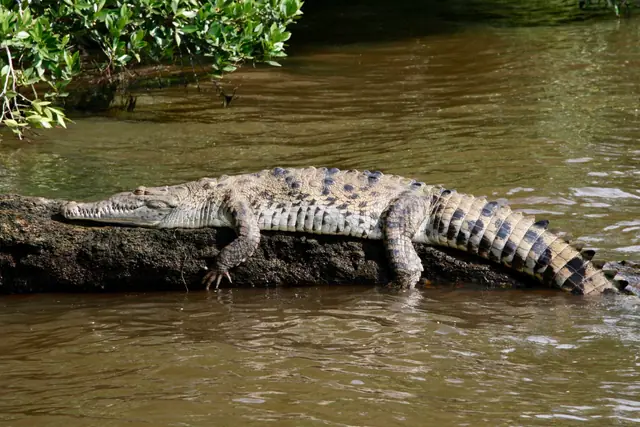
American Crocodile
Crocodylus acutus
Greyer and narrower-snouted than an alligator, living in salty water. The marina at Flamingo is the best place, where they often rest on the banks.
-
Manatee
Visit warmer, sheltered water in winter. Check the Flamingo marina and the Buttonwood Canal from the dock, especially on cool days.
-
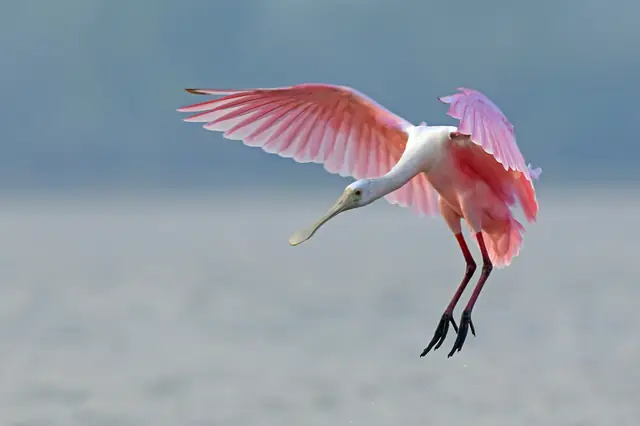
Roseate Spoonbill
Platalea ajaja
Pink birds sweeping bills through the shallows. Look at Eco Pond near Flamingo and on the mudflats of Florida Bay, especially in winter.
-
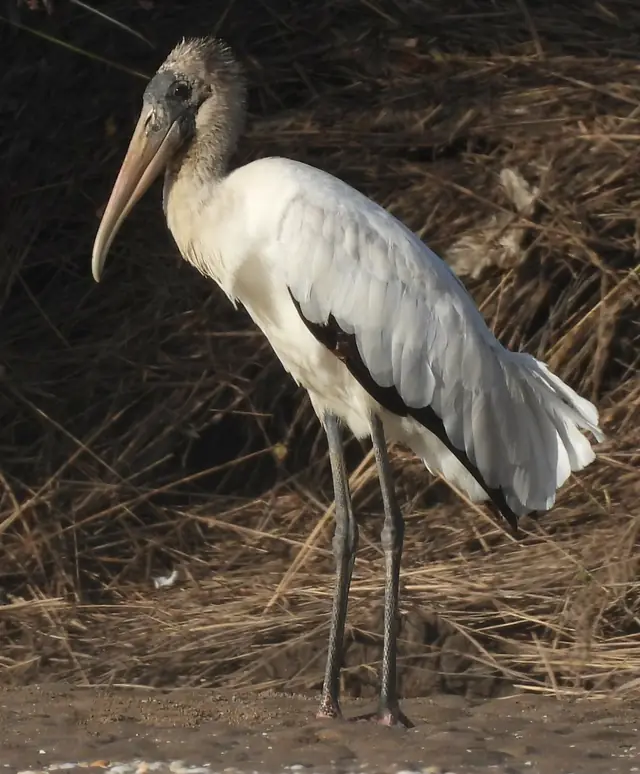
Wood Stork
Mycteria americana
North America's only breeding stork. Nests in colonies from winter to spring and feeds in drying pools along the main park road.
-
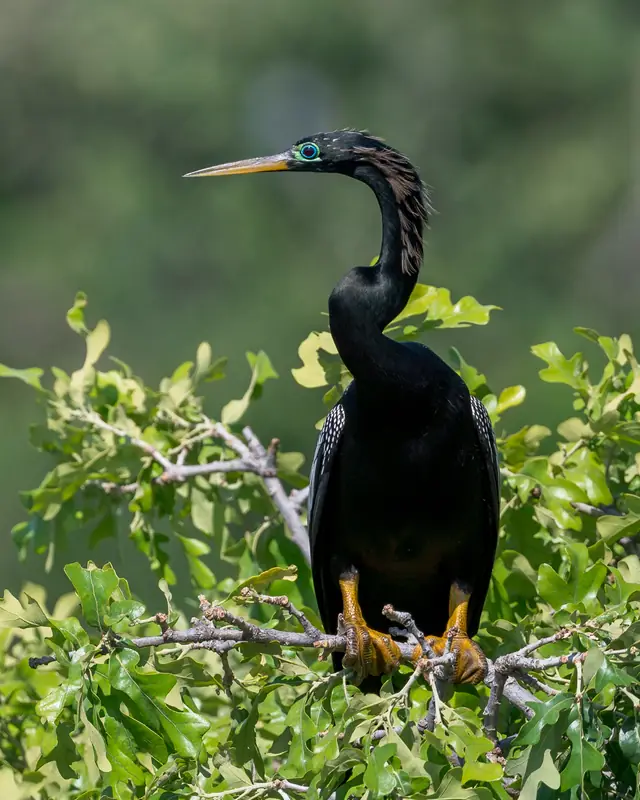
Anhinga
Anhinga anhinga
The 'snake bird' swims with only its neck showing, then dries its wings on a branch. The trail named after it is the best place.
-
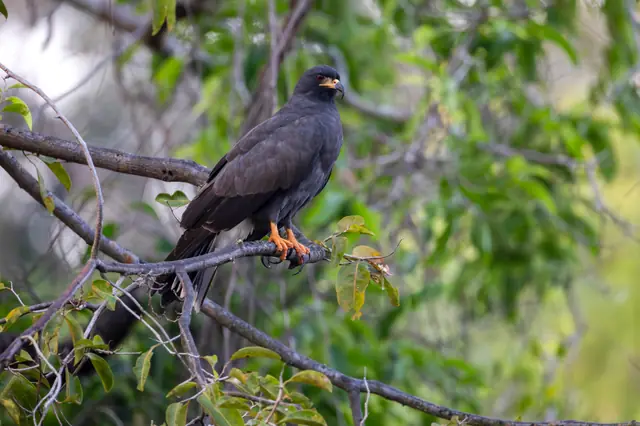
Snail Kite
Rostrhamus sociabilis
A rare hawk that eats only apple snails. Scan the marsh along the Tamiami Trail and near Shark Valley.
-
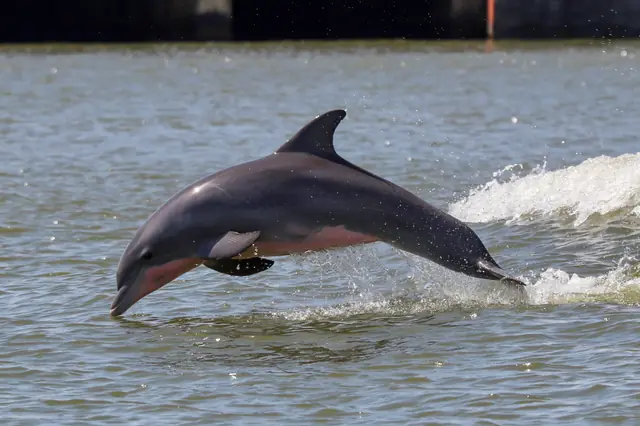
Bottlenose Dolphin
Tursiops truncatus
Often seen on boat tours from Flamingo into Florida Bay, and in the Ten Thousand Islands on tours from the Gulf Coast side.
-
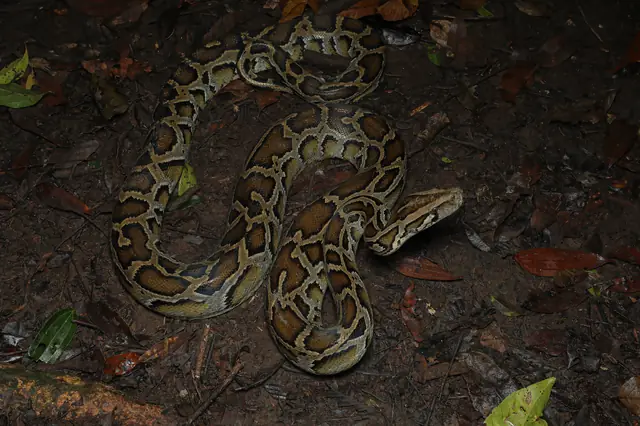
Burmese Python
Python bivittatus
An invasive snake that has spread across the park and seriously reduced small mammals. Rarely seen; report any sighting to park staff.
All 82 animals in the Everglades
Mammals 7
-
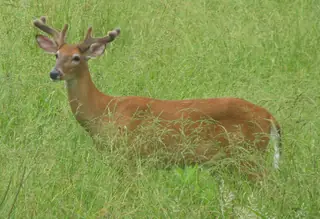 White-tailed Deer
-
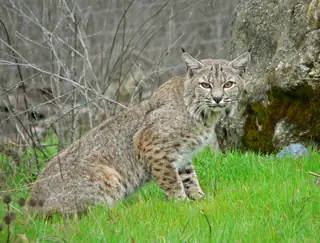 BobcatRare
-
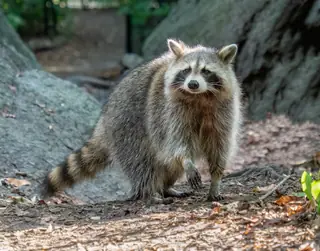 Raccoon
-
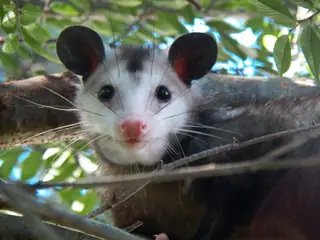 Virginia Opossum
-
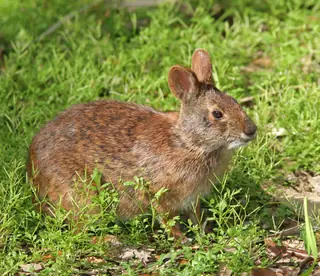 Marsh Rabbit
-
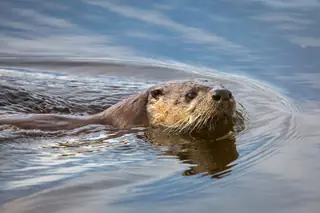 River Otter
-
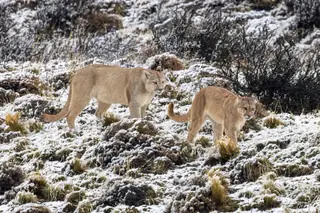 Florida PantherRare
Sea mammals 2
-
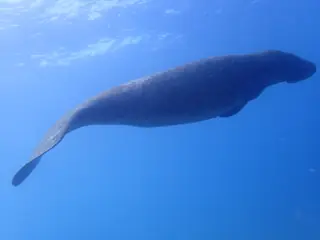 West Indian Manatee
-
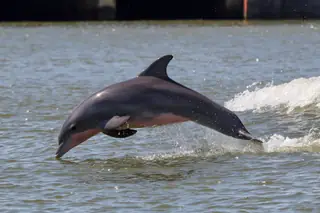 Bottlenose Dolphin
Wading birds 16
-
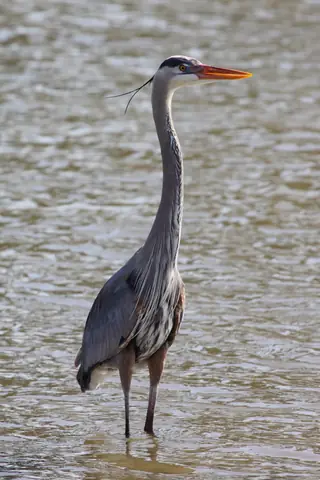 Great Blue Heron
-
 Great Egret
-
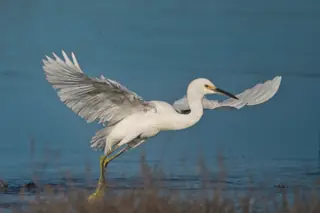 Snowy Egret
-
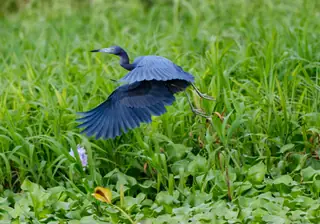 Little Blue Heron
-
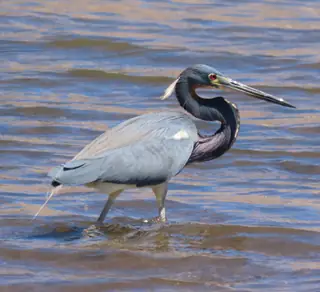 Tricolored Heron
-
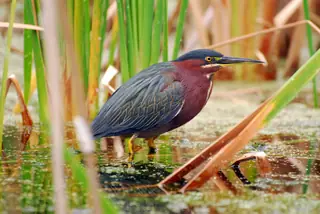 Green Heron
-
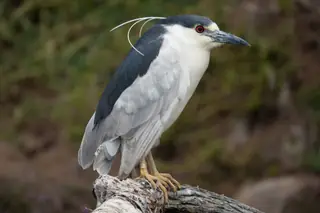 Black-crowned Night Heron
-
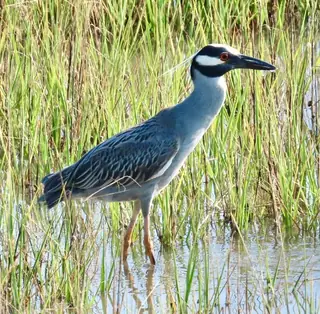 Yellow-crowned Night Heron
-
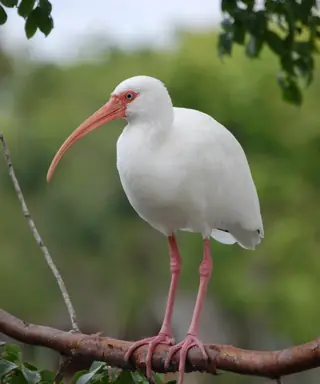 White Ibis
-
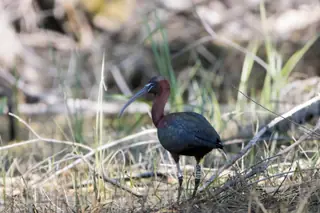 Glossy Ibis
-
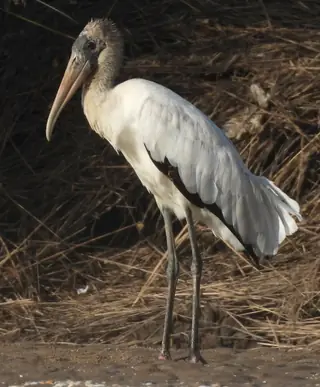 Wood Stork
-
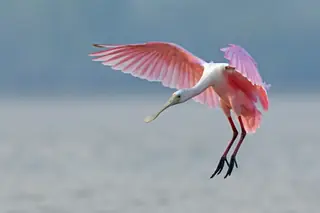 Roseate Spoonbill
-
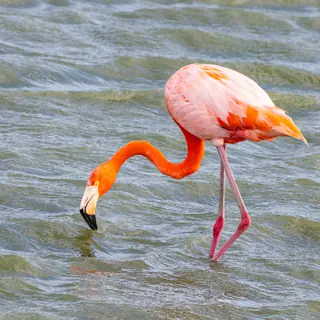 American FlamingoRare
-
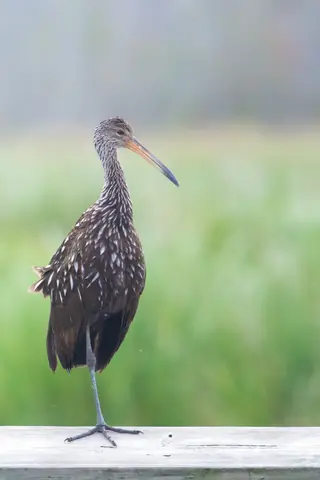 Limpkin
-
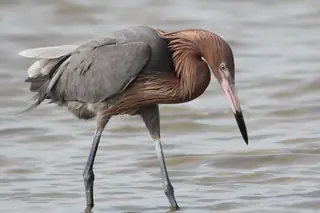 Reddish Egret
-
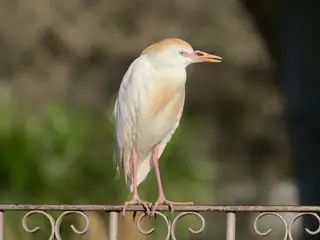 Western Cattle Egret
Water birds 13
-
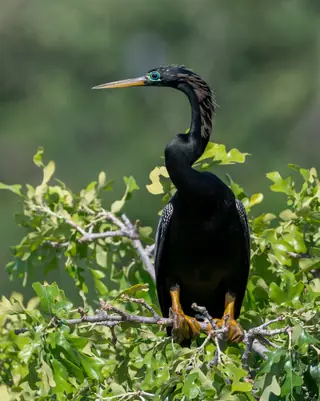 Anhinga
-
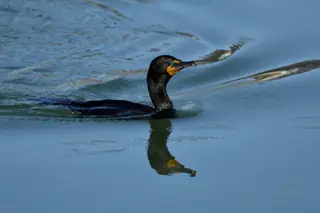 Double-crested Cormorant
-
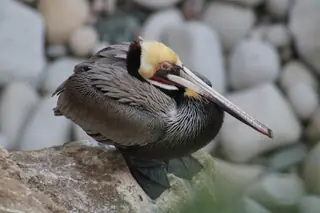 Brown Pelican
-
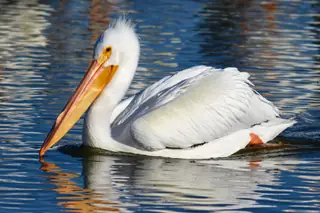 American White Pelican
-
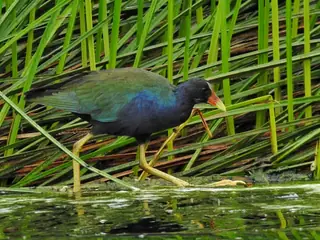 Purple Gallinule
-
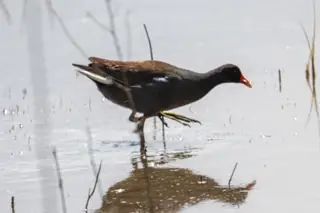 Common Gallinule
-
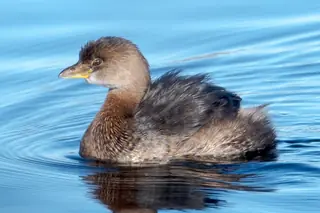 Pied-billed Grebe
-
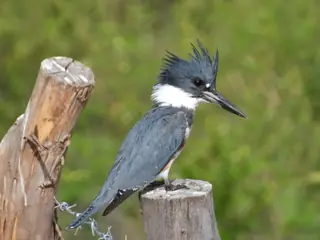 Belted Kingfisher
-
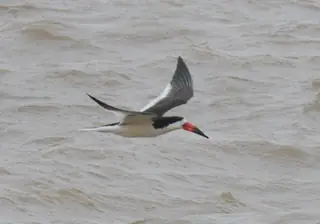 Black Skimmer
-
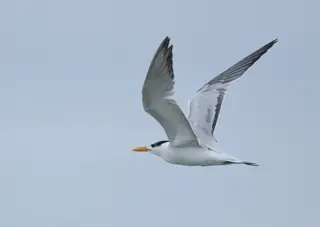 Royal Tern
-
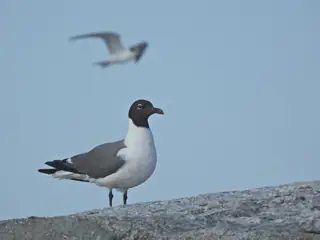 Laughing Gull
-
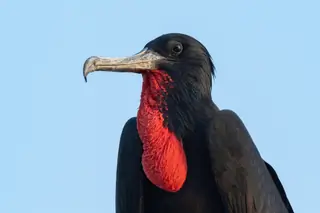 Magnificent Frigatebird
-
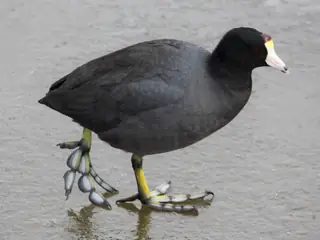 American Coot
Birds of prey 9
-
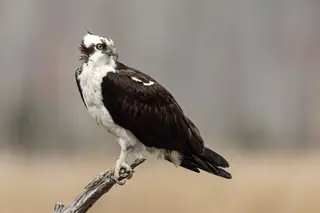 Osprey
-
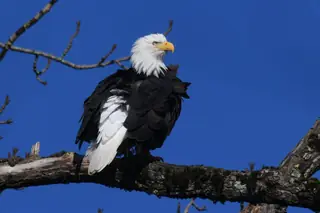 Bald Eagle
-
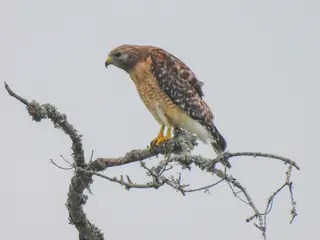 Red-shouldered Hawk
-
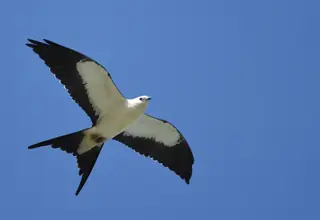 Swallow-tailed Kite
-
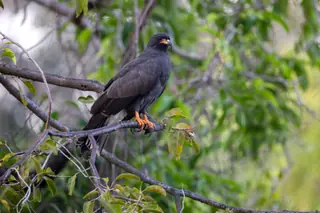 Snail Kite
-
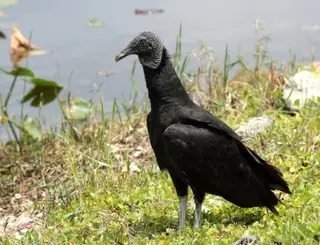 Black Vulture
-
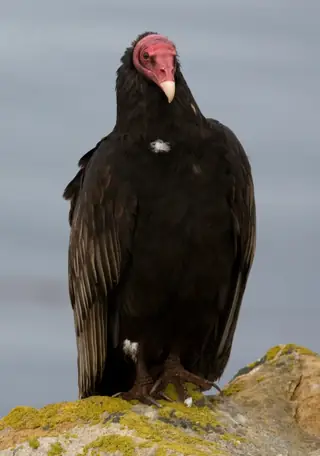 Turkey Vulture
-
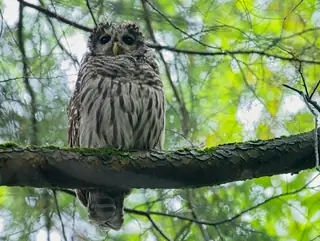 Barred Owl
-
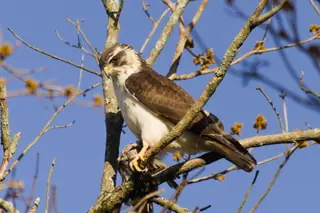 Short-tailed Hawk
Other birds 10
-
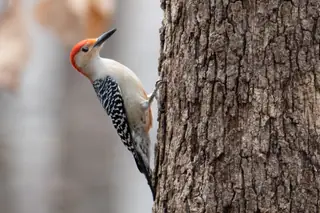 Red-bellied Woodpecker
-
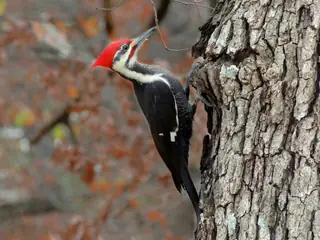 Pileated Woodpecker
-
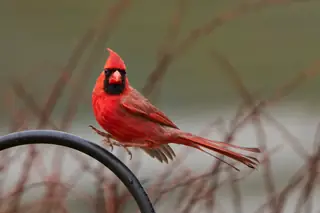 Northern Cardinal
-
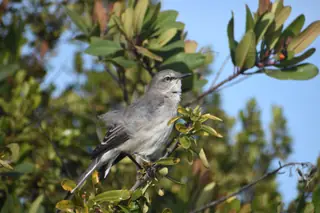 Northern Mockingbird
-
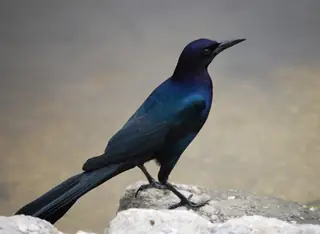 Boat-tailed Grackle
-
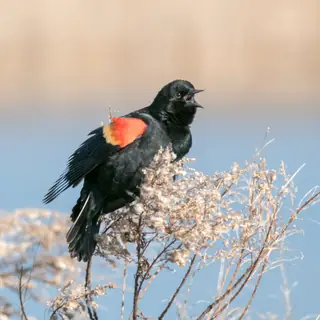 Red-winged Blackbird
-
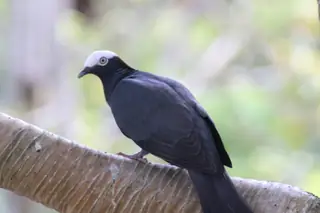 White-crowned Pigeon
-
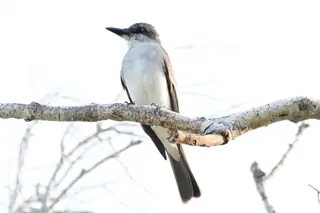 Grey Kingbird
-
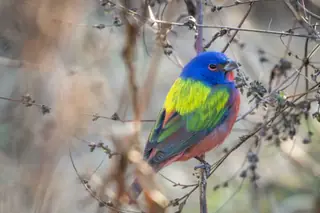 Painted Bunting
-
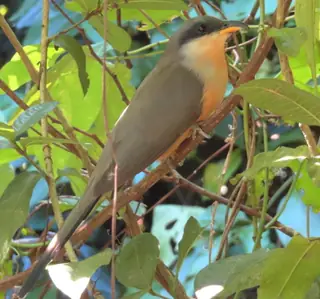 Mangrove CuckooRare
Reptiles 12
-
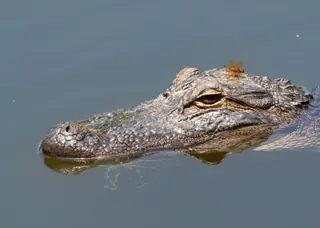 American Alligator
-
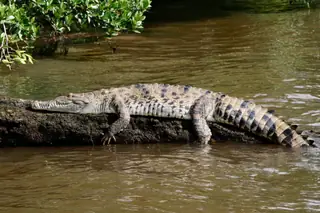 American Crocodile
-
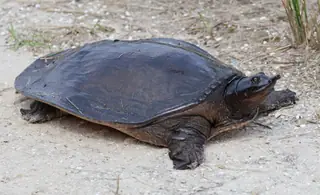 Florida Softshell Turtle
-
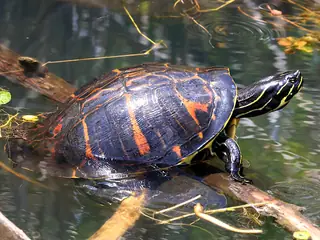 Florida Red-bellied Cooter
-
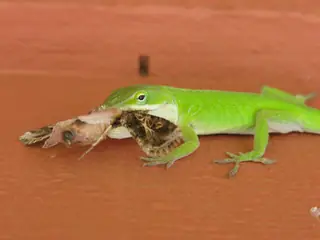 Green Anole
-
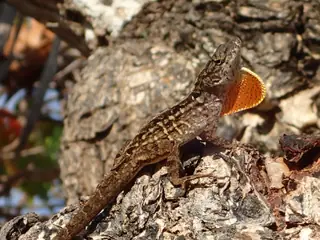 Brown Anole
-
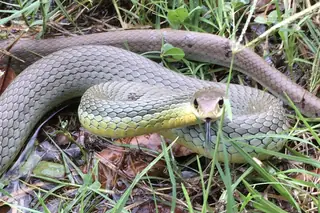 Southern Black Racer
-
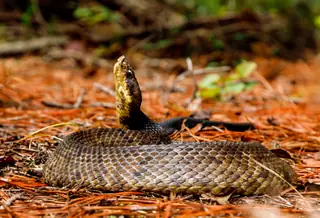 Eastern Cottonmouth
-
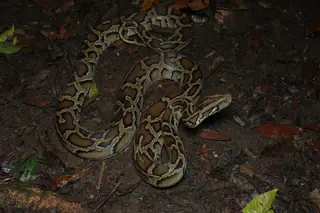 Burmese PythonRare
-
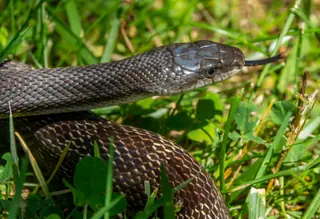 Eastern Rat Snake
-
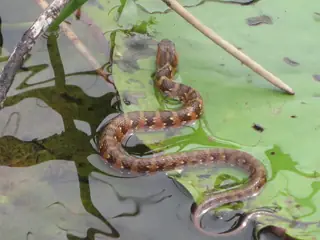 Southern Water Snake
-
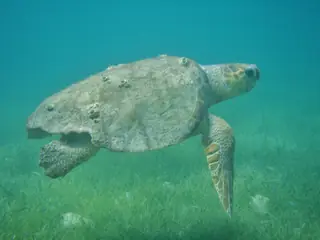 Loggerhead Sea TurtleRare
Amphibians 6
-
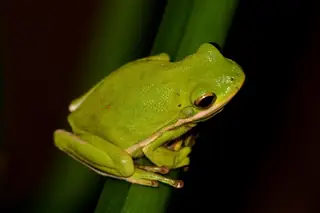 Green Tree Frog
-
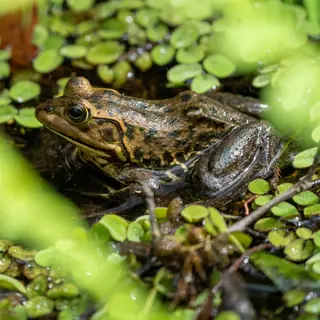 Pig Frog
-
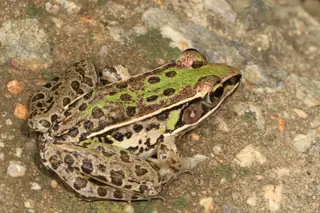 Southern Leopard Frog
-
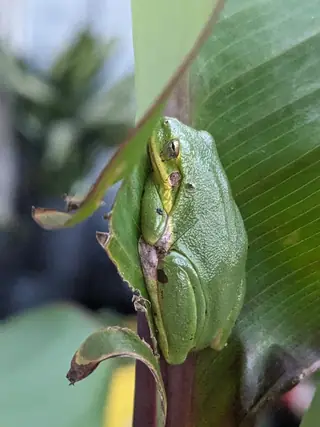 Squirrel Treefrog
-
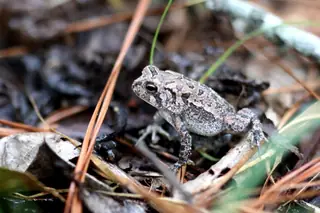 Southern Toad
-
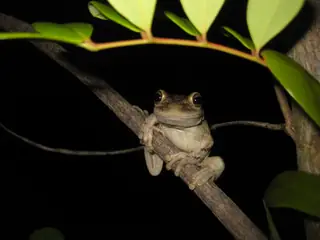 Cuban Tree Frog
Fish 2
-
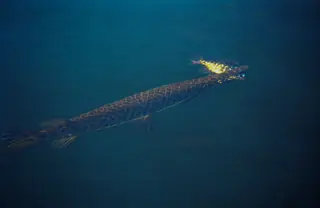 Florida Gar
-
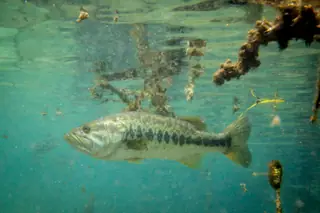 Largemouth Bass
Butterflies and dragonflies 5
-
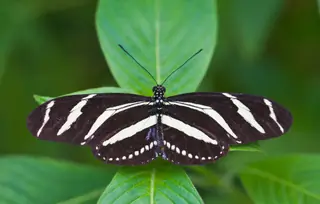 Zebra Longwing
-
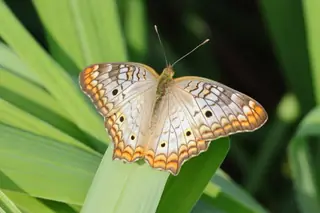 White Peacock
-
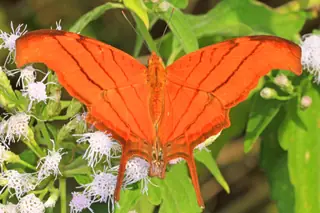 Ruddy Daggerwing
-
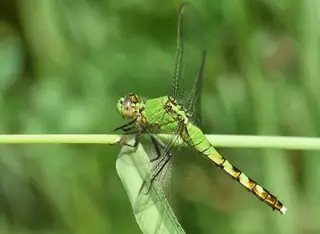 Eastern Pondhawk
-
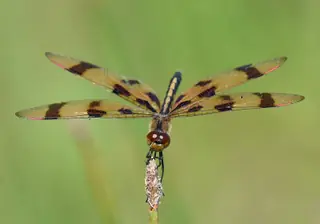 Halloween Pennant
Best time to see wildlife in the Everglades
Sightings by month in the Everglades
Most records: Jun to Jul, MarRecords from GBIF.org, adjusted for how many people record wildlife each month. 100% is the busiest month.
The dry season, from December to April, is the best time to see wildlife in the Everglades. Water drains from the marsh, so fish gather in the remaining ponds and sloughs and draw in alligators and wading birds. Temperatures are mild, humidity is low and mosquitoes are much reduced. Wood Storks and other wading birds nest from late winter into spring, and migrant birds from further north swell the lists. The wet season, from May or June to October, brings heat, afternoon thunderstorms, hurricanes and intense mosquitoes. Animals spread out across the flooded marsh, but the landscape is lush and many birds, like Swallow-tailed Kites, are breeding.
- Dec to FebPeak dry season, crowded pools, manatees in warm water
- Mar to AprWading bird nesting, Swallow-tailed Kites return
- MayHot, rains begin, last of the easy viewing
- Jun to OctWet season: storms, heavy mosquitoes, animals dispersed
- NovWater levels start to fall, visitors return
Tips for spotting wildlife in the Everglades
- 01
Start at the Anhinga Trail
This short boardwalk near the Homestead entrance is the park's best wildlife walk. Go early in the morning for alligators, herons, cormorants and the anhingas themselves.
- 02
Protect your car from vultures
Black Vultures here peel rubber seals off parked cars. The park lends tarps and cords at the car park for this reason.
- 03
Take the Shark Valley tram or bike
A 15-mile loop road off the Tamiami Trail runs beside a canal with alligators, herons and turtles, and ends at an observation tower over the grasslands.
- 04
Drive to Flamingo
The 38-mile road from the main entrance ends at Florida Bay. Look for crocodiles and manatees at the marina and spoonbills at Eco Pond.
- 05
Never feed or approach alligators
Feeding wildlife is illegal and makes alligators dangerous. Keep well back from any alligator or crocodile and keep children and dogs away from the water's edge.

Take the Everglades with you
Visiting the Everglades? Tick off alligators, spoonbills and crocodiles in Wilder as you go. It's free to start and works offline out on the trails.

Everglades wildlife FAQ
What animals can you see in the Everglades?
In the Everglades you can see American alligators, American crocodiles, manatees, bottlenose dolphins, turtles and snakes, plus a huge range of birds, including herons, egrets, ibises, Roseate Spoonbills, Wood Stork, Anhinga and Snail Kite. Mammals such as White-tailed Deer, bobcats and river otters are present but harder to find. Alligators and wading birds are almost guaranteed in the dry season.
Where is the best place to see alligators in the Everglades?
The Anhinga Trail at Royal Palm is the best place to see alligators in Everglades National Park, followed closely by the Shark Valley loop. From December to April, when water levels are low, dozens can be seen on a single visit. Mornings are best, when they haul out to warm up in the sun.
Can you see crocodiles in the Everglades?
Yes, American crocodiles live in the salty and brackish water of Florida Bay, and the marina at Flamingo is the most reliable place to see them. They are shy and less common than alligators. The Everglades is the only place in the world where alligators and crocodiles naturally live together.
When is the best time to see wildlife in the Everglades?
The best time to see wildlife in the Everglades is the dry season, from December to April. Animals concentrate around the remaining water, the weather is mild and mosquitoes are few. The wet season, from late May to October, is hot and stormy, with heavy mosquitoes, and animals are spread across the flooded marsh.
Are there manatees in the Everglades?
Yes, West Indian manatees live in the coastal waters and mangrove channels of the Everglades. The Flamingo marina is the best place to spot them, especially in winter, when they move into warmer, sheltered water. They surface slowly to breathe, so look for a round snout and a swirl on calm water.
Sources
- Everglades National Park: Animals (NPS)
- Everglades National Park: Safety (NPS)
- Everglades National Park: Seasons (NPS)
- Sightings by month: GBIF.org
Animal photos are from the Wilder catalogue; photo credits.
Similar checklists
All North America-
 Nature reserve141animals Crooked Tree Wildlife Sanctuary Belize District, Belize A chain of shallow lagoons, marsh and creeks set in pine savanna, where jabiru, Wood Storks, herons and Snail Kites gather as the water drops in the dry season, with Morelet's crocodiles, iguanas and howler monkeys along the creeks. Best time Feb to May
-
 Reserve119animals Sian Ka'an Biosphere Reserve Quintana Roo, Yucatán Peninsula, Mexico Lagoons, mangroves and reef south of Tulum, where boats find dolphins, crocodiles, spoonbills and frigatebirds and a Maya canal winds through the wetlands. Best time Nov to Apr
-
 Region107animals Pantanal Mato Grosso and Mato Grosso do Sul, Brazil The world's largest tropical wetland and the best place on Earth to see a wild jaguar, with giant otters, caimans by the thousand and hyacinth macaws. Best time Jul to Oct
-
 Safari111animals Okavango Delta and Moremi North-West District, Botswana A vast inland delta of lagoons, papyrus and palm islands, explored by mokoro and on foot: wild dogs, lechwe and big cats. Best time Jun to Oct