Nature reserve · Belize District · Belize
Crooked Tree Wildlife Sanctuary Animal Checklist

Crooked Tree Wildlife Sanctuary in northern Belize is a chain of lagoons, creeks and marsh set in pine savanna, and one of Central America's best wetlands for waterbirds. It is known for jabiru, Wood Storks, Snail Kites and herons, with Morelet's crocodiles and howler monkeys along the creeks. This checklist covers 141 animals. February to May is best.
Tick off all 141 animals in Crooked Tree on your phone, even offline. Launching soon. Free A4 PDF, no sign-up.
Gazetted in 1984 as Belize's first wildlife sanctuary and a Ramsar wetland since 1998, it covers about 16,400 acres and is managed by the Belize Audubon Society. A causeway crosses the lagoon to Crooked Tree village, about 50 km from Belize City, where local guides run boat trips.
- Animals to find
- 141
- Where
- Belize
- Best time
- Feb to May
- Kingfisher species
- Five
Popular animals in Crooked Tree
-
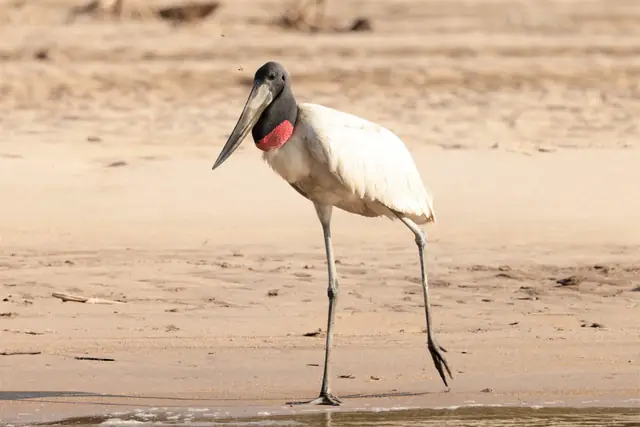
Jabiru
Jabiru mycteria
The tallest flying bird in the Americas, white with a black head and a red band on the neck. Birds gather to feed in the drying shallows from about February to May; watch from the boat and follow the sanctuary's distance rules.
-
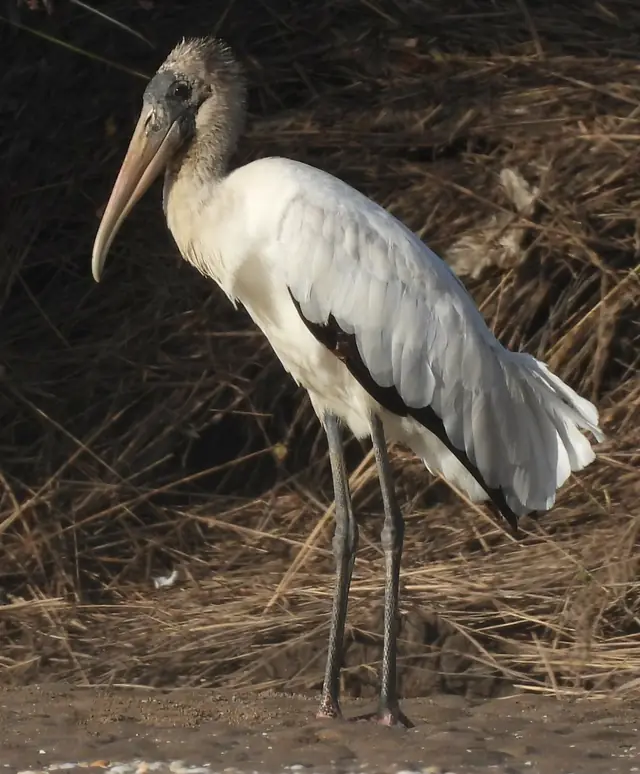
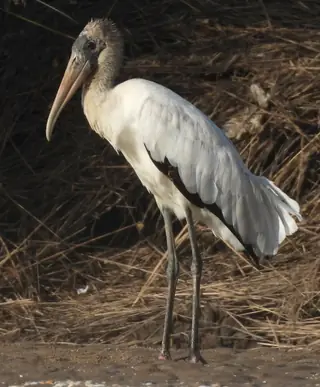
Wood Stork
Mycteria americana
Flocks work the drying lagoon edges late in the dry season, feeling for fish with their bills.
-
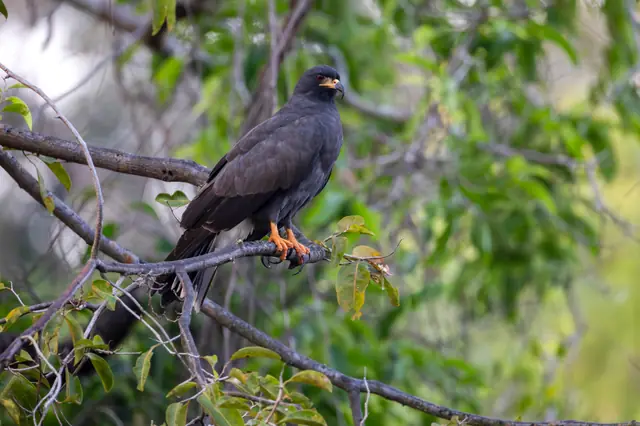
Snail Kite
Rostrhamus sociabilis
Quarters low over the marsh, then perches to pull apple snails from their shells with its hooked bill.
-
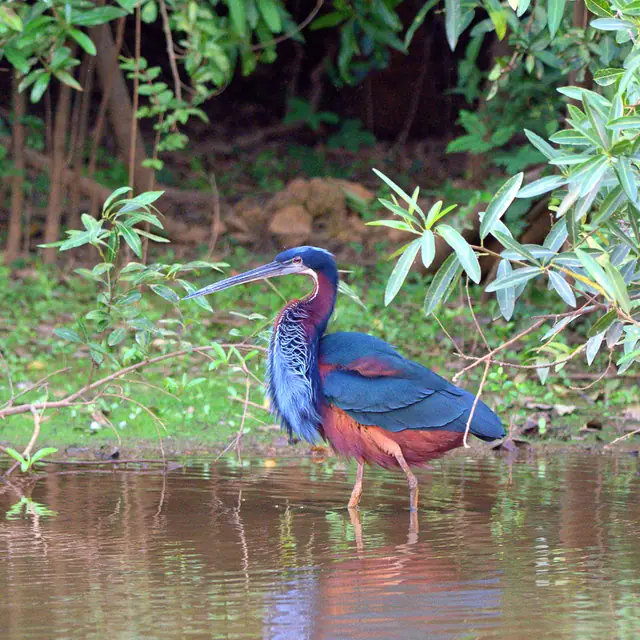
Agami Heron
Agamia agami
A shy chestnut, green and blue heron of shaded creek banks under overhanging trees. Scan quietly from a slow boat and don't linger.
-
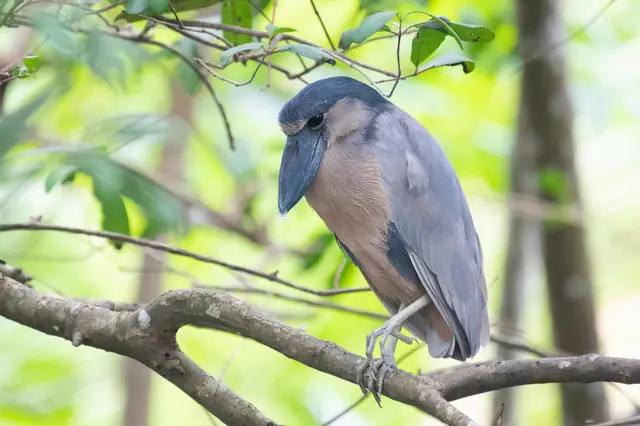
Boat-billed Heron
Cochlearius cochlearius
Huge dark eyes and a broad bill. It roosts by day in dense trees along the creeks and feeds at night.
-
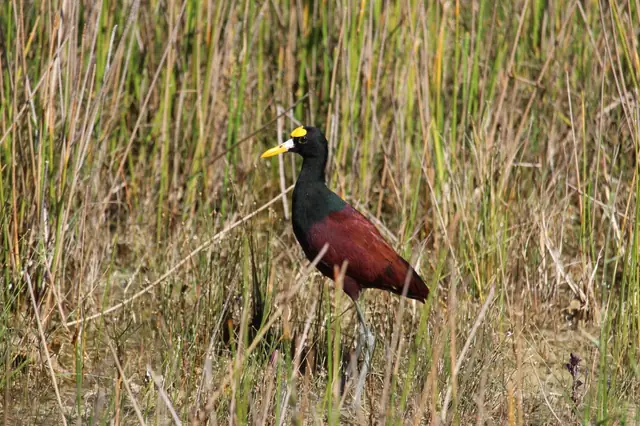
Northern Jacana
Jacana spinosa
Walks across lily pads on very long toes and flashes yellow wings when it flies.
-
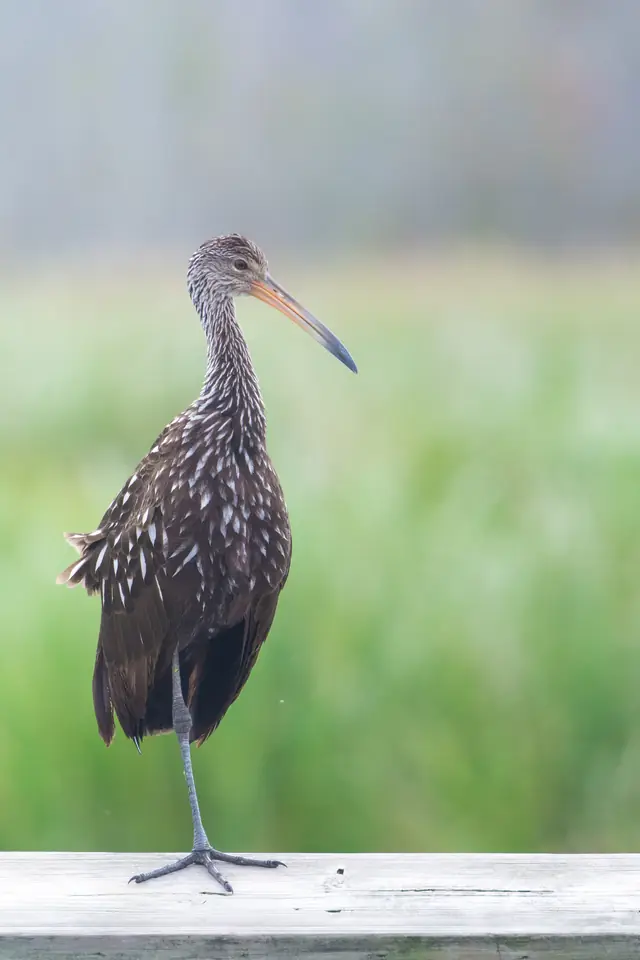
Limpkin
Aramus guarauna
Wades the marsh edges for apple snails. Its loud wailing calls carry at dusk.
-
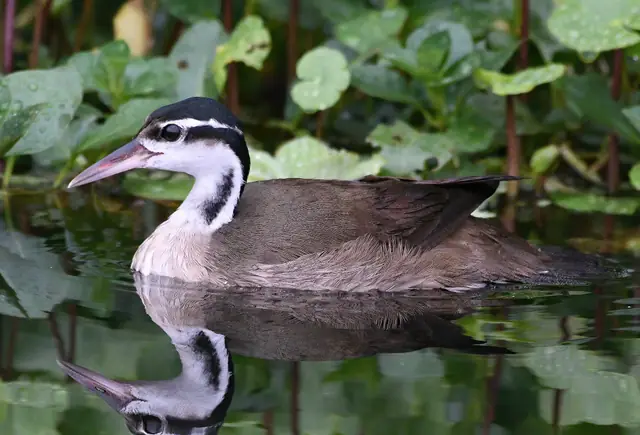
Sungrebe
Heliornis fulica
Swims close under overhanging branches on the quieter creeks, easy to miss.
-
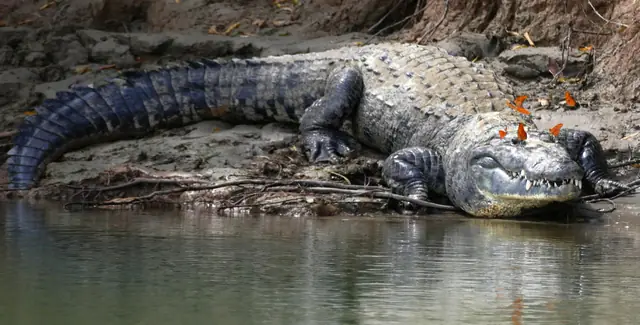
Morelet's Crocodile
Crocodylus moreletii
A smaller freshwater crocodile that basks on lagoon banks and floats in the creeks. Never approach or feed one.
-
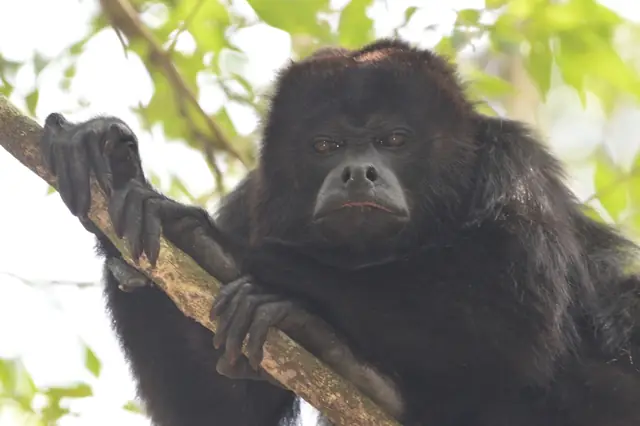
Yucatán Black Howler Monkey
Alouatta pigra
Listen for the roaring at dawn from the riverside forest; troops rest high in the trees through the heat of the day.
All 141 animals in Crooked Tree
Storks, ibises and spoonbills 5
-
 Jabiru
-
 Wood Stork
-
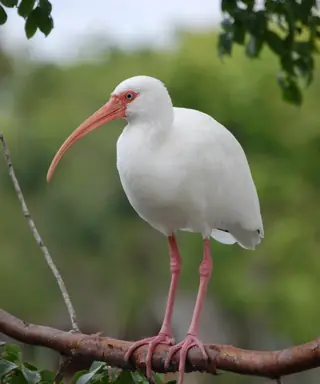 White Ibis
-
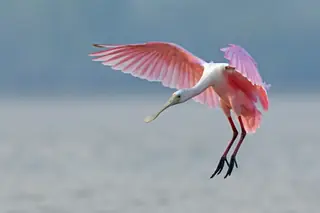 Roseate Spoonbill
-
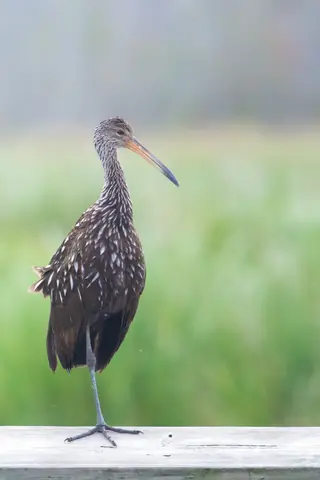 Limpkin
Herons and bitterns 13
-
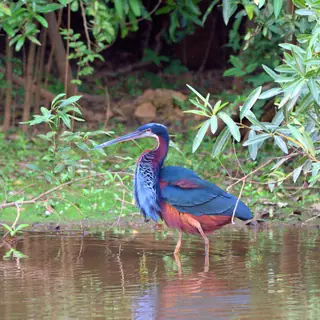 Agami Heron
-
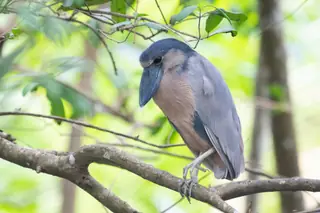 Boat-billed Heron
-
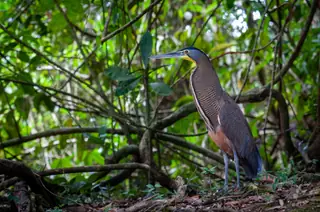 Bare-throated Tiger Heron
-
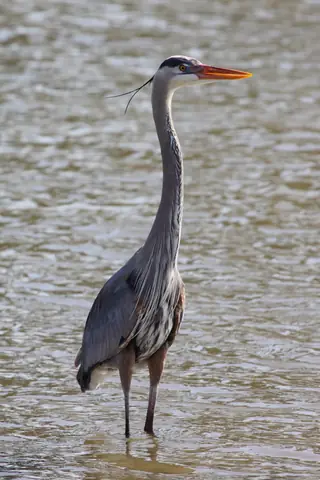 Great Blue Heron
-
 Great Egret
-
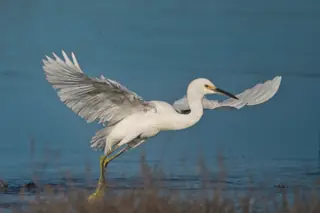 Snowy Egret
-
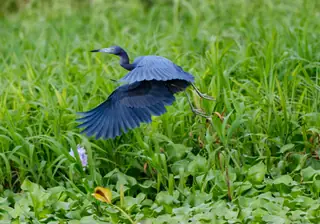 Little Blue Heron
-
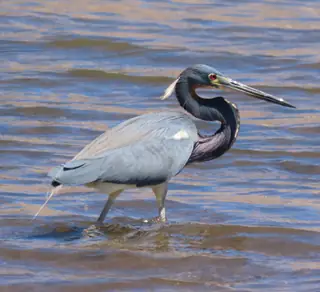 Tricolored Heron
-
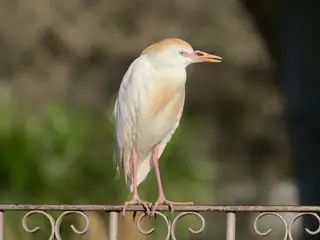 Western Cattle Egret
-
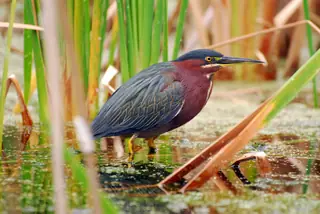 Green Heron
-
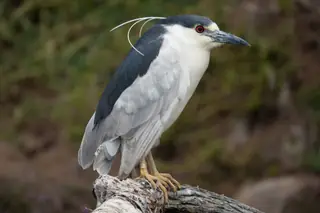 Black-crowned Night Heron
-
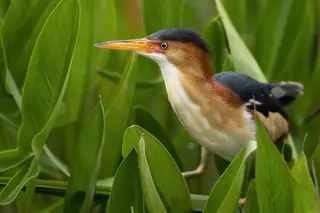 Least Bittern
-
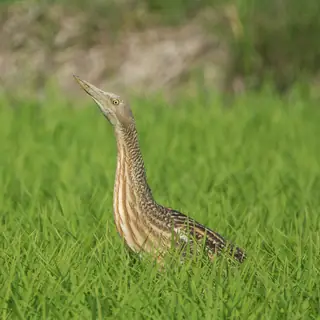 Pinnated BitternRare
Ducks, rails and other waterbirds 12
-
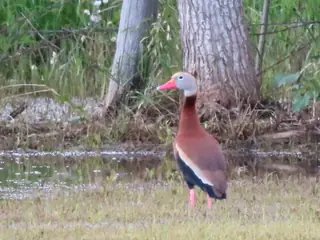 Black-bellied Whistling Duck
-
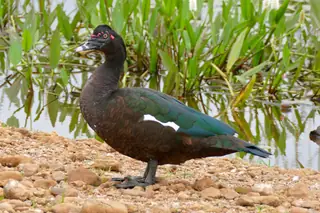 Muscovy Duck
-
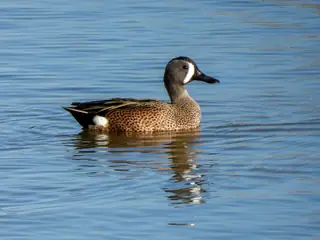 Blue-winged Teal
-
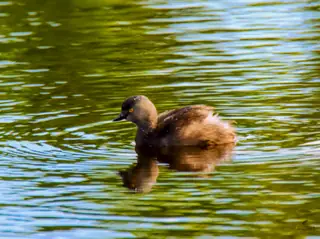 Least Grebe
-
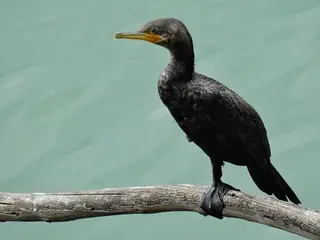 Neotropic Cormorant
-
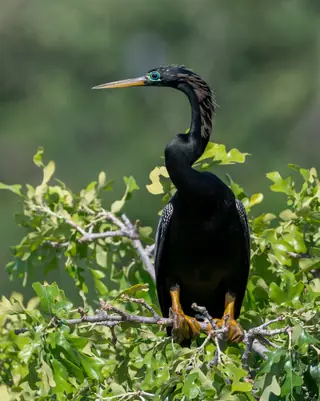 Anhinga
-
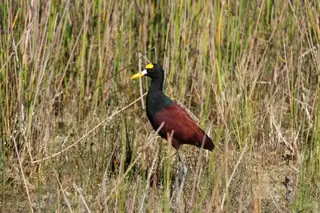 Northern Jacana
-
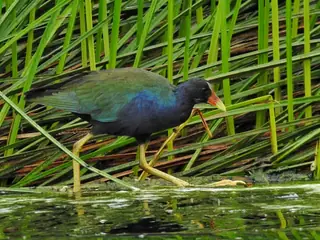 Purple Gallinule
-
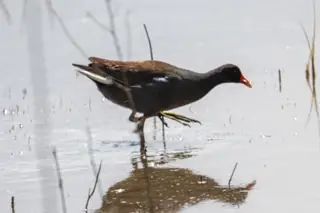 Common Gallinule
-
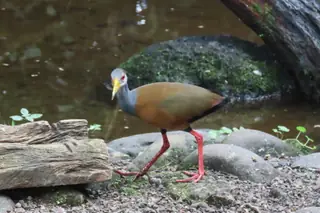 Russet-naped Wood Rail
-
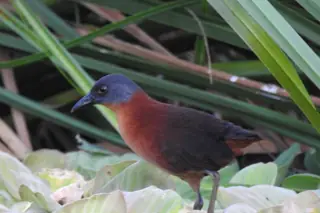 Ruddy Crake
-
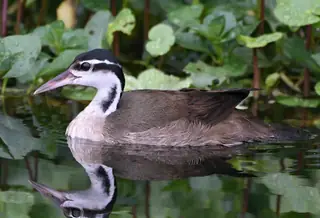 SungrebeRare
Shorebirds, gulls and terns 4
-
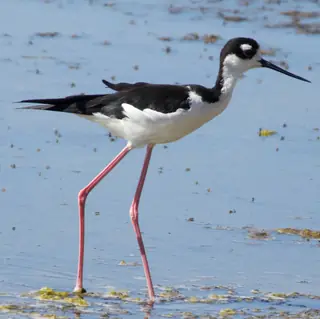 Black-necked Stilt
-
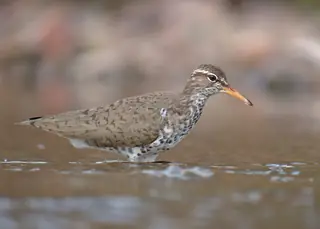 Spotted Sandpiper
-
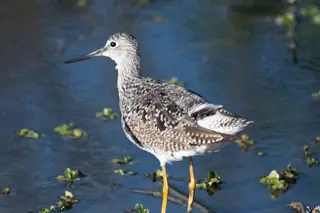 Greater Yellowlegs
-
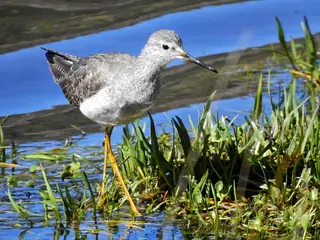 Lesser Yellowlegs
Kites, hawks and falcons 16
-
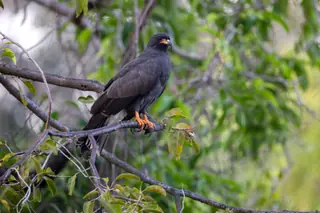 Snail Kite
-
 Osprey
-
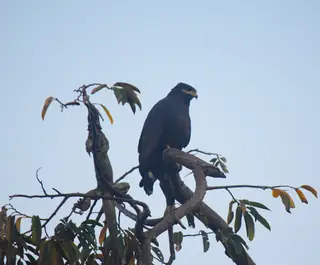 Common Black Hawk
-
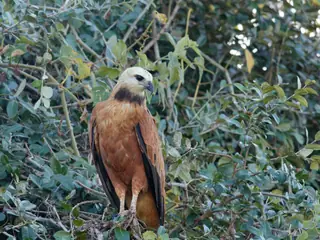 Black-collared Hawk
-
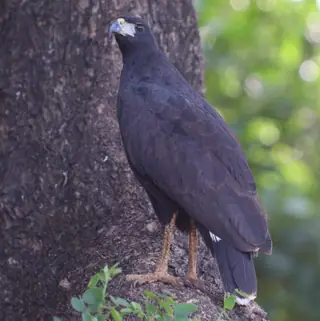 Great Black Hawk
-
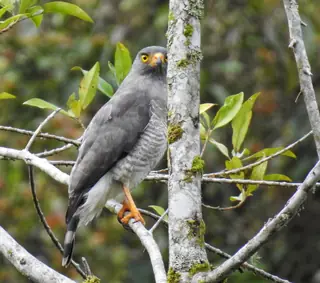 Roadside Hawk
-
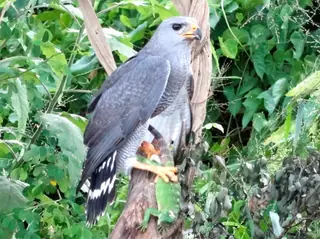 Grey Hawk
-
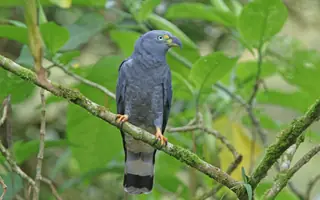 Hook-billed Kite
-
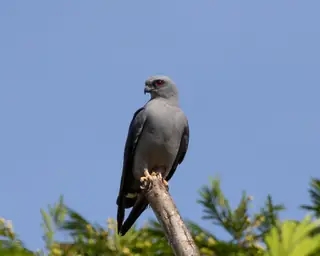 Plumbeous Kite
-
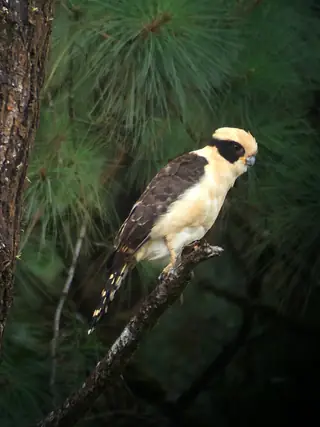 Laughing Falcon
-
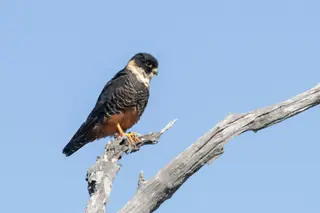 Bat Falcon
-
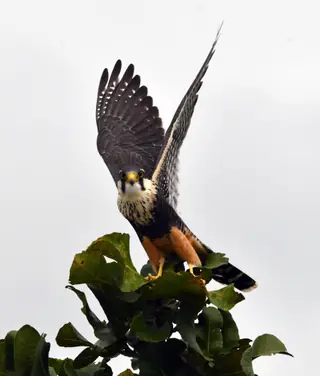 Aplomado FalconRare
-
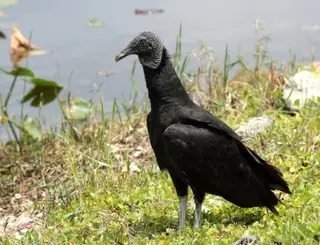 Black Vulture
-
 Turkey Vulture
-
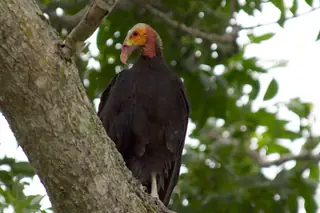 Lesser Yellow-headed Vulture
-
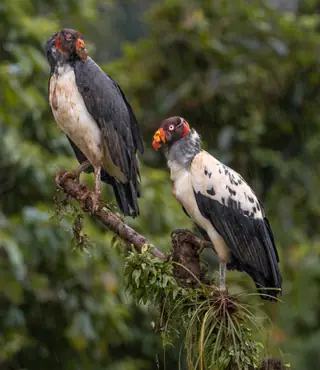 King VultureRare
Owls and nightbirds 4
-
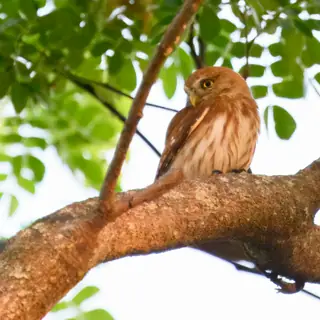 Ferruginous Pygmy Owl
-
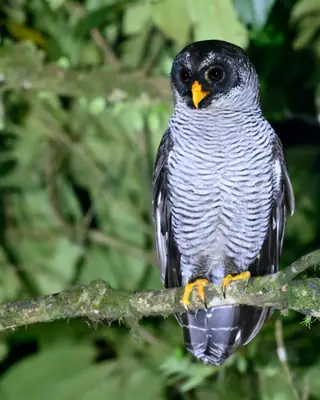 Black-and-white OwlRare
-
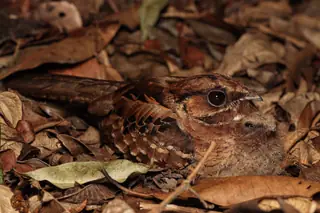 Common Pauraque
-
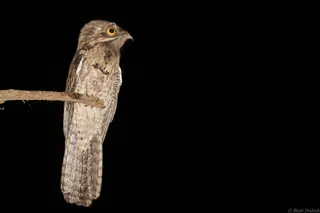 Northern Potoo
Kingfishers 5
-
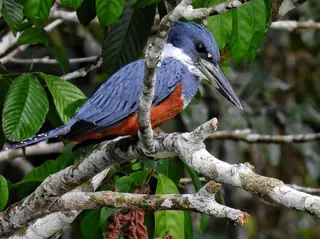 Ringed Kingfisher
-
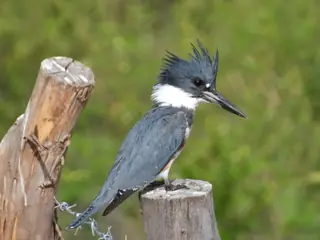 Belted Kingfisher
-
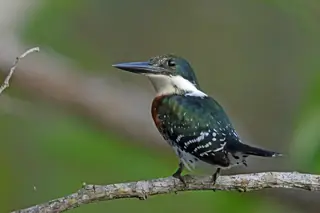 Green Kingfisher
-
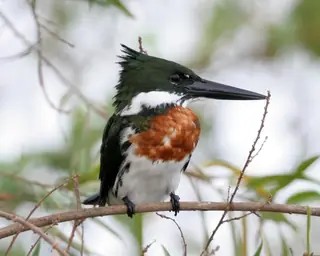 Amazon Kingfisher
-
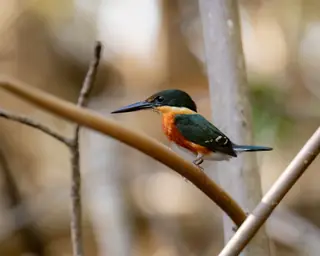 American Pygmy Kingfisher
Chachalacas, parrots, pigeons and cuckoos 12
-
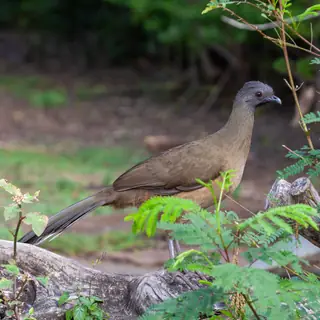 Plain Chachalaca
-
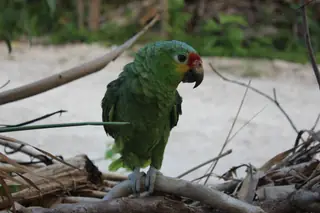 Red-lored Amazon
-
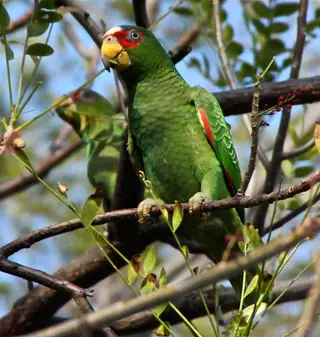 White-fronted Amazon
-
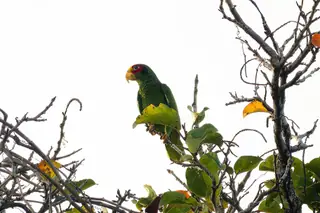 Yucatan Amazon
-
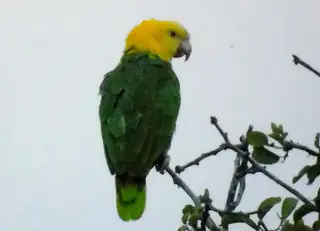 Yellow-headed AmazonRare
-
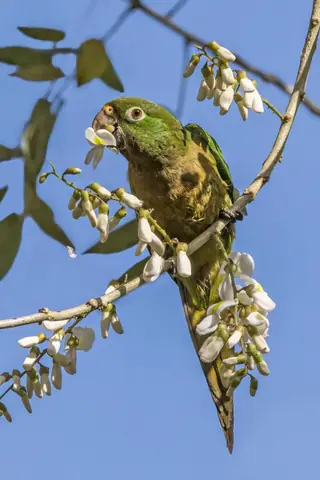 Olive-throated Parakeet
-
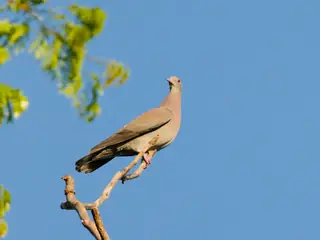 Pale-vented Pigeon
-
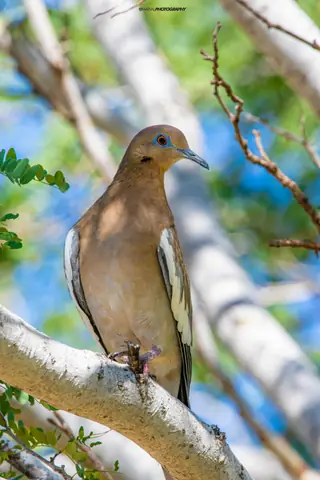 White-winged Dove
-
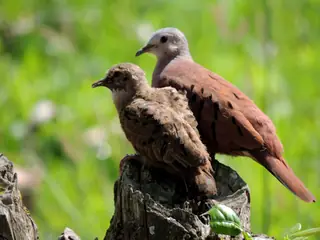 Ruddy Ground Dove
-
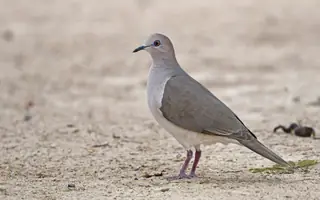 White-tipped Dove
-
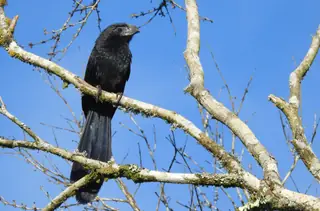 Groove-billed Ani
-
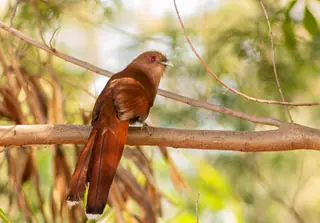 Common Squirrel-cuckoo
Savanna and forest edge birds 28
-
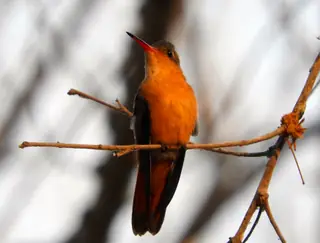 Cinnamon Hummingbird
-
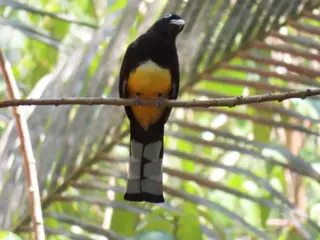 Black-headed Trogon
-
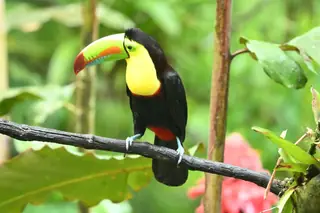 Keel-billed Toucan
-
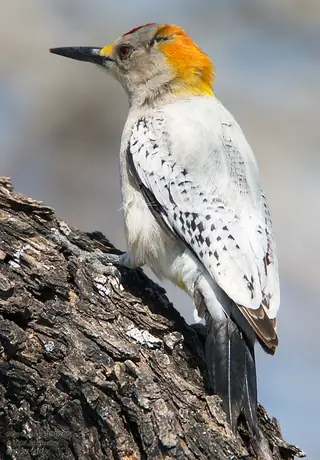 Golden-fronted Woodpecker
-
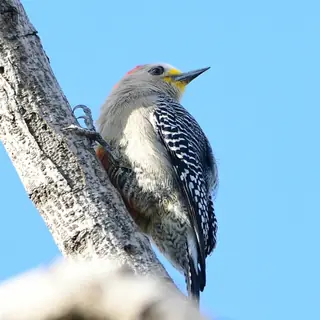 Yucatan Woodpecker
-
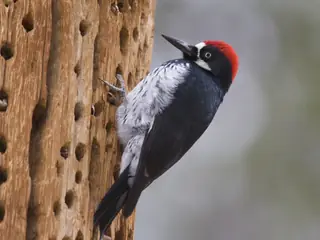 Acorn Woodpecker
-
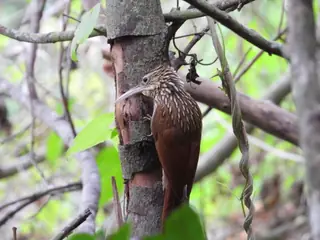 Ivory-billed Woodcreeper
-
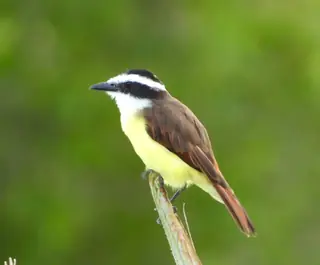 Great Kiskadee
-
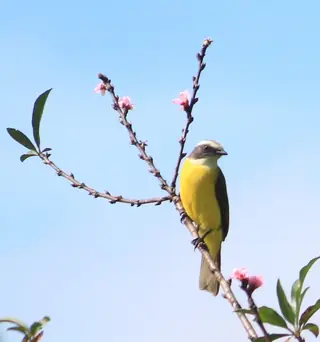 Social Flycatcher
-
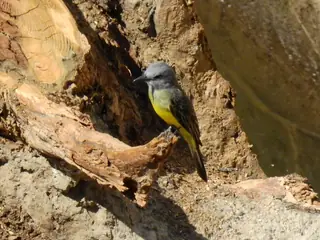 Tropical Kingbird
-
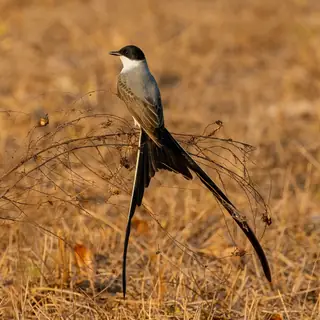 Fork-tailed Flycatcher
-
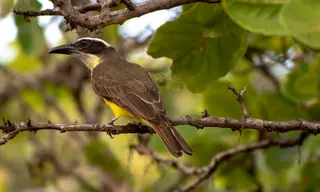 Boat-billed Flycatcher
-
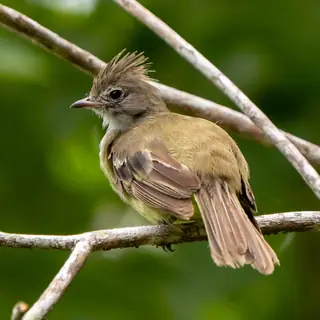 Yellow-bellied Elaenia
-
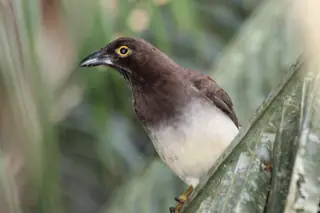 Brown Jay
-
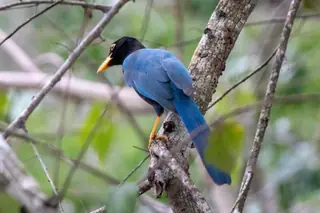 Yucatan Jay
-
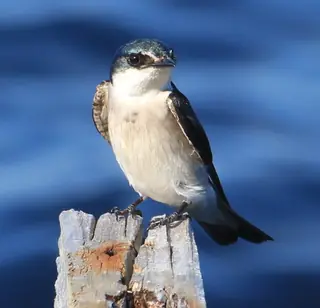 Mangrove Swallow
-
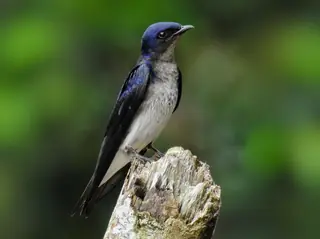 Grey-breasted Martin
-
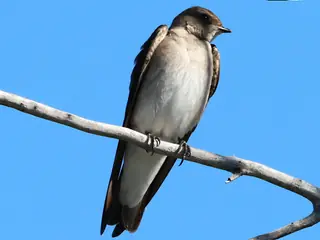 Northern Rough-winged Swallow
-
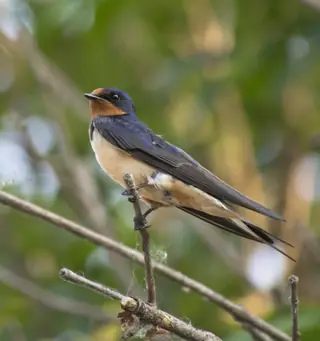 Barn Swallow
-
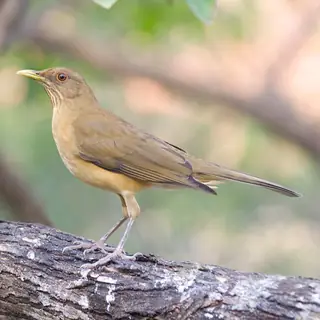 Clay-coloured Thrush
-
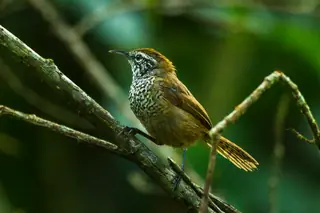 Spot-breasted Wren
-
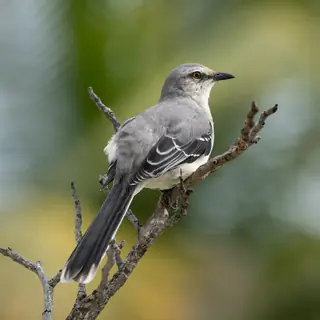 Tropical Mockingbird
-
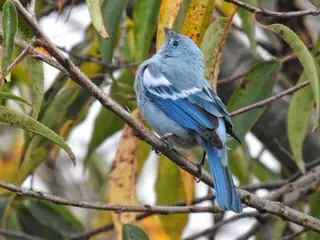 Blue-grey Tanager
-
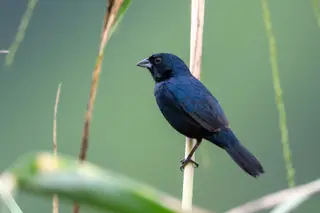 Blue-black Grassquit
-
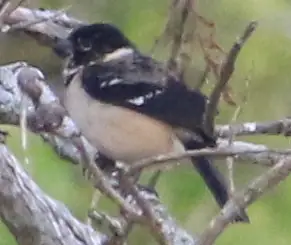 Morelet's Seedeater
-
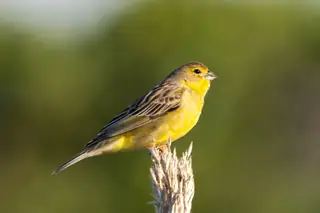 Grassland Yellow FinchRare
-
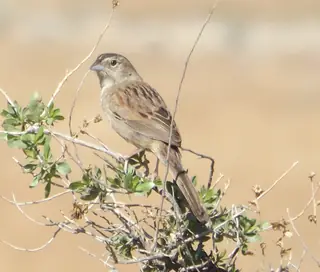 Botteri's Sparrow
-
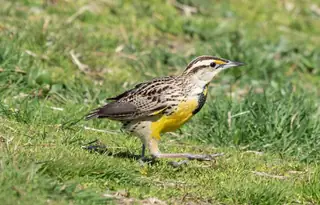 Eastern Meadowlark
Blackbirds, orioles and warblers 11
-
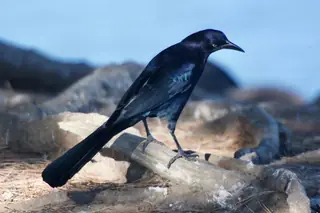 Great-tailed Grackle
-
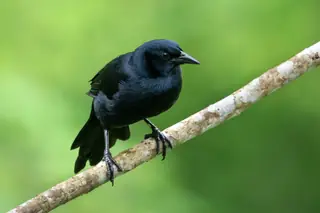 Melodious Blackbird
-
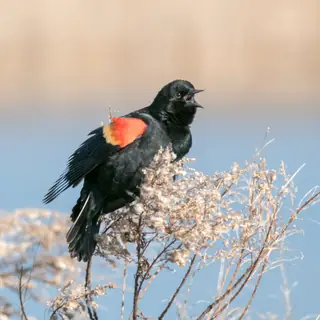 Red-winged Blackbird
-
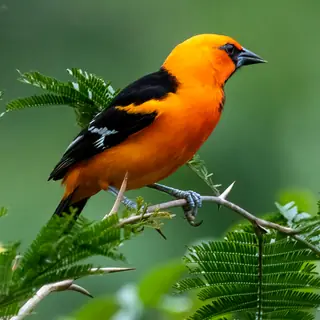 Altamira Oriole
-
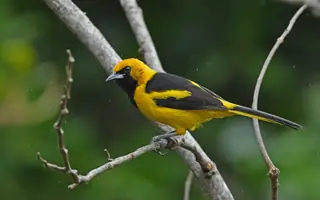 Yellow-tailed Oriole
-
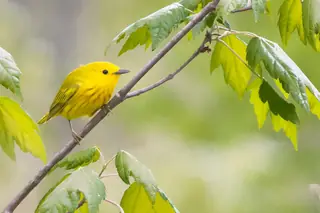 Yellow Warbler
-
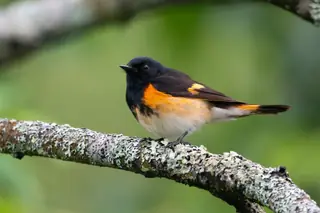 American Redstart
-
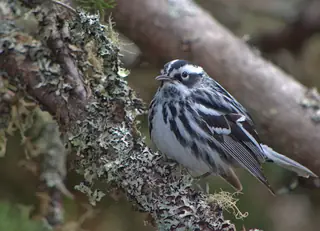 Black-and-white Warbler
-
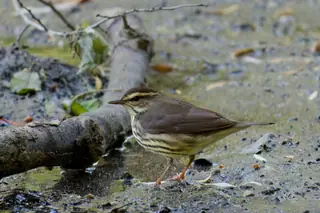 Northern Waterthrush
-
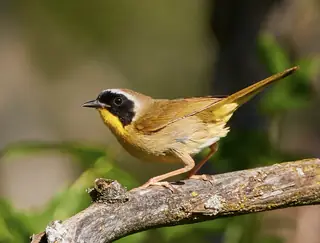 Common Yellowthroat
-
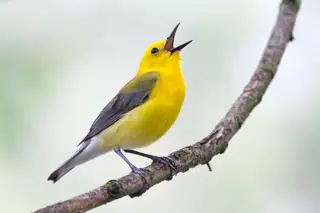 Prothonotary Warbler
Monkeys and other mammals 15
-
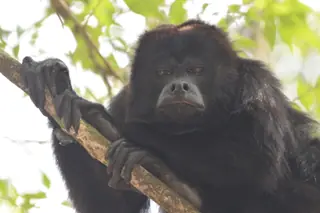 Yucatán Black Howler Monkey
-
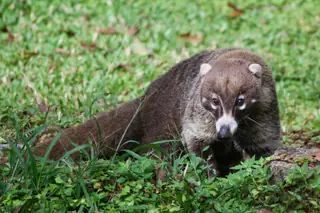 White-nosed Coati
-
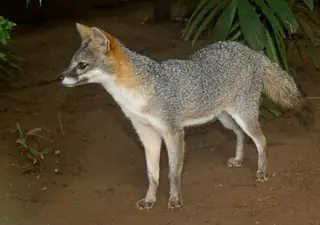 Grey Fox
-
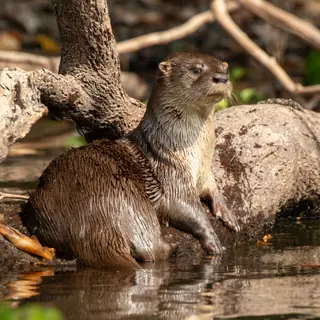 Neotropical OtterRare
-
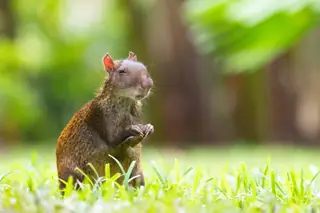 Central American Agouti
-
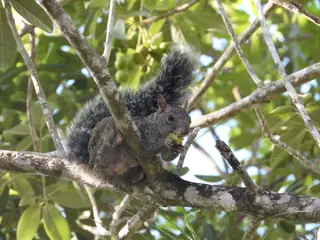 Yucatan Squirrel
-
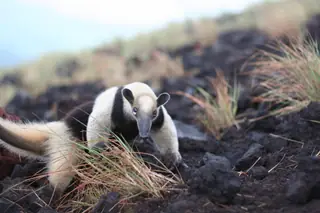 Northern TamanduaRare
-
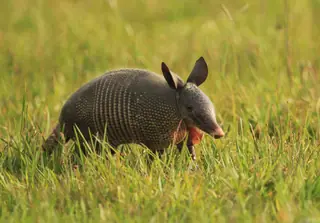 Nine-banded Armadillo
-
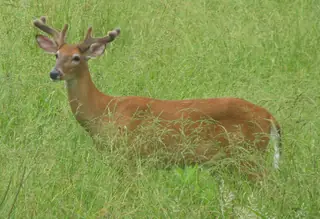 White-tailed Deer
-
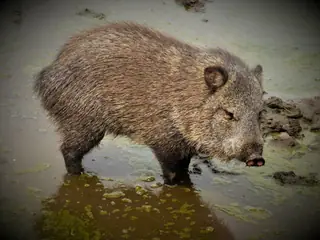 Collared PeccaryRare
-
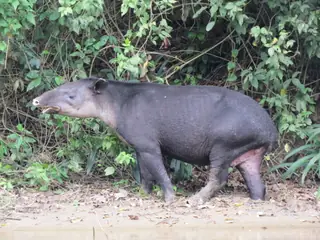 Baird's TapirRare
-
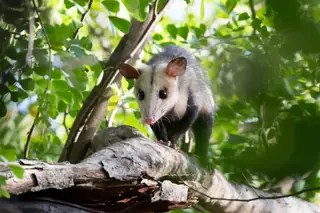 Common Opossum
-
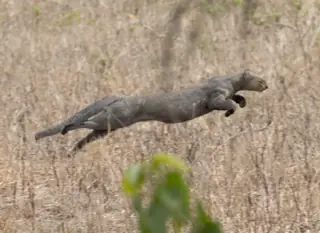 JaguarundiRare
-
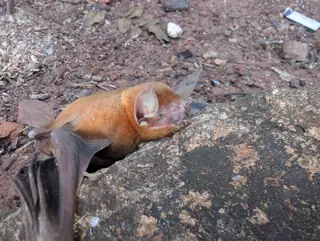 Greater Bulldog Bat
-
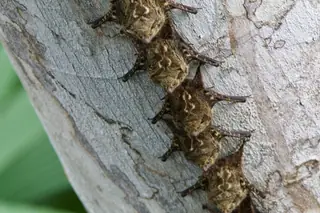 Proboscis Bat
Reptiles, amphibians and insects 16
-
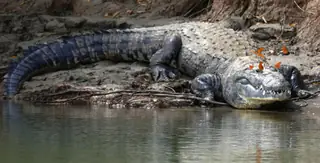 Morelet's Crocodile
-
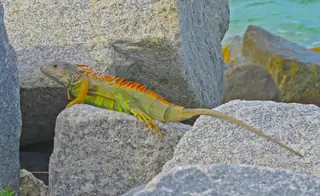 Green Iguana
-
 Common Spiny-tailed Iguana
-
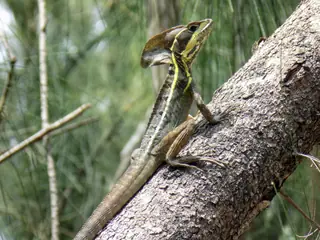 Brown Basilisk
-
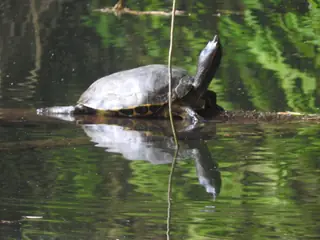 Meso-American Slider
-
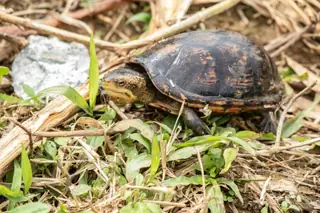 White-lipped Mud Turtle
-
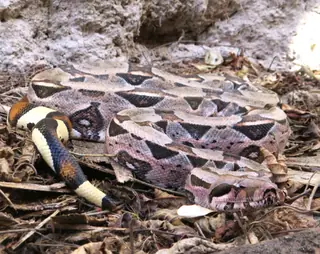 Boa Constrictor
-
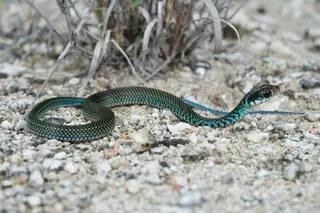 Speckled Racer
-
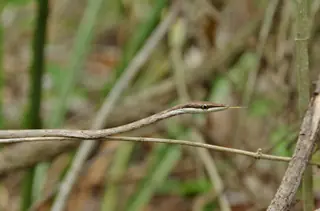 Gulf Coast Vine Snake
-
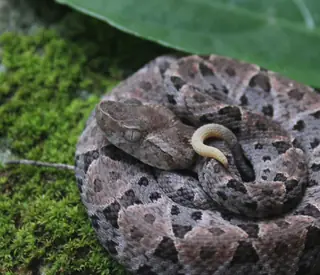 Fer-de-lanceRare
-
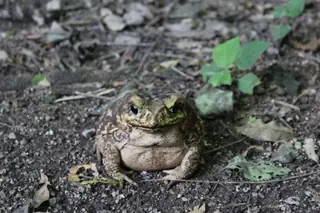 Mesoamerican Cane Toad
-
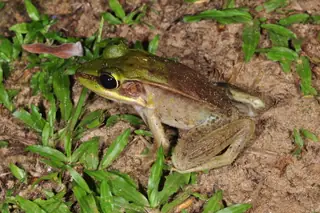 Vaillant's Frog
-
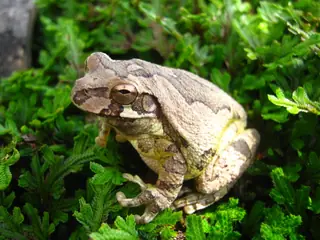 Common Mexican Treefrog
-
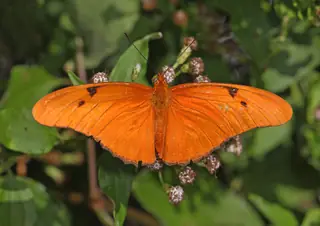 Julia
-
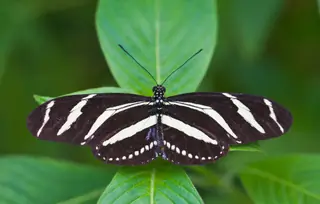 Zebra Longwing
-
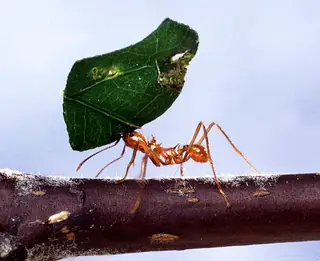 Leafcutter Ant
Best time to see wildlife in Crooked Tree
Sightings by month in Crooked Tree
Most records: Dec to AugRecords from GBIF.org, adjusted for how many people record wildlife each month. 100% is the busiest month.
Crooked Tree is at its best in the dry season, from about February to May. As the lagoons drop, fish and snails are concentrated in the shallows, and storks, herons, spoonbills and kites gather to feed. Jabiru numbers are usually highest in April and May, and the heat builds through those months. The rains return from about June, refilling the lagoons and spreading the birds across the wider wetlands, so you see fewer at once. North American migrants, such as Blue-winged Teal, Belted Kingfisher and many warblers, are present from about October to April, so February and March give both migrants and gathering waterbirds. In every month, early morning is coolest and busiest for birds, and late afternoon brings Limpkins calling and herons heading to roost.
- Nov to JanWater high, migrants arriving; birds spread out
- Feb to MarWater dropping, waterbirds gathering, migrants still present
- Apr to MayHot; peak jabiru and stork numbers in the shallows
- Jun to OctRainy season; lagoons refill, fewer visitors, frogs active
Tips for spotting wildlife in Crooked Tree
- 01
Take a boat at first light
Local guides from the village run boat trips through the lagoon and creeks. Go at dawn, when it is cool and herons, kites and kingfishers are most active.
- 02
Bird the causeway and village
The causeway and the village's trees and gardens are good for jacanas, orioles, Groove-billed Anis and Plain Chachalacas without a boat.
- 03
Drift on the narrow creeks
Sungrebes and American Pygmy Kingfishers sit in shade under overhanging branches. Let the boat drift and keep voices low rather than pushing closer.
- 04
Look over the pine savanna
Fork-tailed Flycatchers, Botteri's Sparrows and Acorn Woodpeckers use the open savanna along the road in.
- 05
Respect the crocodiles
Morelet's crocodiles are common in the lagoon. Keep hands inside the boat, keep back from banks where they bask and never feed them.

Take Crooked Tree with you
Tick off jabiru, kites and kingfishers from the boat at Crooked Tree with Wilder, with no signal needed. It is free to start.

Crooked Tree wildlife FAQ
What animals can you see at Crooked Tree Wildlife Sanctuary?
Crooked Tree is mainly a bird sanctuary: jabiru, Wood Storks, Roseate Spoonbills, herons, Snail Kites, jacanas and kingfishers are the highlights. Morelet's crocodiles, iguanas, basking turtles and howler monkeys are regular too. This checklist covers 141 animals, most of them birds.
When can you see jabiru at Crooked Tree?
The best time to see jabiru at Crooked Tree is the late dry season, roughly February to May, with numbers usually highest in April and May. As the lagoons shrink, the storks gather to feed in the shallows. Watch from the boat or the shore and follow the sanctuary's distance rules.
How do you get to Crooked Tree from Belize City?
Crooked Tree is about 50 km north of Belize City. Take the Phillip Goldson Highway towards Orange Walk, turn off at the signed junction and follow the road and causeway across the lagoon to the village and visitor centre. Day tours and taxis run from Belize City and the airport area.
Is Crooked Tree worth visiting in the rainy season?
Yes, though it is quieter for birds. From about June to October the lagoons are full and waterbirds spread out across the wider wetlands, so you see fewer at once. Resident herons, kingfishers, kites and howler monkeys are still around, it is green and there are fewer visitors. For the big stork gatherings, go from February to May.
Are there crocodiles at Crooked Tree?
Yes. Morelet's crocodile, a freshwater species found only in Mexico, Belize and Guatemala, is common in the lagoons and creeks. They bask on banks by day and show eyeshine on night boat trips. Keep well back, keep hands inside the boat and never feed them.
Sources
- Ramsar Sites Information Service: Crooked Tree Wildlife Sanctuary
- Belize Tourism Board: Crooked Tree Wildlife Sanctuary
- National Audubon Society: Beautiful and Bird-Filled Belize
- Sightings by month: GBIF.org
Animal photos are from the Wilder catalogue; photo credits.
Similar checklists
All South and Central America-
 Reserve118animals Cockscomb Basin Wildlife Sanctuary Stann Creek, Belize The world's first jaguar reserve, a forested basin below Victoria Peak where tapirs leave tracks on the trails, howler monkeys roar at dawn and toucans call from the canopy. Best time Feb to May
-
 Region138animals Belize Barrier Reef Belize, Stann Creek and Toledo districts, Belize The longest barrier reef in the Americas and its three atolls, where snorkellers drift over stingrays, nurse sharks, turtles and parrotfish, manatees graze the seagrass and frigatebirds and boobies wheel over the cayes. Best time Feb to May
-
 National park100animals Tikal National Park Petén, Guatemala Maya temples rising above lowland rainforest, where spider and howler monkeys move through the canopy and ocellated turkeys and coatis wander the plazas. Best time Nov to Apr
-
 Reserve119animals Sian Ka'an Biosphere Reserve Quintana Roo, Yucatán Peninsula, Mexico Lagoons, mangroves and reef south of Tulum, where boats find dolphins, crocodiles, spoonbills and frigatebirds and a Maya canal winds through the wetlands. Best time Nov to Apr