Region · Belize, Stann Creek and Toledo districts · Belize
Belize Barrier Reef Animal Checklist

The Belize Barrier Reef runs for about 300 km off the coast of Belize, with three coral atolls further out, and is part of a UNESCO World Heritage Site. Snorkellers see stingrays, nurse sharks, eagle rays and parrotfish, while boobies and frigatebirds wheel over the cayes. This checklist covers 138 animals. February to May is driest and calmest.
Tick off all 138 animals in Belize Reef on your phone, even offline. Launching soon. Free A4 PDF, no sign-up.
Most visitors stay on Ambergris Caye, Caye Caulker or in Placencia and take licensed boat trips to the marine reserves, which charge a fee and have their own rules. The atolls, Turneffe, Lighthouse Reef and Glover's Reef, are a longer crossing, mostly for divers and full-day trips.
- Animals to find
- 138
- Where
- Belize
- Best time
- Feb to May
- Sea turtle species
- Three
Popular animals in Belize Reef
-
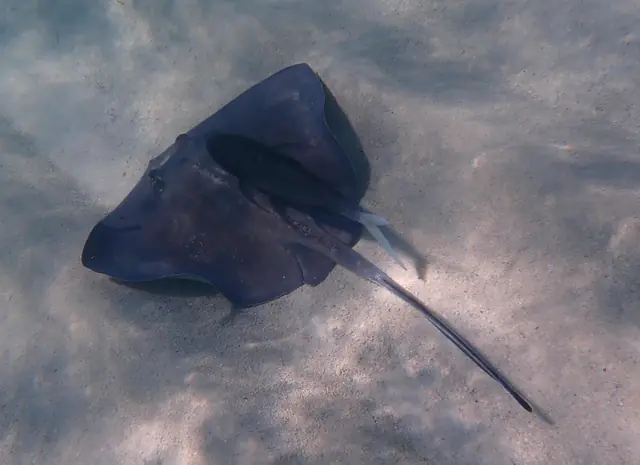
Southern Stingray
Hypanus americanus
Rests half-buried on sandy bottoms in the shallow channels inside the reef. Watch from above and never touch, hold or feed one.
-
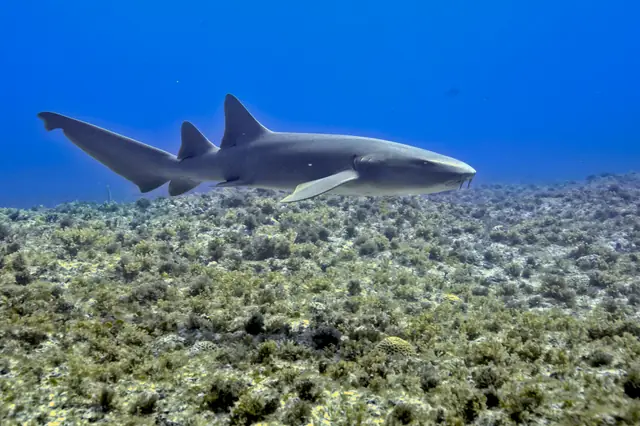
Atlantic Nurse Shark
Ginglymostoma cirratum
Docile and slow, it rests under ledges and on sand by day. Keep your hands to yourself and let it swim on.
-
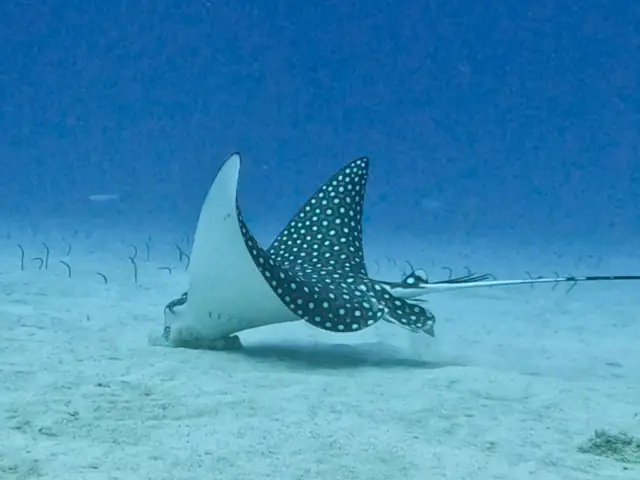
Spotted Eagle Ray
Aetobatus narinari
Glides along reef channels and over the sand, often in pairs or small groups, wings rising and falling like a bird's.
-
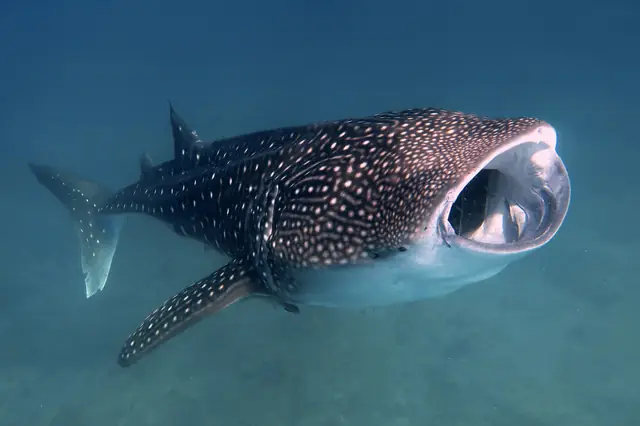
Whale Shark
Rhincodon typus
Gathers off the southern reef around the spring full moons, roughly March to June, to feed on snapper spawn. Trips run from Placencia with licensed guides, who limit boats and swimmers.
-
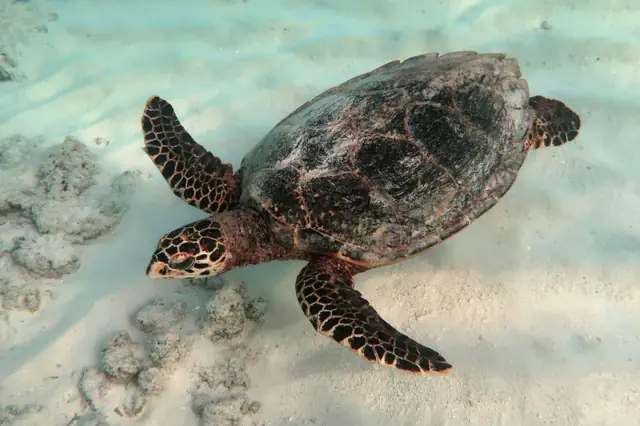
Hawksbill Sea Turtle
Eretmochelys imbricata
Feeds on sponges on the reef and is often seen by snorkellers in protected waters. Keep well back, never touch or chase, and follow the reserve's distance rules.
-
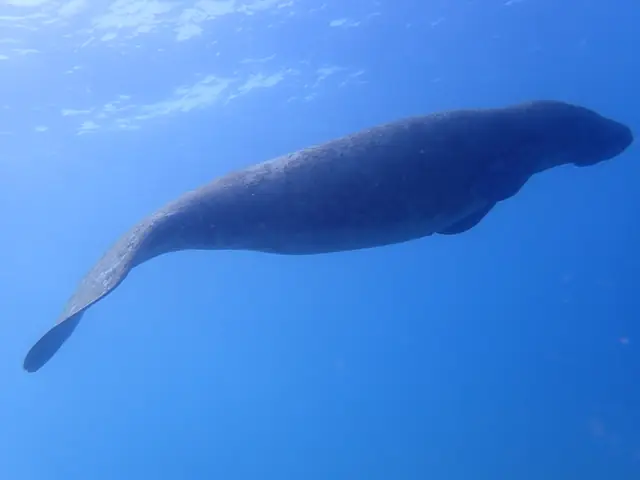
West Indian Manatee
Trichechus manatus
One of the largest populations of the Antillean manatee lives along this coast. Watch from a drifting boat with the engine off, and never swim with, touch or chase them.
-
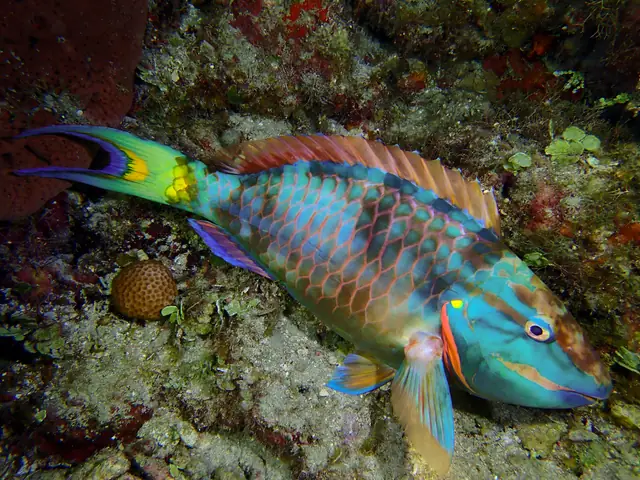
Stoplight Parrotfish
Sparisoma viride
Listen for the crunch as it scrapes algae from dead coral. Parrotfish turn much of the reef into the white sand of the cayes.
-
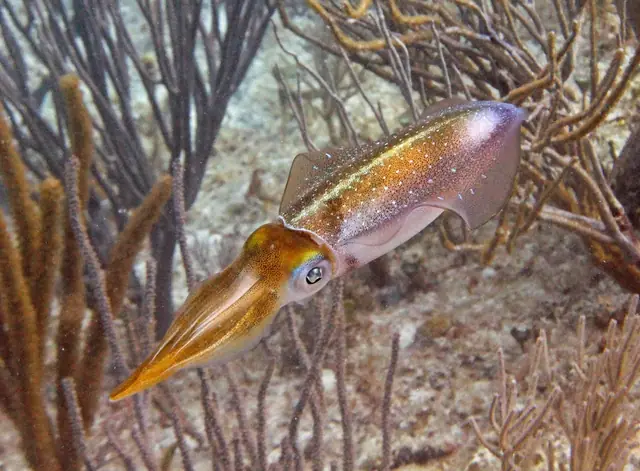
Caribbean Reef Squid
Sepioteuthis sepioidea
Small groups hover in a line just below the surface, changing colour as they watch you.
-
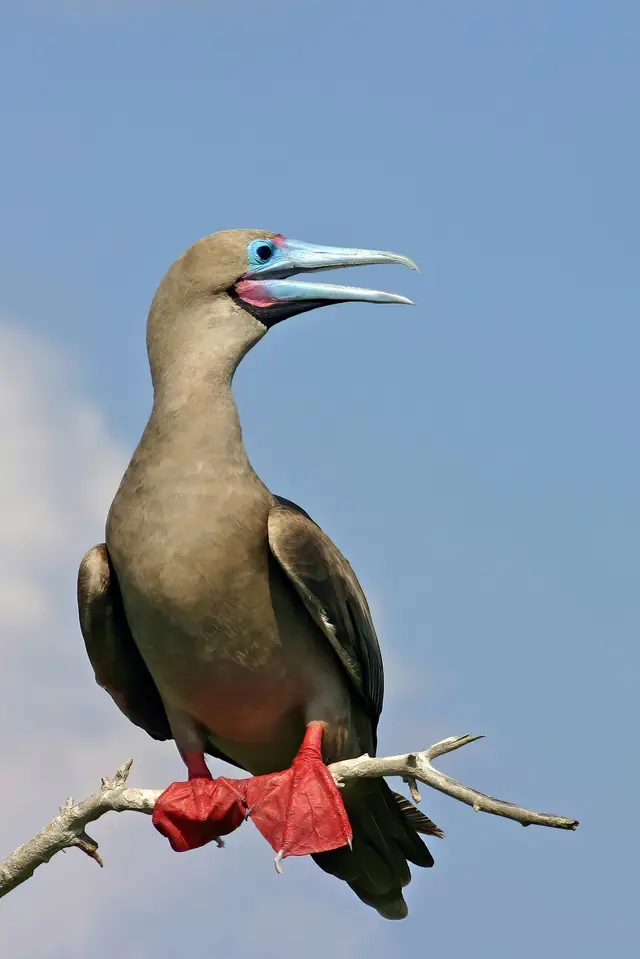
Red-footed Booby
Sula sula
A protected colony nests on Half Moon Caye at Lighthouse Reef, mostly white birds. Watch from the viewing platform and keep to the paths.
-
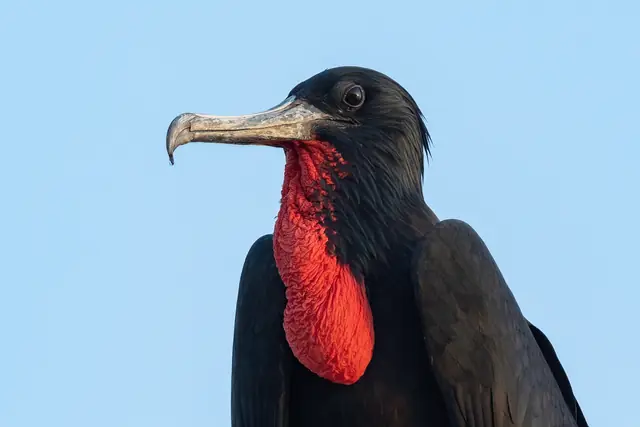
Magnificent Frigatebird
Fregata magnificens
Hangs over every caye on long, angled wings. Boats should pass breeding colonies on small cayes at a distance, without landing.
-
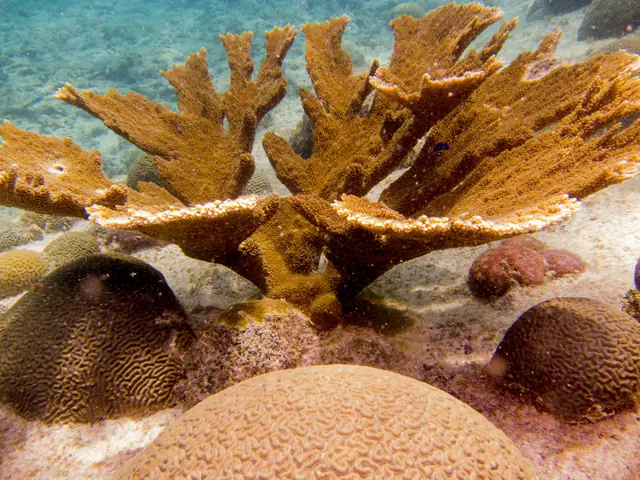
Elkhorn Coral
Acropora palmata
Once the main shallow reef builder, now critically endangered. Never stand on or touch coral, and use reef-safe sun cream.
All 138 animals in Belize Reef
Rays and sharks 10
-
 Southern Stingray
-
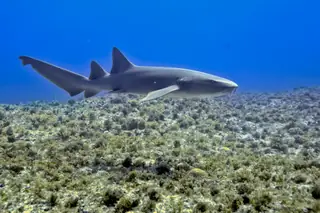 Atlantic Nurse Shark
-
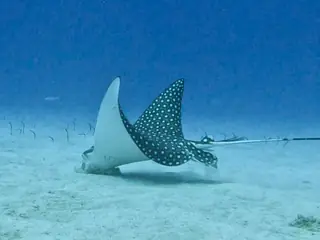 Spotted Eagle Ray
-
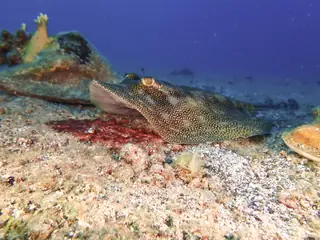 Yellow Stingray
-
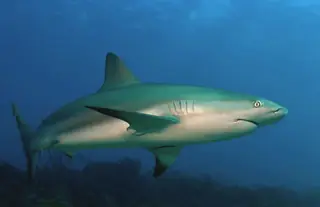 Caribbean Reef Shark
-
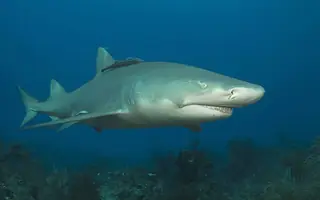 Lemon SharkRare
-
 Common Blacktip SharkRare
-
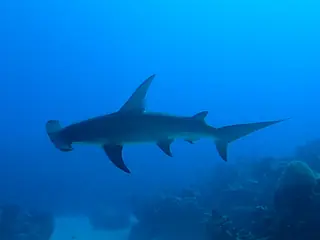 Great HammerheadRare
-
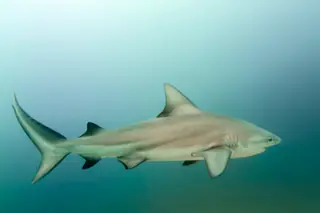 Bull SharkRare
-
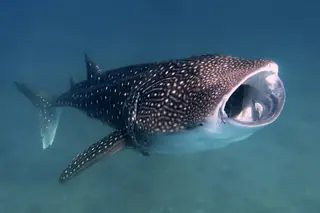 Whale SharkRare
Parrotfish, tangs and angelfish 15
-
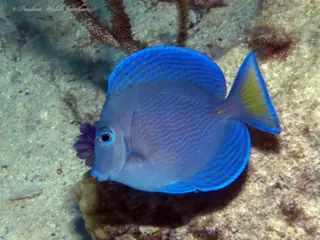 Atlantic Blue Tang
-
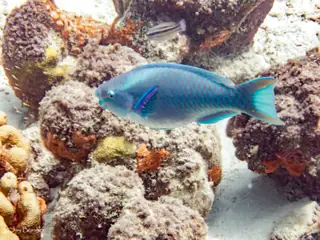 Queen Parrotfish
-
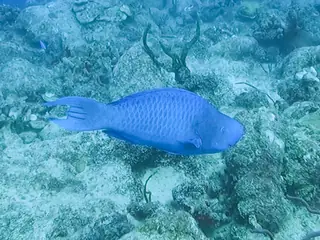 Blue Parrotfish
-
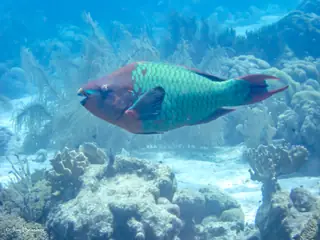 Rainbow Parrotfish
-
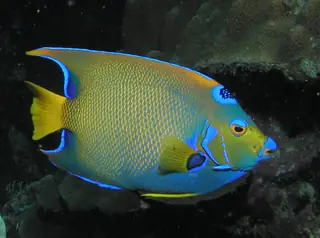 Queen Angelfish
-
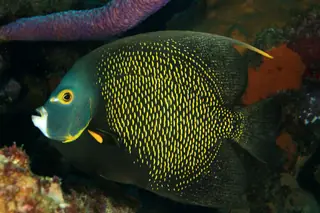 French Angelfish
-
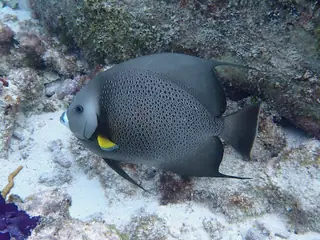 Grey Angelfish
-
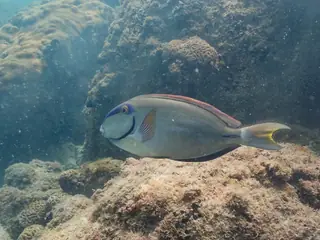 Ocean Surgeon
-
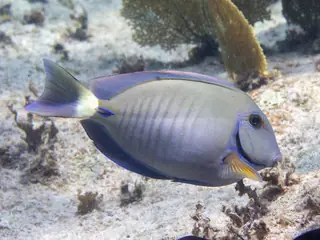 Doctorfish
-
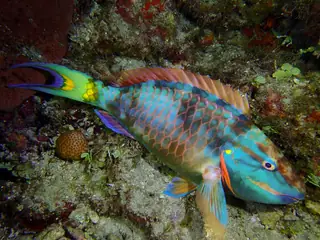 Stoplight Parrotfish
-
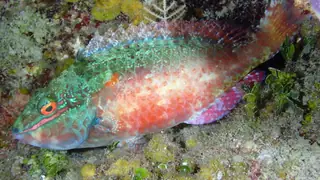 Redband Parrotfish
-
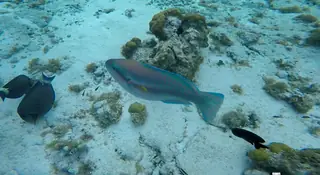 Striped Parrotfish
-
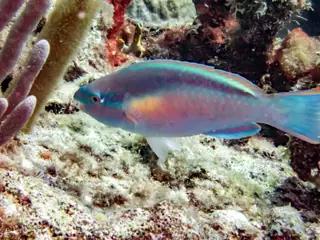 Princess Parrotfish
-
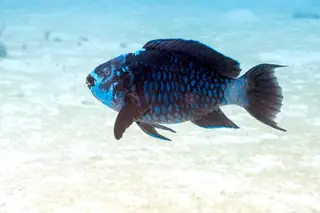 Midnight Parrotfish
-
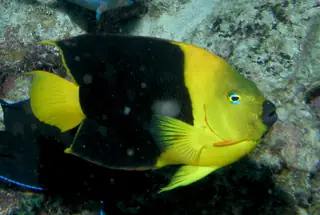 Rock Beauty
Wrasses, damselfish and butterflyfish 11
-
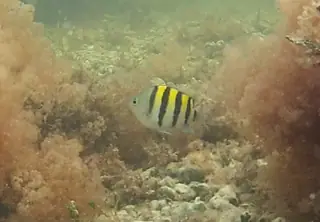 Atlantic Sergeant Major
-
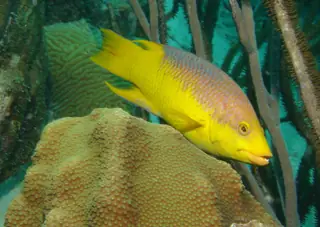 Spanish Hogfish
-
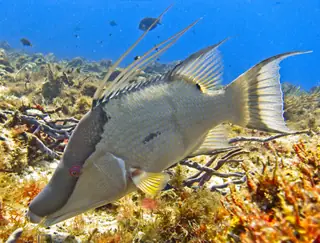 Hogfish
-
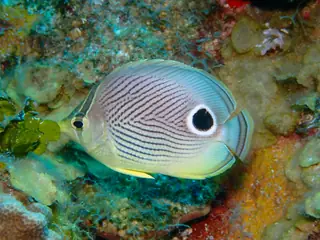 Foureye Butterflyfish
-
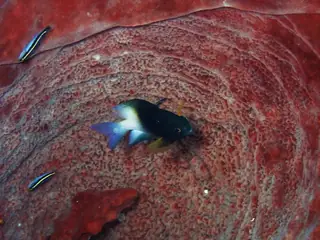 Bicolor Damselfish
-
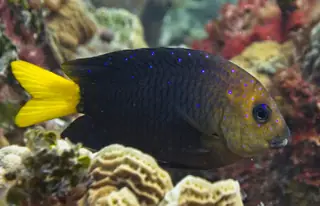 Yellowtail Damselfish
-
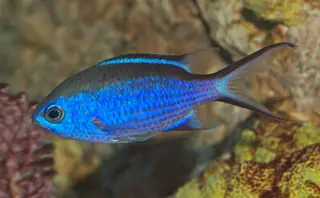 Blue Chromis
-
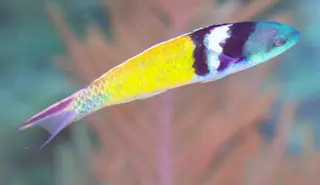 Bluehead
-
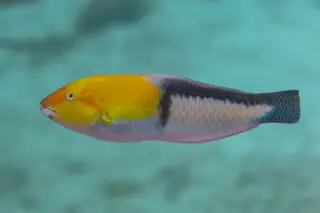 Yellowhead Wrasse
-
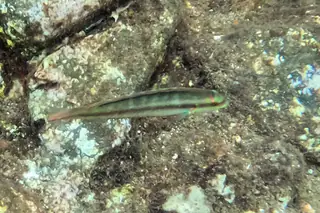 Slippery Dick
-
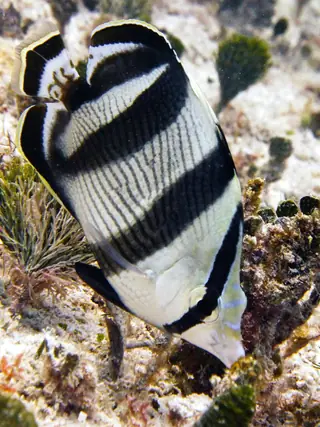 Banded Butterflyfish
Grunts, snappers, groupers and jacks 17
-
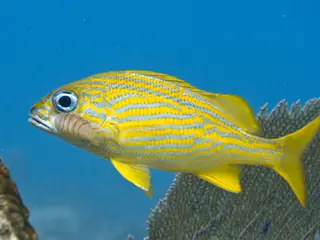 French Grunt
-
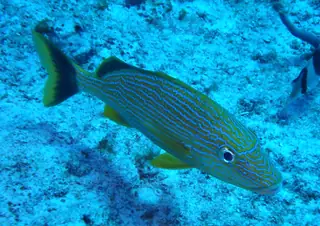 Bluestriped Grunt
-
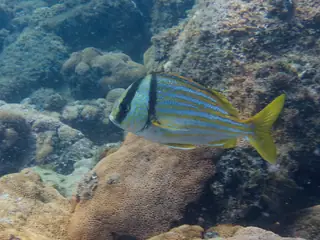 Porkfish
-
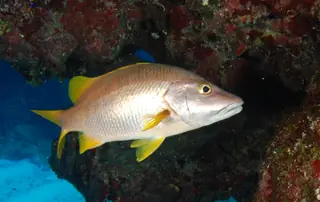 Schoolmaster Snapper
-
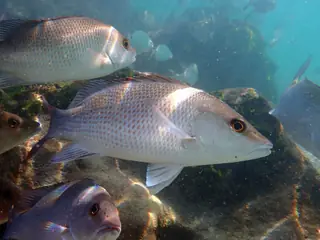 Grey Snapper
-
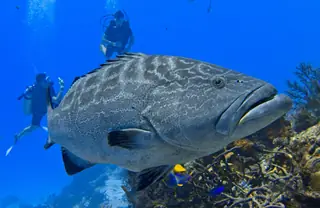 Black Grouper
-
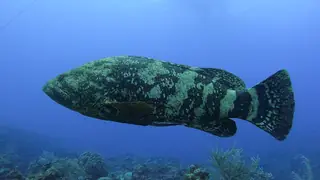 Atlantic Goliath GrouperRare
-
 Great Barracuda
-
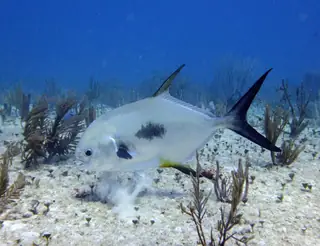 Permit
-
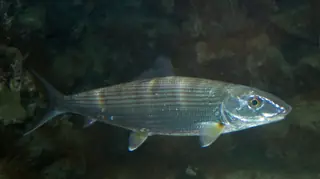 Bonefish
-
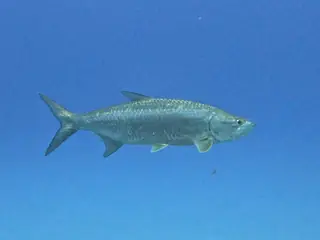 Atlantic Tarpon
-
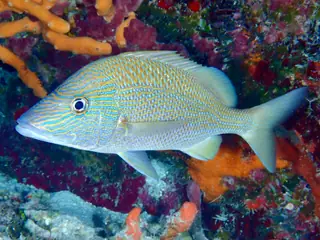 White Grunt
-
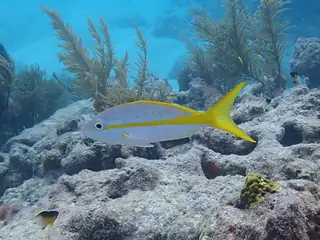 Yellowtail Snapper
-
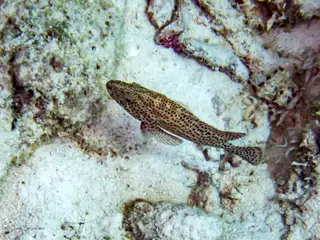 Graysby
-
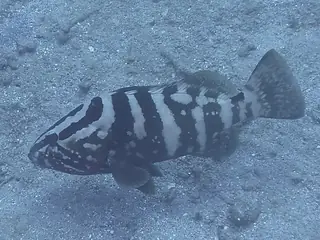 Nassau Grouper
-
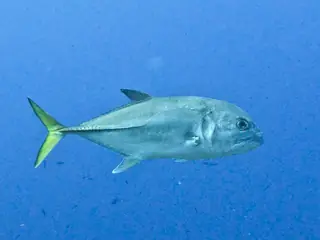 Horse-eye Jack
-
 Bar Jack
Other reef fish 10
-
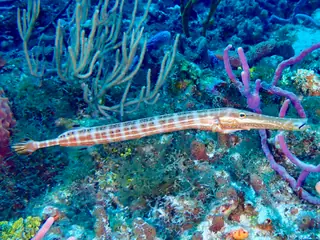 Western Atlantic Trumpetfish
-
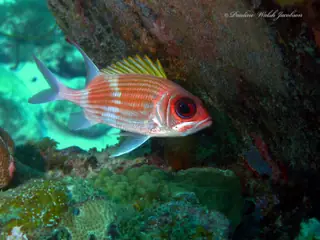 Squirrelfish
-
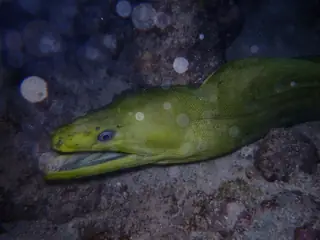 Green Moray
-
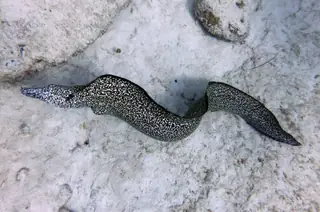 Spotted Moray
-
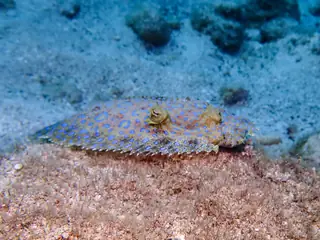 Peacock Flounder
-
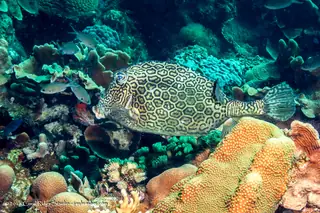 Honeycomb Cowfish
-
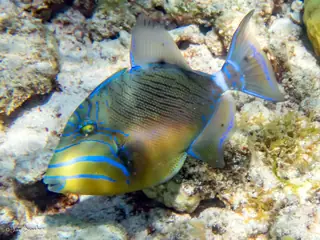 Queen Triggerfish
-
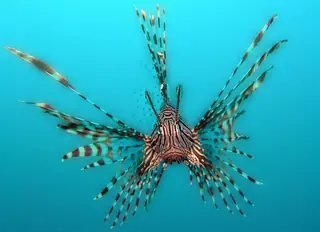 Red Lionfish
-
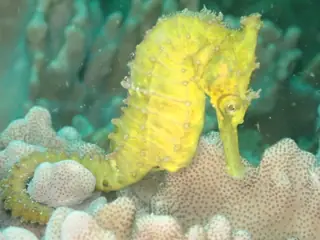 SeahorseRare
-
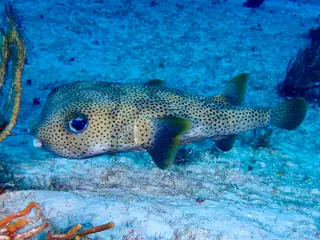 Porcupinefish
Corals and invertebrates 14
-
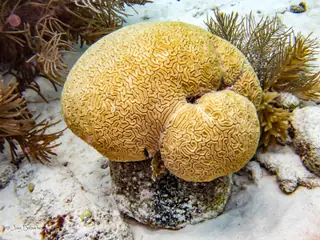 Grooved Brain Coral
-
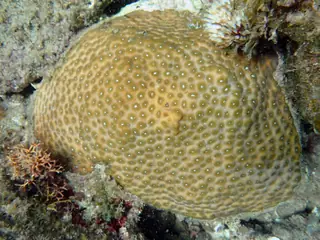 Great Star Coral
-
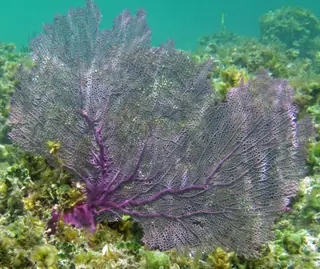 Common Sea Fan
-
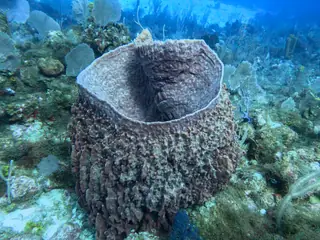 Giant Barrel Sponge
-
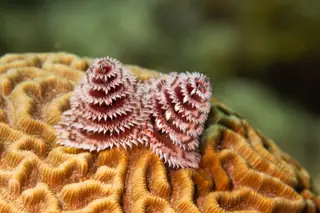 Christmas Tree Worm
-
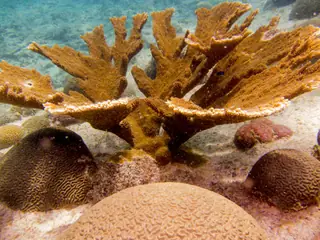 Elkhorn Coral
-
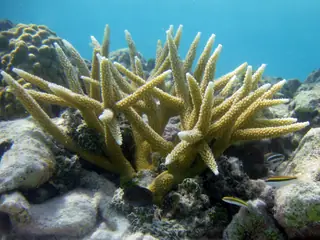 Staghorn Coral
-
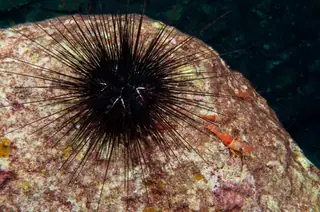 Long-spined Sea Urchin
-
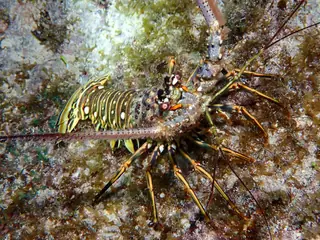 Caribbean Spiny Lobster
-
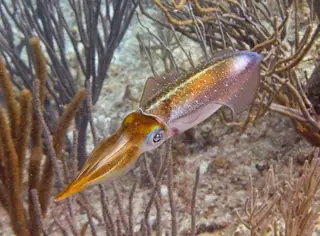 Caribbean Reef Squid
-
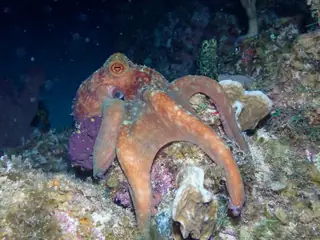 Caribbean Reef Octopus
-
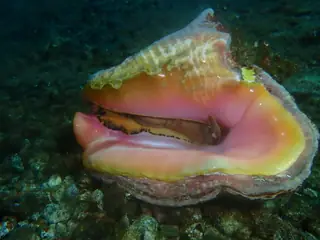 Queen Conch
-
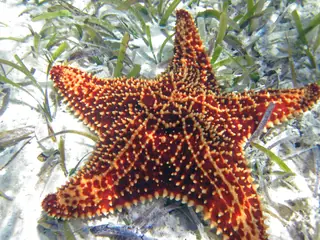 Red Cushion Sea Star
-
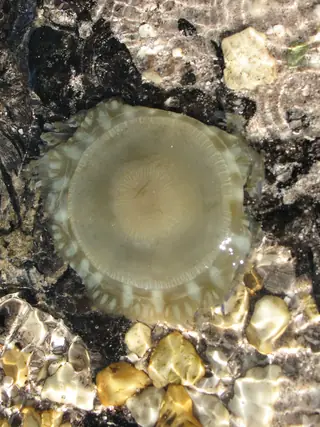 Upside-down Jellyfish
Turtles, manatees and dolphins 6
-
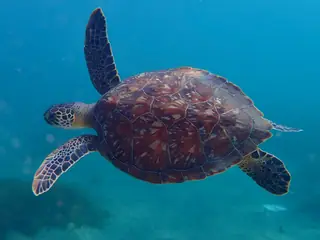 Green Sea Turtle
-
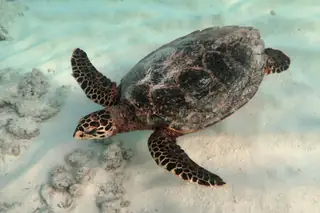 Hawksbill Sea Turtle
-
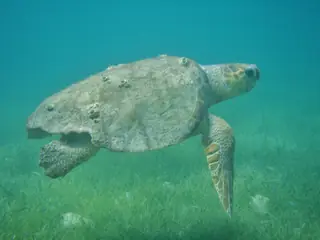 Loggerhead Sea TurtleRare
-
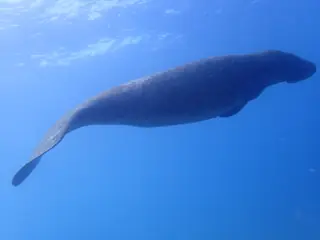 West Indian Manatee
-
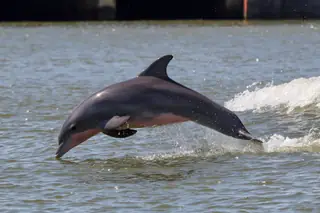 Common Bottlenose Dolphin
-
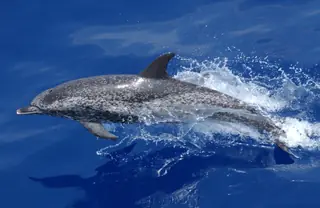 Atlantic Spotted DolphinRare
Seabirds 12
-
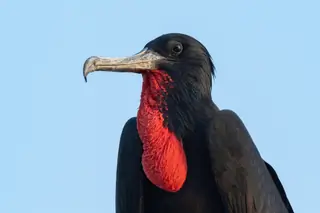 Magnificent Frigatebird
-
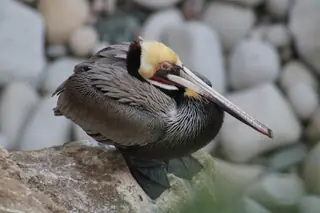 Brown Pelican
-
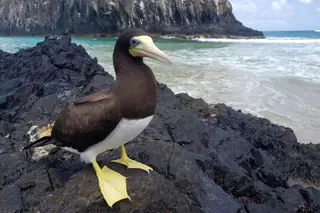 Brown Booby
-
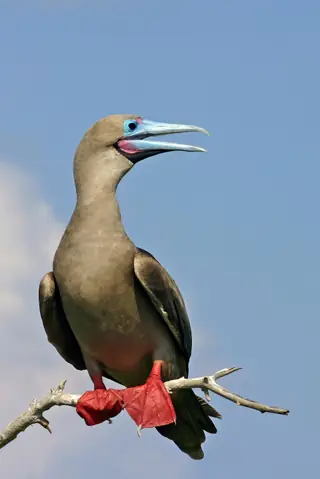 Red-footed Booby
-
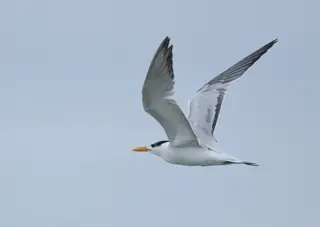 Royal Tern
-
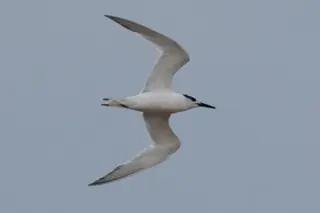 Sandwich Tern
-
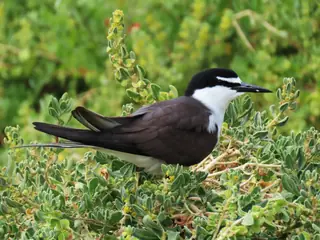 Bridled Tern
-
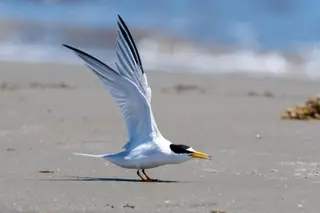 Least Tern
-
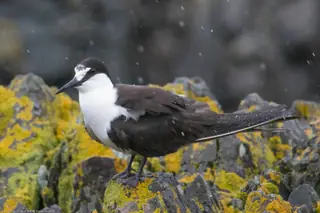 Sooty TernRare
-
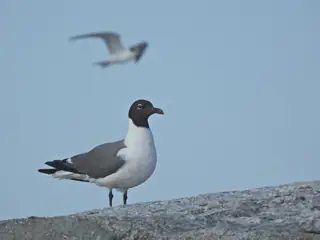 Laughing Gull
-
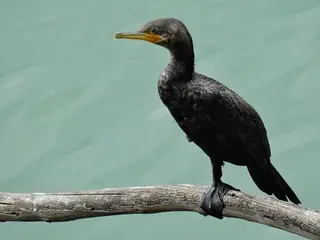 Neotropic Cormorant
-
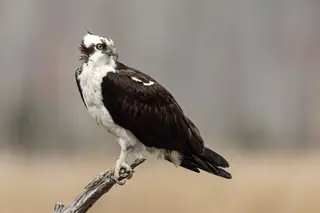 Osprey
Shorebirds 7
-
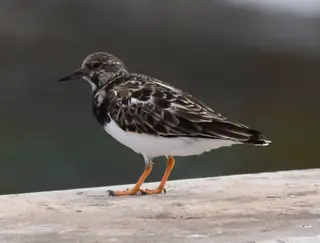 Ruddy Turnstone
-
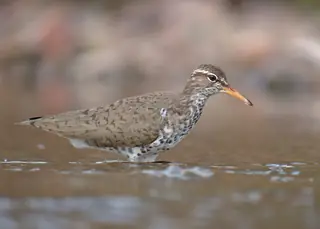 Spotted Sandpiper
-
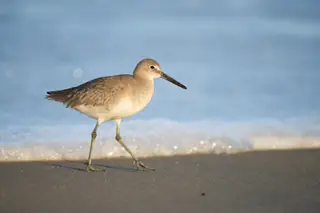 Willet
-
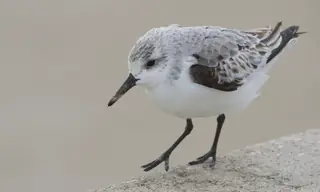 Sanderling
-
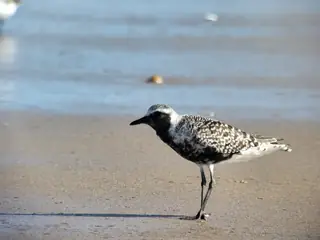 Grey Plover
-
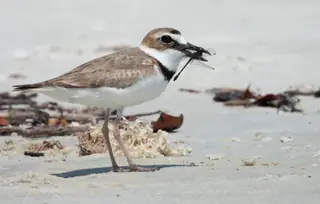 Wilson's Plover
-
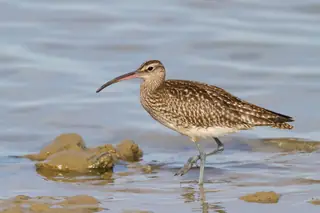 Whimbrel
Herons and mangrove birds 11
-
 Great Egret
-
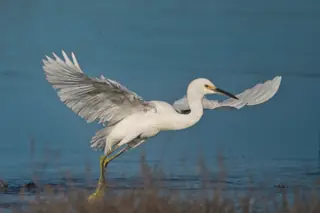 Snowy Egret
-
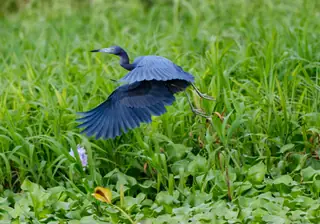 Little Blue Heron
-
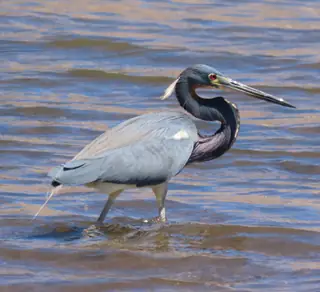 Tricolored Heron
-
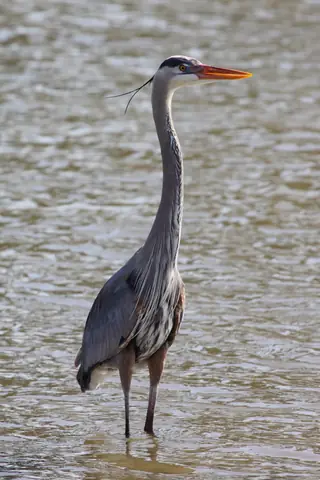 Great Blue Heron
-
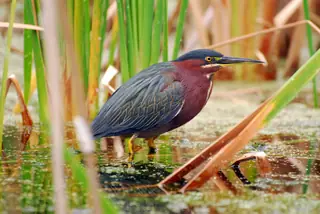 Green Heron
-
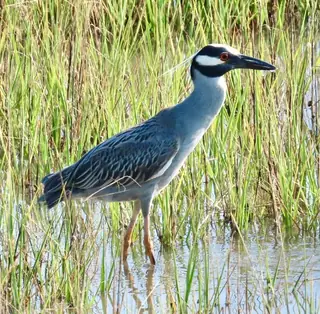 Yellow-crowned Night Heron
-
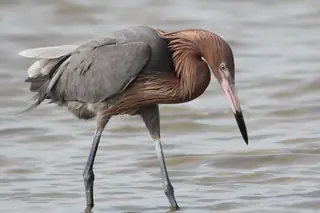 Reddish Egret
-
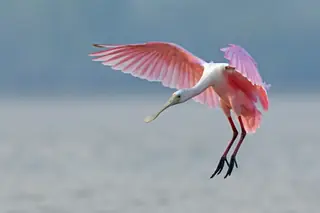 Roseate Spoonbill
-
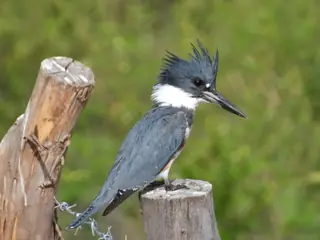 Belted Kingfisher
-
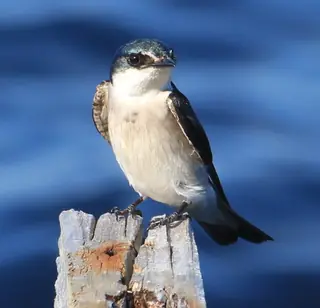 Mangrove Swallow
Caye landbirds 18
-
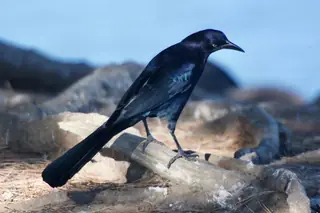 Great-tailed Grackle
-
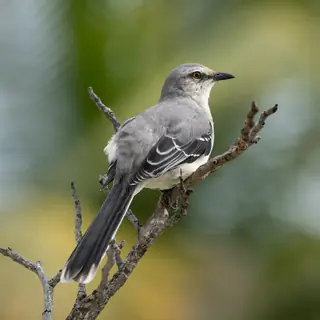 Tropical Mockingbird
-
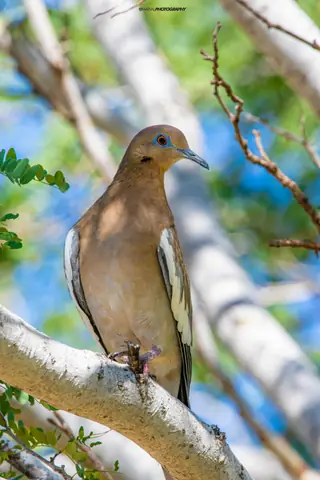 White-winged Dove
-
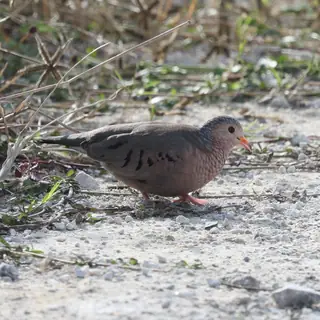 Common Ground Dove
-
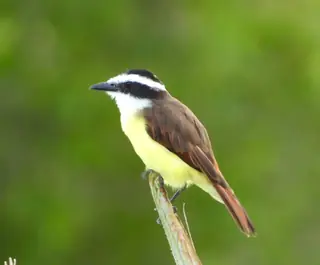 Great Kiskadee
-
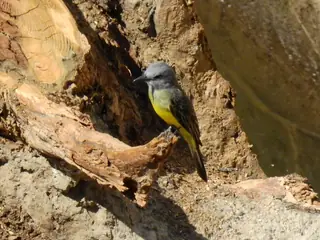 Tropical Kingbird
-
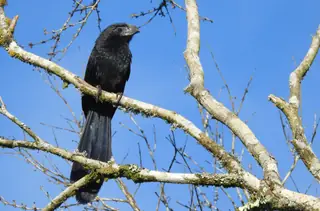 Groove-billed Ani
-
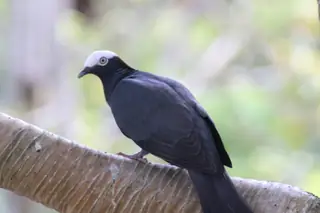 White-crowned Pigeon
-
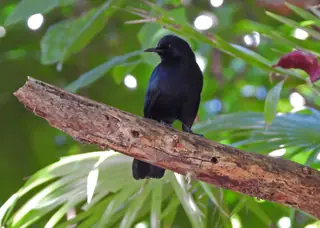 Black Catbird
-
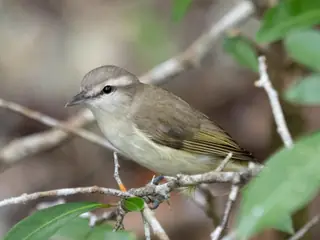 Yucatan Vireo
-
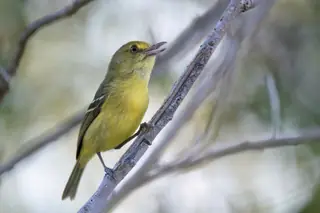 Mangrove Vireo
-
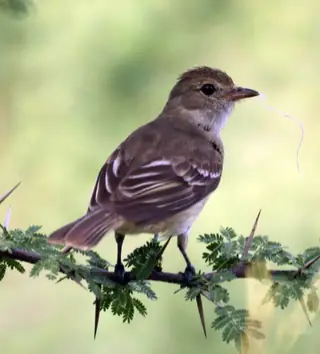 Caribbean Elaenia
-
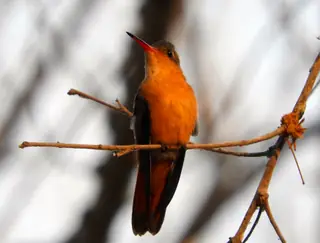 Cinnamon Hummingbird
-
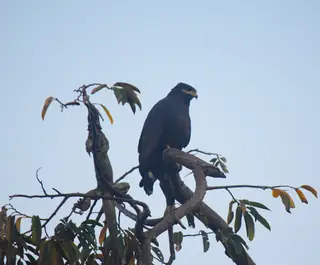 Common Black Hawk
-
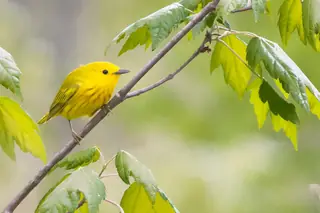 Yellow Warbler
-
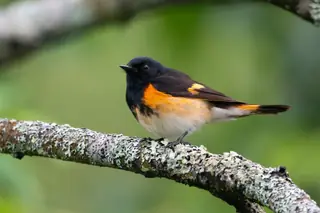 American Redstart
-
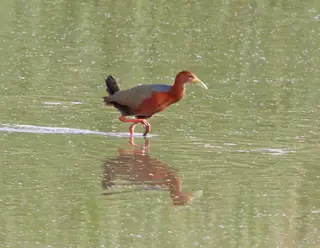 Rufous-necked Wood Rail
-
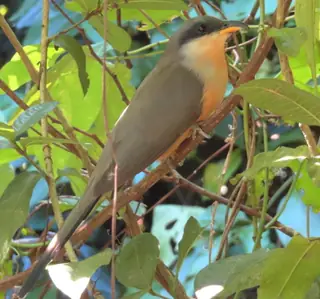 Mangrove CuckooRare
Reptiles and shore life 7
-
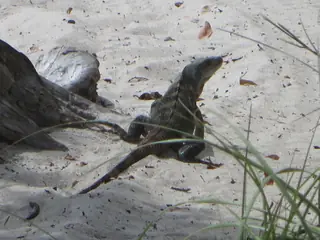 Common Spiny-tailed Iguana
-
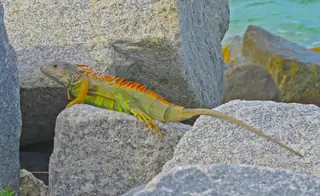 Green Iguana
-
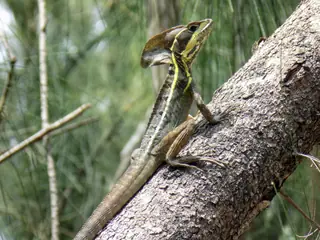 Brown Basilisk
-
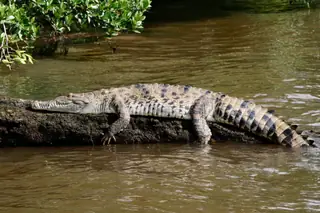 American Crocodile
-
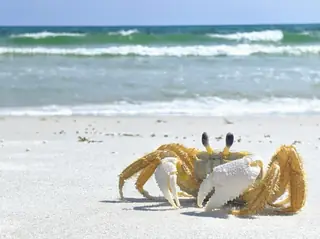 Atlantic Ghost Crab
-
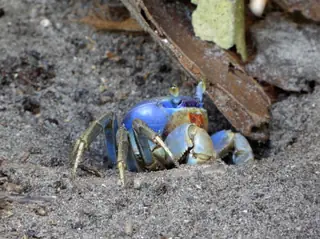 Blue Land Crab
-
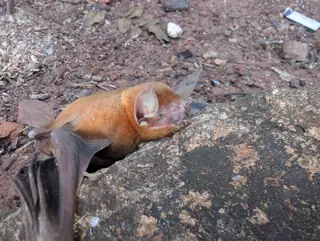 Greater Bulldog Bat
Best time to see wildlife in Belize Reef
Sightings by month in Belize Reef
Most records: Dec to Mar, Jun to JulRecords from GBIF.org, adjusted for how many people record wildlife each month. 100% is the busiest month.
The reef is warm all year, with sea temperatures of roughly 26 to 29°C. The drier season runs from about February to May, when the sea is usually calmest and visibility good; it is also the busiest time. Whale sharks gather off the southern reef around the spring full moons, roughly March to June. The rains come from about June to November, often as heavy showers, and the Atlantic hurricane season peaks from August to October, when trips may be cancelled at short notice. From about December to February, cool fronts from the north can bring wind and cloudier water. Winter visitors from North America, such as Ruddy Turnstone, Belted Kingfisher and Yellow Warbler, are on the cayes from about October to April, while Bridled Terns arrive for the summer.
- Dec to JanCool fronts can bring wind and murky water; winter migrants on the cayes
- Feb to MarDrier and calmer; good snorkelling, busy
- Apr to JunHot and often calm; whale sharks around the full moons, summer terns arrive
- Jul to SepRainy and hot; hurricane risk rising
- Oct to NovWet and quiet; hurricane risk until Nov, migrants return
Tips for spotting wildlife in Belize Reef
- 01
Snorkel with a licensed guide
Marine reserves such as Hol Chan off Ambergris Caye charge an entry fee and are visited with licensed guides, who know the currents and the reserve's rules.
- 02
Keep hands and fins off
Float flat, never stand on the reef, and never touch, feed or ride animals. Choose operators that don't feed sharks or rays.
- 03
Go out in the morning
Morning trips usually meet calmer water and fewer boats. Wind often picks up in the afternoon, especially on the crossing to the atolls.
- 04
Try a night snorkel or dive
Guided night trips show octopus, lobsters and parrotfish asleep in the coral. Keep torch beams off resting fish.
- 05
Watch the docks at dusk
Tarpon roll at the surface and Greater Bulldog Bats skim the water for fish as the light goes. By day, Brown Pelicans plunge-dive off the jetties.

Take Belize Reef with you
Tick off rays, parrotfish and boobies on the Belize Barrier Reef with Wilder after each snorkel, even offline on the cayes. It is free to start.

Belize Reef wildlife FAQ
What animals can you see on the Belize Barrier Reef?
Snorkellers on the Belize Barrier Reef regularly see southern stingrays, nurse sharks, spotted eagle rays, parrotfish, angelfish and big schools of grunts and snappers. Sea turtles, manatees and dolphins are possible, and boobies, frigatebirds and pelicans fly over the cayes. This checklist covers 138 animals, from corals to seabirds.
When is whale shark season in Belize?
Whale shark season in Belize runs from about March to June, around the days of each full moon, when the sharks gather to feed on spawning snapper on the southern reef. Trips leave from Placencia with licensed guides, and the number of boats and swimmers is limited. Sightings are likely in season but never certain.
Can you swim with manatees in Belize?
You shouldn't. Manatees are protected, and responsible operators don't allow swimming with, touching or feeding them. Good skippers cut the engine and let the boat drift in quiet seagrass areas, keep visits short and leave if the animal moves away. Manatees are slow and easily hit by boats, so a careful operator matters.
What is the best time to snorkel in Belize?
The best time to snorkel the Belize Barrier Reef is February to May, when seas are usually calm, rain is light and visibility is good. Snorkelling works all year, but June to November is the rainy and hurricane season, and cool fronts from December to February can bring wind and cloudier water.
Do you need to dive to see the Belize Barrier Reef?
No. Much of the reef is shallow, and snorkellers see most of the common fish, rays and corals within a few metres of the surface. Divers have the edge for reef sharks, big groupers and the deep walls of the atolls, where a great hammerhead is an occasional, lucky sighting.
Sources
- UNESCO World Heritage Centre: Belize Barrier Reef Reserve System
- IUCN World Heritage Outlook: Belize Barrier Reef Reserve System
- Belize Tourism Board: whale sharks in Belize
- Sightings by month: GBIF.org
Animal photos are from the Wilder catalogue; photo credits.
Similar checklists
All South and Central America-
 Nature reserve141animals Crooked Tree Wildlife Sanctuary Belize District, Belize A chain of shallow lagoons, marsh and creeks set in pine savanna, where jabiru, Wood Storks, herons and Snail Kites gather as the water drops in the dry season, with Morelet's crocodiles, iguanas and howler monkeys along the creeks. Best time Feb to May
-
 Reserve118animals Cockscomb Basin Wildlife Sanctuary Stann Creek, Belize The world's first jaguar reserve, a forested basin below Victoria Peak where tapirs leave tracks on the trails, howler monkeys roar at dawn and toucans call from the canopy. Best time Feb to May
-
 Reserve119animals Sian Ka'an Biosphere Reserve Quintana Roo, Yucatán Peninsula, Mexico Lagoons, mangroves and reef south of Tulum, where boats find dolphins, crocodiles, spoonbills and frigatebirds and a Maya canal winds through the wetlands. Best time Nov to Apr
-
 National park127animals Tortuguero National Park Limón, Costa Rica Canals and flooded rainforest on the Caribbean coast, reached only by boat or plane, where green turtles nest on the beach each summer. Best time Jul to Oct