Reserve · Stann Creek · Belize
Cockscomb Basin Wildlife Checklist

Cockscomb Basin Wildlife Sanctuary in southern Belize was set up in the 1980s as the world's first jaguar reserve. Jaguars are rarely seen, but tapir tracks, howler monkeys, toucans, trogons and red-eyed tree frogs are regular. This checklist covers 118 animals. February to May is driest; the wet months bring more frogs and fewer visitors.
Tick off all 118 animals in the Cockscomb Basin on your phone, even offline. Launching soon. Free A4 PDF, no sign-up.
The sanctuary protects about 128,000 acres of forested basin and ridges below Victoria Peak, one of Belize's highest mountains. Visitors drive or are dropped off at Maya Centre on the Southern Highway, then follow an unpaved road of about six miles to the headquarters, river trails and waterfalls. It is run by the Belize Audubon Society with the Forest Department.
- Animals to find
- 118
- Where
- Belize
- Best time
- Feb to May
- Jaguars
- The world's first jaguar reserve
Popular animals in the Cockscomb Basin
-
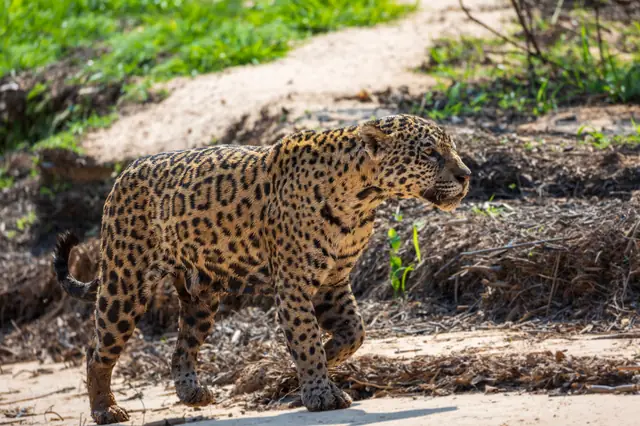
Jaguar
Panthera onca
The reason the sanctuary exists. Camera traps show one of the densest jaguar populations known, but the cats are shy and mostly nocturnal. Fresh tracks on a trail are a real thrill in their own right.
-
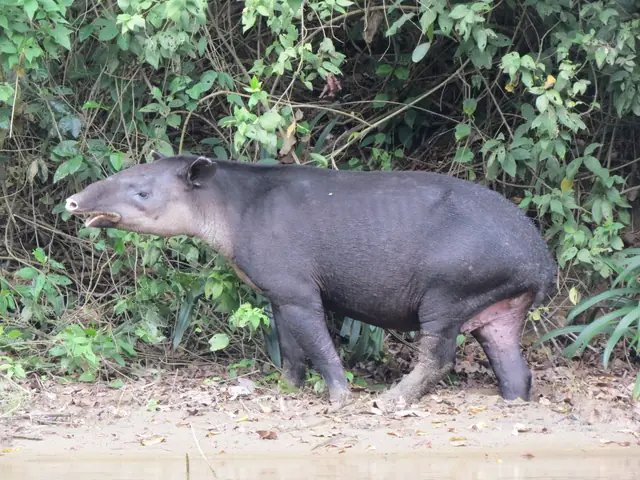
Baird's Tapir
Tapirus bairdii
Belize's national animal, locally called the mountain cow. Its three-toed tracks are common in the mud along rivers; the animal itself is mostly seen at dusk or after dark.
-
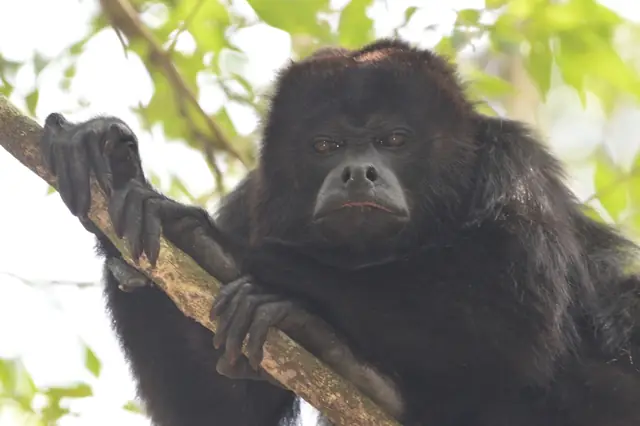
Yucatán Black Howler Monkey
Alouatta pigra
Reintroduced to the basin in the 1990s and now heard most mornings. The roar carries for kilometres through the forest.
-
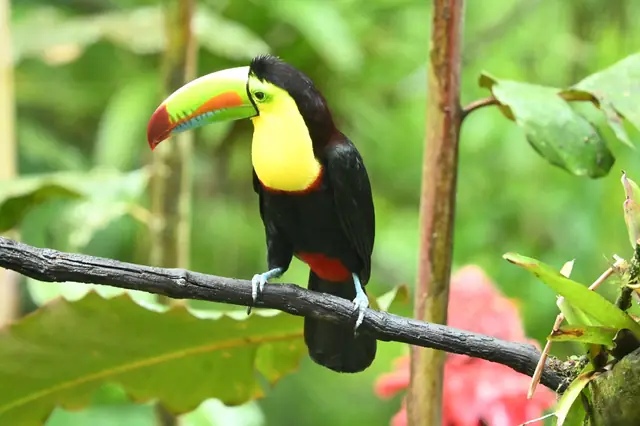
Keel-billed Toucan
Ramphastos sulfuratus
Belize's national bird, common in fruiting trees around the headquarters clearing and along the access road.
-
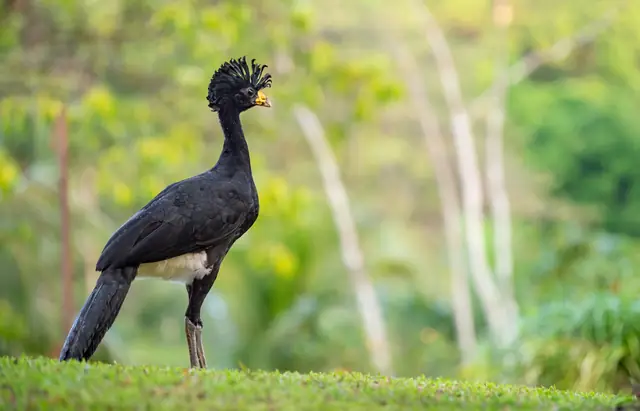
Great Curassow
Crax rubra
A big black forest bird that walks the quieter trails early in the morning. The male's deep booming call is easier to find than the bird.
-
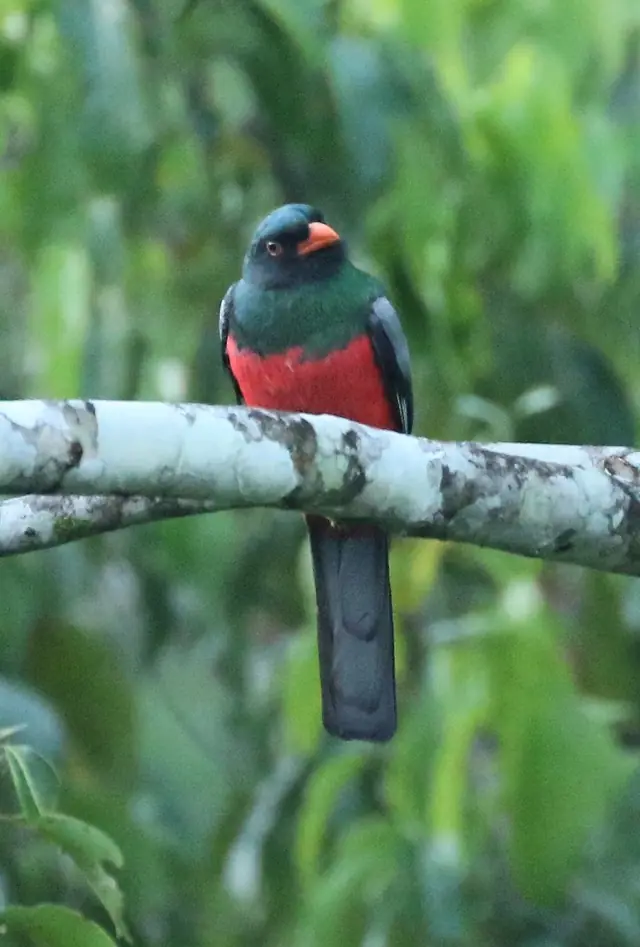
Slaty-tailed Trogon
Trogon massena
Sits upright and very still in the mid-canopy. Black-headed and gartered trogons are also common.
-
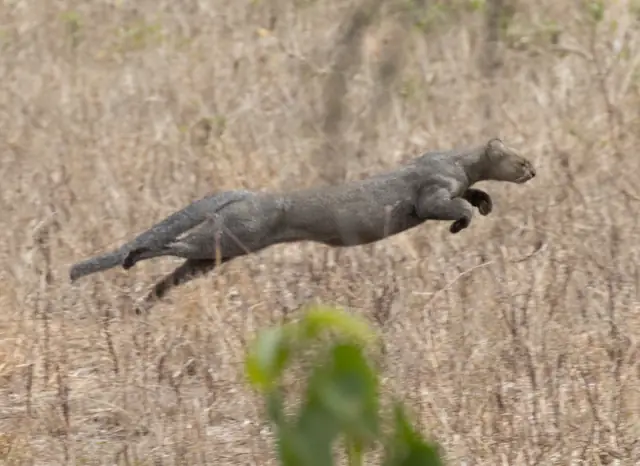
Jaguarundi
Herpailurus yagouaroundi
The cat most often seen by day, a long, low, plain-coloured animal crossing the road or trail edge. Still a lucky sighting.
-
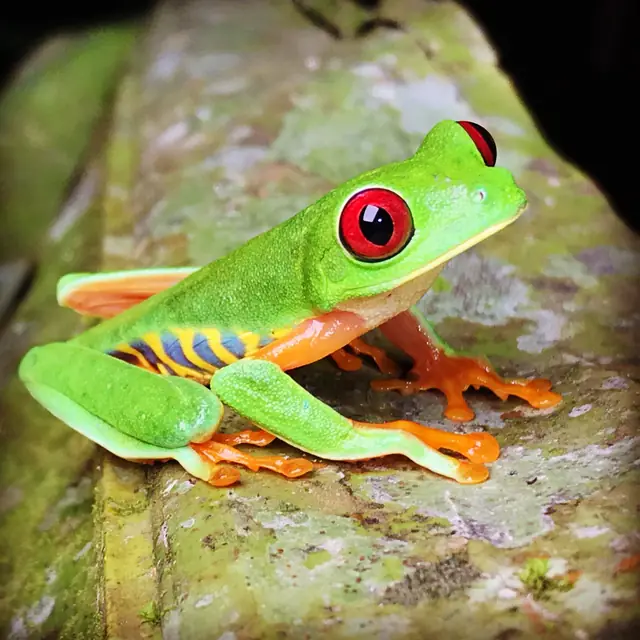
Red-eyed Tree Frog
Agalychnis callidryas
Found on leaves around pools on rainy-season night walks. Look, but never handle frogs.
-
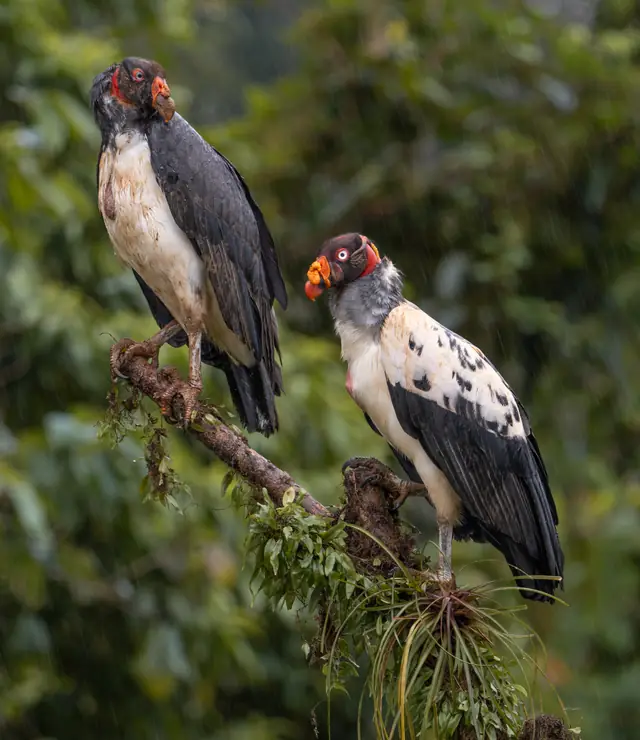
King Vulture
Sarcoramphus papa
A striking black and white vulture that soars over the forest on warm late mornings.
All 118 animals in the Cockscomb Basin
Cats and big mammals 10
-
 JaguarRare
-
 Cougar (Mountain Lion)Rare
-
 OcelotRare
-
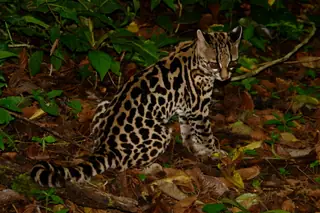 MargayRare
-
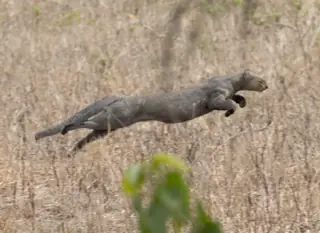 JaguarundiRare
-
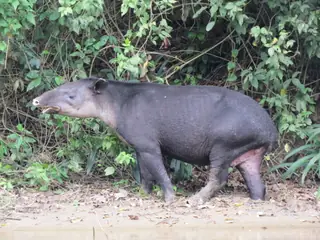 Baird's TapirRare
-
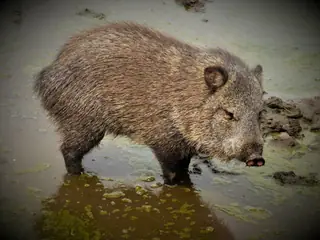 Collared Peccary
-
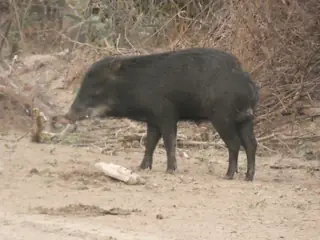 White-lipped PeccaryRare
-
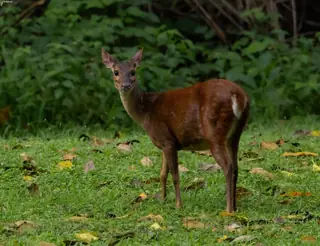 Central American Red Brocket
-
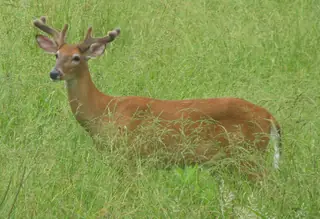 White-tailed Deer
Monkeys and smaller mammals 15
-
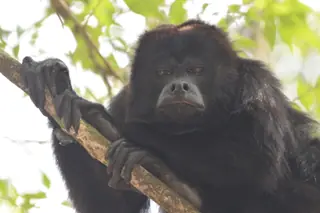 Yucatán Black Howler Monkey
-
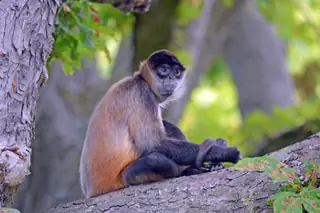 Central American Spider MonkeyRare
-
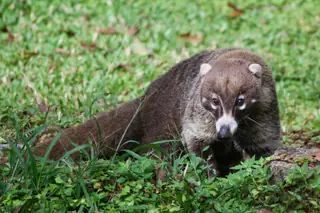 White-nosed Coati
-
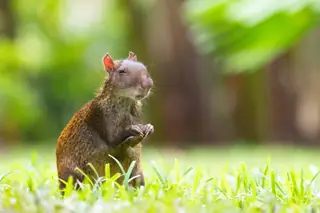 Central American Agouti
-
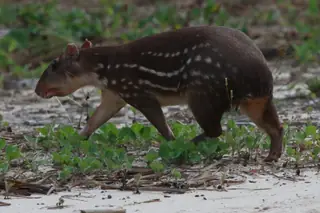 Lowland Paca
-
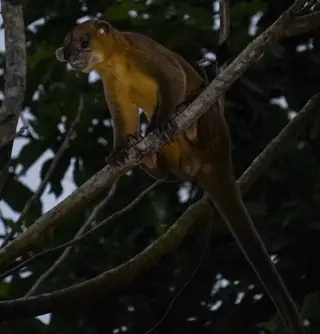 Kinkajou
-
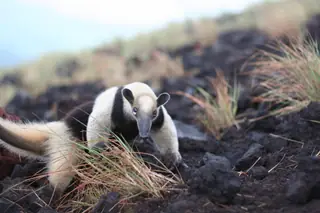 Northern Tamandua
-
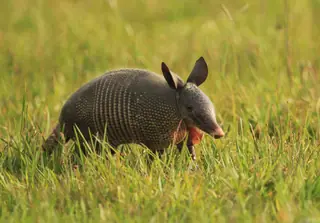 Nine-banded Armadillo
-
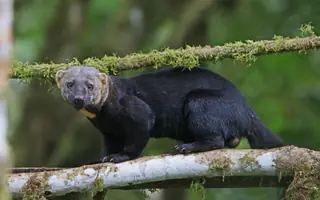 Tayra
-
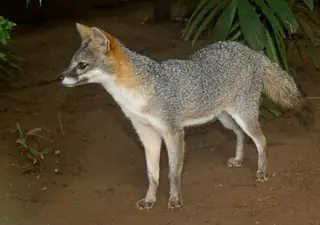 Grey Fox
-
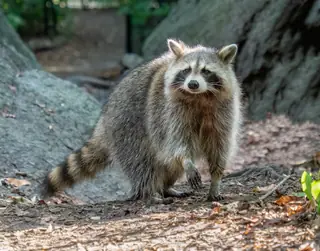 Raccoon
-
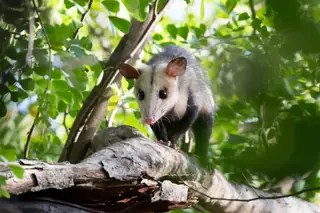 Common Opossum
-
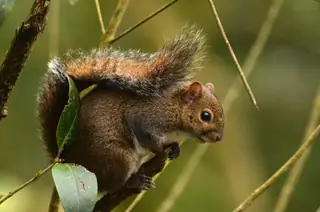 Deppe's Squirrel
-
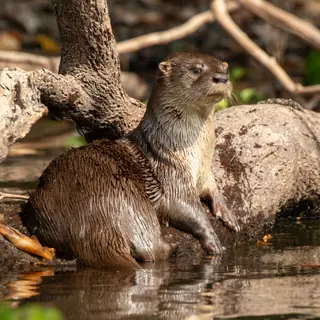 Neotropical OtterRare
-
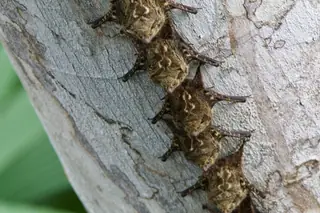 Proboscis Bat
Toucans, parrots and curassows 13
-
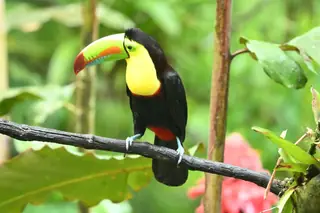 Keel-billed Toucan
-
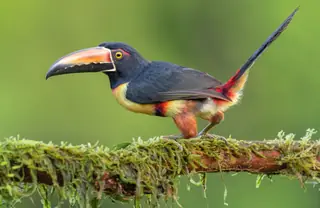 Collared Araçari
-
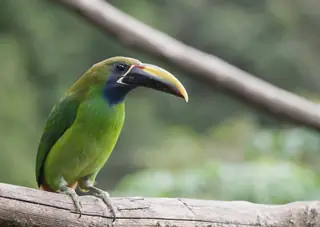 Northern Emerald Toucanet
-
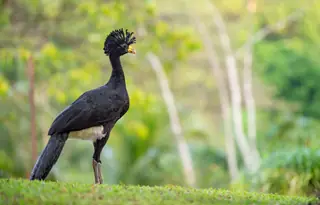 Great Curassow
-
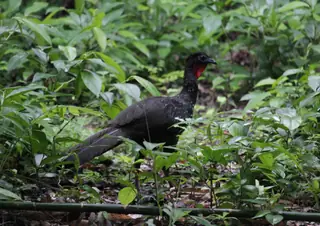 Crested Guan
-
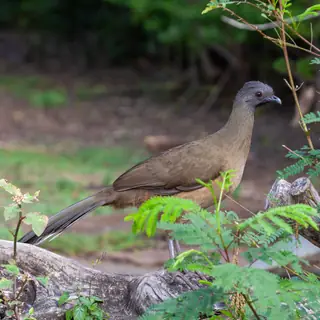 Plain Chachalaca
-
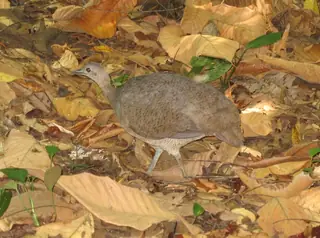 Great Tinamou
-
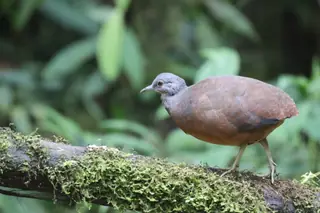 Little Tinamou
-
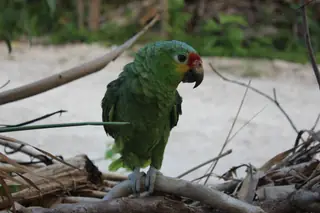 Red-lored Amazon
-
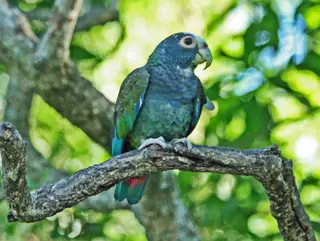 White-crowned Parrot
-
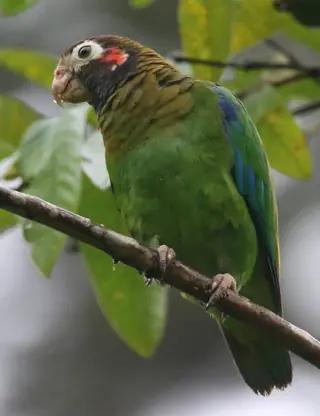 Brown-hooded Parrot
-
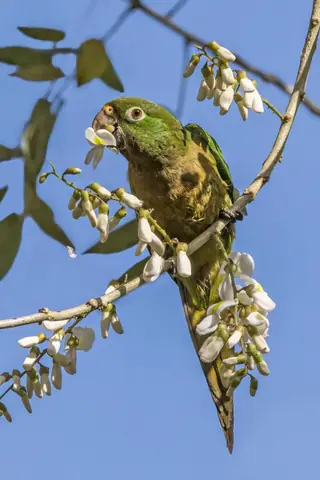 Olive-throated Parakeet
-
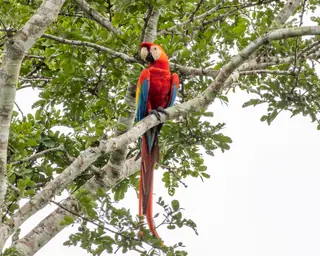 Scarlet MacawRare
Trogons, motmots and woodpeckers 10
-
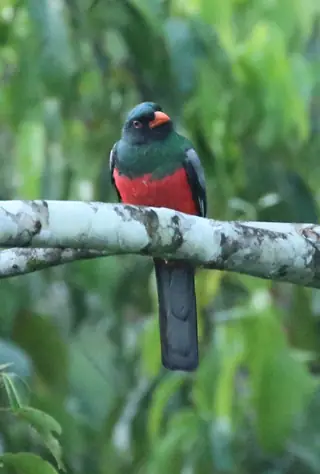 Slaty-tailed Trogon
-
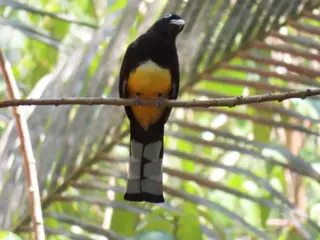 Black-headed Trogon
-
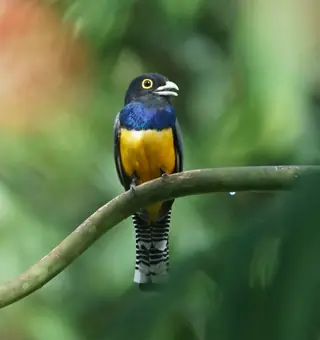 Gartered Trogon
-
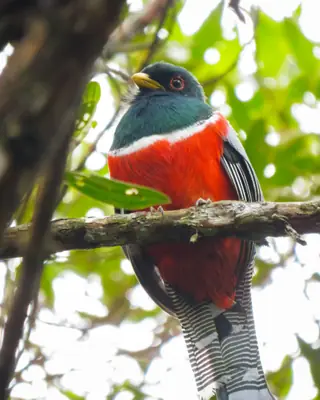 Collared Trogon
-
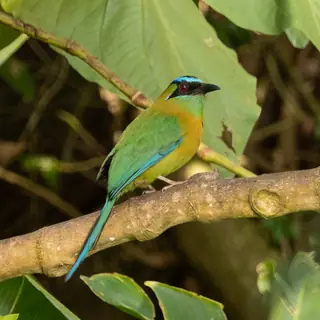 Blue-diademed Motmot
-
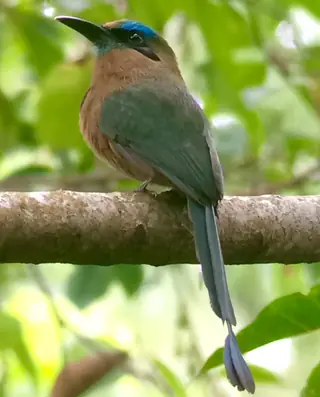 Keel-billed MotmotRare
-
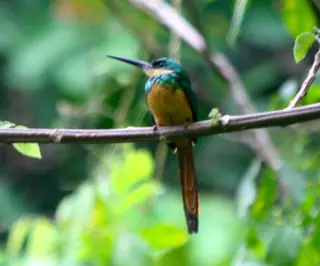 Rufous-tailed Jacamar
-
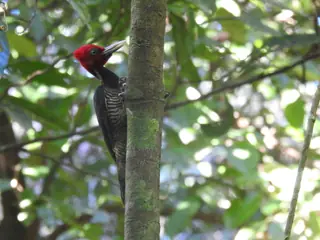 Pale-billed Woodpecker
-
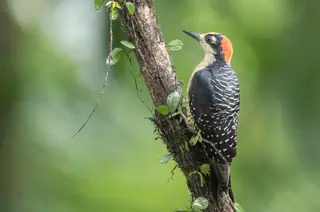 Black-cheeked Woodpecker
-
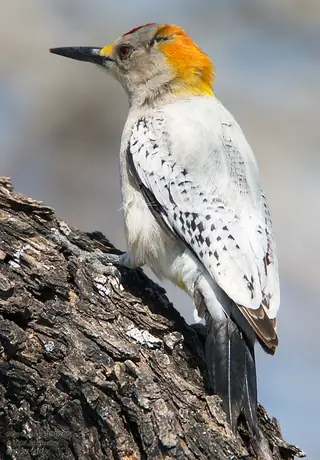 Golden-fronted Woodpecker
Hummingbirds 7
-
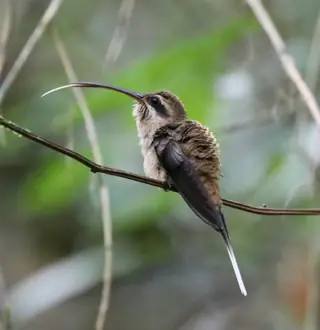 Long-billed Hermit
-
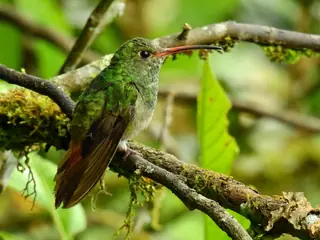 Rufous-tailed Hummingbird
-
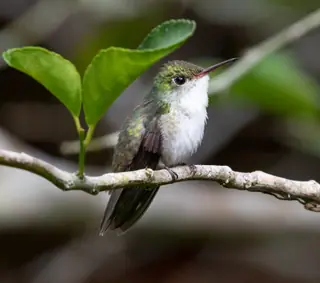 White-bellied Emerald
-
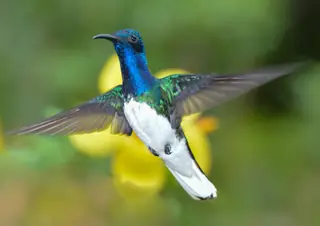 White-necked Jacobin
-
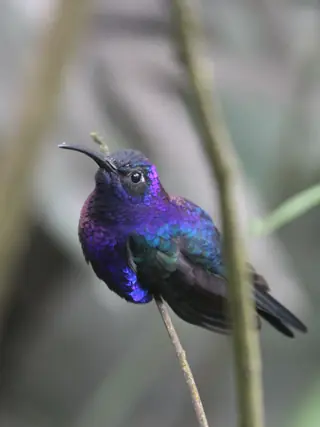 Violet Sabrewing
-
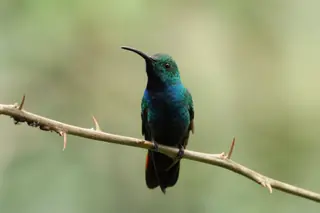 Green-breasted Mango
-
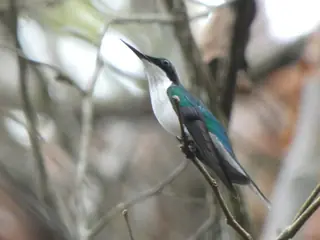 Purple-crowned Fairy
Other forest birds 20
-
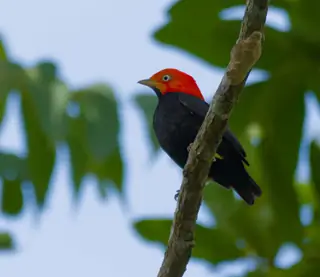 Red-capped Manakin
-
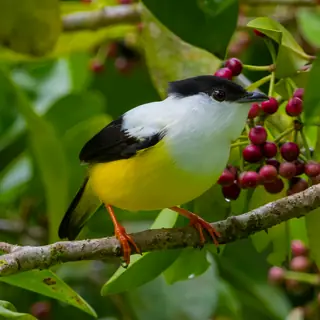 White-collared Manakin
-
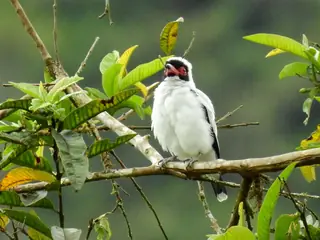 Masked Tityra
-
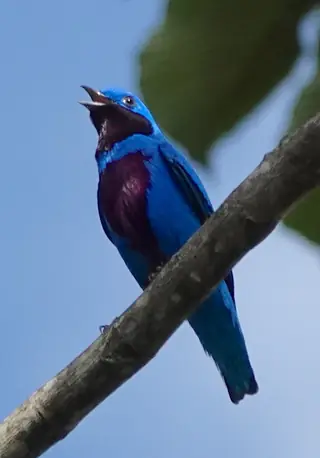 Lovely CotingaRare
-
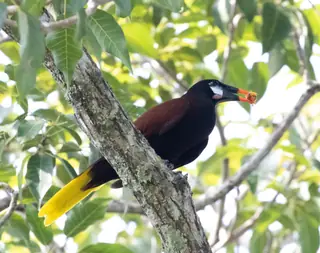 Montezuma Oropendola
-
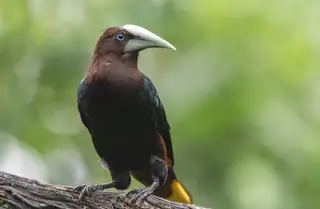 Chestnut-headed Oropendola
-
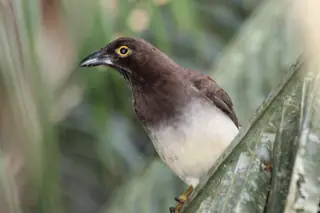 Brown Jay
-
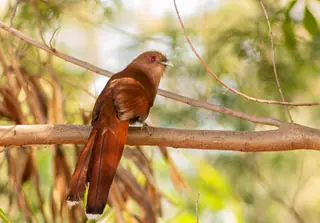 Common Squirrel-cuckoo
-
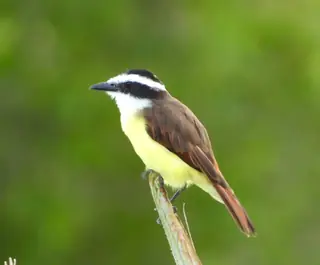 Great Kiskadee
-
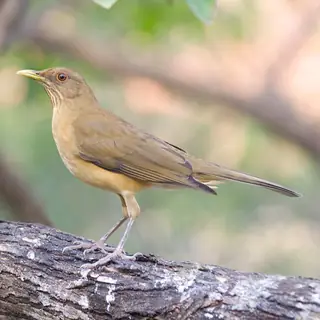 Clay-coloured Thrush
-
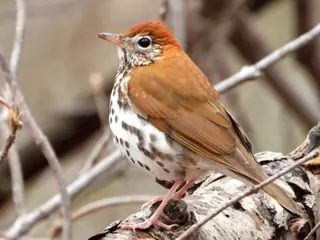 Wood Thrush
-
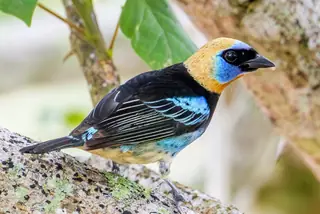 Golden-hooded Tanager
-
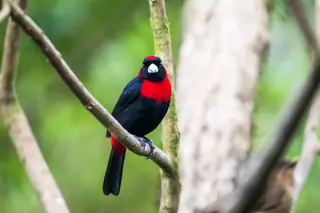 Crimson-collared Tanager
-
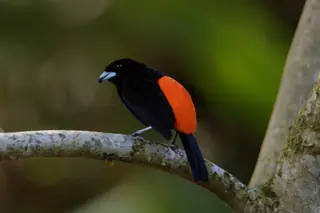 Scarlet-rumped Tanager
-
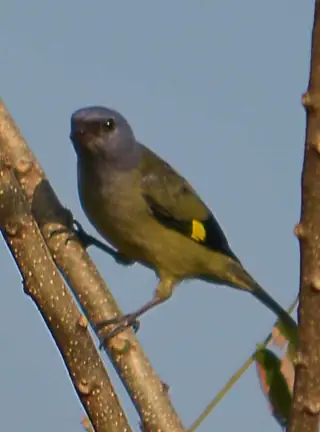 Yellow-winged Tanager
-
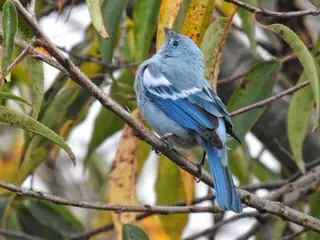 Blue-grey Tanager
-
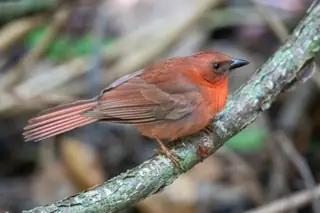 Red-throated Ant-Tanager
-
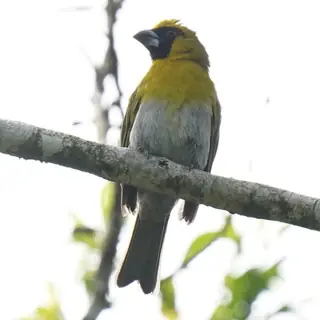 Black-faced Grosbeak
-
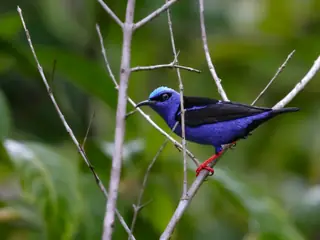 Red-legged Honeycreeper
-
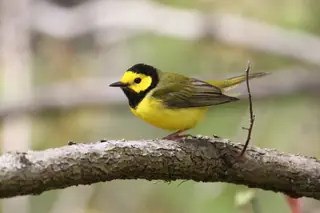 Hooded Warbler
Birds of prey and owls 15
-
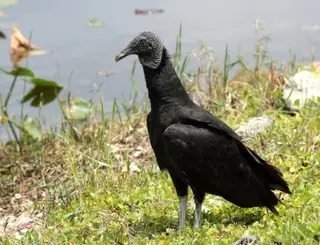 Black Vulture
-
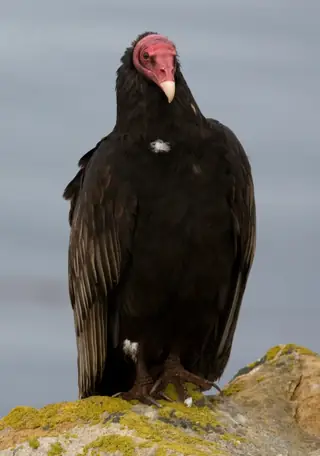 Turkey Vulture
-
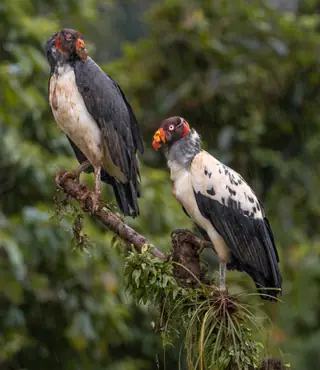 King Vulture
-
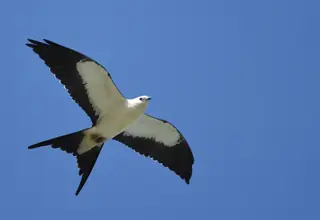 Swallow-tailed Kite
-
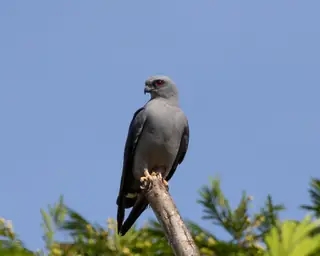 Plumbeous Kite
-
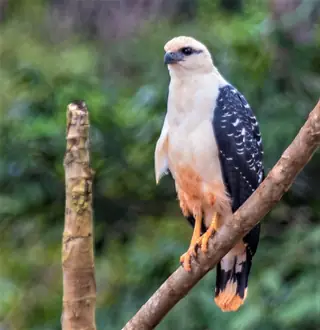 White Hawk
-
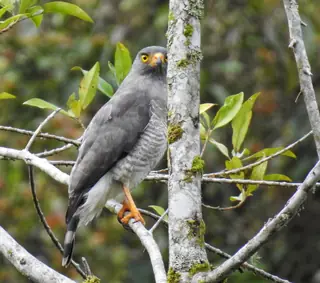 Roadside Hawk
-
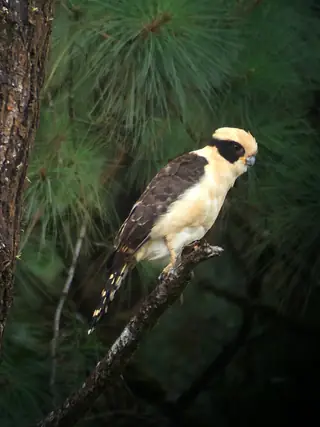 Laughing Falcon
-
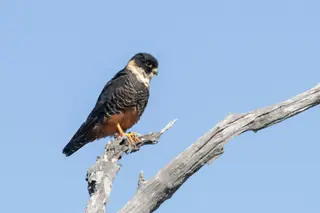 Bat Falcon
-
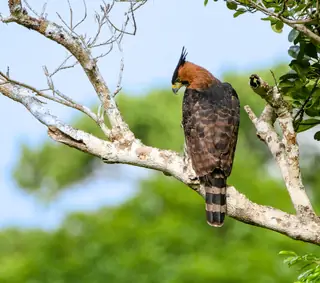 Ornate Hawk-EagleRare
-
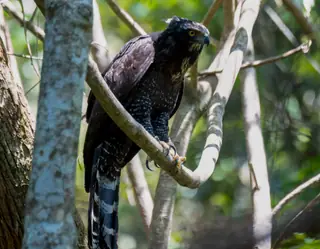 Black Hawk-EagleRare
-
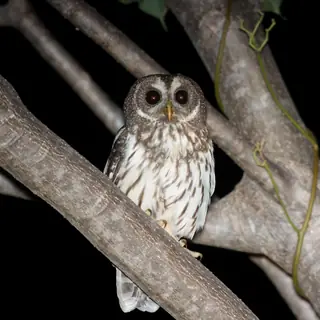 Mottled Owl
-
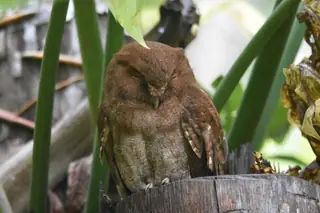 Vermiculated Screech Owl
-
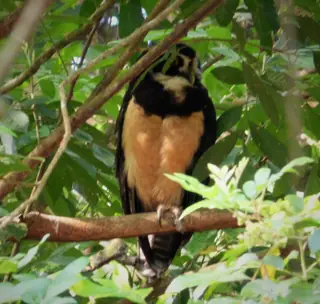 Spectacled OwlRare
-
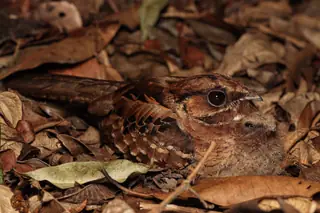 Common Pauraque
Rivers 9
-
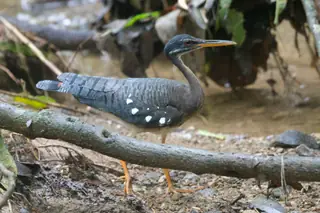 SunbitternRare
-
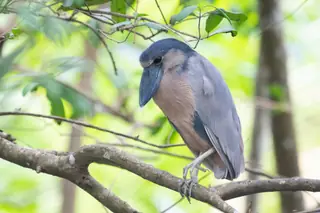 Boat-billed Heron
-
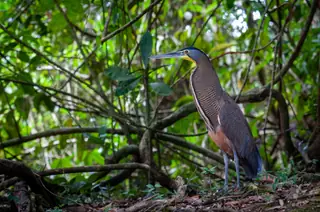 Bare-throated Tiger Heron
-
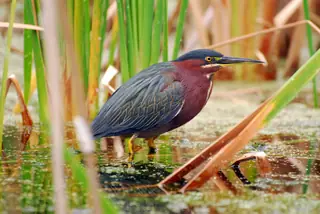 Green Heron
-
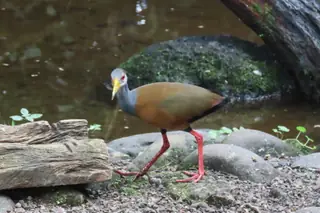 Russet-naped Wood Rail
-
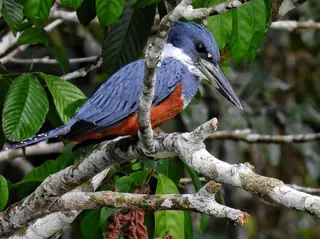 Ringed Kingfisher
-
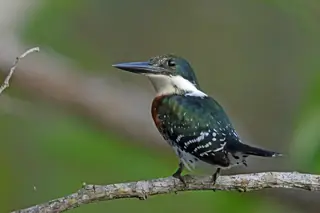 Green Kingfisher
-
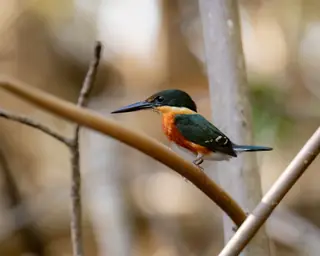 American Pygmy Kingfisher
-
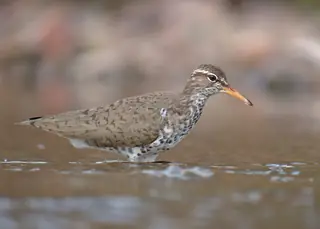 Spotted Sandpiper
Reptiles and amphibians 15
-
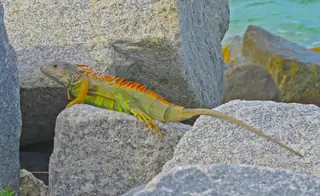 Green Iguana
-
 Common Spiny-tailed Iguana
-
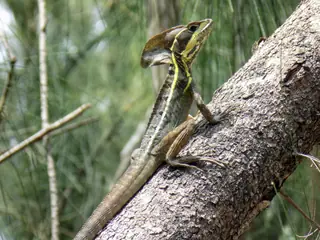 Brown Basilisk
-
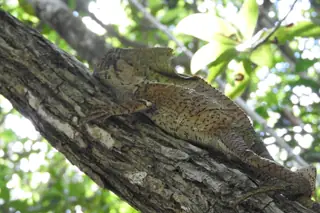 Helmeted Iguana
-
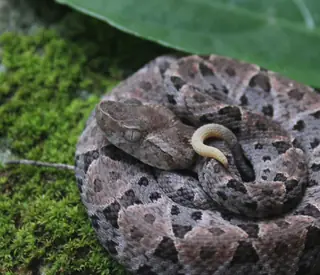 Fer-de-lance
-
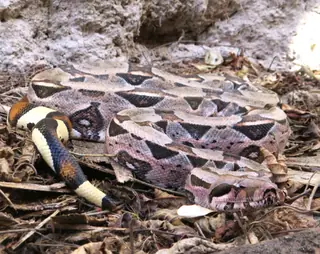 Boa Constrictor
-
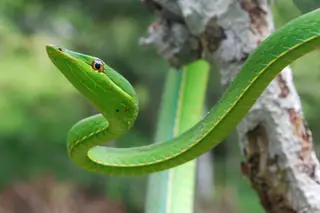 Green Vine Snake
-
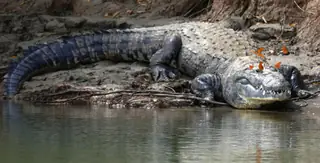 Morelet's CrocodileRare
-
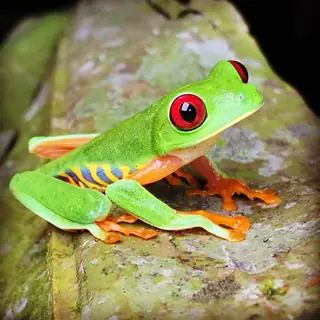 Red-eyed Tree Frog
-
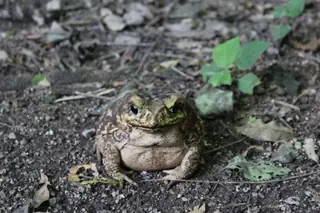 Mesoamerican Cane Toad
-
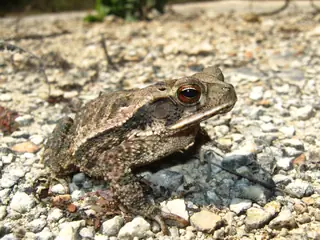 Central American Gulf Coast Toad
-
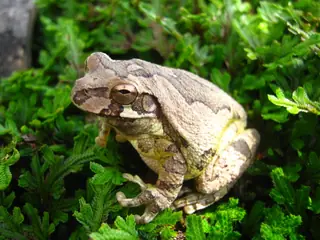 Common Mexican Treefrog
-
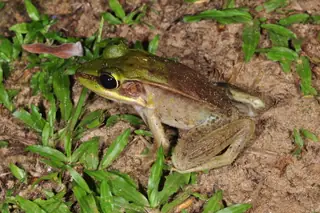 Vaillant's Frog
-
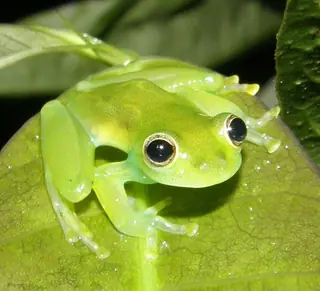 Fleischmann's Glass Frog
-
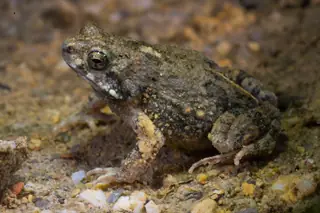 Tungara Frog
Butterflies and ants 4
-
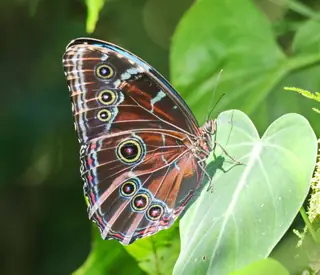 Blue Morpho
-
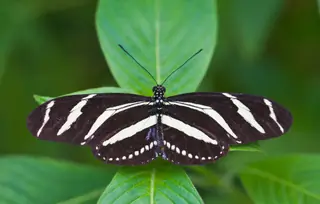 Zebra Longwing
-
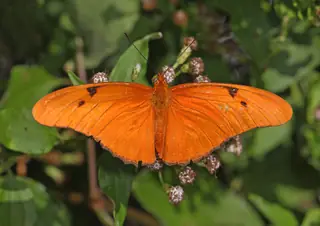 Julia
-
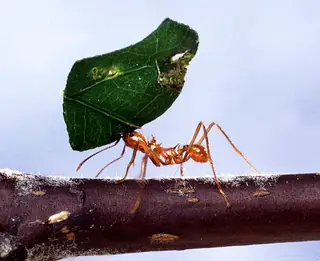 Leafcutter Ant
Best time to see wildlife in the Cockscomb Basin
Sightings by month in the Cockscomb Basin
Most records: Feb to May, Jul to AugRecords from GBIF.org, adjusted for how many people record wildlife each month. 100% is the busiest month.
Southern Belize is wet, and Cockscomb gets much more rain than the north of the country. The drier season runs from about February to May, when trails are firmer and river crossings easier; birds are active and many trees are fruiting. June to November is the rainy season, with heavy afternoon downpours, muddy trails and the hurricane season from June. Frogs and other amphibians are at their busiest after rain, and the forest is quieter of visitors. December and January can be showery but mild. Winter migrants from North America, such as wood thrush and hooded warbler, are present from about October to April. Mornings and late afternoons are best for birds and mammals in every season.
- Feb to MayDriest, best trail conditions
- Jun to AugRains start, frogs active
- Sep to NovWettest, hurricane risk, quiet
- Dec to JanMild, some showers, migrants present
Tips for spotting wildlife in the Cockscomb Basin
- 01
Stay overnight if you can
Day visitors arrive mid-morning. Staying in the sanctuary's cabins or camping lets you walk the river trails at dawn and dusk, when mammals and birds are most active.
- 02
Look for tracks
Muddy stretches by the rivers hold tapir, jaguar, ocelot and peccary prints. Stay on the trail and photograph them from above without stepping in them.
- 03
Walk with a licensed guide at night
Guided night walks from Maya Centre or the headquarters find frogs, kinkajous and sleeping birds. Keep torch beams off animals' eyes and off resting birds.
- 04
Watch the clearing
The grassy headquarters area is good for toucans, parrots, raptors overhead and, early in the morning, agoutis and coatis at the forest edge.
- 05
Watch your step
Fer-de-lance live here. Wear closed shoes, use a torch after dark and look before you step over logs.

Take the Cockscomb Basin with you
Log toucans, howlers and tapir tracks at Cockscomb with Wilder, even with no signal in the basin. It is free to start.

Cockscomb wildlife FAQ
Can you see jaguars in Cockscomb Basin?
Rarely. The sanctuary has one of the highest jaguar densities known, but jaguars are shy and mostly active at night, and few visitors see one. Tracks and scrapes on the trails are much more likely. Staying overnight and walking quietly at dawn and dusk gives the best, though still small, chance.
What animals can you see at Cockscomb?
Most visitors see or hear howler monkeys, toucans, parrots, trogons and coatis, and find tapir tracks along the rivers. Night walks add frogs, kinkajous and snakes. This checklist covers 118 animals, including five wild cats that are present but rarely seen.
How do you get to Cockscomb Basin Wildlife Sanctuary?
The entrance is at Maya Centre village on the Southern Highway, south of Dangriga and close to Hopkins. Pay the fee and register at the visitor centre, then take the unpaved road of about six miles to the headquarters. Taxis and tours run from Hopkins and Placencia.
Is Cockscomb worth visiting for a day?
Yes, for the waterfall and river trails, birds and the chance of monkeys. For mammals, an overnight stay in the sanctuary's basic accommodation is far better, because the hours around dawn and dusk are when most animals are active and day visitors have gone.
Sources
- Belize.com: Cockscomb Basin Wildlife Sanctuary and Jaguar Preserve
- Wikipedia: Cockscomb Basin Wildlife Sanctuary
- Panthera: jaguar research at Cockscomb
- Sightings by month: GBIF.org
Animal photos are from the Wilder catalogue; photo credits.
Similar checklists
All South and Central America-
 National park100animals Tikal National Park Petén, Guatemala Maya temples rising above lowland rainforest, where spider and howler monkeys move through the canopy and ocellated turkeys and coatis wander the plazas. Best time Nov to Apr
-
 Reserve119animals Sian Ka'an Biosphere Reserve Quintana Roo, Yucatán Peninsula, Mexico Lagoons, mangroves and reef south of Tulum, where boats find dolphins, crocodiles, spoonbills and frigatebirds and a Maya canal winds through the wetlands. Best time Nov to Apr
-
 National park117animals Arenal and La Fortuna La Fortuna, Alajuela, Costa Rica Rainforest on the slopes of Arenal Volcano, where sloths hang over the La Fortuna trails and toucans, motmots and hanging-bridge hummingbirds fill the mornings. Best time Dec to Apr
-
 Reserve107animals Monteverde Cloud Forest Monteverde, Puntarenas, Costa Rica Misty cloud forest on the Continental Divide, home to the resplendent quetzal, the bonging call of the bellbird and hummingbirds by the dozen. Best time Feb to May