National park · Petén · Guatemala
Tikal National Park Wildlife Checklist

Tikal, in the Petén lowlands of northern Guatemala, is one of the greatest Maya cities and a protected rainforest of the Maya Biosphere Reserve. Spider and howler monkeys, coatis, ocellated turkeys and toucans are seen around the temples on most visits. This checklist covers 100 animals. November to April is drier; early morning is best all year.
Tick off all 100 animals in Tikal on your phone, even offline. Launching soon. Free A4 PDF, no sign-up.
Tikal National Park covers about 576 square kilometres of forest around the ruins, about an hour and a half by road from Flores and its airport. Its temples rise above the canopy, and decades of protection mean that animals hunted elsewhere wander the plazas quite openly.
- Animals to find
- 100
- Where
- Guatemala
- Best time
- Nov to Apr
- Monkey species
- Two
Popular animals in Tikal
-
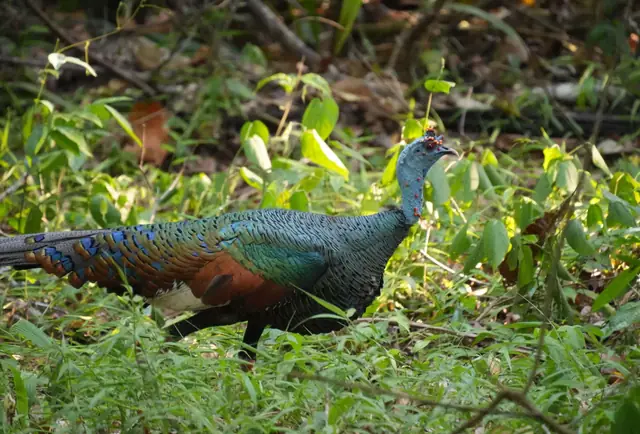
Ocellated Turkey
Meleagris ocellata
A Yucatán Peninsula speciality with shimmering copper and blue-green feathers and a blue head studded with orange warts. Often seen walking across the lawns and plazas early in the morning.
-
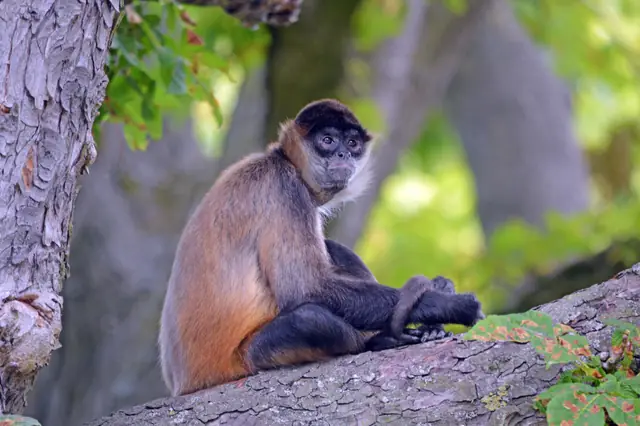
Central American Spider Monkey
Ateles geoffroyi
Long-limbed monkeys swinging between the trees around the temples, most active early and late in the day.
-
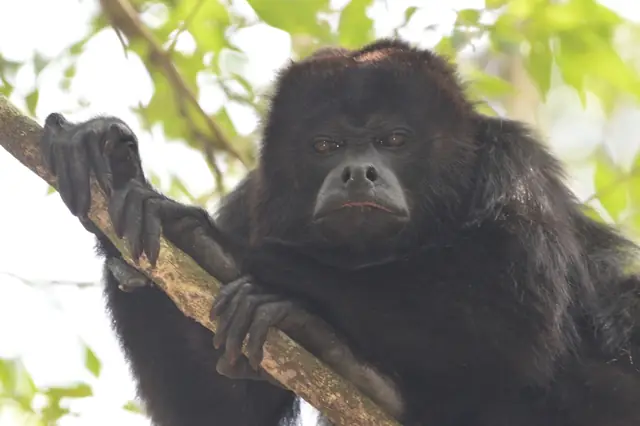
Yucatán Black Howler Monkey
Alouatta pigra
The roar before dawn is the classic Tikal wake-up call. By day troops often rest high in the canopy.
-
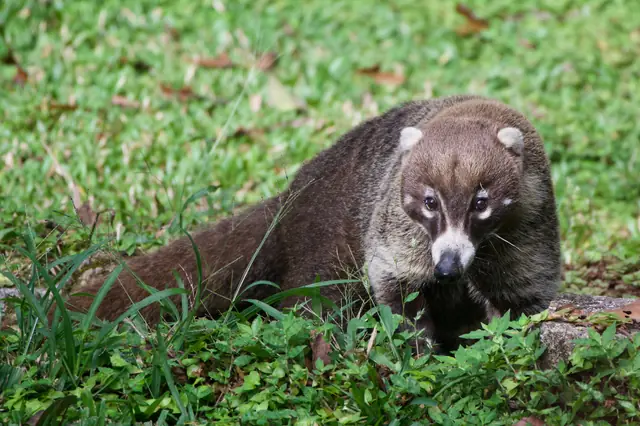
White-nosed Coati
Nasua narica
Bands forage around the plazas and visitor area with tails held high. Never feed them.
-
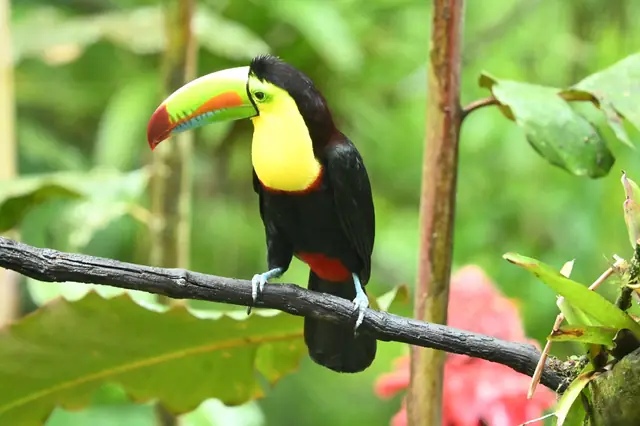
Keel-billed Toucan
Ramphastos sulfuratus
Common in fruiting trees around the ruins. Climbing a temple at dawn gives views across the canopy where toucans fly past.
-
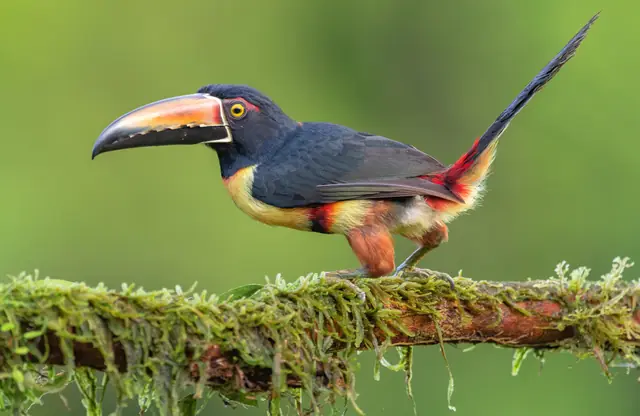
Collared Araçari
Pteroglossus torquatus
A smaller, noisy relative of the toucan, travelling in small groups through the treetops.
-
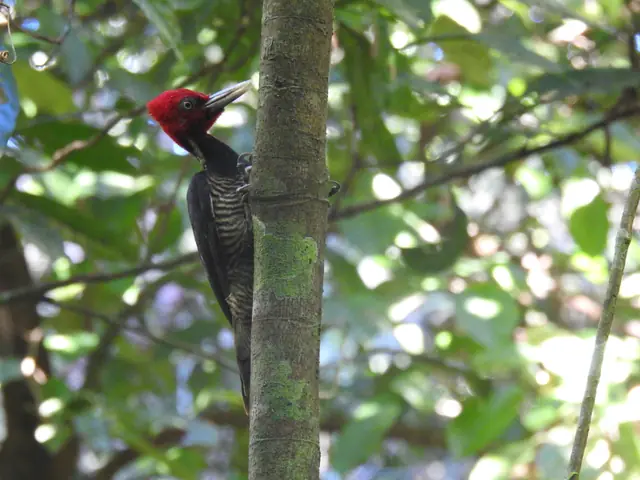
Pale-billed Woodpecker
Campephilus guatemalensis
A big woodpecker with a scarlet crest. Listen for its loud double knock on dead trunks.
-
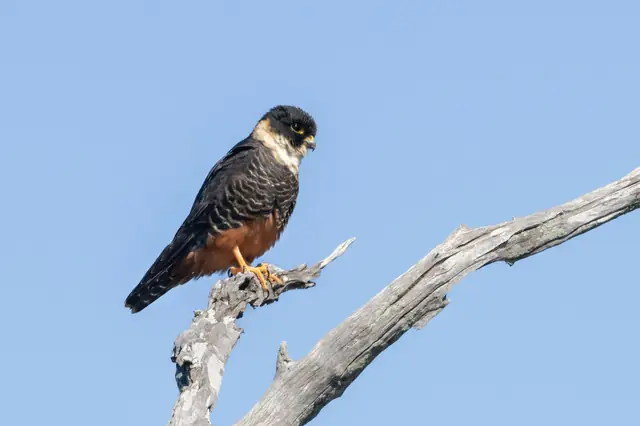
Bat Falcon
Falco rufigularis
A small, dashing falcon that perches on high branches and temple tops and hunts swifts and bats at dusk.
-
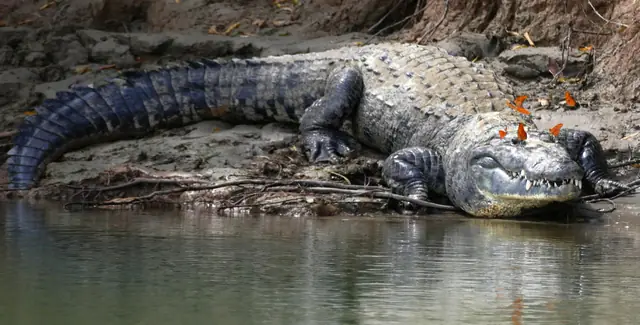
Morelet's Crocodile
Crocodylus moreletii
Lives in the aguadas, the old Maya reservoirs near the site. Watch from the bank and keep well back.
All 100 animals in Tikal
Monkeys 2
-
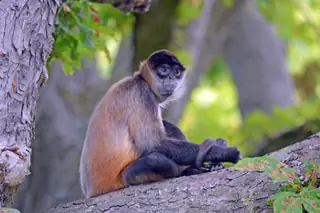 Central American Spider Monkey
-
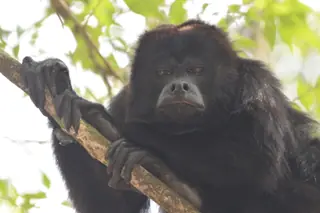 Yucatán Black Howler Monkey
Other mammals 21
-
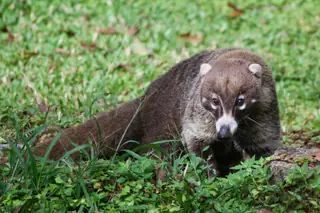 White-nosed Coati
-
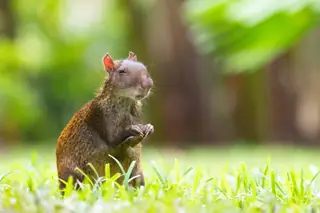 Central American Agouti
-
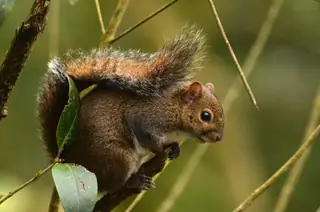 Deppe's Squirrel
-
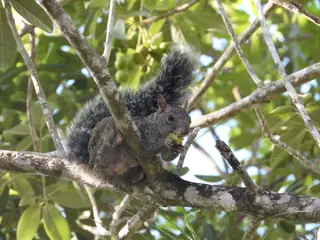 Yucatan Squirrel
-
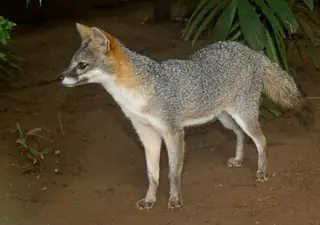 Grey Fox
-
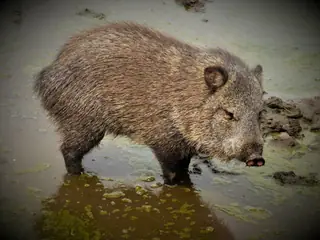 Collared Peccary
-
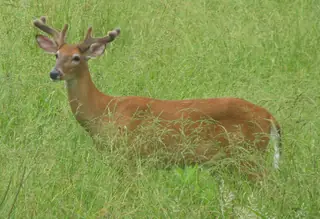 White-tailed Deer
-
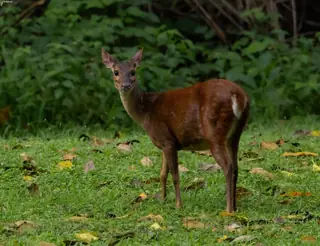 Central American Red Brocket
-
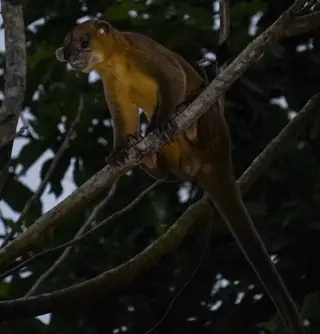 Kinkajou
-
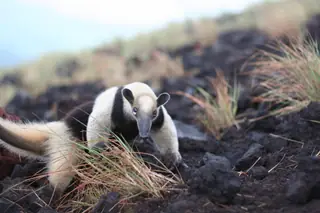 Northern Tamandua
-
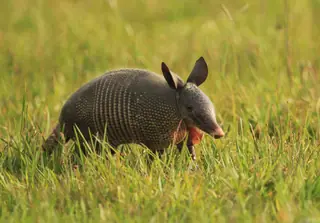 Nine-banded Armadillo
-
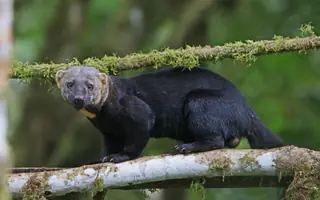 Tayra
-
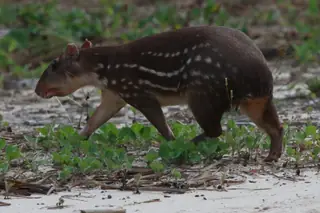 Lowland Paca
-
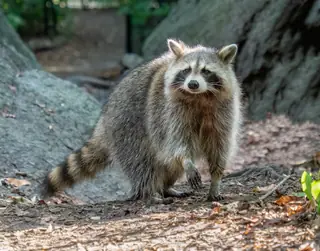 Raccoon
-
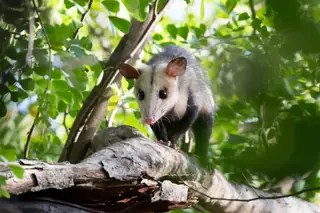 Common Opossum
-
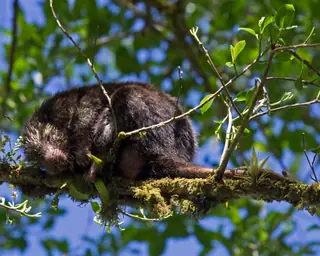 Mexican Hairy PorcupineRare
-
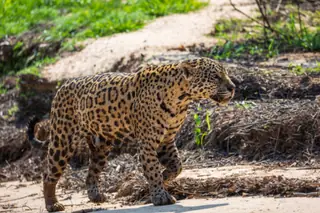 JaguarRare
-
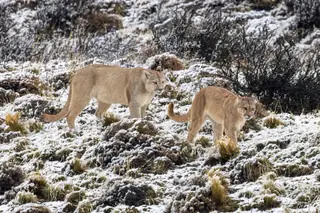 Cougar (Mountain Lion)Rare
-
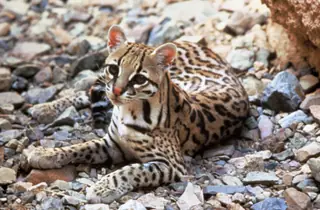 OcelotRare
-
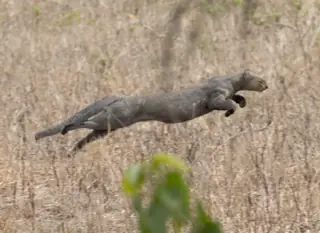 JaguarundiRare
-
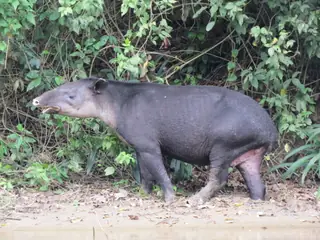 Baird's TapirRare
Turkeys, toucans and parrots 13
-
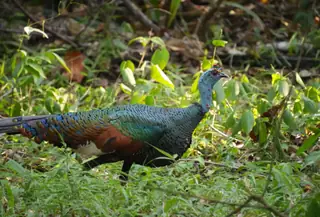 Ocellated Turkey
-
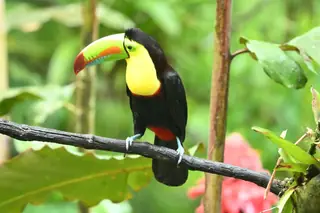 Keel-billed Toucan
-
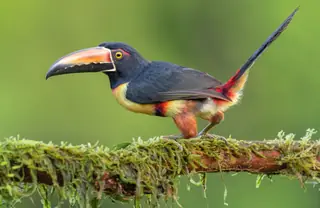 Collared Araçari
-
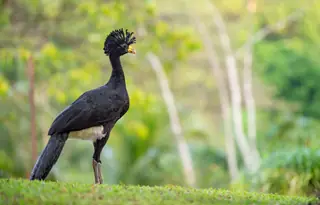 Great Curassow
-
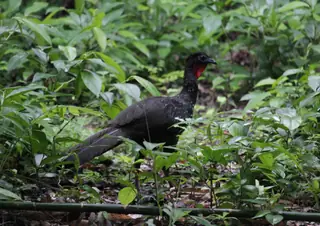 Crested Guan
-
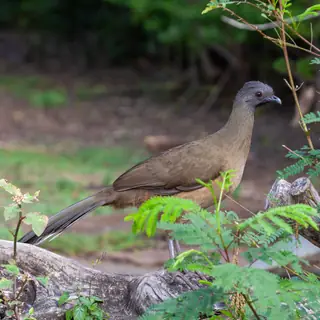 Plain Chachalaca
-
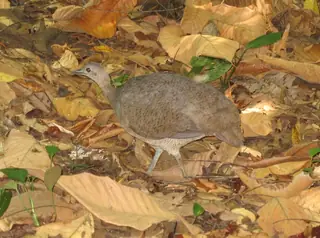 Great Tinamou
-
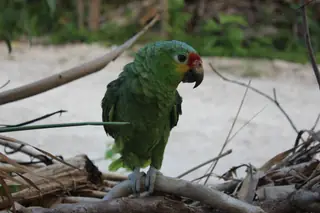 Red-lored Amazon
-
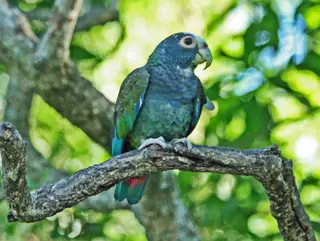 White-crowned Parrot
-
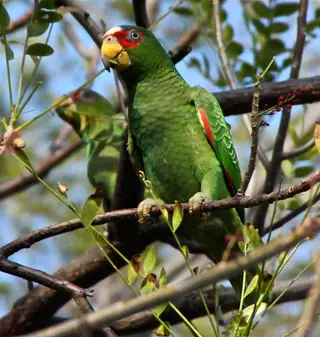 White-fronted Amazon
- Northern Mealy Amazon
-
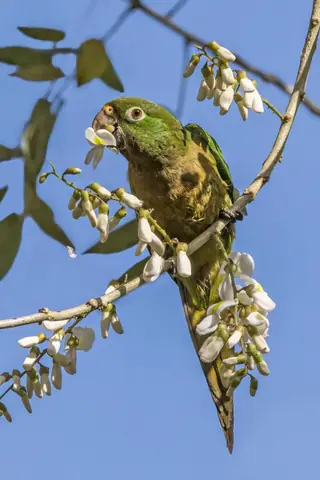 Olive-throated Parakeet
-
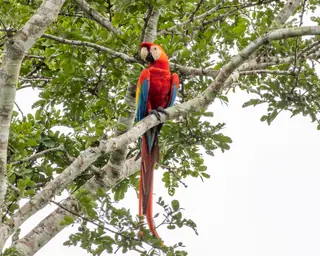 Scarlet MacawRare
Trogons, motmots and woodpeckers 12
-
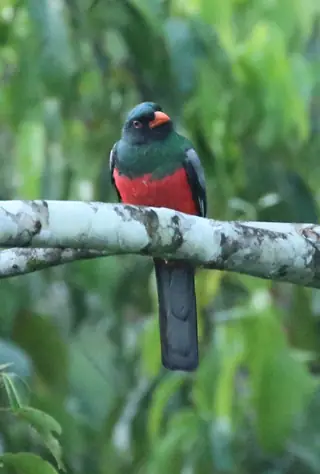 Slaty-tailed Trogon
-
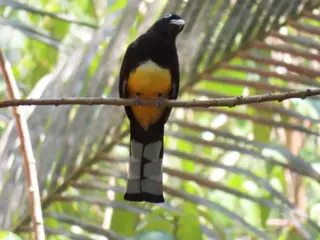 Black-headed Trogon
-
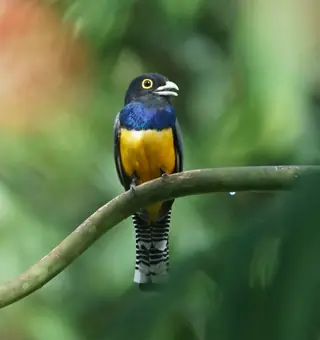 Gartered Trogon
-
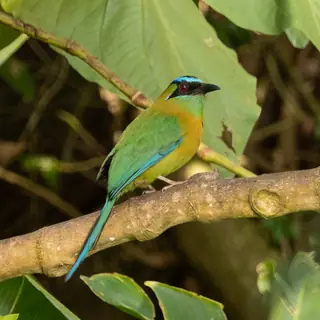 Blue-diademed Motmot
-
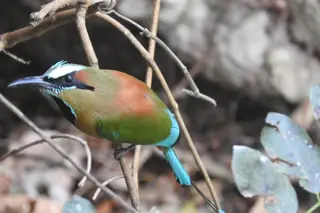 Turquoise-browed Motmot
-
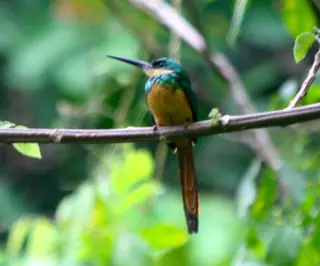 Rufous-tailed Jacamar
-
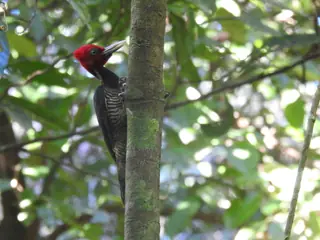 Pale-billed Woodpecker
-
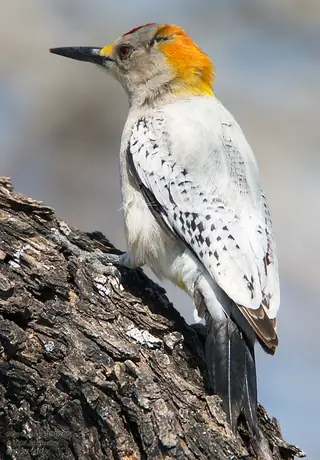 Golden-fronted Woodpecker
-
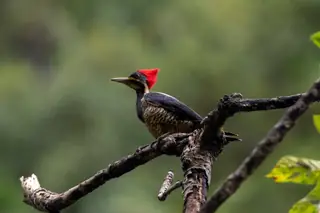 Lineated Woodpecker
-
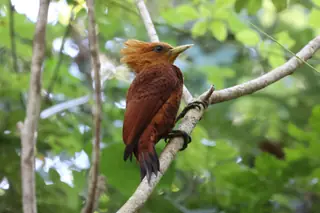 Chestnut-coloured Woodpecker
-
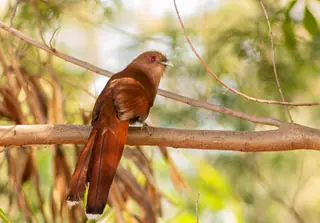 Common Squirrel-cuckoo
-
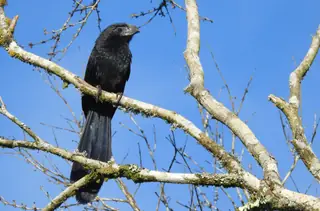 Groove-billed Ani
Hummingbirds and other forest birds 20
-
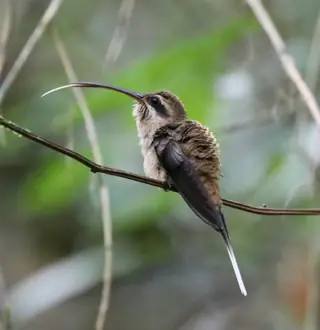 Long-billed Hermit
-
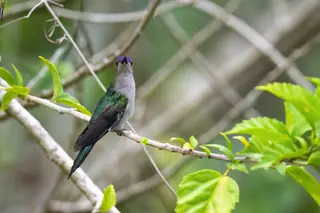 Wedge-tailed Sabrewing
-
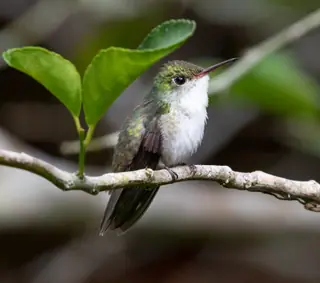 White-bellied Emerald
-
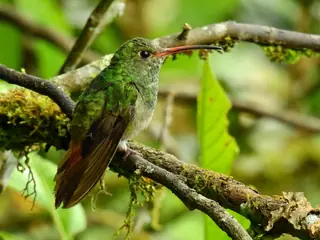 Rufous-tailed Hummingbird
-
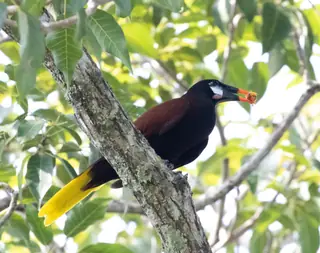 Montezuma Oropendola
-
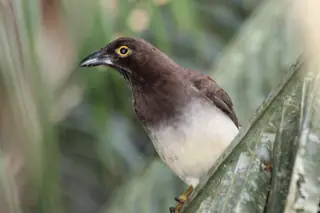 Brown Jay
-
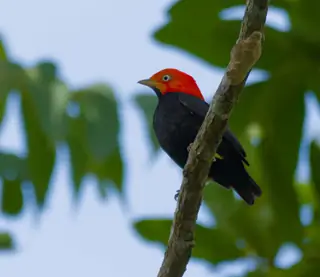 Red-capped Manakin
-
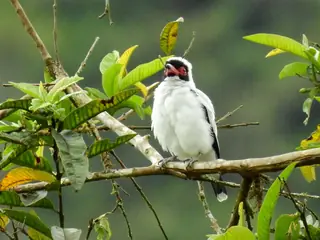 Masked Tityra
-
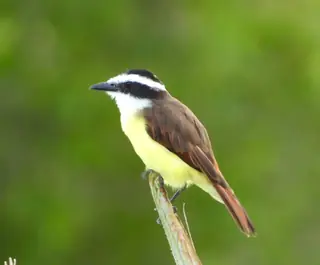 Great Kiskadee
-
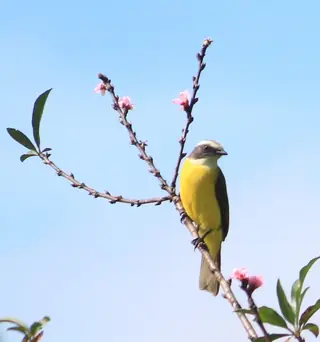 Social Flycatcher
-
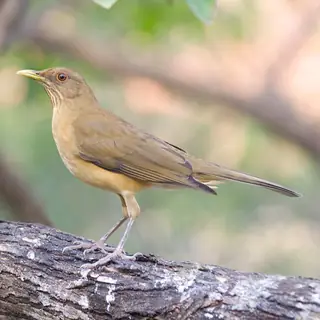 Clay-coloured Thrush
-
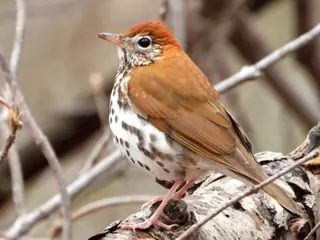 Wood Thrush
-
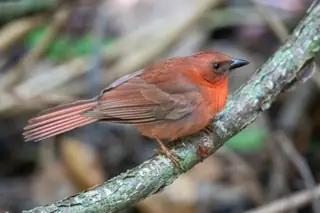 Red-throated Ant-Tanager
-
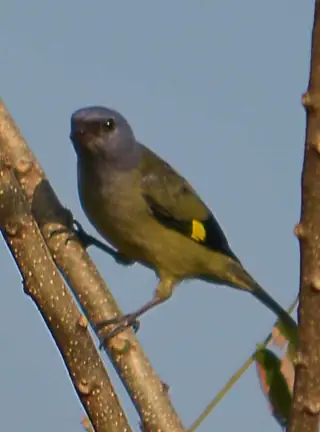 Yellow-winged Tanager
-
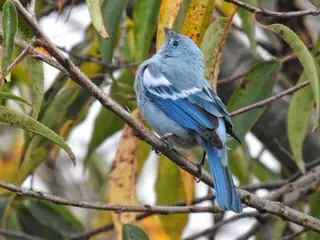 Blue-grey Tanager
-
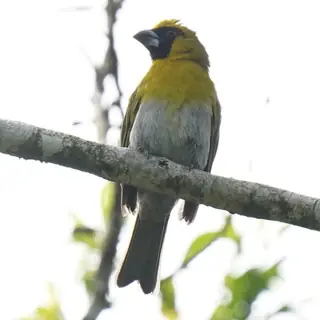 Black-faced Grosbeak
-
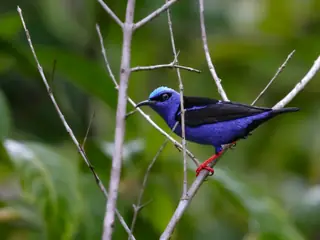 Red-legged Honeycreeper
-
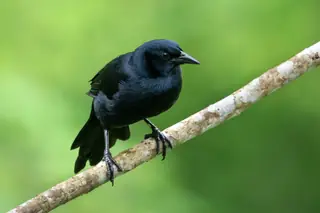 Melodious Blackbird
-
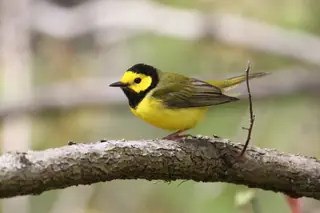 Hooded Warbler
-
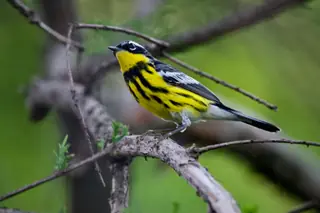 Magnolia Warbler
Birds of prey and owls 17
-
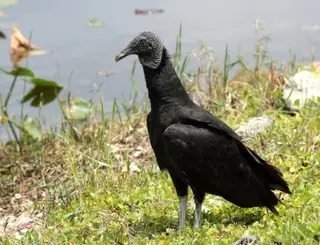 Black Vulture
-
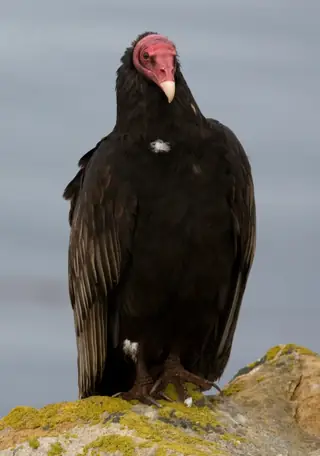 Turkey Vulture
-
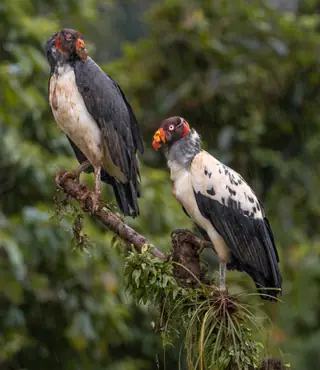 King Vulture
-
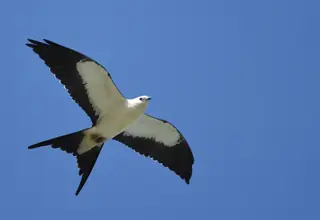 Swallow-tailed Kite
-
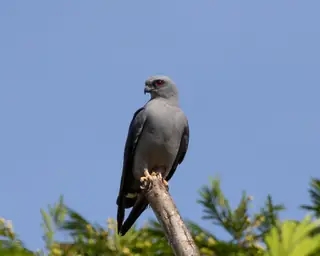 Plumbeous Kite
-
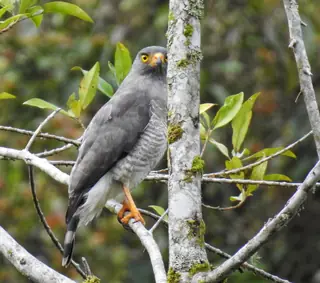 Roadside Hawk
-
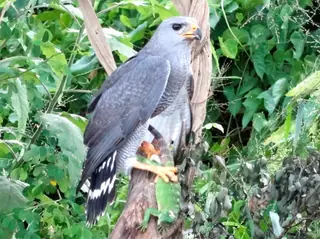 Grey Hawk
-
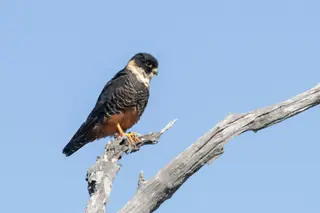 Bat Falcon
-
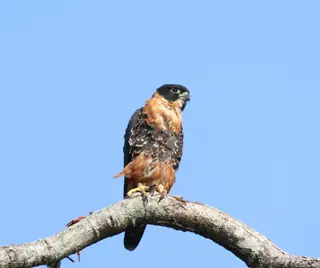 Orange-breasted FalconRare
-
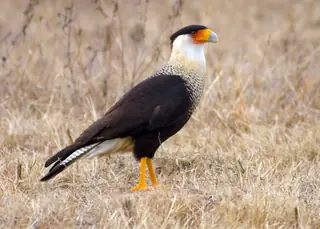 Northern Crested CaracaraRare
-
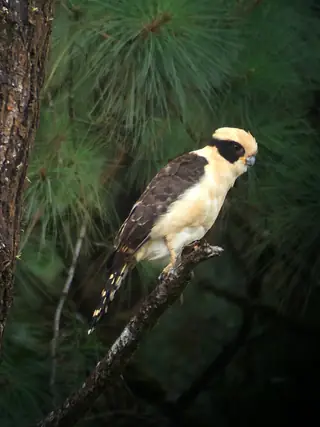 Laughing Falcon
-
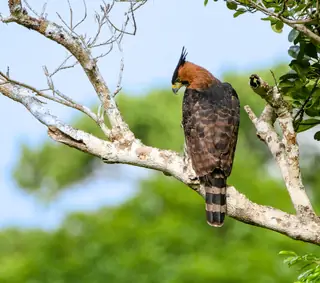 Ornate Hawk-EagleRare
-
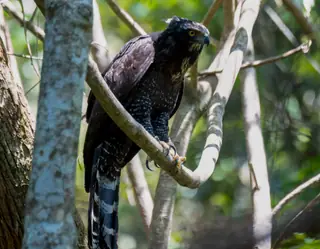 Black Hawk-Eagle
-
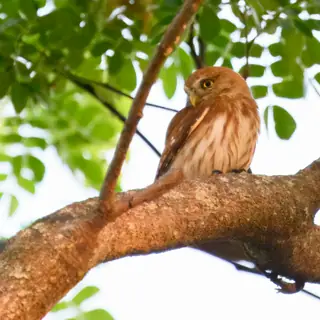 Ferruginous Pygmy Owl
-
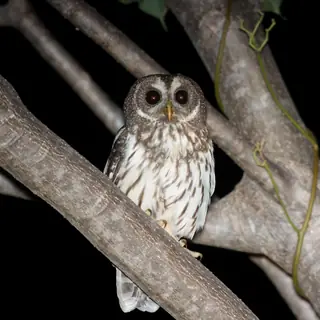 Mottled Owl
-
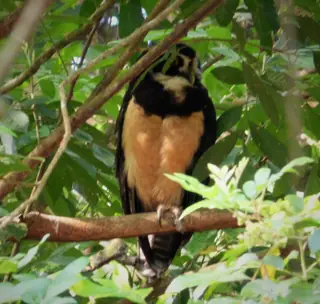 Spectacled OwlRare
-
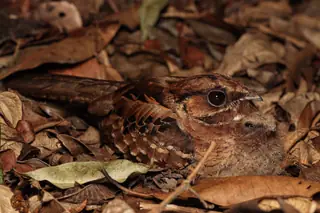 Common Pauraque
Reptiles and amphibians 11
-
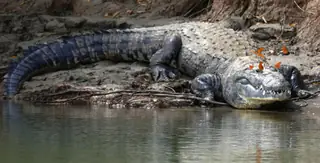 Morelet's Crocodile
-
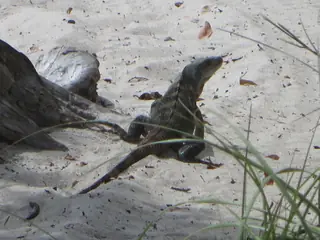 Common Spiny-tailed Iguana
-
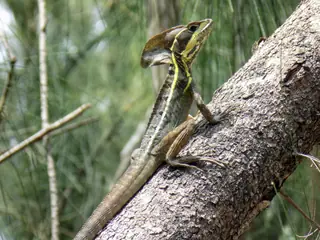 Brown Basilisk
-
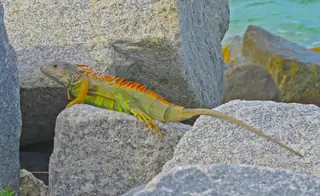 Green Iguana
-
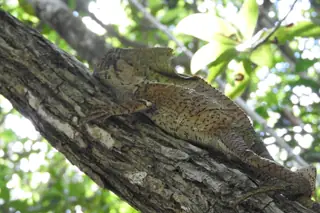 Helmeted Iguana
-
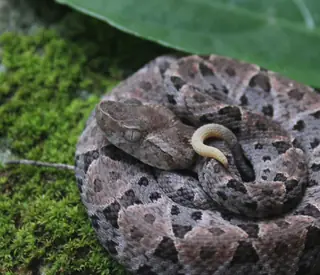 Fer-de-lance
-
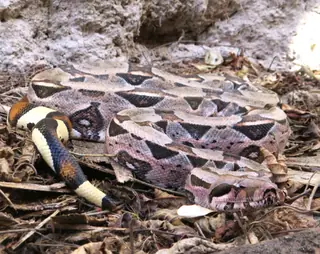 Boa Constrictor
-
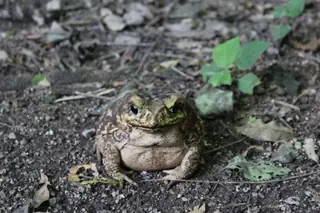 Mesoamerican Cane Toad
-
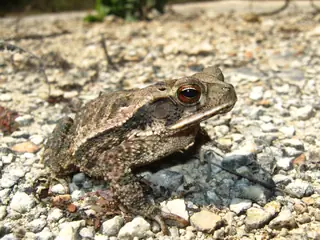 Central American Gulf Coast Toad
-
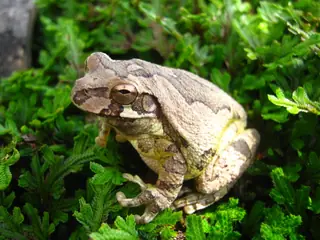 Common Mexican Treefrog
-
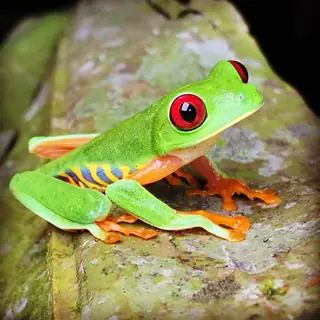 Red-eyed Tree Frog
Butterflies and ants 4
-
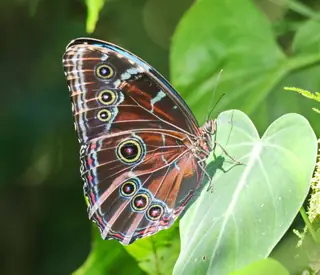 Blue Morpho
-
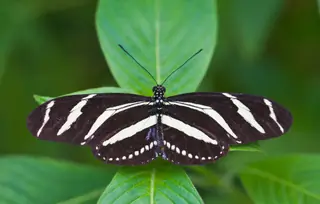 Zebra Longwing
-
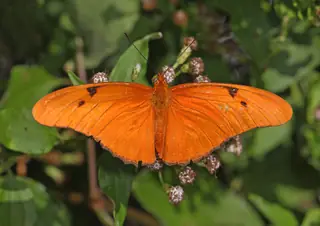 Julia
-
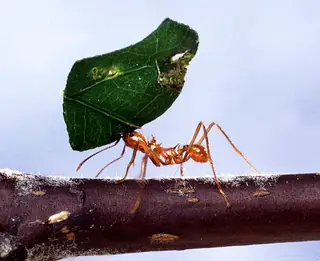 Leafcutter Ant
Best time to see wildlife in Tikal
Sightings by month in Tikal
Most records: Jun to AugRecords from GBIF.org, adjusted for how many people record wildlife each month. 100% is the busiest month.
The Petén is hot and humid all year. The drier season runs from about November to April, with cooler mornings, firmer paths and the most visitors; March and April are the hottest months. The rainy season, from May to October, brings heavy afternoon showers, but mornings are often clear, the forest is green and wildlife is active. Northern migrant birds such as warblers and wood thrush are present from October to April. Whatever the month, the first hours after opening are best for monkeys, turkeys and birds, before the heat and the day visitors build up. Staying at one of the lodges by the site lets you be on the trails at first light.
- Nov to FebDrier, cooler mornings, migrants present
- Mar to AprHottest and driest, busy at Easter
- May to JulRains start, green and quieter
- Aug to OctWettest, fewest visitors
Tips for spotting wildlife in Tikal
- 01
Be there at opening time
The park normally opens at 6am, with a separate guided sunrise ticket for earlier entry. Wildlife is most active in the first hours of the day.
- 02
Stay near the ruins
The lodges by the site mean you can walk the forest trails at dawn and dusk without the long drive from Flores.
- 03
Look up from the temples
Temple tops give eye-level views of the canopy: toucans and monkeys moving through the trees.
- 04
Walk the quieter trails
Paths away from the Great Plaza, between the outlying groups, are better for curassows, trogons and tinamous, which keep away from crowds.
- 05
Leave the coatis and turkeys alone
They look tame, but feeding wild animals harms them. Keep food packed away and give them space to pass.

Take Tikal with you
Tick off monkeys, toucans and ocellated turkeys among the temples of Tikal with Wilder. It works offline in the forest and is free to start.

Tikal wildlife FAQ
What animals can you see at Tikal?
Most visitors see spider monkeys, howler monkeys, coatis, agoutis and ocellated turkeys, plus toucans and woodpeckers around the temples. Grey foxes appear at dusk and crocodiles live in the old reservoirs. This checklist covers 100 animals a visitor could realistically find in Tikal National Park.
Are there jaguars at Tikal?
Yes, jaguars live in the forests of Tikal and the wider Maya Biosphere Reserve, along with pumas, ocelots and jaguarundis. They are very rarely seen by visitors, because they are shy and mostly active at night. Monkeys, coatis and turkeys are far more likely.
Is the Tikal sunrise tour worth it for wildlife?
For atmosphere and sound, yes: the howler monkeys' roar and the dawn chorus over the forest are memorable, though mist often hides the view. Wildlife is active anyway in the first hours after normal opening, so an early standard visit is also good.
What is an ocellated turkey?
A wild turkey found only in the Yucatán Peninsula and nearby Belize and Guatemala. It is smaller than the North American wild turkey, with iridescent bronze and green feathers, eye-spots on the tail and a bare blue head. At Tikal it is protected and often walks openly around the ruins.
Sources
- Living in Guatemala: CONAP and Tikal access (official ticket portal)
- Thoroughly Travel: visiting Tikal National Park (hours and tickets)
- Frommer's: things to do in Tikal
- Sightings by month: GBIF.org
Animal photos are from the Wilder catalogue; photo credits.
Similar checklists
All South and Central America-
 Reserve118animals Cockscomb Basin Wildlife Sanctuary Stann Creek, Belize The world's first jaguar reserve, a forested basin below Victoria Peak where tapirs leave tracks on the trails, howler monkeys roar at dawn and toucans call from the canopy. Best time Feb to May
-
 Reserve119animals Sian Ka'an Biosphere Reserve Quintana Roo, Yucatán Peninsula, Mexico Lagoons, mangroves and reef south of Tulum, where boats find dolphins, crocodiles, spoonbills and frigatebirds and a Maya canal winds through the wetlands. Best time Nov to Apr
-
 Reserve82animals Monarch Butterfly Biosphere Reserve Michoacán and State of Mexico, Mexico High fir forests in central Mexico where millions of monarch butterflies from Canada and the United States spend the winter, hanging in clusters that bend the branches. Best time Late Dec to Feb
-
 National park117animals Arenal and La Fortuna La Fortuna, Alajuela, Costa Rica Rainforest on the slopes of Arenal Volcano, where sloths hang over the La Fortuna trails and toucans, motmots and hanging-bridge hummingbirds fill the mornings. Best time Dec to Apr