Reserve · Michoacán and State of Mexico · Mexico
Monarch Butterfly Biosphere Reserve Checklist

The Monarch Butterfly Biosphere Reserve, in the mountains between Michoacán and the State of Mexico, is where most of eastern North America's monarchs spend the winter, in clusters of millions on the fir trees. The sanctuaries open from about late November to March. This checklist covers 82 animals, from the monarchs to the mountain birds around them.
Tick off all 82 animals in the Monarch Reserve on your phone, even offline. Launching soon. Free A4 PDF, no sign-up.
The reserve covers more than 56,000 hectares of high fir and pine forest about 100 kilometres west of Mexico City. Visitors reach the colonies on foot or on hired horses with local guides from sanctuaries such as El Rosario and Sierra Chincua in Michoacán and Piedra Herrada and Cerro Pelón in the State of Mexico.
- Animals to find
- 82
- Where
- Mexico
- Best time
- Late Dec to Feb
- Monarch migration
- Up to 4,500 km
Popular animals in the Monarch Reserve
-
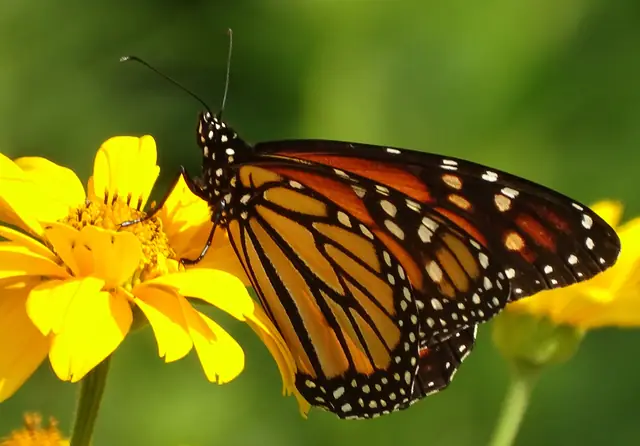
Monarch
Danaus plexippus
Butterflies from Canada and the eastern United States fly thousands of kilometres to cluster on oyamel firs here, so thickly that branches bend. On warm, sunny middays they pour off the trees in clouds to drink.
-
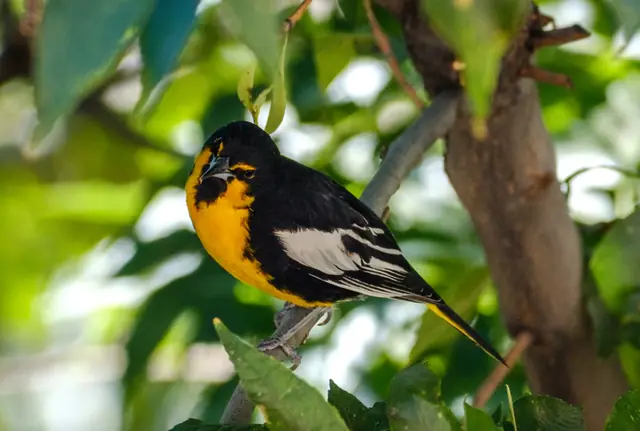
Black-backed Oriole
Icterus abeillei
One of the few birds able to eat monarchs, which are toxic to most predators. It picks out the less toxic parts of the butterflies at the colonies.
-
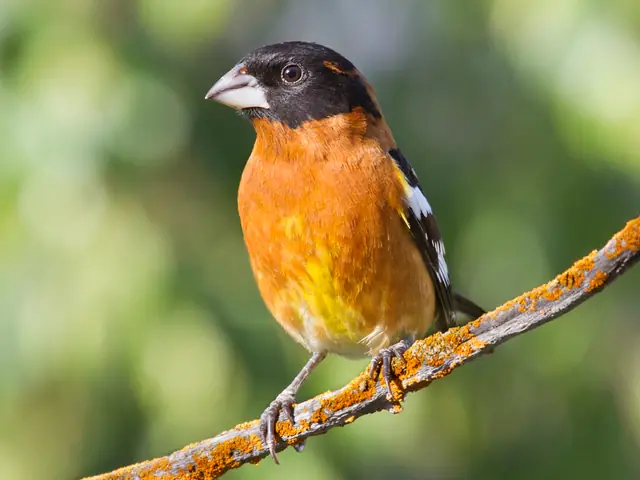
Black-headed Grosbeak
Pheucticus melanocephalus
The other main monarch predator, often feeding at the colonies with the orioles.
-
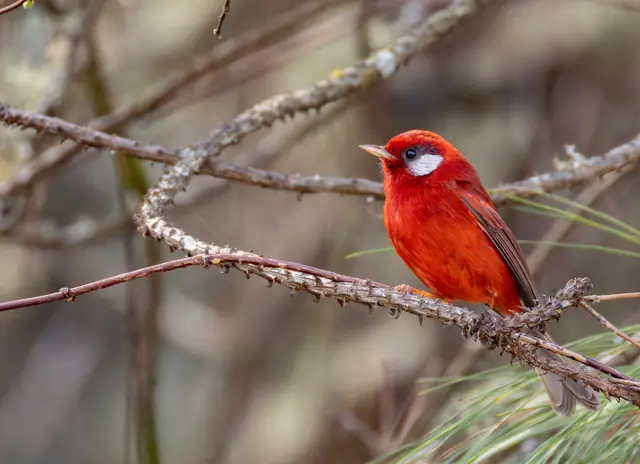
Red Warbler
Cardellina rubra
A scarlet warbler with silvery ear patches, found only in the mountains of Mexico and common in these forests.
-
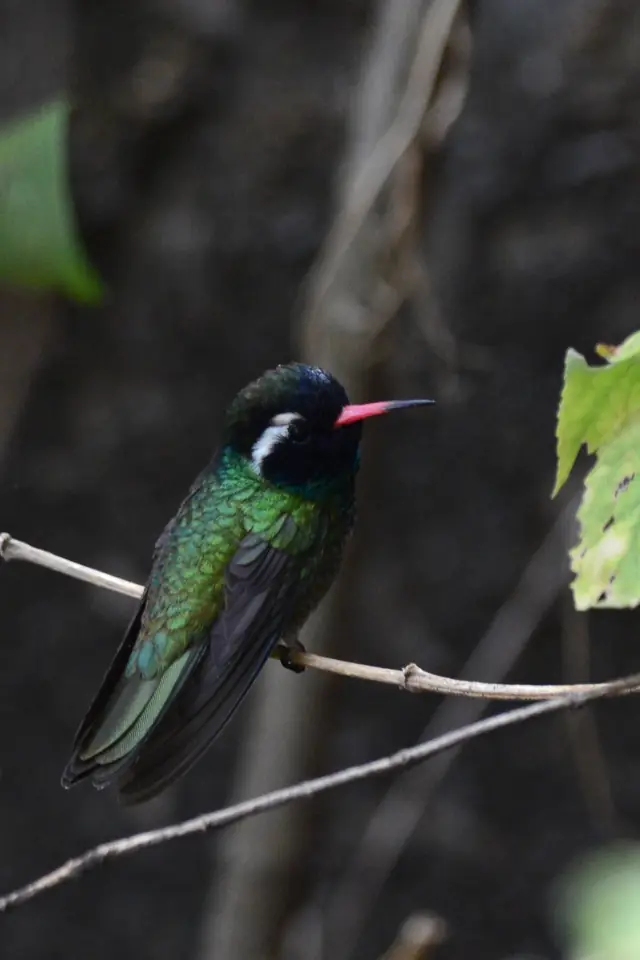
White-eared Hummingbird
Basilinna leucotis
The commonest hummingbird here, with a bold white stripe behind the eye, feeding at flowering shrubs along the trails.
-
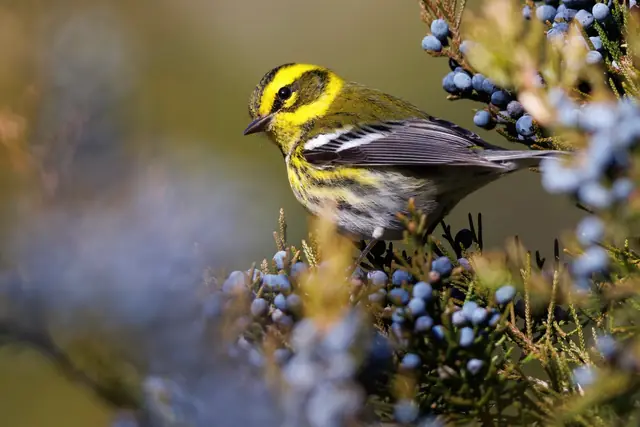
Townsend's Warbler
Setophaga townsendi
Like the monarchs, a winter visitor from the north, breeding in western Canada and the United States and wintering in these firs.
-
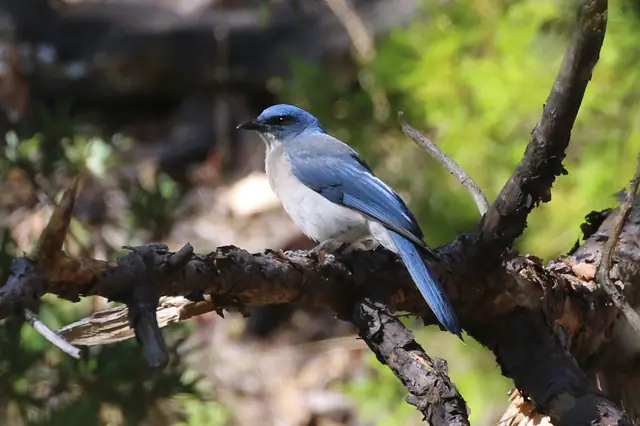
Transvolcanic Jay
Aphelocoma ultramarina
A blue jay of the central Mexican mountains that travels in noisy family groups through the pine and oak forest.
-
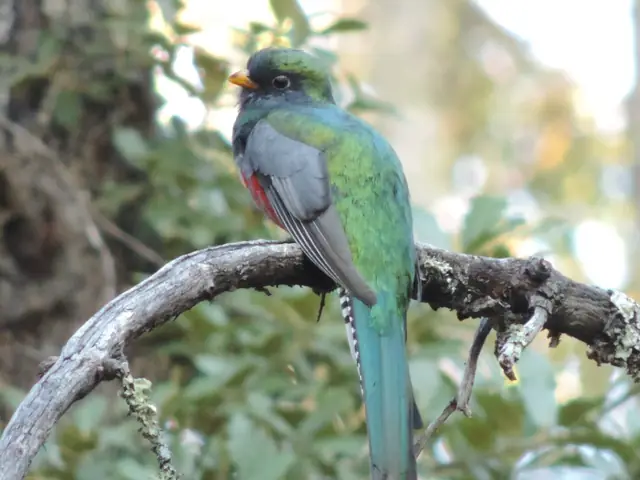
Mountain Trogon
Trogon mexicanus
A red-bellied trogon that sits quietly in the forest, giving away its position with a repeated barking call.
All 82 animals in the Monarch Reserve
Monarchs 1
-
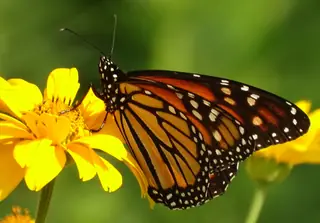 Monarch
Birds that eat monarchs 2
-
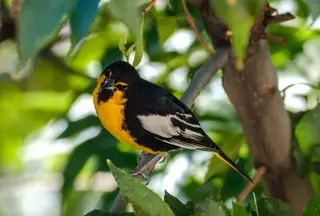 Black-backed Oriole
-
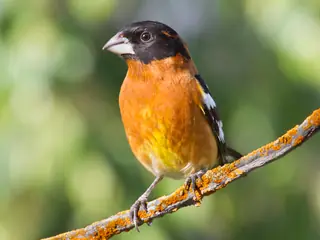 Black-headed Grosbeak
Hummingbirds 7
-
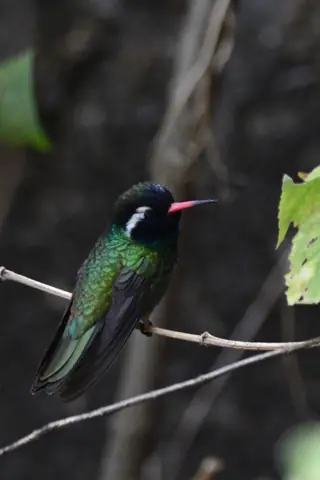 White-eared Hummingbird
-
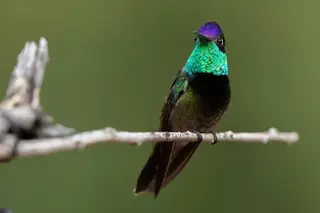 Rivoli's Hummingbird
-
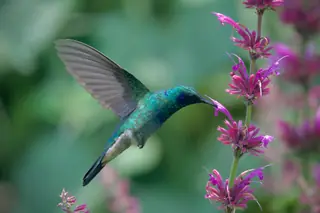 Mexican Violetear
-
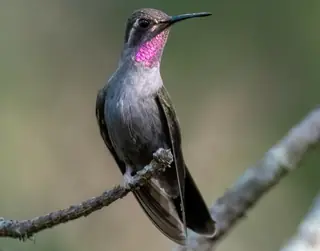 Amethyst-throated Mountain-gem
-
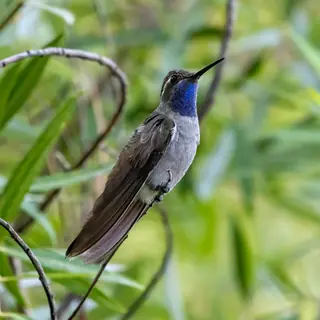 Blue-throated Mountain-gem
-
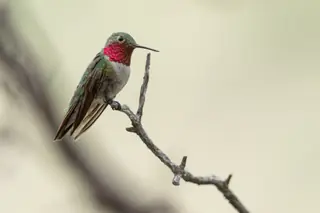 Broad-tailed Hummingbird
-
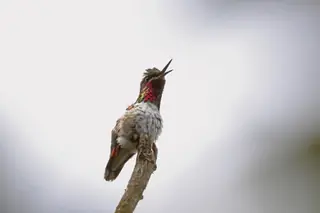 Bumblebee HummingbirdRare
Mountain forest birds 36
-
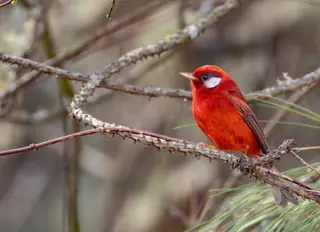 Red Warbler
-
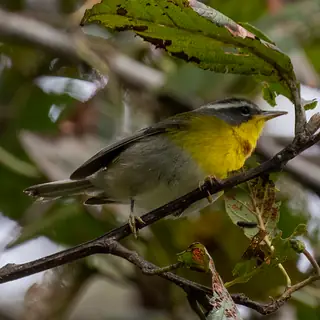 Crescent-chested Warbler
-
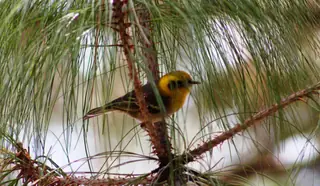 Olive Warbler
-
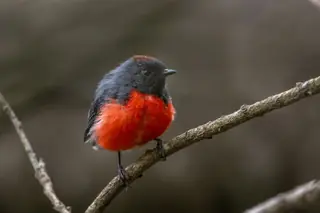 Slate-throated Whitestart
-
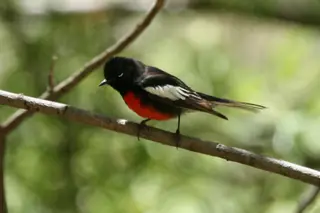 Painted Whitestart
-
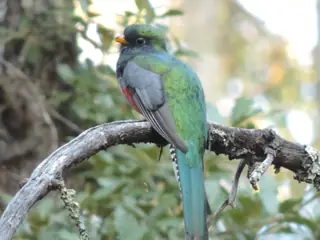 Mountain Trogon
-
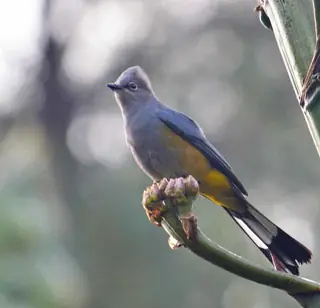 Grey Silky-flycatcher
-
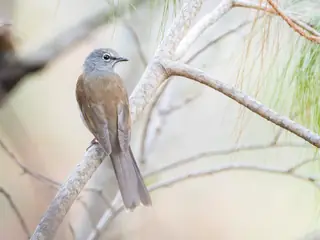 Brown-backed Solitaire
-
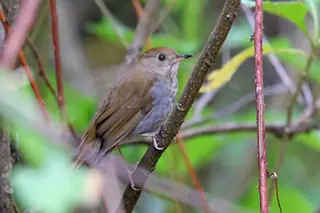 Russet Nightingale-thrush
-
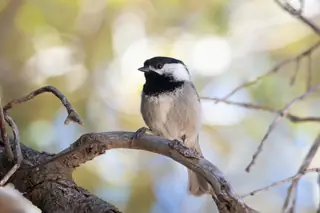 Mexican Chickadee
-
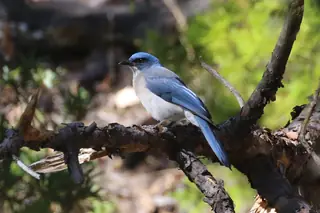 Transvolcanic Jay
-
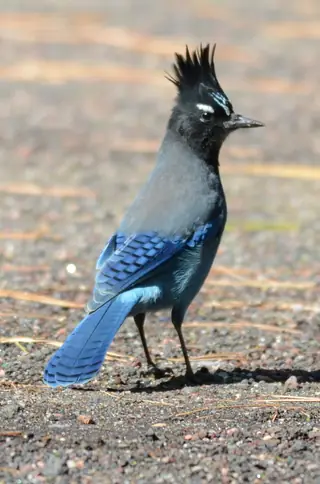 Steller's Jay
-
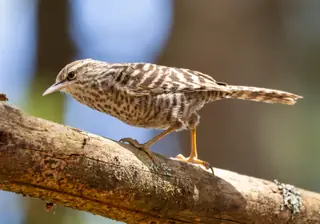 Grey-barred Wren
-
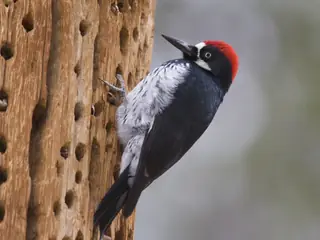 Acorn Woodpecker
-
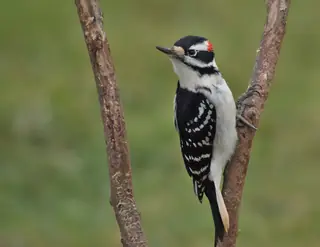 Hairy Woodpecker
-
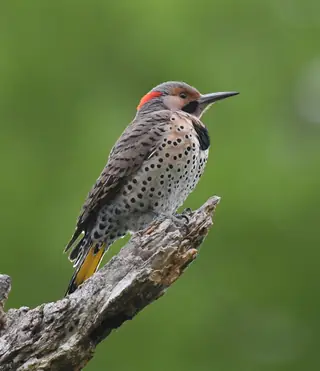 Northern Flicker
-
 Strickland's WoodpeckerRare
-
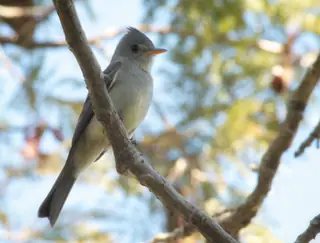 Greater Pewee
-
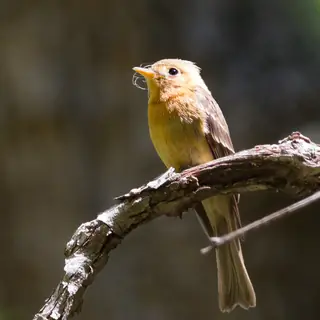 Tufted Flycatcher
-
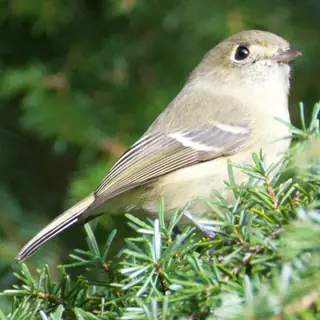 Hutton's Vireo
-
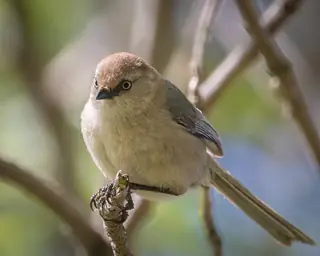 Bushtit
-
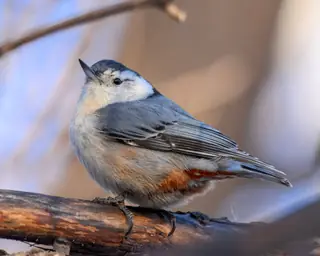 White-breasted Nuthatch
-
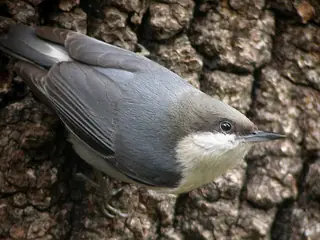 Pygmy Nuthatch
-
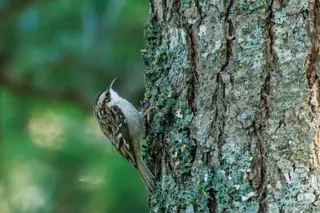 Brown Creeper
-
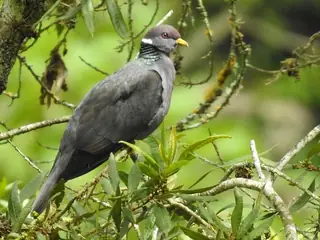 Band-tailed Pigeon
-
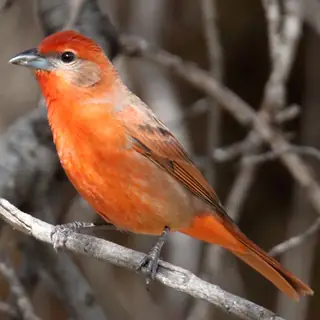 Hepatic Tanager
-
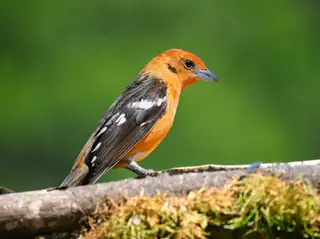 Flame-coloured Tanager
-
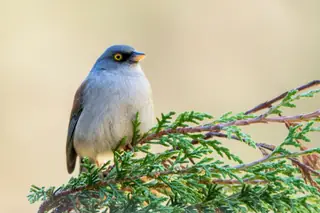 Yellow-eyed Junco
-
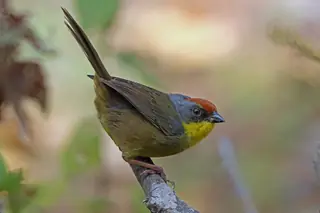 Rufous-capped Brushfinch
-
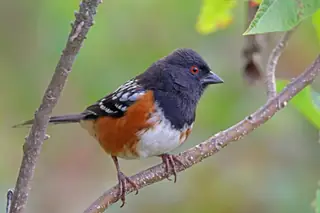 Spotted Towhee
-
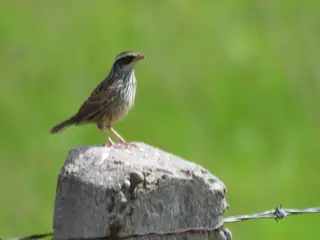 Striped Sparrow
-
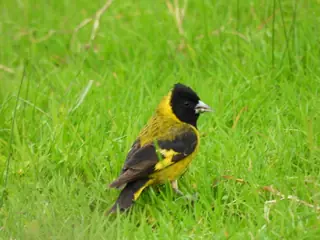 Black-headed Siskin
-
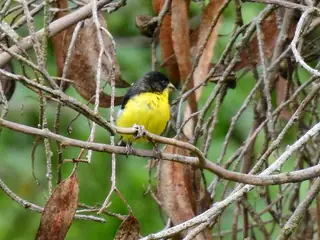 Lesser Goldfinch
-
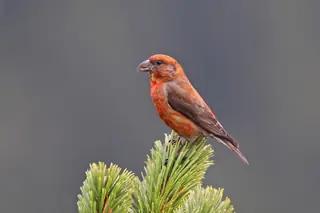 Red Crossbill
-
 Common Raven
-
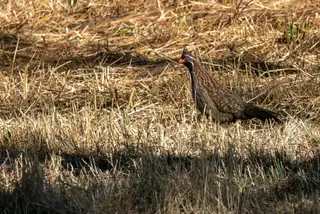 Long-tailed Wood PartridgeRare
Winter visitors from the north 9
-
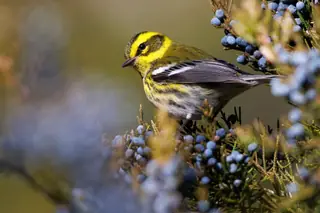 Townsend's Warbler
-
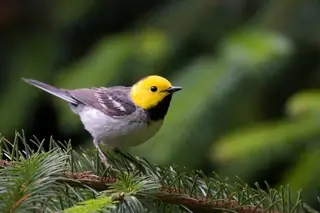 Hermit Warbler
-
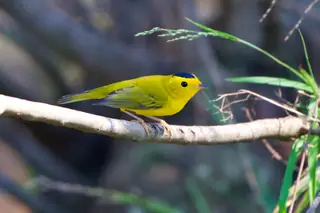 Wilson's Warbler
-
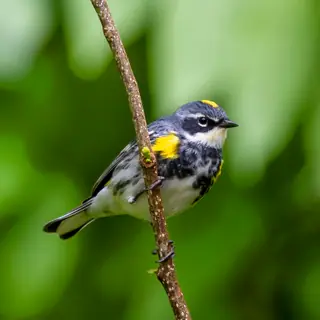 Yellow-rumped Warbler
-
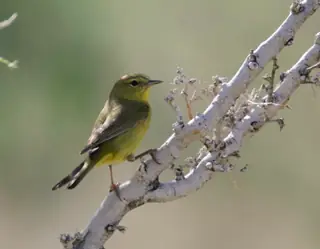 Orange-crowned Warbler
-
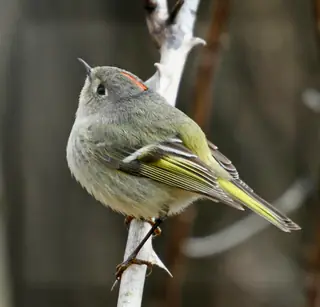 Ruby-crowned Kinglet
-
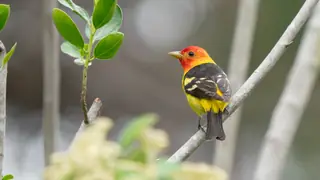 Western Tanager
-
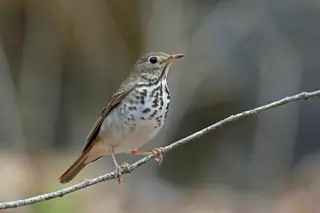 Hermit Thrush
-
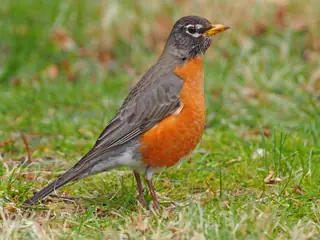 American Robin
Birds of prey and owls 7
-
 Turkey Vulture
-
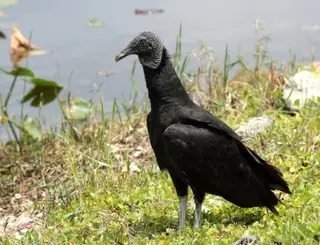 Black Vulture
-
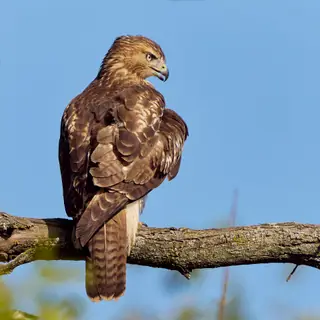 Red-tailed Hawk
-
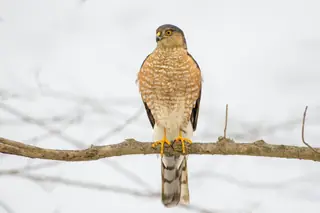 Sharp-shinned Hawk
-
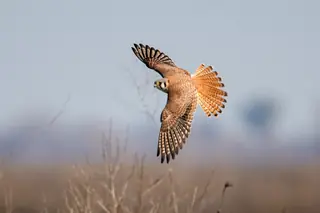 American Kestrel
-
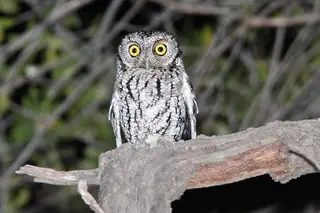 Whiskered Screech Owl
-
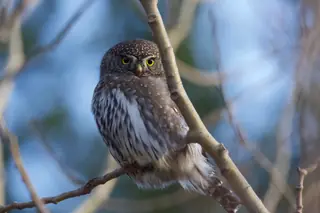 Northern Pygmy Owl
Mammals 14
-
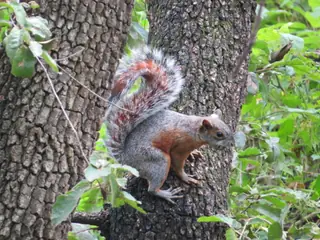 Red-bellied Squirrel
-
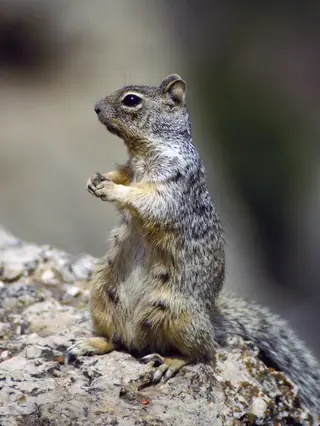 Rock Squirrel
-
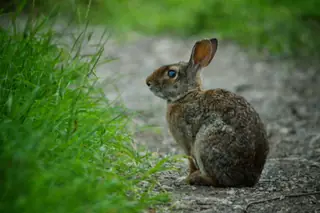 Mexican Cottontail
-
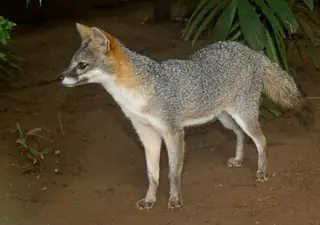 Grey Fox
-
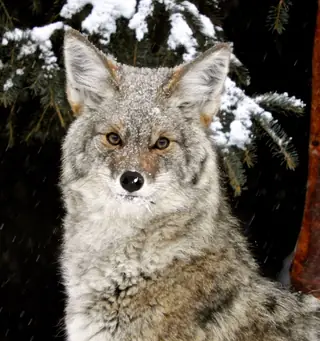 Coyote
-
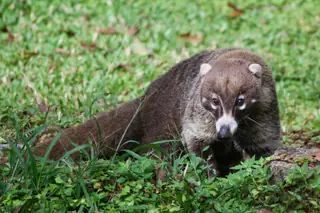 White-nosed Coati
-
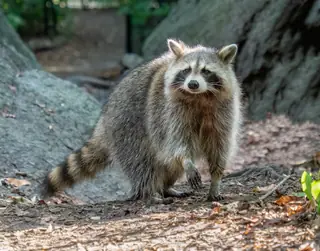 Raccoon
-
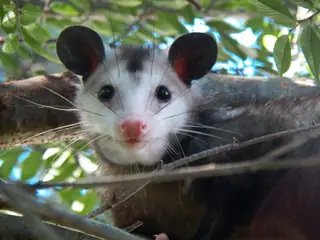 Virginia Opossum
-
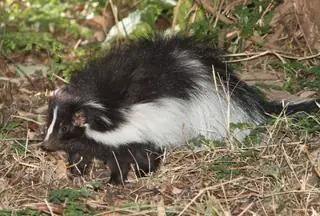 Hooded Skunk
-
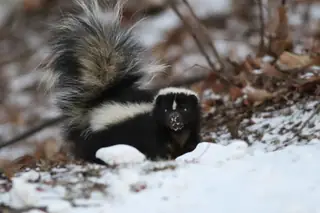 Striped Skunk
-
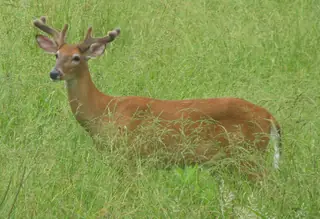 White-tailed DeerRare
-
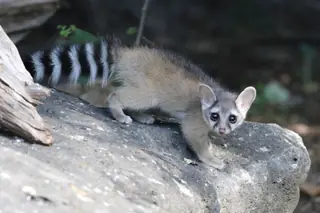 RingtailRare
-
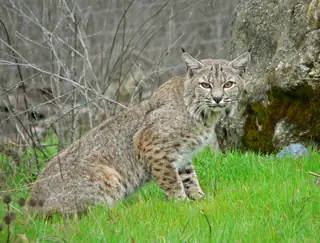 BobcatRare
-
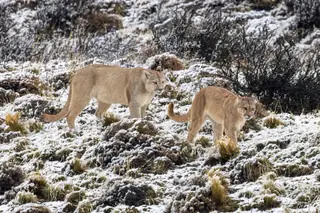 Cougar (Mountain Lion)Rare
Reptiles and amphibians 6
-
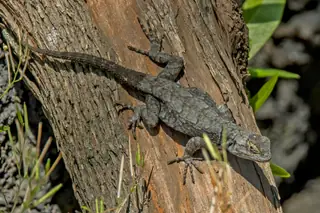 Mesquite Lizard
-
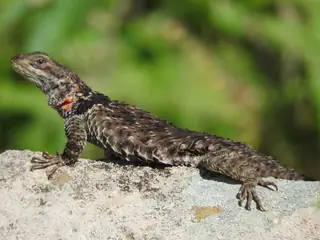 Torquate Lizard
-
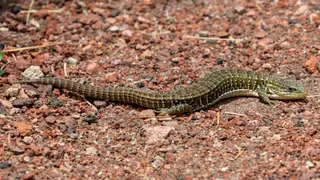 Imbricate Alligator Lizard
-
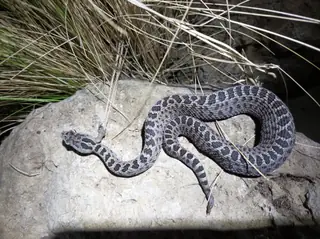 Mexican Dusky Rattlesnake
-
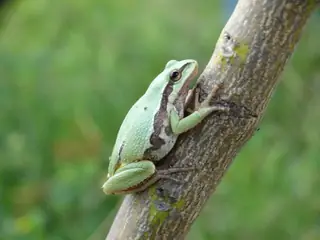 Mountain Treefrog
-
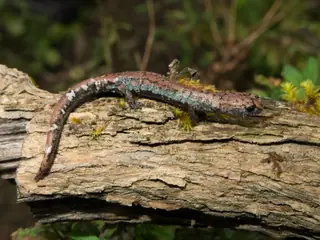 Leprous False Brook SalamanderRare
Best time to see wildlife in the Monarch Reserve
Sightings by month in the Monarch Reserve
Most records: Nov to Mar, SeptRecords from GBIF.org, adjusted for how many people record wildlife each month. 100% is the busiest month.
The monarchs arrive in the mountains around late October and early November and settle into colonies; the sanctuaries usually open to visitors from late November until March, with exact dates set each season. Late December to February is the classic time, when colonies are dense and settled. February is the busiest month, especially at weekends, and brings more flying as days warm. In March the butterflies mate and begin to leave, heading north. Mornings at around 3,000 metres are cold and the butterflies stay clustered until the sun warms them; midday on a sunny day is when they fly. Cloudy, cold days mean quiet, hanging clusters. The forest birds are present all year, joined in winter by migrants from North America.
- NovMonarchs arriving, sanctuaries opening
- Dec to JanDense, settled colonies
- FebPeak flying, busiest month
- MarMating and departure
Tips for spotting wildlife in the Monarch Reserve
- 01
Go on a sunny day around midday
Clusters stay still while it is cold. Between about noon and 2pm on a sunny day, butterflies stream down to drink and fill the air.
- 02
Hire a horse or take it slowly
The colonies are at around 3,000 metres and trails are steep. Horses and local guides wait at each sanctuary entrance and are an important local income.
- 03
Watch where you step
Butterflies rest and drink on the ground and are easy to tread on while you look up. Stay on the trail and behind the ropes at the colonies.
- 04
Keep quiet and keep back
Speak softly, never touch or pick up butterflies, and do not shake branches. Flash and drones are not welcome.
- 05
Try a smaller sanctuary or a weekday
El Rosario is the busiest. Sierra Chincua, Piedra Herrada and Cerro Pelón are often quieter, especially on weekdays.

Take the Monarch Reserve with you
Log the monarchs and the mountain birds around them at the Monarch Butterfly Biosphere Reserve with Wilder. It works offline on the trail and is free to start.

Monarch Reserve wildlife FAQ
When is the best time to see the monarch butterflies in Mexico?
Late December to February is best, when the colonies are dense and settled. The sanctuaries usually open from late November to March. Go on a warm, sunny day around midday, when the butterflies fly; on cold or cloudy days they stay clustered on the trees.
Which monarch butterfly sanctuary should I visit?
El Rosario in Michoacán is the largest and best known, but also the busiest. Sierra Chincua, also in Michoacán, has a gentler trail. Piedra Herrada, in the State of Mexico, is the closest to Mexico City and popular for day trips. Colonies move from year to year, so local guides know where they are.
How do monarch butterflies get to Mexico?
Monarchs that hatch in late summer in Canada and the eastern United States fly up to about 4,500 kilometres south to these mountains, a journey no single butterfly has made before. They spend the winter clustered on firs, then start north in March; it takes several generations to reach Canada again.
What else can you see at the Monarch Butterfly Biosphere Reserve?
The fir and pine forests hold hummingbirds, red warblers, trogons, jays, woodpeckers and winter visitors from North America such as Townsend's warblers. Mammals are shy, but squirrels are common. This checklist covers 82 animals, including the monarch.
Sources
- Mexico News Daily: visiting Mexico's monarch butterflies responsibly
- Journey North: monarch overwintering season at El Rosario
- Save Our Monarchs: visiting the monarch sanctuaries in Mexico
- Sightings by month: GBIF.org
Animal photos are from the Wilder catalogue; photo credits.
Similar checklists
All North America-
 Reserve98animals Baja California Whale Lagoons El Vizcaíno and Magdalena Bay, Baja California Sur, Mexico Grey whale mothers and calves in the warm lagoons of Ojo de Liebre, San Ignacio and Magdalena Bay, with ospreys, pelicans and brant over the mangroves and desert all around. Best time Feb to Mar
-
 Reserve119animals Sian Ka'an Biosphere Reserve Quintana Roo, Yucatán Peninsula, Mexico Lagoons, mangroves and reef south of Tulum, where boats find dolphins, crocodiles, spoonbills and frigatebirds and a Maya canal winds through the wetlands. Best time Nov to Apr
-
 National park100animals Tikal National Park Petén, Guatemala Maya temples rising above lowland rainforest, where spider and howler monkeys move through the canopy and ocellated turkeys and coatis wander the plazas. Best time Nov to Apr
-
 Reserve118animals Cockscomb Basin Wildlife Sanctuary Stann Creek, Belize The world's first jaguar reserve, a forested basin below Victoria Peak where tapirs leave tracks on the trails, howler monkeys roar at dawn and toucans call from the canopy. Best time Feb to May