Reserve · Chandrapur, Maharashtra · India
Tadoba Wildlife Checklist

Tadoba-Andhari Tiger Reserve is Maharashtra's oldest national park, in the Chandrapur district of central India, and one of the most reliable places in India to see a wild tiger. Its dry teak and bamboo forest, lakes and meadows also hold sloth bears, leopards, dhole, gaur and mugger crocodiles. This checklist covers 133 animals. March to June is best for tigers.
Tick off all 133 animals in Tadoba on your phone, even offline. Launching soon. Free A4 PDF, no sign-up.
Safaris run from gates around the edge of the reserve, such as Moharli, Kolara, Navegaon and Khutwanda, into the core zone, and from more gates into the buffer zones, where tigers are now seen too. Tadoba lake sits in the middle of the core, and the forest is mostly dry teak with stands of bamboo, open meadows and rocky hills.
- Animals to find
- 133
- Where
- India
- Best time
- Mar to Jun
- Area
- About 625 sq km
Popular animals in Tadoba
-
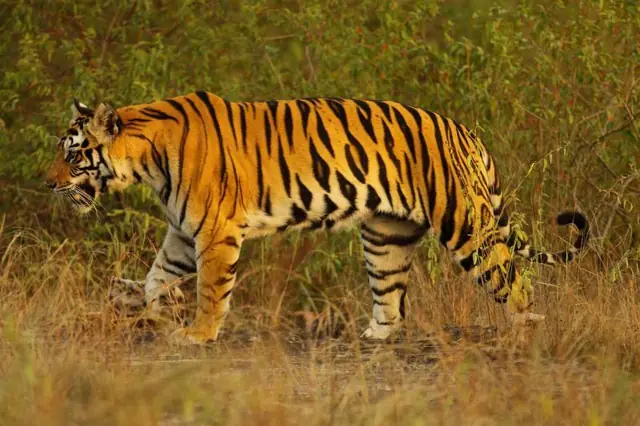
Tiger
Panthera tigris
Tadoba has a healthy tiger population and sightings are frequent. Go with a licensed guide, stay in the vehicle and let the tiger choose its path.
-
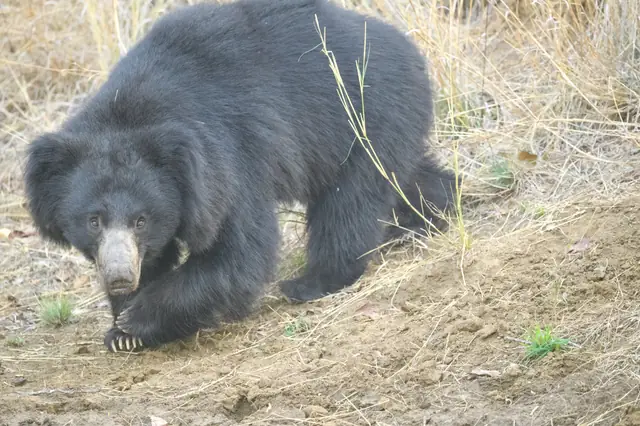
Sloth Bear
Melursus ursinus
A shaggy black bear that digs termites from mounds, mostly in the early morning on rocky slopes and in teak forest.
-
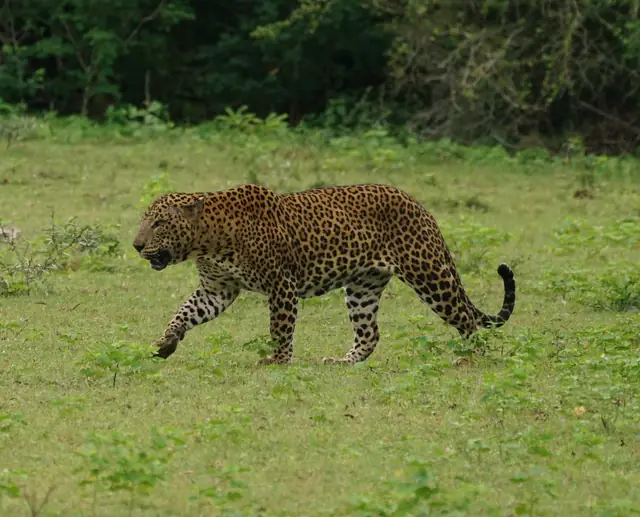
Leopard
Panthera pardus
Shyer than the tigers and often on the edges and in the buffer zones, at dawn and dusk.
-
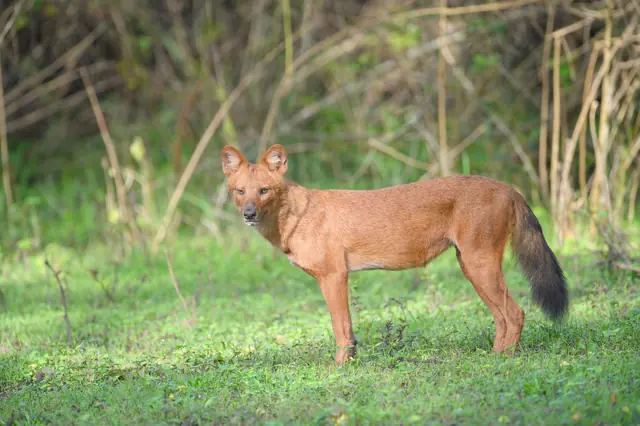
Dhole
Cuon alpinus
Packs of red wild dogs that hunt deer in open forest and meadows, usually early in the morning.
-
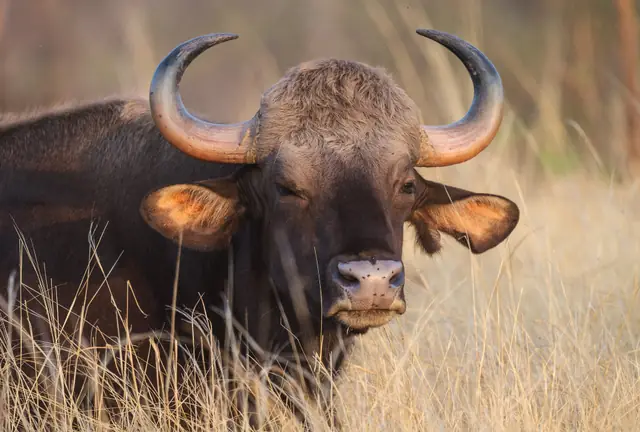
Gaur
Bos gaurus
The world's largest wild cattle, grazing meadows and forest edges, most often in the dry months.
-
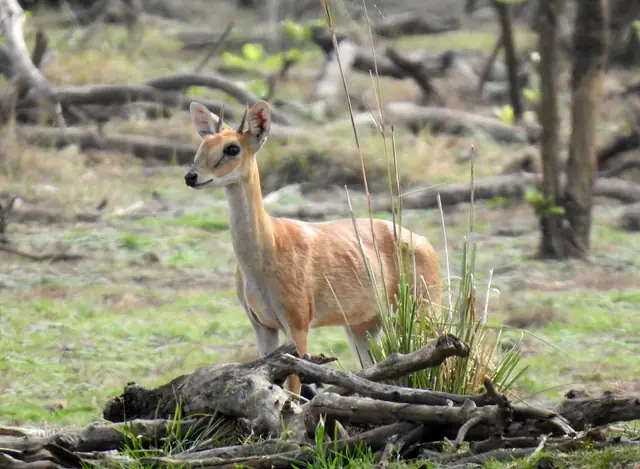
Four-horned Antelope
Tetracerus quadricornis
A small, shy antelope of open dry forest; males have two pairs of short horns.
-
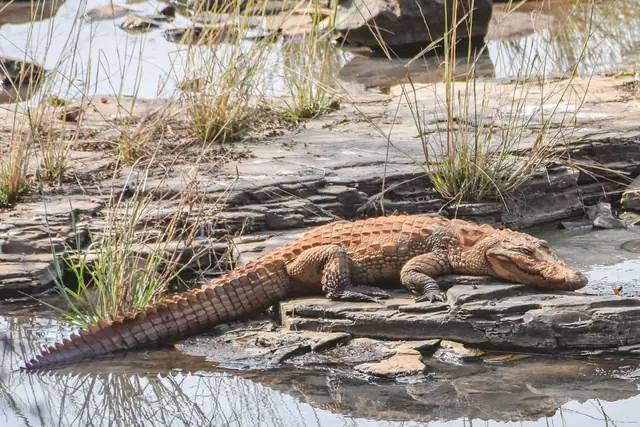
Mugger Crocodile
Crocodylus palustris
Basks on the shores of the lakes; watch from the vehicle and never walk to the water's edge.
-
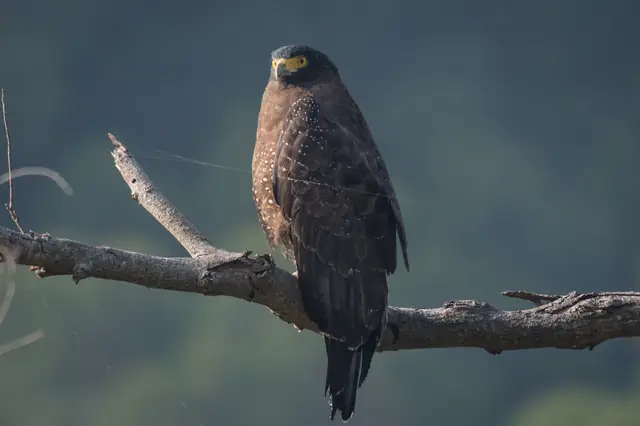
Crested Serpent Eagle
Spilornis cheela
The commonest large raptor, perched on bare branches and calling loudly over the forest.
-
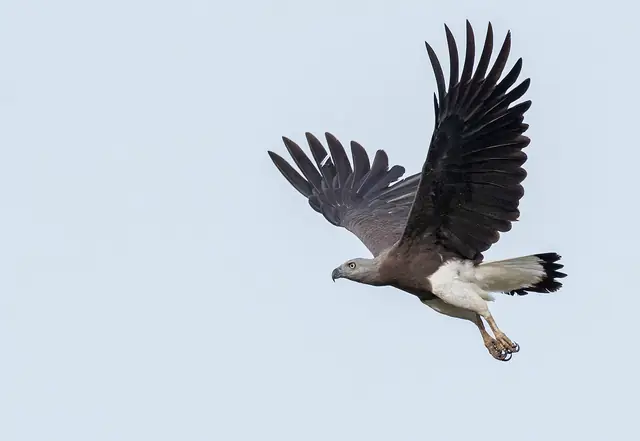
Grey-headed Fish Eagle
Icthyophaga ichthyaetus
A big eagle of the lakes and reservoirs that perches in tall waterside trees.
-
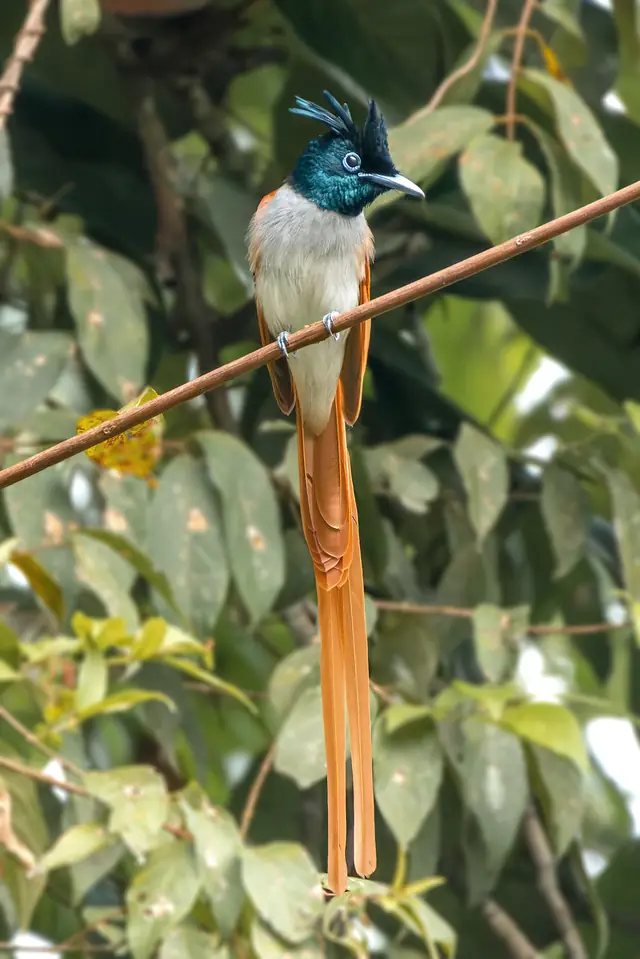
Indian Paradise Flycatcher
Terpsiphone paradisi
Males trail long white or rufous tail streamers through shady forest near water.
-
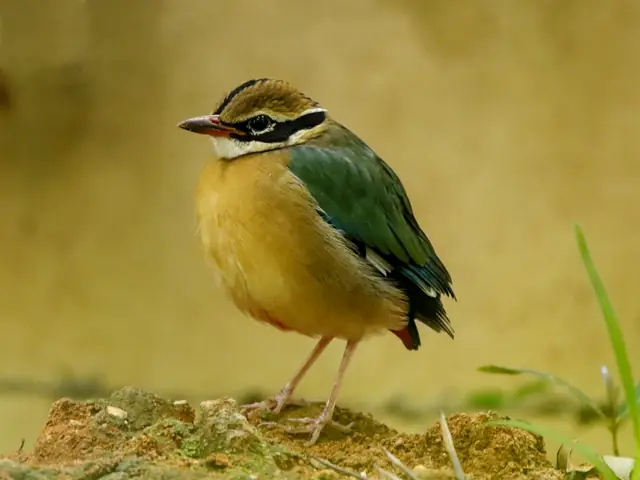
Indian Pitta
Pitta brachyura
A jewel-bright ground bird that arrives with the pre-monsoon heat in May and June.
All 133 animals in Tadoba
Tigers and predators 10
-
 Tiger
-
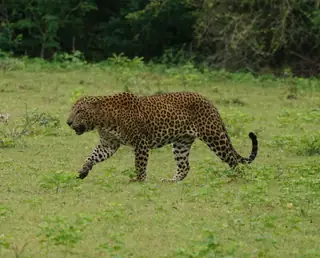 Leopard
-
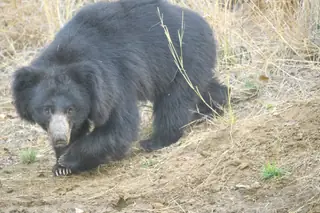 Sloth Bear
-
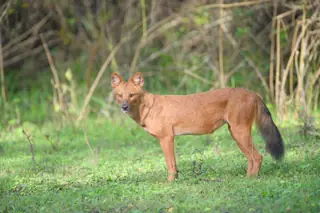 Dhole
-
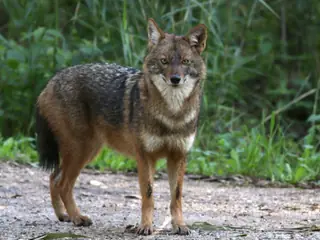 Golden Jackal
-
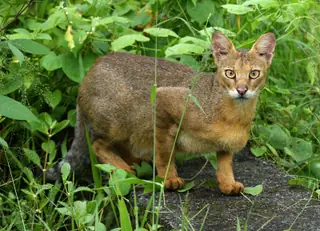 Jungle Cat
-
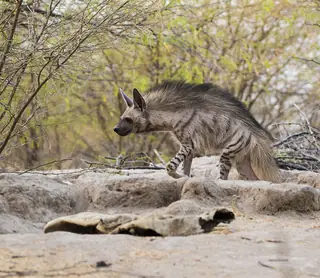 Striped HyenaRare
-
 Rusty-spotted CatRare
-
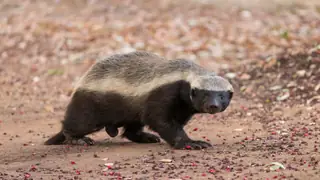 Honey BadgerRare
-
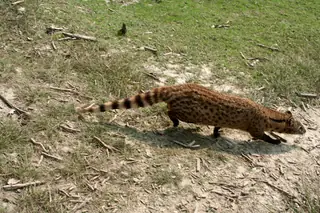 Small Indian CivetRare
Deer and wild cattle 8
-
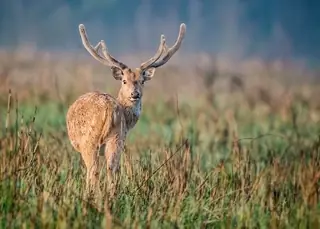 Chital (Spotted Deer)
-
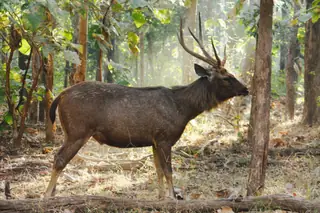 Sambar Deer
-
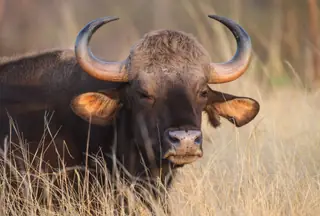 Gaur
-
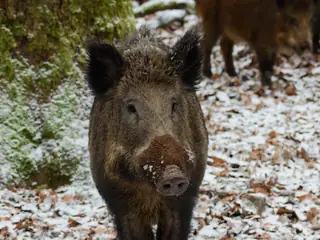 Wild Boar
-
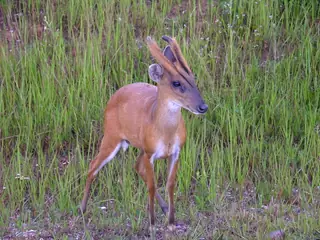 Northern Red Muntjac
-
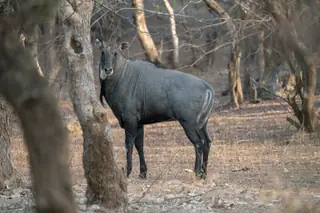 Nilgai
-
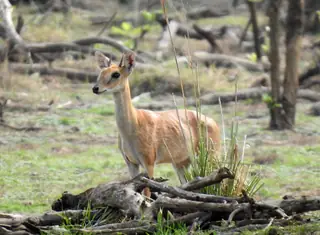 Four-horned Antelope
-
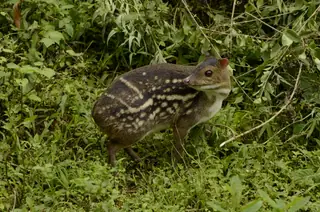 Indian ChevrotainRare
Smaller mammals 11
-
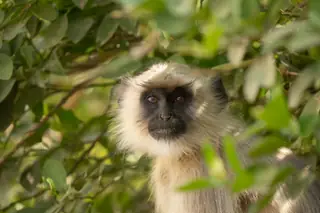 Hanuman Langur
-
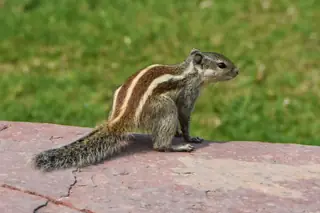 Northern Palm Squirrel
-
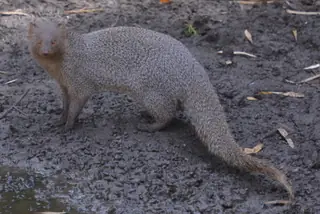 Indian Grey Mongoose
-
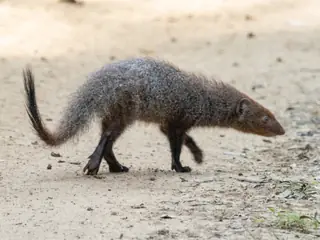 Ruddy Mongoose
-
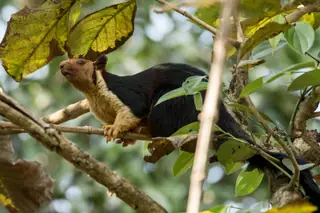 Indian Giant SquirrelRare
-
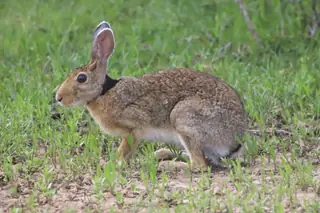 Indian Hare
-
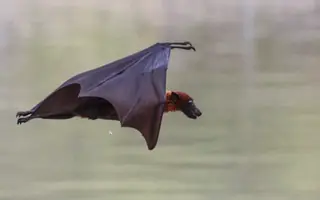 Indian Flying Fox
-
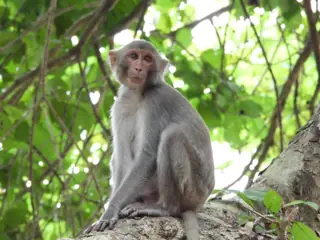 Rhesus MacaqueRare
-
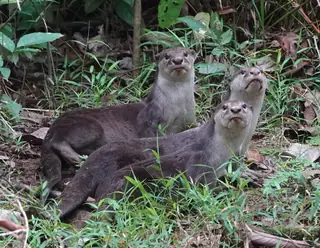 Smooth-coated OtterRare
-
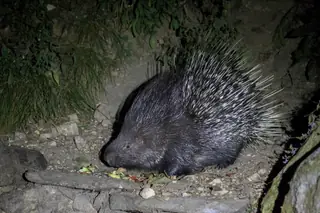 Indian Crested PorcupineRare
-
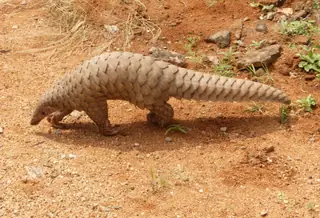 Indian PangolinRare
Birds of prey and owls 15
-
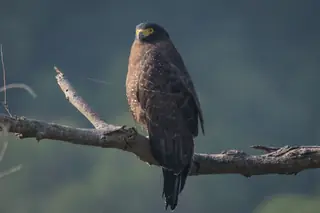 Crested Serpent Eagle
-
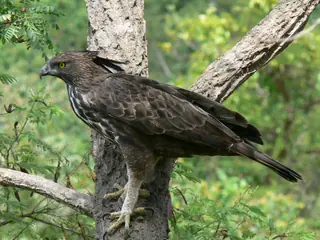 Changeable Hawk-Eagle
-
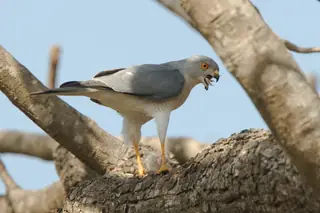 Shikra
-
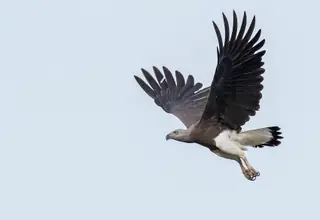 Grey-headed Fish Eagle
-
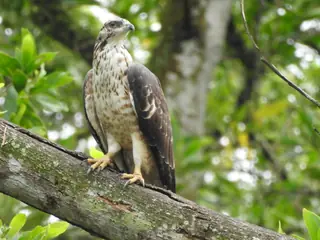 Oriental Honey Buzzard
-
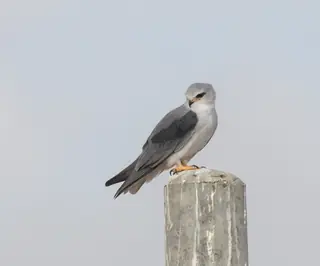 Black-winged Kite
-
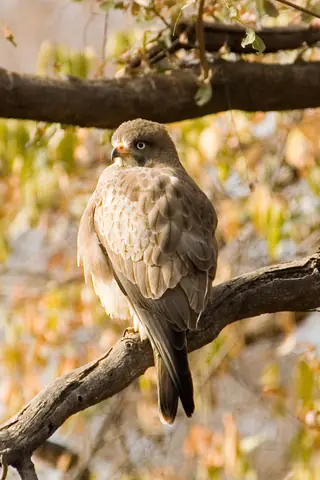 White-eyed Buzzard
-
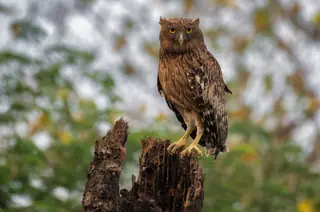 Brown Fish Owl
-
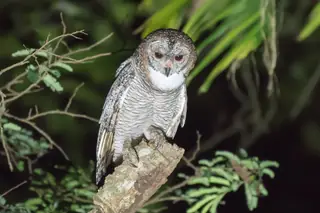 Mottled Wood Owl
-
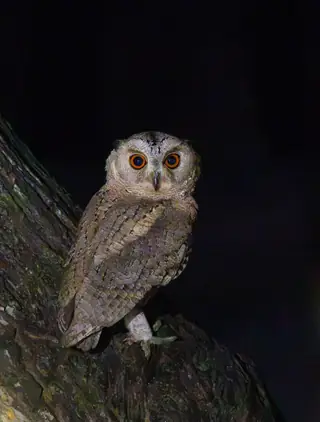 Indian Scops Owl
-
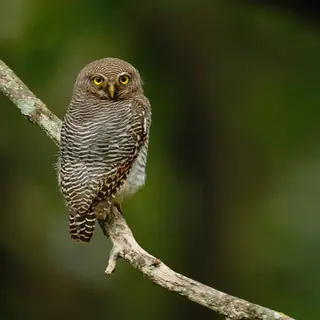 Jungle Owlet
-
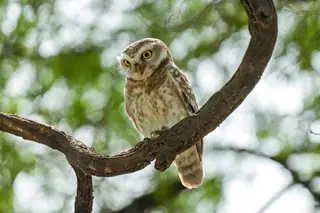 Spotted Owlet
-
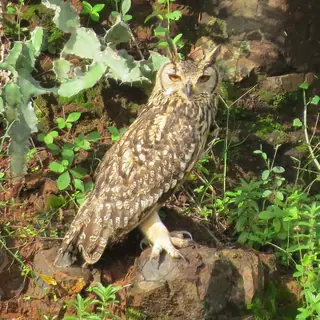 Indian Eagle-Owl
-
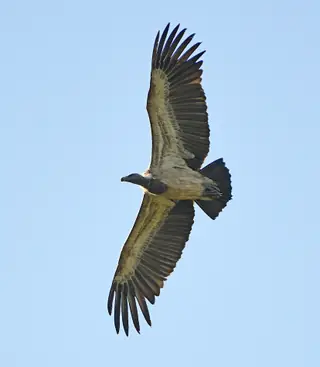 Indian VultureRare
-
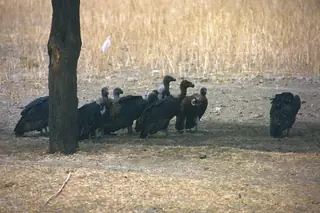 White-rumped VultureRare
Water birds 18
-
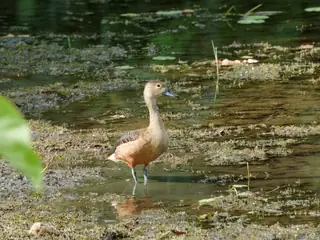 Lesser Whistling Duck
-
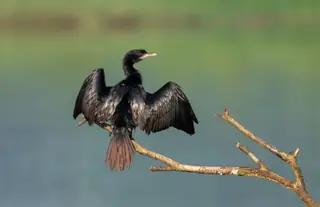 Little Cormorant
-
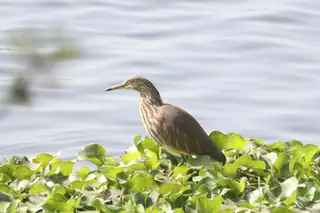 Indian Pond Heron
-
 Great Egret
-
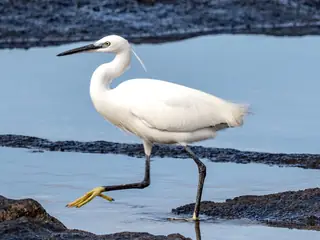 Little Egret
-
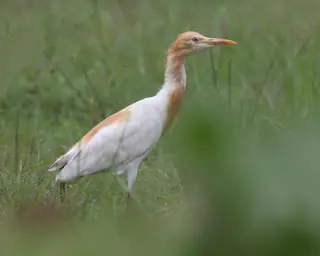 Eastern Cattle Egret
-
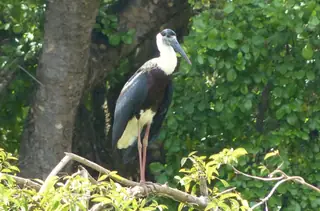 Asian Woolly-necked Stork
-
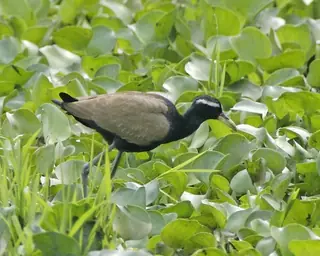 Bronze-winged Jacana
-
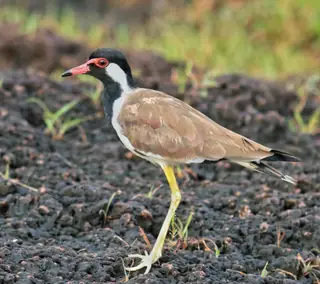 Red-wattled Lapwing
-
 Oriental Darter
-
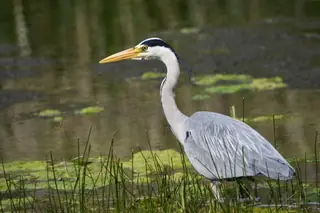 Grey Heron
-
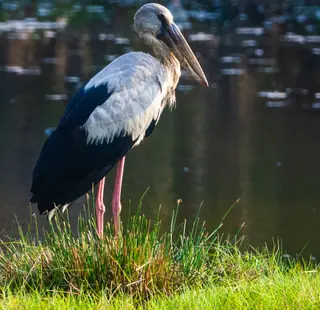 Asian Openbill
-
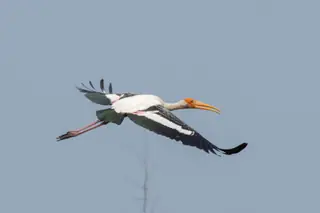 Painted Stork
-
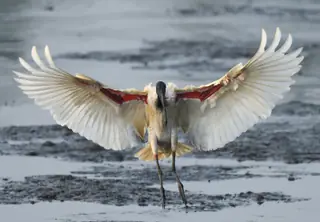 Black-headed Ibis
-
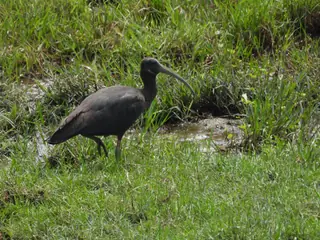 Red-naped Ibis
-
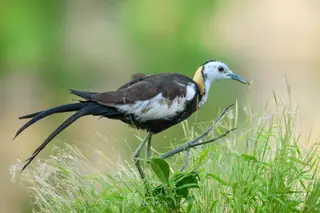 Pheasant-tailed Jacana
-
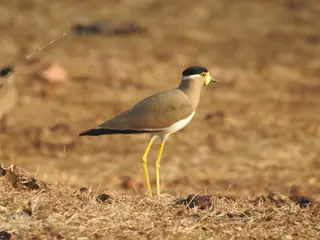 Yellow-wattled Lapwing
-
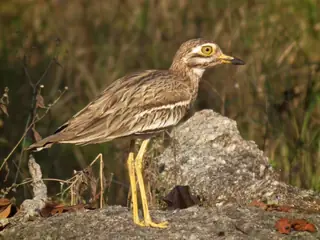 Indian Thick-knee
Kingfishers, bee-eaters and woodpeckers 14
-
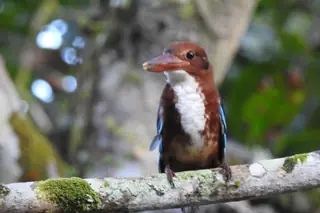 White-throated Kingfisher
-
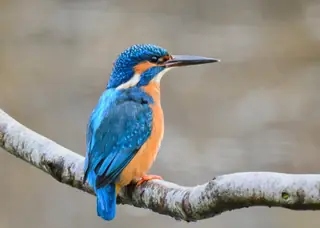 Common Kingfisher
-
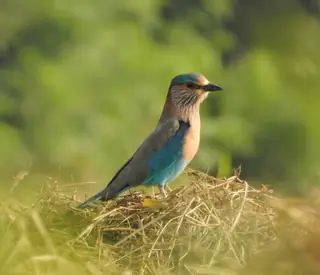 Indian Roller
-
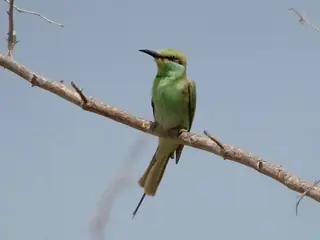 Asian Green Bee-eater
-
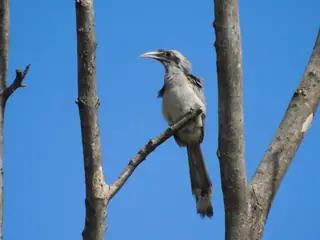 Indian Grey Hornbill
-
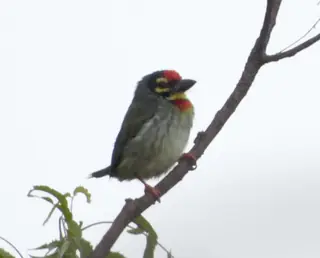 Coppersmith Barbet
-
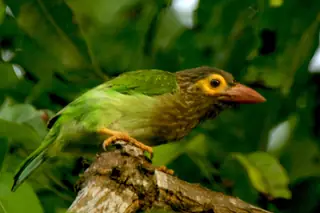 Brown-headed Barbet
-
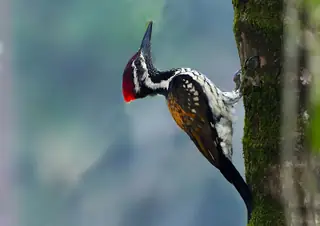 Black-rumped Flameback
-
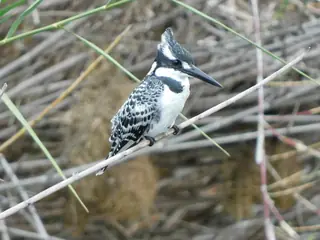 Pied Kingfisher
-
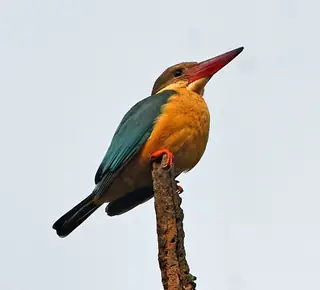 Stork-billed Kingfisher
-
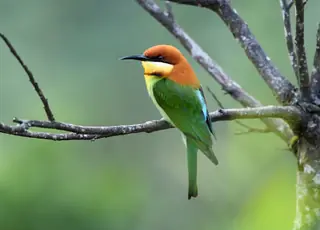 Chestnut-headed Bee-eater
-
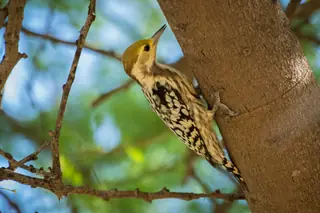 Yellow-crowned Woodpecker
-
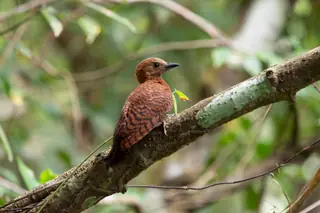 Rufous Woodpecker
-
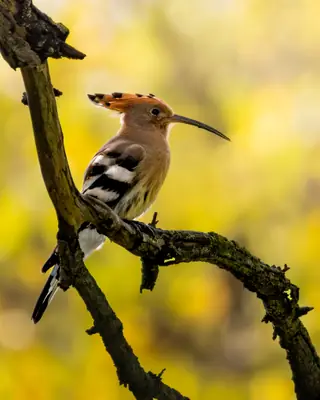 Common Hoopoe
Forest birds 24
-
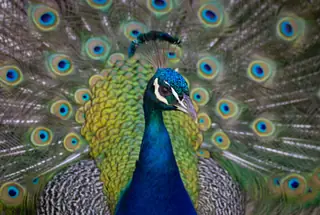 Indian Peafowl
-
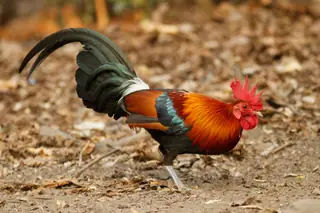 Red Junglefowl
-
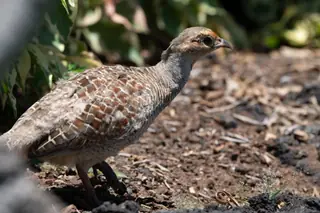 Grey Francolin
-
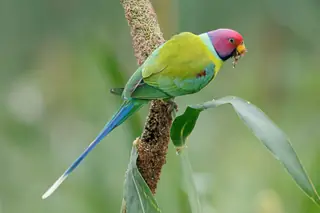 Plum-headed Parakeet
-
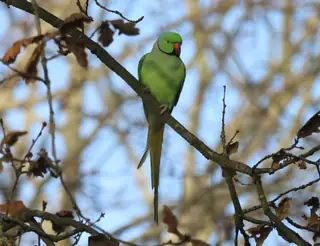 Ring-necked Parakeet
-
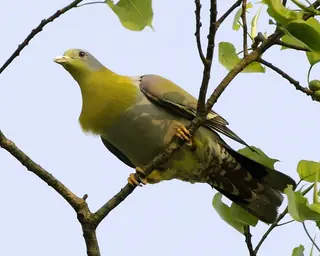 Yellow-footed Green Pigeon
-
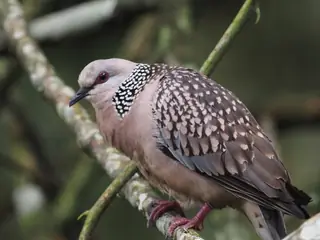 Spotted Dove
-
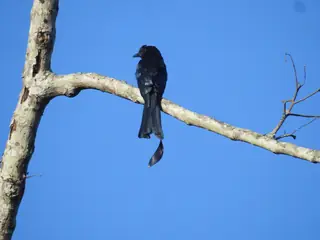 Greater Racquet-tailed Drongo
-
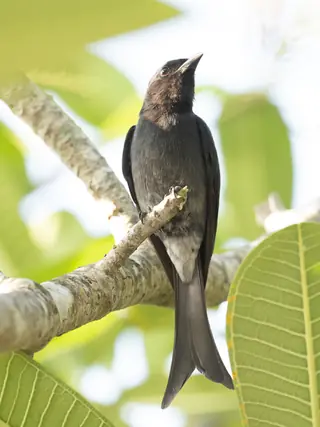 White-bellied Drongo
-
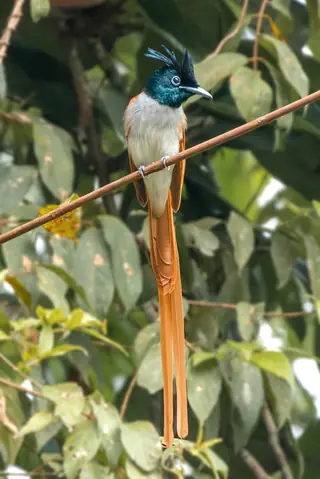 Indian Paradise Flycatcher
-
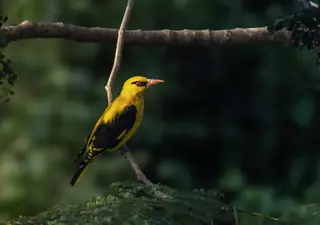 Indian Golden Oriole
-
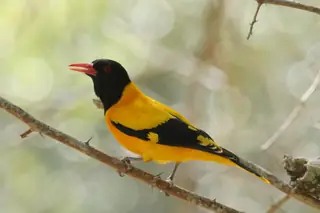 Black-hooded Oriole
-
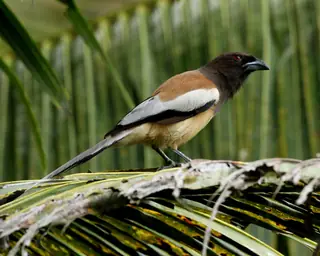 Rufous Treepie
-
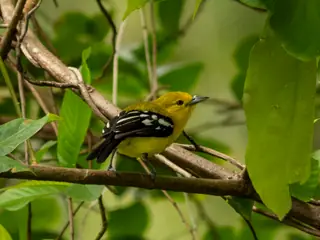 Common Iora
-
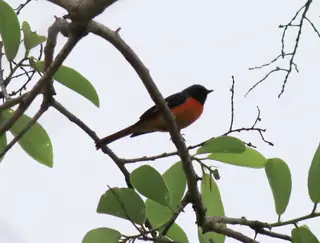 Small Minivet
-
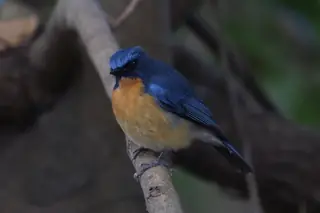 Tickell's Blue Flycatcher
-
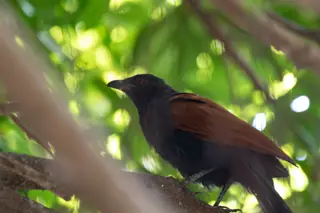 Greater Coucal
-
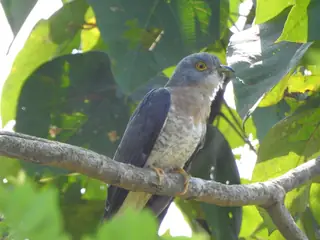 Common Hawk Cuckoo
-
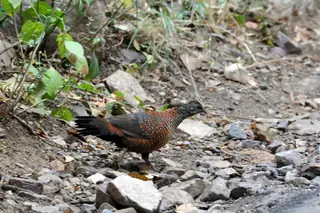 Painted Spurfowl
-
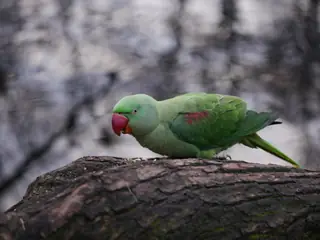 Alexandrine Parakeet
-
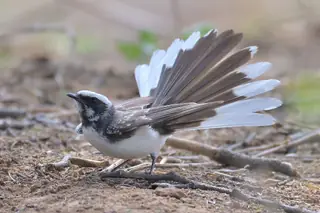 White-browed Fantail
-
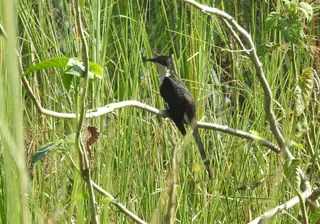 Jacobin Cuckoo
-
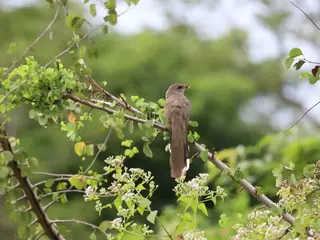 Sirkeer Malkoha
-
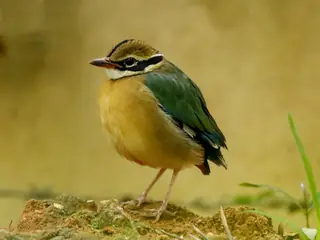 Indian Pitta
Village and everyday birds 14
-
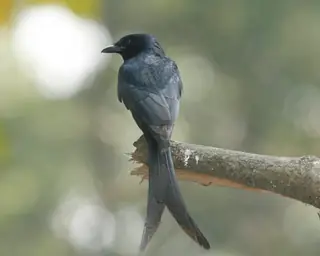 Black Drongo
-
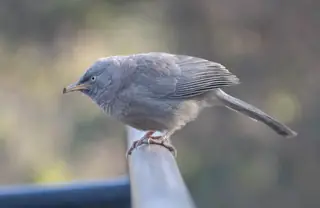 Jungle Babbler
-
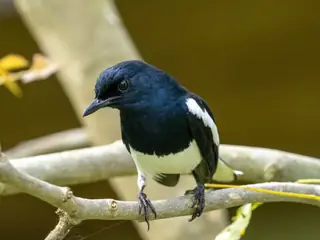 Oriental Magpie-Robin
-
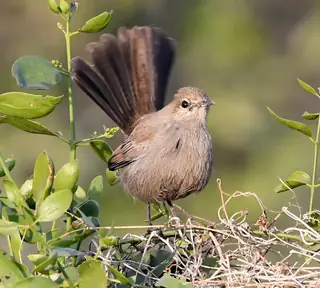 Indian Robin
-
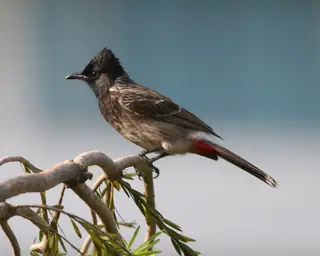 Red-vented Bulbul
-
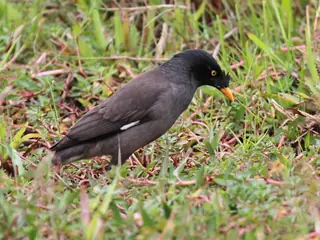 Jungle Myna
-
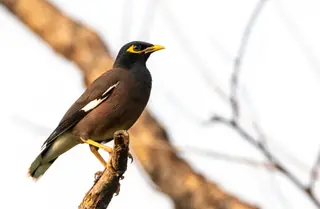 Common Myna
-
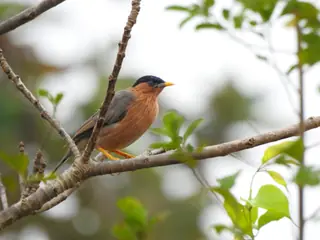 Brahminy Starling
-
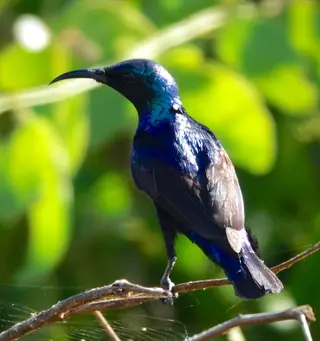 Purple Sunbird
-
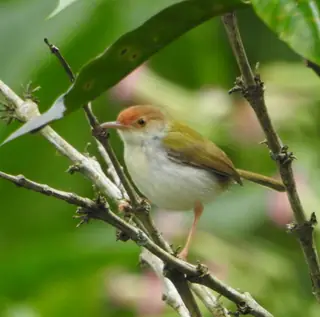 Common Tailorbird
-
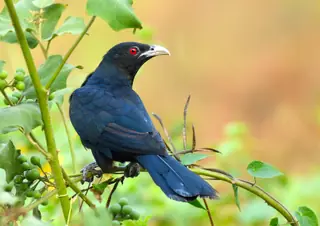 Asian Koel
-
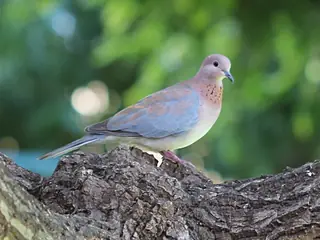 Laughing Dove
-
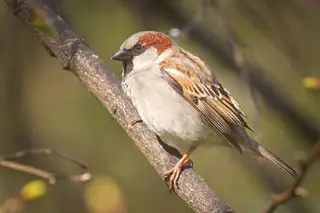 House Sparrow
-
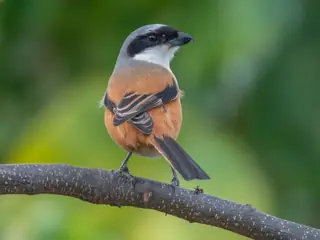 Long-tailed Shrike
Reptiles and amphibians 11
-
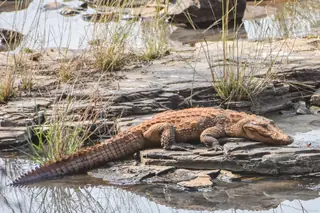 Mugger Crocodile
-
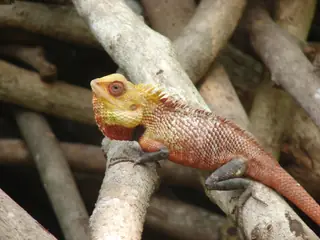 Oriental Garden Lizard
-
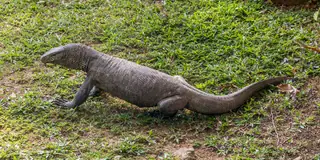 Bengal Monitor
-
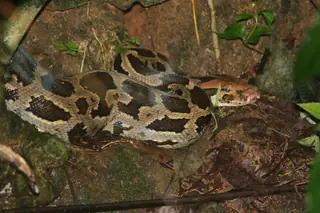 Indian Rock Python
-
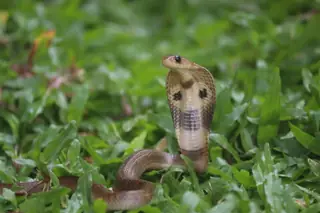 Indian Cobra
-
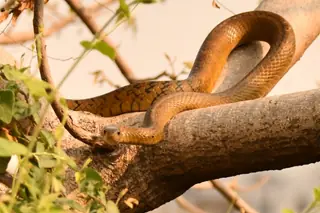 Common Rat Snake
-
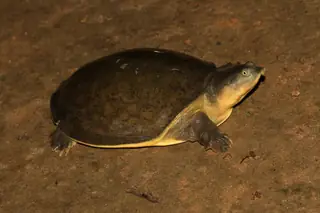 Indian Flapshell Turtle
-
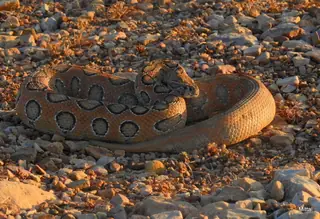 Russell's ViperRare
-
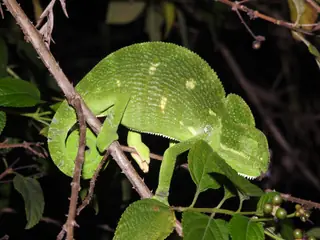 Indian ChameleonRare
-
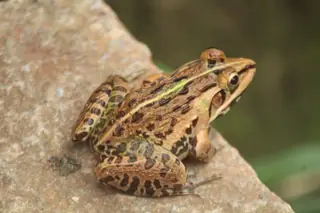 Indian Bullfrog
-
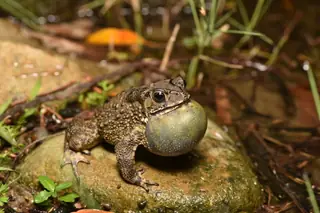 Asian Common Toad
Butterflies and dragonflies 8
-
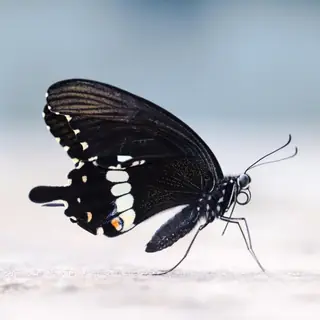 Common Mormon
-
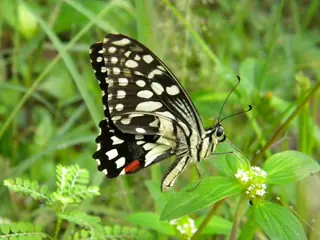 Lime Swallowtail
-
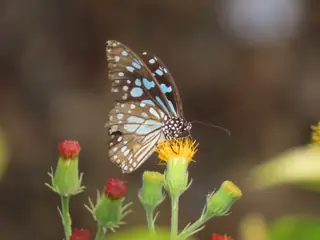 Blue Tiger
-
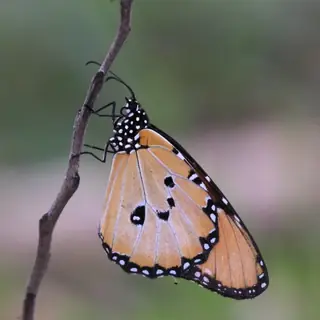 Plain Tiger
-
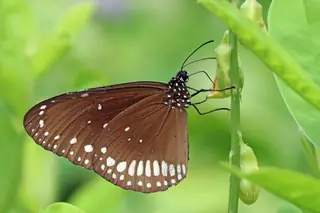 Common Crow
-
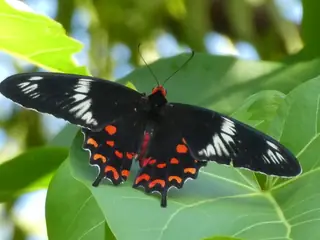 Crimson Rose
-
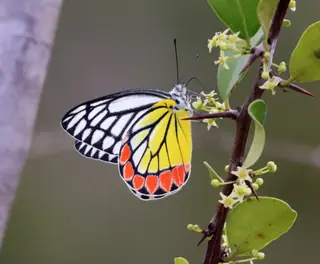 Common Jezebel
-
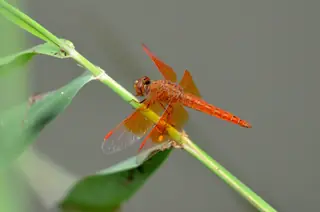 Ditch Jewel
Best time to see wildlife in Tadoba
Sightings by month in Tadoba
Most records: Apr to JunRecords from GBIF.org, adjusted for how many people record wildlife each month. 100% is the busiest month.
Tadoba is open for safaris most of the year, but the core zone closes for the monsoon from July to September, while the buffer zones stay open. October and November are green and pleasant, with lush forest and full lakes, but animals are spread out and harder to find. December to February is cool, with mist in the mornings and good birding as winter visitors arrive. From March the forest dries out and loses its leaves, water shrinks to a few lakes and pools, and tigers, sloth bears, gaur and deer are easier to see near water. April to June is very hot, often over 40 degrees, but it is the best time for tigers; go out at dawn and late afternoon and carry water. Indian pittas and other monsoon visitors arrive in May and June.
- Oct to NovGreen after the rains; lakes full, animals spread out
- Dec to FebCool mornings, winter birds, comfortable safaris
- MarForest drying out; sightings pick up near water
- Apr to JunVery hot; the best tiger sightings, pittas from May
- Jul to SepMonsoon; core zone closed, buffer zones open
Tips for spotting wildlife in Tadoba
- 01
Book safaris early
Safari places in the core zone are limited and sell out months ahead for the hot season and holidays. Book through the reserve's official booking site, and look at buffer zone safaris too.
- 02
Go out at both ends of the day
Morning and afternoon safaris see different things. Dawn is best for sloth bears, dhole and birds; late afternoon in the hot months is when animals come to drink.
- 03
Listen for alarm calls
Chital, sambar and langurs give loud alarm calls when a tiger or leopard moves. Your guide will stop and listen; keep quiet so everyone can hear.
- 04
Stay calm at a sighting
Stay in the vehicle, keep voices low and follow the park's distance rules. Never ask the driver to block a tiger's path or push in among other vehicles.
- 05
Look beyond the tigers
Ask your guide to stop at the lakes for crocodiles, jacanas and kingfishers, and to slow down in bamboo and teak for woodpeckers, orioles and flycatchers.
- 06
Plan for the heat
From April it is very hot. Carry plenty of water, wear a hat and light long sleeves, and rest in the middle of the day.

Take Tadoba with you
On safari in Tadoba? Keep this list on your phone and tick off each animal from the jeep, even with no signal in the forest. Wilder is free to start.

Tadoba wildlife FAQ
What is the best time to see tigers in Tadoba?
The best time to see tigers in Tadoba is March to June, the hot dry season, when the forest loses its leaves and tigers come to the few lakes and pools left. December to February is cooler and still good. The core zone closes for the monsoon from July to September, but the buffer zones stay open.
Can you see sloth bears in Tadoba?
Yes, Tadoba is one of the better places in India to see a sloth bear. They are most active in the early morning, digging at termite mounds on rocky slopes and in teak forest, and are seen more often in the dry months.
What animals can you see in Tadoba?
You can see tigers, leopards, sloth bears, dhole, gaur, sambar, chital, nilgai, four-horned antelope, langurs and mugger crocodiles in Tadoba, as well as eagles, owls, kingfishers, bee-eaters and woodpeckers. This checklist covers 133 animals, from tigers to butterflies.
Which zone of Tadoba is best?
Tigers are seen in all the core zones, and more and more in the buffer zones around them, so the best zone changes from season to season. Moharli is the busiest gate and the easiest to reach from Chandrapur; Kolara, Navegaon and Khutwanda are quieter. A good guide matters more than the gate.
Is Tadoba better than Kanha or Bandhavgarh?
Tadoba, Kanha and Bandhavgarh are all excellent for tigers. Tadoba has frequent sightings and is quieter than some parks, Kanha has wide open meadows and is famous for dhole, and Bandhavgarh has rocky hills and a high density of tigers. Many visitors combine Tadoba with one of the parks of Madhya Pradesh.
Sources
- Maharashtra Forest Department: Tadoba Andhari Tiger Reserve
- Maharashtra Tourism: Tadoba Andhari Tiger Reserve
- BirdLife International: Tadoba National Park and Andhari Tiger Reserve Important Bird Area
- Sightings by month: GBIF.org
Animal photos are from the Wilder catalogue; photo credits.
Similar checklists
All Asia-
 National park103animals Kanha National Park Mandla and Balaghat, Madhya Pradesh, India Sal forest and wide meadows in the Maikal hills, home to tigers, dhole, gaur and the hard-ground barasingha that was saved from extinction here. Best time Oct to Jun, Mar to Jun for tigers
-
 National park105animals Bandhavgarh National Park Umaria, Madhya Pradesh, India Rocky hills, sal forest and an ancient hilltop fort, with one of the highest densities of tigers in India and a herd of wild elephants that settled here in recent years. Best time Oct to Jun, Mar to Jun for tigers
-
 National park71animals Ranthambore National Park Sawai Madhopur, Rajasthan, India Dry forest, lakes and a thousand-year-old fort, and one of the best places in India to see a wild tiger by day. Best time Oct to Jun, Mar to May for tigers
-
 National park128animals Jim Corbett National Park Nainital and Pauri Garhwal, Uttarakhand, India India's oldest national park, where sal forest and wide river grasslands below the Himalayan foothills hold tigers, elephant herds, gharials and over 550 kinds of birds. Best time Nov to Jun