National park · Nainital and Pauri Garhwal, Uttarakhand · India
Jim Corbett National Park Wildlife Checklist

Jim Corbett National Park in Uttarakhand, India's oldest national park, is one of the country's best tiger reserves, with sal forest, river grasslands and the Ramganga reservoir below the Himalayan foothills. Elephant herds, gharials, deer and hundreds of birds share it. This checklist covers 128 animals. November to June is the season, and March to June is best for tigers.
Tick off all 128 animals in Corbett on your phone, even offline. Launching soon. Free A4 PDF, no sign-up.
Founded in 1936 as Hailey National Park and later named after the hunter turned conservationist Jim Corbett, the park is split into safari zones. Dhikala, deep in the grasslands, is the classic zone; Bijrani, Jhirna, Dhela and Garjiya are reached from Ramnagar.
- Animals to find
- 128
- Where
- India
- Best time
- Nov to Jun
- Founded
- 1936, India's first national park
Popular animals in Corbett
-
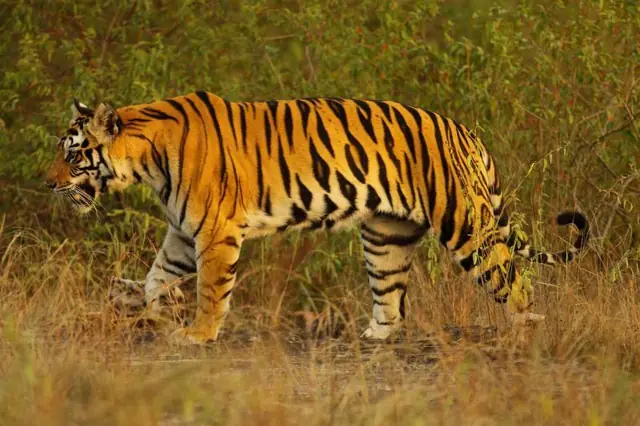
Tiger
Panthera tigris
Corbett has one of the highest tiger densities in India. Chances are best from March to June, when the grass is low.
-
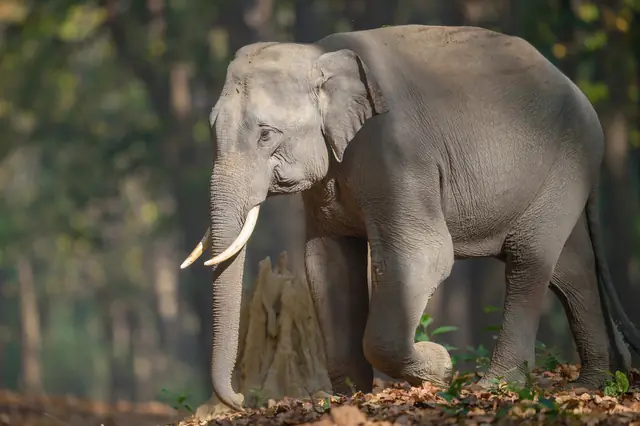
Asian Elephant
Elephas maximus
Big herds gather on the riverside grasslands in the hot months. Keep well back and never block their path: Corbett elephants can charge vehicles.
-
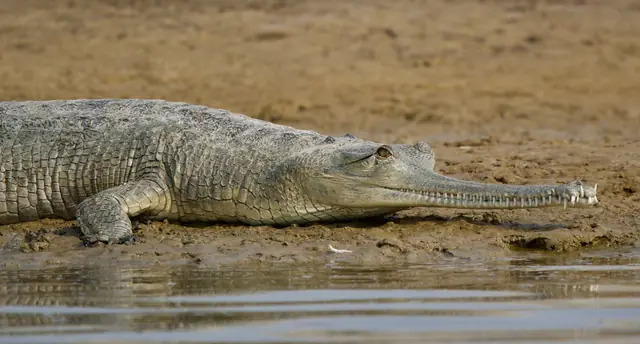
Gharial
Gavialis gangeticus
A critically endangered crocodile with a long, thin snout, built for catching fish. Watch for it basking on river sandbanks.
-
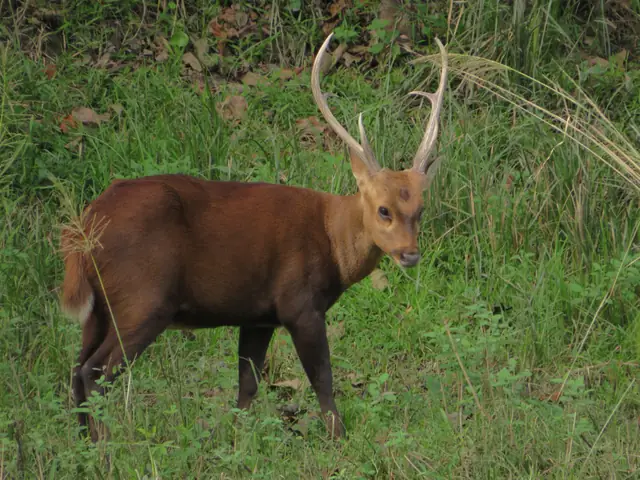
Hog Deer
Axis porcinus
Small, low-slung deer of the open grassland, alongside much bigger herds of chital.
-
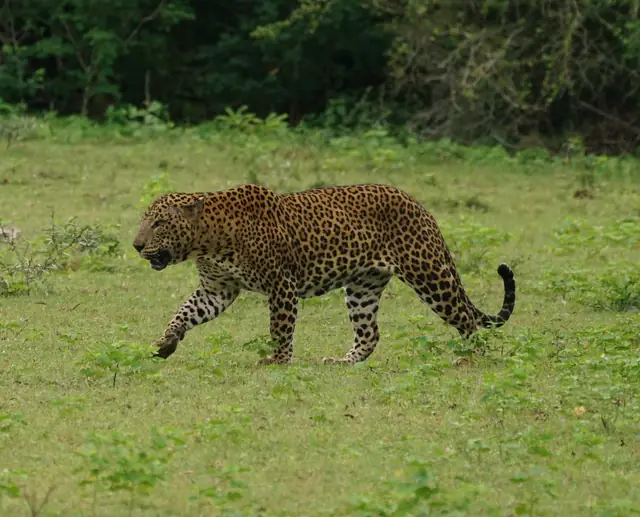
Leopard
Panthera pardus
Shares the park with tigers but keeps to the forest edges and hills.
-
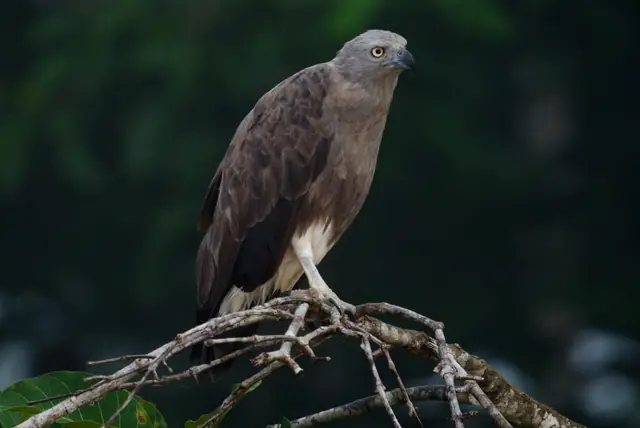
Lesser Fish Eagle
Icthyophaga humilis
A Corbett speciality, perched on trees along the rivers watching for fish.
-
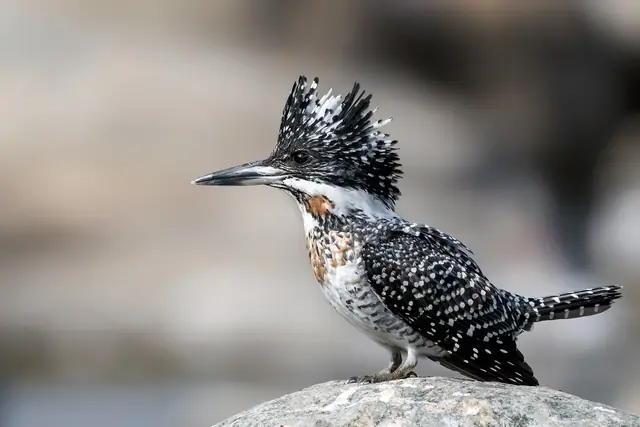
Crested Kingfisher
Megaceryle lugubris
A big black-and-white kingfisher of fast, clear foothill rivers.
-
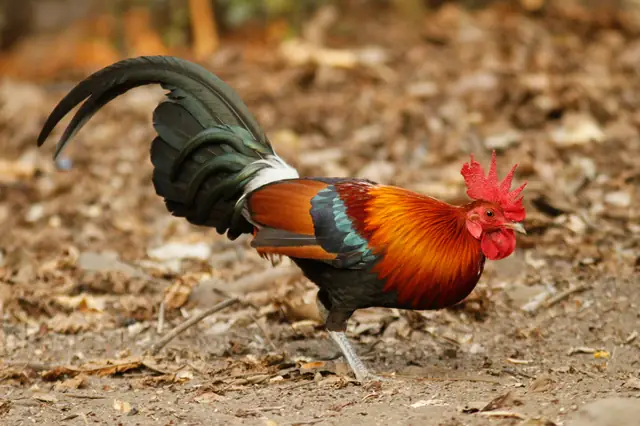
Red Junglefowl
Gallus gallus
The wild ancestor of the farmyard chicken, common on the forest tracks at dawn.
All 128 animals in Corbett
Tigers and big mammals 13
-
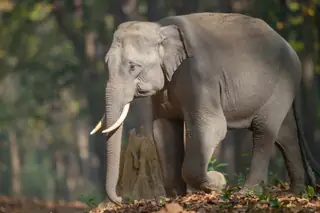 Asian Elephant
-
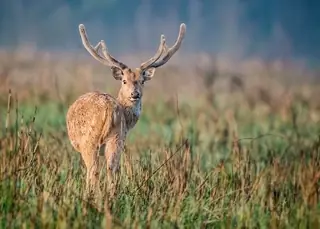 Chital (Spotted Deer)
-
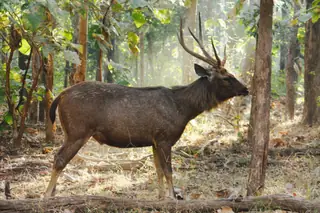 Sambar Deer
-
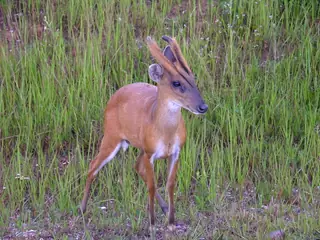 Northern Red Muntjac
-
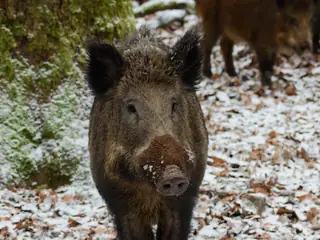 Wild Boar
-
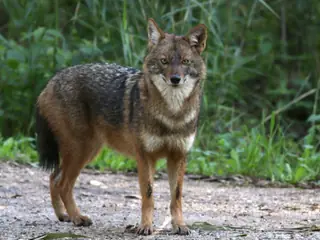 Golden Jackal
-
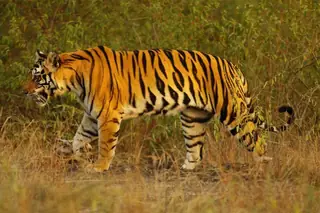 Tiger
-
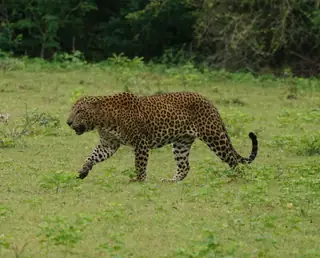 Leopard
-
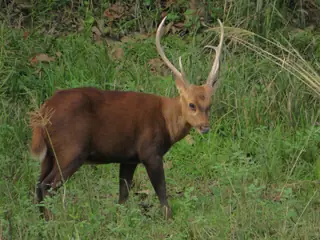 Hog Deer
-
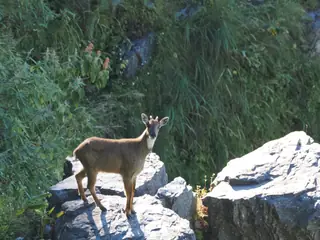 Himalayan Goral
-
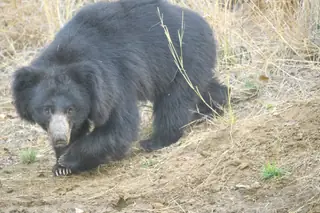 Sloth BearRare
-
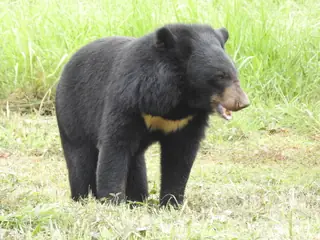 Asiatic Black BearRare
-
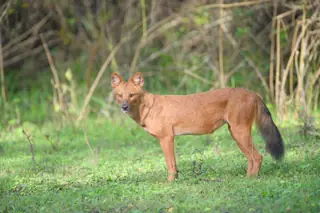 DholeRare
Cats, monkeys and smaller mammals 15
-
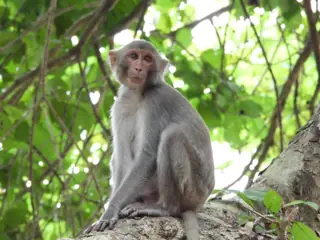 Rhesus Macaque
-
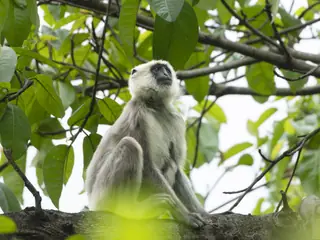 Tarai Grey Langur
-
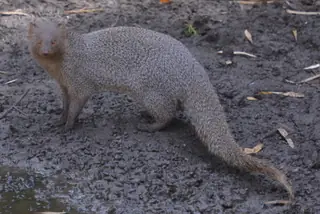 Indian Grey Mongoose
-
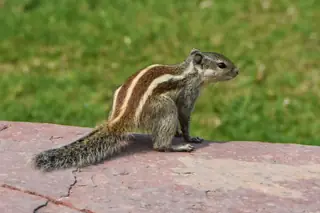 Northern Palm Squirrel
-
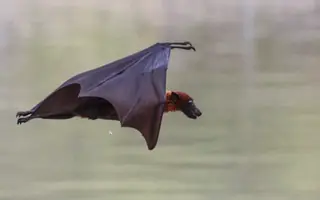 Indian Flying Fox
-
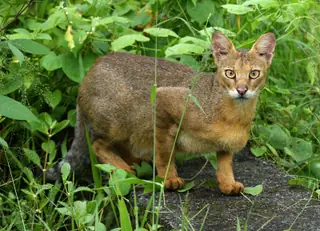 Jungle Cat
-
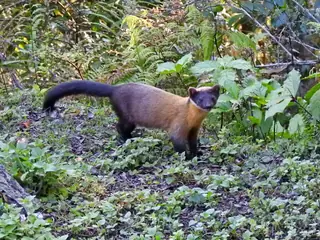 Yellow-throated Marten
-
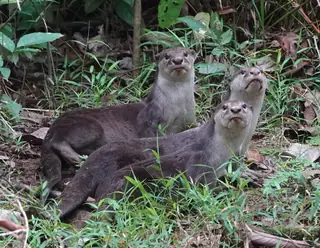 Smooth-coated Otter
-
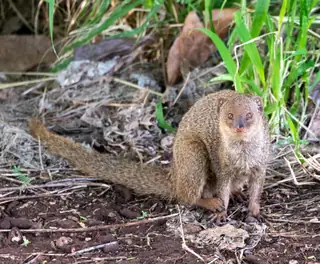 Small Indian Mongoose
-
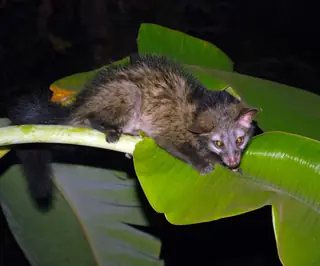 Common Palm Civet
-
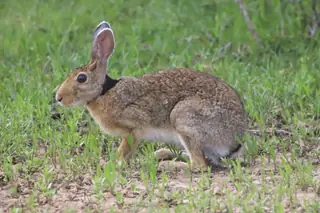 Indian Hare
-
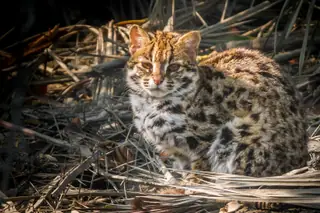 Leopard CatRare
-
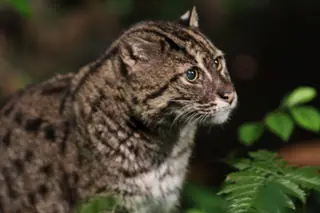 Fishing CatRare
-
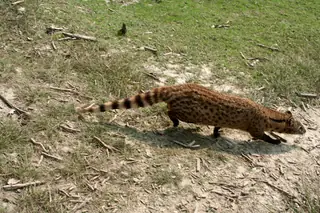 Small Indian CivetRare
-
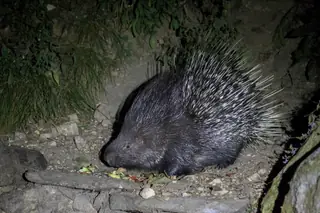 Indian Crested PorcupineRare
Crocodiles and reptiles 12
-
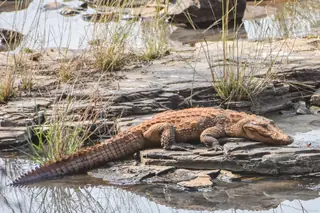 Mugger Crocodile
-
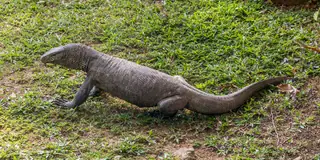 Bengal Monitor
-
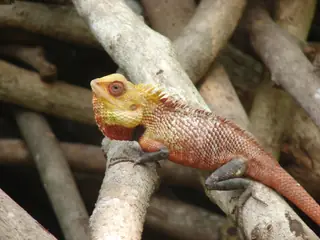 Oriental Garden Lizard
-
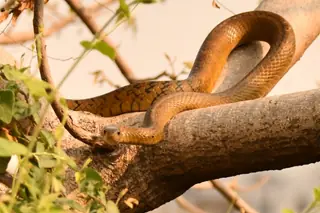 Common Rat Snake
-
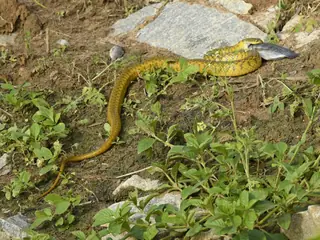 Chequered Keelback
-
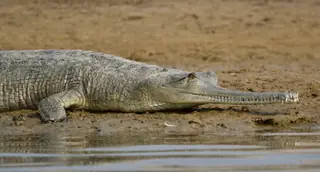 Gharial
-
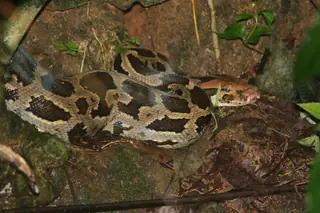 Indian Rock Python
-
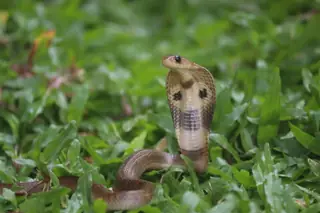 Indian Cobra
-
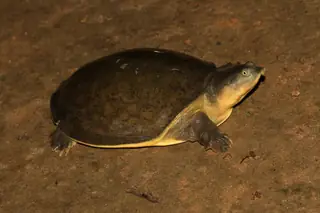 Indian Flapshell Turtle
-
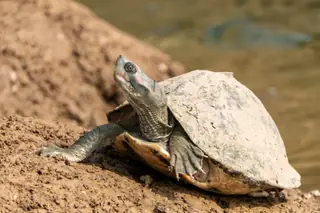 Indian Tent Turtle
-
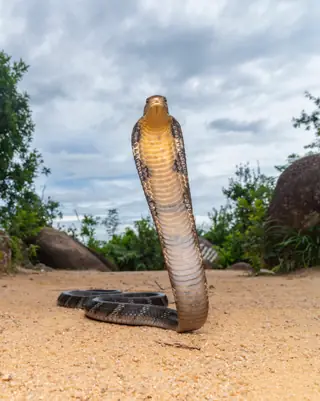 King CobraRare
-
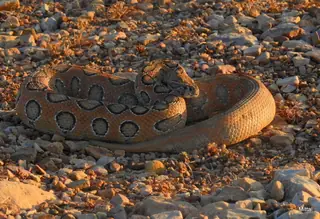 Russell's ViperRare
Fish and frogs 3
-
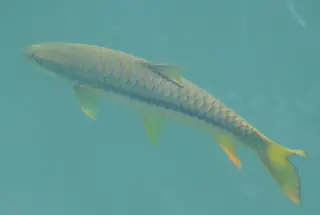 Golden Mahseer
-
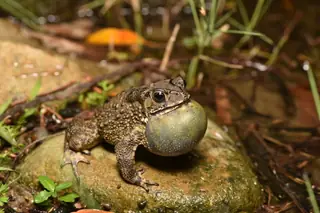 Asian Common Toad
-
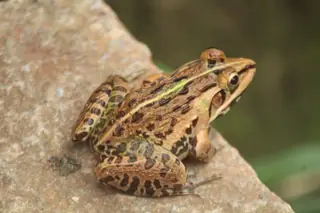 Indian Bullfrog
Birds of prey and owls 20
-
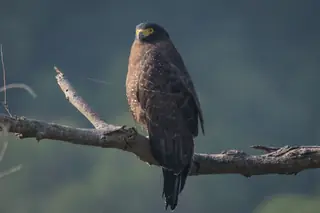 Crested Serpent Eagle
-
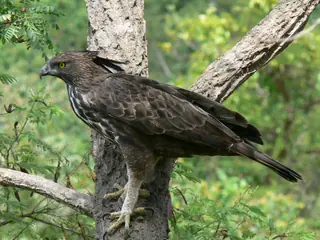 Changeable Hawk-Eagle
-
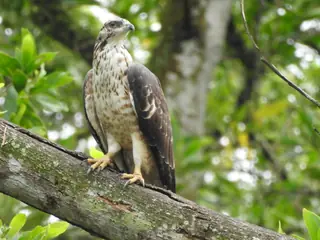 Oriental Honey Buzzard
-
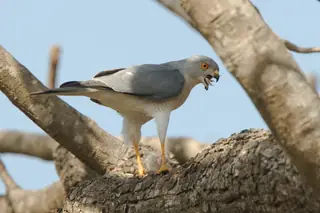 Shikra
-
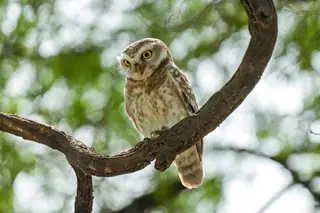 Spotted Owlet
-
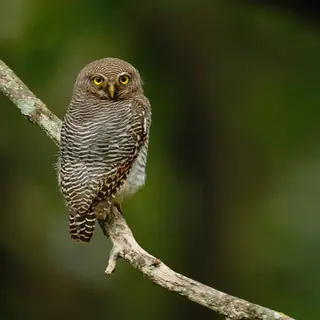 Jungle Owlet
-
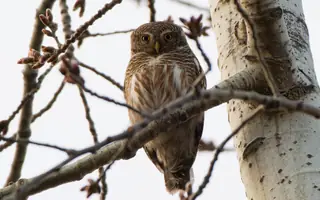 Asian Barred Owlet
-
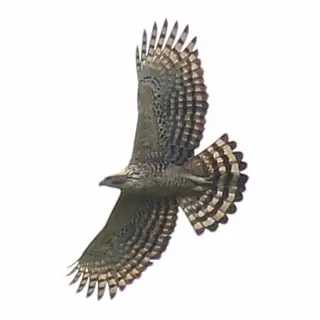 Mountain Hawk-Eagle
-
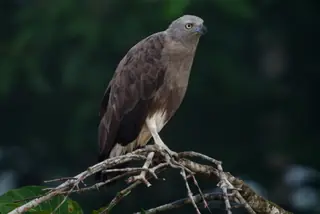 Lesser Fish Eagle
-
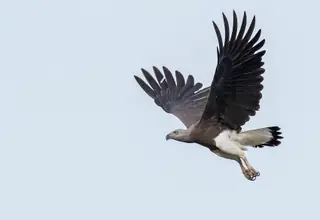 Grey-headed Fish Eagle
-
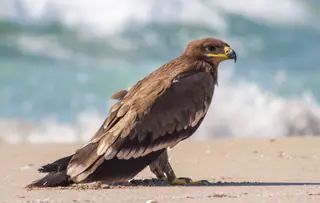 Steppe Eagle
-
 Osprey
-
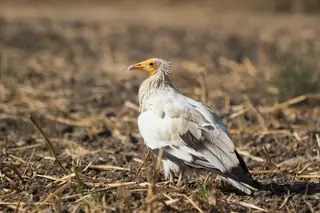 Egyptian Vulture
-
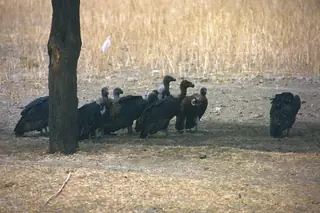 White-rumped Vulture
-
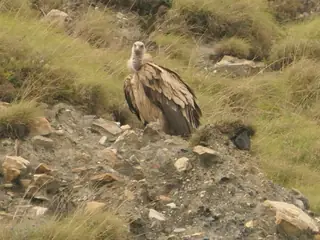 Himalayan Vulture
-
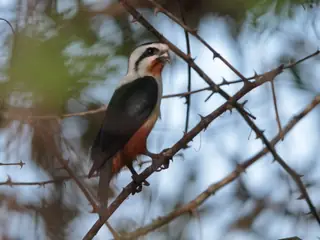 Collared Falconet
-
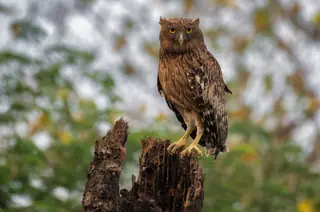 Brown Fish Owl
-
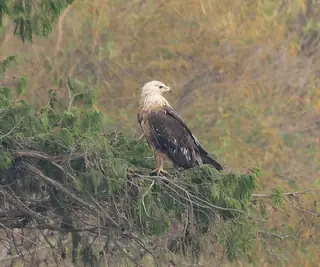 Pallas's Fish EagleRare
-
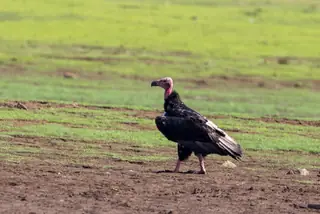 Red-headed VultureRare
-
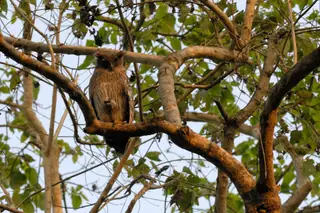 Tawny Fish OwlRare
River and water birds 25
-
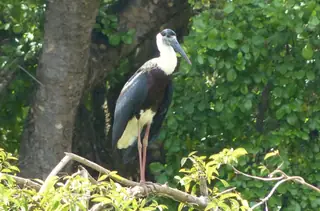 Asian Woolly-necked Stork
-
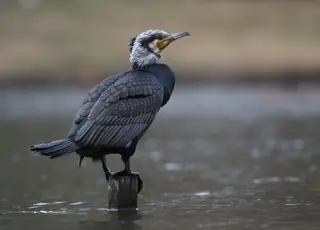 Great Cormorant
-
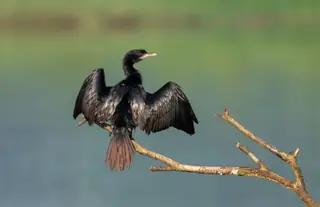 Little Cormorant
-
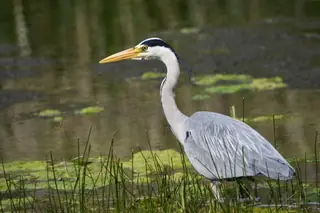 Grey Heron
-
 Great Egret
-
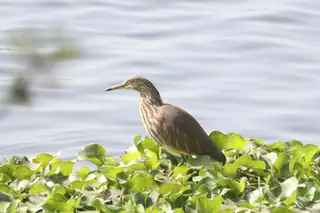 Indian Pond Heron
-
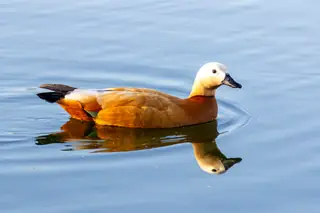 Ruddy Shelduck
-
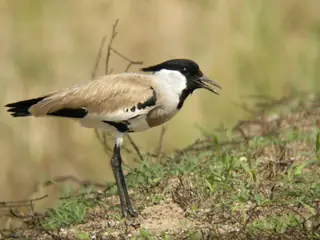 River Lapwing
-
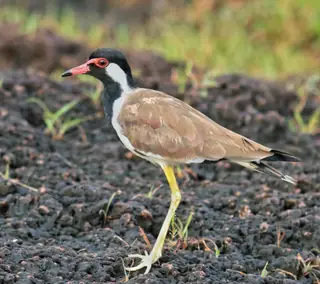 Red-wattled Lapwing
-
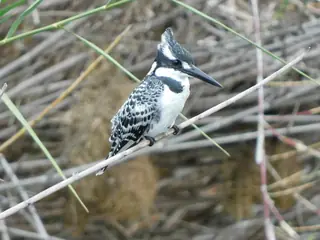 Pied Kingfisher
-
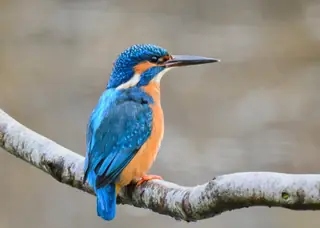 Common Kingfisher
-
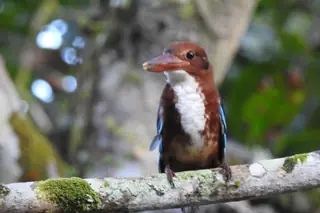 White-throated Kingfisher
-
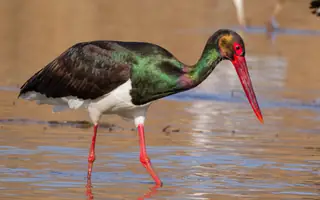 Black Stork
-
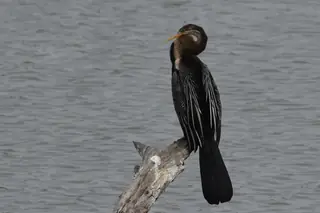 Oriental Darter
-
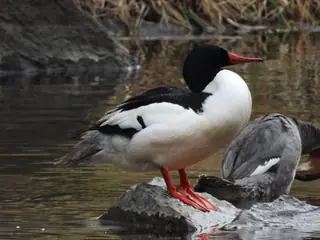 Common Merganser
-
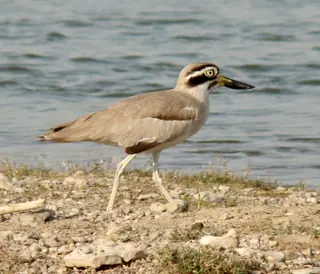 Great Stone-curlew
-
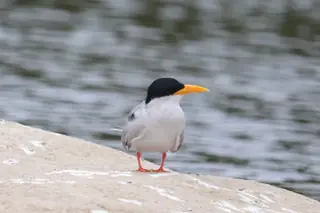 River Tern
-
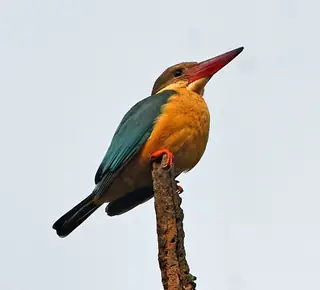 Stork-billed Kingfisher
-
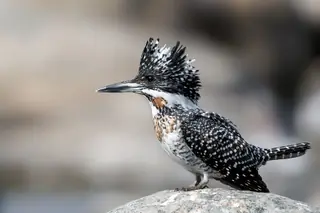 Crested Kingfisher
-
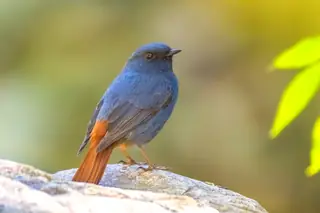 Plumbeous Water Redstart
-
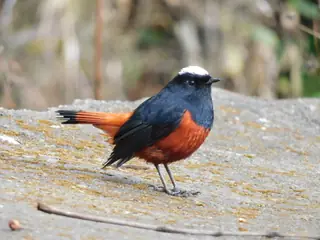 White-capped Redstart
-
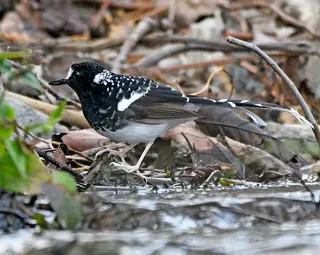 Spotted Forktail
-
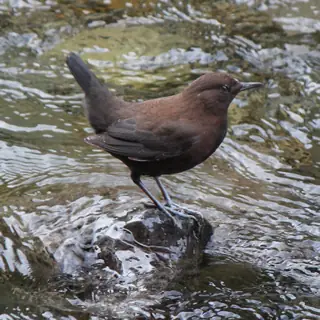 Brown Dipper
-
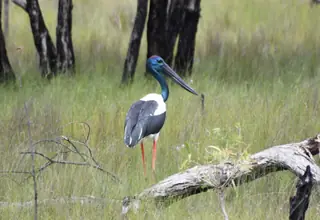 Black-necked StorkRare
-
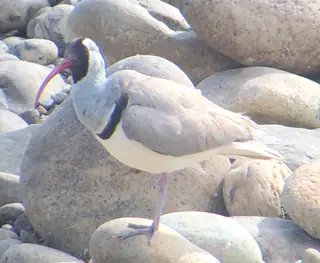 IbisbillRare
Forest and grassland birds 40
-
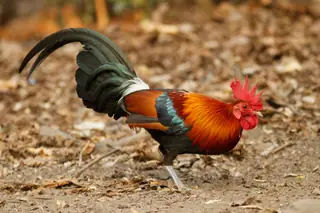 Red Junglefowl
-
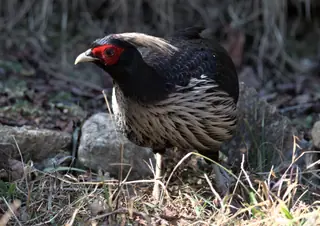 Kalij Pheasant
-
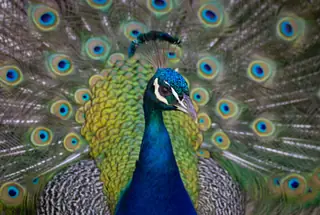 Indian Peafowl
-
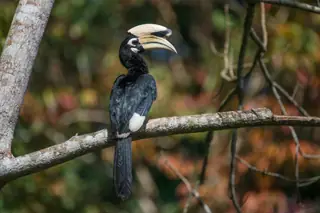 Oriental Pied Hornbill
-
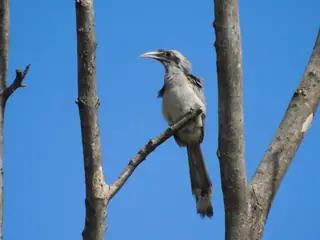 Indian Grey Hornbill
-
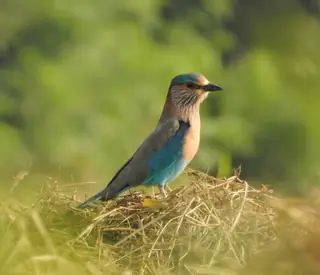 Indian Roller
-
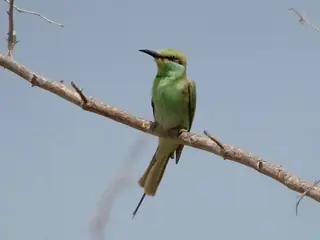 Asian Green Bee-eater
-
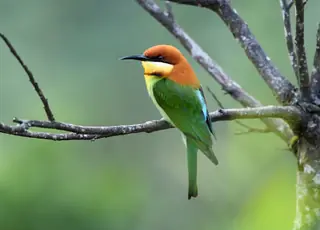 Chestnut-headed Bee-eater
-
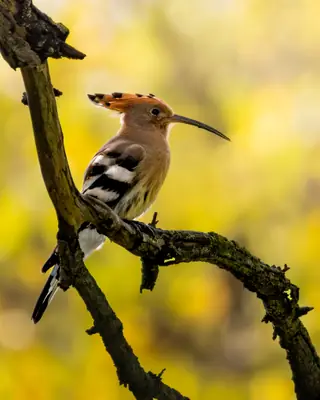 Common Hoopoe
-
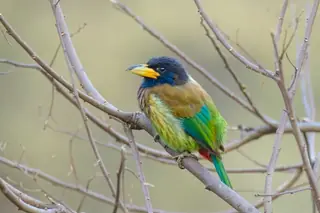 Great Barbet
-
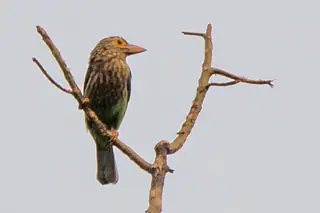 Lineated Barbet
-
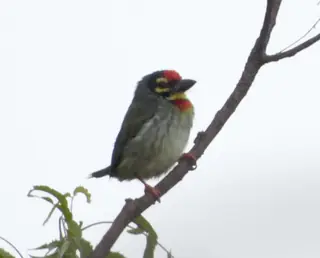 Coppersmith Barbet
-
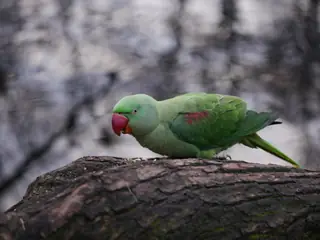 Alexandrine Parakeet
-
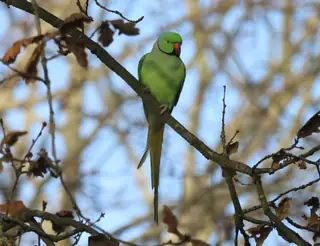 Ring-necked Parakeet
-
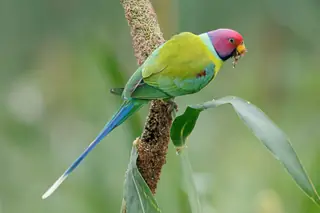 Plum-headed Parakeet
-
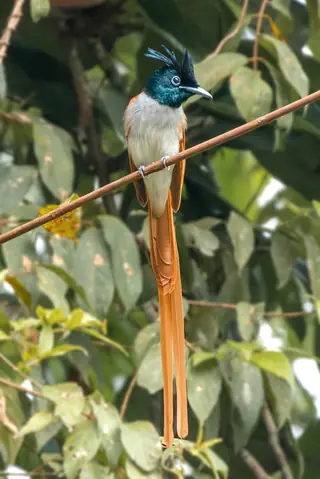 Indian Paradise Flycatcher
-
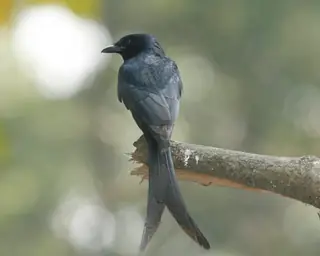 Black Drongo
-
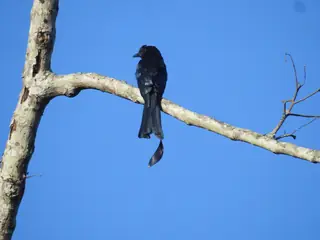 Greater Racquet-tailed Drongo
-
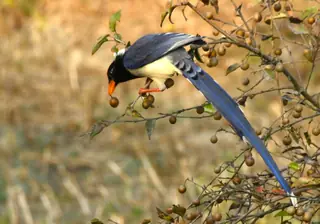 Red-billed Blue Magpie
-
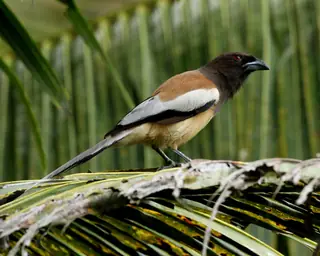 Rufous Treepie
-
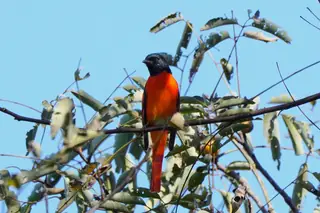 Scarlet Minivet
-
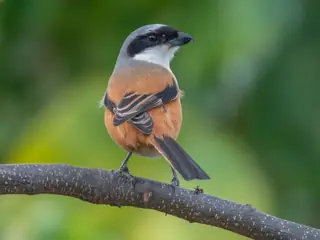 Long-tailed Shrike
-
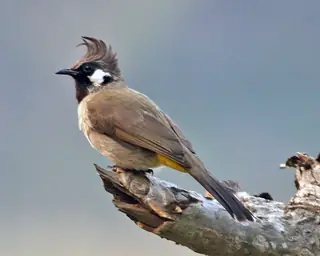 Himalayan Bulbul
-
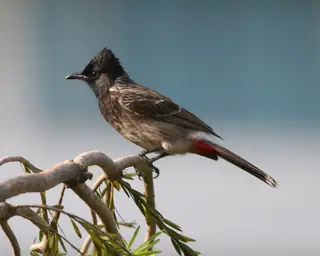 Red-vented Bulbul
-
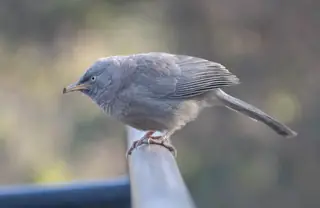 Jungle Babbler
-
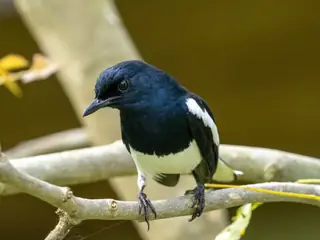 Oriental Magpie-Robin
-
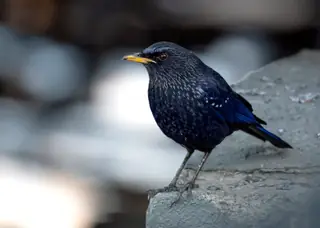 Blue Whistling Thrush
-
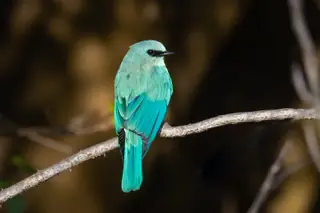 Verditer Flycatcher
-
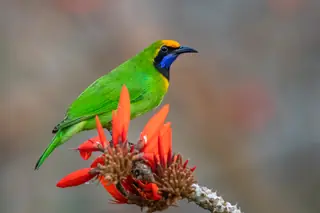 Golden-fronted Leafbird
-
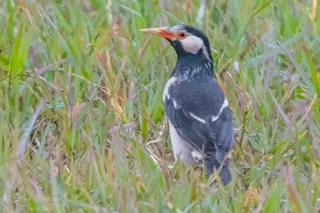 Indian Pied Starling
-
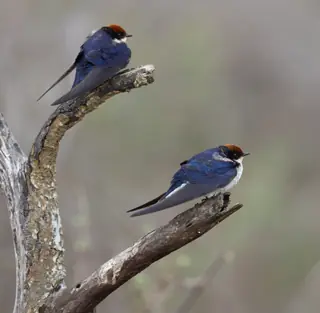 Wire-tailed Swallow
-
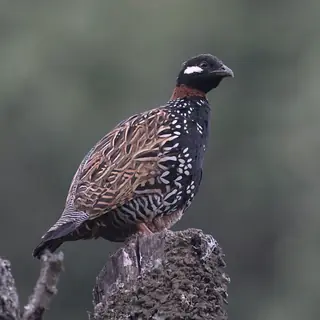 Black Francolin
-
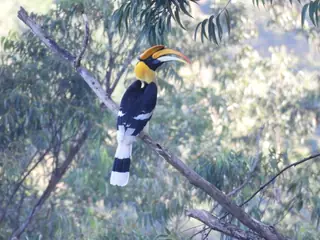 Great Hornbill
-
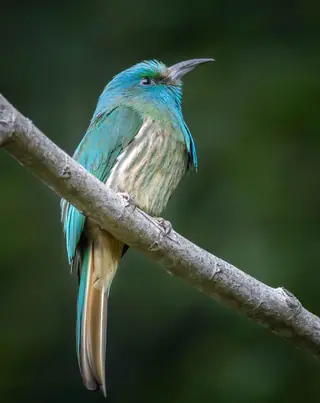 Blue-bearded Bee-eater
-
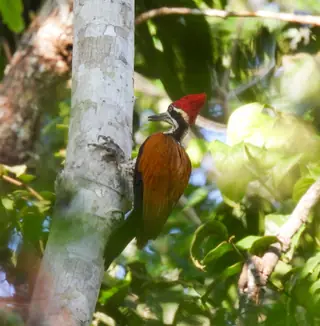 Greater Flameback
-
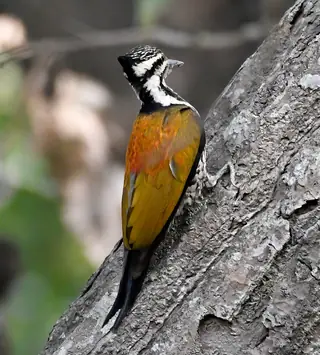 Himalayan Flameback
-
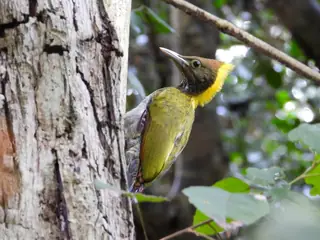 Greater Yellownape
-
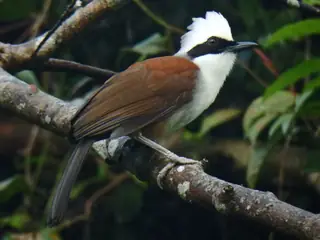 White-crested Laughingthrush
-
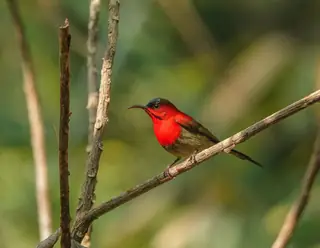 Crimson Sunbird
-
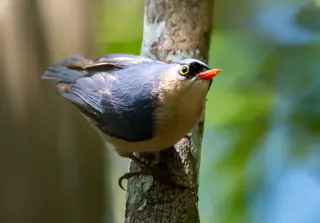 Velvet-fronted Nuthatch
Best time to see wildlife in Corbett
Sightings by month in Corbett
Most records: Nov to MarRecords from GBIF.org, adjusted for how many people record wildlife each month. 100% is the busiest month.
Corbett's core zones open after the monsoon: Dhikala from 15 November to 15 June, with Bijrani on a similar season. Jhirna, Dhela and Garjiya stay open all year, though monsoon rain can still close tracks. November to February is cool, with foggy mornings and many winter birds, including ruddy shelducks, mergansers and wintering eagles. From March the grass is burnt or grazed short and water shrinks, so tigers and elephants are easier to find; April to June is hot but the best time for tigers. The monsoon, from about July to September, closes most of the park.
- Nov to FebCool, foggy mornings; winter birds; Dhikala opens 15 Nov
- Mar to JunHot; best for tigers and elephants; Dhikala closes 15 Jun
- Jul to OctMonsoon; only Jhirna, Dhela and Garjiya stay open
Tips for spotting wildlife in Corbett
- 01
Book early for Dhikala
Dhikala's forest rest houses and safaris sell out within hours of opening. Book through the official Corbett Tiger Reserve booking site as soon as dates are released.
- 02
Wait, do not chase
Tigers are often found by alarm calls from deer and langurs. Ask your guide to switch off and wait quietly nearby rather than drive around.
- 03
Scan the river
The Ramganga's banks and sandbanks hold muggers, otters, fish eagles and kingfishers. A pause at a river viewpoint is often rewarding.
- 04
Respect elephants
Corbett elephants are wild and can be bad-tempered. Let your driver keep a wide gap and give way when a herd is on the track.
- 05
Wrap up for winter mornings
Open jeeps are very cold at dawn from December to February. Bring a hat, gloves and a warm layer.

Take Corbett with you
Tiger safari in Corbett? Tick off tigers, elephants and gharials from the jeep, even offline. Wilder is free to start.

Corbett wildlife FAQ
What animals can you see in Jim Corbett National Park?
You can see tigers, Asian elephants, leopards, chital, sambar, hog deer, gharials, mugger crocodiles, langurs and many birds in Corbett. This checklist covers 128 animals. Tigers are seen on some drives, while deer, elephants and birds are seen on most.
When is Jim Corbett National Park open?
Jim Corbett's main zones open in mid-November and close in mid to late June for the monsoon. Dhikala runs from 15 November to 15 June. Jhirna, Dhela and Garjiya stay open year-round, weather permitting.
How far is Jim Corbett from Delhi?
Ramnagar, the main gateway to Corbett, is about 250 km from Delhi, around five to seven hours by road. Trains also run from Delhi to Ramnagar.
Sources
- ETV Bharat: Corbett's Dhikala zone embraces online booking
- Free Press Journal: Jim Corbett National Park reopens for winter tourism
- Sightings by month: GBIF.org
Animal photos are from the Wilder catalogue; photo credits.
Similar checklists
All Asia-
 National park71animals Ranthambore National Park Sawai Madhopur, Rajasthan, India Dry forest, lakes and a thousand-year-old fort, and one of the best places in India to see a wild tiger by day. Best time Oct to Jun, Mar to May for tigers
-
 National park111animals Chitwan National Park Chitwan, Bagmati Province, Nepal Sal forest, tall grassland and wide rivers in Nepal's lowlands, with greater one-horned rhinos, tigers, gharials and a huge bird list. Best time Oct to Apr
-
 National park103animals Kanha National Park Mandla and Balaghat, Madhya Pradesh, India Sal forest and wide meadows in the Maikal hills, home to tigers, dhole, gaur and the hard-ground barasingha that was saved from extinction here. Best time Oct to Jun, Mar to Jun for tigers
-
 National park105animals Bandhavgarh National Park Umaria, Madhya Pradesh, India Rocky hills, sal forest and an ancient hilltop fort, with one of the highest densities of tigers in India and a herd of wild elephants that settled here in recent years. Best time Oct to Jun, Mar to Jun for tigers