Region · West Bengal and Khulna Division · India and Bangladesh
Sundarbans Wildlife Checklist

The Sundarbans, shared by India and Bangladesh, is the world's largest mangrove forest and home to tigers that swim between islands. Seen from boats on the tidal creeks, it is best for kingfishers, saltwater crocodiles, spotted deer, monitor lizards and dolphins, with a tiger a rare prize. This checklist covers 121 animals. November to February is the best season.
Tick off all 121 animals in the Sundarbans on your phone, even offline. Launching soon. Free A4 PDF, no sign-up.
Visitors explore by boat, never on foot in the forest. On the Indian side, trips leave from Godkhali and Gosaba near Kolkata and stop at fenced watchtowers such as Sajnekhali, Sudhanyakhali and Dobanki. In Bangladesh, longer boat cruises from Khulna and Mongla head south to Katka and Kochikhali.
- Animals to find
- 121
- Where
- India and Bangladesh
- Best time
- Nov to Feb
- Mangrove forest
- About 10,000 sq km
Popular animals in the Sundarbans
-
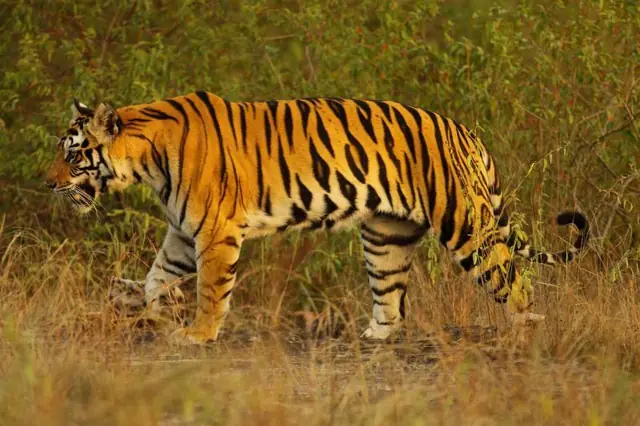
Tiger
Panthera tigris
The Sundarbans tigers swim wide channels and live in the tidal forest. Over 200 live across the two countries, but sightings are rare; scan mud banks and creek edges and stay in the boat.
-
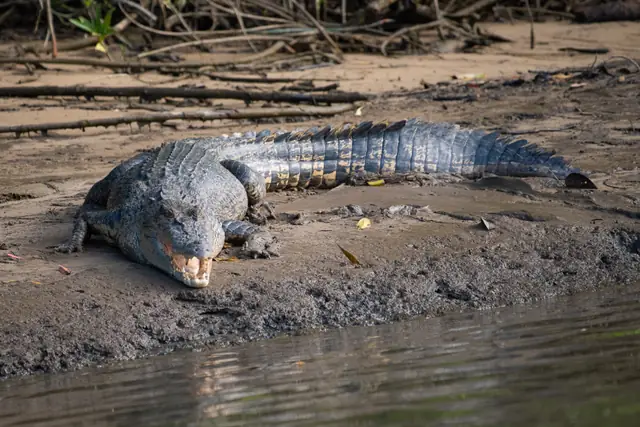
Saltwater Crocodile
Crocodylus porosus
Basks on the mud at low tide, especially on sunny winter days. Some are very large.
-
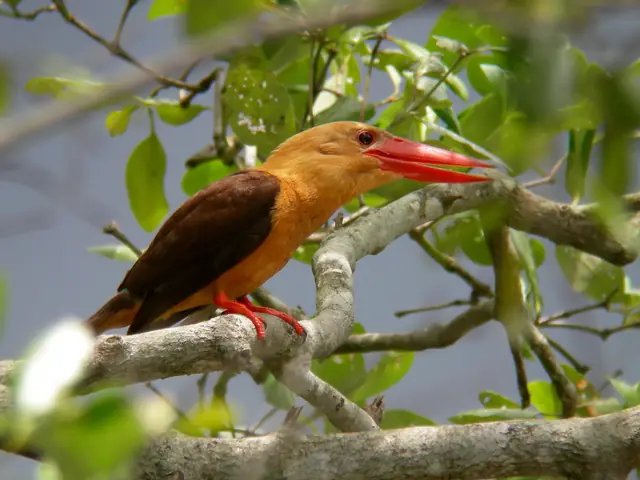
Brown-winged Kingfisher
Pelargopsis amauroptera
The Sundarbans special: a huge kingfisher with a red bill and brown wings, perched over the water along the creeks.
-
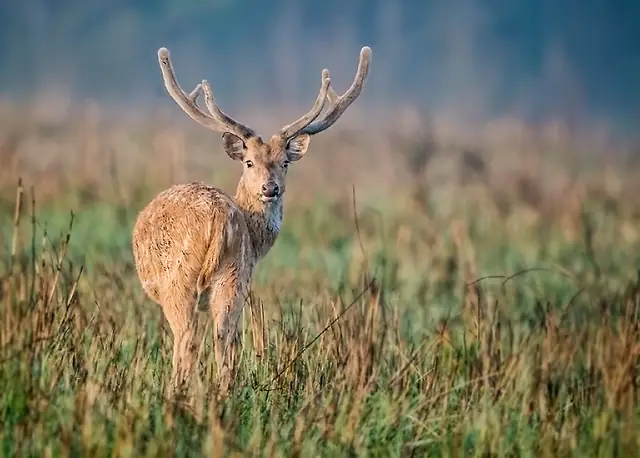
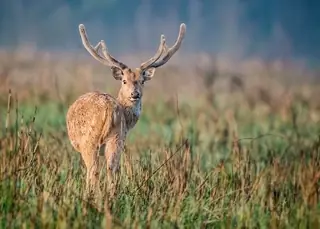
Chital (Spotted Deer)
Axis axis
Comes out on the banks at low tide, often below rhesus macaques that drop leaves for them to eat.
-
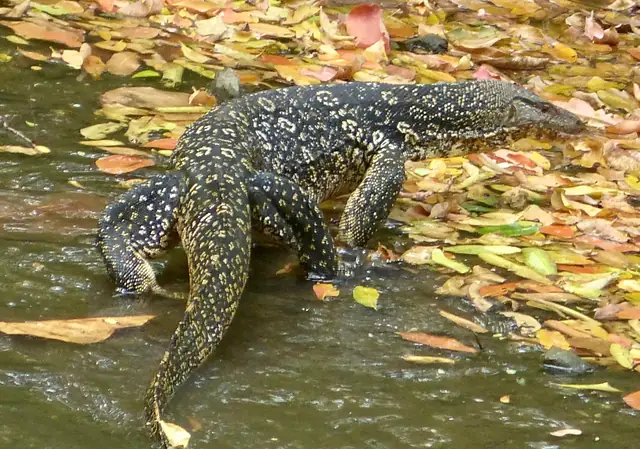
Asian Water Monitor
Varanus salvator
Very common, swimming across creeks or lying on the banks in the sun.
-

Irrawaddy Dolphin
Orcaella brevirostris
A round-headed dolphin with no beak, surfacing quietly in the wider rivers and channels.
-
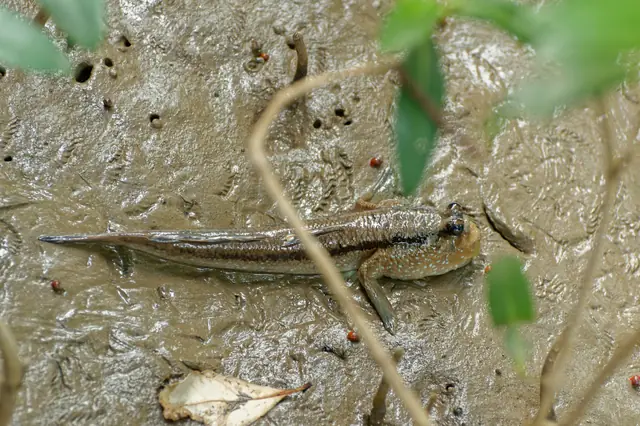
Giant Mudskipper
Periophthalmodon schlosseri
A fish that walks, jumps and squabbles on the exposed mud as the tide drops.
-
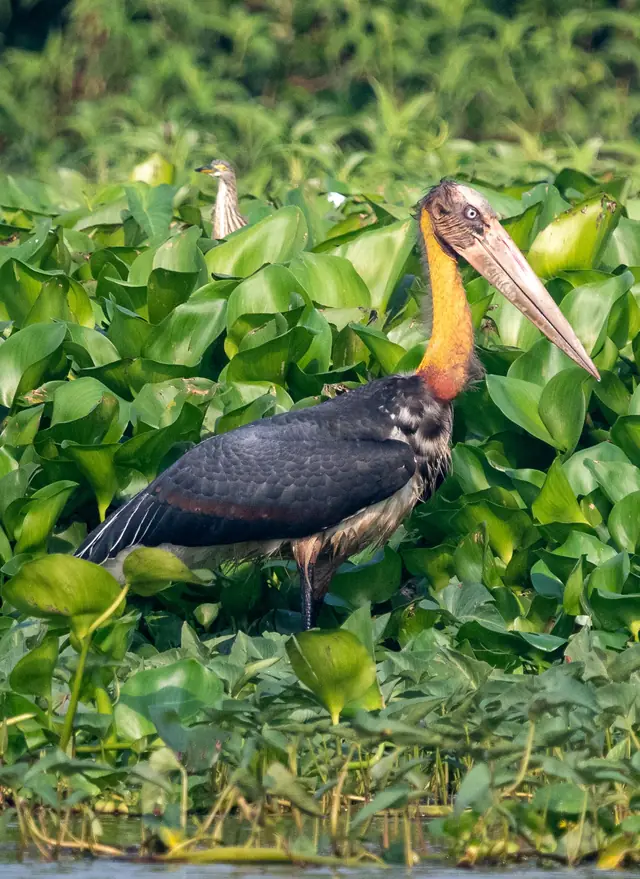
Lesser Adjutant
Leptoptilos javanicus
A big, bald-headed stork that stalks the mud banks and creek edges. It is globally threatened, and the Sundarbans is one of its strongholds.
All 121 animals in the Sundarbans
Tigers and mammals 14
-
 Chital (Spotted Deer)
-
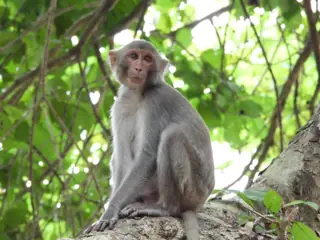 Rhesus Macaque
-
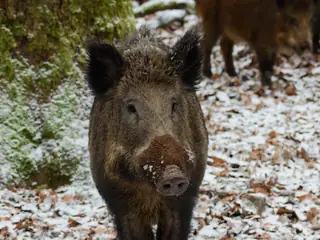 Wild Boar
-
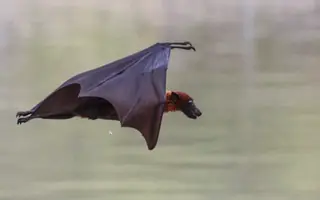 Indian Flying Fox
-
 Northern Palm Squirrel
-
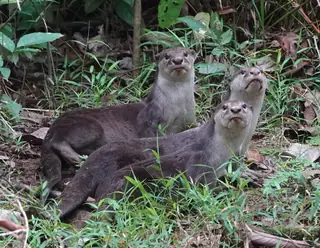 Smooth-coated Otter
-
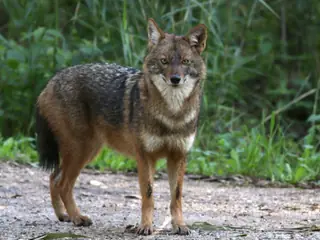 Golden Jackal
-
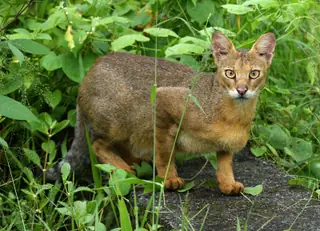 Jungle Cat
-
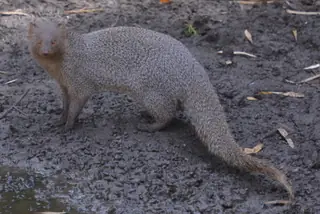 Indian Grey Mongoose
-
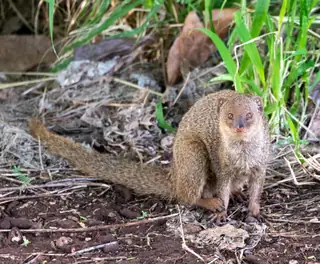 Small Indian Mongoose
-
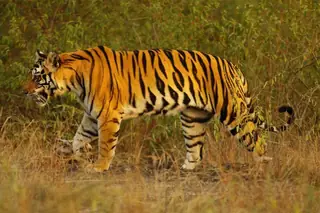 TigerRare
-
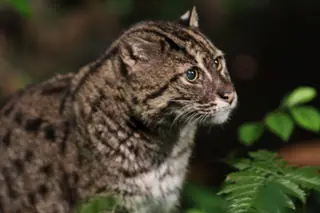 Fishing CatRare
-
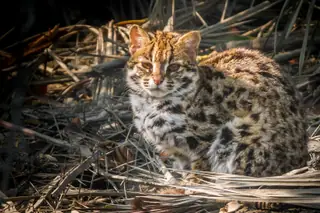 Leopard CatRare
-
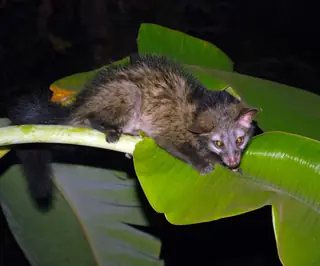 Common Palm CivetRare
Dolphins 4
-
 Irrawaddy Dolphin
-
 Ganges River Dolphin
-
 Indo-Pacific Humpback DolphinRare
- Indo-Pacific Finless PorpoiseRare
Crocodiles and reptiles 13
-
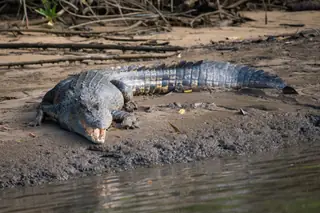 Saltwater Crocodile
-
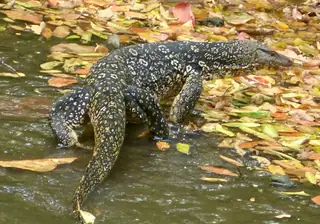 Asian Water Monitor
-
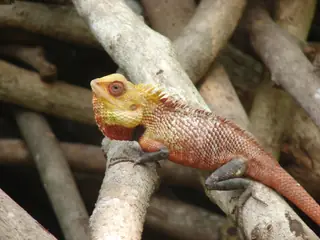 Oriental Garden Lizard
-
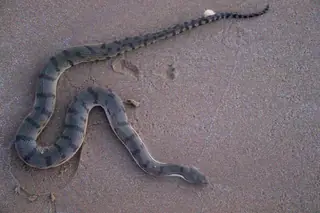 Dog-faced Water Snake
-
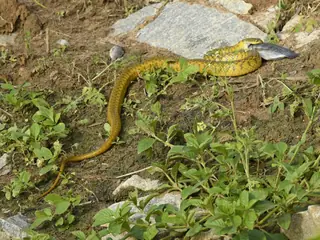 Chequered Keelback
-
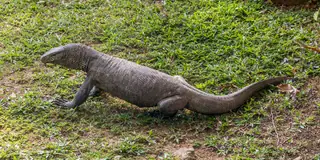 Bengal Monitor
-
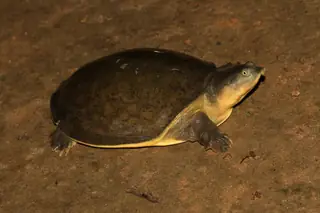 Indian Flapshell Turtle
-
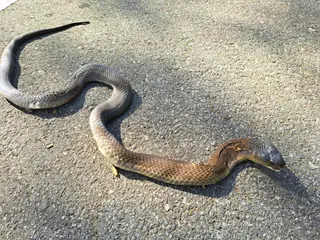 Monocled Cobra
- Tokay Gecko
- Northern River TerrapinRare
-
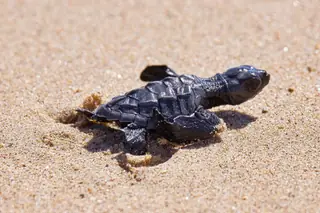 Olive Ridley Sea TurtleRare
-
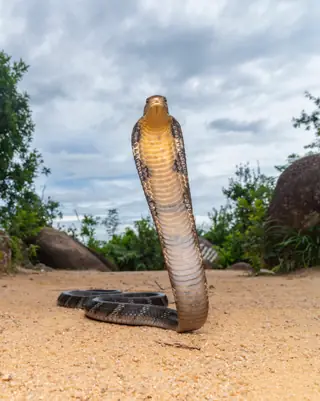 King CobraRare
-
 Burmese PythonRare
Mud bank life 7
-
 Giant Mudskipper
-
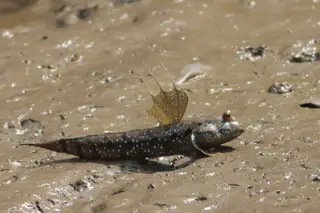 Boddart's Goggle-eyed Goby
-
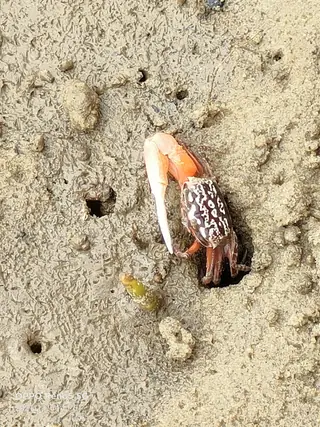 Annulated Fiddler Crab
-
 Mangrove Horseshoe Crab
-
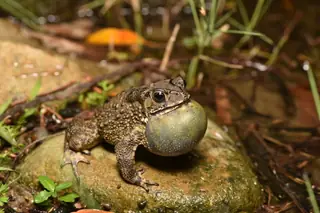 Asian Common Toad
-
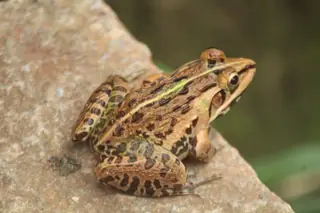 Indian Bullfrog
-
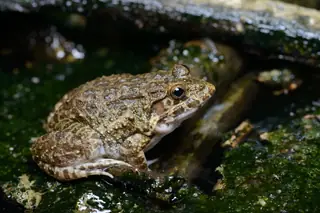 Moodie's Frog
Kingfishers and mangrove birds 12
-
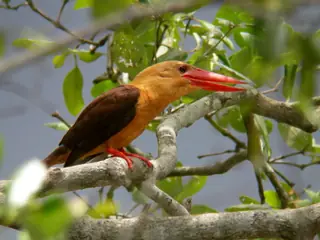 Brown-winged Kingfisher
-
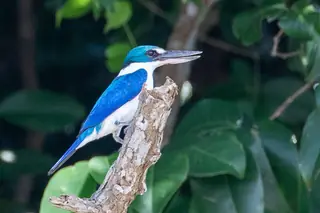 Collared Kingfisher
-
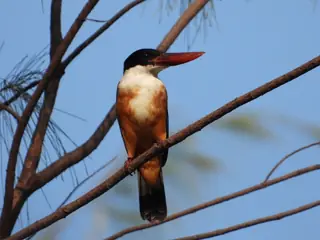 Black-capped Kingfisher
-
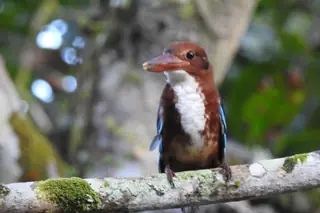 White-throated Kingfisher
-
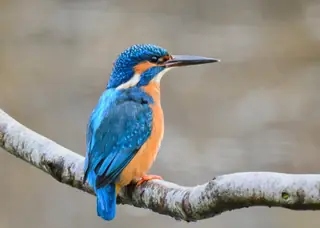 Common Kingfisher
-
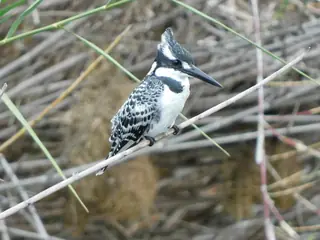 Pied Kingfisher
-
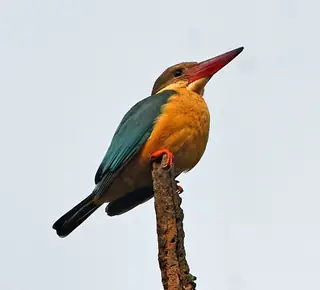 Stork-billed Kingfisher
-
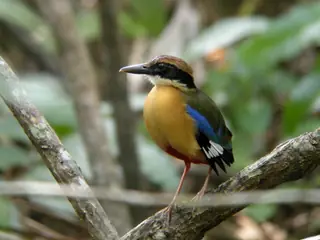 Mangrove Pitta
-
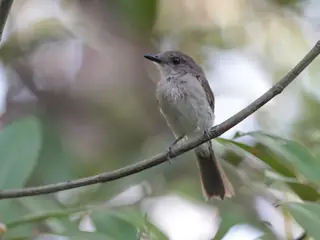 Mangrove Whistler
-
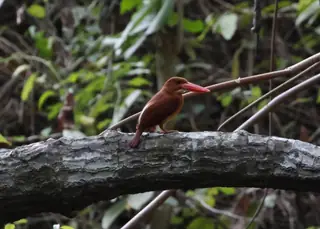 Ruddy KingfisherRare
-
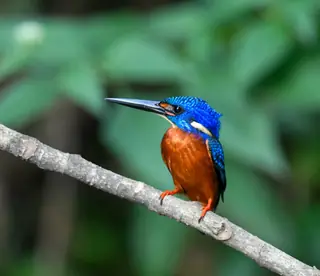 Blue-eared KingfisherRare
-
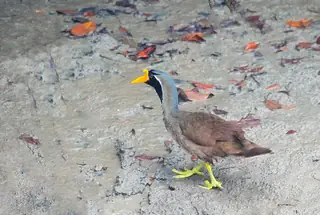 Masked FinfootRare
Herons, storks and water birds 17
-
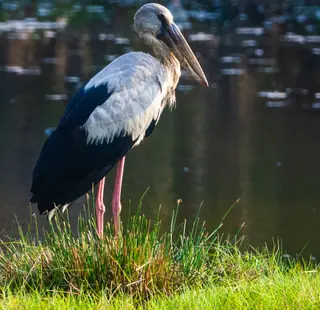 Asian Openbill
-
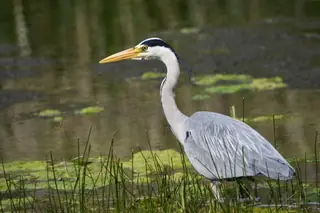 Grey Heron
-
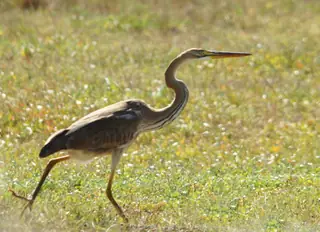 Purple Heron
-
 Great Egret
-
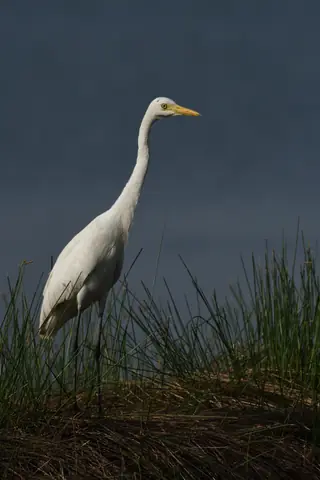 Medium Egret
-
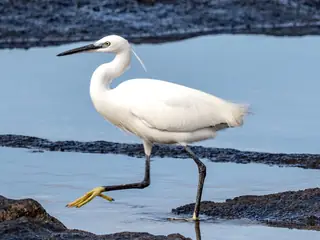 Little Egret
-
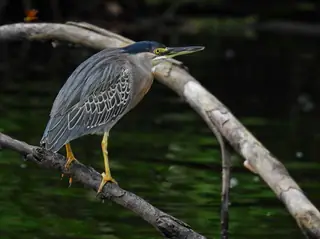 Striated Heron
-
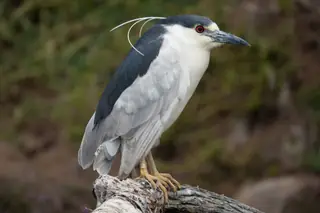 Black-crowned Night Heron
-
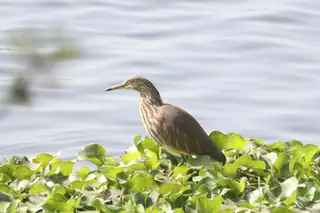 Indian Pond Heron
-
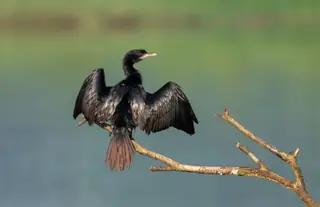 Little Cormorant
-
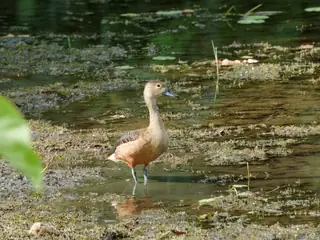 Lesser Whistling Duck
-
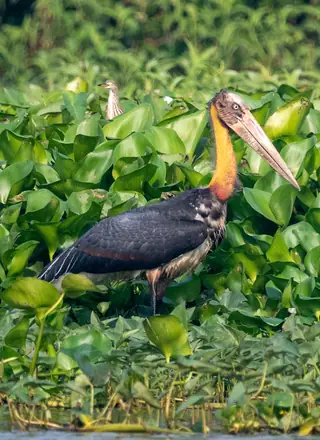 Lesser Adjutant
-
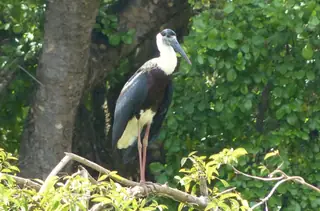 Asian Woolly-necked Stork
-
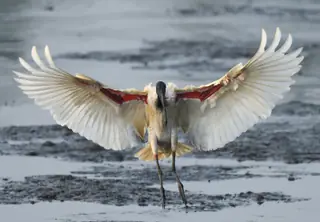 Black-headed Ibis
-
 Oriental Darter
-
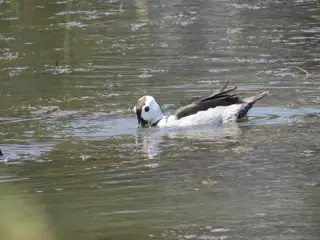 Cotton Pygmy Goose
-
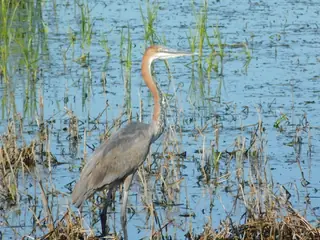 Goliath HeronRare
Birds of prey 14
-
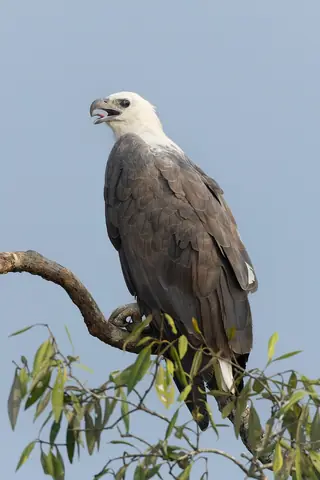 White-bellied Sea Eagle
-
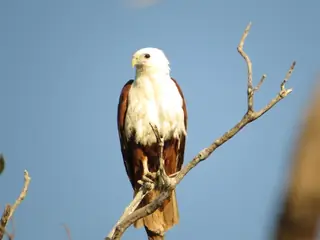 Brahminy Kite
-
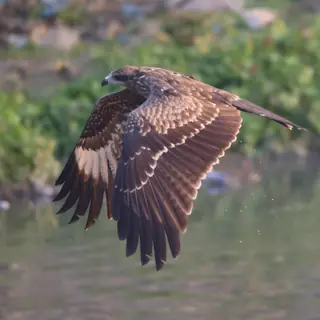 Black Kite
-
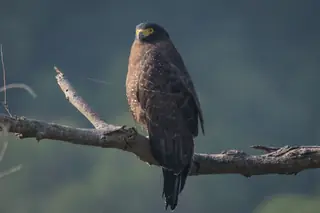 Crested Serpent Eagle
-
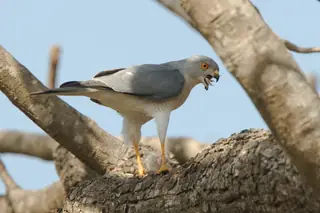 Shikra
-
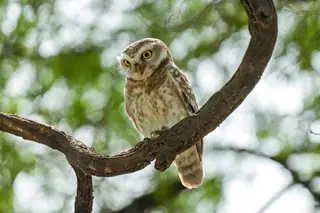 Spotted Owlet
-
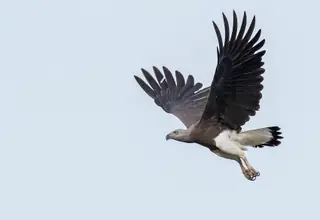 Grey-headed Fish Eagle
-
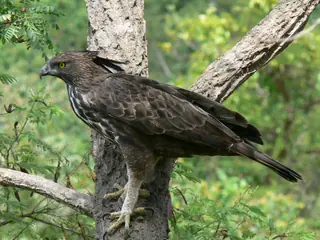 Changeable Hawk-Eagle
-
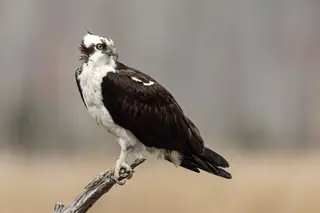 Osprey
-
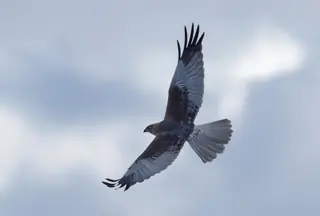 Western Marsh Harrier
-
 Peregrine Falcon
-
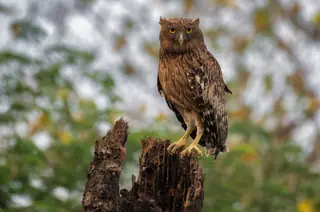 Brown Fish Owl
-
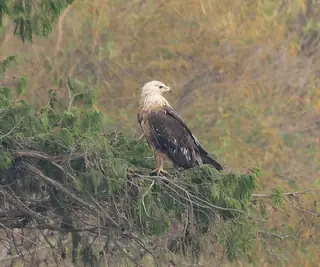 Pallas's Fish EagleRare
-
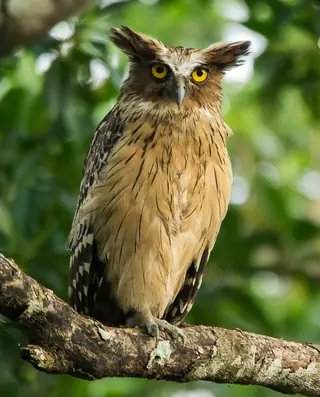 Buffy Fish OwlRare
Shore birds, gulls and terns 17
-
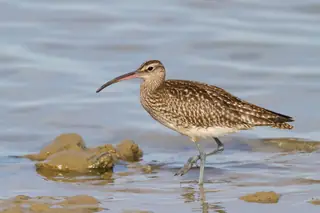 Whimbrel
-
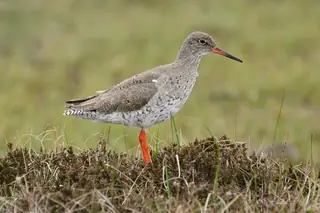 Common Redshank
-
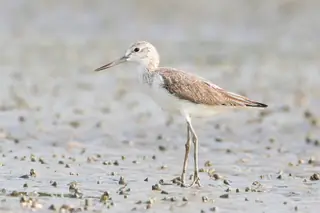 Common Greenshank
-
 Common Sandpiper
-
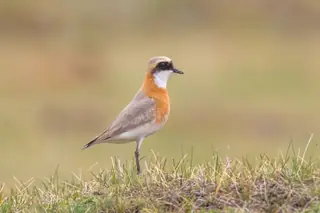 Tibetan Sand Plover
-
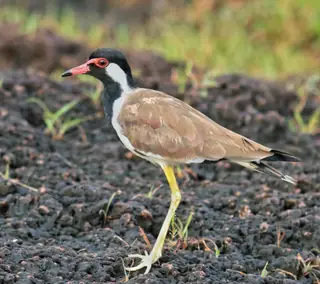 Red-wattled Lapwing
-
 Brown-headed Gull
-
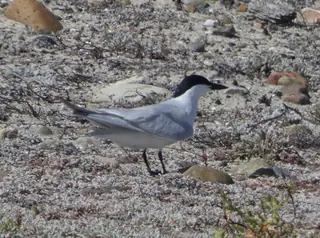 Gull-billed Tern
-
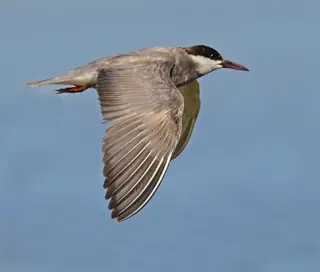 Whiskered Tern
-
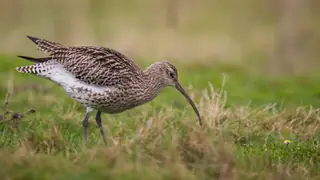 Eurasian Curlew
-
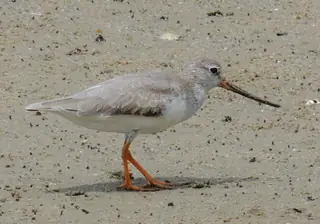 Terek Sandpiper
-
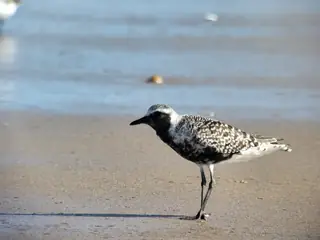 Grey Plover
-
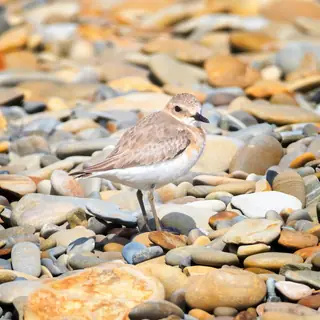 Greater Sand Plover
-
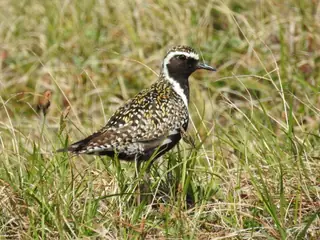 Pacific Golden Plover
-
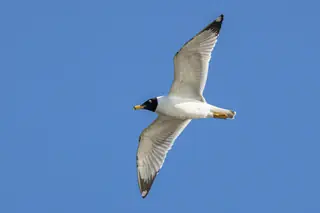 Pallas's Gull
-
 Caspian Tern
-
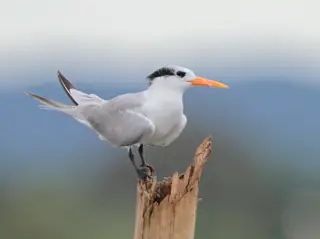 Lesser Crested Tern
Village and forest-edge birds 23
-
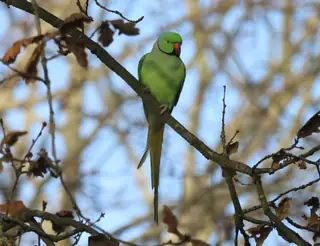 Ring-necked Parakeet
-
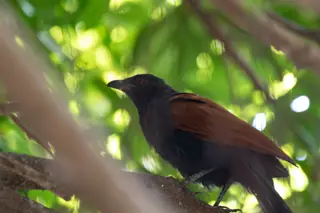 Greater Coucal
-
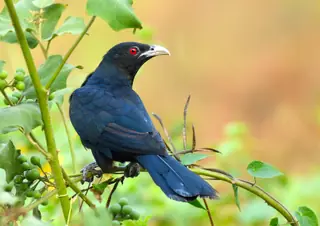 Asian Koel
-
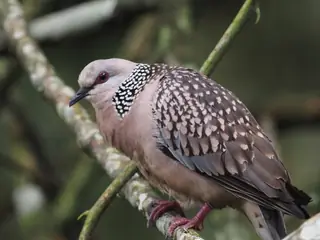 Spotted Dove
-
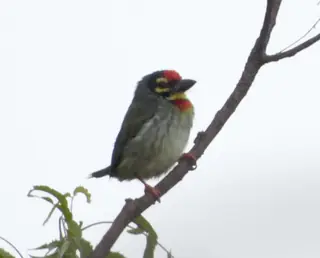 Coppersmith Barbet
-
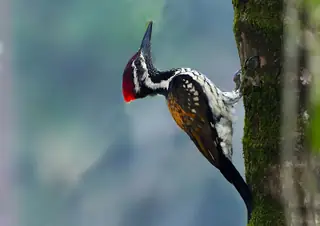 Black-rumped Flameback
-
 Asian Green Bee-eater
-
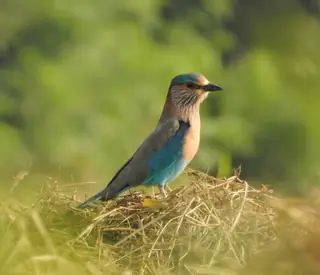 Indian Roller
-
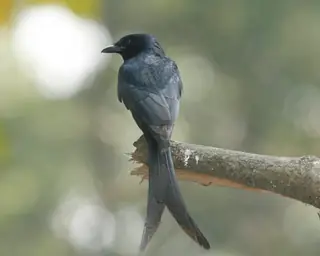 Black Drongo
-
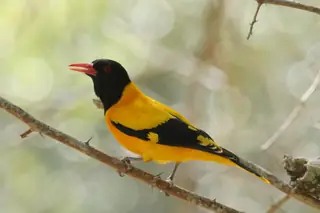 Black-hooded Oriole
-
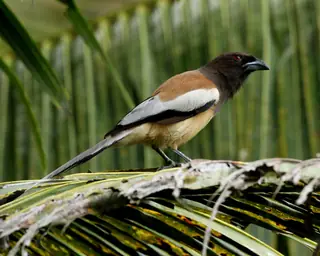 Rufous Treepie
-
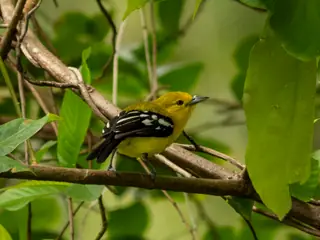 Common Iora
-
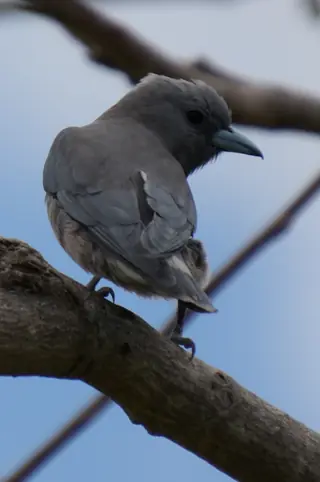 Ashy Woodswallow
-
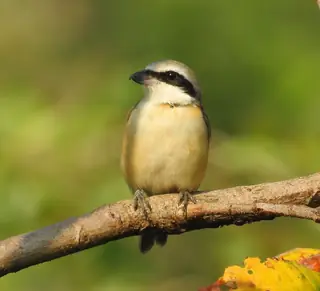 Brown Shrike
-
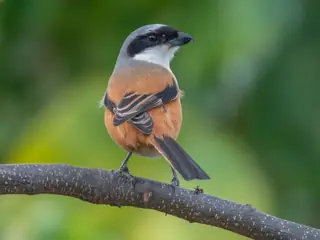 Long-tailed Shrike
-
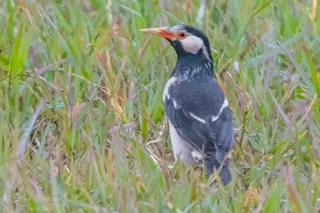 Indian Pied Starling
-
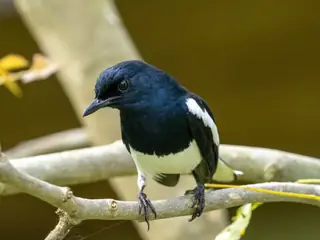 Oriental Magpie-Robin
-
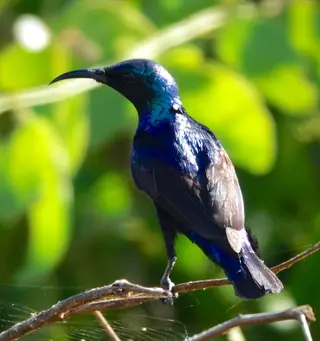 Purple Sunbird
-
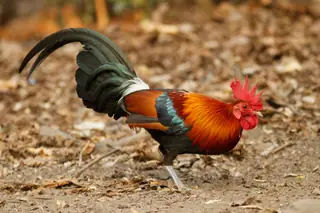 Red Junglefowl
-
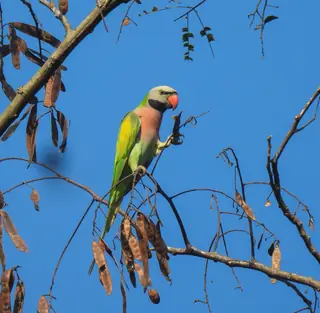 Red-breasted Parakeet
-
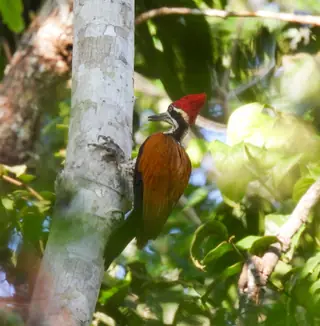 Greater Flameback
-
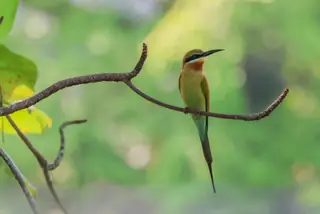 Blue-tailed Bee-eater
-
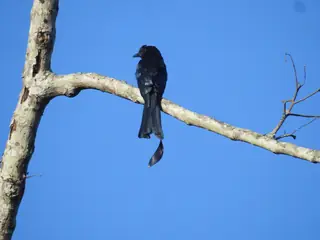 Greater Racquet-tailed Drongo
Best time to see wildlife in the Sundarbans
Sightings by month in the Sundarbans
Most records: Aug to AprRecords from GBIF.org, adjusted for how many people record wildlife each month. 100% is the busiest month.
November to February is the best time to visit: the weather is cool and dry, the light is good, and crocodiles bask in the winter sun. Migrant waders, gulls and terns gather on the mud banks. March to May is hot and humid, with fewer boats on the water. The monsoon, from June to September, brings storms and rough water. Bangladesh closes its Sundarbans to visitors every year from 1 June to 31 August to let wildlife breed. The Indian side stays open, but trips can be cancelled in bad weather.
- Oct to FebCool and clear; crocodiles basking, winter birds
- Mar to MayHot and humid; quieter boats
- Jun to SepMonsoon; Bangladesh side closed 1 Jun to 31 Aug
Tips for spotting wildlife in the Sundarbans
- 01
Stay in the boat
Sundarbans tigers do attack people, so you may only leave the boat at fenced watchtowers and official landing points. Follow your guide's instructions.
- 02
Get your permit
On the Indian side you need a Sundarban Tiger Reserve entry permit, collected on the way in; your boat operator usually arranges it. Bring your passport.
- 03
Watch the tide
Low tide exposes the mud banks, where crocodiles, deer, mudskippers, crabs and waders show best. Ask your guide when the tide will turn.
- 04
Take the small creeks slowly
Kingfishers, otters and monitor lizards are easiest from a small boat drifting quietly with the engine low.
- 05
Allow more than a day
A two or three day boat trip gives far better chances than a single day from Kolkata, especially for tigers and dolphins.

Take the Sundarbans with you
Cruising the Sundarbans? Tick off kingfishers, crocodiles and mudskippers from the boat, even offline. Wilder is free to start.

Sundarbans wildlife FAQ
Can you see tigers in the Sundarbans?
Tigers live throughout the Sundarbans, but sightings are rare because the mangroves are dense and the animals are shy. Most visitors see crocodiles, deer, monitor lizards and kingfishers instead. A longer boat trip in winter gives the best chance.
What animals can you see in the Sundarbans?
You can see saltwater crocodiles, spotted deer, rhesus macaques, water monitors, otters, dolphins, mudskippers and many birds, including nine kinds of kingfisher. This checklist covers 121 animals across the Indian and Bangladeshi Sundarbans.
Is the Indian or Bangladeshi Sundarbans better?
Both are good, and the wildlife is the same. The Indian Sundarbans is easier for a short trip from Kolkata, with fenced watchtowers. The Bangladeshi Sundarbans is larger and wilder, visited on multi-day cruises from Khulna or Mongla, and is closed from June to August.
When is the Sundarbans closed?
The Bangladeshi Sundarbans closes to all visitors every year from 1 June to 31 August for the wildlife breeding season. The Indian Sundarban Tiger Reserve is open all year, though storms in the monsoon can stop boat trips.
Sources
- Sundarban Tiger Reserve, West Bengal
- The Business Standard: Sundarbans closed to all for three months
- RoundGlass Sustain: The guide to Sundarbans Tiger Reserve
- Sightings by month: GBIF.org
Animal photos are from the Wilder catalogue; photo credits.
Similar checklists
All Asia-
 National park112animals Kaziranga National Park Golaghat and Nagaon, Assam, India Floodplain grassland on the Brahmaputra with the world's largest population of greater one-horned rhinos, wild water buffalo, swamp deer and a high density of tigers. Best time Nov to Apr
-
 National park111animals Chitwan National Park Chitwan, Bagmati Province, Nepal Sal forest, tall grassland and wide rivers in Nepal's lowlands, with greater one-horned rhinos, tigers, gharials and a huge bird list. Best time Oct to Apr
-
 National park103animals Kanha National Park Mandla and Balaghat, Madhya Pradesh, India Sal forest and wide meadows in the Maikal hills, home to tigers, dhole, gaur and the hard-ground barasingha that was saved from extinction here. Best time Oct to Jun, Mar to Jun for tigers
-
 National park105animals Bandhavgarh National Park Umaria, Madhya Pradesh, India Rocky hills, sal forest and an ancient hilltop fort, with one of the highest densities of tigers in India and a herd of wild elephants that settled here in recent years. Best time Oct to Jun, Mar to Jun for tigers