Region · Upper Takutu-Upper Essequibo · Guyana
Rupununi Wildlife Checklist
The Rupununi is a vast region of savanna, wetlands and rainforest in southern Guyana, reached by the road from Georgetown or by small plane to Lethem and Annai. It is one of the best places in South America to see giant anteaters, giant otters and black caimans, with jabirus, macaws and Guianan cock-of-the-rock in the Iwokrama forest to the north. This checklist covers 140 animals. September to April, the dry season, is best.
Tick off all 140 animals in Rupununi on your phone, even offline. Launching soon. Free A4 PDF, no sign-up.
Most visitors combine forest and savanna: the Iwokrama forest and the villages of Surama and Annai in the north, then ranches and community lodges such as Karanambu, Rewa and Caiman House on the rivers further south. Much of the land is cared for by Makushi and Wapichan communities, whose guides know the animals best.
- Animals to find
- 140
- Where
- Guyana
- Best time
- Sept to Apr
- Birds recorded in Iwokrama
- Over 500 species
Popular animals in Rupununi
-
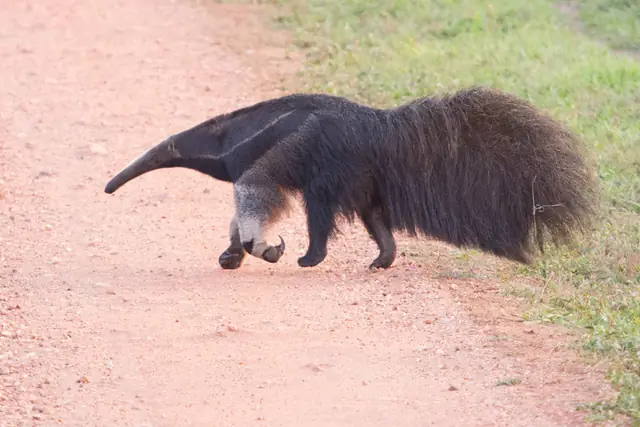
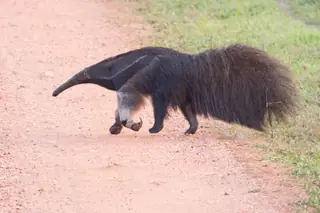
Anteater (Giant)
Myrmecophaga tridactyla
The giant anteater walks the open savanna in the cool of early morning and late afternoon, nose to the ground. Go with a lodge guide, keep downwind and watch from well back so it keeps feeding.
-
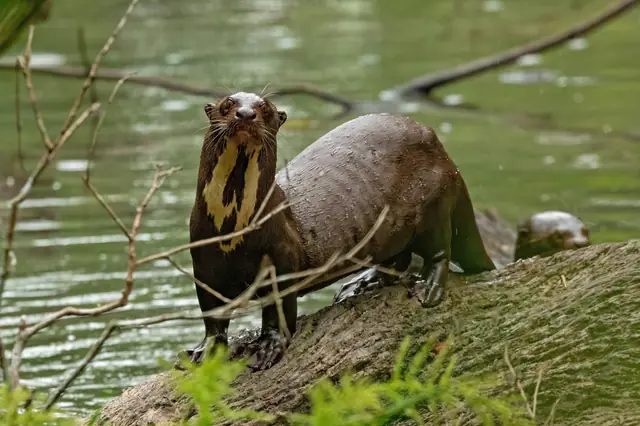
Giant Otter
Pteronura brasiliensis
Family groups fish and call along the Rupununi and Rewa rivers. Watch from the boat, let them pass and never approach a den.
-
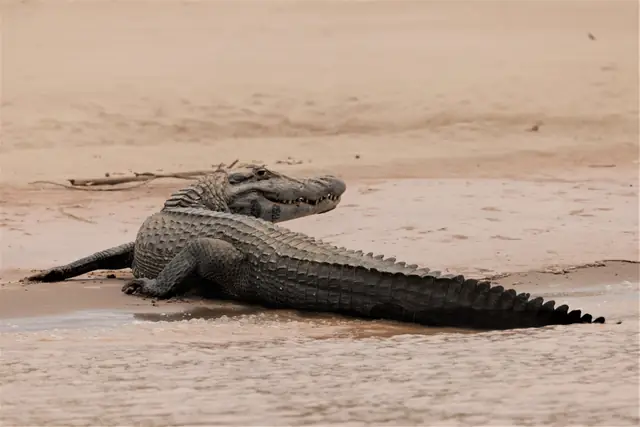
Black Caiman
Melanosuchus niger
The largest caiman in the Americas, recovering well on the rivers here. Its eyes shine back on night boat trips; keep torchlight brief.
-
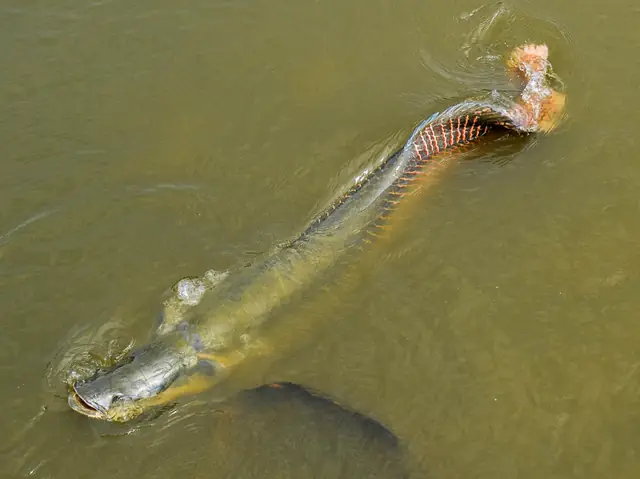
Arapaima
Arapaima gigas
One of the largest freshwater fish in the world, rising to gulp air in quiet oxbow lakes. Communities around Rewa and Karanambu manage and protect their lakes.
-
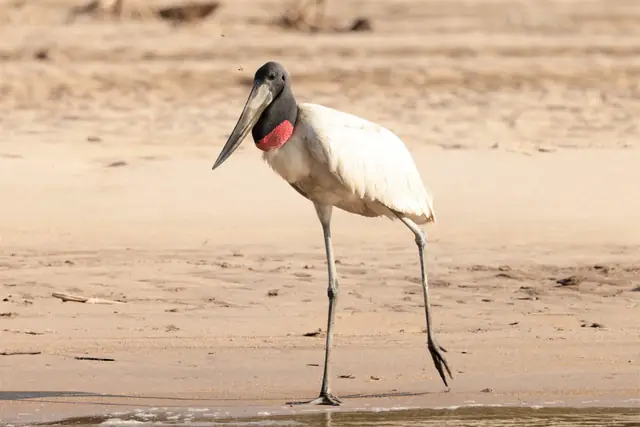
Jabiru
Jabiru mycteria
A huge white stork with a black and red neck, stalking savanna ponds and wetlands, most easily in the dry season.
-
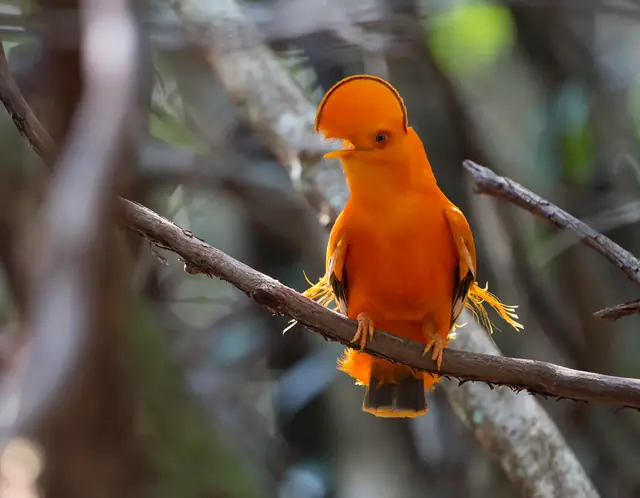
Guianan Cock-of-the-rock
Rupicola rupicola
Brilliant orange males display at forest leks in Iwokrama. Visit only with a local guide, keep to the trail and stay quiet.
-
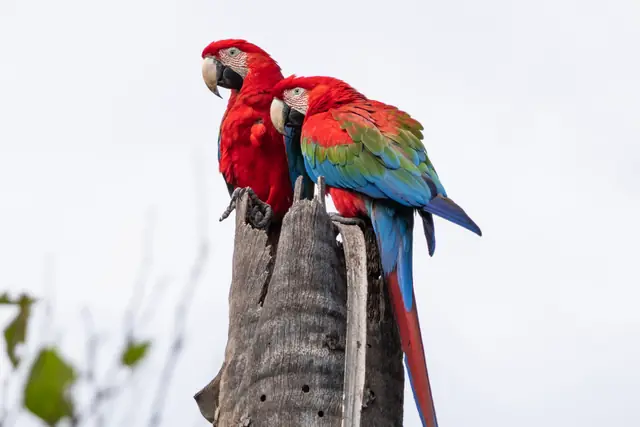
Red-and-green Macaw
Ara chloropterus
Pairs fly over the forest at dawn and dusk, calling harshly. Scarlet and blue-and-yellow macaws are here too.
-
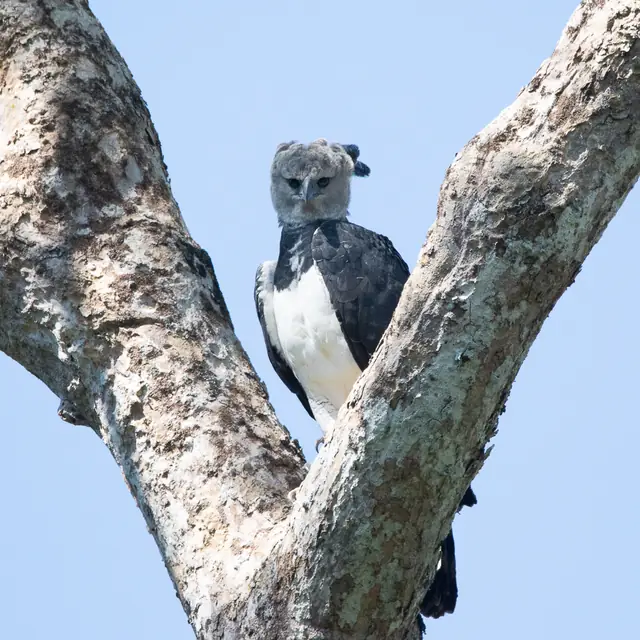
Harpy Eagle
Harpia harpyja
The great eagle of the rainforest, rare and easily disturbed at the nest. Look only with a licensed local guide who follows nest rules.
-
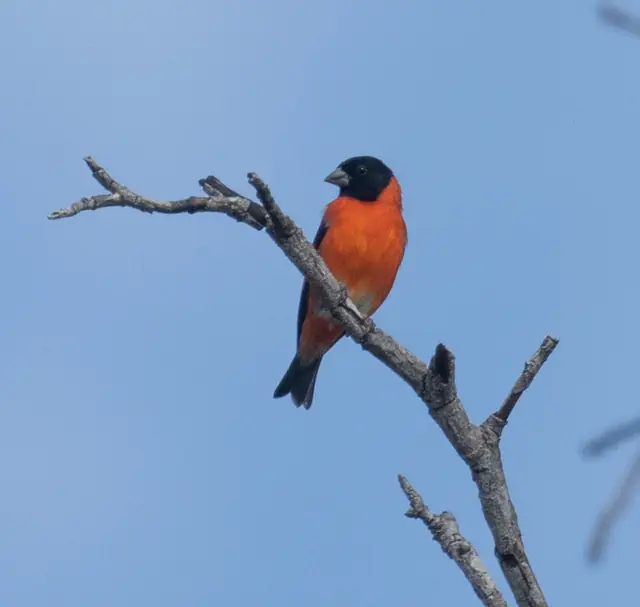
Red Siskin
Spinus cucullatus
A small, endangered red and black finch of the southern savanna and forest edges, protected by local communities. Go only with community guides.
-
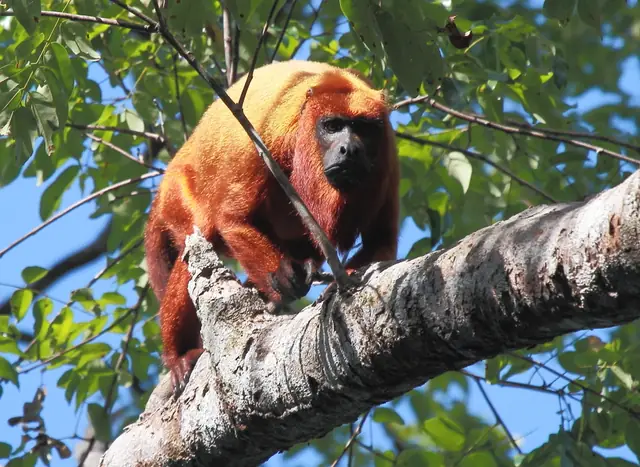
Guianan Red Howler Monkey
Alouatta macconnelli
Its roar at dawn carries for kilometres. Troops rest high in tall forest along the rivers.
-
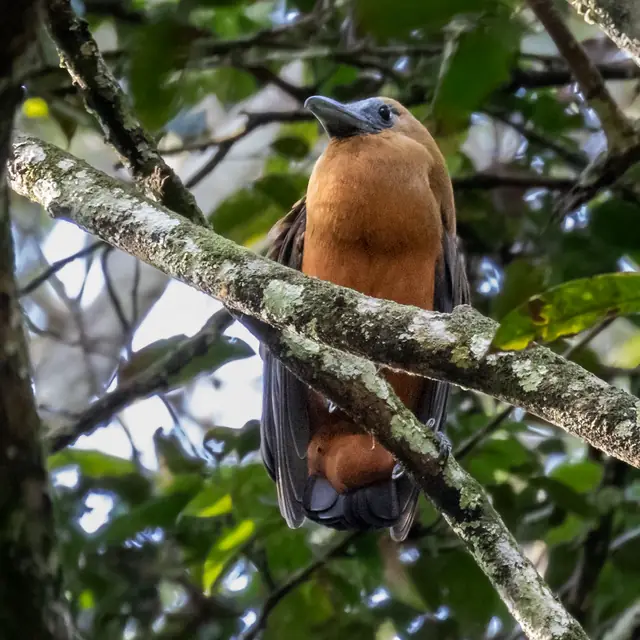
Capuchinbird
Perissocephalus tricolor
A strange, bald-faced bird whose cow-like moo carries from forest leks. Best with a guide in the early morning.
All 140 animals in Rupununi
Big mammals and otters 12
-
 Anteater (Giant)
-
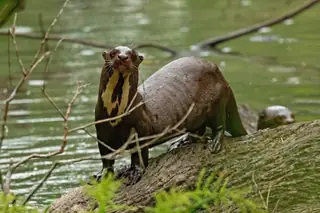 Giant Otter
-
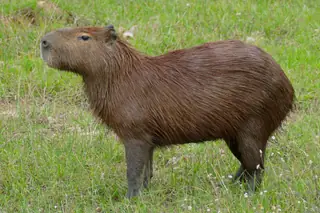 Capybara
-
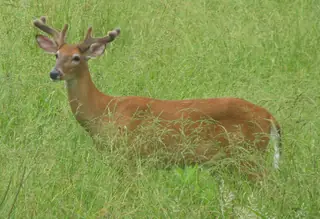 White-tailed Deer
-
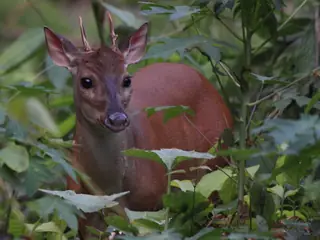 Red Brocket
-
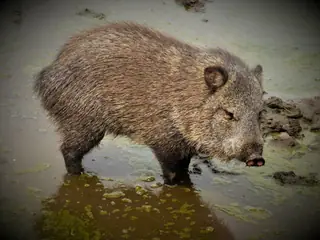 Collared Peccary
-
 White-lipped PeccaryRare
-
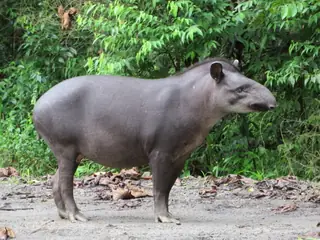 South American TapirRare
-
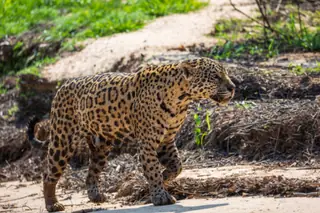 JaguarRare
-
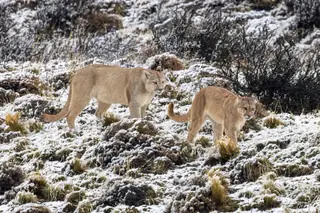 Cougar (Mountain Lion)Rare
-
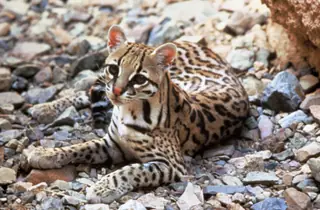 OcelotRare
-
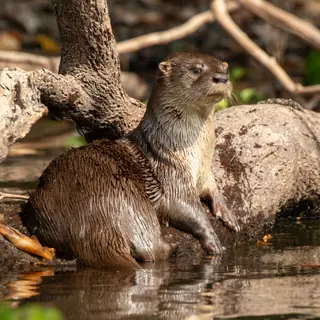 Neotropical OtterRare
Monkeys 7
-
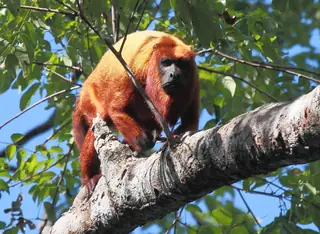 Guianan Red Howler Monkey
-
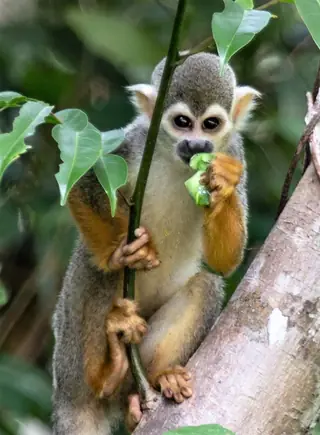 Guianan Squirrel Monkey
-
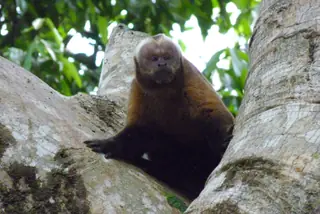 Brown Capuchin
-
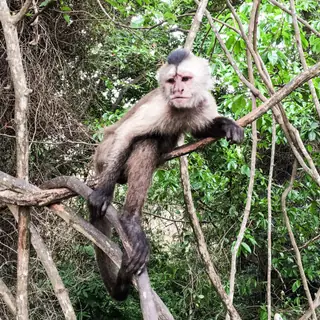 Weeper Capuchin
-
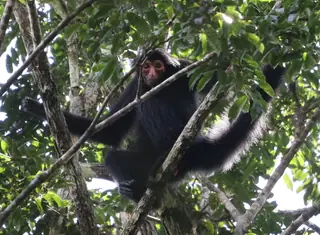 Red-faced Black Spider Monkey
-
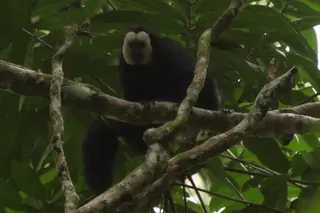 White-faced Saki
-
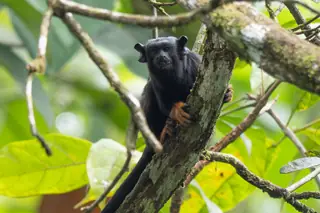 Red-handed Tamarin
Smaller mammals and bats 12
-
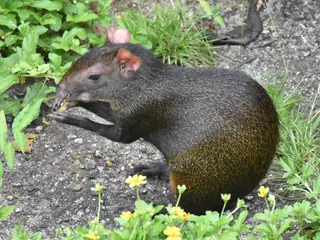 Red-rumped Agouti
-
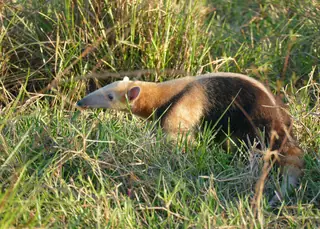 Southern Tamandua
-
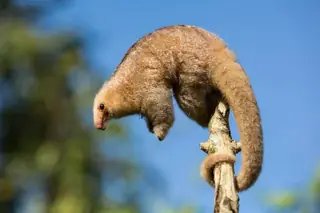 Silky AnteaterRare
-
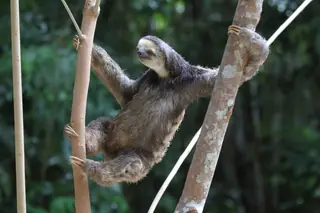 Pale-throated Three-toed Sloth
-
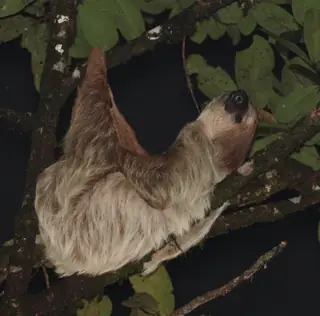 Linnaeus's Two-toed SlothRare
-
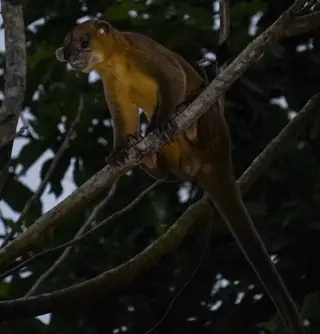 Kinkajou
-
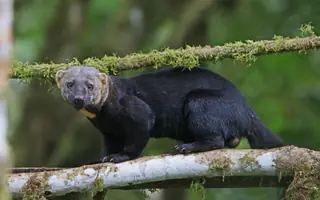 Tayra
-
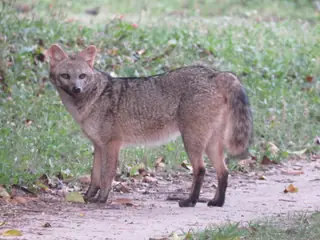 Crab-eating Fox
-
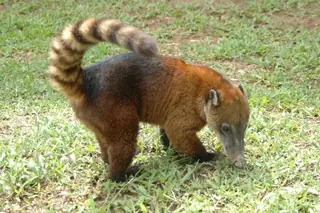 South American Coati
-
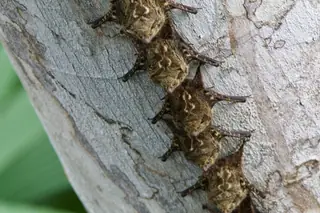 Proboscis Bat
-
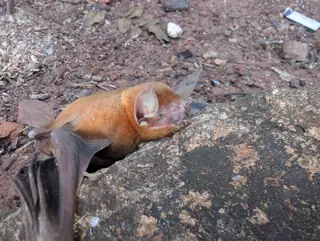 Greater Bulldog Bat
-
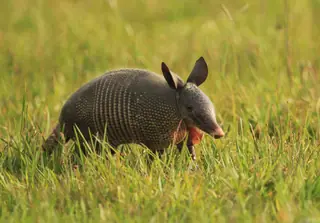 Nine-banded ArmadilloRare
Storks, herons and river birds 26
-
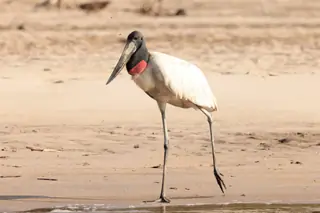 Jabiru
-
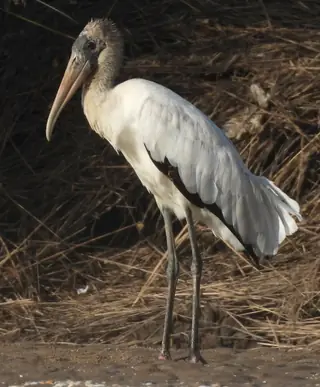 Wood Stork
-
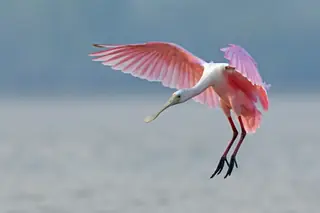 Roseate Spoonbill
-
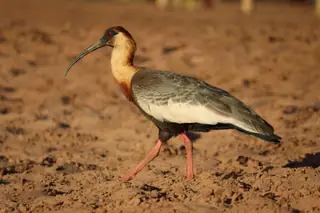 Buff-necked Ibis
-
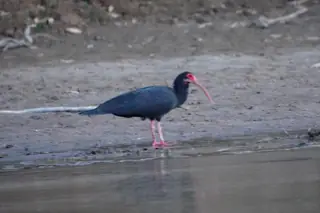 Sharp-tailed Ibis
-
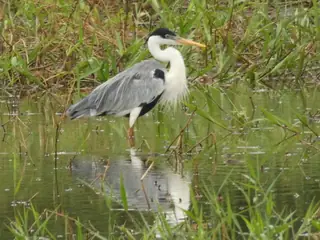 Cocoi Heron
-
 Great Egret
-
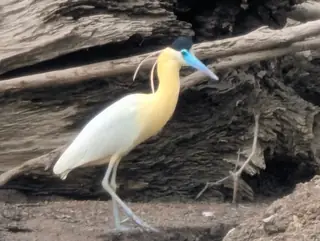 Capped Heron
-
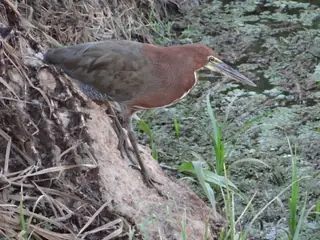 Rufescent Tiger Heron
-
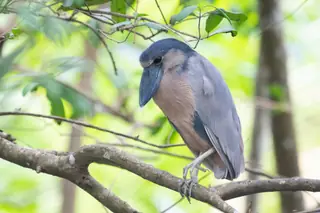 Boat-billed Heron
-
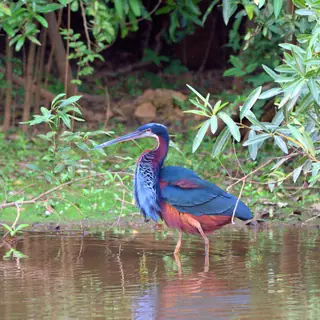 Agami HeronRare
-
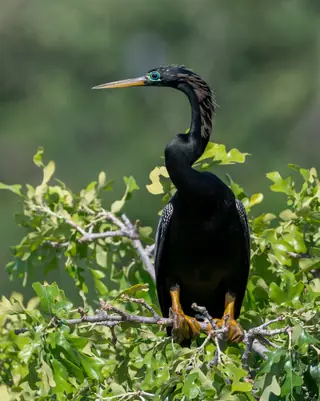 Anhinga
-
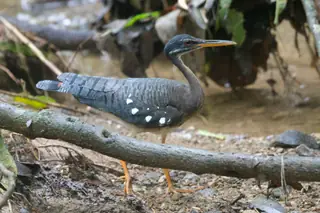 Sunbittern
-
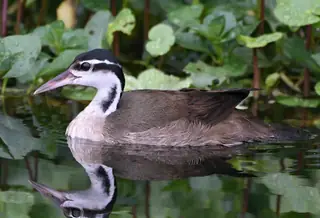 Sungrebe
-
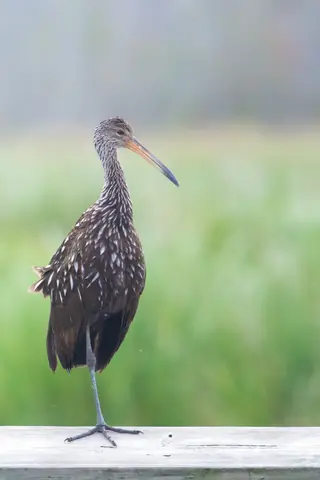 Limpkin
-
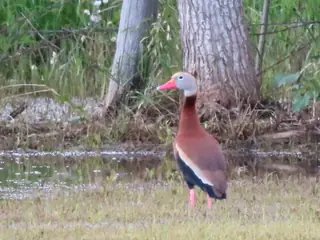 Black-bellied Whistling Duck
-
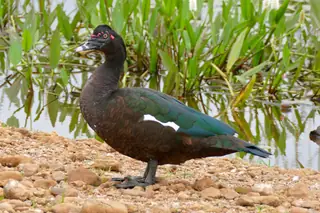 Muscovy Duck
-
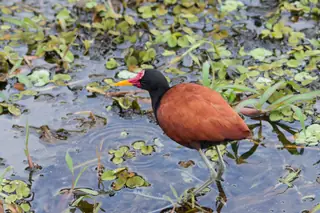 Wattled Jacana
-
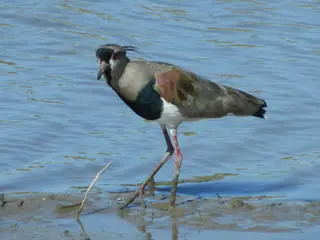 Southern Lapwing
-
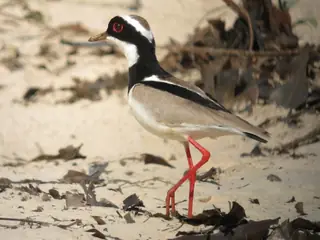 Pied Plover
-
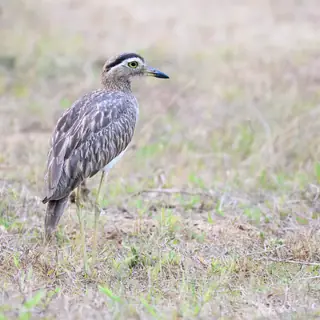 Double-striped Thick-knee
-
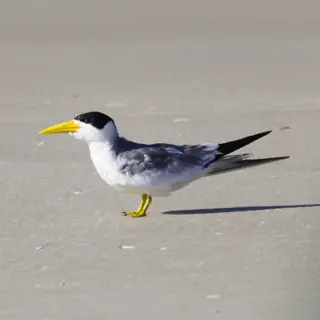 Large-billed Tern
-
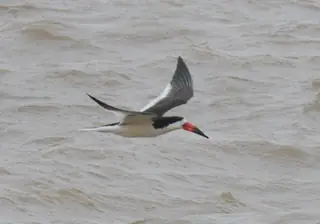 Black Skimmer
-
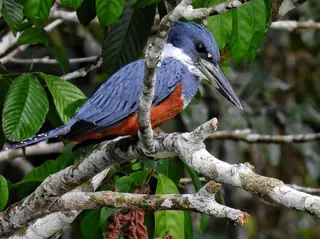 Ringed Kingfisher
-
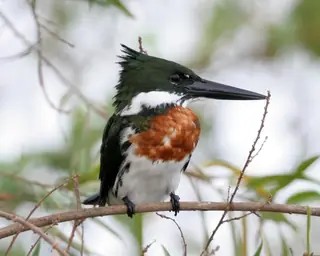 Amazon Kingfisher
-
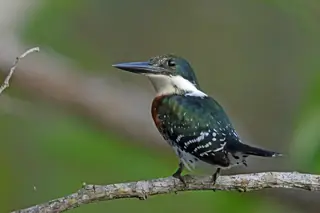 Green Kingfisher
Macaws and parrots 9
-
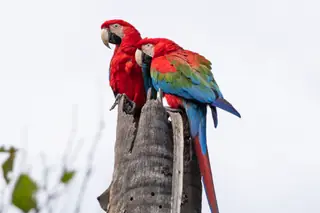 Red-and-green Macaw
-
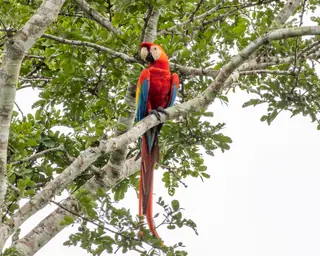 Scarlet Macaw
-
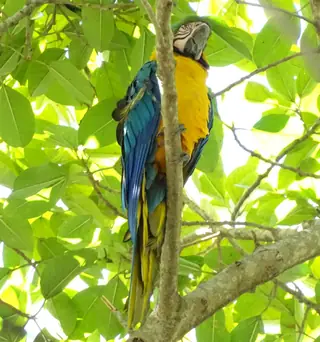 Blue-and-yellow Macaw
-
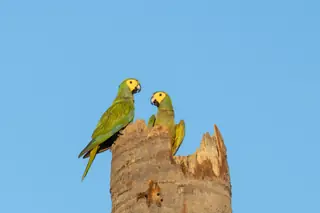 Red-bellied Macaw
-
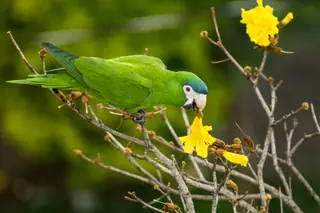 Red-shouldered Macaw
-
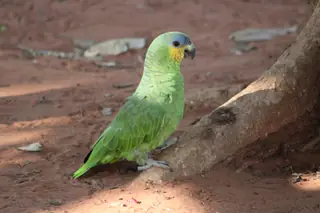 Orange-winged Amazon
-
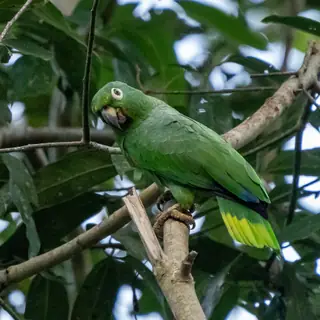 Mealy Amazon
-
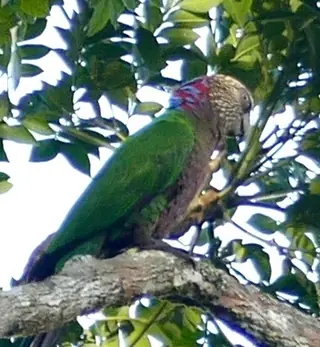 Red-fan Parrot
-
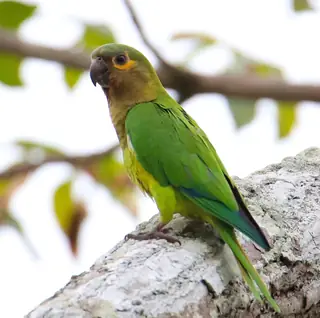 Brown-throated Parakeet
Forest birds 17
-
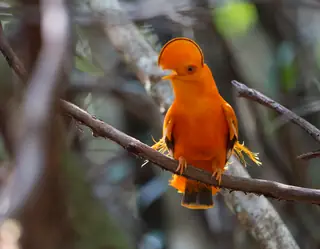 Guianan Cock-of-the-rock
-
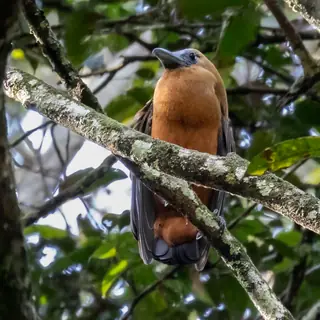 Capuchinbird
-
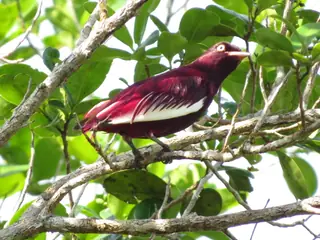 Pompadour Cotinga
-
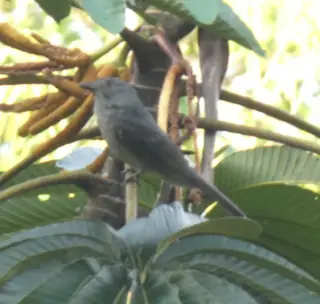 Screaming Piha
-
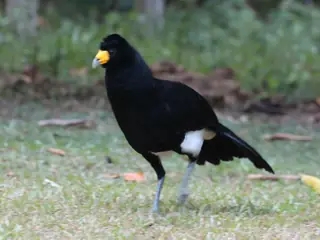 Black Curassow
-
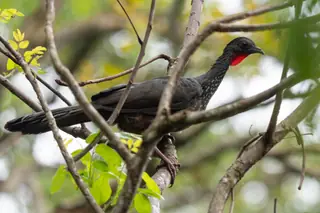 Marail Guan
-
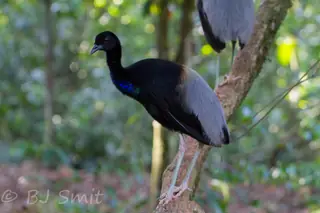 Grey-winged Trumpeter
-
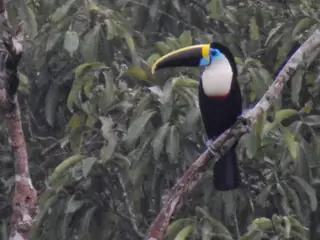 White-throated Toucan
-
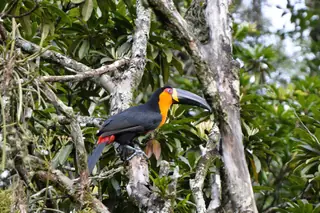 Channel-billed Toucan
-
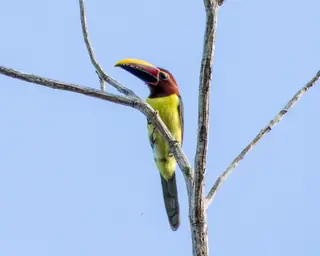 Green Aracari
-
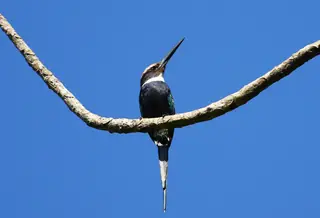 Paradise Jacamar
-
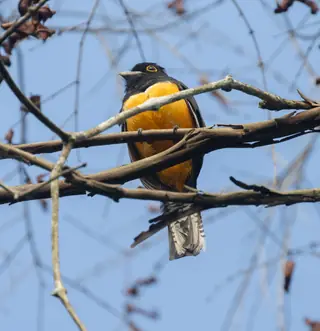 Guianan Trogon
-
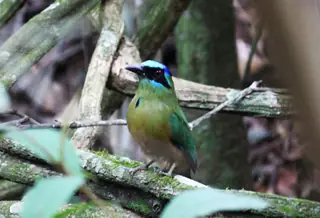 Amazonian Motmot
-
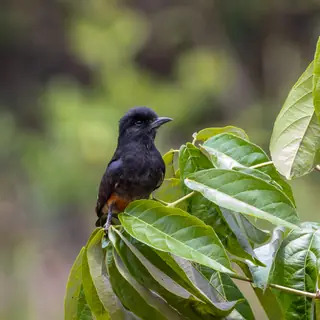 Swallow-winged Puffbird
-
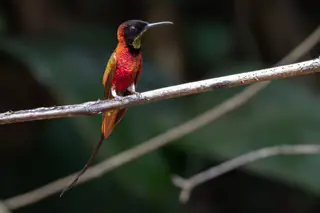 Crimson TopazRare
-
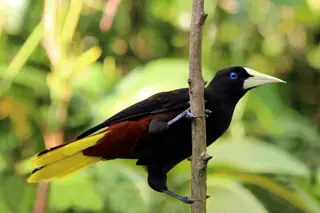 Crested Oropendola
-
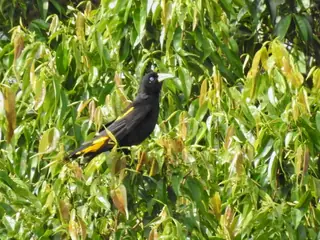 Yellow-rumped Cacique
Birds of prey and nightbirds 20
-
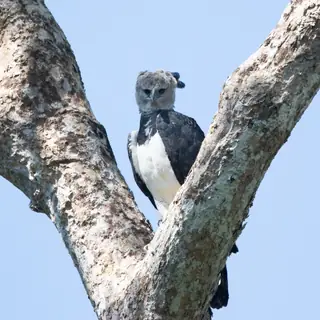 Harpy EagleRare
-
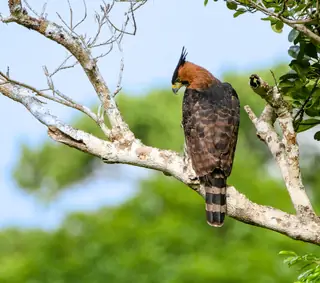 Ornate Hawk-Eagle
-
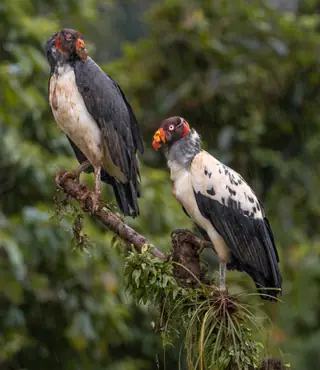 King Vulture
-
 Black Vulture
-
 Turkey Vulture
-
 Lesser Yellow-headed Vulture
-
 Savanna Hawk
-
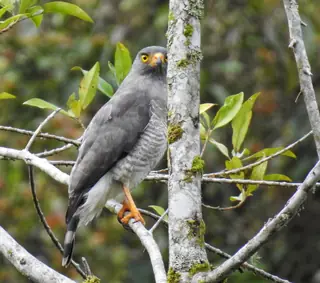 Roadside Hawk
-
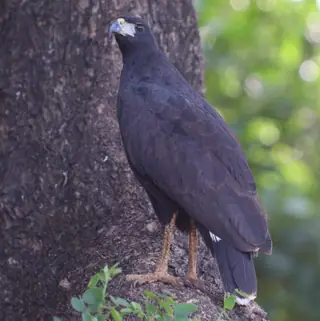 Great Black Hawk
-
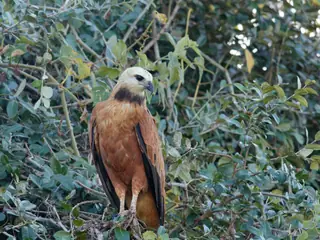 Black-collared Hawk
-
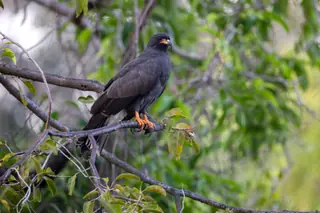 Snail Kite
-
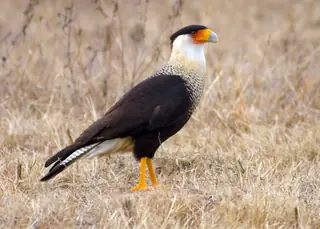 Northern Crested Caracara
-
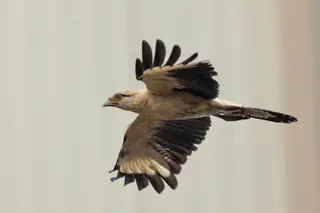 Yellow-headed Caracara
-
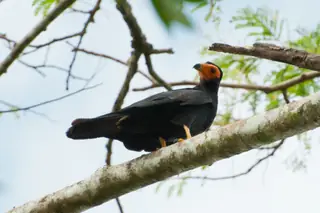 Black Caracara
-
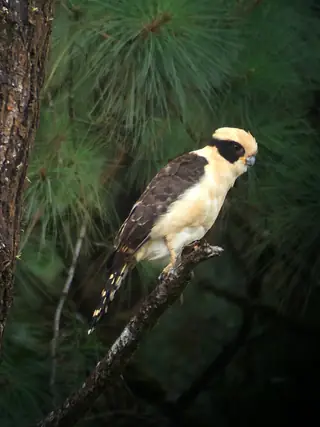 Laughing Falcon
-
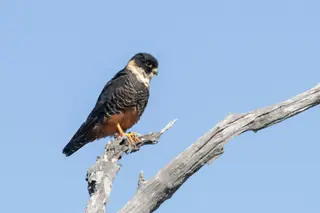 Bat Falcon
-
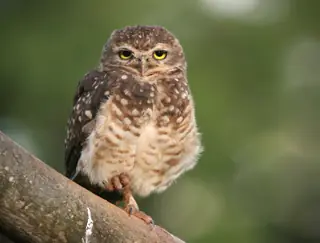 Burrowing Owl
-
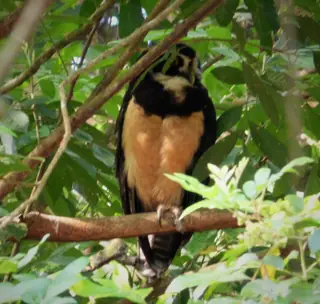 Spectacled Owl
-
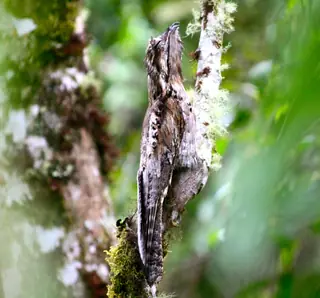 Common Potoo
-
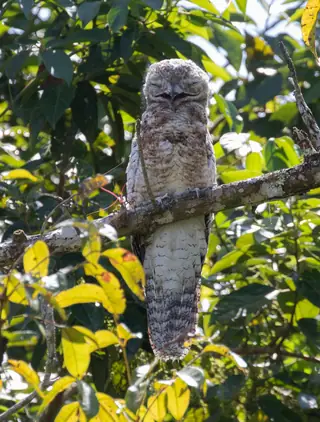 Great Potoo
Savanna and village birds 19
-
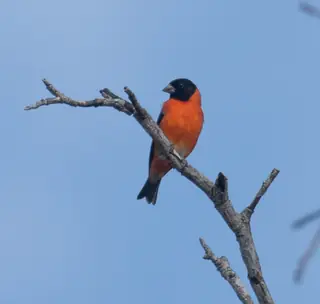 Red SiskinRare
-
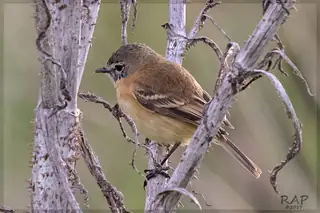 Bearded TachuriRare
-
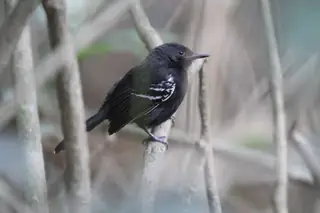 Rio Branco Antbird
-
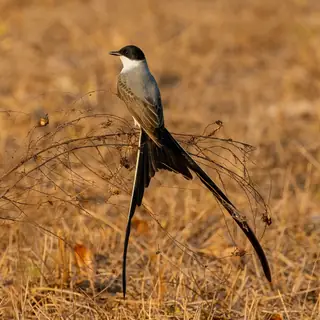 Fork-tailed Flycatcher
-
 Tropical Kingbird
-
 Great Kiskadee
-
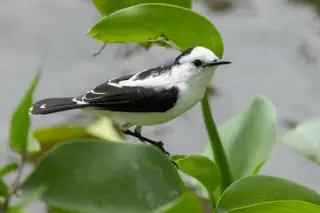 Pied Water Tyrant
-
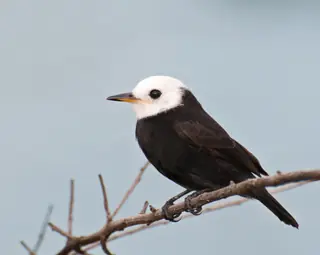 White-headed Marsh Tyrant
-
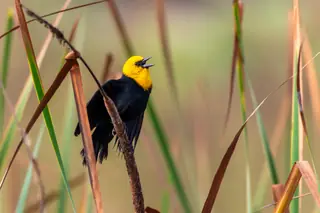 Yellow-hooded Blackbird
-
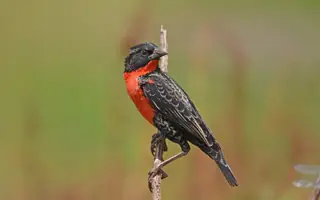 Red-breasted Meadowlark
-
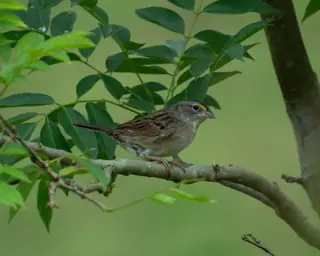 Grassland Sparrow
-
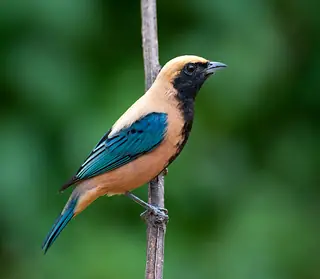 Burnished-buff Tanager
-
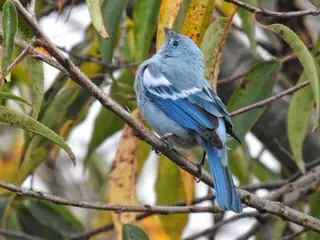 Blue-grey Tanager
-
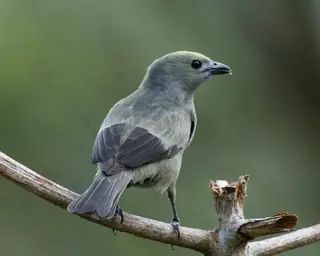 Palm Tanager
-
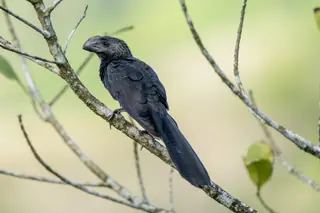 Smooth-billed Ani
-
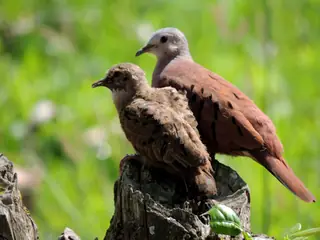 Ruddy Ground Dove
-
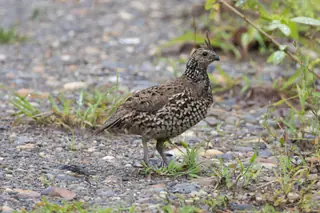 Crested Bobwhite
-
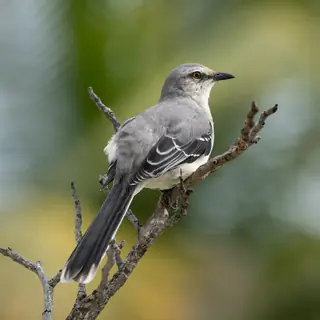 Tropical Mockingbird
-
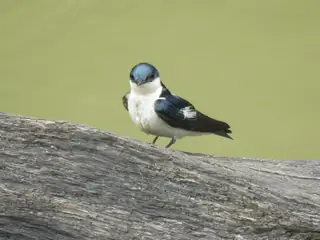 White-winged Swallow
Caimans, turtles and other reptiles and amphibians 14
-
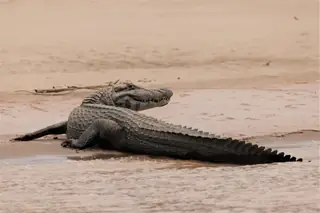 Black Caiman
-
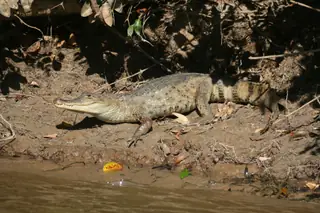 Spectacled Caiman
-
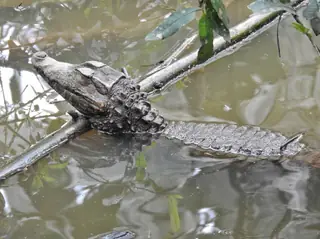 Dwarf Caiman
-
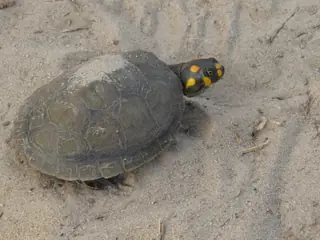 Yellow-spotted River Turtle
-
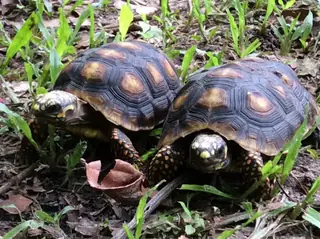 Red-footed Tortoise
-
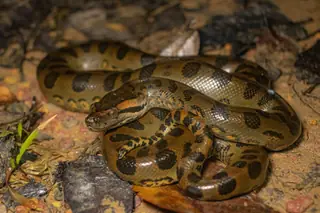 Green Anaconda
-
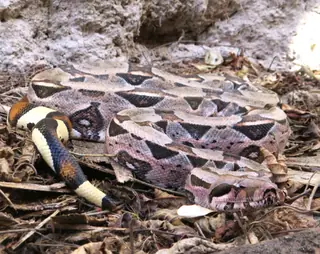 Boa ConstrictorRare
-
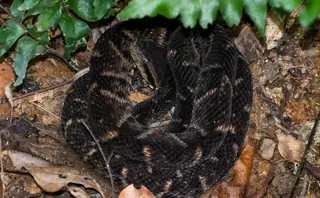 Common LanceheadRare
-
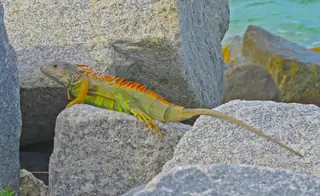 Green Iguana
-
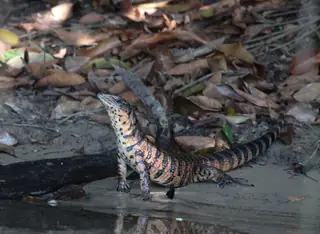 Gold Tegu
-
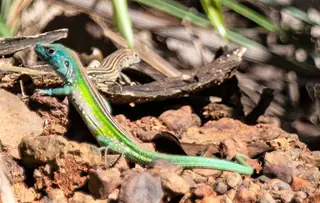 Rainbow Whiptail
-
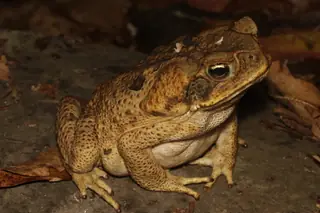 Cane Toad
-
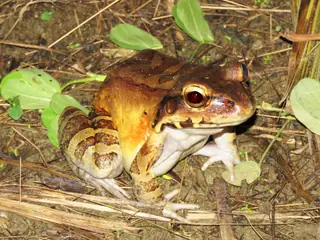 Smoky Jungle Frog
-
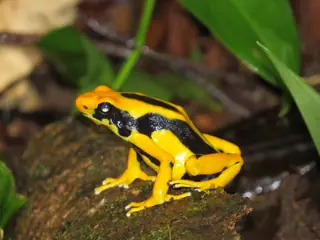 Dyeing Poison FrogRare
Fish and insects 4
-
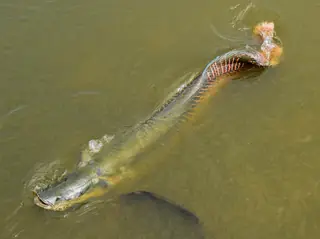 Arapaima
-
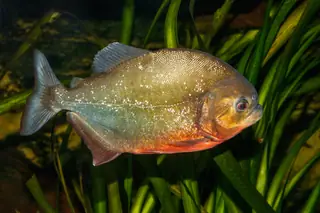 Red-bellied Piranha
-
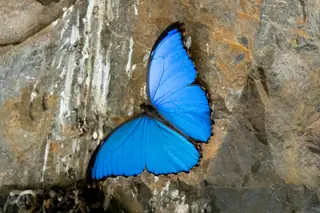 Menelaus Blue Morpho
-
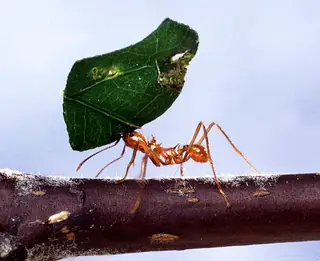 Leafcutter Ant
Best time to see wildlife in Rupununi
Sightings by month in Rupununi
Most records: Aug to AprRecords from GBIF.org, adjusted for how many people record wildlife each month. 100% is the busiest month.
The Rupununi has one long dry season and one wet season. From September to April the savanna dries out, rivers fall and wildlife gathers at the remaining ponds and riverbanks: this is the best time for giant anteaters, caimans, jabirus and waterbirds, and black skimmers and terns rest on the sandbanks. October and November are the driest and hottest months. The rains build from late April, and from May to August much of the savanna floods; roads can become hard going, though the forest is green and many birds are breeding. Iwokrama's forest birds and monkeys can be seen all year.
- Sept to NovDriest months; wildlife gathers at water, sandbanks appear
- Dec to FebStill dry and pleasant; good for savanna and forest
- Mar to AprEnd of the dry season; caimans and waterbirds crowd the pools
- May to AugWet season; savanna floods, roads harder, forest birds breeding
Tips for spotting wildlife in Rupununi
- 01
Combine forest and savanna
Spend a few nights in the Iwokrama forest or at Surama for monkeys, cotingas and cock-of-the-rock, then move south to the savanna and rivers for anteaters, otters and caimans. Each habitat has its own animals.
- 02
Go out at first light
Giant anteaters, deer and savanna birds are most active in the cool hours after dawn. By late morning the heat sends most animals into shade.
- 03
Take a night boat trip
After dark, guided boat trips on the rivers find black caimans, boat-billed herons, fishing bats and sometimes a tapir. Keep torchlight brief and let the guide set the distance.
- 04
Use community guides
Much of the Rupununi is Indigenous land, and village and lodge guides know where animals are and how to watch them without disturbance. Ask before entering villages and follow local rules.
- 05
Give river animals room
Giant otters, caimans and turtles need space on the rivers. Keep the boat back, cut the engine when you can and follow the guide's distance rules.
- 06
Plan for the roads
The road south from Linden runs through Iwokrama, and its unpaved stretches can be slow or closed in the wet season. Allow extra time, or fly to Lethem or Annai.

Take Rupununi with you
Heading to the Rupununi? Keep this list on your phone and tick off anteaters, otters and macaws as you go, even deep in the savanna with no signal. Wilder is free to start.

Rupununi wildlife FAQ
What animals can you see in the Rupununi?
In the Rupununi you can see giant anteaters, giant otters, black caimans, capybaras, howler and spider monkeys, and with luck a tapir or jaguar. Birds include jabirus, macaws, Guianan cock-of-the-rock, toucans and savanna hawks, and the rivers hold arapaima and piranhas. This checklist covers 140 animals.
Where can you see giant anteaters in Guyana?
The best place to see giant anteaters in Guyana is the open savanna of the Rupununi, especially around Karanambu and the ranches of the central savanna. Go with a lodge guide in the early morning or late afternoon, when they walk the grassland looking for termite and ant nests.
When is the best time to visit the Rupununi for wildlife?
The best time to visit the Rupununi for wildlife is the dry season, September to April. Water is scarce, so animals gather at ponds and rivers, and the roads are easier. October and November are the driest months; from May to August the savanna floods.
Can you see a jaguar in the Rupununi?
Jaguars live throughout the Rupununi and Iwokrama, but sightings are rare and down to luck. Most are brief views on the road through the Iwokrama forest at night or along the rivers. Tracks are far more likely than the cat itself.
Can you see Black Caiman in the Rupununi?
Yes, the Rupununi and Rewa rivers are among the best places to see black caimans, which have recovered well here after years of hunting. They are easiest to find on guided night boat trips, when their eyes shine in the torchlight. Keep the light brief and never try to handle one.
Sources
- Iwokrama International Centre: About
- Rupununi: Rediscovering a Lost World: Wildlife of the Rupununi
- Mongabay: In a fight to save a rare bird, Indigenous communities in Guyana are winning
- Sightings by month: GBIF.org
Animal photos are from the Wilder catalogue; photo credits.
Similar checklists
All South and Central America-
 Region107animals Pantanal Mato Grosso and Mato Grosso do Sul, Brazil The world's largest tropical wetland and the best place on Earth to see a wild jaguar, with giant otters, caimans by the thousand and hyacinth macaws. Best time Jul to Oct
-
 Region140animals Colombian Llanos Casanare, Colombia Flooded grasslands, lagoons and gallery forest on working cattle ranches, where capybaras, white-tailed deer and giant anteaters share the savanna with spectacled caimans, anacondas, jabirus, scarlet ibises and Orinoco geese. Best time Dec to Mar
-
 Region142animals Central Amazon Amazonas, Brazil Black-water Rio Negro and its island archipelago meet the muddy Solimões near Manaus, with pink river dolphins and tucuxis in the channels, hoatzins and macaws along flooded forest, and sakis and sloths in the canopy. Best time Jul to Dec
-
 National park130animals Manu National Park and the Manu Road Cusco and Madre de Dios, Peru One road drops from Andean grassland through cloud forest to the Amazon: cock-of-the-rock leks, macaw clay licks and giant otters on the oxbow lakes. Best time May to Oct