Region · Amazonas · Brazil
Central Amazon Animal Checklist: Manaus and the Rio Negro

The Central Amazon around Manaus, Brazil, is where the black water of the Rio Negro meets the muddy Solimões to form the Amazon. Boat trips here find pink river dolphins, tucuxis, sloths, hoatzins and caimans, with monkeys, toucans and cotingas in the forest. This checklist covers 142 animals. Wildlife is good all year; as the rivers fall, from about July to December, animals are easiest along the banks.
Tick off all 142 animals in Amazon on your phone, even offline. Launching soon. Free A4 PDF, no sign-up.
Most lodges lie a few hours by road or boat from Manaus, either up the Rio Negro or in the flooded várzea forest of the Solimões. Upriver, Anavilhanas National Park protects more than 400 islands and is part of the Central Amazon Conservation Complex World Heritage Site.
- Animals to find
- 142
- Where
- Brazil
- Best time
- Jul to Dec
- Meeting of the Waters
- Two rivers side by side for about 6 km
Popular animals in Amazon
-
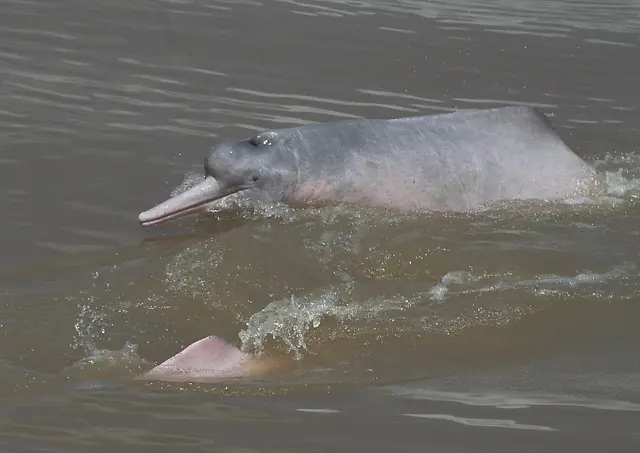
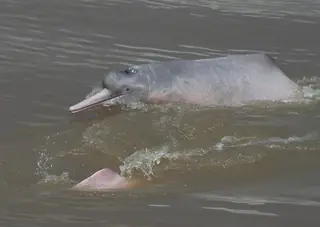
Amazon River Dolphin
Inia geoffrensis
The pink boto surfaces with a soft puff in channels and, at high water, among flooded trees. Watch from a boat, and skip any place that feeds them.
-

Tucuxi
Sotalia fluviatilis
Smaller and grey, often leaping in small groups. The Meeting of the Waters is a good place to look.
-
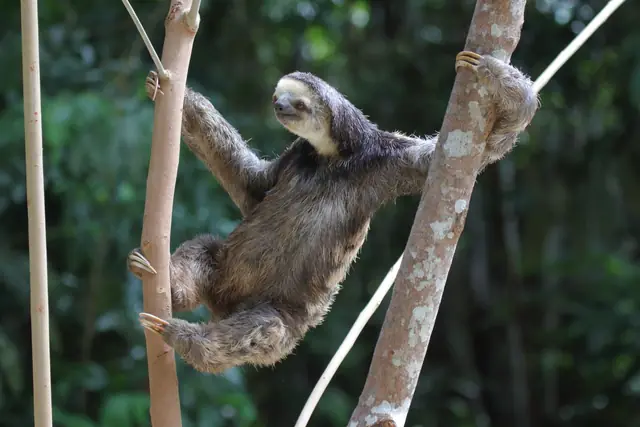
Pale-throated Three-toed Sloth
Bradypus tridactylus
Scan cecropia trees along the rivers for a still, rounded shape. Boat guides spot them where you see only leaves.
-
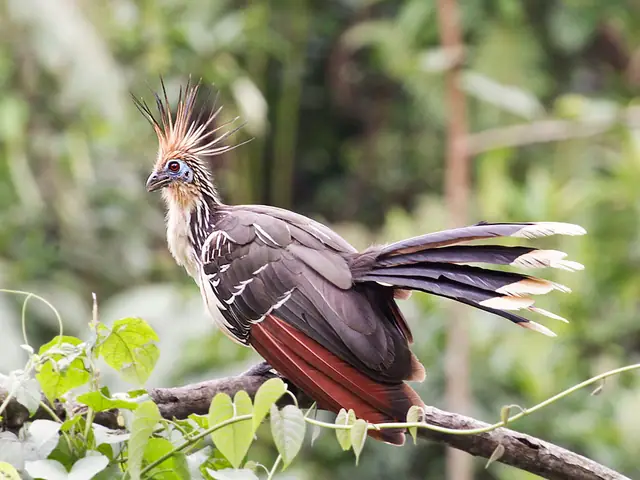
Hoatzin
Opisthocomus hoazin
Noisy groups sit in low bushes over still water, hissing and flapping clumsily as a boat drifts past.
-
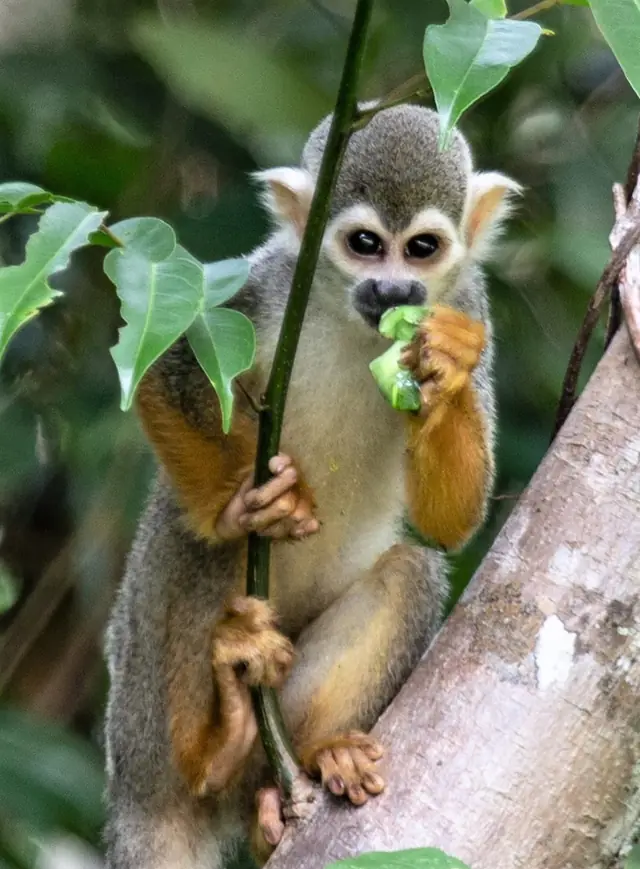
Guianan Squirrel Monkey
Saimiri sciureus
Fast, noisy troops pour through riverside trees, often with capuchins nearby. Never feed them.
-
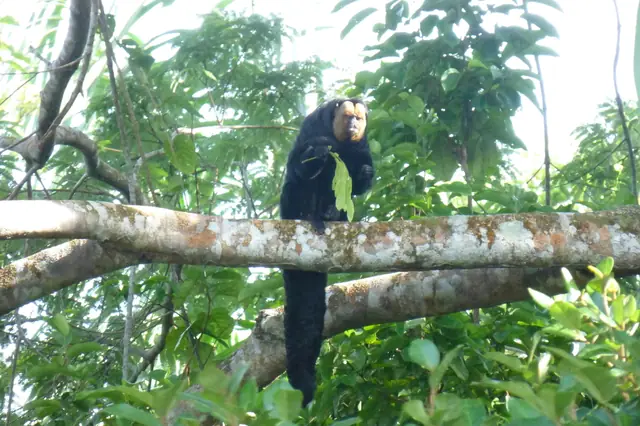
Golden-faced Saki
Pithecia chrysocephala
Quiet pairs in the mid-canopy of terra firme forest. Males have a pale face and shaggy black coat.
-
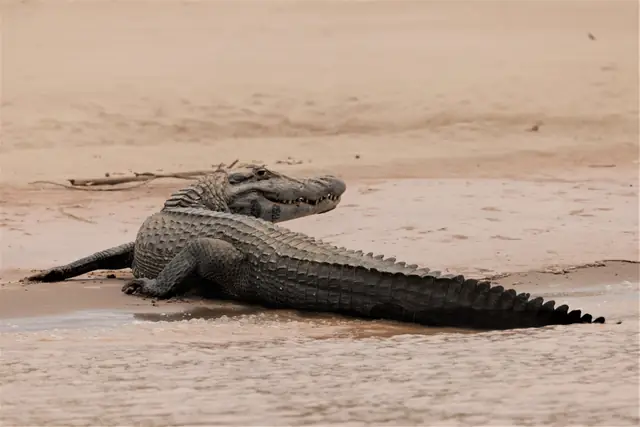
Black Caiman
Melanosuchus niger
The largest caiman, in quiet lakes and channels. Night boat trips find its eyeshine; keep torchlight brief.
-
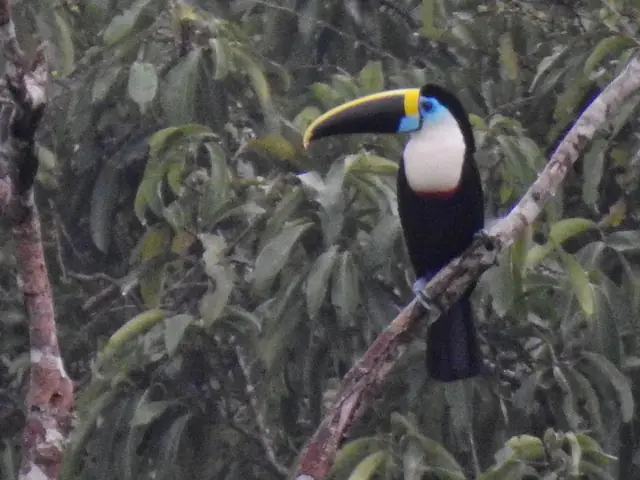
White-throated Toucan
Ramphastos tucanus
Its yelping call carries over the canopy, and pairs often sit on bare treetops at dawn.
-
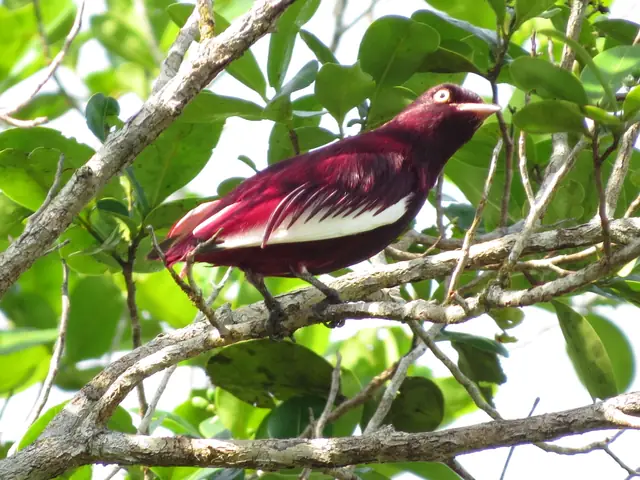
Pompadour Cotinga
Xipholena punicea
Males glow wine-red on exposed canopy branches. Canopy towers in the early morning give the best views.
-
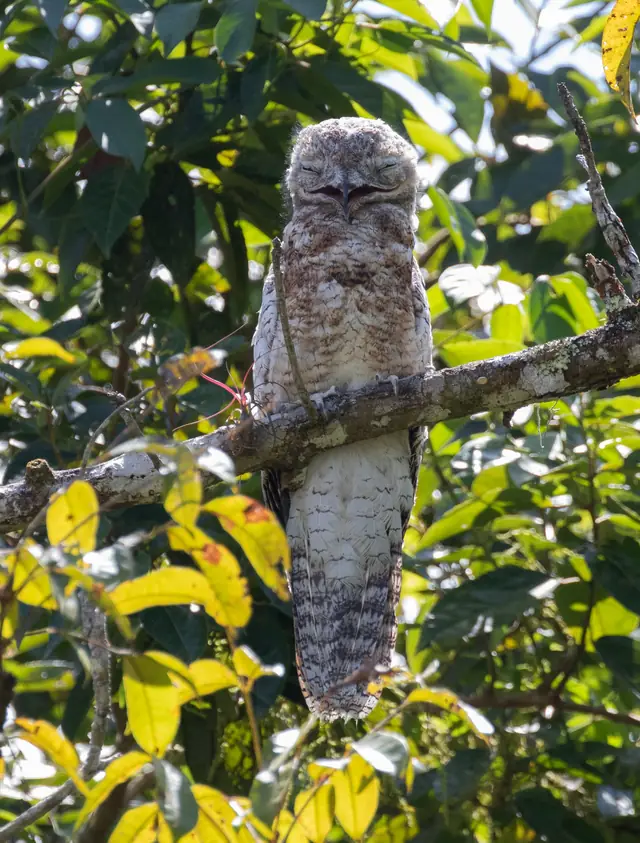
Great Potoo
Nyctibius grandis
Sits motionless by day, looking like a broken stump. Night boat trips may find its glowing eyes.
-
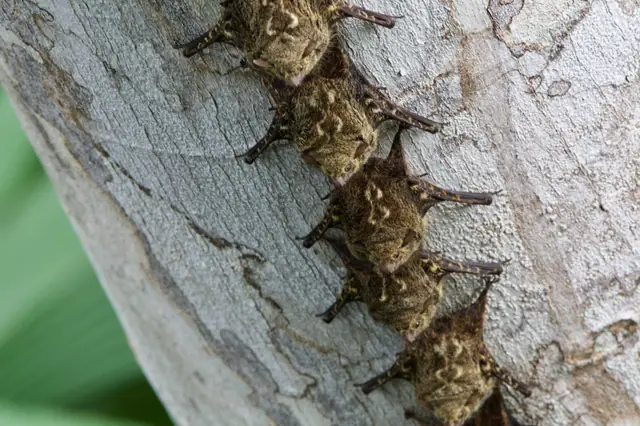
Proboscis Bat
Rhynchonycteris naso
Rows of small bats roost flat on riverside trunks. Let the boat glide past without stopping close.
All 142 animals in Amazon
River dolphins and otters 4
-
 Amazon River Dolphin
-
 Tucuxi
-
 Giant OtterRare
-
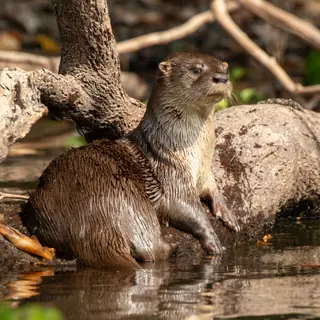 Neotropical OtterRare
Primates 8
-
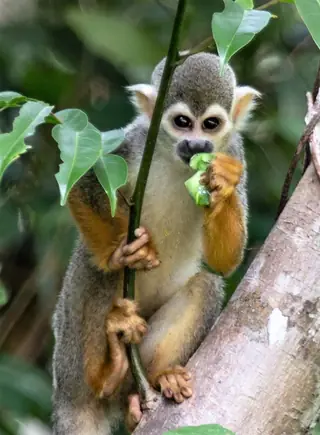 Guianan Squirrel Monkey
-
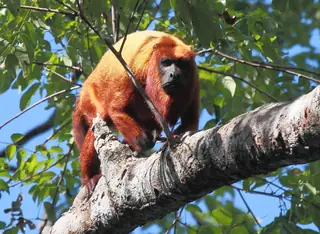 Guianan Red Howler Monkey
-
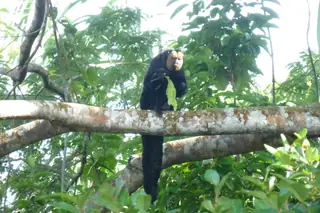 Golden-faced Saki
-
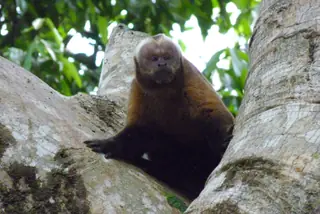 Brown Capuchin
-
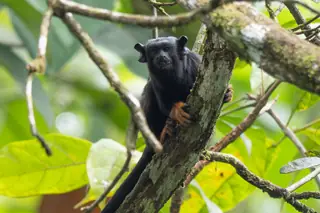 Red-handed Tamarin
-
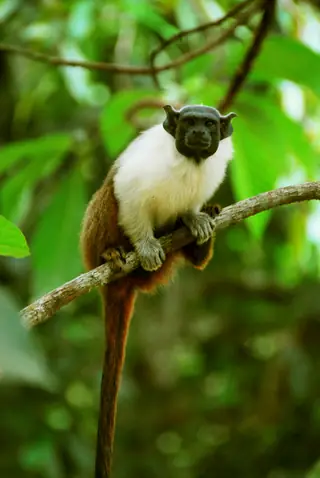 Pied TamarinRare
-
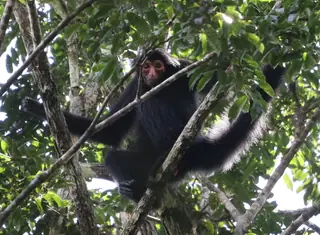 Red-faced Black Spider MonkeyRare
-
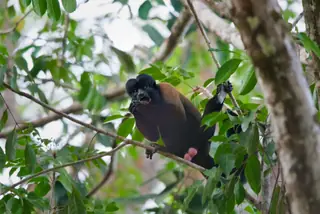 Brown-backed Bearded SakiRare
Sloths and other mammals 11
-
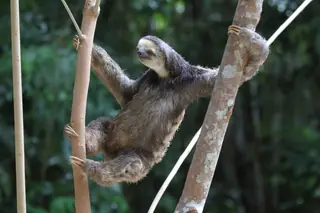 Pale-throated Three-toed Sloth
-
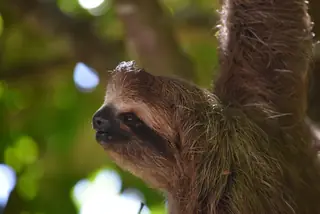 Brown-throated Three-toed Sloth
-
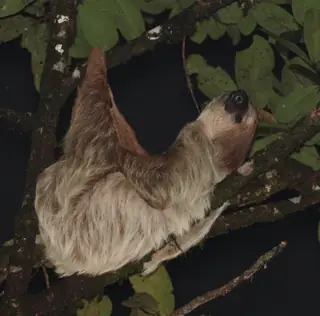 Linnaeus's Two-toed SlothRare
-
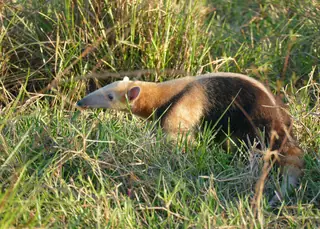 Southern TamanduaRare
-
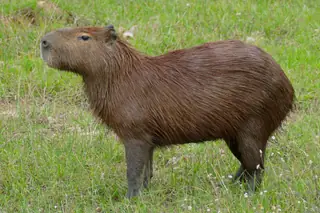 Capybara
-
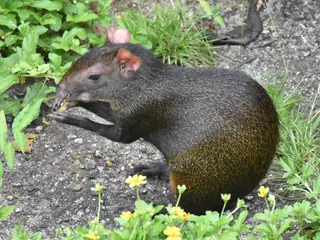 Red-rumped Agouti
-
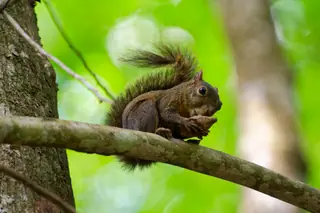 Brazilian Squirrel
-
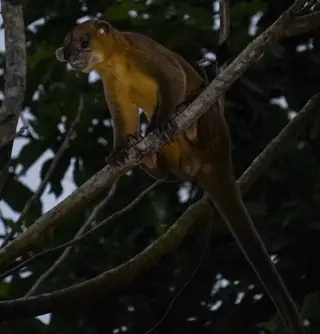 KinkajouRare
-
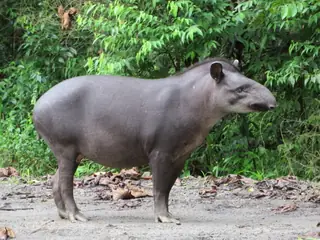 Lowland TapirRare
-
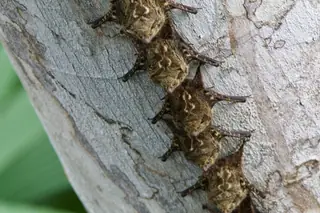 Proboscis Bat
-
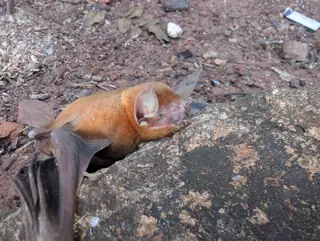 Greater Bulldog Bat
Macaws and parrots 13
-
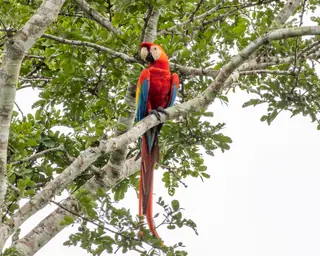 Scarlet Macaw
-
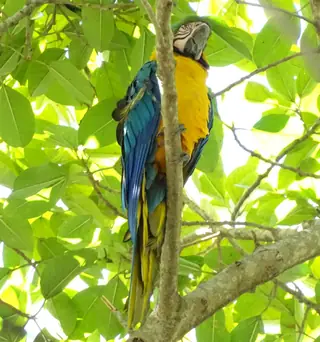 Blue-and-yellow Macaw
-
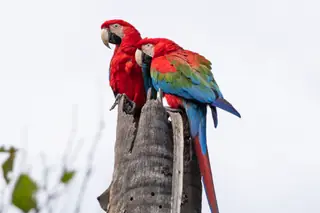 Red-and-green Macaw
-
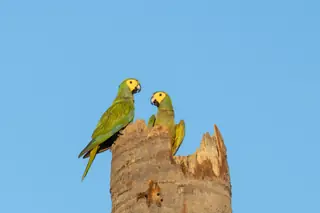 Red-bellied Macaw
-
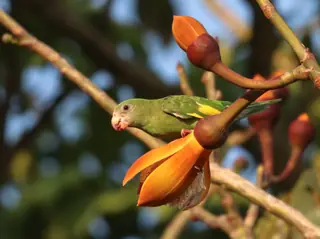 White-winged Parakeet
-
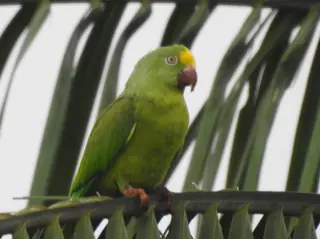 Tui Parakeet
-
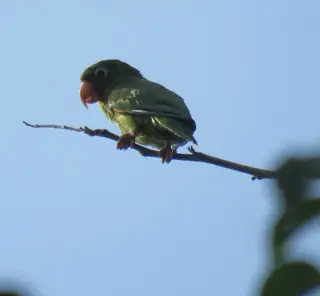 Golden-winged Parakeet
-
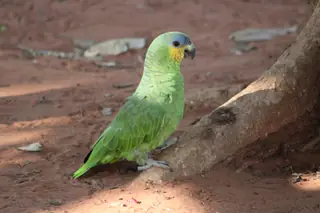 Orange-winged Amazon
-
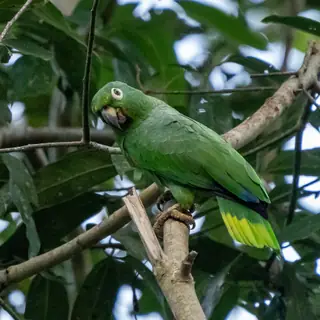 Mealy Amazon
-
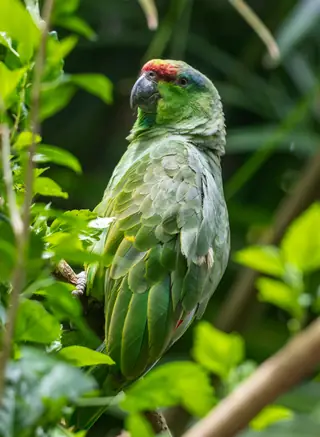 Festive Amazon
-
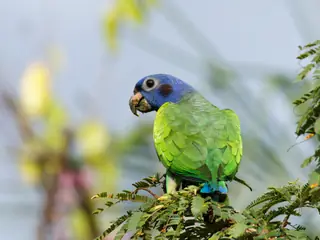 Blue-headed Parrot
-
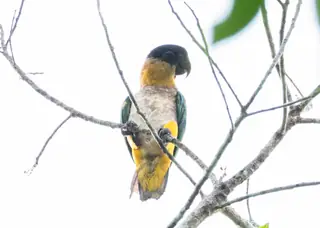 Black-headed Parrot
-
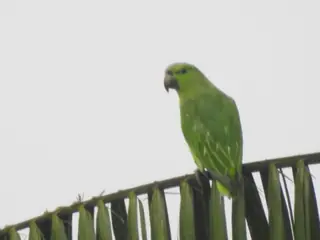 Short-tailed Parrot
Toucans, guans and forest birds 20
-
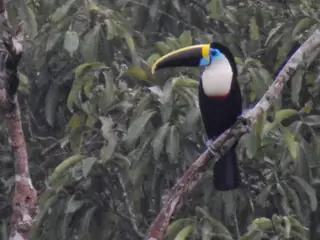 White-throated Toucan
-
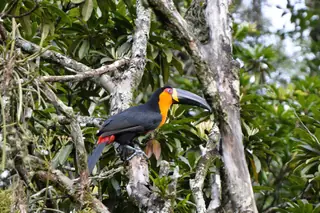 Channel-billed Toucan
-
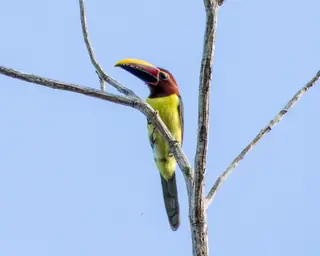 Green Aracari
-
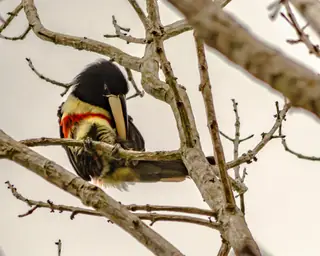 Black-necked Aracari
-
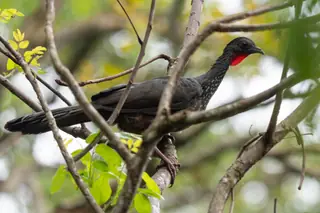 Marail GuanRare
-
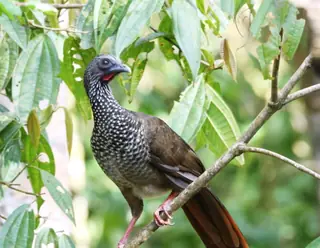 Speckled Chachalaca
-
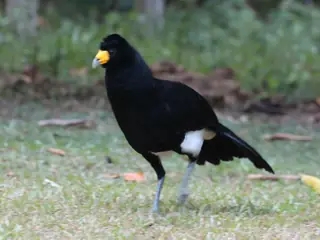 Black CurassowRare
-
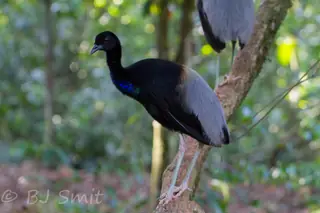 Grey-winged TrumpeterRare
-
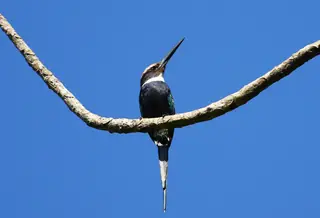 Paradise Jacamar
-
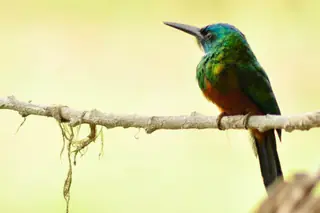 Green-tailed Jacamar
-
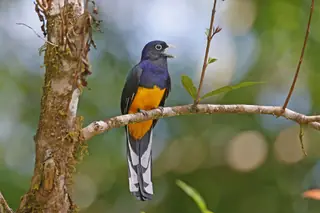 Green-backed Trogon
-
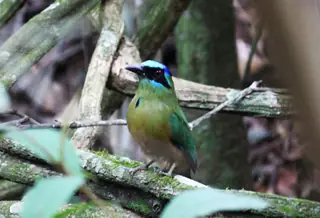 Amazonian Motmot
-
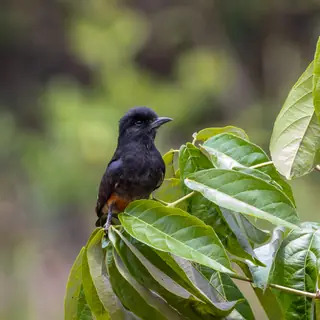 Swallow-winged Puffbird
-
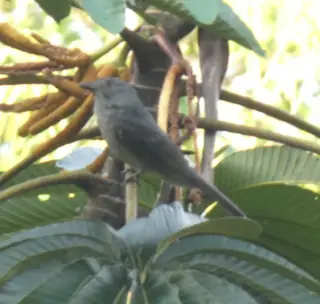 Screaming Piha
-
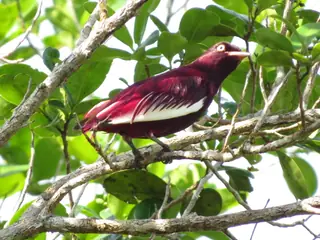 Pompadour Cotinga
-
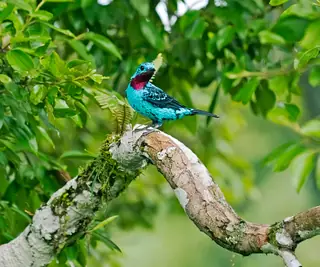 Spangled Cotinga
-
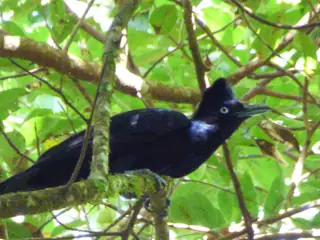 Amazonian UmbrellabirdRare
-
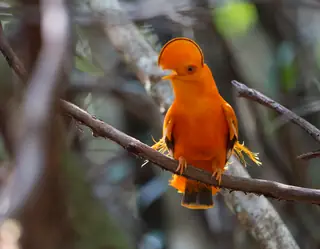 Guianan Cock-of-the-rockRare
-
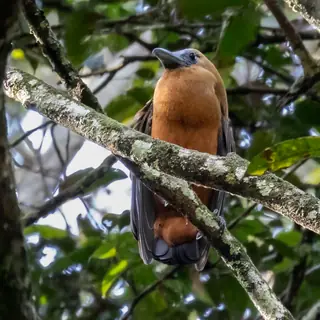 CapuchinbirdRare
-
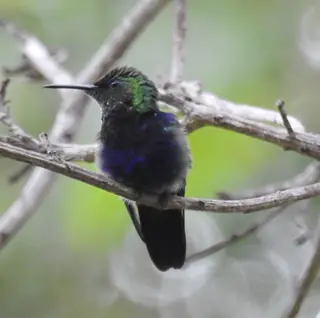 Fork-tailed Woodnymph
Town, garden and edge birds 16
-
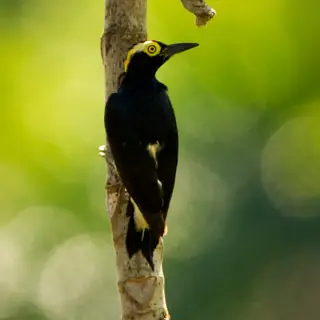 Yellow-tufted Woodpecker
-
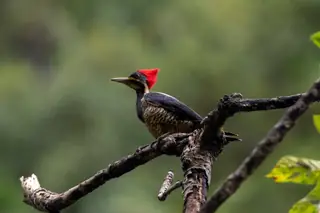 Lineated Woodpecker
-
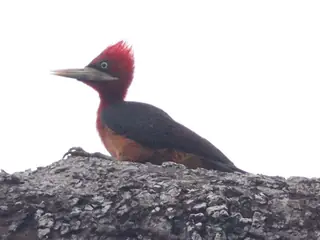 Red-necked Woodpecker
-
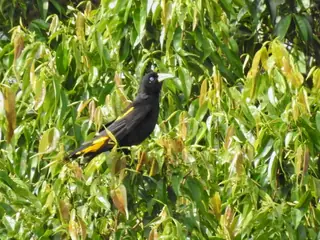 Yellow-rumped Cacique
-
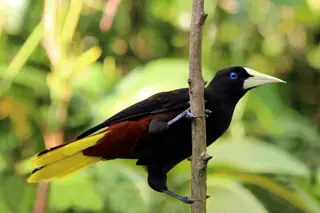 Crested Oropendola
-
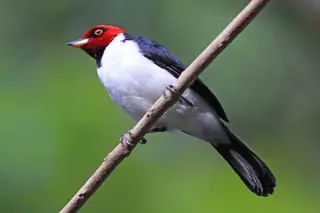 Red-capped Cardinal
-
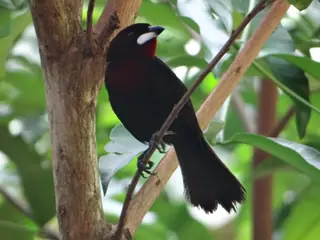 Silver-beaked Tanager
-
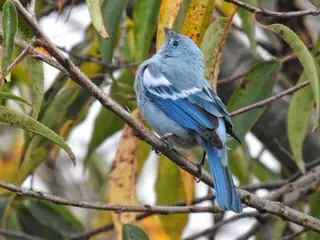 Blue-grey Tanager
-
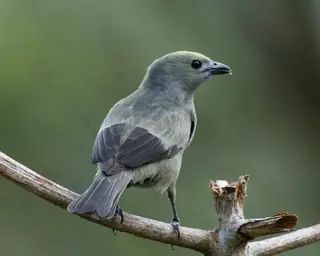 Palm Tanager
-
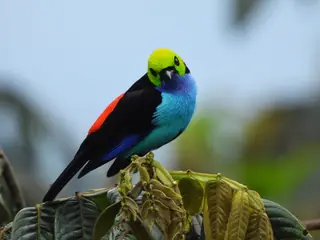 Paradise Tanager
-
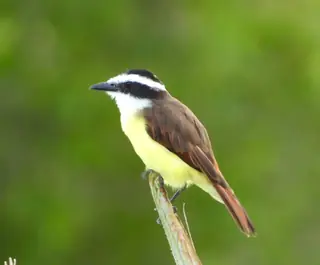 Great Kiskadee
-
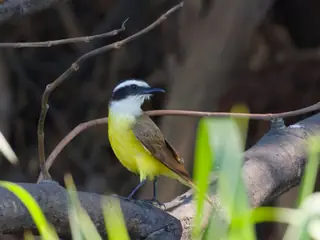 Lesser Kiskadee
-
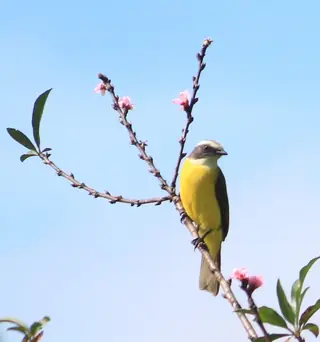 Social Flycatcher
-
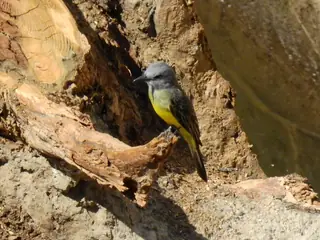 Tropical Kingbird
-
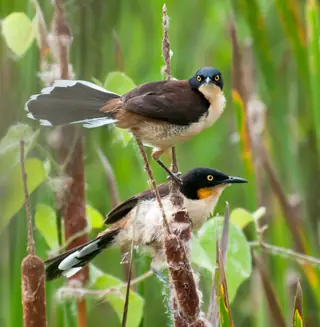 Black-capped Donacobius
-
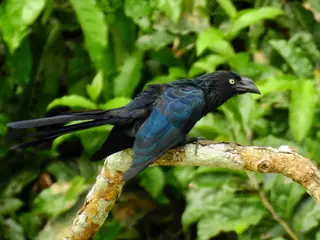 Greater Ani
Hoatzins, herons and river birds 23
-
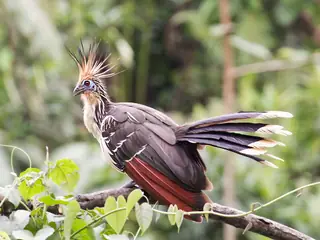 Hoatzin
-
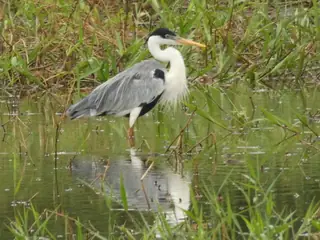 Cocoi Heron
-
 Great Egret
-
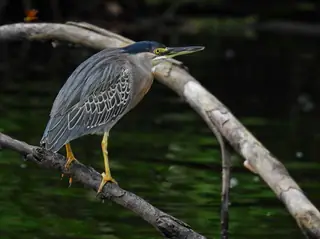 Striated Heron
-
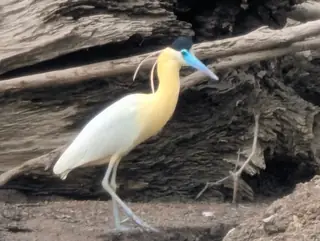 Capped Heron
-
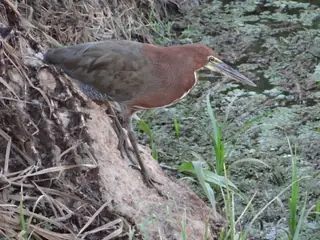 Rufescent Tiger Heron
-
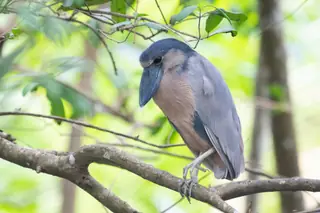 Boat-billed Heron
-
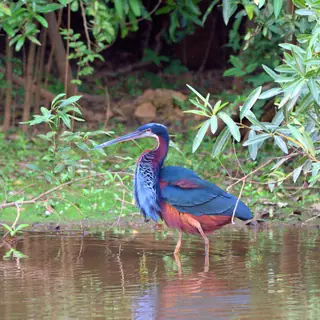 Agami HeronRare
-
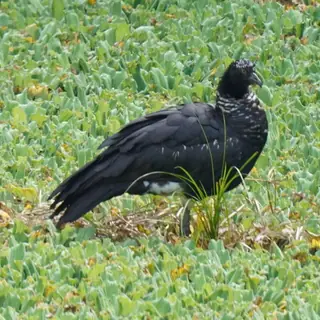 Horned Screamer
-
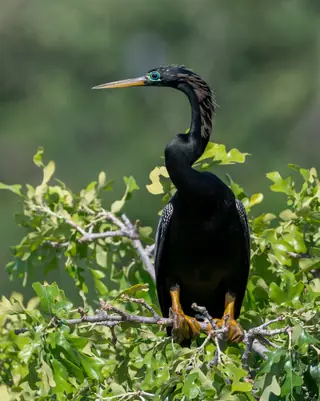 Anhinga
-
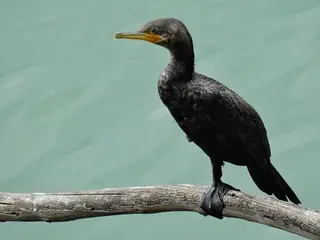 Neotropic Cormorant
-
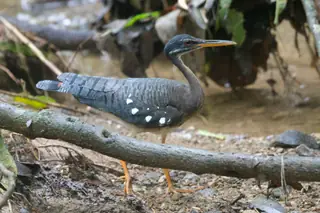 Sunbittern
-
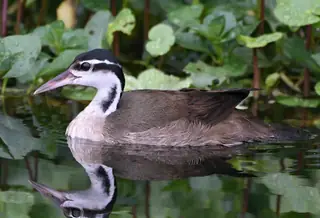 SungrebeRare
-
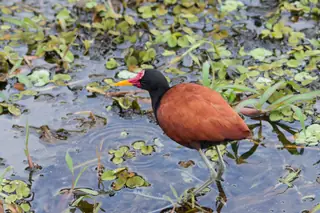 Wattled Jacana
-
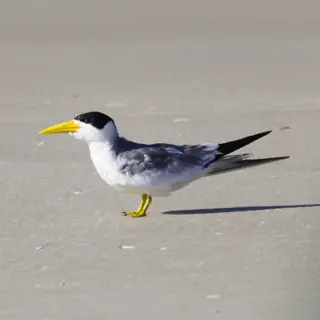 Large-billed Tern
-
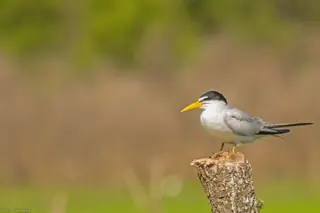 Yellow-billed Tern
-
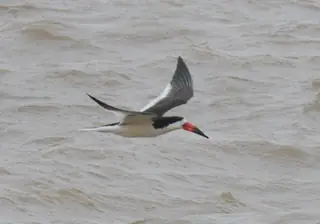 Black Skimmer
-
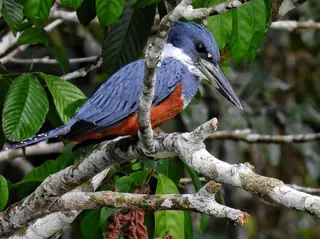 Ringed Kingfisher
-
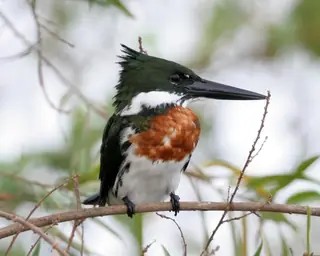 Amazon Kingfisher
-
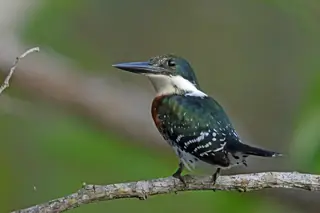 Green Kingfisher
-
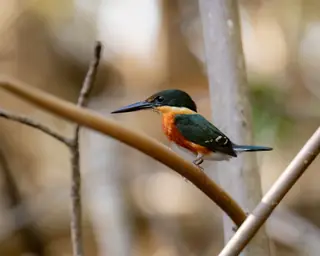 American Pygmy Kingfisher
-
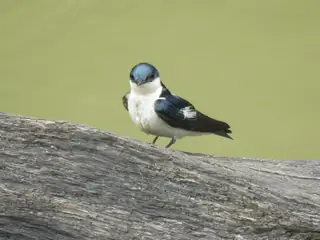 White-winged Swallow
-
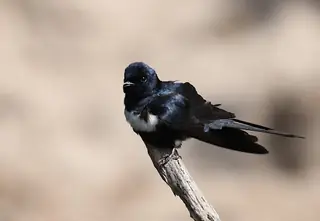 White-banded Swallow
Birds of prey and nightbirds 18
-
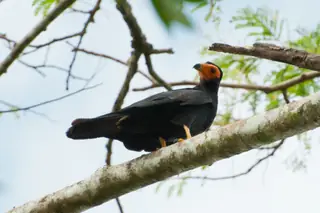 Black Caracara
-
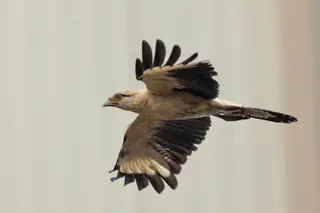 Yellow-headed Caracara
-
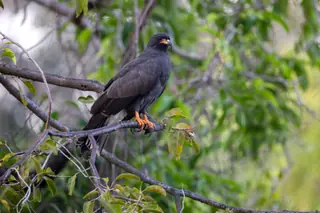 Snail Kite
-
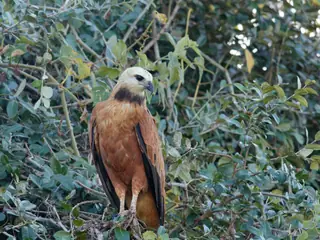 Black-collared Hawk
-
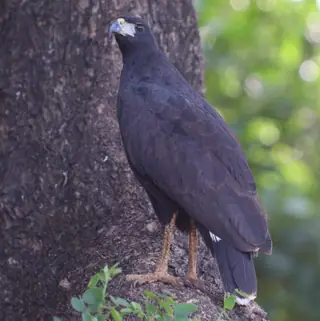 Great Black Hawk
-
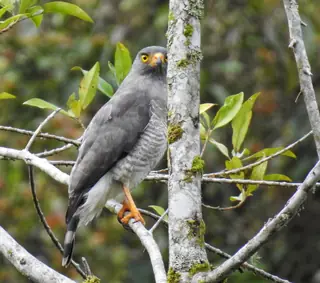 Roadside Hawk
-
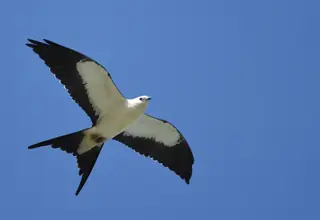 Swallow-tailed Kite
-
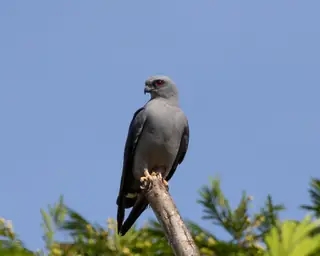 Plumbeous Kite
-
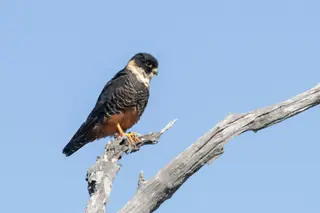 Bat Falcon
-
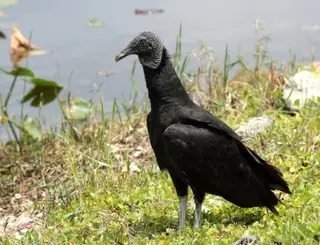 Black Vulture
-
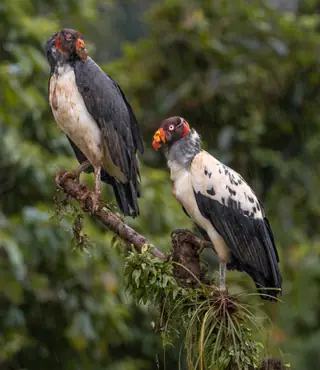 King Vulture
-
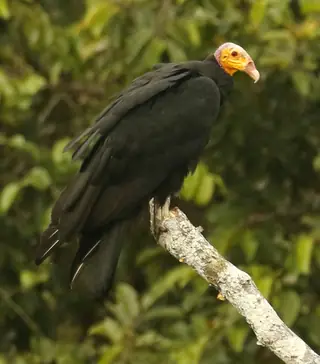 Greater Yellow-headed Vulture
-
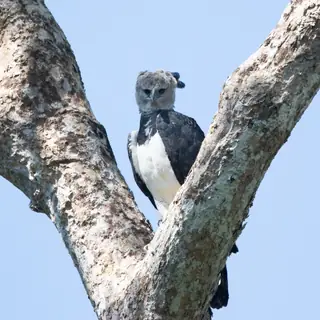 Harpy EagleRare
-
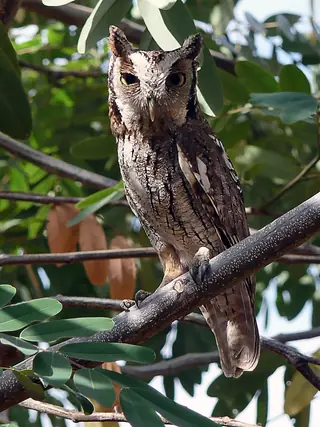 Tropical Screech Owl
-
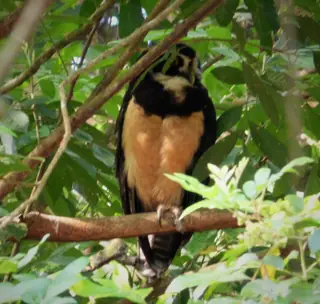 Spectacled OwlRare
-
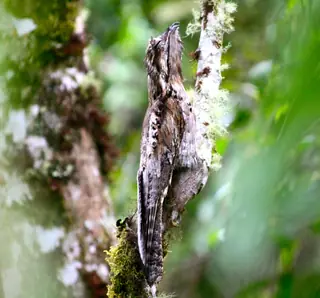 Common Potoo
-
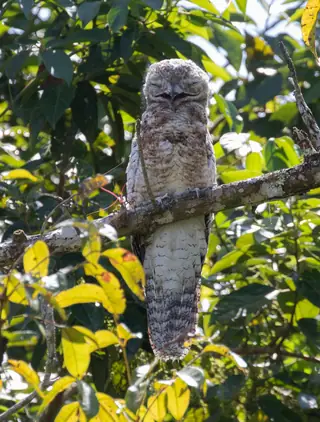 Great Potoo
-
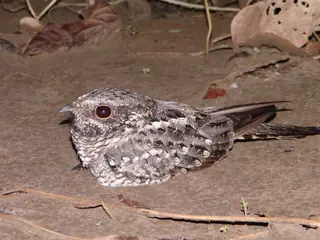 Ladder-tailed Nightjar
Caimans, turtles and other reptiles 14
-
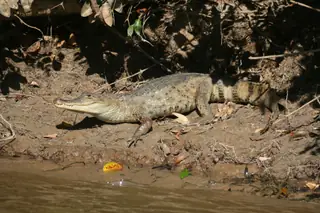 Spectacled Caiman
-
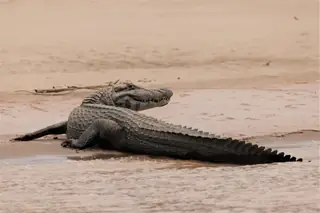 Black Caiman
-
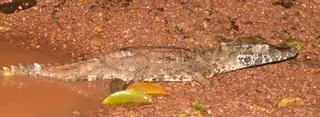 Smooth-fronted CaimanRare
-
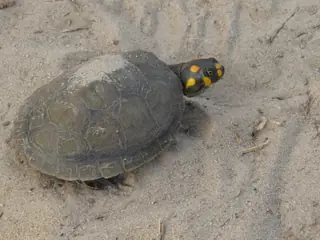 Yellow-spotted River Turtle
-
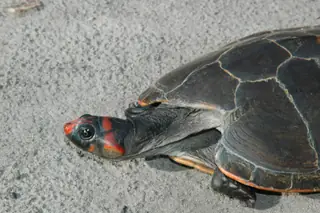 Red-headed Amazon River Turtle
-
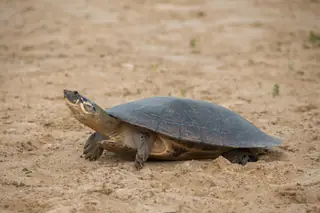 Giant South American River TurtleRare
-
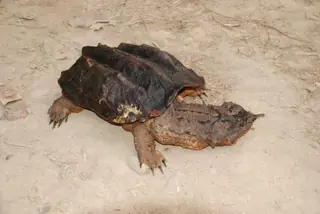 Mata MataRare
-
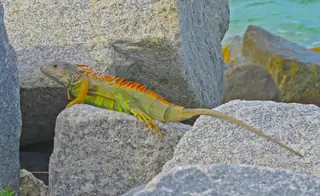 Green Iguana
-
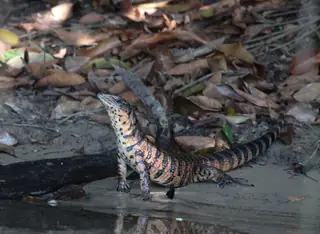 Gold Tegu
-
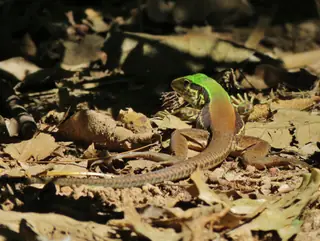 Giant Ameiva
-
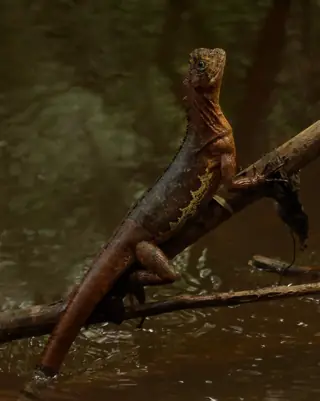 Diving Lizard
-
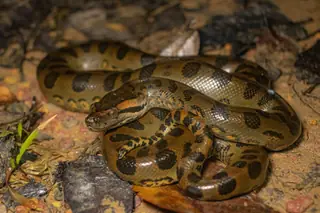 Green AnacondaRare
-
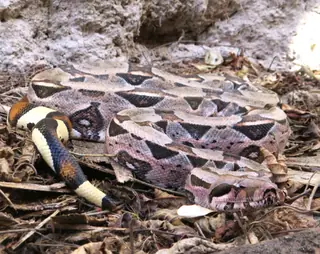 Boa ConstrictorRare
-
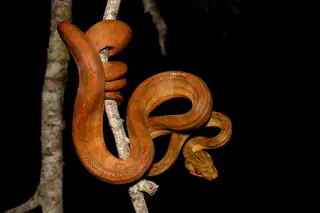 Amazon Tree Boa
Frogs 6
-
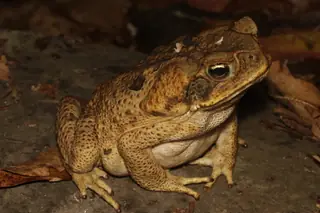 Cane Toad
-
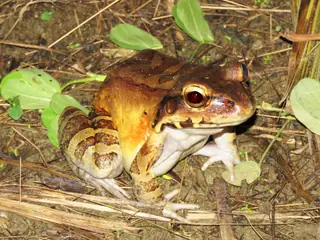 Smoky Jungle Frog
- Amazon Milk FrogRare
-
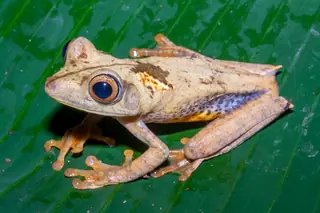 Map Treefrog
- Brilliant-thighed Poison Frog
-
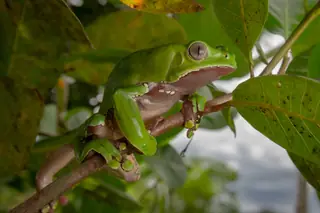 Giant Monkey FrogRare
Fish and insects 9
-
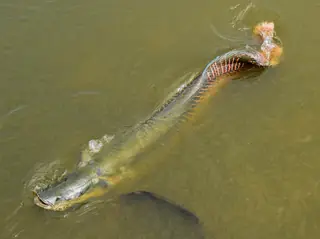 ArapaimaRare
-
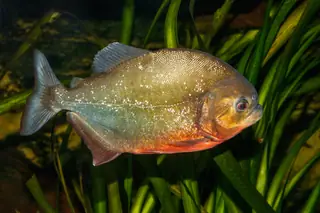 Red-bellied Piranha
-
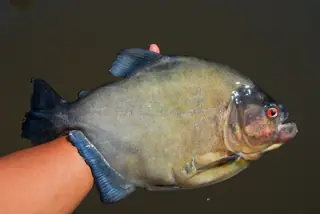 Black Piranha
- Speckled Peacock Bass
-
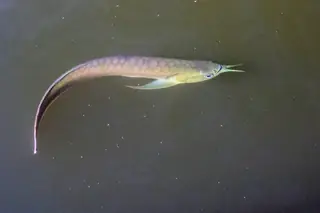 Silver Arowana
-
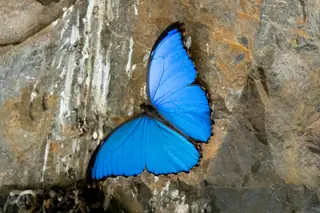 Menelaus Blue Morpho
-
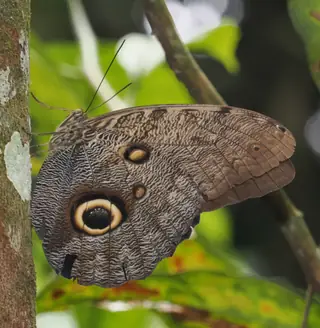 Forest Giant Owl
-
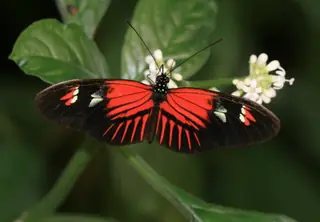 Postman
-
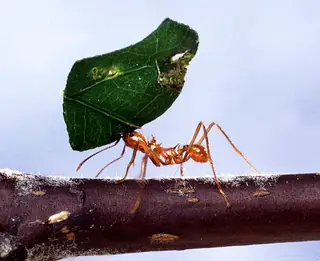 Leafcutter Ant
Best time to see wildlife in Amazon
Sightings by month in Amazon
Most records: Nov to May, SeptRecords from GBIF.org, adjusted for how many people record wildlife each month. 100% is the busiest month.
Around Manaus the seasons follow the rivers as much as the rain. Most rain falls from about December to May, and the rivers rise for months afterwards, usually peaking around June. At high water, from about March to July, canoes slip through flooded forest (igapó on the Rio Negro, várzea on the Solimões), dolphins swim among the trees and birds and monkeys are seen at eye level, but there are fewer trails and no beaches. From about August the water drops, and by October and November it is at its lowest: sandbanks appear with terns and skimmers, more forest trails open, and animals are easier to find along the banks. It is hot and humid all year. Drought years, such as 2023 and 2024, left some channels too shallow for boats, so check with your lodge.
- Dec to FebRains start; rivers rising
- Mar to MayWettest months; canoes enter flooded forest
- Jun to JulPeak water, rain easing; the greenest time
- Aug to SepRivers falling; more trails open
- Oct to NovLowest water; sandbanks, skimmers and terns
Tips for spotting wildlife in Amazon
- 01
Choose your river
The black-water Rio Negro has fewer mosquitoes and quieter forest. The richer várzea of the Solimões has more sloths, hoatzins and waterbirds. Some trips try both.
- 02
Take a canoe at high water
From about March to July, a paddled canoe in the flooded forest is quieter than a motorboat. Sit still and let birds and monkeys come into view.
- 03
Go out on the river after dark
A night boat trip finds caiman eyeshine, potoos and nightjars. Keep the light moving and off the animals' eyes.
- 04
Climb a canopy tower at dawn
Several lodges and reserves near Manaus have towers above the trees. The first two hours bring toucans, cotingas and parrots past at eye level.
- 05
Watch dolphins wild
Choose trips that watch dolphins from a drifting boat. Keep the engine low, give them space and follow local distance rules.

Take Amazon with you
Cruising the Rio Negro or the Solimões? Tick off dolphins, sloths and hoatzins in Wilder from the boat, with no signal needed. Wilder is free to start.

Amazon wildlife FAQ
What animals can you see in the Amazon near Manaus?
You can see pink river dolphins, tucuxis, sloths, squirrel monkeys, howler monkeys, capybaras and caimans near Manaus, along with hoatzins, toucans, kingfishers and egrets. Macaws and parrots fly over the forest at dawn and dusk, and rarer animals include giant otters, tapirs and harpy eagles. This checklist covers 142 animals across the rivers and forest.
When is the best time to visit the Amazon from Manaus?
Any month works, but each season is different. Low water, about August to December, is best for animals along the banks, forest walks and river sandbanks. High water, about March to July, lets canoes into flooded forest, with birds and monkeys at eye level. June often combines high water with less rain.
Where can you see pink river dolphins near Manaus?
You can see pink river dolphins in the channels and flooded forest of both the Rio Negro and the Solimões. Tucuxis are often seen at the Meeting of the Waters. Watch from a drifting boat with the engine low, and avoid places that feed dolphins, as feeding changes their behaviour.
Is the Rio Negro or the Solimões better for wildlife?
The Solimões is usually better for numbers of animals, and the Rio Negro is more comfortable. The muddy Solimões feeds rich várzea forest with more sloths, hoatzins and waterbirds. The acidic black water of the Rio Negro supports fewer insects, so there are fewer mosquitoes, but wildlife is thinner.
What is the Meeting of the Waters?
The Meeting of the Waters is where the dark Rio Negro meets the sandy-coloured Solimões just below Manaus. The two rivers flow side by side for about 6 km before mixing, because they differ in temperature, speed and sediment. It is a short boat trip from the city.
Sources
- IUCN World Heritage Outlook: Central Amazon Conservation Complex
- Visit Brasil: Anavilhanas National Park
- Sightings by month: GBIF.org
Animal photos are from the Wilder catalogue; photo credits.
Similar checklists
All South and Central America-
 Region107animals Pantanal Mato Grosso and Mato Grosso do Sul, Brazil The world's largest tropical wetland and the best place on Earth to see a wild jaguar, with giant otters, caimans by the thousand and hyacinth macaws. Best time Jul to Oct
-
 Region134animals Ecuadorian Amazon: Yasuní, the Napo and Cuyabeno Orellana and Sucumbíos, Ecuador Blackwater lagoons and some of the richest rainforest on Earth: pink river dolphins, hoatzins, more than a dozen kinds of monkey and parrots crowding the clay licks. Best time All year
-
 Region140animals Atlantic Forest of Rio de Janeiro Rio de Janeiro, Brazil Steep forested mountains and restored lowland wetlands holding some of the richest endemic birdlife in the Americas: tanagers, antbirds, hummingbirds and toucans, with howler and titi monkeys, coatis, capybaras and sloths. Best time Sep to Nov
-
 National park101animals Iguazú Falls Misiones and Paraná, Argentina and Brazil Hundreds of waterfalls in Atlantic rainforest, with swifts nesting behind the spray, coatis on the walkways, toucans and clouds of butterflies. Best time Sept to Nov